Artifacts and Ancient Objects

Various ancient fragments including bone inscriptions and wooden utensils from historic periods, showcasing archaeological findings.
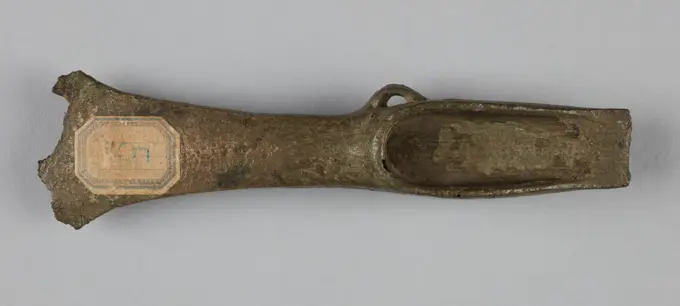
Talon ax (title awarded). Bronze. Carnavalet museum, history of Paris.
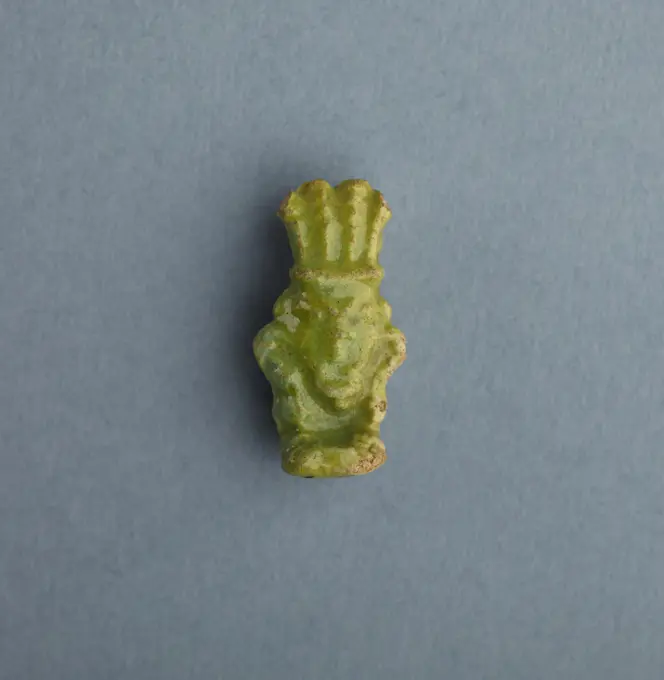
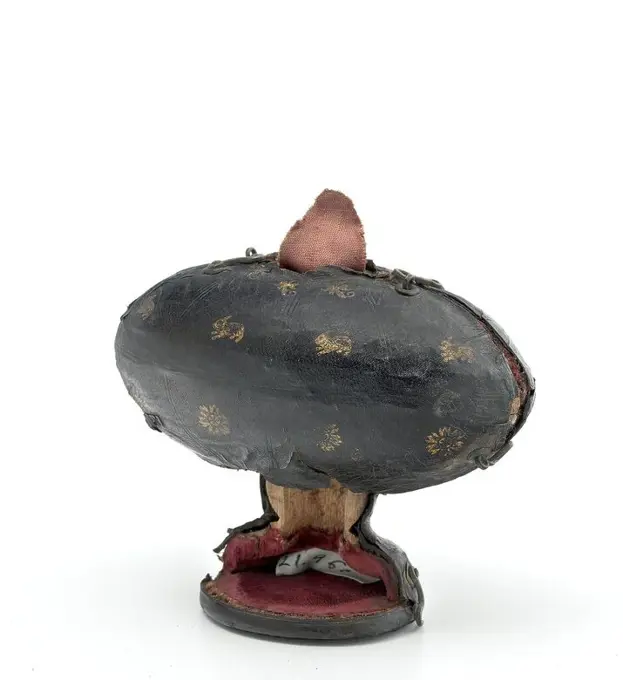
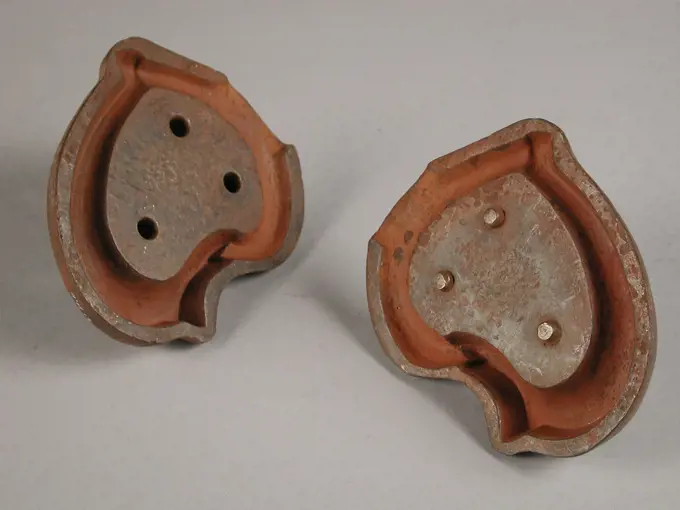
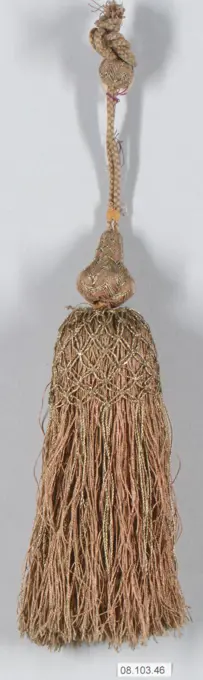
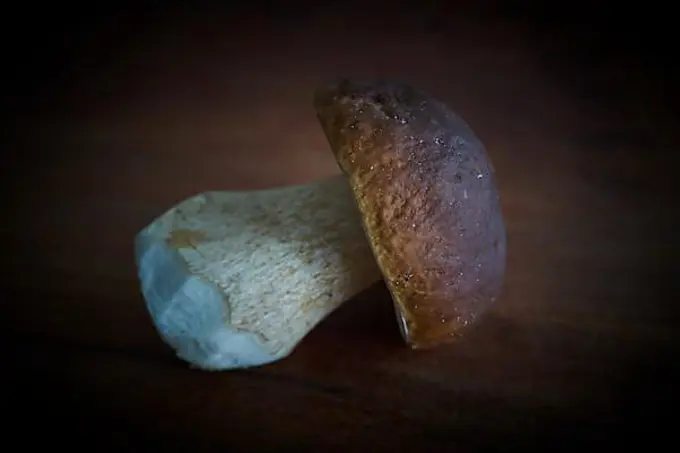
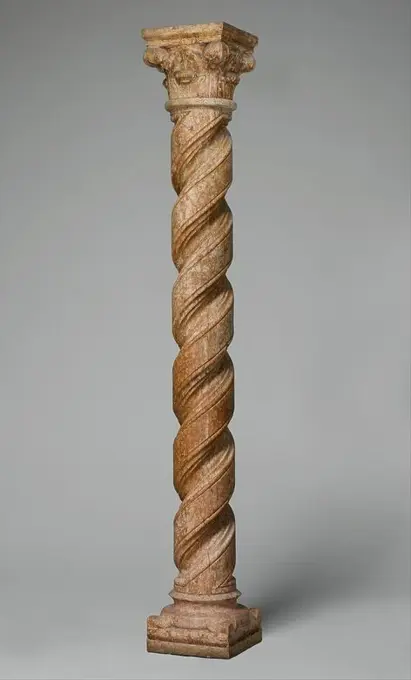
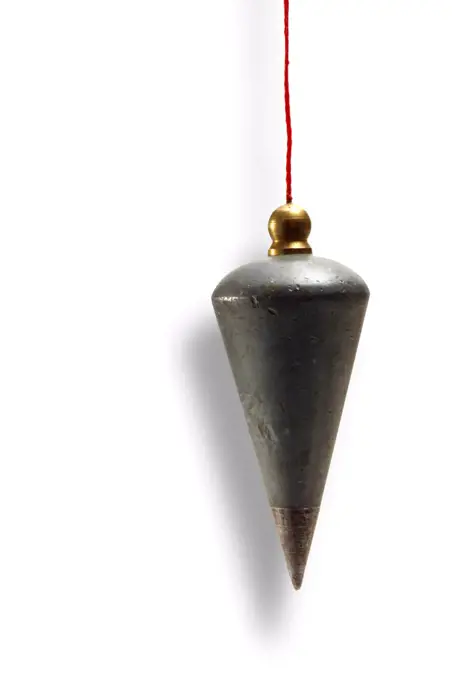
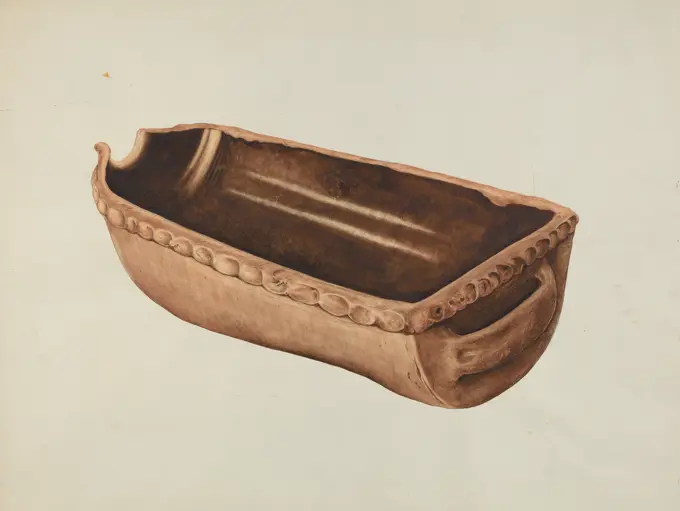
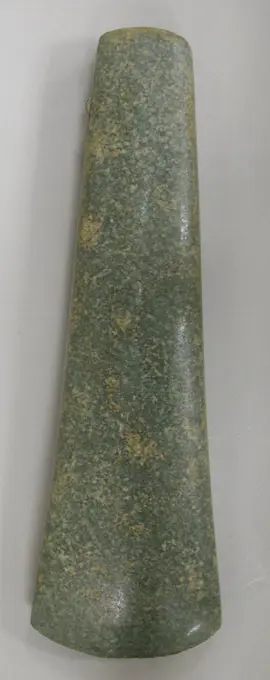
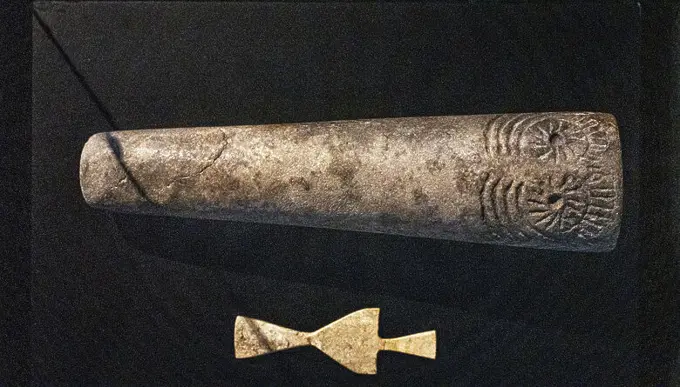
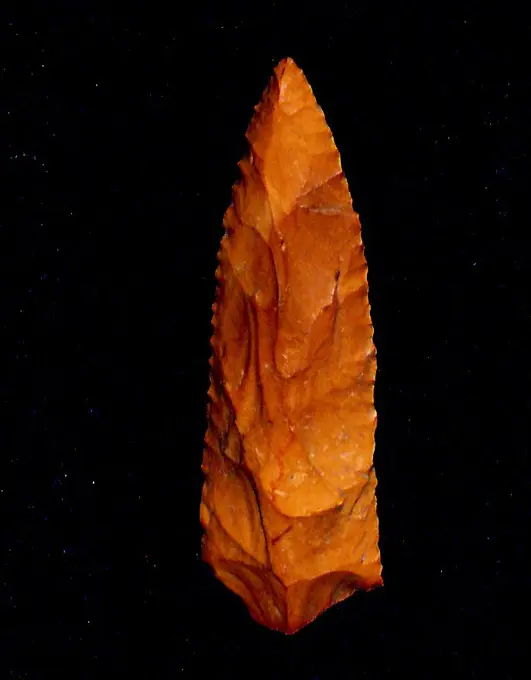
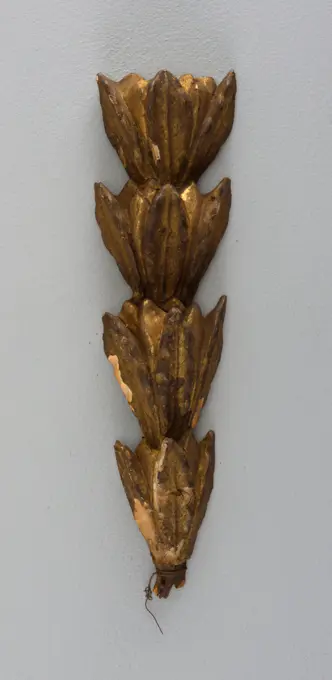
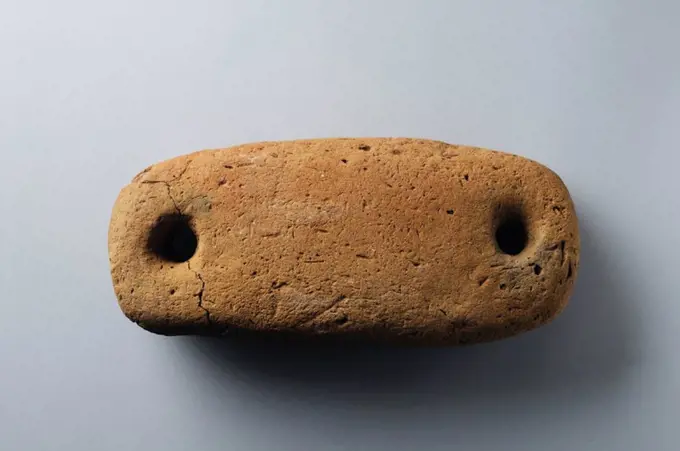
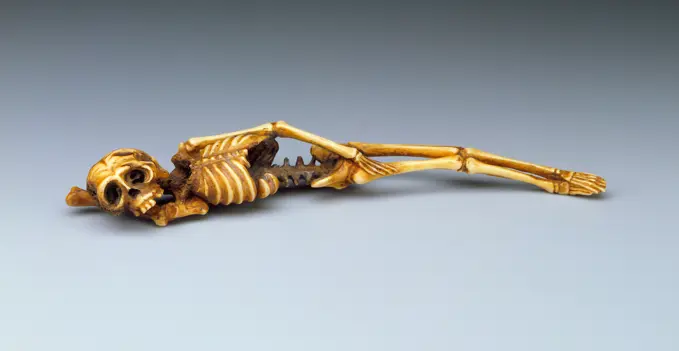
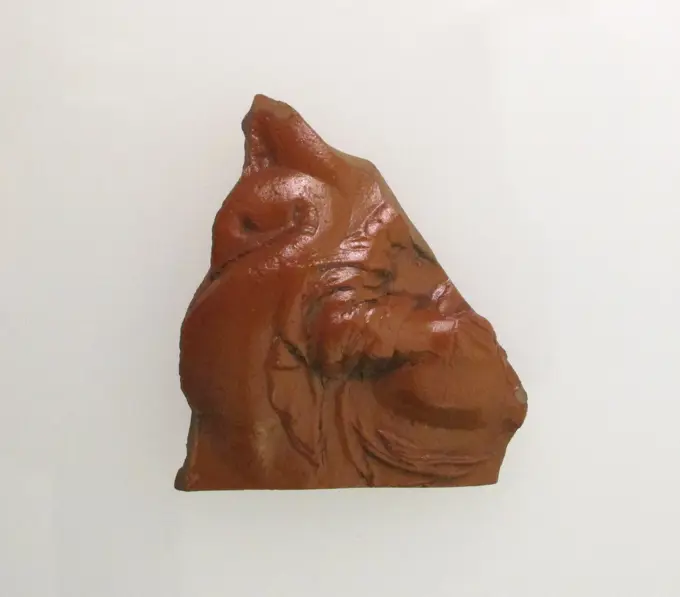
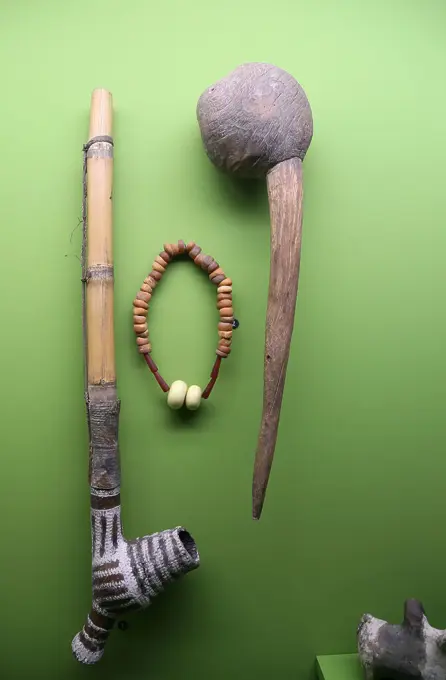
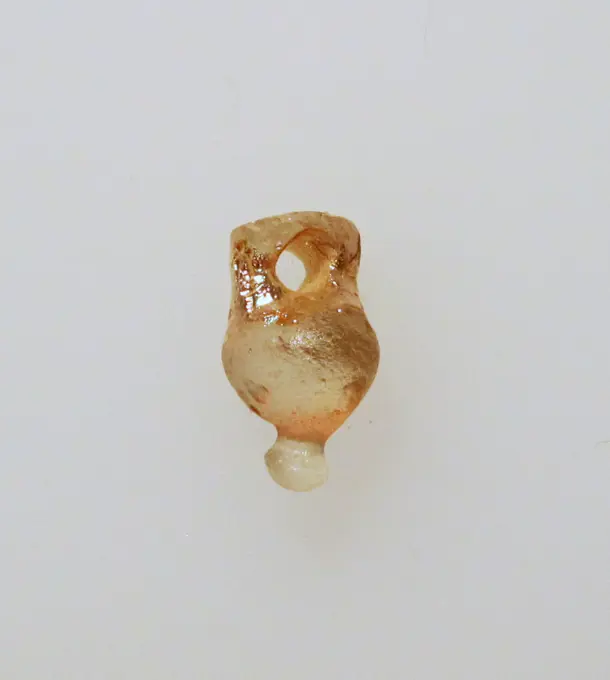
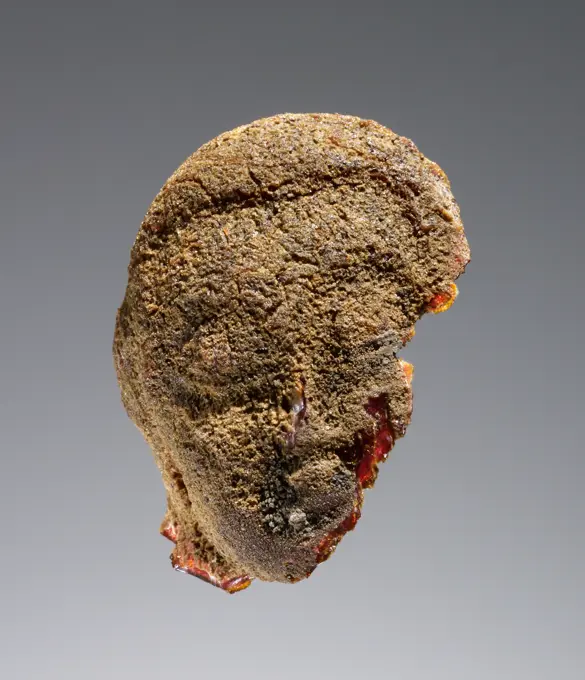
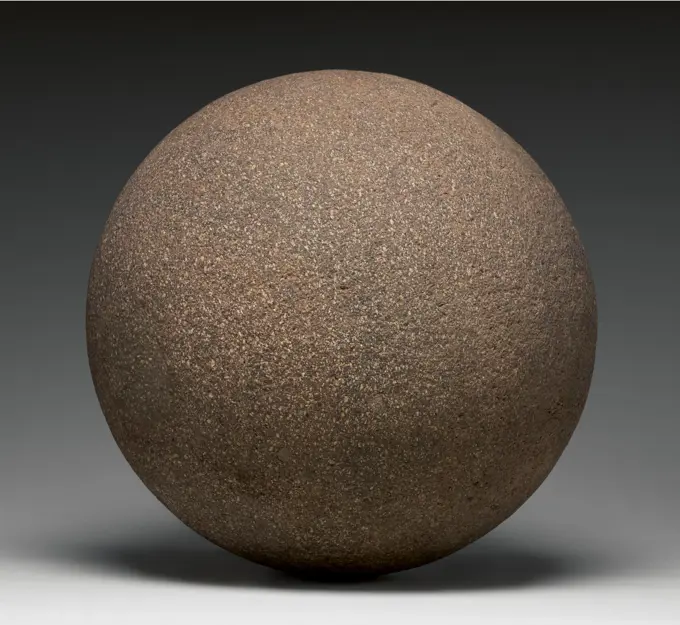
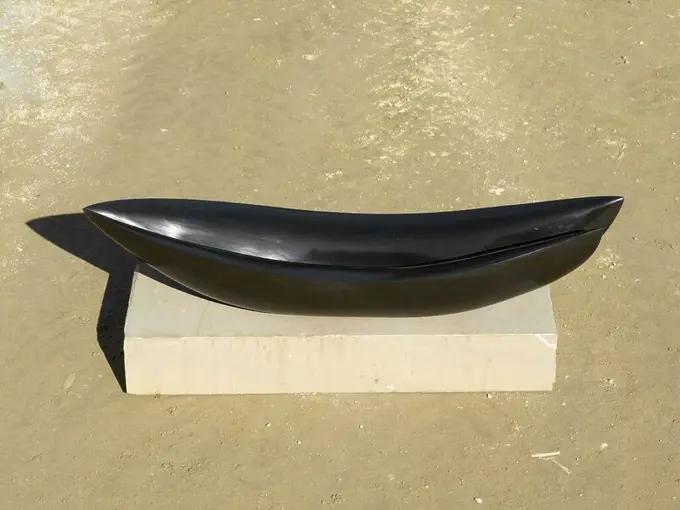
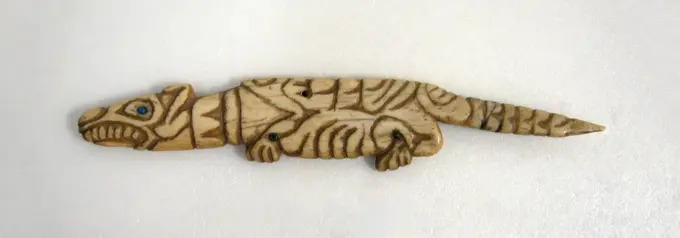
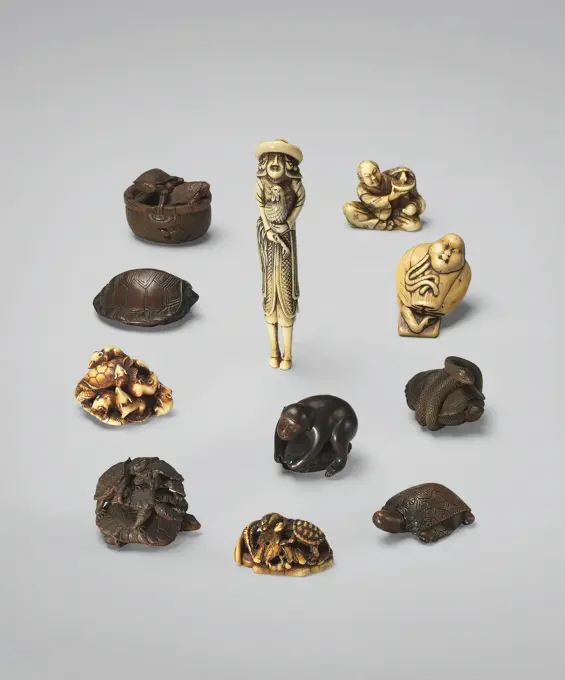
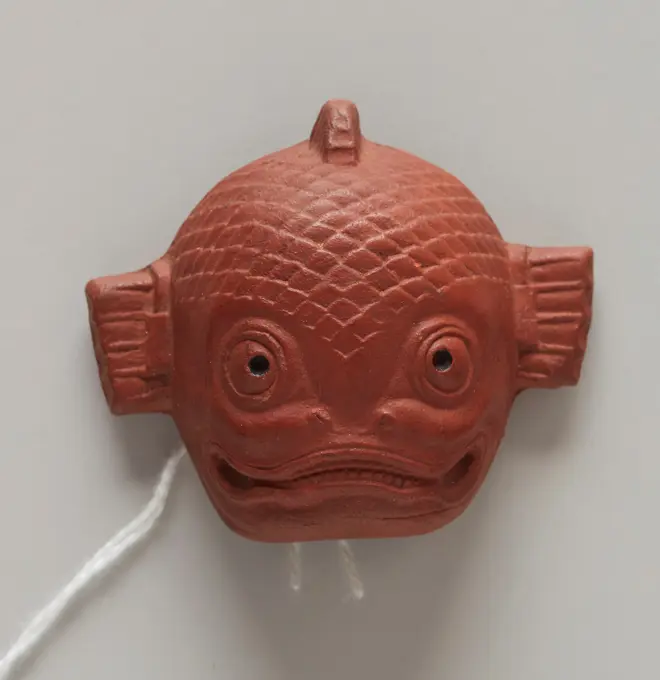
Side-blown Trumpet 18th-19th century Yoruba peoples. Side-blown Trumpet. Yoruba peoples. 18th-19th century. Ivory. Nigeria. Bone/Ivory-Musical InstrumentsBi; Drive of brown jade. .Galoshes 1830-49 probably Central American. Galoshes 170494Anonymous / 'Case for boat-shaped agate cup with two masks and cover'. 1590 - 1600. Leather, Wood, Metal, Velvet. Museum: Museo del Prado, Madrid, España.Two-piece bronze mold for ear of pot or jug, cast molding tool tools base metal bronze, cast Two-piece bronze mold for casting an ear for pot or can Rotterdam tin foundry tin stain tin Meeuws Druy craft Shapes are from the from origin 18th century Rotterdam tinnegieter J Druy. The large molds that were not signed or dated were the property of the tinker guild and were rented to the small tin caster.Tassel late 16th-early 17th century French. Tassel 213542Autumn leaf on reflective surfaceCannon Ball late 14th century French. Cannon Ball 33496A king bolete (Boletus edulis) from the forest on a KColumn. Culture: North Italian. Dimensions: Overall: 126 1/2 x 18 1/8 x 18 1/4 in. (321.3 x 46 x 46.4 cm). Date: ca. 1400. Museum: Metropolitan Museum of Art, New York, USA.Plumb-line, close-upA truffle potatoEinar Heiberg, Earthenware Roasting Pot, c 1938 Earthenware Roasting PotStone Celt before 16th century Mexican. Stone Celt. Mexican. before 16th century. Stone. Mexico, Mesoamerica. Stone-Implementseyed betyl idol, marble, 2500-2300 BC, marble, Perdigoes, Reguengos de Monsaraz, Évora, Portugal, Huelva Museum, Huelva, Andalusia, Spain.Freagmented Steel van Fork or Spoon from the wreck of the East Indians Hollandia, Anonymous, 1700 - in Or Before 1743 spoon Cutlery, fragment: stem of fork or spoon; fragm, round in section, widening, corroded. Netherlands tin (metal)   SecondBall at Sjako from J.W.C. Baron van Ittersum, c. 1800 - c. 1850  Bulk of wood, covered with paper. At the top hole. Netherlands copper (metal). wood (plant material). paper   GelderlandIndian arrowhead from Georgia and North & South Carolina , Archaeological assemblages, Charles F. Walcott Archaleogical CollectionHouse numberThree fragments of wall, part of shoulders, neck and mouth of (stock or medicine) Bottle, medicine bottle bottle holder bottomfound glass, free blown and shaped Fragment of part of wall and shoulders and of neck and mouth of stock bottle in clear colorless glass. Thin glass wall rises almost horizontally to hanging shoulders Short (4.7 cm) rejuvenated (dm 3.0 - 1.6 cm) neck with flattened mouth (dm 2.4 cm) archeology Rotterdam City Center Stadsdriehoek Oostplein Oostplein soil estate.Fragment, Swag; wood, gildedCopper bed pan on iron handle, bedpan warm holder copper iron, Pan of driven brass handle of wrought iron ornaments turned heating bed nightSafety Helmet in swimming pool with tiles pattern swimming pool with tiles pattern with helmet inside Copyright: xZoonar.com/yogeshxmorex 5510134Loom weight with two holes made in earthenware 13, 5 cm x 6 cm- Chalcolithic period from the archaeological site of " Esgaravita" in Alcalá de Henares - " Burgo de Santiuste Museum " (Madrid). SPAIN.Hatche to socket (attributed title). Bronze. Carnavalet museum, history of Paris.Igneous rock , SyeniteStoneware mineral water bottle, cylindrical with round shoulder, sausage ear and short neck, mineral water pitcher jar product packaging container soil find ceramic stoneware glaze salt glaze approx., hand-turned glazed baked stoneware mineral pitchers cylindrical with round shoulder short neck and sausage ear. Stand area with traces of deduction and soul. Glazed. Marked under the ear and marked on the front with medallion Medallion in the medallion: FACHINGEN in the midfield left clawing lion archeology Rotterdam Kralingen-Crooswijk Struisenburg Oostmaaslaan Boslaan Buizengat advertising indigenous pottery import drinking water drinking medicine packaging Soil discovery: Buizengat Oostmaaslaan Boslaan Rotterdam an old landfill of urban waste.Skeleton. Hōkkyō Sessai (Japan, 1820-1879). Japan, mid- to late 19th century. Costumes; Accessories. Stag antler with staining; sashi typeVase fragment 1st century B.C.-1st century A.D. Roman Banqueter.. Vase fragment 250317Smoking pipe, necklace of beads, fighting club. Anuak people. East Africa (South Sudan, Ethiopia).Glass pendant in the form of an amphora ca. 3rd century B.C. Celtic Colorless.Solid but with large horizontal hole through neck; flat top with flaring rim at front and back; piriform boy; globular knob base.Intact, except for chip in one side of rim; deep pitting, dulling, and brilliant iridescent weathering.. Glass pendant in the form of an amphora. Celtic. ca. 3rd century B.C.. Glass; tooled. Hellenistic. GlassPendant: Head Fragment from a Standing Female Figure (Kore). UnknownSphere 800-1550 Diquís Hundreds of these petrospheres are known in Costa Rica, varying from handheld-sized to over two meters (six feet) in diameter. Early archaeological work in the region by Doris Stone (1943), Samuel Lothrop (1963), and others was prompted by the development of the area for the United Fruit Company's banana plantations.Precolumbian residents of the Diquís created large, stone-lined platforms where modern researchers not only noted concentrations of the stone spheres, but also found groupings of spheres where no mounds were visible. At one site in particular, recent research uncovered spheres on either side of the entrance to a ramp leading to one of the major structures. Costa Rican researchers have also documented the spatial distribution, production, and function of these monuments.The stone spheres are most often constructed from igneous rocks common to the area. Precolumbian artisans often obtained the source stone quite far from their intended destination, implLluis Ventós / "Komari", 2006, Sculpture, 31 x 40 x 158 cm.Tree (crèche accessory). Culture: Italian. Dimensions: Overall (confirmed): 8 1/4 × 2 × 2 in. (21 × 5.1 × 5.1 cm). Date: second half 18th-mid-19th century.The practice of using crèche figures to restage religious events reached the height of its complexity and artistic excellence in eighteenth-century Naples, and the Metropolitan Museum of Art's group of Neapolitan crèche is one of the finest and most complete survivals of the art form. The ensemble consists of characters traditional to eighteenth-century Italian Christmas holiday customs. The Nativity, featuring the holy family, shepherds and their flocks, and a host of angels and cherubs is joined by the procession of the three Magi and colorful peasants, townspeople, and animals. The figures have articulated bodies of tow and wire with polychromed terracotta heads, and are all in partially distressed condition.These vibrant characters are further brought to life by a wide-ranging set of cloth, embroidery, leather, wicker, wax, andFoot angel or crow's foot ,, 1600 - 1699 caltrop Iron foot angel or Kraaiepoot with four points. Scandinavia (Possible) iron (metal) forging / striking (metalworking)Fragment, Medium: silk Technique: cut and uncut supplementary warp pile (velvet) on satin ground, Green and light brown velvet in a design of small sprigs of different floral types alternating in rows formed by the voided velvet satin area. The background is formed of cut velvet with dots of uncut velvet areas., France, 16th-17th century, woven textiles, FragmentAmulet - BesPrism-shaped engraved seal. UnknownStone throwing-weapon, or mace-head, from the Charrua Indian culture, a now extinct Uruguayan tribe from the east of Montevideo.Close-up of a rusty shovelStop in the form of a cone with a rounded point, with gray stoneware with red -brown glaze ,, c. 1500 - c. 1899    stoneware. glazeButton or Bead 9th-10th century The dot-in-circle motif recalls designs presumed to be of magical significance, most likely an abstract eye to ward off the evil-eye, which serves an apotropaic function. Easily reproduced with a tool and visible in many cultures and times, this symbol may have lost its meaning, and become simply a decorative pattern, or may have one that we have not yet discovered.. Button or Bead 449234CAZUELA "CORDADA"(BASE CON REJILLA DE ALAMBRE)VIDRIADA-S XX ARTE POPULAR. Location: ALFARERIA. MARRATXI-PORTOL. MALLORCA. SPAIN.Fragment of a pipe, decorated with Jonas, Anonymous, c. 1600 - c. 1700 Pijpaarden fragment of a pipe, green glazed. The pipe head is decorated as a human head that should represent Jonas. The jaws and teeth of a fish are just visible on the broken stem. Netherlands pipe clay. lead glaze Pijpaarden fragment of a pipe, green glazed. The pipe head is decorated as a human head that should represent Jonas. The jaws and teeth of a fish are just visible on the broken stem. Netherlands pipe clay. lead glazeArctic Canada, Nunavut, Baffin Island, Iqaluit (aka Frobisher Bay). Nunatta Sunakkutaangit Museum. Hand carved Inuit art pins made from bone and ivory.Pump with two booms and sink. Pump of wood, painted on the front and side with tile pattern, above marbled and yard, suitable at the kitchen, back solid brown. Hardstone sink with copper drain, two yellow copper booms with redhead ring and knob decoration, yellow copper decorative edge and tap. Pump construction from inside fully executed as pumps in true size.Shaman's Charm in the Form of a Sea Otter, 19th century, 1 7/16 x 7 7/8 x 7/16 in. (3.65 x 20 x 1.11 cm), Bone, beads, Canada, 19th centuryCarved Conch Shell with K'awiilRetracted turtle, late 18th-19th century, Unknown Japanese, 9/16 × 1 3/8 × 1 13/16 in. (1.43 × 3.49 × 4.6 cm) (with head retracted), Wood, Japan, 18th-19th centuryRetracted turtle, late 18th-19th century, Unknown Japanese, 1 × 2 3/16 × 1 11/16 in. (2.54 × 5.56 × 4.29 cm), Wood, Japan, 18th-19th centuryQuartz, oxide.Netsuke (mask), 19th century, Unknown Japanese, 1 11/16 × 1 × 2 in. (4.29 × 2.54 × 5.08 cm), Stoneware, Japan, 19th century