Artifacts and Fragments

A selection of diverse historical fragments including a hand sculpture, a cooking pot hook, and bronze arrowheads from different periods.
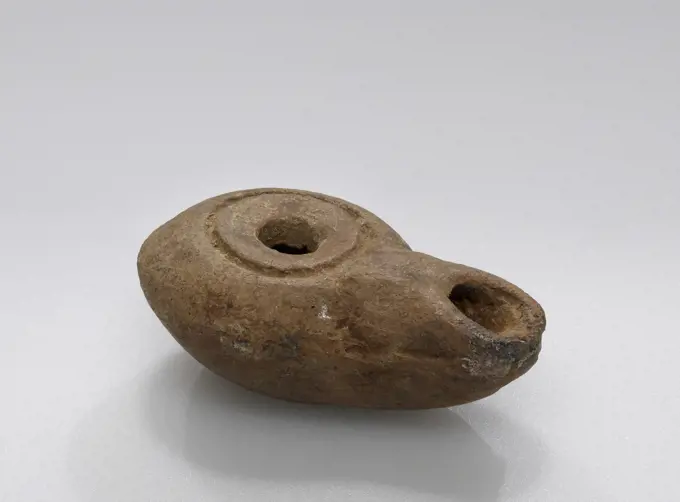
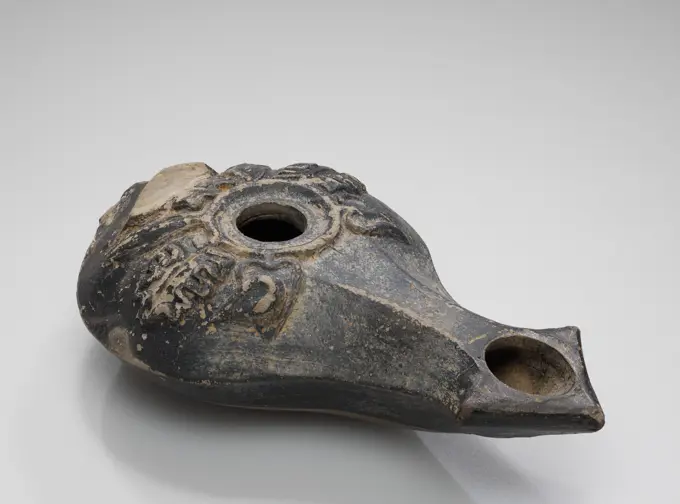
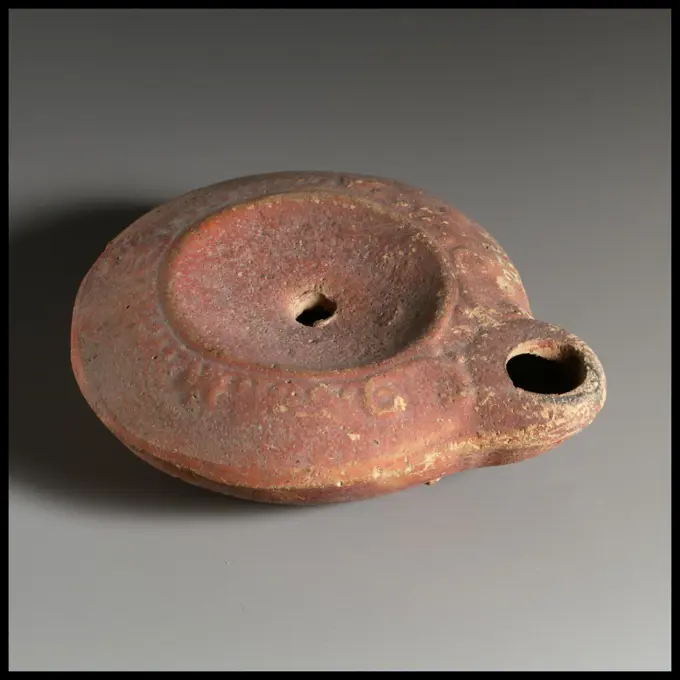
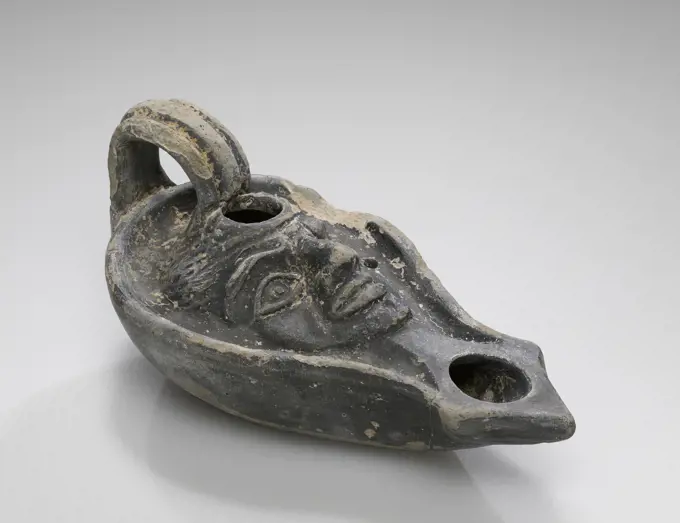
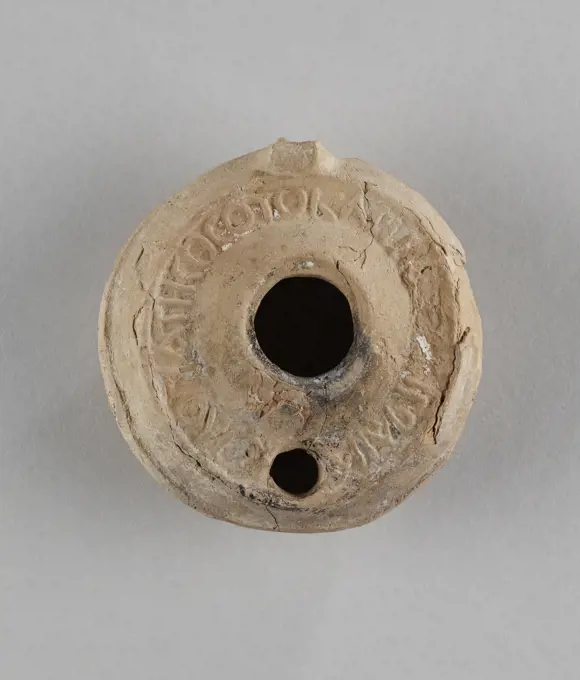
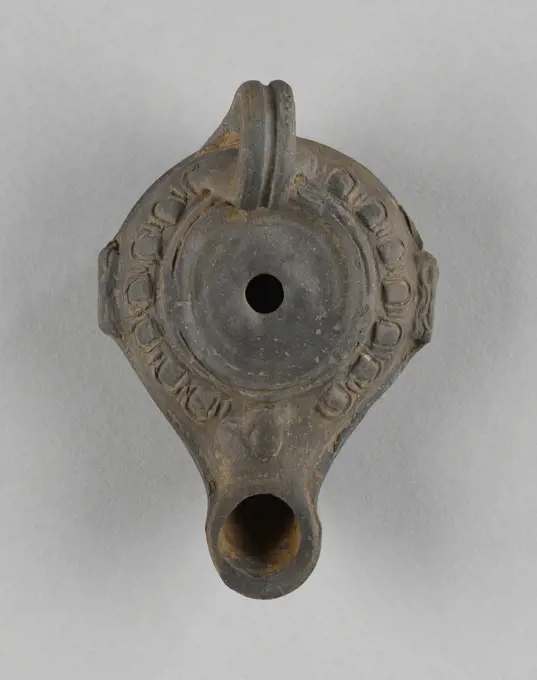
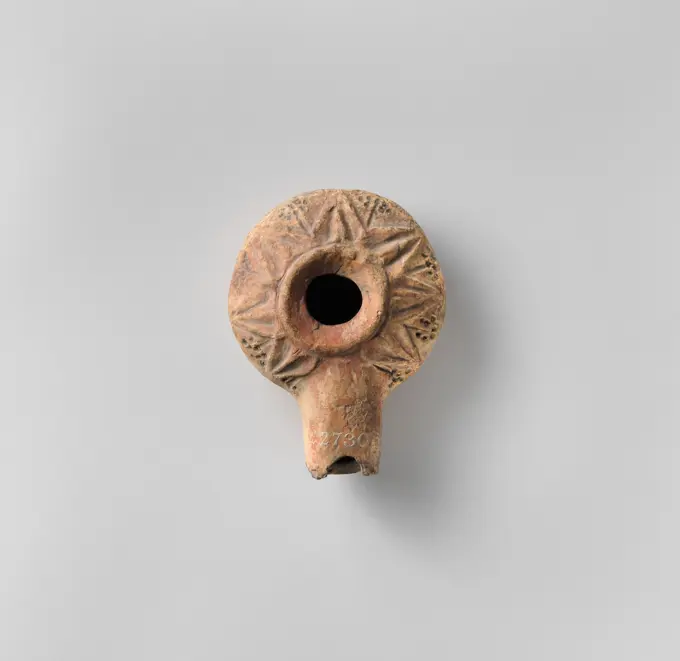
Lamp, South Anatolia, Anatolia; 4th - 3rd century B.C; Terracotta; 1.5 × 2.2 × 3.8 cm (9,16 × 7,8 × 1 1,2 in.)
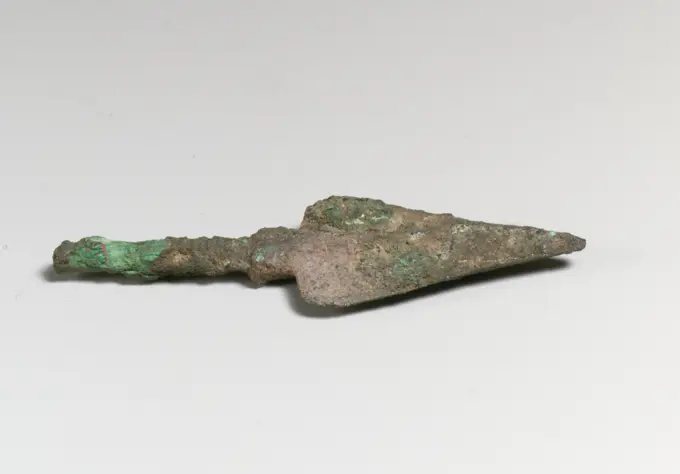
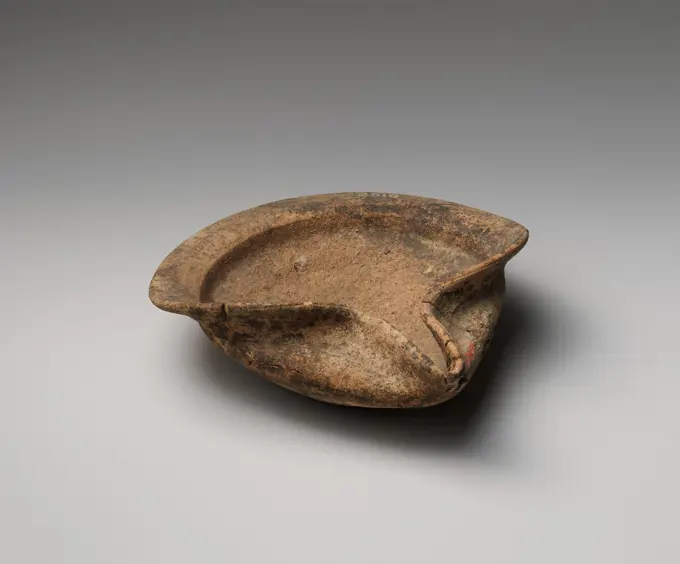
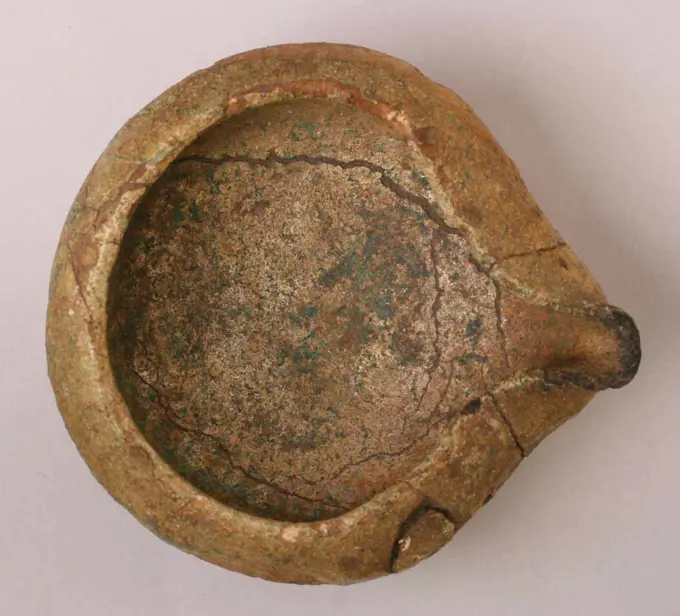
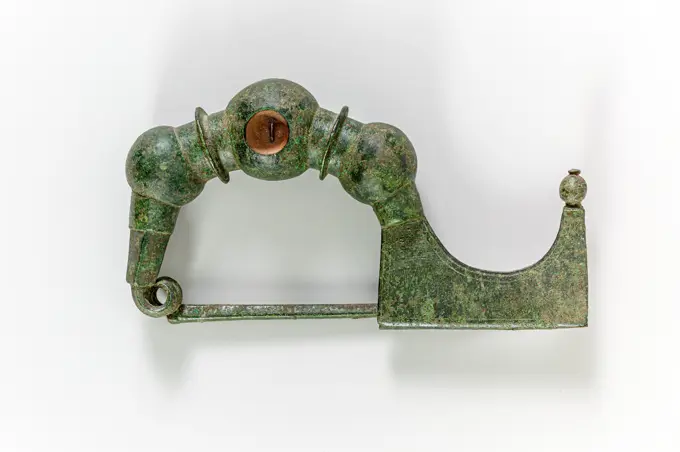
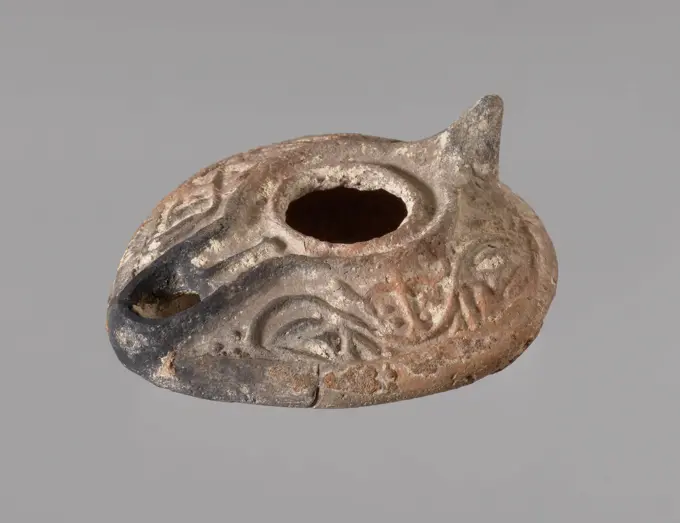
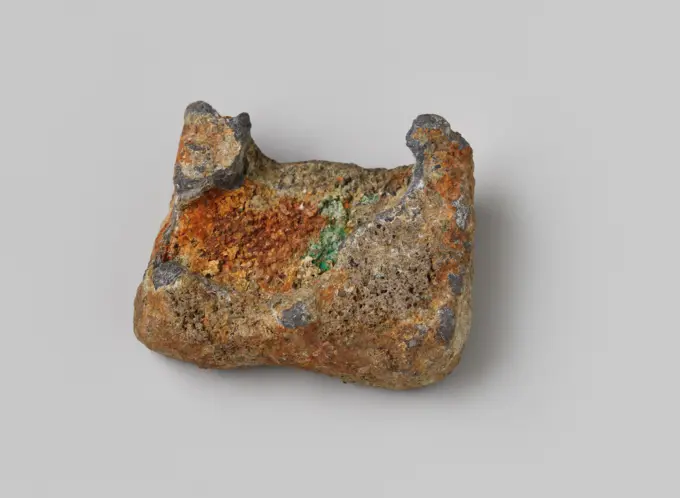
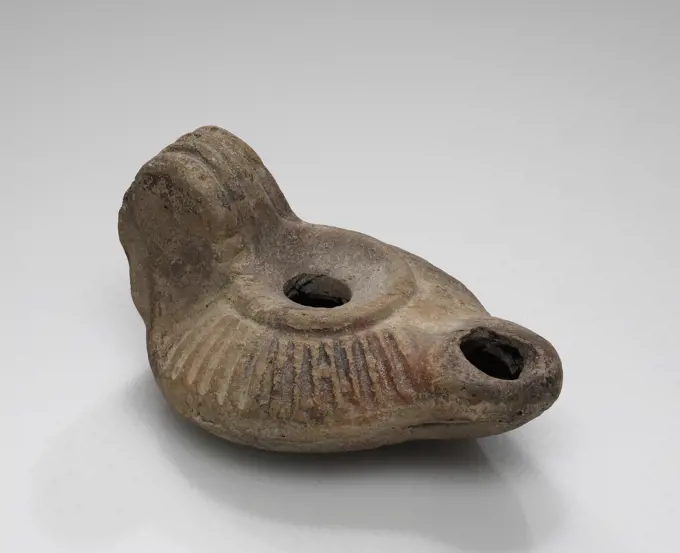
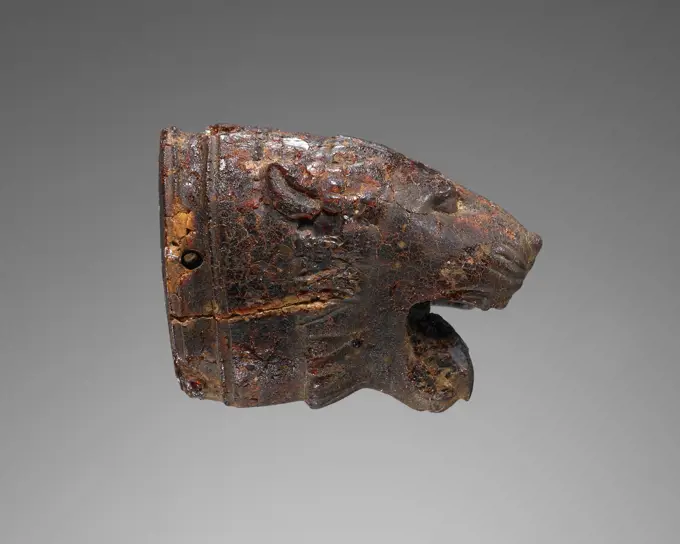
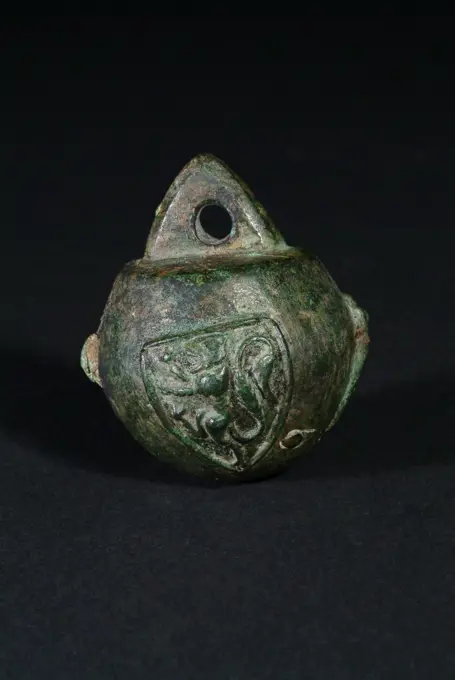
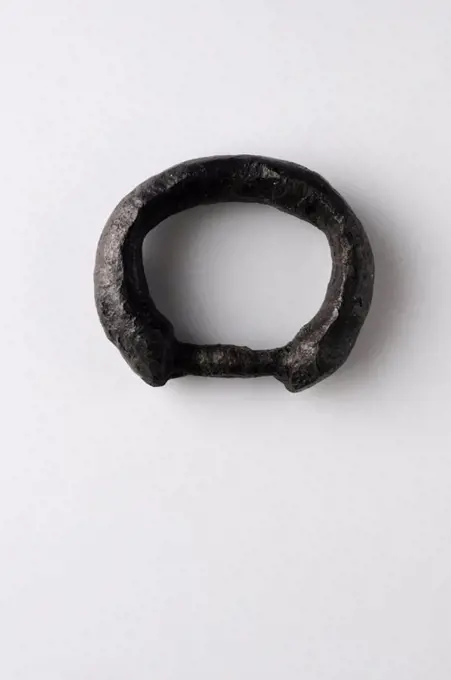
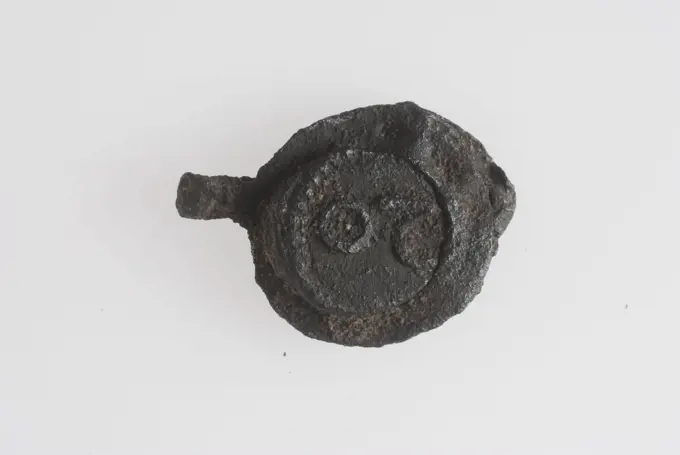
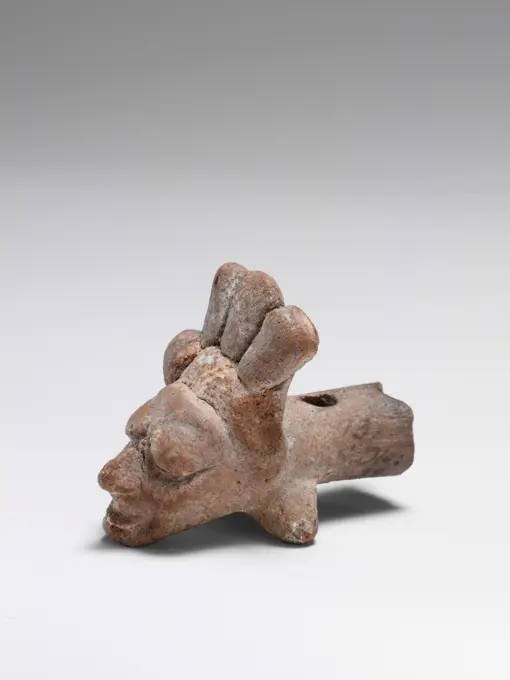
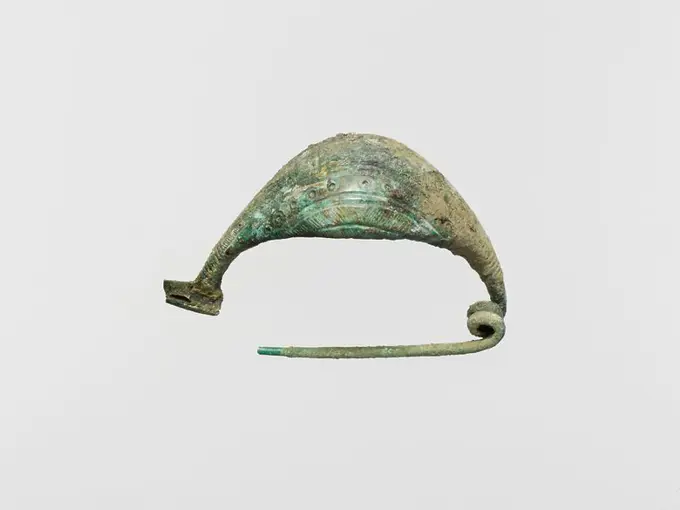
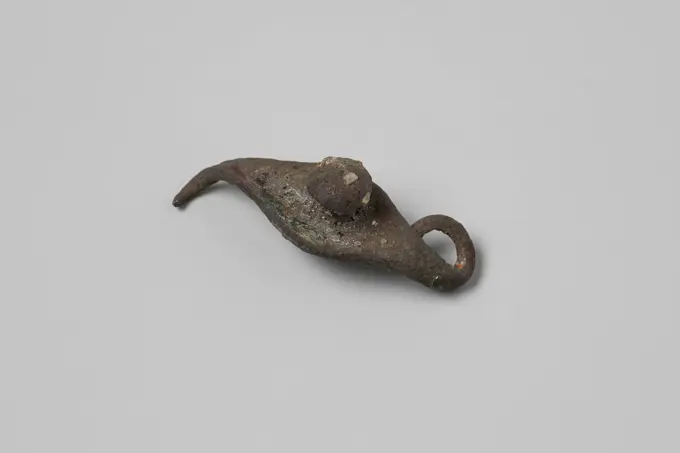
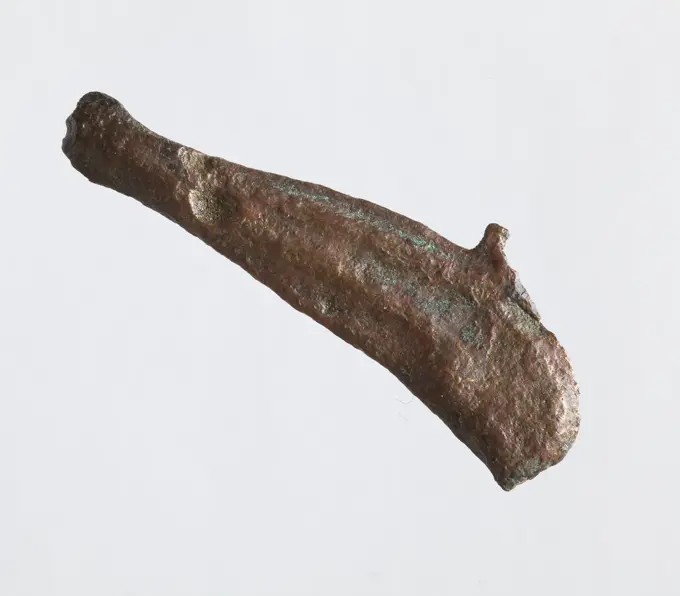
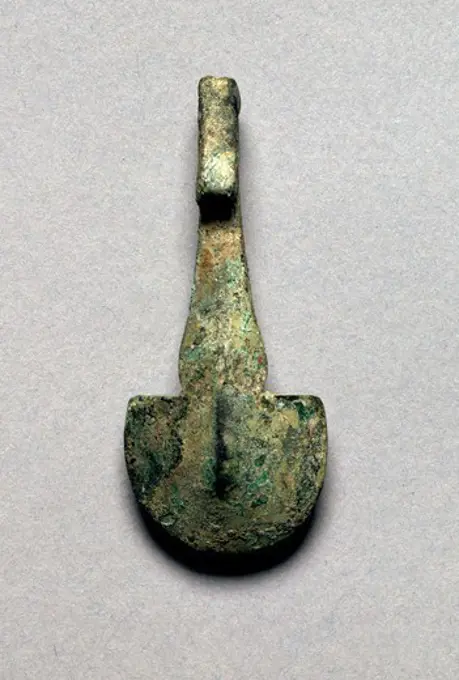
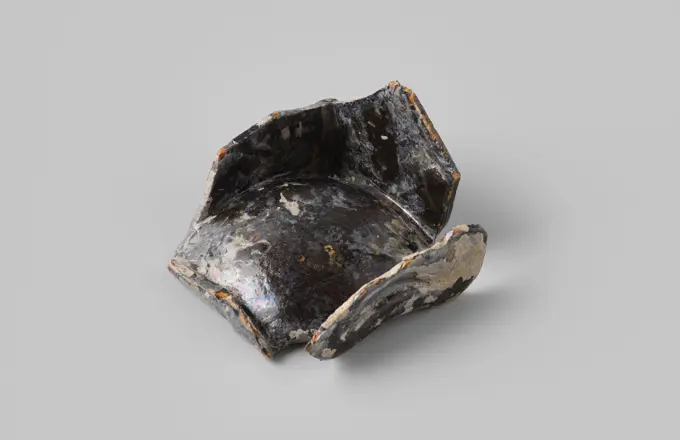
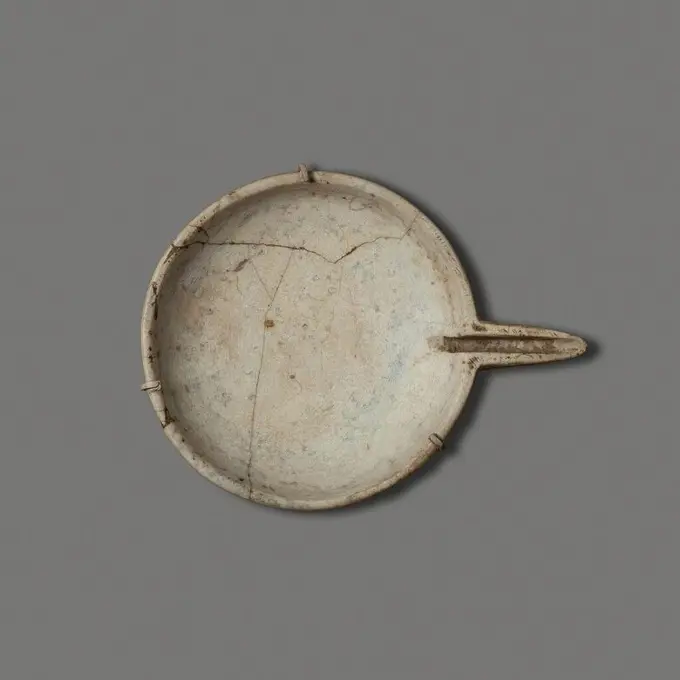
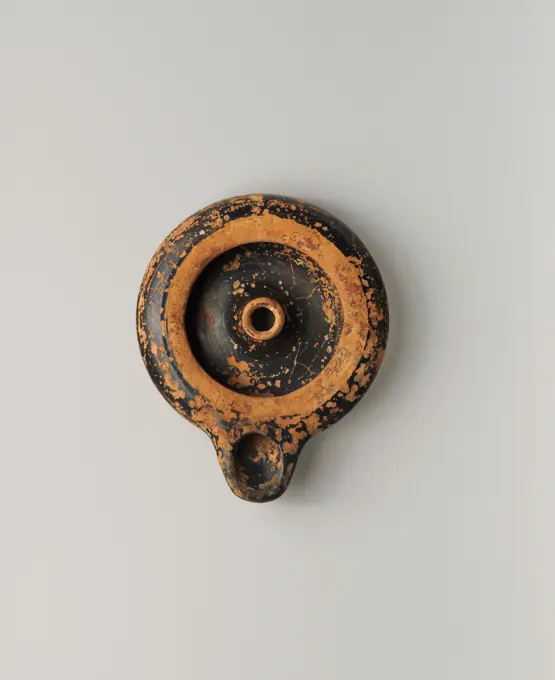
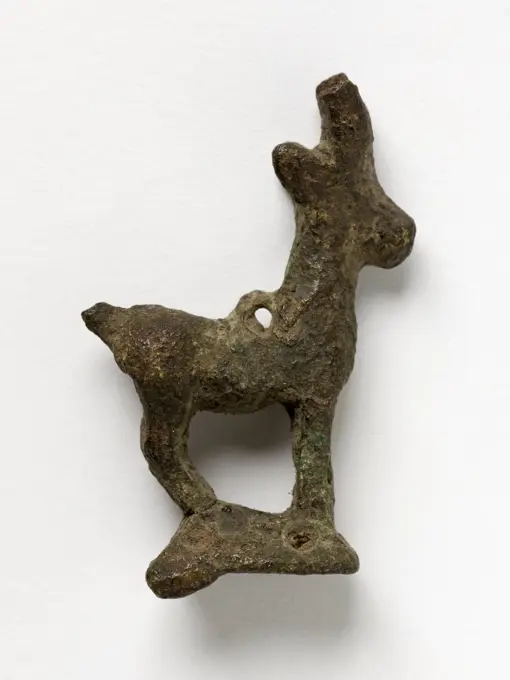
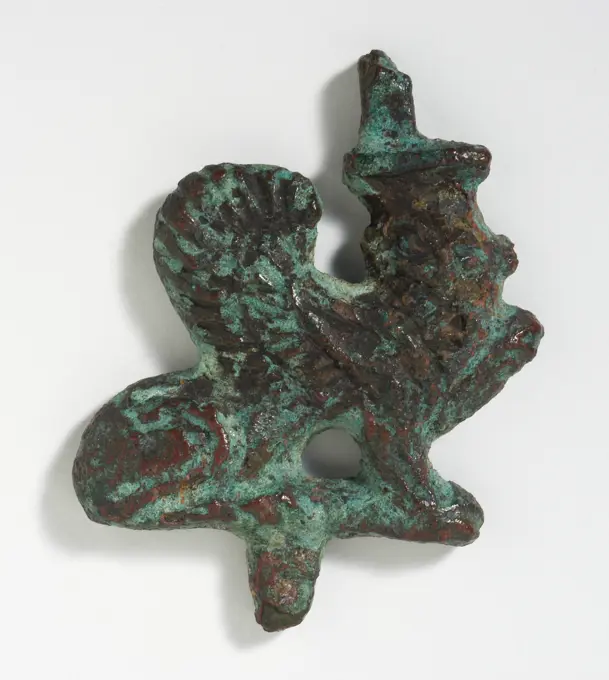
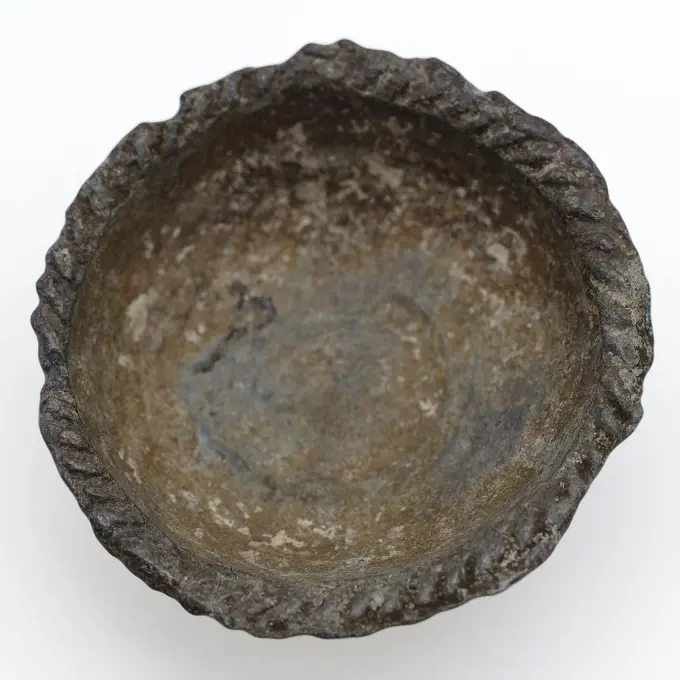
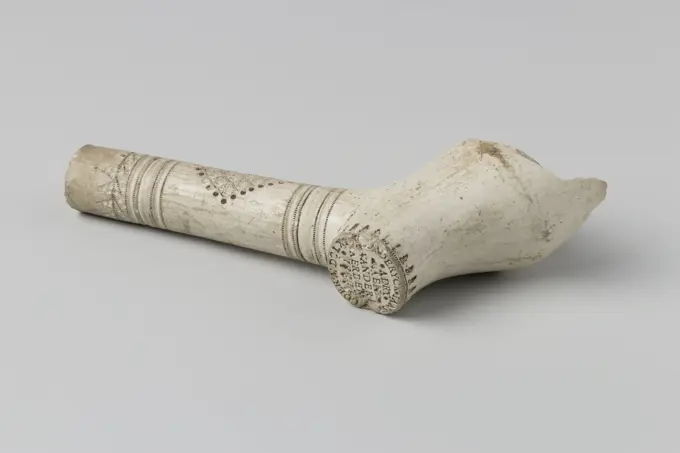
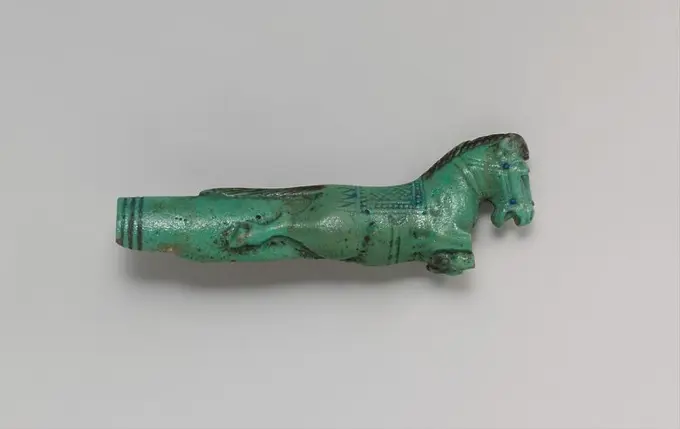
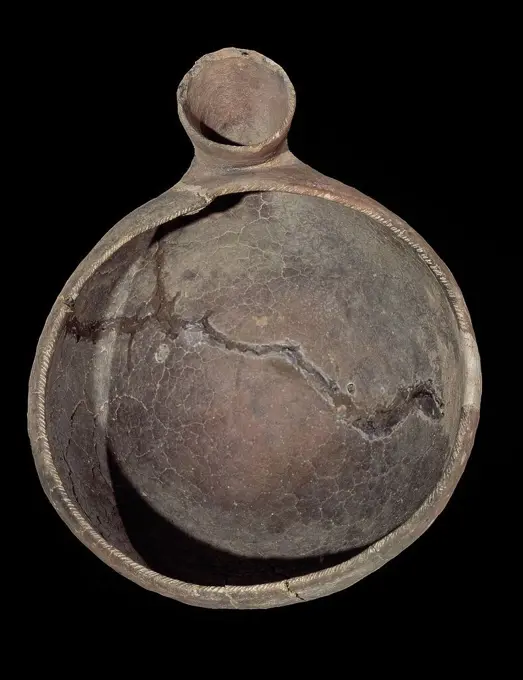
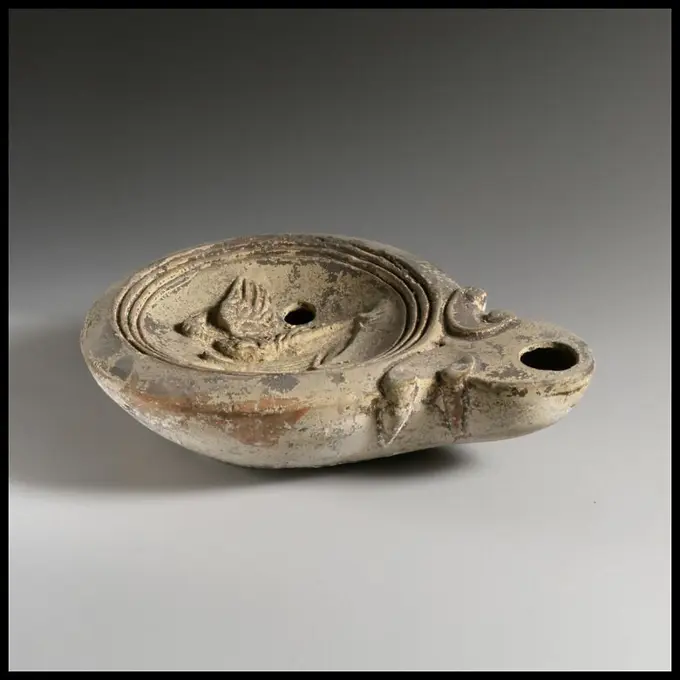
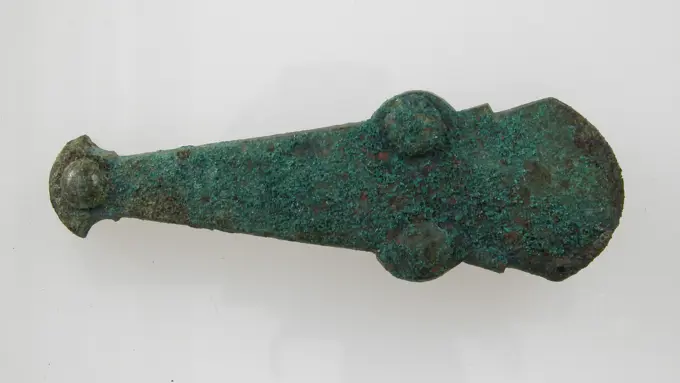
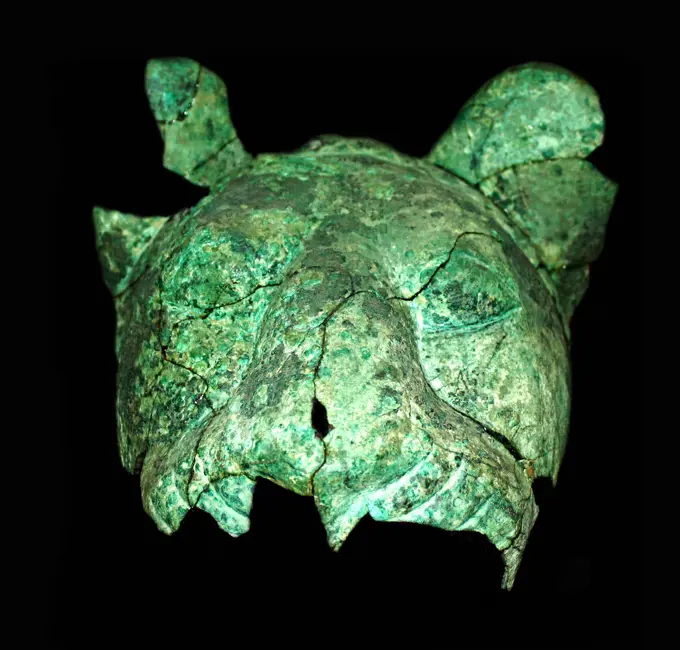
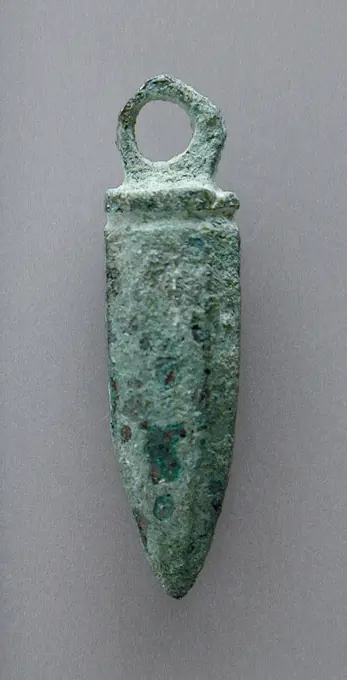
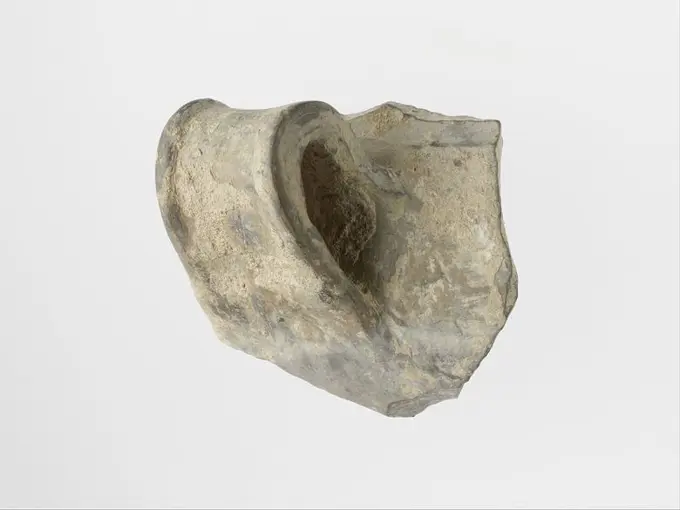
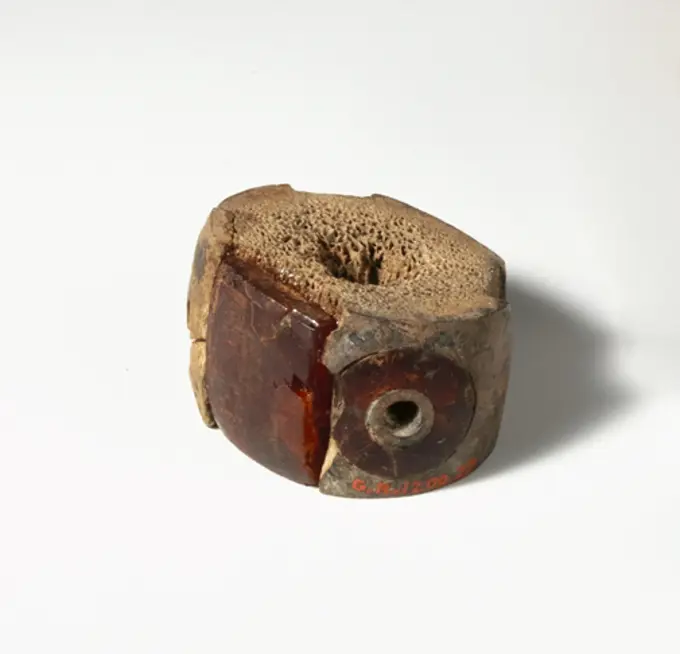
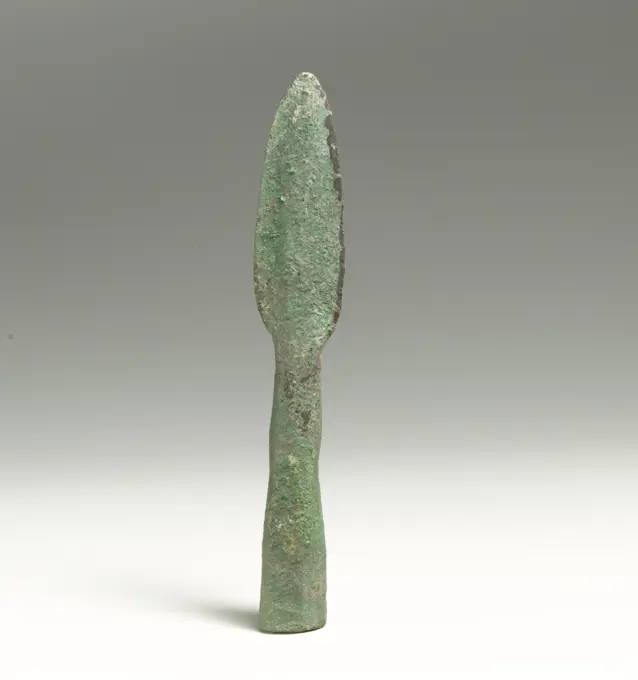
Fragment in the form of a hand; (possibly) belonging to the retable of Soest, c. 1475 - c. 1499   wood (plant material)   wood (plant material)Button, Konisch with ribs and a leaf -shaped eye, anonymous, c. 1590 - c. 1596 button Button, Konisch in shape with six ribs that come together in a point and a leaf -shaped eye. Amsterdam tin (metal) casting  Nova Zembla. Saving HuysHook of a cooking pot from the wreck of the East Indians Hollandia, Anonymous, 1700 - in Or Before 1743 hook Suspension cauldron, suspension hook; (1)fragm, sim. NG 1979-511H, (c.18l), curved hook (3.4w, 0.9t, 5.5d), two-lobed central part, 2 rivets (10.1w), end missing. Netherlands copper (metal)   SecondBronze arrowhead ca. 1600-1050 B.C. Cypriot Two-edged triangular blade with straight, flaring sides, rounded below. With midrib and a four-edged tang.. Bronze arrowhead 244211Fragment of buyer from the wreck of the East India Hollandia.parts or artifacts; eroded fragments: Materials; Copper.Lamp, South Anatolia, Anatolia; 4th - 3rd century B.C; Terracotta; 1.5 × 2.2 × 3.8 cm (9,16 × 7,8 × 1 1,2 in.)Terracotta saucer-shaped lamp 4th century B.C. Cypriot Wheel-made with edge folded in to form a narrow wick rest; broad, convex rim, with horizontal, rounded lip; large, open, concave body; rough base ring, and flat base.Broken and mended around front, with some small holes.. Terracotta saucer-shaped lamp. Cypriot. 4th century B.C.. Terracotta. Late Classical. TerracottasDoor beater, c. 1400 - c. 1950 A door beater.  iron (metal) A door beater.  iron (metal)Lamp 8th-9th century. Lamp 448990Lamp. UnknownCopper's closure; From the wreck the East Indians Hollandia, 1700 - in Or Before 1743 fastening Large mug-shaped fitting, brass.  copper (metal)Fibula ca. 8th century BC Greek The distinctive form of this fibula is characteristic of Geometric examples from Thessaly that have been discovered in large numbers in the sanctuary of Zeus Thaulios near Pharos. The weight and size of the pin made it impractical for everyday use, and it was likely created as a votive dedication. Although their meaning is not clear, fibulae played a significant role as offerings to deities.. Fibula. Greek. ca. 8th century BC. Bronze. Geometric. Bronzes39 keys from the collection of Emmanuel Vita Israël, anonymous Ring with turning key whose beard and stem are partially made of iron.  iron (metal). bronze (metal) Ring with turning key whose beard and stem are partially made of iron.  iron (metal). bronze (metal)Olive lamp;  2. PO. VII-VIII century (651-00-00-800-00-00);Arabic (culture), olive lamps, Islamic artTerracotta oil lamp 1st half of 1st century A.D. Roman Loeschcke Type 1A. Mold-made. Discus: two men butchering a pig.. Terracotta oil lamp. Roman. 1st half of 1st century A.D.. Terracotta; mold made. Early Imperial. TerracottasFragment of lead from the wreck of the East Indians Hollandia, 1700 - in Or Before 1743 fragment Varied parts or fragments, unidentified and miscellaneous parts or fragments; fragm. Netherlands lead (metal)   SecondLamp, Asia Minor; 1st - 4th century; Terracotta; 2.1 x 4.8 x 7 cm (13,16 x 1 7,8 x 2 3,4 in.)Scherf of a Martavaan from V.O.C. ship De 'Witte Leeuw', Anonymous, Before 1613  Scherf of a Martavaan from V.O.C. ship the 'Witte Leeuw'. southeast Asia stoneware. porcelain   Sint-HelenaFibula, boat-shaped type 8th-6th century B.C. Italic The bow is hollow and closed on its underside. The upper surface is decorated with incised patterns.. Fibula, boat-shaped type 246335Pendant: Lion's Head; Italy; 550 - 500 B.C; Amber; 28 × 22 × 38 mm (1 1,8 × 7,8 × 1 1,2 in.)Steelyard Weight with heraldic decoration. Used on a steelyard balance - a counterweight for a straight-beam balance with arms of unequal length. The counterweight slides along the longer arm to counterbalance the load and indicate its weight. Also known as a Roman steelyard or Roman balance.. Found at Weoley Castle, Birmingham, a Birmingham Museums Trust Heritage site. .Arrowhead ca. 480-330 B.C. Cypriot. Arrowhead 244210Bone finger ring. Culture: Greek. Dimensions: H.: 1 13/16 in. (4.6 cm). Date: ca. 2nd century B.C..Originally, the recessed bezel would have held a stone or glass setting. The large size and distinctive thick shouldered hoop are typical of Hellenistic finger rings made in a variety of media, including gold, glass, and rock crystal. Museum: Metropolitan Museum of Art, New York, USA.Bell 800 BCE-600 BCE Greece. This precious bronze object is a votive, or devotional gift, made as an offering to the gods. They come in many forms, such as animals, beads and brooches. Many seem once to have been attached to something else. Votiveswere hung from sacred trees or placed in sanctuaries around Greece. Once a shrine was full, the votives were ceremonially buried to make room for more offerings.. Bronze . Ancient GreekComponent crane from the wreck of the East Indieschief Hollandia. Tap, part or tap; Fragm, End, ID. NG 1979-521H.Lamp 5th-6th century Small earthenware lamps, made from double molds, were the most commonly used source of light in daily Coptic life. A wick produced from plant fiber or linen fabric was placed in a reservoir filled with oil, generally castor or sesame oil, and illuminated. This red earthenware lamp is decorated with a dove surrounded by a border of quatrefoils, doves, and concentric circles.. Lamp 447996Roman belt buckle made of bronze from the Archaeological site of Complutum in Alcalá de Henares ( Madrid ). SPAIN.Bronze ax-head Greek or Roman While axes today are considered primarily a woodsman's tool, in antiquity the battle-ax was a weapon associated particularly with peoples from the East, such as Scythians and the mythical Amazons.. Bronze ax-head. Greek or Roman. Bronze. BronzesLamp, Central Anatolia, Anatolia; 2nd - 1st century B.C; Terracotta; 3.5 × 6.5 × 13.3 cm (1 3,8 × 2 9,16 × 5 1,4 in.)Messenheft from the wreck of the East Indians Hollandia, Anonymous, 1700 - in Or Before 1743  Knife, handle, cylindrical: tapering; fragm, lower end broken: sim. NG 1980-27H545, variation in wavy line pattern. Netherlands wood (plant material)   SecondBelt Buckle. Culture: Frankish. Dimensions: Overall: 5 5/16 x 2 11/16 x 13/16 in. (13.5 x 6.9 x 2 cm). Date: 7th century. Museum: Metropolitan Museum of Art, New York, USA.Belt Ornament () middle of 6th century Frankish. Belt Ornament () 465608 Frankish, Belt Ornament (), middle of 6th century, Copper alloy, Overall: 1 7/8 x 1 x 7/16 in. (4.7 x 2.6 x 1.1 cm). The Metropolitan Museum of Art, New York. Gift of J. Pierpont Morgan, 1917 (17.193.280)Sheet of cloth with weapon with star and length of measure 20, cloth seal hallmark ground find lead metal, cast struck Cloth lead with on the front the weapon with top left star possibly the coat of arms of Haarlem or Gouda On the reverse the figure 20 for the length of 20 el and all around dots Closed down, 20 archeology certified government trade cloth trade textile trade guildBracelet. Western Iran, circa 1000-650 B.C.. Jewelry and Adornments; bracelets. Bronze, castPottery Flute ca. 300-900 Mexican. Pottery Flute. Mexican. ca. 300-900. Clay. Pre-Columbian. San Diego, Mexico. Aerophone-Whistle Flute-recorderLamp, 1-200. Parthian, 1st-2nd Century. Terracotta; overall: 2.6 cm (1 in.).Bronze navicella-type fibula (safety pin). Culture: Etruscan. Dimensions: Base: 3 3/4 in. (9.5 cm). Date: 8th century B.C..Navicella-type fibulae have arched bows with open undersides; incised decoration on the bow. Museum: Metropolitan Museum of Art, New York, USA.Pottery Fragment 4th-7th century Coptic. Pottery Fragment 479331Emilia-Romagna Ferrara Ferrara Museo Civico di Schifanoia40. Hutzel, Max 1960-1990 General Notes: INCOMPLETE RECORD--NEGATIVES PROCESSED, PRINTS FILED German-born photographer and scholar Max Hutzel (1911-1988) photographed in Italy from the early 1960s until his death. The result of this project, referred to by Hutzel as Foto Arte Minore, is thorough documentation of art historical development in Italy up to the 18th century, including objects of the Etruscans and the Romans, as well as early Medieval, Romanesque, Gothic, Renaissance and Baroque monuments. Images are organized by geographic region in Italy, then by province, city, site complex and monument.Bake, rectangular with handle stump, anonymous, c. 1590 - c. 1596  Bake, rectangular in shape with stump of handle. The container is easily roughly worked. Is called by the young Timmermansvetbakje.  wood (plant material) cutting  Nova Zembla. Saving HuysDecorative batter from the wreck of the East India Hollandia. Fitting, decorative fitting or fragment; Squashed; Oval With Long Pointed Ends, Small Flattened Knob fitted in Center.Fragments bark from the wreck of the East Indians Hollandia, 1700 - in Or Before 1743 bark Botanical remains; bark; fragm, of birch, strip shaped, curled.  bark (plant material)   SecondHeart amulet 664-332 B.C. Late Period. Heart amulet 545363Pin 4th century B.C. European. Pin 90132Greece, Sarmacja, Olmia, V The beginning of the 4th century BC, Dolphin money, AE MintSarmatia, Olbia, dolphin coin, the late 6th  the early 4th century BC MintLamp, Asia Minor; 3rd century B.C; Terracotta; 1.5 × 2.5 × 4.2 cm (9,16 × 1 × 1 5,8 in.)Terracotta oil lamp 2nd century A.D. Roman, Cnidian Loeschcke Type 8. Mold-made. Plain, concave discus with small, central filling hole; a single raised line around edge; broad, convex-curving shoulder, decorated with indistinct pattern around inner edge and a large petalled rosette at back. Volutes flanking nozzle with four raised dots between. Base ring, and uneven, slightly convex base, with a central raised circle.Intact.. Terracotta oil lamp 241555Stone Animal Pendant 9th-15th century Costa Rica. Stone Animal Pendant 315809Olive lamp;  III century BC (-300-00-00--201-00-00);Flask. Roman; Levant or Syria. Date: 201 AD-300 AD. Dimensions: 13.3 × 6 × 6 cm (5 1/4 × 2 3/8 × 2 3/8 in.). Glass, blown technique. Origin: Syria. Museum: The Chicago Art Institute, Chicago, USA. Author: ANCIENT ROMAN.Bronze buckle, China. Chinese Civilisation, Han Dynasty, 3rd century BC-3rd century AD.Pin 4th century B.C. European. Pin. European. 4th century B.C.. bronzeLamp, Anatolia; 2nd - 1st century B.C; Terracotta; 4.6 × 6 × 12 cm (1 13,16 × 2 3,8 × 4 3,4 in.)Shell-shaped military object, shield or herd, herd ground find copper metal, cast Shelf-shaped flat convex object archeology Rotterdam railway tunnel adornment Soil discovery: trajectory Rotterdam rail tunnel.Fragment (console of the altar cabinet); (possibly) belonging to the retable of Soest, c. 1475 - c. 1499   wood (plant material)   wood (plant material)BumpFragment basement bottle from the wreck of the East Indians' t Vliegend Hart, 1700 - 1735  Soil of a square basement bottle with parts of the belly. The bottom bolts up ('Kick Up'). The glass was originally green but black. Case Bottle.  .Belt Ornament Rattle 2nd-7th century Moche. Belt Ornament Rattle 315679Drinking Cup. Dynasty: Dynasty 3-4. Date: ca. 2649-2465 B.C.. Museum: Metropolitan Museum of Art, New York, USA.Terracotta oil lamp 5th century B.C. Greek, Attic Howland Type 22A. Wheel-made. Black glaze applied to interior and exterior sides, with base and top of inverted shoulder reserved in contrasting red clay. Shallow body, with convex curving side, broad shoulder, and inverted rim. Slightly raised base ring, and a shallow, concave base. Raised open tube through bottom, rising almost to the height of the rim. Projecting, rounded nozzle, with a large wick hole slanting inward to reservoir.Intact, but surfaces heavily pitted, cracked, and chipped.. Terracotta oil lamp. Greek, Attic. 5th century B.C.. Terracotta; black-glaze. Classical. TerracottasPendant in the shape of a ibex. Bronze, Iran from the West. 8th-7th centuries BC, Cernuschi Museum. Bouquetin, Bronze, Cervid, Cervid, Ibex, Iran West, During, Pendeloque, Western IranCeremonial Knife (Tumi) 12th-15th century Chimú (). Ceremonial Knife (Tumi) 315343Fragments of a cart or chariot, facings ca. 500-480 B.C. Etruscan Large collection of bronze and iron attachments once belonging to a chariot.. Fragments of a cart or chariot, facings 253029 Etruscan, Chariot fragments, facings, ca. 500480 B.C., Bronze, 1: 3 1/2  5 3/4 in. (8.9  14.6 cm) 2: 3 1/2  5 7/8 in. (8.9  14.9 cm). The Metropolitan Museum of Art, New York. Fletcher Fund, 1929 (29.131.3t1t2)Ring 3rd-12th century. Ring 446256Plaque of a Griffin. Egypt, Greco-Roman Period (300 BCE - 395 CE) or later. Sculpture. BronzeToys, pewter porridge bowl with rope decor along the edge, papkom toy relaxant miniature soil find tin metal, molded miniature toy box. Papkom on stand ring with upright curved side wall and decorated edge. Decoration is cast. Edge: cable edge in relief archeology Rotterdam railway tunnel indigenous tin child play child's play Ground discovery: trajectory rail tunnel Rotterdam.Fragment stock pot on lens bottom, ball round, gray shard, storage jar pot holder fragment earthenware ceramic pottery, hand-turned baked Fragment of gray storage pot. Ball pot on lens bottom. Gray shard with light gray core. Rough earthenware scraped On the shoulder coarse spinning mills Upright narrow neck archeology House in Woude Slikkerveer Ridderkerk uitheems earthenware import stock store save Soil discovery: Huis te Woude Slikkerveer 1969.Gun-Lock Hammer, c. 1800-1825. England, early 19th century. overall: 6.4 x 3.8 cm (2 1/2 x 1 1/2 in.).Lamp, Asia Minor; 1st - 4th century; Terracotta; 3.1 x 8.5 x 8.5 cm (1 1,4 x 3 3,8 x 3 3,8 in.)Fragment of a presentation pipe., Anonymous, 1661 A fragment of a large white tobacco pipe, on which is pressed Adryaen van der Aerden ..Deryck. Jansz ... Lder Mdclxi, found on August 16, 1821 during the digging of the Alkmaarder.  pipe clay A fragment of a large white tobacco pipe, on which is pressed Adryaen van der Aerden ..Deryck. Jansz ... Lder Mdclxi, found on August 16, 1821 during the digging of the Alkmaarder.  pipe clayArrowhead. Iran, circa 800-330 B.C.. Arms and Armor; arrowheads. Bronze, castFragment copper role from the wreck of the East Indians Hollandia, Anonymous, 1700 - in or before 1743 fragment Varied parts or fragments, tubes and tube-shaped fragments; fragm, squashed; one end broken, straight, originally ciruclar in section, longitudinal seam, straight end lined with strip. Netherlands copper (metal)   SecondHallebarde round end. Bronze, China, IV-IIe s. av. Paris, Cernuschi museum. Asian art, Chinese art, bronze, Asian civilization, Chinese civilizationBronze batter consisting of a button with a scalloped edge on a handle, c. 1400 - c. 1950 Bronze batter consisting of a button with a scalloped edge on a handle.  bronze (metal) Bronze batter consisting of a button with a scalloped edge on a handle.  bronze (metal)Sword Guard (Tsuba) 18th century Japanese A tsuba is a sword guard and part of a sword mounting. It is mounted between the swords blade and grip to protect the users hands.. Sword Guard (Tsuba) 26374Terracotta oil lamp. Culture: Roman, Cypriot. Dimensions: Overall: 1 1/4 x 2 7/8 in. (3.2 x 7.3 cm). Date: 5th century A.D..Vessberg Type 18. Unpierced handle. Mold-made. Discus: cross, decorated with circles, with similar circles between the arms. Two filling holes. Shoulder: herring-bone wreath surrounded by a row of hollow circles. Concave base. One filling hole filled with concretion. Museum: Metropolitan Museum of Art, New York, USA.Glass fragments from V.O.C. ship De 'Witte Leeuw', 1613 fragment Two tribes of chalice glasses.  glassBin of tin spoon, marked, spoon cutlery soil find tin metal, w container 5.5 Mark: crowned Tudor rose in the crown initials not legible archeology Valckensteyn Poortugaal Albrandswaard archaeological find in the soil Poortugaal Castle ValckensteynShofar, shovel or Sjoufer of Ramshoorn. Bazuin in use in the Jewish worship in use, a (usually) decorated ram horn. This horn is just slightly sanded, yellow-flous in color and in the shape of a pipe.Whip Handle in the Form of a Horse. Dimensions: L. 7.9 (3 1/8 in); H. 1.1 (7/16 in); W. 1.6 cm (5/8 in). Dynasty: Dynasty 25-29. Date: 525-380 B.C.. Museum: Metropolitan Museum of Art, New York, USA.Tzilinilli 10th-16th century Aztec. Tzilinilli. Aztec. 10th-16th century. leaded copper. Late Postclassic (Pre-Columbian). Mexico. Idiophone-Shaken-crotal bellGANIGO DE CERAMICA (CANADA ALTA-TENERIFE). Location: ARCHAEOLOGICAL MUSEUM. SANTA CRUZ DE TENERIFE. TENERIFFA. SPAIN.Terracotta oil lamp. Culture: Roman. Dimensions: Overall: 1 5/16 x 4 7/8 in. (3.3 x 12.4 cm). Date: 1st century A.D..Vessberg Type 19. Mold-made. Discus:. Museum: Metropolitan Museum of Art, New York, USA.Messenheft from the wreck of the East Indians Hollandia, Anonymous, 1700 - in Or Before 1743  Knife-handle, tangplate; id. NG 1980-27H162, 4 rivet-holes. Netherlands bone (material)   SecondTriangular Plaque 7th century () Langobardic. Triangular Plaque 465482 Langobardic, Triangular Plaque, 7th century (), Copper alloy, Overall: 2 13/16 x 7/8 x 7/16 in. (7.1 x 2.3 x 1.1 cm). The Metropolitan Museum of Art, New York. Gift of J. Pierpont Morgan, 1917 (17.193.169)Copper alloy heads of two lions of cubs. Models of lions may have acted as guardians figures at the entrance to the temple.Plumb Bob. Egypt, New Kingdom - Roman Period (1569 BCE - 200 CE). Tools and Equipment; plumb bobs. BronzeDisc -shaped fragment from the wreck of the East Indians Hollandia, Anonymous, 1700 - in Or Before 1743 fragment Varied parts or fragments, discs and disc-shaped fragments; squashed, eroded; circular, slightly curved, central circular hole with raised rim, threaded, small hole in rim, concentric circle engraving on concave side. Netherlands tin (metal)   SecondBelt fragment with a buckle ca. 8th-7th century B.C. Phrygian. Belt fragment with a buckle. Phrygian. ca. 8th-7th century B.C.. Bronze. Iron Age. PhrygiaTerracotta rim and handle of a vase. Culture: Helladic. Dimensions: Other: 1 3/4in. (4.5cm). Date: ca. 2000-1550 B.C..Fragment of a handle from a vase. Museum: Metropolitan Museum of Art, New York, USA.Lamp, Anatolia; 1st century B.C. - 1st century A.D; Terracotta; 2.7 × 6.5 × 10 cm (1 1,16 × 2 9,16 × 3 15,16 in.)Bronze lamp holder 6th century B.C. Cypriot This form of lamp holder was probably introduced by the Phoenicians, and it remained prevalent in Cyprus from about the eighth to the sixth century B.C. The lowermost cylinder would have been set on a wooden shaft, the lamp itself would have rested on the ring at the top. Representing the height of luxury, an ivory stand of the eighth century B.C. was found at Salamis on Cyprus.. Bronze lamp holder 244520Amulet - BesRectangular Plaque 500-700 Frankish. Rectangular Plaque 465522 Frankish, Rectangular Plaque, 500700, Copper alloy, Overall: 1 x 11/16 x 3/8 in. (2.5 x 1.8 x 0.9 cm). The Metropolitan Museum of Art, New York. Gift of J. Pierpont Morgan, 1917 (17.193.203)Terracotta oil lamp Greek Mold-made. Carinated body. Concave discus with large filling hole and rounded, outer lip. Sharply slanting shoulder with seven, broad, radiating pointed leaves, interspersed around edge with vertical stems and flowers, each comprising an irregular pattern of impressed dots. Long, plain nozzle. Irregular, uneven base.Body complete but front of nozzle broken off and missing.. Terracotta oil lamp. Greek. Terracotta. Hellenistic. TerracottasIvory and amber segment from a bronze fibula (safety pin) 7th-6th century B.C. Etruscan Pierced in order to be strung on the bow of a bronze fibula.. Ivory and amber segment from a bronze fibula (safety pin). Etruscan. 7th-6th century B.C.. Amber, bronze, ivory. Archaic. Miscellaneous-AmberSpearhead ca. 1050-1000 B.C. Cypriot. Spearhead 244183Compass box with an opening at the lower and top, anonymous, c. 1590 - c. 1596  Compass box round in shape with a slightly curved wall and an opening on the bottom and top. The top of the box has an excellent edge. A piece is missing from the wall. The object is identical to NM-7794-1, but larger in size.  wood (plant material)   Nova Zembla. Saving HuysBliżej Kultury Athens mint