Artisan Ceramics Collection

Intricately designed bowls from different cultures and periods, showcasing artistic ceramics with rich historical backgrounds.
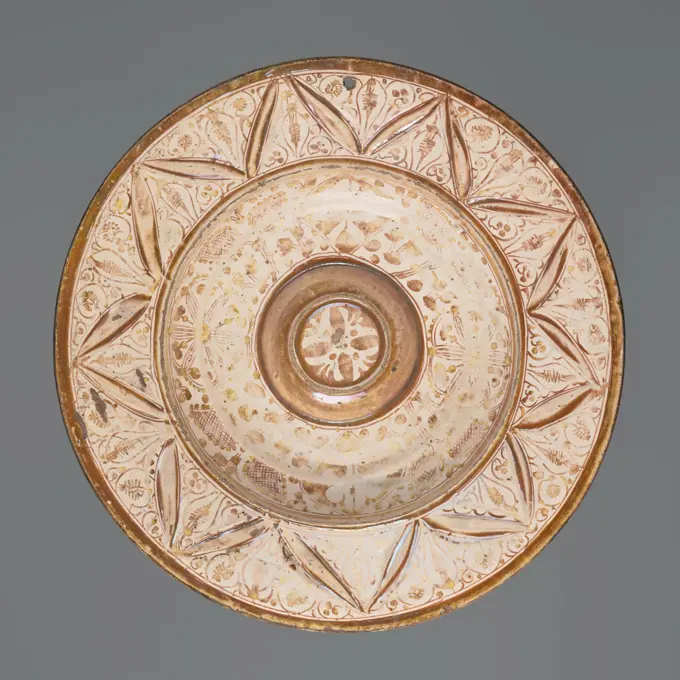
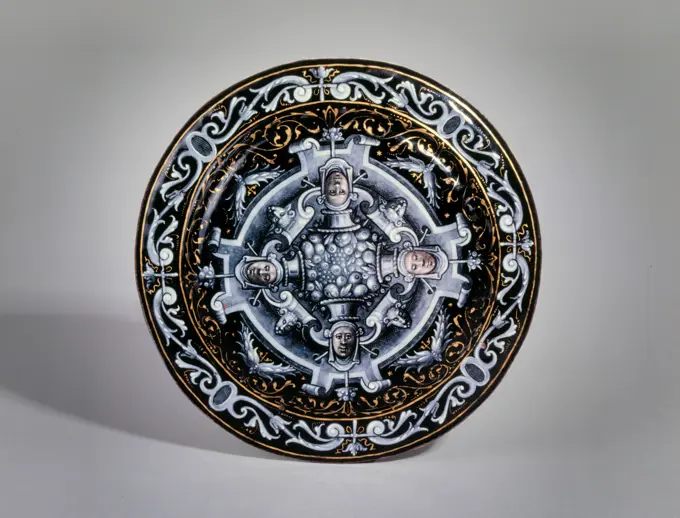
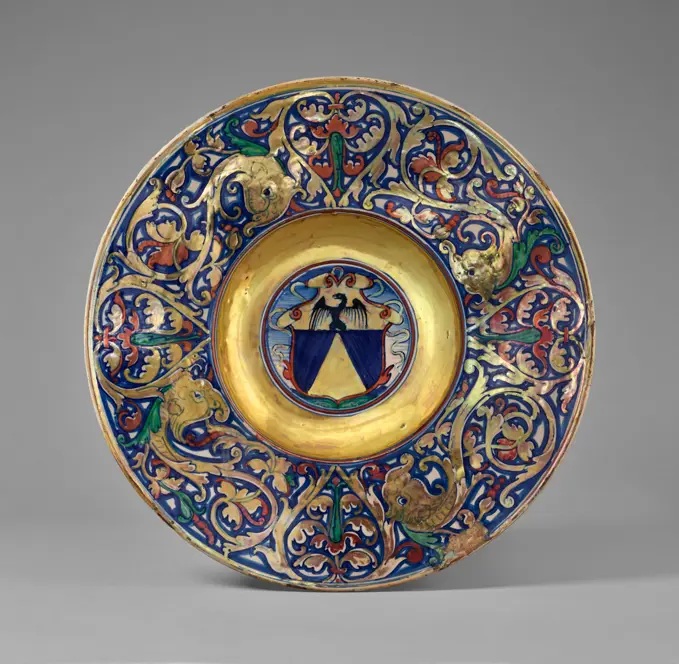
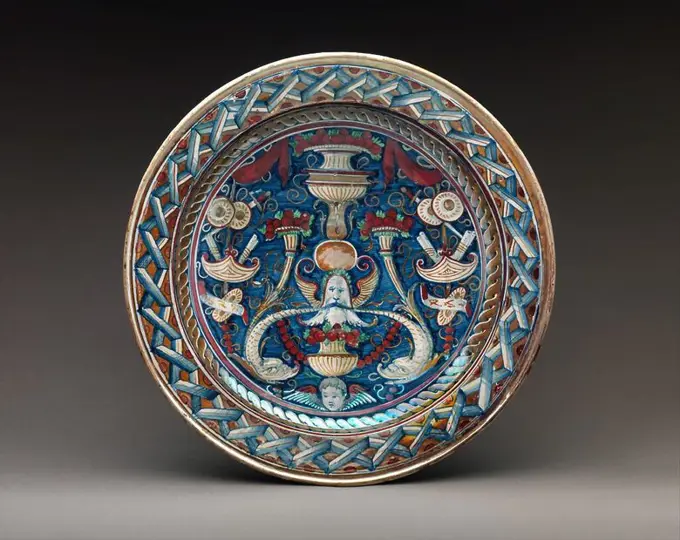
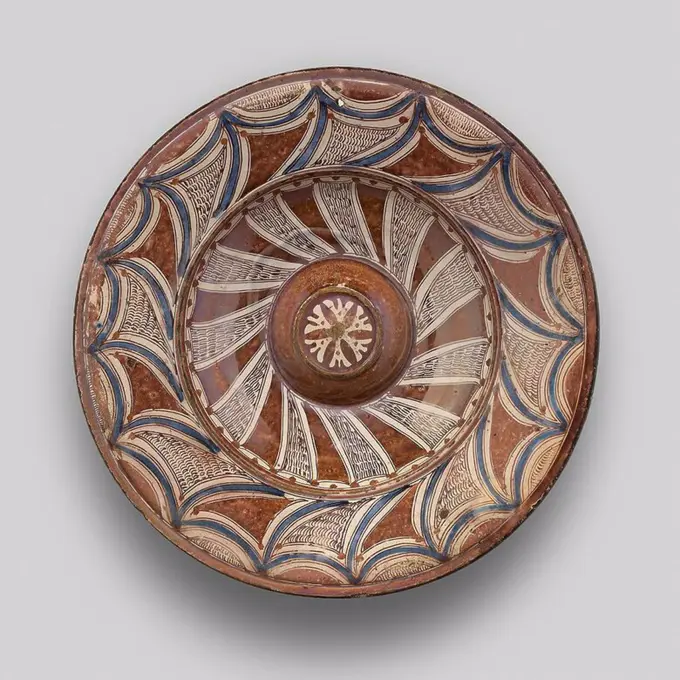
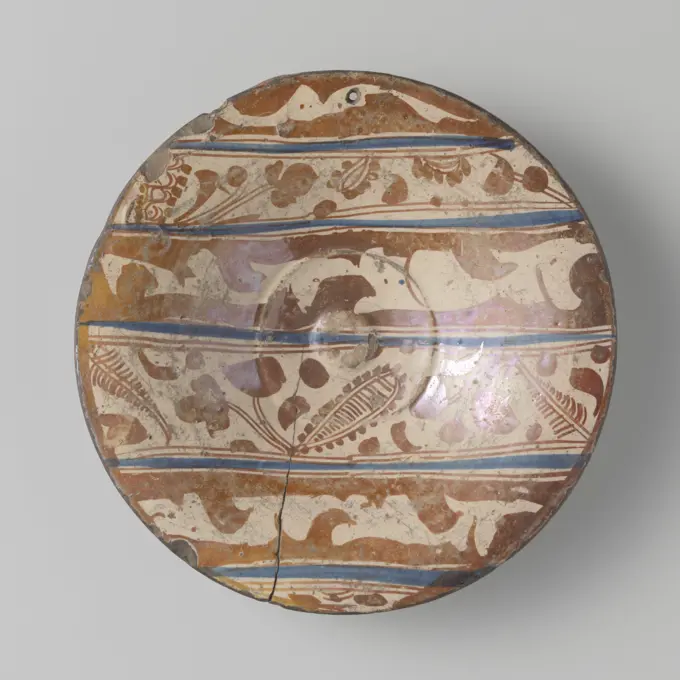
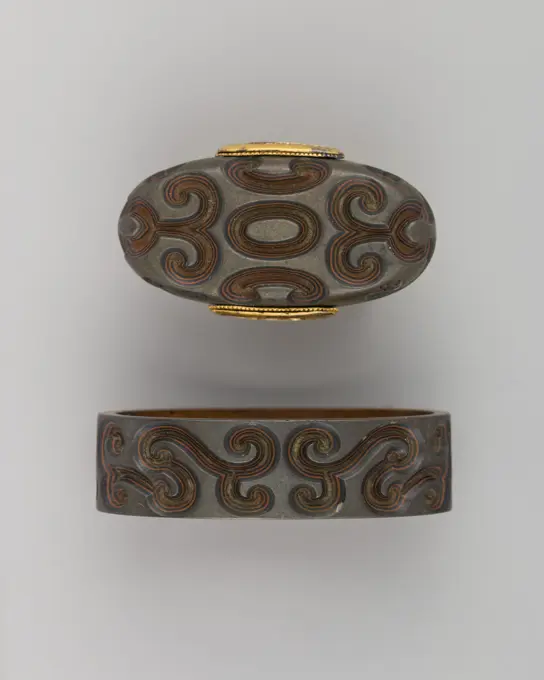
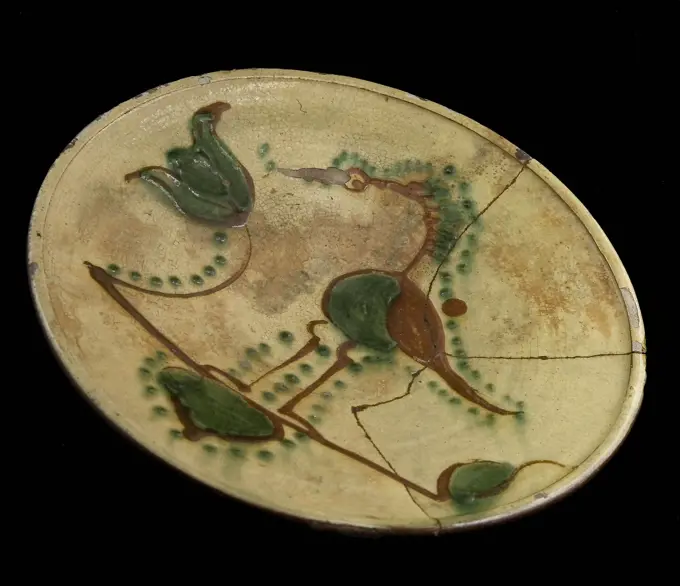
For a long time; unpredictable Lona Manufaktura; 16th century (1500-00-00-1600-00-00);
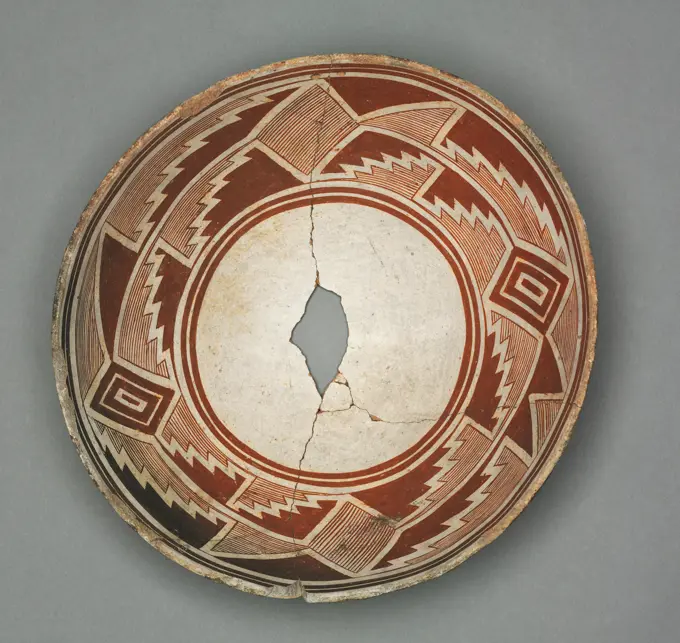
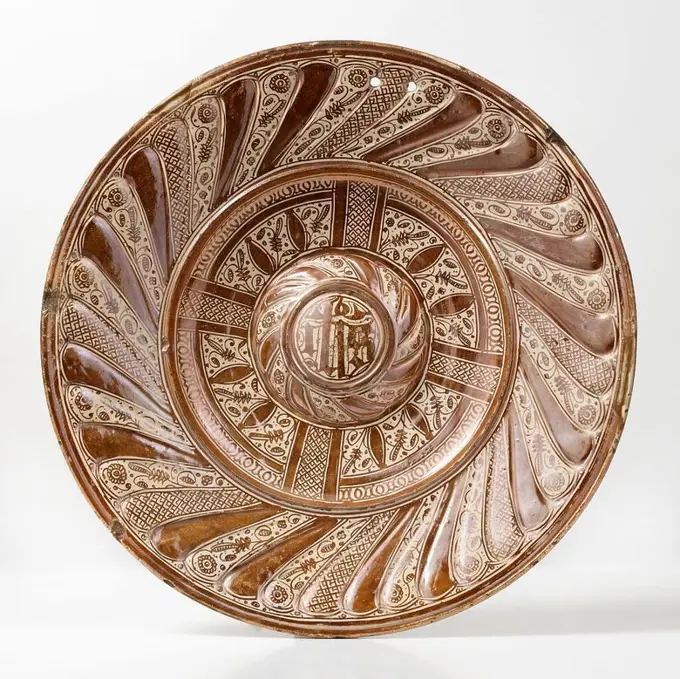
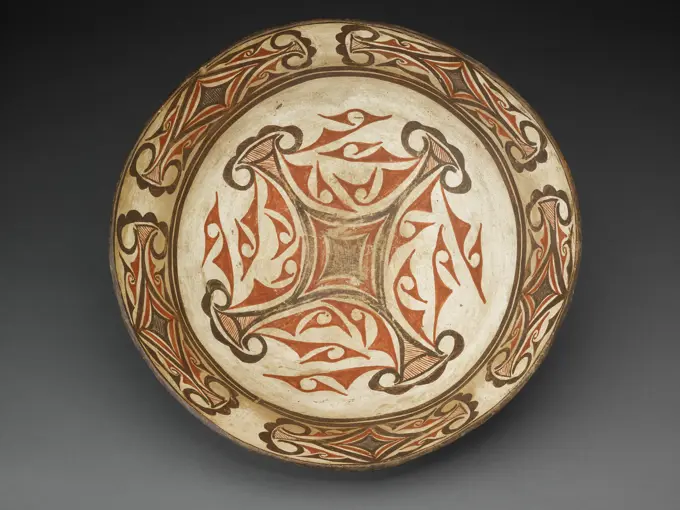
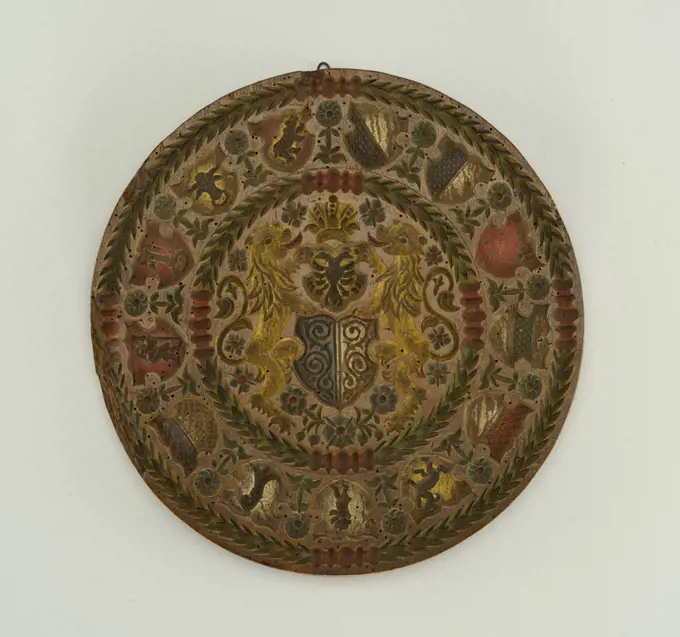
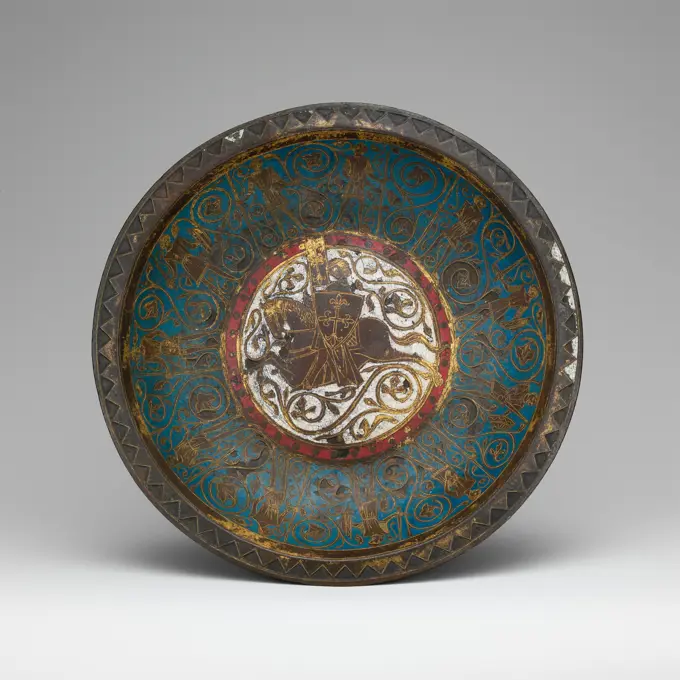
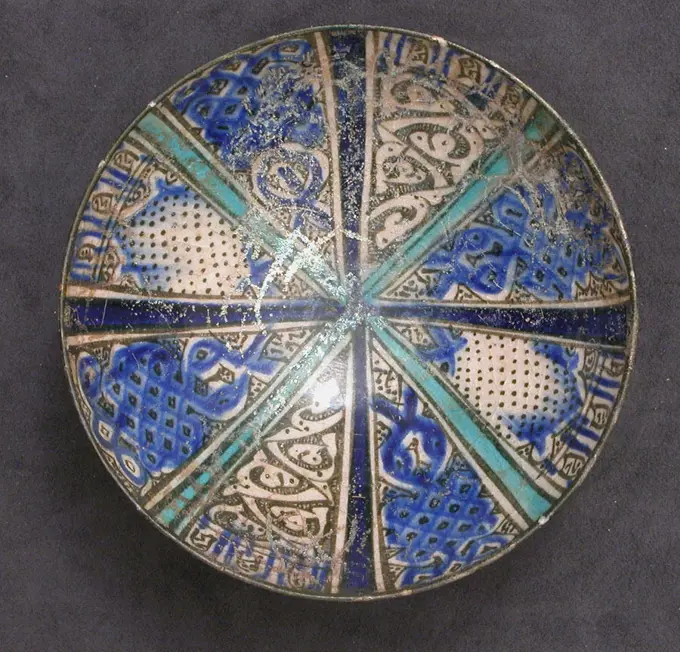
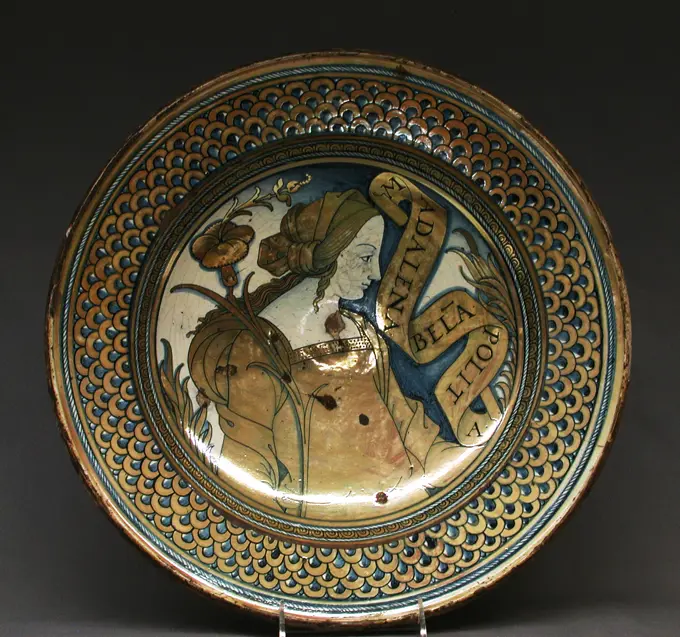
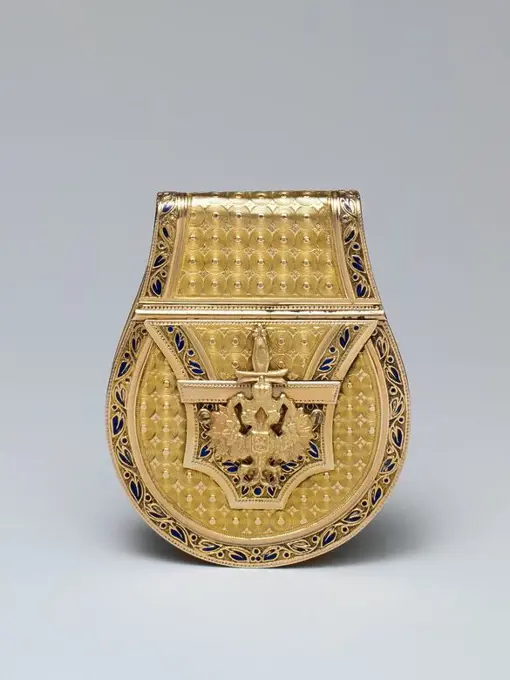
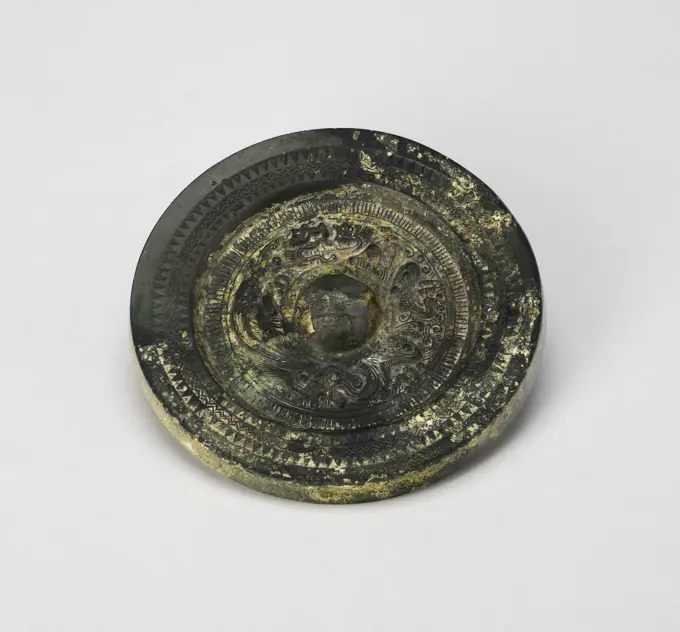
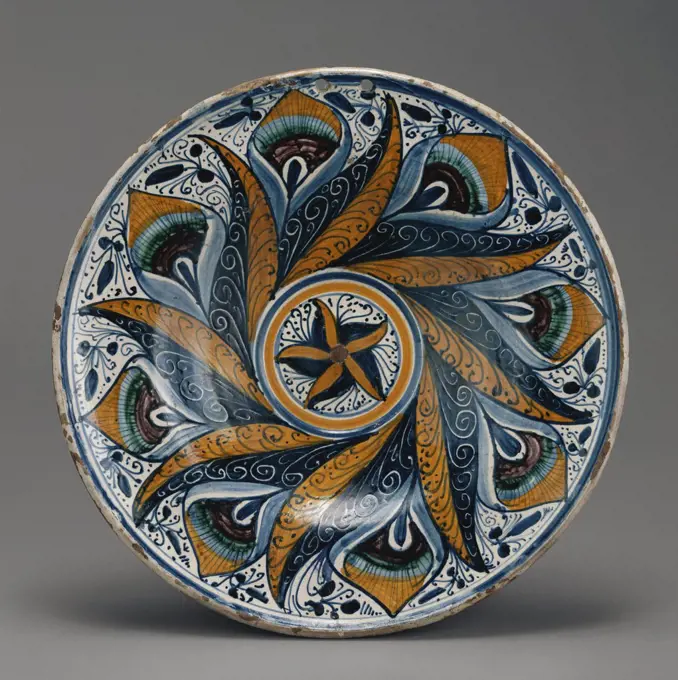
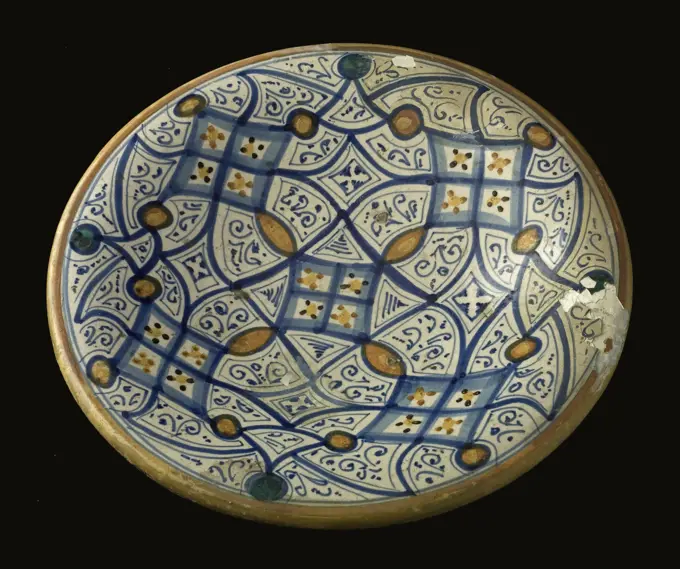
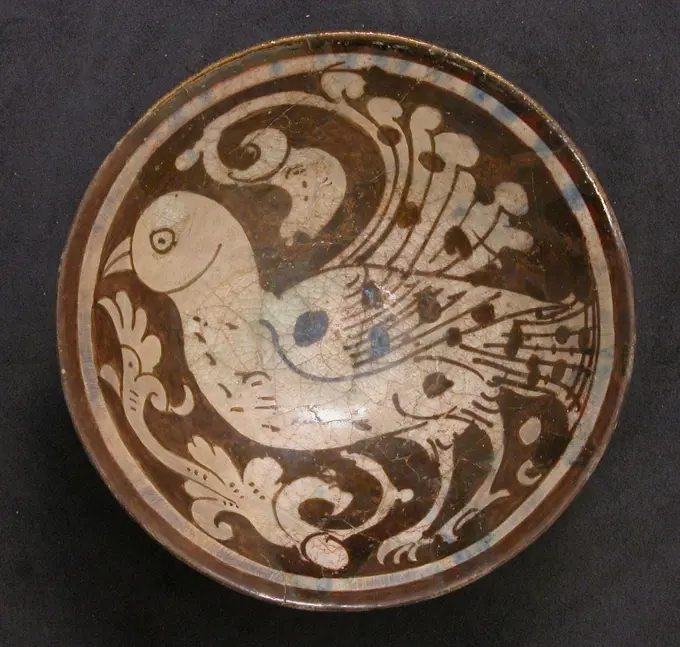
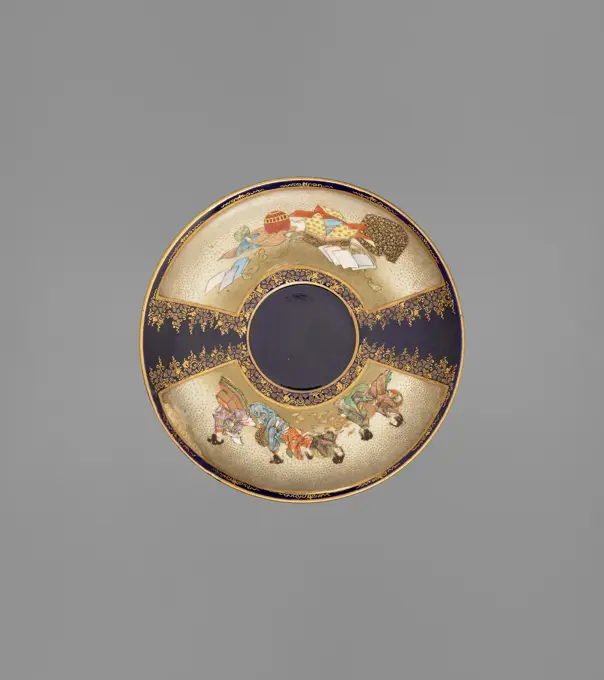
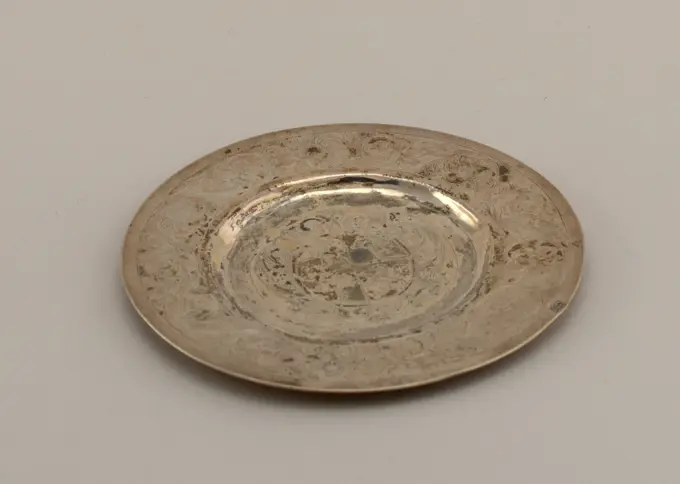
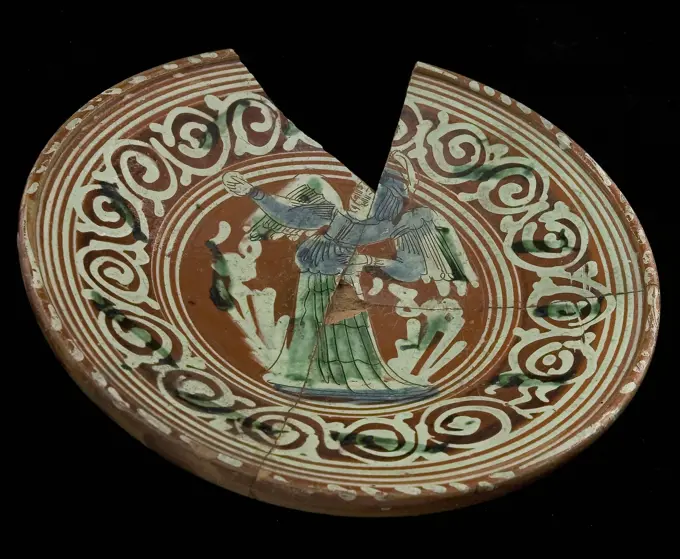
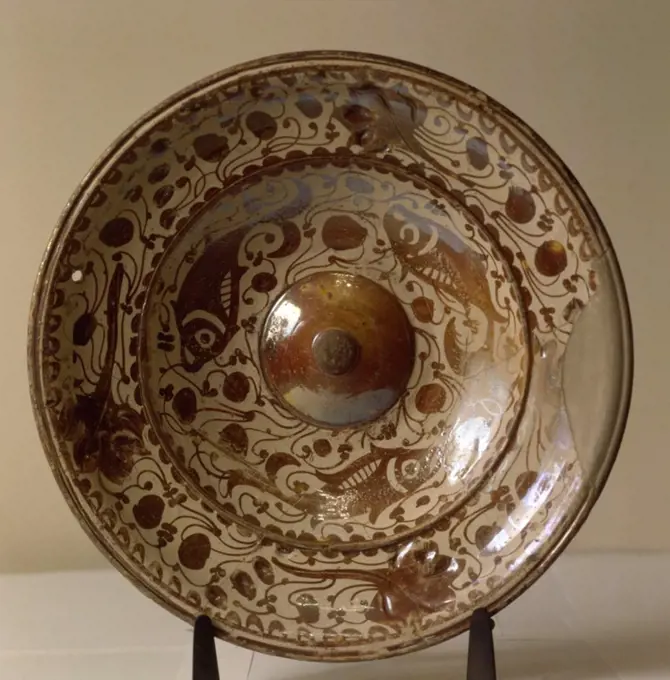
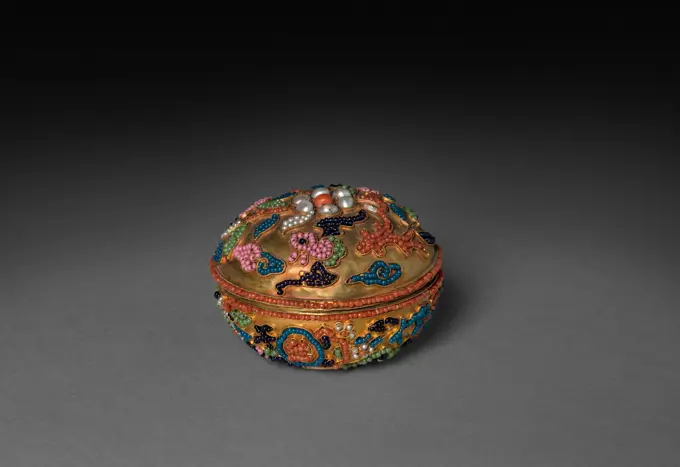
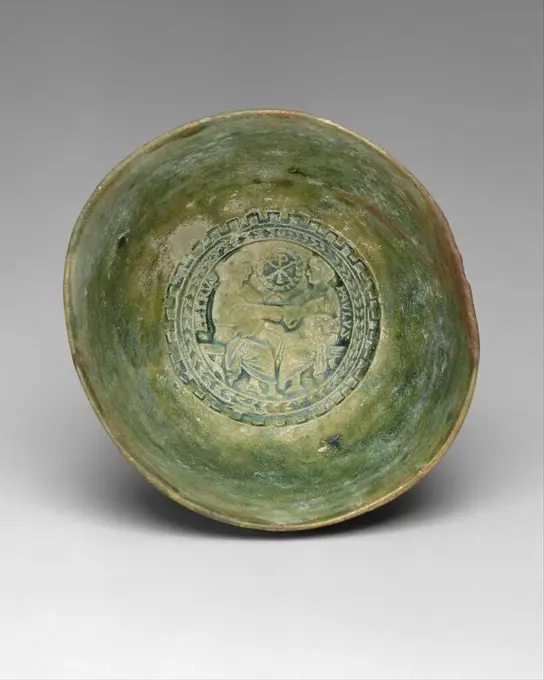
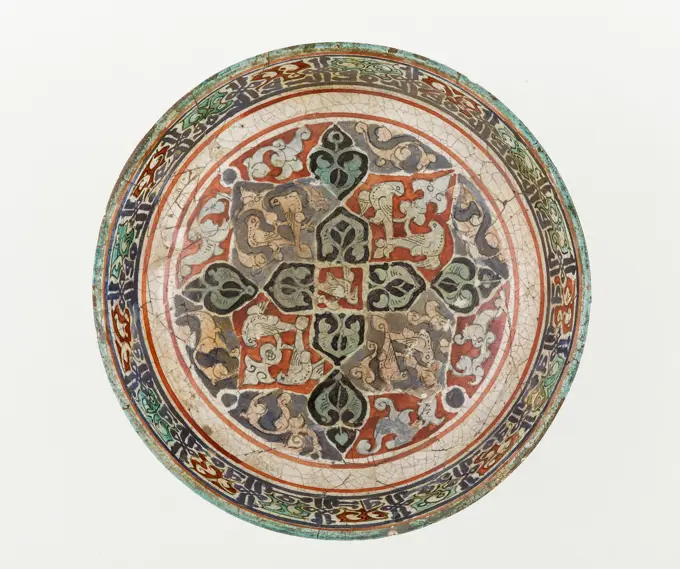
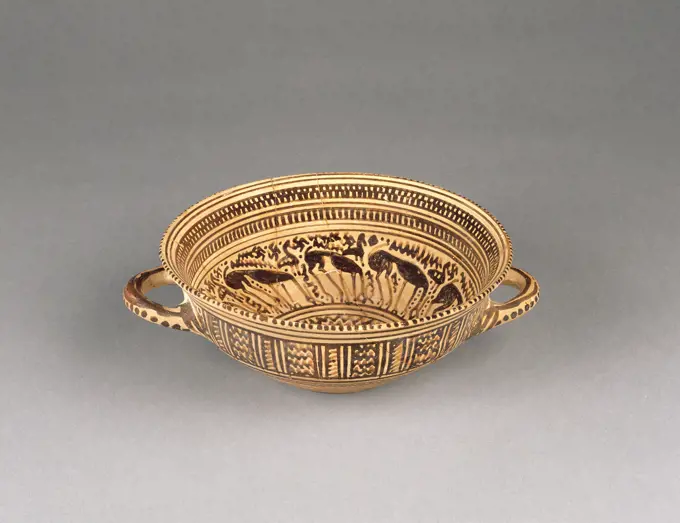
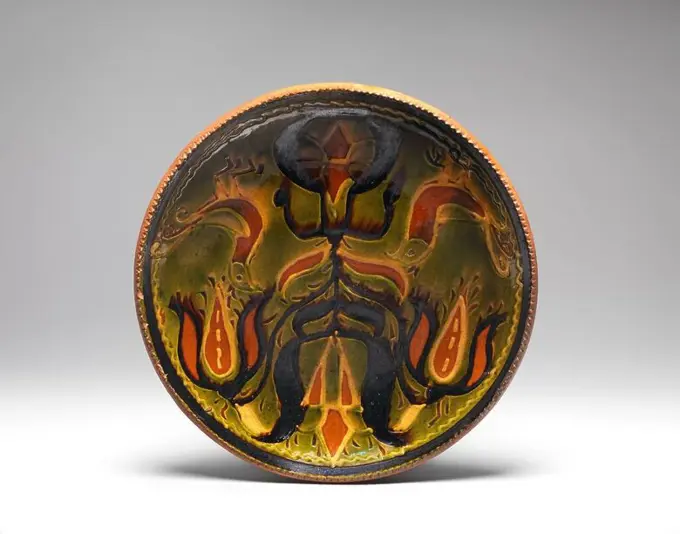
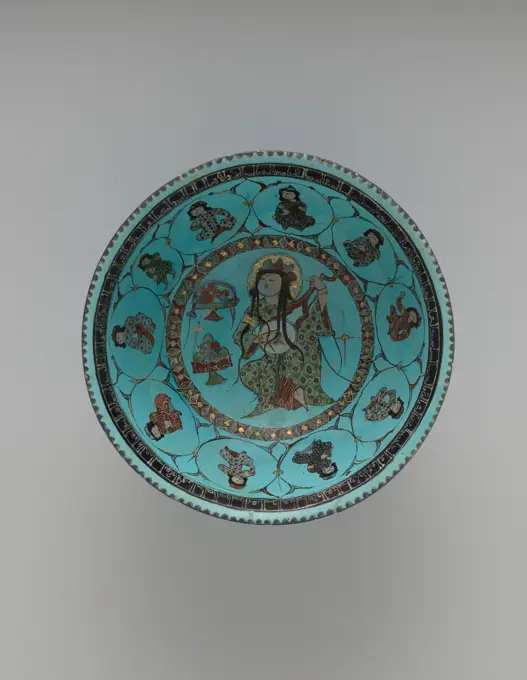
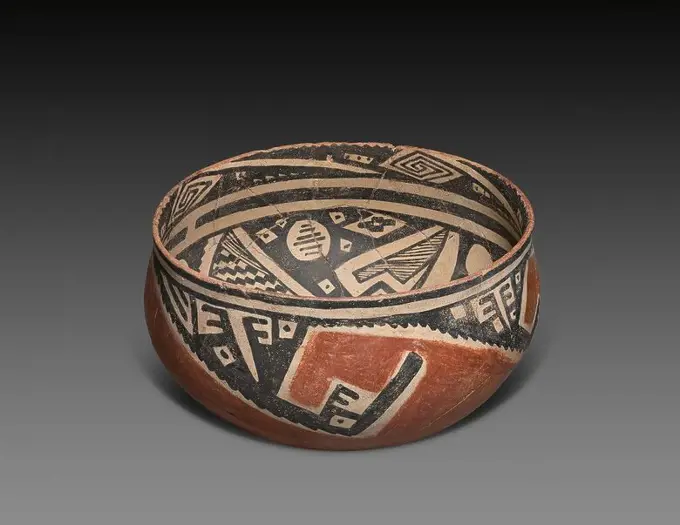
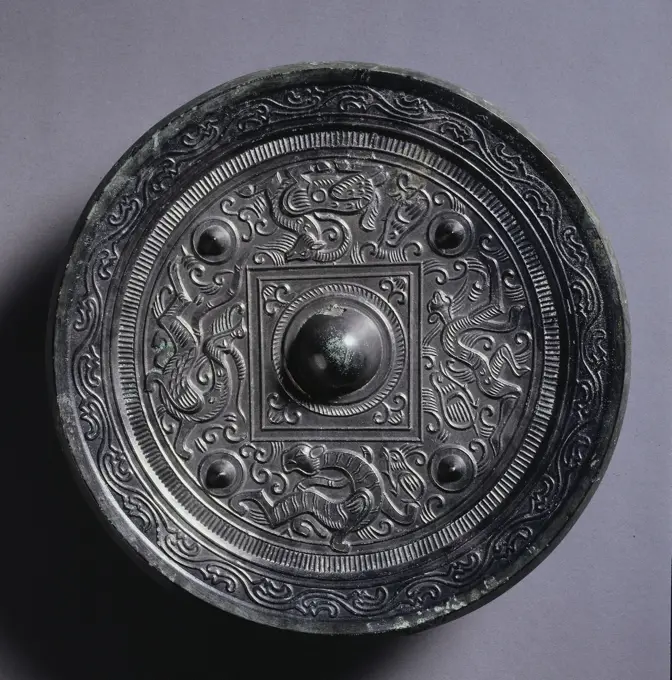
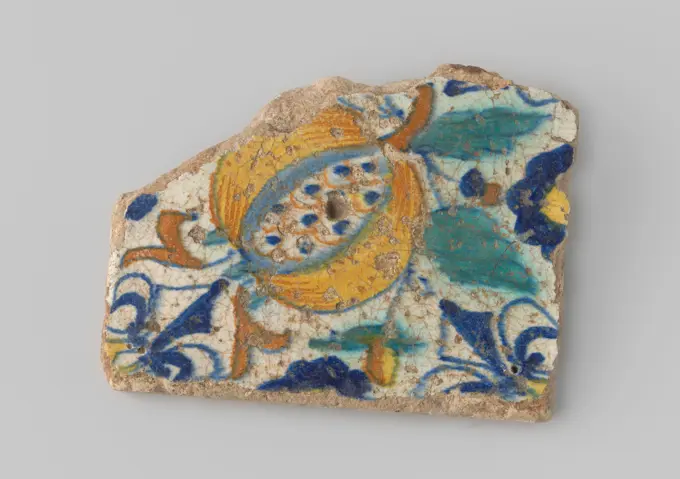
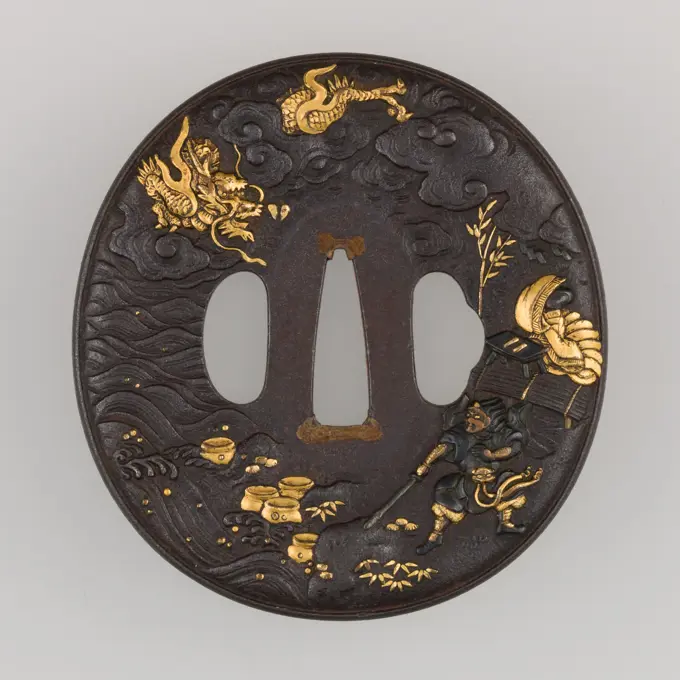
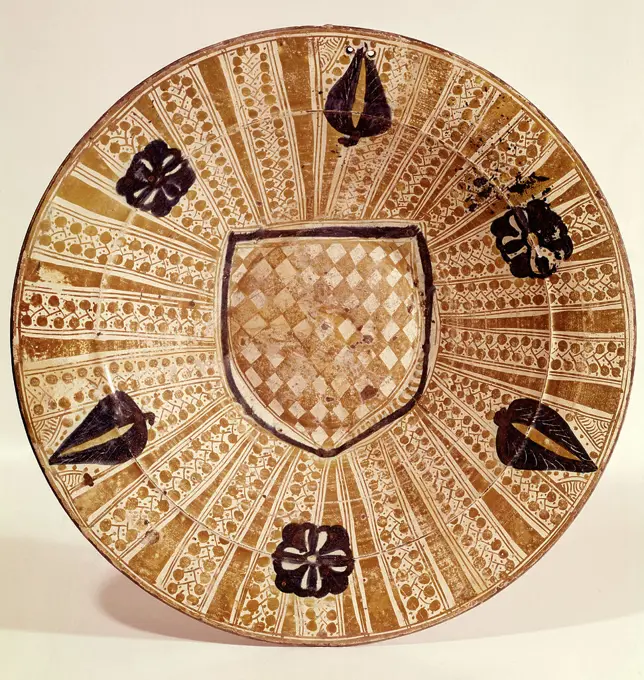
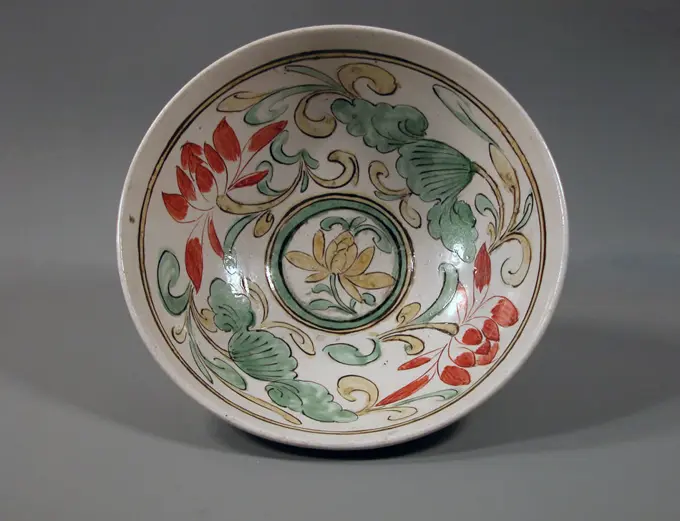
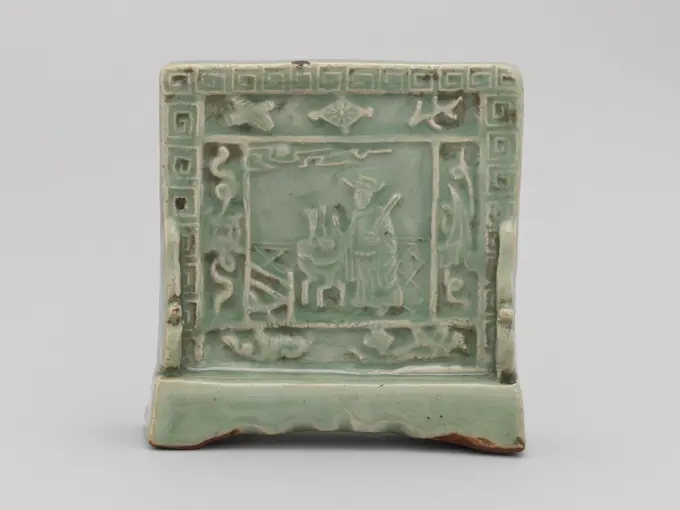
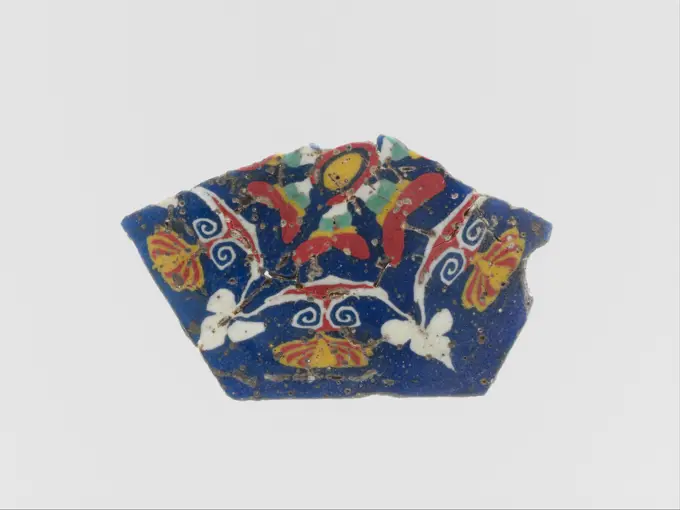
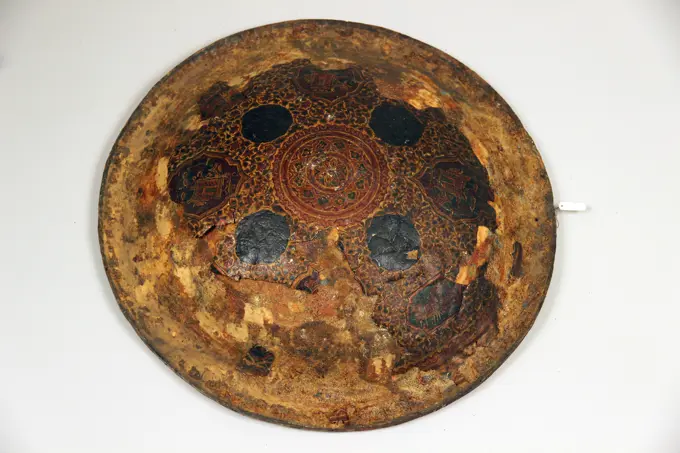
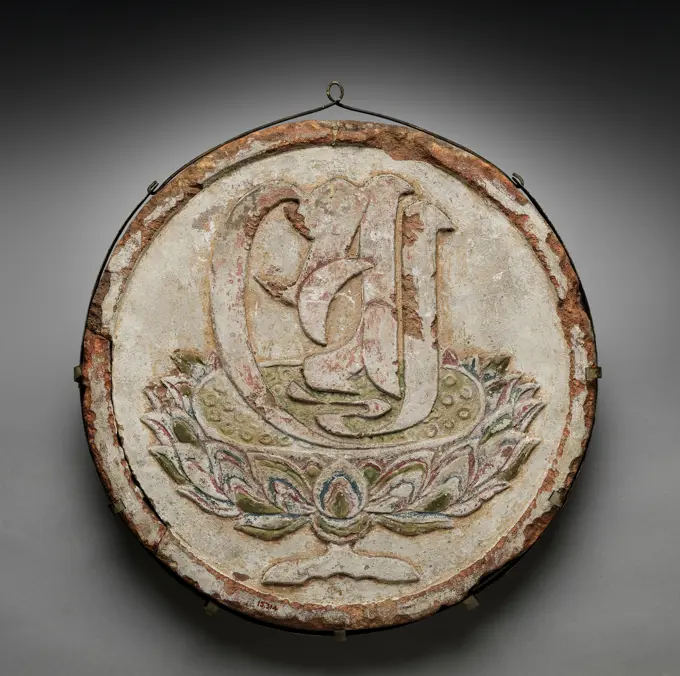
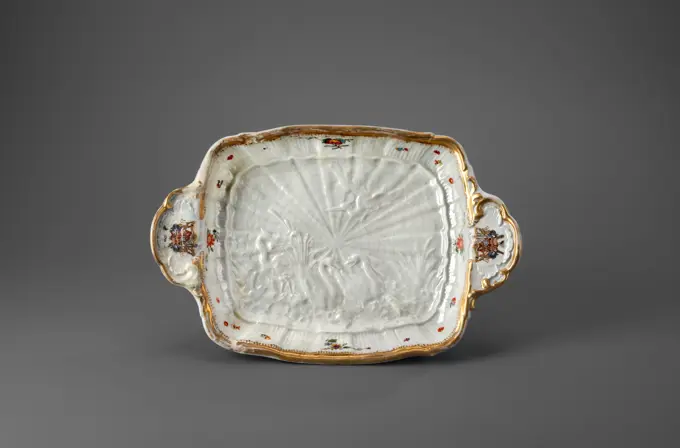
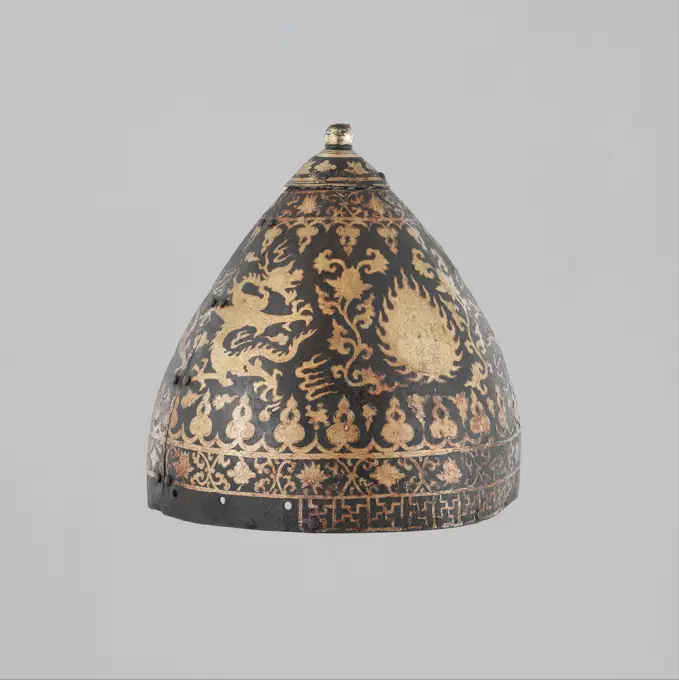
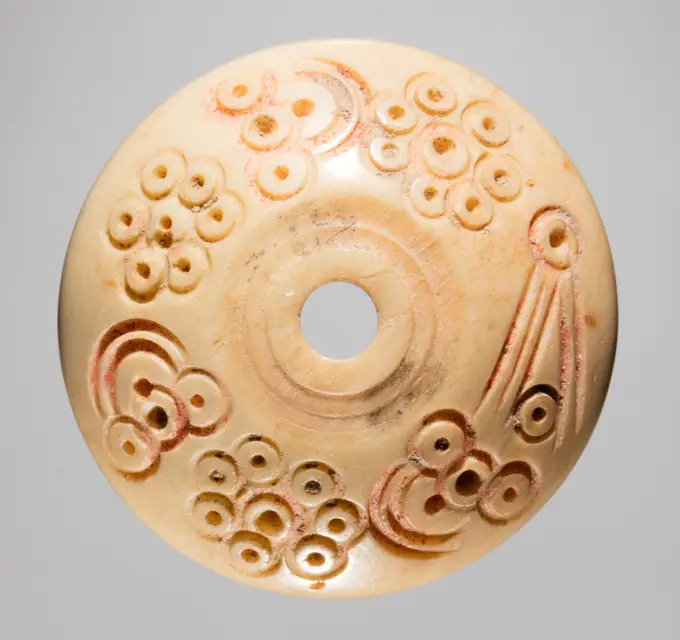
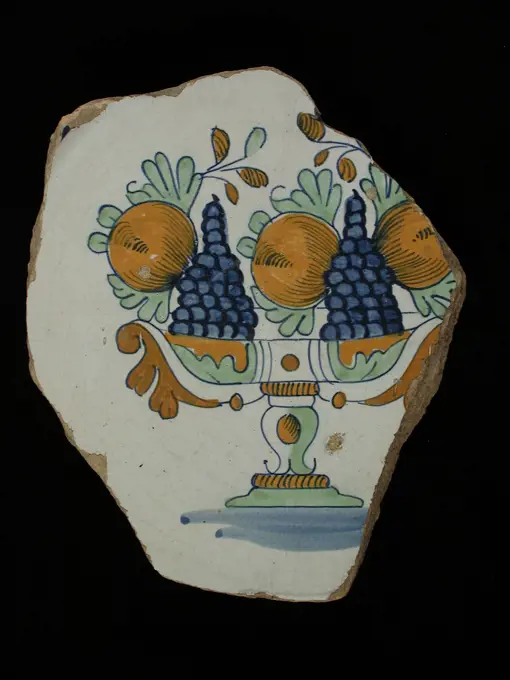
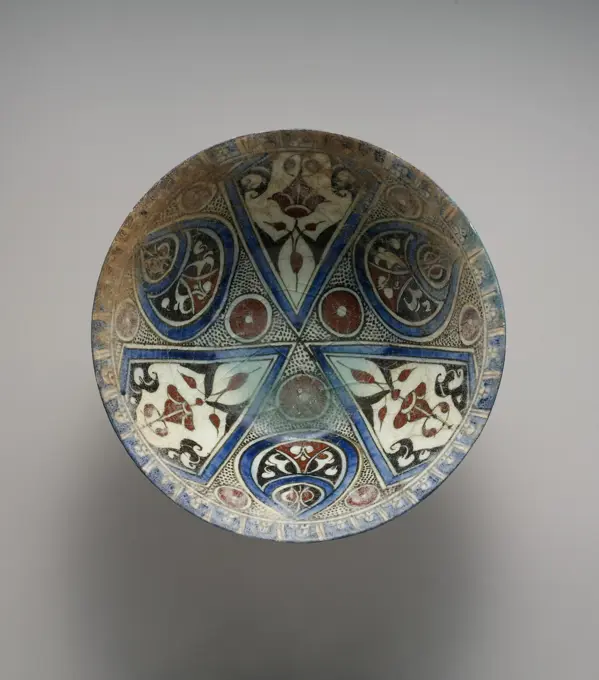
Bowl late 12th-early 13th century This bowl represents another innovation that coincided with the Syrian adoption of stonepaste: the application of pigment oxides directly on ceramic bodies before coating with transparent glaze. Often painted in radial designs, the colors included chromium black, copper turquoise, cobalt blue, and iron oxide red. Recent analysis suggests the main production center for this ware was Damascus.. Bowl. late 12th-early 13th century. Stonepaste; polychrome painted under transparent glaze. Made in Syria, probably Damascus. CeramicsBowl with Geometric Design (Two-part Design), c. 1000-1150. Southwest, Mogollon, Mimbres, Pre-Contact Period, 11th-12th century. Earthenware; diameter: 28.3 cm (11 1/8 in.); overall: 11.5 cm (4 1/2 in.).Bowl dated A.H. 975/ A.D. 1567-68. Bowl 451987Fountain (container), XVI century, Ceramics (earthenware decorated with metallic reflections), of Manises or Paterna (Valencia), Diameter: 47.2 cm. Museum: Museo Fundación Francisco Godia, Barcelona, Cataluña, España.Polychrome Bowl 1880-1900 New Mexico (Object made in), United States (Object made in), Zuni Pueblo (Object made in). Toward the end of the nineteenth century, an artistic renewal occurred throughout the Southwest as centuries-old styles and techniques were recast in response to increasing public interest in Native American art and culture. Potters from several pueblos, or towns, developed innovative vessel shapes and designs by adapting and adding to the achievements of their ancestors. The styles and symbolic forms expressed each com-munityís particular historical identity and sense of place. The interior of this bowl is filled with a large, X-shaped symbol with arms emerging from a crosshatched diamondóa reference to the four sacred directions of the ZuÒi world. The red, hooked motifs between the arms represent pahos, prayer sticks with attached feathers that were placed at sacred locations to petition for rain. On the exterior, zigzag lines flanked by red and black triangles signifyDish second half 17th century or later Manner of Bernard Palissy French. Dish. French. second half 17th century or later. Lead-glazed earthenware. Ceramics-PotteryRoundel, wood, carved and painted, Switzerland, 19th century, architecture, Decorative Arts, RoundelFor a long time; unpredictable Lona Manufaktura; 16th century (1500-00-00-1600-00-00);Gemellion (Hand Basin) with a Knight on Horseback ca. 1250-75 French. Gemellion (Hand Basin) with a Knight on Horseback. French. ca. 1250-75. Copper, wrought and gilt, and champlevé enamel: medium blue, red and white. Made in Limoges, France. Enamels-ChamplevéFragment 10th-12th century. Fragment 452714Plate, 17th century, Diam.6-1/2 in., Glazed ware, Turkey, 17th century. Scale of quartz-fritgoed covered with black sludge engobe from which decoration is cut away in 'silhouette' under a monochrome turquoise alkalilation. A circle with stripes pattern is shown on soil. Above it is a frieze with standing motifs that reminiscent of an eagle motif. A checkered edge has been placed on top.Bowl first half 14th century This bowl exhibits a rare glaze type referred to as lajvardina, from the Persian word lajvard, or lapis lazuli (a deep blue colored stone containing gold inclusions). Its design comprises small squares of gold leaf, carefully arranged into intricate patterns with delicate red and white overpainting. Production of this type of glazed ware is limited to the Ilkhanid period in Iran. And the luxurious nature of this example suggests it was destined for wealthy patrons.. Bowl. first half 14th century. Earthenware; painted on an opaque white ground under transparent glaze. Attributed to Syria. CeramicsDish ca. 1515-25 Italian, Deruta. Dish. Italian, Deruta. ca. 1515-25. Maiolica (tin-glazed earthenware), lustered. Ceramics-PotteryPlate with a Geometric Interlaced Pattern, anonymous, c. 1525 Round plate of multi -colored painted majolica. On a black, red and green surface, a geometric line pattern is painted from yellow lines that swing through and under each other. On the back a star -shaped leaflet wreath is painted and a brand. Siena earthenware. tin glaze. lead glaze majolica Round plate of multi -colored painted majolica. On a black, red and green surface, a geometric line pattern is painted from yellow lines that swing through and under each other. On the back a star -shaped leaflet wreath is painted and a brand. Siena earthenware. tin glaze. lead glaze majolicaBasin 18th-19th century. Basin 443175Music Box. Culture: Swiss. Dimensions: L. 6.4 cm (2 1/2 in.). Date: ca. 1810.Purse-form gold music box with blue enamel borders. Decorated with the Russian Imperial Eagle and sword. Museum: Metropolitan Museum of Art, New York, USA.Mirror with Dragon and Tiger 25 CE-220 CE China. Bronze .Dish with a Peacock Feather Pattern; Unknown; Deruta (probably), Italy, Europe; about 1470 - 1500; Tin-glazed earthenware; Object: H:  6.35 x Diam.:  39.05cm (H:  2 1/2 x Diam.:  15 3/8 in.)Majolica dish on stand with oriental, ornamental polychrome decoration, plate dish bowl tableware holder soil find ceramic pottery glaze tin glaze, hand turned fried glazed decorated baked Low earthenware dish on stand. Yellow shard entirely glazed Decorated with polychrome ornamental decors with five blue squares as main decor. At the intersections and ends orange and green spheres At the bottom three blue bands between edge and stand prints in the representation Restoration is repainted archeology indigenous pottery import food serve garnish tablePierre Reymond. Plate, January. Museum of Fine Arts of the City of Paris, Petit Palais. 70521-3 January month, plateDish 1470-1490 Spanish. Dish 471775Bowl 12th-13th century. Bowl. 12th-13th century. Stonepaste; luster-painted on opaque white glaze with monochrome decoration under transparent glaze. Attributed to Iran, Rayy. CeramicsDish early 16th century German. Dish. German. early 16th century. Brass. Metalwork-BrassBowl with Deer Motif 14th century A spotted deer rests against a foliate background in this blue and turquoise underglazed bowl from Iran. The animal looks upward, perhaps in reference to the motif of a deer gazing at the moon. This design, borrowed from Chinese Buddhist symbolism, was called jairan and used in a variety of media during the Ilkhanid period. One of a group of works associated with Sultanabad, this bowl and others like it were more likely produced in Kashan. The white glaze that once covered the exterior of the bowl is now faded, revealing the pinkish body of the stonepaste below.. Bowl with Deer Motif 454778Kruitfles, anonymous, c. 1600 - c. 1699 powder horn Round powder bottle with an opening in the middle. Punished copper seizure of leaf and rank motifs. Further inlaid with round pieces of ivory. Iron spout with an ivory ring at the foot. Closing mechanism. Netherlands copper (metal). ivory. walnut (hardwood). iron (metal) cutting / striking (metalworking) / engraving ornament derived from plant forms Low CountriesSaucer. Kinkôzan, Sôbei VII (1867-1927), ceramistPlate (England); silverWerra dish on stand surface, mirror decor with angel in sludge technique and sgraffito, dated 1618, dish crockery holder soil find ceramic earthenware glaze lead glaze clay, hand-turned decorated glazed fried lemonade sgraffito Dish on stand. Red shard only glazed on the top Slanted sidewall without shoulder. Decorated with an angel with round object in her right hand. Along the flag yellow circles between them band of volutes or circle motifs Decorations made in sgraffito and sludge technique. Rope pattern along the edge sloppy. Used colors yellow blue and green. date glazed: 1618 archeology Rotterdam serving serve decorate food table war World War II bible Soil discovery from debris after the bombing of May 1940 Rotterdam.Terracotta plate ca. 330-300 B.C. Greek, South Italian, Campanian, Teano Plate of black glaze on which decorations are painted in various colors.. Terracotta plate. Greek, South Italian, Campanian, Teano. ca. 330-300 B.C.. Terracotta; applied color. Hellenistic. VasesWilliam L Antrim, Pa German Plate, c 1938 Pa. German PlateThumb ring used for drawing a bowstring unknownPlato de escudella, siglo XVIII. Museu d'Història de Catalunya.Reflection plate, 17th century.Box, 19th Century. China, Qing dynasty (1644-1911). Metal; diameter: 5.8 cm (2 5/16 in.).Viking brooch from Varby. Artist: UnknownBowl with Saints Peter and Paul. Culture: Roman or Byzantine. Dimensions: Overall: 3 3/8 x 5 1/2 x 5 1/4 in. (8.5 x 14 x 13.3 cm). Date: ca. 350.Regularly spaced on the exterior are Christograms, monograms for Christ's name, framed in martyrs' wreaths. Saints Peter and Paul appear on the interior base in a medallion similar to ones on gold glass vessels. Museum: Metropolitan Museum of Art, New York, USA.Kitchen formBowl. Iran, late 12th-13th century. Ceramics. Fritware, inglaze- and overglaze-painted (mina'i)Geometric Attic Cup; Athens, Greece; about 730 B.C; Terracotta; 6 × 19.3 cm (2 3,8 × 7 5,8 in.)Dish with Lion ca. 1500 Spanish. Dish with Lion. Spanish. ca. 1500. Tin-glazed earthenware. Made in probably Manises, Valencia, Spain. CeramicsCarnavalet Museum, Medals CollectionBelt buckle ". Bronze. China, Tang dynasty. Paris, Cernuschi museum. 72687-35 Silver, Chinese art, belt loop, bronze, Chinese ceramic, spoon, tang dynasty, terracottaMiniature Mirror with Grape Decoration, 600s. China, Tang dynasty (618-907). Bronze; diameter: 4.9 cm (1 15/16 in.); overall: 0.7 cm (1/4 in.); rim: 0.7 cm (1/4 in.).Fragment of Coptic fabric unknownFragment, Frame; wood, gildedSilver mirror 1st century A.D. Roman The mirror is inscribed on the back with its weight and the owners name, Iris. The front is slightly convex and would have been highly polished in order to provide a good reflection. Although it is said to have been found in Egypt, this example finds close parallels from sites in the Vesuvius area and may have been made in Campania.. Silver mirror. Roman. 1st century A.D.. Silver. Early Imperial. Gold and SilverPlate. Culture: American. Dimensions: Diam. 9 5/8 in. (24.4 cm). Maker: Attributed to Solomon Grimm (1787-1847). Date: 1815-25. Museum: Metropolitan Museum of Art, New York, USA.Plate (tagliere) ca. 1500-1510 Italian, Deruta. Plate (tagliere). Italian, Deruta. ca. 1500-1510. Maiolica (tin-glazed earthenware). Ceramics-Pottery. Oval tsuba with slightly raised edge; At the front in Iroe-Takazogan, Katakiri-Bori and Hirazogan two ranges, a mouse and a butterfly; At the rear a treur wilg in Katakiri-Bori and some plants inlaid in silver; Signed "Sadamasa".Turquoise Bowl with Lute Player and Audience late 12th-early 13th century A large assembly with an audience of ten people, or singers, surrounding the ud-player is depicted on this turquoise bowl. Bowls of fruit suggest the festive nature of the event.. Turquoise Bowl with Lute Player and Audience. late 12th-early 13th century. Stonepaste; glazed (opaque monochrome), in-glaze- and overglaze-painted, gilded. Attributed to Iran. CeramicsLustered Armorial Plate. Workshop of Giorgio di Pietro Andreoli, known as Maestro Giorgio (Italian, about 1465 - about 1555)Dish. Artist: workshop of Maestro Giorgio Andreoli (Italian (Gubbio), active first half of 16th century). Culture: Italian, Gubbio. Dimensions: Overall (confirmed): 2 3/8 × 16 7/8 in. (6 × 42.9 cm). Date: ca. 1525. Museum: Metropolitan Museum of Art, New York, USA.Hispano-Moresque Plate. Spanish; Valencia (probably Manises). Date: 1545-1555. Dimensions: Diameter: 38.7 cm (15 1/4 in.). Tin-glazed earthenware with copper luster. Origin: Spain. Museum: The Chicago Art Institute, Chicago, USA.Fragment of a Bowl 14th century. Fragment of a Bowl 445180Fragment of a dish of earthenware, decorated with pomegranate, anonymous, c. 1600 fragment Fragment of a dish of earthenware in yellow, orange, green and blue, decorated with a pomegranate. pen and ornaments scratched in blue soil. Brand AUTMERING: Dordrecht excavated. Northern Netherlands earthenwareDish, painted with parallel lines and stilled leaf and flower ornaments, anonymous, c. 1450 - c. 1550 Round dish of multi -colored painted faience. The board is painted with parallel lines between which stylized flower and leaf ornaments. Concentric circles are painted on the back. The glaze has a reflection metallique. Manises earthenware. tin glaze. Round dish of multi -colored painted faience. The board is painted with parallel lines between which stylized flower and leaf ornaments. Concentric circles are painted on the back. The glaze has a reflection metallique. Manises earthenware. tin glaze.Footed Bowl with Pairs of Monkeys and Star Motifs. Colombia, Nariño Highlands or Ecuador, Carchi, Nariño or Carchi, 600-1700 CE. Ceramics. Resist-painted ceramicLoop. Flat strip, on the 2 edges decor of 2 wreaths of iris.Bowl. Roosevelt Redware, Cliff Polychrome, Tonto variety; Cibola region, east-central Arizona, United States. Date: 1360-1450. Dimensions: Diam. 28.6 cm (11 1/4 in.). Ceramic and pigment. Origin: Arizona. Museum: The Chicago Art Institute, Chicago, USA.Mirror with a Central Square, an Immortal, and Auspicious Animals, AD 100s. China, Eastern Han dynasty (AD 25-220). Bronze; diameter: 18.5 cm (7 5/16 in.); overall: 1.7 cm (11/16 in.); rim: 0.8 cm (5/16 in.).Fragment of a tile with yellow shard, with a painting of a pomegranate and French lilies in yellow, green blue and orange on a white surface, c. 1500 - c. 1899 fragment. tile   earthenware. glazeSword Guard (Tsuba) late 18th-early 19th century Japanese A tsuba is a sword guard and part of a sword mounting. It is mounted between the swords blade and grip to protect the users hands.. Sword Guard (Tsuba) 26327Horse Accoutrement. Western Inner Mongolia and northern China, 5th-3rd century B.C.. Tools and Equipment; horse trappings. Bronze, castAufwändige antike Taschenuhr aus Gold von Edward East ca. 1640-50 Aufwändige antike Taschenuhr aus Gold von Edward East ca. 1640-50 LicenseRF Copyright: xZoonar.com/GallóxGusztávx 23309412PLATO CON DECORACION RADIAL-S XVI-MANISES. Location: MUSEO DE CERAMICA-CERAMICA VALENCIANA. Barcelona. SPAIN.Crespina plate; unpredictable Lona Manufaktura; 16th century (1501-00-00-1600-00-00);Disk Brooch Frankish 7th centuryOval Brooch. Culture: Viking. Dimensions: Overall: 4 1/2 x 2 15/16 x 1 11/16 x 4 1/2 in. (11.4 x 7.5 x 4.3 x 11.4 cm). Date: 900-1000.Large ornamental brooches were worn in pairs by women as dress fasteners. The interlacing animal forms across the surface were originally brightly gilded. Museum: Metropolitan Museum of Art, New York, USA.Clock watch ca. 1600-1610 Movement by Michael Nouwen, or Nouen Clock watches are early watches that strike the hours like a clock. They typically have pierced cases so one could hear the striking of the bell, which is attached to the inside of the case. The intricate piercing and engraving of the metalwork makes this watch as much a piece of jewelry or a display piece as it is a timekeeper. Watches of the period, though nearly always technically cutting-edge, were far from accurate and lacked a minute hand.. Clock watch 194140Bowl China. Bowl. China. Stoneware with overglaze polychrome (Cizhou ware). Jin dynasty (1115-1234). CeramicsTable screen (username). Sandstone, molding, celadon, molded decor. Cernuschi Museum, Asia Museum of Asia in the city of Paris.Casket;  IIPO .Xixw. (1865-00-00-1870-00-00);Glass mosaic inlay late 1st century B.C.-early 1st century A.D. Egyptian, Roman Translucent cobalt blue ground; decoration in opaque white, yellow, red, and grayish green.Polygonal, flat, and very thin plaque.Symmetrical ivy leaf and palmette motif arranged around a large central six-petaled rosette, with a slightly compressed palmette with spiral volutes below on sides of the hexagon and ivy leaves in solid white at corners.Broken across middle with almost half of motif missing; upper and underside and edge ground and polished; pitted surface bubbles.This inlay is cut from the same mosaic block as 17.194.380, with decoration in mirror image.. Glass mosaic inlay 249628Micro-mosaic Necklace; Italy; gold sheet and wire, glass mosaicsShield (Dhàl) 19th century Indian. Shield (Dhàl). Indian. 19th century. Leather, polychromy, lacquer. ShieldsReIIquary unknownMonju Triad (reverse), 1868-1912. Japan, possibly Meiji period (1868-1912). Earthenware; diameter: 38.8 cm (15 1/4 in.).Sweets for sweets; Koenigliche Porcellain Fabrique, Meissen (1710-1763), Kaendler, Johann Joachim (1706-1775), Eberlein, Johann Friedrich (1695-1749); 1740 (1740-00-00-1740-00-00);Bruehl, Edmund (1888-1962)-collection, Henryk (1700-1763), Mętlewicz, swan service, gift (provenance), coats of armsBowl 12th century. Bowl 448270Sand spreader. Sand spreader of stoneware in gray with blue decoration.Buckle, 618-907. China, Tang dynasty (618-907). Silver; overall: 5.8 cm (2 5/16 in.).Helmet 1350-1450 Mongolian or Chinese Based on its decoration and construction, this helmet appears to date from the late Yuan (1279-1368) to the early Ming dynasty (1368-1644), a period from which surviving armor is very rare. The style of decoration exhibits Tibetan and Mongolian influence. The technique of damascening with flat strips of gold instead of gold wire is found on only a few other pieces. The design centers around a flaming mandorla engraved with the image of a seated Buddha, flanked on each side by a lotus on a leafy stalk and a large four-clawed dragon. Other small motifs are interspersed throughout, including flames, clouds, and auspicious symbols from the set known as the Seven Jewels.. Helmet. Mongolian or Chinese. 1350-1450. Iron, gold. HelmetsSharf of white -baking earthenware, with a flour in blue on a white surface at the top, c. 1500 - c. 1899 fragment   earthenware. glazeSpindle Whorl, 700s - 900s. Iran, early Islamic period, 8th - 10th century. Bone, incised; overall: 0.7 x 2.5 x 2.5 cm (1/4 x 1 x 1 in.).Fragment ca. 1416-58. Fragment 445202Sword-Hilt Collar and Pommel (Fuchigashira) 18th century () Japanese A fuchigashira is a pair of matching sword fittings comprising the fuchi (collar at the base of the grip of the sword hilt) and kashira (pommel cap at the end of a sword hilt).. Sword-Hilt Collar and Pommel (Fuchigashira). Japanese. 18th century (). Copper-silver alloy (shibuichi), copper. Sword Furniture-Fuchi-KashiraWeefselfragment met orbiculus, anonymous, c. 500 - c. 699 Natural linen tissue fragment with sewn orbiculus, in which a climbing and at the same time surrounding lion, a kind of snake and leaf ornament in green, dark blue, light blue, yellow and natural color on a light red ground. The whole surrounded by a border with surfaces in light red, green, yellow, dark blue and natural on a dark blue soil. Egypt Ketting an element: Linen (material). Entry: Wool tapestry Natural linen tissue fragment with sewn orbiculus, in which a climbing and at the same time surrounding lion, a kind of snake and leaf ornament in green, dark blue, light blue, yellow and natural color on a light red ground. The whole surrounded by a border with surfaces in light red, green, yellow, dark blue and natural on a dark blue soil. Egypt Ketting an element: Linen (material). Entry: Wool tapestryBronze mirror ca. 100 B.C.-A.D. 100 Greek or Roman The back of the mirror is decorated with seven concentric circle ornaments.. Bronze mirror 244284Watch ca. 1830 Watchmaker: Jean-Louis Moré. Watch 207363Sword Guard (Tsuba) ca. 1615-1868 Japanese A tsuba is a sword guard and part of a sword mounting. It is mounted between the swords blade and grip to protect the users hands.. Sword Guard (Tsuba) 34491Dish on stand, red earthenware with bird and flower on yellow ground, plate crockery holder soil find ceramic earthenware glaze lead glaze clay, hand-turned decorated glazed fried lemonade Deep saucer on stand ring Upright sidewall without shoulder Red shard only glazed at the top Decorated in sludge technique Decoration consists of bird long legs in red and green to the left of it tulip or floral pattern archeology indigenous pottery import food serve serve table decorateCup or Bratina Scythian 19th centuryPlate. unknown, craftsmanLacquer Box, Yuan Dynasty. Pair of Ear Ornaments with Winged Runners A.D. 400-700 Moche Moche artists worked tiny pieces of highly valued materials such as shell, turquoise, and other blue-green stones into mosaics on the large circular frontals of ear ornaments. One pair here portrays winged runners, likely anthropomorphized owls, each holding a small bag. Darker inlays on the kneecaps, lower legs, and feet represent the figures body paint. Ritual running by a human or an anthropomorphized animal is one of the most frequently depicted activities in later Moche ceramics, but, as with the lizard motif on the other ornaments, its full meaning is unknown.Unas incrustaciones oscuras en las rótulas, en las partes bajas de las piernas y en los pies hacen referencia a la pintura corporal de estos corredores. Las carreras rituales, ya sean corridas por humanos o por animales antropomórficos, son una de las actividades representadas con mayor frecuencia en las cerámicas de la época moche tardía, aunque tal como ocurre cBox with Daoists welcoming immortal Shoulao 19th century China Boxes in this shape are often fitted with trays that have recesses for holding cups to serve wine at celebrations. The design on this example shows Daoists welcoming Shoulao, the god of longevity, as he descends from the heavens on a craneapt imagery for a vessel used to mark a birthday and convey wishes for a long life. A historical group of Daoist immortals is seated in the individual cartouches carved on the sides of the box.. Box with Daoists welcoming immortal Shoulao. China. 19th century. Carved red and green lacque. Qing dynasty (1644-1911). LacquerFragment of a dish with a cherub, anonymous, c. 1600 - c. 1650 Fragment of a dish of earthenware on a fairly high foot ring, painted in blue, green, orange and yellow on white ting laze with a cherub head floating above a ground with plants inside blue and yellow circles, out of which cutting blue arches. Lead glaze on the back Northern Netherlands earthenware Fragment of a dish of earthenware on a fairly high foot ring, painted in blue, green, orange and yellow on white ting laze with a cherub head floating above a ground with plants inside blue and yellow circles, out of which cutting blue arches. Lead glaze on the back Northern Netherlands earthenwareTG of IG, Fragment of the majolica dish, polychrome fruit bowl on foot, signed, plate dish crockery holder soil find ceramic earthenware enamel, baked underside covered with lead glaze. Polychrome. Signed initials glazed difficult to decipher: ICD  archeology decorate serving foodFrench Nautilus-shaped silver cup cover. may have been a marriage gift from Philip IV, King of France (reigned 1285-1314) to Raoul de Nesle. The coats of arms of Philip IV, Clermont- Nesle and Isabella of Hainault are displayed on the cover. Dated 1300