Artisan Ceramics Collection

Intricately designed bowls from different cultures and periods, showcasing artistic ceramics with rich historical backgrounds.
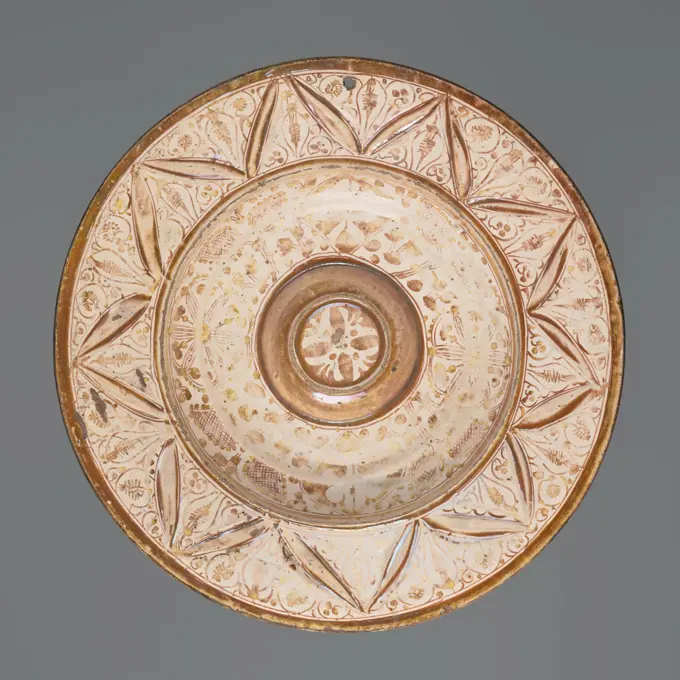
For a long time; unpredictable Lona Manufaktura; 16th century (1500-00-00-1600-00-00);
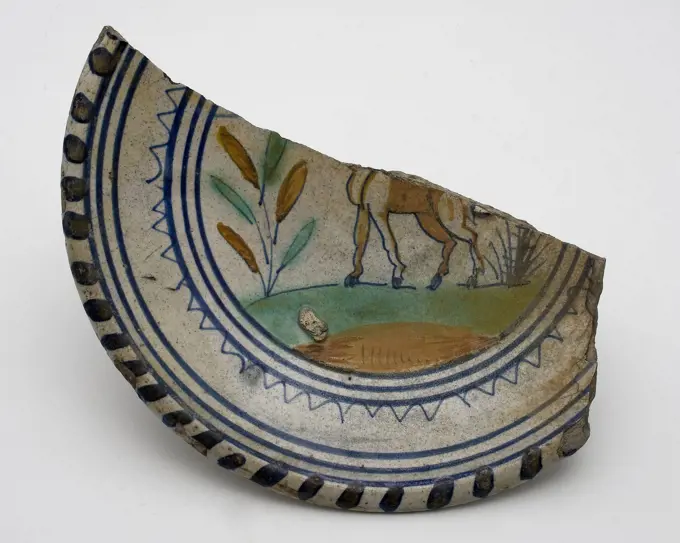
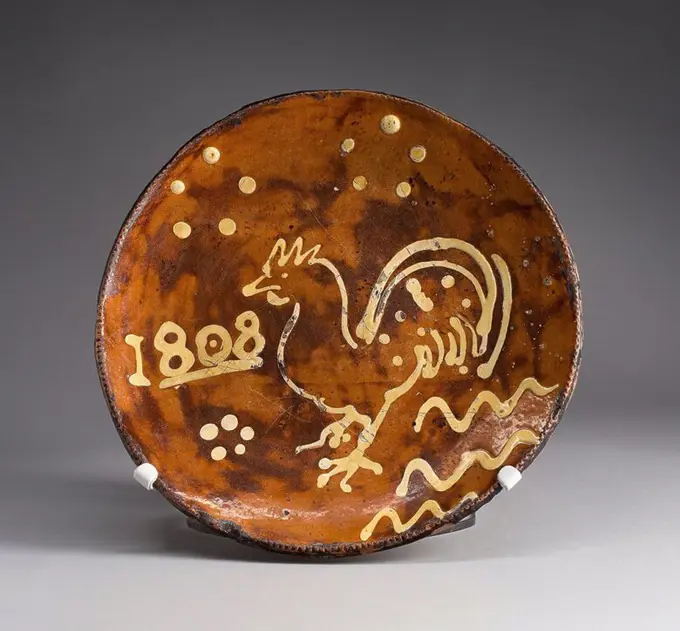
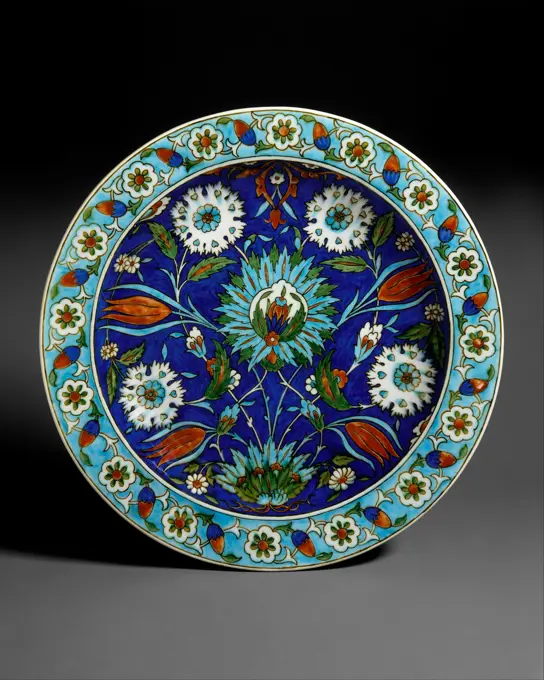
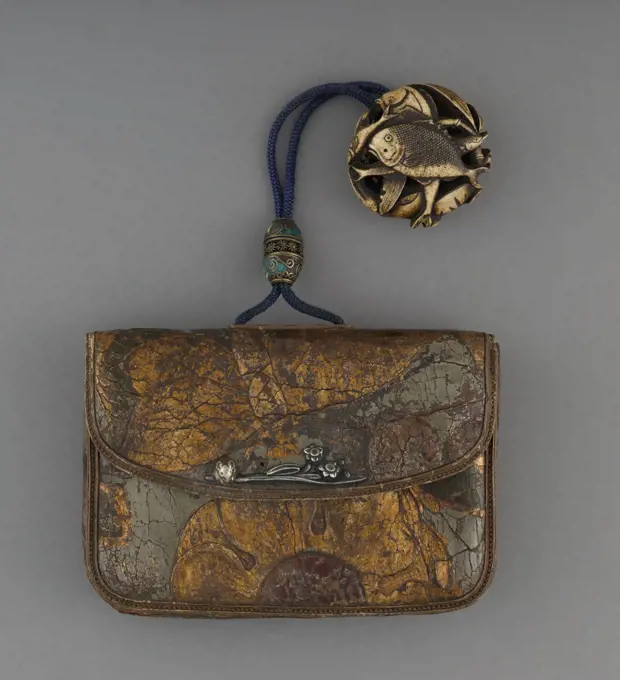
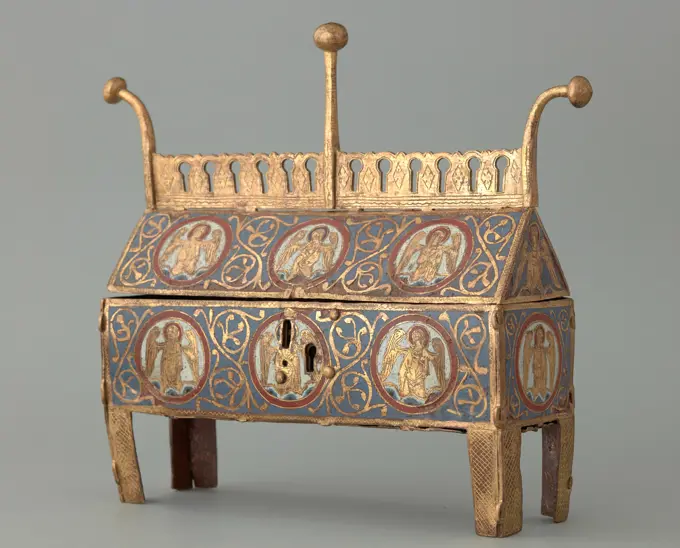
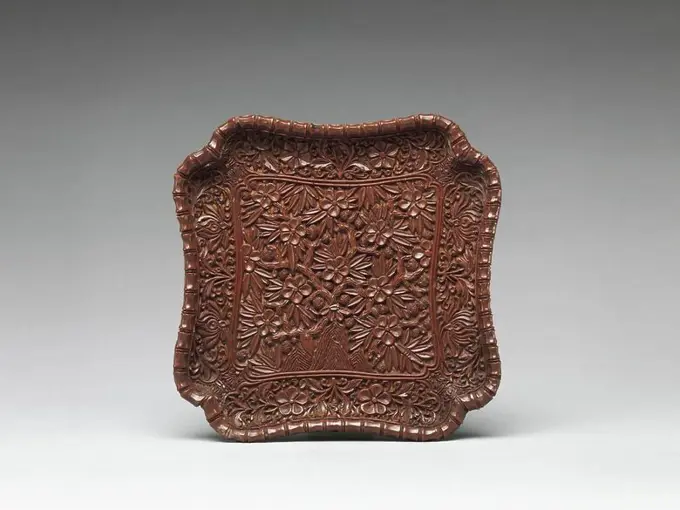
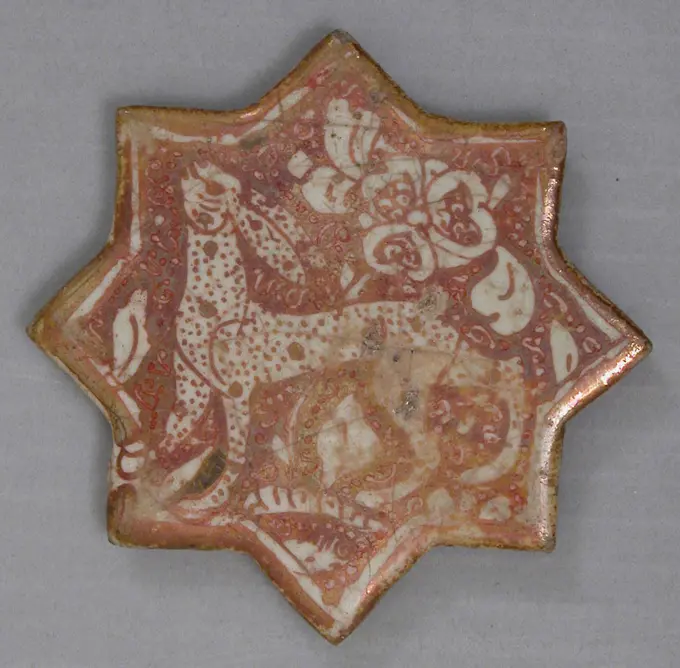
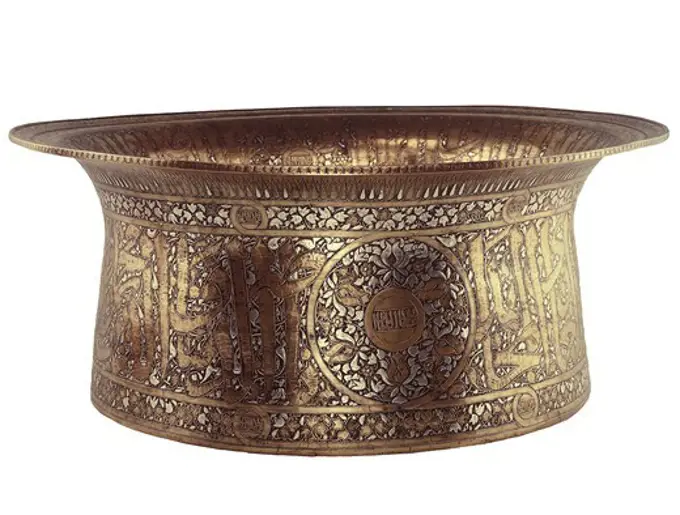
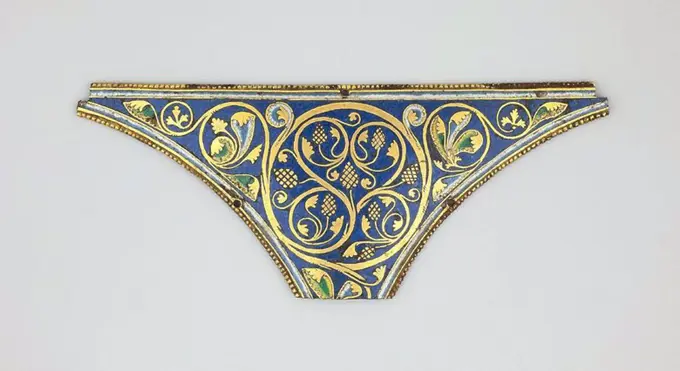
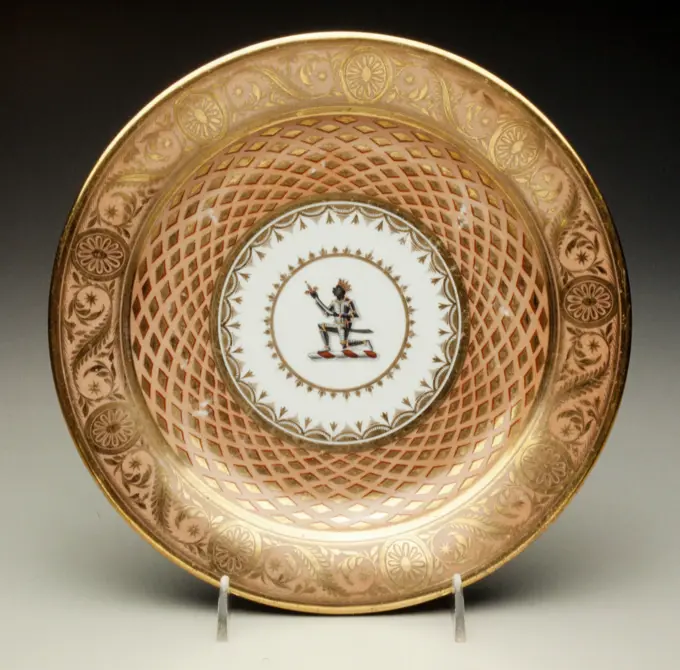
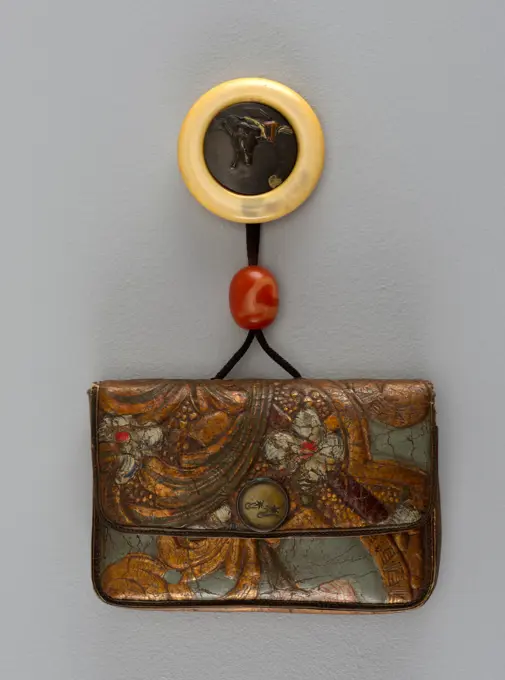
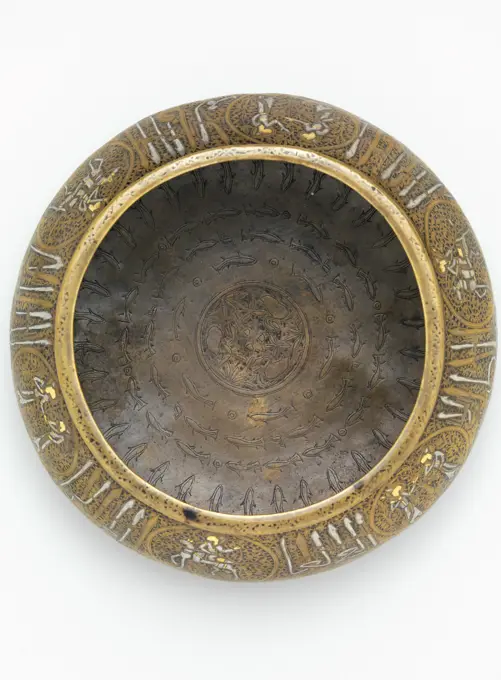
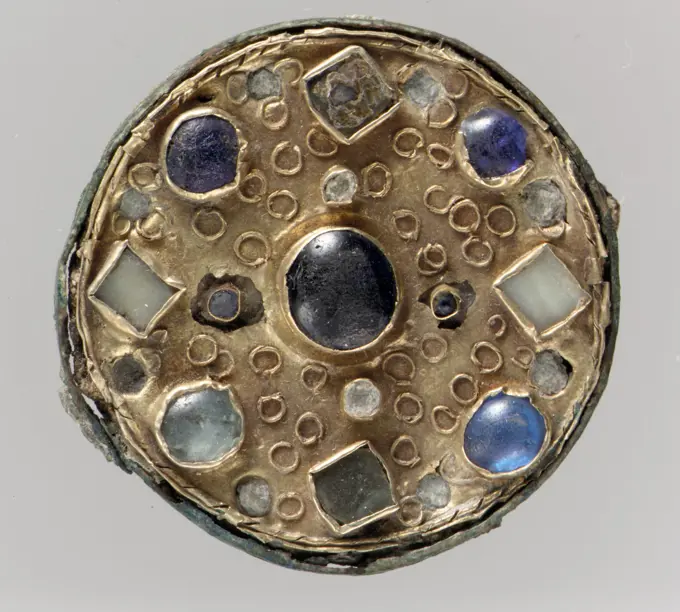
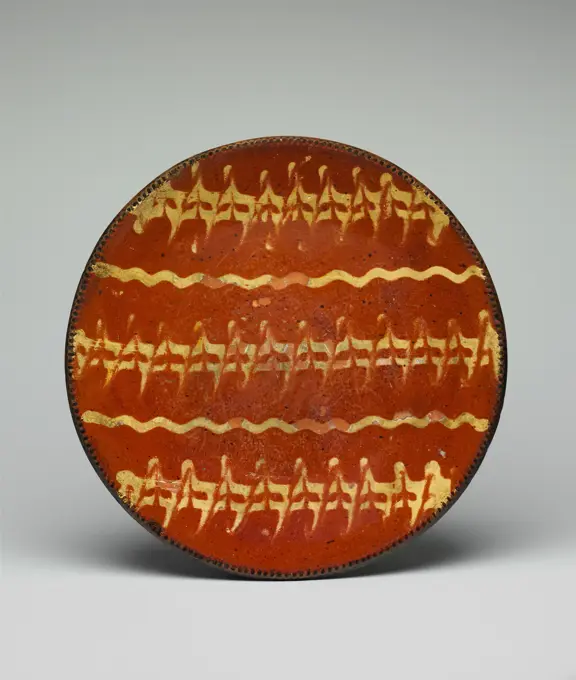
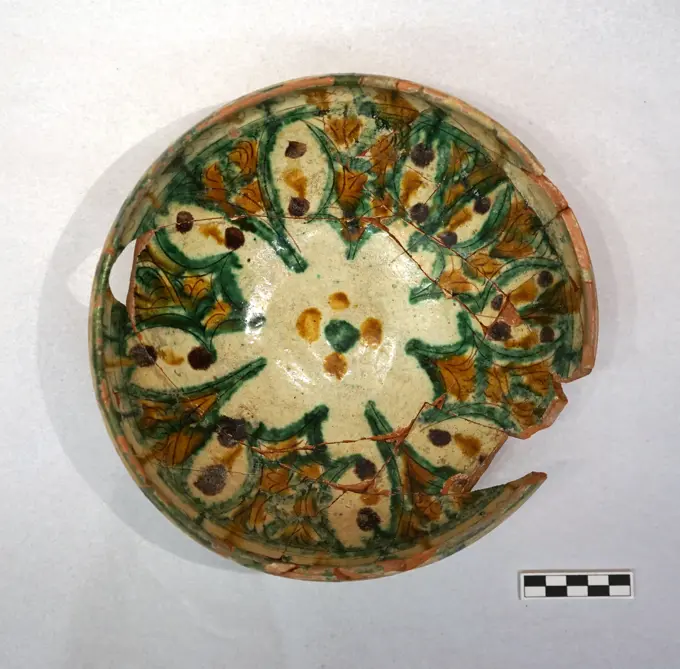
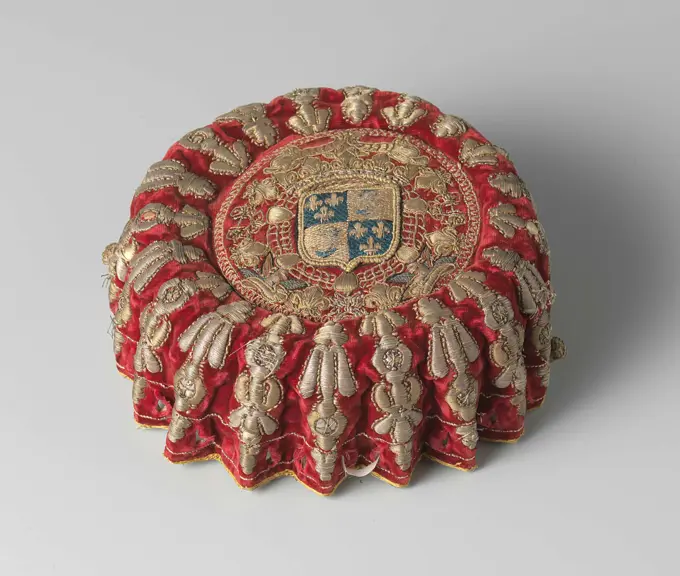
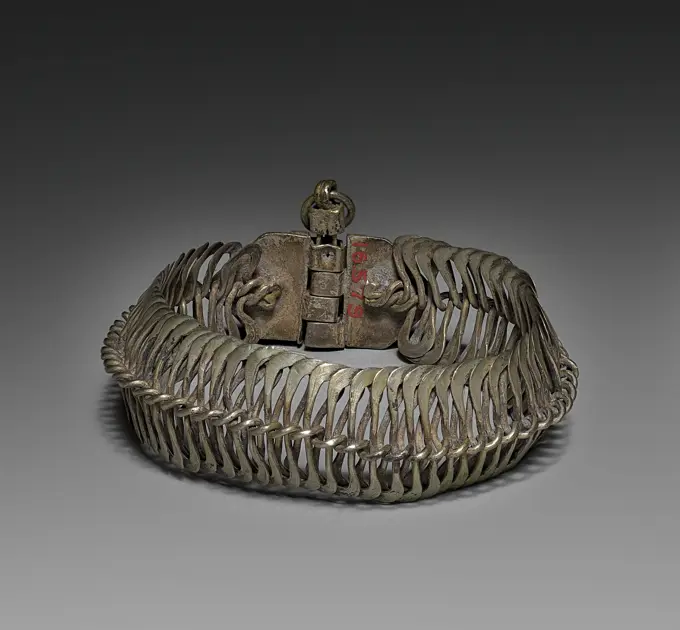
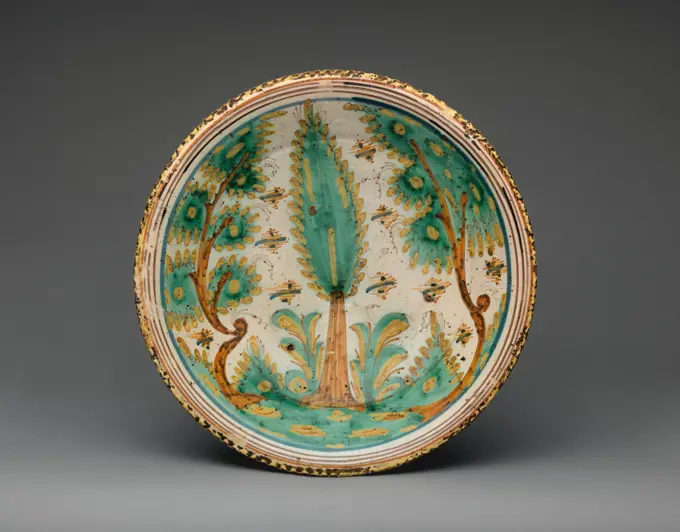
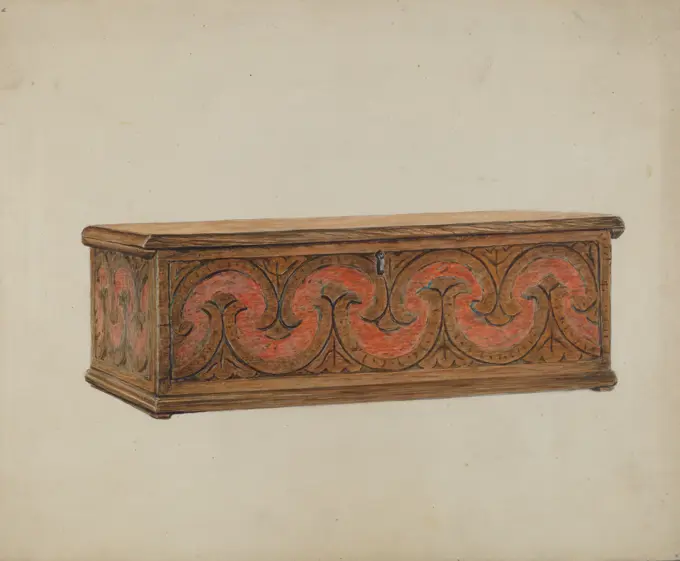
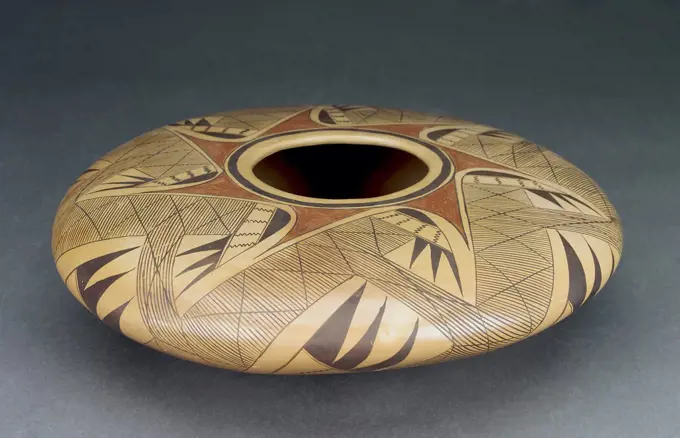
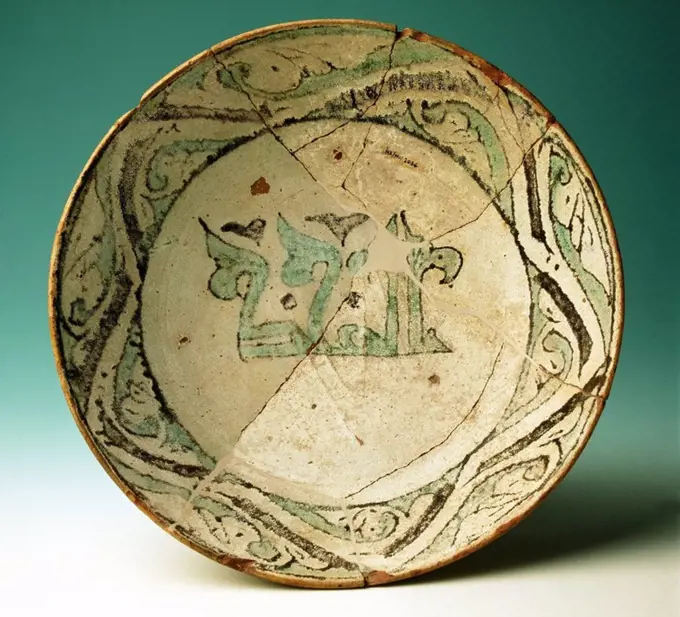
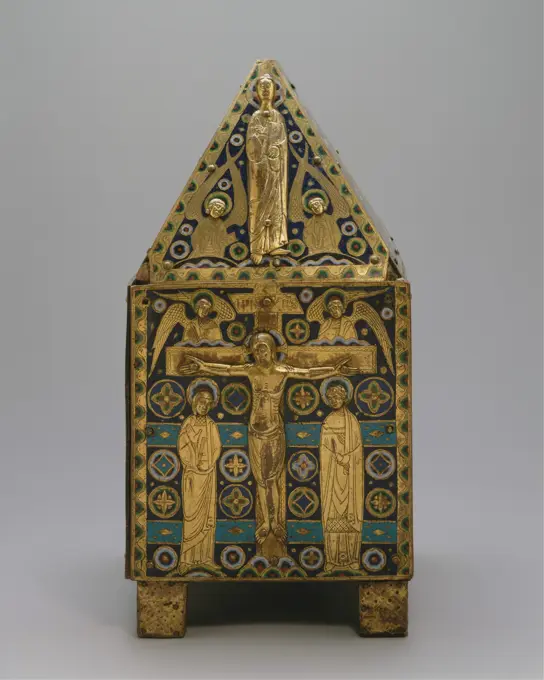
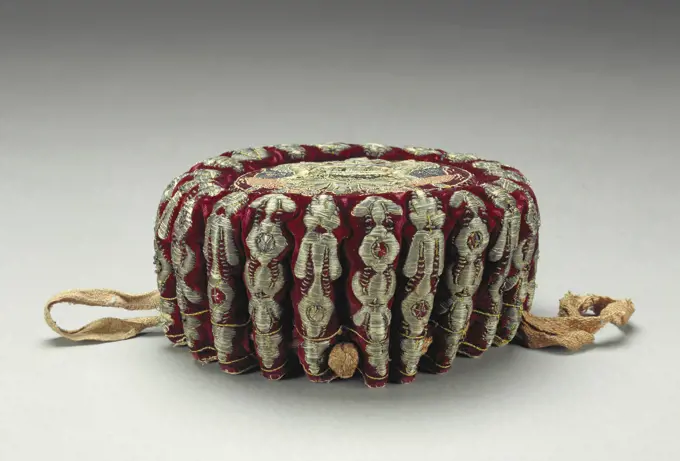
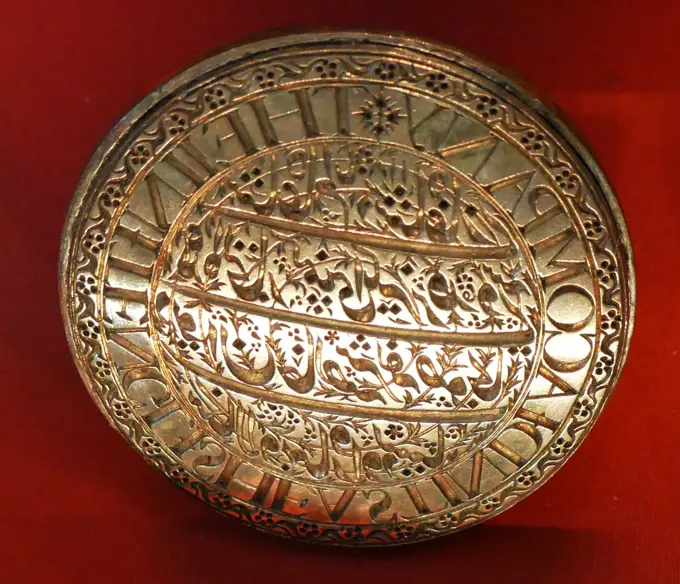
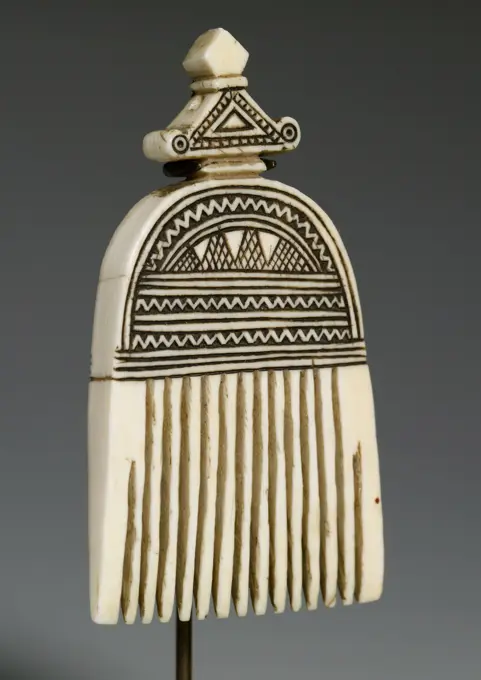
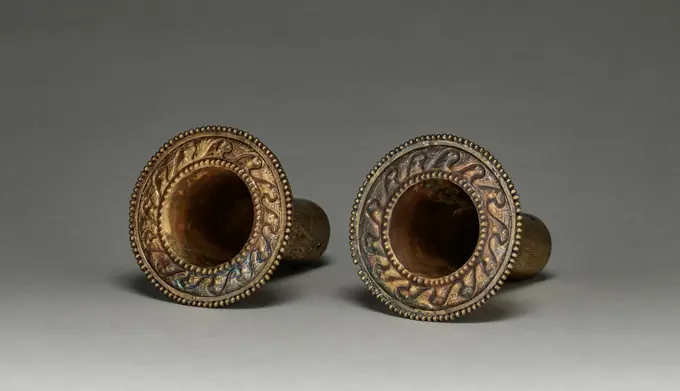
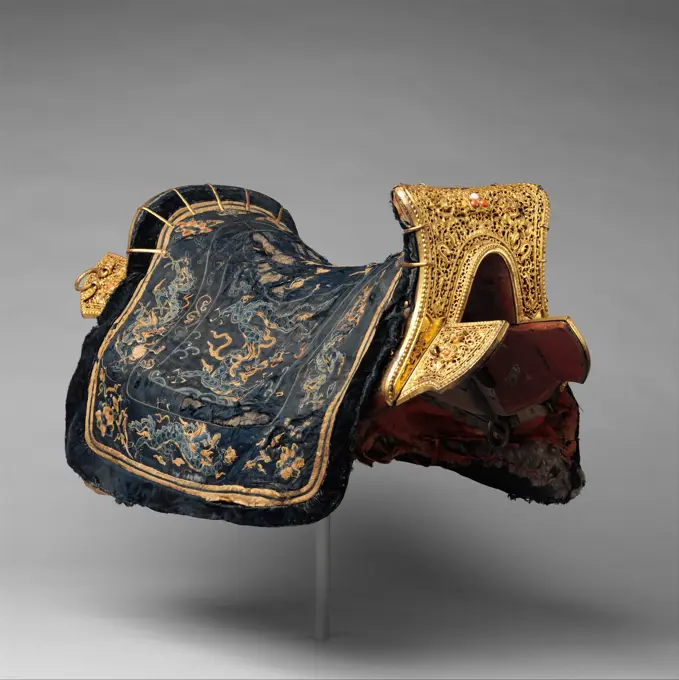
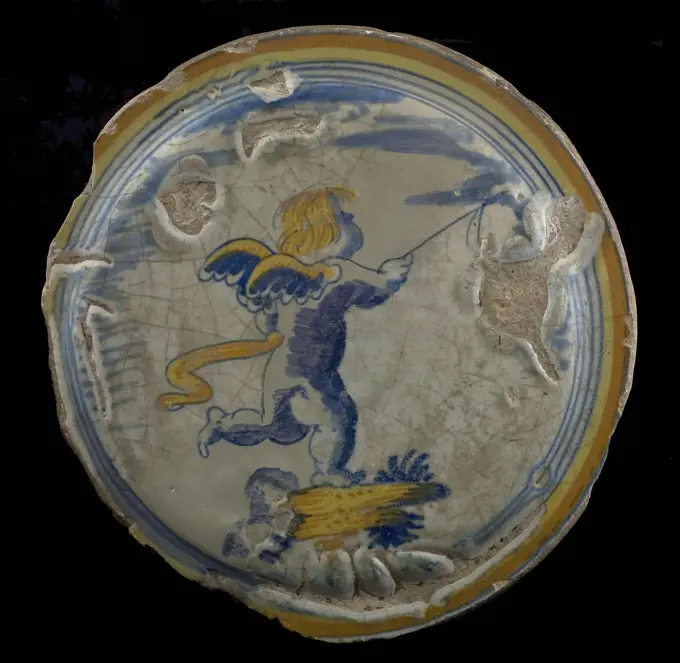
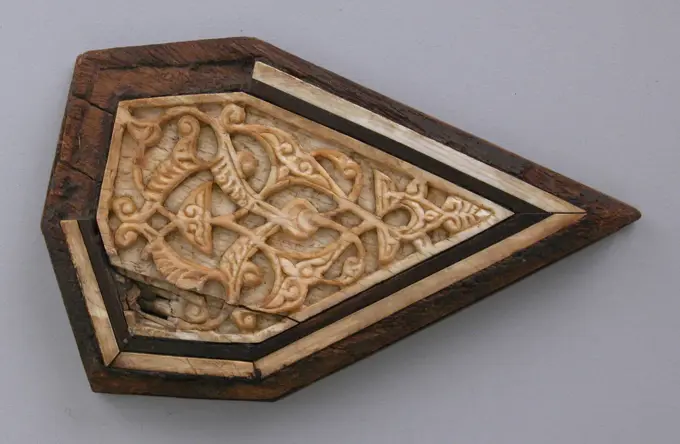
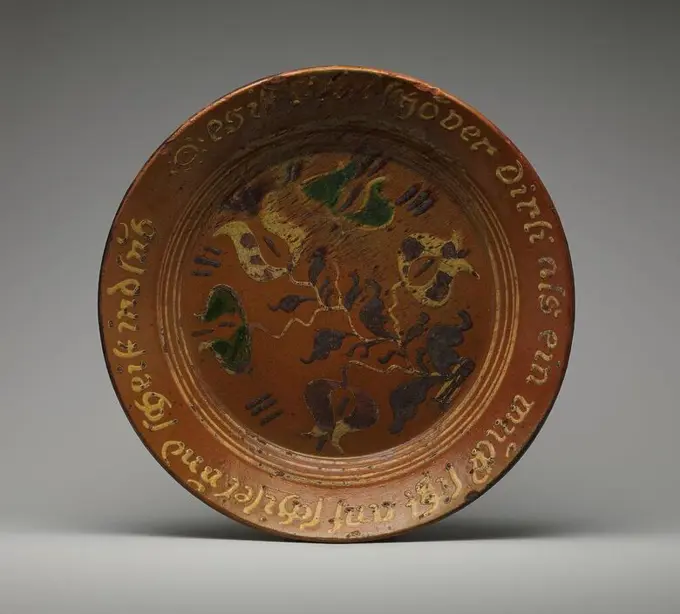
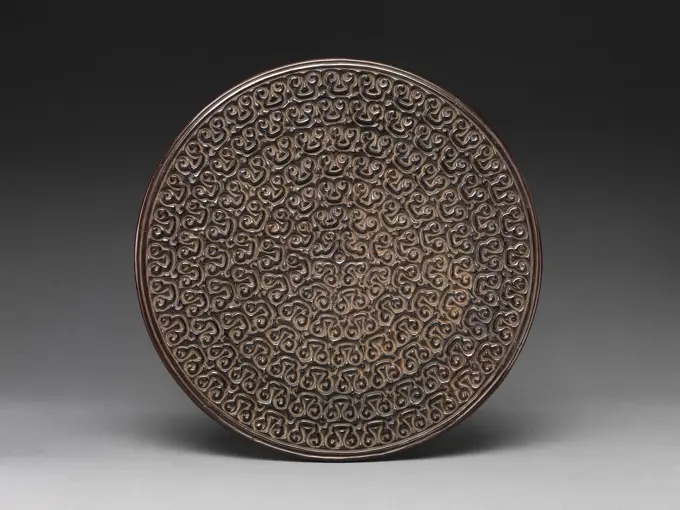
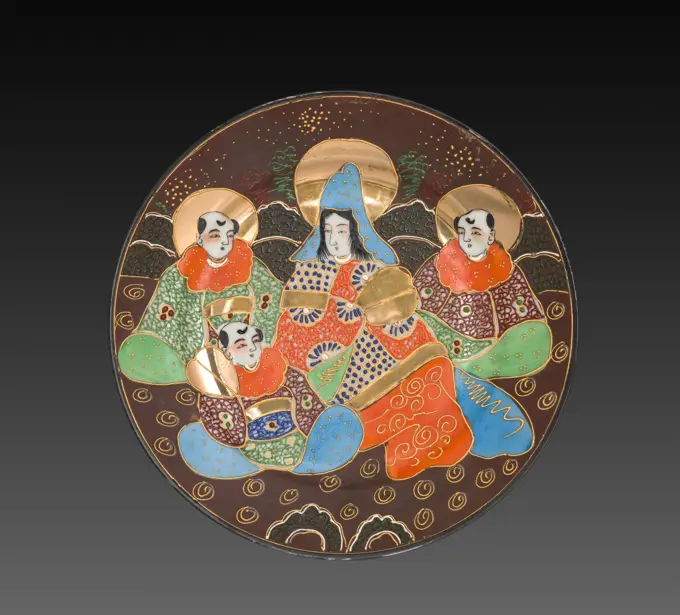
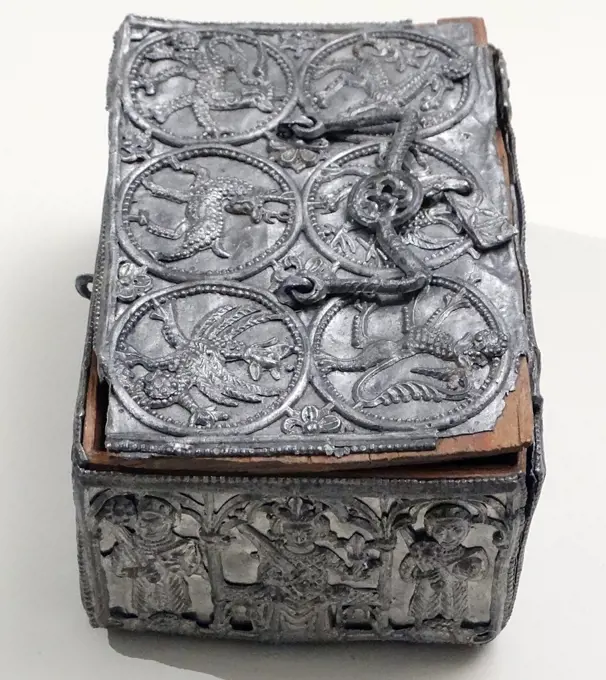
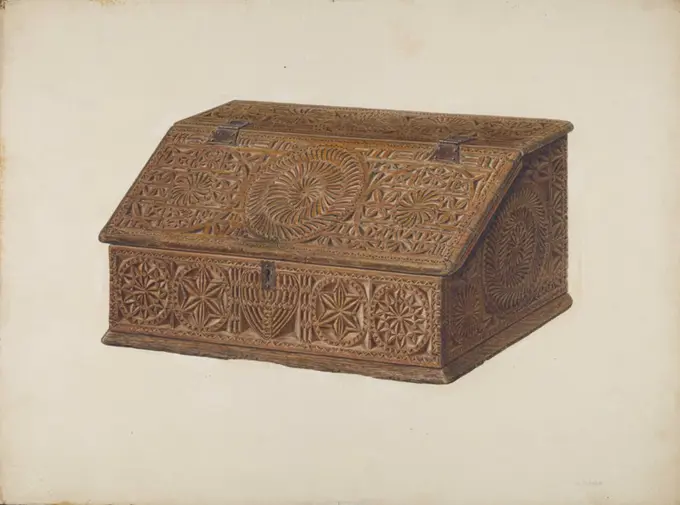
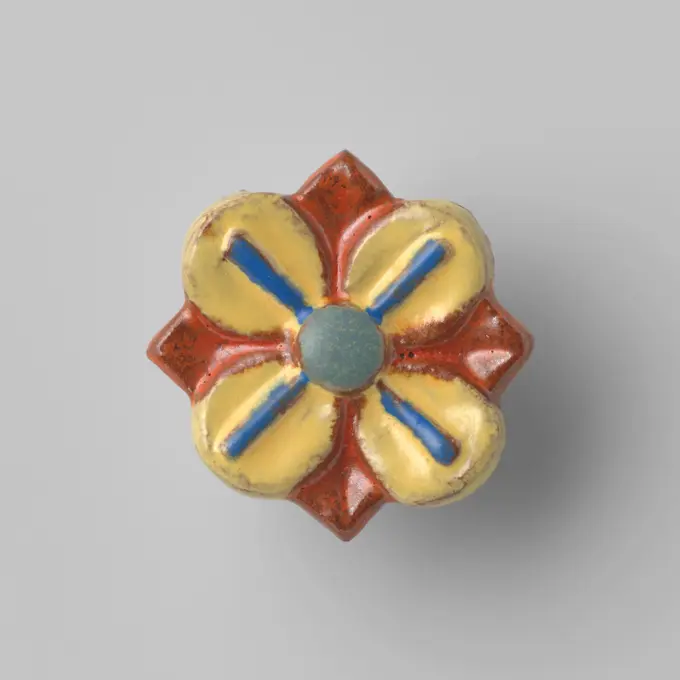
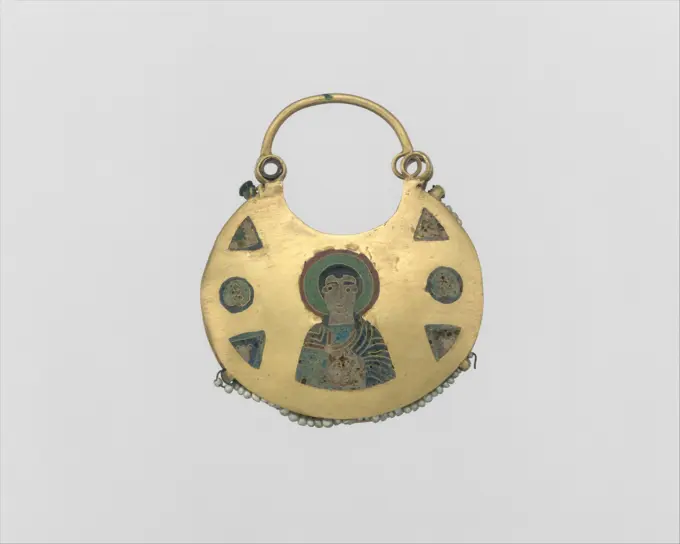
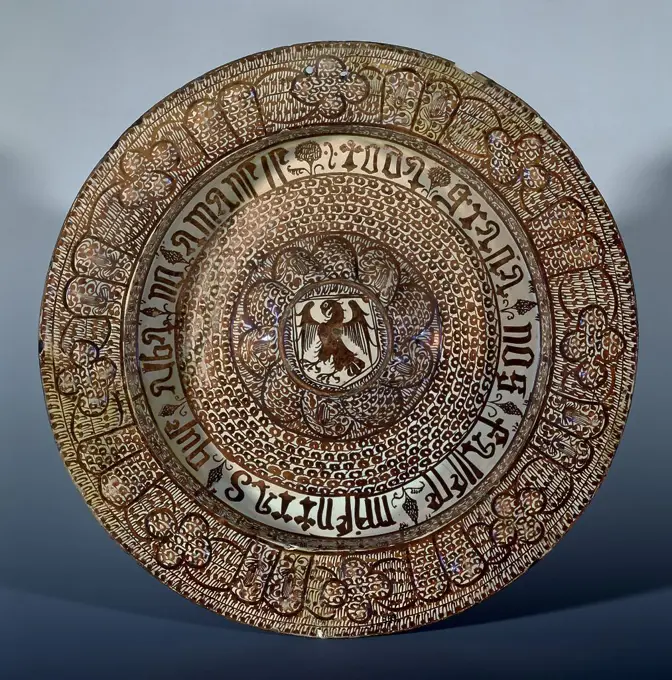
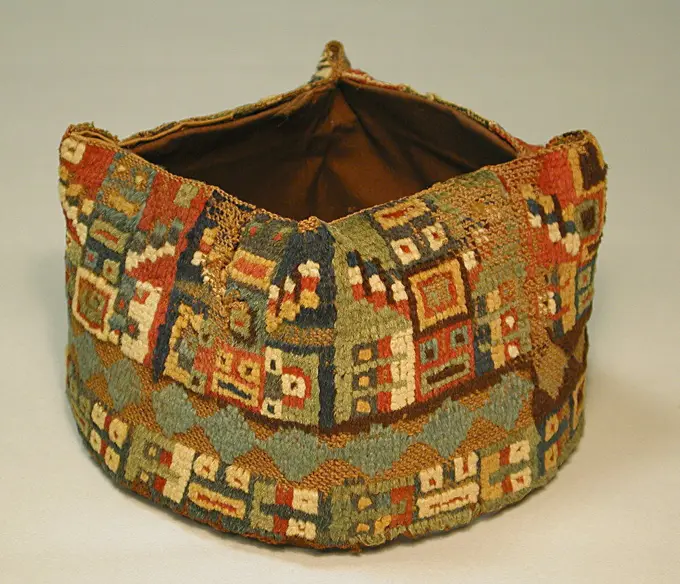
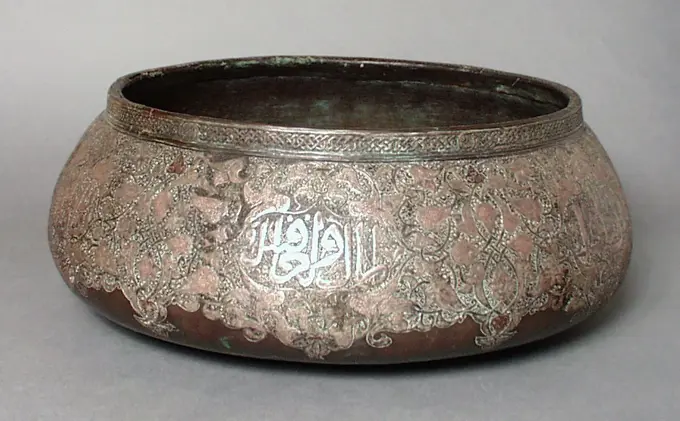
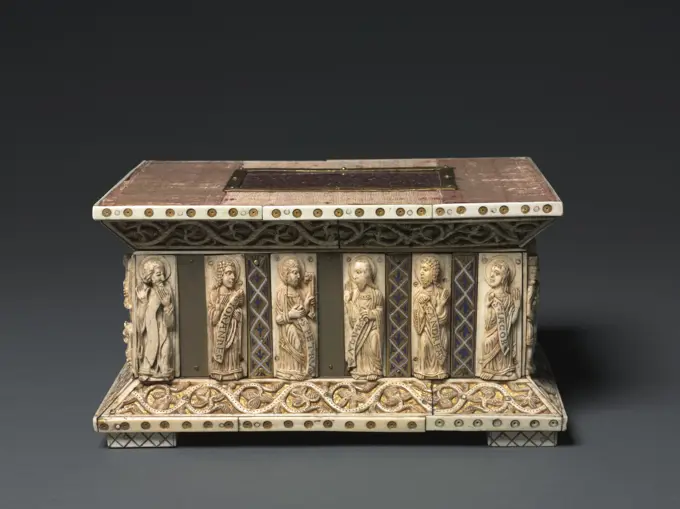
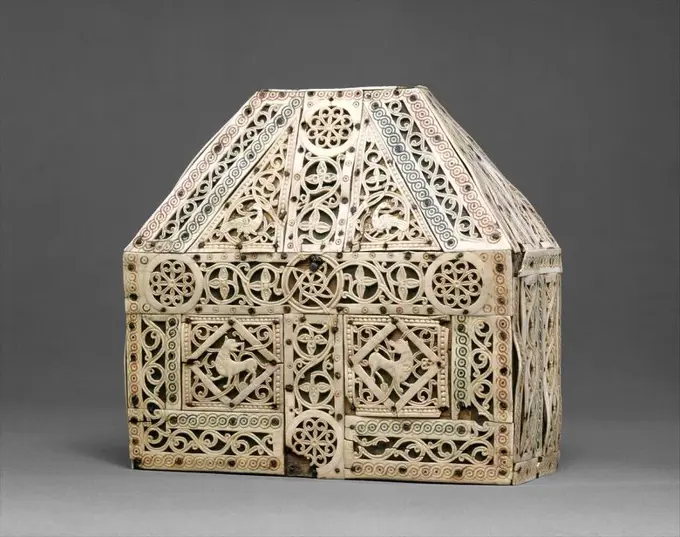
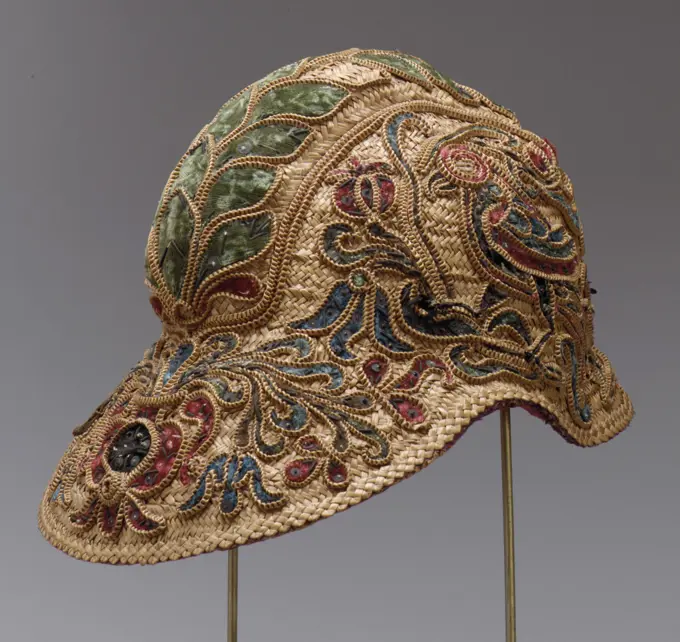
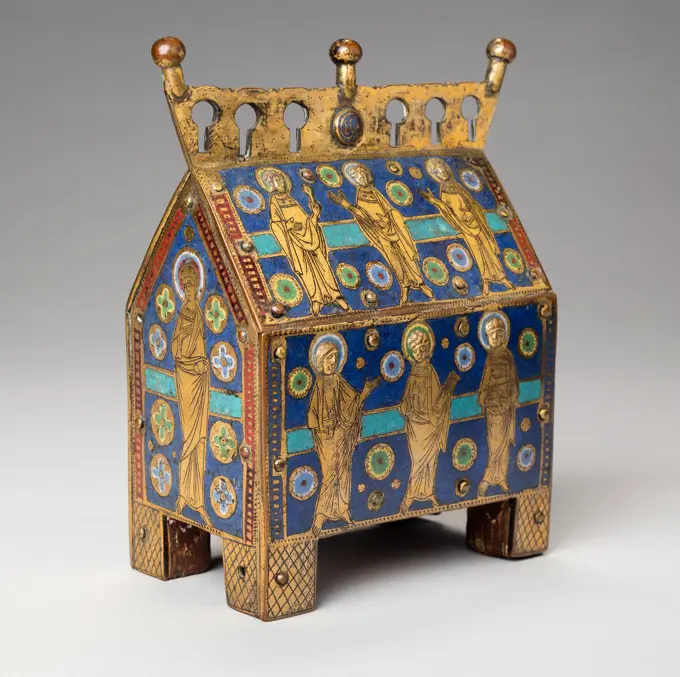
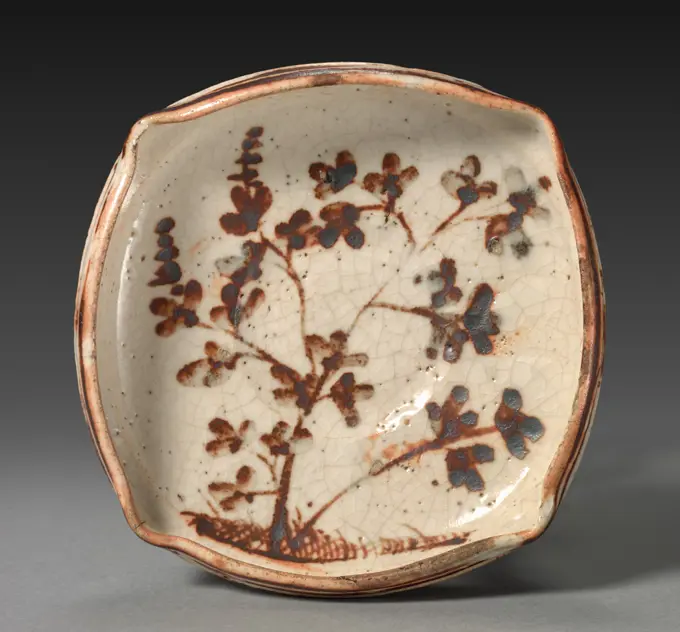
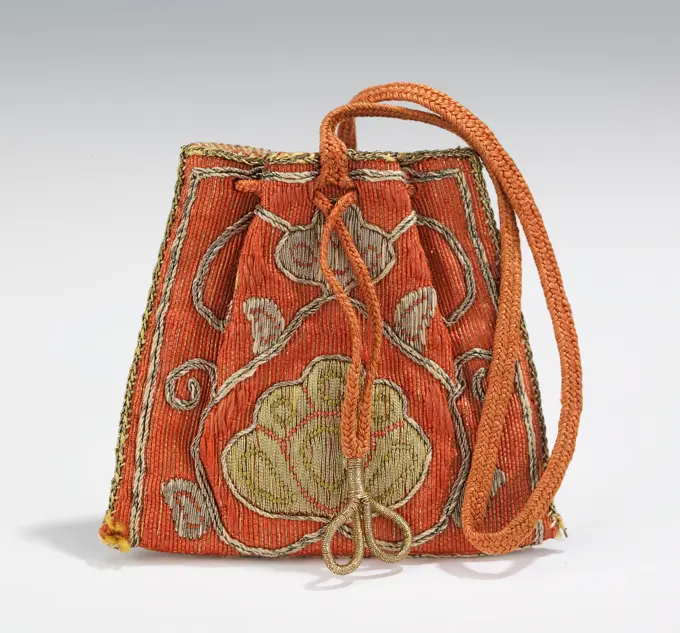
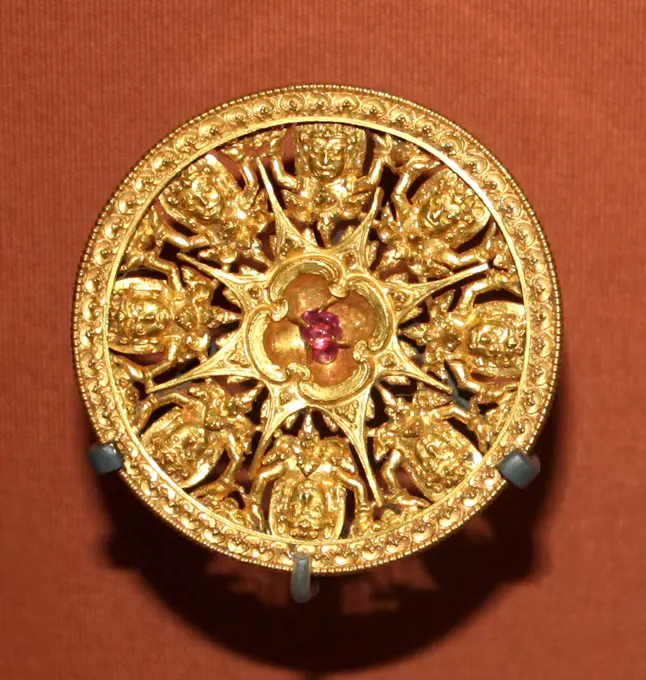
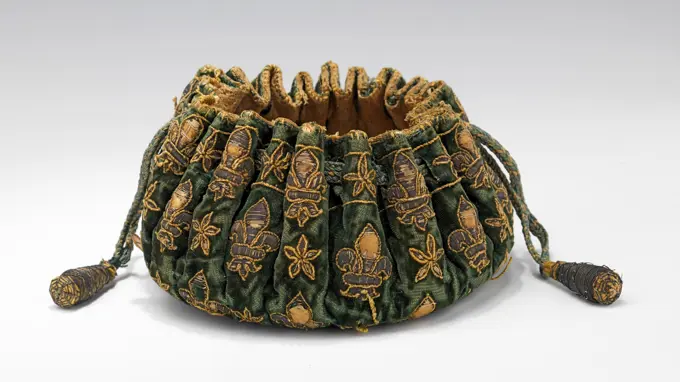
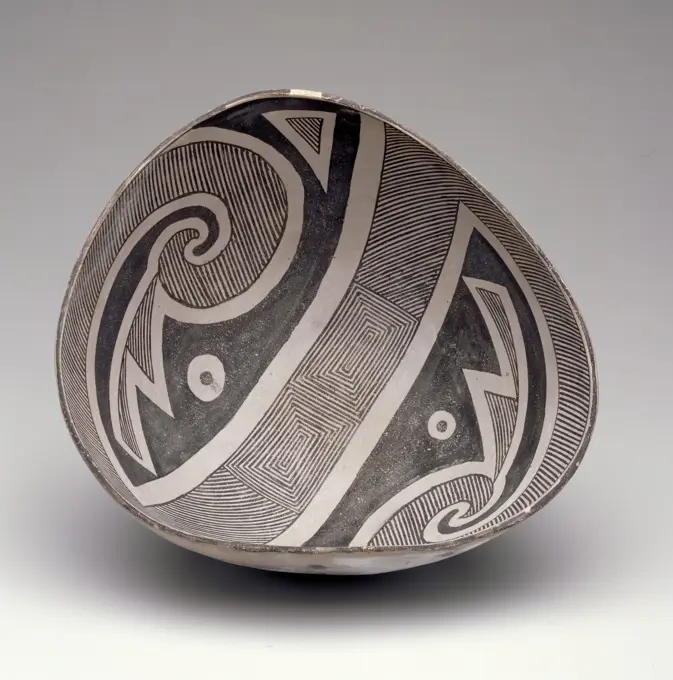
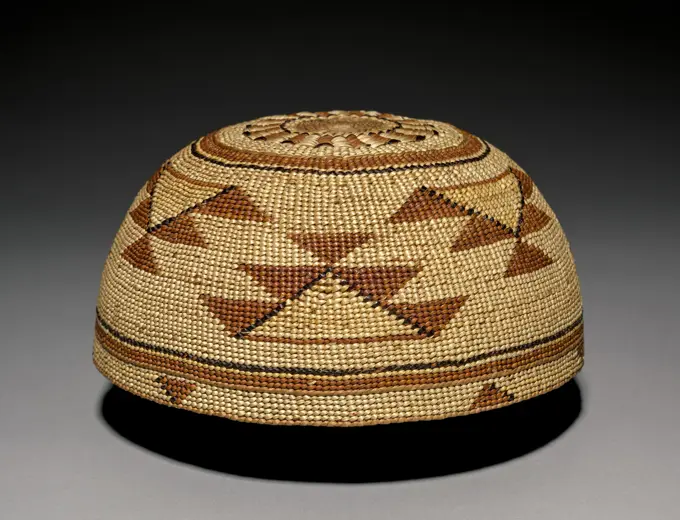
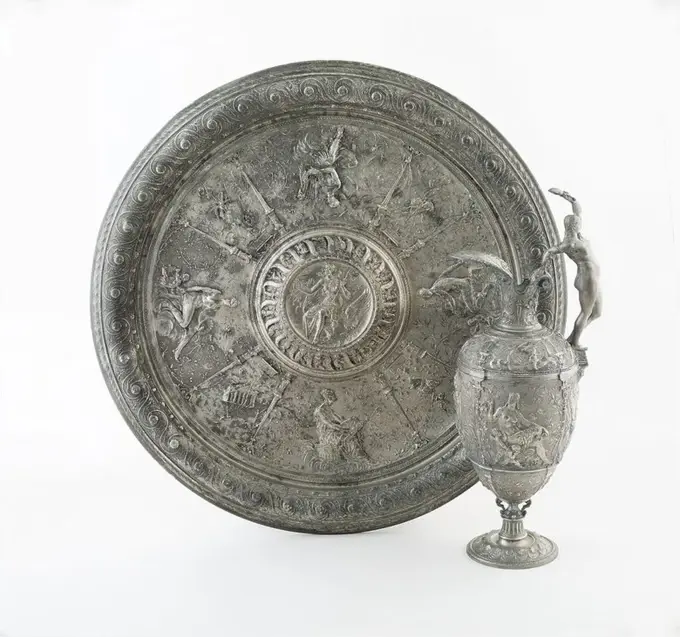
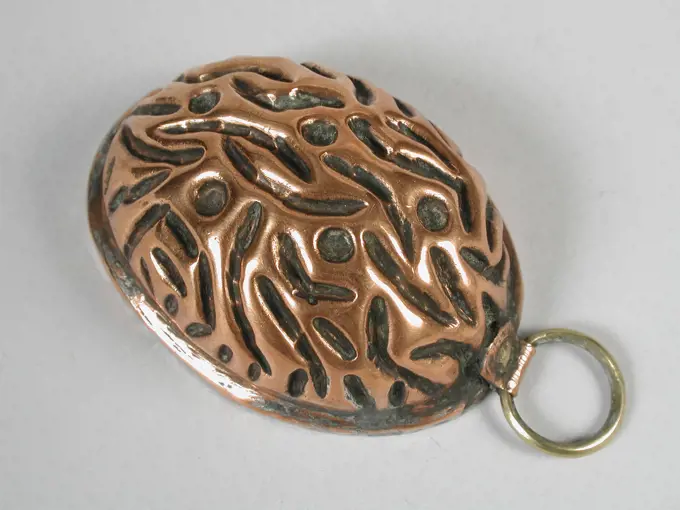
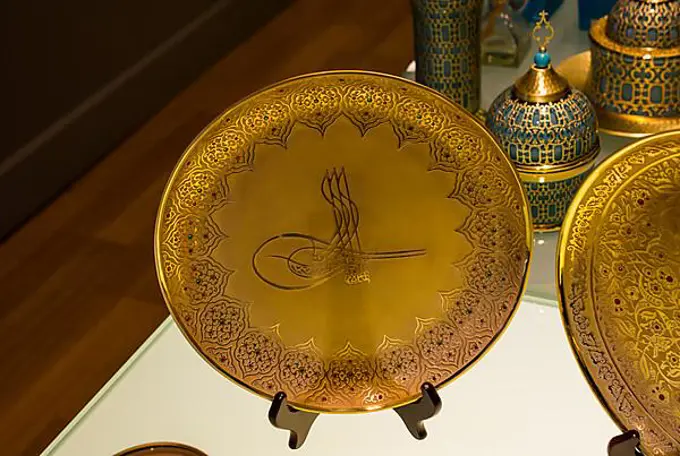
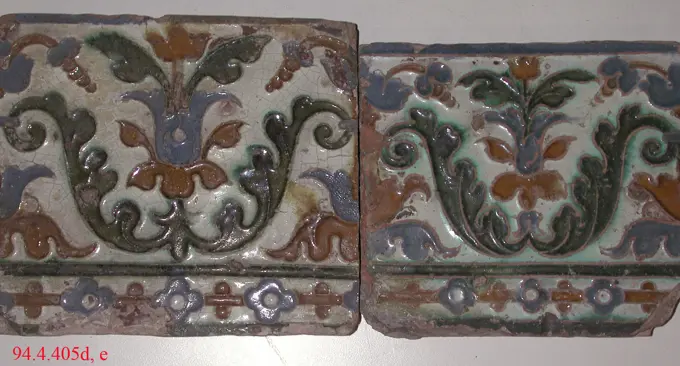
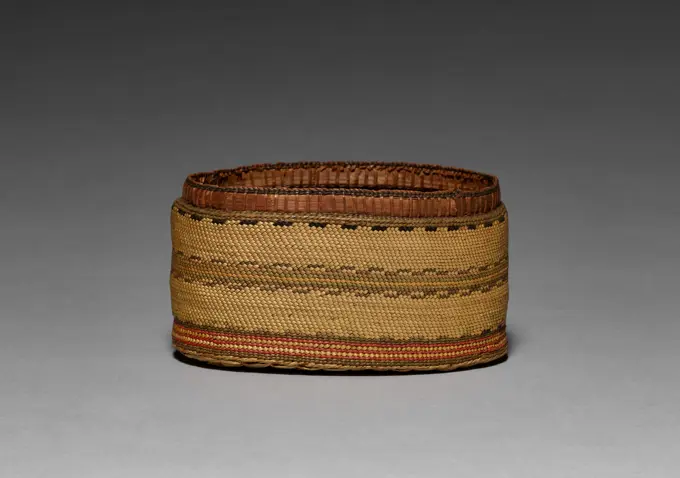
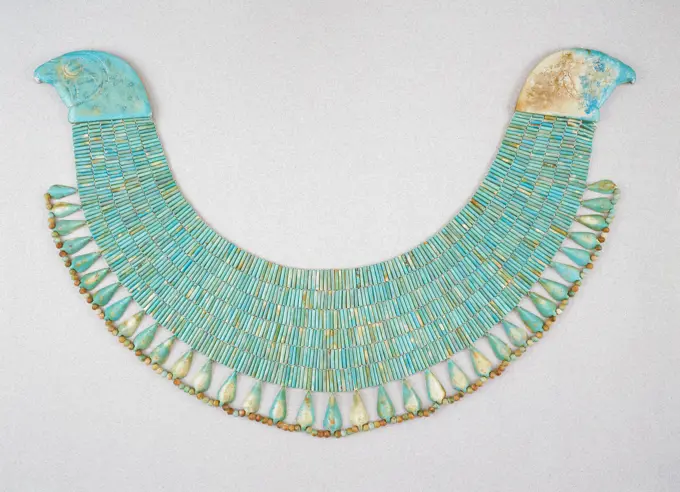
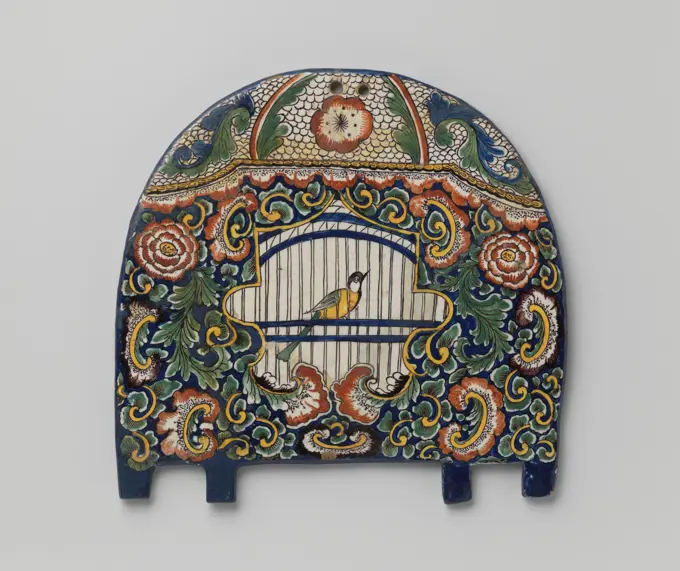
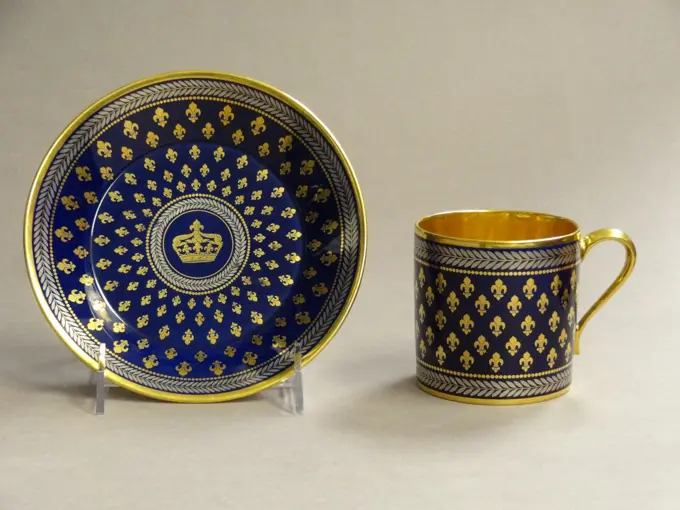
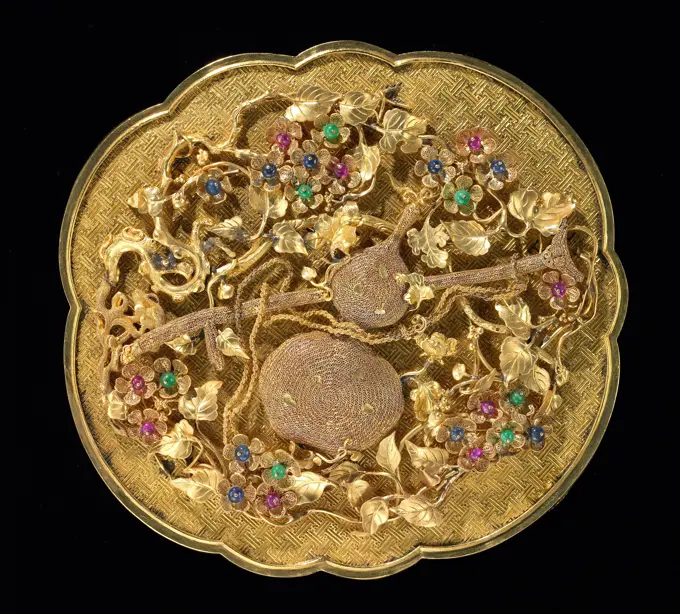
Presentation Box with Lid, 1779, 2 x 6 x 6 1/4 in. (5.08 x 15.24 x 15.88 cm), Cast and chased gold with rubies, sapphires and jade, China, 18th centuryBelt Plaque with Confronted Rams 1st-2nd century North China. Belt Plaque with Confronted Rams. North China. 1st-2nd century. Bronze. MetalworkFragment majolica dish, polychrome, walking hoofed animal, rope edge, plate dish crockery holder soil find ceramic pottery glaze, majolica baked underside only covered with lead glaze. Polychrome Bottom of running ungulate remains of the image archeology decorate serving food interior decoratingPlate. American; Pennsylvania. Date: 1808. Dimensions: 4.1 × 30.5 cm (1 5/8 × 12 in.). Glazed redware. Origin: Pennsylvania. Museum: The Chicago Art Institute, Chicago, USA.Tray, wood, carved and painted, Flat bottom; slightly raised, concave marly; shaped contour; cream field, decorated in red and blue with geometric and floral motifs., Italy, early 19th century, Decorative Arts, TrayDish ca. 1870 Joseph-Théodore Deck French The decoration of this dish is derived from Turkish ceramics made in the town of Iznik between the fifteenth and the seventeenth centuries. Iznik ceramics were an important source of inspiration for Deck, who studied them at the Musée de Cluny in Paris, which opened to the public in 1843. Although Deck borrowed Iznik colors and motifs, he did not make exact replicas of their designs. Instead he loosely adapted motifs, creating designs of his own invention, typically in a more symmetrical pattern than Turkish prototypes.. Dish. French, Paris. ca. 1870. Earthenware with underglaze and enamel polychrome decoration ("Persian" faience). Ceramics-PotteryPurse (kin-chaku) with Pendant (netsuke) and Cord Fastener, Stamped, silvered, and varnished Dutch leather, carved ivory, enamel and brass, Rectagular leather purse with curved corners; stamped silvered and varnished floral decoration througout; front flap with applied silver decoration at edge, depicting small mouse sitting on two flower stalks. Strap at top, consisting of blue cord with one enameled brass bead and circular carved ivory pendant in form of piled fish., Japan, Netherlands (leather), ca. 1750, costume & accessories, Decorative Arts, Purse (kin-chaku) with Pendant (netsuke) and Cord FastenerLamp rug from black silk, on which embroidered three horns of abundance. Lamp rug from black silk, on which embroidered three horns of abundance, from which flowers and fruit come. With gold thread, sequins and beads.Tripod Bowl Depicting Head of Bird on its Interior Surface Made 1200-1521 Cholula. Ceramic and pigment . CholulaPrzeszo Przyszoci unknownDish with the Three Friends of Winter. Culture: China. Dimensions: H. 1 1/4 in. (3.2 cm); W. 6 3/8 in. (16.2 cm); L. 6 3/8 in. (16.2 cm). Date: 16th-early 17th century.Pine needles, bamboo leaves, and plum blossoms fill the center of this deeply carved dish. Plum blossoms, which are among the first plants to flower in the early spring, are often associated with the evergreen pine and bamboo in Chinese art. Together, the three plants are known as the Three Friends of Winter, a motif symbolic of the Confucian virtues of endurance, modesty, and fortitude. The prominence given to the plum blossoms on this tray is unusual. Museum: Metropolitan Museum of Art, New York, USA.Star-Shaped Tile late 12th-early 13th century Whether loose or on a building, Iranian glazed tiles fascinated scholars and collectors for aesthetic reasons. The tiles role in the decoration of facades and minarets in the second half of the eleventh century became an early subject of academic investigation.. Star-Shaped Tile 451859Brass basin inlaid with silver and gold. 1320 - 1341. With the name of the Mameluke sultan al-Nasir Muhammad. From Cairo or Damascus. 22.7 cm. high and  54 cm. diameter. Islamic art. Jewelry. UNITED KINGDOM. ENGLAND. London. The British Museum.Spandrel for a Reliquary Shrine. German; Cologne. Date: 1165-1180. Dimensions: 7.8 × 19.2 cm (3 1/16 × 7 9/16 in.). Gilt copper, champlevé enamel. Origin: Cologne. Museum: The Chicago Art Institute, Chicago, USA.Tsa Yanshtqi Native American (Navaho) 19th century Coiled baskets used for musical purposes are known by several names among First Nations people in the U.S. Southwest. Inverted baskets functioned as a resonator for a rasp or, like this example, were beaten with highly perishable folded yucca leaves to accompany rituals.Plate with armorial design, one of a pair, c. 1802, Worcester Porcelain Works (a.k.a. Royal Worcester Porcelain Company), Worcester, England, est. 1751, 1 1/4 x 9 3/8 in. (3.2 x 23.81 cm), Porcelain, England, 18th-19th centuryPierced openwork boxes of painted ivory. Qing dynasty, 19th century.Kinchaku (purse) With Netsuke And Ojime On Chord; tooled leather (purse); incised and inlaid copper alloy and brass (clasp); carved ivory and shibuichi (netsuke); silk (chord)Bowl with Figural Imagery second half 14th century This hammered and turned brass bowl holds six circular medallions depicting figural scenes inlaid in gold, silver, and a black compound. In between each of these medallions is a section of a continuous inscription in muhaqqaq and kufic scripts that includes good wishes to the owner and declarations of the glory of God. Engraved fish and waterfowl on the interior suggest that the bowl may once have been used to hold water.. Bowl with Figural Imagery 450408Disk Brooch late 6th-early 7th century Frankish. Disk Brooch 464826 Frankish, Disk Brooch, late 6thearly 7th century, Gold, copper alloy, iron pin, glass paste, glass paste cabochons, Overall: 1 5/8 x 9/16 in. (4.2 x 1.5 cm). The Metropolitan Museum of Art, New York. Gift of J. Pierpont Morgan, 1917 (17.191.135)Plate ca. 1800-1850 Joseph McCully American The red body of this plate was decorated with a combed design in cream-colored slip and covered with a clear lead glaze. Combed slip decoration, a form of slip trailing, was favored by English earthenware potters.. Plate 5612Pearl bag. Second half of the 19th century. GAL1987.1.168Tobacco Basket, c 1875- 1900. California, Yurok, late 19th century. Twined grasses; lid: 4 x 10.5 cm (1 9/16 x 4 1/8 in.).Bowl 9th-10th century. Bowl. 9th-10th century. Earthenware; white slip, incised and splashed with polychrome glazes under transparent glaze (sgraffito ware). Excavated in Iran, Nishapur. Attributed to Iran, Nishapur. CeramicsGames fair of wine red velvet, embroidered with silver thread and blue silk, with the coat of arms of the Dauphin of France or the province of Viennois later known as the Dauphiné. Games fair of wine red velvet, embroidered with silver thread and blue silk, with the coat of arms of the Dauphin of France or the province of Viennois later known as the Dauphiné. Model: flat round bottom where a wavy raised edge has a wavy edge with holes through which a cord was originally pulled. Drawstring is missing. Lined with goat leather. Decoration: The 20 bulges or 'ribs' are decorated with alternating stacked ornaments embossed from silver thread with a glossy silver lover. A horizontal line of silver thread runs at three-quarters of height. Along the top it is completely trimmed with a border silver wire, including seen here and there is visible the self-side of the velvet. The bottom is circled with a double edge within which a zigzag line of silver wire. Herein the coat of arms of the Dauphin Man's Cap. England. Date: 1575-1600. Dimensions: 18 × 19 cm (7 × 7 1/2 in.). Linen, plain weave; embroidered with silk, gilt-strip-wrapped silk, and metal paillettes in ladder and stem stitches; couching and buttonholed couching; edged with bobbin lace. Origin: England. Museum: The Chicago Art Institute, Chicago, USA.Animal-and-Grape Mirror, late 600s. China, Tang dynasty (618-907). Bronze; diameter: 14.8 cm (5 13/16 in.); overall: 1.5 cm (9/16 in.); rim: 1.5 cm (9/16 in.).Bracelet, 1800s. India. Silver; diameter: 5.8 cm (2 5/16 in.).Charger with foliate design ca. 1750-1800 possibly Spanish, Talavera or Puente del Arzobispo Green, yellow, and brown are used in a lush composition that features a straight tree flanked by two curving trees with knotted trunks. The tin-glazed charger was made in the second half of the eighteenth century, possibly in Talavera or Puente del Arzobispo, two centers of pottery production in the Castile region of Spain.. Charger with foliate design. possibly Spanish, Talavera or Puente del Arzobispo. ca. 1750-1800. Tin-glazed earthenware. Ceramics-PotteryRalph Boyer, Small Carved Chest, c 1939 Small Carved ChestA Hopi Polychrome Seed Jar Native American Art Potteryancient antique cap with stones on black background. Middle-Asian vintage jewelry. old Oriental ornamentsATAIFOR CON BANDA EPIGRAFICA. N1 INV. 1036.(ALTURA 5,5 CM. DIAMETRO 28 CM) MUSULMAN. (EXPOSICION :ARTE ISLAMICO ESPAÑOL)(DEPOSITO: MUSEO ARQUEOLOGICO DE CORDOBA ).Josep Puig i Cadafalch / Knocker of the door of the house Puig i Cadafalch, 1917, Barcelona, Barcelona, Catalonia, Spain.Marie Famularo, Warming Pan, 1937 Warming PanOval Tray (Duoyuan Pan) with Pavilion on a Garden Terrace. China, Yuan dynasty, 1279-1368. Furnishings; Serviceware. Carved red lacquer on woodopenwork baldricfastenerShield (phub) possibly 14th-16th century Tibetan This shield belongs to a rare group, examples of which have been found at Tsaparang in the Ngari region of western Tibet, and in Phyang Monastery in the Ladakh region of northwestern India. The iron fittings on these shields are extremely similar to those on some types of Tibetan leather arm guards, horse shaffrons, and furniture, especially leather trunks and boxes.. Shield (phub) 26530Tabernacle ca. 1200-1210 French This tabernacle was found in Bethlehem Square, Prague, in the nineteenth century, on the site of the Romanesque church of Saints Philip and James.. Tabernacle. French. ca. 1200-1210. Copper (plaques): engraved, scraped, stippled, and gilt; (appliqués): repoussé, chased, engraved, scraped, and gilt; champlevé enamel: blue-black, dark, medium, and light blue; turquoise, dark and medium green, yellow, red, and white; wood core, painted red. Made in Limoges, France. Enamels-ChamplevéGaming Purse (Bourse de jeu); Paris, France; early 18th century; Silk velvet with silk and silver-thread embroidery; 6.3 x 14 cm (2 1,2 x 5 1,2 in.)The East India Company Seal. The treaty of Allahabad was made after a British military victory at Buxar, India, in 1764. It ensured that the Mughal emperor of India accepted the Company's new role as civil, legal and financial administrator of Bengal, India's wealthiest province. The silver seal is inscribed in English and Persian, the official language of the Mughal courtStar-Shaped Tile 14th century. Star-Shaped Tile 452295Beard comb, early 20th century, Unknown, 2 1/4 x 1 5/16 x 1/4 in. (5.72 x 3.33 x 0.64 cm), Ivory, Somalia, 20th centuryGold filigree earring or ear-studPair of Ear Flares, 900-1470. Peru, North Coast, Chimú style (900-1470). Hammered gold alloy; diameter: 8 cm (3 1/8 in.); overall: 9.9 cm (3 7/8 in.). North Coast ear ornaments typically have a long shaft that balanced the weight of the glorious frontal. This pair illustrates Chimú interest in the sea, which had great economic and religious importance. On the shafts are bands of seabirds and waves, and a similar pattern edges the frontals, which were altered in modern times. Originally solid disks, the frontals' centers were cut out and a dotted band was added to the rim.Saddle ( ) 17th-18th century Chinese In terms of quality and style of workmanship this saddle is extremely similar to some of the best imperial Chinese saddles, such as one owned by the emperor Qianlong (r. 1736-96) and preserved in the Palace Museum, Beijing (G.171546). In addition to its very high quality, this saddle is also exceptional for having all of its original parts, including the elaborate seat cover of embroidered silk and the fittings of the saddletree. Although this type of saddle is often identified as Tibetan, the form of the saddle plates, the style of workmanship, and the type of saddletree, along with the similarity to imperial Chinese saddles, indicate it is more likely to be Chinese, perhaps from the imperial workshops. That it was used in Tibet, however, is demonstrated by the Tibetan letter ka, which is branded on the underside of the saddletree as a form of inventory number. It must have belonged to a Tibetan nobleman of the highest rank, possibly received Fragment majolica pancake dish, polychrome putto as performance, dish crockery holder soil find ceramic earthenware glaze tin glaze lead glaze, hand turned baked 2x glazed painted majolica Mirror on stand. en and hole in stand. Yellow shard Front white tin glaze back green-cream colored hard-baked lead glaze Misbaked archeology indigenous pottery serve food serve garnish table Soil discovery: secondary oven wastePanel 13th-14th century Only a single polygonal element remains of what was undoubtedly a larger set. The central inlaid piece of ivory is carved with very characteristic Mamluk designs, as tendrils weave around each other in never-ending patterns with circular and foliate buds. Some of the outer inlay strips of plain wood and ivory have been lost exposing how the panel was assembled and fitted.. Panel. 13th-14th century. Wood; carved, inlaid with plain and carved ivory. Attributed to Egypt, Cairo. WoodBowl 9th-10th century. Bowl 448973Plate. Culture: American. Dimensions: Diam. 12 in. (30.5 cm). Maker: John Leidy I (1764-1846). Date: ca. 1775-1800. Museum: Metropolitan Museum of Art, New York, USA.Knightly board. An element for defense of the medieval soldierTile, orange, brown, green, and blue on white, flowerpot in square, corner pattern palmet, wall tile tile sculpture ceramic earthenware glaze, baked 2x glazed paintedHutsul Easter eggPlaque 13th-early 14th century China. Plaque. China. 13th-early 14th century. Carved black lacquer. Southern Song (1127-1279) to Yuan (1271-1368) dynasty. LacquerPlate, early 1900s. Japan, possibly Meiji period (1868-1912). Enamelled porcelain; diameter: 2.5 x 21.6 cm (1 x 8 1/2 in.).13th Century alloy, lead and tin warrior box.Desk Box. Dated: c. 1940. Dimensions: overall: 37.7 x 51.1 cm (14 13/16 x 20 1/8 in.) Original IAD Object: 9" high; 18 1/2" long; 11 1/2" wide. Medium: watercolor, graphite, and pen and ink on paperboard. Museum: National Gallery of Art, Washington DC. Author: Harry Eisman.Ceramic brooch with a flower in a square, c. 1900 - c. 1990 Ceramic brooch with a flower with blue leaves and a green heart in a red square with a glued hook closure that is stuck over the brand at the rear. I am dealing with metal. Ceramic brooch with a flower with blue leaves and a green heart in a red square with a glued hook closure that is stuck over the brand at the rear. I am dealing with metal.One of a Pair of Temple Pendants, with Busts of Male Saints Holding Martyr's Cross (front) and Leaf and Rosette Motifs (back) 11th-12th century Kievan Rus' When Kievan Rus, a powerful new state to the north of the Byzantine Empire, accepted Christianity as its official religion in 988, the aristocracy also adopted the manners and dress of the Byzantine court. Local artists soon produced their own versions of Constatinopolitan fashions. This temple pendant of precious metals worked in cloisonné enamel or niello are local variants of the more intricately detailed works made for the Byzantine court.As in Byzantium, temple pendants may have been worn next to the face by both the men and the women of Rus. The works shown here were perhaps buried by their owners when the Mongol armies under Batu Khan sacked Kiev in 1240.. One of a Pair of Temple Pendants, with Busts of Male Saints Holding Martyr's Cross (front) and Leaf and Rosette Motifs (back) 464571Dress ornament (heftel) 18th century, with later alterations Hungarian Dress ornaments were the height of fashion for Saxon women in Transylvania. They were originally worn as bodice clasps, but as rich women demanded larger and heavier examples so as to display their wealth, these pieces were also sometimes suspended from a cloth band around the neck. This object is among the few Hungarian goldsmith pieces that the Museum had before the gift of the Salgo Collection.. Dress ornament (heftel). Hungarian. 18th century, with later alterations. Gold, enamel, sapphire, semiprecious stones. Metalwork-Gold and PlatinumPLATO MOLDEADO CON UMBO CENTRAL SOLFA ENCAJE DE FLORES E INSCRIPCION GOTICA - MANISES - SIGLO XV. Location: INSTITUTO VALENCIA DE DON JUAN-COLECCION. MADRID. SPAIN.. Pouch of purple velvet, consisting of four pattes that alternately the crowned monogram 'DG' or 'ml' or two entangled hands under a burning heart, embroidered with multicolored silk, gold thread, pearls, lovers and rubies. Model: Every patte ends in point and has five holes where a cord of braided silk - ending in bulbs and acorns - is pulled through. Lined with red silk; Now pales to pink. Decoration: In the middle of every patte a shield at the top ending in a point and awarded a floral ornament from (originally golded) Silver canetile, freshwater pearls and a ruby ​​in the middle. At the bottom, the shield ends in a point and form the same lines two curls in which a pansy of (gold-plated) Silver canetile, freshwater pearls and a ruby ​​in the middle. In two shields, a monogram of freshwater pearls and gold thread is embroidered under a crown with three points. The seams between the different pattes are covered with a passing of braided gold thread. The stock market ends in the mFour-Cornered Hat 7th-9th century Wari Finely woven, brightly colored hats, customarily featuring a square crown, four sides, and four pointed tips, are most frequently associated with two ancient cultures of the Andes: the Wari and the Tiwanaku. The Wari Empire dominated the south-central highlands and the west coastal regions of what is now Peru from 500-1000 A.D. The Tiwanaku occupied the altiplano (high plain) directly south of Wari-populated areas around the same time, including territory now part of the modern country of Bolivia. The cultures not only developed and flourished as contemporaries, but also occupied adjacent lands for nearly four centuries. A Wari ceremonial center called Cerro Baúl was located a mere five miles from Tiwanaku-settled fields in the Moquegua Valley of Peru. The two cultures likely encountered each other at Cerro Baúl and elsewhere, but the nature of these interactions remains largely unknown. Four-cornered hats from both the Wari and the Tiwanaku were 35mm originalPortable Altar, c. 1200-1220. Germany, Cologne, Gothic Period, 13th century. Walrus ivory, gilded copper, porphyry, champlevé enamel, wood core; overall: 13.1 x 26.9 x 16.9 cm (5 3/16 x 10 9/16 x 6 5/8 in.). The principal decoration of this portable altar is carved of walrus ivory. On the long sides are traditional figures of standing apostles. On the short sides are the seated Virgin with the Magi, and Christ the Judge between the symbols of the Evangelists. The commercial ties between the Rhineland and the Norse peninsula made walrus ivory easily available to the city of Cologne, one of the most important artistic centers in medieval Germany.Bursa Reliquary. Culture: North Italian. Dimensions: Overall: 7 3/4 x 7 5/16 x 3 1/4in. (19.7 x 18.6 x 8.3cm). Date: 10th century.The flat, geometric, and abstract style of the designs on this reliquary is similar to ivory carvings and architectural decoration of Northern Italy. The openwork patterns of the bone plaques were originally silhouetted against gilded copper foil, creating a play of light and shadow. Traces of green and vermilion paint can still be seen accentuating the interlace borders of the designs. The religious purpose of this box is indicated by the "cross" that divides its face into four fields. Its shape derives from purses, or bursas, made of precious textiles in which saints' relics were carried. Museum: Metropolitan Museum of Art, New York, USA.Siege of a fortified city, Theodoor Loockemans, 1597 drawing In the center there is a Carré-shaped fortified city that is besieged. Around the city walls, fiercely fought by warriors who are equipped in a classical way. On the edge a triumphal trip in which a clock is carried on a cart on the right. At the top right, a group of prisoners of war runs into the parade, which further consists of riders and a victory with four horses on which is stuck in a classic outfit. Under the left -hand figures dressed according to the fashion of the 16th century and two horsemen behind the victory car wear modern armor. Drawing is probably the design for a show shield. Paris parchment (animal material). ink pen / brush siegeHelmet 16th century Spanish This unusual plaited-straw helmet-shaped hat is very similar in both shape and ornament to contemporary steel military helmets. However, this highly decorative example was likely worn by a high-ranking official for festive peacetime occasions.. Helmet. Spanish. 16th century. straw, metal, silkPlate (tagliere) ca. 1500-1510 Italian, probably Deruta. Plate (tagliere). Italian, probably Deruta. ca. 1500-1510. Maiolica (tin-glazed earthenware). Ceramics-PotteryReliquary Casket 1190-1210 Limoges. This reliquary casket, with its vibrantly colored enamel fields, is typical of the objects created at the prolific workshops in and around Limoges, France, in the Middle Ages. By the end of the 12th century, opus lemovicense (Limoges work) had gained an international reputation, and documentary sources indicate that ornamentation with enamel was considered as precious as that with gemstones. Six figures of saints appear on the front panels of the casket, while a single saint is shown standing on each end panel. This decidedly nonspecific iconography would have made the casket appropriate for any number of churches and allowed it to house the relics of virtually any saint.. Gilt copper, champlevÈ enamel over wood core .Dish with Design of Plum Trees: Shino Ware, late 1500s. Japan, Momoyama period (1573-1615). Stoneware with underglaze iron slip decoration (Mino ware); overall: 5.1 x 17 cm (2 x 6 11/16 in.).Pouch late 18th century Russian This object is from the collection of Natalia de Shabelsky (1841-1905), a Russian noblewoman compelled to preserve what she perceived as the vanishing folk art traditions of her native country. Traveling extensively throughout Great Russia, she collected many fine examples of textile art of the wealthy peasant class. From the 1870s until moving to France in 1902, Shabelsky amassed a large collection of intricately embroidered hand-woven household textiles and opulent festival garments with rich decoration and elaborate motifs. The Brooklyn Museum holdings include many fine examples including the majority of the garments. Portions of Shabelsky's collection are also housed at the Museum of Fine Arts, Boston, the Cleveland Art Museum, and the Russian Museum of Ethnography in St. Petersburg. This small ornate bag was likely a gift for social or diplomatic purposes. The quality is evident in the use of precious metals in both the embroidery and woven in the fEar Plug 1375-1400, Majapahit period, Indonesia, East Java, gold and ruby. This ear plug was probably worn by royalty on ceremonial occasions. It would have fitted within a distended earlobe. Similar ear plugs have occasionally been found in earthenware pots buried in the ground.Gaming purse late 17th century French A new level of card game mania swept Europe during the 17th century. Gambling with cards or "gaming" was a favored pastime for both men and women of all ages and classes. Several examples of luxury gaming purses in the Brooklyn Museum collection reflect the fashion for a specific type of bag in which to hold one's coins or counters won in games like "Put" or "La Bête." Made of velvet or brocade, the bags are often heavily embroidered with silver and gold metallic threads. This example has a band of embroidered fleur-de-lis motifs, indication of a French origin. Like other fashionable accessories, the bag served more than just a functional purpose. It conveyed a message about the owner's nationalistic sympathies and allowed even the unlucky to appear stylish at the gaming table.. Gaming purse. French. late 17th century. silk, metal, leather, woodIron helmet Iron helmet of the medieval knight. Very heavy headdress Copyright: xZoonar.com/ValeryxxSibrikovx 2468175Bandbox. Dated: 1935/1942. Dimensions: overall: 35.8 x 40.1 cm (14 1/8 x 15 13/16 in.) Original IAD Object: 19" long; 11 3/4" wide. Medium: watercolor and graphite on paper. Museum: National Gallery of Art, Washington DC. Author: Gilbert Sackerman.Womans Ceremonial CombBowl, 10th-12th century, 5 x 12 in. (12.7 x 30.48 cm), Clay, pigment, United States, 10th-12th century, The Ancient Puebloans (Anasazi) settled in small villages of pit-houses or pueblos that accommodated one or two extended family groups. An exception to this settlement pattern arose at the end of the 10th century when a huge complex of pueblos was built at Chaco Canyon, which became the center of Ancient Puebloan civilization. Similar small-scale adobe complexes sprung up at Canyon de Chelly and Mesa Verde, but in the 13th and 14th centuries, the inhabitants were forced to abandon their homes, possibly due to drought. Their descendents, who live in today's Pueblo villages, find inspiration in the remnants of their ancestors' pottery. The bold black and white geometric designs remain a popular style amongst contemporary Pueblo potters.colorful traditional asian skullcap cap on a dark background. traditional asian skullcapHat, c 1875-1917. California, late 19th- early 20th century. Plain-twined hazel with decoration in beargrass; diameter: 9 x 18 cm (3 9/16 x 7 1/16 in.)."The Arts" Ewer and Basin. Jules-Paul Brateau; French, 1844-1923; Paris, France. Date: 1887-1889. Dimensions: Basin: 3.8 x 43.2 cm (1 1/2 x 17 in.); Ewer: 33 x 12 x 14 cm (13 x 4 3/4 x 5 1/2 in.). Pewter. Origin: France. Museum: The Chicago Art Institute, Chicago, USA.Red copper jelly shape, pudding mold shape kitchenware miniature toy relaxant model copper tin, struck tinned Oval sphere grooves in pattern similar to those of walnut inside tinned hanging eye 1868 Sibilla van Embden play food prepare molds kitchenCinerary Urn. Roman. Date: 50 AD-150 AD. Dimensions: a (urn): 23.1 × 53.9 × 27.6 cm (9 1/8 × 21 ¼ × 10 7/8 in)b (lid): 12.7 × 53.3 × 28.5 cm (5 × 21 × 11 ¼ in). Marble. Origin: Roman Empire. Museum: The Chicago Art Institute, Chicago, USA. Author: ANCIENT ROMAN.Artwork of traditional Ottoman Sultans signiture of TugraBracelet -Miniature Bowl 14th-early 16th century Aztec. Miniature Bowl. Aztec. 14th-early 16th century. Ceramic, pigment. Mexico, Mesoamerica. Ceramics-ContainersWall tiles 16th century Spanish, Seville. Wall tiles. Spanish, Seville. 16th century. Tin-glazed earthenware. Ceramics-PotteryLidded Bowl (lid), c 1900- 1925. Northwest Coast, Vancouver Island, early 20th century. Twined grass; overall: 1 x 10.5 cm (3/8 x 4 1/8 in.).Lustre star tiles with blue borders, from Iran, Kashan. Dated 13th CenturyTibetan necklace, with beads and cowries, the Souk, Muscat, Oman, 2010.Broad collar, 2040-1783 BCE, 6 1/8 x 25 in. (15.6 x 63.5 cm), Egyptian faience, Egypt, 22nd-18th century BCE, This broad collar with falcon head terminals is made of Egyptian faience, a glazed ceramic made not of clay but silica, one of the ingredients of glass. Its characteristic green color was likened to new plant shoots and was symbolic of regeneration, while its luster evoked the brilliance of the sun. Because Egyptians believed they could be reborn into the afterlife, these associations made faience the ideal material for funerary jewelry.Anonymous. Carmagnole plate. Earthenware. Paris, Carnavalet museum. 71684-9 Carmagnole, decoration, French flag, faience, revolutionary period, French revolution, plateGekkin ca. 1885 Japanese. Gekkin. Japanese. ca. 1885. Wood, jade, horn, gut, reptile skin. Japan. Chordophone-Lute-plucked-frettedPlate, half elips -shaped, multi -colored painted with bird cage, c. 1800 - c. 1920 Plate, half elips -shaped, multi -colored painted under the glaze with bird cage and flower edge. Delft earthenware. tin glaze. Plate, half elips -shaped, multi -colored painted under the glaze with bird cage and flower edge. Delft earthenware. tin glaze.Sèvres Porcelain Manufactory, Cup and Saucer, 1817-28, hard-paste porcelain.Spoon (USA), 1880; Manufactured by Gorham Manufacturing Company (United States); silver, gold (gilt); L x W: 11.7 x 2.3 cm (4 5/8 x 7/8 in.)Parfume of Vintage Love Bunddle