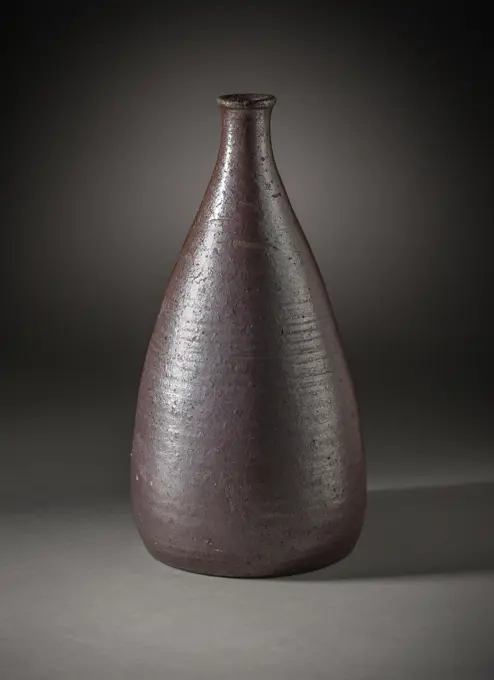
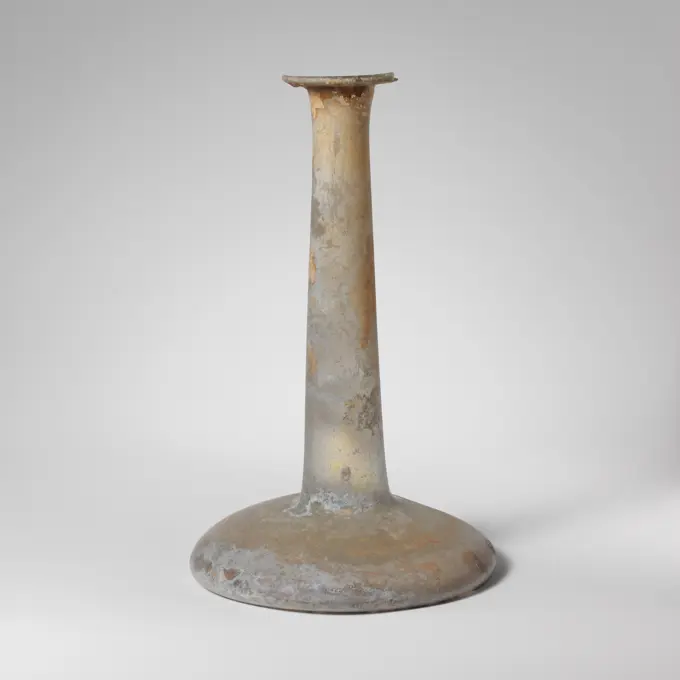
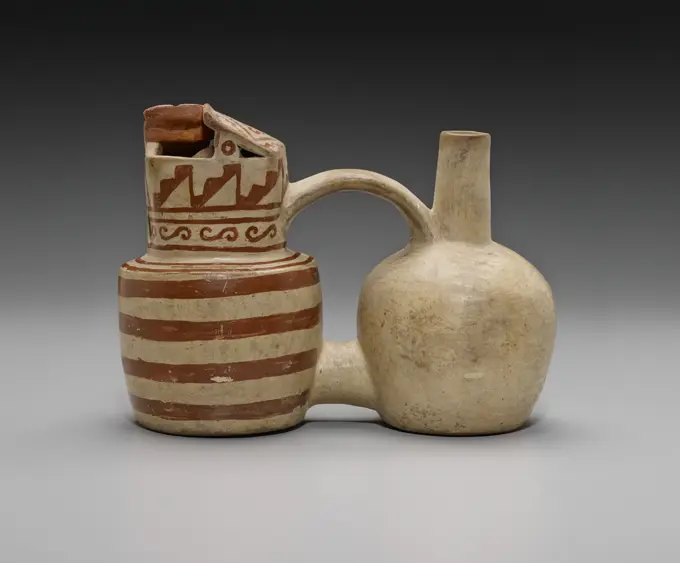
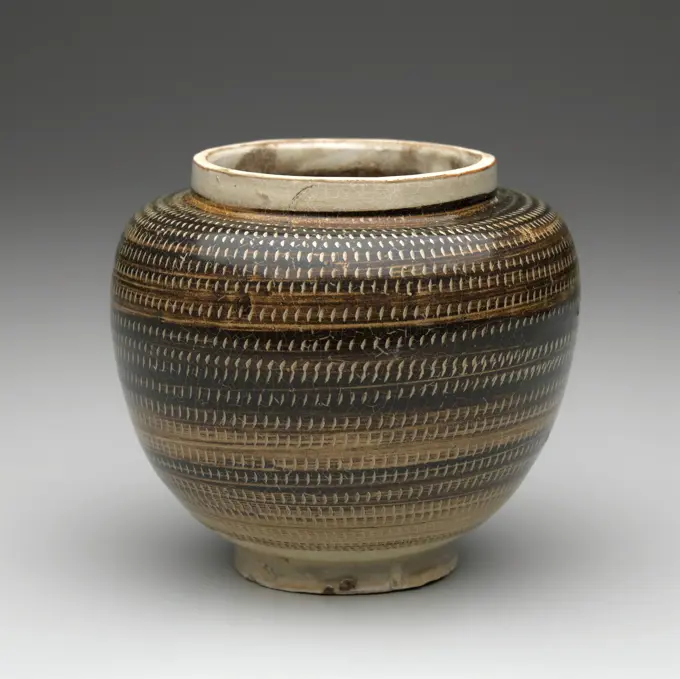
Artisan Glassware

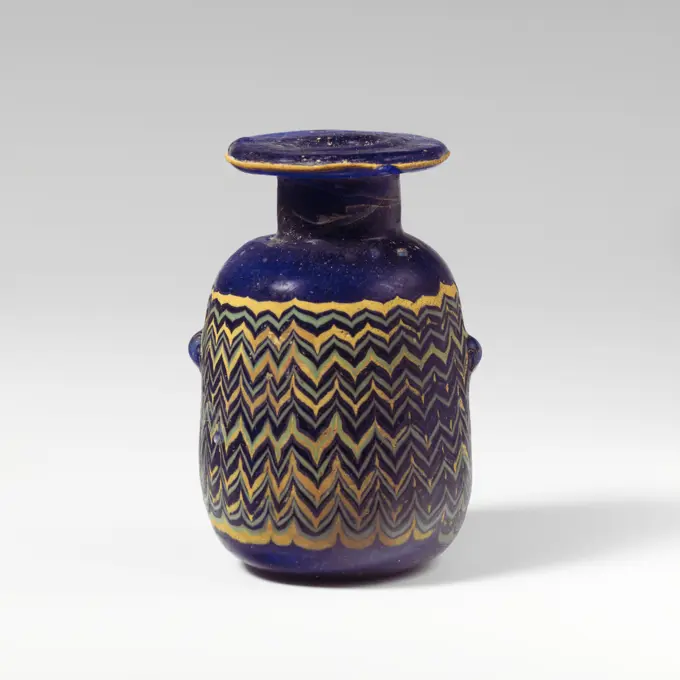
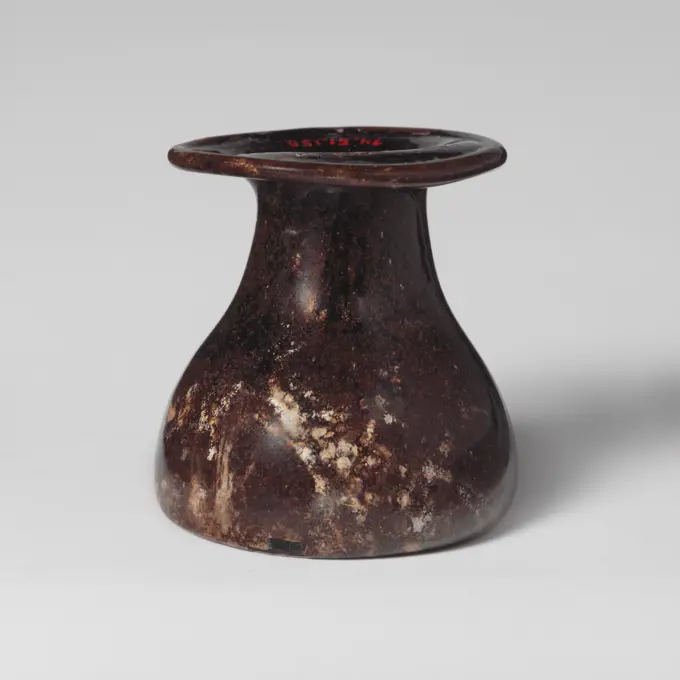
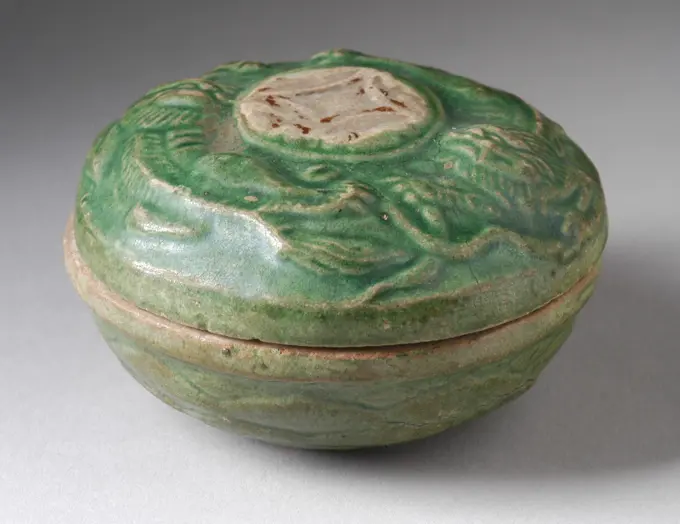
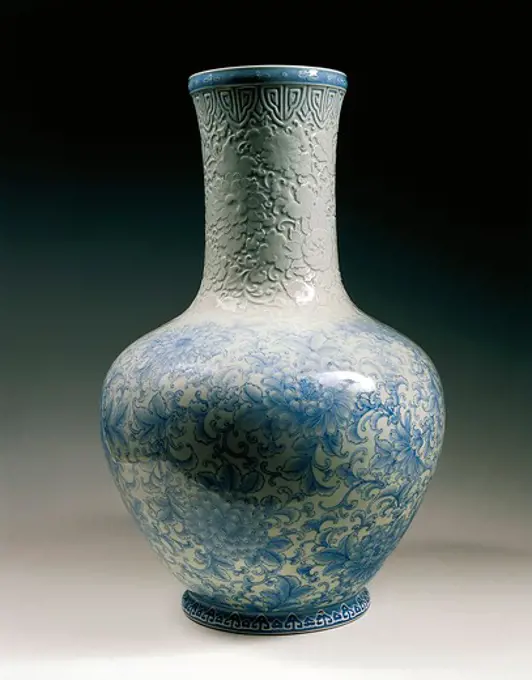
Historic glass vases and jars from the Roman era to late 19th century, featuring unique shapes, textures, and color variations, showcasing craftsmanship and artistry.

Flask; Eastern Mediterranean; 3rd - 4th century; Glass; 9.7 cm (3 13,16 in.)
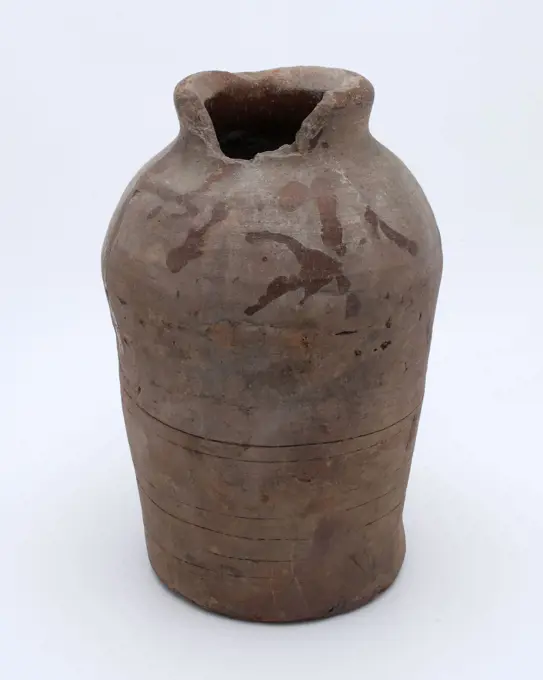
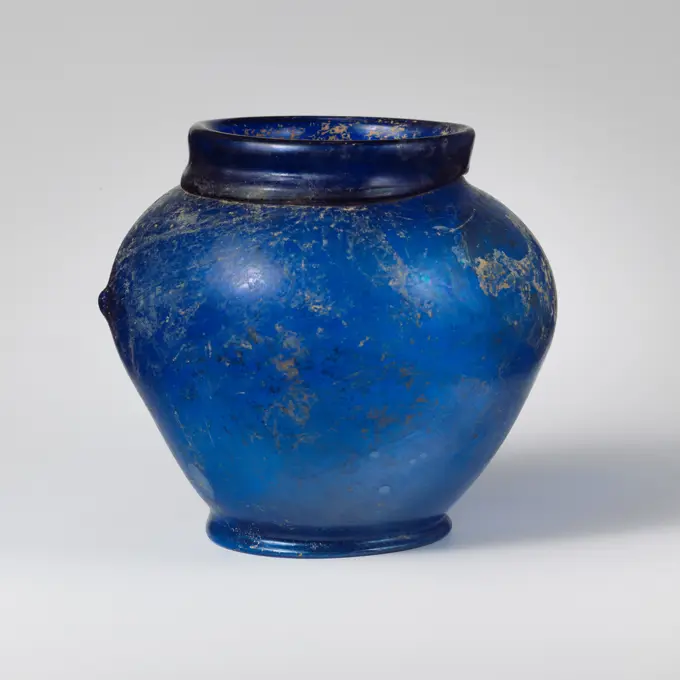
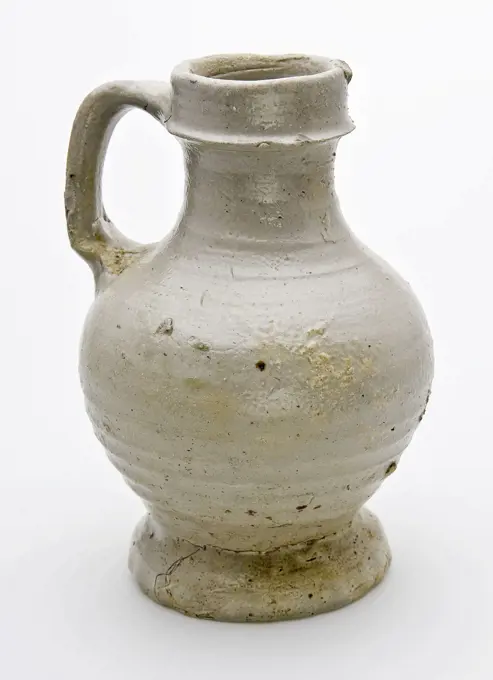
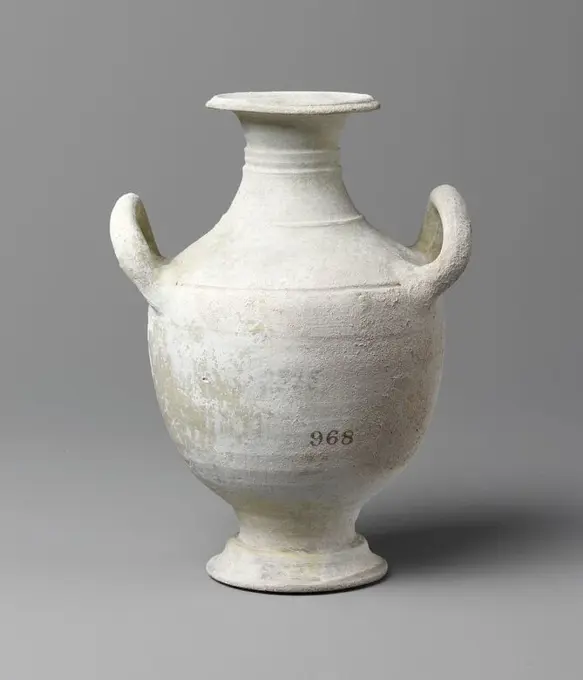
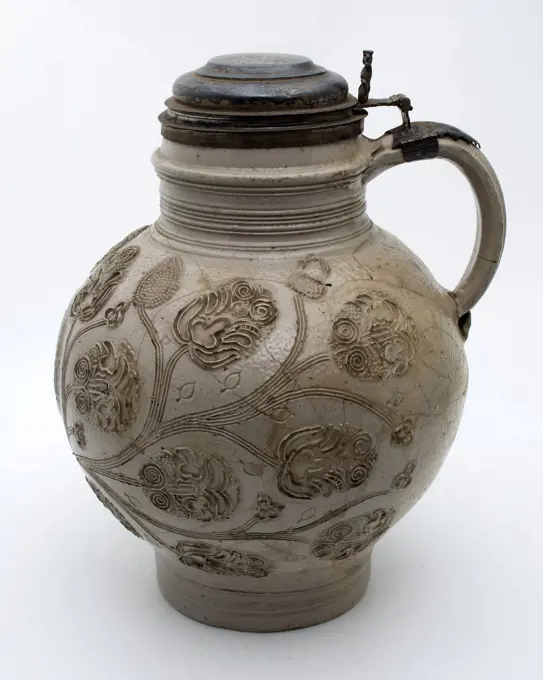
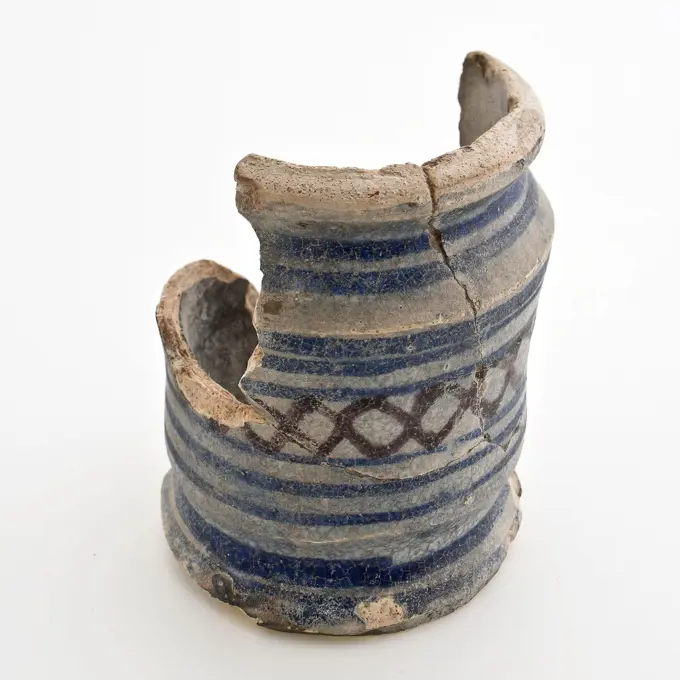
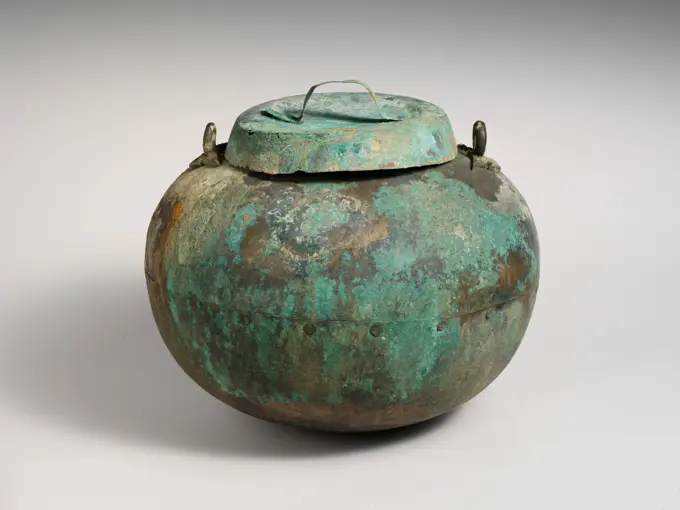
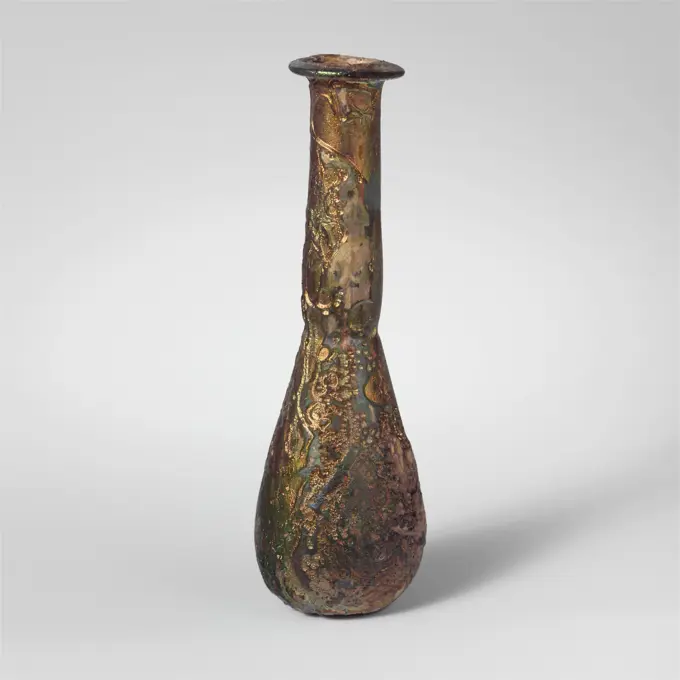
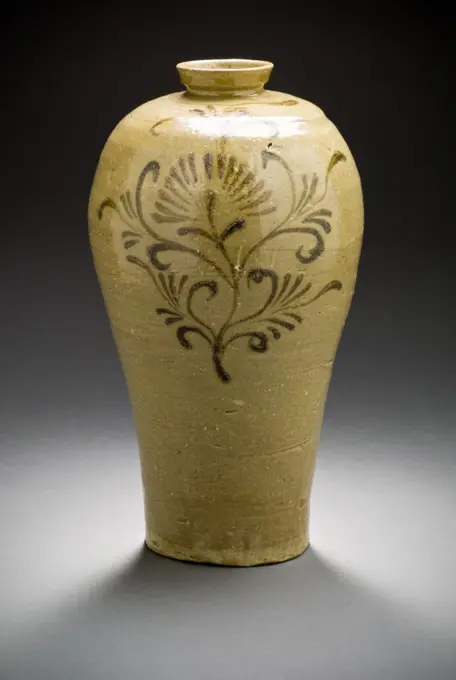
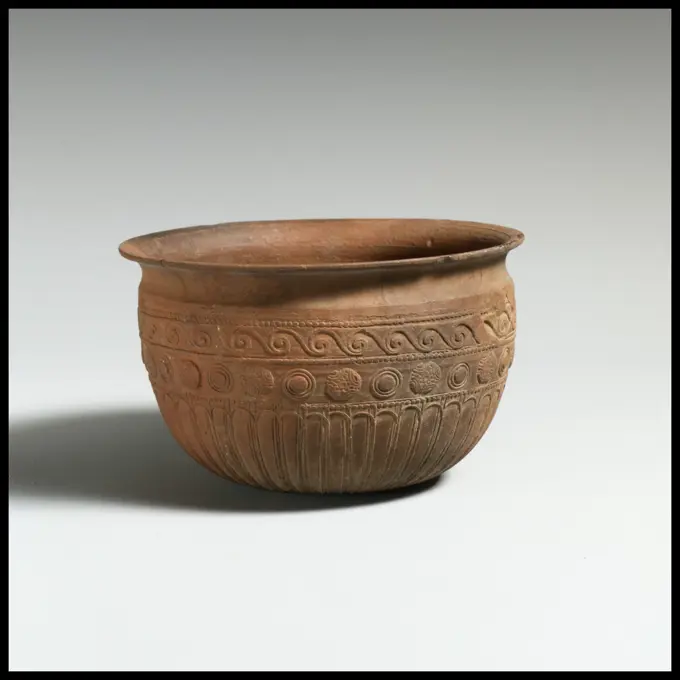
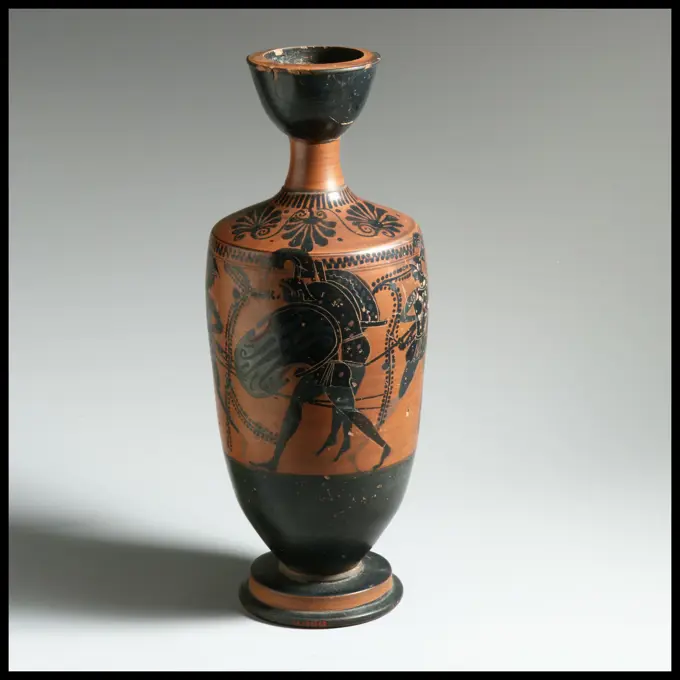
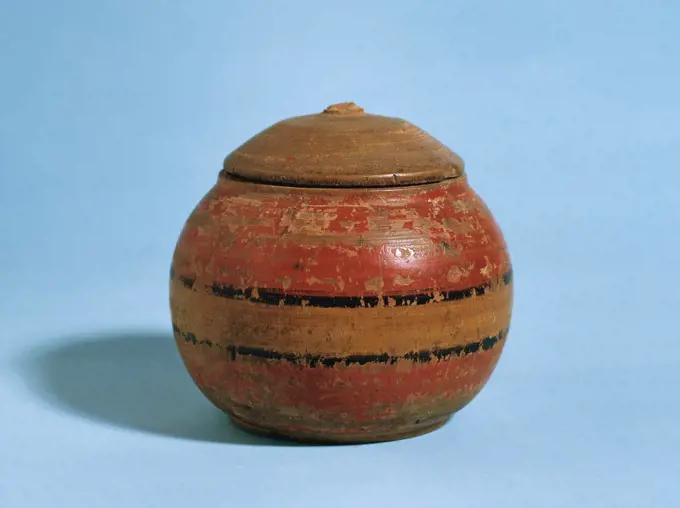
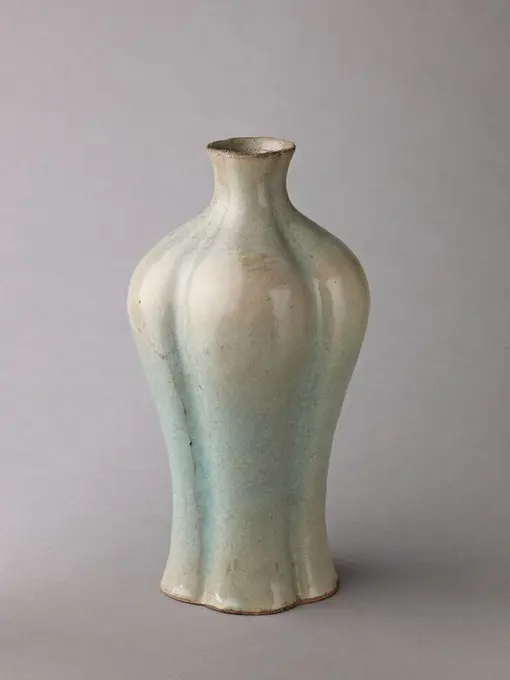
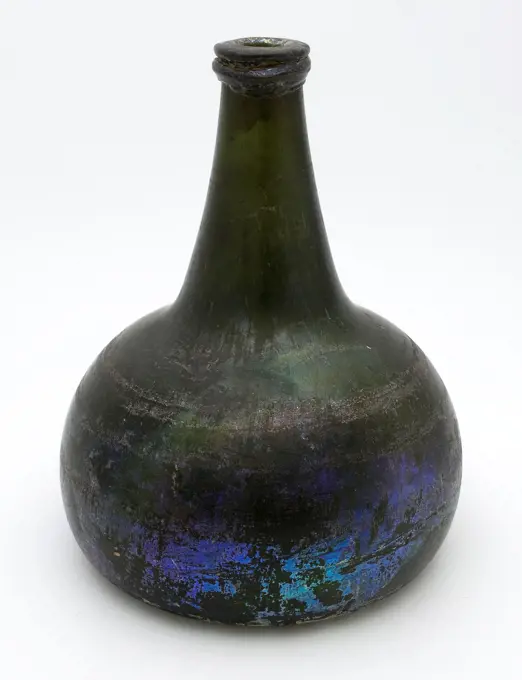
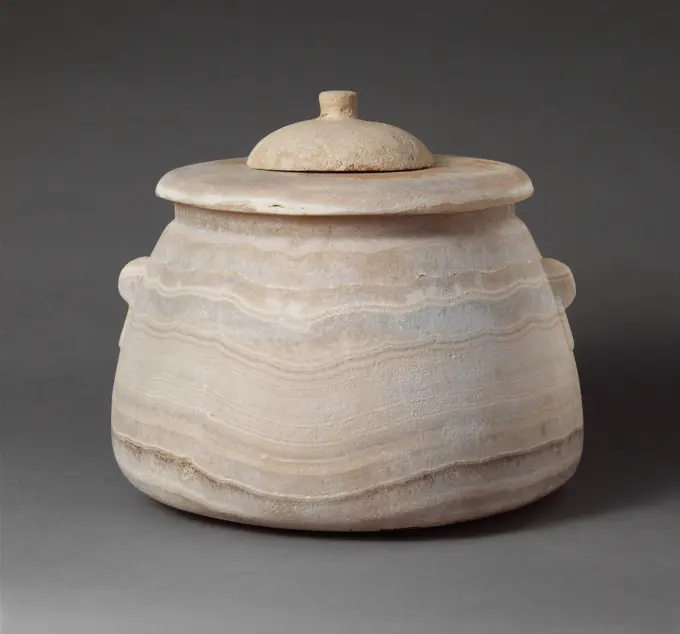
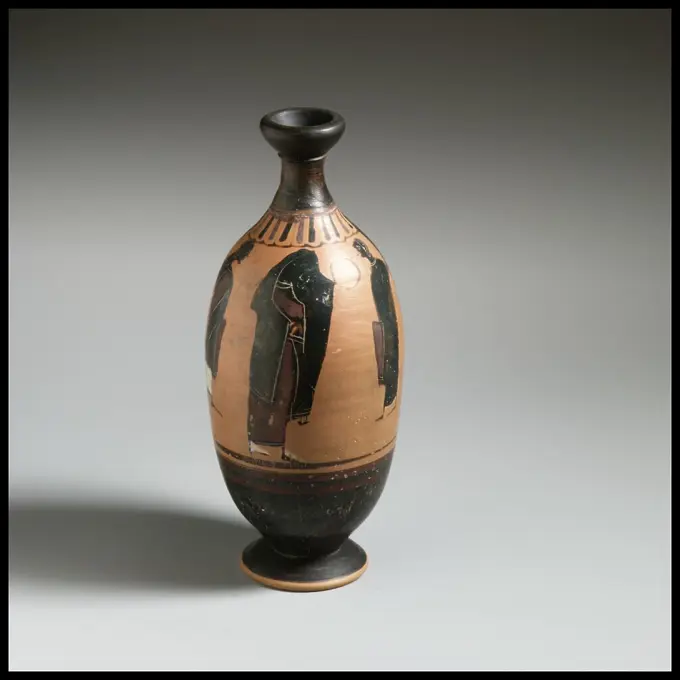
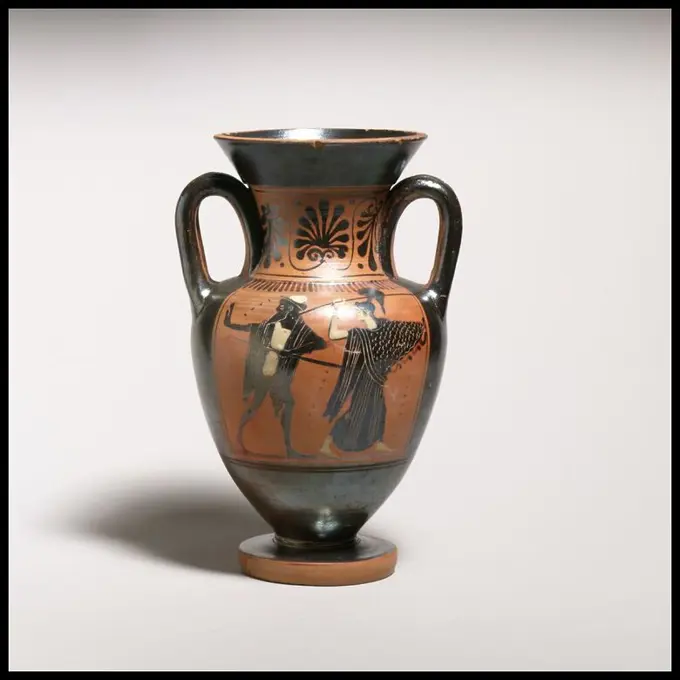
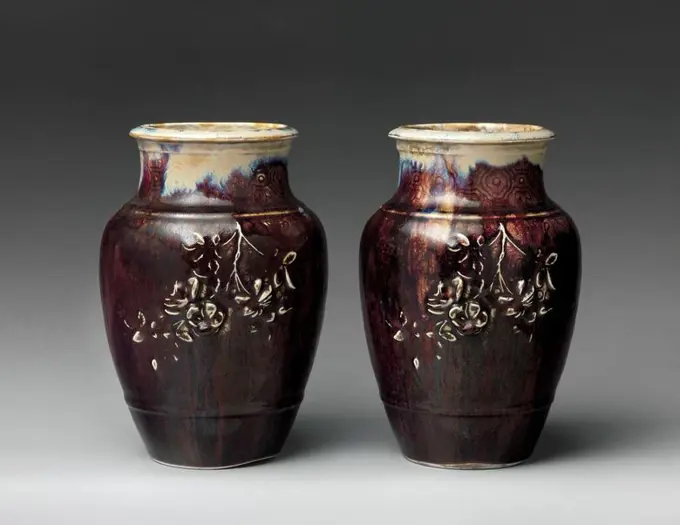
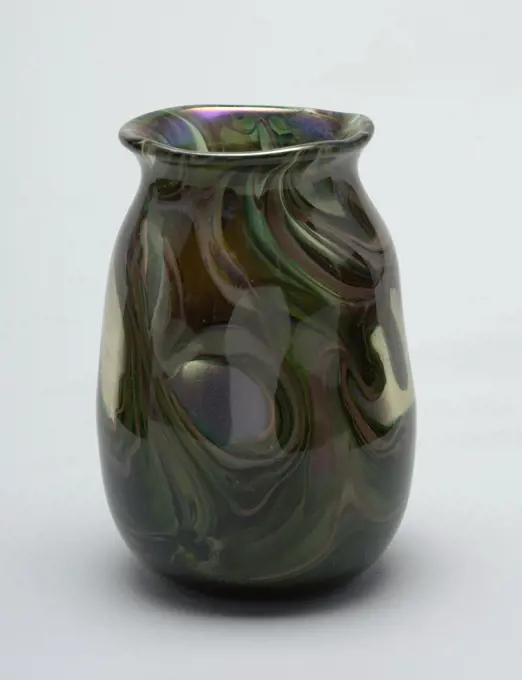
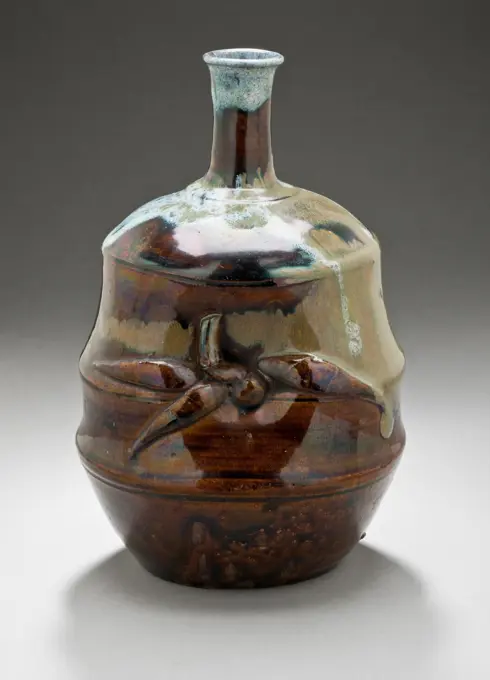
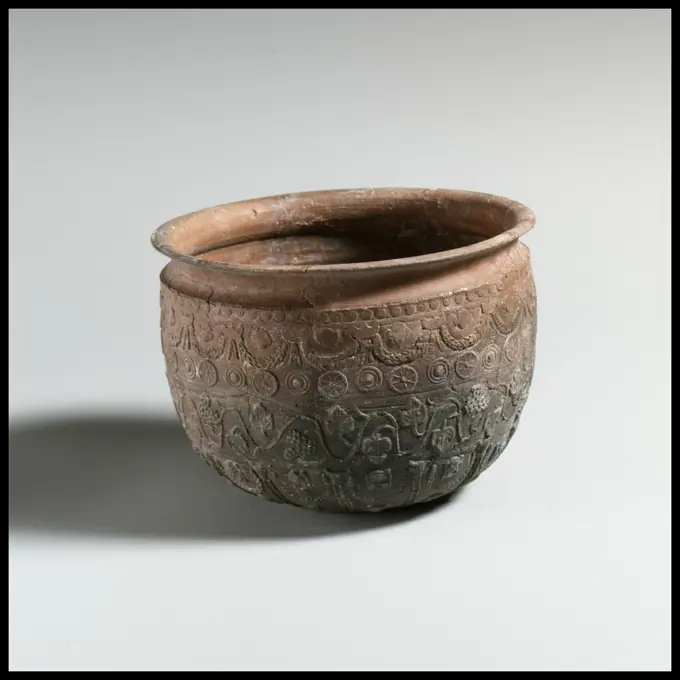
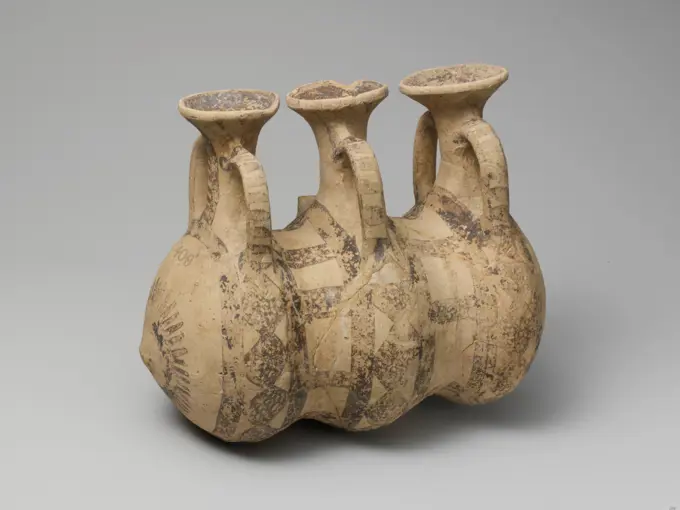
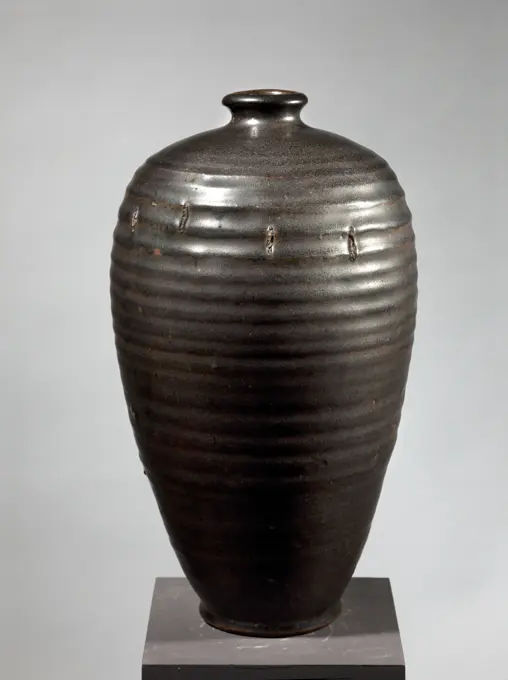
Jug. Culture: British. Dimensions: Overall: 3 1/4 x 2 5/8 in. (8.3 x 6.6 cm). Date: 15th-16th century.Jugs without spouts were used much like mugs are today. Potters were active in Kingston-on-Thames (now part of London) from the 1260s, and their earliest described products were royal orders. Both men and women were eventually listed among the city's "Poters," who supplied large numbers of ceramic pieces to the nearby capital. Museum: Metropolitan Museum of Art, New York, USA.Pocket bottle. Culture: American. Dimensions: H. 4 1/2 in. (11.4 cm). Date: 1815-45. Museum: Metropolitan Museum of Art, New York, USA.Bottle, 800s-900s. Iran, 9th-10th Century. Glass; overall: 21.6 cm (8 1/2 in.).Jug 1400-1600 British This vessel was decorated with bands incised by a stylus on the wet clay while the jug was still spinning on the potter's wheel. It was then fired and given a bright green glaze. It was made for both pouring and drinking.. Jug 468399Belly bottle with high soul, belly bottle bottle holder soil find glass, free blown Circular bottle green bottom bluish. Belly bottle with uplifted soul Pontilmerk archeologie packaging transport store wineCovered Box. Thailand, Sawankhalok, 16th century. Furnishings; Accessories. Stoneware with underglaze brown painted decorationPottery pot on stand, cylindrical with small neck opening, used in sugar production, sugar pot pot holder earth discovery ceramic earthenware glaze lead glaze, hand turned glazed baked Pottery pot on stand ring Almost cylindrical in shape with round shoulder and small neck opening Thick and round neck edge Red shard internal glazed Fine turnings Was used for making sugar cones archeology indigenous pottery sugar confectionery craft sugar industryGlass jar 1st century A.D. Roman Translucent cobalt blue.Slightly flaring rim folded out and down, forming thick collar around neck and extending on one side onto upper body; bulbous body, tapering downwards; splayed foot ring, made by folding; concave bottom.Intact; pinprick and large bubbles, with some small inclusions, and blowing striations; dulling, some pitting, iridescence, and patchy creamy brown weathering.On side of body at the point of greatest diameter, a single large blob protruding from the surface on both the exterior and interior.Blue glass.. Glass jar 245175Ovoid Jar With Carved Floral Scrolls. Egg-shaped pot of stoneware with two ears from the shoulder to the neck, covered with a brown glaze. On the belly two cut tires: one with a continuous leaf drink and one with five cartouches with flower drinks. A leaf pattern on the shoulder. The bottom is unglazed. The edge has been ground. Cizhou.Glass amphoriskos (perfume bottle). Culture: Greek, Eastern Mediterranean. Dimensions: 4 3/4 × 2 7/16 in. (12 × 6.2 cm)Diam. of rim: 1 5/16 in. (3.3 cm)Diam. of base: 9/16 in. (1.5 cm). Date: late 6th-5th century B.C..Opaque white, with handles and knob-base in same color; trails in translucent purple.Broad, inward-sloping oval rim-disk with radiating tool marks on upper surface and small mouth; tall cylindrical neck tapering upward; broad, sloping shoulder; elongated ovoid body tapering to a point; slanting circular base-knob with rounded edge and flat bottom; two vertical strap handles applied at top of shoulder, drawn up vertically, turned in, and pressed on to underside of rim-disk and top of neck.One uneven trail attached at edge of rim-disk; another trail wound round in an uneven spiral on shoulder, then tooled into a zigzag pattern on upper body, with twenty-two deep vertical tooling indents; a third trail applied to lower body, also tooled into an irregular zigzag pattern;Vase 1902 Van Briggle Pottery Company. Vase. American. 1902. Earthenware. Made in Colorado Springs, Colorado, United StatesBubble Słowicki, AntoniSitula, c. 525-450 BC. Italy, Etruscan, 6th-5th Century BC. Bronze; without handle: 16.6 cm (6 9/16 in.).Jar with Floral Medallions 618 CE-906 CE China. Earthenware with molded decoration and three-color (sancai) lead glazes .Small stoneware jug with slightly pinched foot, profiled edge under the neck opening, gray, jug crockery holder soil find ceramic stoneware glaze salt glaze, surface 7.7 hand turned glazed baked stoneware jug gray shard salt glaze light gray local yellowish bandoor sharp ring under the mouth rim rotations lower half from the belly smoothed pinched foot. Belly modeling-shaped archeology Oostvoorne import pottery serve drink serve wine beer packaging Soil discovery: Oostvoorne place where the Burcht van Oostvoorne stood 1908.. Flat printed, egg-shaped pot of stoneware, covered with a cracked green glaze. Foot is unglazed. Celadon.Terracotta amphora. Culture: Greek, Cypriot. Dimensions: H. 6 3/16 in. (15.7 cm). Date: late 4th century B.C..This diminutive amphora is in the "unpainted white ware" style, a descriptive term that calls attention to the plain light colored ground that lacks decoration. Excavation of tombs in Cyprus have brought to light numerous ceramic vessels in this style, suggesting that plain white ware was deemed especially appropriate for burial. Although this amphora is unpainted it exudes an aire of luxury; for its crisp potting, small scale, and smooth white surface may recall vessels made in alabaster, a popular medium in Cyprus. Museum: Metropolitan Museum of Art, New York, USA.Lantern for a Lamp 9th-10th century This unglazed lantern has a small opening that allowed the insertion of a lamp, and a handle that made it easier to carry. Its abstract pattern of pierced lines would have cast pleasing shadows when the lamp inside was lit.. Lantern for a Lamp. 9th-10th century. Earthenware; carved decoration, unglazed. Excavated in Iran, Nishapur. CeramicsTerracotta oinochoe (jug) 5th century B.C. Greek, Attic Black-glazed jug with handle.. Terracotta oinochoe (jug). Greek, Attic. 5th century B.C.. Terracotta; black-glaze. Classical. VasesBronze aryballos 1st-2nd century A.D. Roman Globular shape.. Bronze aryballos 246902One-handled Jug; Eastern Mediterranean; end of 1st-beginning of 2nd century A.D; Glass; 10.2 × 6.8 cm (4 × 2 11,16 in.)Stoneware bullet-shaped bell with silver lid, flowers swinging on the belly and portrait medallion, Bullet chuck jug crockery holder soil find tin ceramics stoneware earthenware glaze salt glaze metal silver, hand turned stamped glazed glazed baked Large stoneware bulletbayer gray shard with salt glaze profiled bandoor with curled tail profile rings around neck and foot. Silver lid with three approvals Edge writing portrait medallion: FIVAT. PRINTZ. VON. ORANGEN. 1687 archeology import pottery serve king-stadholder William III prince Orange prince of OrangeFragment majolica ointment jar, albarello, line and diamond decor in blue and purple, albarello holder soil find ceramic earthenware glaze tin glaze lead glaze, hand turned baked decorated glazed fried Albarello fragment majolica blue and purple line decoration internal and external glazed. Internal lead glaze Two constrictions with wide foot and narrow neck. Orange shard archeology Valckensteyn Poortugaal Albrandswaard health care indigenous pottery packaging ointment care medication medicine pharmacy packaging Soil discovery: castle Valckensteyn in Poortugaal now Albrandswaard.Covered Jar. Thailand, Sawankhalok, 16th century. Furnishings; Serviceware. Wheel-thrown stoneware with brown glazeBottle. Dimensions: H. 8 11/16 in. (22.0 cm)Gr. W. 4 3/4 in. (12.1 cm). Date: first half 11th century. Museum: Metropolitan Museum of Art, New York, USA.Bearded manner. Gray, brown-blown bearded manner with long, split beard. On the flat, spherical belly 3 bearded masks.Bottle with spherical belly. unknown, craftsmanBronze cauldron ca. 550 B.C. Etruscan Made of two large hemispherical bronze sheets carefully riveted together at the belly's midpoint. Heavy circular attachments, perhaps from swinging handles, flank the mouth.. Bronze cauldron 251084 Etruscan, Bronze cauldron, ca. 550 B.C., Bronze, H.: 11 5/16 in. (28.7 cm) Diam.: 15 5/8 in. (39.7 cm). The Metropolitan Museum of Art, New York. Rogers Fund, 1921 (21.88.58)Glass perfume bottle 1st-2nd century A.D. Roman Translucent light blue green.Everted rim, folded up and in, with beveled upper surface; tall, cylindrical neck, expanding slightly downwards and tooled in around base; slender, piriform body; small, concave bottom.Intact; many bubbles; deep pitting and brilliant iridescent weathering.Thick-walled bottle.. Glass perfume bottle 239938OLLA PARCIALMENTE VIDRIADA CON 2 ASAS Y TAPA-CERAMICA POPULAR. Location: ALFARERIA. LA RODA. SPAIN.Vase. Sandstone Covered celadon-olivreat. Cernuschi Museum, Asia Museum of Asia in the city of Paris.Oil lamp. unknown, craftsmanVase (USA); Made by Louis Comfort Tiffany (American, 1848-1933); favrile glassPrunus Vase with Chrysanthemum Spray Scroll Design in Underglaze Iron. Korea, Korean, Goryeo dynasty (918-1392), 12th century. Furnishings; Accessories. Wheel-thrown stoneware with brown painted decoration and green glazeGlass double cosmetic flask (kohl tube) 4th century A.D. Roman, Syrian Translucent blue green; handles in same color.Rim folded out, over, and in; body comprising two tubes, side by side, made from a single inflated gather by pinching sides vertically to make diaphragm; pontil mark on thick, flattened bottom; two rod handles attached to side of body over diaphragm in large, claw pads, drawn up and out, turned in, and trailed off on top of rim.Intact; pinprick bubbles; dulling, pitting, iridescence, and blackish weathering on exterior, some encrustation and brilliant weathering on interior.. Glass double cosmetic flask (kohl tube) 245352Can. Yellow-gray can with 3 ears. The egg-shaped belly is separated from the succession neckline by profile edges. The can be partly equipped with a thin, white glaze.Covered Jar. Thailand, Sawankhalok, 16th century. Furnishings; Serviceware. Stoneware with underglaze black painted decorationJar 1200-1279 China. Cizhou ware; stoneware with black glaze and iron-brown splashes .Ovoid pitcher with a wide neck, anonymous, c. 1175 - c. 1224 Egg-shaped can of quartz fritry with a wide neck, covered with a turquoise glaze. On the shoulder an entry decoration. Iran earthenware. glaze vitrification Egg-shaped can of quartz fritry with a wide neck, covered with a turquoise glaze. On the shoulder an entry decoration. Iran earthenware. glaze vitrificationTerracotta Megarian bowl ca. 150-100 B.C. Roman The relief patterns decorating this bowl are often found on wares produced by some of the more well attested makers of hemispherical plain fired pottery. Shields, for example, were a motif particularly favored by C. Popilius, as seen on the bowl in this case that bears his signature (96.18.79). The wave ornament and zone of long petals on this bowl however, find parallels on vessels signed by Lapius, a contemporary of Popilius. This unsigned bowl was probably made by a potter associated with both of these workshops.. Terracotta Megarian bowl 247449Vase with archaistic patterns mid-18th century China. Vase with archaistic patterns. China. mid-18th century. Porcelain with gilt relief decoration over green ground (Jingdezhen ware). Qing dynasty (1644-1911), Qianlong period (1736-95). CeramicsLekythos late 6th century B.C. Attributed to the Capodimonte Group. Lekythos 247231Vase 12th century. Vase 447120Terracotta guttus (flask with handle and vertical spout) with a depiction of a dog. Culture: Greek, South Italian, Apulian. Dimensions: H. 17.48 cm.Diameter 10.14 cm.W. 11.97 cm.. Date: 4th century B.C..On top, in relief, a dog. Museum: Metropolitan Museum of Art, New York, USA.Fang bu vase, bronze, cm 28 x 16 x 16Flask; Eastern Mediterranean or Italy; 1st century; Glass; 9 cm (3 9,16 in.)Vase - bottle. unknown, craftsmanPolychromed wooden reliquary. Container relics of san Ermengol and San Lazaro. From Sant Esteve de Pelagalls church. Diocesan Museum. La Seu d'Urgell. Catalonia. Spain.Vase with Stylized Floral Scrolls 918 CE-1392 Korea. Stoneware with underglaze iron brown painted decoration .Glass alabastron (perfume bottle). Culture: Greek, Eastern Mediterranean. Dimensions: H.: 5 in. (12.7 cm). Date: 2nd-mid-1st century B.C..Translucent pale blue with greenish tinge, with handles in same color (); trail in opaque light blue.Broad rim-disk with rounded edge, sloping deeply inward, with projecting jagged inner edge to mouth; straight-sided fusiform body expanding downward, then tapering in to pointed bottom; two horizontal lug handles applied over trail at top of body, placed unevenly.Trail attached near bottom, drawn up in a spiral to point of carination, tooled into a close-set feather pattern around side, arranged in eight panels of alternating upward and downward strokes, wound round again in spiral to top of body, and ending in irregular wavy line that trails off down side. Complete,except for part of rim-disk, with internal crack around lower body; dulling, slight pitting, and iridescent, milky white weathering covering most of surface. Museum: Metropolitan MuseHandle Spout Vessel in Form of a Seed or Bean Made 100 BCE-500 CE North Coast. Ceramic and pigment . MocheVotive Uterus. UnknownQuatrefoil vase, Jun ware. Artist: Chinese , Qing Dynasty. Culture: Chinese. Dimensions: Height: 9 7/8 in (25cm.). Date: possibly 18th century. Museum: Metropolitan Museum of Art, New York, USA.Belly bottle, belly bottle bottle holder soil find glass, free blown and shaped glass application Circular bottle in clear moss green glass. At the bottom (blowpipe) pontilmark on the ascending bottom. Ascending soul (3 cm). Round shoulders to rejuvenated neck. Round irregularly laid glass thread at 0.5 cm from mouth. Flattened mouth with slightly widened lip archeology packaging Rotterdam City Triangle Rotten Soil discovery under the Lange brug over de Rotte 1904.Vase 1890-1905 George E. Ohr American. Vase 9368Miniature Covered Box with Knob. Vietnam, near Hoi An, Offshore. Date: 1401-1500. Dimensions: 4.8 × 6.4 × 6.4 cm (1 7/8 × 2 1/2 × 2 1/2 in.). Glazed stoneware with cobalt-blue underglaze. Origin: Vietnam. Museum: The Chicago Art Institute, Chicago, USA.Glass alabastron (perfume bottle) late 4th-early 3rd century B.C. Greek, Eastern Mediterranean or Italian Translucent cobalt blue, with handles in same color; trails in opaque yellow and opaque turquoise blue.Broad rim-disk, made as a spiral coil around top of neck; broad cylindrical neck; rounded shoulder; almost cylindrical body, with slightly convex sides tapering upwards; almost flat bottom, slightly concave at center; on body, two small solid, rounded knob handles, applied over trail pattern.A yellow trail attached at edge of rim-disk; a yellow and a turquoise trail applied at top of body, wound down to bottom in a spiral of alternating lines, and tooled into a fairly regular close-set zigzag pattern with alternating upward and downward strokes.Intact, except for small chip on underside of rim-disk broken; dulling, pitting, and slight iridescent weathering.. Glass alabastron (perfume bottle) 249999clay amphora isolated on white backgroundGlass trick bottle or cup 2nd-4th century A.D. Roman Translucent deep olive green, appearing opaque black.Rim folded down, over, and in, forming slight inner lip; broad, uneven mouth; cylindrical neck expanding downwards to join squat bulbous body; bottom deeply push in to form hemispherical concavity. Stands aslant.Intact; pinprick bubbles; some pitting and iridescence, with one area of dulling where thick enamel-like brown weathering has flaked off.Essentially a perfume bottle with a deeply pressed in bottom. When inverted it appears as a 'double-walled' cup, hence this type of vessel has previously been described as an 'egg cup.'. Glass trick bottle or cup 239735Covered Box. South China, 16th century. Furnishings; Accessories. Stoneware with green glazePorcelain hirado vasePitcherSake Bottle. Japan, 18th century. Ceramics. Bizen ware: stoneware with naturally occuring ash glazeSkyphos Greek, South Italian, Apulian. Skyphos 255236 Greek, South Italian, Apulian, Skyphos, Terracotta, H. 7.39 cm.. The Metropolitan Museum of Art, New York. Rogers Fund, 1967 (67.11.4)Three-Handled Amphoriskos. Dimensions: H. 11.4 cm (4 1/2 in). Dynasty: Dynasty 18. Reign: reign of Amenhotep II-Amenhotep III. Date: ca. 1427-1352 B.C.. Museum: Metropolitan Museum of Art, New York, USA.Pitcher c 1887-1900 Strasburg. Earthenware, with cream slip embellished with lead glazes colored with copper and manganese . S. Bell & SonRitual Buddhist Basin, 7th-8th century, 2 3/16 x 8 7/8 in. (5.56 x 22.54 cm), Bronze, China, 7th-8th centuryOintment Vessel 1550 BCE-1292 BCE Egypt. Cosmetic vessels were made in many forms, including open bowls, and footed dishes.. Egyptian alabaster . Ancient Egyptian. Dust tea bus or chair of stoneware with an ivory lid covered with a black glaze. Goudaakrestaurations on the edge. Old label on the inside with 'Raku (Kyoto) / 18th'. Raku.Vase 19th century Italian. Vase 186186Squat lekythos. Culture: Greek, South Italian, Apulian. Dimensions: Overall: 7 3/8 in. (18.7 cm)Diameter: 3 1/8 × 2 × 2 5/8 in. (7.9 × 5.1 × 6.6 cm). Date: ca. 350-300 B.C..Woman playing ball. Museum: Metropolitan Museum of Art, New York, USA.Glass perfume bottle 2nd-3rd century A.D. Roman, Cypriot Colorless with blue green tinge.Tubular rim folded down, over, and in, and pressed into everted mouth; cylindrical neck flaring downward, with irregular shape at top from tooling; broad, almost flat body, with convex side, curving out and downward; pushed-in bottom with central kick and large pontil mark.Complete except for about half of rim and mouth, and internal cracks in body; some pinprick bubbles; dulling, iridescence, and patches of creamy brown weathering.This unusually large bottle with its broad, shallow body, belongs to a type that is often called the candlestick unguentarium.’. Glass perfume bottle 239601Architectural WhistlingVessel.  Artist: UnknownJar with Rouletted Decoration, 11th-12th century, 3-7/8 x 4-1/4 x 4-1/4 in. (9.8 x 10.8 x 10.8 cm), Tz'u-chou ware Stoneware with white slip and brown overslip with carved decoration under clear glaze, China, 11th-12th century, Over twenty decorative techniques were used at Cizhou and Cizhou type kilns throughout north China. Probably from Paofeng in Henan province, this jar is ornamented in the scraffito manner with an olive-brown overslip carved through to a white slip with a roulette creating bands of short oblique strokes in close-packed rows all under a clear glaze.Alabaster pyxis (lidded jar) ca. 5th-4th century B.C.  Cypriot This vase is probably of Egyptian workmanship.. Alabaster pyxis (lidded jar) 244001Glass perfume bottle. Culture: Roman. Dimensions: 3 1/8 in. (7.9 cm)Diameter: 2 1/4 x 7/8 in. (5.7 x 2.2 cm). Date: 1st century A.D..Translucent blue.Lopsided rim folded out, over, and in, with vertical inner lip; cylindrical neck, with tooling marks around base; broad piriform body; flat bottom.Wheel-cut horizontal groove around upper body.Broken and repaired, with numerous holes and losses, and many cracks; pinprick and larger bubbles; dulling, deep pitting, and brilliant iridescent weathering.Thick, heavy glass. Museum: Metropolitan Museum of Art, New York, USA.Jug with Jewish Symbols. Jerusalem, late 6th - early 7th century. Furnishings; Serviceware. Mold-blown glassTerracotta lekythos (oil flask). Culture: Greek, Euboean. Dimensions: H. 8 11/16 in. (22.1 cm). Date: mid-6th century B.C..Woman between two youthsThe attenuated shape and the lack of real relation between the shape and decoration indicate that this work is dependent on Attic models. Museum: Metropolitan Museum of Art, New York, USA.Spherical Aryballos. Egypt, 26th - 30th Dynasties (664 - 343 BCE). Furnishings; Serviceware. CeramicTripod Cauldron (Ding), 1200-1100 BC. China, Shang dynasty (c.1600-c.1046 BC). Bronze; overall: 14.3 x 12.5 cm (5 5/8 x 4 15/16 in.).Hu "Boute". Bronze. Zhou dynasty. Paris, Cernuschi museum. 144391-26Jug 50 CE-250 CE Roman Empire. Initially affordable only among the wealthy, glass was used in ancient Rome as containers for oils, perfume, and tablewares. The variety of glass-making techniques reveals the changing tastes and fashions over the centuries. During the 1st century A.D., cast glass was a novel form that was a luxury for the Roman household, but by the end of the century, the innovation of blown glass allowed for less labor-intensive and less expensive production, which meant people of lesser means could afford it. Blown glass became so popular it nearly supplanted ceramic and even bronze wares in the home.. Glass, blown technique . Ancient RomanVase with Pinched Neck 1895-1905 France. Glazed stoneware . Pierre Adrien DalpayratTerracotta neck-amphora (jar) with double handles. Culture: Greek, Attic. Dimensions: H. 6 7/8 in. (17.5 cm.)Diameter 3 15/16 in. (10 cm.). Date: ca. 500 B.C..Obverse, Herakles and Kerberos at the house of Hades; meaningless inscriptionsReverse, Hermes and Athena; meaningless inscriptionsKerberos, the mythical guard dog of Hades, is depicted with two heads. One head bites the loop of the leash; with the other, Kerberos catches the tail of Herakles' lion's skin in his jaws. Museum: Metropolitan Museum of Art, New York, USA.Vase with Three Handles, Pierre Adrien Dalpayrat, c. 1895 Vase of stoneware with three ears on a high indented base and a slender neck. Covered with a red, yellow spotted, glaze. The ears are completely yellow. There is a round hole in the bottom. The vase in marked with an agitated flaming bullet on the outside of the foot edge. Bourg-la-Reine stoneware. glaze vitrification Vase of stoneware with three ears on a high indented base and a slender neck. Covered with a red, yellow spotted, glaze. The ears are completely yellow. There is a round hole in the bottom. The vase in marked with an agitated flaming bullet on the outside of the foot edge. Bourg-la-Reine stoneware. glaze vitrificationPair of vases. Culture: French, Limoges. Dimensions: Height (each): 9 3/4 in. (24.8 cm). Factory director: Under the technical direction of Ernest Chaplet (French, Sèvres 1835-1909 Choisy-le-Roi). Manufactory: Haviland & Co. (American and French, 1864-1931). Date: ca. 1884-86.Determined that pottery vessels should be regarded as true works of art, avant-garde ceramicists in France in the last decades of the nineteenth century transformed their craft into an intellectual and emotional endeavor. The pioneers of this revival were Jean Carriès, Ernest Chaplet, Théodore Deck, and Auguste Delaherche. These revolutionary artist-potters embraced artisanal traditions while pursuing lost techniques through exhaustive experimentation. Reacting to what they viewed as an excessive and improper use of ornament, they celebrated the simplicity and sincerity of their medium, following the tenets of the Art Nouveau style taking place in Europe. Based on the principles of the British Arts and Crafts movVase, Tiffany Glass and Decorating Company, American, 1892 - 1900, Glass, Wide open mouthed vase in dark greens and mauve abstract and swirled shapes., New York, USA, ca. 1903-05, glasswares, Decorative Arts, VaseFlask. Turkey. Date: 1775-1785. Dimensions: 10.4 × 5.9 × 2.4 cm (4 1/8 × 2 5/16 × 1/16 in.). Tombak (gilded copper) and ivory. Origin: Ottoman Empire. Museum: The Chicago Art Institute, Chicago, USA. Author: Islamic.Bamboo-shaped Sake Bottle. Japan, Edo period, late 17th-early 18th century. Ceramics. Shōdai ware; stoneware with iron, wood ash and rice straw ash glazesLazio Viterbo Viterbo Museo Civico83. Hutzel, Max 1960-1990 Views of paintings (Middle Ages through 18th c.), frescoes, a tabernacle, coffin, sculpture reliefs, portal fragments, busts, sculpture, tapestry found in the Pinacoteca, Second floor gallery and Second floor cloister sequences. Antiquities: Many views of Etruscan and Roman fragments, sculpture, sarcophagi, pottery, masks, jewelry and other objects found in the Storeroom sequence (inventory numbers on back of prints), and the Cloister, Second floor Cloister, Valle Giulia, Sala Romana and Sala Etrusca sequences. General Notes: There are eight separate numerical sequences for this location. The cloister as an architectural structure, rather than museum site, is documented in the record and file for S. Maria della Verita, Cloister, all views of which are stored in Medieval core collection. Five views from the Museo Civico Second floor cloister sequence are stored in Medieval. German-born photographer and scholar Max Hutzel (1911-Snuff Bottle, 1644-1911. China, Qing dynasty (1644-1911). Glass; overall: 8.6 cm (3 3/8 in.).Terracotta Megarian bowl ca. 150-75 B.C. Roman The decorative motifs on this unglazed, hemispherical bowl are hallmarks of the workshop of C. Popilius: a row of beads below which are zones of garlands and shields; grape clusters and leaves; garlands suspended from bucrania interspersed with theatrical masks; and finally, a frieze of small satyr heads. A bowl signed by Popilius in the Museum of Fine Arts, Boston with similar decoration, contains an inscription indicating that it was made in central Italy, suggesting perhaps the bowl in this case was also manufactured in the same region.. Terracotta Megarian bowl 246594oriental antique ceramic vase on a black background closeup. oriental antique ceramic vaseVase, Christopher Dresser, Scottish, 1834 - 1904, Linthorpe Pottery, Yorkshire, 1879-1889, Henry Tooth, Glazed earthenware, Ovoid body with five concave 'dimples,' tapering to elongated cylindrical neck. Flat base, wheel ground. Glazed overall in mottled brown/grey, striated with green. Glazed on underside., Linthorpe, England, 1880-82, ceramics, Decorative Arts, VaseUtensil. unknown, craftsmanGlobular Jar, 12th-13th century, 8 1/2 x 7 in. (21.59 x 17.78 cm), Henan ware Stoneware with black glaze and iron-splashed floral decor, China, 12th-13th centuryTerracotta composite triple flask 1200-1050 B.C. Cypriot Three two-handled flasks joined, lozenge and floral ornament.. Terracotta composite triple flask. Cypriot. 1200-1050 B.C.. Terracotta. Late Cypriot IIIB. VasesFour-Legged jar. Culture: Japan. Dimensions: H. 7 5/16 in. (18.6 cm); Diam. 8 3/4 in. (22.2 cm). Date: 9th century. Museum: Metropolitan Museum of Art, New York, USA.Vase ca. 1295-1070 B.C. New Kingdom, Ramesside Egyptian glassmaking, which had reached a high level of virtuosity in late Dynasty 18, continued to be practiced in the Ramesside Period; however, the quality, as well as quantity, of it production dropped off sharply in Dynasty 20. The vase here is characteristic of its time, as it is monochrome with only a "rope" made of stained glass rods in contrasting colors attached to the rims, shoulders and feet of the vessel.. Vase 549351Meiping. Grès to couverts brunette. Par musée musée malée. 78844-30 Asian art, ancient ceramic, gres, container, terracotta, vase