Artisan Glassware

Historic glass vases and jars from the Roman era to late 19th century, featuring unique shapes, textures, and color variations, showcasing craftsmanship and artistry.

Flask; Eastern Mediterranean; 3rd - 4th century; Glass; 9.7 cm (3 13,16 in.)
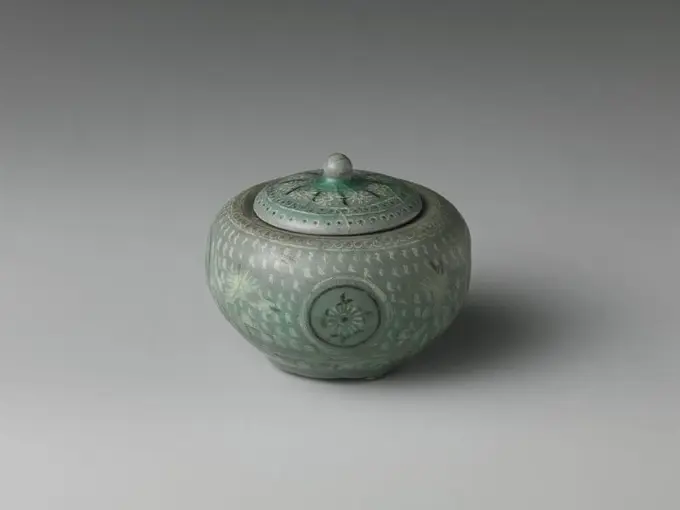
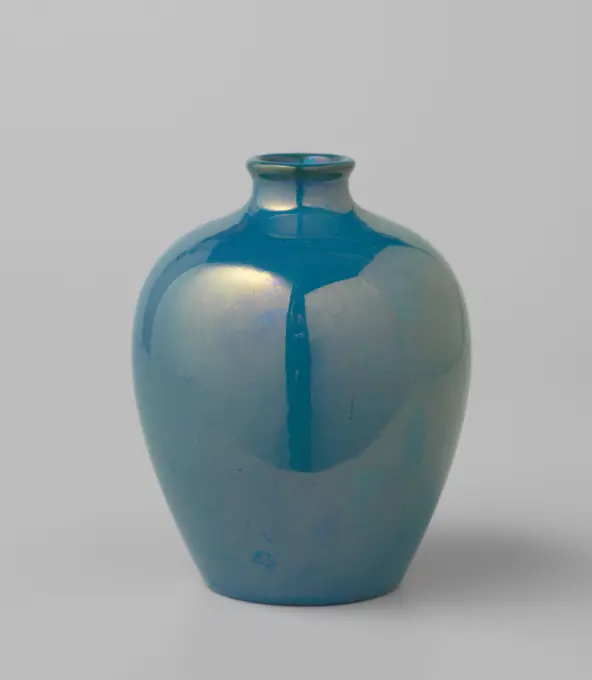
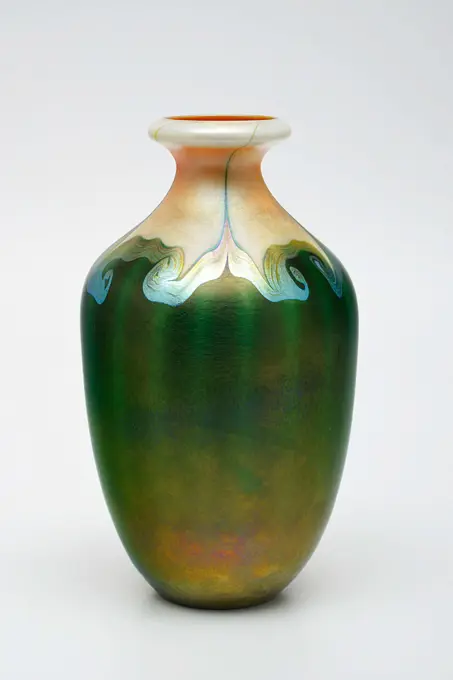
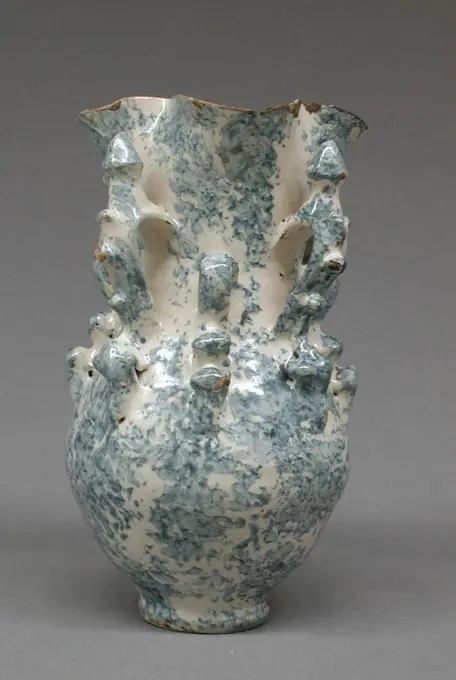
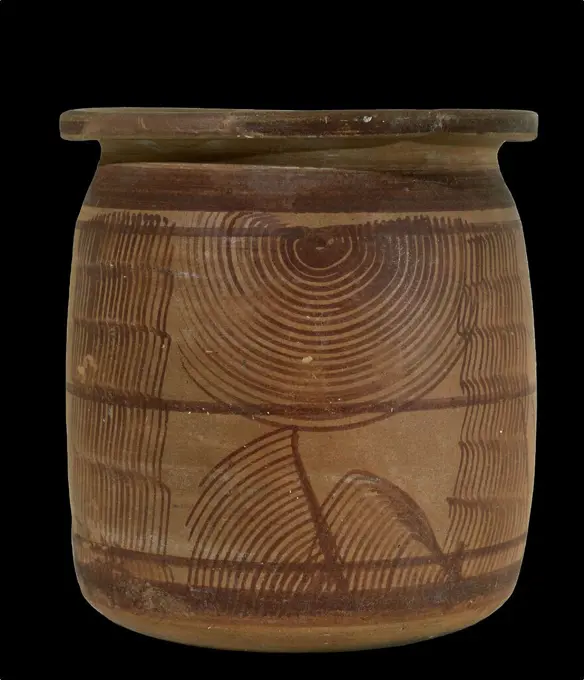
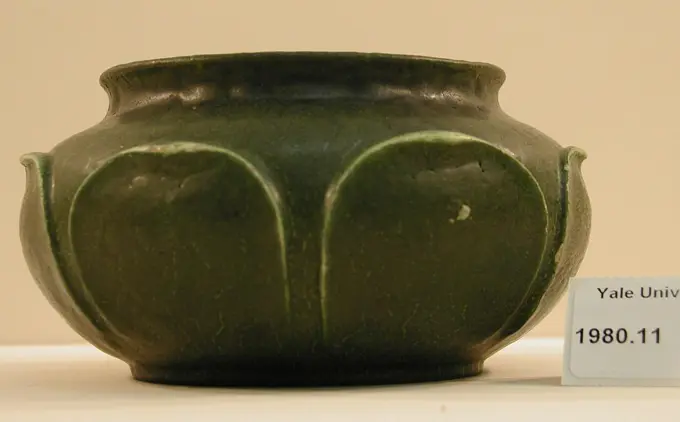
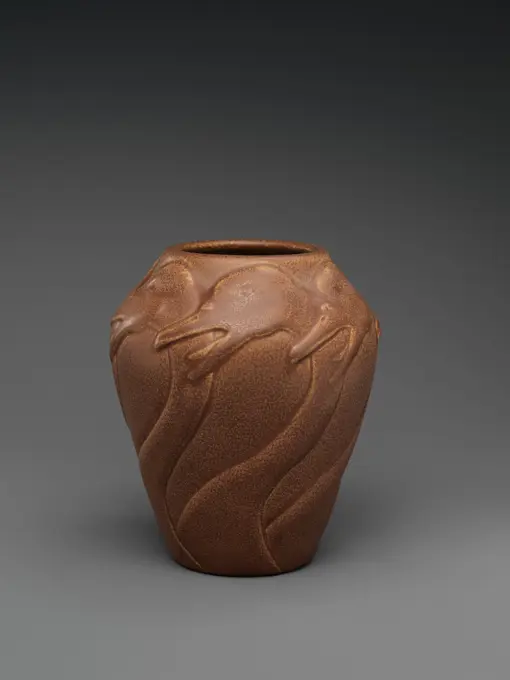
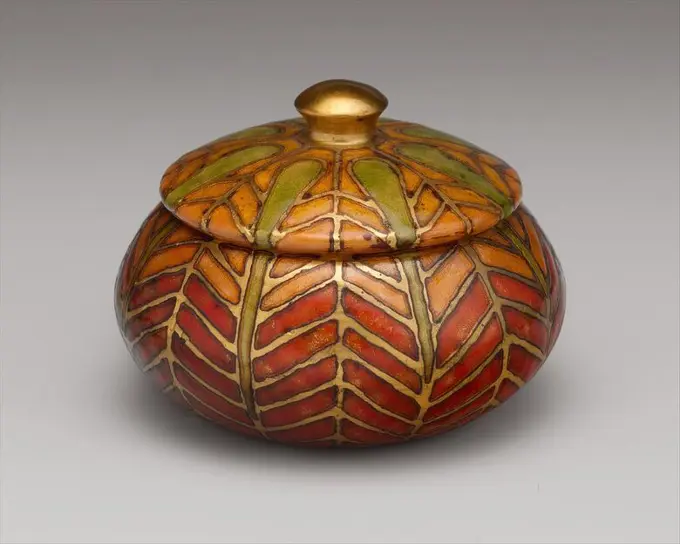
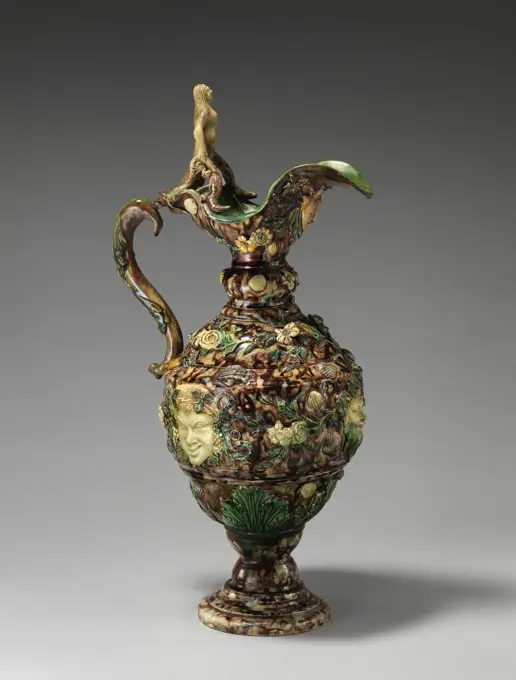
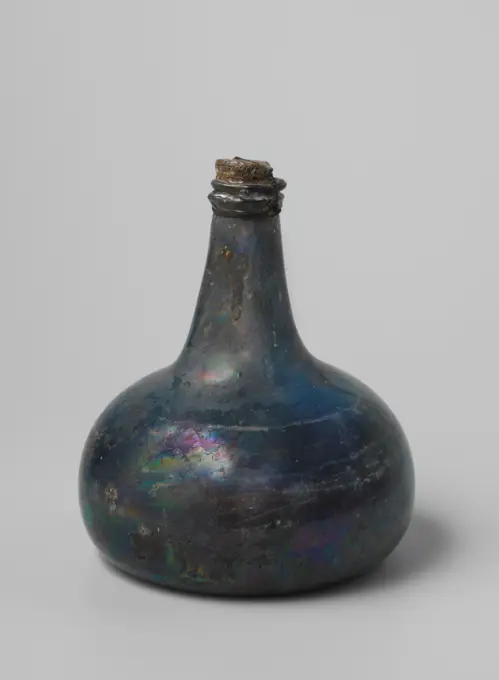
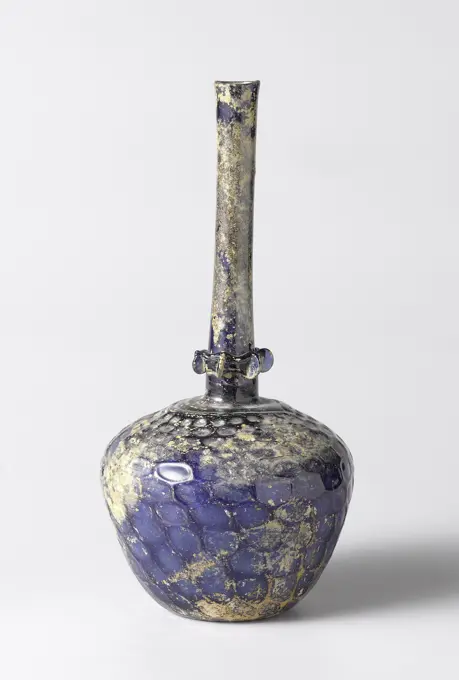
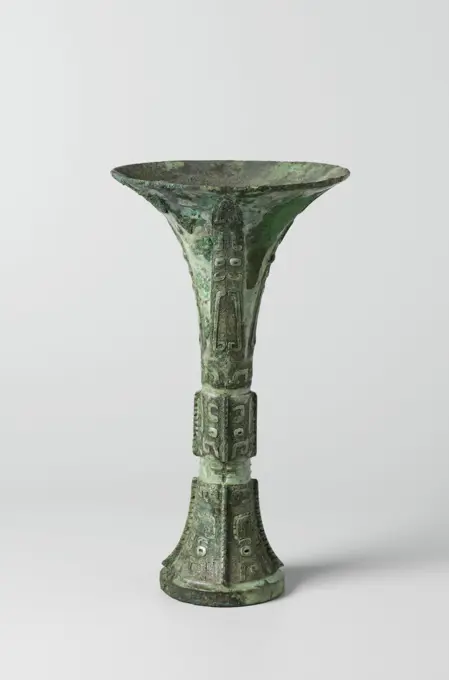
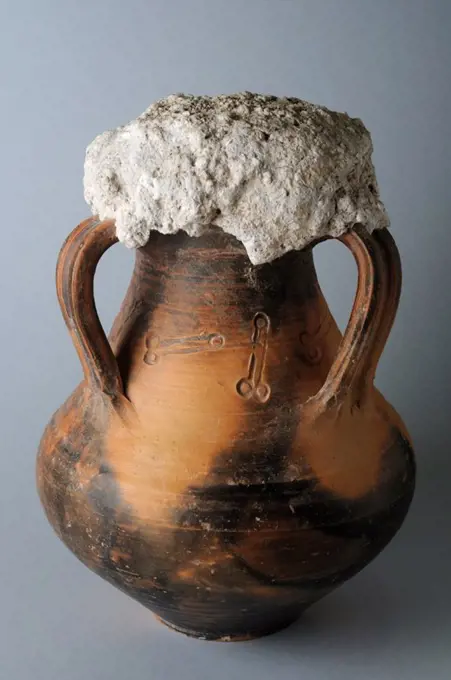
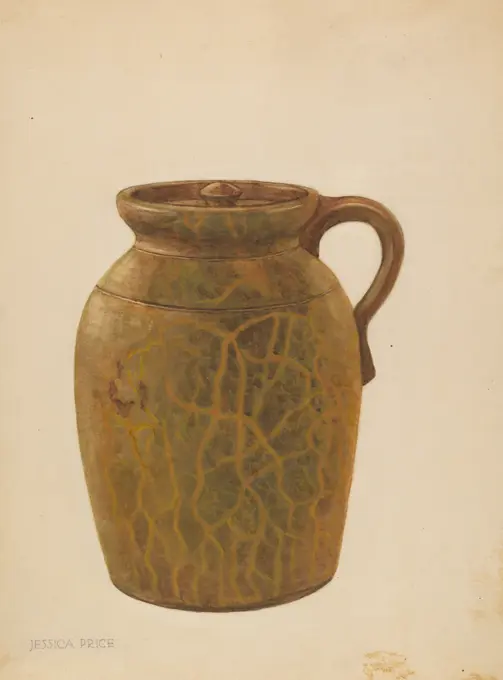
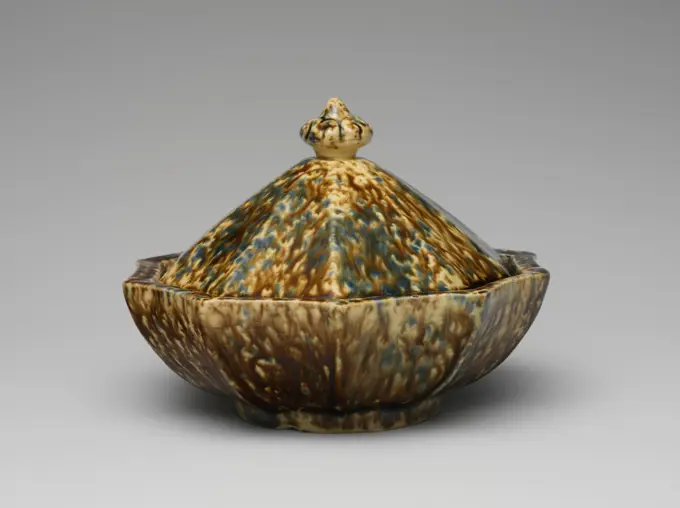
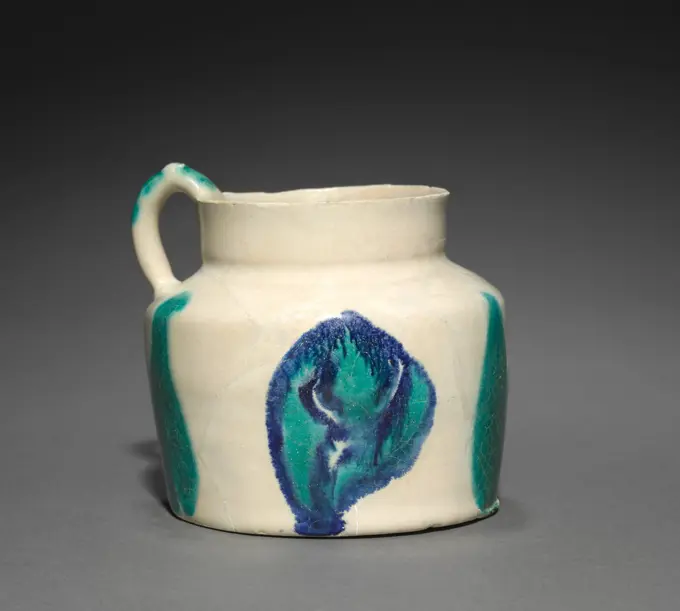
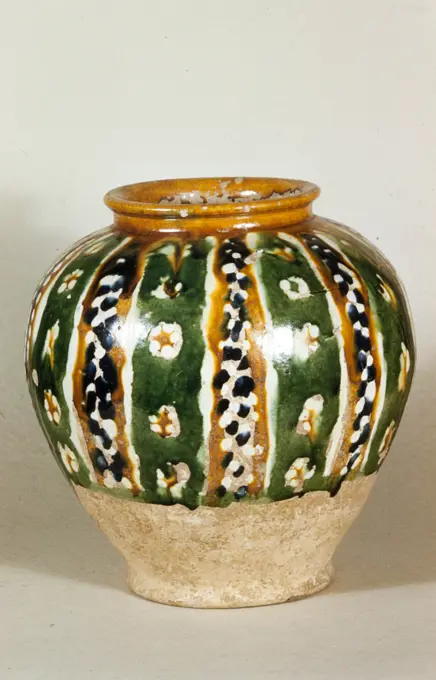
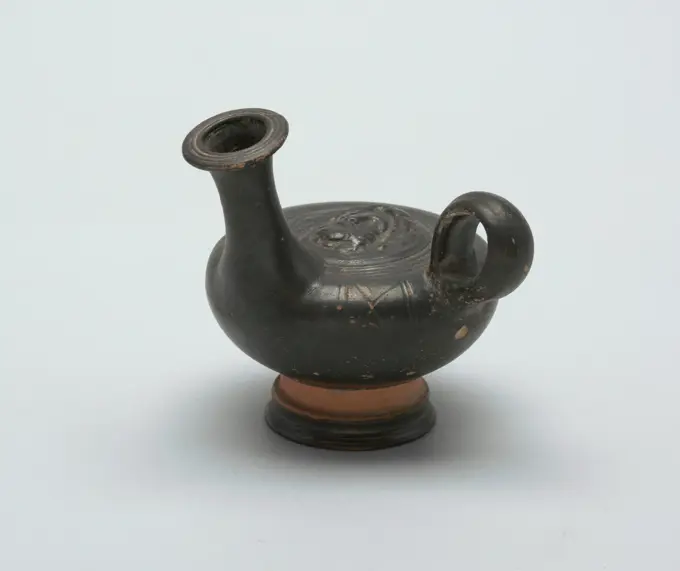
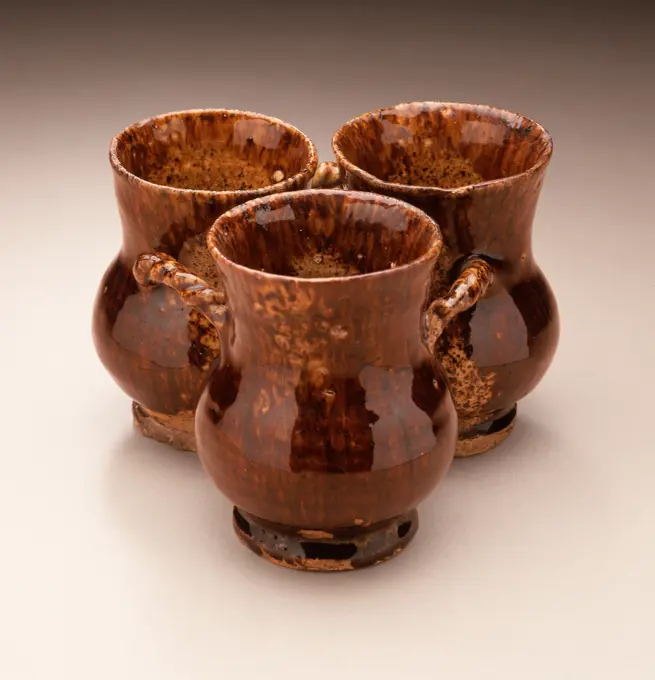
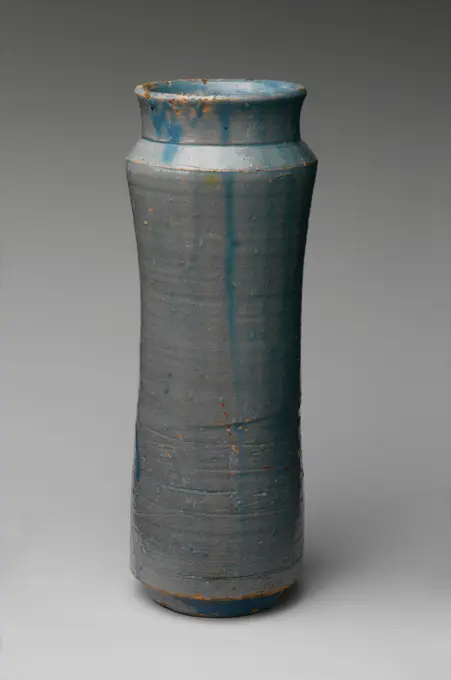
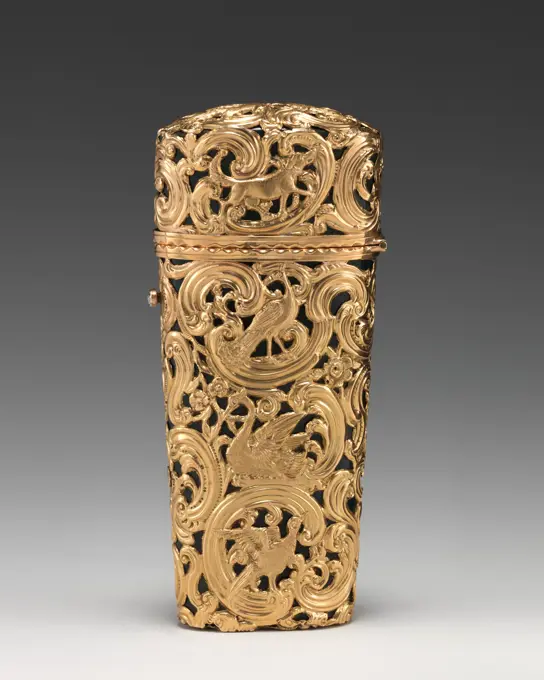
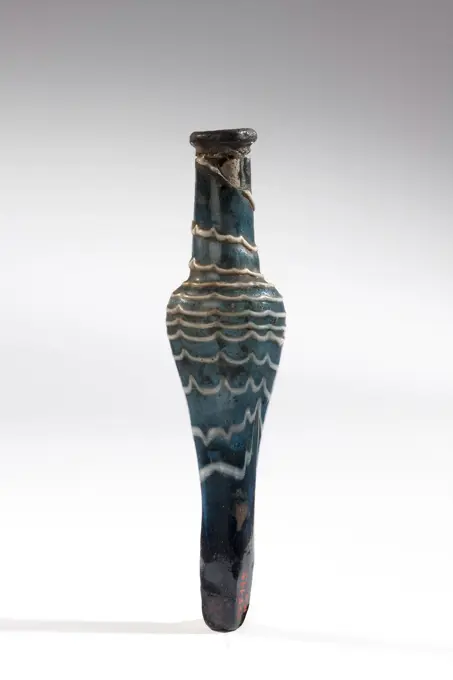
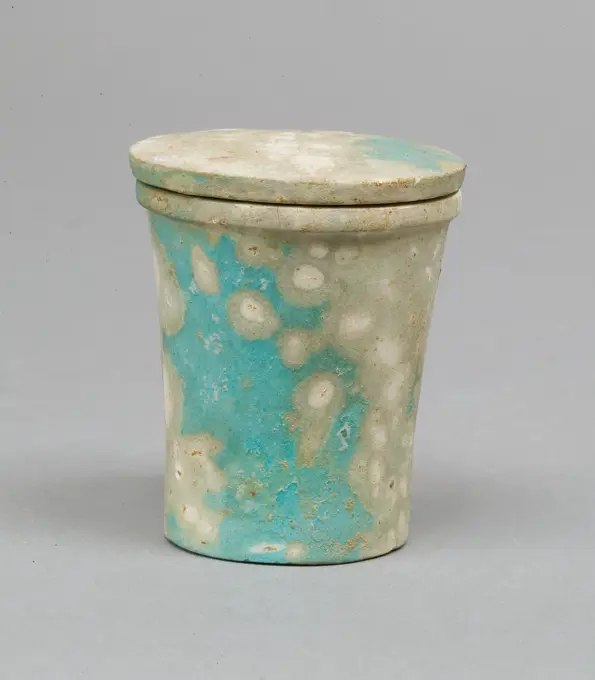
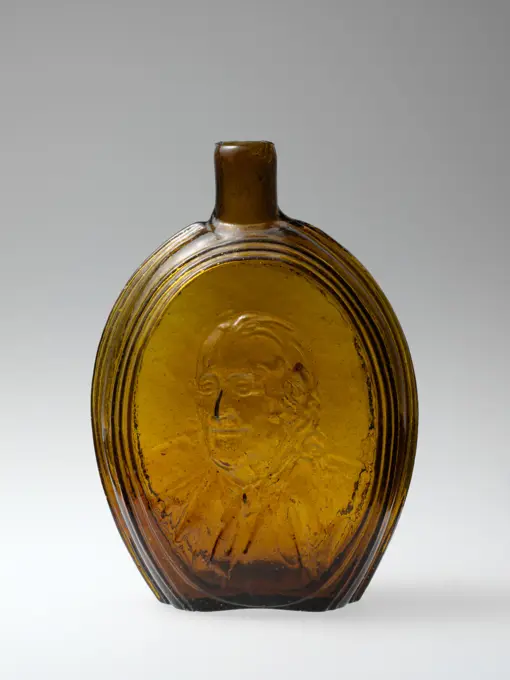
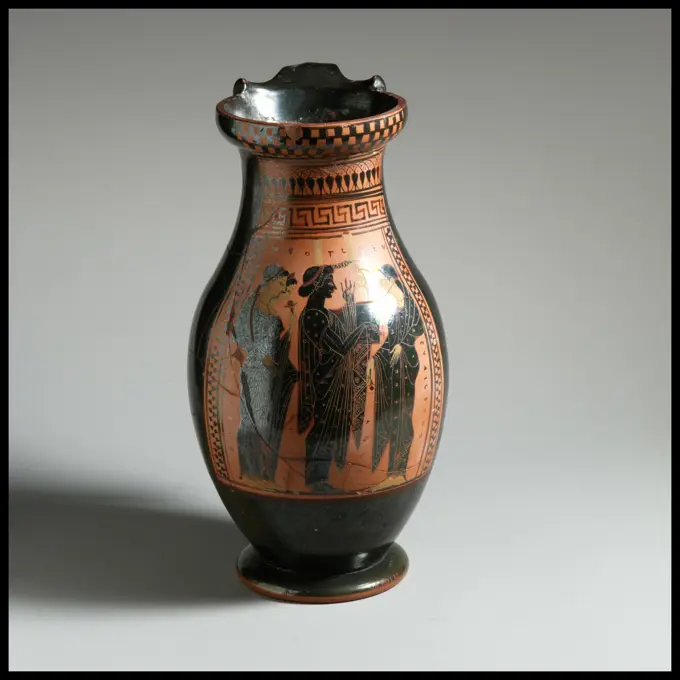
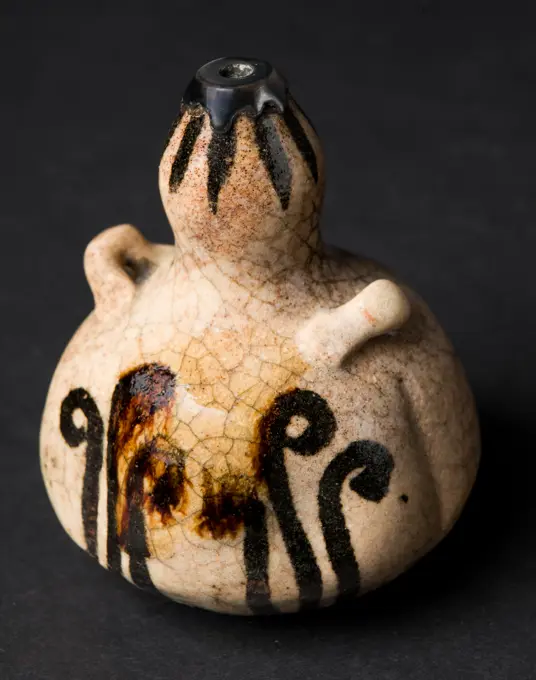
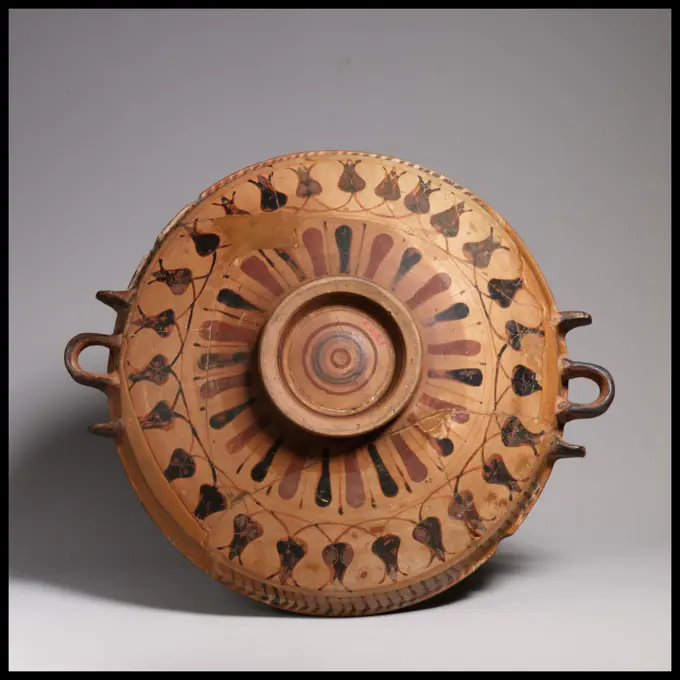
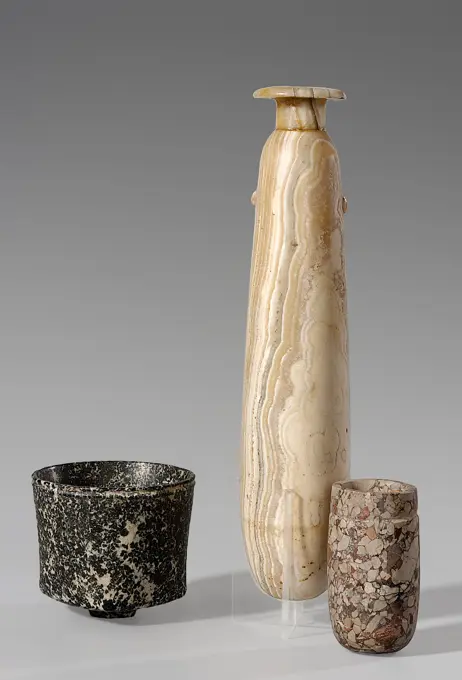
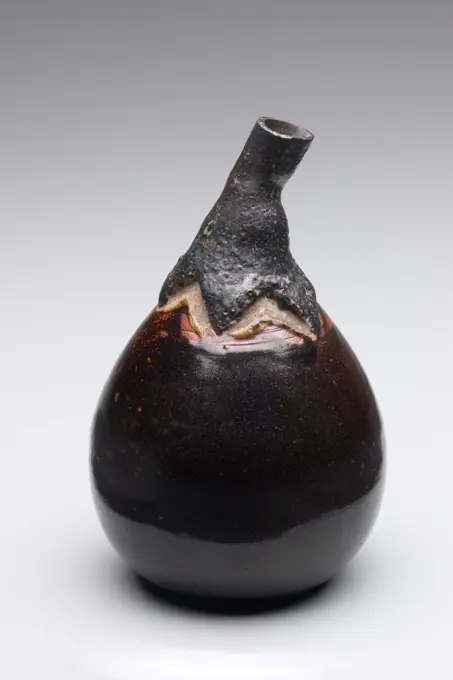
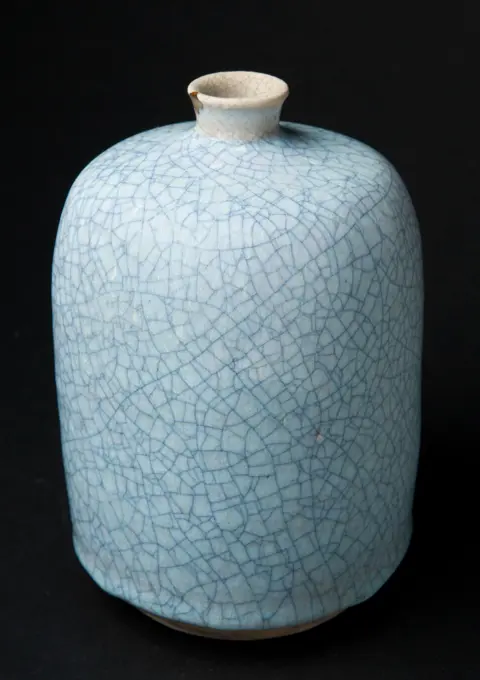
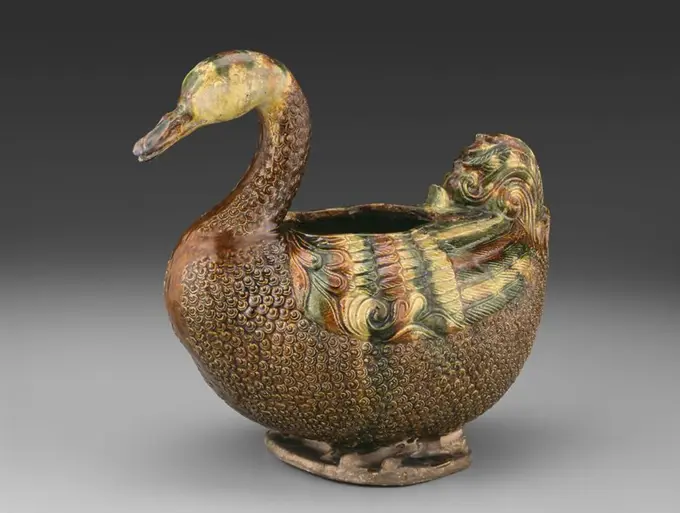
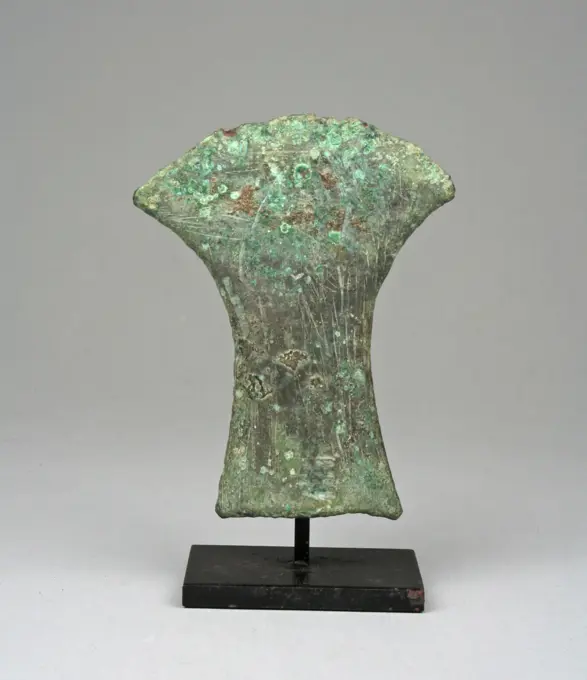
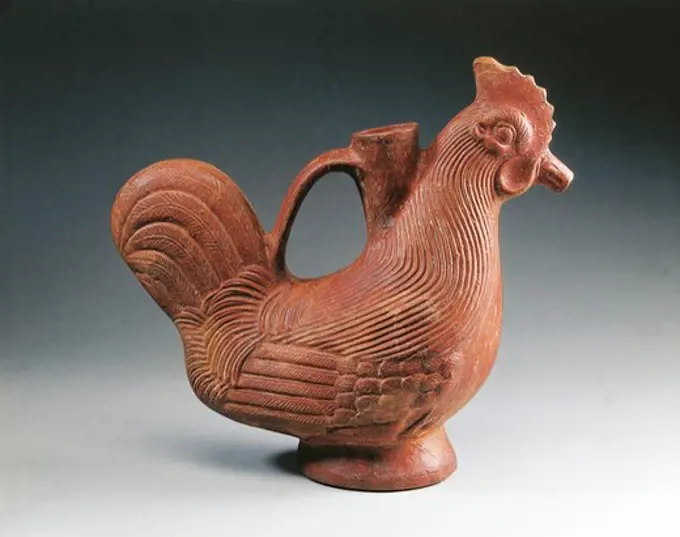
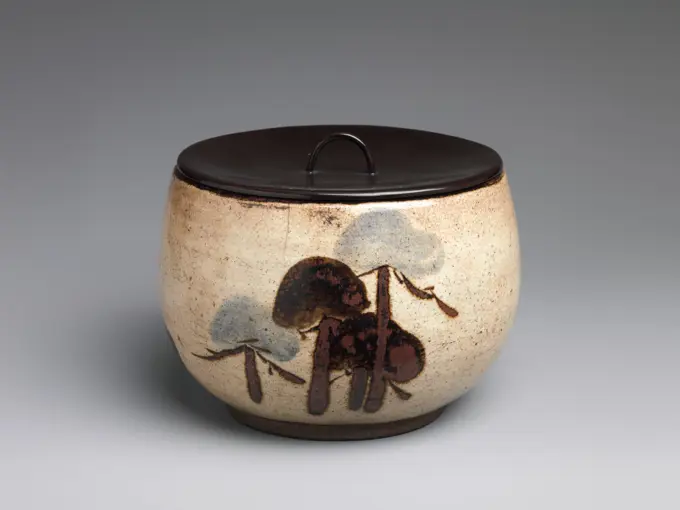
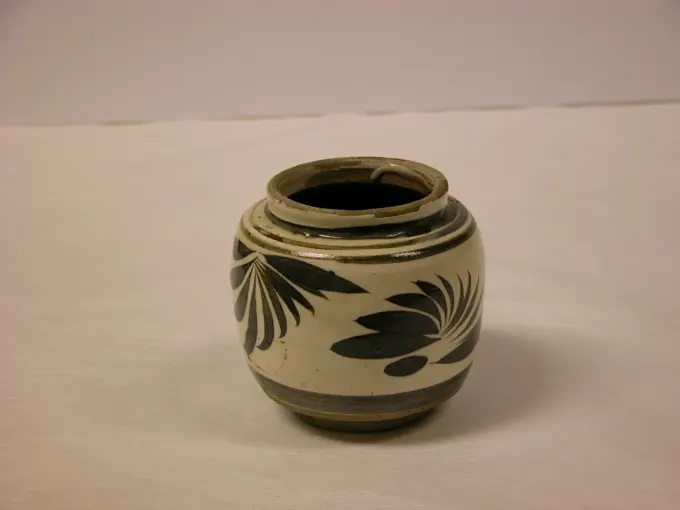
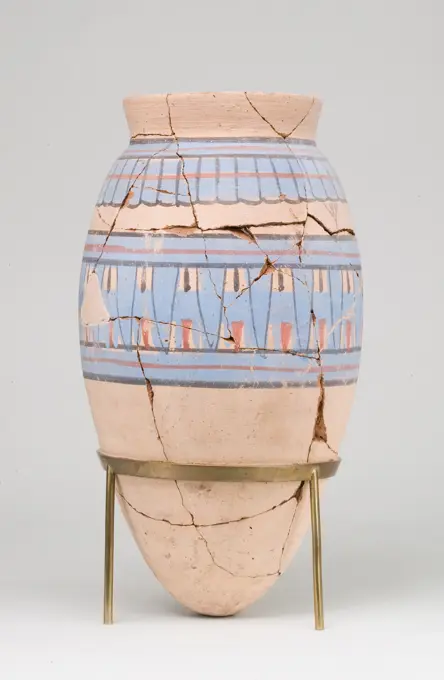
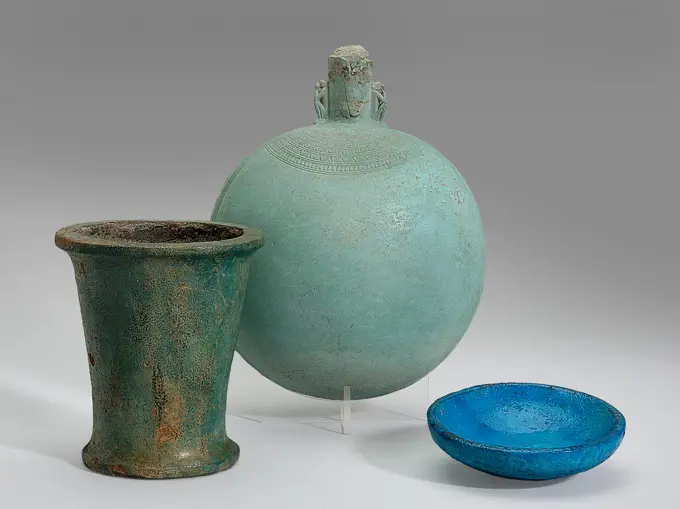
Oil for oils, New Year's manner, bowl;  around 1550 1295 BC ; New PA ; Half period, 26 dynasty (-664-00-00--525-00-00);Hoffmann, Henri (1865-1917), Hoffmann, Henri (1865-1917)-collection, scenes.gal.Prehistory, Czech Republic, Bronze Age - Velatice culture. Vase with base shaped as human feet, from Lednice.Bottle 101 CE-400 CE Roman Empire. Glass, mold-blown technique . Ancient RomanCreamer. Culture: American. Dimensions: 3 in. (7.6 cm). Maker: Tiffany Studios (1902-32). Date: ca. 1904-09.The form of this creamer is entirely shaped by the various parts of the water lily: the curling leafy pads form the spout while the handle comprises a stem and a bud. Museum: Metropolitan Museum of Art, New York, USA.Oil Lamp. unknown, craftsmanSmall jar and cover decorated with chrysanthemums, cranes, and clouds. Culture: Korea. Dimensions: H. 2 1/2 in. (6.4 cm). Date: late 13th century.This jar is a rare example of Goryeo celadon with gold decoration (several specks remain). This type became prevalent in Korea from the late thirteenth to the early fourteenth century, reflecting the tastes of the Mongols who ruled China during the Yuan dynasty (1271-1368). The cranes-and-clouds design is entirely Korean. Museum: Metropolitan Museum of Art, New York, USA.Covered Box, 15th century, 3 1/2 x 5 x 5 in. (8.89 x 12.7 x 12.7 cm), Sawankalok ware Stoneware with underglaze brown decor, Thailand, 15th centuryVase with blue lust glaze, St. Lukas, c. 1915 Vase of earthenware with blue lust glaze. Marked: Factory stamp St.Lukas / Utrecht / Holland in Blauwzwart and 55 and K. in blue; Ingrift +. Utrecht earthenware vitrification Vase of earthenware with blue lust glaze. Marked: Factory stamp St.Lukas / Utrecht / Holland in Blauwzwart and 55 and K. in blue; Ingrift +. Utrecht earthenware vitrificationVessel with Animal Relief and Stopper. Northern Afghanistan, 2000-1500 B.C.. Furnishings; Serviceware. BronzeVase model "M 7075". Acquired by the artist on the Paris World Fair 1900Vase 18th century Spanish, Aragon (Villa Feliche). Vase. Spanish, Aragon (Villa Feliche). 18th century. Earthenware. Ceramics-PotteryAlabastron. UnknownTripod offering dish China 8th century This large offering dish, with its high-fired dense body, lustrous glaze, intense color, and elegant form, represents the refinement of works created by craftsmen of the Tang dynasty. The shape of the piece, including the raised rim with a folded lip and curving wall, and the animals paw-shaped feet, reflects the influence of metalwork ultimately from Central and West Asia. View more. Tripod offering dish. China. 8th century. Earthenware with green and amber glaze. Tang dynasty (618-907). CeramicsOinochoe. Culture: Greek, South Italian, Apulian, Canosan. Dimensions: H. 15.49 cm.; diameter 9.26 cm.. Date: ca. 350-300 B.C.. Museum: Metropolitan Museum of Art, New York, USA.TOYA (VASO IBERICO PINTADO) - PROCEDENTE DE PEAL DEL BECERRO (JAEN). Location: MUSEO ARQUEOLOGICO NACIONAL-COLECCION, MADRID, SPAIN.Vase. Alexander W. Robertson (England, active United States, 1840-1925). United States, circa 1895. Furnishings; Accessories. EarthenwareVase.   Maker: Grueby Faience Company, American, 1894-1909Vase with geese Design dates to 1900; 1902 Designed by Artus Van Briggle Artus Van Briggle began his career in ceramics at the Rookwood Pottery, but because of respiratory issues, moved to Colorado, where, with his wife Anna Van Briggle, he established his own pottery in Colorado Springs in 1901. The Van Briggles and some other designers produced models from which molds were made, and the vases were then slip-cast in multiple forms. They were particularly noteworthy for their glazes in satiny soft textures in unusual colors, sometimes one or more combine on a single piece. Like many American artists, Artus Van Briggle had traveled to and studied in Paris in the late 1890s and was much influenced by not only the artistic ceramics he saw there, but much of the French art that was on exhibition. Van Briggles early work often exhibits the stylistic characteristics of the Art Nouveau, especially in the sinuous curves of the stems on his floral-decorative vases. Although most of the Van BriCovered Box. Culture: American. Designer: Designed by Louis Comfort Tiffany (American, New York 1848-1933 New York). Dimensions: H. 1 15/16 in. (4.9 cm). Maker: Tiffany Glass and Decorating Company (American, 1892-1902). Date: 1898-1902.This object forms part of a group of glass vessels and enamel containers Louis Comfort Tiffany loaned to the Museum in 1925 that were later given to the Museum by the Tiffany Foundation in 1951 (51.121.1-.44). Tiffany originally chose this group of objects to show examples of form, technique, and color that were not represented in the 1896 Havemeyer gift (96.17.9-.56). A departure from Tiffany's typical enamelwork, this diminutive covered box features highly stylized leaf motifs in a limited palette that is more closely related to that of cloisonné. Museum: Metropolitan Museum of Art, New York, USA.Ewer with female figure ca. 1850-70 Joseph Landais This ewer demonstrates the strong influence of Renaissance forms on nineteenth-century works by Joseph Landais, who has signed his name on the inside of the lip.. Ewer with female figure. French, Tours. ca. 1850-70. Glazed earthenware. Ceramics-PotteryWine bottle with wine from the wreck of the East Indians' t Vliegend Hart ,, 1700 - 1735 wine Uivid wine bottle of green glass filled with red (port) wine and closed with cork and wire that the cork had to hold in place. Netherlands glass. wineBottle. Korea, Joseon dynasty (1392-1910), 19th century. Furnishings; Accessories. Wheel-thrown porcelain with clear glazeJean Carriès (1855-1894). "Vase". Enameled sandstone. Museum of Fine Arts of the City of Paris, Petit Palais. 24247-1 Ceramic, gres emaille, vase. Egg-shaped teapot of stoneware with a handle perpendicular to the spout, partly covered with a light brown and cream-colored glaze and painted in brown. A sketchy tree on the wall. The lower part of the pot is unglazed.Pocket bottle 1815-45 American. Pocket bottle. American. 1815-45. Blown, pattern-molded glass. Possibly made in Pennsylvania, United States; Possibly made in Ohio, United StatesBottle with a Honeycomb Pattern, anonymous, c. 1100 - c. 1200 Blue rose water bottle, partly illized glass. A hollow soil and a printed egg -shaped body with a honeycomb motif in relief and a high, straight, slender neck. A decorative band with outstanding ribs directly above the body. Iran glass blow molding Blue rose water bottle, partly illized glass. A hollow soil and a printed egg -shaped body with a honeycomb motif in relief and a high, straight, slender neck. A decorative band with outstanding ribs directly above the body. Iran glass blow moldingRitual Vessels, anonymous, c. -1700 - c. -1050 Ritual wine cup with a distribution through tires into three zones. The neck is decorated with four elongated triangles, in which reverse taotie. China bronze (metal) Ritual wine cup with a distribution through tires into three zones. The neck is decorated with four elongated triangles, in which reverse taotie. China bronze (metal)Tall Ewer, 3rd-4th century, 13-1/8 x 8 x 6-3/4 in. (33.3 x 20.3 x 17.1 cm), Blown glass, Syria, 3rd-4th centuryCeramic vessel " Terra Sigillata" brilliant decorated with phallic amulets print and sealed with lime mortar. ( 3 rd CE ) - Roman period, from" House of Griffins "- Archaeological site of Complutum in Alcalá de Henares (Madrid). SPAIN.Jessica Price, Jar with Cover, c 1937 Jar with CoverStoneware jug decorated with small rosettes on blue background, jug crockery holder soil find ceramic stoneware glaze salt glaze cobalt, hand-turned glazed baked stoneware jug decorated with small rosettes on cobalt blue surface. Completely glazed. Rosettes consist of double circle with trifoliate flower inside. Ball model with wide neck opening. Profile rings around the neck and above the standing foot Stand surface Wide profiled ear archeology Rotterdam Heliport grounds indigenous pottery import drinking serve table room Soil discovery: Heliport terrain Rotterdam June 1978.Covered dish 1851-57 Ralph Bagnall Beech. Covered dish 2361Earthenware Jug painted with Blue and Turquoise, 800s. Iraq, Basra, Abbasid Period, 9th century. Earthenware with overglaze-painted design; diameter of mouth: 6.8 cm (2 11/16 in.); overall: 8.9 cm (3 1/2 in.); diameter of base: 8.9 cm (3 1/2 in.).Jar, 618-906, 8 3/4 in. (22.23 cm), Sancai ware Stoneware with three-color glaze, China, 7th-10th centuryGuttus; terra-cottaFuddling Cup. England, circa 1700. Furnishings; Serviceware. EarthenwareApothecary Jar ca. 1860 Mexican. Apothecary Jar 3469Nécessaire ca. 1810 British, probably London Necessaires contained small scissors, tweezers, pen and ink, needle case, and so forth - objects that might be "necessary" for immediate use.. Nécessaire. British, probably London. ca. 1810. Gold, chalcedony. Metalwork-Gold and PlatinumJar. Byzantine. Date: 400 AD-600 AD. Dimensions: H. 4.1 cm (1 5/8 in.); diam. 5.1 cm (2 in.). Glass, blown technique. Origin: Syria. Museum: The Chicago Art Institute, FLORENCIA, USA.Koro, 1736-95. China, Qing dynasty (1644-1912), Qianlong reign (1735-1795). Jade; overall: 17.6 cm (6 15/16 in.).Vessel, 20th century, 10 1/16 x 6 7/8 x 6 7/8 in. (25.56 x 17.46 x 17.46 cm), Ceramic, pigment, United States, 20th century. Vase of stoneware with a flat shoulder and short, spreading edge, covered with a white sludge and a turquoise glaze. On the wall an ingrangled decoration of three cartouches with five unidentified Chinese characters, a plant on a rock or a flying bird. On the shoulder three times an incorrect decoration. Some chips in the edge. Cizhou.John Matulis, Spice Jar, c 1937 Spice JarRoemer with the arms and the motto of Prince Maurice, anonymous, 1606 Stand ring pulled out in drops. Soul inserted. The trunk, which is set with two rows of Doornnoppen, is blown as a whole with the wide, curved chalice. On the chalice, the crowned and laurel wreath of Prince Maurits are engraved on the chalice, a felled arid tree, a trank from which two young lottery tickets, the motto 'Je Maintiendray Nassau', the motto of Maurits 'Tandem Fit Surculus Arbor', two Grind the year 1606 and finally the inscription 'Joos Parcevael as Deecken'. Northern Netherlands glass glassblowing Stand ring pulled out in drops. Soul inserted. The trunk, which is set with two rows of Doornnoppen, is blown as a whole with the wide, curved chalice. On the chalice, the crowned and laurel wreath of Prince Maurits are engraved on the chalice, a felled arid tree, a trank from which two young lottery tickets, the motto 'Je Maintiendray Nassau', the motto of Maurits 'Tandem Fit Surculus Arbor', two Grind the yBottle. unknown, craftsmanButterfly decorated Chinese vase isolated on whiteGlass;  2. exercise of the first century (26-00-00-50-00-00);Glass perfume bottle 1st century A.D. Roman Miniature perfume bottleTranslucent blue.Rim folded out, over, and in, flattened on top; long, cylindrical neck, tooled in around base; lentoid body with tooled indents in both sides; round bottom.Intact; some pinprick bubbles; dulling, pitting, and iridescent weathering.. Glass perfume bottle. Roman. 1st century A.D.. Glass; blown and tooled. Early Imperial. GlassOintment container ca. 1950-1900 B.C. Middle Kingdom. Ointment container. ca. 1950-1900 B.C.. Faience, Blue-green glaze. Middle Kingdom. From Egypt, Memphite Region, Lisht South, tomb west of the tomb of Senwosretankh, Pit 3, Burial of Hepy, in front of blocking wall, MMA excavations, 1933-34. Dynasty 12, earlyGlass perfume bottle. Culture: Roman. Dimensions: Overall: 7 1/8 x 2 1/8 x 1 1/8 in. (18.1 x 5.4 x 2.9 cm). Date: 2nd-3rd century A.D..Translucent blue green.Everted rim, folded over and in, pressed flat on upper surface and forming slight constriction to mouth; tall cylindrical neck with tooling indent around base; conical body, slightly over half of total height; thick, flattened bottom with off-center pontil scar.Neck broken and repaired, with one large hole, but rim and body complete; many bubbles; deep pitting on exterior, soil encrustation, black weathering, and brilliant iridescence on interior. Museum: Metropolitan Museum of Art, New York, USA.Figured flask 1830-38 Kensington Glass Works. Figured flask. American. 1830-38. Blown-molded glass. Made in Philadelphia, Pennsylvania, United StatesBottle (Roman Empire, probably Syria); glassTerracotta oinochoe: olpe (round-mouthed jug) ca. 520 B.C. Possibly by the Euphiletos Painter Apollo and musesLike many other artists active at the time of the introduction of the red-figure technique in Athens, about 530 B.C., the Euphiletos Painter worked in both the new red-figure and the old black-figure techniques. His name derives from the inscription praising Euphiletos as fair that occurs on several vases decorated by him. It appears on this one as well.. Terracotta oinochoe: olpe (round-mouthed jug). Greek, Attic. ca. 520 B.C.. Terracotta; black-figure. Archaic. VasesA small bottle in the shape of a gourd unknownTerracotta lekane (dish) ca. 550-540 B.C. Greek, Boeotian Interior, lionExterior, lotus chainThe lekane is a specifically Boeotian shape. The small tondo on the interior, often with a figural subject, reflects Attic influence. The treatment of the exterior is a local development.. Terracotta lekane (dish) 256776Cosmetic container. Eastern Mediterranean, 8th-9th century. Glass. Glass, free-blown, tooled with applied decoration. Cooking pot of pottery with light yellow shard and a little browned lead glaze. The convex pot on three legs with outstanding mouth edge and two earsLekythos (Oil Jar). Greek; Athens. Date: 440 BC. Dimensions: H. 31 cm (12 1/4 in.); diam. 10.4 cm (4 1/8 in.). Terra-cotta, decorated in the white-ground technique. Origin: Athens. Museum: The Chicago Art Institute, Chicago, USA. Author: ANCIENT GREEK.Miniature vase. A red painted miniature vase without lid.Quadripartite Kohl Tube; Roman Empire; 5th - 6th century; Glass; 22.5 x 6 cm (8 7,8 x 2 3,8 in.)Glass alabastron (perfume bottle). Culture: Greek, Eastern Mediterranean. Dimensions: H.: 4 5/16 in. (11 cm). Date: late 6th-5th century B.C..Translucent cobalt blue, with handles in same color; trails in opaque yellow and opaque turquoise blue.Broad, uneven horizontal rim-disk, with slightly raised edge around mouth; short cylindrical neck; narrow rounded shoulder; straight-sided cylindrical body, tapering upwards; convex bottom; two vertical ring handles with knobbed tails, applied over trail decoration.Turquoise blue trail attached at edge of rim-disk; a yellow trail applied on underside of rim-disk and wound down in a spiral to middle of body, then tooled into a close-set zigzag pattern; a turquoise blue trail is added, mingling with yellow; immediately below zigzag, another yellow trail and another turquoise blue trail are wound horizontally once around body.Complete, except for weathered chip in rim-disk; body broken and repaired across handles with slight cracks and chips; dDate Flask; Eastern Mediterranean; 1st - 2nd century; Glass; 8.2 cm (3 1,4 in.)Stone vessel, alabastron, vessel;  332-30 BC ; Ptolemean period (-332-00-00--30-00-00), 664-332 BC ; Half period (-664-00-00--332-00-00), 664-525 BC; Half period, 26 dynasty (0-00-00-0-00-00);Deposit of the University of Warsaw from 1937-1939, Królewiec, scenes.gal.eg., Stone vessels, oils for oils and ointments, ritual vessels, Polish-French excavations in Edfu (Egypt)Takatori Style Sake Bottle in the Form of anEggplantGu wine vessel, 13th-12th century BCE, 7 5/16 × 4 1/2 in., 1.1 lb. (18.57 × 11.5 cm, 0.5 kg), Bronze, China, 13th-12th century BCE. Vase from stoneware with an upwardly spreading, cillindric body and a narrow neck, covered with a gray, structure glaze (Shark Skin / Samehada). Two old labels on the bottom with 'Satsuma Same / Morse pg. 327' and 'W640'. Satsuma.A cylinder with pale blue with Krakelra unknownVessel in Form of a Mandarin Duck or Wild Goose. China. Date: 701 AD-750 AD. Dimensions: H. 34.7 cm. Earthenware with three-color (sancai) lead glazes. Origin: China. Museum: The Chicago Art Institute, Chicago, USA.Axe Blade ca. 500 B.C.-A.D. 300 Dongson. Axe Blade 316117Clay rhyton in shape of rooster with red overpainting, from House of Venus in Bikini at PompeiiBraunr Tönerner Krug with two handles Braunr Tönerner Krug with two handlesWater Jar (Mizusashi) with Pine Trees ca. 1720 Attributed to Ogata Kenzan Japanese This mizusashi is a container that would have been used in the tea ceremony to hold fresh water to rinse the tea bowls or fill the kettle. The potter coated the dark clay ground of this jar in a white slip, providing a light background for painting. The trunks of the stylized pine trees were painted in almost calligraphic strokes, while the leafy tops seem almost like puffs of clouds.The style is that of Ogata Kenzan (1663-1743), though this jar was probably produced by one of his followers. Kenzan was an amateur painter and potter active in the Edo period, and was known for his painterly, decorative wares.. Water Jar (Mizusashi) with Pine Trees 52514Globular Jar 1662-1722 China. Porcelain with crackled robin's-egg blue glaze .Jar China. Jar 52624CANTARO DE CUERPO REDONDO BOCA ANCHA Y CORTA - ARTE POPULAR S XX. Location: ALFARERIA. TIÑOSILLOS. AVILA. SPAIN.Blue-painted Jar from Malqata ca. 1390-1353 B.C. New Kingdom. Blue-painted Jar from Malqata. ca. 1390-1353 B.C.. pottery (red) , slip, paint. New Kingdom. From Egypt, Upper Egypt, Thebes, Malqata, Birket Habu Mound A 18, House B, MMA excavations, 1910-11. Dynasty 18Terracotta wine glass, India, AsiaBasket, Unknown Japanese, 16 × 13 × 13 in. (40.64 × 33.02 × 33.02 cm), Bamboo, JapanGlass Museum of Vidrios Gordiola blown glass, Algaida, Majorca, Balearic Islands, Spain, EuropeClose-up of ornamental polished wood pots and bowlsMulticolored Amphoras Icons - images with copy space.