Artistic Animal Figurines

Exquisite ceramic and porcelain sculptures depicting animals, showcasing craftsmanship from historical periods.

Gardener; Koenigliche Porcellain Fabrique, Meissen (1710-1763), Kaendler, Johann Joachim (1706-1775), Reinicke, Peter (1715-1768); approx. 1760 (1755-00-00-1765-00-00);
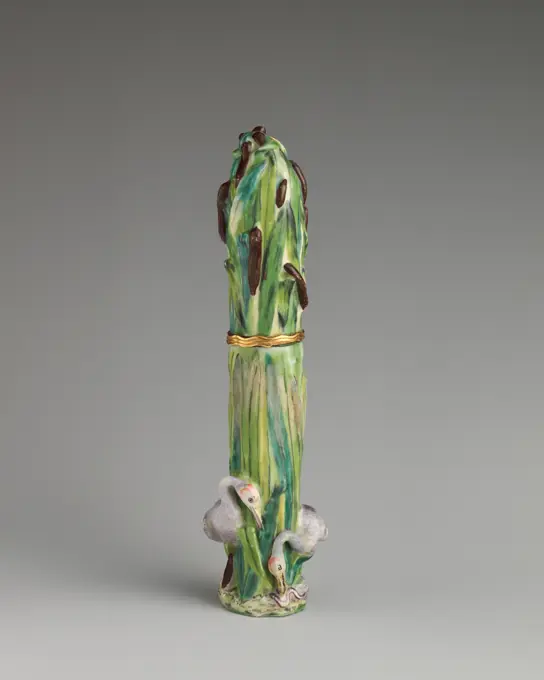
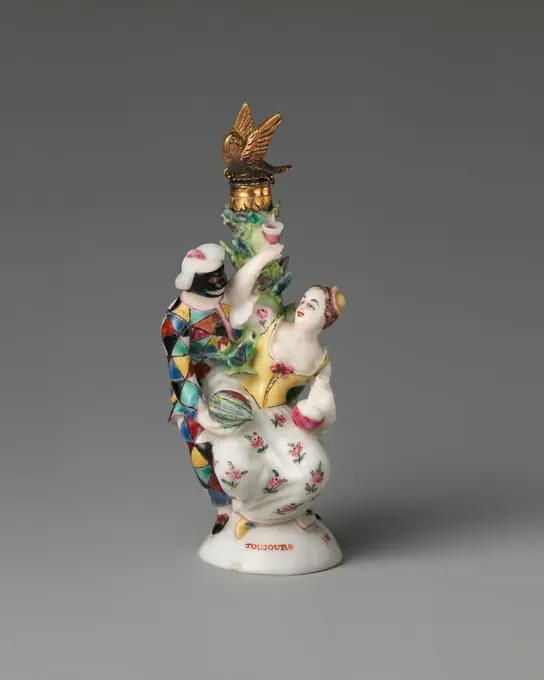
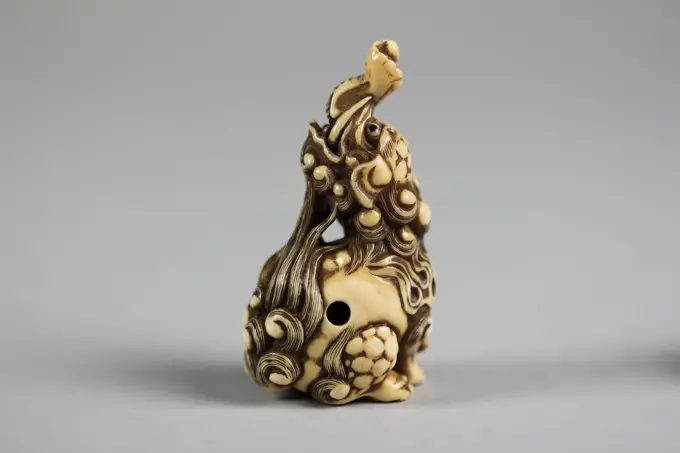
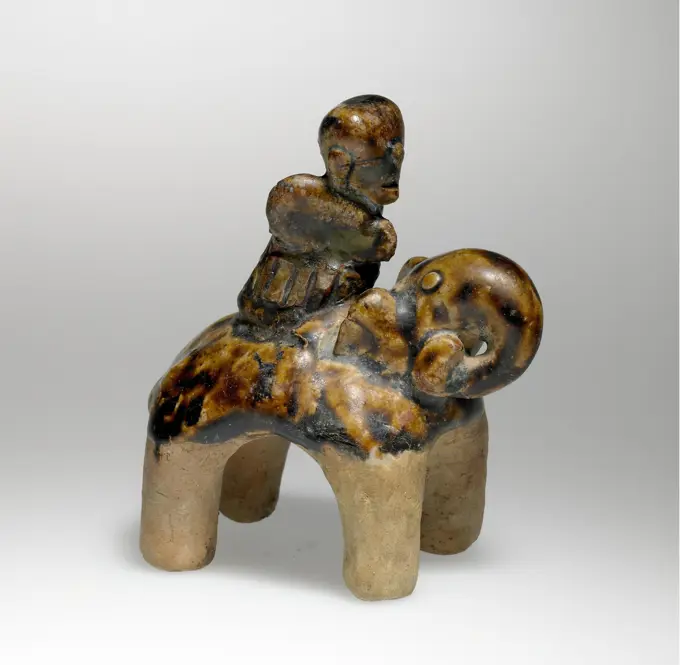
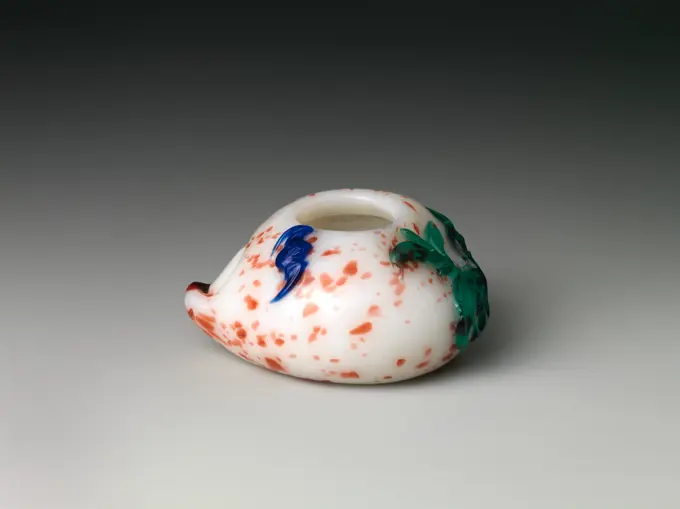
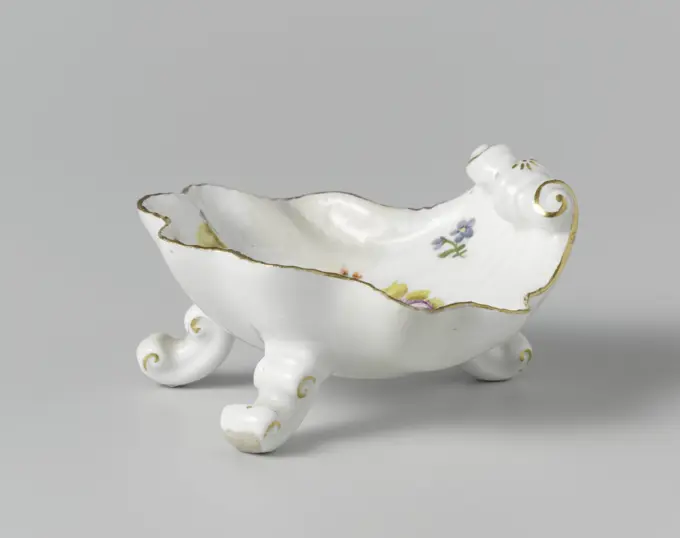
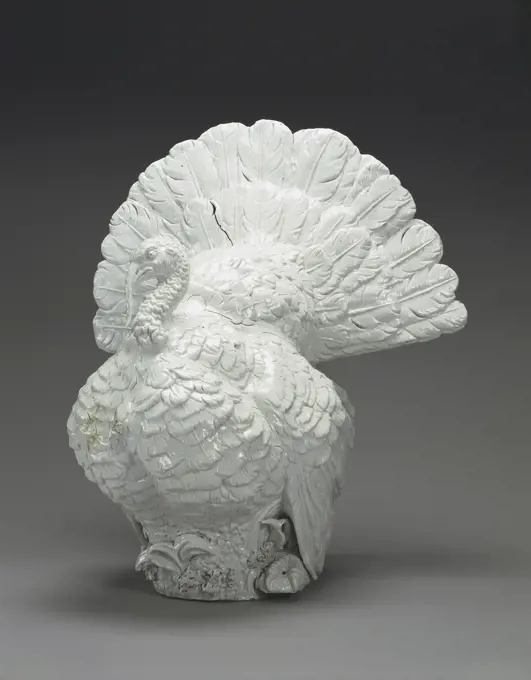
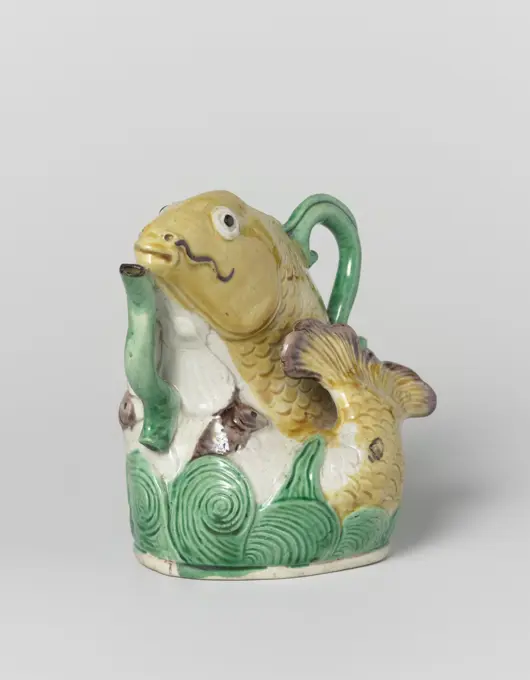
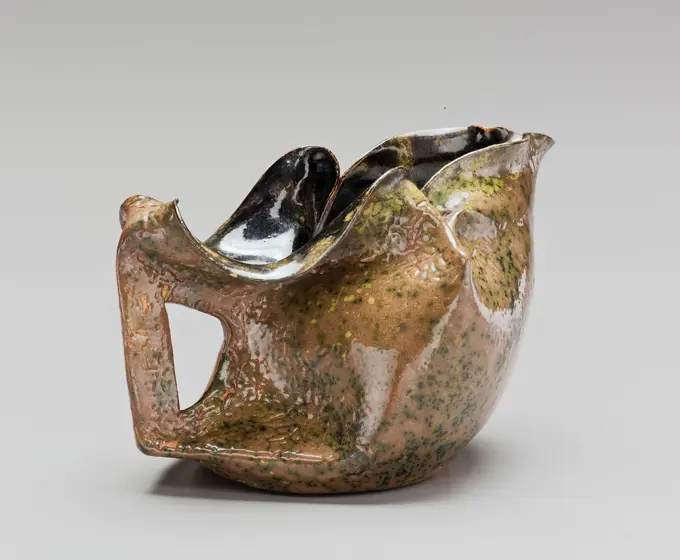
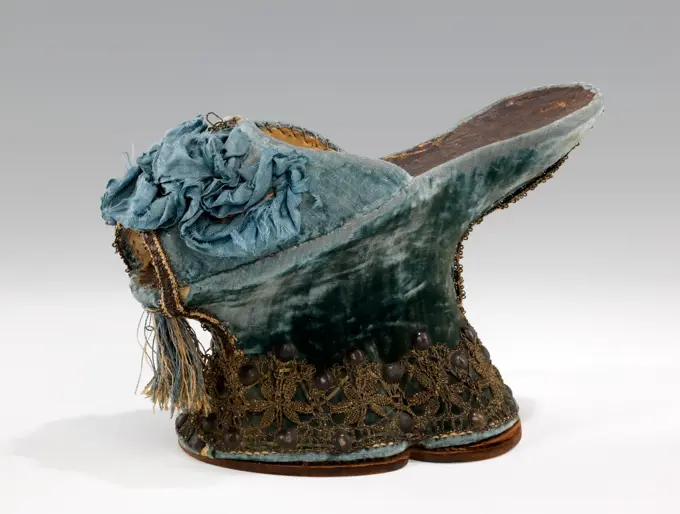
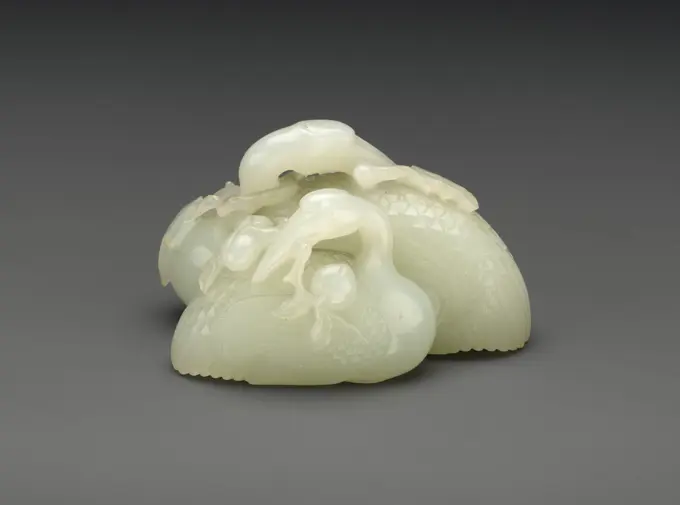
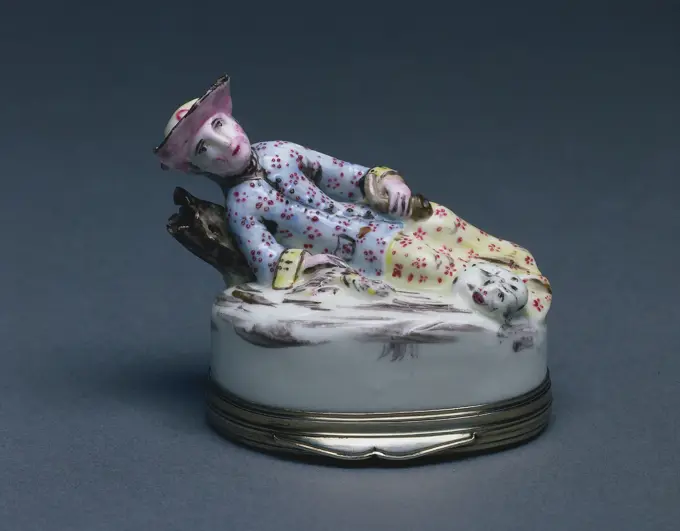
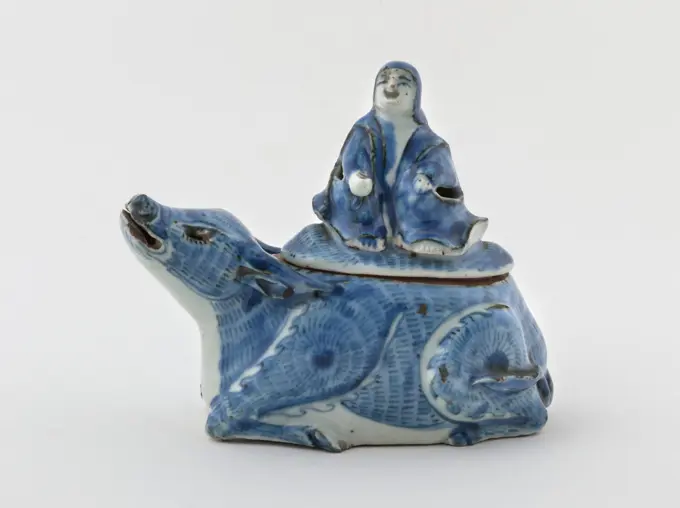
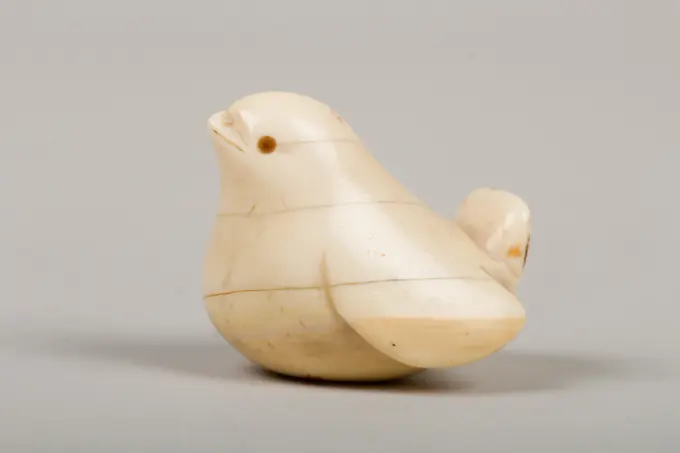
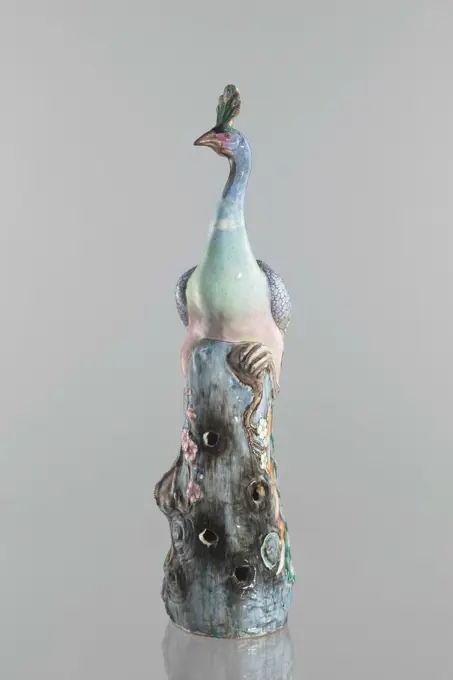
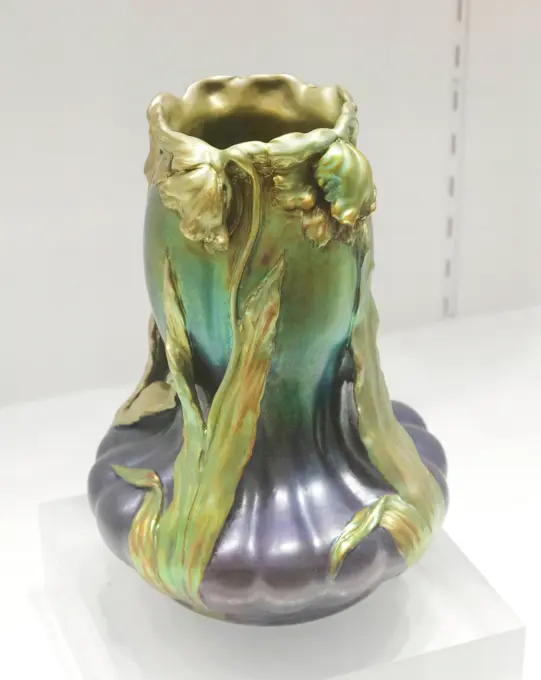
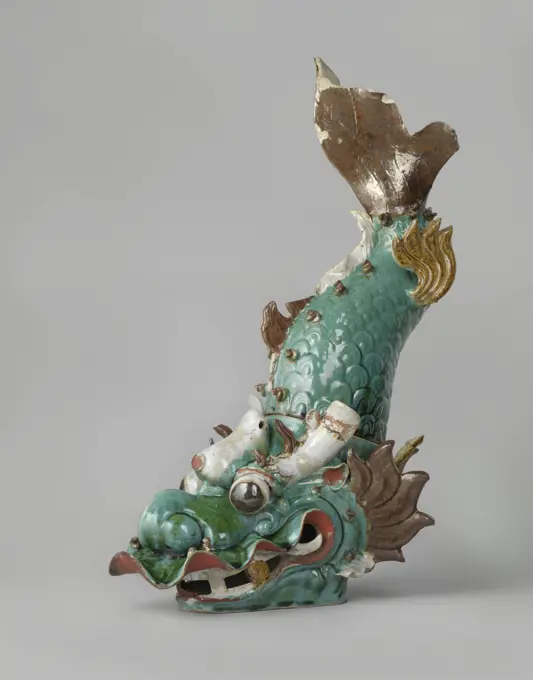
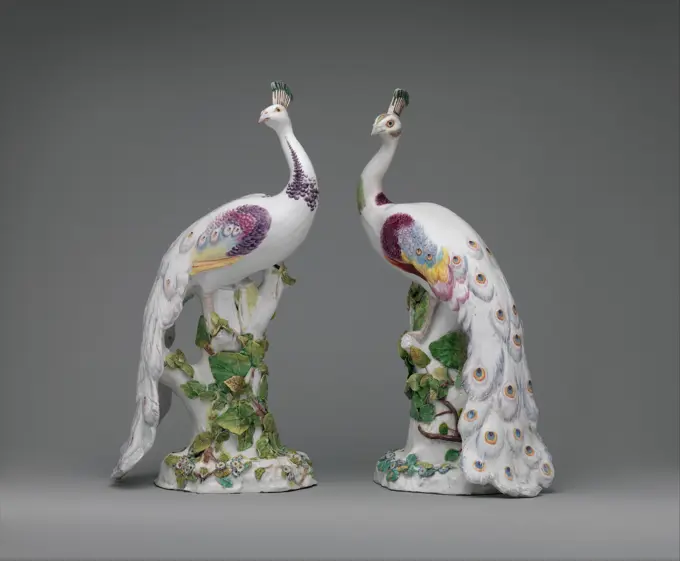
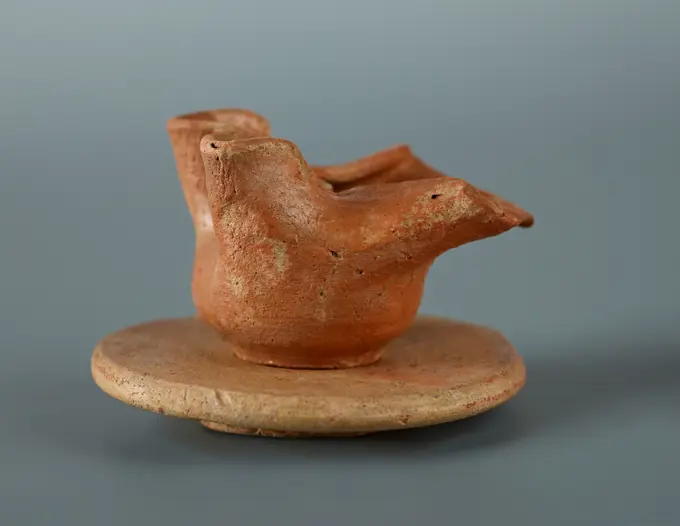
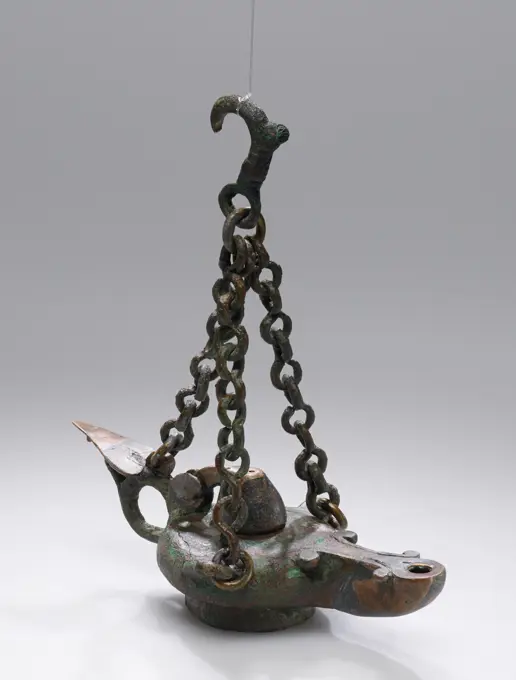
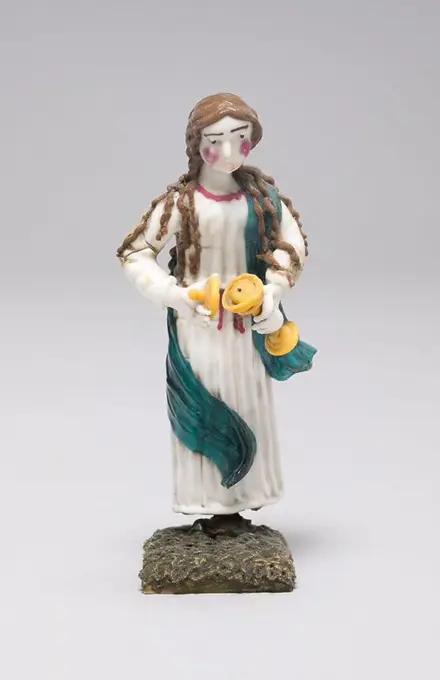
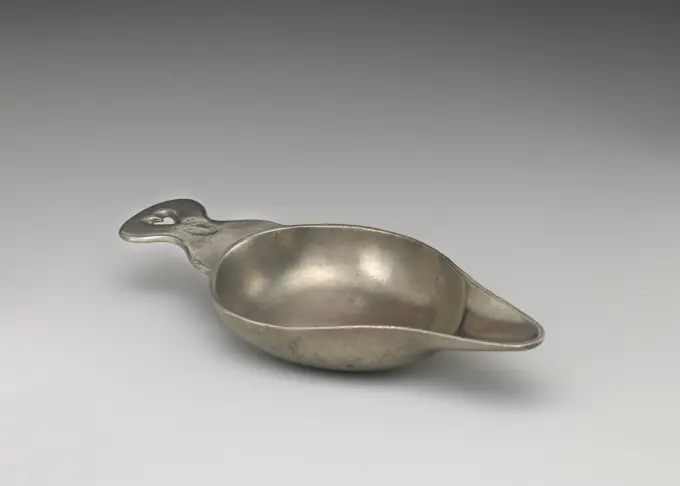
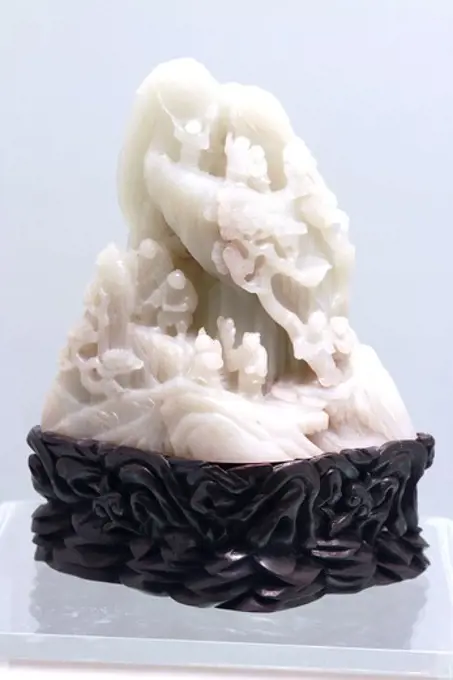
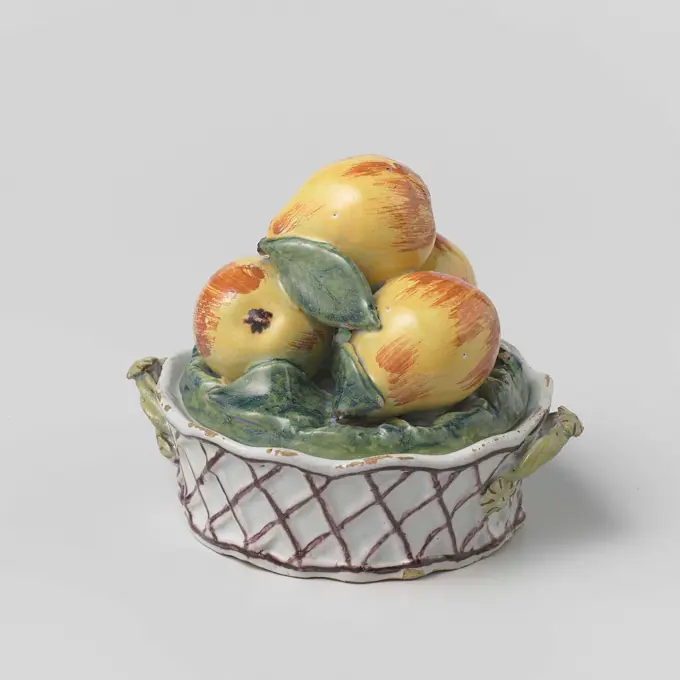
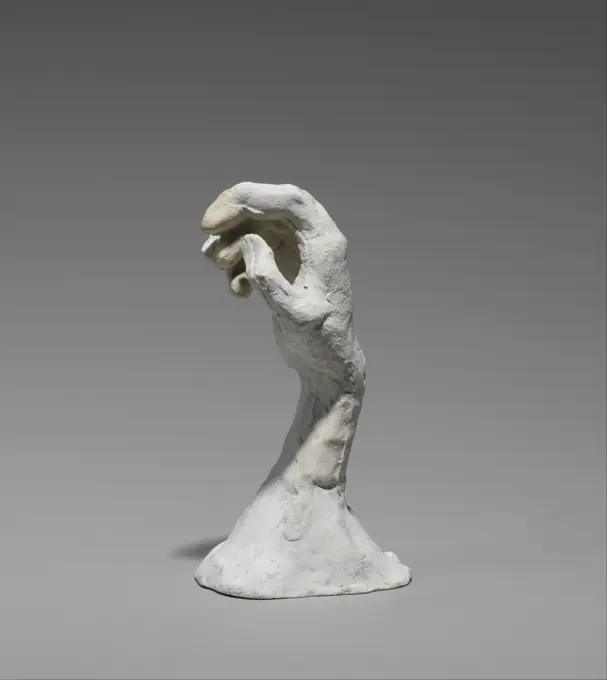
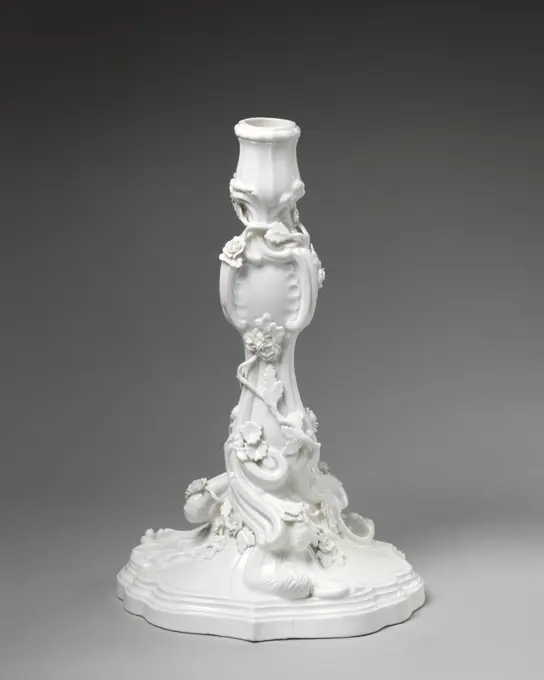
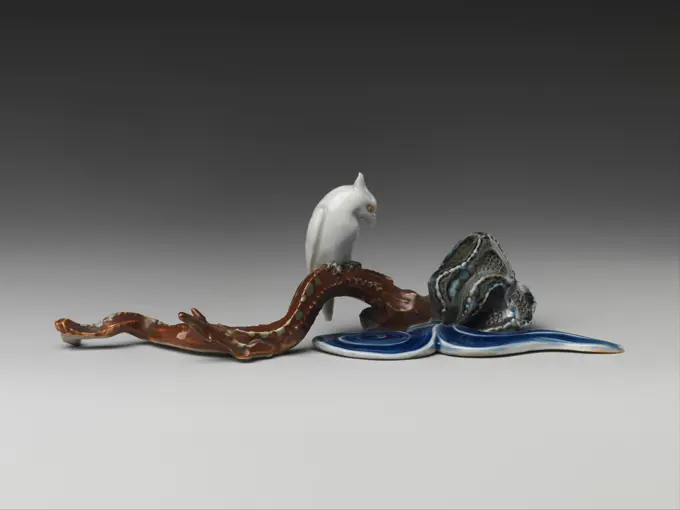
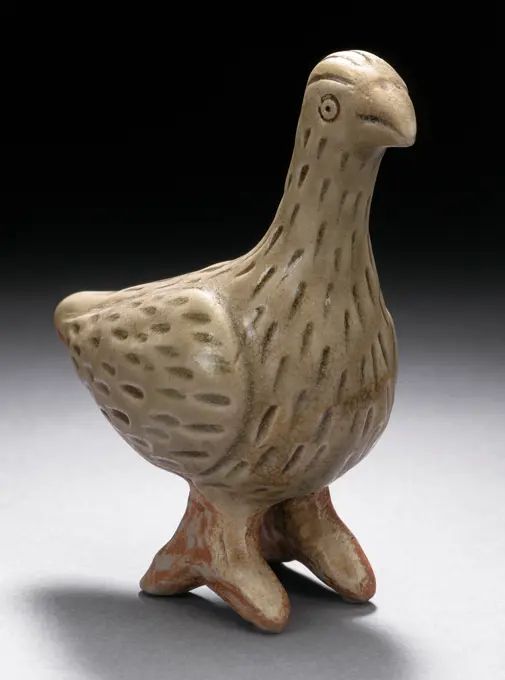
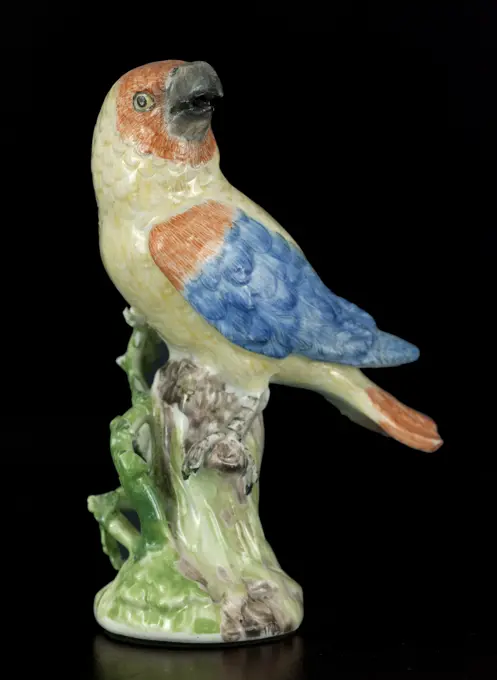
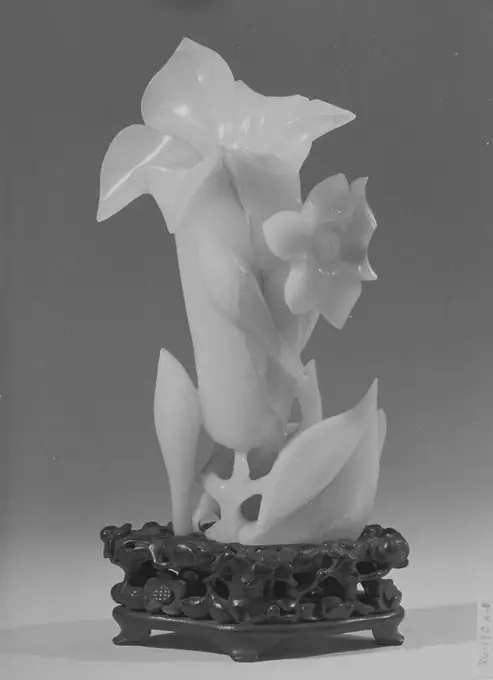
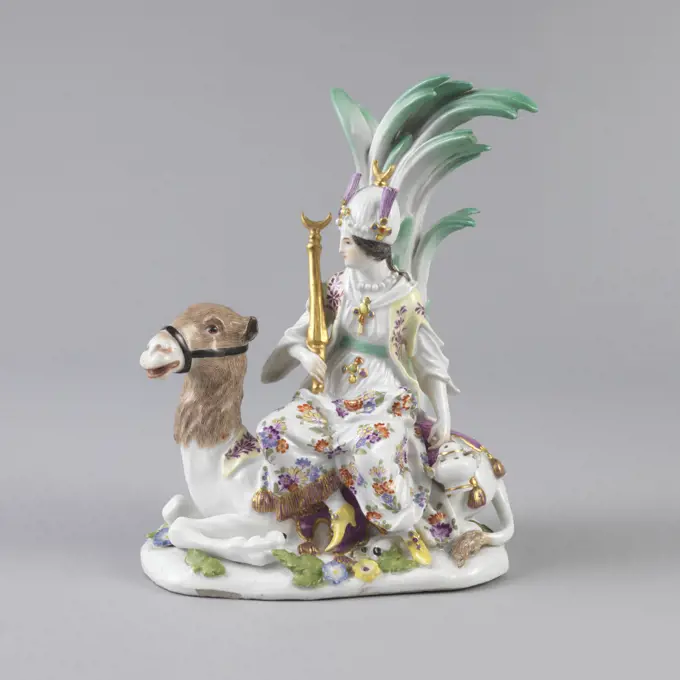
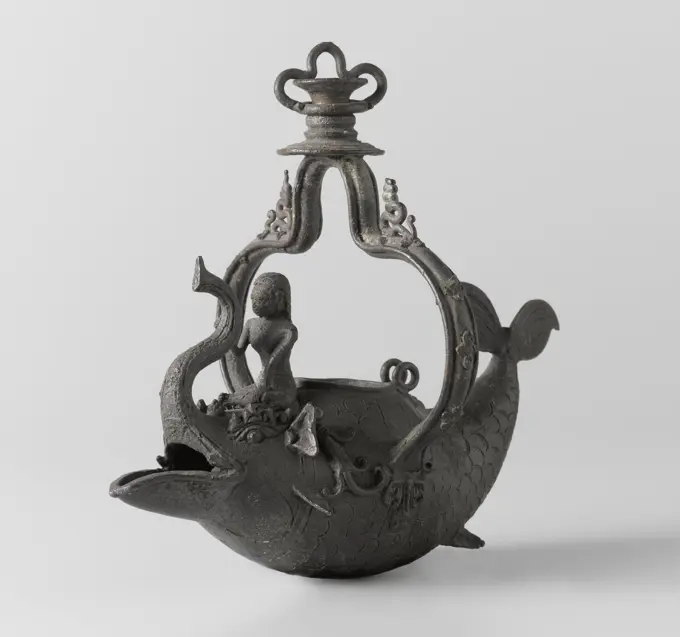
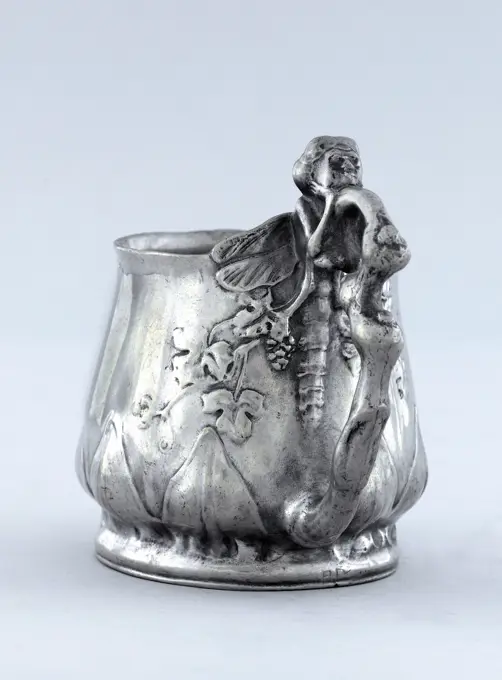
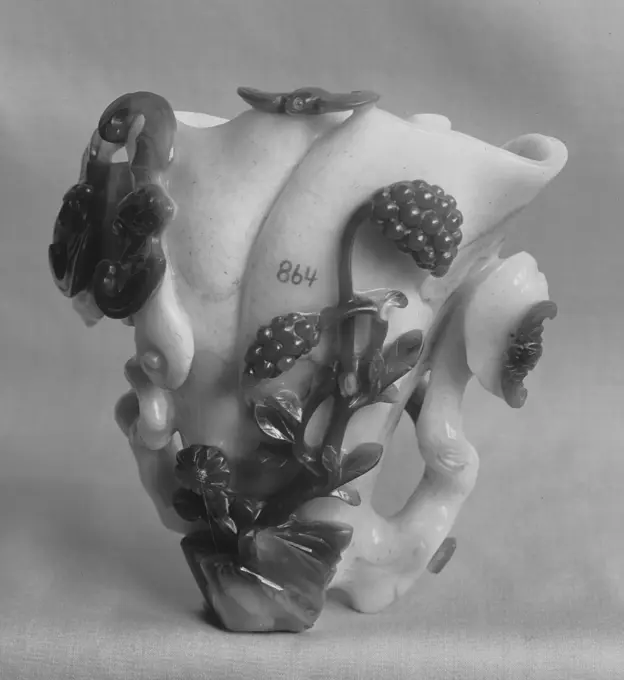
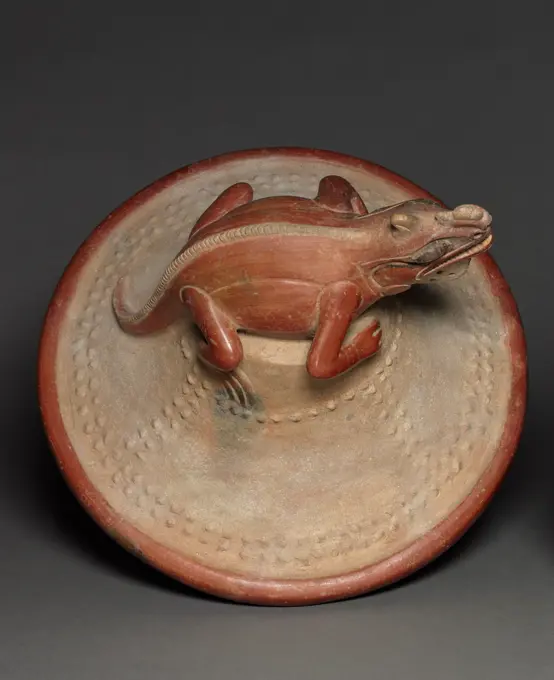
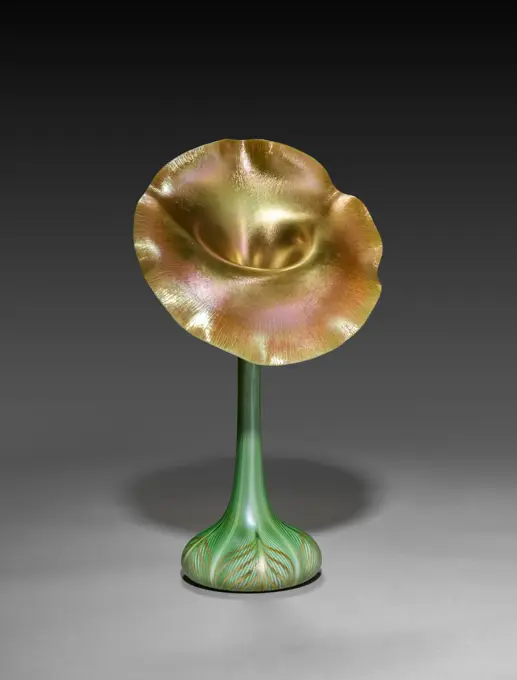
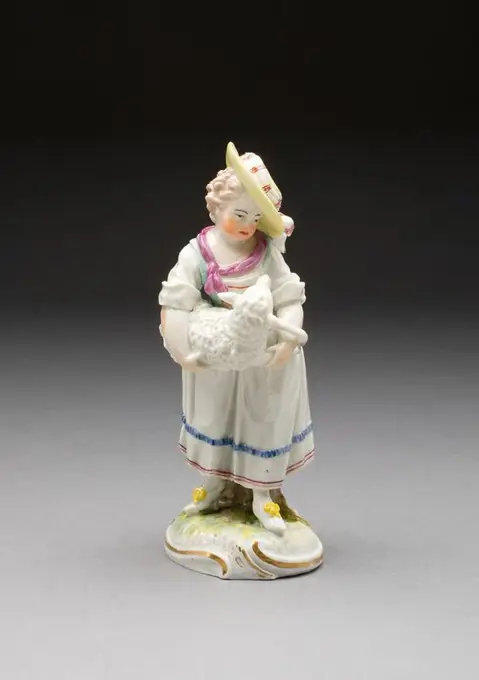
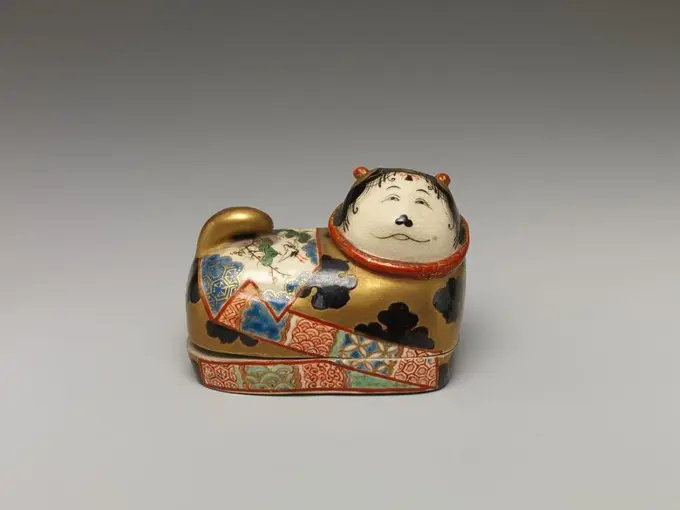
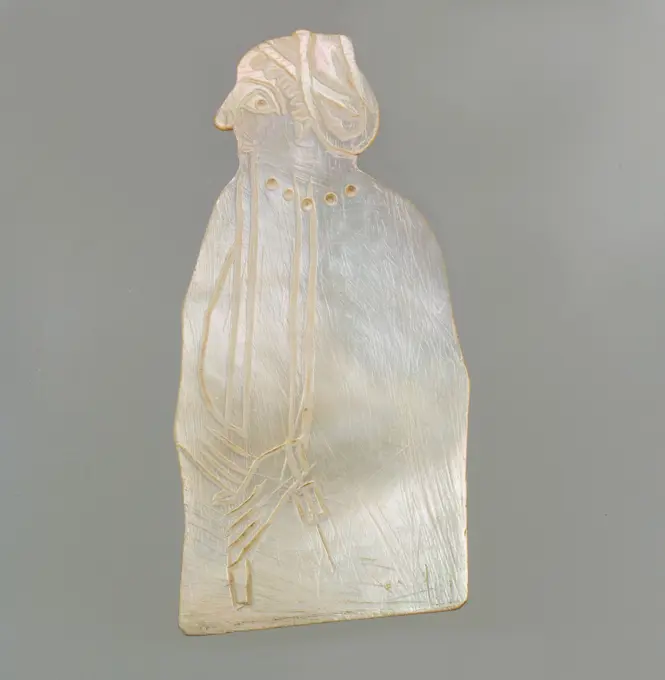
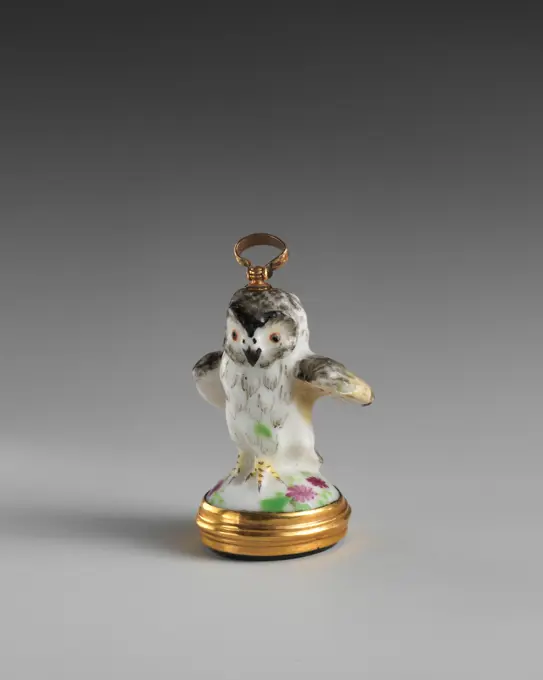
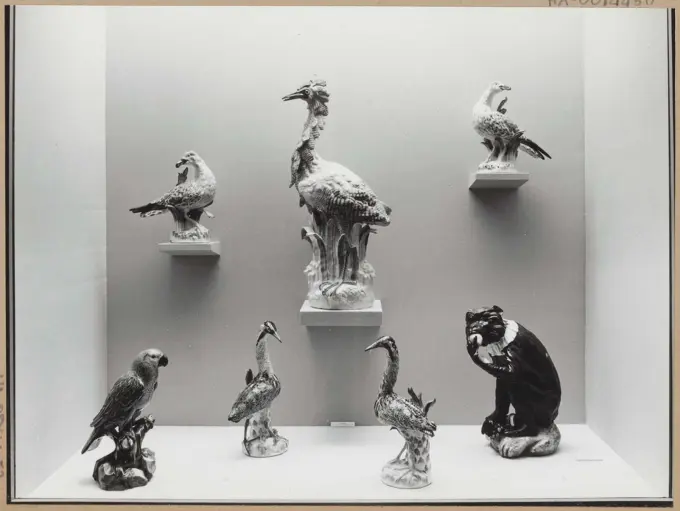
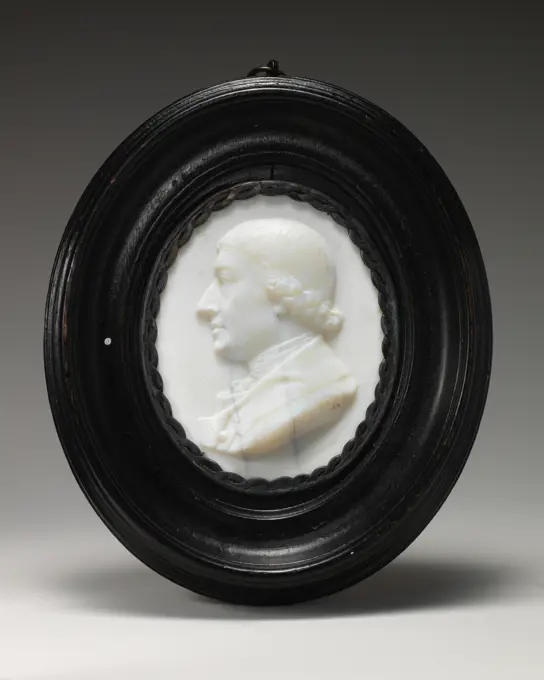
Stag 1745-1755 Staffordshire. Lead-glazed earthenware (agateware)Cobra Amulet. Dimensions: H. 3.8 cm (1 1/2 in.); W. 1.5 cm (9/16 in.); D. 3 cm (1 3/16 in.). Dynasty: Dynasty 26-29. Date: 1070-332 B.C..The amulet depicts a cobra with a broadened hood and shows very nicely the details of the snake's body. A loop for suspension is at the top. Museum: Metropolitan Museum of Art, New York, USA.Cranes amid seagrass ca. 1755 Chelsea Porcelain Manufactory. Cranes amid seagrass. British, Chelsea. ca. 1755. Soft-paste porcelain. Chelsea Porcelain Manufactory (British, 1745-1784, Gold Anchor Period, 1759-69). Ceramics-PorcelainGardener; Koenigliche Porcellain Fabrique, Meissen (1710-1763), Kaendler, Johann Joachim (1706-1775), Reinicke, Peter (1715-1768); approx. 1760 (1755-00-00-1765-00-00);Kneeling Boy Holding a Vase, 1700s-1800s. Japan, Edo period (1615-1868). Porcelain, molded and carved, with underglaze blue; overall: 11.2 x 8 cm (4 7/16 x 3 1/8 in.).Harlequin and Columbine in a group. Culture: British, London. Dimensions: 4 × 1 5/8 in. (10.2 × 4.1 cm). Maker: Saint James's Factory (British, ca. 1748/49-1760). Date: ca. 1750-55. Museum: Metropolitan Museum of Art, New York, USA.Seated Baku (Mythical Creature Devouring Nightmares) 18th century Japan The baku is a mythical creature known to devour dreams and nightmares. It has the trunk of an elephant, the tail of an ox and the paws of a tiger .This piece is among the finest netsuke in the collection. Its surface is covered with slightly rounded protuberances, found on eighteenth-century representations of supernatural animals.. Seated Baku (Mythical Creature Devouring Nightmares). Japan. 18th century. Ivory. Edo period (1615-1868). NetsukeFriar carrying a woman ca. 1755 Chelsea Porcelain Manufactory. Friar carrying a woman. British, Chelsea. ca. 1755. Soft-paste porcelain. Chelsea Porcelain Manufactory (British, 1745-1784, Gold Anchor Period, 1759-69). Ceramics-PorcelainA bracket with a figure symbolizing evil   Skarbiec, Wawel Cathedral, KrakowWoman wearing skirt with panniers and sack back ca. 1750 Thomas Whieldon factory, Stoke-on-Trent, Fenton Vivian, Staffordshire. Woman wearing skirt with panniers and sack back. British, Staffordshire. ca. 1750. Lead-glazed earthenware. Thomas Whieldon factory, Stoke-on-Trent, Fenton Vivian, Staffordshire. Ceramics-PotteryElephant and Rider, 1st century BCE - 1st century CE, 3 1/2 x 1 15/16 x 3 1/8 in. (8.89 x 4.92 x 7.94 cm), Glazed ceramic, Thailand, 1st century BCE - 1st century CEBrush washer in the shape of a peach 18th century China This charming brush washer has been lovingly crafted in the form of a peach. It is made from opaque white glass with daubs of red and pink to simulate the skin of a fully ripe fruit. A green branch with pointed leaves extends from its bottom and winds around one side. A small blue bat with curving wings is perched near the mouth of the vessel. Most appealing of all is a clear, bright red drop of glass that highlights the pointed tip of the fruit. The bottom of the vessel bears a four-character inscription is incised into the surface and filled with gold: Made in the Qianlong reign era.” The inscription makes it likely that this piece was the product of the imperial workshop. Considering the small size and delicate shape, it is more likely a desktop ornament than a practical object.. Brush washer in the shape of a peach. China. 18th century. Overlay glass. Qing dynasty (1644-1911), Qianlong mark and period (1736-95). GlassSpaarhaan, earthenware piggy bank, piggy bank holder earth discovery ceramic earthenware glaze lead glaze, hand-turned molded Piggy bank in the shape of rooster pig cockerel White shard part red shard Stand foot stand. Slit in the back in the longitudinal direction between head and tail. Stylized wings head and chanterelle. Lead glaze. Restorations are repainted archeology underground pit Rotterdam City Triangle Oostplein save storage space Soil discovery: underground pit Oostplein.Goose and Goslings, 1700s. China, Qing dynasty (1644-1911). Jade; overall: 5.2 cm (2 1/16 in.).Female bust. Culture: British, Chelsea. Dimensions: Overall: 4 1/4 × 7/8 in. (10.8 × 2.2 cm). Factory: Chelsea Porcelain Manufactory (British, 1745-1784, Transitional (Brown Anchor) Period, ca. 1758-1759). Date: ca. 1765. Museum: Metropolitan Museum of Art, New York, USA.Salt vessel, multi -colored painted with Deutsche Blumen, Insekten and Fruits, Meissener Porzellan Manufaktur, c. 1750 - c. 1760 Salt vessel made of painted porcelain. The salt barrel has the shape of a shell with a scalloped edge and stands on three volute -shaped legs. The salt barrel is painted with Deutsche Blumen, Insekten and Fruits. The edge is decorated with the Neuozier pattern in relief. The salt barrel is marked and belongs to a service (BK-17474-1 to BK-17474-253). Float porcelain Salt vessel made of painted porcelain. The salt barrel has the shape of a shell with a scalloped edge and stands on three volute -shaped legs. The salt barrel is painted with Deutsche Blumen, Insekten and Fruits. The edge is decorated with the Neuozier pattern in relief. The salt barrel is marked and belongs to a service (BK-17474-1 to BK-17474-253). Float porcelainVase with Three Furry Creatures. China. Date: 1662-1722. Dimensions: H. 16.5 cm (6 1/2 in.); diam. 9.6 cm (3 3/4 in.). Porcelain painted in underglaze copper red. Origin: China. Museum: The Chicago Art Institute, Chicago, USA.A Turkey; Meissen Porcelain Manufactory (German, active 1710 - present), Model by Johann Joachim Kändler (German, 1706 - 1775); Meissen, Germany; about 1733; Hard-paste porcelain; 53.5 × 51 × 20 cm (21 1,16 × 20 1,16 × 7 7,8 in.)Ewer in the shape of a carp leaping from the waves, anonymous, c. 1680 - c. 1720 Can be made of porcelain in the form of a carp with S-shaped spout and handle, painted on biscuit in green, yellow, eggplant and black. The tail of the carp is separate from the body; The scales, tail, head, gills and waves in relief. Two smaller, bouncing fish on either side of the spout. Cracks in the bottom. Email sur Biscuit. China porcelain. glaze. painting / vitrification Can be made of porcelain in the form of a carp with S-shaped spout and handle, painted on biscuit in green, yellow, eggplant and black. The tail of the carp is separate from the body; The scales, tail, head, gills and waves in relief. Two smaller, bouncing fish on either side of the spout. Cracks in the bottom. Email sur Biscuit. China porcelain. glaze. painting / vitrificationPitcher ca. 1898-1910 George E. Ohr In many ways George Edgar Ohr was the quintessential Arts and Crafts potter, combining artistic vision with extraordinary skill with his hands. Working in the seaside resort town of Biloxi, Mississippi, he dug the clay, processed and prepared it, threw the shape on the wheel, altered the piece according to his vision, mixed and applied his own glazes, fired the kiln, created his own style of advertising, and took his wares on the road. Ohrs personal mantra was "no two alike," and he was as eccentric as his work was individualistic, with its manipulated forms on ultra-thin thrown vessels, crimping, ruffling, off-centering, and twisting, to create unprecedented forms for the 1890s. To these forms, he applied his own completely new and unusual glazes, applied by sponging, splashing, and spattering, resulting in works that in many ways anticipated the abstract art movements that would find form decades later.This small pitcher illustrates another inventVase Berlin (KPM)Female bust ca. 1765 Chelsea Porcelain Manufactory. Female bust. British, Chelsea. ca. 1765. Soft-paste porcelain. Chelsea Porcelain Manufactory (British, 1745-1784, Transitional (Brown Anchor) Period, ca. 1758-1759). Ceramics-PorcelainChopines 1590-1610 Italian The chopine was a tall clog worn in primarily in Venice from the 15th to the early 17th centuries. While most examples are between three and five inches tall, some specimens of over a foot tall survive. Historical accounts testify to the necessity of the assistance of a pair of ladies maids to walk in the more extreme examples. As can be appreciated from the elaborate and fragile materials, the purpose of the chopine was as much to elevate the lady's sartorial reputation as to elevate her skirt from the dirt of the streets and to increase her physical prominence. While this single chopine is very typical of the form in design and decoration, the blue color is less commonly seen than red or green. An additional feature of note also found on many other surviving examples is the leather sock lining with incised pattern of concentric squares.. Chopines. Italian. 1590-1610. silk, metalTwo cranes holding peaches 18th-19th century China. Two cranes holding peaches. China. 18th-19th century. Jade (nephrite). Qing dynasty (1644-1911). JadeToad with a Young Toad on its Back ca. 1500 Italian, probably Padua Casts made directly from nature may have originated in Padua.. Toad with a Young Toad on its Back 195374Box with Reclining Huntress, c. 1753. Mennecy Factory (French). Soft-paste porcelain mounted in silver; overall: 7.1 x 8.3 x 5.7 cm (2 13/16 x 3 1/4 x 2 1/4 in.).Incense burner. "Blue and white" porcelain. Paris, Cernuschi museum. 78840-28 Asian art, burn-brurge, old ceramic, covered, email, glacide, refinement, terracotta, terracotta emailleeNetsuke of Bird 19th century Japan. Netsuke of Bird. Japan. 19th century. Ivory. Edo (1615-1868) or Meiji period (1868-1912). NetsukeFigurine of peacock. unknown, craftsmanGrand vase, 1899, Zsolnay Art Pottery, Pécs, Hungary, 15 1/2 x 11 in. (39.37 x 27.94 cm), Earthenware with iridescent metallic-lustre 'eosin' glaze, Hungary, Art Nouveau, In central Europe-Austria-Hungary and what are now the Czech and Slovak states-Art Nouveau ceramic production was generally far more commercial than elsewhere. With the marked exception of certain Viennese workshops, design was geared more to popular taste.Dragon/sea monster ,, 1850 - 1875 Dragon/sea monster, consisting of two parts, connected to a wooden rod. The dragon stands on its lower jaw, the tail rises. Blue, brown, red and white glazed and painted. China earthenware. glaze. dye vitrification Dragon/sea monster, consisting of two parts, connected to a wooden rod. The dragon stands on its lower jaw, the tail rises. Blue, brown, red and white glazed and painted. China earthenware. glaze. dye vitrificationBonbonnière in the Shape of a Gold Finch 1760-1780 England. Polychrome enamel on copper with metal mounts . Battersea Enamel FactoryFish-Shaped Oil Lamp 700 CE-750 CE China. Slip-coated earthenware with three color (sancai) lead glazes .Lion on a rectangular profiled pedestal. Image of unforded faience. On a rectangular profiled pedestal is a temple lion with his tail beaten over his back. The lion has used his head to the left.VasePeacock (one of a pair) ca. 1755-58 Chelsea Porcelain Manufactory Figures of birds were produced at the Chelsea factory from its earliest years (entry 79), and they accounted for an important category of the sculptural work done by the factory in its first decade or so. The vast majority of birds were made during the Raised Anchor period (1749-52), and it appears that approximately half of all figural models created during these years represent various types of birds.1 Most of them are small in scale, modeled with relatively little detail, and supported on sturdy tree-trunk bases, but typically their enamel decoration animates their simple forms. At least twenty-two of the models are based on plates from A Natural History of Uncommon Birds, and of Some Other Rare and Undescribed Animals, Quadrupeds, Fishes, Reptiles, Insects, &c. (1743-51), the influential publication by British ornithologist George Edwards (1694-1773), which appeared sequentially in four volumes beginning in 1743.2Oil Lamp with a BaseTassel (Italy); linenLamp and Stand. UnknownMask Bead. UnknownWoman Holding a Chalice. Nevers, France. Date: 1700-1750. Dimensions: H. 7 cm (2 3/4 in.). Glass; lampwork (verre de Nevers), metal armature. Origin: France. Museum: The Chicago Art Institute, Chicago, USA.Miniature tureen in the form of a duck (one of a pair) ca. 1752 Bow Porcelain Factory British. Miniature tureen in the form of a duck (one of a pair). British, Bow, London. ca. 1752. Soft-paste porcelain. Bow Porcelain Factory (British, 1747-1776). Ceramics-PorcelainTriple Salt Cellar, c. 1765. Mennecy Factory (French). Porcelain; overall: 7.7 x 10.2 cm (3 1/16 x 4 in.).Dragon, 1127-1368. China, Southern Song Dynasty (1127-1279) - Yuan Dynasty (1271-1368). Glazed porcelain, qingbai ("blue-white") ware; diameter: 5.2 cm (2 1/16 in.).Cache-pot. Ćmielów (fabryka fajansu i porcelany ; 1804-), factoryPap boat 17th century British or Dutch. Pap boat. British or Dutch. 17th century. Pewter. Metalwork-PewterJade itemRight hand of Buddha ca. 550-560 China (Northern Xiangtangshan, North Cave). Right hand of Buddha 61650Box in the form of a basket or pears. Box of faience, in the shape of a basket with pears. Painted multi-colored.Hand with base modeled probably ca. 1885 Auguste Rodin French This is one of six Rodin hands in plaster bequeathed to the Museum by his distinguished American pupil. Four are studies associated with his group The Burghers of Calais (see 1989.407).. Hand with base. Auguste Rodin (French, Paris 1840-1917 Meudon). French. modeled probably ca. 1885. Cast plaster. SculptureWoodwater bin. Woodwater bin from stoneware. On the back plate decorated with the Madonna with child in relief. A mascaron surrounded by leafwork from the front.Sugar box (one of a pair) Manufactory Nymphenburg Porcelain Manufactory German Modeler Franz Anton Bustelli Swiss ca. 1760 View more. Sugar box (one of a pair). German, Nymphenburg. ca. 1760. Hard-paste porcelain. Ceramics-PorcelainCandlestick ca. 1745-50 Meissen Manufactory This candlestick demonstrates the pervasive influence of French Rococo taste on Meissen during the directorship of Johann Joachim Kändler. The manufactory used French print sources for inspiration. Probably based on a silver form, the swirling scrollwork found on this candlestick is reminiscent of the ornamental prints issued by Jacques de Lajoüe, Jean-François Cuvilliés, and Just-Aurèle Meissonnier, beginning in the 1730s.. Candlestick. German, Meissen. ca. 1745-50. Hard-paste porcelain. Ceramics-PorcelainBrush Rest with White Cockatoo mid-18th century Japan. Brush Rest with White Cockatoo. Japan. mid-18th century. Porcelain with underglaze blue and overglaze enamels (Hirado ware). Edo period (1615-1868). CeramicsWhistle in the Shape of a Bird. Thailand, Sawankhalok, circa 1300-1500. Tools and Equipment. Modeled stoneware with incised decoration and green glazeSnail. Tadatoshi (Japan, circa 1780-1844). Japan, first half of 19th century. Costumes; Accessories. WoodSaltdishAnonymous. Small parrot placed on a tree trunk. Porcelain, 1745-1750. Paris, Cognacq-Jay museum. 79170-22 Bird, parrot, porcelain, pose, statuette, tree trunk, 18th 18th 18th 18th 18th 18th 18 century, animalBOTIJO DE INVIERNO VIDRIADO EN BLANCO - S XX ARTE POPULAR. Location: ALFARERIA. Rioja. SPAIN.decorative marquetry wooden turtle on black backgroundVase. Culture: China. Dimensions: H. 8 3/4 in. (22.2 cm); W. 4 1/4 in. (10.8 cm). Date: 18th century. Museum: Metropolitan Museum of Art, New York, USA.Allegorical Figure of 'Asia', Meissen Porcelain Manufactory, German, active from 1710 to the present, Peter Reinicke, German, 1715 - 1768, Johann Friedrich Eberlein, German, 1696 - 1749, Johann Joachim Kändler, German, 1706 - 1775, Gottfried Bernhard Göz, German, 1708 - 1774, hard paste porcelain, vitreous enamel, gold, Turbaned female figure, holding scepter and censer, seated on camel facing left; in background, a palm tree., Germany, 1775-1825, ceramics, Decorative Arts, figure, figureLid of butter fleet or terrine in the form of a grape vice, anonymous, c. 1750 - c. 1775 Lid of butter fleet or Terrine from Faience. Consisting of a container with lid in the shape of a grape voucher, and a subpotel in the shape of a grape leaf. Delft . Lid of butter fleet or Terrine from Faience. Consisting of a container with lid in the shape of a grape voucher, and a subpotel in the shape of a grape leaf. Delft .Lamp, c. 1300 - c. 1500 Bronze with reservoir in the form of a ghost fish with a rider. East Java bronze (metal) casting Bronze with reservoir in the form of a ghost fish with a rider. East Java bronze (metal) castingAmerican 19th Century, Eagle, 19th century EagleVenus and Mercury, Wilhelm Caspar Wegely, c. 1752 - c. 1757 Image of Mercury of porcelain on a round foot, painted on the glaze in blue, red, pink, green, yellow, purple and gold. Mercury is wrapped in a floral rug and stands next to two bound bales, on which his letter bag is located. Marked on the bottom with 1, 66, 3 and W. Berlin porcelain. glaze. gold (metal) gilding / vitrification Image of Mercury of porcelain on a round foot, painted on the glaze in blue, red, pink, green, yellow, purple and gold. Mercury is wrapped in a floral rug and stands next to two bound bales, on which his letter bag is located. Marked on the bottom with 1, 66, 3 and W. Berlin porcelain. glaze. gold (metal) gilding / vitrificationJean Baffier (1851-1920). "Cup". Tin. 1898. Museum of Fine Arts of the City of Paris, Petit Palais. 57910-9 Anse, tin, goblet, wine service, dishesVase 18th century China. Vase. China. 18th century. Carnelian and white agate. HardstoneFigurine of phoenix. unknown, craftsmanLady in a Wide Skirt 1750-1799 France. Glass; lampwork (verre de Nevers), metal armature .Treasure on a shell open oyster shell with different gemstone resting on it s lips Copyright: xZoonar.com/YannxPoirierx 2290377Sake Cup in the Form of a Turbo Shell. Japan, 19th century. Ceramics. Hirado Mikawachi ware; porcelain with iron and blue glazesLid of Bowl with Iguana, c. 600-1100 (Thermoluminescence date, 995-1395). Costa Rica, Southern Nicoya region, 7th-12th Century. Ceramic, slip; lid: 29.9 x 38.1 cm (11 3/4 x 15 in.); lappets: 29.9 x 38.1 cm (11 3/4 x 15 in.). At the time of the Spanish conquest in the 16th century, Costa Rican mythology linked iguanas to the sky and to rulers. The earlier makers of this vessel left no written records, but they may have had similar beliefs. The lizard poses as though basking in the sun, a celestial body, and assumes an aggressive stance that could be likened to a ruler's: the teeth and chin under the dewlap are displayed, Also, fine ceramics like this were buried in the graves of the high-status dead, some of them certainly leaders of the several groups that competed in the area.Vase (lid), 1850-1899. Meissen Porcelain Factory (German). Porcelain; overall: 81 x 39.1 x 39.4 cm (31 7/8 x 15 3/8 x 15 1/2 in.).Jack-in-the-Pulpit Vase, c. 1900-1920. Quezal Art Glass and Decorating Company (American, 1901-1924). Blown glass; 30.5 x 20.3 cm (12 x 8 in.). The Quezal Art Glass and Decorating Company was begun by former employees of Louis Comfort Tiffany as a rival operation in 1902. With its expressive form and brilliant golden iridescence, this vase represents the finest work produced by the Queens, New York, company in the Art Nouveau style.Shepherd Girl Holding Sheep. Frankenthal Porcelain Factory; German, founded 1755; Modeler: Lück, Johann Fredrich; German, d. 1797. Date: 1765-1775. Dimensions: H. 14.9 cm (5 7/8 in.). Hard-paste porcelain with polychrome enamel decoration. Origin: Frankenthal. Museum: The Chicago Art Institute, Chicago, USA.One of a Pair of Incense Boxes in the Shape of Dog Charms. Culture: Japan. Dimensions: H. 1 3/4 in. (4.4 cm); L. 2 1/2 in. (6.4 cm). Date: ca. 1840.Pairs of dog-shaped papier-mché figures (inuhariko) were produced from the Heian period on as protective amulets. By the beginning of the Edo period, they were part of the traditional wedding set, used to ensure safe childbirth and also to protect the child's health. Initially, inuhariko pairs--male and female--were presented at the engagement ceremony; later, they had an important role in the wedding process as well--they were carried in the wedding palanquin as good luck amulets. Inuhariko can also be found in the shape of cats. Museum: Metropolitan Museum of Art, New York, USA.Inlay: woman wearing a cylinder seal, playing a flute ca. 2600-2500 B.C. Sumerian This plaque is cut from a piece of pearly shell in the shape of a woman, nearly complete except for the lower legs and feet. She wears a headdress made of wrapped material, below which a row of curls can be seen on her forehead. Her prominent nose, eyebrow and eye, with drilled pupil, define her face; her mouth is not indicated and a row of drill-holes, perhaps a necklace, marks the transition between head and body. Two vertical incised lines seem to represent a flute, which she holds in her hands. Another set of incised lines at right may be a garment border, which laps over her left wrist. A bracelet worn on this wrist bears a pendant in the form of a cylinder seal, represented as a boxy shape divided in half by an incised line that depicts the string from which it is suspended. It is a rare example of a representation of a cylinder seal in use. The plaque was probably set in bitumen (a tar-like substanBird ca. 1749-52 Chelsea Porcelain Manufactory. Bird. British, Chelsea. ca. 1749-52. Soft-paste porcelain. Chelsea Porcelain Manufactory (British, 1744-1784). Ceramics-PorcelainBox 1830-70 American. Box 924Ornaments with Heron and Turtle Design, 1100s. Korea, Goryeo period (918-1392). Bronze; overall: 3.5 x 2.6 cm (1 3/8 x 1 in.). Metalworking techniques advanced remarkably during the Goryeo period (918-1392). Sophisticated metal objects with intricate designs were used not only as daily accessories, but also as burial goods for commemorating the dead. Traces of fibers found on the backs of these metal ornaments suggest that they were once used as brooches to hold garments together.Inkstand ca. 1760 Ludwigsburg Porcelain Manufactory. Inkstand 199362Tomb Figure Representing a Musician Playing a Lute, 618-906, H.10-1/2 in., White eartheware with white glaze, China, 7th-10th centuryOwl 1753-58 Chelsea Porcelain Manufactory. Owl. British, Chelsea. 1753-58. Soft-paste porcelain. Ceramics-PorcelainShowcase with seven images of Meissen porcelain: six birds, a monkey; Halls of crafts July 1962..Crawfish salt (one of a pair) 1745-50 Chelsea, Lawrence Street Factory. Crawfish salt (one of a pair). British, Chelsea. 1745-50. Soft-paste porcelain. Chelsea, Lawrence Street Factory. Ceramics-PorcelainTwo small vases, c. 1885 - c. 1890 Pink-opal glass vase with gold leaf (crushed) in the form of a comb shell, a winding snake on the handle. Murano glass. gold leaf glassblowing Pink-opal glass vase with gold leaf (crushed) in the form of a comb shell, a winding snake on the handle. Murano glass. gold leaf glassblowingLady's head. Culture: British, Chelsea. Dimensions: Overall: 1 3/4 × 2 in. (4.4 × 5.1 cm). Factory: Chelsea Porcelain Manufactory (British, 1745-1784, Red Anchor Period, ca. 1753-58). Date: ca. 1760. Museum: Metropolitan Museum of Art, New York, USA.Sea shell of fancy shape on dark background. On the dark backdrop of the beautiful sea shell fancy shape. Copyright: xZoonar.com/GalinaxxTolochkox 12831936Harlequin ca. 1740-44 Vienna. Harlequin 203204Falcon. Dimensions: H. 8.9 cm (3 1/2 in.); W. 5 cm (1 15/16 in.); L. 12 cm (4 3/4 in.). Date: 664-30 B.C..The falcon stands with his wings swept back. The figure has beautifully rendered facial markings and short and long feathers all over the body. The tail extends back behind the bird in a single long, clean line. The falcon could be a standalone offering but it is very likely that it once stood on a mummy box, which would have housed a falcon mummy. Such falcon mummy boxes, or sarcophagi, would have been offered for deposition in animal necropoleis, not just in relation to the cult of the famous falcon god Horus, but also more broadly in association with solar cult. Museum: Metropolitan Museum of Art, New York, USA.jug of the lizards, ceramic with metallic reflection, 1897-1910, La Roqueta factory, Museu de Mallorca, Palma, Majorca, Spain.Ashtray;  20th century (1901-00-00-2000-00-00);Incense Burner 19th century Japan. Incense Burner 52173Turtle 1815-1825 France. Bronze . Antoine Louis BaryeReliquary, Hand from 13th century French. Reliquary, Hand from. French. 13th century. Copper, silver-plated. Metalwork-CopperDecoy -Box in the form of a cat ca. 1738 Saint-Cloud factory. Box in the form of a cat 206068Brush Washer in the Shape of a Peach. Culture: China. Dimensions: H. 1 1/4 in. (3.2 cm); L. 2 5/8 in. (6.7 cm); D. 2 in. (5.1 cm); Diam. of rim 1 in. (2.5 cm); Diam. of foot 1 1/2 in. (3.8 cm). Date: 18th century.This charming brush washer has been lovingly crafted in the form of a peach. It is made from opaque white glass with daubs of red and pink to simulate the skin of a fully ripe fruit. A green branch with pointed leaves extends from its bottom and winds around one side. A small blue bat with curving wings is perched near the mouth of the vessel. Most appealing of all is a clear, bright red drop of glass that highlights the pointed tip of the fruit. The bottom of the vessel bears a four-character inscription is incised into the surface and filled with gold: "Made in the Qianlong reign era." The inscription makes it likely that this piece was the product of the imperial workshop. Considering the small size and delicate shape, it is more likely a desktop ornament than a practical Rudolph Eric Raspe (1737-1794) 1784 James Tassie British, Scottish. Rudolph Eric Raspe (1737-1794). James Tassie (British, Glasgow, Scotland 1735-1799 London). British, London. 1784. Glass paste. Glass