Artistic Animal Figurines

Exquisite ceramic and porcelain sculptures depicting animals, showcasing craftsmanship from historical periods.

Gardener; Koenigliche Porcellain Fabrique, Meissen (1710-1763), Kaendler, Johann Joachim (1706-1775), Reinicke, Peter (1715-1768); approx. 1760 (1755-00-00-1765-00-00);
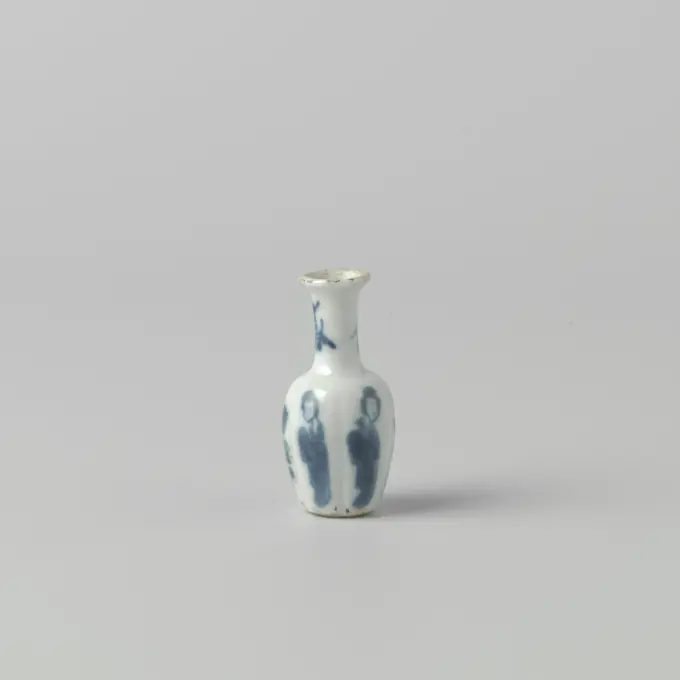
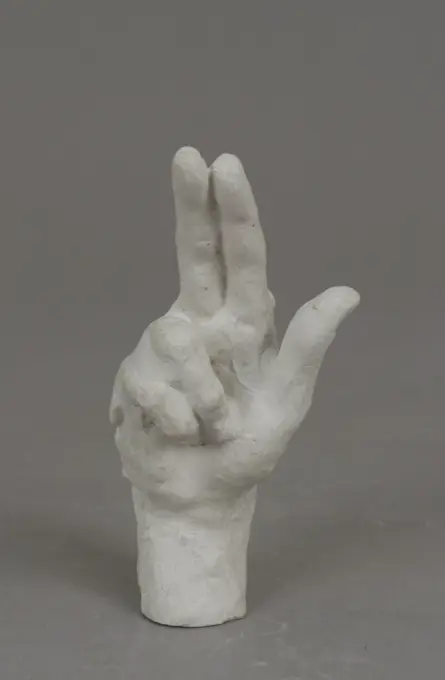
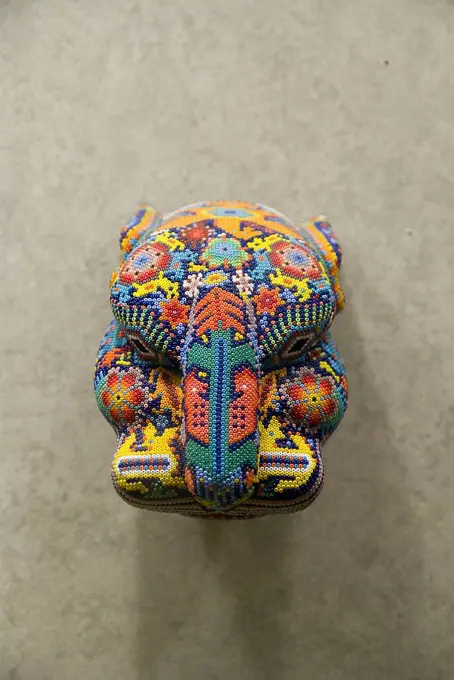
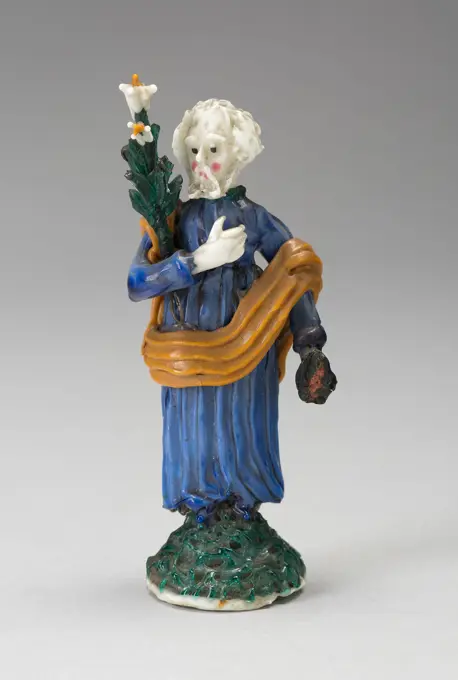
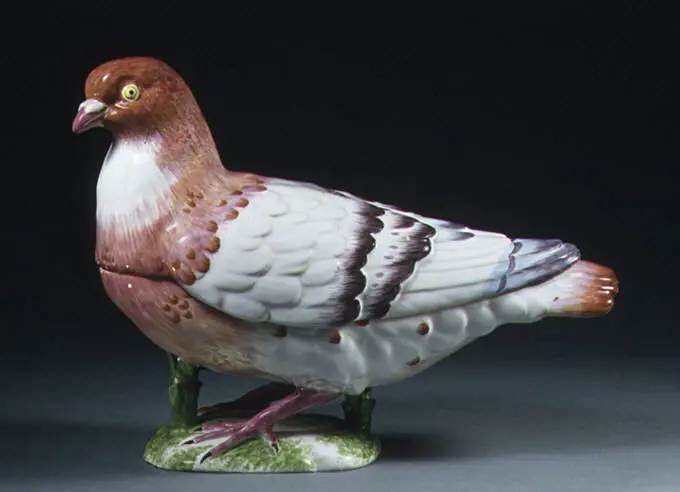
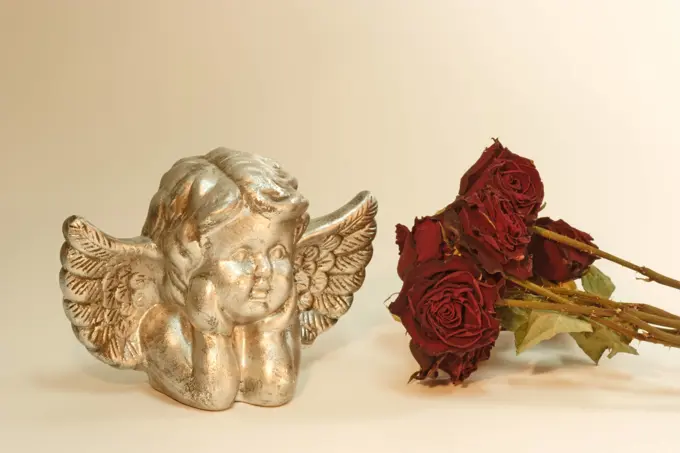
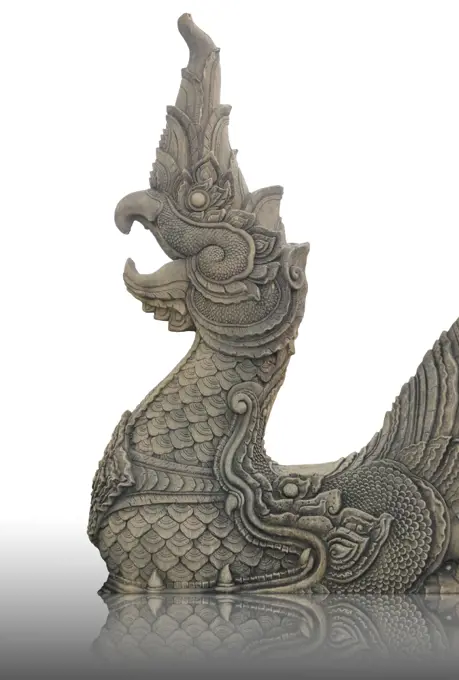
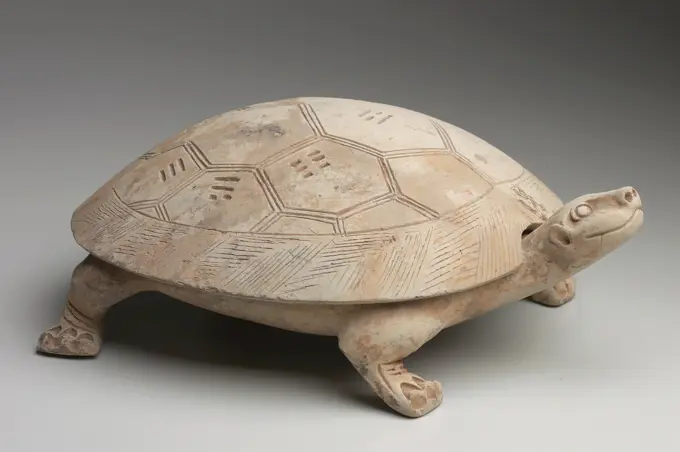
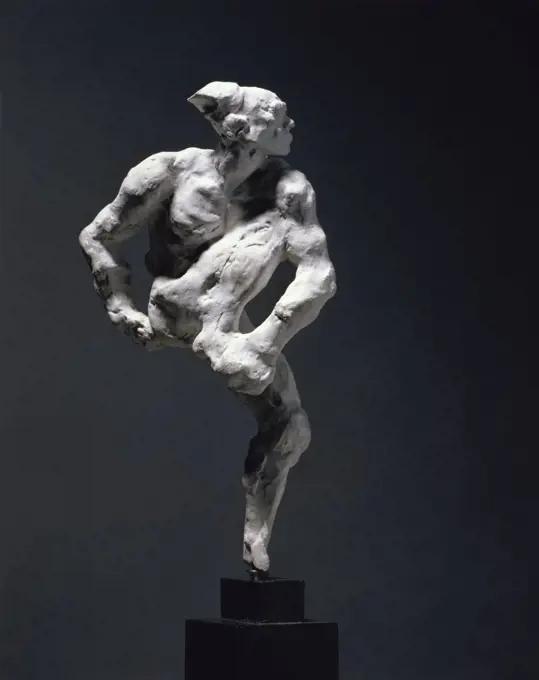
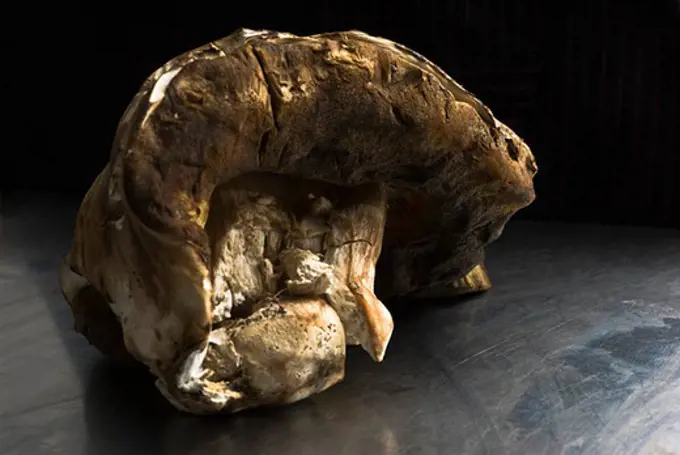
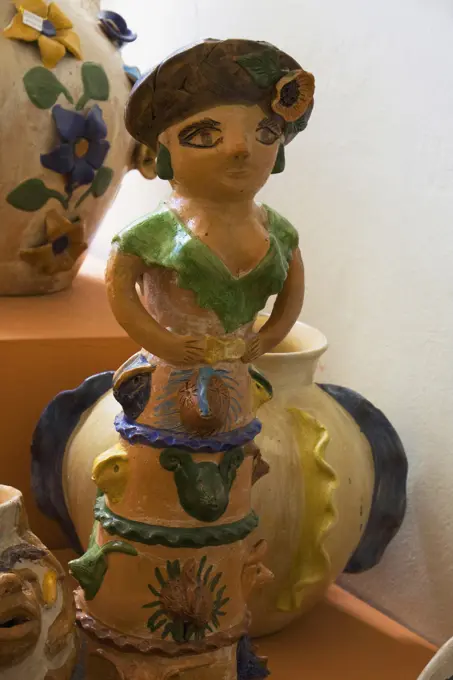
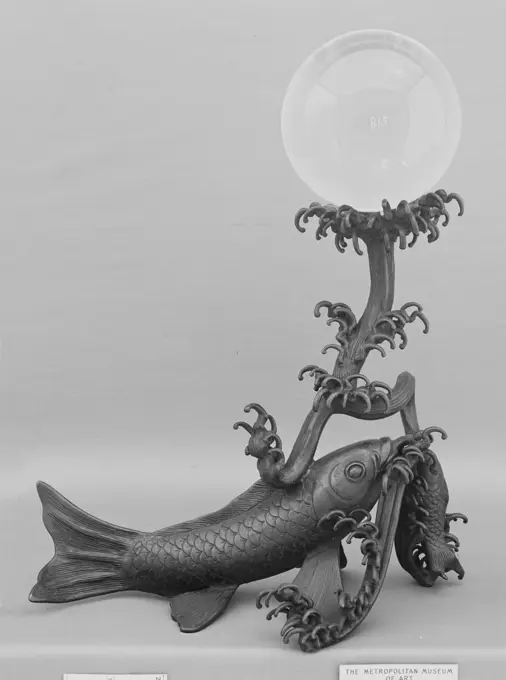
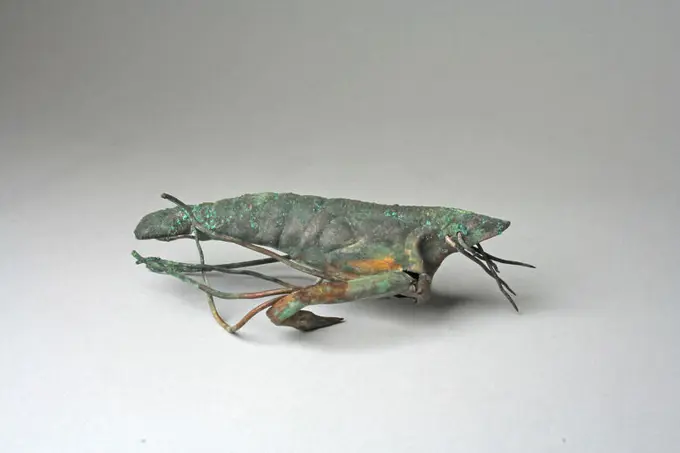
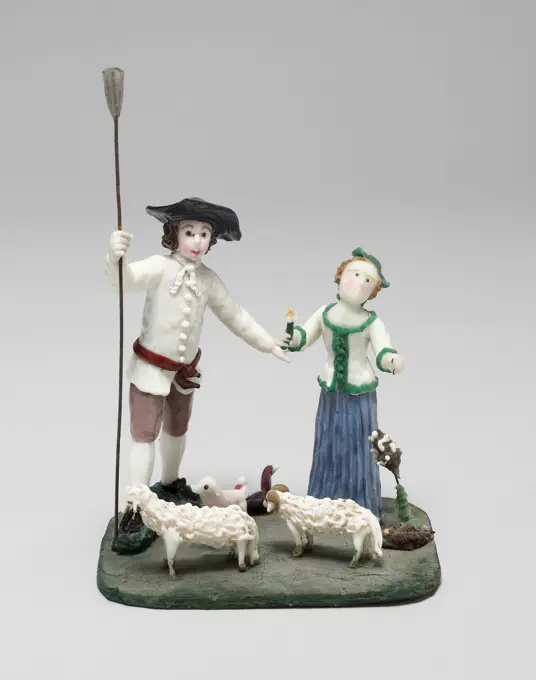
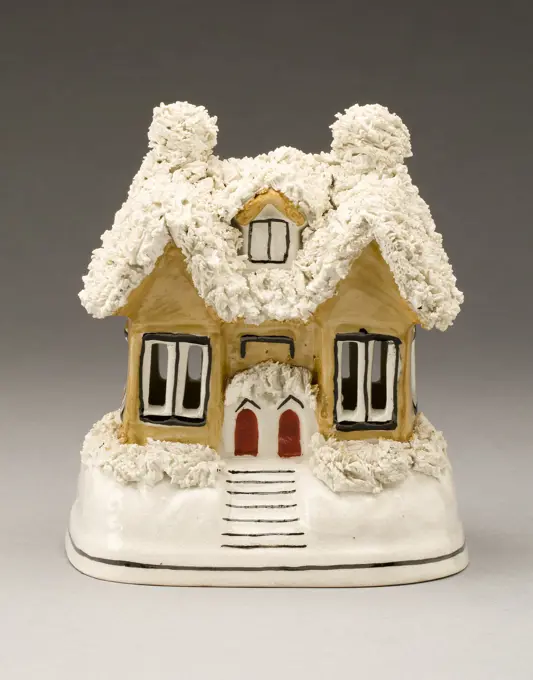
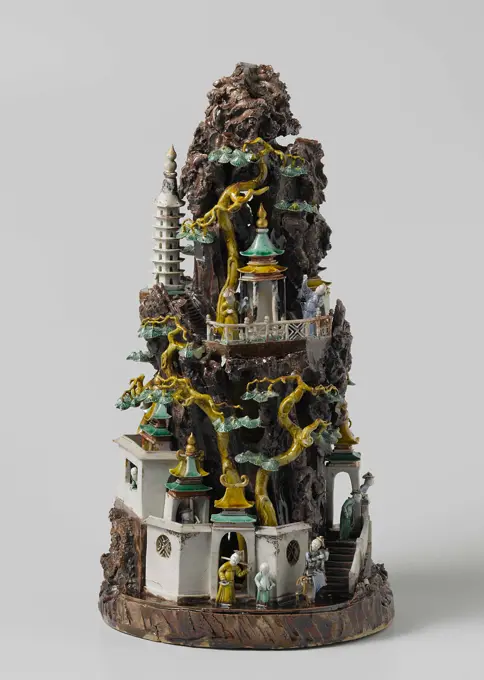
Walnut. Raoul Hague; American, born Armenia, 1905-1993. Date: 1953. Dimensions: 55.2 x 115.5 x 38.1 cm (21 3/4 x 45 1/2 x 15 in.) with base; 60.9 x 81.2 x 35.5 cm (24x 32 x 14 in.) base only. Wood. Origin: United States. Museum: The Chicago Art Institute, Chicago, USA.Goat 18th century China. Goat. China. 18th century. Jade. JadeWally Birds - Jar and Two Covers, 1914. Manufacturers: Martin Brothers. Designed by: Robert Wallace Martin (d. 1923).. This jar and two covers in the shape of a pair of grotesque birds is a fine example of Martinware. They were well known for their whimsically decorated vessels and bird sculptures, and are most probably called 'Wally' birds after Wallace Martin, the brother that created them.. Mounted on plinth. Carved and incised decoration. Painted in underglaze colours and enamels.Miniature bottle vase with women and flower sprays, anonymous, c. 1675 - c. 1724 Miniature bottle -shaped vase made of porcelain with a spreading neck, painted in underlaze blue. The belly is modeled in six compartments with four women (long lips) and in two flower areas. A flower branch twice on neck. Blue White. China porcelain. glaze. cobalt (mineral) painting / vitrification Miniature bottle -shaped vase made of porcelain with a spreading neck, painted in underlaze blue. The belly is modeled in six compartments with four women (long lips) and in two flower areas. A flower branch twice on neck. Blue White. China porcelain. glaze. cobalt (mineral) painting / vitrificationBonnet ca. 1875 (a.) Best & Co. American. Bonnet 168801Incense Burner 1825-1835 Staffordshire. Glazed earthenware with polychrome enamel decoration . Staffordshire PotteriesStudy of a hand modeled possibly ca. 1885, cast before 1912 Auguste Rodin French. Study of a hand. Auguste Rodin (French, Paris 1840-1917 Meudon). French. modeled possibly ca. 1885, cast before 1912. Cast plaster. SculptureVase with cover China. Vase with cover 43895CDK TOYENCHI OSAIMexico.Mexico city.National Museum of Anthropology. Huichol art.Man 1700-1725 France. Glass; lampwork (verre de Nevers), metal armature .Tureen with cover in the form of a pigeon ca. 1750-60 Period of Paul Hannong Faience, or tin-glazed and enameled earthenware, first emerged in France during the sixteenth century, reaching widespread usage among elite patrons during the seventeenth and early eighteenth centuries, prior to the establishment of soft-paste porcelain factories. Although characterized as more provincial in style than porcelain, French faience was used at the court of Louis XIV as part of elaborate meals and displays, with large-scale vessels incorporated into the Baroque garden designs of Versailles. Earlier examples of French faience attest to the strong influence of maiolica artists from Italy. Later works demonstrate the ways in which cities such as Nevers, Rouen, Lyon, Moustiers, and Marseille developed innovative vessel shapes and decorative motifs prized among collectors throughout Europe. While faience can be created from a wide mixture of clays, it is foremost distinguished by the milky opaque white. Rectangular porcelain tea bus with slightly thickened, round shoulder and lid, painted on the glaze in black and gold. On the outside twice a representation of the crucifixion with the two Mary's; The neck and the lid edge with a tire with a decorative pattern. Lid knob in the shape of a peach. Bottom unglazed. Part of a tea service. European performance in Encre de Chine.Engel mit roten Rosen Goldener Engel mit getrockneten roten Rosen Copyright: xZoonar.com/HeikexBrauerx 597848stone naga in Temple of Thailand on white backgroundCoppa Plate; Italy; tin-glazed earthenware (maiolica), overglaze lustreWally Birds - Jar and Two Covers, 1914. Manufacturers: Martin Brothers. Designed by: Robert Wallace Martin (d. 1923).. This jar and two covers in the shape of a pair of grotesque birds is a fine example of Martinware. They were well known for their whimsically decorated vessels and bird sculptures, and are most probably called 'Wally' birds after Wallace Martin, the brother that created them.. Mounted on plinth. Carved and incised decoration. Painted in underglaze colours and enamels.Ink tablet in the form of a turtle, 1st century, 10 x 4 x 4 in. (25.4 x 10.16 x 10.16 cm), Earthenware with modeled and incised decor including the Eight Trigrams of the I-Ching (The Book of Changes), China, 1st century, This charming Han dynasty (206 BCE - 220 CE) ink stone, modeled in the form of a turtle, features 'the eight trigrams' ba gua carved into the top of its removable shell. The eight trigrams are among the earliest and best-known images associated with Daoism. These visual symbols are the basis for the sixty-four hexagrams of the ancient divination text, the I-Qing or The Book of Changes which was formulated during Western Zhou (1050-772 BCE). In addition to divination, the eight trigrams played a vital role in Daoist alchemical practices and helped explain the cosmological principles of transformation. The eight trigrams and their symbolism are one of several Bronze Age traditions that coalesced during Han to form the basis of religious Daoism.Amulet and Signature Seal Stone, 6th-5th century BCE, 7/8 x 5/8 x 1/2 in. (2.22 x 1.59 x 1.27 cm), White agate, Babylon, 6th-5th century BCEPair of hawks ca. 1750-60 British, Staffordshire. Pair of hawks 197490Nijinsky (the Dancer)  Nijinsky (Danseur)  Auguste Rodin (1840-1917/French) Muse Rodin, Paris MushroomFigural box ca. 1740 German, Strasbourg. Figural box 205834Mexico, Oaxaca, San Bartolo Coyotepec. At the Museum of Popular Art in San Bartolo Coyotepeq samples of the finest artisan work is available year round, in exhibits or for sale in the gift shop.This clay figure from Atzompa is for sale in the museum shop.Pair of Figures ofCranesNecklace Figurine Bead, 1-700. Colombia, 1st-8th century. Cast gold; overall: 3.4 cm (1 5/16 in.).Carved and polished Onyx (tecali) vessel with a seated figure. Post-Classic Date900-1521. Found at Isla de Sacrificios, tomb, Veracruz, MexicoDeep Dish with Egret (from a set of ten) 1639 Japan. Deep Dish with Egret (from a set of ten) 52237Table decoration in the form of a peacock. Culture: Hungarian, Munkcs. Dimensions: Overall: 8 9/16 x 2 13/16 in. (21.8 x 7.2 cm). Date: 1787.Festive drinking cups were produced in an astonishing range of animal forms, such as bears, rampant stags, owls, and unicorns, during the Renaissance and Baroque periods. Usually the head could be removed--as is the case here--and both parts of the cup could be filled with an alcoholic beverage. As customs changed, their ceremonial purpose shifted and during the eighteenth century these objects were mainly seen as humorous table ornaments, comparable to porcelain statuettes. Peacock cups like this were typically made in Hungary. Any drink poured into its detachable head had to be drunk at once, since it cannot be set down while full. The partial gilding emphasizes the "eyes" on the peacock's tail feathers, symbols of pride.LiteratureWorks of Art. Sale cat., Sotheby's, London, December 8, 1983, p. 31, no. 92.Judit H. Kolba. HungarianCrystal Ball on a Bronze Stand in the Shape of a Fish 18th century China. Crystal Ball on a Bronze Stand in the Shape of a Fish. China. 18th century. a) Rock crystal; b) Bronze. HardstoneRectangular tea caddy with a crucifixion scene, anonymous, c. 1780 Rectangular porcelain tea lease with slightly thickened, round shoulder, painted on the glaze in black and gold. On the outside twice a representation of the crucifixion with the two Maria's; The neck with a band with a decorative pattern. Underside unglazed. A chip in the edge of the lid. Part of a tea set. European performance in Encre de Chine. China porcelain. glaze. gold (metal) painting / gilding / vitrification Rectangular porcelain tea lease with slightly thickened, round shoulder, painted on the glaze in black and gold. On the outside twice a representation of the crucifixion with the two Maria's; The neck with a band with a decorative pattern. Underside unglazed. A chip in the edge of the lid. Part of a tea set. European performance in Encre de Chine. China porcelain. glaze. gold (metal) painting / gilding / vitrificationAntique Dutch tile Antique typical Dutch blue tile isolated over white background Copyright: xZoonar.com/IvonnexWierinkx 8041270Cupid and Psyche Auguste Rodin (1840-1917 French) Christie's Images, LondonButter from the lid; Glinica (Fiansu Factory; 1771-Ca 1870); beginning of the 19th century (1800-00-00-1820-00-00);Kozio Korzec (Porcelain and faience manufacture; 1790-1832); 1820-30 (1820-00-00-1820-00-00);Tarasowicz, Helena and Konstanty - collection, gift (provenance)Crayfish. Culture: Moche (Loma Negra). Dimensions: Length 4-5/8 in. (11.8 cm). Date: 390-450. Museum: Metropolitan Museum of Art, New York, USA.Large feather leaves bowl by Hosono Hitomi (1978-) Japanese artist. Dated 2013Shepherd and Shepherdess 1775-1799 France. Glass; lampwork (verre de Nevers), metal armature .Incense Burner 1825-1835 Staffordshire. Glazed earthenware with polychrome enamel decoration .Derby porcelain factory, founded 1756, British, Dr. Syntax: On a Horse, Jumping a Gate, ca. 1810. Derby figure.Miniature Garden. Image in the form of a porcelain rock, painted on the biscuit in blue, red, green, yellow, eggplant and black. There are large pine trees, various pavilions, a bridge and a tower in the rock. In and around these buildings, small people figures are engaged in daily activities. Example of miniature garden architecture. Email sur biscuit.