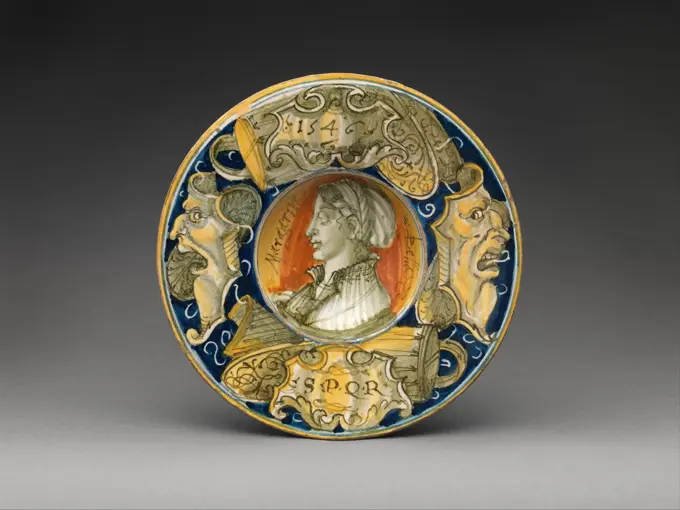
Artistic Containers

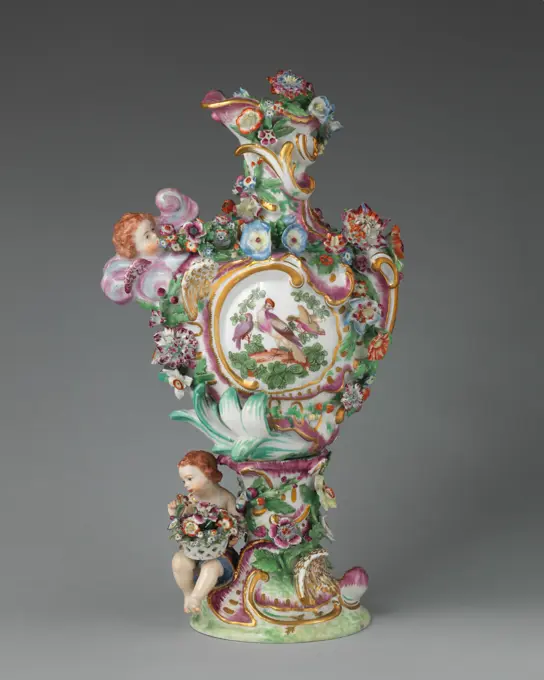
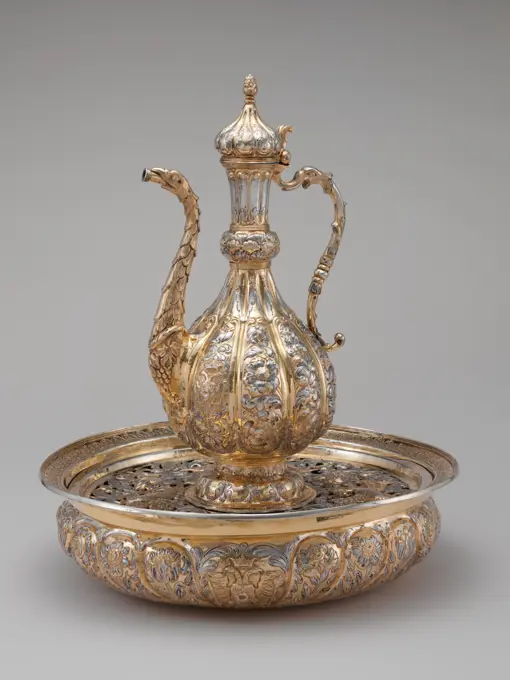
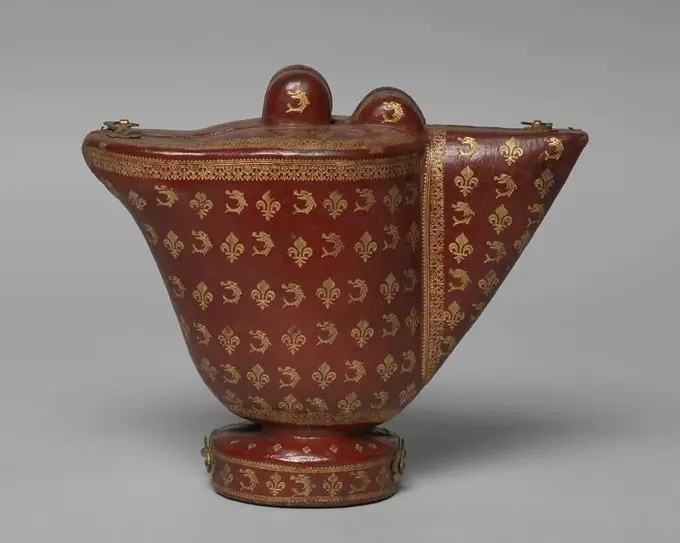
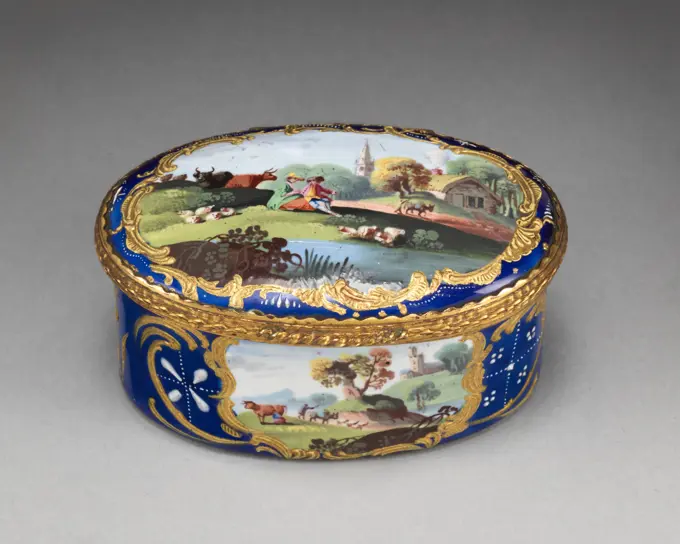
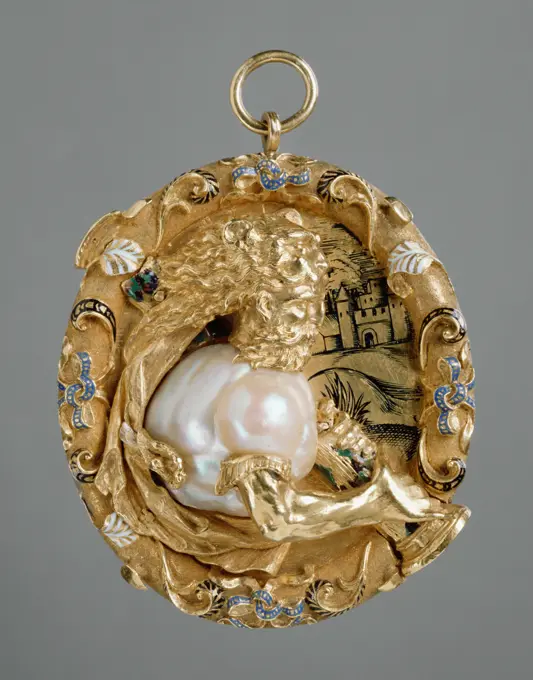
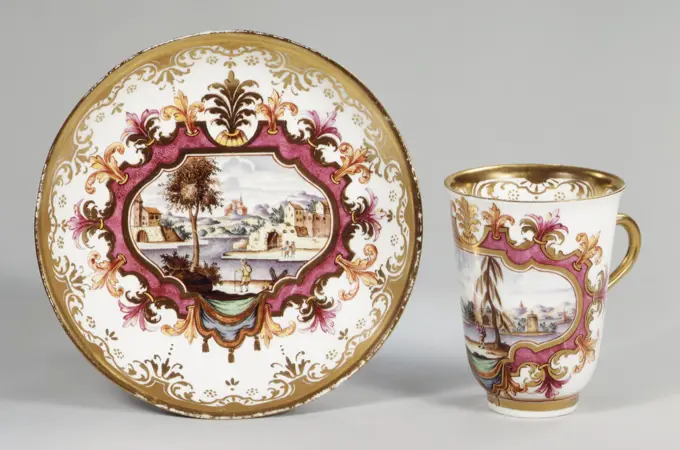
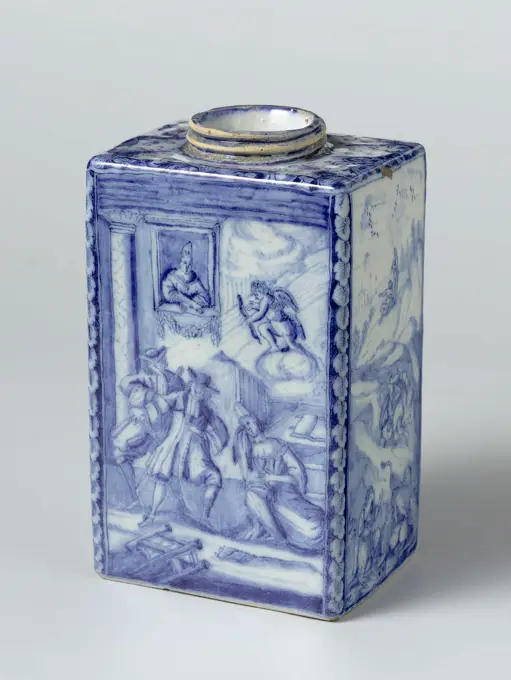
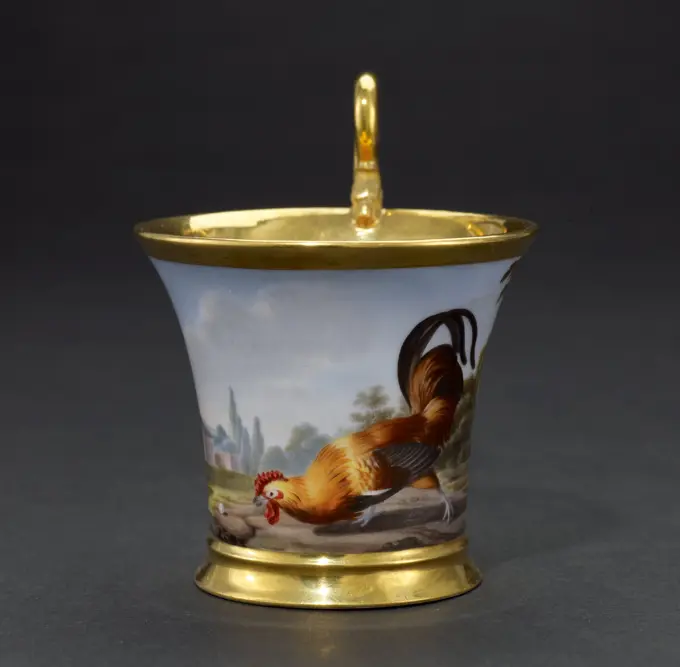
Elegant decorative items including porcelain and enameled vessels, featuring rich colors and intricate patterns that highlight craftsmanship from different eras.

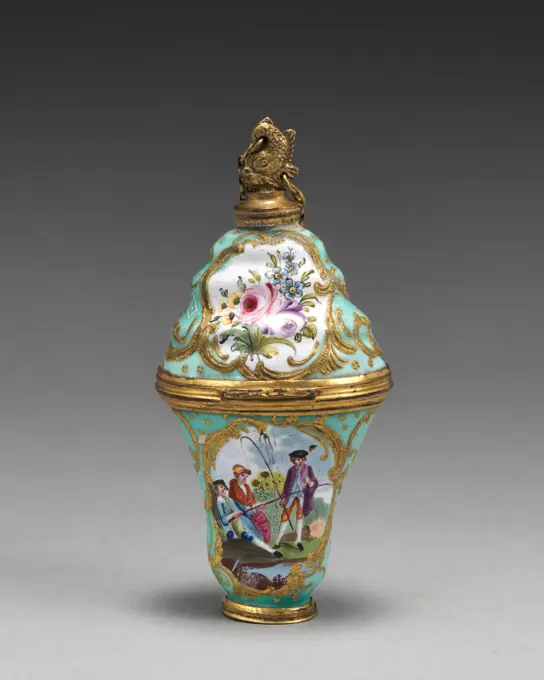
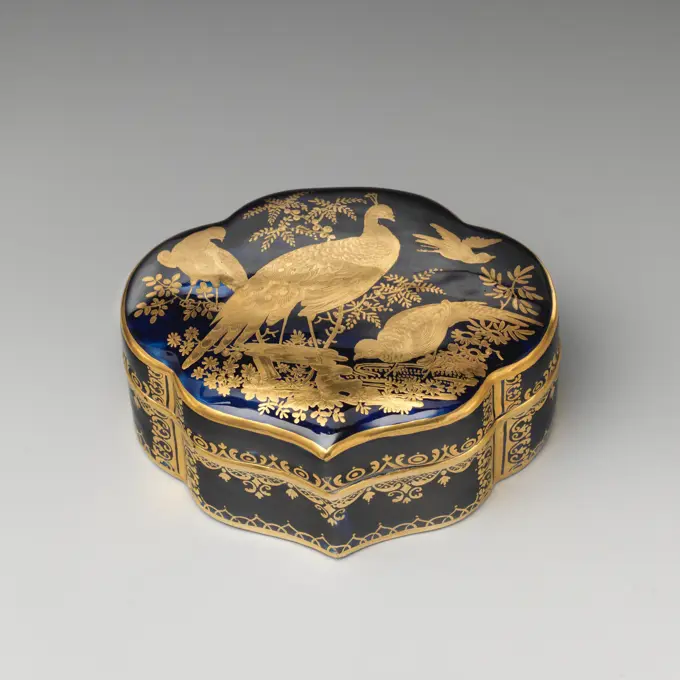
Semi-Cylindrical Bulb Pot, Royal Worcester, English, established 1751, porcelain, vitreous enamel, gold, Semi-cylindrical, on four ball feet. Straight-sided back undecorated; bowed front divided into three panels, by pilaster strips. Rectangular reserve in each panel, containing flowers. Cover with three cup-shaped rings around openings, and four circular piercings., England, ca. 1795, ceramics, Decorative Arts, bulb pot, bulb pot
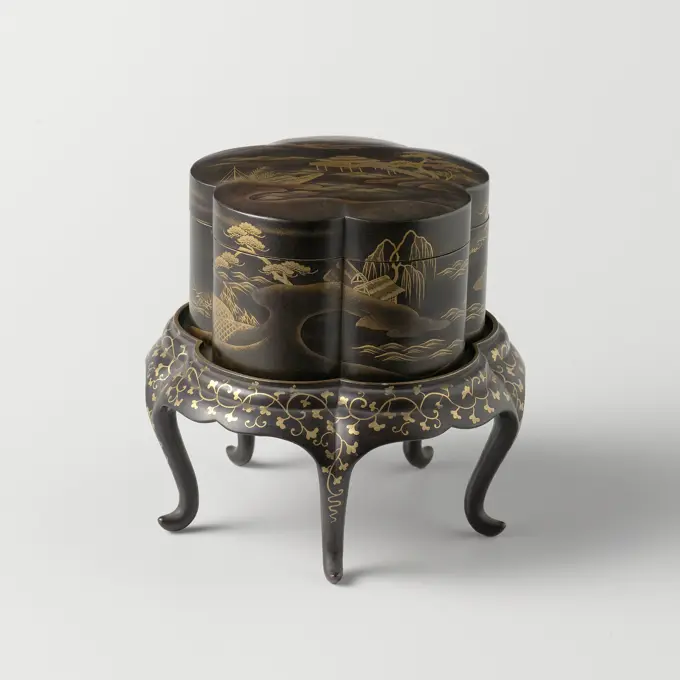
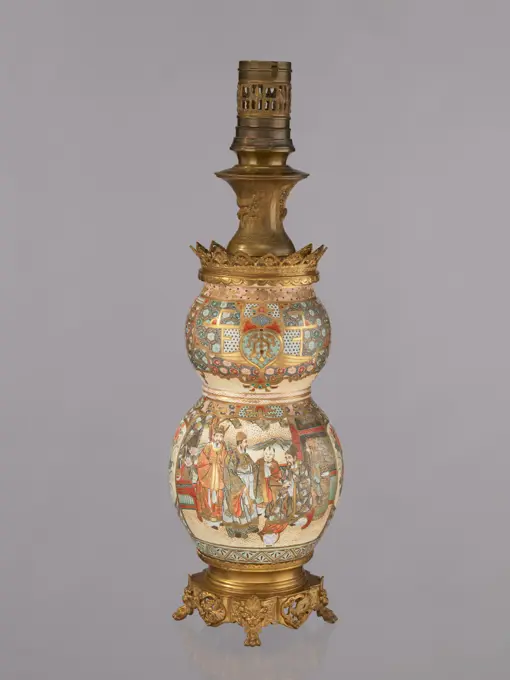
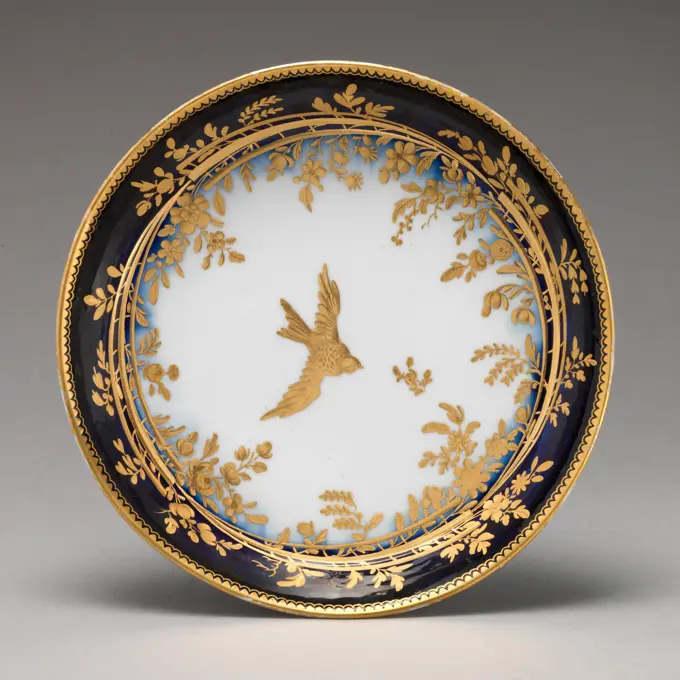
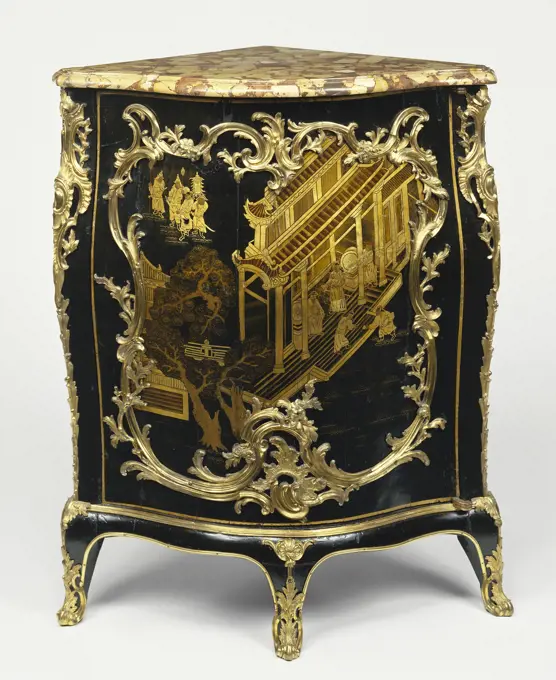
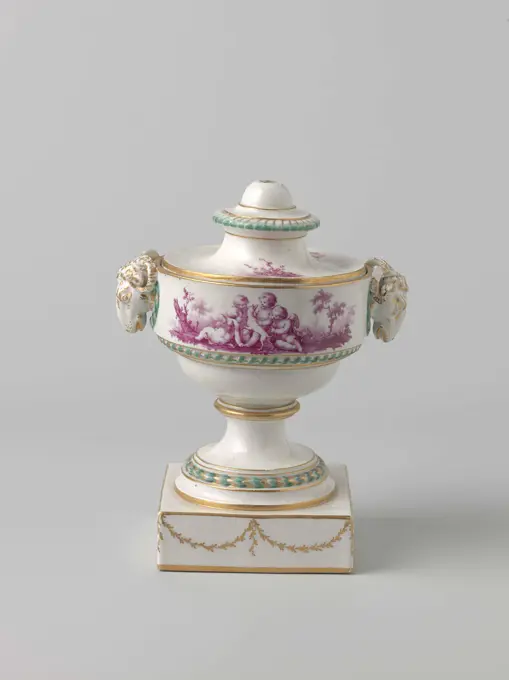
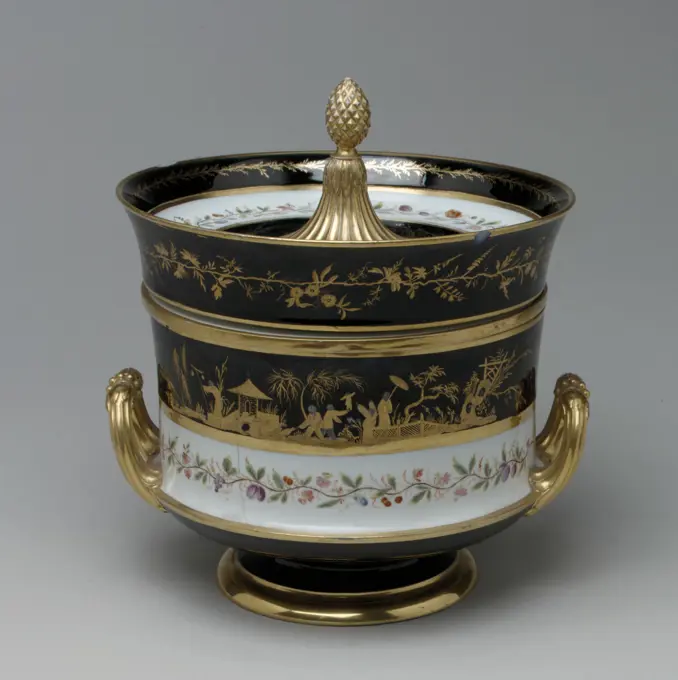
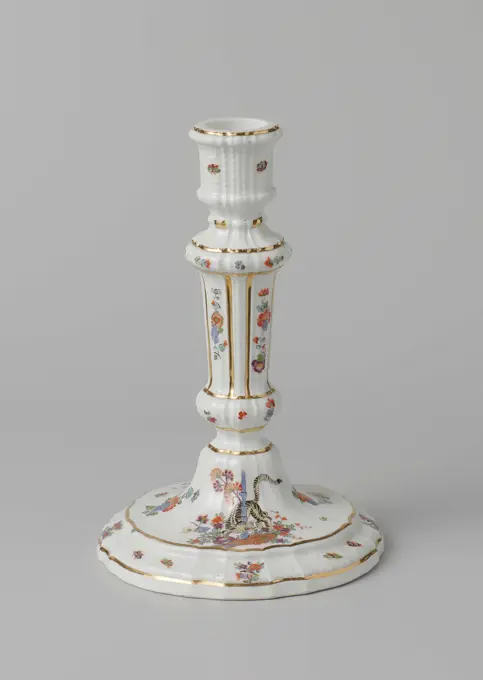
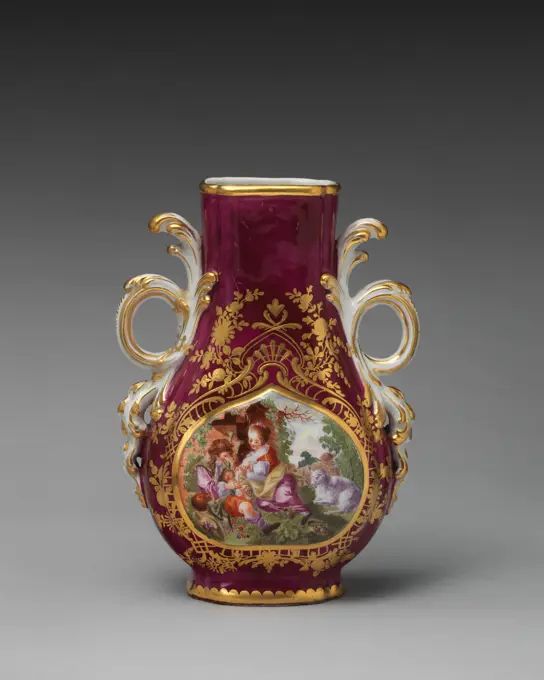
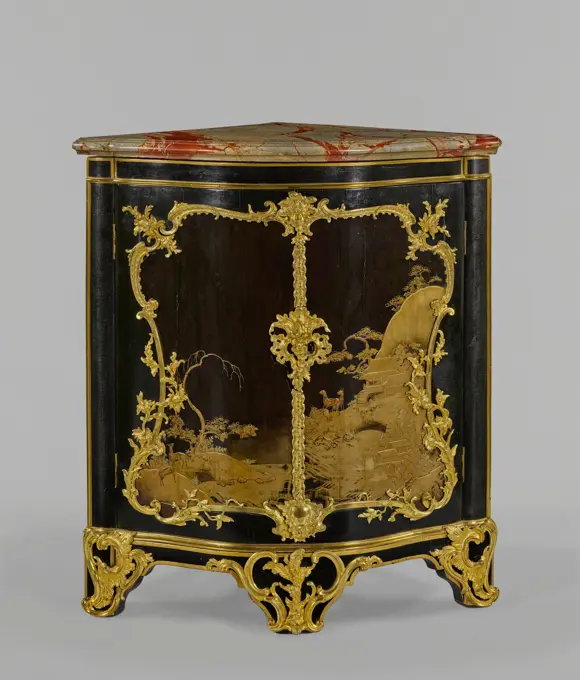
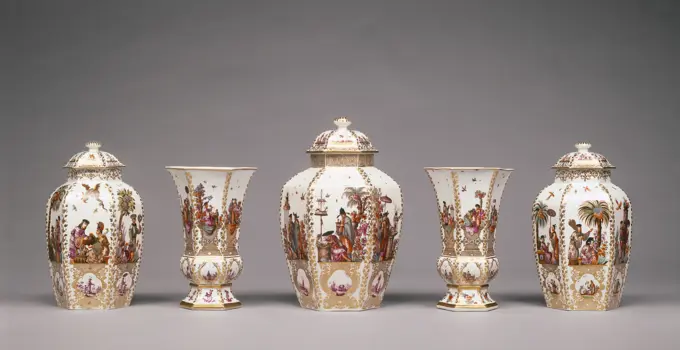
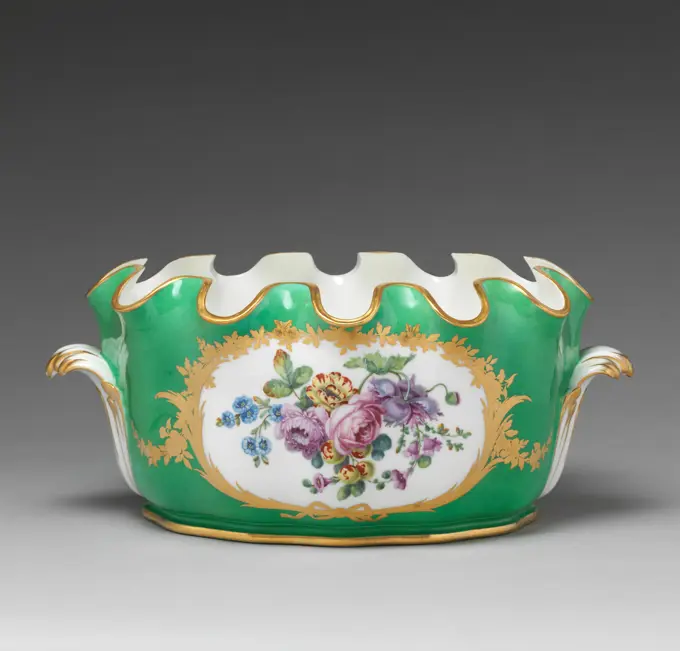
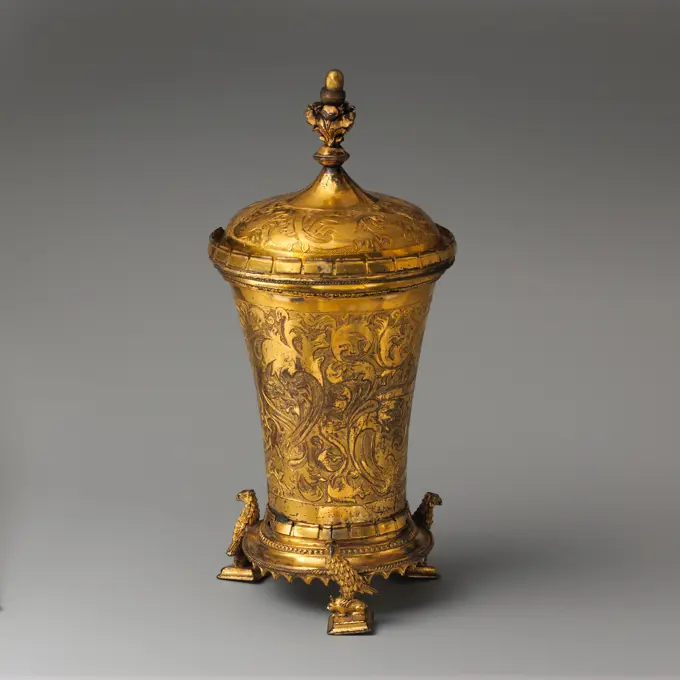
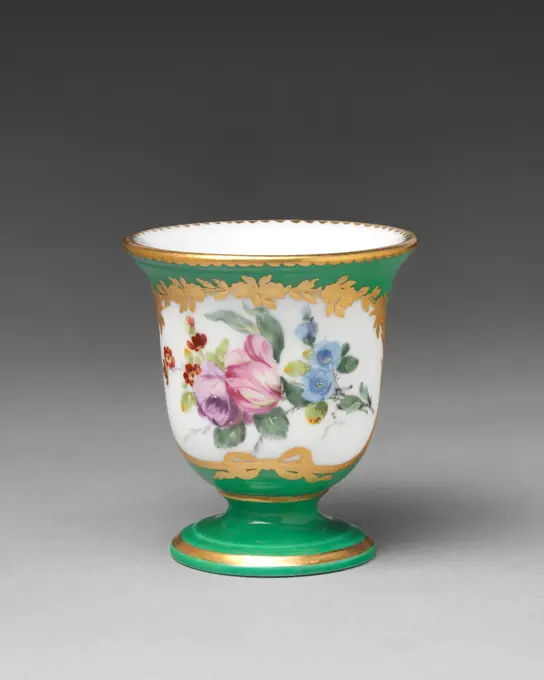
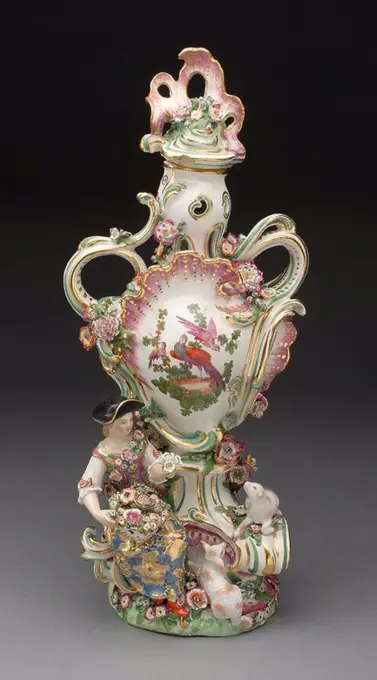
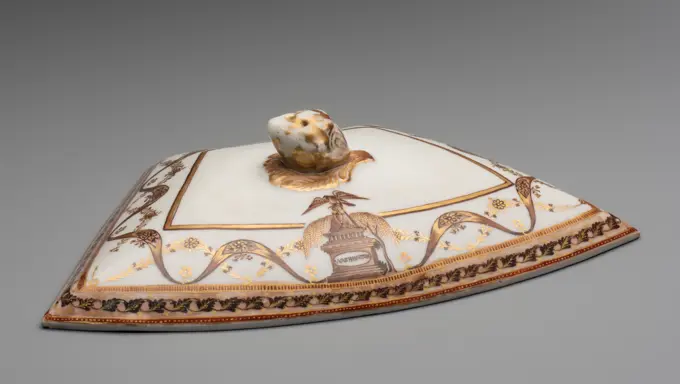
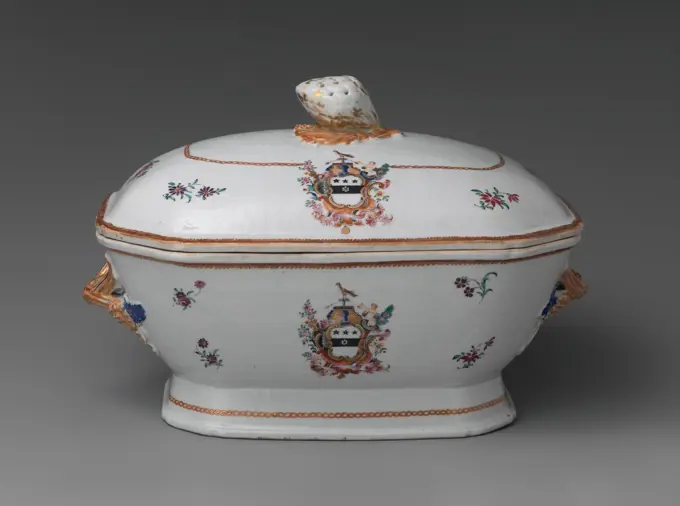
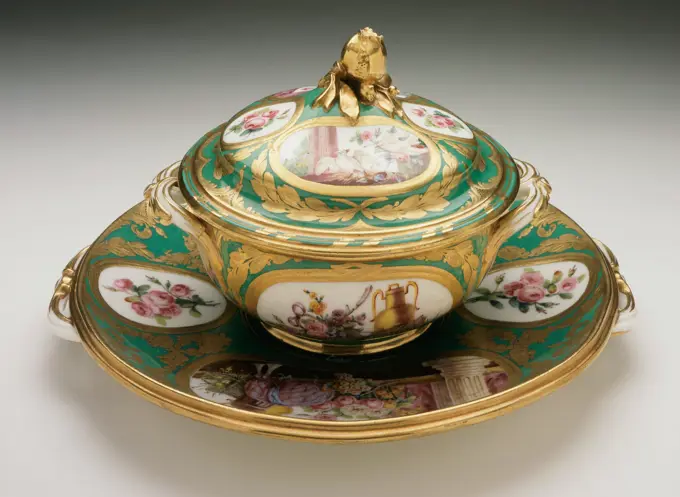
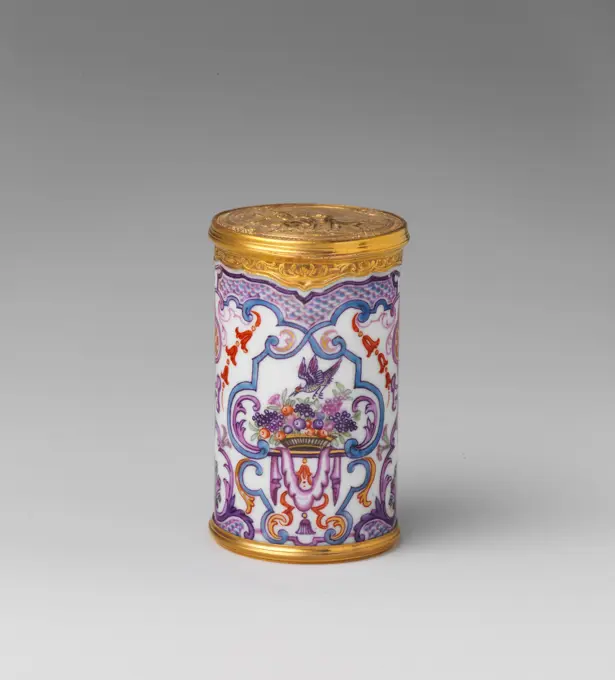
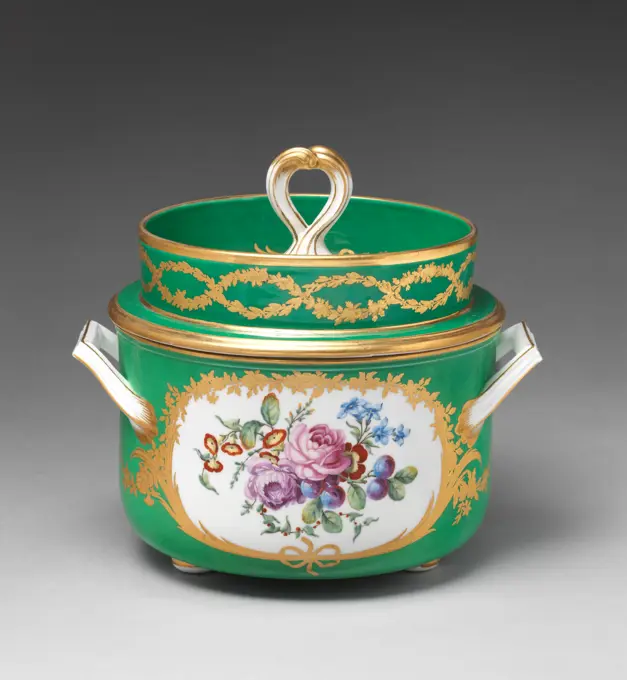
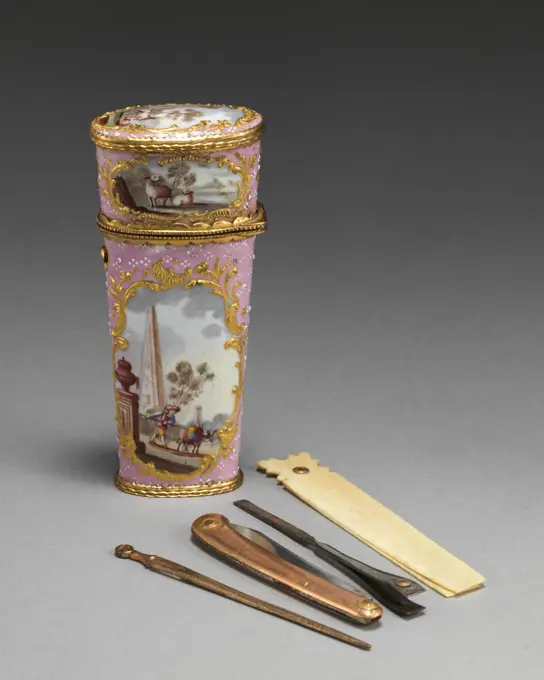
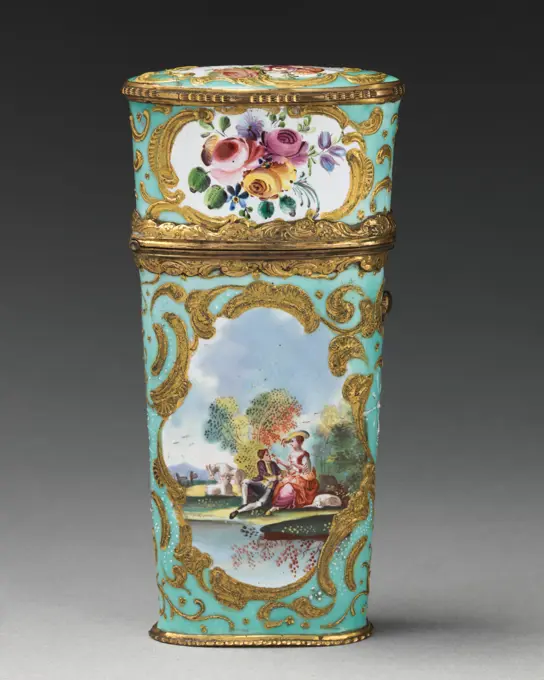
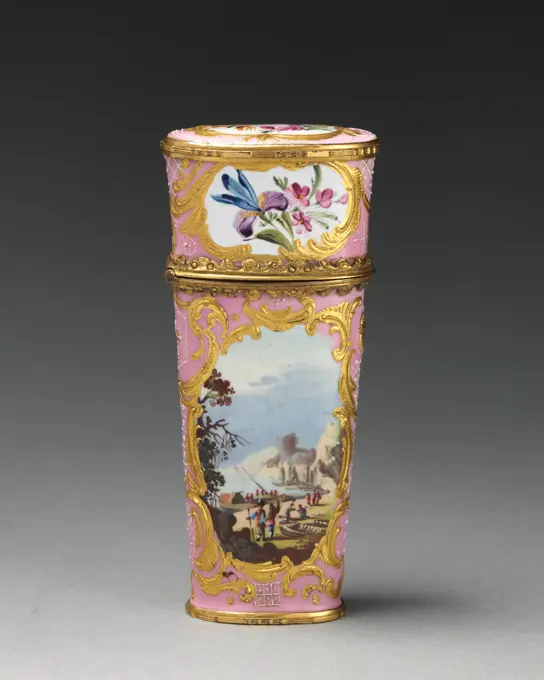
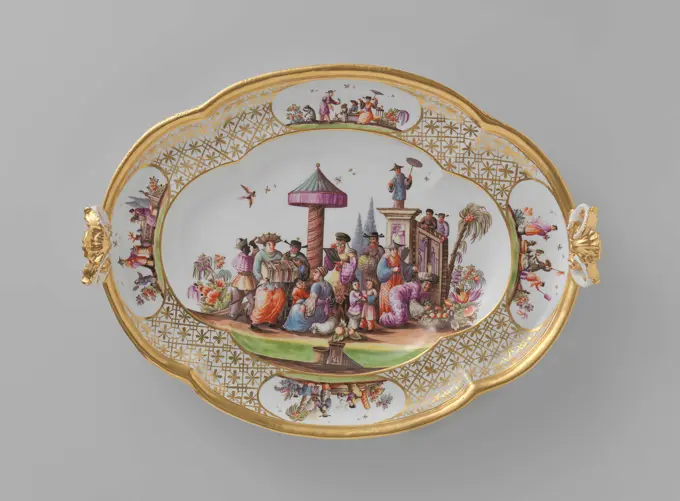
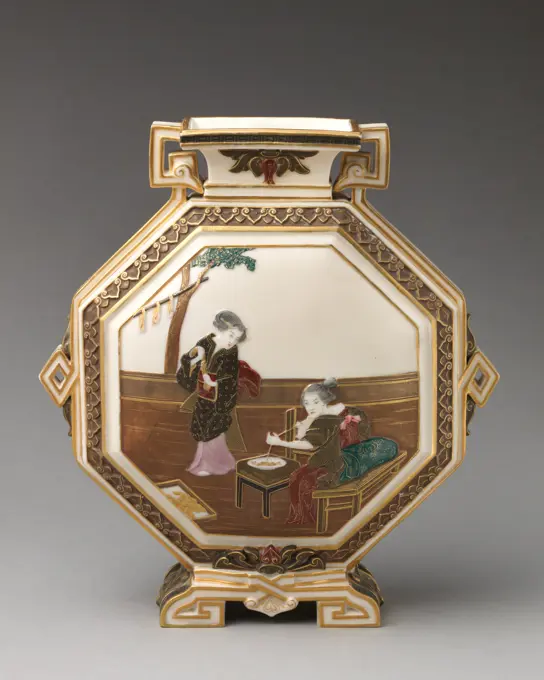
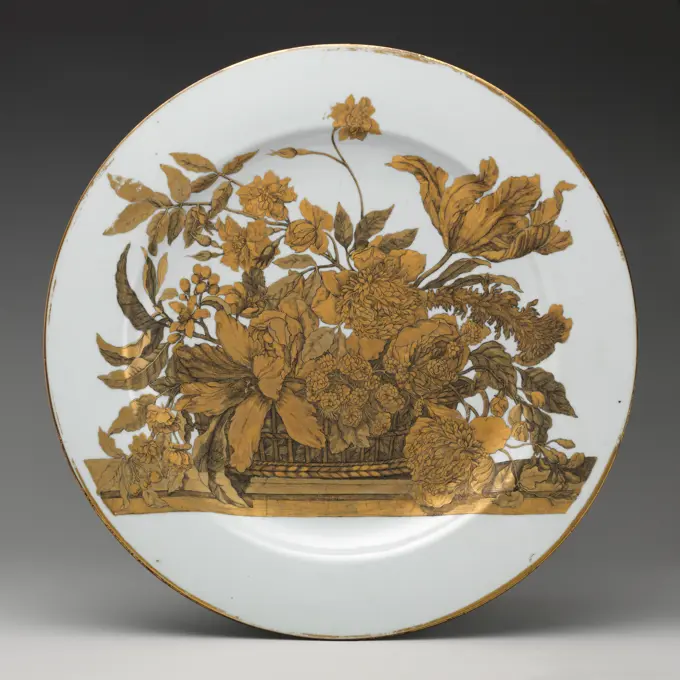
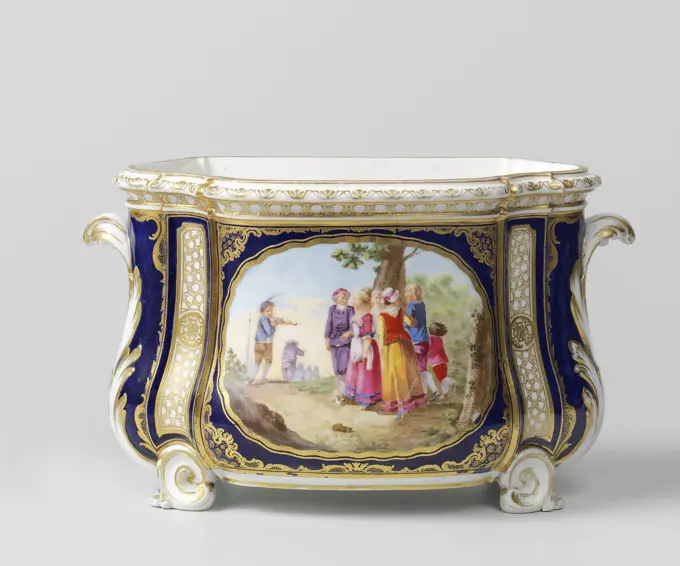
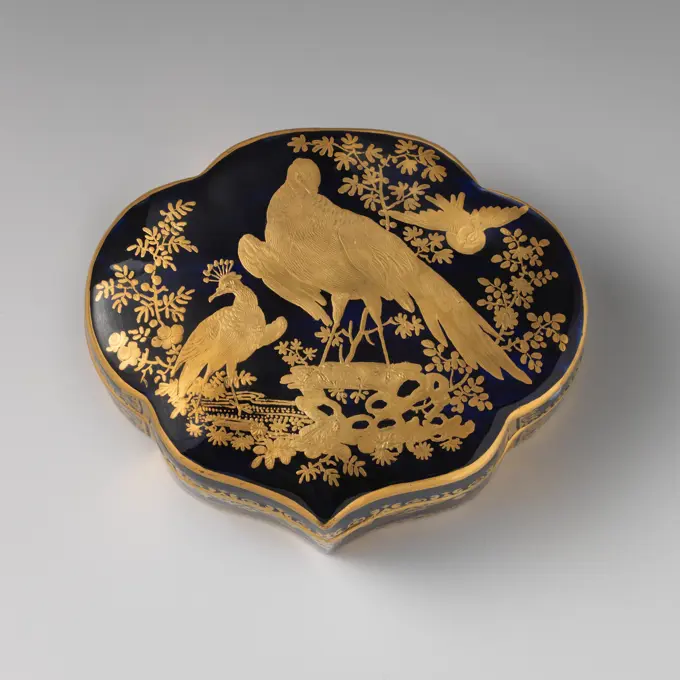
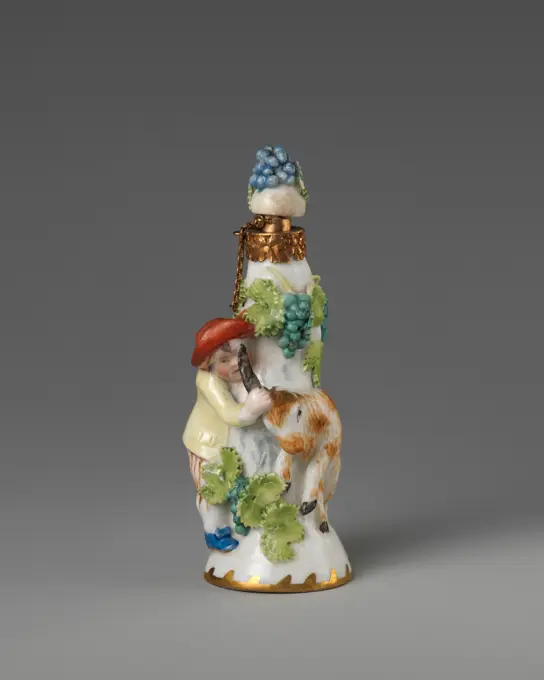
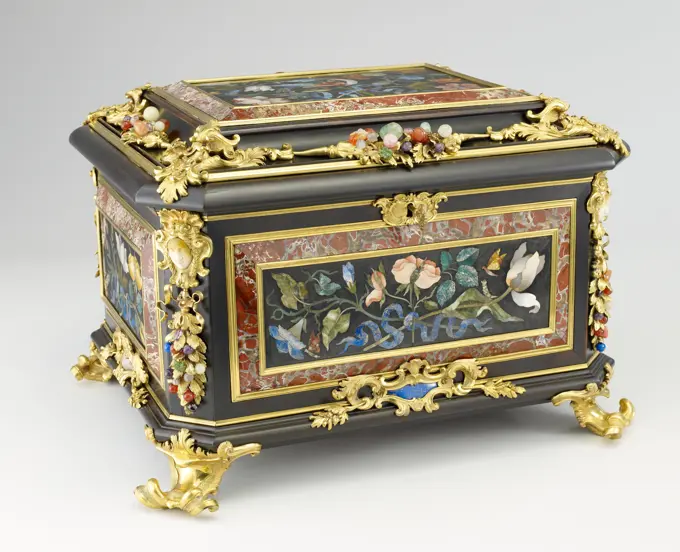
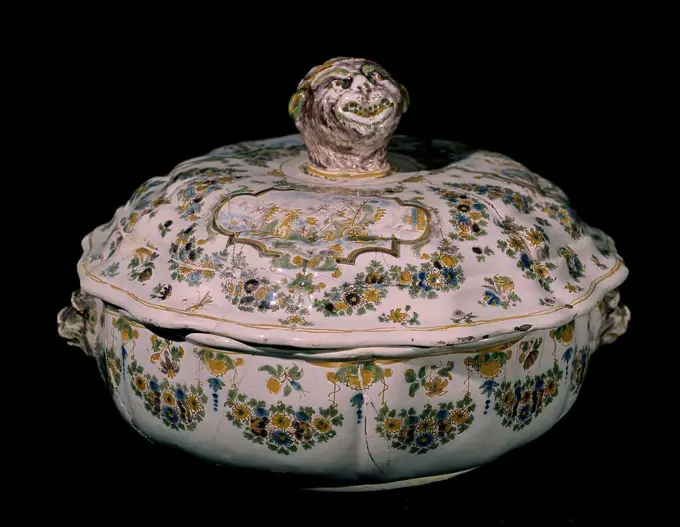
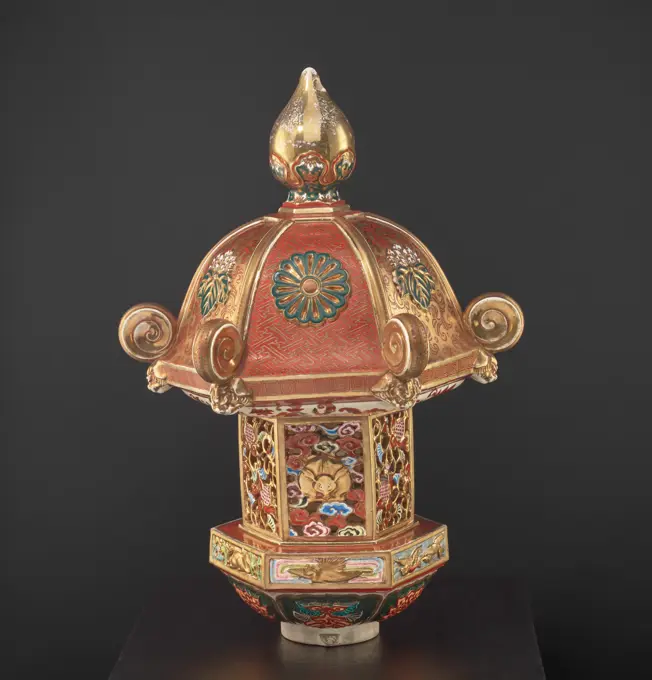
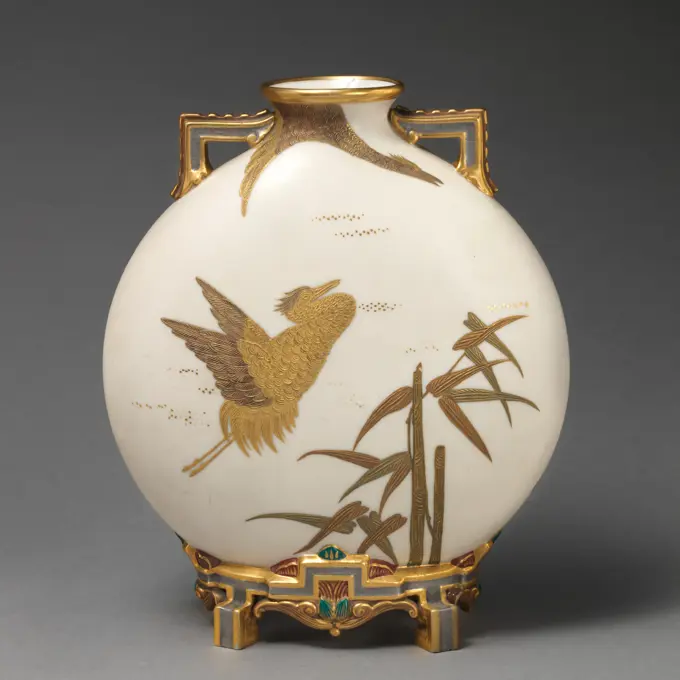
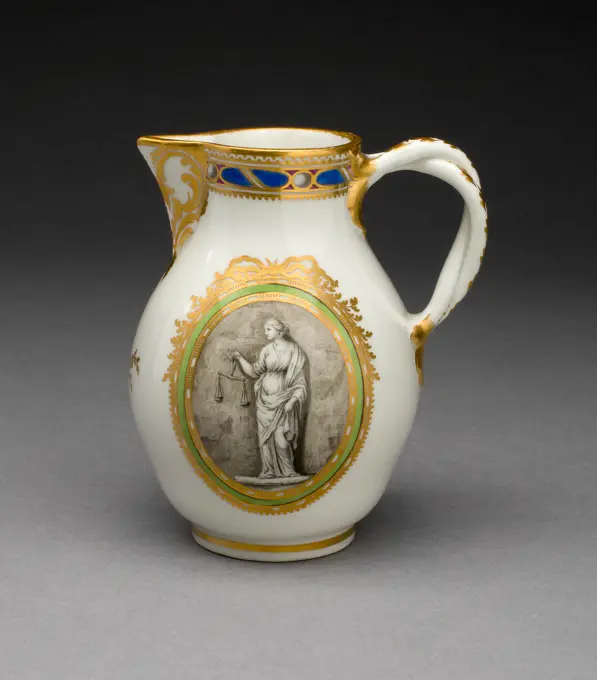
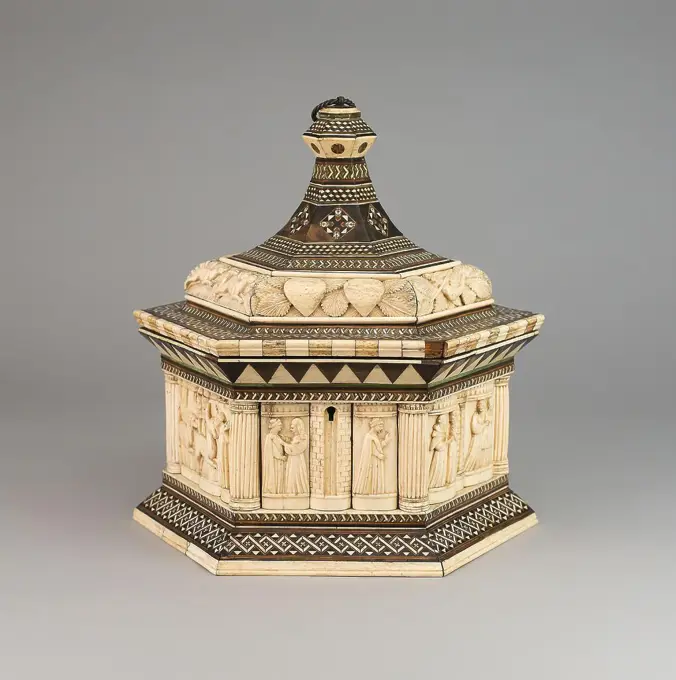
Scent bottle ca. 1760-1800 British, Staffordshire. Scent bottle. British, Staffordshire. ca. 1760-1800. Enameled copper. EnamelsVase with lid, painted with putti. Vase with ram heads and lid of porcelain, painted in beet red with on the body on one side four putti in a landscape at a bird cage with two birds for that, on the other side four putti in a landscape with a sheep (); On the lid two soils with O.A. musical instruments and a basket with roses. Around the round foot a leaf wreath, under the putti-scenes a band with braid, around the ram's heads a laurel wreath and along the lid godrinks, all embossed and decorated in green and gold. On the square plinth leafguirlands in gold. Golden piping along the different edges. The ram caps are decorated in gold.Ice cream cooler 1804-13 Sèvres Manufactory French Porcelain decorated with a black ground in imitation of Asian lacquer was produced at Sèvres for about a fifteen-year period beginning in 1790. Furniture decorated with imported black lacquer panels saw a resurgence of popularity in the last two decades of the eighteenth century, and the Sèvres factory's efforts to simulate black lacquer on porcelain were probably stimulated by this renewed general interest in lacquer decoration. Black-ground Sèvres porcelain was decorated with chinoiserie scenes executed in gold, which was often applied in subtle tones of yellow, green, and red. Small decorative highlights were often executed in platinum, and the ability to apply platinumfirst mastered by the factory in 1790may have been an impetus to produce these lacquer-inspired pieces.This ice cream cooler dates from 1805, the final year in which Sèvres produced black-ground wares. It was part of a service that was purchased that year by a bankeOvoid Tea Caddy With Flowering Plants, Swastika and Diaper Pattern. Porcelain tea bus with an egg-shaped body on foot, painted on the glaze in blue, black and gold. On the wall a Swastika pattern with two cartouches with flower branch and a round cartouche with flowering plants (O.A. peony, aster), altered on the shoulder napkin interspersed with a lotus drink in a cartouche; Curf worked around the foot. The lid with the same decoration. Encre the chine.Crowded and enameled gold box, bluish gray, on a guilloche background, decorated with a painted enamel. Anonymous Swiss. Paris, Cognacq-Jay museum. The cover of this box is decorated with a miniature taking up the offering to the friendship of Jean-Baptiste Huet, composition engraved by C.-L. JUBIER. On the reverse of the lid, there is an interior of the palace or interior of a theater. BOITE OVALE, CHISELED GOLD, DECORATED, EMAIL PEINT, EMAILLE, ENAMEL, FOND GUILLOCHE, GREY-BLUE, GRIS BLEUTE, GUILLOCHE BACKGROUND, OR CISELE, ORNEE, OVAL BOX, PAINTED ENAMELOvoid tea caddy with flowering plants, swastika and diaper pattern, anonymous, c. 1725 - c. 1749 Porcelain tea with an egg -shaped body on foot, painted on the glaze in blue, black and gold. On the wall a Swastika pattern with two cartouches with flower branches and a round cartouche with flowering plants (including peony, aster), on the shoulder napping work interspersed with a lotusrank in a cartouche; Modeled curly around the foot. The lid with the same decoration. Encre de Chine. China porcelain. glaze. gold (metal) painting / gilding / vitrification Porcelain tea with an egg -shaped body on foot, painted on the glaze in blue, black and gold. On the wall a Swastika pattern with two cartouches with flower branches and a round cartouche with flowering plants (including peony, aster), on the shoulder napping work interspersed with a lotusrank in a cartouche; Modeled curly around the foot. The lid with the same decoration. Encre de Chine. China porcelain. glaze. gold (metal) painting /Vase (one of a set of three) ca. 1761 Chelsea Porcelain Manufactory. Vase (one of a set of three). British, Chelsea. ca. 1761. Soft-paste porcelain. Chelsea Porcelain Manufactory (British, 1745-1784, Gold Anchor Period, 1759-69). Ceramics-PorcelainVase;  18th century (1701-00-00-1800-00-00);Semi-Cylindrical Bulb Pot, Royal Worcester, English, established 1751, porcelain, vitreous enamel, gold, Semi-cylindrical, on four ball feet. Straight-sided back undecorated; bowed front divided into three panels, by pilaster strips. Rectangular reserve in each panel, containing flowers. Cover with three cup-shaped rings around openings, and four circular piercings., England, ca. 1795, ceramics, Decorative Arts, bulb pot, bulb potCandlestick, painted multi-colored with a kakiemon decor. Candlestick of painted porcelain. The candlestick has a round, scalloped foot with a profiled strain with two nodi. The 'Altbrandenstein' pattern has been painted on the candle holder and the foot edge. A tiger is painted on the foot to a bamboo stalk in flowers. The candlestick is noticed.Unknown, vase with lid. Porcelain. Petit Palais, Museum of Fine Arts of the City of Paris.Vase (one of a pair) ca. 1761 Chelsea Porcelain Manufactory. Vase (one of a pair). British, Chelsea. ca. 1761. Soft-paste porcelain. Chelsea Porcelain Manufactory (British, 1744-1784). Ceramics-PorcelainCorner Cupboard. Bernard II van Risenburgh (French, after 1696 - about 1766, master before 1730)Milk; Manufacture Nationale de Porcelaine de Sevres (1756-); 1789 (1789-00-00-1789-00-00);Strzałecki, Antoni Jan (1844-1934) - collections, aigiere (tincture), Arabeska (ornament), plant decorations, birds, purchase (provenance)Sugar bowl with lid with painting in gold on royal blue fond with arcade motift with gothic traces. Sugar bowl of porcelain, part of a crockery, painted in gold on a royal blue fond with a arcade-motion with gothic traces. The entire surface is plated outside this decor. Brands: See General Record.Covered jar with flowering plants and floral scrolls, anonymous, c. 1700 - c. 1720 High lid pot of porcelain, painted in underly glaze blue and on the glaze blue, red, green, yellow, black and gold. The pot has two S-shaped ears. On the wall of the pot, continuously on the lid, twice a flowering plant on a rock (peony, prunus) interrupted by two tires with flower vines (chrysanthemum). Imari. Japan porcelain. glaze. cobalt (mineral). gold (metal) painting / gilding / vitrification High lid pot of porcelain, painted in underly glaze blue and on the glaze blue, red, green, yellow, black and gold. The pot has two S-shaped ears. On the wall of the pot, continuously on the lid, twice a flowering plant on a rock (peony, prunus) interrupted by two tires with flower vines (chrysanthemum). Imari. Japan porcelain. glaze. cobalt (mineral). gold (metal) painting / gilding / vitrificationPerfume burner of multi -colored Faïence, Anonymous, c. 1720 - c. 1740 Perfume burner of Faïence. Multicolored painted and with three ears in the form of snakes Delft . Perfume burner of Faïence. Multicolored painted and with three ears in the form of snakes Delft .Assembled Set of Five Vases.Nécessaire ca. 1755-80 British, Staffordshire. Nécessaire. British, Staffordshire. ca. 1755-80. Copper, enamel. Enamels-PaintedTureen with the coat of arms of Hendrik Peter Godfried Quack and Isabella Gertraud von Carnap, Etienne Blancheron, c. 1790 - c. 1800 Terrine of porcelain on high foot and with two handles, painted on the glaze with gold. On the outer wall the alliance weapon of Hendrik Peter Godfried Quack and Isabella Gertraud von Carnap and a flower drink. The shoulder with a leaf vank. Gold tires on the foot and edge. The handles are in the form of modeled and gold -set leaf vines. The lid with the same decoration. porcelain company: Paris (possibly)Low Countries (possibly) porcelain. glaze. gold (metal) painting / gilding / vitrification Terrine of porcelain on high foot and with two handles, painted on the glaze with gold. On the outer wall the alliance weapon of Hendrik Peter Godfried Quack and Isabella Gertraud von Carnap and a flower drink. The shoulder with a leaf vank. Gold tires on the foot and edge. The handles are in the form of modeled and gold -set leaf vines. The lid with the same decorMonteith (Seau crennelé) (part of a service) 1771 Sèvres Manufactory French. Monteith (Seau crennelé) (part of a service). French, Sèvres. 1771. Soft-paste porcelain. Ceramics-PorcelainCovered Beaker ca. 1490-1500 Attributed to the Workshop of Sebastian Lindenast the Elder German During the Middle Ages, silversmiths in Nuremberg and other cities were generally prohibited from working in copper gilt in order to protect the lucrative market for precious wares. By imperial privilege, however, the Lindenast family was permitted to use copper, and this finely made vessel is probably from the workshop of Sebastian Lindenast the Elder. It is not marked, as it likely would be if it had been made in silver, but it is stylistically consistent with the work of Nuremberg silversmiths. In addition to its attractive profile and crisply engraved, lively design, the beaker is notable for its well-preserved gilded surface.. Covered Beaker 469950Ice cream cup (tasse à glace) (one of thirty-one) (part of a service) 1771 Sèvres Manufactory French. Ice cream cup (tasse à glace) (one of thirty-one) (part of a service). French, Sèvres. 1771. Soft-paste porcelain. Ceramics-PorcelainVase (vase à oreilles) (one of a pair) 1758 Sèvres Manufactory French It was common for each model of vase to be produced in variety of sizes; the vase à oreilles was made in six sizes, of which this pair (see also 58.75.114) represents the largest. Factory records suggest that the pair may have cost 1720 livres, a sum equivalent to the annual salary of a lower-level professional worker.. Vase (vase à oreilles) (one of a pair) 202216Potpourri Vase with Shepherdess. Chelsea Porcelain Manufactory; London, England, c. 1745-1784. Date: 1760-1765. Dimensions: 34.6 × 15.4 cm (13 5/8 × 6 1/16 in.). Soft-paste porcelain, polychrome enamels and gilding. Origin: Chelsea. Museum: The Chicago Art Institute, Chicago, USA.Maker Unknown, Sweet Meat Dish Lid from the George Washington Memorial Service, c. 1800, porcelain, enamel, and gilding.Greyhound. Culture: British, Chelsea. Dimensions: 2 3/4 × 1 3/4 in. (7 × 4.4 cm). Factory: Chelsea Porcelain Manufactory (British, 1745-1784, Red Anchor Period, ca. 1753-58). Date: ca. 1755. Museum: Metropolitan Museum of Art, New York, USA.Soup Tureen 1785-90 Chinese, for American market This object belongs to a large dinner service (10.149.1-.248) bearing the Townley family coat-of-arms. The service, probably ordered by Justice Samuel Chase (1741-1811) of Annapolis, Maryland, displays the enamel-painted arms of Margaret Townley, Chase's aunt.. Soup Tureen 2476Lidded vase.Tournaipainted Decoration: Porsleinfabriek Den Haag, c. 1777-1790Soft-Paste porcelain (dough-tender)Apothecary vase. unknown, factoryCovered Bowl and Stand (Écuelle). Sèvres Porcelain Manufactory (France, Sèvres, established 1756). France, Sèvres, 1776. Furnishings; Serviceware. Porcelain with enamel, gilding, and glazeCarafe with a medallion with a women's portrait, anonymous, c. 1850 - c. 1900 Matt glass carafe with small gold -plated medallion in which a bust portrait of a girl. A golden rosette on the opposite side. Along the four -part lobed spout and along the base golden edges. France (possibly) glass glassblowing / gilding Matt glass carafe with small gold -plated medallion in which a bust portrait of a girl. A golden rosette on the opposite side. Along the four -part lobed spout and along the base golden edges. France (possibly) glass glassblowing / gildingSmall Tripod Stand ca. 1840-50 Imperial Lapidary Manufactory The small tripod stand in the antique manner is a typical example of the highly developed stone cutting and polishing practiced at the Imperial Lapidary Factory in Ekaterinburg in the Ural Mountains of Russia. The juxtaposition of two semi-precious stones of such divergent colors is particularly daring. Two larger vases of this model survive at The Hermitage Museum, and the design drawing for the form, dated 1852 and signed Galberg,” are in the Russian state Archives of the Academy of Arts.. Small Tripod Stand. Russian. ca. 1840-50. Rhodonite and nephrite; gilt bronze. Natural SubstancesCup with flower wreath in blue and gold. Cup of porcelain, decorated with a flower wreath in blue and gold.Counter box ca. 1730-35 Vienna This box held circular gaming pieces known as counters. Its lavish decoration extends not only to the top and bottom but also to the underside of the lid and the inside of the base, ensuring the delight of discovery when the last counter was removed. The rich decoration is enhanced by the superb gold mounts, and the correspondence between the upper mounts profile and the scale pattern paintedbelow it reflects the care expended on the boxs production.. Counter box 207135Ice pail with cover (Seau à glace) (part of a service) ca. 1770 Sèvres Manufactory French. Ice pail with cover (Seau à glace) (part of a service). French, Sèvres. ca. 1770. Soft-paste porcelain. Ceramics-PorcelainBowl in Gilt Bronze Mounts With Figures in a Landscape. Bowl of porcelain with flared wall caught in a plated bronze frame, painted on the glaze in red, green, yellow, black and brown with people in a landscape. The bowl is completely covered with a gray enameled engraved; On the wall a combat scene with warriors, some on horseback, three people in a pavilion and on a gate attacks; On the inside of the bowl there is a woman tea offering to three scholars at a pavilion; The edge has a decorative border with alternating a pattern with rosettes and a geloD cartouche with lucky symbols. The contemporary, possibly French, frame has two ears, a wide-worked edge, garlands and a square foot. Understand with four-character Xuande brand. Famille Verte.Box, lobed on loose base, with gilded landscapes on black soil, anonymous, 1700 - 1800 Lobbed box with a somewhat convex lid. The loose foot has bent legs. In the box a leaf with five inner boxes (cake point -shaped) that together follow the shape of the outer box. Black lacquer with decorations in hiramakia with water landscapes, butterflies and flowers. (inv.no. Lid: AK-NM-6137). Note: see also AK-NM-6135. Japan whole: Wood (plant material). whole: Gold (metal). whole: Lacquer (coating) lacquering Lobbed box with a somewhat convex lid. The loose foot has bent legs. In the box a leaf with five inner boxes (cake point -shaped) that together follow the shape of the outer box. Black lacquer with decorations in hiramakia with water landscapes, butterflies and flowers. (inv.no. Lid: AK-NM-6137). Note: see also AK-NM-6135. Japan whole: Wood (plant material). whole: Gold (metal). whole: Lacquer (coating) lacqueringLamp - vase. unknown, craftsmanUrn, late 1700s - 1800s. England, late 18th or 19th century. Earthenware; overall: 17.2 cm (6 3/4 in.).Writing and vanity case ca. 1760-1800 British, Staffordshire. Writing and vanity case. British, Staffordshire. ca. 1760-1800. Enameled copper. Enamels-PaintedToilet box containing three smaller boxes ca. 1761 Chelsea Porcelain Manufactory Containing a nest of smaller boxes, these pieces may have belonged to a luxurious dressing-table set similar to one advertised by the dealer Burnsall on July 21, 1764: "A most grand and capital Lot of.. Chelsea Porcelain, containing a dressing Glass and three Drawers.. with different Gold Instruments and Twelve Toilet Boxes to ditto, all of the rich Mazarine Blue and Gold." The deep blue ground color, known as Mazarine blue, combined with the lavish gold decoration, used at Chelsea as early as 1756, clearly was influenced by Vincennes and Sèvres porcelain. Listen to experts illuminate this artwork's story Listen Play or pause #413. Retail Value. High and Low Supported by Bloomberg Philanthropies We're sorry, the transcript for this audio track is not available at this time. We are working to make it available as soon as possible.. Toilet box containing three smaller boxes. British, Chelsea. ca. 1761. Soft-Nécessaire ca. 1760-80 British, Staffordshire. Nécessaire. British, Staffordshire. ca. 1760-80. Copper, enamel. Enamels-PaintedSugar-bowl with a lid. falsyfikat Korca, factory, Korzec (manufaktura porcelany ; 1790-1832), factoryCovered Vase. Culture: Chinese. Dimensions: H. 19 in. (48.3 cm). Date: 1736-95. Museum: Metropolitan Museum of Art, New York, USA.Nécessaire ca. 1760-1800 British, Staffordshire. Nécessaire. British, Staffordshire. ca. 1760-1800. Enameled copper. Enamels-Painted. Meissen porcelain manufactory Meissen, c. 1725 Hard Paste PorcelainTureen and stand. Meissener Porzellan ManufakturMeissen, c. 1730-1735hard-paste porcelainOctagonal vase with scenes of the story of the silkworm ca. 1873 James Hadley After the end of the Flight, Barr & Barr ownership of the Worcester factory in 1840, the firm went through a succession of owners and mergers before falling under the ownership of Kerr & Binns in 1852. During the partnership, the factory sought to rebuild its former eighteenth-century reputation in porcelain and known for Renaissance-inspired designs. With the establishment of the Royal Worcester Porcelain Company in 1862, the company gradually gained recognition for its Japanese-inspired designs, which formed part of Japonisme, a collective fascination with Japan that took place in Europe and the United States following the opening of Japanese markets to the West by Commodore Perry in 1853. Listen to experts illuminate this artwork's story Listen Play or pause #418. Christopher Dresser and the Birth of Industrial Design Supported by Bloomberg Philanthropies We're sorry, the transcript for this audio track isSalt Dish, early 1600s. Jean Limousin (French, 1528-c. 1610). Painted enamel on copper; overall: 8.6 x 14.2 x 14.2 cm (3 3/8 x 5 9/16 x 5 9/16 in.).Small square box 1887-1911 André Aucoc A member of a Parisian family of gold- and silversmiths, André Aucoc often worked in an eighteenth-century style and also dealt in antique silver. These boxes are part of a dressing-table set that also comprises a mirror and stand, a pair of candelabra, two glove trays, and two pincushions.. Small square box. French (Paris). 1887-1911. Silver gilt, mother-of-pearl. Metalwork-SilverFlower vase from the AR hunters suite. Kaendler, Johann Joachim (1706-1775), sculptor, Heintze, Johann George (1706/7-?), painter, Koenigliche Porcellain Fabrique, Meissen (1710-1763), factoryPlate (one of a pair) ca. 1735-40 After engravings by Jean-Baptiste Monnoyer French The beautifully painted flower baskets on these two dishes derive from French engravings based on the work of Jean Baptiste Monnoyer (1634-1699). On the back of each dish are the arms of a Scottish family named French from Berwickshire.. Plate (one of a pair). After engravings by Jean-Baptiste Monnoyer (French, Lille 1636-1699 London). Chinese, possibly for Scottish market. ca. 1735-40. Hard-paste porcelain with gilding. Ceramics-Porcelain-ExportVase, Caroline Virginia (Rich) McGuffey, American, 1839 - 1905, Gilt, enameled porcelain, Footed bulbous jar in green with allover darker green leaf pattern, overlaid with gilt silhouetted cats and figures. Jar has scrolled and foliate feet; C-curved hands., Cincinnati, Ohio, USA, 1886, ceramics, Decorative Arts, VaseSugar bowl with lid, purple red with golden edges. Sugar bowl of porcelain, part of a coffee set, body purple red, with golden edges. On top of a wide golden trim in which an engraved leaf drink. Brands: C, X, 11.3 (reduce) and the letters SC above which a lightning stripe.Flower Vase (Courteille bowl), Manufacture de Sèvres, 1760 Jardiniere of multicolored painted porcelain, with a dark blue stock. The wall is arched in front and at the back surface. The four white legs have the shape of curling leaves. The two handles have the shape of curling Acanthus leaf. On the front, a landscape has been painted within a medallion in which five figures near a tree and on the left a violin -playing boy. The Jardiniere has been noticed. Sèvres porcelain. gilding (material). Jardiniere of multicolored painted porcelain, with a dark blue stock. The wall is arched in front and at the back surface. The four white legs have the shape of curling leaves. The two handles have the shape of curling Acanthus leaf. On the front, a landscape has been painted within a medallion in which five figures near a tree and on the left a violin -playing boy. The Jardiniere has been noticed. Sèvres porcelain. gilding (material).Vase ca. 1760 Chelsea Porcelain Manufactory. Vase. British, Chelsea. ca. 1760. Soft-paste porcelain. Chelsea Porcelain Manufactory (British, 1745-1784, Gold Anchor Period, 1759-69). Ceramics-PorcelainKadzielnica (kôro) with a cover;  19th century (1801-00-00-1900-00-00);Ewer and basin (lavabo set) ca. 1680-85 Probably made at Chisinau Court Workshop Uniting the ornate Northern Baroque floral style with the exotic shape of Islamic objects, this lavabo set reflects its unusual history. The coat of arms and initials are those of Ioan Serban Cantacuzino, grand duke and ruler of Wallachia (r. 1678-88). Its substantial weight of nearly ten pounds of silver suggests that it was intended for the dowry of his daughter, Cassandra, who married the Moldavian grand prince, Dimitri Cantemir (1673-1723), in 1699. Cantemir's attempt to liberate his country from the Ottomans in 1711 ended in disaster. The grand prince put his state under Russian suzerainty and went into exile in Russia. The ewer and basin are rare survivors, since most silver objects from the Balkans were melted down.. Ewer and basin (lavabo set) 231084Anonymous / 'Case for rock crystal jug'. 1650 - 1711. Leather, Wood, Metal, Cloth. Museum: Museo del Prado, Madrid, España.Box ca. 1760-1800 British, Staffordshire. Box. British, Staffordshire. ca. 1760-1800. Enameled copper. Enamels-PaintedToilet set containing three smaller boxes ca. 1761 Chelsea Porcelain Manufactory Listen to experts illuminate this artwork's story Listen Play or pause #413. Retail Value. High and Low Supported by Bloomberg Philanthropies We're sorry, the transcript for this audio track is not available at this time. We are working to make it available as soon as possible.. Toilet set containing three smaller boxes. British, Chelsea. ca. 1761. Soft-paste porcelain, Mazarin blue ground with gold decoration. Chelsea Porcelain Manufactory (British, 1744-1784). Ceramics-PorcelainSoup Tureen 1785-90 Chinese, for American market This object belongs to a large dinner service (10.149.1-.248) bearing the Townley family coat-of-arms. The service, probably ordered by Justice Samuel Chase (1741-1811) of Annapolis, Maryland, displays the enamel-painted arms of Margaret Townley, Chase's aunt.. Soup Tureen 2475Boy with goat ca. 1760 Chelsea Porcelain Manufactory. Boy with goat. British, Chelsea. ca. 1760. Soft-paste porcelain. Chelsea Porcelain Manufactory (British, 1744-1784). Ceramics-PorcelainEwer and basin, Thomas Chancellier, 1765 Water can of gilded silver. The can rest on a rising base, has a convex bottom with a blasted godrons and, above a profile with rosettes, a high concave neck on which the godrons runs. The lid is formed as the head of a dolphin. A crowning sea-putting winds its double tail around the high rising ear. Paris silver (metal). gilding (material) gilding Water can of gilded silver. The can rest on a rising base, has a convex bottom with a blasted godrons and, above a profile with rosettes, a high concave neck on which the godrons runs. The lid is formed as the head of a dolphin. A crowning sea-putting winds its double tail around the high rising ear. Paris silver (metal). gilding (material) gildingFangding censer with a lid, on a stand. unknown, craftsmanCoal Scuttle and cover, Enameled tôle, metal, Vase-shaped with lion head decorations and painted grape vine decoration., England, early 19th century, metalwork, Decorative Arts, Coal Scuttle and coverSugar canister ca. 1770 British, South Staffordshire. Sugar canister. British, South Staffordshire. ca. 1770. Enamel on copper. Enamels-PaintedJewelry box, c. 1730, Giovanni Battista Foggini; Maker: Grand Ducal Workshops, Italian (Florence), Italian, 1652-1725, 13 3/4 x 20 3/4 x 17 in. (34.93 x 52.71 x 43.18 cm), Oak, ebony, slate inlaid with pietre dure (lapis lazuli, agate, and marble) and gilded bronze mounts with semiprecious stones, Italy, 18th century, Pietre dure (hard stones) describes inlay made from such brightly colored stones as lapis lazuli, agate, and jasper. The stones are carefully cut and polished, then fitted together to form intricate designs.Rosewater Ewer and Basin. Franz Dotte, active c. 1595-1600; Germany, Nuremberg. Date: 1591-1601. Dimensions: H: 36.8 cm (14 1/2 in.); Diameter: 84.3 cm (19 in.). Silver gilt. Origin: Nuremberg. Museum: The Chicago Art Institute, Chicago, USA.CERAMICA POPULAR DE ALCORA S XVIII-SOPERA.Food Warmer (Veilleuse), c. 1758-1760. Nymphenburg Porcelain Factory (German, founded 1747), probably by Georg Christoph Lindemann (German). Porcelain; overall: 23 x 18.2 x 19.6 cm (9 1/16 x 7 3/16 x 7 11/16 in.).Lacked teammer. A losing teammer with lid and two gold-plated ears, hanging, this is two rams. Ground black with bouquets and two medallions, in which landscapes with images.Reymond or Raymond, Pierre (n.1513 - D.1584), salt shaker decor of hunting scenes at bear and deer; Women's bust (main title). Enamelled copper, enamels painted in greyness on a black background, ranges of red and gold. Colorless counter-email. Petit Palais, Museum of Fine Arts of the City of Paris.Mounted vase. Culture: Chinese with French mounts. Dimensions: H. 23 3/8 x W. 13 3/4 x D. 12 1/2 in. (59.4 x 34.9 x 31.8 cm). Date: porcelain early 18th century, mounts ca. 1750.With delight one notices . a very large number of pieces of old porcelain of the greatest perfection, and the mounts that accompany the pieces seem to rival them in value.-- Antoine-Nicolas Dézallier d'Argenville, Voyage pittoresque de Paris In eighteenth-century France, gilt bronze played important functional and decorative roles in the houses of those who could afford it. Gilt bronze was employed for andirons, furniture hardware, wall lights, candelabra, and chandeliers, and it served as an embellishment for porcelain produced both in Asia and in Europe. This large Chinese porcelain vase with unusually elaborate and sculptural gilt-bronze mounts offers a spectacular example of the transformation that can be effected by the addition of mounts. The profile of the vase is radically changed, and the profusioLidded Box of Muhammad al-Hamawi, Timekeeper at the Umayyad Mosque, Damascus. Dimensions: H. 4 in. (10.2 cm)W. 6 11/16 in. (17 cm)D. 3 1/4 in. (8.3 cm). Date: 15th century.Mamluk metalwork began to decline in quality by the late fourteenth century. Commissioned for the official responsible for supervising the call-to-prayer and announcing the beginning and end of Ramadan, this box probably served as a food container. Museum: Metropolitan Museum of Art, New York, USA.Cachepot on foot with three portraits, '11 June 1840 - December 11, 1877', 1877 photograph   porcelainCup from Oliver Wolcott, Jr. Tea Service (5 of 6), 1785-1805. Chinese Export porcelain, late 18th-early 19th century. Porcelain, sepia enamel, gold leaf; overall: 7 x 9 x 6 cm (2 3/4 x 3 9/16 x 2 3/8 in.).Anonymous / 'Chinese porcelain soup tureen. Compañía de las Indias'. First half of the XVIII century. Hard-paste porcelain. Museum: Museo del Prado, Madrid, España.Teapot ca. 1760 British, Staffordshire Listen to experts illuminate this artwork's story Listen Play or pause #407. Teapots Supported by Bloomberg Philanthropies We're sorry, the transcript for this audio track is not available at this time. We are working to make it available as soon as possible.. Teapot. British, Staffordshire. ca. 1760. Salt-glazed stoneware with enamel decoration. Ceramics-PotteryCup and saucer with the alliance arms of Edward Howard of Norfolk and Mary Blount, Meissener Porzellan Manufaktur, c. 1733 Dish of painted porcelain. The dish is painted Methöroldt chinoiseries on either side of the alliance weapon of Edward Howard, 9th Duke of Norfolk (1686-1777) and Mary Blount (before 1712-1773). The dish is marked. Float porcelain Dish of painted porcelain. The dish is painted Methöroldt chinoiseries on either side of the alliance weapon of Edward Howard, 9th Duke of Norfolk (1686-1777) and Mary Blount (before 1712-1773). The dish is marked. Float porcelainPair of cassolettes. Culture: British, Soho near Birmingham. Dimensions: Overall (each): 10 × 4 3/4 in. (25.4 × 12.1 cm). Enameler: Willliam H. Croft. Maker: Mounts by Matthew Boulton (British, Birmingham 1728-1809 Birmingham). Date: 1787. Museum: Metropolitan Museum of Art, New York, USA.Decorative vase in the type of type; Manufaktura M.P.Radziwi  A in Nieborów; 1881-1886 (1881-00-00-1886-00-00);Scent Bottle, 1850-1870. France, 19th century. Glass with enameled silver mounts, partially gilt; overall: 11.2 x 4.2 x 3.5 cm (4 7/16 x 1 5/8 x 1 3/8 in.).Vase with cover (Vase en tour) (one of a pair). Culture: French, Sèvres. Dimensions: Overall (confirmed): H. 20 3/16 x W. 8 5/16 x D. 8 5/16 in. (51.3 x 21.1 x 21.1 cm);Ht. on gilt bronze base: 22 1/2 in. (57.2 cm); Diam. 7 3/4 in.. Factory: Sèvres Manufactory (French, 1740-present). Date: ca. 1763.Because of the functional nature of services made for dining or for tea, the models of these useful wares changed infrequently at Sèvres. In addition, it was not feasible from an economic standpoint to constantly invent new forms for all of the components of these services. However, for decorative objects such as vases, usually made in pairs or to form a garniture (a set of three or five), the factory was able not only to respond quickly to changing fashions, but also to demonstrate its ability to push the boundaries of ceramic design.These remarkable vases are in the shape of a fortified tower, with buttresses encircling the top of the body. Small gilt-porcelain cannons extend from underHercules Pendant. Unknown maker, FrenchCup and saucer ca. 1744-48 Meissen Manufactory German. Cup and saucer. German, Meissen. ca. 1744-48. Hard-paste porcelain. Ceramics-Porcelain. Tea bus from Faïence, painted in blue with scenes from the Old Testament; Jacobs dream and Daniel in the lion's owl, two amorous performances and a representation of a farmers.Watch first quarter of 17th century Suzanne de Court French. Watch 460528Cup from a tea service for twelve, 1807-08, Christophe-Ferdinand Caron; Manufacturer: Sèvres Porcelain Factory, French (Sèvres), French, 1774-1831, 4 5/16 x 4 1/2 x 3 3/8 in. (10.95 x 11.43 x 8.57 cm), Hardpaste porcelain, gilt, France, 19th centuryLantern;  End of the 19th century (1891-00-00-1900-00-00);Team service: tray and two jugs; Kaiserliche Porzellanmanufaktur in Wien (1744-1864); around 1770 (1765-00-00-1770-00-00);Strzałecki, Antoni Jan (1844-1934) - collections, chinoiseries, genre scenes, purchase (provenance)Candyer with two landscape miniatures; Baranówka (Porcelain Manufaktura; 1804-2012), Poland; 1827 (1827-00-00-1827-00-00);Vase lid. Porcelain lid.Moon flask with white and gold crane 1880s Worcester factory Listen to experts illuminate this artwork's story Listen Play or pause #418. Christopher Dresser and the Birth of Industrial Design Supported by Bloomberg Philanthropies We're sorry, the transcript for this audio track is not available at this time. We are working to make it available as soon as possible.. Moon flask with white and gold crane. British, Worcester. 1880s. Porcelain. Ceramics-PorcelainMilk Jug (part of a Coffee Service) 1765-1775 Vienna. Hard-paste porcelain, monochrome black (Schwartzlot), polychrome enamels, and gilding . Vienna State Porcelain Manufactory (Manufacturer)Casket. Embriachi Workshop; Italian; Venice. Date: 1390-1400. Dimensions: 33.1 × 27.9 cm (13 × 11 1/4 in.). Bone, cow horn and hoof, and wood. Origin: Venice. Museum: The Chicago Art Institute, USA. Author: Workshop of the Embriachi Family.Teapot stand ca. 1758-69 Chelsea Porcelain Manufactory The gilding on these pieces (see 54.163.7a, b-.34) is of a very high order, with tooled work on a thick application of honey gilding selectively matte and burnished for a lively design of pheasants, peacocks, and swallows in a landscape. The deep bowl was for little cakes. Listen to experts illuminate this artwork's story Listen Play or pause #407. Teapots Supported by Bloomberg Philanthropies We're sorry, the transcript for this audio track is not available at this time. We are working to make it available as soon as possible.. Teapot stand. British, Chelsea. ca. 1758-69. Soft-paste porcelain with enamel decoration and gilding. Chelsea Porcelain Manufactory (British, 1745-1784, Gold Anchor Period, 1759-69). Ceramics-PorcelainCorner Cupboard (Encoignure); Jacques Dubois (French, 1694 - 1763 (master 1742)); Paris, France; about 1755; White oak veneered with pear and bloodwood, set with leather panels of Chinese black lacquer, and painted with vernis Martin; gilt-bronze mounts; brèche d'Alep top; 97.2 × 80 × 58.7 cm (38 1,4 × 31 1,2 × 23 1,8 in.)Wide-rimmed bowl with Beautiful Margarita 1546 probably Italian, Castel Durante. Wide-rimmed bowl with Beautiful Margarita 197208