Artistic Containers

Elegant decorative items including porcelain and enameled vessels, featuring rich colors and intricate patterns that highlight craftsmanship from different eras.

Semi-Cylindrical Bulb Pot, Royal Worcester, English, established 1751, porcelain, vitreous enamel, gold, Semi-cylindrical, on four ball feet. Straight-sided back undecorated; bowed front divided into three panels, by pilaster strips. Rectangular reserve in each panel, containing flowers. Cover with three cup-shaped rings around openings, and four circular piercings., England, ca. 1795, ceramics, Decorative Arts, bulb pot, bulb pot
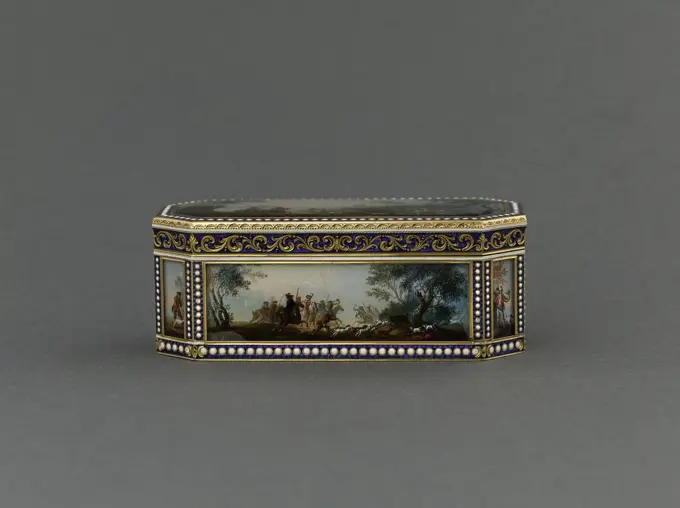
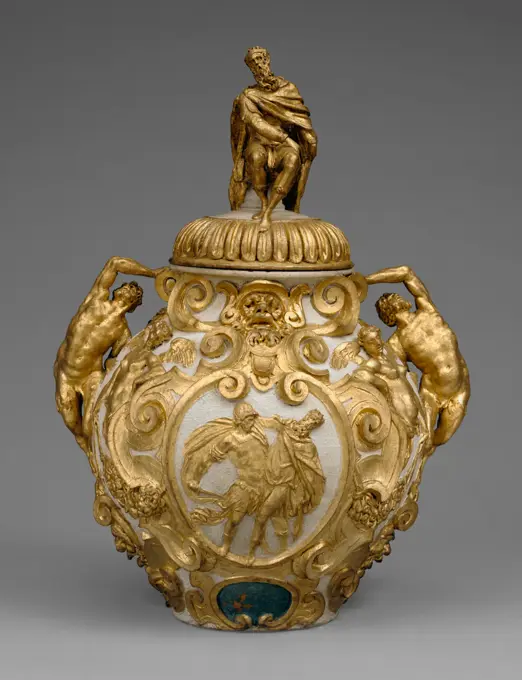
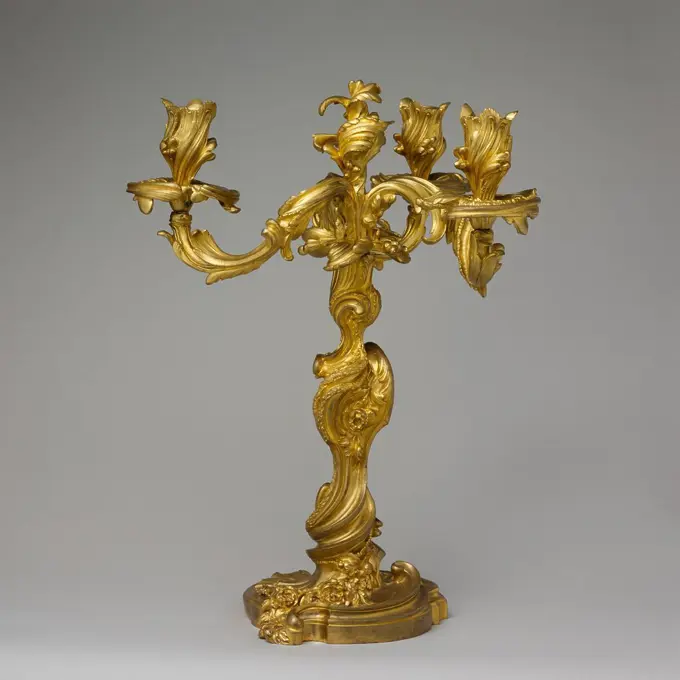
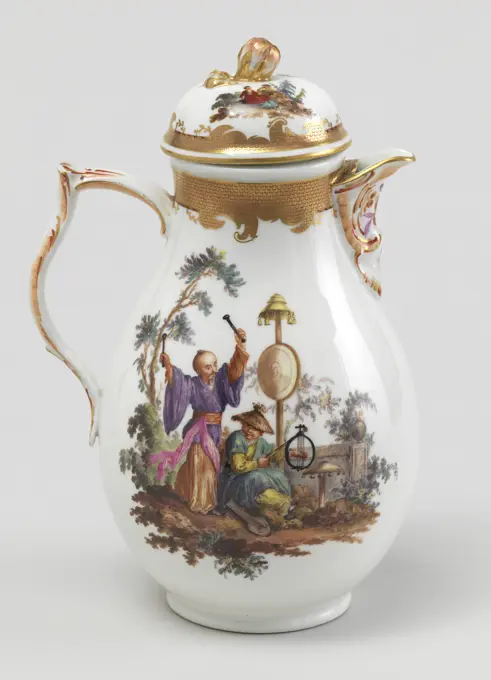
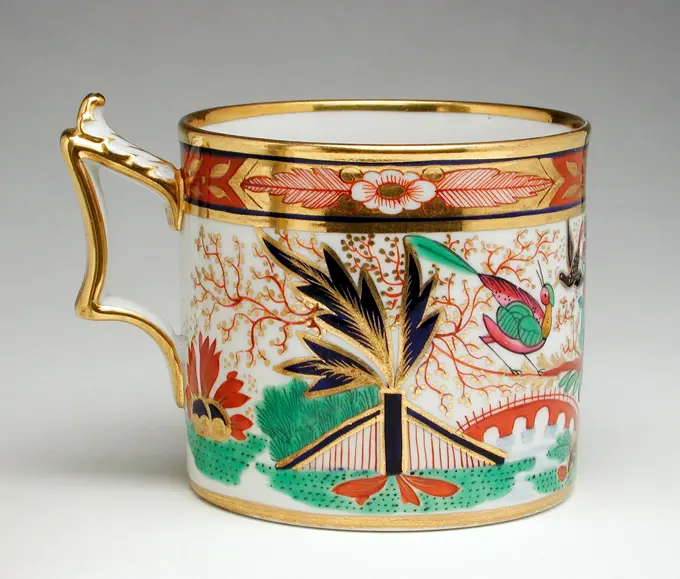
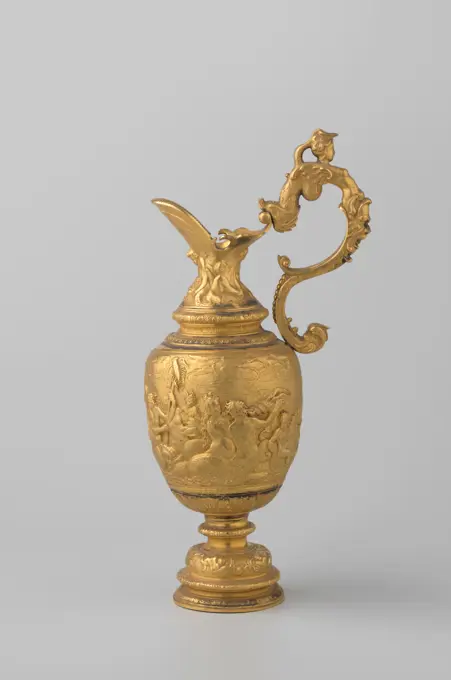
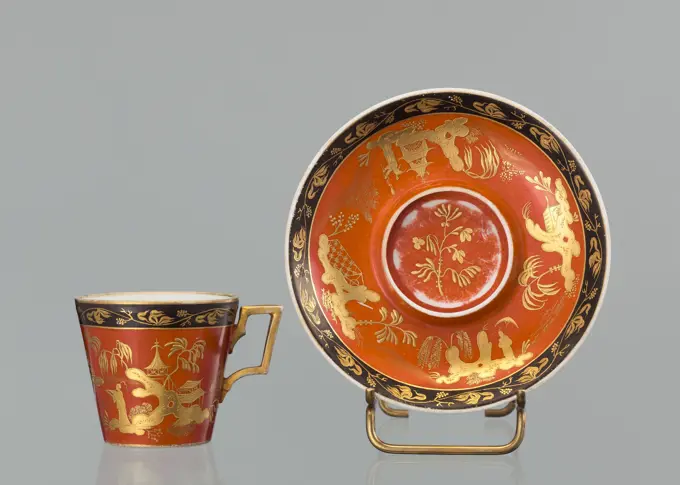
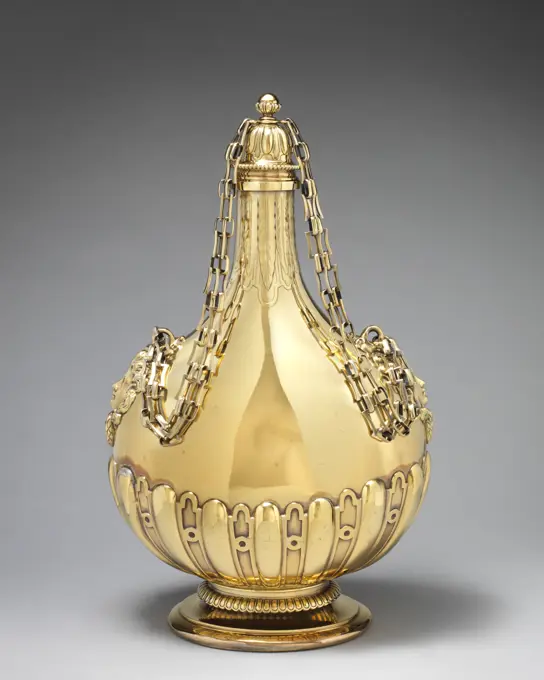
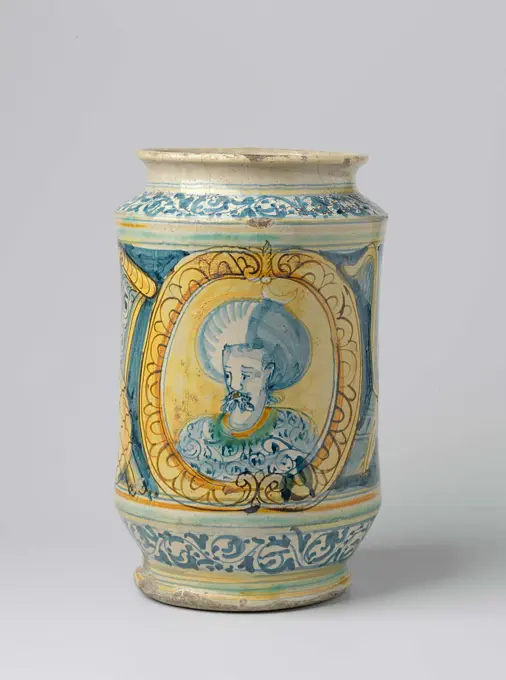
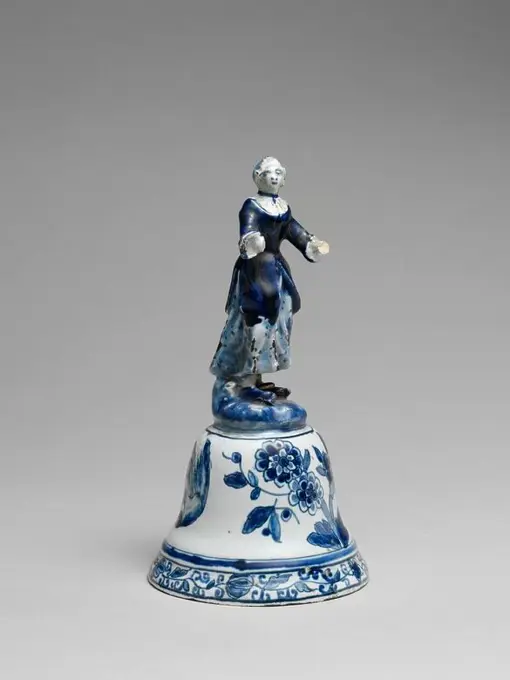
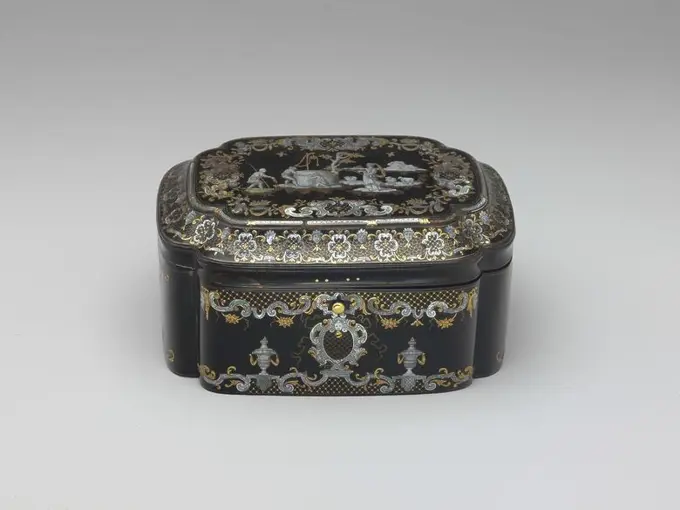
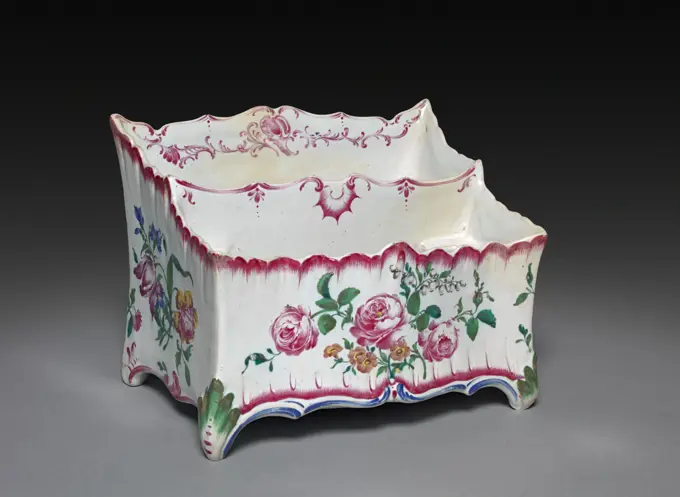
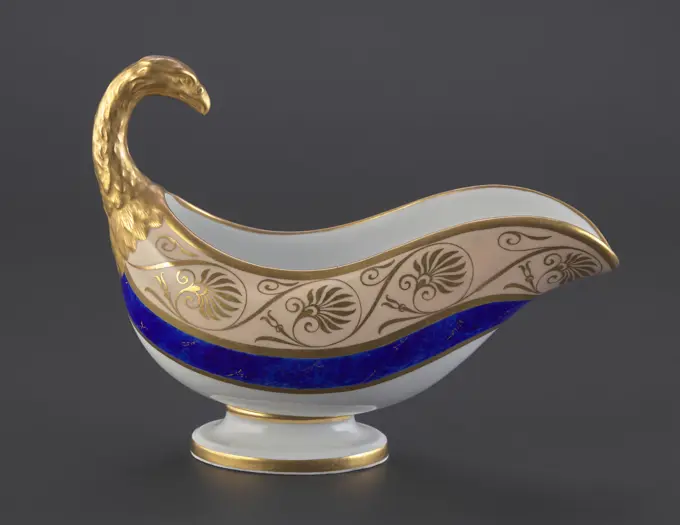
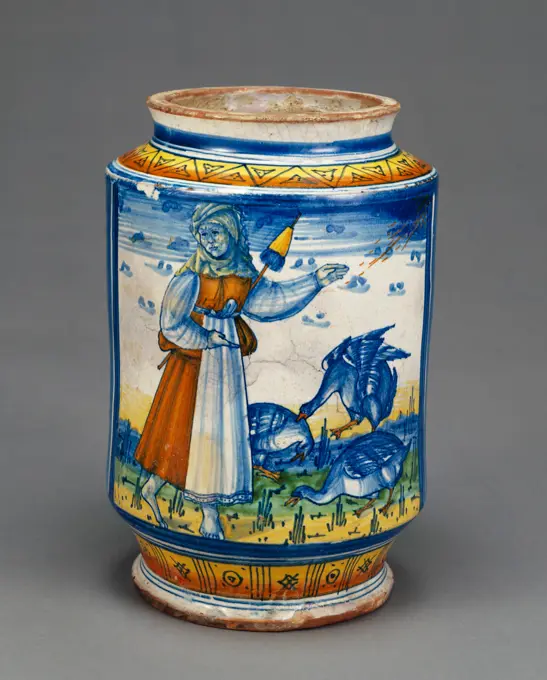
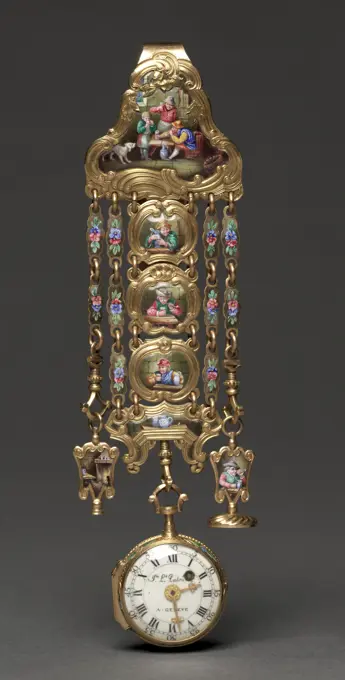
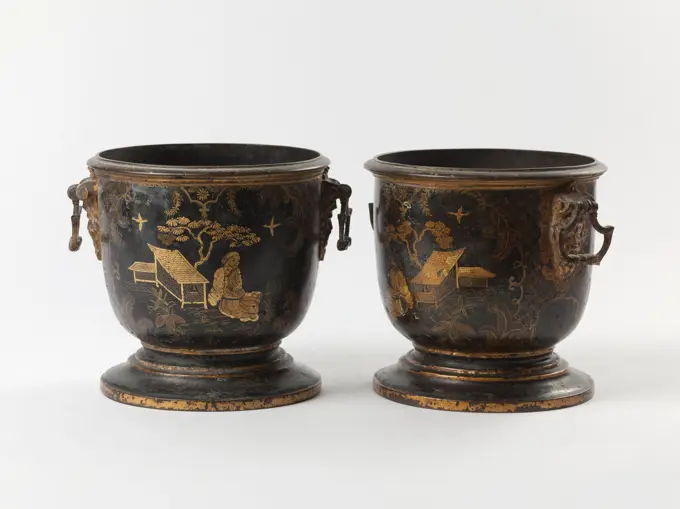
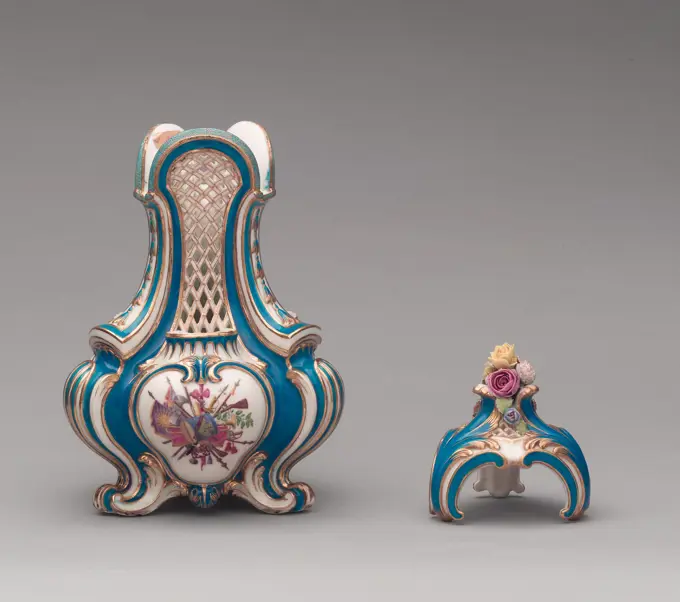
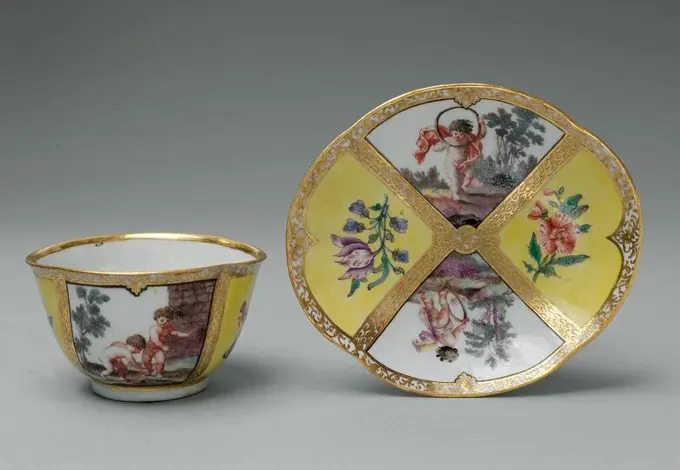
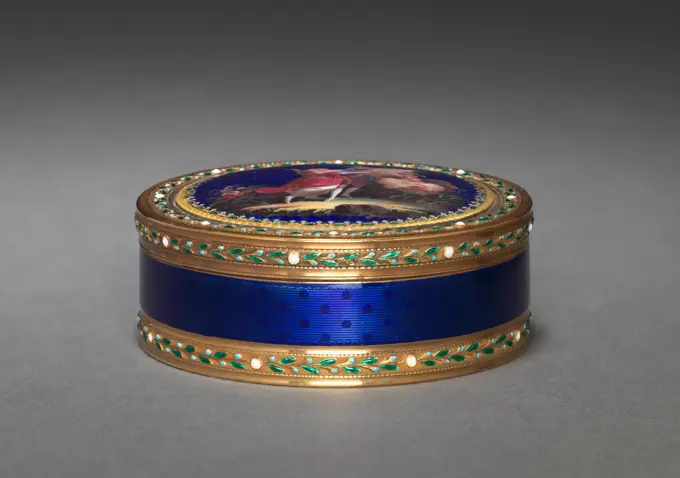
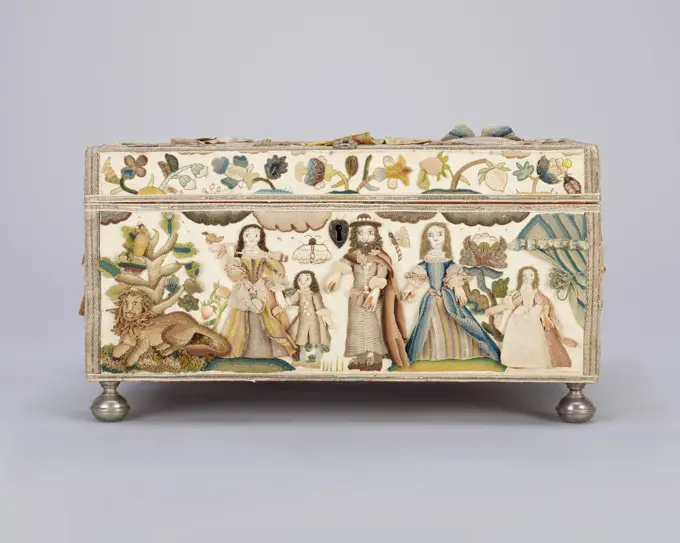
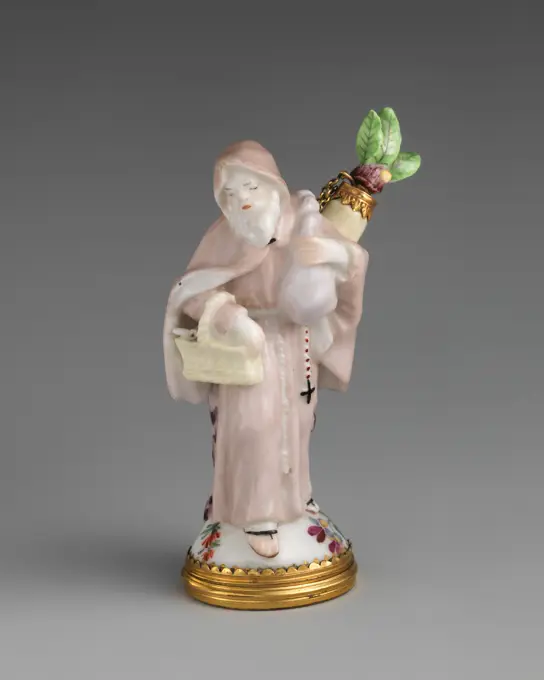
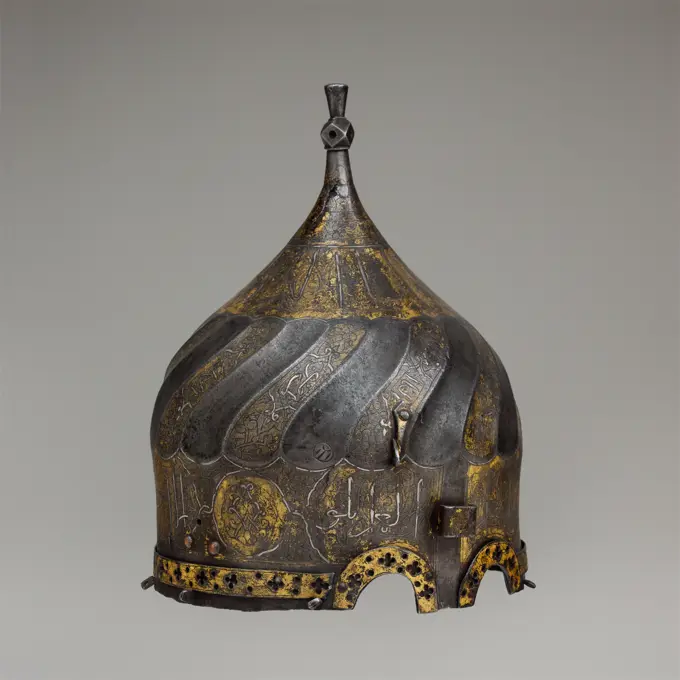
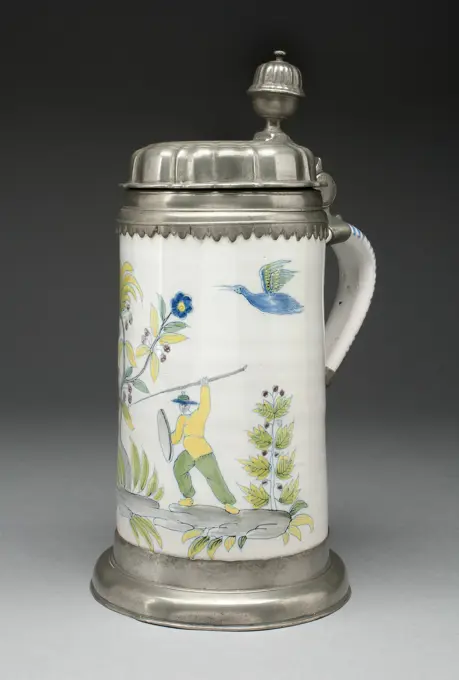
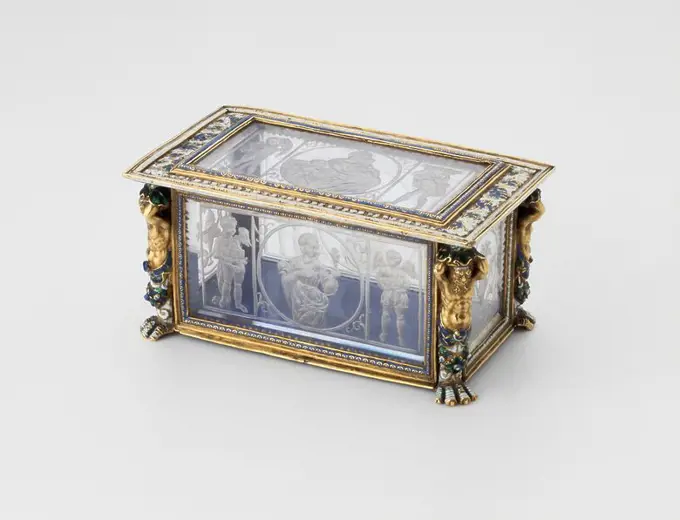
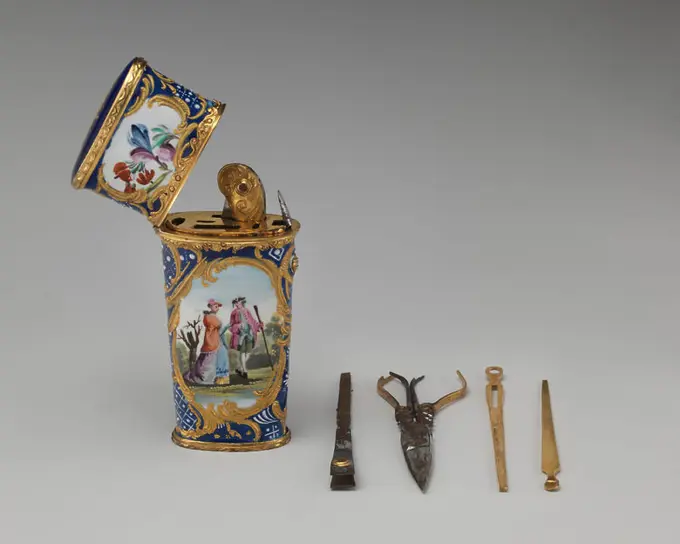
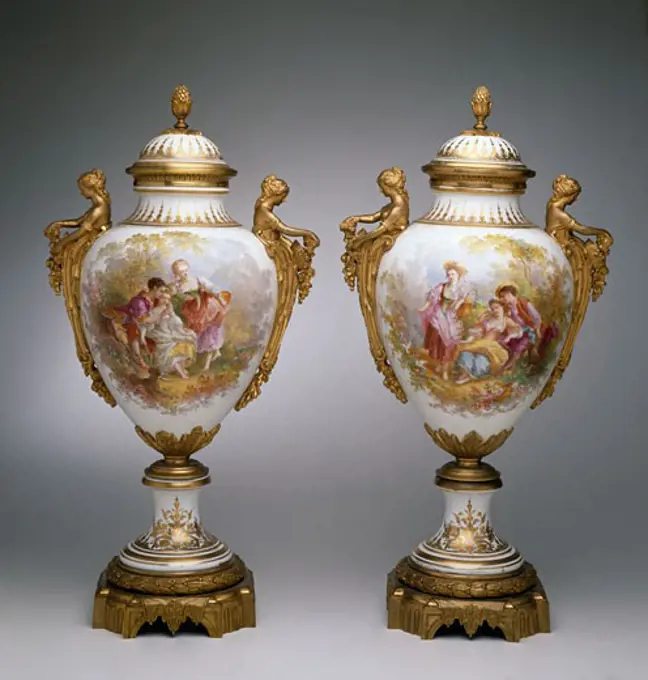
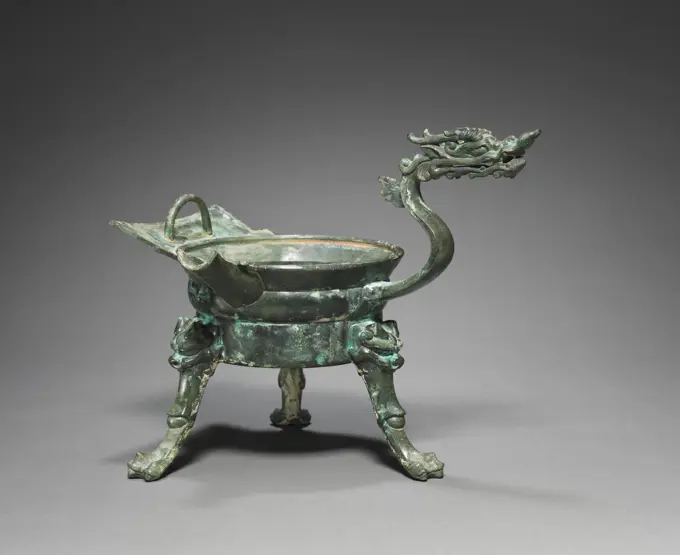
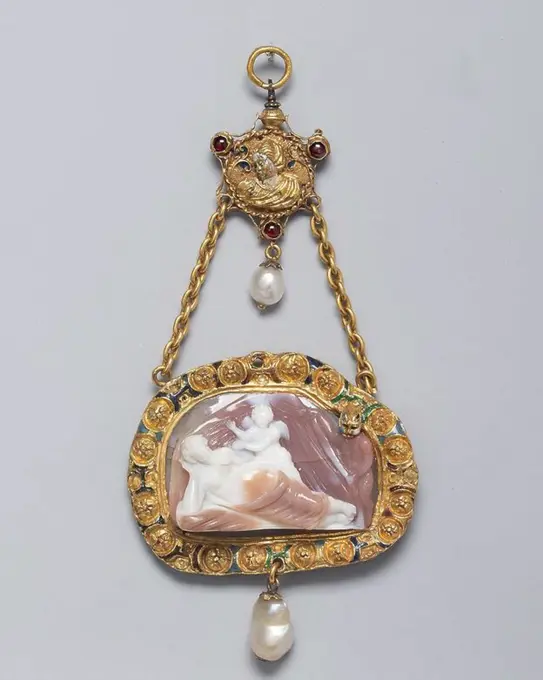
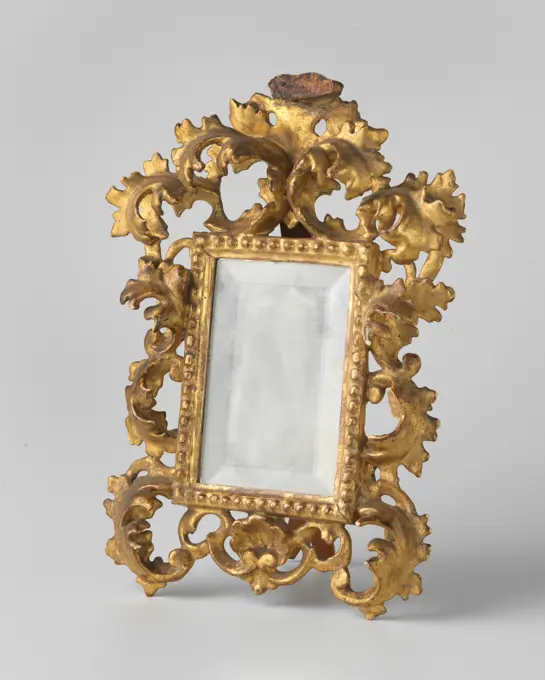
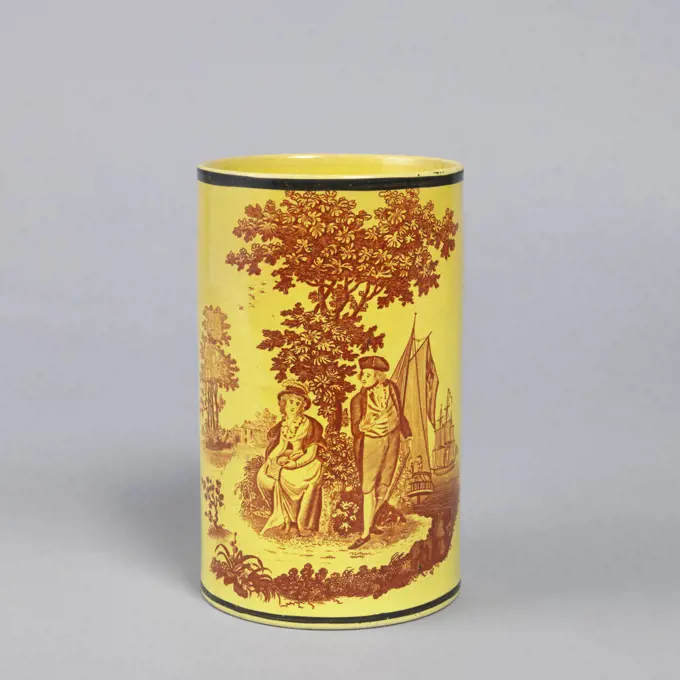
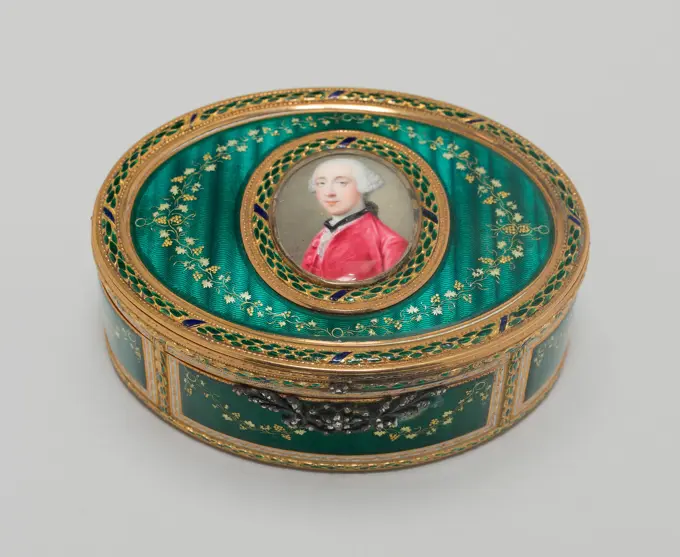
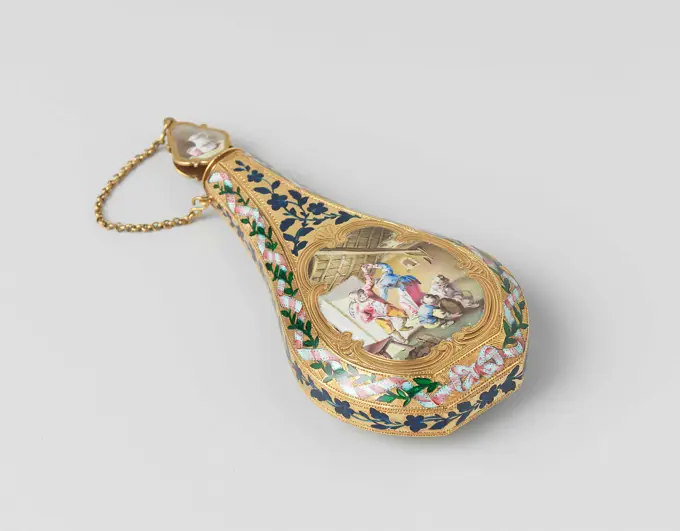
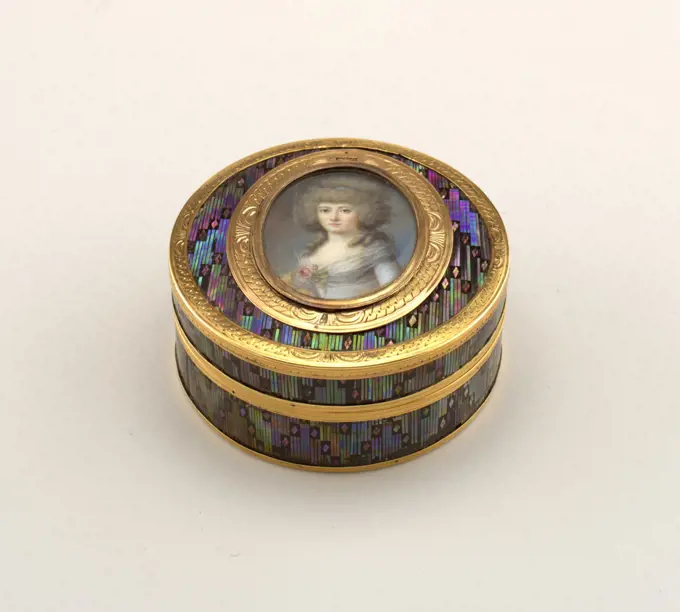
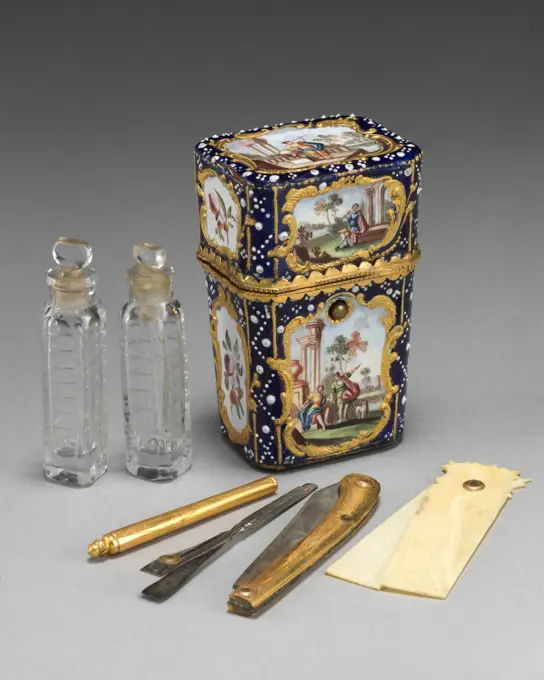
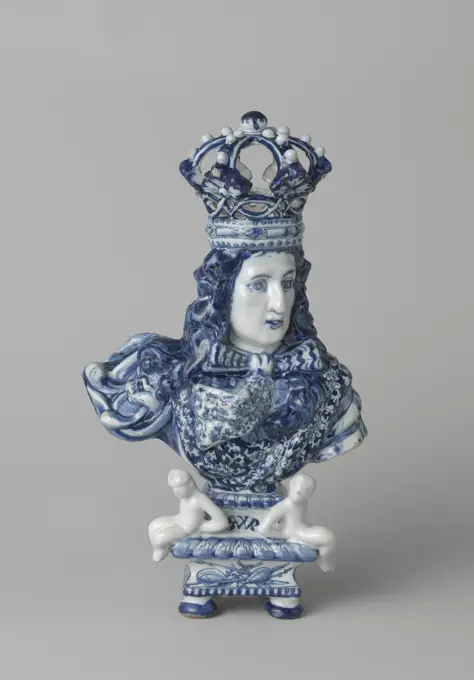
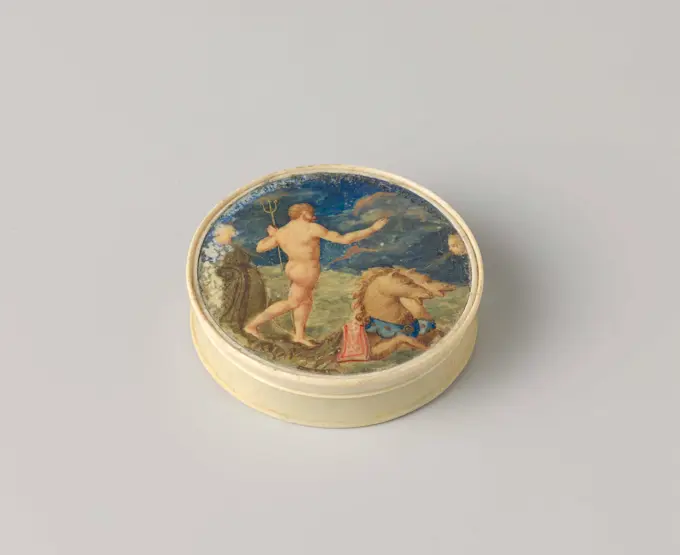
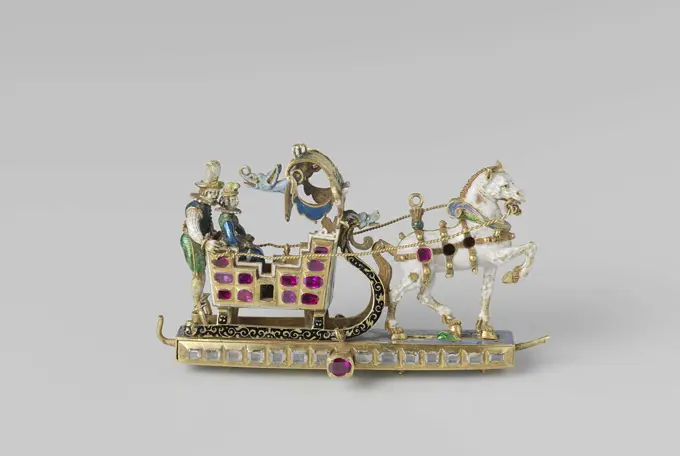
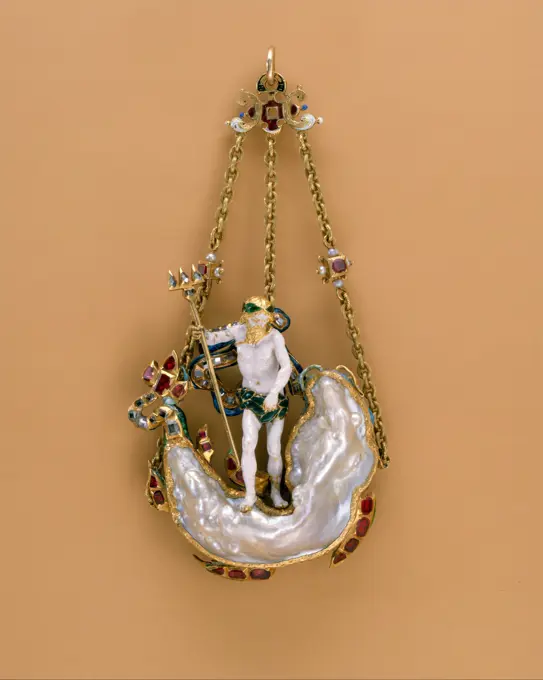
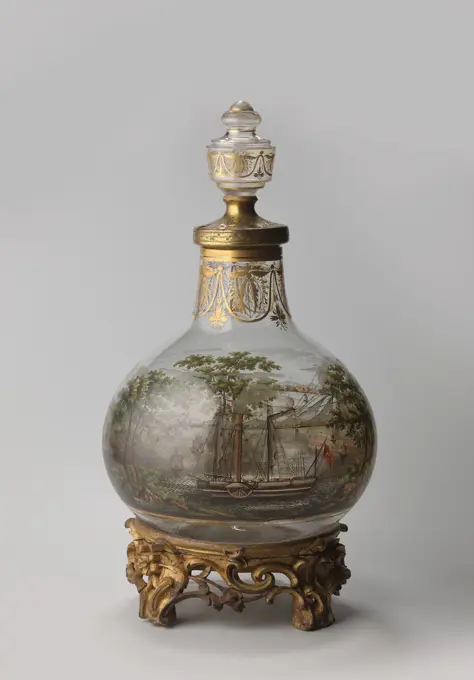
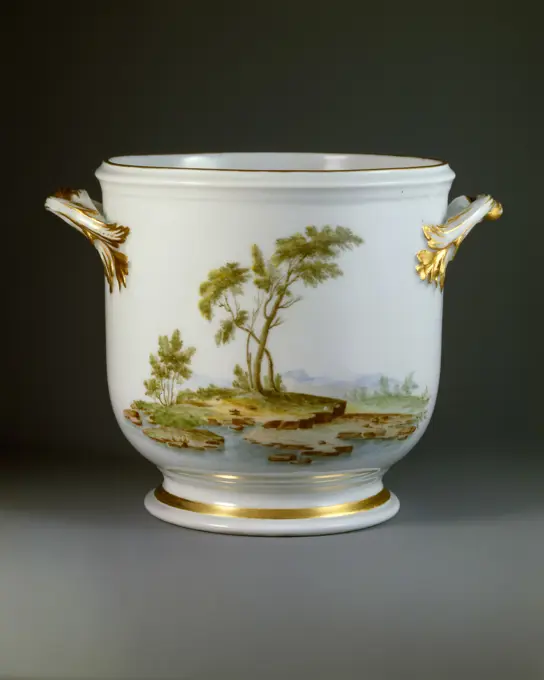
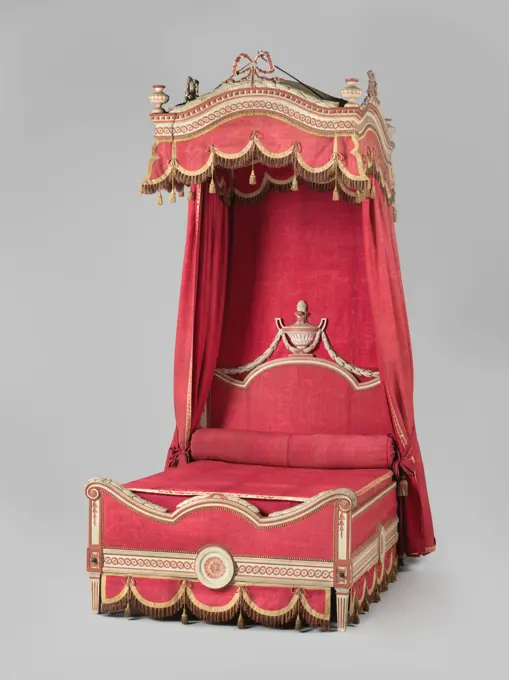
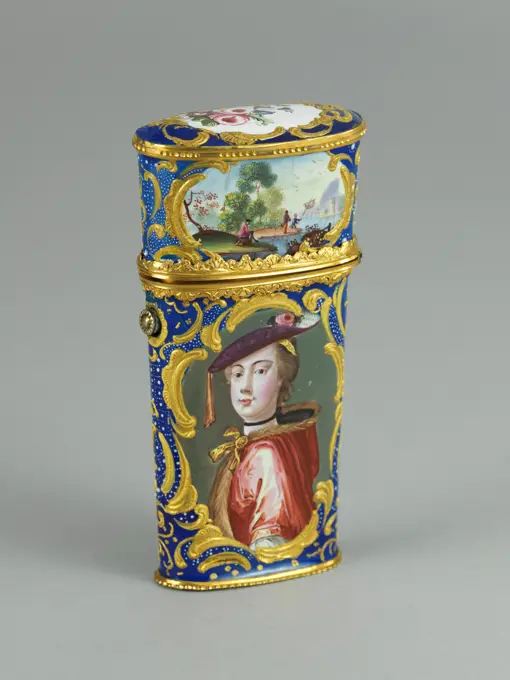
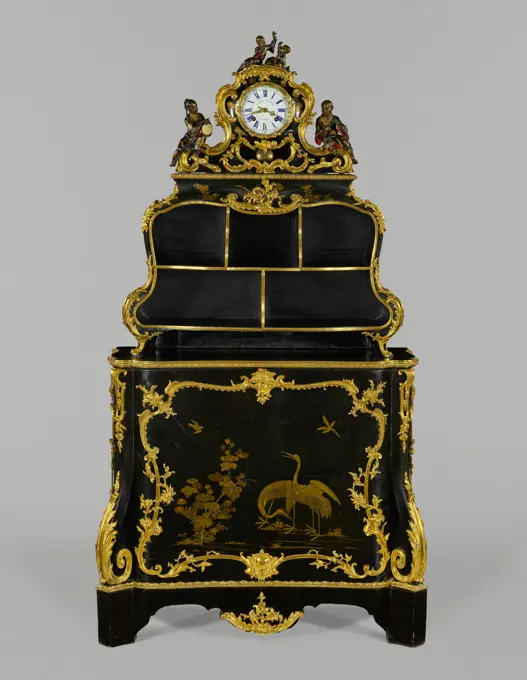
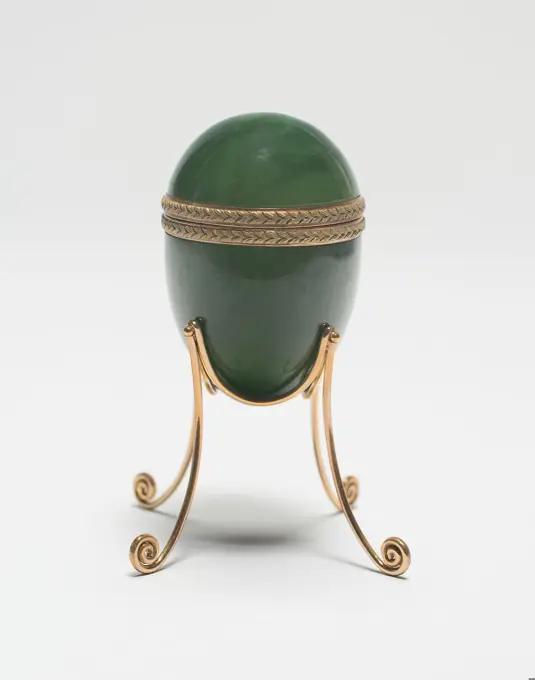
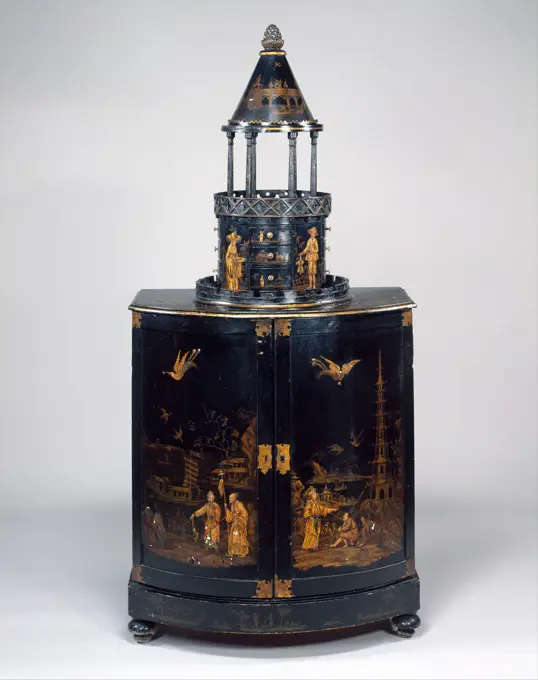
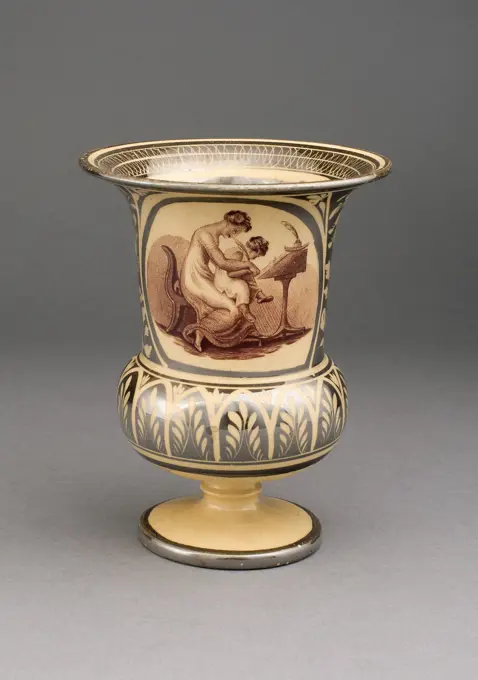
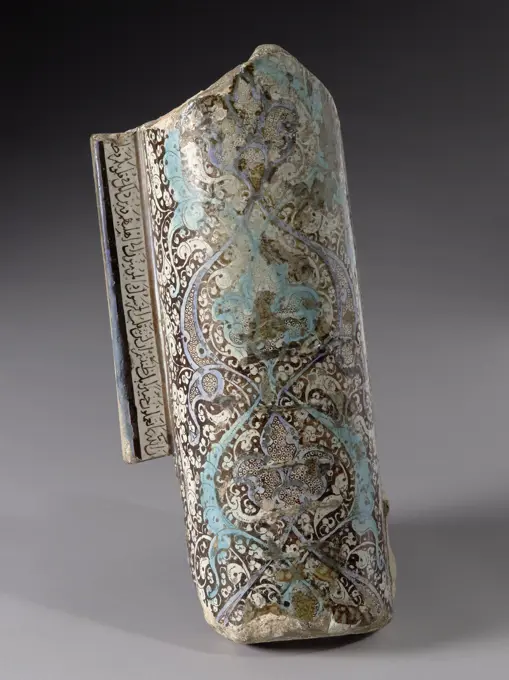
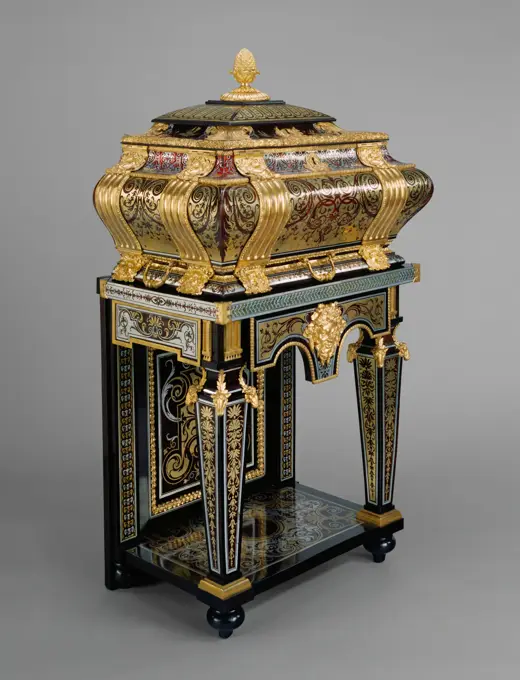
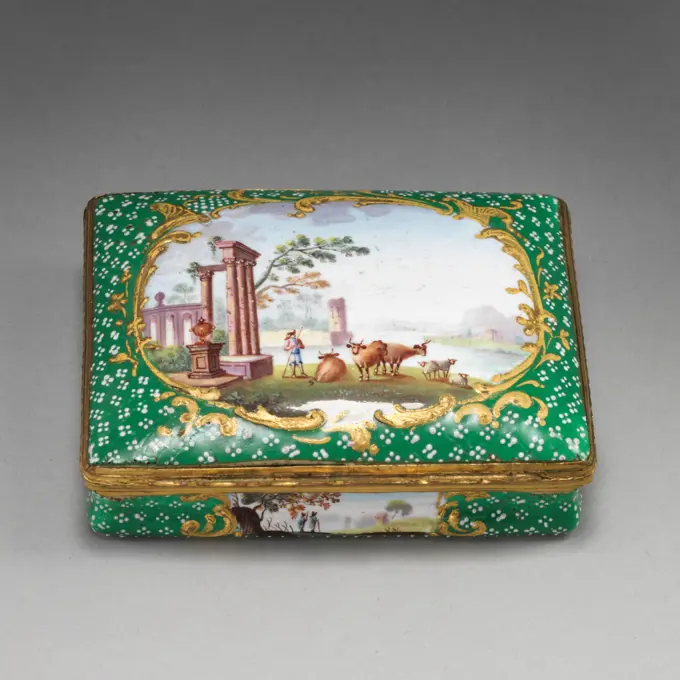
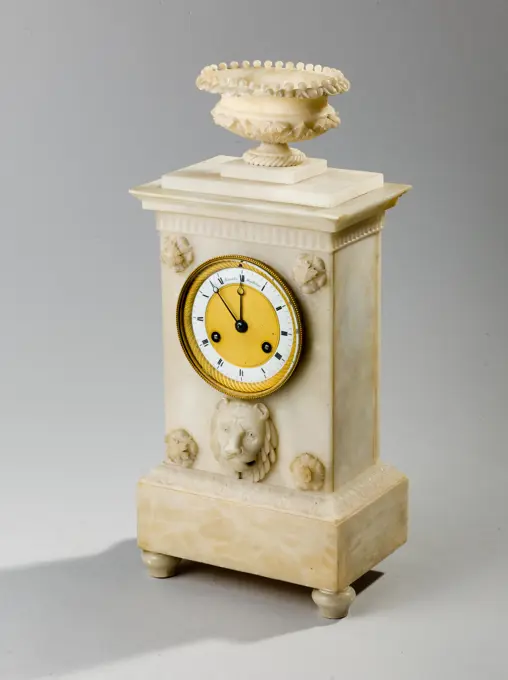
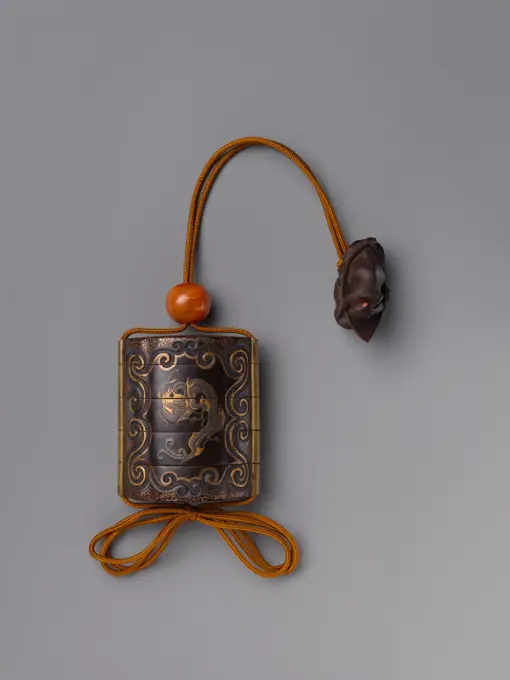
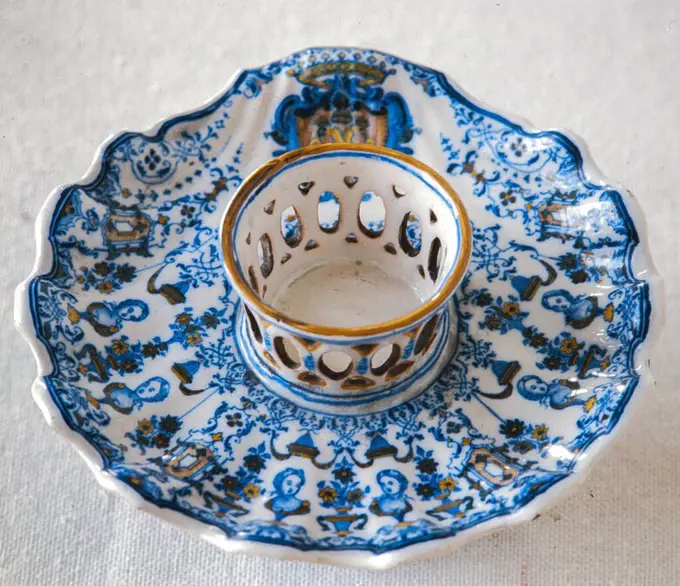
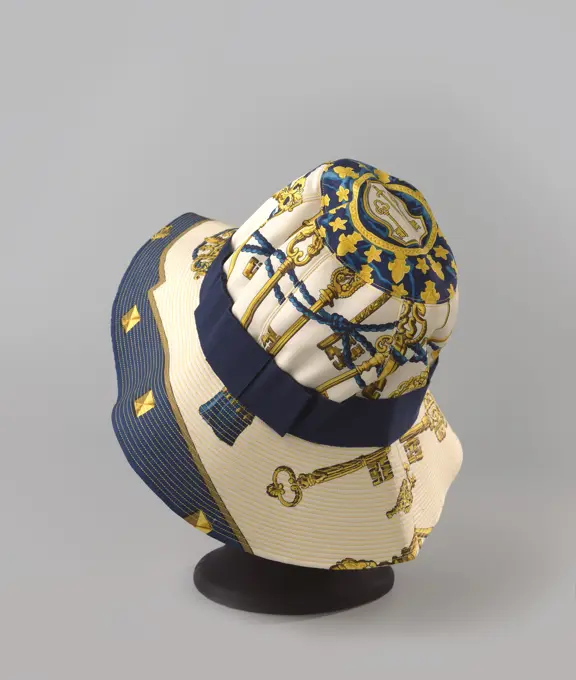
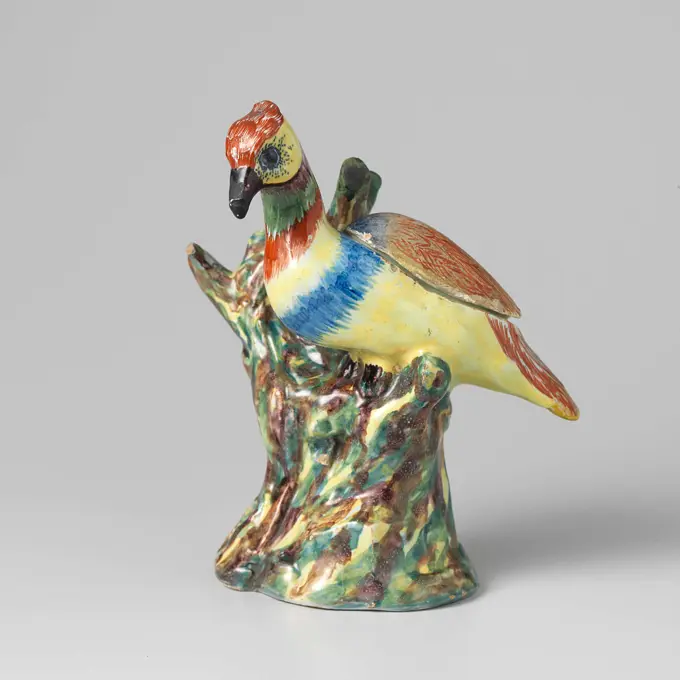
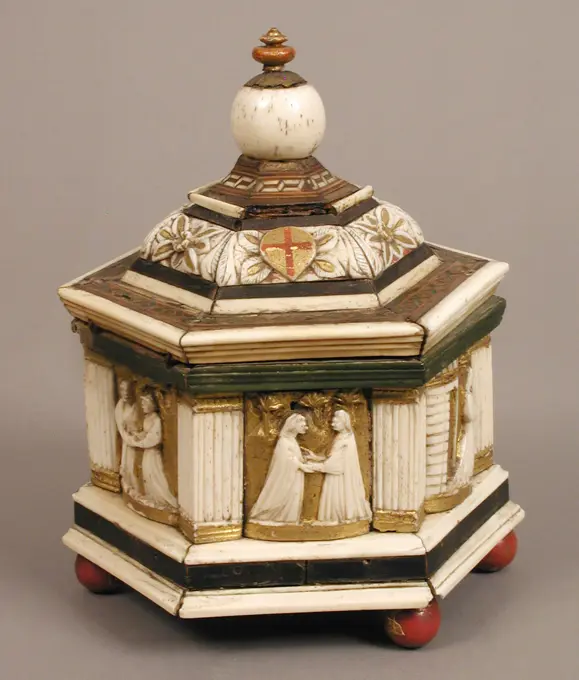
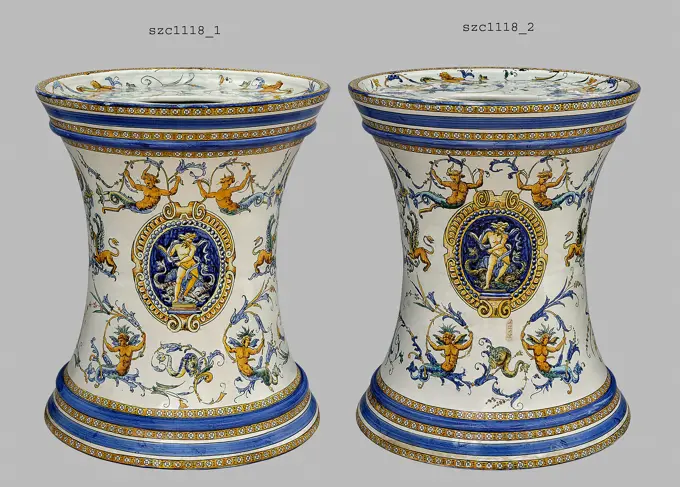
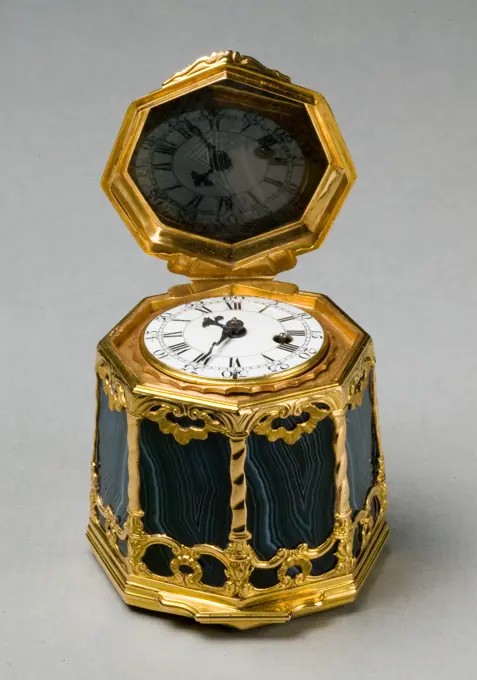
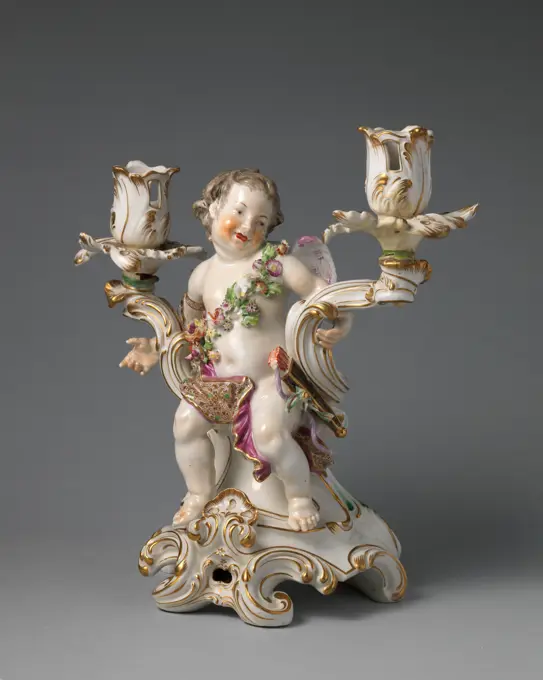
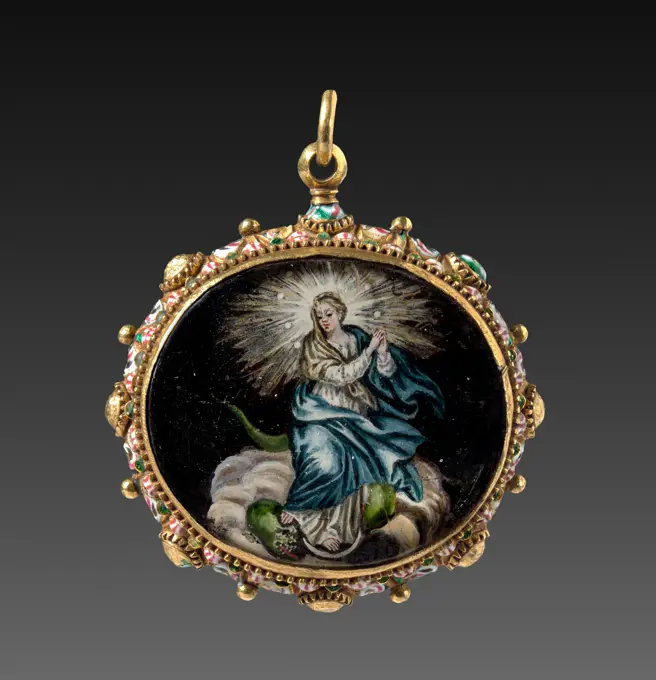
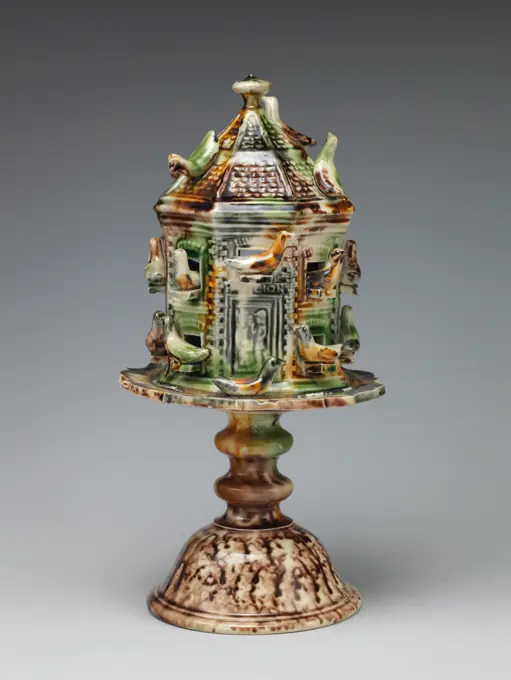
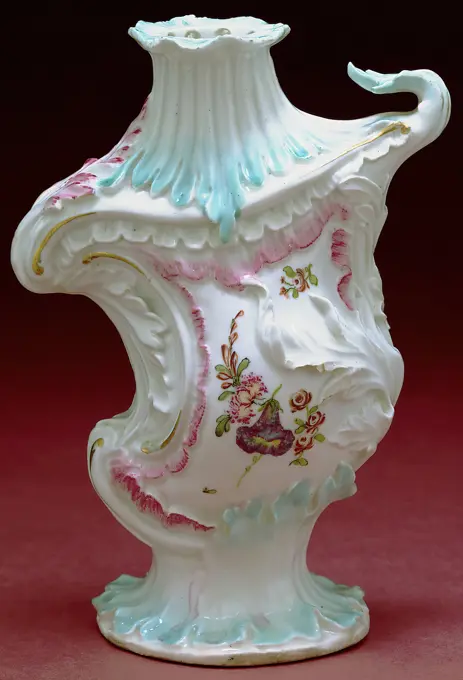
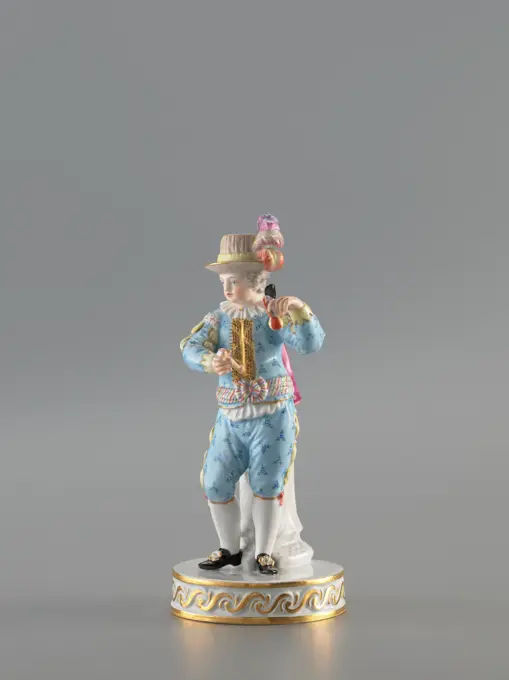
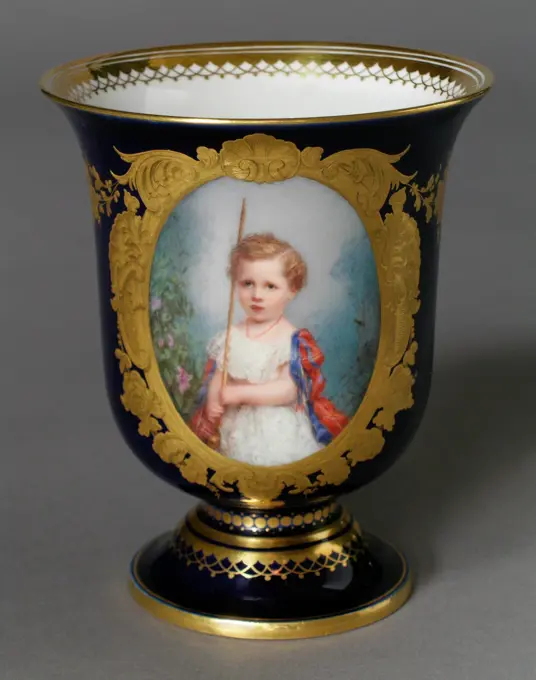
Cylindrical Stack of Food Boxes with Decoration of Autumn Fruits 17th century Japan. Cylindrical Stack of Food Boxes with Decoration of Autumn Fruits. Japan. 17th century. Gold maki-e on black lacquer. Edo period (1615-1868). LacquerDrug Jar for Mithridate. Attributed to Annibale Fontana (Italian, about 1540 - 1587)Pair of three-light candelabra. Culture: French. Dimensions: Each: H. 17 in. (43.2 cm); Diam. 14 in. (35.6 cm). Date: ca. 1760-65. Museum: Metropolitan Museum of Art, New York, USA.Coffeepot with Chinoiserie Vignettes Coffeepot; Manufactured by Royal Porcelain Manufactory, Berlin (Germany); Style of Jacques-Gabriel Huquier (French, 1730 - 1805); Germany; hard paste porcelain, vitreous enamel, goldCenterpiece (metal stand), 1792. William Pitts (British), Joseph Preedy (British). Silver and glass; overall: 35.9 x 39.4 x 27.3 cm (14 1/8 x 15 1/2 x 10 3/4 in.).. A confidante of the Russian empress commissioned this 140-piece service, several items of which are displayed here. Silversmith Odiot, the painter Prudhon and the architect Cavelier proudly presented the new models at the 1819 French national exhibition of decorative art. Notable are the kneeling angels supporting the soup tureen, which are characteristic of the late Empire style.Dessert Service (Coffee Cann). Flight, Barr & Barr (England, Worcester, 1813-1840). England, 1813. Furnishings; Serviceware. Porcelain, 'Japan' patternGalvanoplastic reproduction of a jug with parades of sea gods, fa. Elkington & Co., After 1861 - Before 1880 Galvanoplastic reproduction of a jug, driven, the handle consisting of a Zeenimmf and a dolphin; Around the neck, abdomen and the foot representations of triumphs and parades of sea gods. Gilded. London copper (metal). silver (metal) gilding Galvanoplastic reproduction of a jug, driven, the handle consisting of a Zeenimmf and a dolphin; Around the neck, abdomen and the foot representations of triumphs and parades of sea gods. Gilded. London copper (metal). silver (metal) gildingPedestal, possibly for a sculpture 16th century China. Pedestal, possibly for a sculpture 72357Teacup, c. 1755, 2-1/2 x 3-3/8 x 2-3/8, Porcelain, enamel, gilding, China, 18th century, This cup was part of a service made for the Seymour family, dukes of Somerset.Fili Anka with imitation Red Laki, a saucer with imitation Red Laki; Kaiserliche Porzellanmanufaktur in Wien (1744-1864); 1800 (1800-00-00-1800-00-00);Pilgrim bottle (one of a pair) 1869 Robert Garrard II This impressive pair of Victorian pilgrim bottles look back at a form derived from seventeenth-century wine bottles; these examples were only intended to be used as part of a grand display in the dining room. Garrard was one of the most important jewelers in London; in fact, Queen Victoria appointed Garrard the very first Crown Jeweler only a few years after his firm produced these bottles.. Pilgrim bottle (one of a pair). British, London. 1869. Gilded silver. Metalwork-SilverNécessaire ca. 1760-80 British, Staffordshire. Nécessaire. British, Staffordshire. ca. 1760-80. Copper, enamel. Enamels-PaintedPair of mules, anonymous, c. 1710 - c. 1730 Mile of Faïence. Multicolored painted with flower ornament. Delft . Mile of Faïence. Multicolored painted with flower ornament. Delft .Albarello with portrait man with mustache and turban. Cylindrical pot of blue and yellow painted majolica, with a stenced neck and foot. Paints are painted on the pot. In a box that is enclosed by two volutes, a man's portrait is painted. The man has a mustache and wears a turban on which a half moon.Handbell. Culture: Dutch. Dimensions: H. 1311 cm (5 3/16 in.) x Diam. 7 cm (2 3/4 in.), Wt. 100 g. Maker: Johannes Harlees (Dutch, Leiden active 1770-95 Leiden). Date: ca. 1770. Museum: Metropolitan Museum of Art, New York, USA.Mustard from the lid, Lemon, with birds in reserves; Baranówka (Porcelain Manufaktura; 1804-2012); around 1820 (1815-00-00-1820-00-00);Box with Rachel Meeting Jacob at the Well. Culture: Italian, Naples. Dimensions: Overall (confirmed): 3 7/16 x 6 9/16 x 4 9/16 in. (8.7 x 16.7 x 11.6 cm). Date: ca. 1730-50.The techniques of piqué incrusté (mother-of-pearl inlay) and piqué point-d'or (encrusted with miniscule gold nails) used to embellish this box originated in Naples during the late sixteenth century and reached their peak during the first half of the eighteenth century. Museum: Metropolitan Museum of Art, New York, USA.Flower Holder (Bouquetiere), 1765-1770. Sceaux Factory (French, active 1748-66). Faience; overall: 15.6 x 20.4 x 15 cm (6 1/8 x 8 1/16 x 5 7/8 in.).Sauceboat; Koenigliche Porzellan Manufaktur (KPM; Berlin; 1763-1918); 1837-44 (1832-00-00-1850-00-00);Cup and Saucer Made 1825-1855 Saint Petersburg. Porcelain with polychrome enamels and gilding . Russian Imperial Porcelain Factory (Manufacturer)Jar with a Woman and Geese. UnknownChatelaine Watch, mid 1800s. Switzerland, 19th century. Metal and enamel; overall: 16.5 cm (6 1/2 in.).Anonymous. Bucket. Painted sheet and golden iron, 1701. Paris, Carnavalet museum. 77641-1 Anse, Asian Decor, Dore, Gorn, Louis XIV Epoque, Iron, Landscape, Painted, Character, Content, Bul, Style Louis XIV, Tole, XVIIIEMStand with Floral Arch Stand; Manufactured by Meissen Porcelain Manufactory (Germany); porcelain, vitreous enamel, goldVase with cover (vase pot-pourri triangle) (one of a pair) ca. 1761 Sèvres Manufactory French This unusual form of vase, which appears to have been used either for pot pourri or for growing small bulbs, was produced in very small quantities. Only two other pairs of this model are known today.. Vase with cover (vase pot-pourri triangle) (one of a pair). French, Sèvres. ca. 1761. Soft-paste porcelain. Ceramics-PorcelainCup and saucer. Artist: After a print by Claudine Bouzonnet Stella (French, Lyons 1636-1697 Paris). Culture: Italian, Florence. Dimensions: Overall (cup .1): 2 × 3 1/8 in. (5.1 × 7.9 cm); Diameter (saucer .2): 5 in. (12.7 cm). Factory director: Marchese Carlo Ginori. Maker: Manner of Jacques Stella (French, Lyons 1596-1657 Paris). Manufactory: Doccia Porcelain Manufactory (Italian, 1737-1896). Date: ca. 1750-55. Museum: Metropolitan Museum of Art, New York, USA.Lid of box in the shape of a duck. Lid of box of painted porcelain, cup and back of a duck. The duck is partially painted in blue, brown, gray, violet and black; The head in violet and blue gray with a light red beak.Box, 1700s. France, 18th century (style of Louis XVI). Gold and enamel; diameter: 2.6 x 7 cm (1 x 2 3/4 in.).Dressing Box Depicting the Finding of Moses and Scenes from Abraham and Hagar Made 1658-1678 England. Wooden box; covered with silk, satin weave; appliquÈd with silk and linen, plain weaves and twill plaited tapes; embroidered with silk, metal threads, and linen in a variety of stitches; laid work, buttonhole couching, couching, and French knots; mica and pearls; edged with woven tape; silver feet .Friar with basket and sack ca. 1755 Chelsea Porcelain Manufactory Listen to experts illuminate this artwork's story Listen Play or pause #413. Retail Value. High and Low Supported by Bloomberg Philanthropies We're sorry, the transcript for this audio track is not available at this time. We are working to make it available as soon as possible.. Friar with basket and sack. British, Chelsea. ca. 1755. Soft-paste porcelain. Chelsea Porcelain Manufactory (British, 1745-1784, Red Anchor Period, ca. 1753-58). Ceramics-PorcelainTurban Helmet late 15th century-1st quarter 16th century Turkish, possibly Istanbul, in the style of Turkman armor Helmets of this type are usually called turban helmets because of their large bulbous shape and the flutings that imitate the folds of a turban. Because certain dervish groups wore turbans wound with a prescribed number of folds to represent an important mystical number, it is likely that turban helmets were regarded not merely as armor but also a kind of religious insignia, their very shape marking the wearer as a fighter in the Holy War.Turban helmets, together with mail-and-plate armor of matching decoration, were intended for the heavy cavalry and are recorded as early as the fourteenth century. This example appears to have belonged to the dynasty of the Aq Quyunlu (White Sheep Turkoman) that ruled northwestern Iran and Anatolia in the fifteenth century. The inscriptions, damascened with gold and silver, glorify temporal rulers, wish the owner well, or give advice on hBoy gardener ca. 1760 Chelsea Porcelain Manufactory. Boy gardener. British, Chelsea. ca. 1760. Soft-paste porcelain. Chelsea Porcelain Manufactory (British, 1745-1784, Gold Anchor Period, 1759-69). Ceramics-PorcelainMirror Frame, mid 1500s. Germany, 16th century. Boxwood with various inlaid stained wood; overall: 11 x 8.9 cm (4 5/16 x 3 1/2 in.).Tankard 1715-1725 Germany. Tin-glazed earthenware (faience) and pewter .Rock Crystal Casket. Italian. Date: 1500-1550. Dimensions: 4.2 × 8.4 × 4.9 cm (1 5/8 × 3 5/16 × 1 15/16 in.). Plaques: rock crystal; mount: enamel and gold. Origin: Northern Italy. Museum: The Chicago Art Institute, Chicago, USA.Georges-Antoine Croze (born in 1777). Rectangular panel rectangular box in chopped gold and enamelled with hunting subjects. 1775. Paris, Cognacq-Jay museum. 56022-3 Rectangular box, hunt, chop, cut, horse, email, gold, scene hunting, cynegetic subject, animal, dogHanukkah lamp. Culture: German, Hamburg. Dimensions: Overall: 13 1/2 × 10 1/2 in. (34.3 × 26.7 cm). Date: 17th century. Museum: Metropolitan Museum of Art, New York, USA.Nécessaire. Culture: British, Staffordshire. Dimensions: Overall (confirmed): 3 1/4 × 1 7/16 × 13/16 in. (8.3 × 3.6 × 2.1 cm). Date: ca. 1760-1800. Museum: Metropolitan Museum of Art, New York, USA.Covered Box with Floral Spray. Vietnam, about 1450-1550. Furnishings; Accessories. Wheel-thrown stoneware with cream slip, underglaze blue painted decoration, and clear glazeCandlestick (one of a pair) China Qing dynasty (1644-1911), Qianlong period (1736-95)Sevres urn antiquesTripod Container with Dragon-Head Handle (Zhadou), 500s. China, Southern and Northern Dynasties period (386-589). Bronze; overall: 22.8 cm (9 in.); diameter of mouth with rim: 15.5 cm (6 1/8 in.).Cameo of Venus and Cupid, Probably a Hat Badge Mounted as a Pendant. Italian. Date: 1575-1600. Dimensions: 10.8 × 4.9 cm (4 1/4 × 1 15/16 in.). Gold, chalcedony, enamel, pearls, and glass. Origin: Northern Italy. Museum: The Chicago Art Institute, Chicago, USA.Furniture. Mirror in a gold-plated list. The newly cut glass is caught in a pearl table, one of the ajour sliced large leaf volutes, alternated at the bottom with a shell pattern, are arranged.Mug, Red transfer on stoneware, Depiction of couple in landscape. Woman seated and man standing looking towards her. Trees in background; sea and ship dock to right on yellow. Black rim above and on handle., France, 18th-mid-19th century, ceramics, Decorative Arts, MugTrinket Box 1830-70 American. Trinket Box 8818. Gold, enamel, and brilliants .Cup of Wrocław Riflemens Society in a leather case + 1 case without contents. unknown, goldsmith, Hiller, Joachim (fl. 1573-1610), engraverFuss bottle of gold, flattened pear-shaped, with scenes in Émail on both sides in Émail: a farming kitchen interior and a tree .. vial of gold, flattening pear-shaped with scenes in email on both sides. A farming kitchen interior and a farming dance. The gold lid consists of an enamelled picture.Snuffbox mounted with two miniatures, Mother-of-pearl, chased gold, inlaid lacquered tortoiseshell, hand-painted watercolor on ivory, glass, Box, circular, with detachable cover; black lacquer on papier maché inlaid with all-over diaper design in mother-of-pearl with green, blue and purple iridescence; on cover, within gold frame, a hinged oval miniature of a lady in a blue gown, on ivory under glass; a concealed spring releases this and discloses a hidden miniature of a man with powdered hair wearing the blue ribbon of an order and an ermine bordered red robe, painted on ivory, under glass in a very narrow gold frame; border of cover and of main miniature gold engraved with guilloche design; plain molded gold rims; box and cover lined with tortoiseshell., Paris, France, 1768-75, containers, Decorative Arts, Snuffbox mounted with two miniaturesFlower vase in the shape of tree trunk; painted with decorative plants, birds, insects and two three-dimensional insect appliqués in the porous holes in the trunk". unknown, craftsmanFootsteak with profiled drum and lid. The object has an inner box and consists of a drum with a lid that is attached to this by means of a hinge, two handle tips and a handle with a wooden handle. The profiled drum and dexture have a slight diamond-shaped circumference, enliven by double faco ladies. The wall is decorated with stabbed and partly driven floral motifs against a punched back wall. In the convex lid, small motifs are cut out which make a star-shaped pattern in the middle. A footman is clocked on the lid. The soil has been renewed and reinforced with iron parts and therefore slightly off the floor. The DEKSLE has been restored along the edge. Handle and handle are replacements from later time.Goldsmith's art, Italy, 17th century. Silver and gilded bronze Saint George and the Princess, late 1600, attributed to Lorenzo Vaccaro (1655-1706).Hexagonal Lantern With Pierced Sides. Porcelain lantern with openwork walls, painted on biscuit in blue, green, yellow, eggplant and black. The walls are opened in the form of a medallion with Swastika symbol, around them three dragons and loose flowers on a speckled, green soil; The top with a cut-away medallion with a bond with ruyi motif and large butterflies and flower branches against a speckled, green soil. The foot with a band zigzag work and curling work. Email sur biscuit with famille verte colors.Lidded Vessel with Royal WomanSnuffbox with scenes of putti at play 1770-71 Pierre François Drais French In eighteenth-century Europe, Paris led the production of high-quality luxury goods. Parisian goldsmiths made a wide range of small, personal articles such as snuffboxes; étuis to hold sealing wax, tweezers, or utensils for sewing; souvenirs, which contained thin ivory tablets for note taking; and shuttles for knotting lace. Gold snuffboxes and boxes decorated with portrait miniatures were prized and frequently given as royal gifts, often to ambassadors or members of the court in lieu of cash payments for their services. Coveted and admired, these boxes were produced from a variety of materials. The best were skillfully made of gold and embellished with diamonds, enameled decoration, lacquer, and other luxurious materials. By the middle of the century, the taking of snuff had become an entrenched social ritual, and the snuffbox, too, had become an important social prop. Snuffboxes were considered highly fashionaPair of Bottles. Tiffany & Company (United States, New York, 1837-present). United States, circa 1888. Furnishings; Accessories. Porcelain, enamel, gildingNécessaire ca. 1760-1800 British, Staffordshire. Nécessaire. British, Staffordshire. ca. 1760-1800. Enameled copper. Enamels-PaintedCup and Saucer (gobelet litron), 3rd size. Sèvres Manufactory, manufacturer (French, founded 1756) about 1790Pedestal 18th century John Turner. Pedestal. John Turner (active 1762-86). British, Staffordshire. 18th century. Jasperware. Ceramics-PotteryHexagonal lantern with pierced sides, anonymous, c. 1700 - c. 1724 Lantern of porcelain with openwork walls, painted on biscuit in blue, green, yellow, eggplant and black. The walls are open in the form of a medallion with Swastika symbol, around three dragons and loose flowers on a speckled, green soil; The top with an open-up medallion with a band with Ruyi motif and large butterflies and flower branches around it against a speckled, green soil. The foot with a tire zigzag work and curl. Email sur biscuit with family distance colors. China porcelain. glaze. painting / vitrification Lantern of porcelain with openwork walls, painted on biscuit in blue, green, yellow, eggplant and black. The walls are open in the form of a medallion with Swastika symbol, around three dragons and loose flowers on a speckled, green soil; The top with an open-up medallion with a band with Ruyi motif and large butterflies and flower branches around it against a speckled, green soil. The foot with a tire zigBox, 1700 - 1800 Box of boxwood wood in the form of a lion where a dragon and an angel hold a coat of arms on which a crowned eagle and two lions (Arnhem). A mirror in the lid.  boxwood (hardwood). paint (coating) Box of boxwood wood in the form of a lion where a dragon and an angel hold a coat of arms on which a crowned eagle and two lions (Arnhem). A mirror in the lid.  boxwood (hardwood). paint (coating)Bust of King-Stadtholder William III, De Metaale Pot (attributed to), c. 1695 - c. 1700 Bust of Faïence of Stadholder-King Willem III. Delft . Bust of Faïence of Stadholder-King Willem III. Delft .Ivory box with a miniature of Neptunus that brings the waves. Round ivory box with a lid painted on both sides. Exterior: naked man with a left hand and right hand pointing to the front (Neptune), to the right standing on a car with a weapon (van Amsterdam), drawn by 2 horses at sea, with l. and r. 2 blowing faces; Upper edge text. Inside: top part text, (see inscription). Benefit underneath: Under- or ascending sun with a small side of small boat. The representation of Neptunus balance the sea has been taken from a medal beaten by the city of Amsterdam in 1696.. Hanger of gold. Suffering a Arrenslee drawn by a horse. In the sled is a woman and behind her is the MENNER.Pendant in the Form of Neptune and a Sea Monster early 17th century probably Netherlandish This pendant is a typical example of the kind of jewelry that was fashionable during the last half of the 16th and beginnings of the 17th century in which natural materials such as (semi-) precious stones, choral and pearls were combined with precious metals and colorful enamel. In this pendant, the shape and provenance (the water) of the pearl are cleverly used as inspiration for its design in which the pearl forms the main body of a sea monster and is surmounted by the figure of the Roman sea god Neptune.. Pendant in the Form of Neptune and a Sea Monster. probably Netherlandish. early 17th century. Baroque pearl with enameled gold mounts set with rubies, diamonds, pearlsGoldfish bowl with three ships, Anonymous, c. 1825 - c. 1850 Flat bottom, spherical body, transfer in a short neck. The bowl painted with a road boat and two warships in a bay; In the foreground rocks and tree groups, in the background a hilly coast with houses. Along the top edge a garland in white and gold. Made for the Dutch market. Bohemen (possibly) glass. metal glassblowing / gilding Flat bottom, spherical body, transfer in a short neck. The bowl painted with a road boat and two warships in a bay; In the foreground rocks and tree groups, in the background a hilly coast with houses. Along the top edge a garland in white and gold. Made for the Dutch market. Bohemen (possibly) glass. metal glassblowing / gildingWine cooler (seau à demi-bouteille) (one of a pair) ca. 1751-52 Vincennes Manufactory French In 1745 the company of shareholders in the Vincennes factory was granted a privilege by Louis XV for the exclusive production in France of porcelain "in the manner of Saxony, painted and gilded, with human figures." It is thus not surprising to encounter Meissen influence in both the forms and decorations of early Vincennes pieces. A well-established Meissen formula of the 1730s and early 1740s was the gold-banded cartouche enclosing a pictorial subject; at Vincennes this was adopted about 1749-52 for use mainly on coolers for wine bottles and glasses, which were painted with landscapes incorporating figures or humble cottages in the Dutch manner. By about 1752, however, the presence at Vincennes of the model designer Jean-Claude Duplessis and the painter Francois Boucher was leading the factory in a new direction, and the bottle cooler and its mate mark the transition. On both sides of each arStanding mirror. Acquired by the artist at the World's Fair 1900 in ParisBottle with flower drinks, shrinks and polka dot and dot ornament. Flat bottom, rectangular, blown in shape with profiled corners with in yellow, blue, white, green and red styled flower reflections on the front and back and shrinks and polka dot and dot ornament on the narrow sides and corners. The neck is caught in a tin frame. With vaulted screw cap.Parts belonging to Hemelbed with red woolen fabric, with passions and fringes, anonymous, c. 1775 - c. 1800 Seven parts belonging to the heaven bed with red woolen fabric, with passions and fringes, consisting of: heaven (described below); Two curtains made of red woolen fabric, with passions; two embasses of red woolen fabric; Spread of red woolen fabric with passions; One fragment red woolen fabric. Netherlands Heaven: Wood (plant material). Heaven: Pine (Wood). Heaven: Linden. upholstery: wool. Iron (Metal). Passement: Linen (Material). Passement: Silk. Cardboard. Heaven: Paint (coating) Seven parts belonging to the heaven bed with red woolen fabric, with passions and fringes, consisting of: heaven (described below); Two curtains made of red woolen fabric, with passions; two embasses of red woolen fabric; Spread of red woolen fabric with passions; One fragment red woolen fabric. Netherlands Heaven: Wood (plant material). Heaven: Pine (Wood). Heaven: Linden. upholstery: wool. Iron (MManufactures of the South Staffordshire, Etui-Nécessaire Les Faners (main title), 1760. Enamelled copper, blue background. Petit Palais, Museum of Fine Arts of the City of Paris.Cartonnier with Bout de Bureau and Clock.Miniature Box with Lid in the form of an Egg and Stand 1895-1905 Saint Petersburg. Nephrite and gold mounts . Henrik WigströmBow-fronted cabinet ca. 1760-65 British. Bow-fronted cabinet 205744Vase 1815-1825 Leeds. Earthenware with silver lustre decoration, monochrome brown, and yellow ground . Adam Buck (Decorator)Fragment of a pilaster with floral scrolls and inscription, anonymous, c. 1260 - c. 1270 Pilaster of quartz fritry of a prayer knowledge decorated with flower vines and floral elements and a inscription (Korant text) in Bruin Luster, Turquoise and blue on the surface of white glaze. is the earthenware. glaze. luster (textile) painting / vitrification Pilaster of quartz fritry of a prayer knowledge decorated with flower vines and floral elements and a inscription (Korant text) in Bruin Luster, Turquoise and blue on the surface of white glaze. is the earthenware. glaze. luster (textile) painting / vitrificationCoffer on a Stand. Attributed to André-Charles Boulle (French, 1642 - 1732, master before 1666)Box ca. 1760-1800 British, Staffordshire. Box. British, Staffordshire. ca. 1760-1800. Enameled copper. Enamels-PaintedAnonymous. "Borne pendulum". Alabaster, gilded bronze, enamelled dial. Paris, Museum of Romantic Life. PENDULUMCase (Inr) with Design of Rain-Dragon and Spirals on Karakusa Background 18th century Japan. Case (Inr) with Design of Rain-Dragon and Spirals on Karakusa Background. Japan. 18th century. Lacquer, roiro, gold and silver hiramakie, metal cord runners; Interior: nashiji and fundame. Edo period (1615-1868). InrCerámica de Alcora. Siglo XVIII. Estilo Berain. Múseo de la cerámica, Barcelona.Foulard side hat with a blue and yellow -tinted print of keys, Hermès, c. 1970 - c. 1980 Foulard side hat with a blue and yellow -tinted print of keys. Model: high sphere and wide edge. The ball is made up of six elongated patts with a circle on top. No interior of sparterie and the like .. lined with white artificial side. Hat band of white grosgrain. Decoration: yellow decorative stitches on either side of the seams. The edge is stitched with ditto stabbing. Around the sphere, for camouflage of the attachment of the edge on the ball, a ribbon with a flat bow of blue grosgrain. Address: Hermes/Paris/Boutique Sport (on the sewn label) and "56". Paris whole: Silk. band:. Lining: Rayon printing / embroidering Foulard side hat with a blue and yellow -tinted print of keys. Model: high sphere and wide edge. The ball is made up of six elongated patts with a circle on top. No interior of sparterie and the like .. lined with white artificial side. Hat band of white grosgrain. Decoration: yelloBird on tree trunk of faience. Bird on tree trunk of faience. Painted multi-colored.Hexagonal Casket early 15th century Embriachi Workshop. Hexagonal Casket 463612Pair of garden stools. unknown, authorAnonymous. "Ceramic flower basket". Polychrome earthenware. Paris, Museum of Romantic Life. EARTHENWARESnuff Box with Clock, c. 1750. England, London. Gold-mounted agate, enamel dial, glass; overall: 5.1 x 5.1 cm (2 x 2 in.).Candelabrum (one of a pair) 18th century Chelsea Porcelain Manufactory. Candelabrum (one of a pair). British, Chelsea. 18th century. Soft-paste porcelain. Chelsea Porcelain Manufactory (British, 1745-1784, Gold Anchor Period, 1759-69). Ceramics-PorcelainPendant, 1600s - 1700s. Spain , 17th-18th century. Metal and enamel; overall: 4.8 x 4.7 cm (1 7/8 x 1 7/8 in.).Stacking basket, anonymous, c. 1795 - c. 1810 Stack box, consisting of three stacked trays, a lid and a handle connected to the foot. The walls and the lid are open and always consist of eight panels with very beautifully executed geometric patterns that are contained in modeled ribs with flower branch and dot decors in low relief. Two medallions are painted on the walls of the upper tank, both with Venus and Amor. On the handle of flower ranks in high relief. Canton ivory. paint (coating) Stack box, consisting of three stacked trays, a lid and a handle connected to the foot. The walls and the lid are open and always consist of eight panels with very beautifully executed geometric patterns that are contained in modeled ribs with flower branch and dot decors in low relief. Two medallions are painted on the walls of the upper tank, both with Venus and Amor. On the handle of flower ranks in high relief. Canton ivory. paint (coating)Brooch 1825-1875 Glasgow. Hardstone and gold .Dovecote (one of a pair) ca. 1750-60 Style of Whieldon type. Dovecote (one of a pair). British, Staffordshire. ca. 1750-60. Lead-glazed earthenware (creamware). Ceramics-PotteryVase, c. 1758-69, Derby Porcelain Factory, Derby, England, c. 1748-1848, 8 x 5 3/4 x 3 1/8 in. (20.32 x 14.61 x 7.94 cm), Painted and gilded porcelain, England, 18th century, With vases such as this, English potteries copied the height of French Rococo styleso called because the ornament suggests broken shells or rockwork (rocaille in French). In the most extreme examples, the decoration dictated the vessel’s shape. You can see that happening here. Constructed from molded leaf forms that sweep up and down, the asymmetrical vase seems almost to be moving or swaying in the breeze.Mantel clock, Gilt bronze, marble, Large bronze clock; center part made up of large vase with round ring handles; acanthus and laurel leaves. Dial painted with small flowers on white enamel. On each side of the vase is a female figure; one holding a terrestrial glob (Geography), the other holding a scroll (Literature). The plinth on which the two figures are seated is decorated with chiseled plaques in front showing cupids and decorative motifs. The clock sits on a large red marble stand., France, ca. 1775, timepieces & measuring devices, Decorative Arts, Mantel clockGoblet withHarpiesLid of fountain in the shape of a head. Lid from fountain in the shape of a head of multicolored painted faïence.Figurine-Ch Opat in a bearing jacket; Koenigliche Porcellain Fabrique, Meissen (1710-1763), Acier, Michael Victor (1736-1799); 2 after. XIX (1850-00-00-1900-00-00);'Prince Imperial' Chocolate Cup and Saucer. Royal Porcelain Manufactory (France, Sèvres, 1738-present). France, Sèvres, 1858. Furnishings; Serviceware. Porcelain, painted and gilt