Artistic Decorative Objects

Collection of ornate decorative objects including gilded vessels and chairs, showcasing intricate craftsmanship and historical styles.

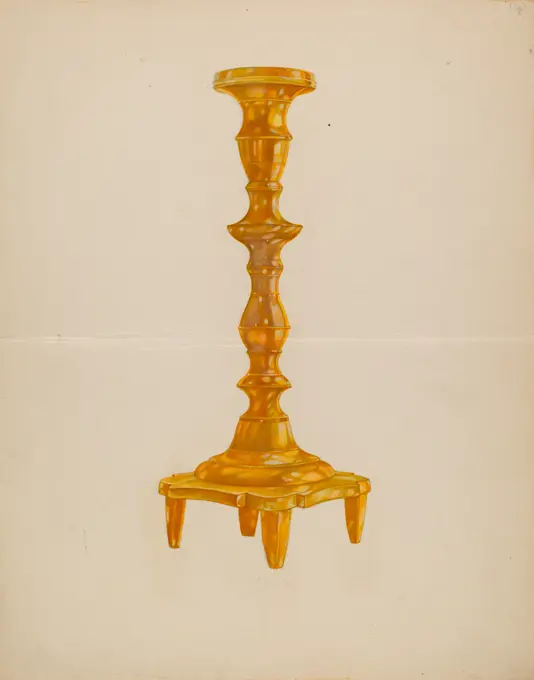
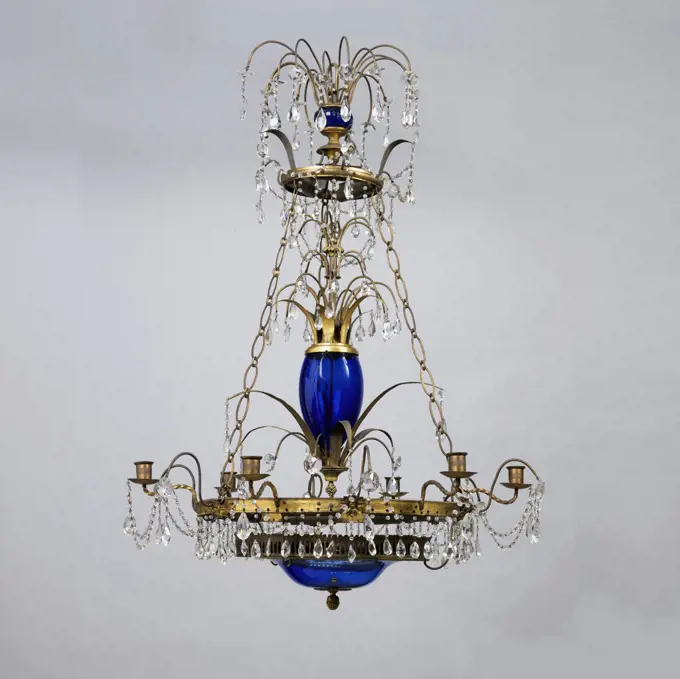
Sabbathlamp, unknown, 1700 - 1800 The object consists of the following cast parts: the handle, the trunk, the oil box, the drip can, the four arms, the four decorative elements. The handle has a cloverleaf -shaped eye at the top. The profiled downwards, narrowing trunk is chalice -shaped, then has a position ring with four holes and four notches (to fix the arms and the decorative elements) and is then profiled spherical three times. The eight -pointed star -shaped oil box, which has a smashed ornament at the bottom around the eye, is attached to the trunk with a bayonet closure. On the eye hangs with a hook the profiled rod with the drip tray, in which the sign of an angel's head has been smashed on the edge. The S-shaped arms end up to the trunk in a curl and turn outside into a flat mounting part, in which the bulb and hollow rounds are screwed to the base of hung holders on the profiled round fat catchers. The four decorative elements consist of stylized flowers, two by two. Nuremb
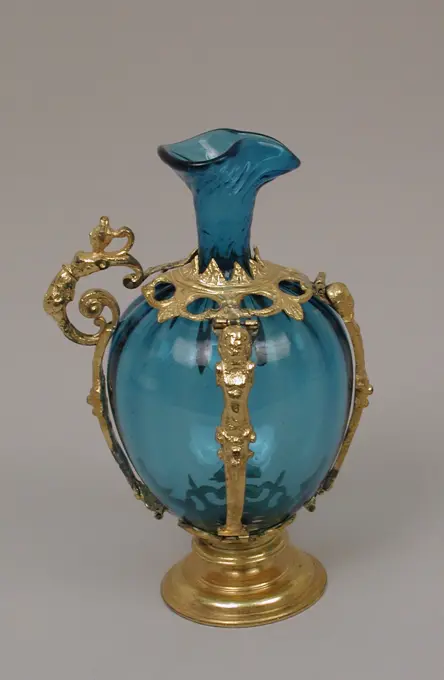
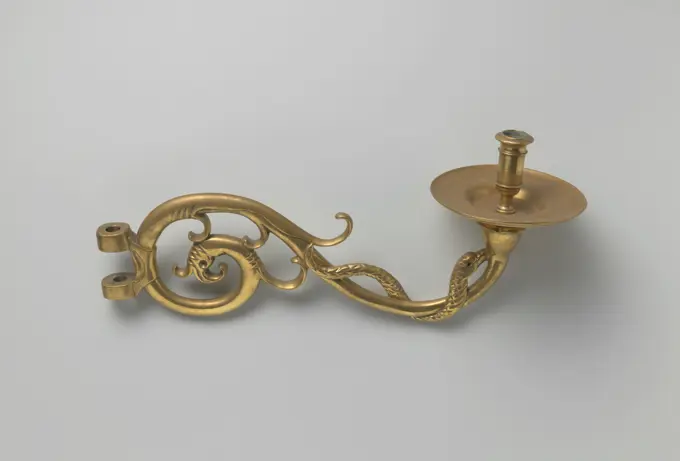
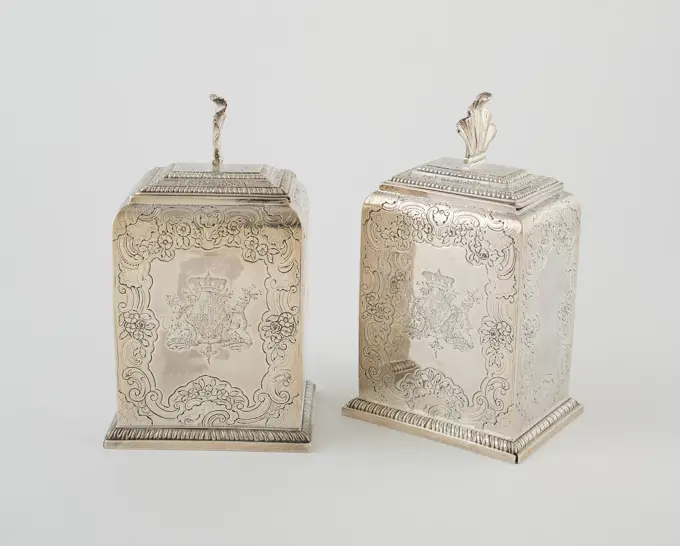
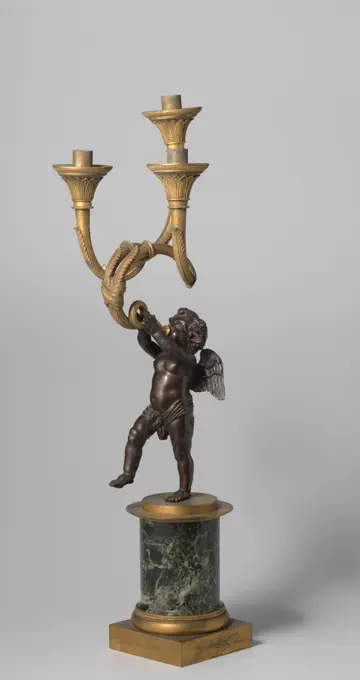
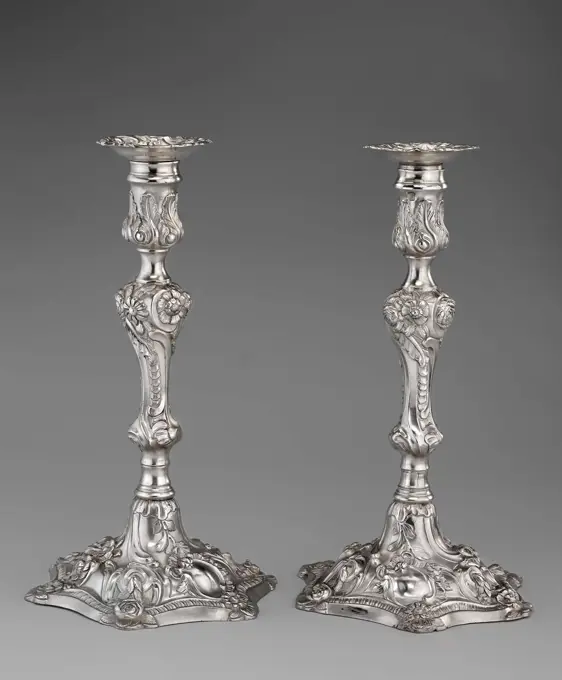
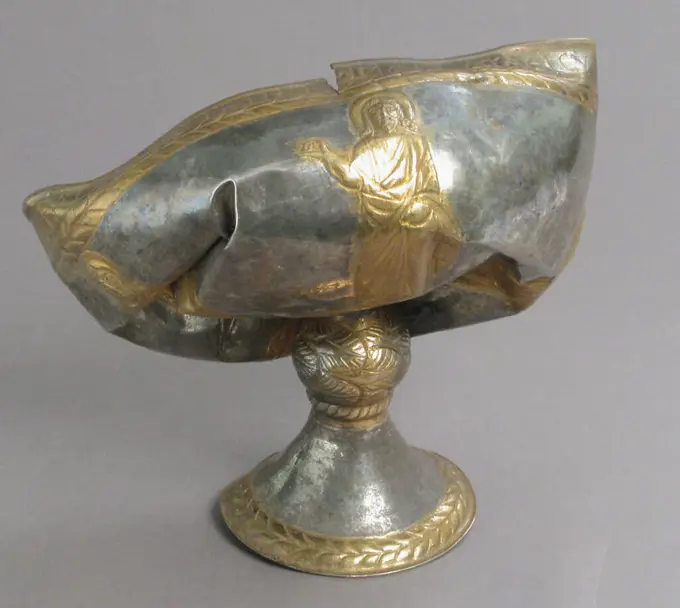
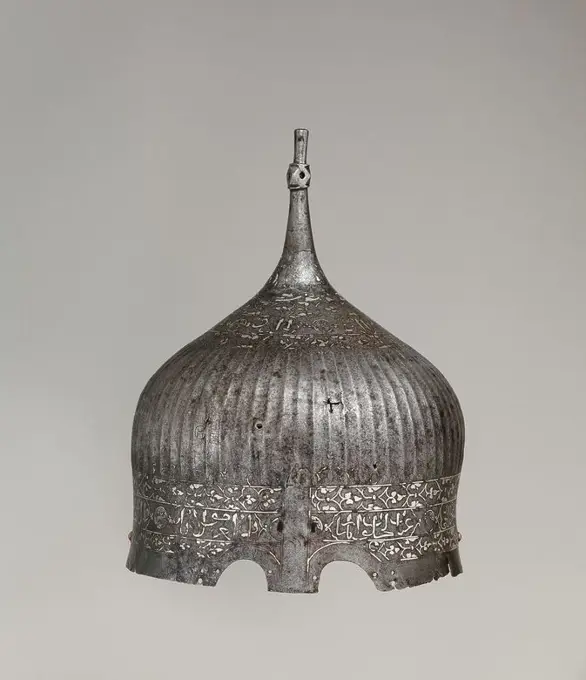
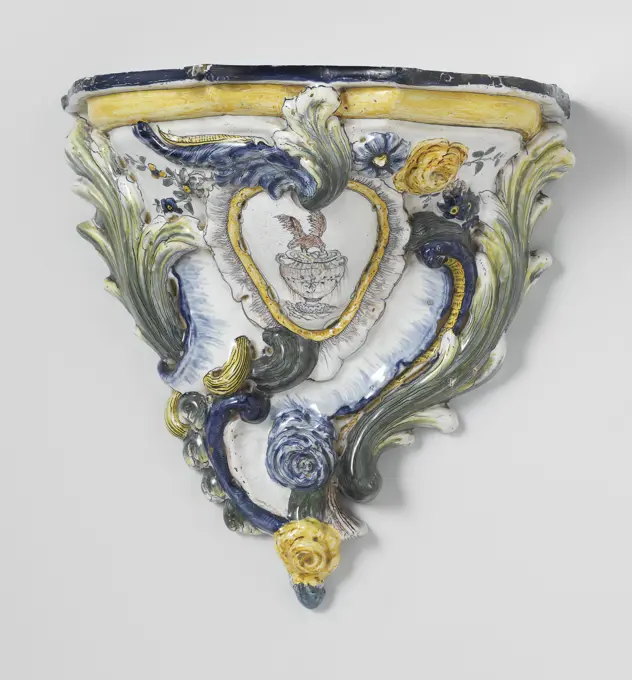
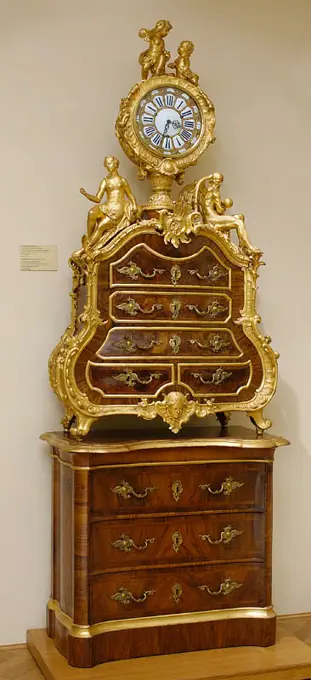
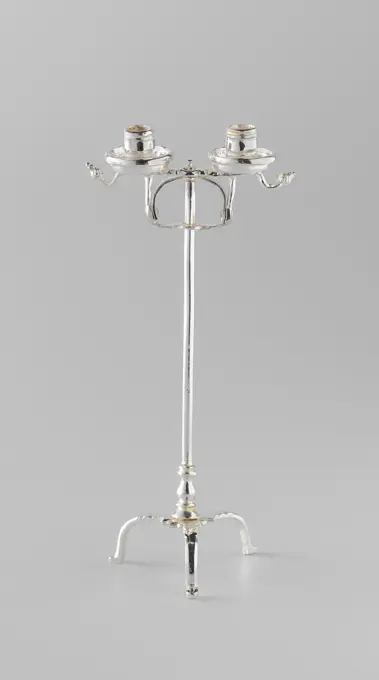
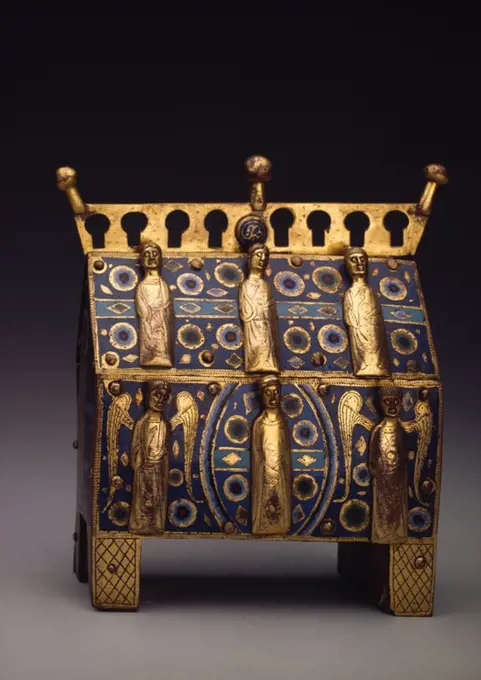
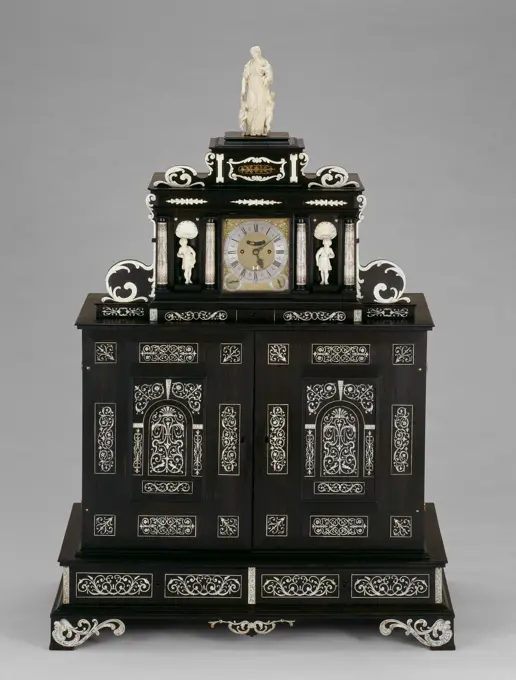
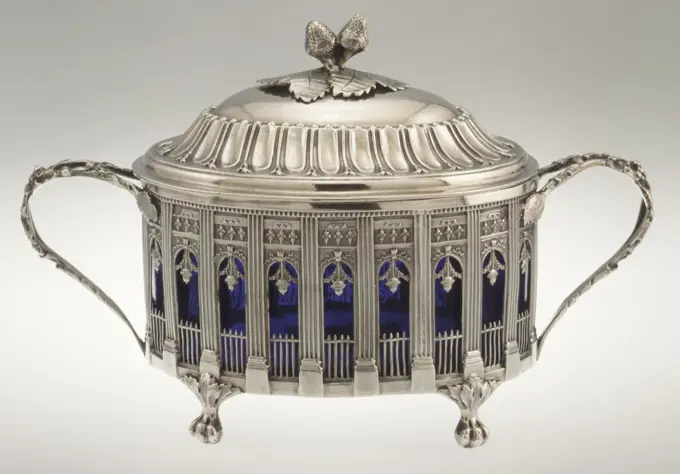
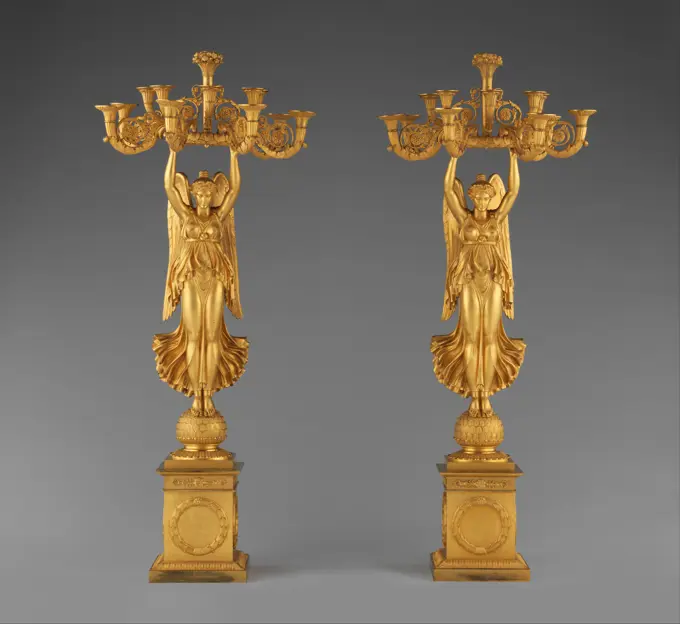
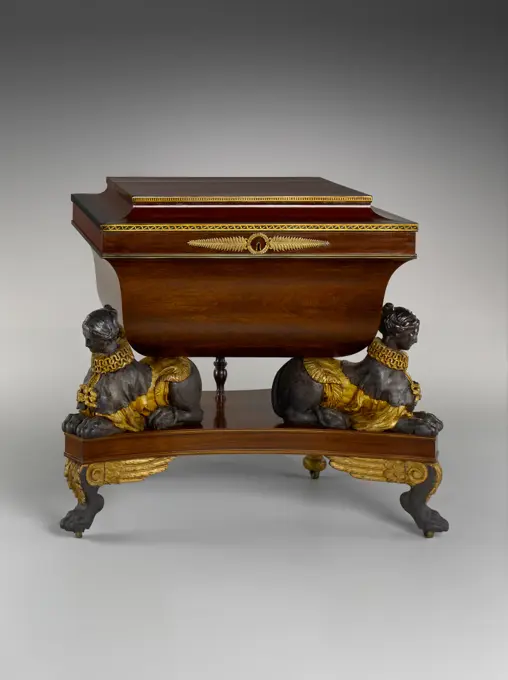
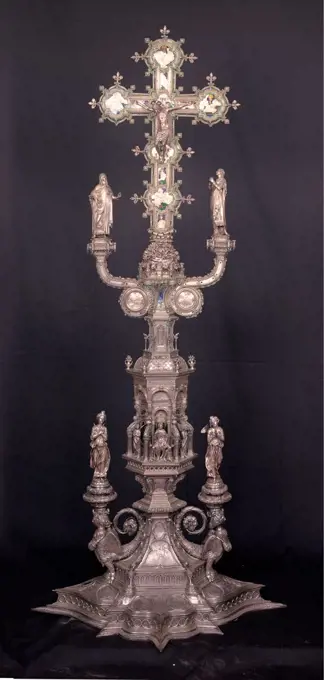
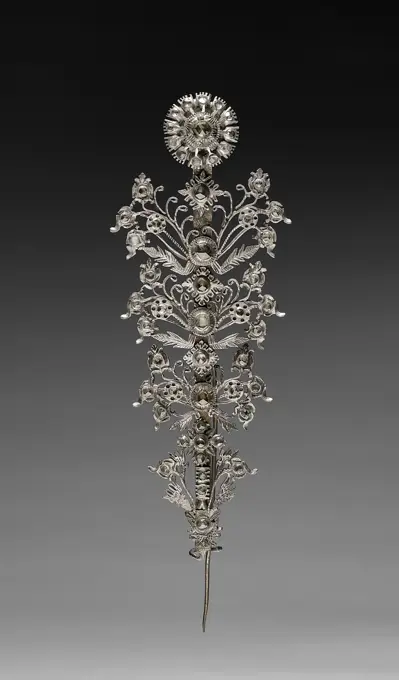
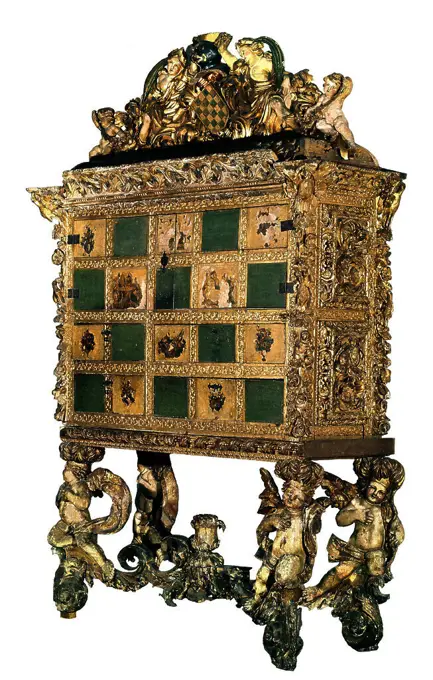
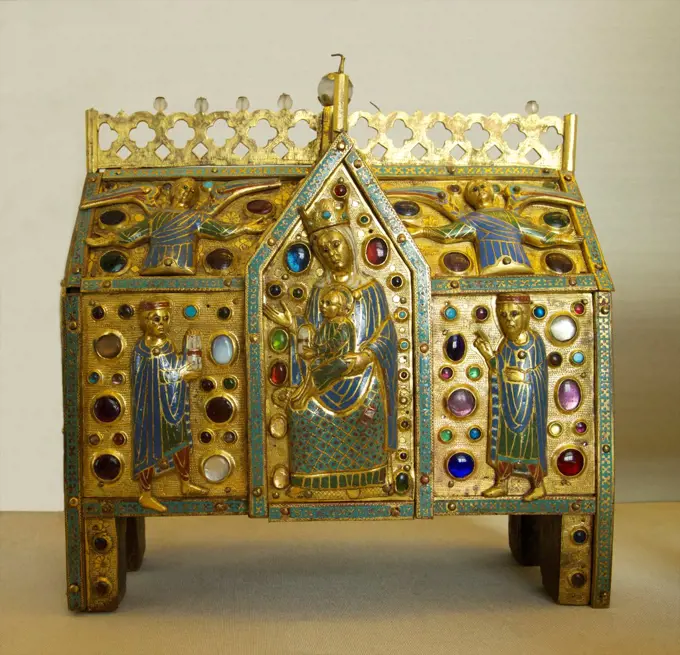
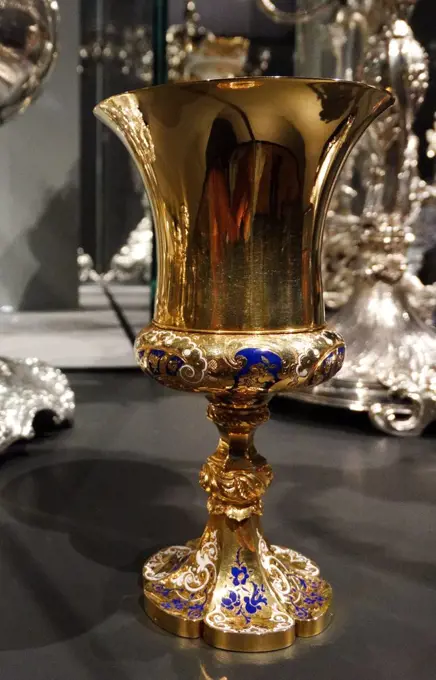
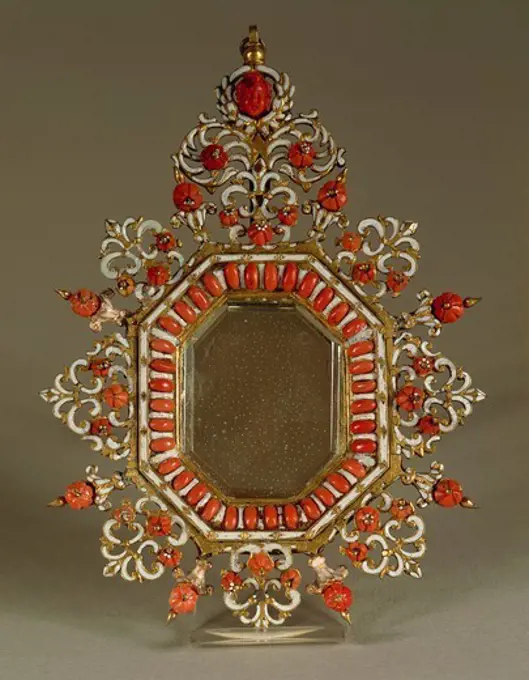
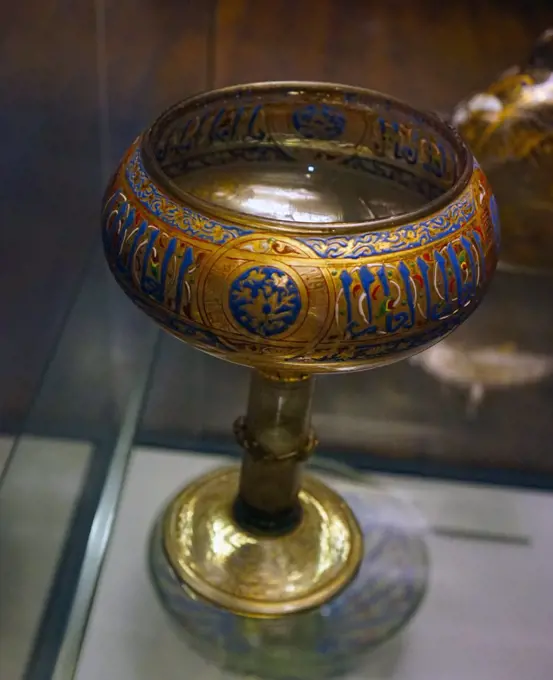
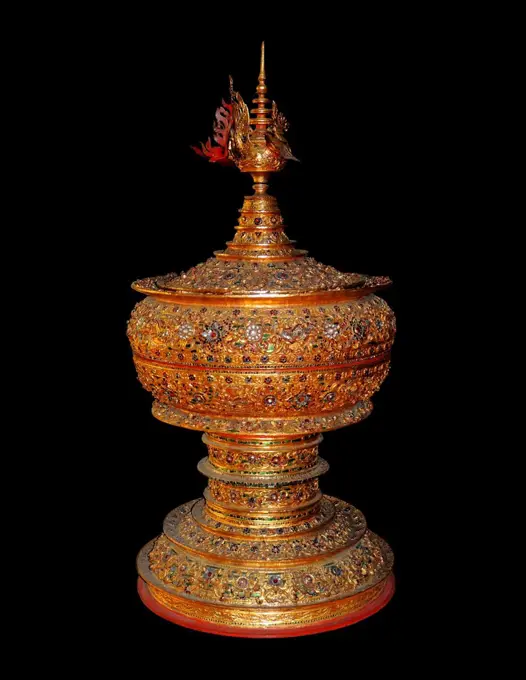
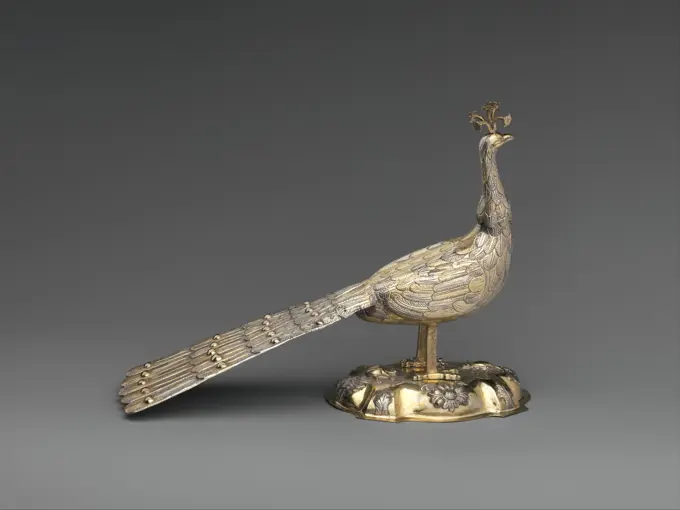
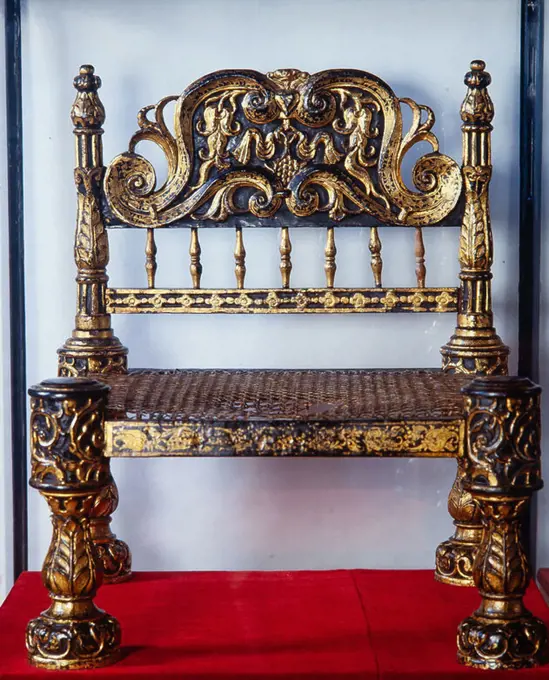
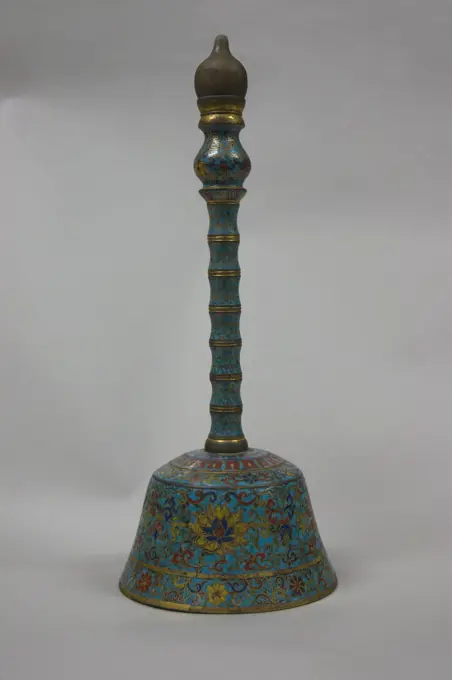
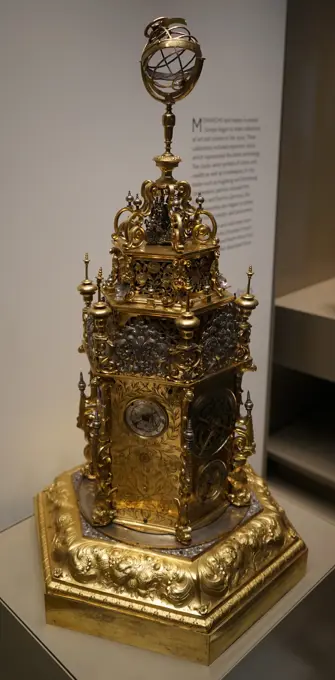
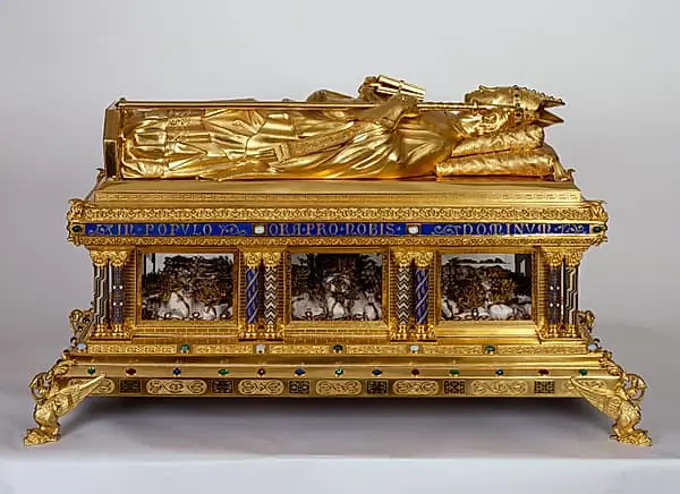
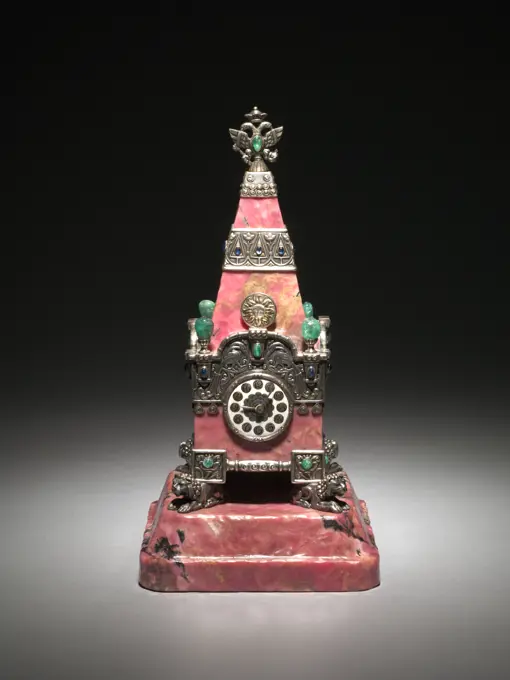
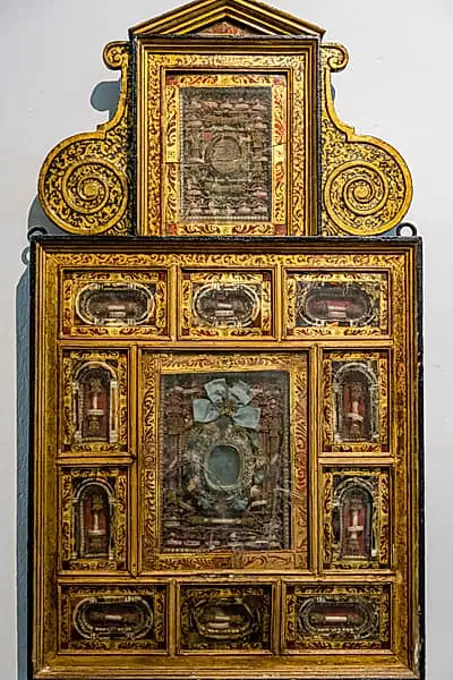
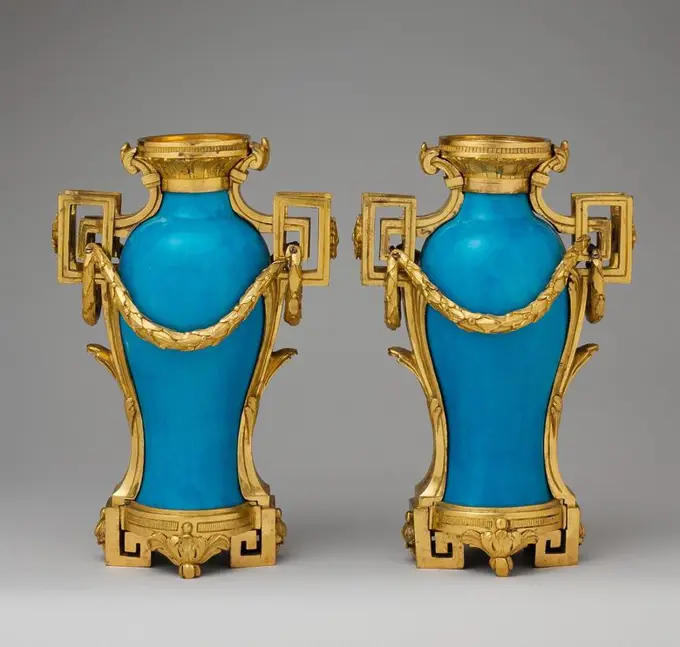
Clock, France, 19th century, timepieces & measuring devices, Decorative Arts, ClockPair of vases. Culture: Chinese with French mounts. Dimensions: Overall (each): 12 3/4 × 6 1/2 × 4 7/8 in. (32.4 × 16.5 × 12.4 cm). Date: mounts ca. 1760-70, porcelain early 18th century.Chinese porcelain vases decorated with a celadon glaze enjoyed great popularity among French art collectors of the eighteenth century. Frequently they were fitted in France with gilt-bronze mounts that served to enhance the porcelain in the eyes of the potential buyer. The marchandsmerciers, who did so much to influence eighteenth-century French taste, were usually responsible for commissioning the gilt-bronze mounts, which were required to closely fit the shape of the vase. In the case of this pair of vases, the design of the mounts includes both Rococo and Neoclassical motifs, suggesting a date of manufacture between 1760 and 1770, a period of transition between the two styles. The mounts incorporate putti, floral swags, shells, and scrolling vegetation, all unrelated stylistically to the vase's molSixteenth century, Saltshaker gilt and enamelled, vintage engraved illustration. Magasin Pittoresque 1855.Capital, gilded, anonymous, c. 1650 Wooden scanned and gilded composite capital. Netherlands wood (plant material) gilding Wooden scanned and gilded composite capital. Netherlands wood (plant material) gildingEwer Italian, Venice (Murano) or Iranian, Qom glass possibly late 16th century, mount 19th century View more. Ewer. Italian, Venice (Murano) or Iranian, Qom. glass possibly late 16th century, mount 19th century. Glass, gilt bronze. GlassBaptismal arc of brass, anonymous, c. 1650 - c. 1675 The bow executed in Kwabstijl is made up of more or less round shapes. In the decoration at the top and in the two ends, which have the shape of a curl, dolphin heads and joint parts can be recognized. The original presumably removable vase -shaped button has been replaced by a simple button decoration. The arms of the bow slight fractures. The left arm is slightly bent, has some casting galls at the bottom and may have been restored there. The pedestals are originally. North Holland brass (alloy). oak (wood) casting The bow executed in Kwabstijl is made up of more or less round shapes. In the decoration at the top and in the two ends, which have the shape of a curl, dolphin heads and joint parts can be recognized. The original presumably removable vase -shaped button has been replaced by a simple button decoration. The arms of the bow slight fractures. The left arm is slightly bent, has some casting galls at the bottom and may have Light arm with hose and dolphin head, anonymous, 1625 - 1675 The object is cast in three parts: the arm, the fat catcher, the candle holder. The arm has the shape of a horizontal S. in the section where the two eyes are applied to attach to wall or pulpit, it ends in a dolphin head. The part, in which the candle holder is screwed onto the Vetvanger, has the shape of a four -leaf button. The arm is decorated with curls executed in lobe style and with a snake around the arm. The pin, on which the arm must be stabbed, is missing. The fat catcher is pierced for the benefit of electric wiring. Netherlands brass (alloy) casting The object is cast in three parts: the arm, the fat catcher, the candle holder. The arm has the shape of a horizontal S. in the section where the two eyes are applied to attach to wall or pulpit, it ends in a dolphin head. The part, in which the candle holder is screwed onto the Vetvanger, has the shape of a four -leaf button. The arm is decorated with curls executed Torchère of gold-plated linden wood. The base is formed by three nozzles placed broken volutes, decorated with acanthus leaf and debecks by Lambrequins. Torchère of gold-plated linden wood. The foot consists of three nozzles placed broken vultuts, decorated with standing acanthus leaf and covered by three lambrequins. In the middle portion of the three-sided, openwork shaft, which ivasses upwards, a bellow is hanging; On the sides thereof there are three with acanthus leaf decorated consoles with marker list, which supports it upwardly rejuvenating upper of the shaft. The round, chalical light holder is flat covered. BK-14302-a.Limosin, Jean or Joseph - (n. - d.), Salt decorated with deities and allegories (main title). Enamelled copper, polychrome painted enamels on a black background, silver mlazes, gold highlights. Black counter-email with sown with Lys flowers .. Petit Palais, Museum of Fine Arts in the city of Paris.Pair of Tea Caddies 1744-1745 London. Sterling silver . Eliza Godfrey (Maker)Candlestick with bronze horn playing angel, 1800 - 1900 Candlestick with bronze horn playing angel.  bronze (metal) Candlestick with bronze horn playing angel.  bronze (metal)Pair of single-candle candlesticks. Cafe, William (fl. 1757-ca 1802), goldsmithAnonymous / 'Case for heliotrope cup with two gold masks'. 1650 - 1711. Leather, Wood, Metal, Cloth. Museum: Museo del Prado, Madrid, España.The Attarouthi Treasure - Chalice. Culture: Byzantine. Dimensions: Overall: 6 15/16 x 9 3/8 x 5 11/16 in. (17.6 x 23.8 x 14.4 cm)Diam. of foot: 3 9/16 in. (9.1 cm)Diam. of knop: 1 5/8 in. (4.2 cm). Date: 500-650.These well-wrought liturgical objects-chalices, censers, a strainer, and a representation of the dove of the Holy Spirit-were among the possessions of a Christian church in the affluent merchant town of Attarouthi in Syria, then one of the richest lands of the Byzantine empire. The chalices, censers, and strainer were used for the Divine Liturgy, or Eucharist service, in which Christians take consecrated wine and bread in commemoration of the Last Supper and Christ's death. According to their inscriptions, written in Greek with several spelling variants, many of the objects were offerings of local citizens to the major church of the town, which was dedicated to Saint Stephen, and to a smaller church dedicated to Saint John (probably Saint John the Baptist). In the early seveTwo-armed candlestick with a men's and a women's figure. The candlestick is composed of the following eight parts, of which only the first two are removable: the foot, the trunk, the two figures, the two fat catchers and the two candle holders. The tribe screwed in the foot is fixed with a nut. The thread attached in the strain with tin or lead has released later. The round profiled foot is over in a holland portion that narrows upwards and that is closed by a collar. The two diamond-shaped arms of the trunk are turned at the bottom around each other and there is a hexagonal base there and a hexagonal capital. They end in hexagonal pads for the two standing figures. The woman wears a long side, of which she ceases the skirt with her right hand, however, her feet are not clearly indicated. In her left hand, she carries the captured fat catcher and the candle holder. The décolleted V-neck and the hems of the derret are trimmed with fur, without granulation. The over-sleeves are open at tCandlesticks, c. 1740. Juste-Aurèle Meissonnier (French, 1695-1750). Gilt metal; overall: 29.6 x 18.5 x 16.9 cm (11 5/8 x 7 5/16 x 6 5/8 in.).Bacchanal (ceremonial tankard), anonymous, 1771 Oval cylinder -shaped drinking jug of silver. The cylinder is covered with a sculpted bass relief in ivory, representing the triumph of Silenus. ivory carver: Germanysilversmith: The Hague silver (metal). ivory Oval cylinder -shaped drinking jug of silver. The cylinder is covered with a sculpted bass relief in ivory, representing the triumph of Silenus. ivory carver: Germanysilversmith: The Hague silver (metal). ivoryTurban Helmet. Culture: Turkish or Iranian, in the style of Turkman armor. Dimensions: H. 12 1/4 in. (31.1 cm); Diam. 9 1/2 in. (24.1 cm); Wt. 2 lb. 9 oz. (1161 g). Date: 15th century.Helmets of this type are usually called turban helmets becuase of their large bulbous shape and the flutings that imitate the folds of a turban. Because certain dervish groups wore turbans wound with a prescribed number of folds to represent an important mystical number, it is likely that turban helmets were regarded not merely as armor but also as a kind of religious insignia, their very shape marking the wearer as a fighter in a Holy War.Turban helmets, together with mail-and-plate armor of matching decoration, were intended for the heavy cavalry and are recorded as early as the fourteenth century. The examples exhibited here appear to have belonged to the dynasty of Ak-Koyunlu (White Sheep Turkoman) that ruled northwestern Iran and Anatolia in the fifteenth century. The inscriptions, damascened with Windswijzer with deer as a p. 1600 - c. 1699 An iron Windwijzer with a deer like Vaan, the rod is decorated with two baskets made of forged iron leaves.  iron (metal) An iron Windwijzer with a deer like Vaan, the rod is decorated with two baskets made of forged iron leaves.  iron (metal)American 20th Century, Candlestick, 1935 1942 CandlestickGoldsmith's art, Italy, 16th century. Fish-shaped rock crystal and engraved gold vase, 22x30 cm. Saracchi Workshop manufacture.. Can of gold-plated silver. The neck is formed from a women's breast image and the spout from a palm-shaped increase in its hairstyle. The egg-shaped barrel is surrounded by a profile along the neck and under the shoulder. At the front there is a women's mask and under the start of the ear a men's head. The barrel and the round foot, separated by a knerr collar, are covered with lofty rollerwork and fruit bundles against a roughened ground. On the shoulder, four lying oval cartouches have been added with the four winds, suggested by Putti. On the vessel, separated by mascarons, four standing rolling cartouches are fitted: three with gods pairs: Jupiter and Mars, Apollo and Venus and Mercury and Diana, while in the fourth Saturn is shown while he devours his child. Pearl edges turn the spout and the high ear, to which a bearded head sprouts. Under the foot a counter-screwed, unburdened plate, on which in engraving, within a leaf edge, the weapons of the Geuder and Haller families and tRELICARIO EN FORMA DE LIBRO EN PLATA CINCELADA. Location: CATEDRAL DE SANTA MARIA. ASTORGA. LEON. SPAIN.Console table made of gold-plated linden wood. Mount of console table made of gold-plated linden wood. The scalloped, profiled marble cover plate is worn by two degrees cut C-Volutes, which flank a crested shell; Two more c-volutes on the left and right. The whole rests on a bottom that consists of a large acanthus leaf, above which a caterpillar motif. See also: BK-16855-B.Console, multicolored painted with bird that picks up fruits from a vase, anonymous, c. 1775 - c. 1850 Console of multi -colored painted faience. A bird is painted in a reverse pear -shaped medallion in relief that picks fruits from a vase. Leaves and flowers in relief are modeled around the medallion. The console is painted in the colors blue, green, yellow and purple. West-Europa earthenware. tin glaze. Console of multi -colored painted faience. A bird is painted in a reverse pear -shaped medallion in relief that picks fruits from a vase. Leaves and flowers in relief are modeled around the medallion. The console is painted in the colors blue, green, yellow and purple. West-Europa earthenware. tin glaze.Commemorative key;  1833 (1833-00-00-1833-00-00);Cartonnier with clock. Latz, Jean-Pierre (ca 1691-1754), author of a model, Kambli, Johann Melchior (1718-1783), joiner, Baillon, Jean Baptiste Albert (fl. 1751-1772), watchmakerCandlestick, anonymous, c. 1625 - c. 1675 Candlestick with two arms. The standard consists of a handle that runs out at the bottom in three legs bent and at the top in a profiled button. Two candle holders are attached halfway through. The candlestick is not marked. Netherlands silver (metal) Candlestick with two arms. The standard consists of a handle that runs out at the bottom in three legs bent and at the top in a profiled button. Two candle holders are attached halfway through. The candlestick is not marked. Netherlands silver (metal)COPON. Location: MONASTERIO DE STA MARIA DE MONTSERRAT-MUSEO. MONTSERRAT. Barcelona. SPAIN.Silversmith's Art, Great Britain 18th century. Silver sugar sprinkler with decorated body.Parts belonging to Hemelbed with red woolen fabric, with passions and fringes, anonymous, c. 1775 - c. 1800 Hundreds of four parts belonging to the heaven bed with red woolen fabric, with passions and fringes, consisting of: crib; back wall; Four ornaments of wood in the form of a vase belonging to a corner of heaven; roll cushion; 30 fragments of red woolen fabric and passions; 56 brass rings. The passions may not be original. Netherlands wood (plant material). pine (wood). linden. wool. iron (metal). linen (material). silk. cardboard. paint (coating). brass (alloy) Hundreds of four parts belonging to the heaven bed with red woolen fabric, with passions and fringes, consisting of: crib; back wall; Four ornaments of wood in the form of a vase belonging to a corner of heaven; roll cushion; 30 fragments of red woolen fabric and passions; 56 brass rings. The passions may not be original. Netherlands wood (plant material). pine (wood). linden. wool. iron (metal). linen (material). silk. caCassolette with cover (one of a pair). Culture: British, South Staffordshire. Dimensions: Overall (confirmed): 11 1/8 × 3 5/16 × 3 5/16 in. (28.3 × 8.4 × 8.4 cm). Date: ca. 1775. Museum: Metropolitan Museum of Art, New York, USA.Casket with Scenes of David and Solomon 1540-1560 Limoges. Painted enamel on copper and gilded bronze mounts . Pénicaud StudioArqueta relicario de alma de madera y cubierta con láminas de cobre esmaltado con la técnica del excavado, procedente del taller de Limoges. S. XIII, hacia 1230. Procedente del convento de San Marcos, León. Museum: MUSEO ARQUEOLOGICO, MADRID, SPAIN.Cabinet 1640-1660 Augsburg. Cabinets made in the southern German town of Augsburg during the sixteenth and seventeenth centuries are famous for their ornate decoration, which was typically executed in ebony veneer and ivory inlay. This exceptional example also includes delicately carved figures, bronze mounts, and narrative panels made from ivory and stained wood relief. The exquisite craftsmanship of this decoration is matched in inventiveness by the cabinetís interior structure, which is part display case, part tool chest, and part safe-deposit box. Hidden compartments to the right of a built-in clock (a 1715 replacement of an earlier timepiece) contain a set of five medicine canisters and at least twenty-two other utensils, including hammers, scissors, and a mortar and pestle. These and the other compartments in the cabinet would often have housed jewelry, gems, and important papers, among other precious items. Thematically, the cabinetís decoration ranges from pure ornament to huntCalyx Krater. UnknownSword Rack (Katana Kake) ca. 1615-1868 Japanese A katana is a sword with a curved blade longer than 60 cm fitted with an uchigatana-style mounting and worn in a waist sash with the cutting edge facing up.. Sword Rack (Katana Kake). Japanese. ca. 1615-1868. Wood, lacquer. Swords-AccessoriesSugar bowl with cover 1786-87 Etienne Modenx. Sugar bowl with cover. French, Paris. 1786-87. Silver; glass. Metalwork-SilverCandlestick, 1800s - early 1900s. Italy, 15th century style (possibly 19th-early 20th century). Ivory; overall: 31.1 cm (12 1/4 in.).Qatar, Doha, Museum of Islamic Art, mosque lamp,Goblet 19th century, after 16th century original British, after Hungarian original This electrotype is after a sixteenth-century original in the National Museum, Budapest, at the time of reproduction.. Goblet 191100Stam van Kaarsenkroon with Mary with Christenkind, c. 1475 - c. 1500 The object consists of an iron rod with an iron hook and the next cast parts: the maria figure, the right hand sounded to her arm, her left hand with the Christ child, the crown riveted on her head, the trunk, the riveted lion's head , the pull ring. The standing maria figure is surrounded by a jet wreath. Her rug and cloak are decorated with punched star motifs. Mantel closure and necklace are also punched. The predominantly hollow -rounded tribe has two stand rings with six notches each, which are marked with one to five notches. The last notch per ring is unnoticed. The scepter is missing in the maria figure. Southern Netherlands brass (alloy). iron (metal) casting The object consists of an iron rod with an iron hook and the next cast parts: the maria figure, the right hand sounded to her arm, her left hand with the Christ child, the crown riveted on her head, the trunk, the riveted lion's head , the pull ring. TheCup 19th century Scythian. Cup 468774Arm of a candle crown in two heights, Anonymous, 1630 The S-shaped arm is provided with a ridge on the trunk side with an opening to secure it with a pin in the stand rings. At the trunk the arm is decorated on the end and to the center with two stylized dolphin heads and with three pairs of curls or leaves executed in lobe style. To the outside, the arm ends in a lip, in which a hole provided with a thread is applied, to confirm the candle holder and the fat catcher. The arm is cast using the same model as the other arms of the wreath. The cylindrical candle holder has two profiled ribs, two grooved rings and profiled excellent edge. The fat catcher is deepened twice at the top towards the center. At the bottom it is profiled around the hole on the somewhat spherical middle and ribbed on the edge and with two grooved rings. The fat catcher has been cast using the same model as the other fat catchers of this wreath. The pin is equipped with a vase -shaped button. This is the eighth armLluís Masriera / Colgante floral con monograma, 1903. Colección privada. Author: LLUÍS MASRIERA I ROSÉS.Gold helmet, from Leiro, Spain. Goldsmith art. Iberian Civilization, 10th-8th Century BC.Tassel (Italy); linenPair of candelabra with Winged Victories ca. 1810-15 Pierre Philippe Thomire French Winged Victories, symbols of military triumph, were a staple of Napoleonic decoration. These candelabra are comprised of Hellenistic winged figures of Nike or Victory, arms upraised and supporting floral wreaths from which branch ten candle sockets decorated with fluting, acanthus leaves, and spirals. Torches of flowers in the center are supported by spirals. The rectangular bases with wreaths in relief and stylized artichokes support the figures above.Similar candelabra were designed by Charles Percier (1764-1838) for the boudoir of Empress Josephine at the Chteau de Saint-Cloud, where they were identified in the 1805 and 1807 inventories. Percier's original drawing of his candelabra (entitled Pieces of furniture in a "boudoir") is in the Metropolitan Museum's collection.. Pair of candelabra with Winged Victories. Pierre Philippe Thomire (French, Paris 1751-1843 Paris). French. ca. 1810-15. Gilt bronzCellaretteSilver Cross, by Benci Antonio known as il Pollaiolo, circle Benci Antonio known as Pollaiolo, 1457 - 1459, 15th Century, embossed silver, chased and enameled. Italy: Tuscany: Florence: Opera di Santa Maria del Fiore Museum. Whole artwork. Cross silver reliquary decorationSignboard, decorated with surrounded grapes, in or before 1888 A forged iron signboard, representing a bunch of grapes in a wreath. Style Louis XIV.  iron (metal) forging A forged iron signboard, representing a bunch of grapes in a wreath. Style Louis XIV.  iron (metal) forgingBox with scene depicting Roman hero Gaius Mucius Scaevola before the Etruscan king Lars Porsena. Culture: British, London. Dimensions: Overall (confirmed): 1 3/4 × 4 9/16 × 3 5/8 in. (4.4 × 11.6 × 9.2 cm). Goldsmith: P R (British, early-mid 18th century). Maker: Chased by George Michael Moser (1706-1783). Date: 1741.Although this box is one of the finest surviving examples of eighteenth-century English goldsmiths' work, little is known about its manufacture and history, or even its intended function. The comparatively large size of the box suggests that it was not meant to contain snuff but rather may have served as a presentation box, intended to reward a specific feat or service. The box is marked with the initials "P. R.," which have been interpreted as the mark of a silversmith named Peter Russell, but this identification is far from conclusive. The only secure information is provided by the signature on the lid of George Michael Moser, followed by the date 1741. Moser was a chaserLantern for carriage or sled decorated with ornaments in the style of Louis XIV, Anonymous, c. 1400 - c. 1950 Sleelanar or carriage lamp with cast copper mounted. The lantern is decorated with ornaments in the style of Louis XIV. Northern Netherlands (possibly)Netherlands (possibly) copper (metal). glass Sleelanar or carriage lamp with cast copper mounted. The lantern is decorated with ornaments in the style of Louis XIV. Northern Netherlands (possibly)Netherlands (possibly) copper (metal). glassCenser 1708-9 Benjamin Pyne. Censer 205027Candle crown with six arms and angel, anonymous, 1825 - 1875 The object consists of an iron rod and the next cast parts: the hanging ring (which is sounded on the rod), the angel, the coat of arms with the hands (which are sounded on the arms there), the part made of copper plate with the two Wings (which is attached to the back of the angel with a pin), the upper strain, the position ring with six slots, the bottom strain, the lion's head (which four parts are sounded to a whole), the tensile ring. The kneeled angel holds a shield with the letter P in Gothic minus skill. The upper tribe part is predominantly sphere and hollow-rounded and is also decorated with two pairs of grooved rings. The bottom tribe rejuvenates downwards and has six pairs of grooved rings. The S-shaped arms are decorated with nine vine leaves, partly to intertwined ranks. The round fat catchers are equipped with ajour processed serrated decorations on the underside. They are attached with eight -fold front and reFigurines, treasury of the Residenz, Munich, Bavaria, Germany, EuropeBirdcage (USA); galvanized iron and wire.Brooch, 1800s. Java. Silver and topaz; overall: 15 cm (5 7/8 in.); pin: 17.6 cm (6 15/16 in.).Tripods, by Genoan workmanship, 1785, 18th Century, wood carved partially gilded and painted. Italy: Liguria: Genoa: National Gallery of Palazzo Spinola. Detail. Tripod furniture furnishings interior/fittings design gold gilt/gilding festoons garlands lion head flower ovoli/echini flutesChandelier, Glass, gilt metal, Three tiers of graceful fountains of glass descend from the top, set off by swags of glass drops, the blown glass stems delicately engraved; gilt lower ring with six candle arms and an upper ring connected by the glass-surrounded stem and by three chains, all of metal, the lower ring supporting a blue glass disc at the base of the stem., probably Sweden, ca. 1795, lighting, Decorative Arts, ChandelierChasuble made of damask unknownARMARIO BARROCO. Location: MUSEO ARQUEOLOGICO NACIONAL-COLECCION. MADRID. SPAIN.RELICARIO CON UN HUESO DE SAN BERNABE. Location: CONVENTO DE LAS CLARISAS / MUSEO DE ARTE SACRO. MONFORTE DE LEMOS. LUGO. SPANIEN.Russia, Saint Petersburg, State Hermitage Museum, Reliquary Chasses, 13th century, Limoges, FranceGold Enamel Chalice made by Firma Schmidt en Cante (active 1837-1852). Amsterdam. Dated 1849Head Ornament, 14 3/4 x 8 1/2 x 4 in. (37.47 x 21.59 x 10.16 cm), Silver, ChinaCOMPOSICIÓN DE ALCORA. SIGLO XVIII. PORCELANA. MUSEO DE LA CERÁMICA, BARCELONA.Taditional Turkish metal plates in the viewOil lamp 19th century Italian, Venice (Murano). Oil lamp. Italian, Venice (Murano). 19th century. Glass. GlassCandlestick (one of a pair) 1769-70 Derby Porcelain Manufactory. Candlestick (one of a pair). British, Derby. 1769-70. Soft-paste porcelain. Derby Porcelain Manufactory (British, 1751-1785). Ceramics-PorcelainStaff -crowning a standard of the Dutch army at the time of the Belgian uprising, c. 1800 - c. 1832  Metal decorations of a banner or standard consisting of a block including an olive wreath. This copy is hollow and cast from a thick layer of gold -plated metal. Staf ornament. Netherlands iron (metal). gilding (material) gilding  Netherlands. BelgiumTassel; silk, metal thread, wooden corevintage gold wall sconce lamps with energy-savingGoldsmith's art, Italy, 17th century. Octagonal picture frame decorated with openwork copper set with rose shaped coral.Candlestick (one of a pair). Culture: British, Derby. Dimensions: Overall: 10 1/8 × 8 in. (25.7 × 20.3 cm). Factory: Derby Porcelain Manufactory (British, 1751-1785). Date: 1769-70. Museum: Metropolitan Museum of Art, New York, USA.CORONA VOTIVA DE RECESVINTO-ARTE VISIGODO-DETALLE(CONJUNTO Nº 67942). Location: MUSEO ARQUEOLOGICO NACIONAL-COLECCION. MADRID. SPAIN.Incense Burner 1825-1835 Staffordshire. Glazed earthenware with polychrome enamel decoration . Staffordshire PotteriesGoldsmith's art, Italy, 19th century. Cameo and corals pendant.Pair of Stirrups and Ring Bit 19th century Turkish If the shape of the stirrups, with their wide curved footplates and their flaring sides, as well as the ring bit, are typical of Turkish horse tack, their pierced decoration is European-inspired. The ring bit is a strong instrument distinguished by the fact that the curb chain is replaced by a ring attached at the top of the mouthpiece, going around the horses lower jaw. The ring would press the sensitive chin of the horse when the reins are pulled. Typical of the Islamic world, ring bits were introduced to Spain during the Arab presence, and then kept by the Spaniards for their light cavalry (used in the genette or jineta riding style). Brought into the New World during the Spanish conquest, they were also commonly used in many Latin American countries until the late 19th century.. Pair of Stirrups and Ring Bit. Turkish. 19th century. Copper alloy, gold, iron. Equestrian Equipment-StirrupsPorcelain bouquet - in the basket, oval basket in the binding from the brother; Koenigliche Porcellain Fabrique, Meissen (1710-1763); 3. W. 18th century (1750-00-00-1775-00-00), 3Enamelled glass with stem cup from Egypt. Dated 14th CenturyLidded offering vessels, Burma, probably from Mandalay (the Burmese capital). 19th century. Such excellent examples almost certainly reflect royal patronage.Cup in the form of a peacock 1791 () possibly Hungarian This cup was the only silver animal-form drinking vessel from Hungary or the surrounding areas that belong to the Metropolitan Museum before the acquisition of the Salgo Collection. It originates from the legendary holdings of the banker-collector J. Pierpont Morgan.. Cup in the form of a peacock 193554Cup and saucer ca. 1820 Russian. Cup and saucer 207375Silla de la reina. Monasterio de Pedralbes, Barcelona. Siglo XVI.Conical Bell China. Conical Bell. China. Cloisonné enamel on copper. Qing dynasty (1644-1911), Kangxi period (1662-1722). Cloisonnéunknown artist, Scenes of Various Sporting Pursuits: Painted on a Set of Eighteen Victorian Lacquer Buttons, in Two Sized, in Tartan Covered Case, ca. 1850. Painted lacquer buttons.Basin, from a toilette service, 1683, William Fowle, English, 1658-1684, 7/8 x 16 1/8 x 12 1/8 in. (2.22 x 40.96 x 30.8 cm), Silver, gilt, England, 17th centuryCasket, from a toilette service, 1683, William Fowle, English, 1658-1684, 3 3/4 x 10 7/8 x 8 11/16 in. (9.53 x 27.62 x 22.07 cm) (closed), Vermeil (gilt silver), England, 17th centuryPincushion, from a toilette service, 1683, William Fowle, English, 1658-1684, 1 3/4 x 7 3/16 x 5 13/16 in. (4.45 x 18.26 x 14.76 cm), Vermeil (gilt silver), wood, silk, England, 17th centuryBust of Frederika Louise Wilhelmina Princess of Prussia. Bust on the base of Frederika Louise Wilhelmina Princess of Prussian, wife of Willem Prins of Oranje-Nassau, the later king Willem I. labeled in blue f / 2 and rebel 2 and F.Unknown, Pair of Andirons: Sphinxes, brass.17th Century Masterpiece clock made by clockmakers who wanted to qualify as masters in their guild. Dated 1650Reliquary in the crypt of St Wolfgang, 1877, St, Saint, SaintFlower pyramid, the metal pot (attributed to), after Lambertus van Eenhoorn, c. 1692 - c. 1700 Segment of flower pyramid of faience, blue painted in the glaze. Music figures and figures with scale. Delft . Segment of flower pyramid of faience, blue painted in the glaze. Music figures and figures with scale. Delft .Kremlin Tower Clock, c. 1913. House of Fabergé (Russian, 1842-1918). Rhodonite, silver, enamel, emeralds, sapphires; overall: 29 x 14.6 cm (11 7/16 x 5 3/4 in.).16th century reliquary, Museo de la Caballada, Church of the Holy Trinity, Atienza, Guadalajara, Spain, EuropeEugène Fontenay (1823-1887). Bracelet. However, diamonds, enamels of Eugène Richet. Around 1875. Museum of Fine Arts of the City of Paris, Petit Palais. Fashion accessory, jewelryPowder Flask. Culture: German, Nuremberg. Dimensions: L. 8 1/4 in. (21 cm); W. 4 in. (10.2 cm). Silversmith: Jeremias Ritter (German, recorded 1605-46). Date: ca. 1610.The horn is carved with a figure of Saint Hubert, patron of hunters. Museum: Metropolitan Museum of Art, New York, USA.Vase (vase à monter) (one of a pair). Culture: French, Sèvres. Dimensions: Height: 10 1/4 in. (26 cm). Factory: Sèvres Manufactory (French, 1740-present). Date: vase ca. 1755-60, mounts ca. 1760-75.These bleu-célèste vases (see companion mounted vase 1976.240.4) have been given pronounced Neoclassical mounts in the bold manner of the designer Jean-Charles Delafosse (1734-1789). Mounting either Asian or European porcelain in gilt bronze became a standard and lucrative practice for the Parisian marchands merciers. In this manner, they could enhance a piece or preserve a damaged object. These dealers also invented new models for porcelain by giving them pierced mounts and turning them into incense burners or potpourri holders. Museum: Metropolitan Museum of Art, New York, USA.