Artistic Decorative Objects

Unique decorative items including netsuke, glass sculptures, and historic costumes, reflecting artistic craftsmanship and cultural significance.

Fragment of foot (edge), bottom and part wall of waffle cup, goblet drinking glass drinking utensils tableware holder soil find glass, hand-blown into the mold blow Fragment of foot (rim) bottom and part wall of waffle cup in clear colorless glass Foot edge from all round smooth and flattened glass wire. Underneath raised floor (2.3 cm) pontilemark Upright wall with waffle pattern that was first blown into the mold and then free blown out archeology Rotterdam rail tunnel drink Soil discovery: rail tunnel Rotterdam.
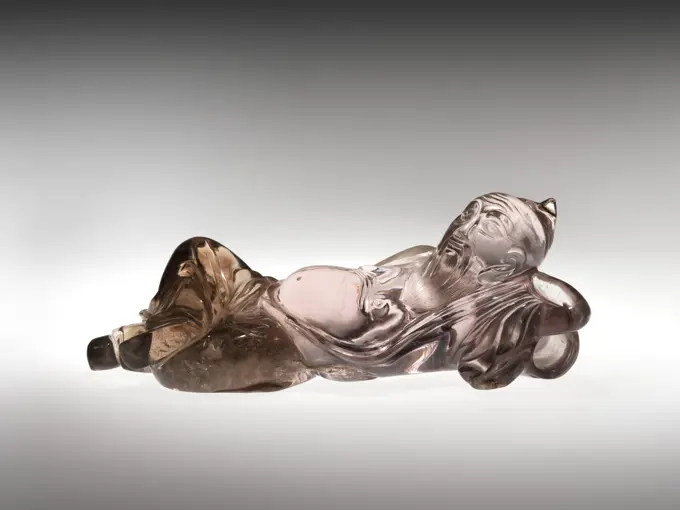
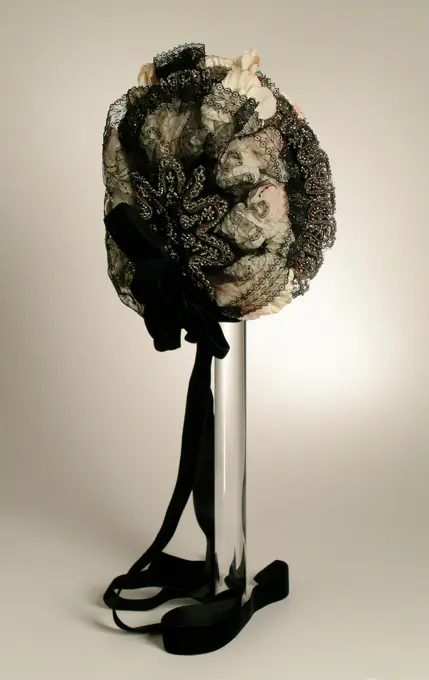
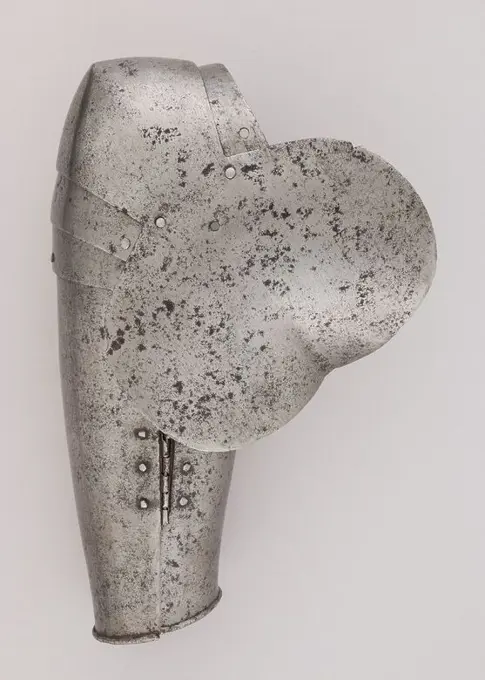
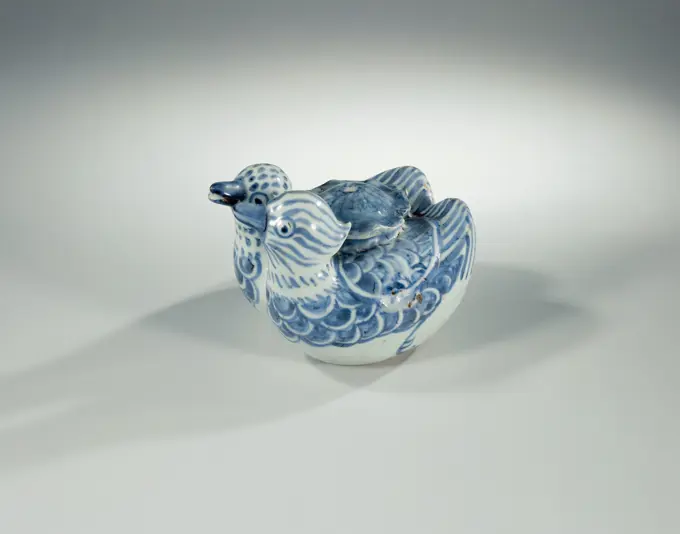
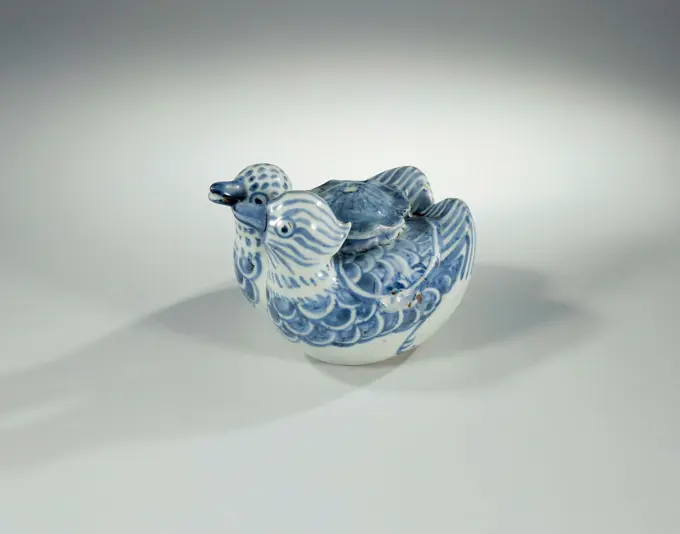
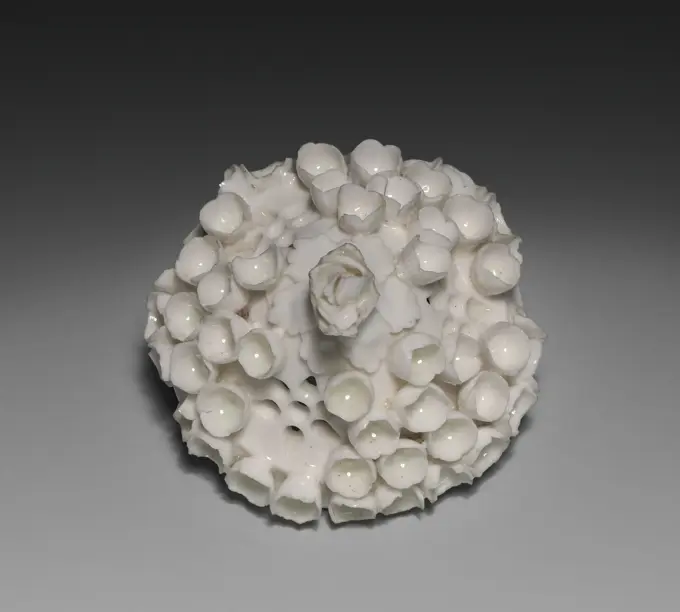
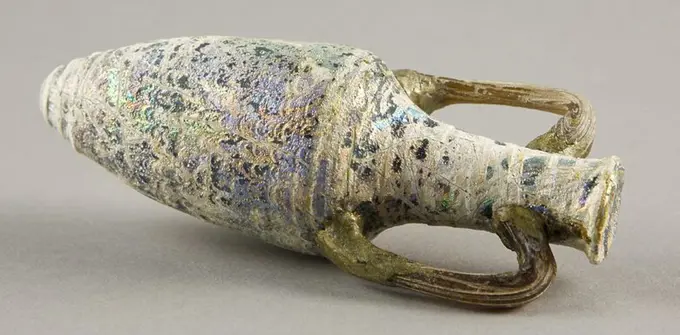
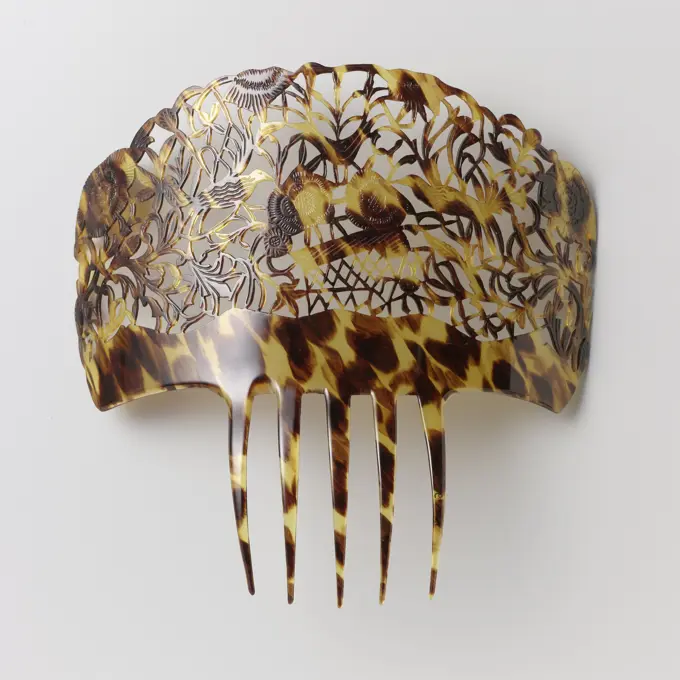
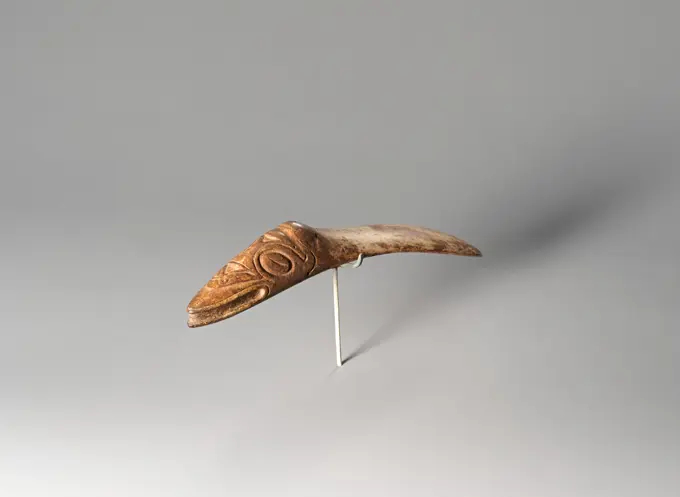
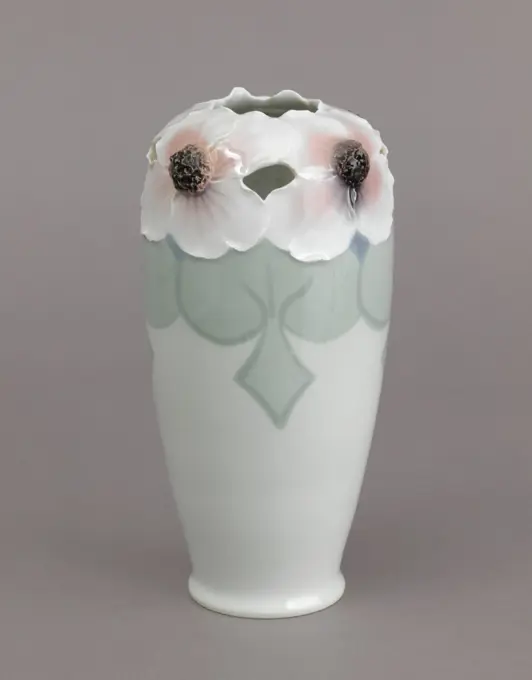
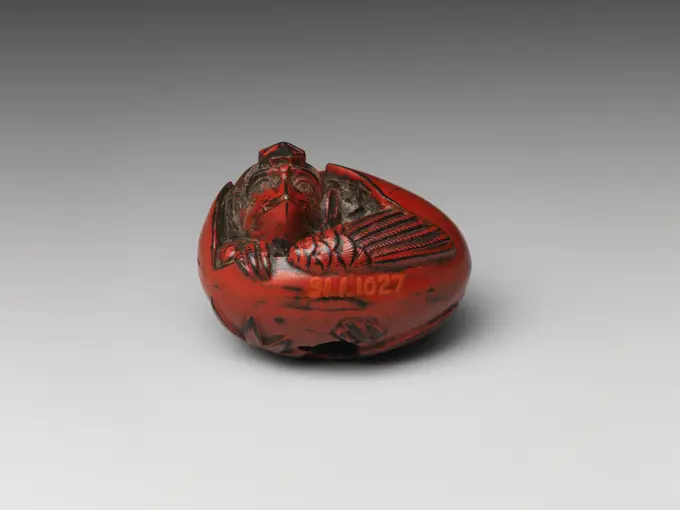
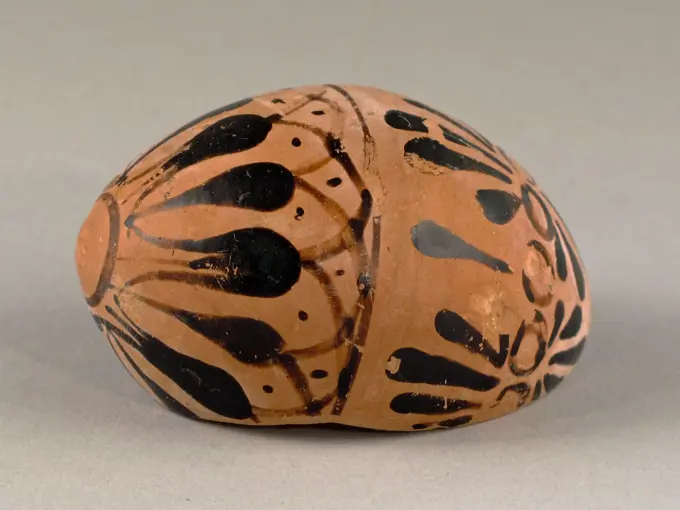
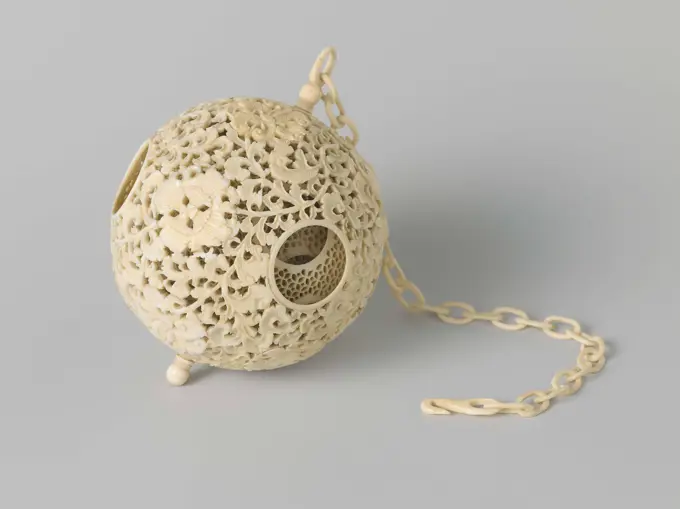
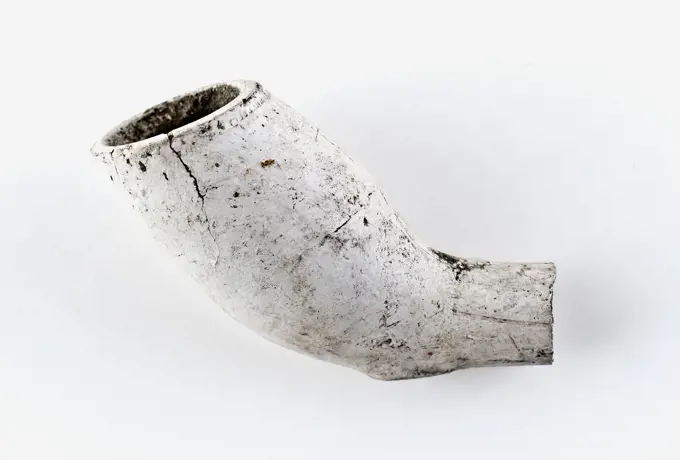
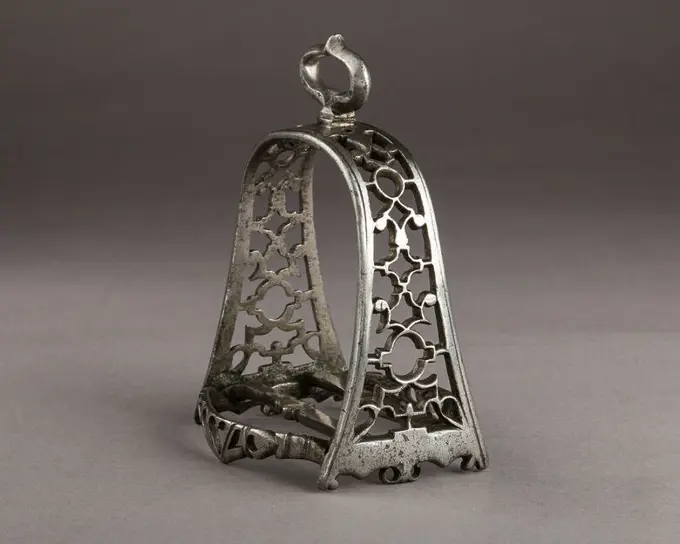
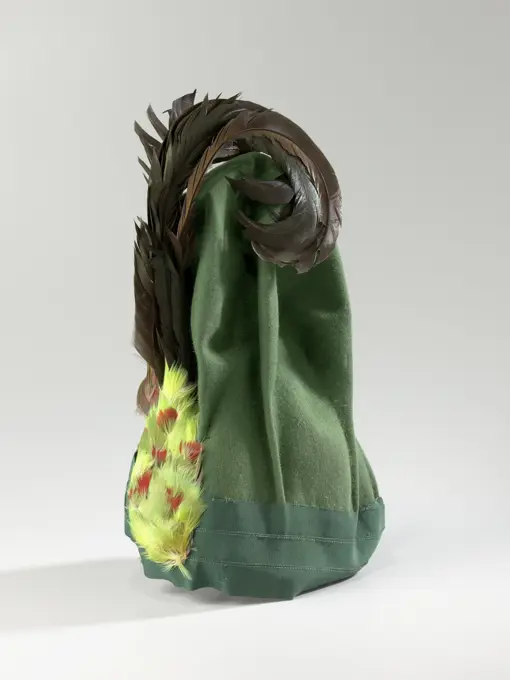
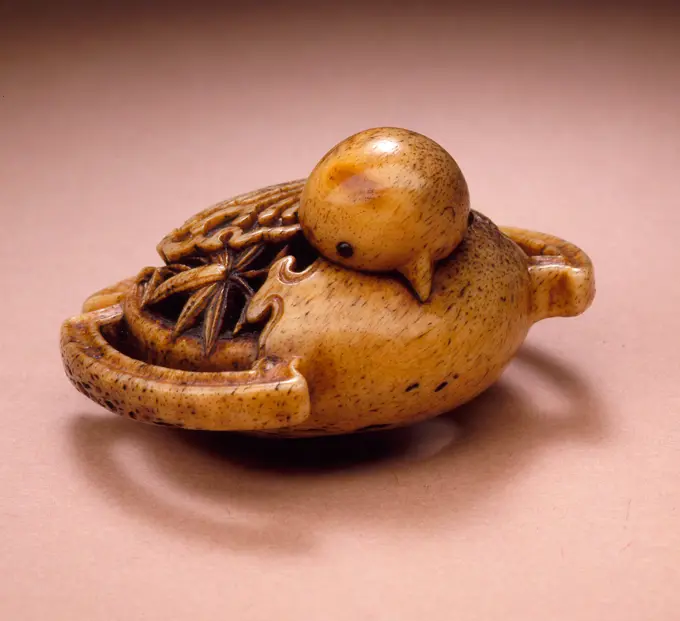
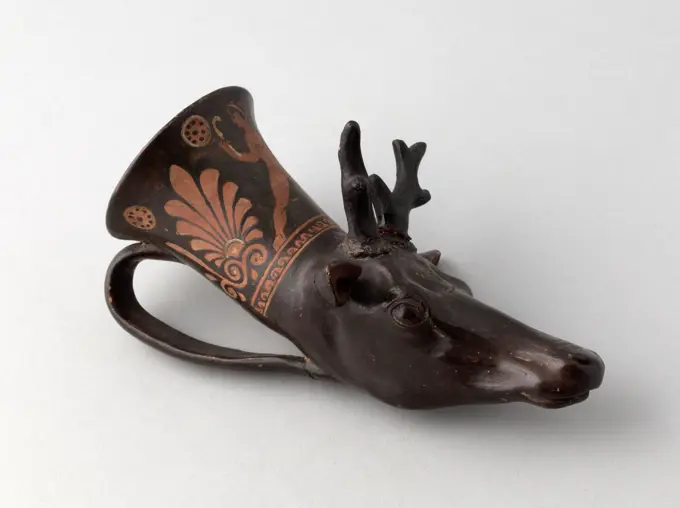
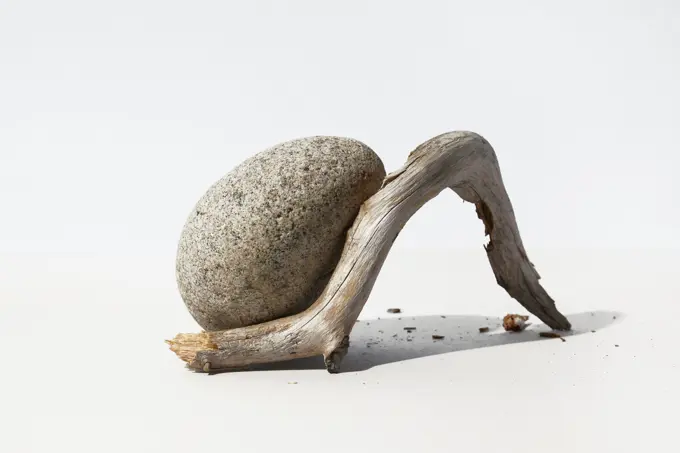
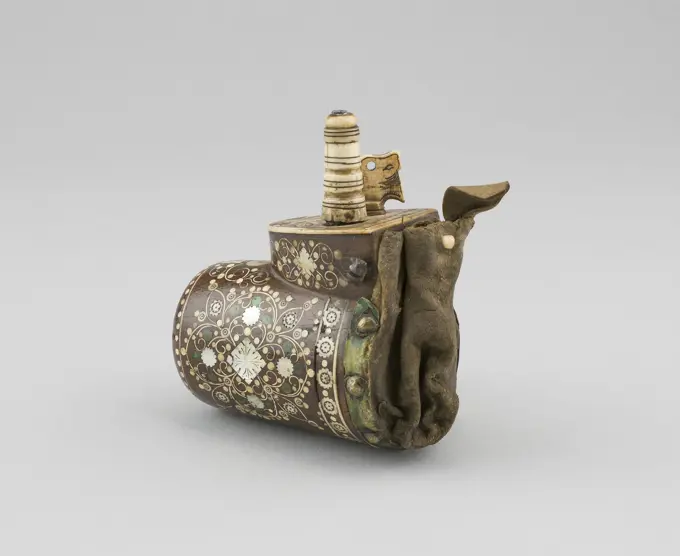
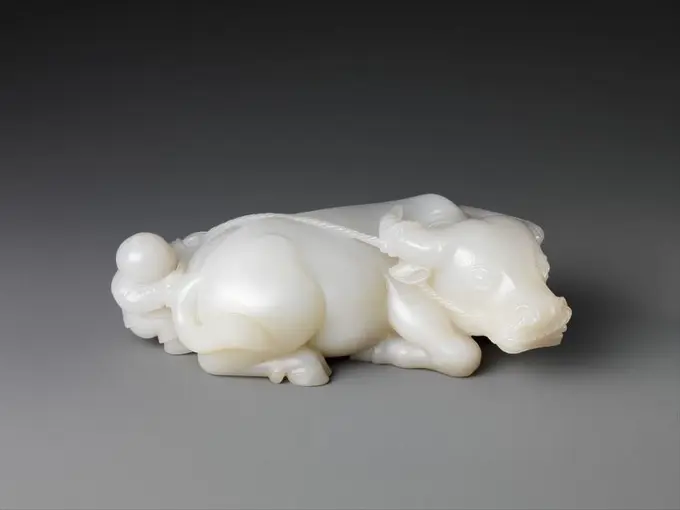
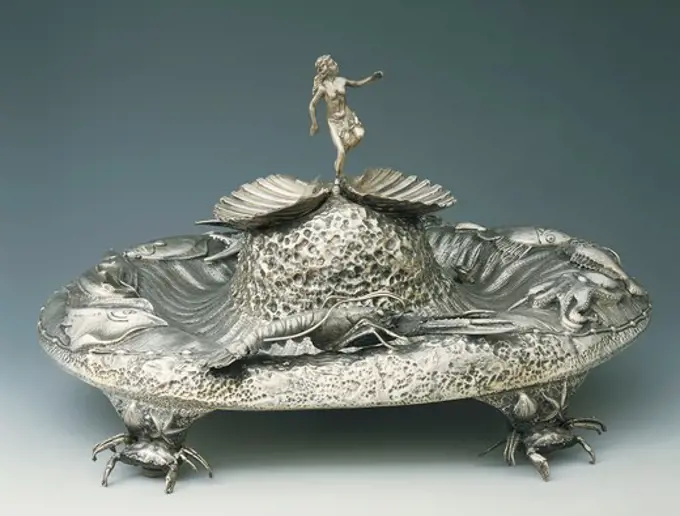
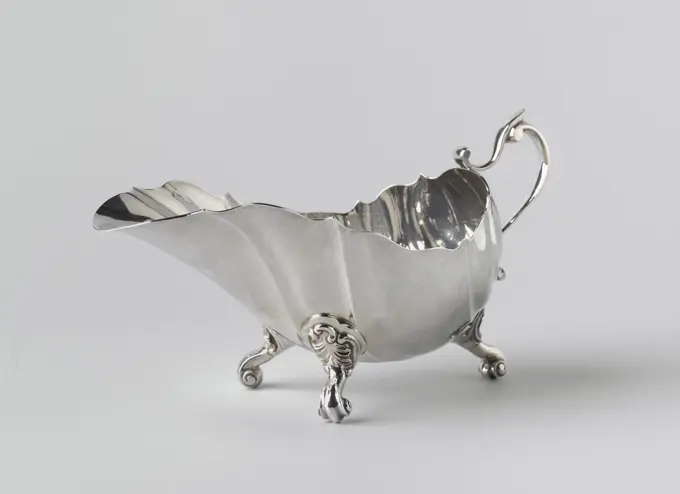
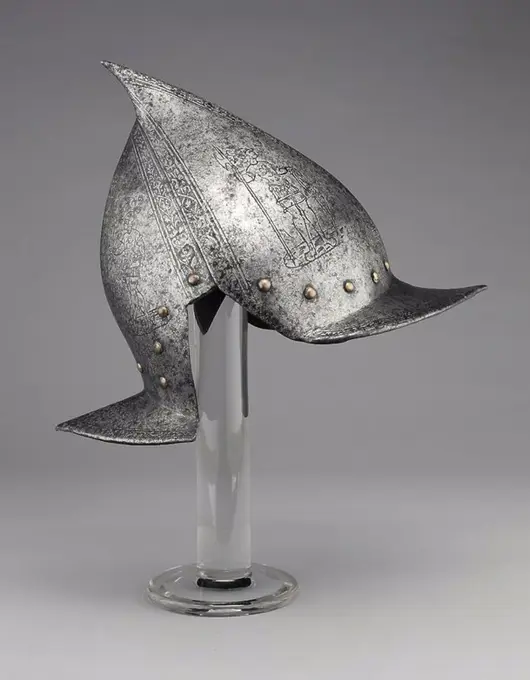
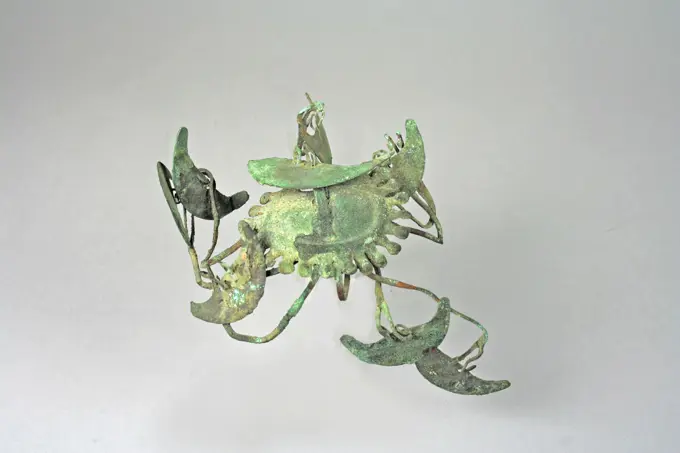
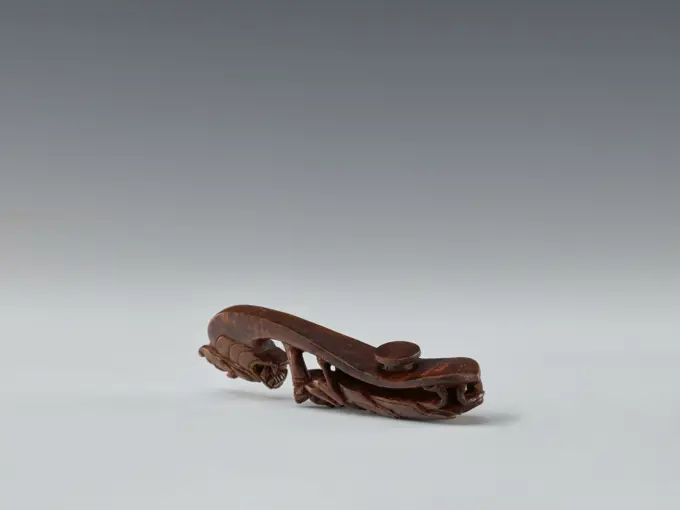
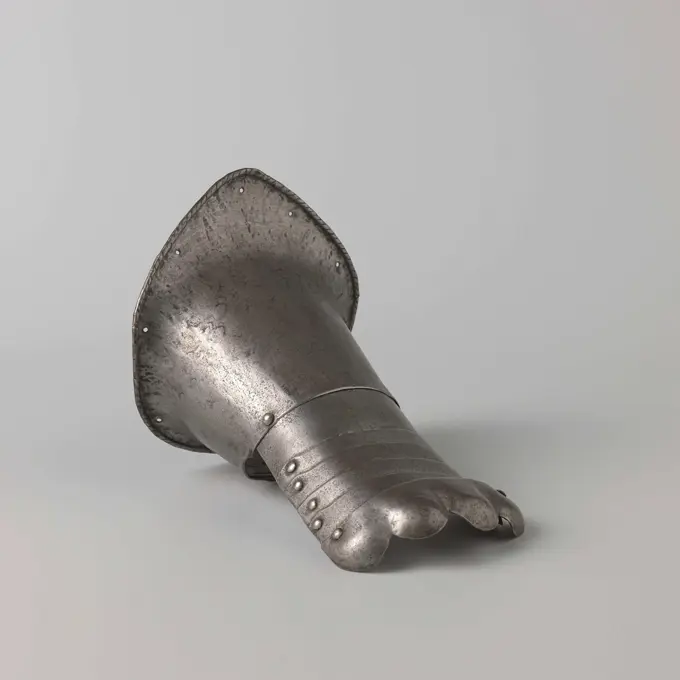
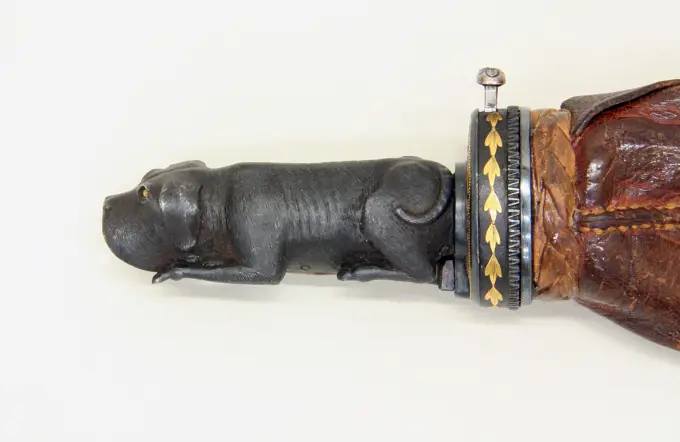
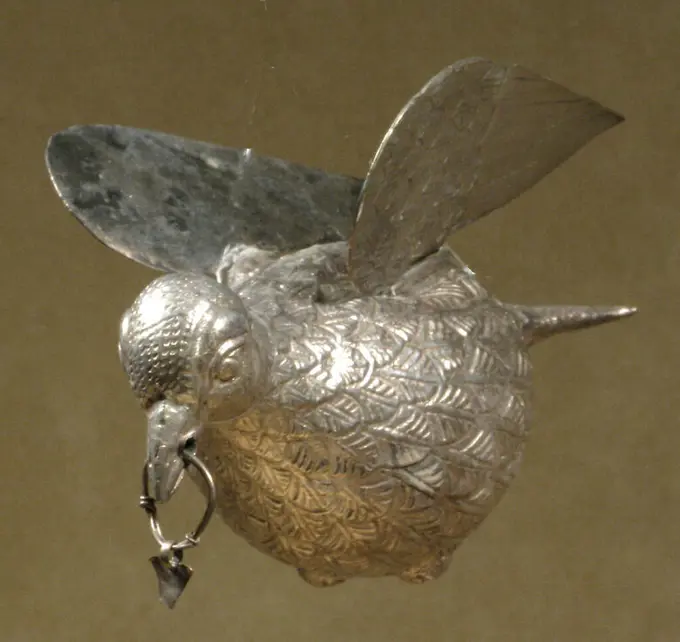
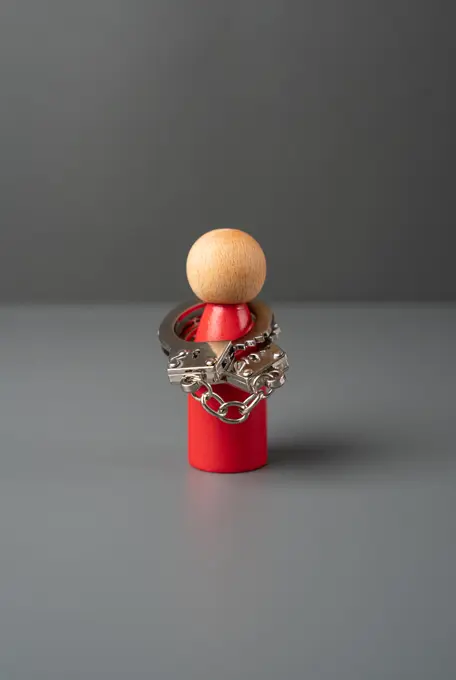
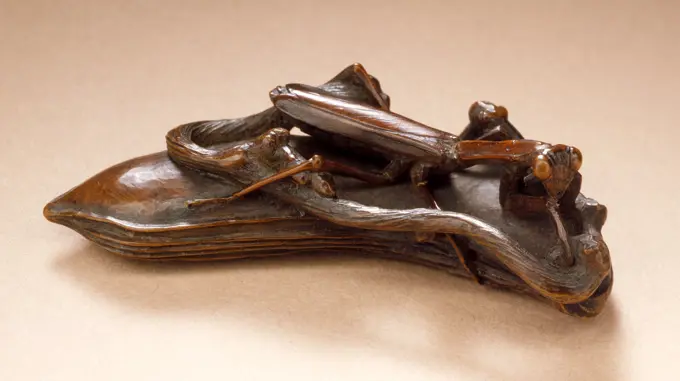
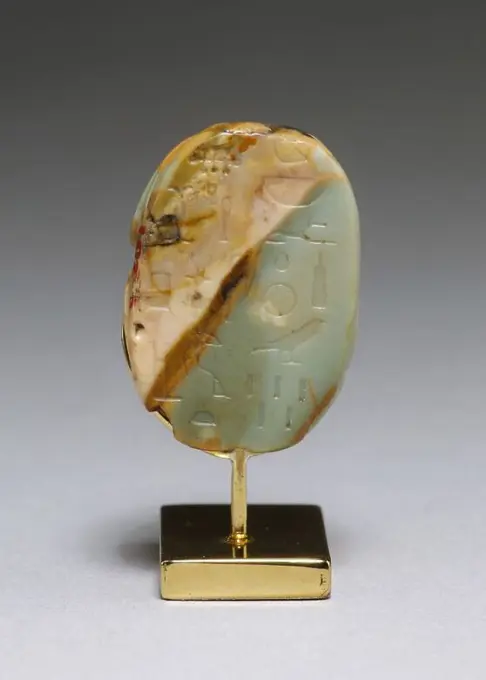
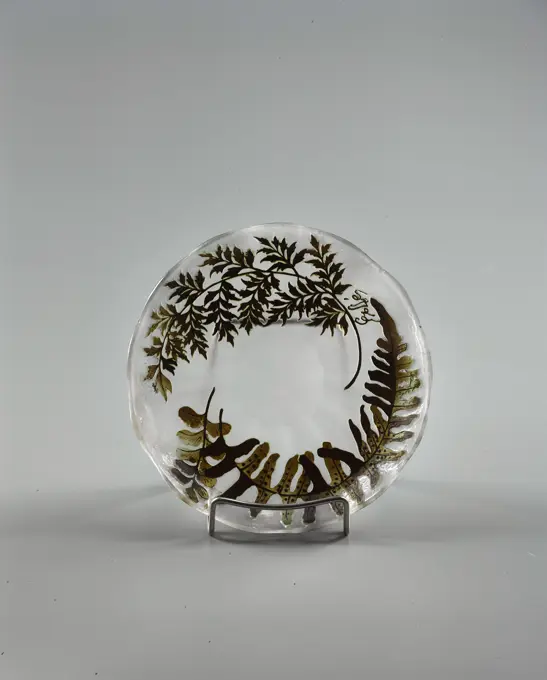
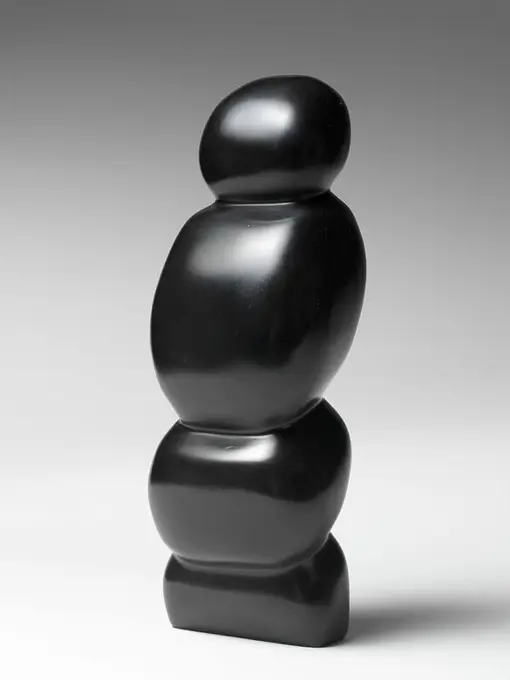
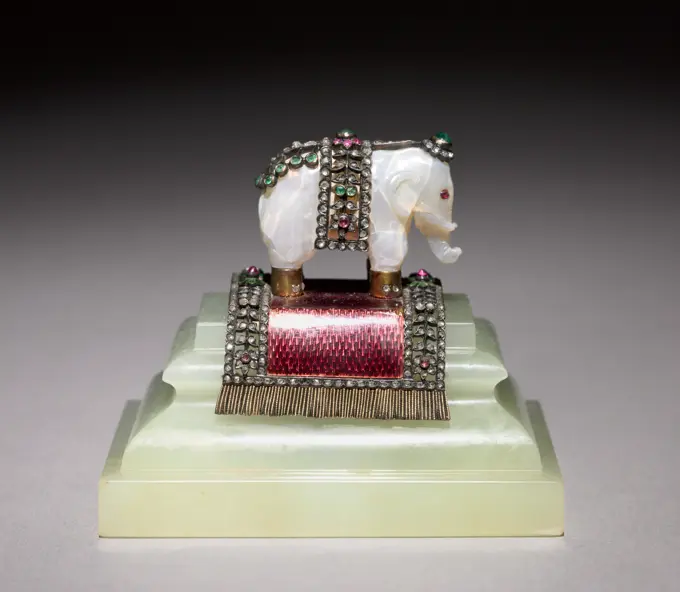
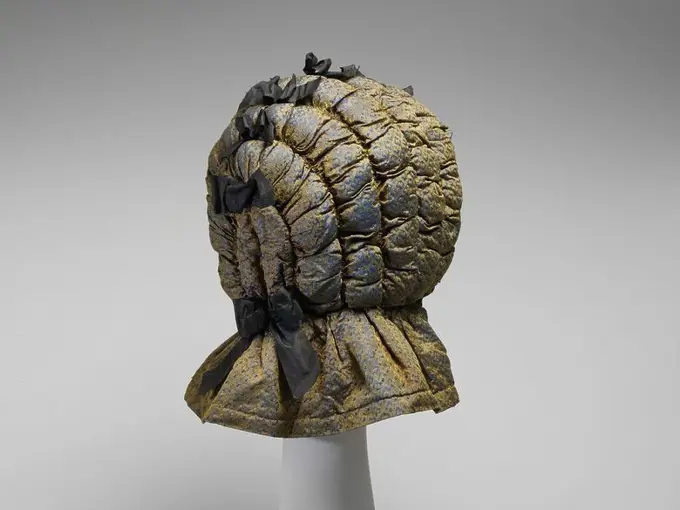
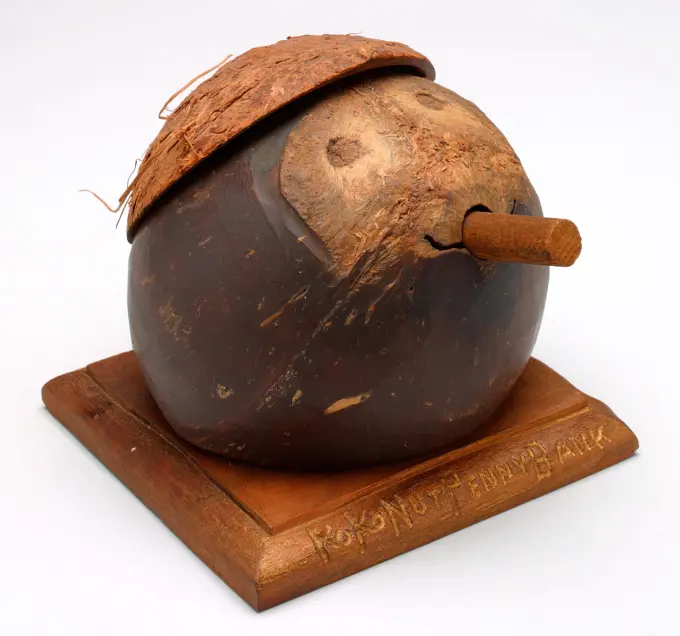
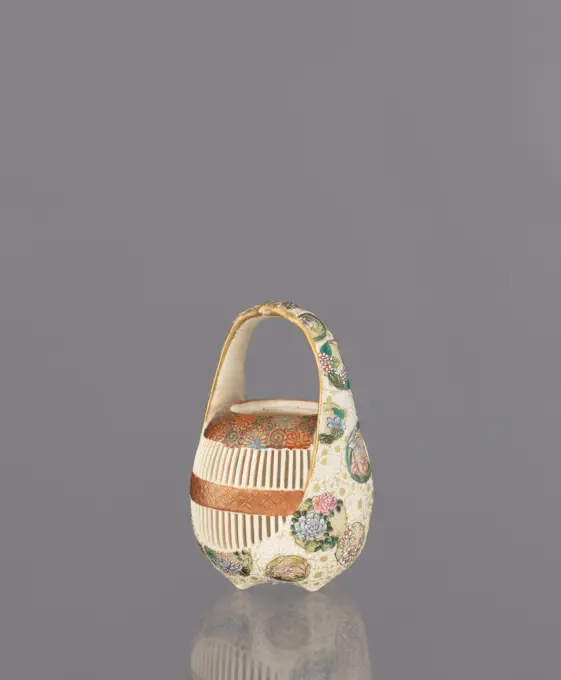
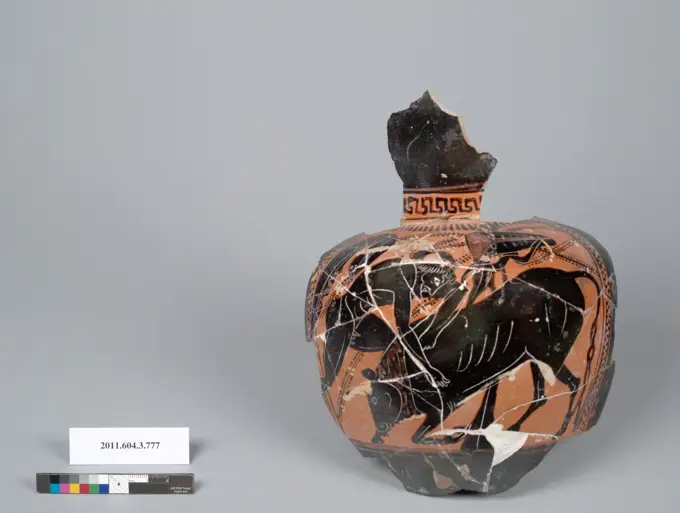
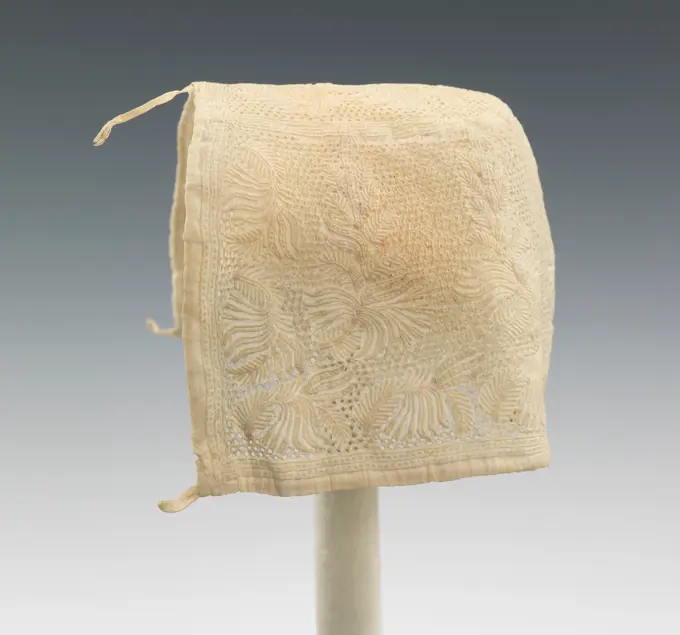
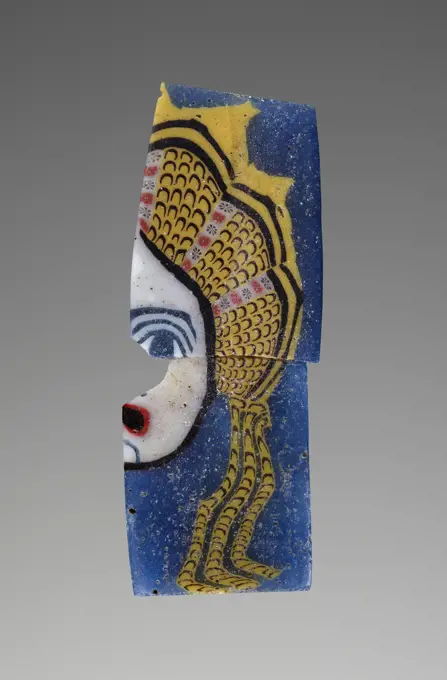
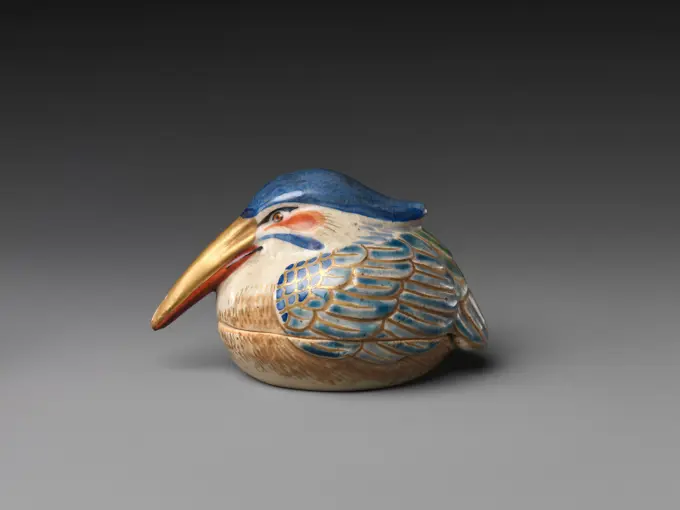
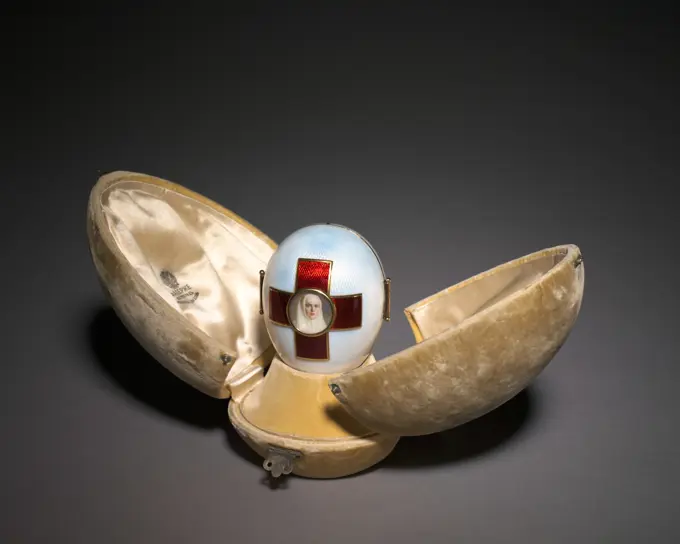
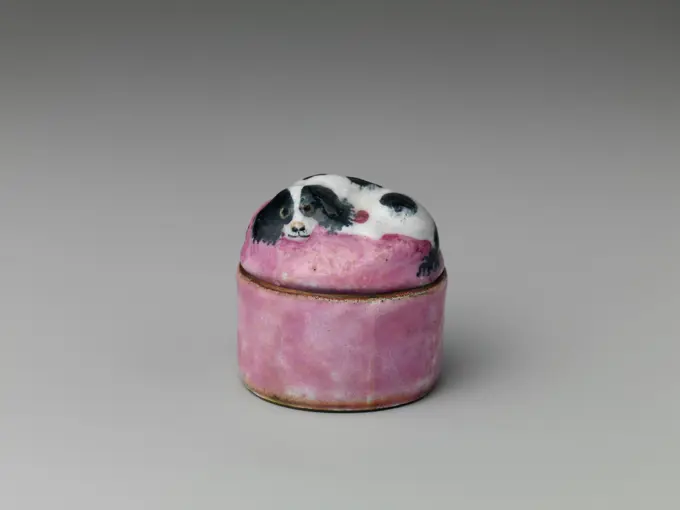
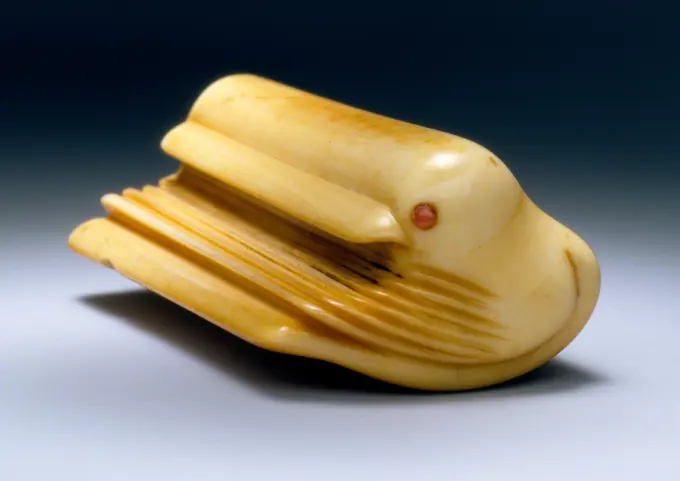
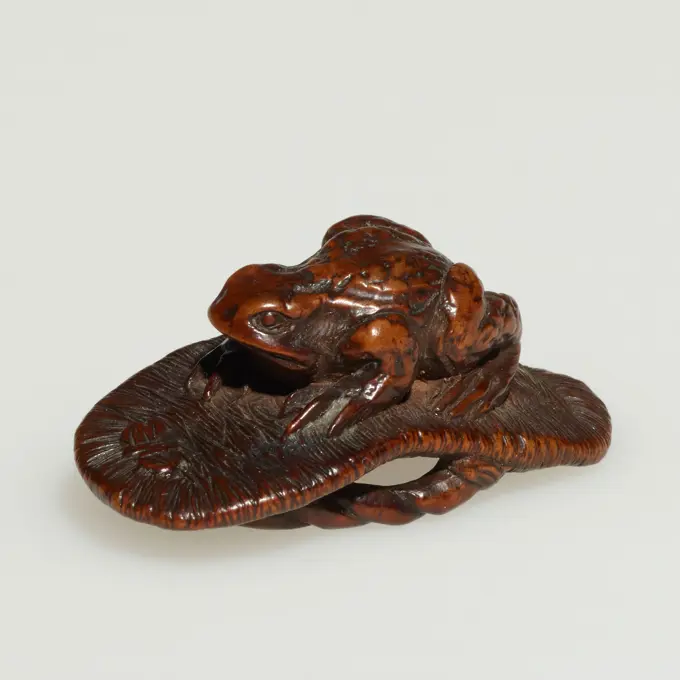
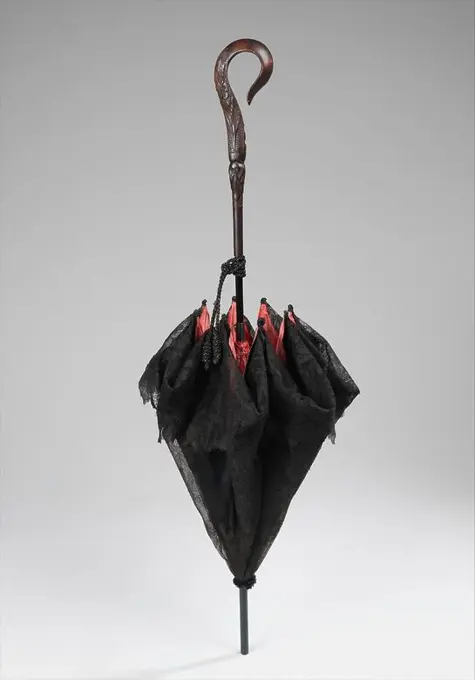
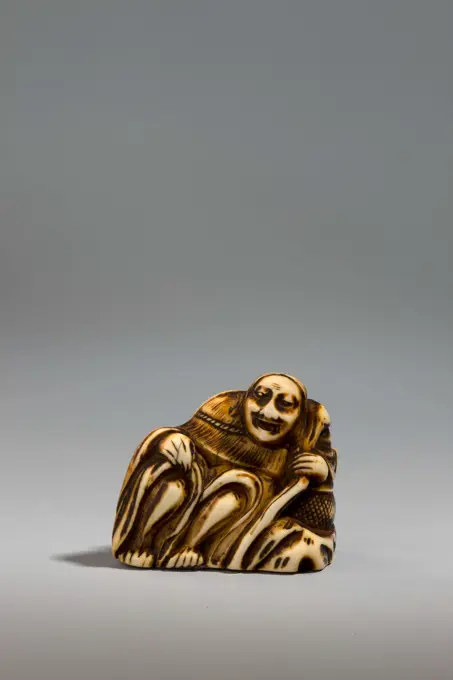
Resting pilgrim; netsuke. unknown, sculptorA drunken immortal 18th-19th century China. A drunken immortal. China. 18th-19th century. Rock crystal. Qing dynasty (1644-1911). HardstoneWoman's Fanchon Bonnet. United States, circa 1885. Costumes; Accessories. Silk netForearm Defense (Vambrace) and Elbow Defense (Couter). Culture: Italian. Dimensions: H. 11 3/4 in. (29.8 cm); W. 7 1/2 in. (19.1 cm); D. 5 in. (12.7 cm); Wt. 1 lb. 10.1 oz. (739.9 g). Date: ca. 1400. Museum: Metropolitan Museum of Art, New York, USA.Fragment of foot (edge), bottom and part wall of waffle cup, goblet drinking glass drinking utensils tableware holder soil find glass, hand-blown into the mold blow Fragment of foot (rim) bottom and part wall of waffle cup in clear colorless glass Foot edge from all round smooth and flattened glass wire. Underneath raised floor (2.3 cm) pontilemark Upright wall with waffle pattern that was first blown into the mold and then free blown out archeology Rotterdam rail tunnel drink Soil discovery: rail tunnel Rotterdam.Woman's Bonnet. Probably United States, circa 1860. Costumes; Accessories. Silk taffetaNetsuke in the form of a tiger, Naitō Toyomasa, c. 1825 Netsuke in the form of a sitting tiger, turned the head to the left and the tail wavy stabbed up. Partially patinated boxwood, the eyes of inlaid horn, the canines of inlaid ivory. Tamba boxwood (hardwood). horn (animal material). ivory cutting / engraving Netsuke in the form of a sitting tiger, turned the head to the left and the tail wavy stabbed up. Partially patinated boxwood, the eyes of inlaid horn, the canines of inlaid ivory. Tamba boxwood (hardwood). horn (animal material). ivory cutting / engravingRice bracket in the form of a mules, svante stridbeck (attributed to), 1781 The stirrup has the shape of a mouth. On the underside of the sole a ledge is applied at the height of the entry, in the ends whose hinged bracket fits. This has beveled corners and a grip built from S and C-Voluten with an oval opening. The cover is decorated over the instep with a profiled edge with a accolade -shaped seal. It has a engraved, largely in glossess, decorating a sugar beet on an shaded background, surrounded by a smooth edge, decorated along the instep with stylized twigs. The top of the sole is decorated to the onset of the entry with a geometric edge executed in glossess. Amsterdam silver (metal) The stirrup has the shape of a mouth. On the underside of the sole a ledge is applied at the height of the entry, in the ends whose hinged bracket fits. This has beveled corners and a grip built from S and C-Voluten with an oval opening. The cover is decorated over the instep with a profiled edge withFigure Fragment: Head 18th-19th century Ibibio peoples, Oron group. Figure Fragment: Head 314045Cobra head ca. 1390-1352 B.C. New Kingdom This cobra head was perhaps once part of a frieze adorning a shrine, similar to the canopic shrine from the tomb of Tutankhamun. The eyes are painted black.. Cobra head 544122Bronze handle early 5th century B.C. Greek One of a pair with 74.51.5455. Curving upward at each end and terminating in rams' heads; in center a three-leaved ornament.. Bronze handle 244332Tassel (Italy); linen, woodEwer in the shape of two ducks, anonymous, c. 1500 Can of porcelain, painted in under -glaze blue. The jug is in the form of two swimming ducks, the open beak of the female forms the spout. Ming porcelain in blue and white. China porcelain. glaze. cobalt (mineral) painting / vitrification Can of porcelain, painted in under -glaze blue. The jug is in the form of two swimming ducks, the open beak of the female forms the spout. Ming porcelain in blue and white. China porcelain. glaze. cobalt (mineral) painting / vitrificationHarlequin and rooster ca. 1755-60 Chelsea Porcelain Manufactory. Harlequin and rooster. British, Chelsea. ca. 1755-60. Soft-paste porcelain. Chelsea Porcelain Manufactory (British, 1744-1784). Ceramics-PorcelainNautilus shell with cut vines, Cornelis Bellekin, 1650 - 1700 A nautilus shell decorated with vines cut from the cloak around the walls and four concentric ovals on the bottom. From the thickness around the navel, two women's heads resting in a rosette were saved. Signed CBF (Cornelis Bellekin Fecit). Northern Netherlands, second half of the 17th century. Amsterdam mother of pearl A nautilus shell decorated with vines cut from the cloak around the walls and four concentric ovals on the bottom. From the thickness around the navel, two women's heads resting in a rosette were saved. Signed CBF (Cornelis Bellekin Fecit). Northern Netherlands, second half of the 17th century. Amsterdam mother of pearl. Can of porcelain, painted in underglaze blue. The can be in the form of two swimming ducks, the opened beak of the female forms the spout; The lid is in the form of an inverted lotus leaf with a slightly upstanding, lobed edge. Ming porcelain in blue and white.Lid of a butter fleet, of multicolored baked pottery; Staffordshire, Anonymous, c. 1750 - c. 1770 Cover (oval) Of multi -colored hard baked pottery. The lid has a button in the shape of a horizontal cow. The lid belongs to a butter fleet (BK-1987-36-C) and a underput (BK-1987-36-A). England earthenware. lead glaze Cover (oval) Of multi -colored hard baked pottery. The lid has a button in the shape of a horizontal cow. The lid belongs to a butter fleet (BK-1987-36-C) and a underput (BK-1987-36-A). England earthenware. lead glazeCover for a Potpourri Vase, c. 1750. Vincennes Porcelain Factory (France, 1740-56). Soft-paste porcelain; overall: 17.2 x 15.9 x 10.5 cm (6 3/4 x 6 1/4 x 4 1/8 in.).Thumb Ring, 1600s. China, Qing dynasty (1644-1911). Jade; diameter: 4.2 cm (1 5/8 in.); overall: 2.8 cm (1 1/8 in.).Amphora (Storage Jar). Eastern Mediterranean. Date: 200 BC-1 BC. Dimensions: 13.7 × 6 × 6 cm (5 3/8 × 2 3/8 × 2 3/8 in.). Glass. Origin: Egypt. Museum: The Chicago Art Institute, Chicago, USA. Author: Ancient Egyptian.Fragment of the Oranjeboom, 1874 Fish head and a few feet. Part of a model in plaster of a non -executed environment De Table for William III.  gypsum Fish head and a few feet. Part of a model in plaster of a non -executed environment De Table for William III.  gypsumHair comb of imitation turtle with large ajour cut back with flowers, plants and birds cut, anonymous, c. 1920 - c. 1930 Hair comb of imitation turtle. Wide and high comb with five teeth. In a fairly gross way, two birds bold each other were cut in the midst of flowers and plants. Spain celluloid (cellulosic). cellulose acetate filing / polishing Hair comb of imitation turtle. Wide and high comb with five teeth. In a fairly gross way, two birds bold each other were cut in the midst of flowers and plants. Spain celluloid (cellulosic). cellulose acetate filing / polishingSpatula (Vomitivo), Lizard 13th-15th century Taíno Taíno sculptors created another class of objects created figural and abstract imagery for use in ceremonies, known variably as spoons, spatulas, vomitivos, or vomit sticks.” Artists featured zoomorphic or anthropomorphic figures on these ritual implements, imbuing them with identities that featured prominently in their use in purging and fasting. Such activities induced weakened physical state and mental confusion, and combined with ritual use of a vegetal entheogen known as cohoba, formed integral parts of rituals performed by specialist healers known as behique (or bohíte or buhuittihu).. Spatula (Vomitivo), Lizard. Taíno. 13th-15th century. Bone. Dominican Republic, Caribbean. Bone/Ivory-ImplementsSeed capsule from dried poppyCap, anonymous, c. 1810 - c. 1825 Hat van Zijden Tulle, consisting of a hat ball that is wrinkled at the headband of Tulle. This headband serves as a tunnel for a silk ribbon, and as a surface for different strips of tulle and satin. The hat ball is decorated with a sickle -shaped deployment decorated with tuldoor stop. With striking ribbons of silk mesh. France hat: Silk. RAND: Silk. Striklint: Silk. Strook Side: Silk bobbin lace / blonde (lace) Hat van Zijden Tulle, consisting of a hat ball that is wrinkled at the headband of Tulle. This headband serves as a tunnel for a silk ribbon, and as a surface for different strips of tulle and satin. The hat ball is decorated with a sickle -shaped deployment decorated with tuldoor stop. With striking ribbons of silk mesh. France hat: Silk. RAND: Silk. Striklint: Silk. Strook Side: Silk bobbin lace / blonde (lace)Paul Crespin, Pair of Sauce Boats, 1746/47, silver.Lovebirds. Japan, 19th century. Costumes; Accessories. Red and gold lacquerVase Vase; Manufactured by Rorstrand (Sweden); Sweden; porcelainStab by Minister Jan van den Tempel, Anonymous, 1939 bicorne With a white ostrich, belonging to the official costume of Jan van den Tempel, stab at the opening of the States General when he was Minister of Social Affairs. Netherlands textile materials.Kinderfiguur, anonymous, c. 1755 - c. 1780 Children's figure of Faience, representing a boy leaning against a tree stump. White glazed. Delft . Children's figure of Faience, representing a boy leaning against a tree stump. White glazed. Delft .Ice glass cup, anonymous, c. 1550 - c. 1650 Ice glass cup, with inserted soil. Light bent body with vertical optically blown ribs, standing on three blue burrs Low Countries glass glassblowing Ice glass cup, with inserted soil. Light bent body with vertical optically blown ribs, standing on three blue burrs Low Countries glass glassblowingTerracotta oil lamp 2nd century A.D. Roman Loeschcke Type 8. Mold-made. Unpierced handle. Discus: rosette with sixteen petals; one central and one filling hole to upper right. Shoulder: double wreath pattern. Irregular, incised base ring, and pushed-in base.. Terracotta oil lamp. Roman. 2nd century A.D.. Terracotta. Mid Imperial. TerracottasFragment of pipe and tails, torso of male in coat, figurine soil found ceramic pipe earth, in shape pressed baked Fragment of pipefaces picture Hull of male in coat with large cuffs and pockets on the front. In the right hand staff or stick in the left hand napkin or paper archeology Rotterdam Heliport terrain indigenous pottery game toy decoration Soil discovery: Heliport site Rotterdam June 1978.Tengu Hatching from an Egg 18th century Japan This type of representation of the birth of the mythical creature known as tengu, was most favored by netsuke carvers. The image of the small tengu breaking the shell of its egg is rendered particularly vivid through the use of red lacquer.. Tengu Hatching from an Egg 59729. Parrot on a pedestal in the shape of an openwork rock of porcelain, painted on the biscuit in blue, red, green, eggplant and black. The red color on the beak and paws is worn down. Email sur biscuit.Oon ca. 500 B.C. Greek, Attic. Oon. Greek, Attic. ca. 500 B.C.. Terracotta. Archaic. VasesBall with eight () Smaller balls with geometric openwork patterns. Ball with eight () Smaller balls, sliced ​​from one block of ivory. The outer globe has a raft in relief. Through three round holes, the indoor balls are visible with various geometric openwork patterns. On the top an eye to which a chain with ivory links.Fragment of the Knot of a Tunic. Culture: Coptic. Dimensions: Overall: 3 1/4 x 3 1/8 x 2 5/8 in. (8.3 x 8 x 6.7 cm). Date: 4th-7th century. Museum: Metropolitan Museum of Art, New York, USA.Snuff Bottle 19th century China. Snuff Bottle. China. 19th century. Baroque seed pearls, green jadeite stopper. Qing dynasty (1644-1911). Snuff BottlesRound-bodied Box with Continuous Flower Motif in Relief. Spherical box of porcelain, covered with a gray glaze. The box is covered with a continuous floral pattern in relief. Two old labels in the box with 'Van Lier'. Ming porcelain.White clay pipe, unnoticed, with smooth handle, clay pipe smoking equipment smoke floor pottery ceramics pottery, pressed finished baked White clay pipe unnoticed with smooth handle Pipe has smooth transition from the front of the kettle to the stem, the heel almost disappeared is archeology smoking tobaccoPlatform rocking chair, c. 1880-90, Wenzel Friedrich, American (Texas, born Bohemia), American (Texas, born Bohemia), 1827 - 1902, 35-3/4 x 24 x 20-1/2 in. (90.8 x 61.0 x 52.1 cm), Horn, ivory and glass with ocelot upholstery, United States, 19th century, Nothing says 'Wild West' like a chair made from the horns of those icons of the American West, Texas Longhorn cattle. These cattle were prized for their meat and hides, but no one had any use for their dramatic horns. Enter Wenzel Friedrich, a German immigrant who moved to San Antonio, Texas, and saw an opportunity. He became the premier maker of horn furniture by the late 1800s. His clients included not only wealthy Americans, but Europeans looking for an exotic taste of the West, including Britains Queen Victoria.Brisé Fan; carved and drilled horn sticks with applied metal spangles, mother-of-pearl washer at rivet, cast metal bail, silk tassel and ribbonFashion, 20th century. Women's capote straw hat with lace fretwork, silk satin, fabric flowers and stuffed bird, late 1800 - early 1900.Stirrup. Culture: Spanish or Italian. Dimensions: H. 6 3/4 in. (17.1 cm); W. 4 1/2 in. (11.4 cm); D. 4 in. (10.2 cm); Wt. 1 lb. 1.9 oz. (507.5 g). Date: first half 17th century.This shape of stirrup, with its flaring sides, evolved from 16th-century German types and became very popular in several other countries in the first decades of the 17th century, including the Netherlands, Northern Italy or Spain. Museum: Metropolitan Museum of Art, New York, USA.Roast chicken, anonymous, c. 1800 - c. 1899 Roasted hollow metal chicken, gray with reddish -brown painted; Rull with wings aside and legs stabbed back. Holland tin (metal) Roasted hollow metal chicken, gray with reddish -brown painted; Rull with wings aside and legs stabbed back. Holland tin (metal)Toque van Groen felt felt with three bars of green rip ribbon, decorated with black, yellow and red feathers, Suzanne Talbot, c. 1940 - c. 1946 Toque van Groen felt trimmed with three bars of green rip ribbon, decorated with black, yellow and red feathers. Paris whole: Felt (textile). Decoration:. Toque van Groen felt trimmed with three bars of green rip ribbon, decorated with black, yellow and red feathers. Paris whole: Felt (textile). Decoration:.Lucky Sparrow. Ishikawa Rensai (Japan, active mid- to late 19th century, born circa 1832). Japan, mid- to late 19th century. Costumes; Accessories. Stag antler with inlaysIncense burner in the shape of an eggplant with an insect, 19th century, Unknown Japanese, 3 5/16 × 6 1/4 × 3 3/4 in. (8.41 × 15.88 × 9.53 cm), Bronze, Japan, 19th centuryRhyton in the shape of a deer head. Red figures. Taranto, 4th century BC. AD Museum of Fine Arts of the City of Paris, Petit Palais. 59719-20 Wild animal, antiquity, Greek-Roman antiquity, ancient, ceramic, cervid, deer, deer, red figure, large Greece, 4th 4th 4th 4th 4th century AV.JC, molding, ancient period, pottery, container, rhyton, funeral rite, Ritual, terracotta, head, drinking vase, ancient vase, funeral vase, wine, ancientMinimal still life nature image with stone, wood and neutral tonesPowder Flask with Bullet Pouch 1630-1660 Central Europe. Wood, horn, mother-of-pearl, leather, brass, and iron .Boy with water buffalo. Culture: China. Dimensions: H. 1 5/8 in. (4.1 cm); W. 3 1/4 in. (8.3 cm) ; L. 5 1/8 in. (4.1 × 8.3 × 13 cm). Date: 18th century. Museum: Metropolitan Museum of Art, New York, USA.Silversmith's Art, Italy 20th century. Piece, chiselled silver, oval centerpiece with repousse, zoomorphic decoration, imitating a rocky sea floor. On the top a young girl between two shells; crab-shaped stands.Hat ca. 1760 British. Hat 107266Raccoon Dog Disguised as Priest. Japan, last half 19th century. Costumes; Accessories. Stag antlerSilver sauce, Valentine Caspar Bömcke (attributed to), 1764 Shell -shaped sauce bowl with one ear on three legs. Each leg is made up of volutes, and decorated on the shoulder with a rocaille. The ear consists of volutes. The sauce bowl is marked. Amsterdam silver (metal) casting / hammering Shell -shaped sauce bowl with one ear on three legs. Each leg is made up of volutes, and decorated on the shoulder with a rocaille. The ear consists of volutes. The sauce bowl is marked. Amsterdam silver (metal) casting / hammeringred carnival mask white tableBurgonet. Northern Italian, probably Brescia. Date: 1560-1590. Dimensions: H. 22.9 cm (9 in.). Steel. Origin: Brescia province. Museum: The Chicago Art Institute, Chicago, USA.Nose Ornament 6th-7th century Moche (Loma Negra). Nose Ornament 314538Archbone (common name). Sandstone, molding, celadon. Cernuschi Museum, Asia Museum of Asia in the city of Paris.Wheelbarrow, anonymous, c. 1700 - c. 1799 Wheelbarrow of dark stained walnut with white dots and four holes in the wheel. Amsterdam (possibly) walnut (hardwood) Wheelbarrow of dark stained walnut with white dots and four holes in the wheel. Amsterdam (possibly) walnut (hardwood)Right Hand of Buddha. Culture: China (Northern Xiangtangshan, North Cave). Dimensions: H. 20 1/2 in. (52.1 cm); W. 15 in. (38.1 cm); D. 20 in. (50.8 cm). Date: ca. 550-560. Museum: Metropolitan Museum of Art, New York, USA.Zapinka do pasa. unknown, craftsmanFragment of a Bowl 14th-15th century. Fragment of a Bowl. 14th-15th century. Attributed to Egypt. CeramicsTrunk of drinking glass consisting of twisted curl and blue ear on one side, drinking glass drinking utensils tableware holder soil find glass, free blown stem fragment consisting of curl of clear glass made of twisted glass wire with an elegantly pleated ear of blue glass on one side. Pontil mark on the side of the bottom and glass pearl in the base of the calyx. Partially milky discolored archeology Valckensteyn Poortugaal Albrandswaard decorate drink serve serve wine Soil discovery: castle Valckensteyn in Poortugaal now Albrandswaard 1961-1962.Arm glove. Arms glove from iron, blank. The glove has a cover with four balls that protect part of the fingers. The center piece is articulated by means of four plated strips that have riveted with rivets on both sides. The glove consists of two parts of which the upper part runs into a point, above the surrounded edge small round holes, the edges are tabered. The inside is painted black.Brush washer with plum blossoms and feline dragons late 18th-early 19th century China. Brush washer with plum blossoms and feline dragons 56173Vase, late 18th century, H.14.5 x W.7.6 x D.3.8, Yellow jade, China, 18th century, Possibly carved as a flower vase, this vessel is in the form of an upright finger citron also known as a Buddha's hand. Patterned leaves entwine the citron, and a second, miniature citron is carved in relief at the base of the container. A work such as this would have been admired for its auspicious subject matter and somewhat rare yellow color.Shoulder or Knee Defense probably 15th-17th century Tibetan or Mongolian. Shoulder or Knee Defense 24981Ring (India); silver, paste stones, two human teethShot bag (Perdigonera) ca. 1830-40 Spanish This type of shot bag was worn over the shoulder and across the body like a bandolier. It held shot, the pellets fired from a shotgun and used for hunting birds or small game. Its nozzle, in the shape of a hunting dog, is made of chiseled iron, highlighted in gold. The shot is poured out of the bag through the dog's mouth when the button at the base of the nozzle is pushed.. Shot bag (Perdigonera). Spanish. ca. 1830-40. Leather, iron, gold. Firearms AccessoriesThe Attarouthi Treasure - Silver Dove. Culture: Byzantine. Dimensions: Overall (with wings): 3 5/8 x 6 1/4 x 2 11/16 in. (9.2 x 15.8 x 6.8 cm)Overall (Body only): 2 7/16 x 2 7/16 x 6 1/4 in. (6.2 x 6.2 x 15.8 cm). Date: 500-650.The dove, with wings spread and feet tucked up as if in flight, represents the Holy Spirit that appeared over the head of Christ as he was baptized by Saint John the Forerunner (John 1:32). Early authors mention the presence of doves over altars in churches from Constantinople to Tours in France. This is the earliest known example of the type. Originally a small cross hung from the loop in its beak. Museum: Metropolitan Museum of Art, New York, USA.Man figurine in handcuffs. Mental health. Limitations and psychological problems. Stiffness and tightness. Find self-confidence. Throw off the shackles, liberate yourself. Remove fears and prejudices Man figurine in handcuffs. Mental health. Limitations and psychological problems. Stiffness and tightness. Find self-confidence. Throw off the shackles, liberate yourself. Remove fears and prejudices Copyright: xZoonar.com/AndriixYalanskyix 21623507Praying Mantis on Bean. Bazan (Japan, circa 1833-circa 1897). Japan, second half of 19th century. Costumes; Accessories. WoodTeddy bearScarab of Pacherediset. Dimensions: L. 2.5 × W. 1.7 × H. 1.2 cm (15/16 × 11/16 × 1/2 in.). Dynasty: Dynasty 26-29. Date: 664-525 B.C.. Museum: Metropolitan Museum of Art, New York, USA.Plate. Gallé, Emile (1846-1904), glassmaking companyCrab 6th-7th century Moche (Loma Negra). Crab 314482Lluis Ventós / "Goddess", 2006, Sculpture, 27,6 x 9,6 x 8,9 cm.Elephant Bell Push, after 1903. House of Fabergé (Russian, 1842-1918), Henrik Wigström (Russian, 1862-1923). Jade, gold, rubies, emeralds, diamonds, enamel; overall: 6.7 x 7.7 x 5.4 cm (2 5/8 x 3 1/16 x 2 1/8 in.).Bonnet. Culture: American. Date: 1840s. Museum: Metropolitan Museum of Art, New York, USA.Koko Nut sic Penny Bank' still bank, 20th century, 3 3/4 x 3 15/16 x 3 7/8 in. (9.53 x 10 x 9.84 cm), Wood, pigment, United States (probably), 20th centuryWater dropper in the shape of a fish late 19th century Korea Porcelain water droppers, part of the Joseon scholar's writing instruments (Brush holder, 11.142.1), were often shaped in whimsical forms. Besides fish (probably carp), fruits like peach, animals like the frog and turtle, and mountains were popular organic forms for the water dropper. Some are undecorated, but many are painted with cobalt blue either in part or whole, as is the case with this piece. Water from the droppers was used for grinding the ink stone to make ink.. Water dropper in the shape of a fish. Korea. late 19th century. Porcelain with underglaze cobalt blue. Joseon dynasty (1392-1910). CeramicsKadzielniczka (Kôro);  19th/20th century (1891-00-00-1910-00-00);Terracotta fragment of an oinochoe (jug) late 6th/early 5th century B.C. Greek, Attic At the bottom of the neck, a red line above a leftward meander; at the shoulder, a band of tongues; inside the panel, Herakles capturing the Cretan bull; hanging in the field, at the left, is Herakles' chlamys; above the hindquarters of the bull, Herakles' bow and quiver; in the background, branches; the panel ornament is comprised of two vertical rows of dots. Terracotta fragment of an oinochoe (jug). Greek, Attic. late 6th/early 5th century B.C.. Terracotta; black-figure. Archaic. VasesCap ca. 1820 American. Cap 157585Cane Slice with Theatrical Mask; Alexandria (perhaps), Roman Empire, Egypt; 100-1 B.C; Glass; 3.2 × 1.2 × 0.2 cm (1 1,4 × 1,2 × 1,16 in.)Water caltrop on a white backgroundIncense Container (Kg) in the Shape of a Bird first half of the 19th century Miyagawa Chz After being apprenticed to Aoki Mokubei (1767-1833) to learn pottery techniques, Miyagawa Chz opened a new kiln at Makuzugahara in Higashiyama, Kyoto. Given the artistic name Makuzu by Yasui no Monzeki, a retired monk of the Shingon (Esoteric Buddhist) sect, he began making “Makuzu ware.” He was the father of Meiji-period ceramic artist Miyagawa (Makuzu) Kzan I (1842-1916).. Incense Container (Kg) in the Shape of a Bird. Miyagawa Chz (Japanese, 1797-1860). Japan. first half of the 19th century. Stoneware with polychrome enamels over a transparent glaze (Kyoto ware). Edo period (1615-1868). CeramicsImperial Red Cross Easter Egg, 1915. Peter Carl Fabergé (Russian, 1846-1920), Henrik Wigström (Russian, 1862-1923), House of Fabergé (Russian, 1842-1918). Gold, silver gilt, enamel, glass, ivory; overall: 8.6 x 6.4 cm (3 3/8 x 2 1/2 in.).Box probably early 19th century probably British, South Staffordshire Small boxes for sweets in the shape of three-dimensional animals were popular gifts in eighteenth-century England.. Box 204628Double-Ended Plovers. Japan, late 19th century. Costumes; Accessories. Ivory with staining, sumi, inlaysHandmade jewelry on a glass background Handmade jewelry on a black glass studio background Copyright: xZoonar.com/AndreyxSkatx 9875492Parasol mushroom, Macrolepiota procera, studio shot, France, EuropeAsian and Oriental painted toy from burnt clay in the form of fantastic creatures and animals on a black background. colored toy from clayToad sitting on a straw sandal, 19th century, Kokei, Japanese, active early 19th century, 11/16 x 11/16 x 7/8in. (1.7 x 1.7 x 2.2cm), Wood, Japan, 19th centuryParasol. Culture: probably French. Date: 1885-95.While this parasol has a simple black exterior, the interior is a changeante silk in a muted red which completely covers the interior mechanisms. The handle is particularly refined in its carving, as the leaf motif on one side has been carved out from the base, giving a 3D aspect to the design. Additionally, the shaping of the crook is asymmetrical and elegant. Museum: Metropolitan Museum of Art, New York, USA.CASCO CARLOS V VISTA FRONTAL SESGADA. Location: PALACIO REAL-REAL ARMERIA DE MADRID. MADRID. SPAIN.Powder horn - A POWDER HORN WITH A CONTEMPORARY PICTORIAL PLAN OF THE SIEGE OF QUEBEC DATED 1759