Artistic Floral Cards

Stylized invitation cards featuring rough-drawn spring flowers and bold colors, suitable for celebrations like anniversaries and birthdays with a creative flair.

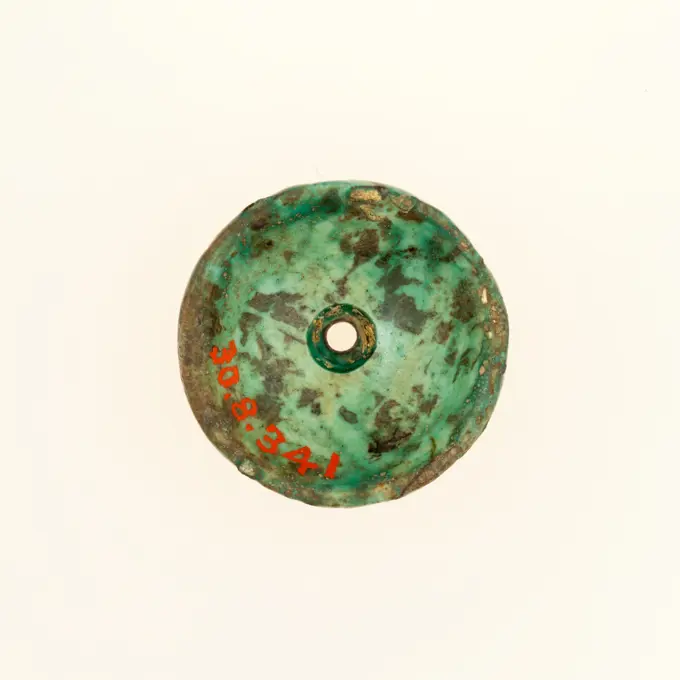
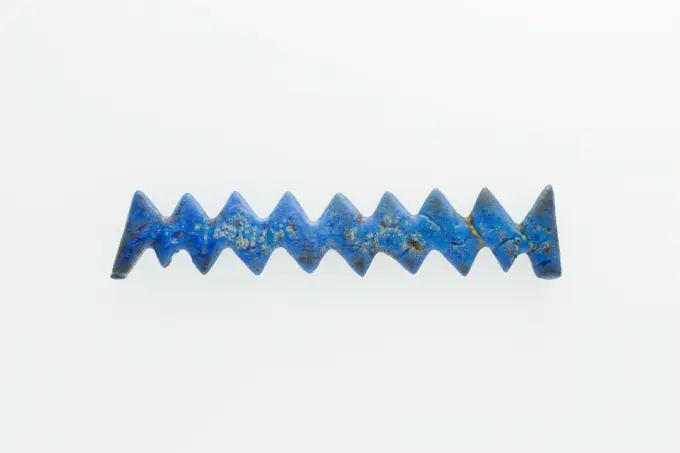
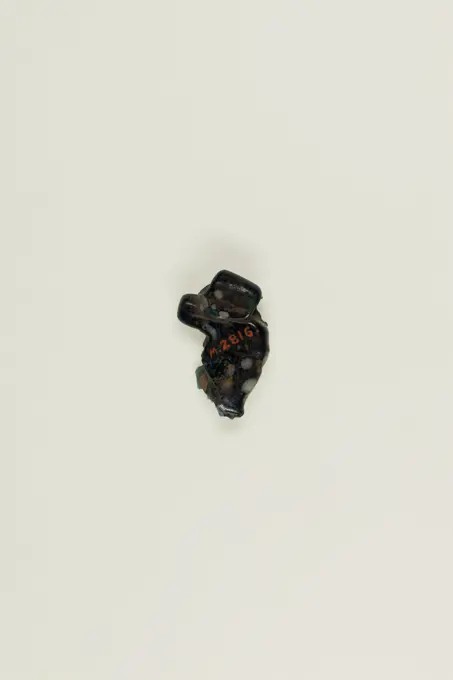
Bead ca. 1981-1550 B.C. Middle Kingdom or Second Intermediate Period. Bead 639393
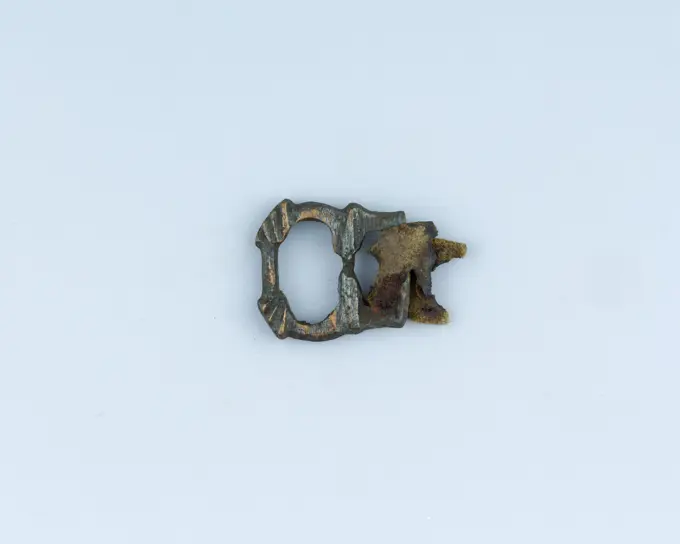
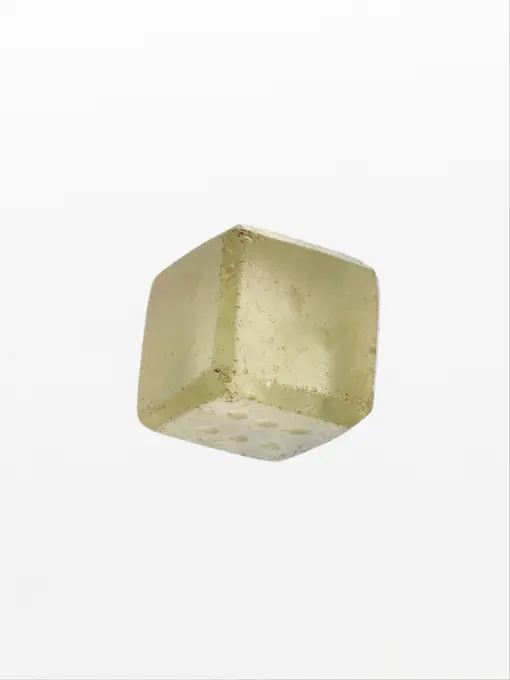
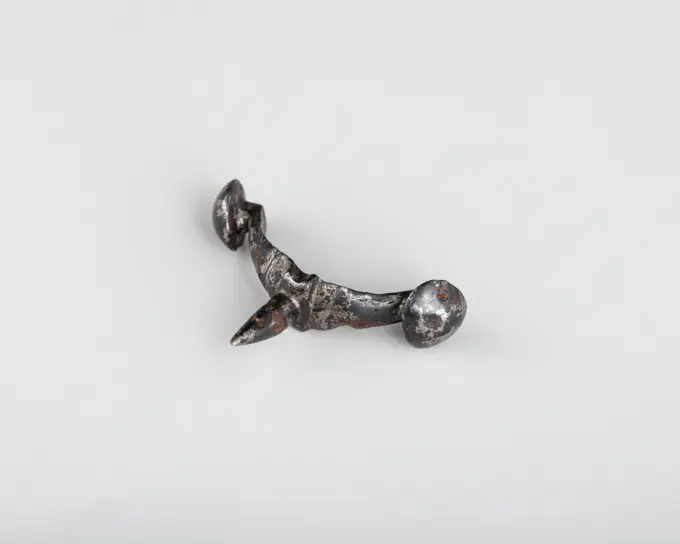
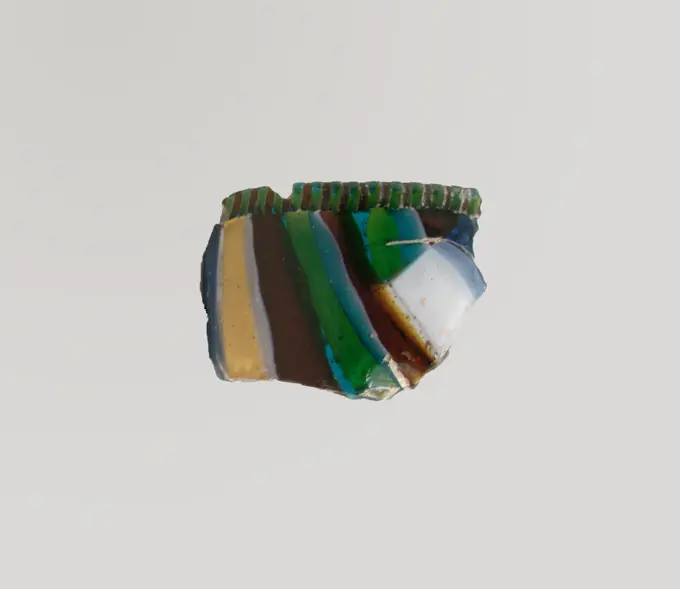
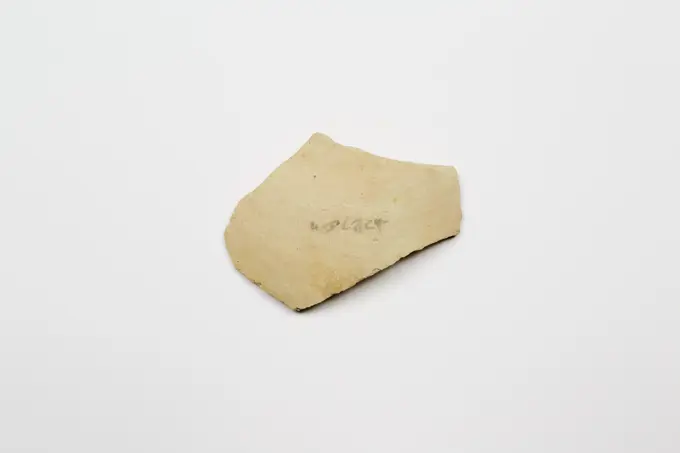
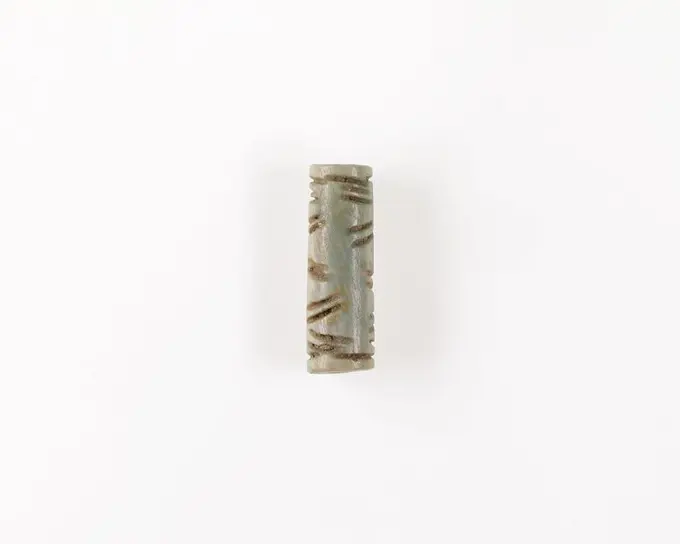
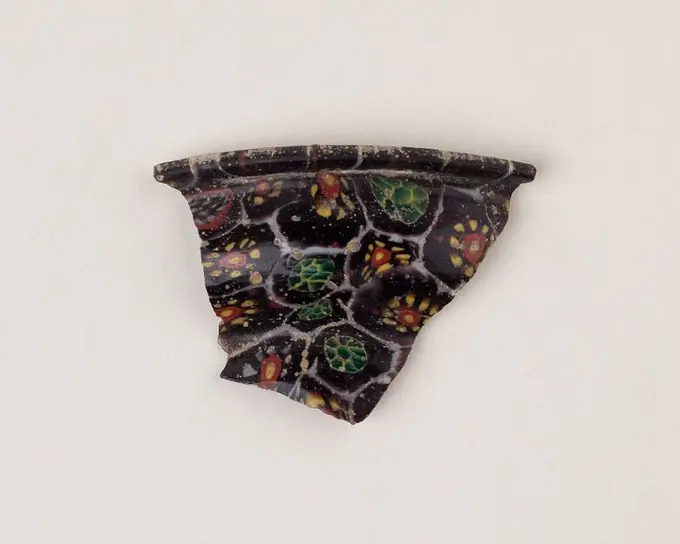
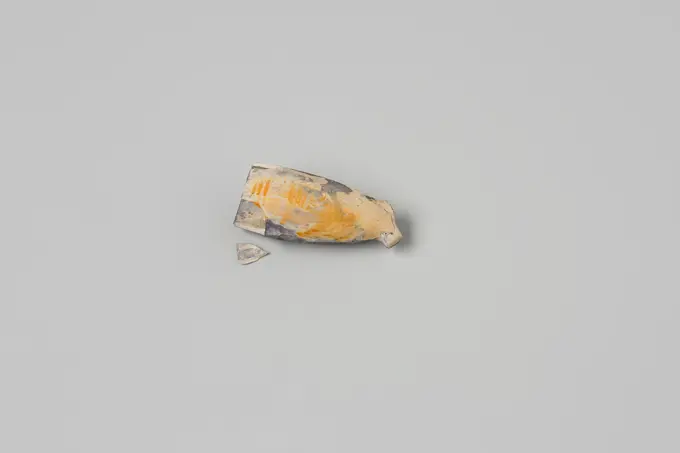
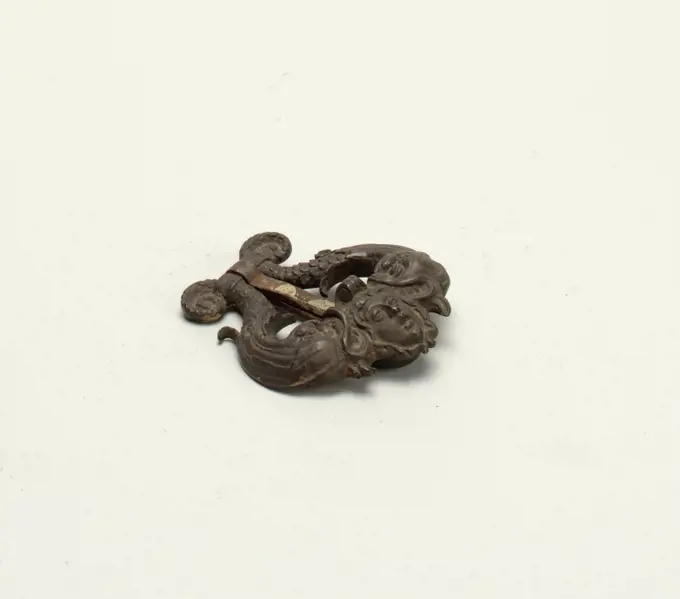
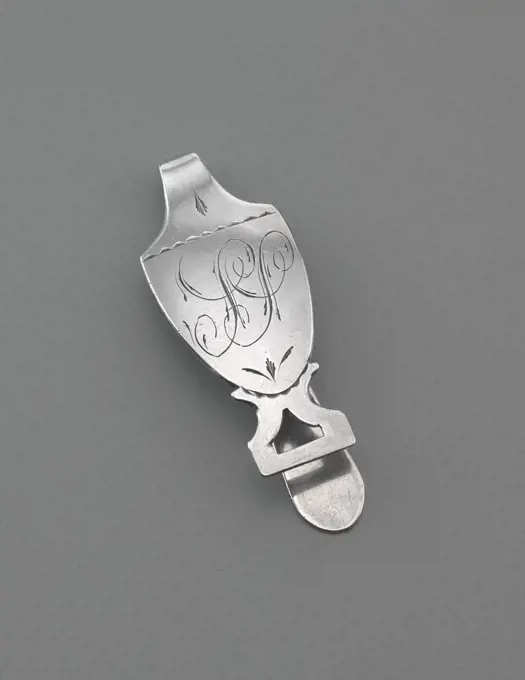
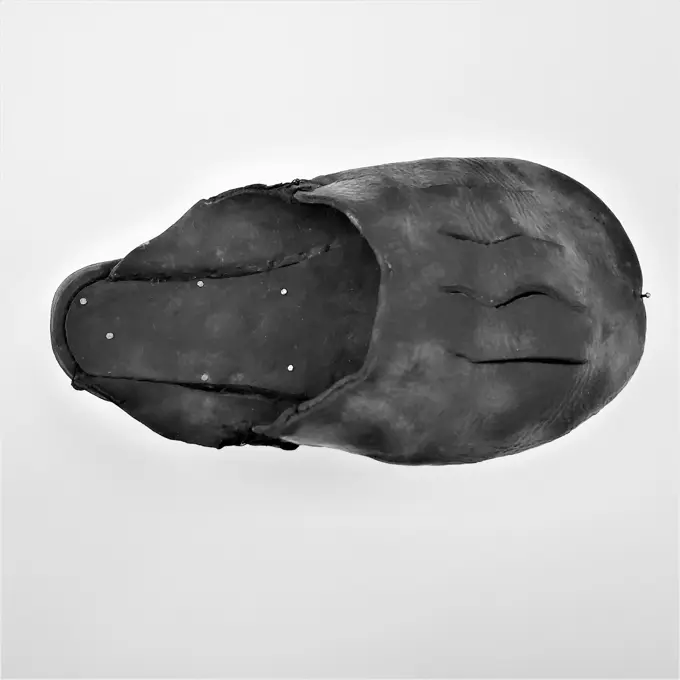
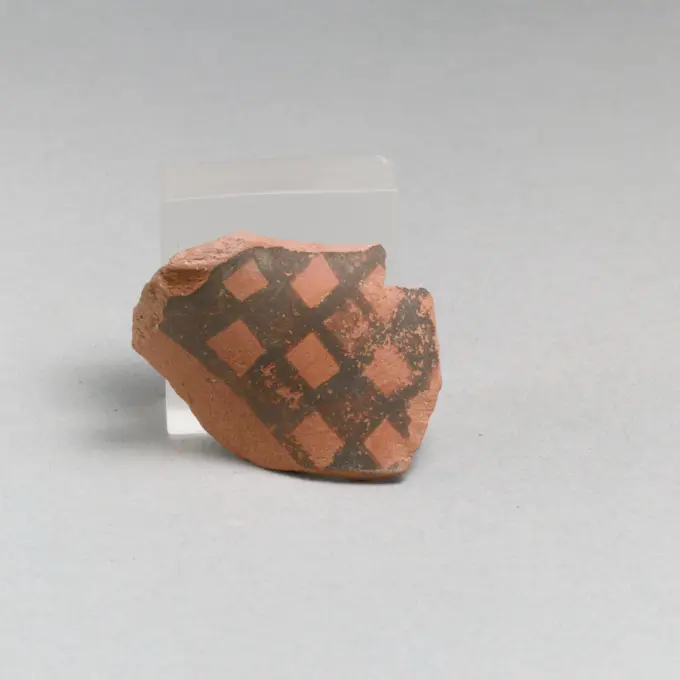
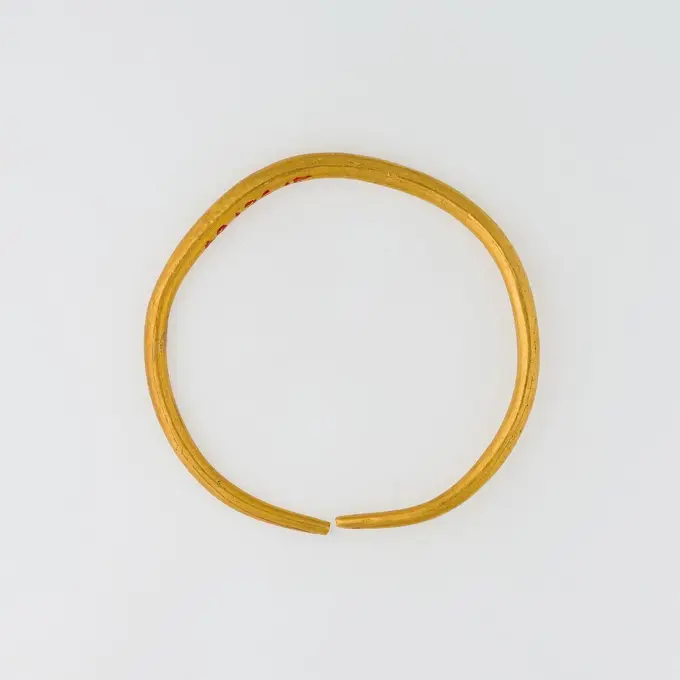
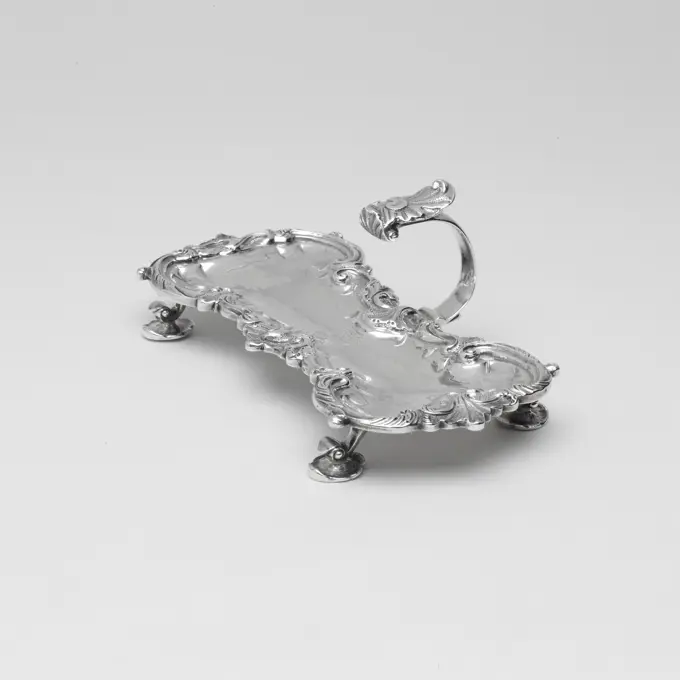
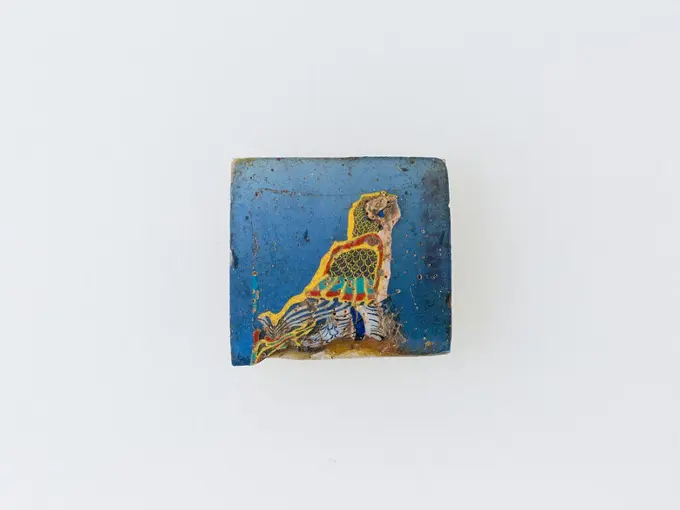
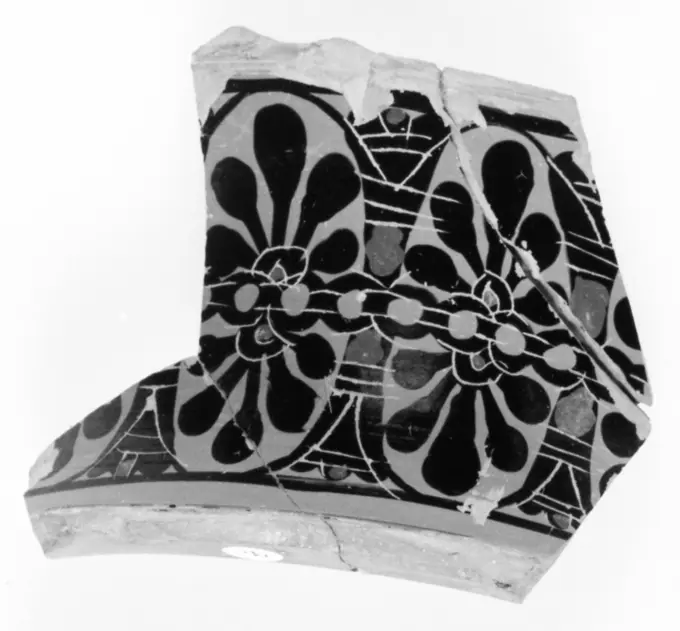
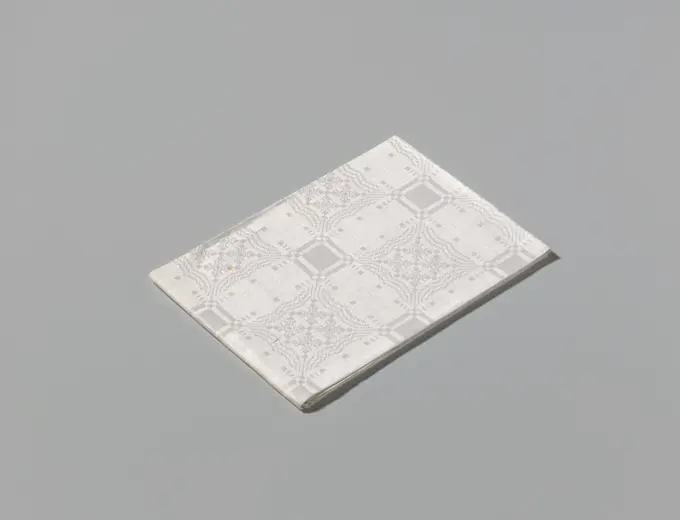
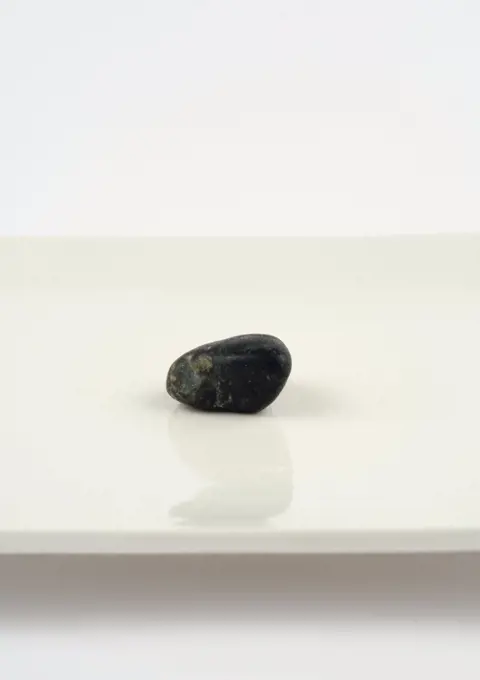
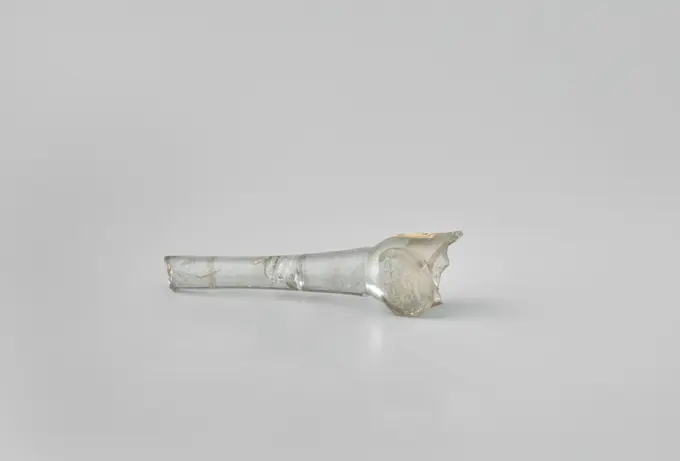
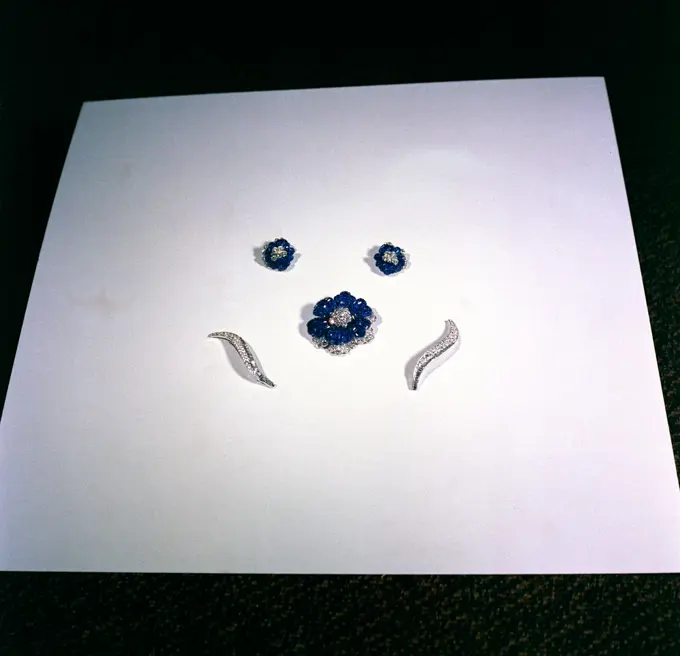
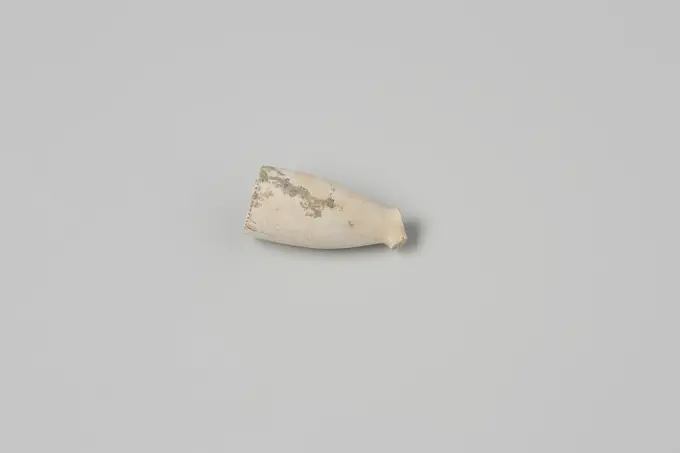
Fragment of a pipe head from the wreck of the East India Flying Heart. Cup without stem from an earthen Gouda pipe, blue-white yellowish. Heel brand WS. Lightly damaged. Fragments or bowls and votes.ButtonEngraved Gem. UnknownBead Roman. Bead. Roman. Glass. GlassBuckle 15th-17th century European. Buckle. European. 15th-17th century. Brass. Miscellaneous-Buckles & OrnamentGlass die 1st-2nd century A.D. Roman Colorless with yellow green tinge.Solid cube with beveled edges and drilled dots on each side.Intact, but slight chipping on edges and corners; a few pinprick bubbles; dulling of surfaces.Roman dice were made from a number of different materials, including bone, glass, and semiprecious stones such as rock crystal.. Glass die 239917Bead ca. 1981-1550 B.C. Middle Kingdom or Second Intermediate Period. Bead 639393Excerpt tin from the wreck of the East Indians Hollandia, 1700 - in or before 1743 fragment Parts of artefacts; eroded fragments: materials; tin. Netherlands tin (metal)   SecondBelt Hook. Culture: China. Dimensions: W. 1/2 in. (1.3 cm); L. 2 in. (5.1 cm). Museum: Metropolitan Museum of Art, New York, USA.Coin China. Coin 61151Attic Vase Fragment. UnknownPrick Spur 2nd-1st century B.C. Celtic This small spur was secured at the back of the foot by the means of leather straps attached to the terminals buttons.In high antiquity, spurs were not used in pairs, but rather as a single accessory attached to only one of the feet, usually on the left. The first pairs are recorded in some Greek regions in the late 2nd century B.C. They were used, as they are today, for directing a horse to move forwards. The prick spur was the first type of spur to be invented, and it consists of a goad or prick, more or less pointed, connected to side arms or a heel plate. The earliest spurs were probably simple thorns attached at the back of the heel or ankle, before they began to be made out of metal.. Prick Spur. Celtic. 2nd-1st century B.C.. Iron. Stradonice. Equestrian Equipment-SpursIsolated black mortar and pestle on white background . top up view , suitable for your design element.Glass striped mosaic bowl fragment late 1st century B.C.-early 1st century A.D. Roman Rim fragment.Translucent cobalt blue, light blue, turquoise blue, purple, deep honey brown, opaque white, yellow, layered blue and yellow appearing turquoise green, with colorless glass.Applied coil rim with beveled lip slanting inward; almost vertical side. Rim in turquoise green with single spiral thread in brown; body decorated with vertical bands in irregular pattern: blue, colorless, yellow, white, brown, green, blue, brown, green, blue, and brown, with white square below.Some pinprick bubbles; exterior polished, with pitting of surface bubbles; pitting, dulling, and faint weathering on interior; some weathering on jagged edges.. Glass striped mosaic bowl fragment. Roman. late 1st century B.C.-early 1st century A.D.. Glass; cast. Early Imperial. GlassFocolare spoon second half of 6th century B.C. Etruscan Spade-shaped, end of handle sharply curved.. Focolare spoon. Etruscan. second half of 6th century B.C.. Terracotta; bucchero. Archaic. VasesAttic Vase Fragment. UnknownOstracon ca. 2124-1504 B.C. Middle Kingdom-Early New Kingdom This fragment of a Gooleh ware vessel bears a hieratic inscription in black ink.. Ostracon. ca. 2124-1504 B.C.. Pottery (Gooleh ware). Middle Kingdom-Early New Kingdom. From Egypt, Upper Egypt, Thebes, Deir el-Bahri, Tomb MMA 116, MMA excavations, 1926-27. Dynasty 11-18Cylinder seal or Bead. Dimensions: L. 1.1 cm (7/16 in). Dynasty: Dynasty 12-18. Date: ca. 1981-1295 B.C.. Museum: Metropolitan Museum of Art, New York, USA.Fragment of mosaic vessel. Dimensions: l. 5 × ht. 3.5 cm (1 15/16 × 1 3/8 in.). Date: 100 BC-100 AD. Museum: Metropolitan Museum of Art, New York, USA.Medicine Box 1845-1855 England. Silver, silver gilt, and brass .Glass astragalus (knucklebone) ca. 225 B.C-A.D. 75 Greek or Roman Colorless with pale blue green tinge.Shaped like the knucklebone of a sheep or goat. Solid; mold seam barely visible at one end.Intact; pinprick bubbles; dulling, severe pitting, and patches of iridescent weathering.Colorless glass representation of a small knucklebone.. Glass astragalus (knucklebone) 245316Glass mosaic fragment late 1st century B.C.-early 1st century A.D. Roman Translucent purple and opaque white.Flat, but one corner upturned in a straight line.Marbled mosaic pattern in purple ground with irregular pattern of white lines and streaks.Polished exterior; pitting of surface bubbles on exterior; dulling and iridescent weathering on interior and edges.Possibly from a large flat dish but more probably part of a revetment plaque with a beveled side.. Glass mosaic fragment. Roman. late 1st century B.C.-early 1st century A.D.. Glass; cast. Early Imperial. Glass1/16 tical of sik uitThailand,1650-1850, , 1650 - 1850 coin Silver, grain -shaped mint. Equipped with one, unclear allotment (KRA).  silver (metal) castingLoose fragments of prints, anonymous, in or before 1596 print Fragments of various prints. Netherlands paper engravingEngraved Tabloid. UnknownFragment of a pipe head from the wreck of the East India Flying Heart. A broken head of an earthen Gouda pipe with the heel brand crowned ws, purple and orange (rust) discolored and a shard out of the edge. Fragments or bowls and votes.Torn paper with blank space for your messageAttic Red-Figure Cup Fragment (comprised of 3 Joined Fragments). Attributed to the Euaichme Painter (Greek (Attic), active about 475 - 450 B.C.)Glass double cosmetic flask (kohl tube). Culture: Roman, Syrian. Dimensions: H.: 3 7/16 in. (8.7 cm). Date: 4th century A.D..Colorless with greenish tinge; handles and trail in translucent turquoise blue with streaks of opaque red.Thick rim folded out, over, and in; body comprising two tubes, side by side, made from a single inflated gather by pinching sides vertically to make diaphragm; thick, round bottom; two rod handles attached to side of body over trail in claw pads, drawn up and out, turned in, and pressed onto edge and top of rim.Single trail applied on body near bottom and wound up in a spiral sixteen times, ending in rim.Intact; pinprick bubbles; slight dulling and iridescence on exterior, one tube almost completely filled with soil encrustation, with weathering and iridescence on interior.Colorless double vase made of a single tube with blue handles and blue glass threads. Museum: Metropolitan Museum of Art, New York, USA.Sword Pommel (Kashira) ca. 1615-1868 Japanese A kashira is a pommel cap mounted at the end of a sword hilt, usually made as part of a set with a matching fuchi (hilt collar).. Sword Pommel (Kashira). Japanese. ca. 1615-1868. Copper-gold alloy (shakud), gold, silver. Sword Furniture-Fuchi-KashiraBuckle 14th century French. Buckle. French. 14th century. Bronze, patina. Miscellaneous-Buckles & OrnamentBlack waffle cone for sweet dessert in a glass jar on a black paper background with place for text.. Glass jar with wafer cone for ice cream on a black background.Door knocker, Bronze, In the form of two dolphins and a womans head., Italy, 1550-1650, metalwork, Decorative Arts, Door knockerTheophrastus of Eresus Portrait Medallion; Manufactured by Wedgwood (United Kingdom); unglazed stoneware ("black basalt")Fragment sign from V.O.C. ship De 'Witte Leeuw', Before 1613 plate (dishes) Fragment sign from V.O.C. ship the 'Witte Leeuw'. Jingdezhen porcelain   Sint-HelenaSedimentary rock , RadiolariteStamp stamp of black stoneware with a representation of a priestess from the Wedgwood and Bentley factory. Stamp stamp of black stoneware with a deepest representation of a priestess with two snakes. On the downstairs octagonal cut and tiling ascending. 'Basalt' from the Wedgwood and Bentley factory.Attic Black-Figure Cup Fragment. UnknownAttic Red-Figure Kylix Fragment. UnknownScherf of a bowl from V.O.C. ship De 'Witte Leeuw', Before 1613 bowl Scherf of a bowl from V.O.C. ship the 'Witte Leeuw'.  porcelain   Sint-HelenaPlanets-manager. Cornalet Collection Sites 2013-2016. Numismatic.Bead Cap for a Menat Necklace ca. 1550-1525 B.C. New Kingdom. Bead Cap for a Menat Necklace. ca. 1550-1525 B.C.. Steatite. New Kingdom. From Egypt. Dynasty 18, early, probablyCoin. Culture: China. Dimensions: L. 2 1/2 in. (6.4 cm). Museum: Metropolitan Museum of Art, New York, USA.Glass mosaic vessel fragment. Culture: Roman. Dimensions: 1 1/8 × 1 9/16 × 1/8 in. (2.8 × 4 × 0.3 cm); estimated diameter: 3 15/16 in. (10 cm). Date: late 1st century B.C.-early 1st century A.D..Translucent cobalt and turquoise blue, partially appearing green, purple appearing opaque red, opaque white and yellow, and colorless.Upright rim with beveled edge; slightly convex-curving side expanding downward, then turned in sharply to bottom.Composite mosaic pattern formed from large sections of a single cane in irregular serpentine bands of green and blue, outlined in purple, yellow, white, and colorless.Polished exterior, with some pitting of surface bubbles; dulling and creamy, iridescent weathering on interior, rim, and edges. Rotary polishing marks on interior.The fragment belongs either to a shallow dish or box (pyxis). Museum: Metropolitan Museum of Art, New York, USA.Denar - Brakteat; approx. 1327/1328-OK. 1337/1338 (1327-00-00-1338-00-00);Fragment of a pipe stalk from the wreck of the East Indians' t Vliegend Hart ,, 1700 - 1735  Two fragments of stems of earthen Goudse pipes with blue and brown attack. Fragments of Bowls and Stems. Gouda pipe clayToy stretcher - Britains, Ltd. Britains, Ltd.Attic Black-Figure Amphora Fragment. UnknownMaker: Nathaniel Coleman, American, 1765-1842, Chatelaine, ca.1800, Silver, 5/8 × 1 3/4 in. (1.59 × 4.45 cm, 3g), Made in Burlington, New Jersey, American, 19thcentury, JewelryShoes 16th century British. Shoes 81547Drawer Pull 1810-60. Drawer Pull. 1810-60. Pressed glassClip (Germany); brass, woodVase fragment East Greek/Sardis, Lydian. Vase fragment 252667 East Greek/Sardis, Lydian, Vase fragment, Terracotta, Overall: 1 3/4 x 1 1/2in. (4.4 x 3.8cm). The Metropolitan Museum of Art, New York. Gift of The American Society for the Excavation of Sardis, 1926 (26.199.97)Glass bead Blue glass bead with yellow spikes.. Glass bead. Glass. GlassHoop Earring. Dimensions: H. 3.9 cm (1 9/16 in.); W. 4 cm (1 9/16 in.); Th. 0.3 cm (1/8 in.). Dynasty: Dynasty 15. Date: ca. 1648-1540 B.C.. Museum: Metropolitan Museum of Art, New York, USA.Fibula Etruscan. Fibula 252408 Etruscan, Fibula, Bronze, H.: 1/2 x 2 3/4 x 3/4 in. (1.3 x 7 x 1.9 cm). The Metropolitan Museum of Art, New York. Bequest of Richard B. Seager, 1926 (26.31.488)String of tubular beads. Dimensions: L. 45.8 cm (18 1/16 in.) as strung. Dynasty: Dynasty 5. Reign: reign of Isesi-Unis. Date: ca. 2381-2323 B.C..The beads in this strand were found scattered on the floor of Perneb's burial chamber which had been looted in ancient times. They may represent the remnants of a faience broad collar necklace, a type of jewelry with a long history in ancient Egypt. Museum: Metropolitan Museum of Art, New York, USA.Attic Vase Fragment. UnknownRosette 14th century Italian. Rosette. Italian. 14th century. Bronze. Miscellaneous-Buckles & OrnamentDrohiczy seal;  XI-XIII century (1090-00-00-1110-00-00);guild seals, customs seals, touches, seals of customs chambers, official seals, seals with a cross, seal with the letterSnuffer Stand 1755-65 Philip Syng Jr. One of the finest examples of rococo silver made in colonial America, this snuffer stand would originally have supported a pair of scissor-shaped snuffers used to trim the burnt wicks of candles before self-consuming wicks were invented around 1840. The crest engraved at the center of the stand is that of the Hamilton family. This crest was known to have been used by the descendants of Alexander Hamilton (ca. 1676-1741) of Philadelphia and probably belonged to Andrews grandson William Hamilton (1745-1813). An exact mate to this snuffer stand is in the collection of Burghley House in Lincolnshire, one of Englands greatest Elizabethan houses. While its arrival in England is undocumented, a possible link is through Elizabeth Burrell, Dowager Duchess of Hamilton (1757-1837), who in 1800 married Henry Cecil, 10th Earl and 1st Marquess of Exeter (1754-1804). The present snuffer stand eventually belonged to Charles Allen Munn (1859-1924), publisher of SStatuette of a warrior-7 Greek, Laconian. Statuette of a warrior-7 251650 Greek, Laconian, Statuette of a warrior-7, Lead, Height: 1 1/8 in. (2.9 cm). The Metropolitan Museum of Art, New York. Gift of A. J. B. Wace, 1924 (24.195.84)Mug (England); earthenware; 6.5 x 9.1 x 6.4 cm (2 9/16 x 3 9/16 x 2 1/2 in.); Bequest of Jane M. Epstine; 2006-20-13Carnavalet museum, tokens collectionSeal. Fish schedule on three legs and a profiled handle with a ring at the end. The treaf has six bars with a wide, flat fish on it. The grid is marked, but the brands are unreadable.Italic Vase Fragment. UnknownMedallion; stonewareVase fragment East Greek/Sardis, Lydian. Vase fragment. East Greek/Sardis, Lydian. Terracotta. Geometric. VasesInlay, falcon hieroglyph. Dimensions: H. 1.7 × W. 1.8 cm (11/16 in.). Date: 100 BC-100 AD.A mosaic glass technique allowed multiples of an image to be created: a figural or design composition was made by bundling colored glass canes, which were then drawn out into a long bar. The bar was then sectioned at right angles, probably by striking the bar with appropriate tools, to produce small inlay tiles. The tile would then be smoothed and polished on the face intended to appear outwards. Museum: Metropolitan Museum of Art, New York, USA.One heart made with knotted paper strip on white paper backdropSlide for Strap 15th-17th century European. Slide for Strap. European. 15th-17th century. Bronze gilt. Miscellaneous-Buckles & OrnamentAttic Vase Fragment. UnknownPendant 1st millennium B.C.. Pendant 325102Attic Black-Figure Neck Amphora Fragment (comprised of 3 Joined Fragments). Unknownblue ashtray blue murano glass ashtray with lighted cigarette isolated on white background Copyright: xZoonar.com/Unspecifiedx 545586Napkin of linen with pellet pattern ,, 1734 White linen napkin with peel pattern, brand AVG 38 and 1734 Northern Netherlands (Possible) linen (material) White linen napkin with peel pattern, brand AVG 38 and 1734 Northern Netherlands (Possible) linen (material)Brig Leander” brooch.  Maker: Franklin Porter, American, 1869-1935Maker Assistant: Helen Louise Porter Philbrick, American, 1910-2011 Subject: Leander, Built 1821Come, yelled. Come from Yellow Luggage Albast.Sharf of a sign from the wreck of the East Indians Hollandia, Anonymous, 1700 - in Or Before 1743 plate (dishes) Porcelain, plate, type 3; fragm of base or rim, sim. NG 1980-27H3202c. Netherlands porcelain   SecondStatuette of a warrior-11. Culture: Greek, Laconian. Dimensions: Height: 13/16 in. (2 cm). Museum: Metropolitan Museum of Art, New York, USA.Fragment of vase or glass bottle. unknown, craftsmanInlay, hieroglyph 664-610 B.C. Late Period, Saite A quantity of faience hieroglyphs and border elements was found in the tomb or courtyard of Nespekashuty. These are displayed in galleries 127 and 130. They are of similar size and manufacture, so seem to have belonged to a single object, likely of wood. Some of the signs belong to the standard offering formula, others mention Osiris and Anubis, so they certainly suggest an item of funerary furniture - a box, a screen, or a coffin although coffins are not usually inlaid in faience and remnants of Nespekashuty's were painted.Unfortunately, there are no signs indisputably pointing to Nespekashuty's names or titles. Although it seems likely that the fairly elaborate piece of equipment to which they testify belonged to the main burial of this tomb, and not to the Third Intermediate Period burials found in the courtyard or to the material apparently cleared from the Hathor Shrine at Deir el Bahri or to the other sets of late shabtis found inCover China. Cover 47533Baking moulds in the shape of a palm treeSharf of a sign from the wreck of the East Indians Hollandia, Anonymous, 1700 - in Or Before 1743 plate (dishes) Porcelain, plate, type 2; fragm of base, sim. NG 1980-27H507. Netherlands porcelain   SecondBadge. Culture: European. Dimensions: Diam. 1 15/16 in. (4.9 cm); Wt. 0.5 oz. (14.2 g). Date: early 15th century. Museum: Metropolitan Museum of Art, New York, USA.Gesichtscreme Strich isoliert auf weißem Hintergrund. Weiße Peeling-Creme Abstrich verschmieren Probe. Gesicht oder Körper Hautpflegeprodukt Swatch. Schaufenster des Produkts Face cream stroke isolated on white background. White exfoliation cream smear smudge sample. face or body skincare product swatch. showcase of the product Copyright: xZoonar.com/IrinaxKvyatkovskayax 22736435Black pebble on square dishFragments of a drinking glass, Anonymous, 1800 - 1900 Four shards of a drinking glass (originally chalice glass).  glass Four shards of a drinking glass (originally chalice glass).  glassLead wreath. Culture: Greek, Laconian. Dimensions: Height: 15/16 in. (2.5 cm). Date: 6th-5th century B.C..Small flat votive figurines of cast lead have been found in great quantities at the ancient sanctuaries of Laconia; over one hundred thousand, dating from the seventh century B.C. to the Classical period, were dedicated to the goddess Artemis Orthia in Sparta. Museum: Metropolitan Museum of Art, New York, USA.First Lady Jacqueline Kennedy's (JBK) jewelry. A pair of floral shaped earrings, with matching brooch (center), and a set of two pins, belonging to First Lady Jacqueline Kennedy. Mrs. Kennedy wore the earrings and brooch during arrival ceremonies for Mohammad Reza Shah Pahlavi, the Shahanshah of Iran, and his wife, the Empress Farah Pahlavi, on 11 April 1962.Close up minimalist fireplacePerennambuco siege, emergency coin of forty pennies, beaten at the burden of the Dutch West Indian Company. Unilateral, more or less rectangular, silver emergency mint. Front: Round pearl edge: Monogram of Letters G, W and C under Roman numeral XXXX. Reverse: Blank.Amulet, Taweret 100 BC-100 AD Ptolemaic or Roman Period. Amulet, Taweret 558859Glass short-strip mosaic bowl fragment late 1st century B.C.-early 1st century A.D. Roman Rim fragment.Translucent honey brown, blue, opaque white, yellow, and brick red.Vertical rim with slightly inwardly-beveled edge; slightly convex curving side.Short-strip mosaic pattern formed from short lengths of two canes set in slanting lines: one cane consists of a brown ground with white rods and streaks; the other of parallel blue, red, and yellow stripes; a brown network cane wound spirally with two parallel fine white threads is attached as a rim.Polished exterior; pitting of surface bubbles on exterior; dulling and creamy weathering on interior, rim, and jagged edges.Part of the same bowl as 91.1.1833.. Glass short-strip mosaic bowl fragment 257265Attic Red-Figure Cup Fragment. Ambrosios Painter (Greek (Attic), active 510 - 500 B.C.)Pendant ca. 2600-2500 B.C. Sumerian. Pendant. Sumerian. ca. 2600-2500 B.C.. Shell. Early Dynastic IIIa. Mesopotamia, NippurEmbalming tool Third Intermediate Period-Late Period ca. 945-525 B.C. View more. Embalming tool. ca. 945-525 B.C.. Wood. Third Intermediate Period-Late Period. From Egypt, Upper Egypt, Thebes, Deir el-Bahri, Tombs 51-54, Embalmers' cache I, MMA excavations, 1923-24. Dynasty 22-26Quoit 17th century Indian. Quoit 30172