Artistic Floral Cards

Stylized invitation cards featuring rough-drawn spring flowers and bold colors, suitable for celebrations like anniversaries and birthdays with a creative flair.

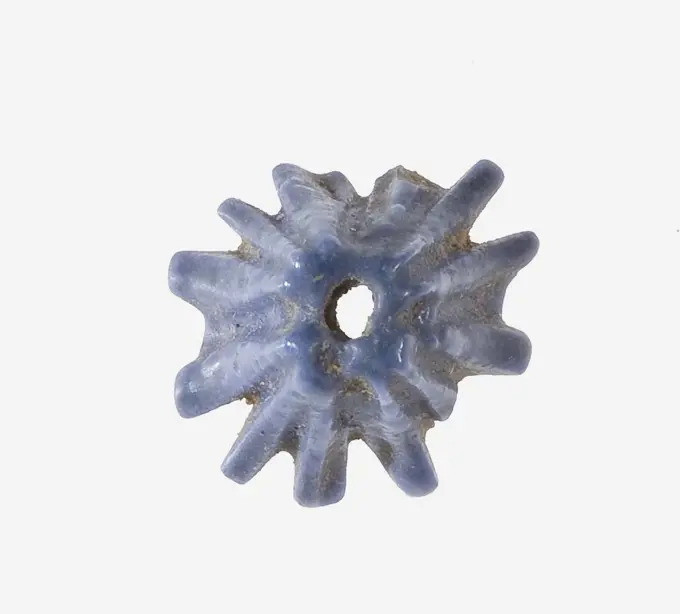
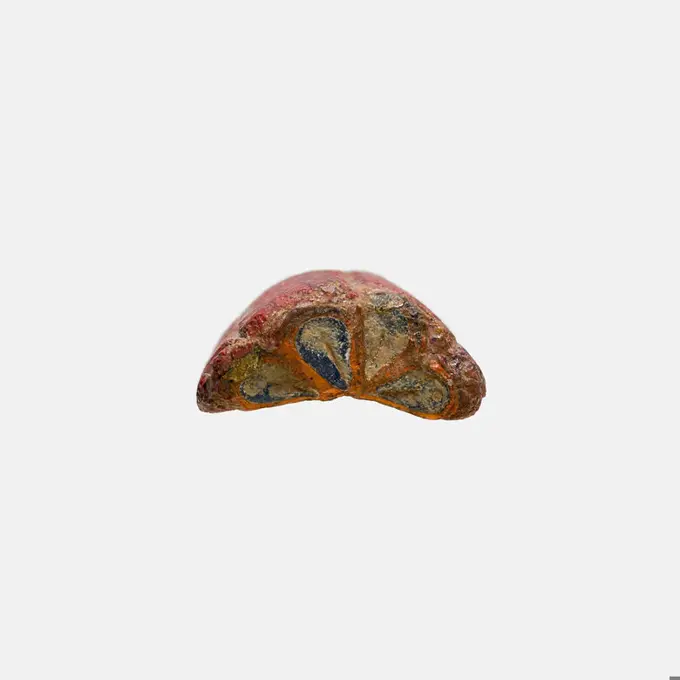
Bead ca. 1981-1550 B.C. Middle Kingdom or Second Intermediate Period. Bead 639393
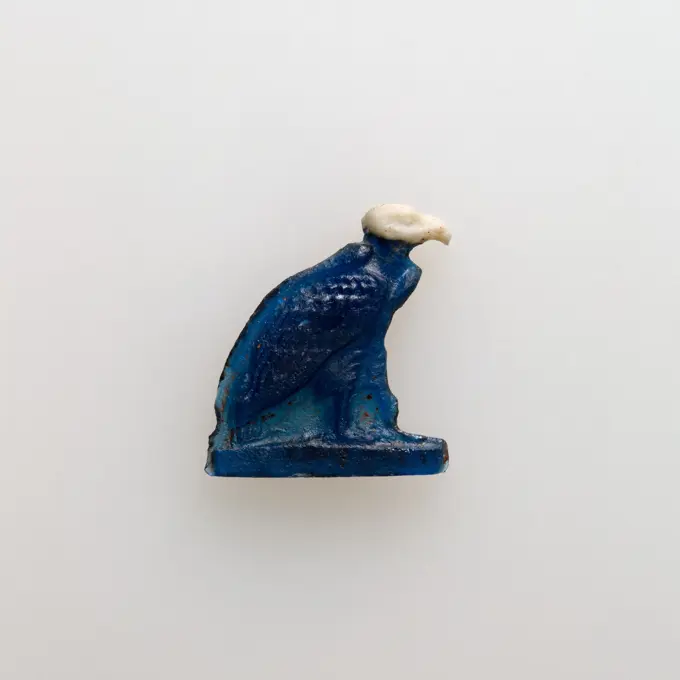
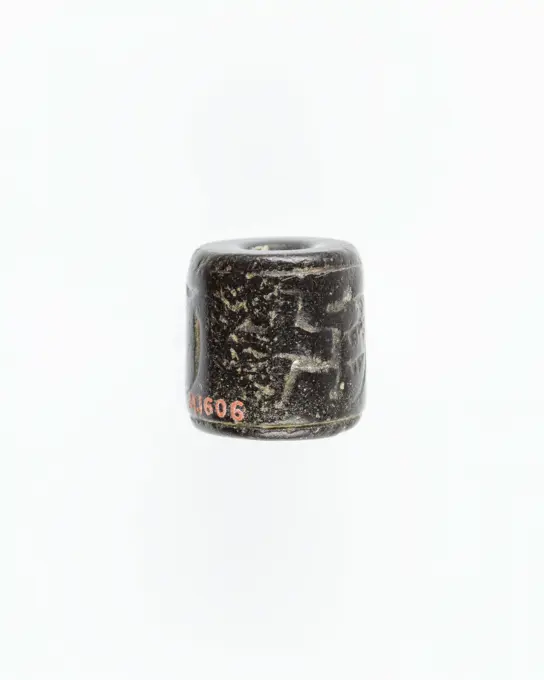
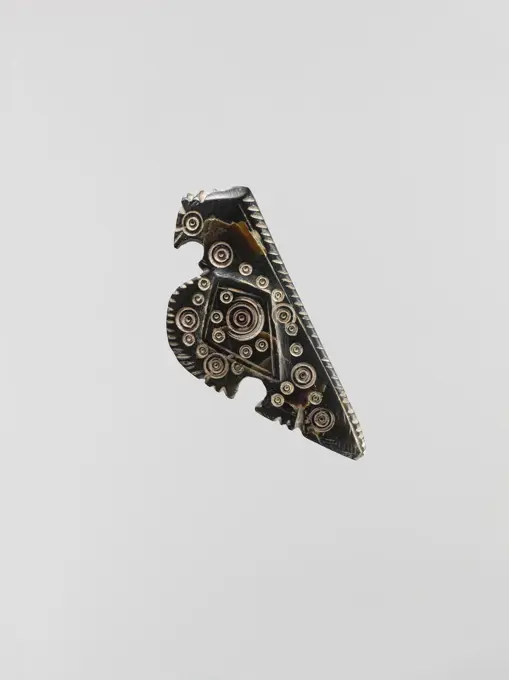
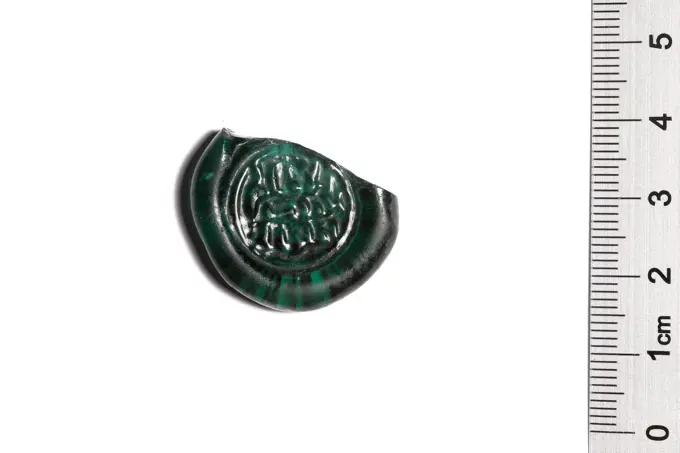
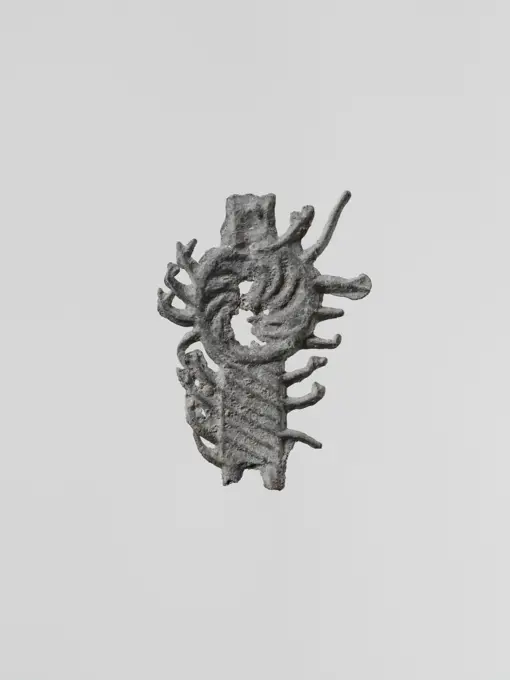
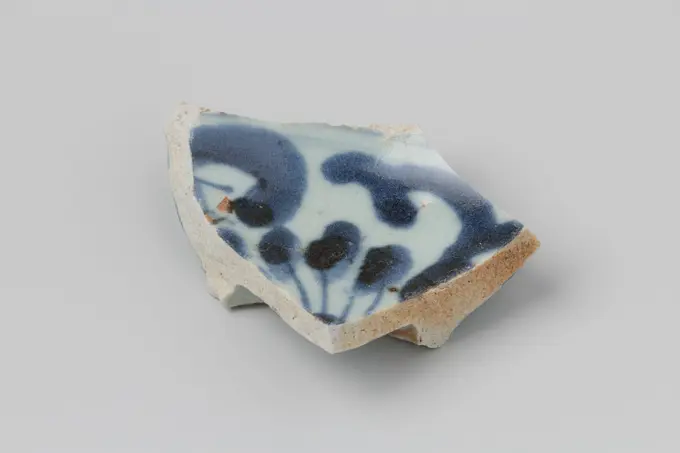
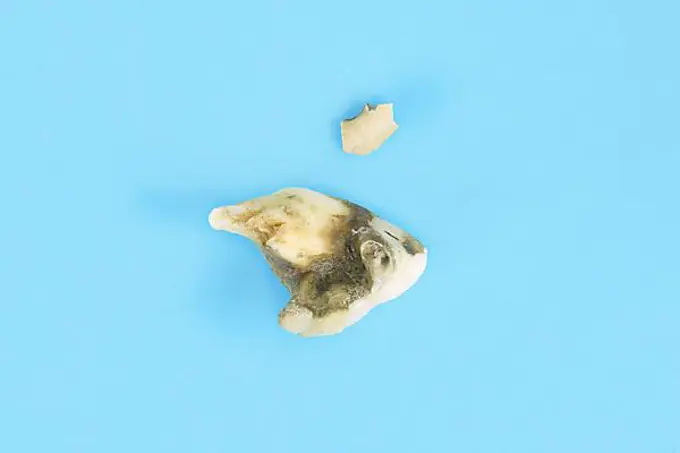
Gold pendant in the form of a vase. Culture: Greek or Cypriot. Dimensions: Other: 9/16 in. (1.4 cm). Date: late 6th-5th century B.C..Vase-shaped. Museum: Metropolitan Museum of Art, New York, USA.Vulture amulet 400-30 BC Ptolemaic Period Starting in the later Late Period and continuing through the Ptolemaic Period, a type of glass amulet cast by pressing the glass into a shallow open mold appears. The back was left rough, and the amulets may look ragged because glass overflowed the mold around the edges. The earlier amulets are monochrome, bi- or multicolor amulets supplement the repertoire during the Ptolemaic Period.Some of the amulets can be specifically tied to spells of the Book of the Dead - for example, acc. no. 17.194.2526 - and most are clearly funerary amulets, presumably meant to be wrapped between the bandages of the mummy where the presence of the amulet would do its job irrespective of its degree of finish.. Vulture amulet. 400-30 BC. Glass. Ptolemaic Period. From EgyptCylinder seal ca. 2960-2649 B.C. Early Dynastic Period. Cylinder seal. ca. 2960-2649 B.C.. Stone. Early Dynastic Period. From Egypt. Dynasty 1Fibula Cypriot. Fibula 244429Metal cardigan. Round cardigan of metal.Kohl Flask probably 10th-12th century This charming object was designed to hold kohl, a black cosmetic powder applied around the eyes. In the past, kohl was widely used by men and children as well as women. It was thought not only to accentuate the beauty of the eyes, but also to guard against the glaring sun, ward off evil, and discourage eye disease. The narrow drill hole at the top of this flask would have accommodated a slender stick to collect the cosmetic.. Kohl Flask. probably 10th-12th century. Serpentine; carved, incised. Made in Iran or Central Asia. StonePair of Sword-Grip Ornaments (Menuki) 19th century Japanese Menuki are a pair of ornamental sword fittings attached to either side of a sword hilt.. Pair of Sword-Grip Ornaments (Menuki). Japanese. 19th century. Copper-gold alloy (shakud), gold. Sword Furniture-MenukiPaperweight 1801-1900 France. Technological improvements to optical scientific instruments in the mid-nineteenth century spurred a veritable obsession across Europe with identifying and classifying the natural world. Amateur botanists were eager to collect and preserve floral specimens, which they intently researched and catalogued. In response to this broad appeal, French glassmakers made paperweights that portrayed the very botanical subjects that were so enthusiastically sought. Many weights represented specimens with horticultural correctness, but others were entirely fanciful creations. Paperweights like this example speak to the periodís fascination with taxonomic systems.From the late 1840s to early 1860s, French manufacturers of fine glass and crystalósuch as Baccarat (Alsace), Clichy (Paris), and Saint-Louis (Lorraine)ócatered to the vast public enthusiasm for beautiful yet functional desk accessories. Paperweights, which were designed to secure loose papers against drafts, weFalse coin, crown penny, Ladislaus III of Varna (1434 1444)Dirty bathtubGlass petri dish with transparent pure serum for skin care on beige background, top view. Concept laboratory tests and research, making and testing cosmetic. Glass petri dish with transparent pure serum for skin careSpider Ornament. Culture: Moche (Loma Negra). Dimensions: Length 1 in.. Date: 390-450. Museum: Metropolitan Museum of Art, New York, USA.Fish Hook. UnknownPaperweight 1875-1885 New York City. Glass . Gilliland Glass ManufactoryFlattened cup fragment ca. 1295-1070 B.C. New Kingdom, Ramesside. Flattened cup fragment 551962Weight. unknown, craftsmanSpongy or cancellous bone gets its name from its sponge-like appearance. 3D rendering. Spongy or cancellous bone gets its name from its sponge-like appearance.Bransoleta. unknown, craftsmanA stove top mocca espresso maker isolated on white.Black round hand painted ink blob circle design element. Black round hand painted ink blob circleTwo In Ear Hearing Aids, Text Free Spacepan iconNetsuke of Mushroom Eaten by Insects 18th century Japan. Netsuke of Mushroom Eaten by Insects 59744Glass cameo cup (scyphus) fragment. Culture: Roman. Dimensions: Overall: 1 7/8 x 1 5/8 in. (4.8 x 4.1 cm). Date: late 1st century B.C.-mid-1st century A.D..Translucent cobalt blue with opaque white overlay; handle in translucent cobalt blue.Plain rim with flat upper surface; convex curving side; vertical handle attached to rim and side, extending along rim with a circular projection to either side.On exterior, below handle frontal head of Silenos, with hair in tufts above forehead and to sides, prominent eyebrows, broad flat nose, and shaggy moustache and beard; to left of handle, vertical branches of foliage.Broken with weathered edges; pitting of surface bubbles, dulling, and patches of creamy iridescent weathering. Museum: Metropolitan Museum of Art, New York, USA.Lead figure of a goddess with shield, spear, and aegis, probably Athena 6th-5th century B.C. Greek, Laconian Small flat votive figurines of cast lead have been found in great quantities at the ancient sanctuaries of Laconia; over one hundred thousand, dating from the seventh century B.C. to the Classical period, were dedicated to the goddess Artemis Orthia in Sparta.. Lead figure of a goddess with shield, spear, and aegis, probably Athena 251624 Greek, Laconian, Lead figure of a goddess with shield, spear, and aegis, probably Athena, 6th5th century B.C., Lead, Height: 1 1/4 in. (3.2 cm). The Metropolitan Museum of Art, New York. Gift of A. J. B. Wace, 1924 (24.195.58)Digital watch on white backgroundShard of a bowl from the wreck of the East Indied Flying Heart. Shard from the bottom of a porcelain dish, Delft blue. Bowl.Spare part of motorcycle,bolt nut screw for decorating and maintenance on white background with clipping pathAttic Vase Fragment. UnknownRosette Pendant. Dimensions: diam. 1.5 cm (9/16 in.). Dynasty: Dynasty 18. Reign: reign of Akhenaten. Date: ca. 1353-1336 B.C.. Museum: Metropolitan Museum of Art, New York, USA.Sash -Canine molar dog tooth with dental calculus and piece of toothing stone broken offPendant: Petals of Cornflower ca. 1390-1353 B.C. New Kingdom. Pendant: Petals of Cornflower. ca. 1390-1353 B.C.. Faience. New Kingdom. From Egypt, Upper Egypt, Thebes, Malqata, Palace of Amenhotep III, MMA excavations, 1910-11. Dynasty 18Handle from crockery from the wreck of the East India Hollandia. Vessel Part, Handle Fragm, looped Rod, Lower End Broken, Lens-Shaped in Section, Tapering Downward, Flattened Upper End.Salad bowl;  the beginning of the 20th century (1901-00-00-2000-00-00);Inkwell -Scarab ca. 1479-1458 B.C. New Kingdom. Scarab. ca. 1479-1458 B.C.. Faience. New Kingdom. From Egypt, Upper Egypt, Thebes, Deir el-Bahri, Hatshepsut Hole, Hathor Shrine, MMA excavations, 1922-23. Dynasty 18Disk Brooch 6th century Frankish. Disk Brooch 464840 Frankish, Disk Brooch, 6th century, Silver, garnets with patterned foils, Overall: 7/8 x 1/4 in. (2.2 x 0.7 cm). The Metropolitan Museum of Art, New York. Gift of J. Pierpont Morgan, 1917 (17.191.148)Brooch van Zilver, H.J.A. Boere, 1926 - 1943 Silver brooch with hammerlag with three corals; Central a round cabochon cut coral with two drops on either side, with a hook closure. Schoonhoven silver (metal). coral (material) grinding / hammering Silver brooch with hammerlag with three corals; Central a round cabochon cut coral with two drops on either side, with a hook closure. Schoonhoven silver (metal). coral (material) grinding / hammeringCarnelian engraved gem with a portrait of Sokrates Roman ca. 1st century BCE-1st century CE The fifth century B.C. Greek philosopher Sokrates is represented reclining with one hand raised. He is bearded and bald and has the broad bulbous nose that is said to have likened him to a silenus. The type of head resembles that generally identified as a work of the early Hellenistic period, perhaps by Lysippos.Bead. Bead. Glass. GlassBoy lying on a sled and sleddingDish, white, painted in blue, anonymous, c. 1675 - c. 1699 Saucer of milk glass with blue email paint painting; Double layer and hollow on the inside. Amsterdam (possibly)Haarlem (possibly) glass Saucer of milk glass with blue email paint painting; Double layer and hollow on the inside. Amsterdam (possibly)Haarlem (possibly) glassLetterpress-Buchstabe J 3D aus gealtertem Metall Aged metal letterpress Letter J 3D rendering illustration isolated on white background Copyright: xZoonar.com/MilicxDjurovicx 22691376String of 3 amulets and 1 cylindrical bead. Dimensions: 15.3.301: 3.6 cm (1 7/16 in.); 15.3.302: 0.7 cm (1/4 in.); 15.3.303: 0.7 cm (1/4 in.); 15.3.304: 0.8 cm (5/16 in.). Dynasty: Dynasty 12, late-early 13. Date: ca. 1850-1750 B.C.. Museum: Metropolitan Museum of Art, New York, USA.Part of a bangle () 304 B.C.-A.D. 364 Ptolemaic or Roman Period. Part of a bangle (). 304 B.C.-A.D. 364. Silver. Ptolemaic or Roman Period. From Egypt, Central Delta, Tell el-Balamun (Diospolis Inferior), Carnarvon/Carter excavations, 1913Retro cartoon with texture. Isolated on White.Two In Ear Hearing Aids, Text Free SpaceTerracotta pyxis (box) last quarter of 5th century B.C. Greek, Attic Forepart of lionThis pyxis forms a pair with 1989.281.81.1a, b.. Terracotta pyxis (box) 255959Carnelian scaraboid seal. Culture: Greek. Dimensions: L. 1.7 cm. Date: ca. 450-430 B.C..Herakles with bow and club. Museum: Metropolitan Museum of Art, New York, USA.Snuff container, 1850-1900, Nigeria, maker unknown. Gift of E W Bergin, 1966.A851146A A&F EQUIPMENT DOCUMENTATION MIKE BACA (Project Engineer) JUL 23 85 EG&G/NTS PHOTO LAB Publication Date: 7/23/1985  A&F EQUIPMENT; A&F EQUIPMENT DOCUMENTATION; DEVICES; DOCUMENTATION; EDGERTON, GERMESHAUSEN & GRIER; EG&G; EQUIPMENT; EQUIPMENT & INSTRUMENTS; INSTRUMENTS & EQUIPMENT; INSTRUMENTS AND EQUIPMENT; NEVADA; NEVADA TEST SITE; NTS; NUCLEAR ENERGY TECHNOLOGY; TEST SITES  historical images. 1972 - 2012. Department of Energy. National Nuclear Security Administration. Photographs Related to Nuclear Weapons Testing at the Nevada Test Site.Retro cartoon with texture. Isolated on White.Closeup of one silver Christmas gift bow on white background studio portraitStatuette of a warrior-10. Culture: Greek, Laconian. Dimensions: Height: 1 5/16 in. (3.3 cm). Museum: Metropolitan Museum of Art, New York, USA.Symbolic image drug abuse, addiction, burnout, pharmacy, close-up of an almost empty blister pack, white background, Germany, EuropeArrowhead ca. 8th-7th century B.C. Edomite. Arrowhead 326253Keypad ButtonsSealChocolate Easter eggs wrapped in shiny blue foil yellow background, flat lay top view, with copy space Happy Easter concept sweet candy snack. Chocolate Easter eggs wrapped in shiny blue foil yellow background, flat lay top view, with copy space Happy Easter conceptNetsuke of Quail on a Nest of Millet on Matting 19th century Japan. Netsuke of Quail on a Nest of Millet on Matting 59264Three quail eggs in decorative pink nest in minimal style on pink paper background. Concept Happy Easter Greeting card Top view Copy space Template for lettering, text or your design.. Three quail eggs in decorative pink nest in minimal style on pink paper background. Concept Happy Easter Greeting card Top view Copy space Template for lettering, text or your designCampania Caserta Capua Museo Campano81. Hutzel, Max 1960-1990 Medieval: Byzantine architectural fragments; parchment fragments with miniatures (12th century) from Montecassino; painted wooden crucifix (13th century); Carolingian crucifixes; Bishop's miter (11th century) of gold and silver damask; fresco (13th century). Post-medieval: Architecture (15th century). Formerly the Palazzo Antignano. Unusual Catalan/Moorish-style portal; Paintings on panel and canvas (15th-18th centuries); marble intarsia (16th century); marble sculpture: busts of Christ and Mary (17th century); sculpture of saints in marble and in wood (15th century); painted and gilded sculpture in wood; marble grave sculpture (16th century); sarcophagus with allegorical carvings; gold reliquary "Rosa d'Oro"; crucifix made of elephant tusk Specific Location: Pianterreno Antiquities: Italic sculpture (seated women holding babies); inscription. Photo campaign #1: 533 photos. Roman relief and sculpture; cinerary urns; Greek anAmulet  HatchesRetro cartoon with texture. Isolated on White.Little model pan of brown color as a kitchen utensilPink whoopee cushion against white backgroundGreen tourmaline stone against white backgroundScandinavian abstract wall art. Minimalistic art vector poster. Hand drawn minimalism design for interior. Printable bundle. Vector illustration.ndinavian wall art poster. Scandinavian wall art posterDrawn out cane with rosette design. Dimensions: H. 4 × W. 2.9 × T. 1.4 cm (1 9/16 × 1 1/8 × 9/16 in.). Date: 100 BC-100 AD.A mosaic glass technique allowed multiples of an image to be created: a figural or design composition was made by bundling colored glass canes, which were then drawn out into a long bar like this partially preserved example. The bar was then sectioned at right angles, probably by striking the bar with appropriate tools, to produce small inlay tiles. The tile would then be smoothed and polished on the face intended to appear outwards. This bar produced prosettes. Museum: Metropolitan Museum of Art, New York, USA.Mountain rocks, stones or boulders natural elements for design, geological materials with realistic texture. Rocky pieces of different shape isolated on white background 3d vector illustration, set. Mountain rocks, stones, boulders natural elementsblue piggy bank with money coins copy space backgroundCrystal of Yellow Cape Diamond. Chromolithograph by an unknown artist from Edwin Streeter's "Precious Stones and Gems," London, George Bell & Sons, 1892. Streeter was a famous Victorian jeweller with a shop in London, and author of several books on precious stones.Votive Fish. UnknownBox, rectangular with beveled corners, with freemason symbols, anonymous, c. 1775 - c. 1799 Copper rectangular box with beveled corners, painted black. On the sides of birds and flower branches inlaid in mother -of -pearl. On the lid a rectangular field with beveled corners, inlaid in pearl freemason symbols, partly standing on a striped soil: columns with a globe on it, sun, moon, all -seeing eye, stars, mercury staff, passers etc. The field is framed by a pearl nut Band and at the top decorated with a strict ribbon in mother -of -pearl. Japan copper (metal). mother of pearl Copper rectangular box with beveled corners, painted black. On the sides of birds and flower branches inlaid in mother -of -pearl. On the lid a rectangular field with beveled corners, inlaid in pearl freemason symbols, partly standing on a striped soil: columns with a globe on it, sun, moon, all -seeing eye, stars, mercury staff, passers etc. The field is framed by a pearl nut Band and at the top decorated with a Tile, Anonymous, 1530 - 1560 Tile with a multicolored (blue, green, yellow and orange) painted soldier with a hella in his left hand, standing on a ground with plants. The show is framed by two piping. Antwerp earthenware. tin glaze majolica Tile with a multicolored (blue, green, yellow and orange) painted soldier with a hella in his left hand, standing on a ground with plants. The show is framed by two piping. Antwerp earthenware. tin glaze majolicaPlanets-manager. Cornalet Collection Sites 2013-2016. Numismatic.Chokeberries (Aronia melanocarpa) , dried, black rowanWhite handicraft with monogram at, Aagje Tiket, c. 1900 White handicraft with Jugendstilmonogram on an unfinished square glass batist; A.T. Under Kroon. Belonging to series of eight white and ten colored crafts, made by Aagje Tiket for achieving the deed of beautiful and/or useful handicrafts at the industrial school, BK-1974-105-A to R. Amsterdam White handicraft with Jugendstilmonogram on an unfinished square glass batist; A.T. Under Kroon. Belonging to series of eight white and ten colored crafts, made by Aagje Tiket for achieving the deed of beautiful and/or useful handicrafts at the industrial school, BK-1974-105-A to R. AmsterdamPhotograph of Medical Corps Naval Insignia Lapel Pin.Vector gold hand drawn ethnic tribal element isolated on black background. Golden Illustration.. Vector gold hand drawn ethnic tribal element isolated on black background.Three Dice, Ancient Egypt, Roman PeriodTypewriter letters out of the typewriterHot and cold faucet handles against white background.Old deflated balloonBrooch.   Maker: Thomas Gentille, American, born 1936Papyrus Inscribed in Greek Papyrus Inscribed in Greek, 2nd century C.E. Papyrus, ink, Glass: 7 1/16 x 8 1/4 in. (18 x 21 cm).   Egyptian, Classical, Ancient Near Eastern Art 2nd century C.E.