Artistic Glass Vases

A collection of unique glass vases in varied colors and textures, showcasing artistic styles from different periods, including iridescent and cobalt finishes.
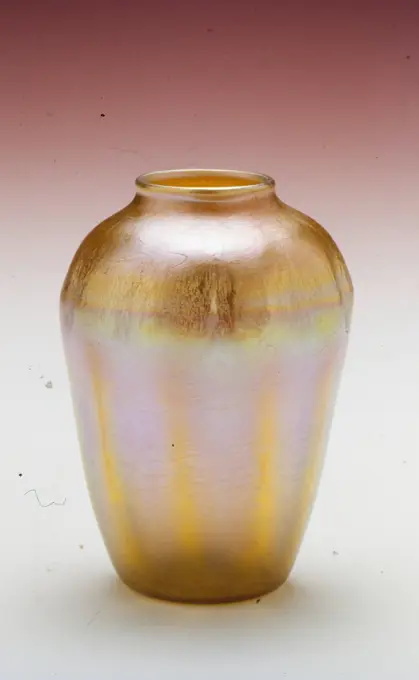
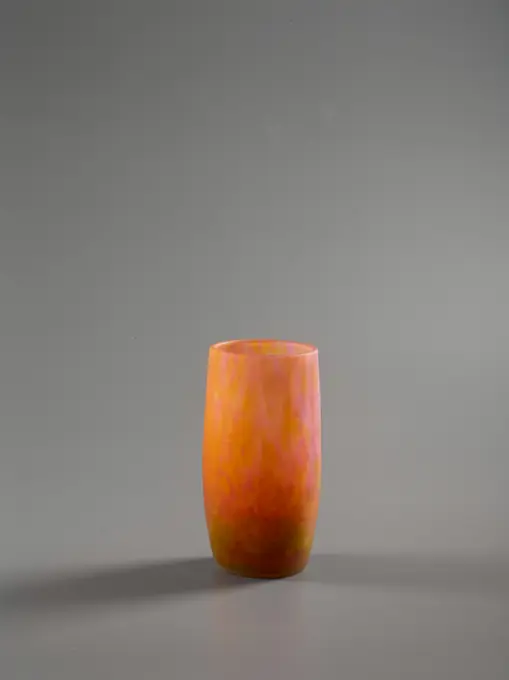
Vase, 19th-20th century, Louis Comfort Tiffany, American, 1848-1933, 5 5/8 x 3 1/2 in. (14.3 x 8.89 cm), Glass, United States, 19th-20th century
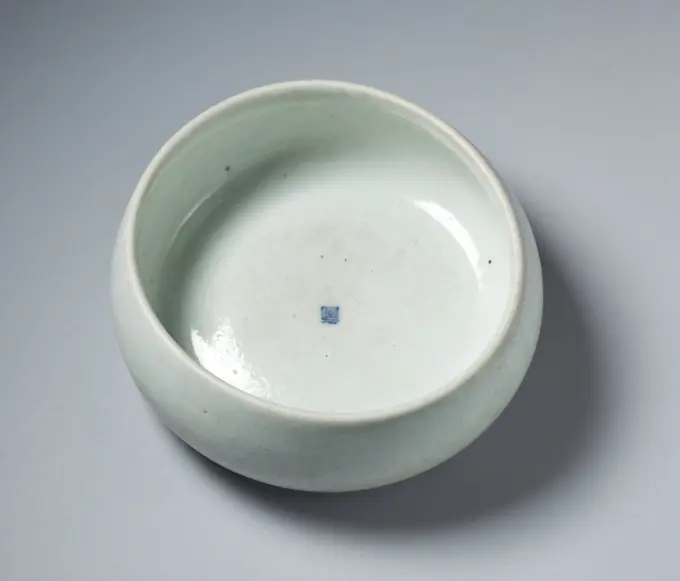
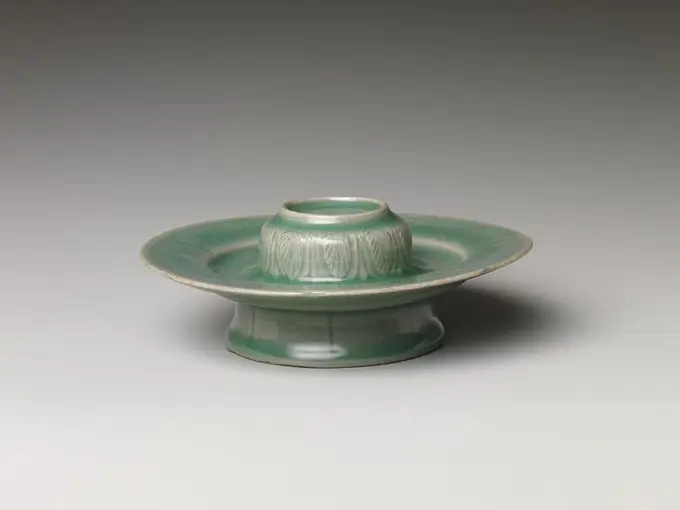
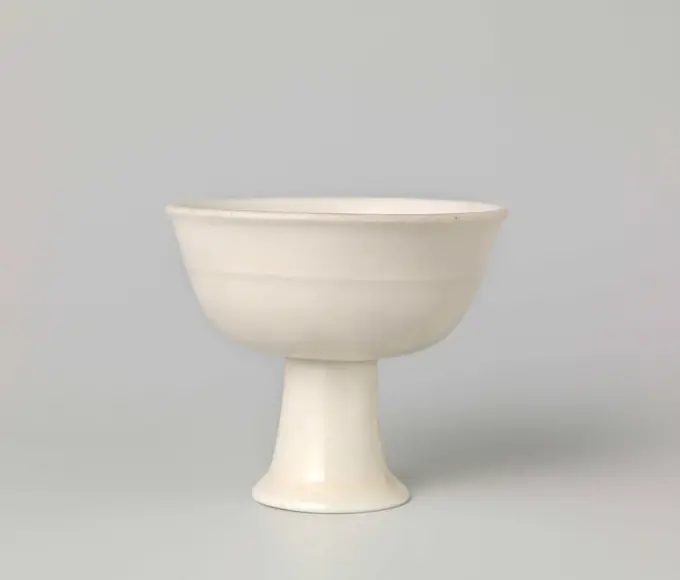
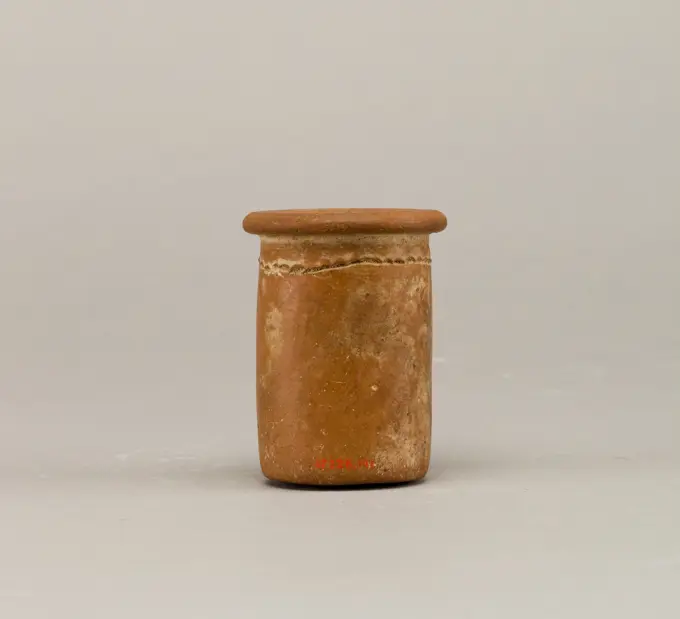
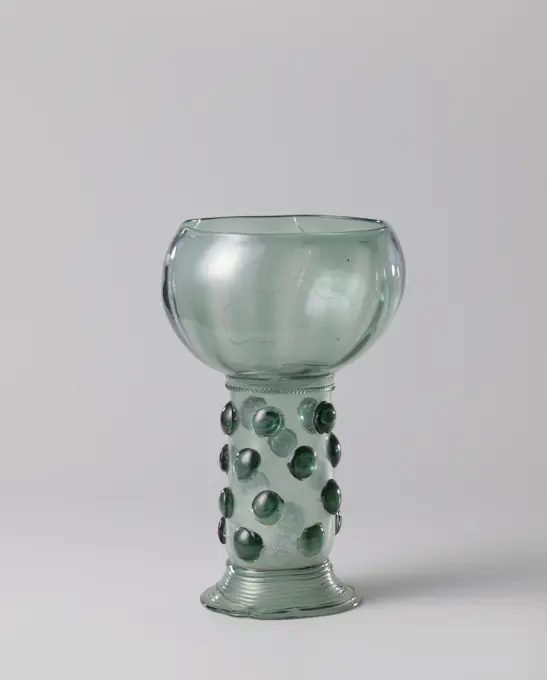
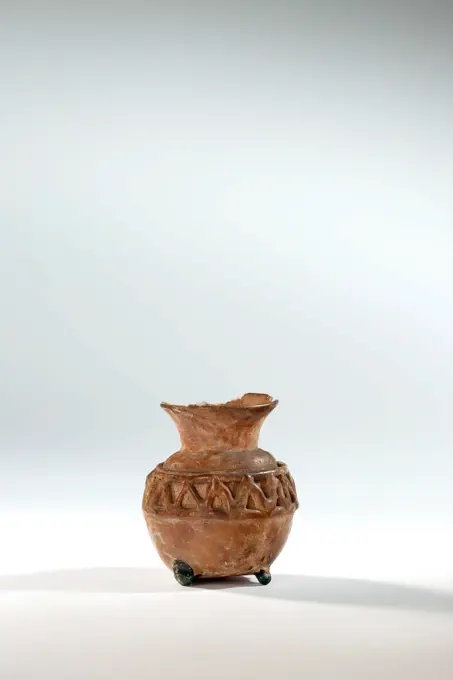
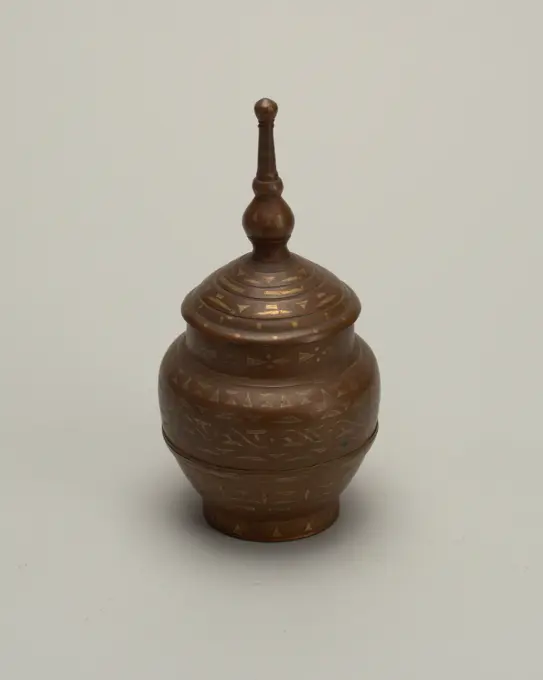
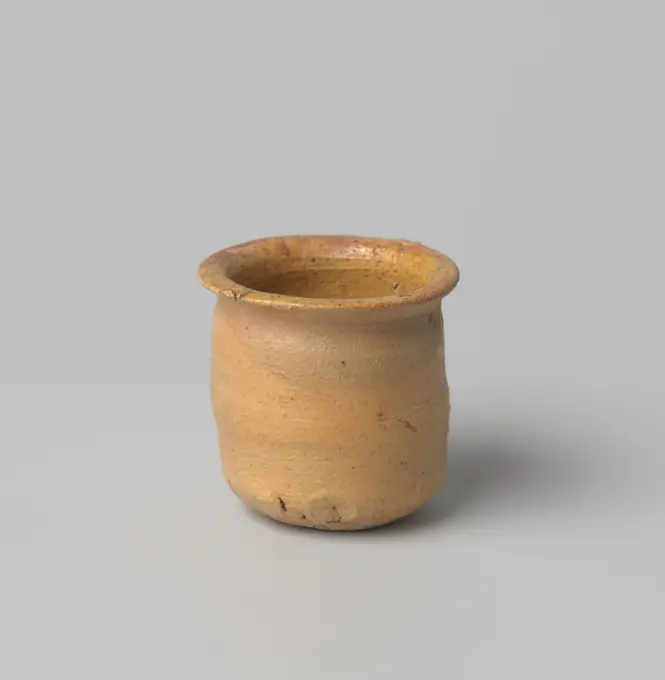
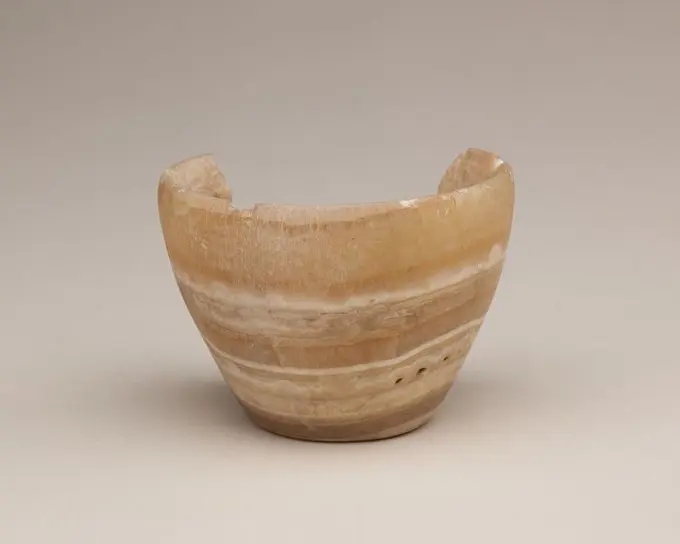
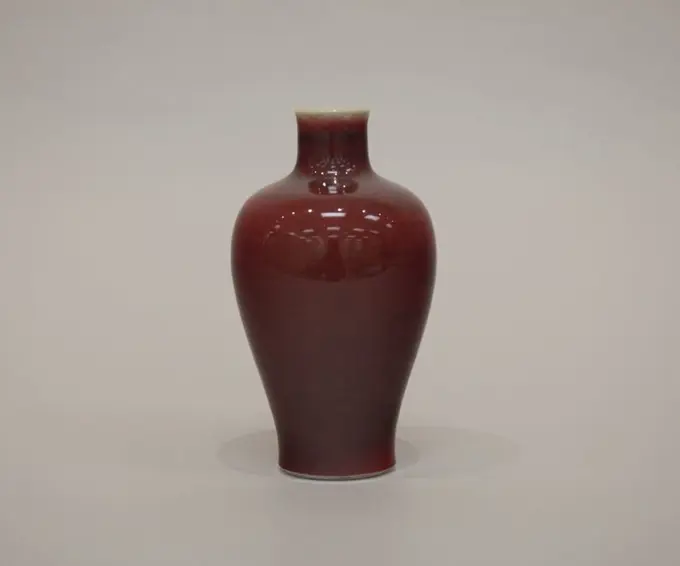
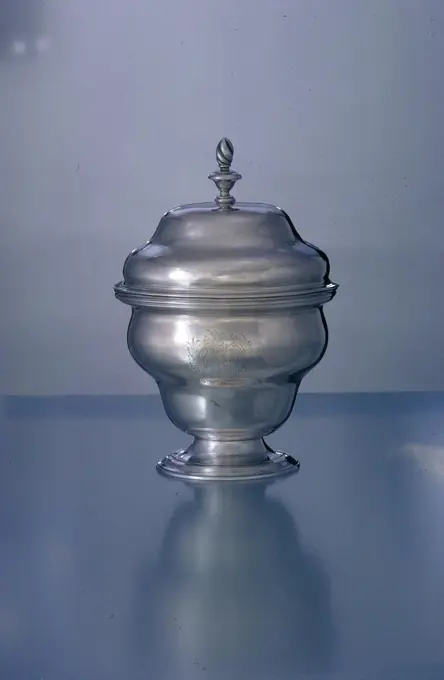
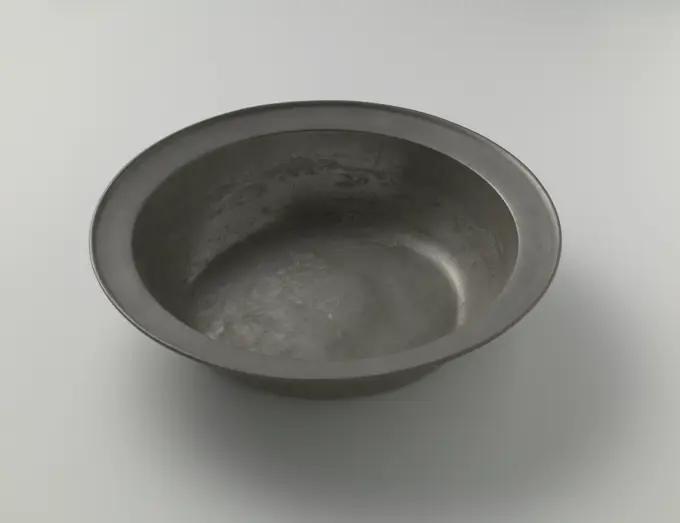
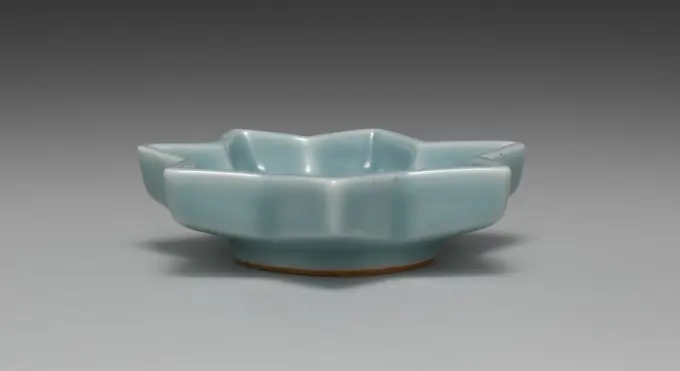
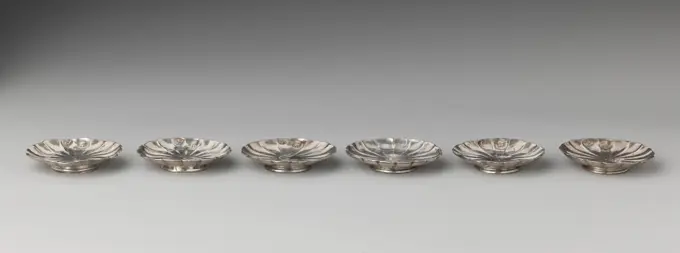
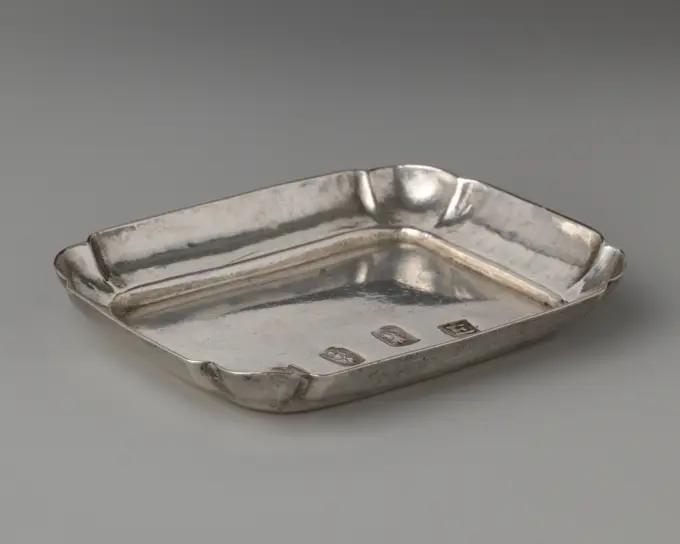
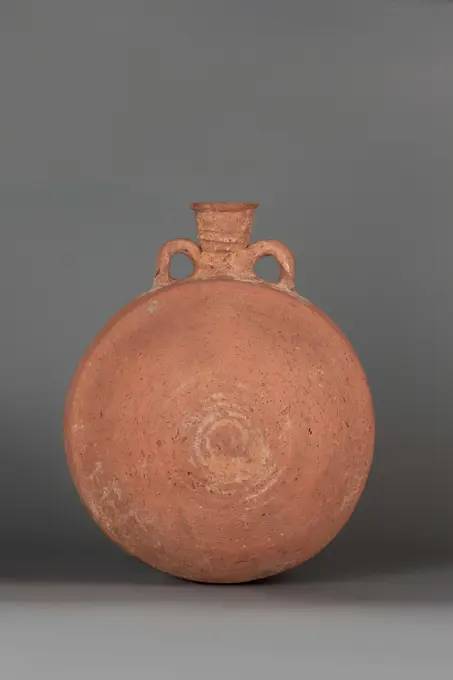
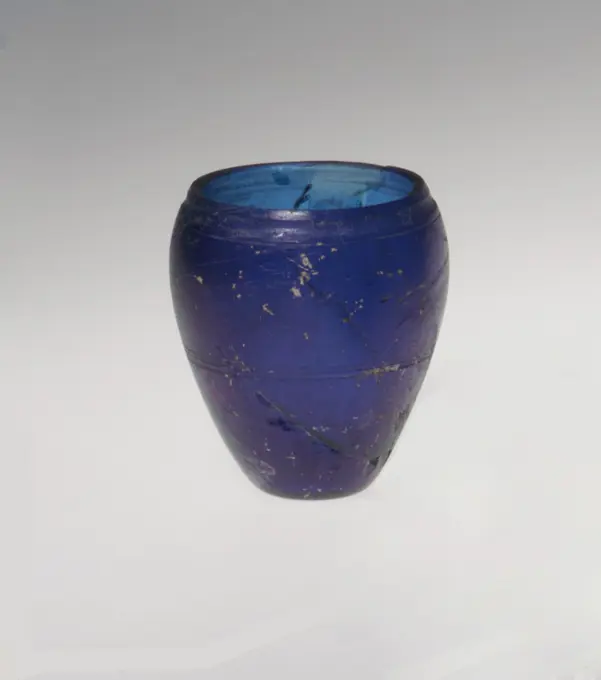
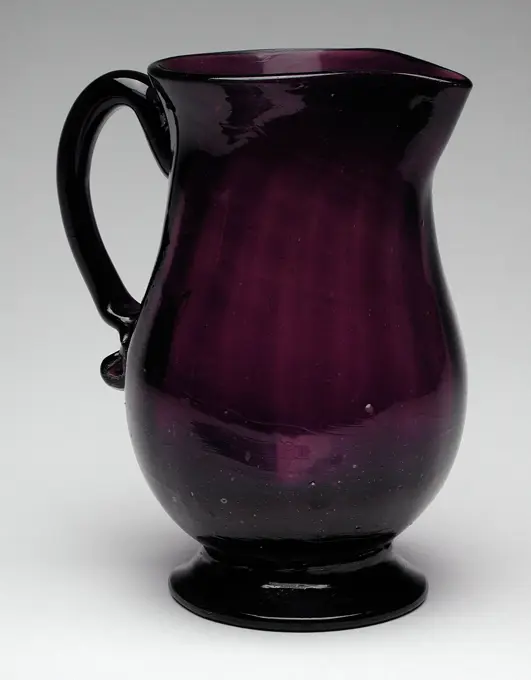
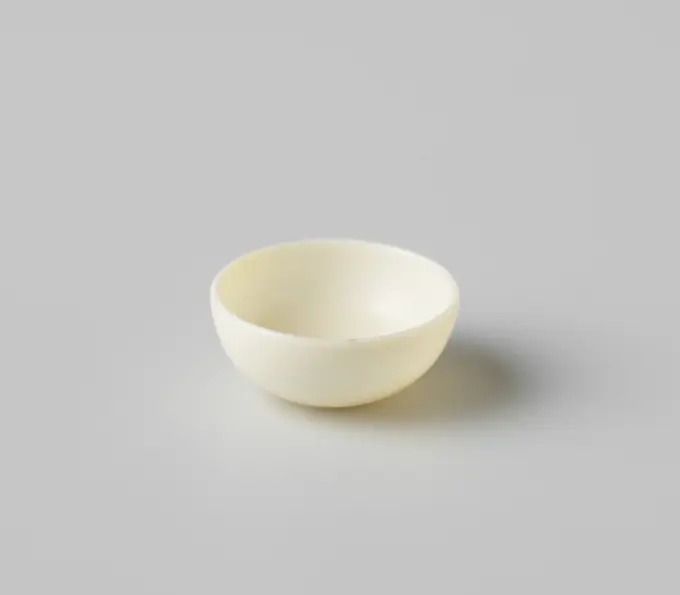
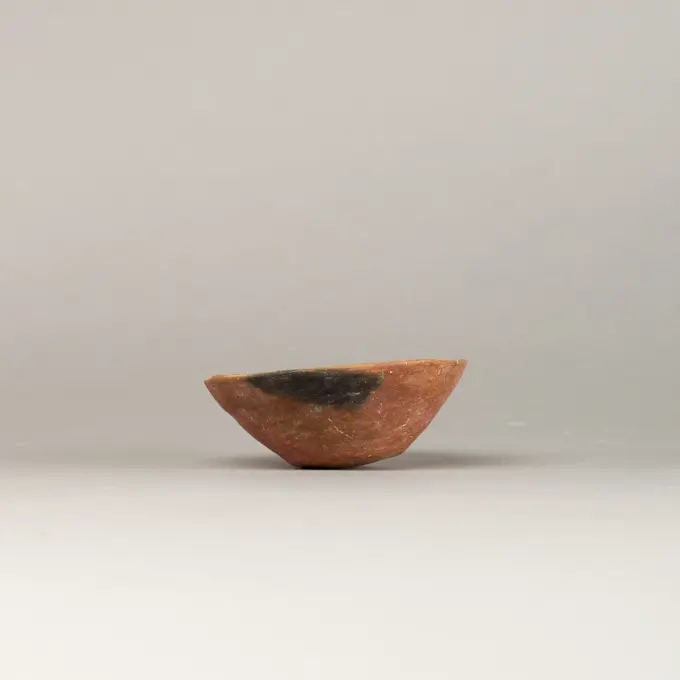
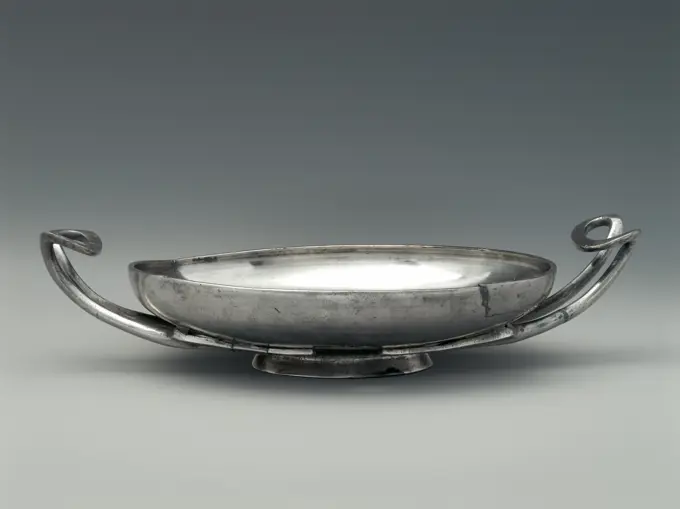
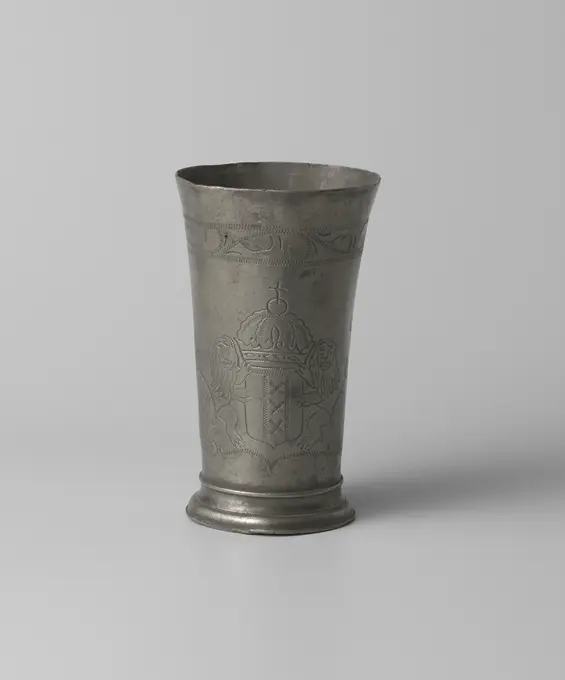
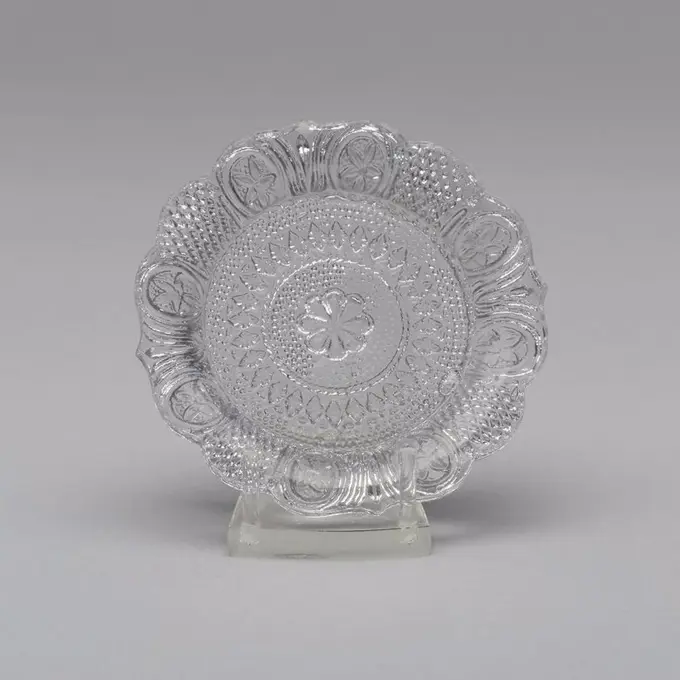
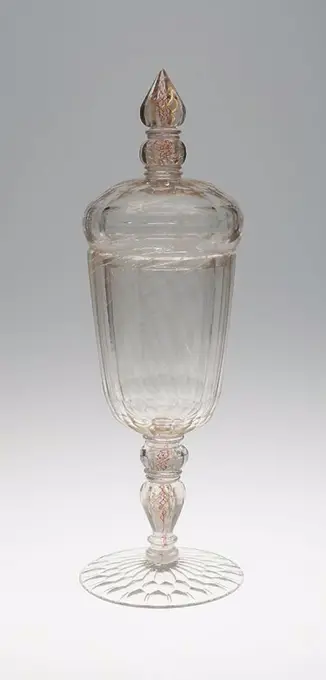
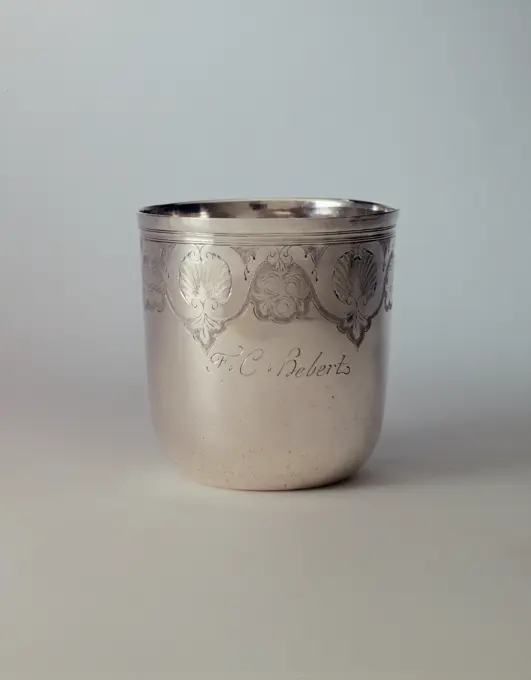
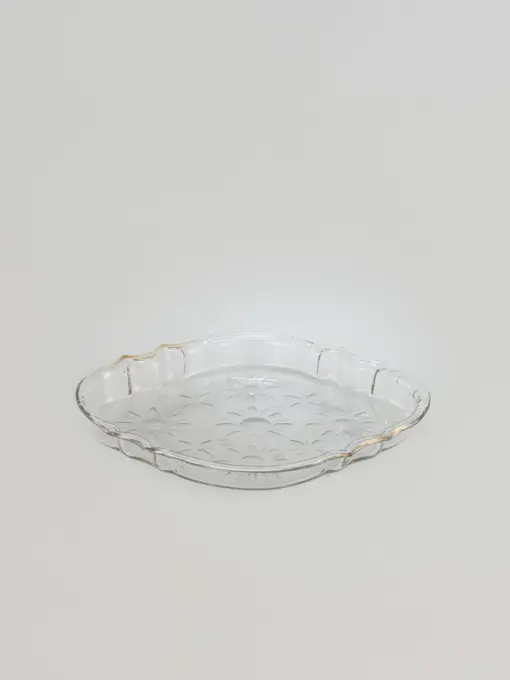
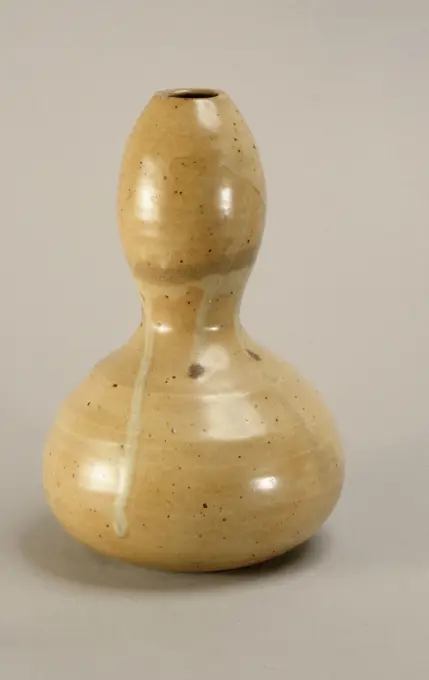
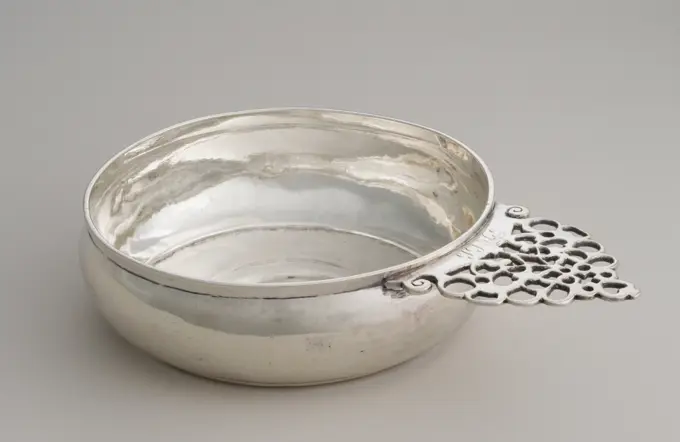
Vase, 19th-20th century, Louis Comfort Tiffany, American, 1848-1933, 5 5/8 x 3 1/2 in. (14.3 x 8.89 cm), Glass, United States, 19th-20th centuryGlass inkwell 1st century A.D. Roman Translucent cobalt blue.Almost vertical rounded rim; shallow, sloping shoulder with concave curve at base; folded horizontal flange; cylindrical body with slightly convex sides tapering downwards; another folded horizontal flange, forming base ring; convex bottom, pushed in at center, with large circular pontil mark.Intact; some bubbles; dulling, creamy weathering, and iridescence.. Glass inkwell. Roman. 1st century A.D.. Glass; blown and tooled. Early Imperial. GlassVase of light pink glass with air bubbles, William Couper, c. 1900 Spherical, with a long neck with a strap slightly below the middle. Decorated with air bubbles. Glasgow glass glassblowing Spherical, with a long neck with a strap slightly below the middle. Decorated with air bubbles. Glasgow glass glassblowingNaczynie z jajowatym dnem. nieznany warsztat północno mezopotamski, workshopBowl ca. 12th century China. Bowl 42452Tumbler. Culture: British, London. Dimensions: Height: 4 1/2 in. (11.4 cm). Maker: James Powell and Sons. Manufacturer: Whitefriars Glassworks (British, 1834-1980). Date: ca. 1880. Museum: Metropolitan Museum of Art, New York, USA.Bowl with Chinese character for longevity, 19th century, Unknown Korean, 2 3/4 × 6 5/8 × 6 7/16 in. (6.99 × 16.83 × 16.35 cm), Porcelain with cobalt-blue design painted under clear glaze, Korea, 19th centuryStand. Culture: Korea. Dimensions: H. 2 1/8 in. (5.4 cm); Diam. 6 in. (15.2 cm). Date: first half of the 12th century. Museum: Metropolitan Museum of Art, New York, USA.Porringer, c. 1725-1730. Andrew Tyler (American, 1692-1741). Silver; overall: 5.3 cm (2 1/16 in.); with handle: 20.8 cm (8 3/16 in.); without handle: 14.3 cm (5 5/8 in.).Beaker 1 CE-100 CE Syria. Glass, blown technique . Ancient RomanStem Cup On High, Splayed Foot. Votcup or bowl on foot of porcelain, covered with a translucent white glaze. Cup with slightly spreading wall and annular thickening; The handle runs out to the bottom and spreads at the foot. Blanc De Chine.Short wavy-handled ware cylindrical jar with a scalloped line ca. 3850-2960 B.C. Predynastic Period. Short wavy-handled ware cylindrical jar with a scalloped line. ca. 3850-2960 B.C.. Pottery. Predynastic Period. From EgyptRoemer with four rows of smooth bumps, anonymous, c. 1650 - c. 1675 Large Roemer with inserted bottom on Concave, spun from a wire. The convex, vertically ribbed chalice and the closed trunk blown individually. The trunk sets with four rows of smooth, convex studs. The transition from chalice to trunk indicated by a ribbed thread Netherlands glass glassblowing Large Roemer with inserted bottom on Concave, spun from a wire. The convex, vertically ribbed chalice and the closed trunk blown individually. The trunk sets with four rows of smooth, convex studs. The transition from chalice to trunk indicated by a ribbed thread Netherlands glass glassblowingCosmetic vial with spherical belly, widened neck and three legs; decorated with glass thread applied in a zigzag. unknown, craftsmanJar And Cover (Philippines); bronze, inlaid metalOintment pot of yellow -baking earthenware, with glaze on the inside, anonymous, 1500 - 1799   earthenware. glaze   earthenware. glazeAnonymous, cut (common name). Cernuschi Museum, Asia Museum of Asia in the city of Paris.Bowl ca. 2960-2770 B.C. Early Dynastic Period. Bowl. ca. 2960-2770 B.C.. Pottery. Early Dynastic Period. From Egypt, Northern Upper Egypt, Abydos, Egypt Exploration Fund excavations. Dynasty 1Jar - Henry Schuler, 1873-1884 Henry Schuler, 1873-1884Jar late 18th-first half of the 19th century China. Jar 47299An empty plate on a gray concrete background with copy space An empty plate on a gray concrete background with copy space. Home dinner cooking Copyright: xZoonar.com/TetianaxChernykovax 21909414Saucer used in the House of Representatives of the Netherlands at official receptions, Hutschenreuther, c. 1900 - c. 1974  Porcelain dish, painted on the glaze in gold. Decorated with a golden edge and the crowned weapon of the House of Representatives with the inscription 'Lower House of the States General'. Marked on the underside with the factory brand and 'P.A.W. Philippona The Hague '. Possibly decorated in The Hague. porcelain company: BeierenThe Hague porcelain. glaze. gold (metal) painting / vitrification  The HagueBeaker. Culture: Hungarian. Dimensions: Height: 4 1/8 in. (10.5 cm). Date: ca. 1656.A wave pattern, suggestive of rippling water in a slight breeze or a lamb's fleecy coat, covers the body of this beaker. This type of decoration is unique to sixteenth- and seventeenth-century Hungarian and Transylvanian silver. It is a variation of the snakeskin pattern: both are designed to provide better grip. A closely-related beaker formerly in the collection of Yves Saint Laurent is numbered, as are other examples, which indicates it was part of a larger set. The present example was once in the Andrssy collection.LiteratureJudit H. Kolba. Hungarian Silver: The Nicolas M. Salgo Collection. London, 1996, p. 64, no. 42 (illustrates unidentified maker's mark SB).ReferencesEva Toranov. Goldschmiedekunst in der Slowakei. Translated by Helene Katrinakov. Hanau, 1982, p. 88, no. 216.Collection Yves Saint Laurent et Pierre Berg, Orfvrerie, Miniatures et Objets de vertu. SaleBig round chair on a broad base, anonymous, c. 1700 - c. 1850 Large round dust bar with ivory lid. Seto (possibly) stoneware. glaze Large round dust bar with ivory lid. Seto (possibly) stoneware. glazeWIne Glass and Cover. Germany, Schleswig. Date: 1735-1745. Dimensions: 26.2 x 8.1 cm (10 5/16 x 3 3/16 in.). Glass; engraved and gilt decoration. Origin: Schleswig. Museum: The Chicago Art Institute, Chicago, USA.Roll cream silk satin ribbon, c. 1925 Roll cream silk satin ribbon. Nijmegenmaker: France silk Roll cream silk satin ribbon. Nijmegenmaker: France silkVase; Gallé, Emile (1846-1904); beginning of the 20th century (1900-00-00-1914-00-00);Teabowl. Artist: Chojiro (1516-1592). Culture: Japan. Dimensions: H. 3 5/8 in. (9.2 cm); Diam. 3 3/4 in. (9.5 cm). Date: ca. 1575.Raku ware is a type of ceramic highly esteemed in the Japanese tea ceremony. It is a lightweight glazed earthenware molded by hand rather than thrown on a potter's wheel. The clay is rough and unpretentious, covered in an opaque glaze, as we see here. Raku ware could be fired in small, indoor kilns, which contributed to its popularity in the city of Kyoto, a major tea center. It is traditionally associated with the Raku family of potters, which traces its lineage back to the time of the famous tea master Sen no Rikyû, and which is still producing Raku ware today.This tea bowl is tentatively attributed to the sixteenth-century tile maker who is believed to be the founder of Raku ware, known as Chôjirô. According to legend, Chôjirô's production of tea bowls was stimulated and supervised by Rikyû himself. Museum: Metropolitan Museum of Art, New York, USA.Snuff Bottle. Culture: China. Dimensions: H. 2 3/8 in. (6 cm); W. 1 7/8 in. (4.8 cm); D. 1 1/8 in. (2.9 cm). Date: late 18th-early 19th century. Museum: Metropolitan Museum of Art, New York, USA.Bowl. Dimensions: h. 5.5 cm (2 3/16 in); diam. 7 cm (2 3/4 in). Dynasty: Dynasty 12-13. Date: ca. 1981-1640 B.C.. Museum: Metropolitan Museum of Art, New York, USA.Prunus Vase. Culture: China. Dimensions: H. 7 in. (17.8 cm); W. 3 1/2 in. (8.9 cm); Diam. of rim: 2 1/4 in. (5.7 cm); Diam. of foot: 1 3/8 in. (3.5 cm). Museum: Metropolitan Museum of Art, New York, USA.Jar And Cover (Philippines); bronze, inlaid metalGlass beaker. Culture: Roman. Dimensions: H. 2 7/8in. (7.3cm)Other: 2 3/4in. (7cm). Date: 1st half of 1st century A.D..Translucent pale green.Outsplayed unworked rim; cylindrical body with vertical sides; uneven, flat bottom. Two vertical mold seams run down sides from rim to edge of bottom, with a separate disk-shaped base section.On body, large central frieze bordered above and below by a horizontal wreath with chevrons, facing in opposite directions: the frieze contains six large loops of vine tendrils, three on each side, each loop enclosing a vine leaf in outline or a stylized grape cluster comprising a series of dots; on one side, two leaves flank a cluster; on the other, two clusters flank a leaf. On bottom, projecting rounded ring and central dot.Chips missing in rim and larger holes in lower body and around edge of bottom; few bubbles; some dulling and reddish brown encrustation, with faint weathering and iridescence.Although closely related to Victory beakers, such as 8Cosmetic Jar, one of a pair, Chenghua period, H.3-15/16 x Dia.2-1/2 in. (overall), glazed porcelain, China, 15th centurySugarbowl.   Maker: Zachariah Brigden, 1734-1787Naczynie. Nieznany warsztat nubijski, workshopRound Dish, After 1806 - Before 1883 Deep, round dish from tin. The edge has turned around. Eindhoven tin (metal) Deep, round dish from tin. The edge has turned around. Eindhoven tin (metal)Bowl with a brown glaze, anonymous, c. 960 - c. 1279 Come from stoneware with six times lobed wall, covered with a brown glaze. Two chips in the edge; Baking sand on the foot ring. Thing. China stoneware. glaze vitrification Come from stoneware with six times lobed wall, covered with a brown glaze. Two chips in the edge; Baking sand on the foot ring. Thing. China stoneware. glaze vitrificationBowl with Boys Playing amid Peony Flowers. China. Date: 1115-1199. Dimensions: H. 6.2 cm (2 7/16 in.); diam. 21.2 cm (8 3/8 in.). Ding ware; porcelain with underglaze mold-impressed decoration; metal rim. Origin: China. Museum: The Chicago Art Institute, Chicago, USA.Tea Bowl, 13th century, 1 13/16 x 4 1/4 x 4 1/4 in. (4.6 x 10.8 x 10.8 cm), Tz'u-chou ware Stoneware with black glaze and silver 'oil spot' markings in overglaze iron oxide, China, 13th centuryBowl. Attributed to Wedgwood Manufactory; England, founded 1759. Date: 1765-1775. Dimensions: 10.2 × 19.7 × 19.7 cm (4 × 7 3/4 × 7 3/4 in.). Stoneware (redware). Origin: Burslem. Museum: The Chicago Art Institute, Chicago, USA.Miniature saltcellar. Culture: British, London. Dimensions: Overall: 1 1/16 × 1 1/2 in. (2.7 × 3.8 cm). Maker: Probably by George Manjoy (British, active 1685-ca. 1720). Date: 1687-88. Museum: Metropolitan Museum of Art, New York, USA.Mug MieleówWine Glass. England, Newcastle upon Tyne. Date: 1740-1750. Dimensions: 18.1 cm (7 1/8 in.). Glass. Origin: England. Museum: The Chicago Art Institute, Chicago, USA.These saucers shaped like maple leaves show Seif Yohei III’s “heavenly blue glaze.” Saucer from Maple Leaf-Shaped Saucers, 1893-1914. Seifū Yohei III (Japanese, 1851-1914). One of five dishes from a set of ten; porcelain with blue glaze and molded design; overall: 2.5 x 9 cm (1 x 3 9/16 in.).Georges Despret (1862-1952). Cut. Glass, glass paste. XIXth-XXth century. Museum of Fine Arts of the City of Paris, Petit Palais. 19th XIXth XIX 19th 19th 19th century, XXth XXth XX 20th 20th 20th centuryOne from a Set of Five Soba Cups with Chrysanthemum Design 1615-1868 Japan. One from a Set of Five Soba Cups with Chrysanthemum Design 63739Can of hard baked earthenware, Wedgwood; Creamware (Queen's true), Wedgwood, c. 1765 - c. 1790 Pear -shaped milk jug of white hard baked pottery. The jug has a C-shaped ear and a pewter folding lid. The jug has a curved SNEB and a stand ring. England earthenware Pear -shaped milk jug of white hard baked pottery. The jug has a C-shaped ear and a pewter folding lid. The jug has a curved SNEB and a stand ring. England earthenwareGreen bottle with slender neck, raised soul, bottle holder soil find glass, Green bottle. Cylindrical long cylindrical neck Wounded glass wire under the neck opening. Stuffed soul with pontilmark archeology Capelle aan den IJssel House in Capelle castle packing wine transport store Soil discovery: house in Capelle Capelle aan den IJssel.Reliquary ca. 2nd-3rd century Pakistan (ancient region of Gandhara). Reliquary 38510Czarka; Unknown Night -Tamanian workshop; approx. 2600 2350 BC ; Early period D Azira III (-2600-00-00--2350-00-00);Box with cover (one of a pair) (part of a toilet service). Culture: British, London. Dimensions: Overall (confirmed): H. 2 9/16 x W. 5 x D. 5 in., 19 oz. 6 dwt. (6.5 x 12.7 x 12.7 cm, 0.60 kg). Maker: William Fowle (1658-1684, active 1681-84). Date: 1683-84. Museum: Metropolitan Museum of Art, New York, USA.Wine Glass, 1750-1799. England, 18th century. Glass; diameter: 6.7 cm (2 5/8 in.); overall: 17.5 x 7.8 cm (6 7/8 x 3 1/16 in.).Vase. Daum Freres, glassmaking companySnuff Bottle China. Snuff Bottle 41404Six miniature saucers (part of a set) late 17th-early 18th century David Clayton British The tea kettle and teapot are based on Chinese hot-wine pots. The tea bowls are modeled after Japanese forms.. Six miniature saucers (part of a set). British, London. late 17th-early 18th century. Silver. Metalwork-Silver-MiniatureMiniature waiter 1720-21 Christopher Gerrard British. Miniature waiter. British, London. 1720-21. Silver. Metalwork-Silver-MiniatureFukagawa Chuji Potiche - Balustrous vase. Cernuschi Museum, Asia Museum of Asia in the city of Paris.Butla pielgrzymia. warsztat nubijski, workshopVase With Box (USA); Made by Louis Comfort Tiffany (American, 1848-1933); favrile glass; cardboard, paper (box); (a): 15.5 x 46.5 cm (6 1/8 x 18 5/16 in.)Vase 18th century China. Vase. China. 18th century. Porcelain with blue glaze (Jingdezhen ware). Qing dynasty (1644-1911). CeramicsEmpty plateDoll jug -Concept, okhli or ukhli mortar wood manual grinder for pounding spice on white background India Copyright: xNirmalaxMishra/DinodiaxPhotoxBowl.  Maker: Cornelius Wynkoop, American, 1701-1745Glass beaker early 1st century A.D. Roman Translucent cobalt blue.Plain, inverted rim, with beveled upper edge; ovoid body, tapering downward; small, concave bottom.On exterior, a deep and wide horizontal groove below rim in a band with narrower and shallower groove immediately below; another horizontal band of two close-set abraded grooves around body halfway down side.Broken and repaired with several chips in lower side and two patches of fill, one in rim; pinprick and larger bubbles, with striations; dulling, iridescence, and small patches of creamy weathering.Rotary grinding marks on exterior.. Glass beaker. Roman. early 1st century A.D.. Glass, cast; cast and cut. Early Imperial, Augustan or Tiberian. GlassClock-watch with alarm and calendar. Culture: French, Paris. Dimensions: 2 1/8 x 1 3/8 in. (5.4 x 3.5 cm). Maker: Watchmaker: Nicolas Forfaict (French, Paris, ca. 1580-1615). Date: ca. 1600-1610.The case and dial of this watch are engraved with designs of inhabited foliage and grotesque ornament, the latter having its inspiration in the engravings of the French artist Jacques Androuet DuCerceau (ca. 1512-ca. 1585). The side, or band, of the case is pierced to permit the sound to be heard when the watch strikes the hour (1-12) on the bell attached to the inside of the bottom of the case. A single hand indicates the hours and the half hours marked in the silver chapter ring applied to the dial. A small hand attached to a disk that revolves inside the chapter ring indicates the moon's age in its monthly cycle, and an aperture in the disk displays the phases of the moon. Further, the length of time of moonlight after sundown can be read at the edge of the disk, and in its center there is Cream Jug. United States, possibly Pennsylvania, 1770-1800. Furnishings; Serviceware. Blown amethyst glassPann Dish, 14th century, 2 15/16 x 10 1/2 in. (7.5 x 26.67 cm), Stoneware, Thailand, 14th centuryA White BowlRinse bowl from ivory. Come from ivory.Dish with Peony Scroll 1115-1150 China. Yaozhou ware; stoneware with underglaze molded decoration .White cross-lined ware bowl ca. 3850-2960 B.C. Predynastic Period. White cross-lined ware bowl. ca. 3850-2960 B.C.. Pottery, paint. Predynastic Period. From EgyptBowl 9th-10th century. Bowl. 9th-10th century. Glass; free blown, impressed. Attributed to Egypt or Syria. GlassWater pot late 17th-early 18th century China. Water pot 45879Christmas baubleVase (France); Manufactured by Atelier de Glatigny (France); porcelainJug with a roundel among flowering plants, anonymous, c. 1700 - c. 1774 Jug of stoneware on stand ring with a pear -shaped body and wide neck. The C-shaped ear is attached to the neck and shoulder. On the abdomen an entry rosette surrounded by large, flowering plants. Some of the flowers and leaves consist of pressed zigzag lines (knibis). Attached to the ear a pewter frame with lid. On the inside of the lid marked with 'i.d.k.'. Westerwald. Lahntal Stoneware. Glaze. frame: tin (metal) vitrification Jug of stoneware on stand ring with a pear -shaped body and wide neck. The C-shaped ear is attached to the neck and shoulder. On the abdomen an entry rosette surrounded by large, flowering plants. Some of the flowers and leaves consist of pressed zigzag lines (knibis). Attached to the ear a pewter frame with lid. On the inside of the lid marked with 'i.d.k.'. Westerwald. Lahntal Stoneware. Glaze. frame: tin (metal) vitrificationSmall Conical Bowl, 12th-13th century, 1 13/16 x 5 5/8 in. (4.6 x 14.29 cm), Lung-ch'uan ware Porcelaneous stoneware with celadon glaze, China, 12th-13th centurySilver stemless cup late 4th century B.C. Greek, South Italian In 1895 the tomb of a Gallic warrior was excavated in a necropolis at Montefortino, about thirty miles west of Ancona in central Italy. The cemetery is that of Gauls who in the fourth century B.C. began to invade central Italy and to stage raids as far south as Apulia. The tomb contained iron weapons, bronze and terracotta vessels, and also a gold ring and five silver vessels that must have been brought as loot from another part of Italy. The hoard includes a silver jug (08.258.51), a silver bowl with swinging handles (08.258.50), a pair of stemless silver cups decorated on the inside with a complex floral pattern (08.258.52-.53), and a silver kyathos (cup-shaped ladle) with a handle that terminates in a duck's head (08.258.54).. Silver stemless cup. Greek, South Italian. late 4th century B.C.. Silver. Hellenistic. Gold and SilverSupplementary Cup of Tin with the Arm of Amsterdam. Cup of tin. A reverse conic cup is on the profiled stand ring. The outside is decorated with the city's city of Amsterdam twice in the middle of two standing lions. At the top is a bond with rank motifs. The decorations are largely carried out in a trembling stitch.Circular casket with convex lid (vessel for seal vermilion). unknown, craftsmanRoemer without studs, anonymous, c. 1885 - c. 1895 Highly built, spun from a wire. Inserted soil. The egg -shaped chalice blown as a whole with the low trunk. Glassblower: Germanyglassblower: Ehrenfeld glass glassblowing Highly built, spun from a wire. Inserted soil. The egg -shaped chalice blown as a whole with the low trunk. Glassblower: Germanyglassblower: Ehrenfeld glass glassblowingAlabastron (stopper), 305-222 BC. Egypt, early Ptolemaic Dynasty. Travertine; diameter: 3.3 cm (1 5/16 in.); overall: 22.9 cm (9 in.); stopper: 4.5 cm (1 3/4 in.); body: 19.1 x 2.5 cm (7 1/2 x 1 in.). Both ancient Egyptian men and women loved cosmetics. Unguents, oils, and perfumes made from aromatic plant resins and gums were obtained at great cost from distant lands. The objects identified with cosmetics were given lavish treatment.Salver (one of a pair) 1724 Paul de Lamerie British. Salver (one of a pair). British, London. 1724. Silver. Metalwork-SilverSugar sifter, Charles Victor Gibert, French, Silver, Spider's web with monkey on a bamboo-shaped handle., ca. 1890, cutlery, Decorative Arts, Sugar sifterJohan Kaff (), Smooth supper cup with profile edges above plinth, supper beaker liturgical container silver, hammered Smooth cup profile edges above plinth bottom bottom (smashed) Abraham Leendert Jacobsen Alewijn Pietersen Groenevelt 1684 religion supper Protestantism Nieuwerkerk drinking church Eucharist religious ceremony Originating from the municipality of Nieuwerkerk.Pelvis with Renaissancevaas and Vegetative Ornament, Anonymous, 1500 - 1550 In the flat of the dish, which has the center point in the middle, forms are punched with the help of stamps: a Renaissancevaas decorated with groans and a stylized vegetative ornament (repeated four times) and the inscription applied in Frid in Frid Hewahrt (repeated four times). Fish blowing is driven in the wall of the pelvis. A punched ornament has been applied to the board, with a stylized leaf as the motif. The hanging ring at the rear and the hole in the edge were installed later. Neurenberg (possibly) brass (alloy) casting / engraving In the flat of the dish, which has the center point in the middle, forms are punched with the help of stamps: a Renaissancevaas decorated with groans and a stylized vegetative ornament (repeated four times) and the inscription applied in Frid in Frid Hewahrt (repeated four times). Fish blowing is driven in the wall of the pelvis. A punched ornament has been applied to the Cup plate. American; Philadelphia, Pennsylvania. Date: 1826-1830. Dimensions: diam. 8.3 cm (3 1/4 in.). Pressed glass. Origin: Philadelphia. Museum: The Chicago Art Institute, Chicago, USA.Sicilian Glass Lamp c 1878 New Bedford. This lamp exemplifies the first group of artistic glassware patented by the Mount Washington Glass Company. Frederick S. Shirley, an English-born and trained glassmaker, introduced the Sicilian line, which was inspired by excavations of the ancient city of Pompeii in the 1860s and included the chemical elements of volcanic lava in its ingredients. Shirley also developed the process of fusing separate shards of glass in the body of his Sicilian wares, resulting in the unusual appearance of these vibrantly colored vessels.. Glass . Frederick S. ShirleyCovered Goblet (Pokal). Bohemia, Czech Republic. Date: 1700-1750. Dimensions: 37.5 × 11 cm (14 3/4 × 4 5/16 in.). Glass. Origin: Bohemia. Museum: The Chicago Art Institute, Chicago, USA.Bowl with a scholar, four women and boys, anonymous, c. 1575 - c. 1599 Come from porcelain, painted in under -glaze blue. A woman and a boy four times on the outer wall; At the bottom a scholar in a medallion. Marked on the bottom with 'Chang Chun Jia Qi', beautiful bowl and perpetual spring. Some chips in the edge. Ming porcelain in blue and white. China porcelain. glaze. cobalt (mineral) painting / vitrification Come from porcelain, painted in under -glaze blue. A woman and a boy four times on the outer wall; At the bottom a scholar in a medallion. Marked on the bottom with 'Chang Chun Jia Qi', beautiful bowl and perpetual spring. Some chips in the edge. Ming porcelain in blue and white. China porcelain. glaze. cobalt (mineral) painting / vitrificationJug with ChristianSymbolsAnonymous. "Cup". Money. 1789. Museum of Fine Arts of the City of Paris, Petit Palais. 74383-16 Silver, silverware, goblet, name, engravingTray; Non -like Lona Huta; 2. PO. 18th century (1750-00-00-1800-00-00);Jean Carriès (1855-1894). "Gourd". Enameled sandstone. Museum of Fine Arts of the City of Paris, Petit Palais. 24201-18 Ceramic, gourd, gres emailleMaker's mark a beehive, Beaker, 1615, silver gilt.Henricus Boelen, Porringer, c. 1720, silver.. Penseel bowl of porcelain in the shape of a leaf, covered with a translucent cream-colored glaze. Ear in the form of a branch; The four legs consist of landscaped leaves, branches and flowers. Blanc De Chine.. Penseel bowl of porcelain in the shape of a leaf, covered with a translucent cream-colored glaze. Ear in the form of a branch; The four legs consist of landscaped leaves, branches and flowers. Blanc De Chine.