Artistic Glass Vases

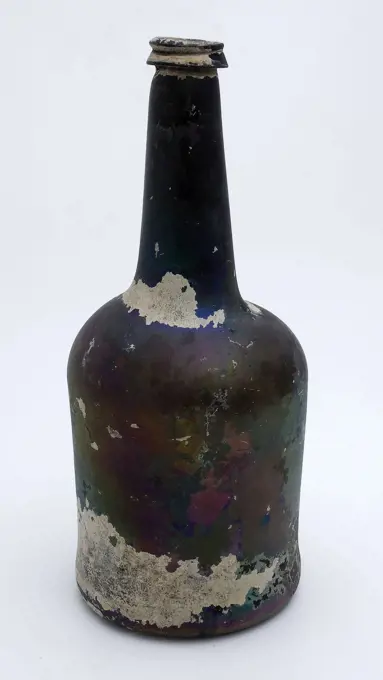
A collection of unique glass vases in varied colors and textures, showcasing artistic styles from different periods, including iridescent and cobalt finishes.
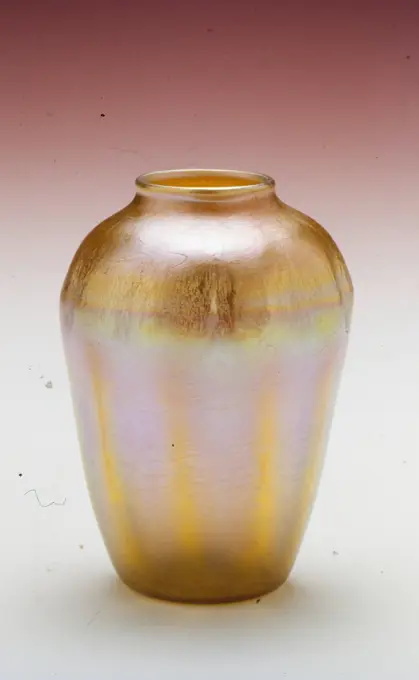
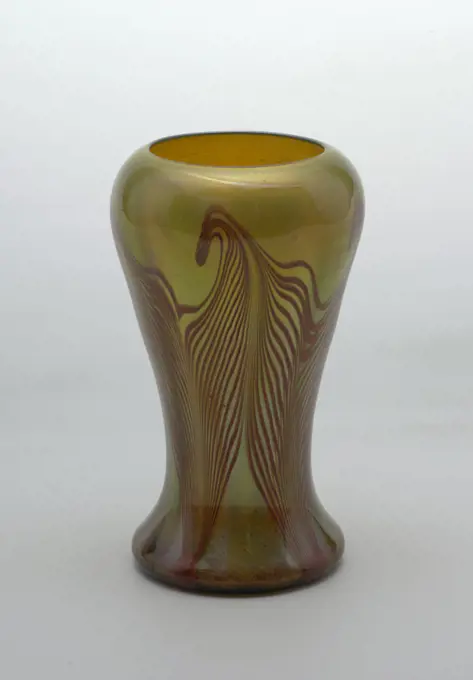
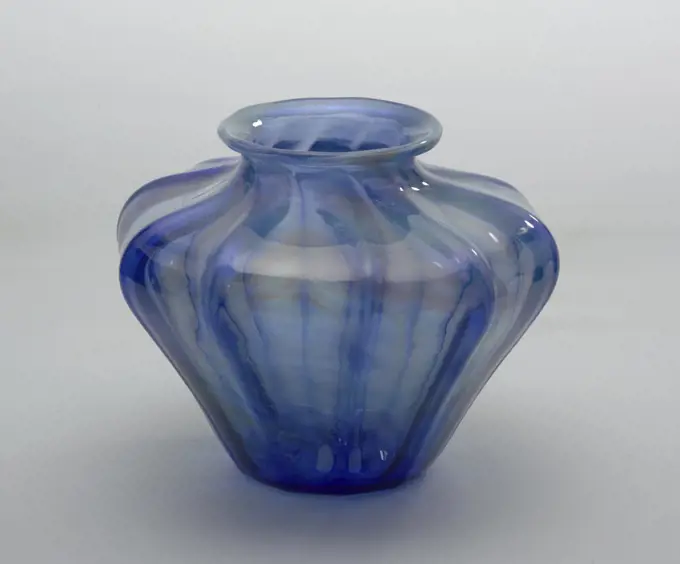
Vase, 19th-20th century, Louis Comfort Tiffany, American, 1848-1933, 5 5/8 x 3 1/2 in. (14.3 x 8.89 cm), Glass, United States, 19th-20th century
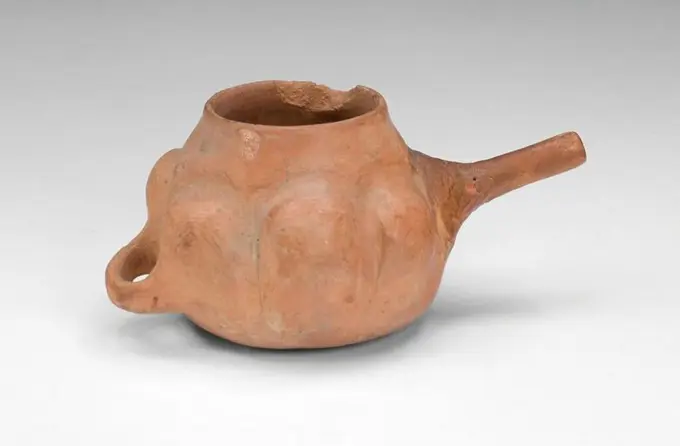
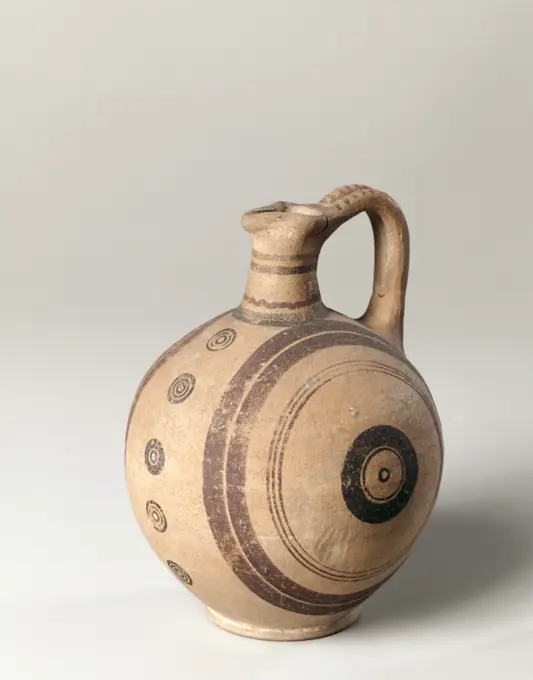
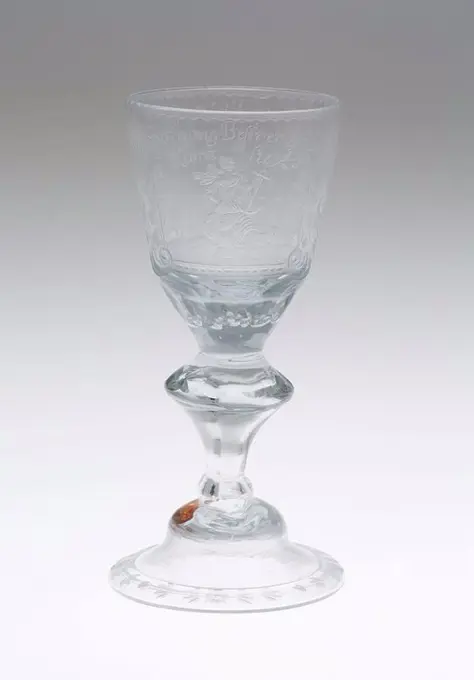
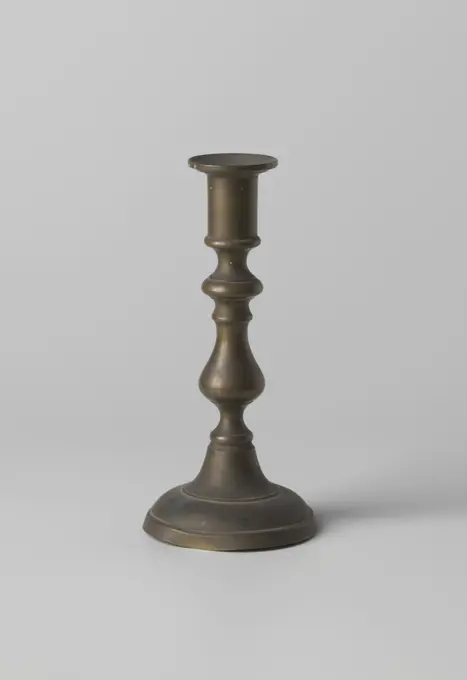
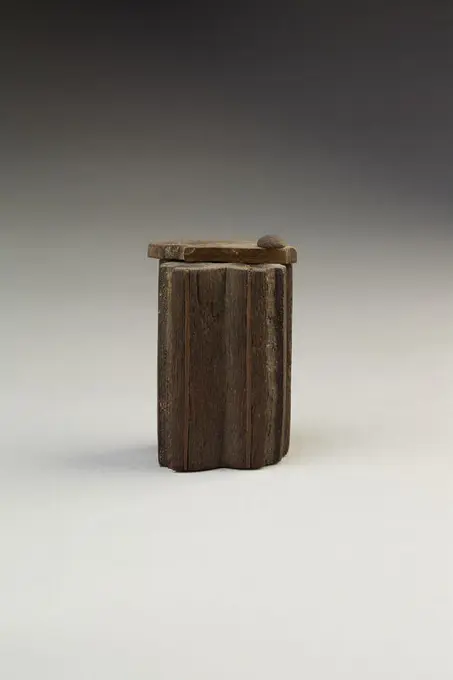
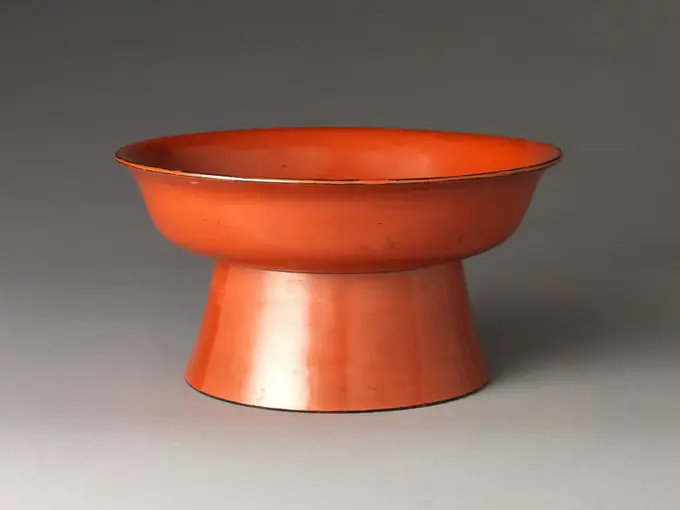
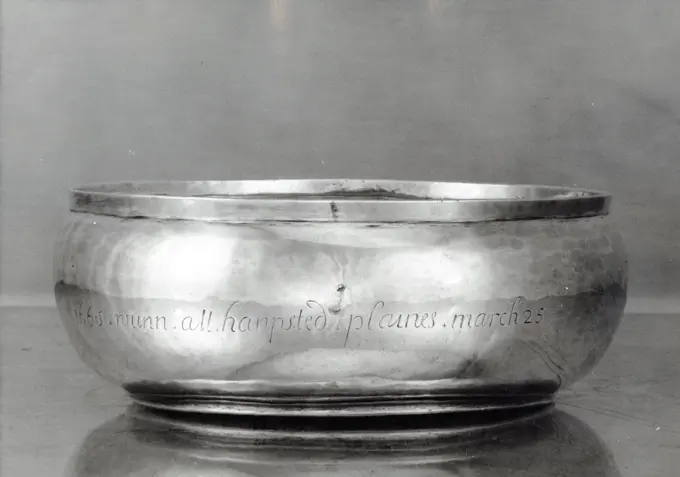
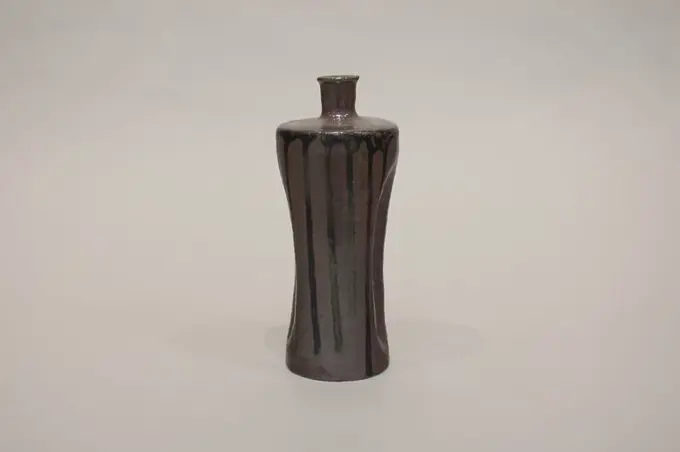
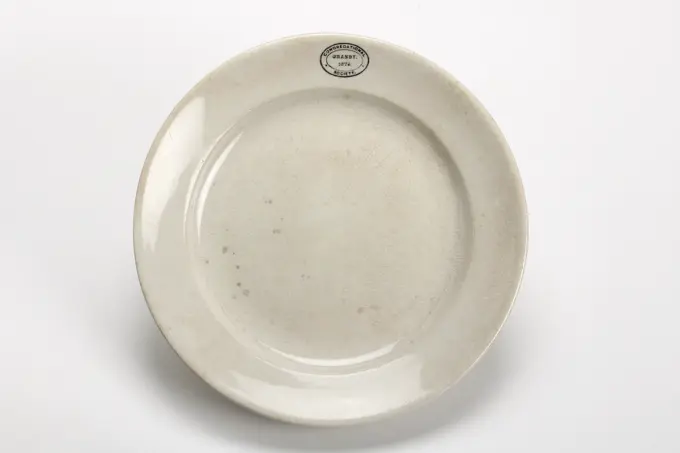
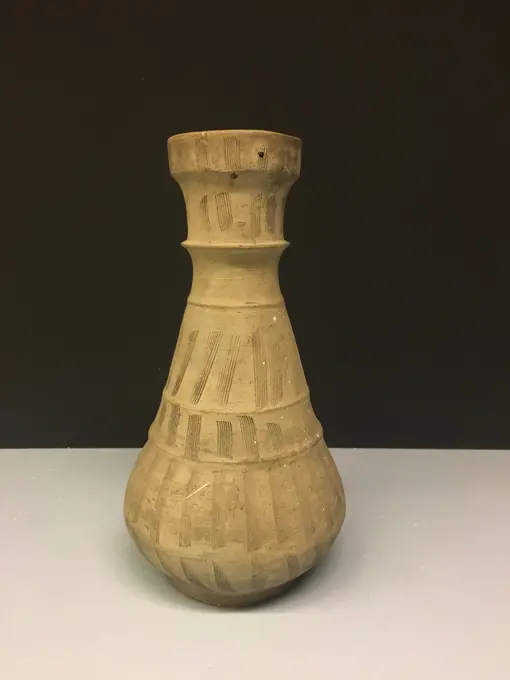
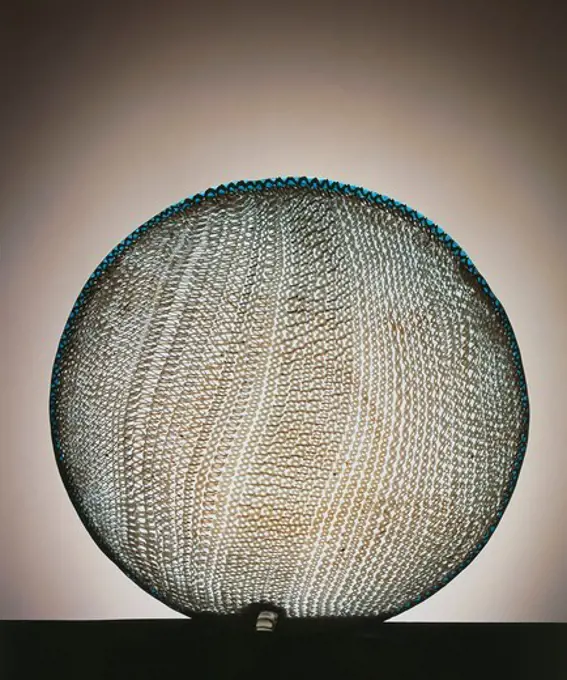
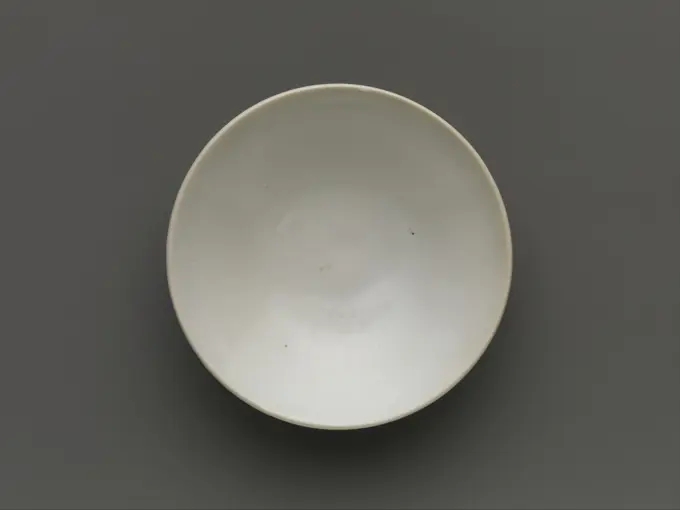
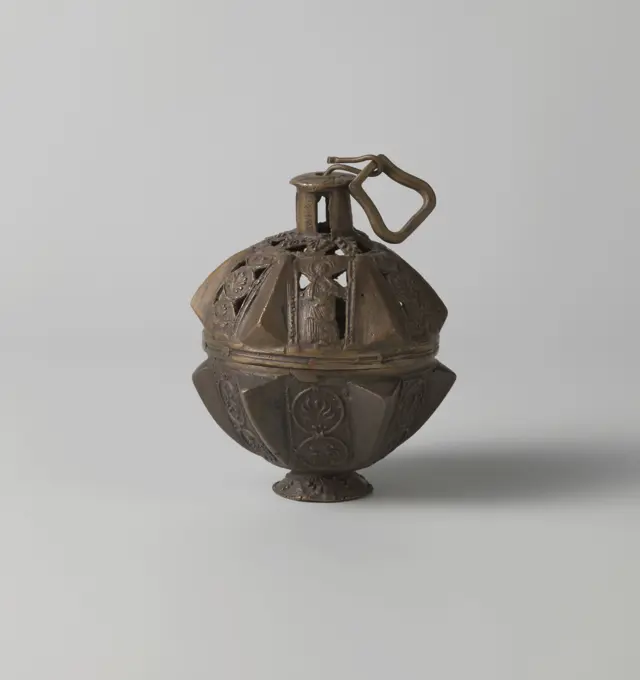
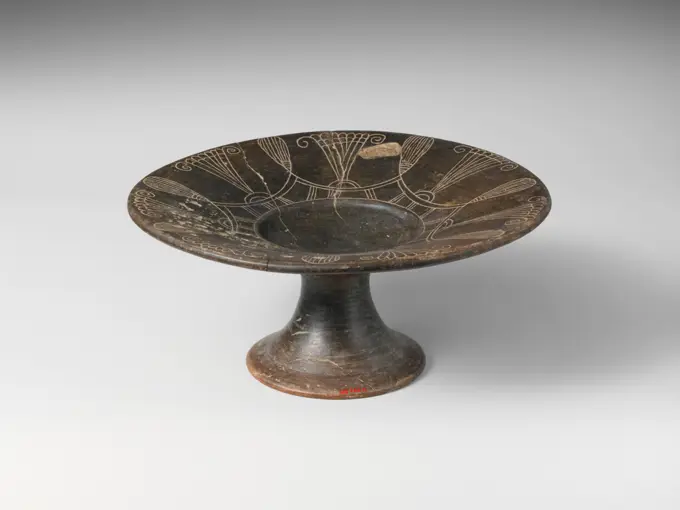
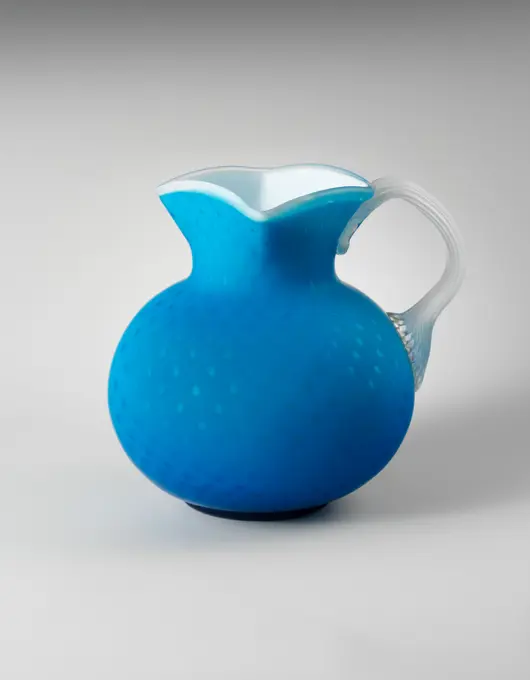
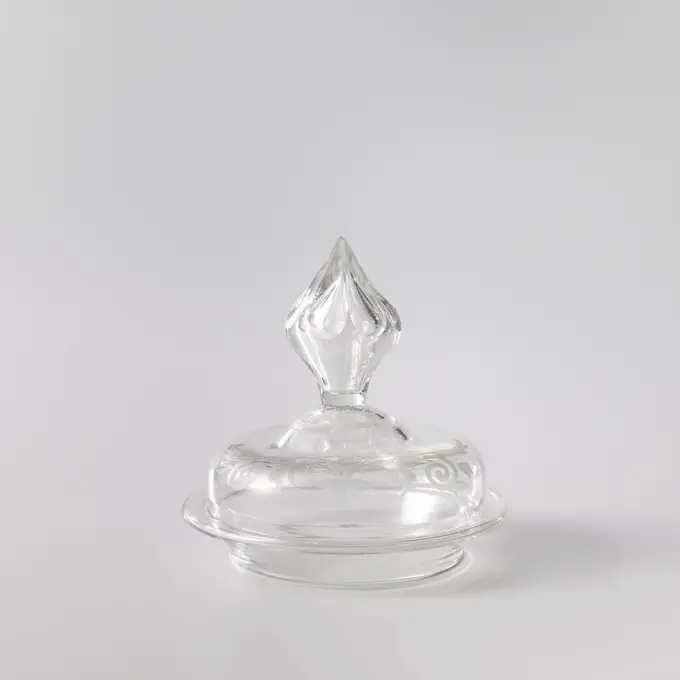
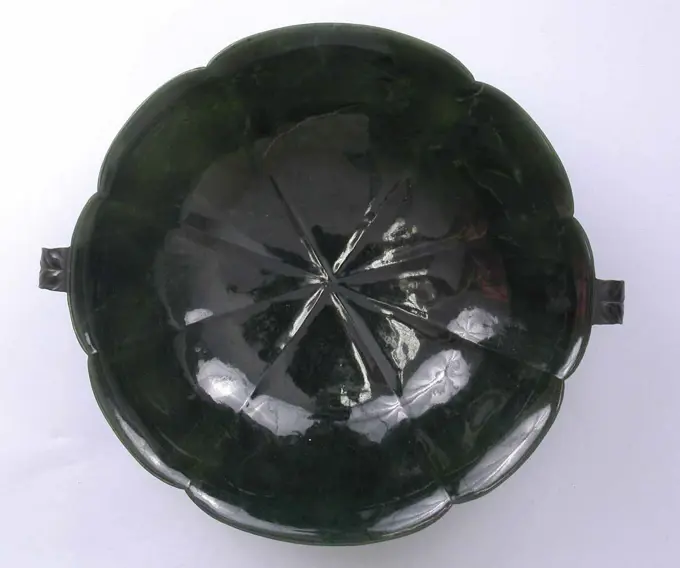
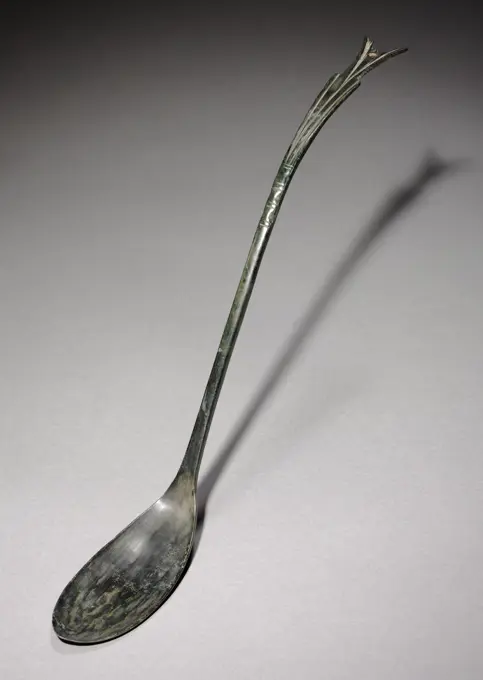
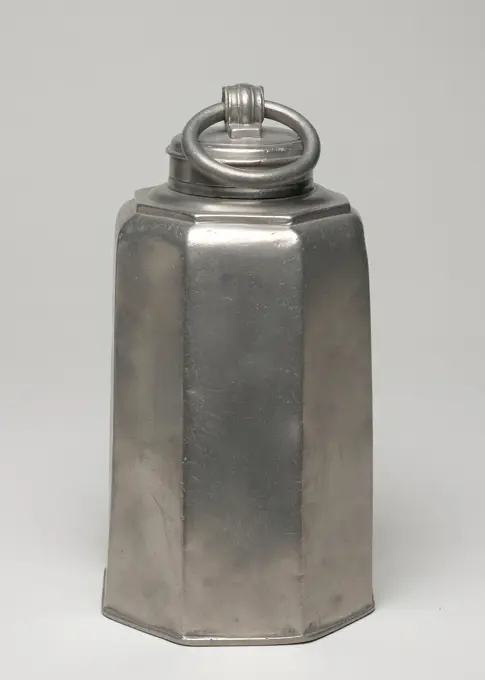
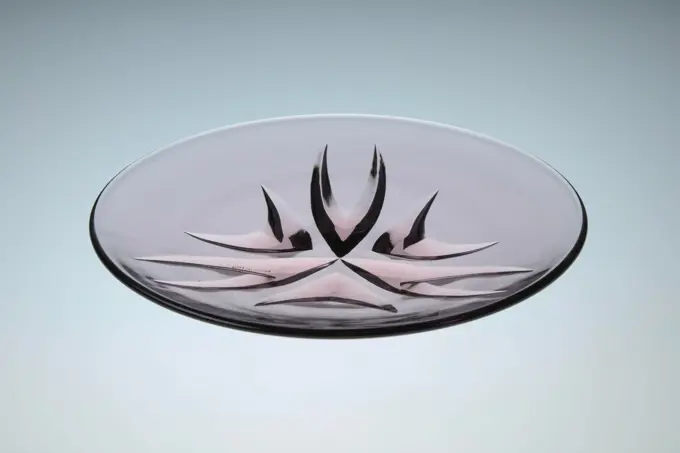
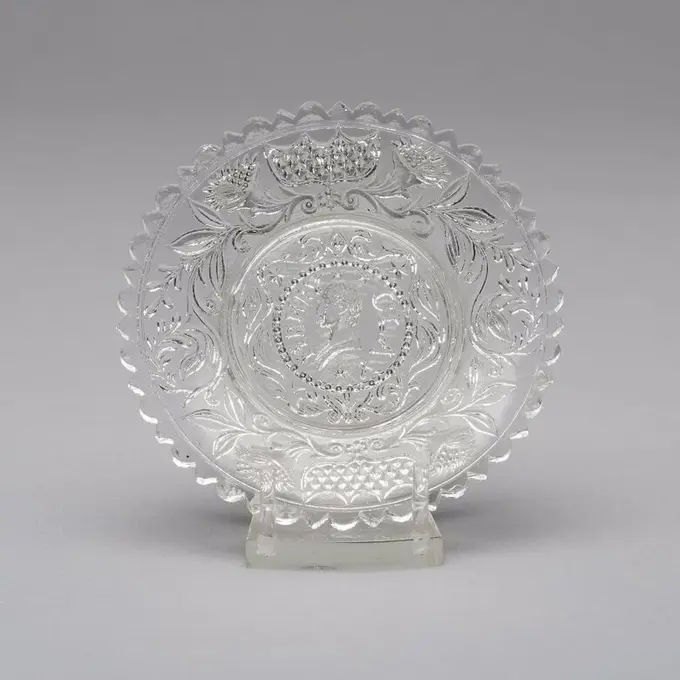
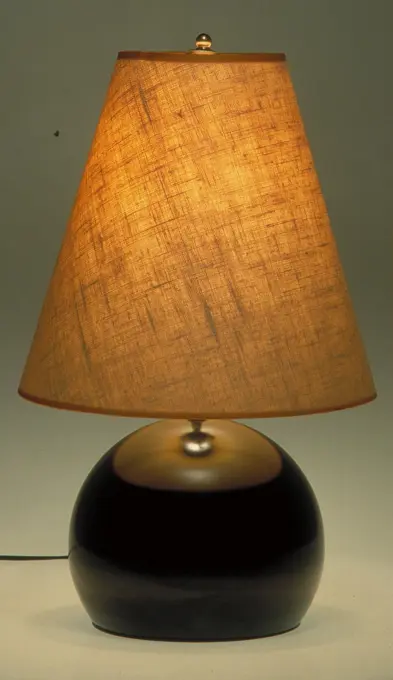
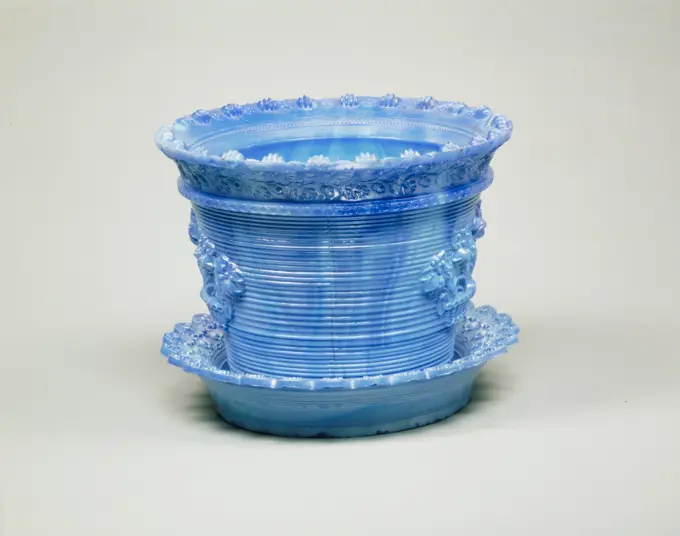
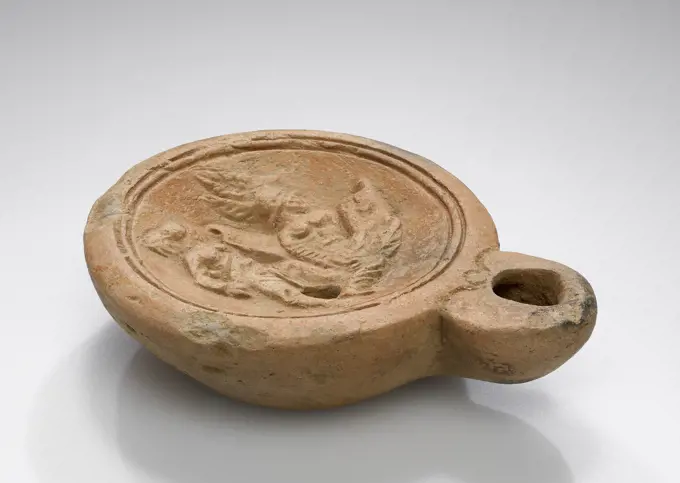
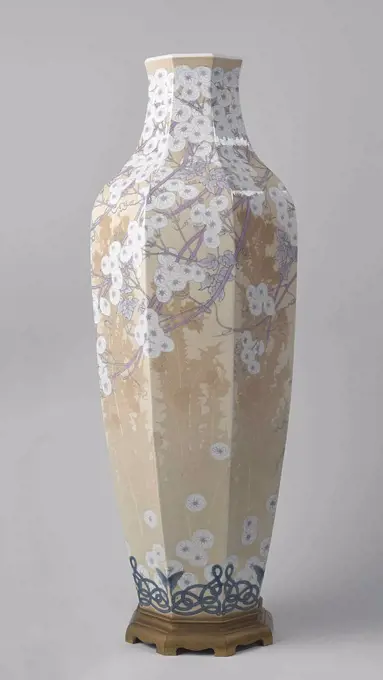
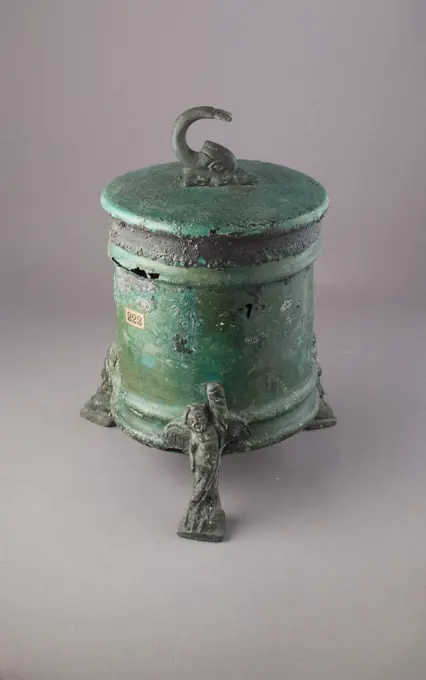
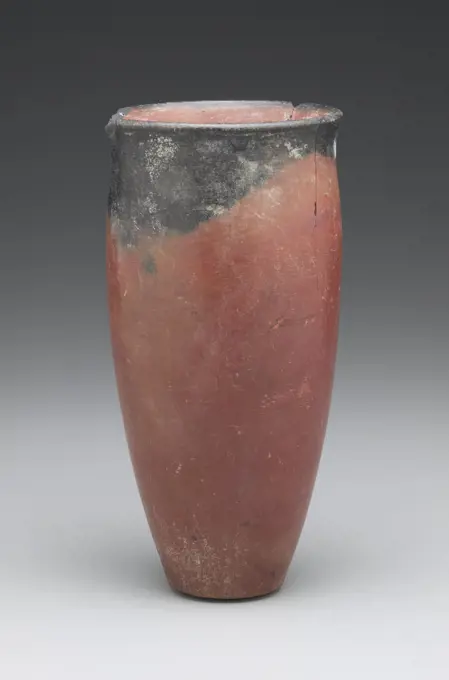
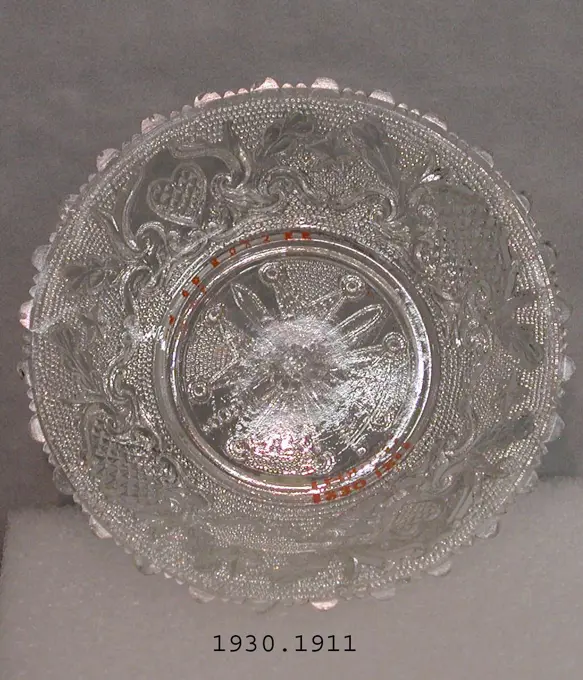
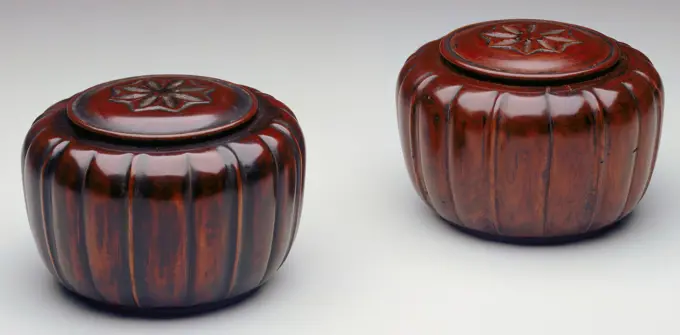
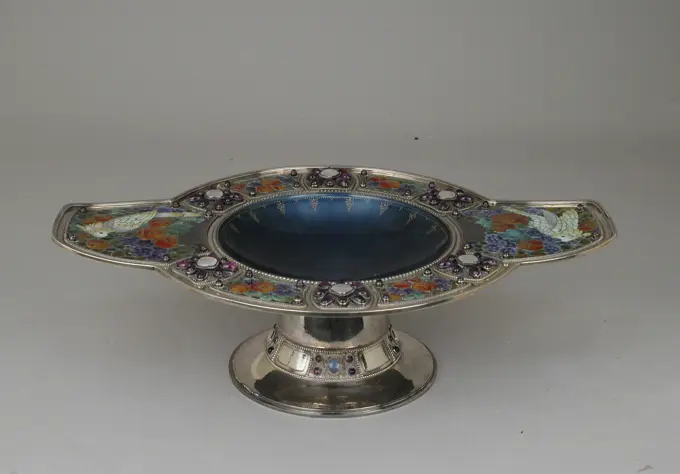
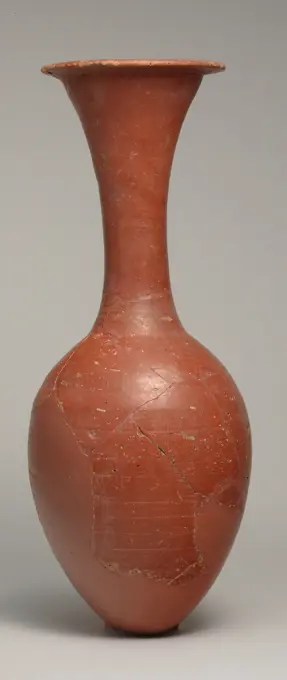
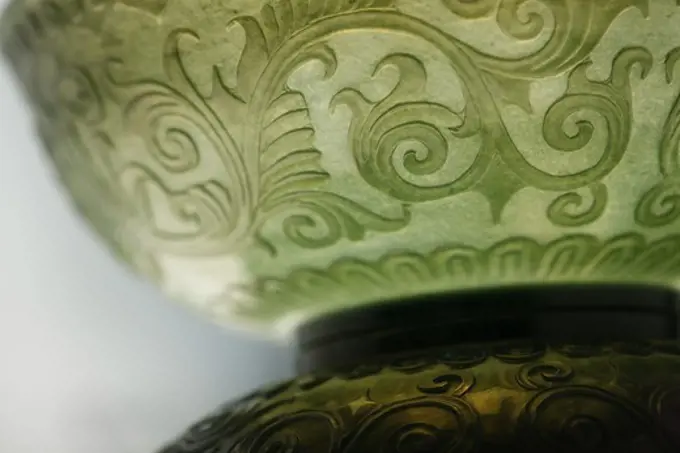
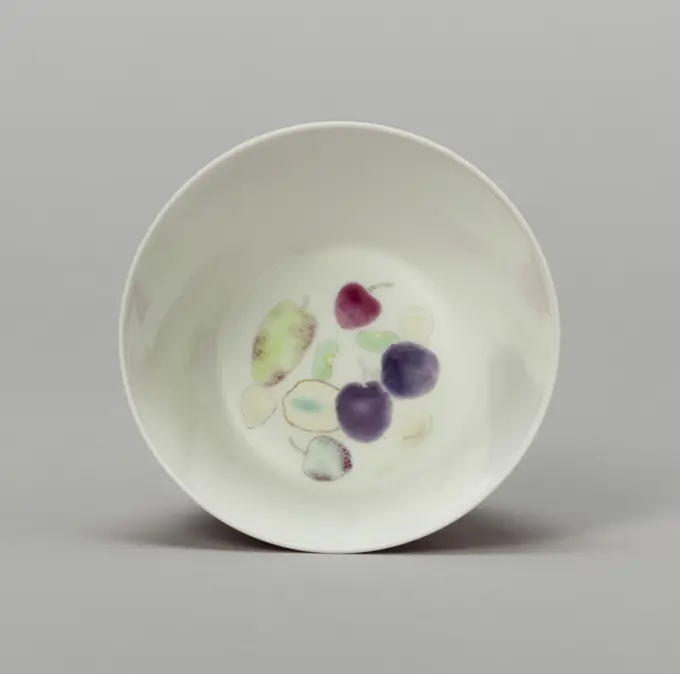
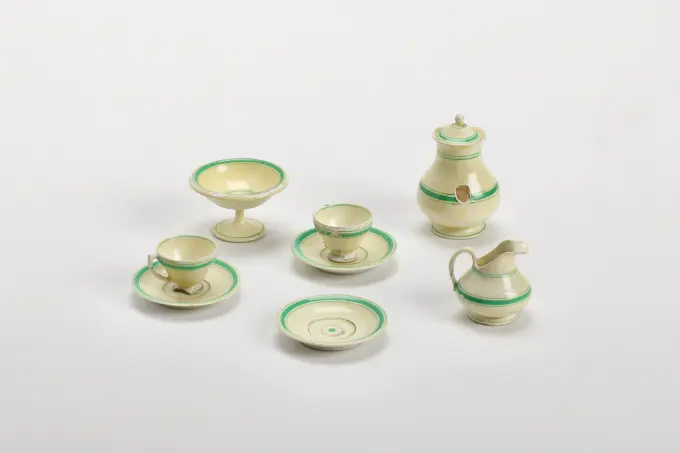
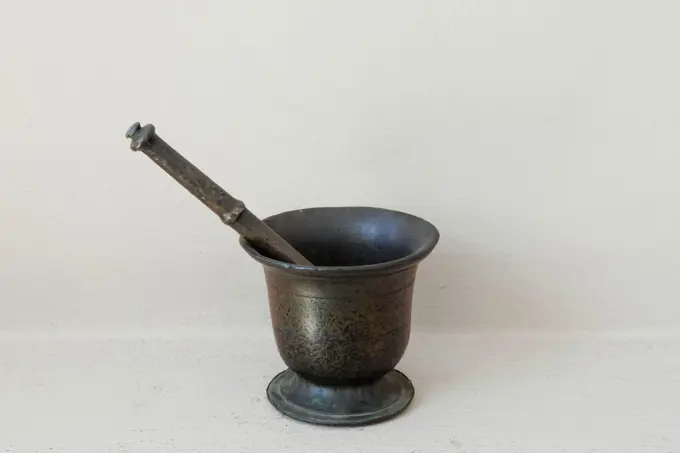
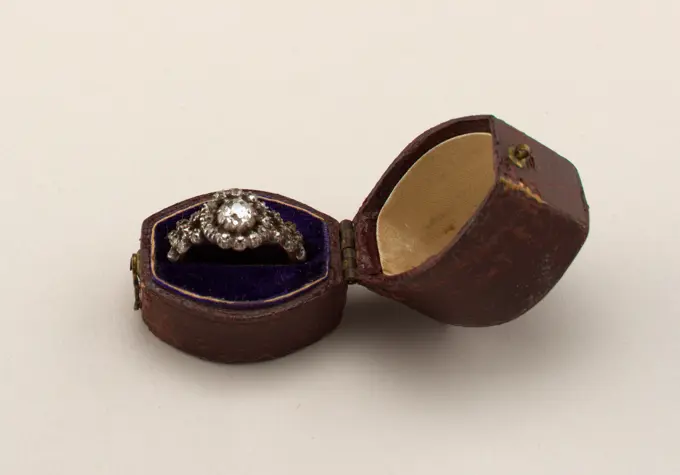
Unknown, Salt, c. 1815-35, amethyst glass.Miniature Cup with Handle and Side Spout. Nievería; Central coast, Peru. Date: 500 AD-800 AD. Dimensions: 5.1 x 11.1 cm (2 x 4 3/8 in.). Ceramic and pigment. Origin: Nievería. Museum: The Chicago Art Institute, Chicago, USA.Jug, c. 600-475 BC. Cyprus, Cypro-Archaic II. White painted ware; diameter: 15.5 cm (6 1/8 in.); overall: 21 cm (8 1/4 in.); diameter of foot: 7.7 cm (3 1/16 in.).Bowl with lotus 11th-12th century China. Bowl with lotus 48410Vase, Tiffany Glass and Decorating Company, American, 1892 - 1900, mold-blown favrile glass, Green-gold irridescent body; gentle taper from rounded sholder to flaring foot; large mouth. red combed leaf-like pattern encircling body with five terminal points on shoulder and five at base. Incised marks under base: L.C.T. N 3190, ca. 1900, glasswares, Decorative Arts, vase, vaseGoblet. Germany, Thuringia. Date: 1725-1735. Dimensions: 17.3 x 7.6 cm (6 13/16 x 3 in.). Glass. Origin: Thuringia. Museum: The Chicago Art Institute, Chicago, USA.A plate;  End of the 19th century (1891-00-00-1900-00-00);Flash with a traffic jamBottleBrass candlestick, anonymous, c. 1700 - c. 1750 The candlestick is cast and turned into two parts: the foot and the trunk with candle holder. On the profiled foot, the baluster -shaped trunk is fixed with an iron pin. The candle holder is cylindrical with straight walls and a wide collar. Netherlands brass (alloy) casting The candlestick is cast and turned into two parts: the foot and the trunk with candle holder. On the profiled foot, the baluster -shaped trunk is fixed with an iron pin. The candle holder is cylindrical with straight walls and a wide collar. Netherlands brass (alloy) castingBeaker 1800-1899 England. Glass; tinted purple .Jug -Colourful blue pedestal tray and flower vase China ware, Chinese porcelain on wooden backgroundQuatrefoil Kohl Tube of Baki. Dimensions: H. 5.3 cm (2 1/16 in); w. 3 cm (1 3/16 in); d. 3 cm (1 3/16 in). Dynasty: Dynasty 18, early. Reign: reign of Thutmose I-early sole Thutmose III. Date: ca. 1504-1447 B.C.. Museum: Metropolitan Museum of Art, New York, USA.High-Footed Bowl. Culture: Japan. Dimensions: H. 7 3/8 in. (18.7 cm ); Diam. 14 3/4 in. (37.5 cm). Date: early 17th century.A taste for grandeur characteristic of the Momoyama period marks this capacious curved bowl with gracefully flared lip that was used for serving food. Its elegant hight ring foot forms a pedestal that accentuates the bounteous form and also functions to ease handling of such a large piece. Museum: Metropolitan Museum of Art, New York, USA.Cup with four flowers, anonymous, c. 1725 - c. 1750 Cup of clear, colorless glass. Four flowers engraved on the chalice. Bohemia glass glassblowing Cup of clear, colorless glass. Four flowers engraved on the chalice. Bohemia glass glassblowingStrigil. UnknownPorringer.   Maker: Peter Van Inbrugh, American, 1689-1740Dish with scalloped edge. Dish of tin. The edge is scalloped.Vase, Louis Comfort Tiffany, (American, 1848-1933), moulded 'Favrile' glass, Transparent deep blue ombréed with lighter milky blue and traces of lavender, rose and amber. Broad pronounced shoulder; short neck; flaring lip; ten ribs from neck to footless base of tapered body., Corona, New York, USA, ca. 1900, glasswares, Decorative Arts, VaseWine Bottle. Culture: Japan. Dimensions: H. 8 7/8 in. (22.5 cm); W. 3 1/2 in. (8.9 cm); Diam. of rim 1 1/4 in. (3.2 cm); Diam. of foot 3 1/8 in. (7.9 cm). Date: 18th century. Museum: Metropolitan Museum of Art, New York, USA.Empty wine glass, close-upTea caddy, late 16th - early 17th century, Unknown Japanese, 3 1/4 × 2 9/16 × 2 9/16 in. (8.26 × 6.51 × 6.51 cm), Seto ware; glazed stoneware; ivory lid, Japan, 16th-17th century, 戸 Seto ware; Potters active in the regions of Seto and Mino in central Japan produced tea caddies in great numbers in imitation of imported Chinese examples. By the 1500s, however, Japanese potters began to stray from accepted Chinese forms. While this caddy still reflects the overall katatsuki (straight shoulder) style, the gentle ripples of the surface more readily suggest the potter’s touch, in contrast to more precisely geometric Chinese examples.Flask probably 18th-19th century. Flask 444698Mug.   Maker: Koenraet Ten Eyck, American, 1678-1753Vase, called "The Flame". Dated: early 18th century. Dimensions: overall: 43.8 x 17.8 cm (17 1/4 x 7 in.). Medium: porcelain with oxblood glaze. Museum: National Gallery of Art, Washington DC. Author: Chinese Qing Dynasty.Dinner plate - Congregational Society Granby 1872 St. Johns Stone Chinaware Company (founded 1873) St. Johns Stone Chinaware Company (founded 1873)Teacup. Korzec (manufaktura porcelany ; 1790-1832), factoryCandlestick with profiled trunk and foot, anonymous, c. 1500 - c. 1525 The profiled conical foot turns into a trunk with one knot, and then in a fat catcher, on which the candle pin is soldered. The latter is not originally. Northern Netherlands (possibly) brass (alloy) casting / soldering The profiled conical foot turns into a trunk with one knot, and then in a fat catcher, on which the candle pin is soldered. The latter is not originally. Northern Netherlands (possibly) brass (alloy) casting / solderingEwer with Filter late 19th century A previous owner of this unglazed ewer, an American woman who traveled as a tourist, marked its base in pencil with a note recalling its purchase: "Pyramids Egypt feb. 28th 1898." The vessel was possibly among the earliest objects made for the tourist market in Cairo, where an influx of European visitors in the second half of the 19th century sought out souvenirs to bring home to an audience overcome with Egyptomania. Ceramic centers, like in Asyut, produced works to satiate a desire for exotic and apparently authentic goods. This ewer, for example, may have appealed to the tourist market by continuing centuries-old craftsmanship traditions, such as the water filter inserted in the neck.. Ewer with Filter 715459Apostle Spoon: St. Peter. London, England. Date: 1628-1629. Dimensions: 18.4 x 5.1 cm (7 1/4 x 2 in.). Silver; figure gilded. Origin: London. Museum: The Chicago Art Institute, Chicago, USA.. Light concave, cut bottom, removing body, over a curved shoulder through in a tapered neck. The lower part of the body with a purple turtlenoth, the upper part with a green, matte etched Überfang; In a second Überfang of white glass a decor of plants and trees. On the bottom in Radgravure the signature Daum Nancy and the Lorraine Cross.Snuff Bottle, 1644-1911. China, Qing dynasty (1644-1911). Glass; overall: 8 cm (3 1/8 in.).An empty crushed plastic cupRoman glass bowl with spiral pattern, from Andria, Apulia Region, Italy, 1st CenturyBowl 9th century China Although this porcelain bowl appears at first glance to be relatively modest, in the ninth century it was the most technically advanced ceramic in the world. Similar bowls, traded to centers such as the Abbasid court in Baghdad, were described in early Islamic poetry as having the luster of a pearl or of the moon.. Bowl. China. 9th century. Stoneware with white slip and glaze. Tang dynasty (618-907). CeramicsIncense, spherical, anonymous, c. 1100 - c. 1300 The parts have been cast and added. Round tub and opened round lid with simple horizontally sealed lantern on a round base. Kuip and lid with six ornament strips and six faceted bulges. The ornament in relief: two saints (on lid), acanthus leaves (on top of the lid and on the foot), leaf motifs in medallion (on lid and tub). The ring carrier has been replaced by a handle. The four pairs of eyes are missing because edges of tub and lid have been renewed. Italy bronze (metal) casting The parts have been cast and added. Round tub and opened round lid with simple horizontally sealed lantern on a round base. Kuip and lid with six ornament strips and six faceted bulges. The ornament in relief: two saints (on lid), acanthus leaves (on top of the lid and on the foot), leaf motifs in medallion (on lid and tub). The ring carrier has been replaced by a handle. The four pairs of eyes are missing because edges of tub and lid have been renewed. Italy Beaker.   Maker: T. D. and S. Boardman, American, 1810-1850Lamp. UnknownRough ware jar ca. 2960-2770 B.C. Early Dynastic Period. Rough ware jar. ca. 2960-2770 B.C.. Pottery. Early Dynastic Period. From Egypt, Northern Upper Egypt, Abydos, Egypt Exploration Fund excavations. Dynasty 1. Vase of pottery, painted with two donated frogs in white, light and dark blue on blue-green fond, which completely covered the vase.Sand spreader of Inktstel, Jurriaan van Kalker (attributed to), 1725 - 1750 Sand spreader of silver ink. Jogjakarta silver (metal)   Batavia Sand spreader of silver ink. Jogjakarta silver (metal)   BataviaTerracotta stemmed plate ca. 625-600 B.C. Capenate These two plates (grouped with separable object, 23.130.10), elegantly incised with variations of a lotus and palmette frieze, are the only certain examples in the Museum's collection made by an Italic people called the Capenates. This small ethnic group, speaking a dialect related to Sabine, lived in a region of Central Italy between the Etruscans and the Faliscans. Their major city, Capena, was conquered by the Romans in 395 B.C.. Terracotta stemmed plate 251355 Capenate, Terracotta stemmed plate, ca. 625600 B.C., Terracotta, H. 3 5/16 in. (8.4 cm) diameter 7 1/2 in. (19 cm). The Metropolitan Museum of Art, New York. Rogers Fund, 1923 (23.160.11)Carving Fork (USA); Manufactured by Gorham Manufacturing Company (United States); horn, silver; L x W(c): 31.5 x 3 cm (12 3/8 x 1 3/16 in.); Bequest of Julian Clarence Levi; 1972-5-3-cBowl 19th century Japan. Bowl. Japan. 19th century. Red lacquer with gold and ivory inlay. Edo (1615-1868) or Meiji period (1868-1912). LacquerSevernware” Pitcher. Designer Frederick Hackney Manufacturer: Chesapeake Pottery, 1880-1890Pitcher after 1885 American. Pitcher. American. after 1885. Blown satin blue glass. Possibly made in United StatesGiovanni Battista Metellino (Workshop of) / 'Rock crystal salver with lobed rim'. 1670 - 1689. Rock crystal / Hyaline quartz. Museum: Museo del Prado, Madrid, España.Freshwater jar (Mizusashi) late 17th-18th century Japan. Freshwater jar (Mizusashi) 670987Lid of a jar, anonymous, c. 1725 - c. 1750 Vaulted lid with a faceted, pear -shaped button with a bubble. On the lid an engraved leaf ornament. Bohemia glass glassblowing Vaulted lid with a faceted, pear -shaped button with a bubble. On the lid an engraved leaf ornament. Bohemia glass glassblowingBowl with Acanthus Leaf Handles 18th century Nephrite, especially in shades of green and white, was a favorite material of the Mughal Emperors (1526-1858) in India, who inherited the taste for this hardstone from their ancestors the Timurids of Central Asia. At the Mughal court, nephrite was used to create a variety of objects, including vases, bowls, containers, and pieces of jewelry. This bowl has been sensitively polished to create vegetal motifs on the verso, and the handles have been carved in the form of acanthus leaves.. Bowl with Acanthus Leaf Handles. 18th century. Nephrite. Attributed to India. StoneCane Handle (possibly India); wood, inlaid silverSnuff Bottle China. Snuff Bottle 41530Foliate Bowl with Stylized Peony Spray. China. Date: 1100-1127. Dimensions: H: 7.1 × diam. 20.1 cm (2 13/16 × 8 in.). Qingbai ware; porcelain with underglaze carved decoration. Origin: China. Museum: The Chicago Art Institute, Chicago, USA.Tumbler 1874-75 Possibly Bakewell, Pears and Company. Tumbler 9041Spoon with Fish-Tail Design, 918-1392. Korea, Goryeo period (918-1392). Bronze; overall: 27 cm (10 5/8 in.).Scalloped-Rimmed Dish 1279-1368 China. Yaozhou ware; glazed stoneware .Can with cover, 18th century, 9 x 4 3/4 x 4 3/4in. (22.9 x 12.1 x 12.1cm), Pewter, Germany, 18th centuryPlate Drost, Jan, Huta Gospla Gzekłoście ZąbkowicePortlight. Around patent glass for a porthole, sphere with a edge on one side, the other side, with a rather irregular increase in the middle.Isaac Liger, Basin, 1716/17, silver.Cup plate. American; Sandwich, Massachusetts. Date: 1839-1849. Dimensions: diam. 9.1 cm (3 9/16 in.). Pressed glass. Origin: Sandwich. Museum: The Chicago Art Institute, Chicago, USA.Lamp withshadeFlowerpot and stand 1830-35 Probably Boston & Sandwich Glass Company The side of this rare opaque glass flowerpot is impressed with an image of a basket of flowers.. Flowerpot and stand. American. 1830-35. Pressed glass. Made in Sandwich, Massachusetts, United StatesLamp, South Anatolia, Anatolia; 1st - 4th century; Terracotta; 2.5 x 7.1 x 9 cm (1 x 2 13,16 x 3 9,16 in.)Vase, Manufacture de Sèvres, Léonard Gébleux, 1908Cista with lid. Cista with lid. Bronze. BronzesLid opening of an old-fashioned metal tin containing confettiSquated monkey. Unstinned monkey from porcelain squatted against a tree stump on a pedestal. Signature: W in underglazing blue and rebel 9Z / 06 / X.Alcoholic drink yellow limoncello in a small glass Alcoholic drink yellow limoncello in a small glass on a dark concrete background Copyright: xZoonar.com/TetianaxChernykovax 21805553Dipper (Loving cup) Alan Berg 1874 View more. Dipper (Loving cup). Russian, St. Petersburg. 1874. Silver. Metalwork-Silverpepper shaker & salt shakerPlate, Shadowardt” pattern. Designer Louis W. Rice, American, born Germany, 1872-1933 Manufacturer: Bernard Rice’s Sons, Incorporated, American, 1899-1959Retailer: S. & G. Gump Company, American, founded 1861Plate - St. Johns Stone Chinaware Company (founded 1873) St. Johns Stone Chinaware Company (founded 1873)Inkwell of brass. Inkwell of brass.Black-toppedJar, Nile Silt A (fine), 20.5 × 10 cm (8 1/16 × 3 15/16in.), Onview, Egyptian, Predynastic, late Naqada I-early Naqada II, Containers -CeramicsOrnament cone. Ornament cone. Glass. GlassDish. Maker, probably by: Boston and Sandwich Glass Works, American, 1826-88Six sauces Glassworks HydrangeaPlate - St. Johns Stone Chinaware Company (founded 1873) St. Johns Stone Chinaware Company (founded 1873)Stoneware Jug or jacobakan, jug on pinched foot with slightly curved body and cylindrical neck, deformed, Jug or jacobakan jug crockery holder soil find ceramic stoneware, hand-turned baked Stoneware jug Jug or jacobakan on pinched foot Lightly curved body and cylindrical neck. Neck strongly deformed and out of model. Ribbon hooked at slant Twist loops to the ledge on the shoulder. Narrow ridge or collar over the shoulder under the attachment of the ear Vague rings around the neck. Misbaksel; jug, archeology Huis te Woude Slikkerveer Ridderkerk indigenous pottery import drinking serve wine beer water Soil discovery: Huis te Woude Slikkerveer 1969.Covered Wei Chi Box, one of a pair, 17th century, 3 1/4 x 4 7/8 in. (8.26 x 12.38 cm), Huang-hua-li hardwood, China, 17th centuryRitual Tripod Support ca. 13th century Sri Lanka. Ritual Tripod Support. Sri Lanka. ca. 13th century. Bronze. MetalworkCompote ca. 1900 David Andersen This beautifully enameled compote was produced by the firm of David Andersen, one of Norways foremost goldsmiths of the second half of the nineteenth century. The filigree details reflect the Romantic Nationalism of the so-called Norwegian ‘dragon style (Dragestilen). The enameled flowers and cockatoos are typical of local interpretations of Art Nouveau, while the blue enamel inside the bowl evokes the masterworks of Peter Carl Fabergé (1846-1920). Combining several decorative styles, this compote stands at the threshold of Norwegian (and Scandinavian) 20th century modernism.. Compote. Norwegian, Oslo. ca. 1900. Silver, gold wire, enamel, amethyst, moonstone. Metalwork-SilverMicrowave Meal Being CookedWater Bottle from Tutankhamun's Embalming Cache ca. 1336-1327 B.C. New Kingdom. Water Bottle from Tutankhamun's Embalming Cache. ca. 1336-1327 B.C.. Pottery, hematite wash, burnished. New Kingdom. From Egypt, Upper Egypt, Thebes, Valley of the Kings, Embalming Cache of Tutankhamun (KV 54), Davis/Ayrton excavations, 1907-08. Dynasty 18Prayer Nut with Original Case and Pouch. upper scene: Crucifixion, lower scene: Carrying of the Cross, exterior: Arms of Evert Jansz van Bleyswijck and his Wife Erkenraad (Erckge’) Dircksdr van Groenewegen of DelftClose-up of jade sculptureCandlestick with cut facets, anonymous, c. 1850 Sexible, conical base, baluster -shaped trunk, cylindrical holder with bent edge. Facet yellow foot, tribe and holder. France glass glassblowing / grinding Sexible, conical base, baluster -shaped trunk, cylindrical holder with bent edge. Facet yellow foot, tribe and holder. France glass glassblowing / grindingChafing dish, c. 1760-1765, Daniel Henchman, American, 1730 - 1775, 3 1/2 x 6 in. (8.89 x 15.24 cm), Silver, wood, United States, 18th centuryCup with Stylized Fruit Plums, Cherries, Melon, and Seeds 1662-1722 China. Porcelain painted with overglaze enamels .Lidded casket. unknown, craftsmanSugar bowl, blue, with scalloped wall, interrupted by a smooth horizontal band. Sugar bowl of pottery, bluestone. The scalloped wall is interrupted by a smooth horizontal tire. The pot has two S-shaped ears.High angle view of two bowls shaped like a yin yang symbolDoll dessert plate - Inconnu / UnknownDoll compote - Inconnu / UnknownVintage mortar and pestle. Antique brass kitchenware tool.Inkstand. Czechy, creatorCase (England); gold, diamonds, leather (case); Overall: 2 diameter x 0.5 cm (13/16 x 3/16 in.)Cylindrical bottle, bottle holder bottomfound glass, free blown and shaped glass application Large heavy cylindrical bottle in clear brown-green glass. Pontil mark under wide raised bottom Bottom of body slightly bulged to convex (crooked) shoulders and rejuvenated (5.0 - 3.0 cm) neck (h 10.5 cm) with slightly dilated mouth and round sharp glass thread archeology packaging drink