Artistic Glass Vases

A collection of unique glass vases in varied colors and textures, showcasing artistic styles from different periods, including iridescent and cobalt finishes.
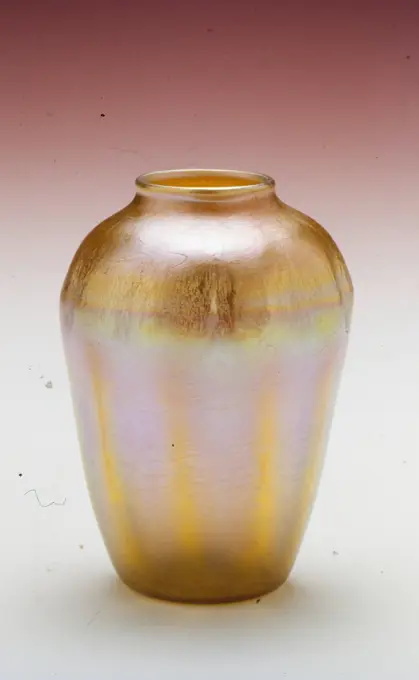
Vase, 19th-20th century, Louis Comfort Tiffany, American, 1848-1933, 5 5/8 x 3 1/2 in. (14.3 x 8.89 cm), Glass, United States, 19th-20th century
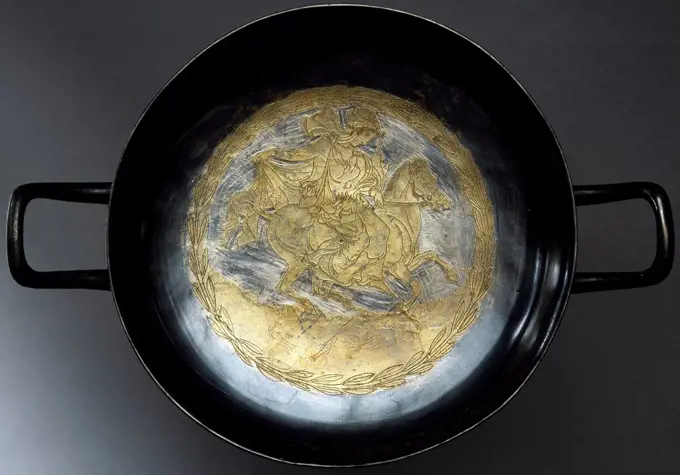
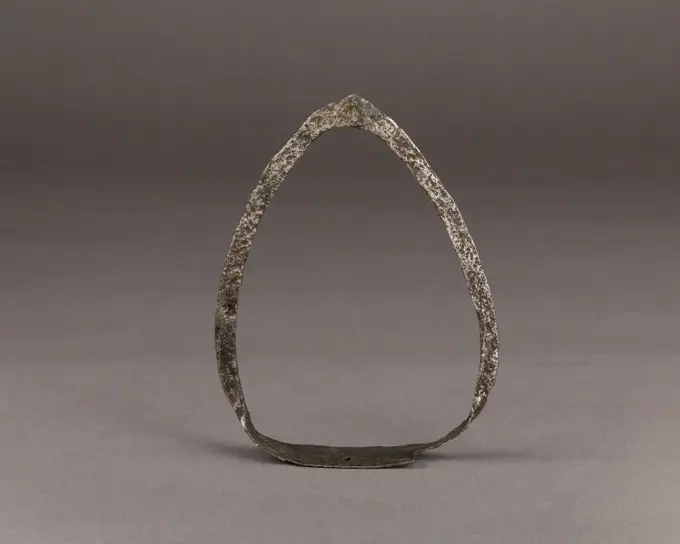
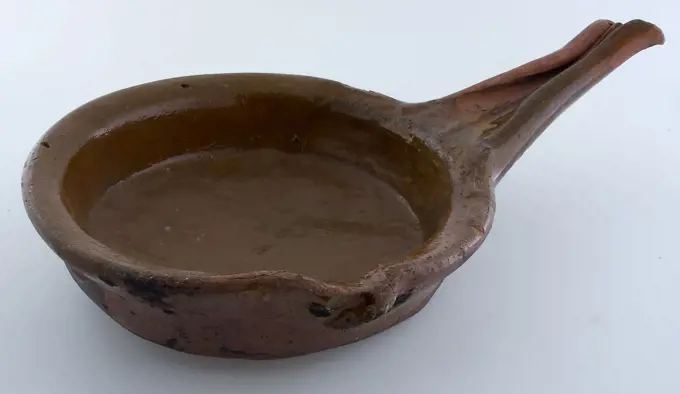
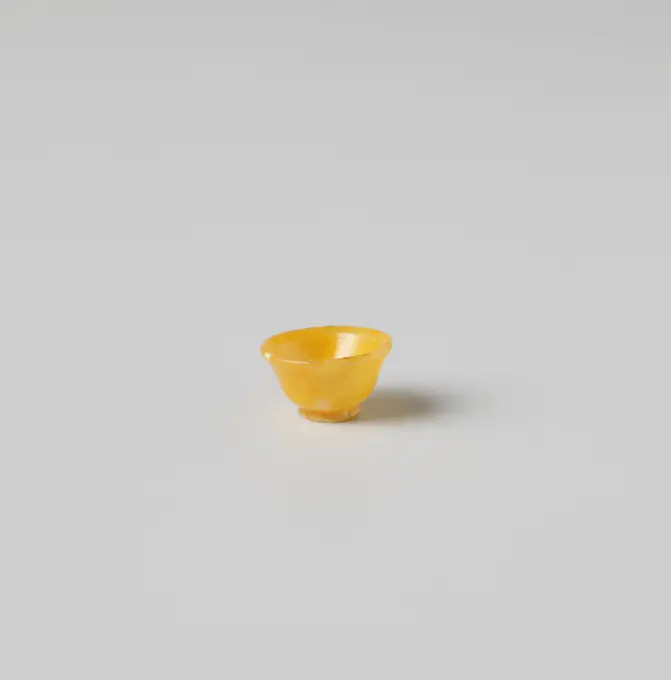
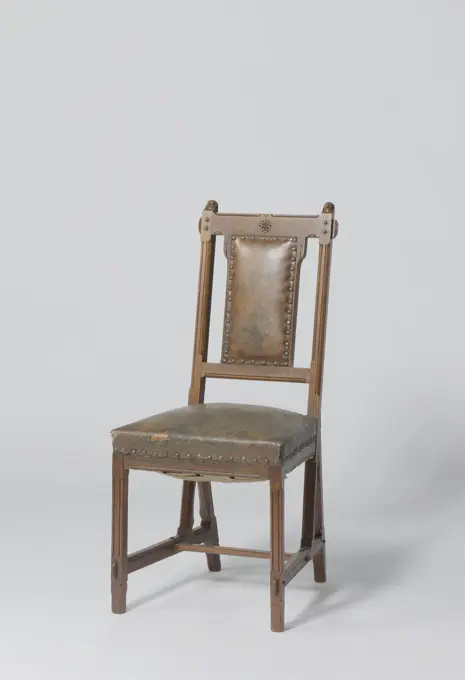
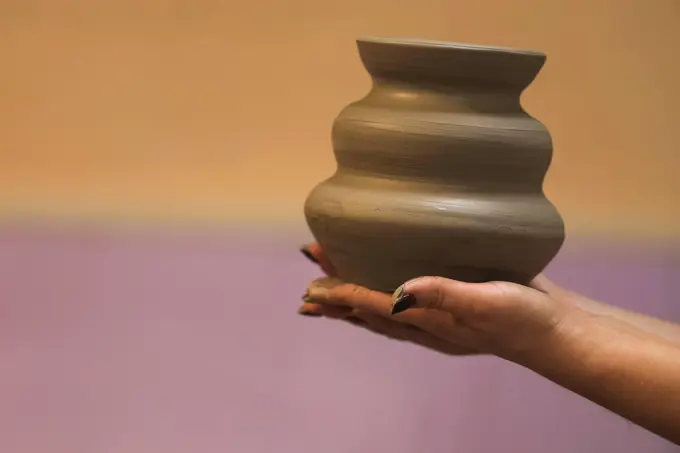
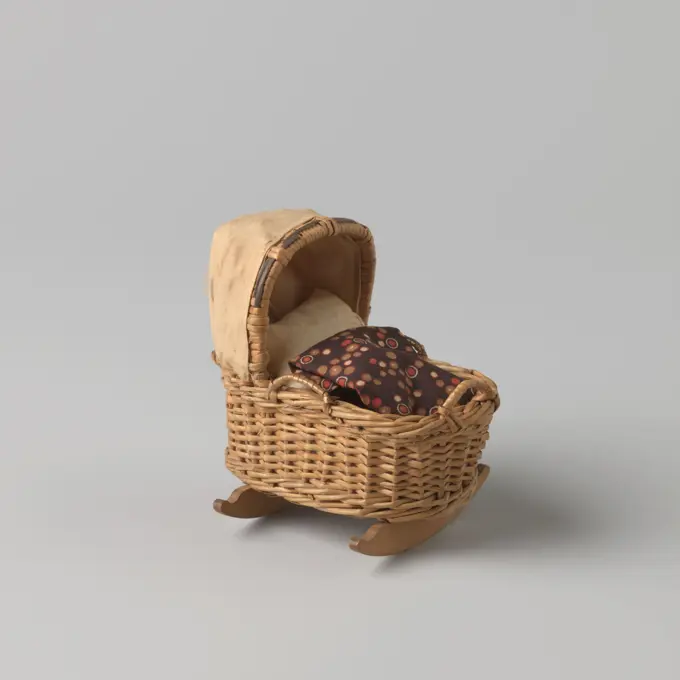
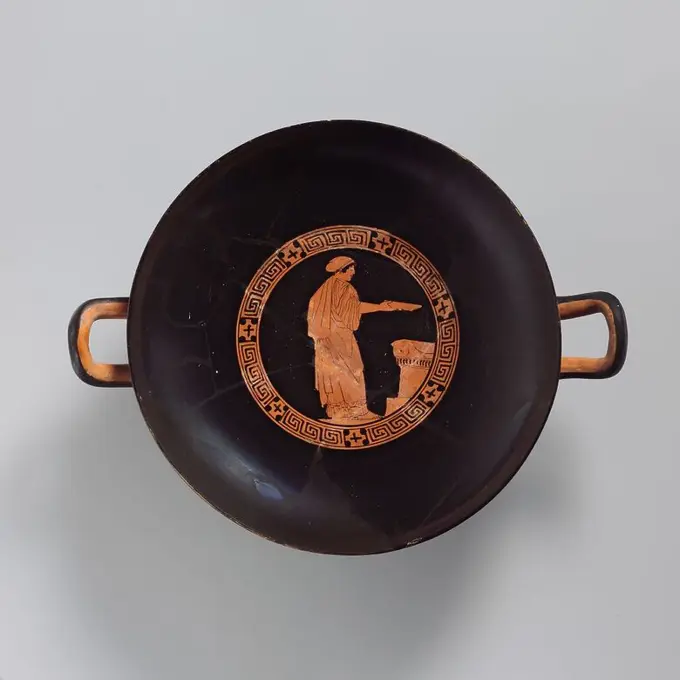
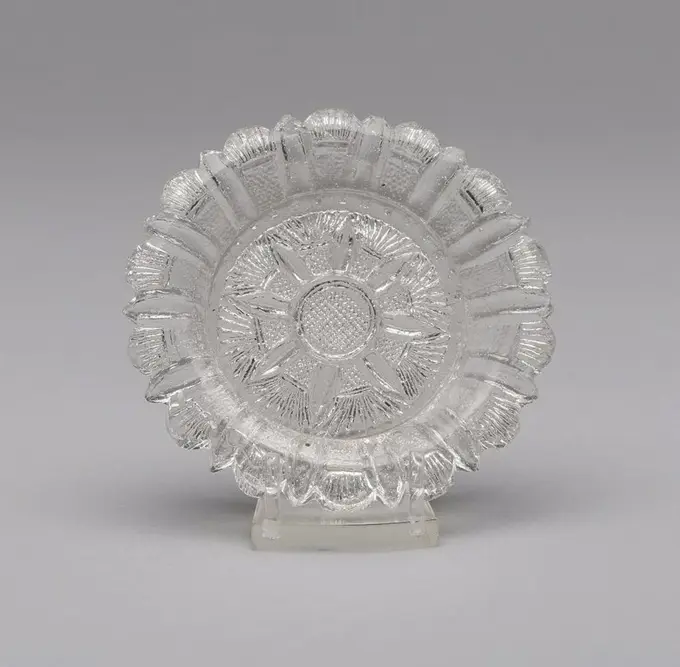
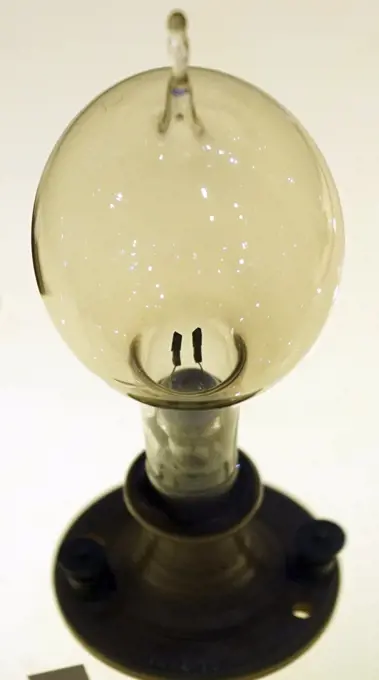
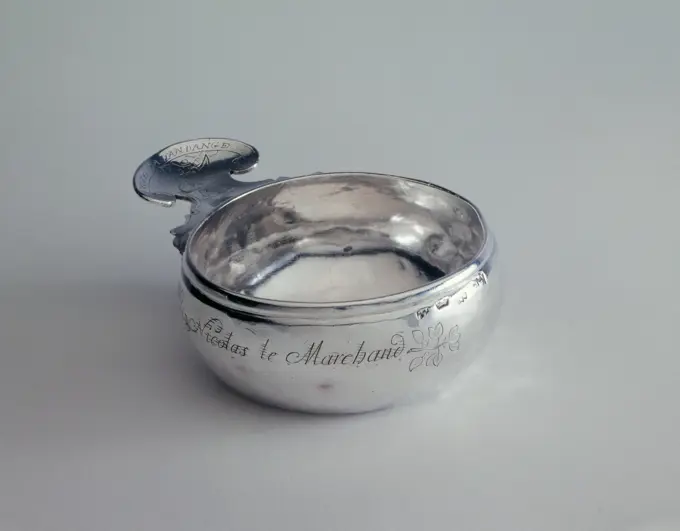
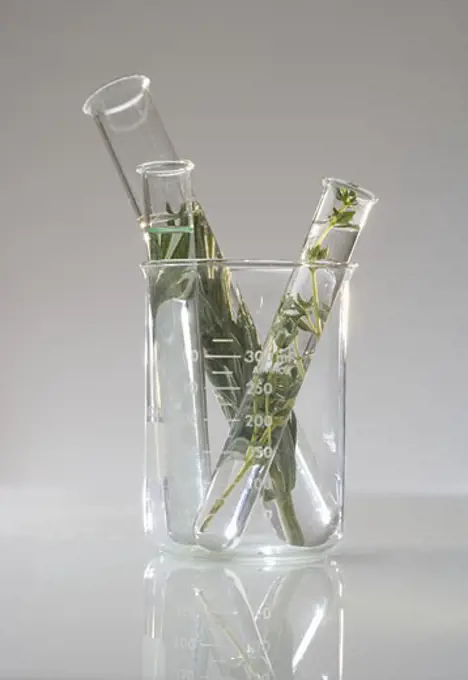
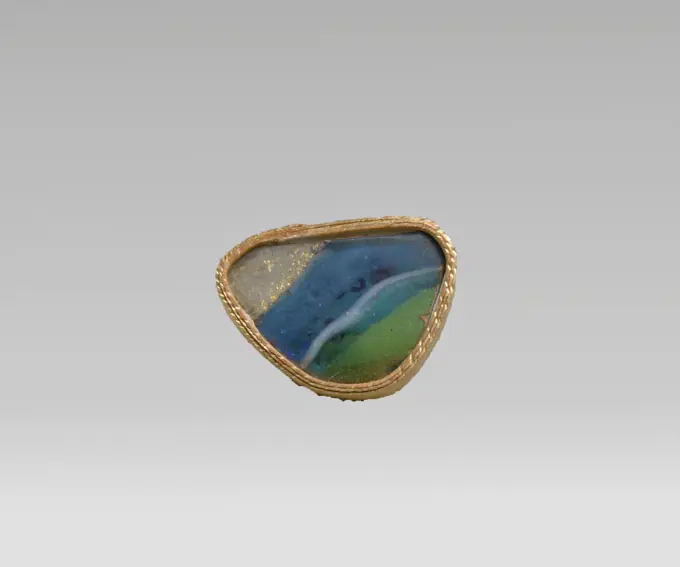
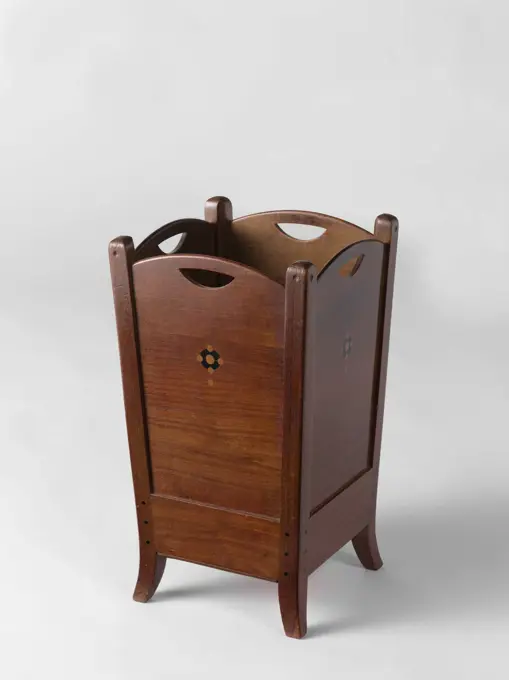
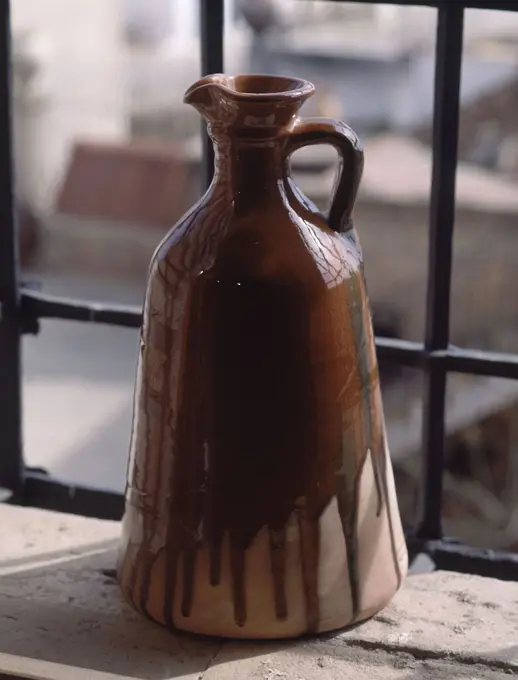
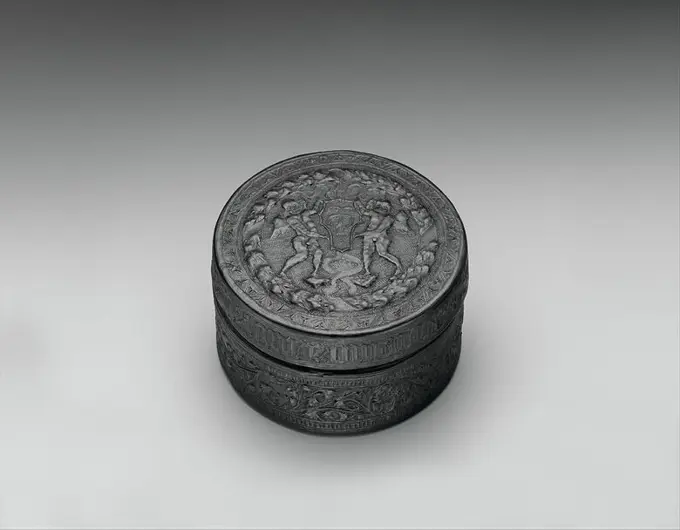
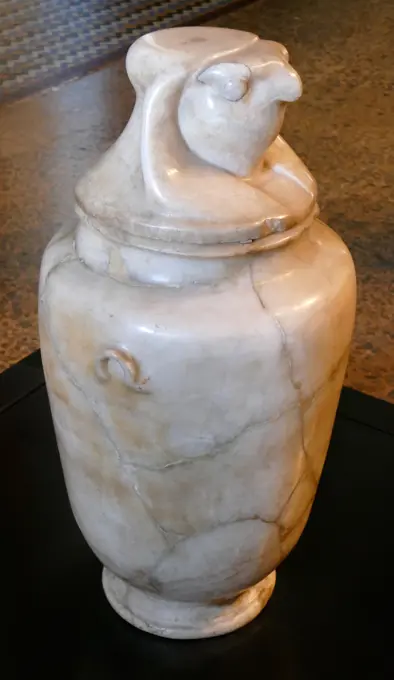
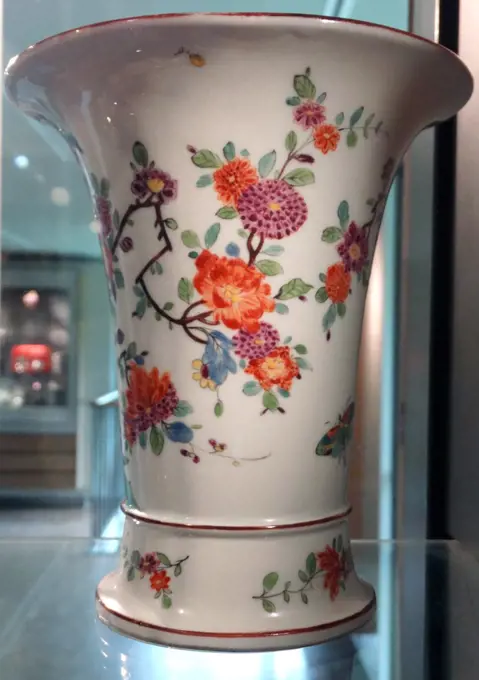
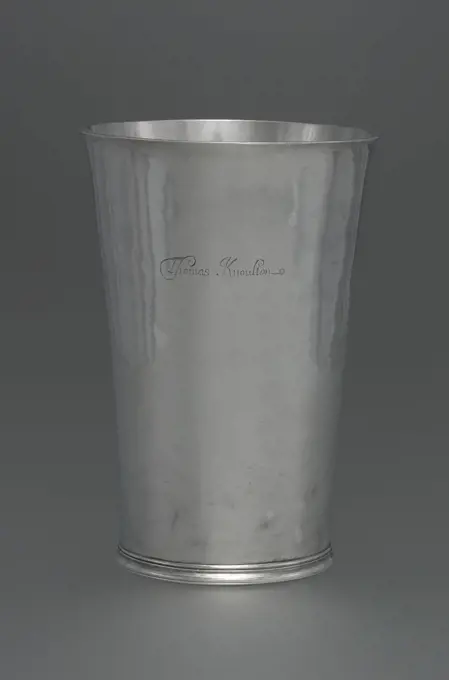
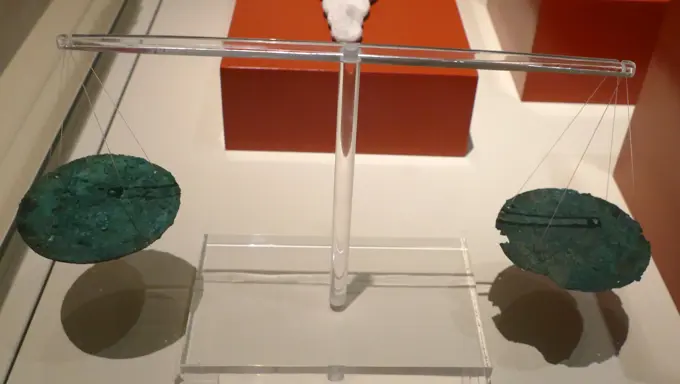
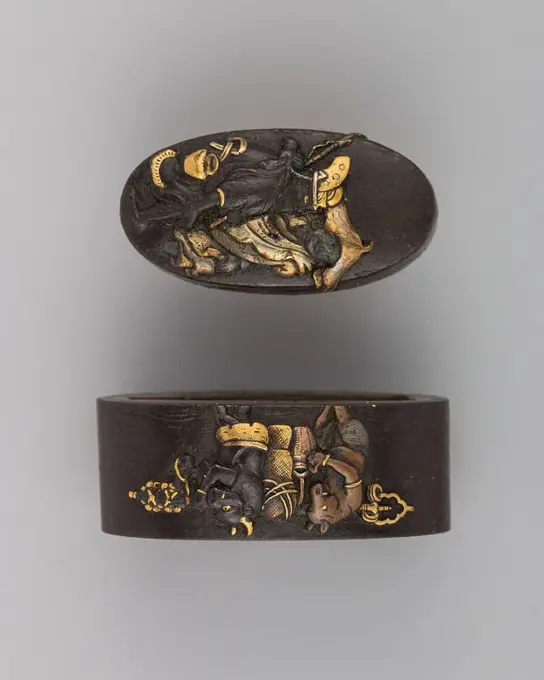
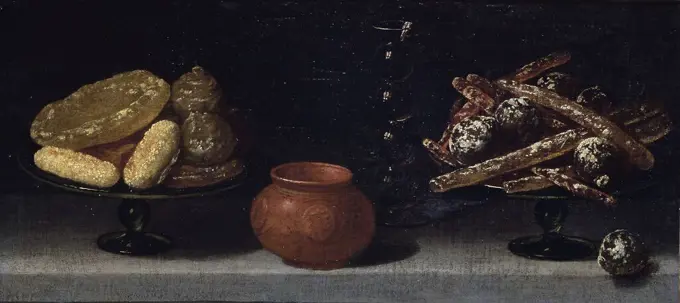
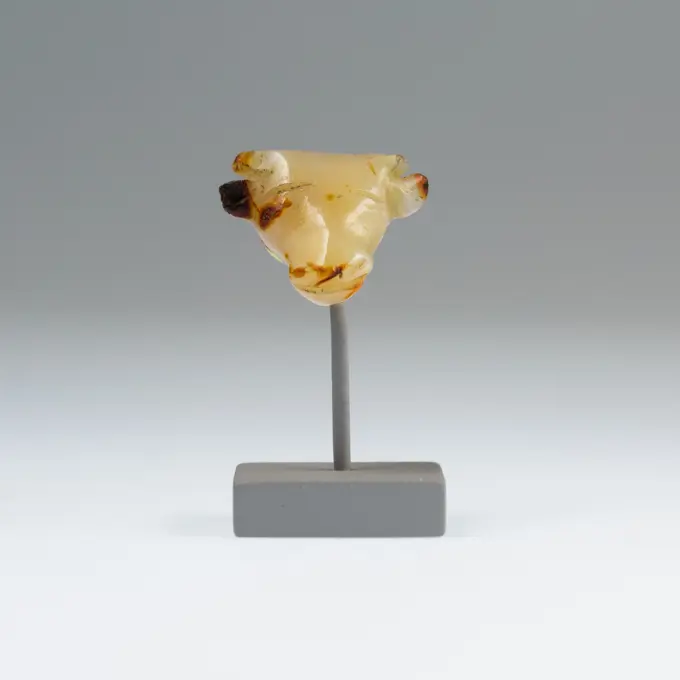
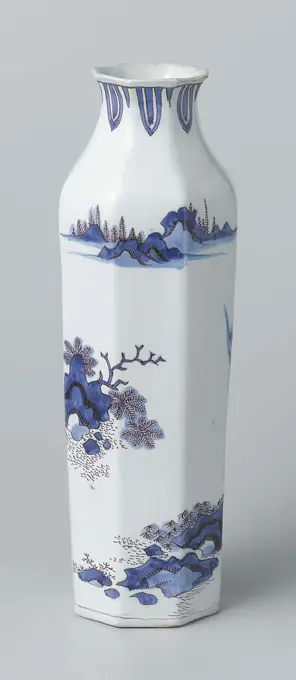
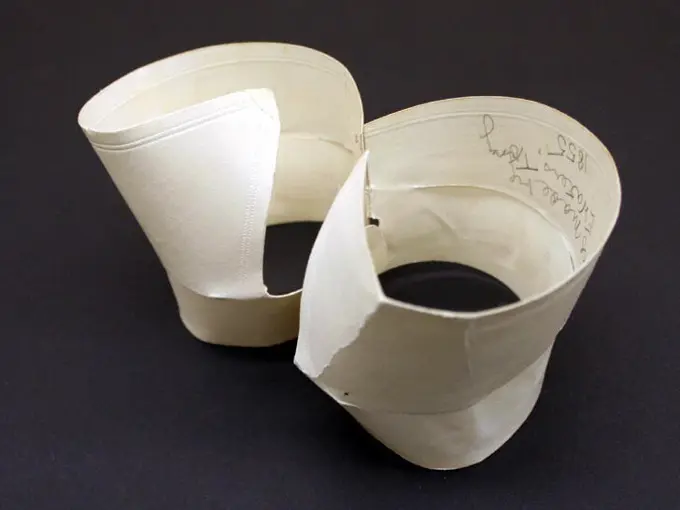
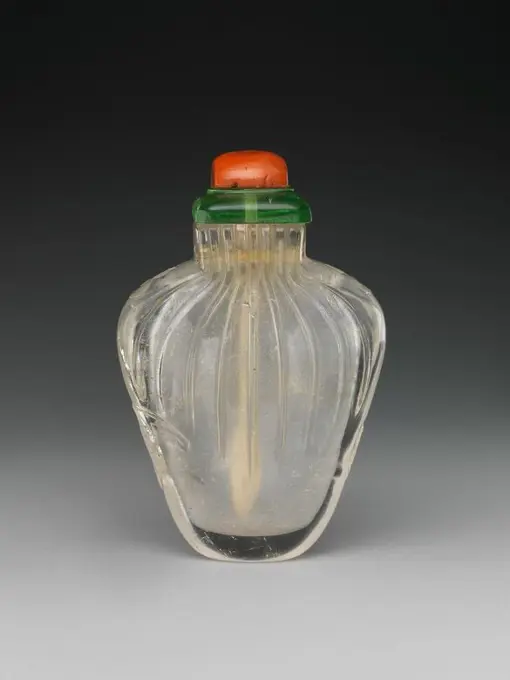
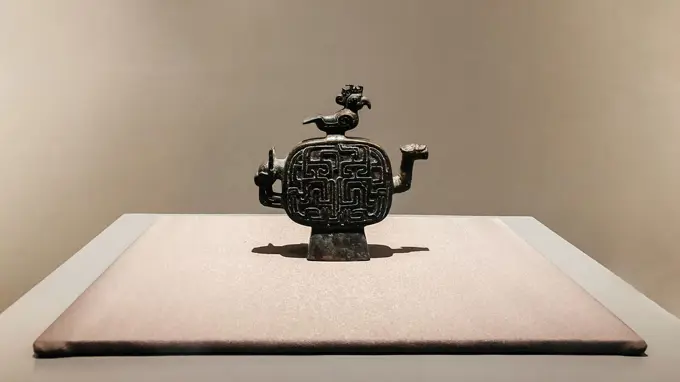
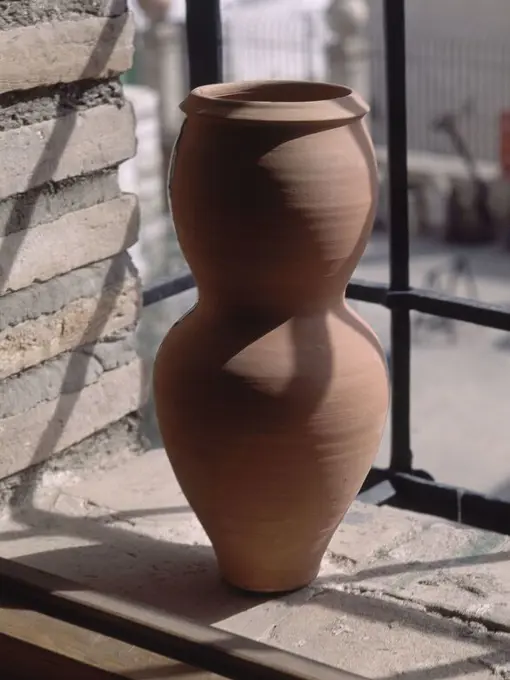
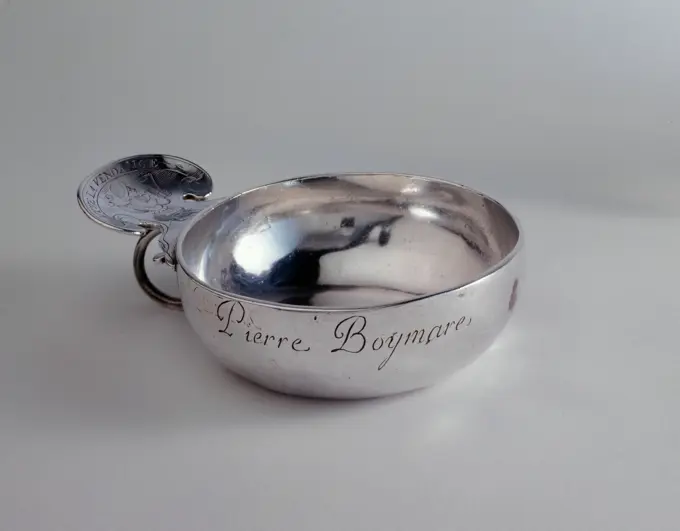
Neolithic core of Siles, Rasal Bentué, Arguis, Huesca museum, Aragon community, Spain.Copper Face Mask Ornament. Culture: Vicús. Dimensions: H x W: 6 3/16 x 6 7/16in. (15.7 x 16.3cm). Date: 3rd century B.C.-A.D. 2nd century. Museum: Metropolitan Museum of Art, New York, USA.Frying pan, Jan Bonket, 1770 Round, smooth frying pan with flat stem. An eight -pointed star is engraved in the bottom of the pan. The end of the handle is hollow, the handle that fits in. The frying pan is marked: stk. = Amsterdam, Jrl. = L (1770), Mt. = Jan Bonket. Amsterdam silver (metal) Round, smooth frying pan with flat stem. An eight -pointed star is engraved in the bottom of the pan. The end of the handle is hollow, the handle that fits in. The frying pan is marked: stk. = Amsterdam, Jrl. = L (1770), Mt. = Jan Bonket. Amsterdam silver (metal)Silver kylix engraved with gold figures depicting Esperia on horseback, from the Basova burial mound, Plovdiv Region, Bulgaria. Goldsmith art. Thracian Civilization, 4th Century BC.Bowl ca. 2000-1600 B.C. Cypriot Shallow bowl with spout, string-hole and chequer pattern.. Bowl. Cypriot. ca. 2000-1600 B.C.. Terracotta. Middle Bronze Age. VasesStirrup 10th-11th century West Slavic Horses had great importance in Slavic society, in both its social and religious aspects. Equestrian equipment, like stirrups, spurs and bits, are regularly found in their burials, even after their Christianization, among the goods warriors wanted to bring with them to the afterlife. The elite would sometimes even be accompanied by sacrificed horses, a meaningful practice at that time, considering the high economic value of horses.. Stirrup. West Slavic. 10th-11th century. Iron. probably East Prussia. Equestrian Equipment-StirrupsEarthenware baking pan with pouring clip and scalloped handle, saucepan casserole dishes holder utensils earthenware ceramics earthenware glaze lead glaze, hand turned molded glazed baked Low earthenware saucepan casserole. Schenklip and scalloped handle inclined upwards. Curved bottom. Sloping sidewalls with thick round top edge. Internally glazed. Schenklip has created two dents for the drying of the pan Roetsporen. Restoration is repainted archeology underground pit Rotterdam City Triangle Groenendaal indigenous pottery frying food preparation food cooking kitchen Soil discovery underground pit Groenendaal (under moat dredge) 1976-08-02.Christmas baubleMattress of white cotton. Mattress from the cradle made from white cotton, filled with fluff.Kom, Gelelklakt, Anonymous, c. 1750 - c. 1800 Come from yellow -laughed alabaster. Germany (possibly) alabaster (mineral) lacquering Come from yellow -laughed alabaster. Germany (possibly) alabaster (mineral) lacqueringCome from glass, anonymous, c. 900 - c. 1100 Come, concave, of translucent, irized glass. Decorated on the outside with simple patterns scratched in wide double lines. (broken and glued). Follows the shape of an earthenware bowl. Iran (possibly)Nishapur (possibly) glass Come, concave, of translucent, irized glass. Decorated on the outside with simple patterns scratched in wide double lines. (broken and glued). Follows the shape of an earthenware bowl. Iran (possibly)Nishapur (possibly) glassJames II Portrait Medallion; Manufactured by Wedgwood (United Kingdom); unglazed stoneware ("black basalt")Chair with a brown leather upholstery, Hendrik Petrus Berlage, c. 1902 Eikhout chair. The front and hind legs are interconnected by means of an H-shaped cross with pen and hole connections, the pens of which stick through the legs. The slanted billioned backstyles end in bird heads and rest on the cross. The handrail rests on Stutten near the seat and these also serve as hind legs. The backrest is connected both above and below by an intermediate rule. The top line contains a sliced star shape in the middle. There is a panel between the lines that is covered with brown leather and is secured with copper nails. The seat is also covered with brown leather and secured with copper nails. designer: Netherlandsmaker: Amsterdam oak (wood). leather Eikhout chair. The front and hind legs are interconnected by means of an H-shaped cross with pen and hole connections, the pens of which stick through the legs. The slanted billioned backstyles end in bird heads and rest on the cross. The handrail rSnuff bottle. unknown, craftsmanTablewareBlue and white marbled glass bowl, Greco-Egyptian 1st century ADBlue cineraria flowers in tea cupGrüner Keramikkrug in der Hand, Nahaufnahme. Green ceramic jug in hand close-up. Potter holds just hired by pottery. Ceramic skills. Sculptor sculpts products from clay. Workshop pottery. Copy space. Copyright: xZoonar.com/StanislavxSablinx 22726853Sheet of white linen, anonymous, c. 1750 - c. 1800 Cloth, made of white linen, lined on four sides. Amsterdam (possibly) linen (material) Cloth, made of white linen, lined on four sides. Amsterdam (possibly) linen (material)Terracotta kylix (drinking cup). Culture: Greek, Attic. Dimensions: H. 3 3/16 in. (8.1 cm)diameter 8 5/8 in. (21.9 cm). Date: ca. 460 B.C..Interior, woman with phiale (libation bowl) at altarExterior, women at homeThe decoration shows scenes in the life of Athenian women. Libations were offered by both men and women. On the outside, women appear in their domestic quarters--with a casket, alabastron (perfume vase), and sandals hung on the wall, and with a male visitor. Museum: Metropolitan Museum of Art, New York, USA.Cup plate. American; Philadelphia, Pennsylvania. Date: 1826-1830. Dimensions: diam. 9.2 cm (3 5/8 in.). Pressed glass. Origin: Philadelphia. Museum: The Chicago Art Institute, Chicago, USA.Edison's Lamp; 1880. Carbon filament bulbs were the first commercially viable electric light bulbs to hit the consumer market in 1882Jean-René Roussel. "Taste-vin". Money. 1747. Museum of Fine Arts of the City of Paris, Petit Palais. 74384-5 Silver, silverware, bottleneck, TastevinTea jar. Artist: Nonomura Ninsei (Japanese, active ca. 1646-94). Culture: Japan. Dimensions: H. 3 1/2 in. (8.9 cm); Diam. 2 1/8 in. (5.4 cm); Diam. of rim 1 in. (2.5 cm); Diam. of base 1 1/8 in. (2.9 cm). Date: ca. 1660. Museum: Metropolitan Museum of Art, New York, USA.Terracotta bowl 4th-3rd century B.C. Etruscan In the center, in relief, a woman's head.. Terracotta bowl 247437Beaker and test tubes with plantsDosierschaufel - Measuring shovel Dosierschaufel - Measuring shovel Copyright: xZoonar.com/lantapixx 5667927Ring with a portrait of Stadtholder William V, Johann Heinrich Schepp (attributed to), c. 1780 - c. 1790  Golden Ring, in which contains a cormaline stone in which in Intaglio (cut relief) portrait of a man (stadholder Willem V), breastpiece to the right in profile, the golden edge is narrow and slightly profiled, with thin ring in the same material. maker: The Haguejeweler: Netherlands gold (metal). carnelian cutting historical personsGlass gold-band mosaic bowl fragment late 1st century B.C.-early 1st century A.D. Roman Rim fragment.Translucent blue, turquoise blue and yellow appearing green, opaque white, and colorless enclosing gold leaf.Vertical rim with beveled inner edge; straight side, then curving in sharply.Gold-band mosaic pattern formed from sections of layered canes slanting from top right to bottom left in bands of colorless glass with gold leaf, blue, white, and turquoise blue and yellow.A few pinprick bubbles; exterior polished, with slight pitting of surface bubbles; dulling and creamy weathering on interior and edges.Possibly part of a lid.. Glass gold-band mosaic bowl fragment. Roman. late 1st century B.C.-early 1st century A.D.. Glass; cast. Early Imperial. GlassTeakettleHat late 19th century American or European. Hat 103367Porringer.   Maker: William Cowell, Sr., American, 1682-1736. Recycle bin from mahogany with bottom of oak that ivasses upwards and resting on four curved legs that go through in the shaking corner styles that protrude. There is a hollow circle at the top of the corner styles. The four sides are arched at the top and each have an open handle. The sides close on the underside in a quarry of a wide lower speed. These undercuts are connected to the legs by means of three pens of ebony whose heads form a decorative pattern of three circles above each other. The four sides each have a inlaid motif of single circles of ebony and fruit wood at the middle of the middle.. Terrine of multi-colored padded faience, with a lid and attached to a blue painted dish. The terrine has the shape of a blue grape food. Around the bunch of leaves and flowers are attached to the dish. The dish has a scalloped edge. The terrine has been marked.ALCUZA PARCIALMENTE VIDRIADA EN ROJO Y VERDE - ARTE POPULAR. Location: ALFARERIA, JAEN, SPAIN.Caster.   Maker: Nathaniel Morse, American, 1685-1748Goblet 9th-10th century. Goblet. 9th-10th century. Glass, colorless; blown, added stem and foot, applied decoration. Excavated in Iran, Nishapur. GlassLow poly alphabet. Letter. Vector illustration EPS 10. Low poly alphabet. Vector illustration. letterBox. Culture: Italian. Dimensions: 2 1/2 × 3 7/8 in. (6.4 × 9.8 cm). Date: 15th century.Decorated with punched, incised, and embossed decoration, this case bears the inscription O MARIA MATER DEI ME MENTO MEI ("O, Mary, Mother of God, remember me"). Museum: Metropolitan Museum of Art, New York, USA.Canopic jar made from alabaster, 1st century BC, Egyptian. Depicts HorusPear-shaped Vase, 12th-13th century, 6-15/16 x 3-1/8 x 3-1/8 in. (17.6 x 7.9 x 7.9 cm), Tz'u-chou ware Stoneware with black glaze and painted slip, China, 12th-13th centuryEpaulet from J.W. Kalkhoven, in 1830/32 Lieutenant Colonel, Anonymous, 1800 - 1830  A silver epaulette with thick stiff troats. Netherlands silver thread. wool   BelgiumSnuff Bottle with Two Monkeys and Rock late 18th-early 19th century China. Snuff Bottle with Two Monkeys and Rock 41101Vase with bird and flowers China. Vase with bird and flowers 61974Blown glass flask with 'snake thread' trailed decoration from Rome. Dated 2nd CenturyCup of green tea on bamboo matGerman vase made by the Meissen porcelain factory, Germany. Hard-paste porcelain, about,1745Maker: John Coney, American, 1655-1722, Beaker, ca.1692, Silver, 6 3/4 × 4 5/8 in. (17.1 × 11.7 cm, 333 g), Made in Boston, Massachusetts, American, 17thcentury, Containers -MetalsBronze balance pans used by the inhabitant of AkrotiriBasket, 20th century, 1/4 x 2 1/2 x 2 1/2in. (0.6 x 6.4 x 6.4cm), Black and white horsehair, United States, 20th centuryChalcedony statuette of Nike (Victory) 1st-2nd century A.D. Roman The head, arms, and wings were made in separate pieces, perhaps of another material, and attached.. Chalcedony statuette of Nike (Victory) 247577Sword-Hilt Collar and Pommel (Fuchigashira). Culture: Japanese. Dimensions: Kashira (a); H. 1 3/8 in. (3.5 cm); Wt. 0.4 oz. (11.3 g); fuchi (b); H. 1 1/2 in. (3.8 cm); Wt. 0.9 oz. (25.5 g). Date: 19th century. Museum: Metropolitan Museum of Art, New York, USA.electric ultrasonic diffuser scented oils air purifier minimalist backgroundempty vintage silver salt cellar on dark brown wooden boardVase, c. 1700, 8 x 4 3/8 in. (20.3 x 11.11 cm), Porcelain, China, 17th-18th centuryFrogs in ClamshellBODEGON - (DULCES) - SIGLO XVII. Author: JUAN VAN DER HAMEN (1596-1631). Location: ACADEMIA DE SAN FERNANDO-PINTURA. MADRID. SPAIN.Calf's Head Amulet 664-332 B.C. Late Period. Calf's Head Amulet. 664-332 B.C.. Agate. Late Period. From Egypt. Dynasty 26-29Jam vessel with spoons and a ladle. Spiess, Johann Carl Wilhelm (fl. 1808-1835), goldsmithSelection of glass objects including cups, bowls, bottles, ink wells and lidded containers. Eastern Mediterranean, from the 1st-2nd century.Sifon, anonymous, c. 1600 - c. 1700 Siphon or lever. The body consists of a tube that plays spherical and then turns into a long neck in a bird cup with a long mouth. At the bottom of the bulb is a large spout with a blue gaming circle, at the top of the ball two small wings of blue and colorless glass, on the bulb and the underside of the spout three blue and three colorless burrs Low Countries glass glassblowing Siphon or lever. The body consists of a tube that plays spherical and then turns into a long neck in a bird cup with a long mouth. At the bottom of the bulb is a large spout with a blue gaming circle, at the top of the ball two small wings of blue and colorless glass, on the bulb and the underside of the spout three blue and three colorless burrs Low Countries glass glassblowingCOLMENA - 1996-1997. Author: JOSE MARIA SICILIA. Location: PRIVATE COLLECTION.Two vases (rolwagens or sleeve vases).Delft, c. 1660-1685tin-glazed earthenware (faience)Collar 1855 American. Collar. American. 1855. paperSnuff Bottle. Culture: China. Dimensions: H. 2 3/4 in. (7 cm); W. 1 7/8 in. (4.8 cm); D. 7/8 in. (2.2 cm). Date: late 18th-early 19th century. Museum: Metropolitan Museum of Art, New York, USA.Scent bottle 1753-58 Chelsea Porcelain Manufactory. Scent bottle. British, Chelsea. 1753-58. Soft-paste porcelain. Chelsea Porcelain Manufactory (British, 1745-1784, Red Anchor Period, ca. 1753-58). Ceramics-PorcelainOCT 24, 2019 Bangkok, Thailand - Ancient carved bronze wine container from Qin Shi Huang tomb mausoleum Terracotta Army museum in Xian, China was exhibited in Bangkok  at National museumARCADUZ DE DOS CINTURAS EN BARRO COCIDO SIN VIDRIAR. Location: ALFARERIA, JAEN, SPAIN.Beautiful set for traditional tea ceremony on light blue background flat layTea Caddy: Mount Vernon withlidHerring scale, with a herring in relief on the bottom. Cream colored pottery, rectangular with swaned corners. A herring in relief on the bottom.Pharmacy bottle for Water Cherry BlackAnonymous. "Taste-vin". Money. 18th century. Museum of Fine Arts of the City of Paris, Petit Palais. 74384-18 Silver, silverware, bottleneck, name, tatevin, engraving