Artistic Glass Vases

A collection of artistic vases featuring various techniques such as iridescence, vibrant colors, and unique designs from different periods and cultures.
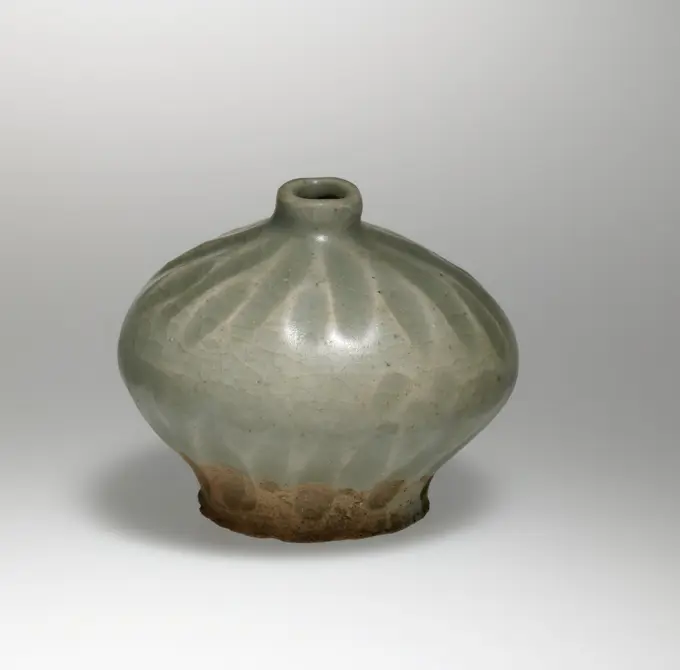
Oil jar, 1st century BCE - 1st century CE, 2 7/16 x 2 3/4 x 2 3/4 in. (6.19 x 6.99 x 6.99 cm), Glazed ceramic, Thailand, 1st century BCE - 1st century CE
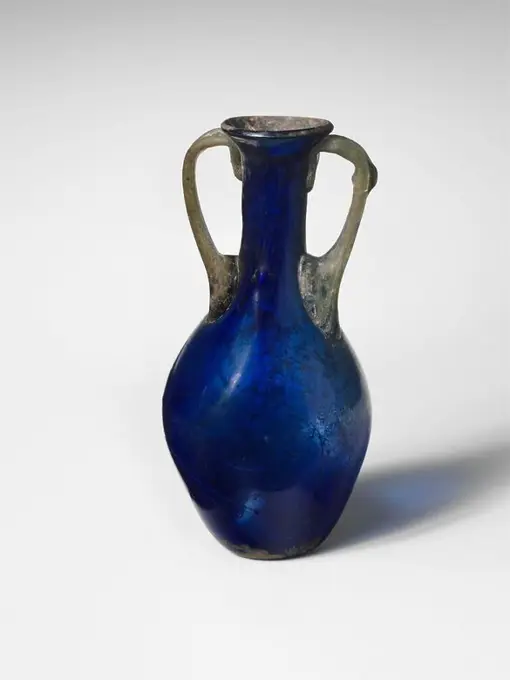
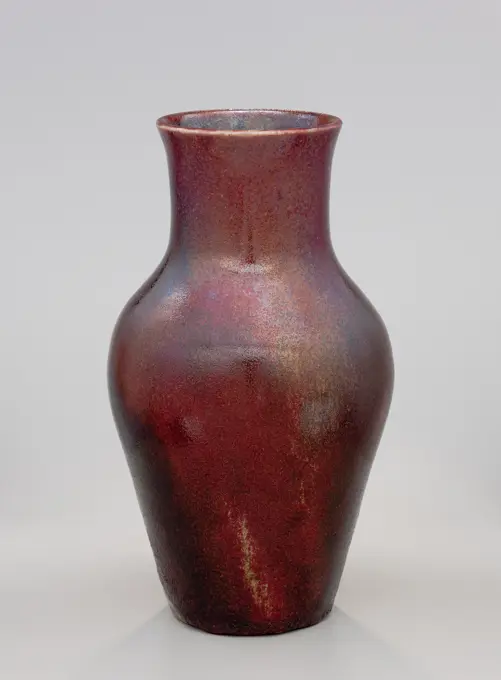
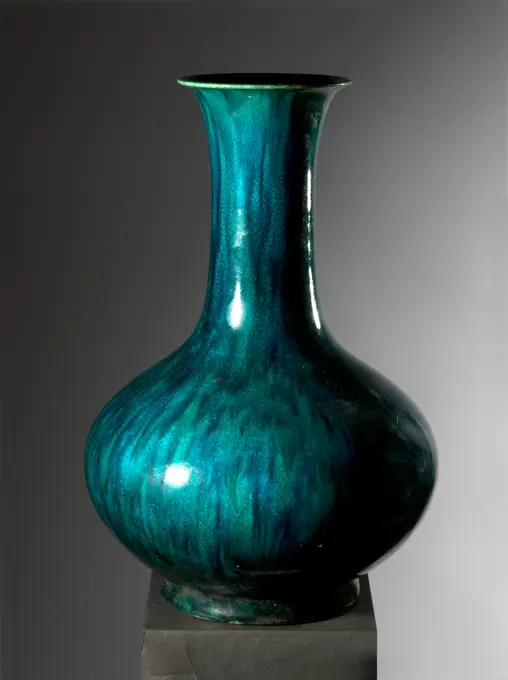
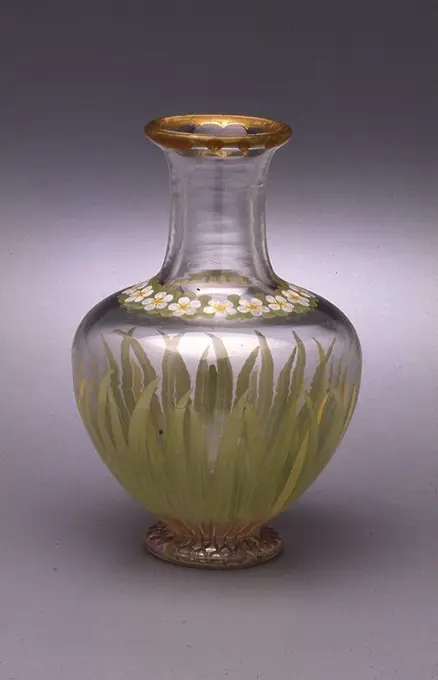
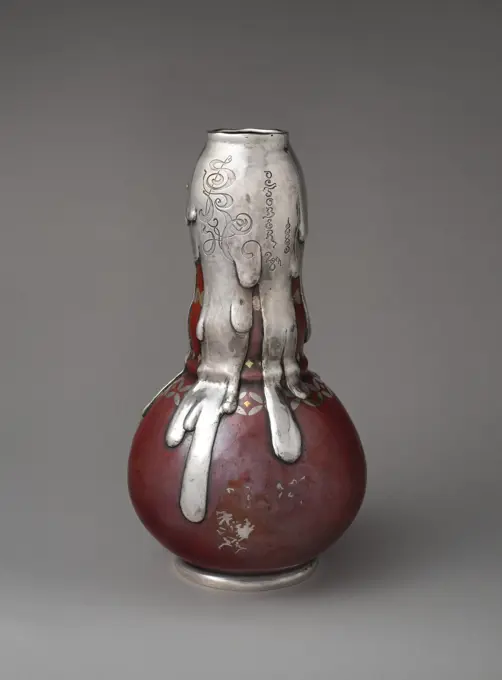
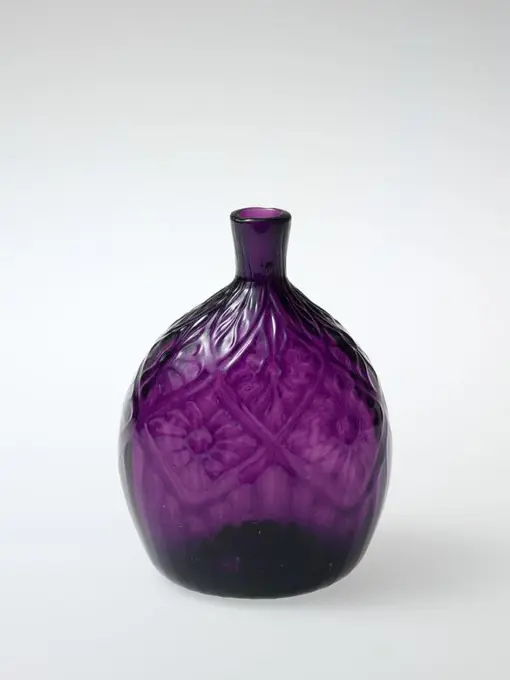
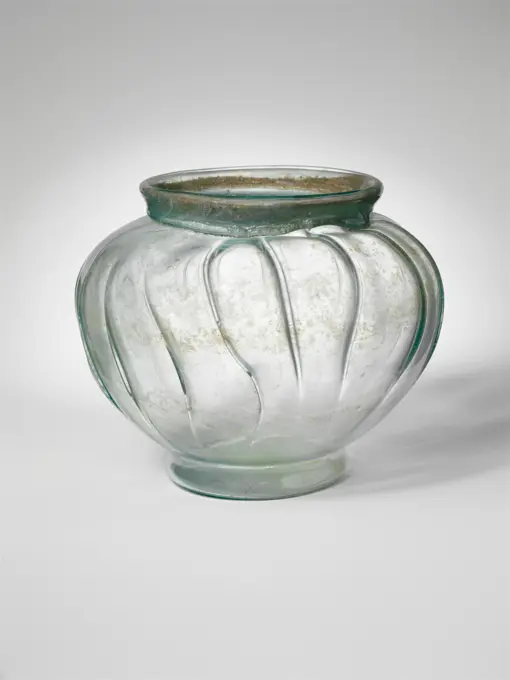
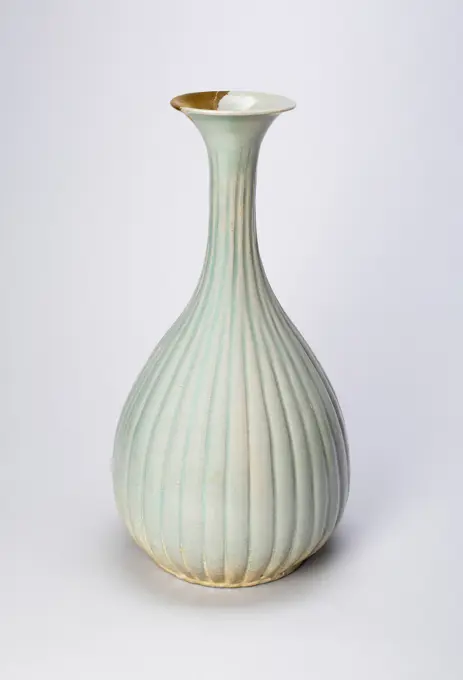
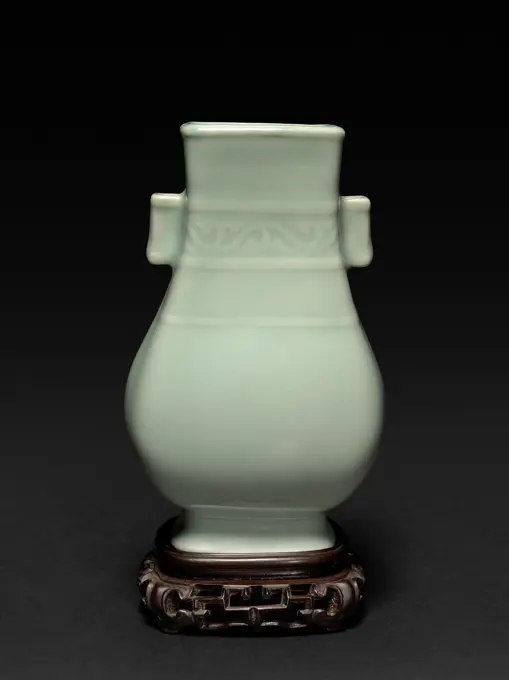
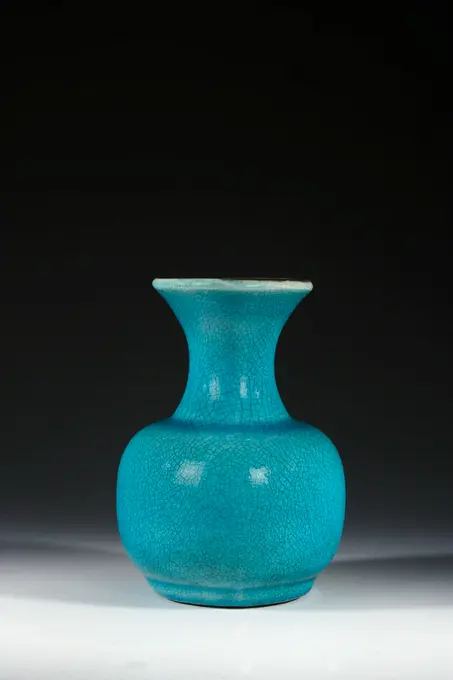
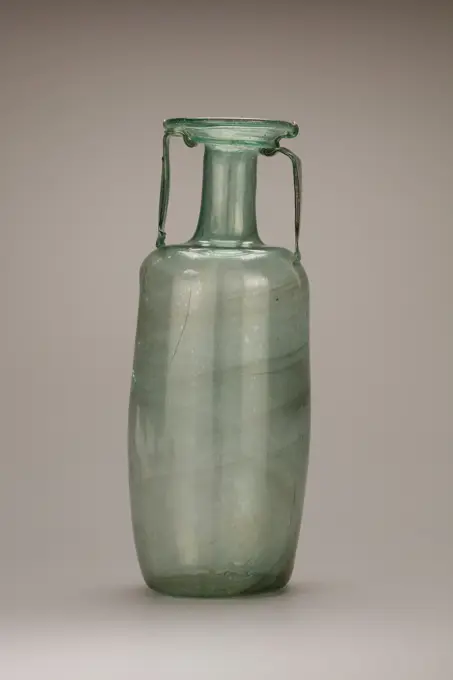
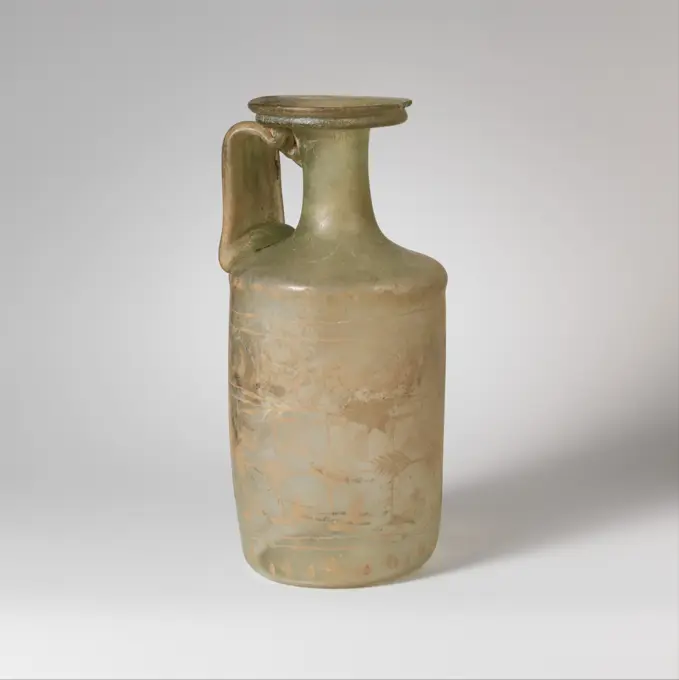
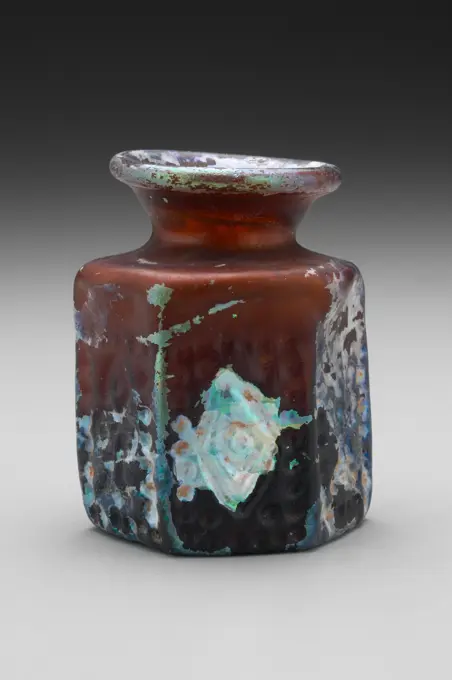
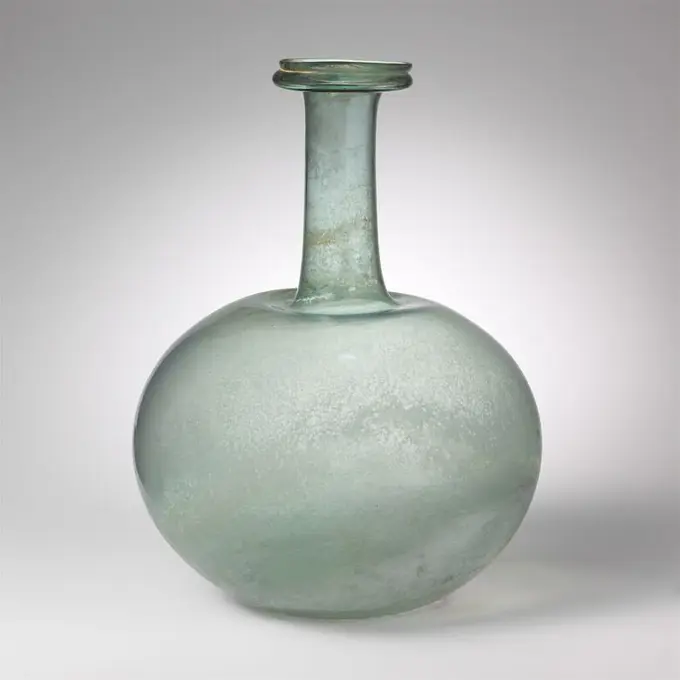
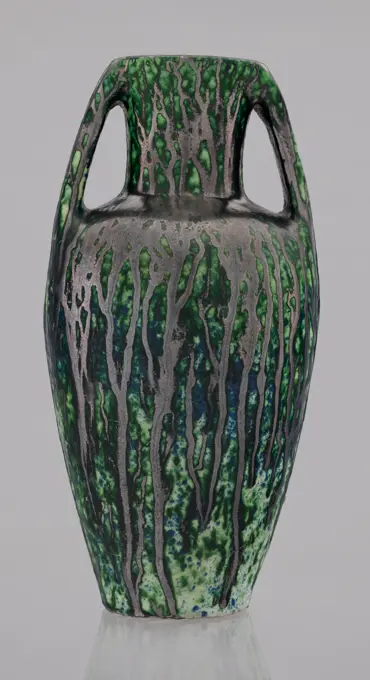
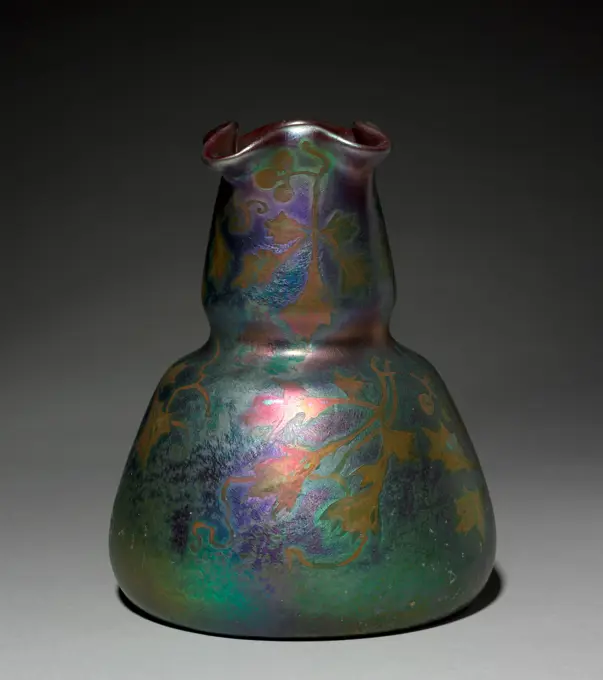
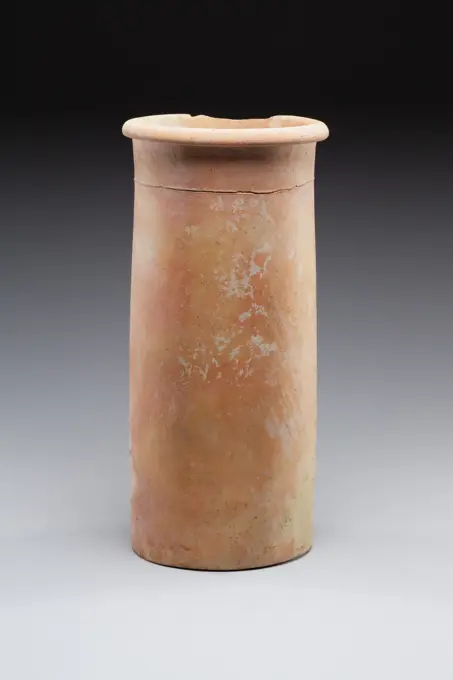
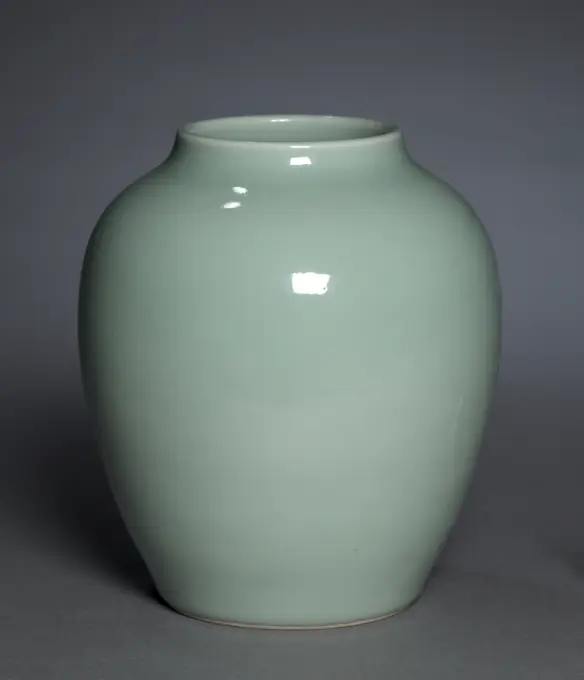
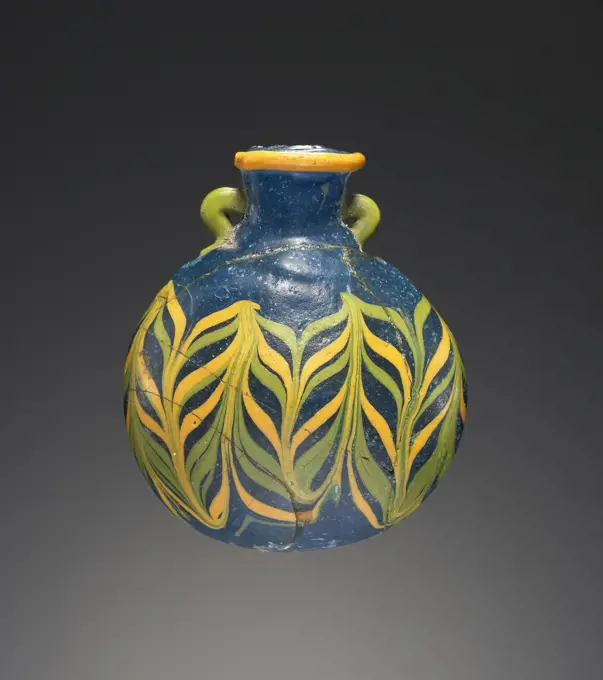
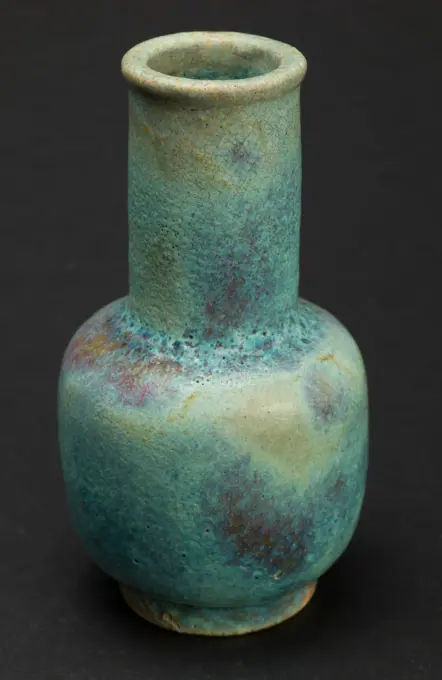
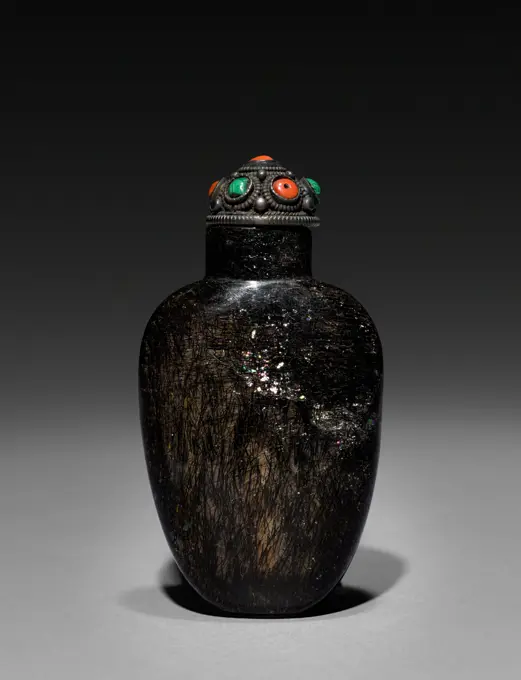
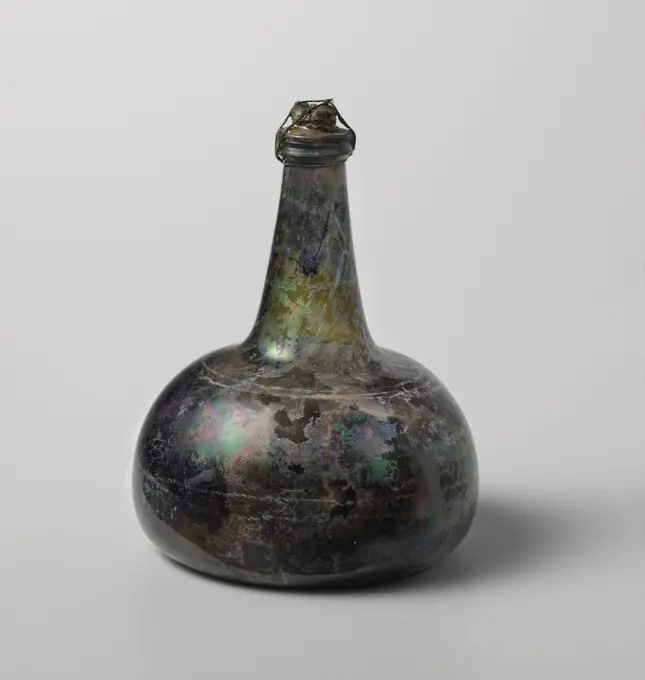
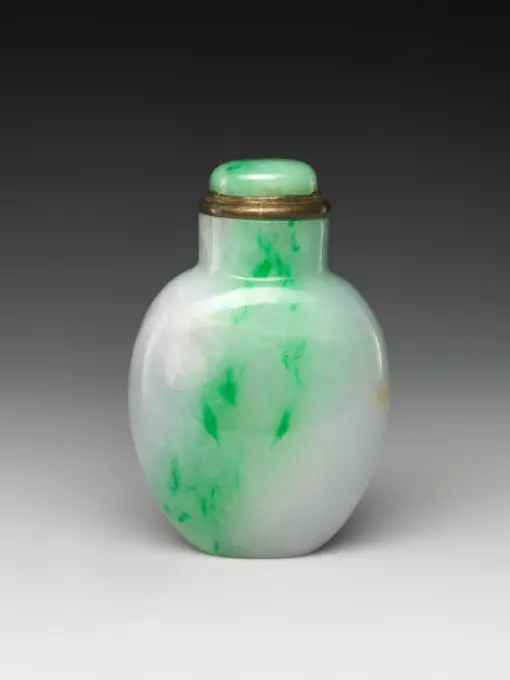
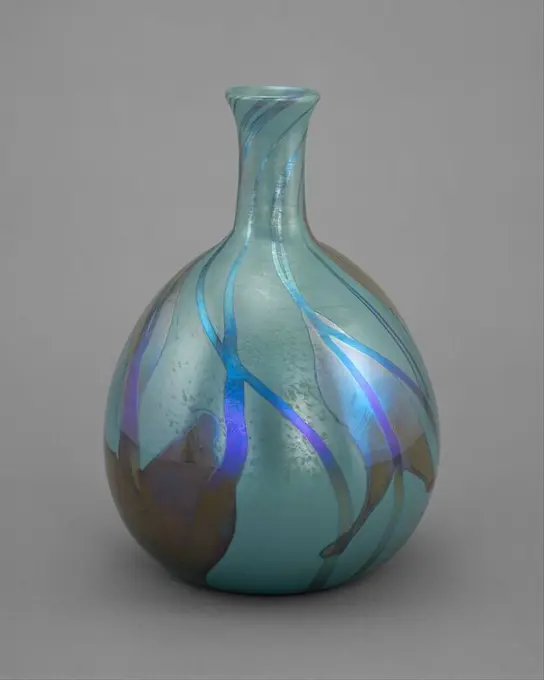
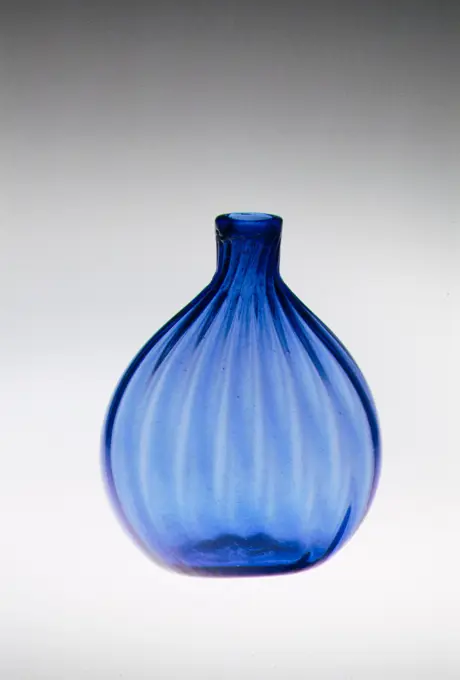
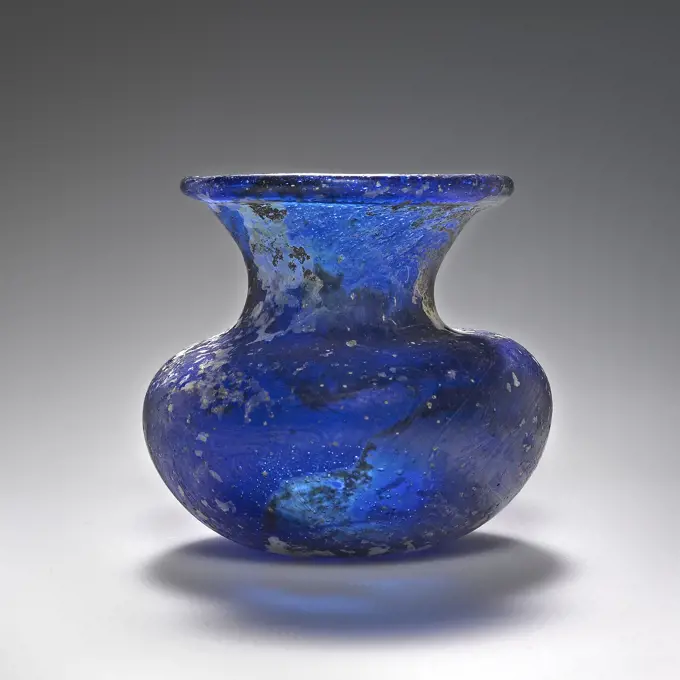
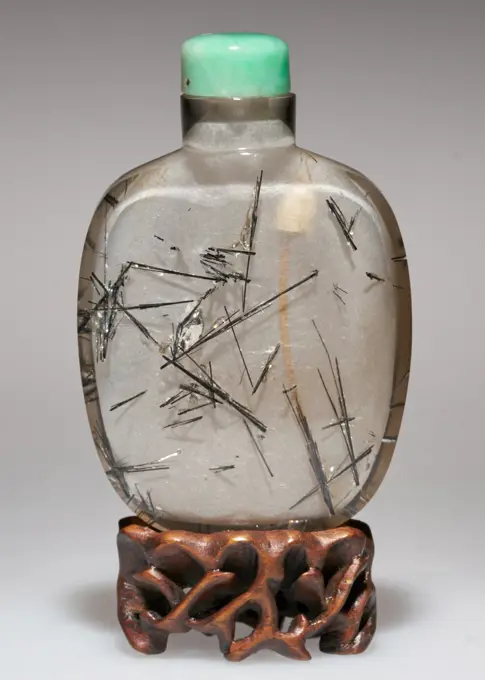
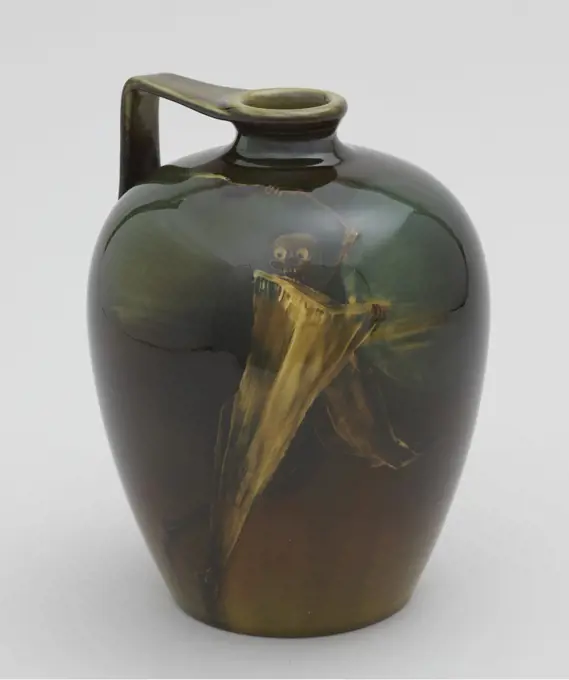
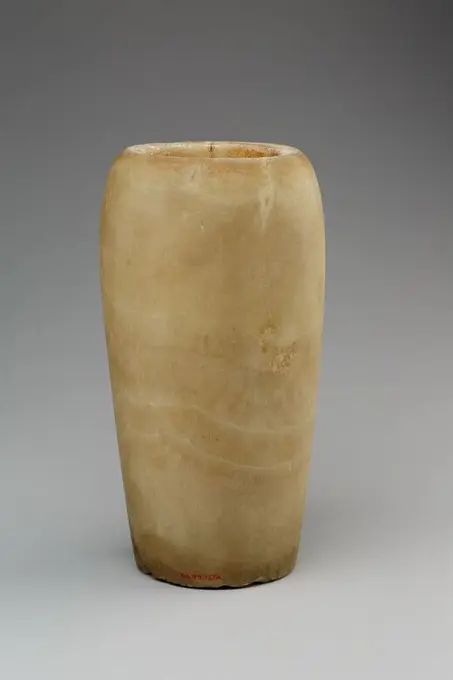
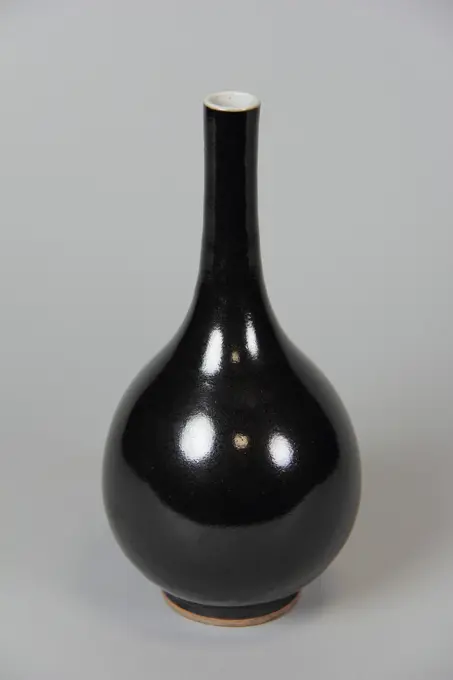
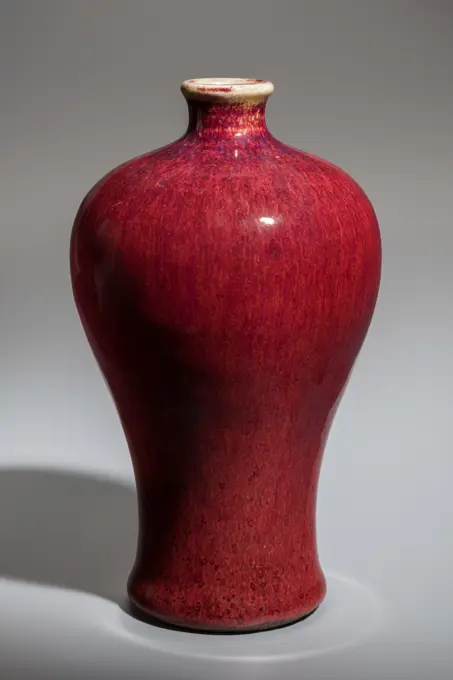
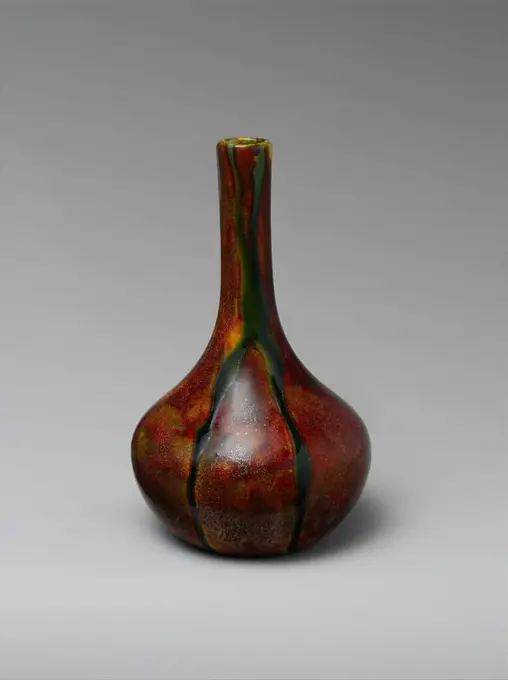
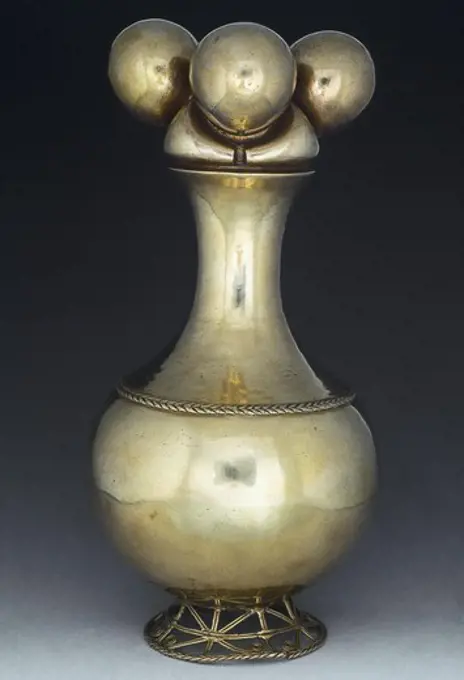
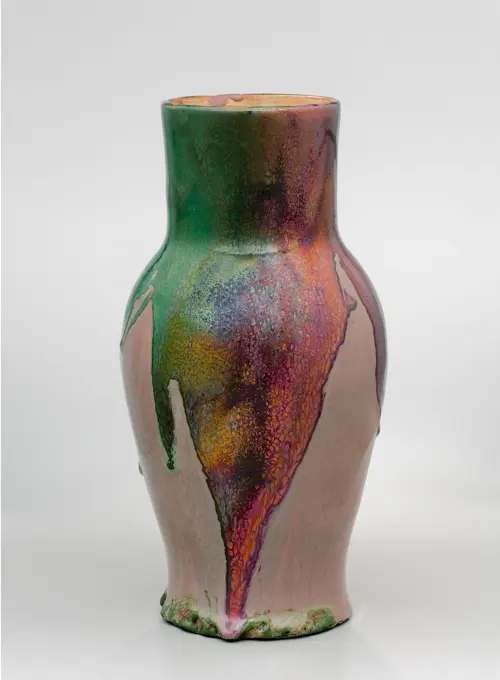
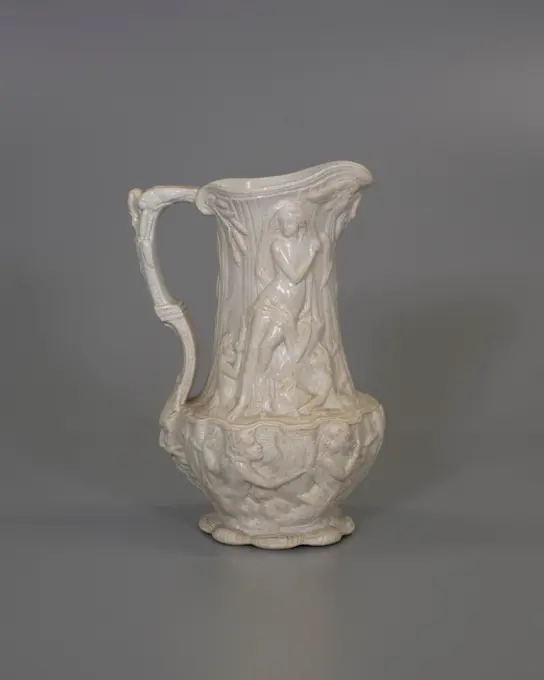
Vase with raised green glass splinters and gold -colored irization, anonymous, c. 1900 - c. 1910 Flat bottom, curved, diagonally modeled body, ending in a triple edge. Green inserted glass splinters; Gold -colored irization. Bohemia glass glassblowing / iridescence Flat bottom, curved, diagonally modeled body, ending in a triple edge. Green inserted glass splinters; Gold -colored irization. Bohemia glass glassblowing / iridescenceOil jar, 1st century BCE - 1st century CE, 2 7/16 x 2 3/4 x 2 3/4 in. (6.19 x 6.99 x 6.99 cm), Glazed ceramic, Thailand, 1st century BCE - 1st century CEGlass two-handled bottle (amphoriskos). Culture: Roman. Dimensions: H.: 4 3/16 in. (10.6 cm). Date: 1st century A.D..Translucent streaky cobalt blue; handles in translucent pale blue green.Flaring rim, with beveled outer lip; cylindrical neck, expanding downwards and merging with elongated globular body; small, concave bottom; two two-ribbed handles applied at base of neck, with claws extending downwards, drawn up and outwards, then bent in and pressed onto underside of rim and down top of neck.Broken and repaired around lower body, with three holes in side; several glassy inclusions, including a large blob in one handle; patches of brown, enamel-like weathering and dulling on handles. Museum: Metropolitan Museum of Art, New York, USA.Vase ca. 1885-89 Hugh C. Robertson Steeped in ceramics from birth, Hugh C. Robertson pursued his craft with fierce devotion and a passion for experimentation. From a family of trained English ceramists, he honed his skills in New Jersey before settling in Massachusetts as one of the founders of Chelsea Keramic Art Works and later, Dedham Pottery. Robertsons lifelong explorations in glazes, particularly their color and texture, make him one of the key figures of American art pottery at the turn of the twentieth century.During the 1880s Hugh Robertson increasingly turned his attention to developing new glaze formulas and clay bodies. In the middle of the decade he became obsessed with the highly coveted yet elusive sang-de-boeuf, or oxblood, glaze, a quest that became the hallmark of his later career. This richly colored blood-red glaze is traditionally created from a copper-based formula and fired in a kiln, which when wet straw and other materials are introduced, deprives the atmospheVase. Culture: China. Dimensions: H. 8 in. (20.3 cm). Museum: Metropolitan Museum of Art, New York, USA.Vase. Bronze. Chine. Par musée musée malée. 70002-57 Chinese art, bronze, decorative motif, relief, vaseVase 18th century China. Vase 46375Jar late 12th-early 13th century. Jar 451362Bottle. Culture: China. Dimensions: H. 12 in. (30.5 cm). Museum: Metropolitan Museum of Art, New York, USA.Vase; Made by Louis Comfort Tiffany (American, 1848-1933); glassWater lens. High, concave foot with stored edge, spherical body, passing in a tapered neck with a bent edge.Vase. Turquoise sandstone animated with navy blue flows. Paris, Cernuschi museum. 78839-28 Asian art, Chinese art, gres, container, vase"Well Spring" Carafe. Designed by Richard Redgrave; English, 1804-1888; Made by John Fell Christy, Stangate Glass Works (Lambeth, England, active 1840/50); Commissioned by Henry Cole (English, 1808-1882) for Felix Summerly's Art Manufactures (England, 1847-1850). Date: 1847. Dimensions: H. 16 cm (6 5/16 in.). Blown glass with enamel and gilt decoration. Origin: Lambeth. Museum: The Chicago Art Institute, Chicago, USA.Vase, Glazed porcelain, pale green apple, Bulbous, with contracted base and neck. Green outer glaze somewhat crackled, and with pale iridescence. Kang Hsi., China, 1662-1722, ceramics, Decorative Arts, VaseVase 1879 Tiffany & Co. This vase exemplifies the creativity and innovation that characterized Tiffany & Co.s work during the 1870s and 1880s. Under the direction of Edward C. Moore (1827-1891), the silver division at Tiffany & Co. produced a diverse array of exquisitely wrought and highly original work, and this vase is a bold example of their experimentation with novel techniques and Asian-inspired designs. First conceived and created in 1879, this vase was produced both in copper with silver drips, as seen here, and in silver with copper drips. Surviving drawings for the vase reveal that the seemingly random splotches on the red surface and the layered, cascading drips were meticulously planned. Notes on the drawings also specify that the fine gold was to be "inlaid by chasers," while the copper and green gold ornament was to be "inlaid by battery," evidence of Tiffanys progressive engagement with innovative electrolytic processes. Inspired by the colors in Asian ceramics as well Vase, Lenore Asbury, American, 1866-1933, Rookwood Pottery, American, 1880 - 1967, Glazed earthenware, Thrown refined white stoneware body of tapering cylindrical form, flaring to circular foot. Decorated underglaze with trees and landscape, shaded predominantly in dark green and blue. Transparent matte glaze., USA, 1922, ceramics, Decorative Arts, VaseJarPocket bottle. Culture: American. Dimensions: H. 5 in. (12.7 cm). Maker: Attributed to American Flint Glass Manufactory (1764-1774); Attributed to Henry William Stiegel (American (born Germany), Cologne 1729-1785 Charming Forge, Pennsylvania). Date: 1769-74.The diamond-daisy pattern on this amethyst-colored pocket flask may have been introduced by Stiegel; it is not found on European examples. Many variations of this popular design exist, as seen in other pieces in the collection (see 1980.502.68 and 14.74.17). Museum: Metropolitan Museum of Art, New York, USA.Yellow-Green Hexagonal Glass Bottle with a Stylite Saint mid-5th-7th century Byzantine The stylite saints depicted on tall glass vessels made in Syria were men who renounced the world and lived atop pillars (styloi). Most renowned was Saint Symeon the Stylite the Elder (389-459), whose pillar on the mountain of Qalat Seman, near Antioch, became the center of a large pilgrimage complex. Pilgrims collected dirt from the base of his column.. Yellow-Green Hexagonal Glass Bottle with a Stylite Saint 468577Glass jar 2nd half of 1st-mid-2nd century A.D. Roman Colorless with pale blue green tinge.Rounded, flaring, tubular rim, folded out and down, forming collar around neck; broad ovoid body; bottom pushed in to form hollow foot ring.On body, sixteen projecting roughly vertical ribs of differing lengths and shapes (some almost straight, others sinuous), four of which extend onto the neck below the collar.Intact, except for one small chip in one of the ribs; some bubbles and a few white glassy inclusions; slight brownish weathering and faint iridescence. Sealed within the rim are fine particles of dry, loose sand.. Glass jar 245173Cornet vase. Carnavalet museum, history of Paris.Bottle with Bamboo Fluting 1201-1300 Korea. Stoneware with celadon glaze and underglaze carved and incised decoration .Vase 1896-1902 Charles Volkmar American. Vase. American. 1896-1902. White earthenware. Made in Queens, New York, New York, United StatesVase in Form of Archaic Hu, 1736-95. China, Jiangxi province, Jingdezhen kilns, Qing dynasty (1644-1911), Qianlong mark and reign (1736-95). Porcelain with celadon glaze; overall: 12.6 x 7.8 x 6.8 cm (4 15/16 x 3 1/16 x 2 11/16 in.).Jar with cover late 18th century probably British. Jar with cover. probably British. late 18th century. Glass. GlassSmall vase. unknown, craftsmanPear-shaped vase with monster heads and gilded bands with ruyi motif, anonymous, c. 1750 - c. 1799 Pear -shaped vase of porcelain with flared neck and upright edge, covered with a monochrome crawls gray glaze and on biscuit gold. A monster head with ring on both sides on the shoulder; Around the foot, shoulder and neck a band with Ruyi motif, decoration in gilded biscuit. Gilding flake; Neck has been broken. Monochrome. China porcelain. glaze. gold (metal) gilding / vitrification Pear -shaped vase of porcelain with flared neck and upright edge, covered with a monochrome crawls gray glaze and on biscuit gold. A monster head with ring on both sides on the shoulder; Around the foot, shoulder and neck a band with Ruyi motif, decoration in gilded biscuit. Gilding flake; Neck has been broken. Monochrome. China porcelain. glaze. gold (metal) gilding / vitrificationBottle, anonymous, 1677 Soul inserted. Spherical lilkhaam, transfer in a slender neck, why a drip ring has been laid. The mouth bent. In Italian and Roman letters, the body is called 'Bewaer your own Klaer'. On the transition from the neck to the belly above the B of Bewaer'1 Timoth: CAP: 5, verse 22 '. At the bottom of the soil 'All who keeps Klaer, dat Rein.kan, will happiness rich "and around and in the pontil brand" W. Van Heemskerk AE 64 Anno 1677 '. glassblower: Low CountriesLeiden glass glassblowing Soul inserted. Spherical lilkhaam, transfer in a slender neck, why a drip ring has been laid. The mouth bent. In Italian and Roman letters, the body is called 'Bewaer your own Klaer'. On the transition from the neck to the belly above the B of Bewaer'1 Timoth: CAP: 5, verse 22 '. At the bottom of the soil 'All who keeps Klaer, dat Rein.kan, will happiness rich "and around and in the pontil brand" W. Van Heemskerk AE 64 Anno 1677 '. glassblower: Low CountriesLeiden glass glassblowing"Morgan Vase" and stand. Culture: American. Dimensions: Height: 10 in. (25.4 cm). Manufacturer: Hobbs, Brockunier and Company (1863-1891). Date: 1886-91.The second half of the nineteenth century witnessed a proliferation of highly ornamental decorative arts in nearly every medium. Glassmakers during this period experimented with new techniques, introducing bold color effects and embracing exotic influences. Many new lines of art glass imitated other materials. This particular form was made in imitation of the "Morgan Vase," the famous eighteenth-century Chinese porcelain vase with a peachblow glaze from the collection of Mrs. Mary Morgan, which sold at auction in 1886 for the astonishing price of $18,000. Hobbs, Brockunier & Company was one of a number of glass firms to capitalize on this event and the company created a copy of the vase with their perfected Amberina glass, relating in shape and size to the Chinese porcelain example. The amber pressed glass base on which this vase sitsBottle Roman Period A.D. 2nd-3rd century The basketry case held two-handled bottles that fit perfectly in its compartments, and another bottle that was much too small and probably did not belong. A baskety lid fit down over the top. View more. Bottle. A.D. 2nd-3rd century. Glass. Roman Period. From Egypt; (none assigned) Middle Egypt, MaghaghaVase. Culture: China. Dimensions: H. 8 in. (20.3 cm). Museum: Metropolitan Museum of Art, New York, USA.Bottle 17th-18th century This bottle is typical of the objects that were displayed in open niches in reception rooms of Ottoman-period upper-class Syrian homes. Bottle. 17th-18th century. Glass, marbled; blown, tooled on the pontil. Attributed to Turkey. GlassGlobular Jar. China. Date: 700 AD-750 AD. Dimensions: H. 22.7 cm (8 15/16 in.); diam. 22.9 cm (9 in.). Earthenware with blue lead glaze. Origin: China. Museum: The Chicago Art Institute, Chicago, USA.Glass cylindrical bottle 4th century A.D. Roman Translucent pale green; handle and trail in same color.Rounded rim to broad, shallow, flaring mouth; cylindrical neck with concave profile; sloping shoulder with bulging edge that extends beyond side of body; cylindrical body with straight side, tapering slightly downwards, with rounded edge to concave bottom; broad, four-ribbed strap handle, applied to edge of shoulder, drawn vertically upwards, then turned in and down, and trailed onto top of neck and over trail decoration, ending on rim.On body, four registers of cut and abraded decoration: at top on bulge to shoulder, irregular horizontal row of small abraded cuts; three sets of two roughly parallel horizontal lines flank and separate the two main registers on the side, comprising a horizontal row of 18 large circular facets and, below, a band of 11 vertical lines, each with horizontal bars across their top and bottom, linked and intersected by a continuous horizontal line at their miJean Carriès (1855-1894). "Small depression pot". Enameled sandstone. Museum of Fine Arts of the City of Paris, Petit Palais. 24203-19 Ceramic, depression, gres emaille, small potDecanter. Probably Boston and Sandwich Glass Company; American, 1826-88; or New England Glass Company; American, 1818-88; Sandwich or East Cambridge, Massachusetts. Date: 1825-1845. Dimensions: 28.6 × 11.4 × 11.7 cm (11 1/4 × 4 1/2 × 4 5/8 in.). Glass. Origin: United States. Museum: The Chicago Art Institute, Chicago, USA.Mold-Blown HexagonalBottleGlass alabastron (perfume bottle). Culture: Greek, Eastern Mediterranean. Dimensions: 4 1/2 × 1 5/8 in. (11.4 × 4.1 cm)Diam. of rim: 1 in. (2.5 cm). Date: 2nd-mid-1st century B.C..Translucent cobalt blue, with one handle in dark almost opaque brownish purple and the other in opaque yellow; trails in opaque yellow and opaque white.Horizontal rim-disk with rounded edge and radiating tooling marks on upper surface; concave cylindrical neck; straight-sided fusiform body with rounded profile expanding downward, then tapering in to pointed bottom with undercurve flattened on one side; two horizontal lug handles applied at top of body over trails, the yellow one higher and more pronounced; small irregular blob of opaque white applied over trails and projecting from side slightly above point of greatest diameter.White trail applied near bottom, wound upwards in a spiral to carination, tooled into a festoon pattern, with ten upward strokes, then wound again in a spiral up neck, ending with Sake Bottle with Black Drip Design. Japan, Edo period (1615-1868), late 18th century. Ceramics. Tanba ware; stoneware with red-brown and black iron glazesGlass globular bottle. Culture: Roman. Dimensions: H.: 11 3/16 in. (28.4 cm). Date: 4th century A.D..Translucent blue green.Rounded, slightly outsplayed, vertical rim, with hollow horizontal flange below, made by folding; slender cylindrical neck, expanding downwards; pushed-in shoulder; broad globular body; concave bottom.Intact; few bubbles; creamy weathering and iridescence.Large, globular, with long neck, colored blown glass. Museum: Metropolitan Museum of Art, New York, USA.Vase; Jagmin, Stanis AW (1875-1961); 20th century (1900-00-00-2000-00-00);Vase, 1901-1907. Jacques Sicard (French, 1865-1923), and Weller Pottery (American). Earthenware; diameter: 18.9 x 15.4 cm (7 7/16 x 6 1/16 in.). This vase's distinctive metallic sheen is achieved through a technique known as luster glazing, in which ground metals, typically silver, gold, or platinum, are incorporated into the glazing process. A green-gold luster glaze forms the vase's decoration of vines and leaves.Cylindrical Jar ca. 3200-3100 B.C. Predynastic, Late Naqada III. Cylindrical Jar. ca. 3200-3100 B.C.. Pottery. Predynastic, Late Naqada III. From Egypt, Fayum Entrance Area, Tarkhan, BSAE excavations 1911-1913Turquoise bottle unknownJar with Crescents in Relief, 1736-95. China, Jiangxi province, Jingdezhen kilns, Qing dynasty (1644-1911), Qianlong mark and reign (1736-95). Porcelain with applied decoration and celadon glaze; diameter: 16.6 cm (6 9/16 in.); overall: 18.9 cm (7 7/16 in.).Jug 501 CE-600 CE Syria. Glass vessels were one of the many kinds of objects that were made for pilgrims of different faiths who visited Jerusalem. This jug was probably used to store blessed oil or water.. Glass, mold-blown technique . ByzantineBlue Perfume Flask with Yellow and Green Feathered Decoration; Egypt; 1300 - 1200 B.C; Glass; 6.3 x 5.4 cm (2 1,2 x 2 1,8 in.)A vase with an elongated neck unknownSnuff Bottle, 1644-1911. China, Qing dynasty (1644-1911). Glass; overall: 7.7 x 4.2 cm (3 1/16 x 1 5/8 in.).Lobed bottle vase 18th century China. Lobed bottle vase. China. 18th century. Porcelain with greenish blue glaze. Qing dynasty (1644-1911). CeramicsGlass jug. Culture: Roman. Dimensions: Height: 7 15/16 in. (20.2 cm). Date: late 1st-2nd century A.D..Translucent blue green; handle in same color.Everted rim, with rounded outer lip, folded in and down, and smoothed into side of mouth; broad, funnel-shaped neck; narrow, sloping shoulder; bulbous body with side tapering downwards; shallow concave bottom, with two shallow oval dimples at center; a broad, plain handle attached to upper body over ribs, with horizontal tooling marks on flattened lower edge, drawn up in a curve, with tooling marks on underside, and applied to rim, with slight overhang and two rounded vertical projections above; handle flanked by two extensions along outer edge of rim, tooled into vertical ridges (four to left of handle, five to right).On body, sixteen spiral ribs of varying length and shape, running from right to left. Intact, except for the outermost ridge to right of handle; few bubbles, some blackish streaks in rim; slight dulling and faint iridescenGlass winebottle with wine from the wreck of the Dutch East Indiaman 't Vliegend Hart, , 1700 - 1735 wine Uivid wine bottle of green glass filled with red (port) wine and closed with cork and wire that the cork had to hold in place. Netherlands wineVase 1885-90 European, probably. Vase. European, probably. 1885-90. Blown satin white glassSake Bottle. Japan, Edo period, 1615-1868, early 19th century. Ceramics. Kaminome ware; stoneware with iron and flowing rice straw ash glazesBottle-Shaped Vase 1700-1799 China. Porcelain with purple flambÈ glaze .Vase;  Meiji period (1890-00-00-1910-00-00);Jar. India, Gujarat, Kapadwanj, circa 1750-1800. Furnishings; Serviceware. Amber glassSnuff Bottle 19th century China. Snuff Bottle 41186Vase. Culture: American. Designer: Designed by Louis Comfort Tiffany (American, New York 1848-1933 New York). Dimensions: 9 1/8 x 6 5/8 in. (23.2 cm). Maker: Tiffany Glass and Decorating Company (American, 1892-1902). Date: 1893-96.This object forms part of a group of over forty given to the Museum in 1896 by Louisine and Henry Osborne Havemeyer (96.17.9-.56). The gift was the first American glass to enter the Museum's collection. Most likely prompted by Louis Comfort Tiffany, the Havemeyers presented their collection of Tiffany Favrile glass to the Museum only three years after Tiffany started making decorative blown-glass vessels. The shapes, colors, and finishes of Tiffany's vases and plaques were inspired by the natural world and ancient glass. Museum: Metropolitan Museum of Art, New York, USA.Gourd-shaped Bottle with Jewel String and Molded Floral Design 18th century Japan. Gourd-shaped Bottle with Jewel String and Molded Floral Design 62528Pocket flask 1800-1860 American. Pocket flask. American. 1800-1860. Blown pattern-molded glass. Made in United StatesFlask; Eastern Mediterranean; 3rd - 4th century; Glass; 7 x 6.5 cm (2 3,4 x 2 9,16 in.)Vase. George Edgar Ohr (United States, 1857-1918)Biloxi Art Pottery (United States, Mississippi, Biloxi, pottery manufacturer, circa 1880-circa 1909). United States, circa 1888-1894. Furnishings; Accessories. EarthenwareSnuff Bottle, 1780-1850, 3 x 3in. (7.6 x 7.6cm), Crystal with tourmaline needles, jade, ChinaJug, William Watts Taylor, American, 1847-1913, Rookwood Pottery, American, 1880 - 1967, glazed earthenware, Thrown gray-green earthenware body; applied handle, decorated with ghostly figure of a skeleton in a shroud, one arm upraised and holding a burning lamp. Figure in shades of ocher, pale brown, dark brown, and green. Background shaded in ochers, browns, and dark green. Yellow graze wih aventurine effects., Cincinnati, Ohio, USA, 1891, ceramics, Decorative Arts, jug, jugVase;  Meiji period (1868-00-00-1912-00-00);Vase China. Vase. China. Porcelaneous stoneware (Ge ware). Song dynasty (960-1279). CeramicsCanopic jar, uninscribed. Dimensions: H. 21.4 cm (8 7/16 in.); diam. 10.5 cm (4 1/8 in.); d. 12.7 cm (5 in.); diam. at base 8.1 cm (3 3/16 in.); diam. at mouth 7 cm (2 3/4 in.); circ. 35 cm (13 34 in.). Dynasty: Dynasty 27-30. Date: 525-332 B.C.. Museum: Metropolitan Museum of Art, New York, USA.Bottle China. Bottle. China. Porcelain with black glaze. Qing dynasty (1644-1911), Qianlong period (1736-95). CeramicsBelly bottle, belly bottle bottle holder soil find glass, bottom. Body with almost straight wall to round shoulders and rejuvenated, neck with imposed all-round sharp glass thread with various chips and flattened lip with chip archeology packagingChinese, Vase, porcelain.Vase. Culture: American. Dimensions: H. 5 5/8 in. (14.3 cm); Diam. 3 1/2 in. (8.9 cm). Maker: Clifton Art Pottery (1905-11). Date: 1906. Museum: Metropolitan Museum of Art, New York, USA.Bulbous bottle, bottle bottle wine bottle bottle holder soil find glass, free blown and shaped glass application Bottle shaped bottle cap in clear green glass. Pontil mark under slightly raised bottom Skew body with convex wall to convex shoulders and long rejuvenated (h 8.0, cm) neck with imposed all-round sharp glass thread and flattened expanded lip Large chip (3.5 x 2.2 cm) out of neck glass wire and lip archeology Rotterdam Kralingen-Crooswijk Struisenburg Oostmaaslaan packing Soil discovery Oostmaaslaan Rotterdam October 1959.Poporo. Lime container used to carry the lime to the mouth while chewing coca leaves. Poporos are also attributed with mystical powers and social status. Early Quimbaya Period (500 BCE - 700 A.D.). It comes from Angostura (Antioquia). With this piece began in 1939 the Museum collection. Quimbaya art. Jewelry. COLOMBIA. CUNDINAMARCA. Bogot. Gold Museum.Jar 8th century China. Jar 50971Candle-form Sake Bottle. Japan, Edo period (1615-1868), 18th century. Ceramics. Ryūmonji ware; stoneware with iron and rice straw ash glazesVase ca. 1896-1908 Dedham Pottery Steeped in ceramics from birth, Hugh C. Robertson pursued his craft with fierce devotion and a passion for experimentation. From a family of trained English ceramists, he honed his skills in New Jersey before settling in Massachusetts as one of the founders of Chelsea Keramic Art Works and later, Dedham Pottery. Robertsons lifelong explorations in glazes, particularly their color and texture, make him one of the key figures of American art pottery at the turn of the twentieth century.From Chelsea to Dedham, Robertson continued to pursue his passion for innovation, employing the grayish-white stoneware used for Dedhams dinnerware to throw simple forms covered with bold combinations of colored and textured glazes. Dedham Potterys vases are larger, thicker, and heavier than their Chelsea predecessors, and simple, solid forms predominate. Many of the Dedham vases in the Ellison Collection at The Metropolitan Museum of Art have varying combinations of rePowence pot with blue fond, anonymous, 1700 - 1735 Powence pot. Multicolored painted with Chinese figures and trees on a blue stock. Delft . Powence pot. Multicolored painted with Chinese figures and trees on a blue stock. Delft .Vase 1678-88 China. Vase. China. 1678-88. Porcelain with moonlight glaze (Jingdezhen ware); Tiffany stand. Qing dynasty (1644-1911), Kangxi period (1662-1722). CeramicsBottle with a Marbled Pattern probably 18th-19th century. Bottle with a Marbled Pattern 444815Jar Made 3000 BCE-2160 BCE Egypt. Calcite . Ancient EgyptianVase late 18th-early 19th century China. Vase. China. late 18th-early 19th century. Porcelain with black glaze (Jingdezhen ware). Qing dynasty (1644-1911). CeramicsVase (USA); Manufactured by Rookwood Pottery (United States); Decorated by W. E. Hentschel; glazed earthenwareSake Bottle in the Form of an Eggplant. Japan, 19th century. Ceramics. Bairin ware; stoneware with rice straw ash and iron glazes with "beaten brush" techniqueMiniature jar (common name), 1127. Qingbai covered porcelain (bluish white) enhanced with brown keys. Cernuschi Museum, Asia Museum of Asia in the city of Paris.Small vase. unknown, craftsmanSeif Yohei III mined the repertoire of Chinese vessel types, from ceramics modeled after ancient ritual bronzes to shapes developed in the Yuan (1279-1368) and Ming (1368-1644) dynasties. His designs tended to be formal and restrained, often featuring creamy white glazes suggestive of the hue of Ding ware and green glazes resembling Longquan ware. Seif Yohei IV continued to create works in the studio’s signature colors but also produced pieces with strong color and flare that were his interpretations of Qing dynasty (1644-1911) glazes. Guan-Shaped Vessel with Floral Scroll, 1914-46. Seifū Yohei IV (Japanese, 1872-1951). Porcelain with molded and carved design and cream glaze; height: 25.7 cm (10 1/8 in.); diameter: 24.2 cm (9 1/2 in.).Jug, Amphitrite” pattern.  Manufacturer: Charles Meigh & Son, British, active 1851-61Roman Vase 5th century AD, Held in the National Museum, Budapest, HungaryBottle probably 18th-19th century. Bottle 444699Belly bottle, belly bottle bottle holder soil find glass, free blown and shaped Round-bellied bottle in clear dark green glass Rough pontilemark under slightly raised bottom Almost horizontally ascending wall to convex shoulders and onset to rejuvenated neck archeology packaging. attributed to De Witte Ster (Albertus Kiel) Delft, c. 1760-1775tin-glazed earthenware (faience)Lotus Bud Beaker; Eastern Mediterranean; 1st century; Glass; 21.2 cm (8 3,8 in.)Vase 1893-96 Designed by Louis Comfort Tiffany American. Vase 9416Vessel or Pitcher With Relief and a Spout in the Shape of a Woman's Head. Jug or pouring jug of quartz frying gears decorated on the belly with blue almond shapes in relief with a loose glaze. "Buttons" on the neck. The spout is modeled in the form of a woman's head. The jug is covered with a transparent turquoise alkalilation.Jug, 4th century, 14 1/8 x 6 3/4 x 4 13/16 in. (35.88 x 17.15 x 12.22 cm), Glass, Syria, 4th centuryBottle with flowers 19th century China. Bottle with flowers. China. 19th century. Porcelain with molded decoration (Jingdezhen ware). Qing dynasty (1644-1911). CeramicsBottle 1600-1699 Germany. Glass .Cream pitcher 1820-45 American. Cream pitcher 2649Pitcher 1830-65 American. Pitcher. American. 1830-65. Blown glass with applied decoration. Made in United States