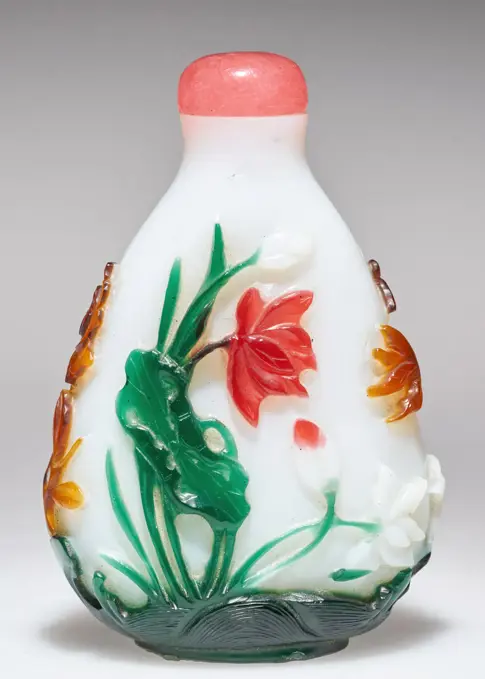
Artistic Glass Vases

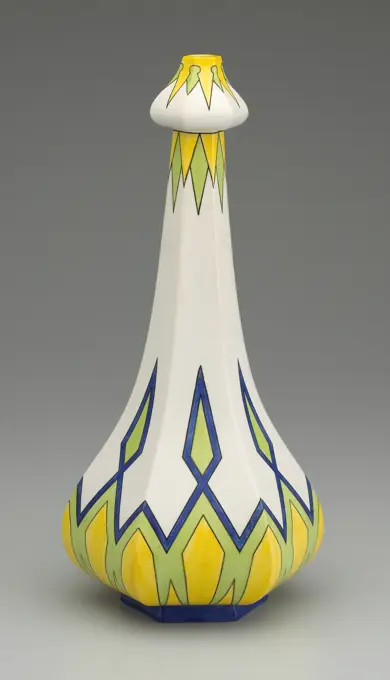
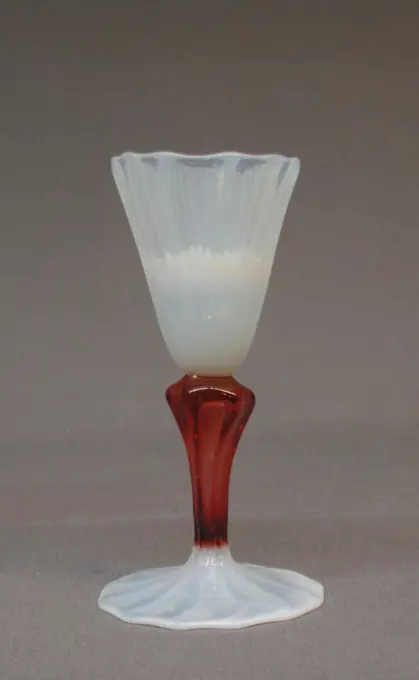
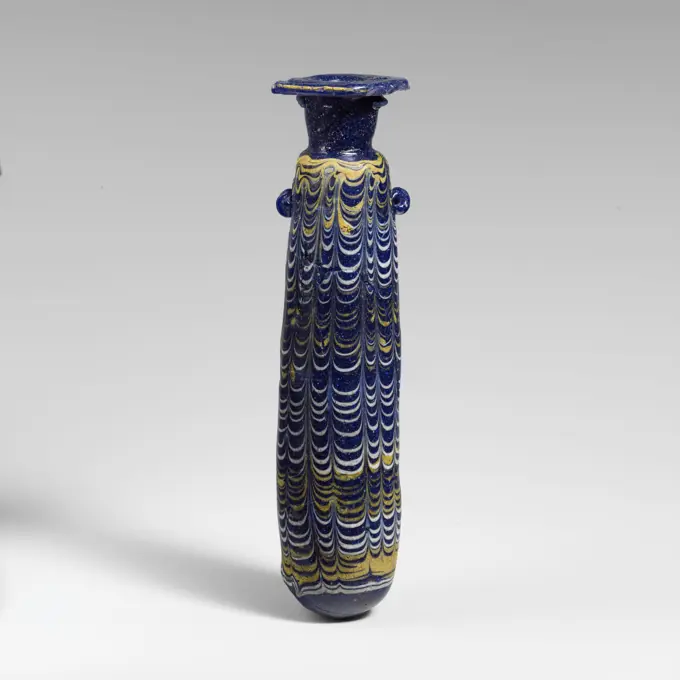
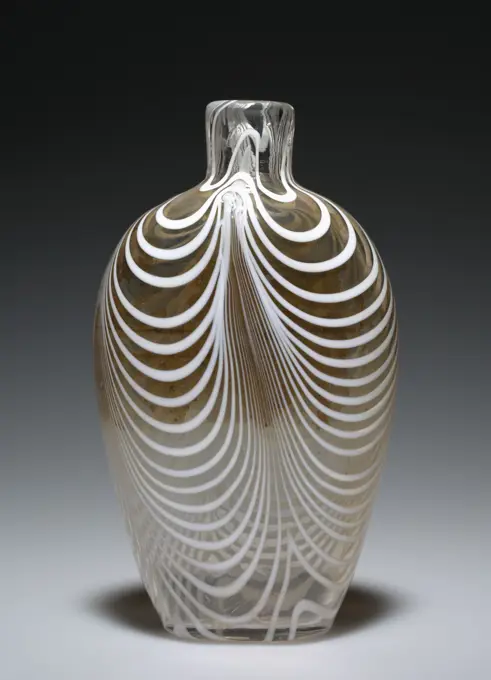
A collection of artistic vases featuring various techniques such as iridescence, vibrant colors, and unique designs from different periods and cultures.
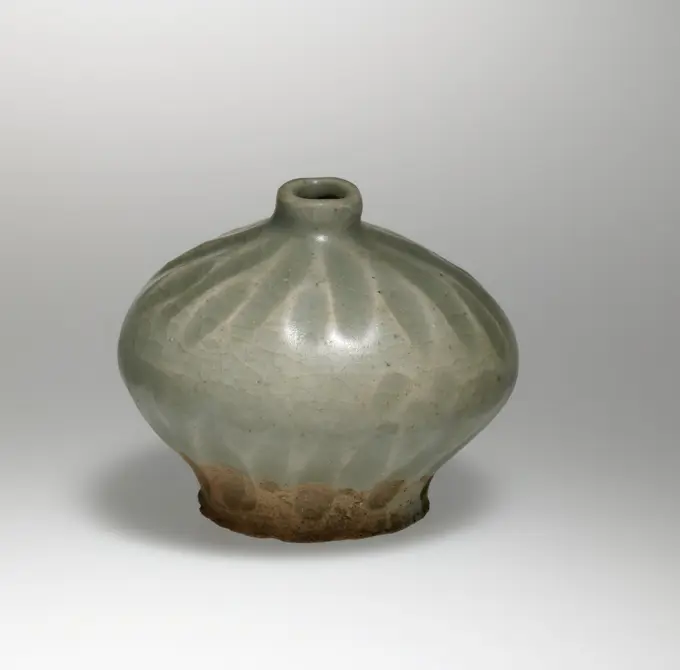
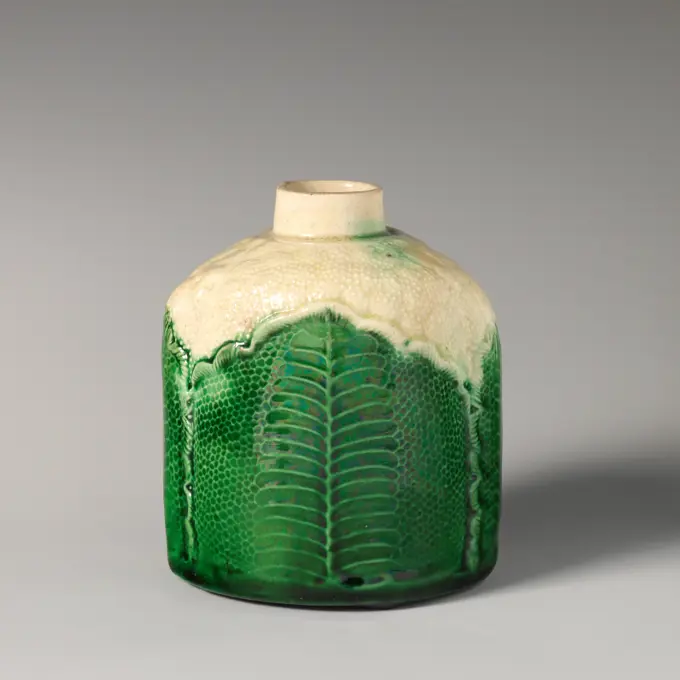
Oil jar, 1st century BCE - 1st century CE, 2 7/16 x 2 3/4 x 2 3/4 in. (6.19 x 6.99 x 6.99 cm), Glazed ceramic, Thailand, 1st century BCE - 1st century CE
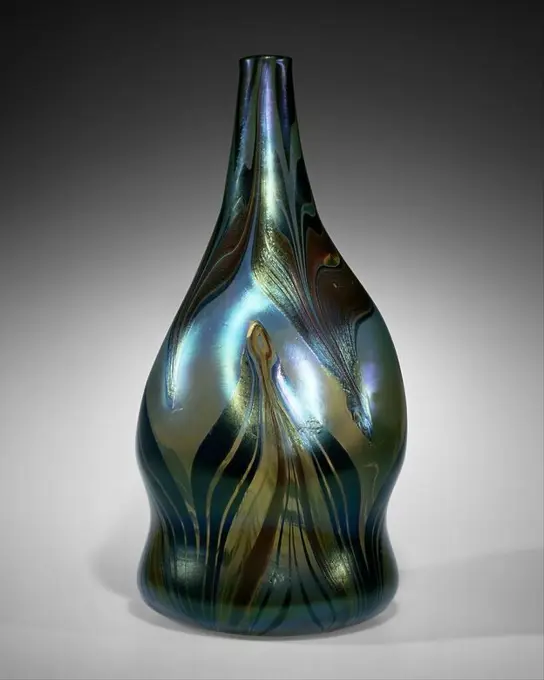
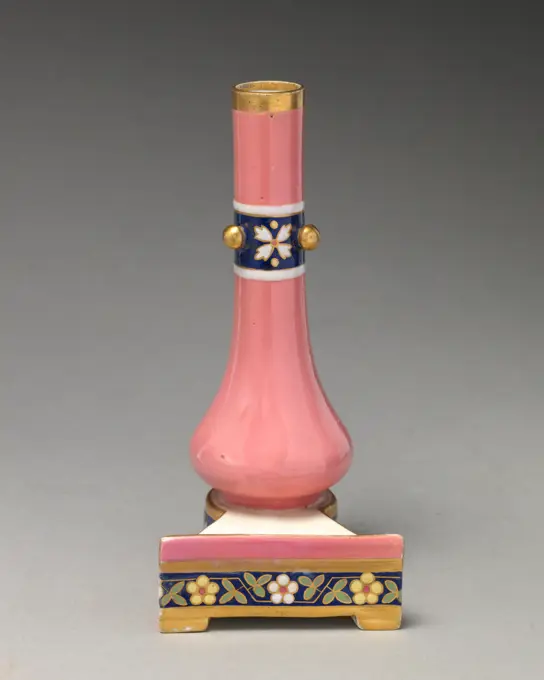
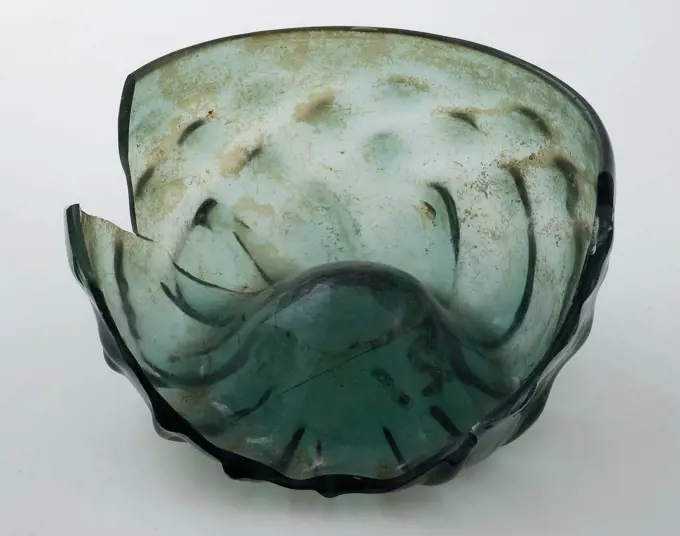
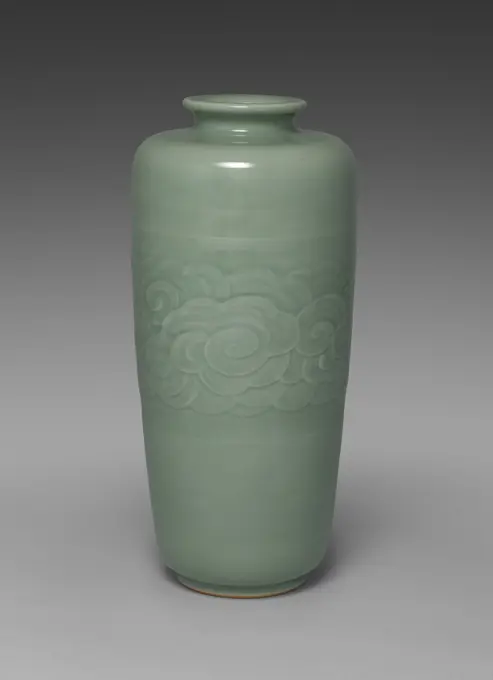
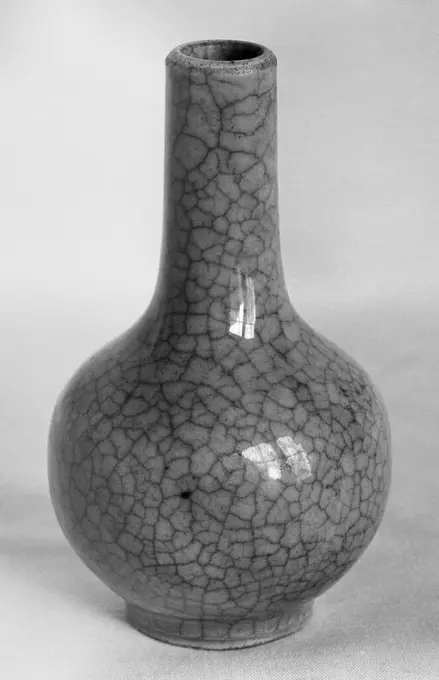
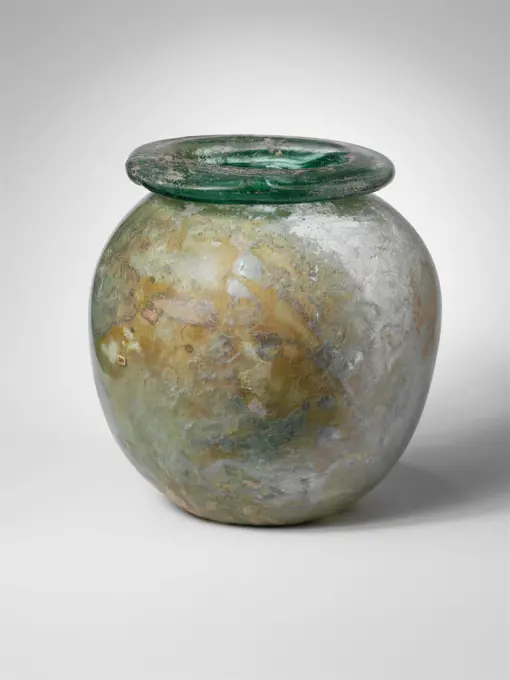
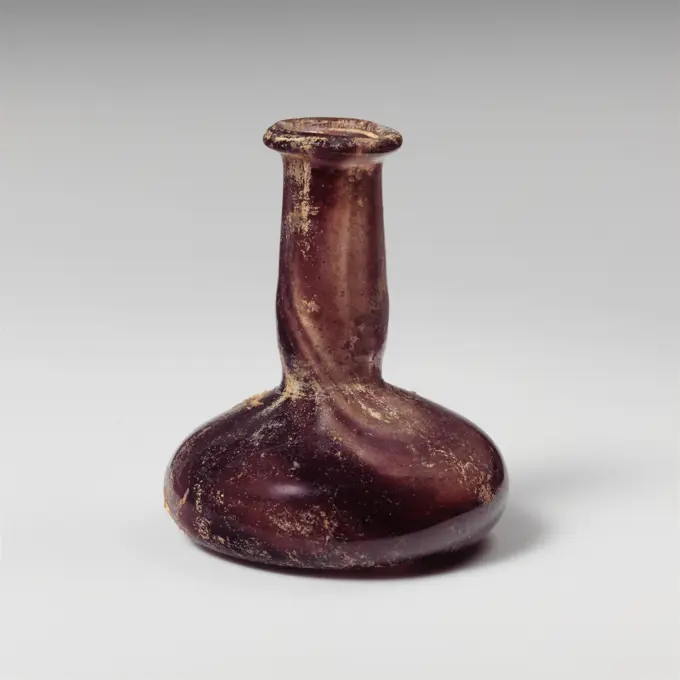
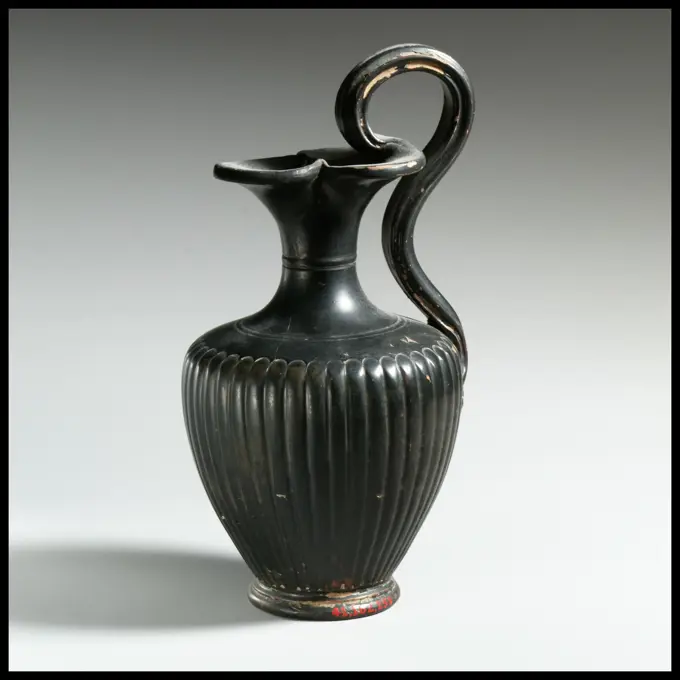
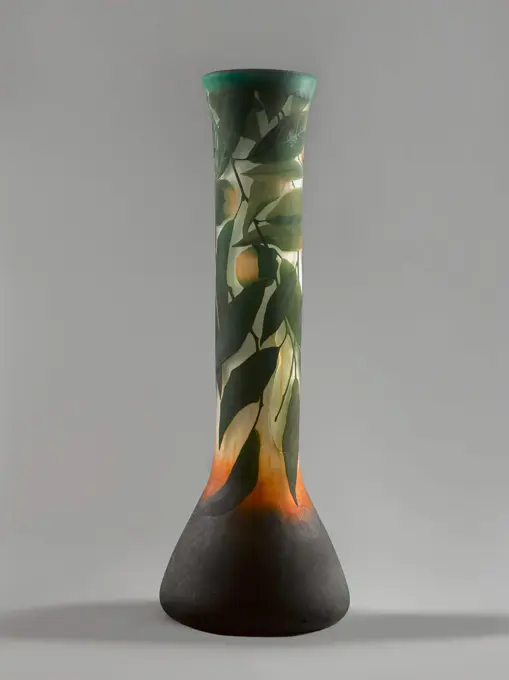
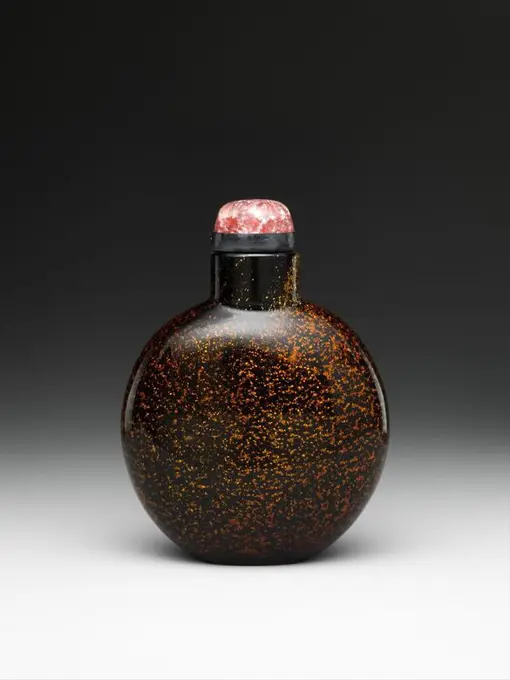
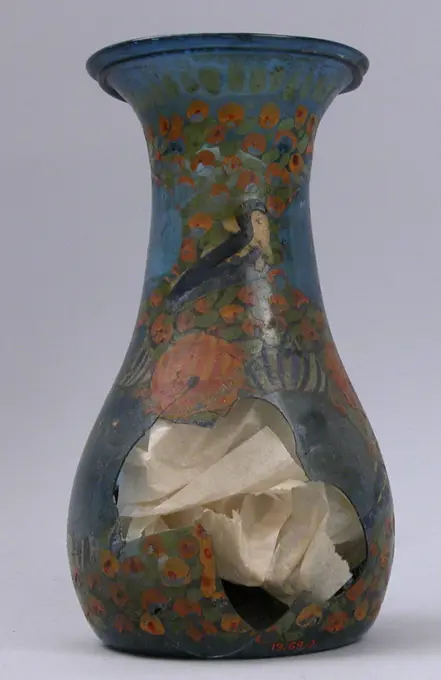
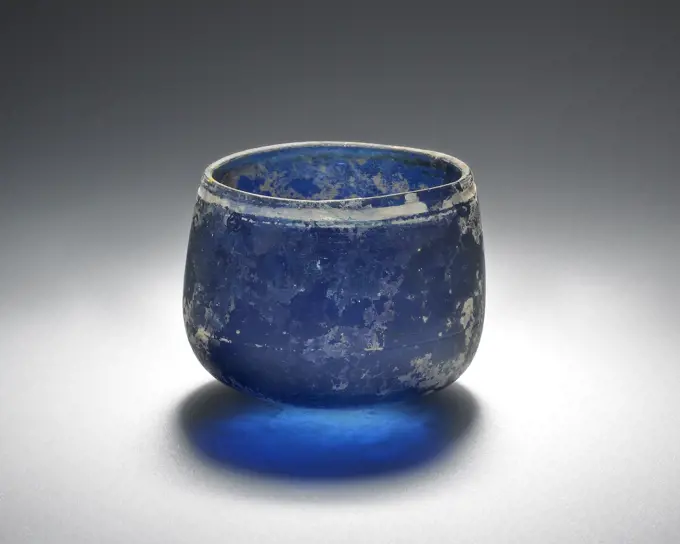
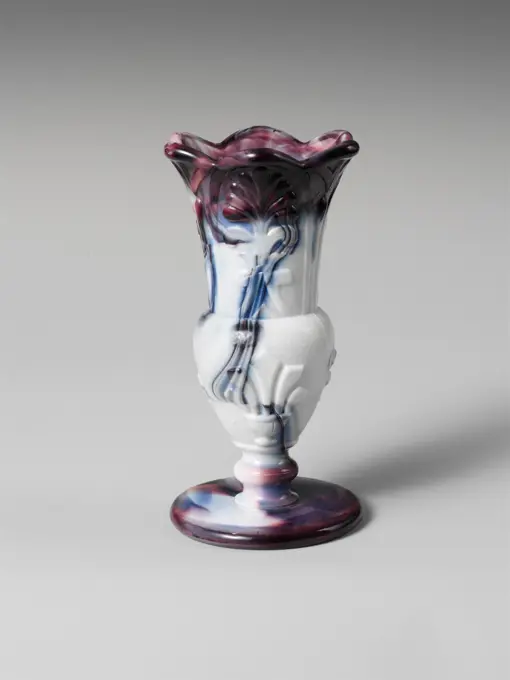
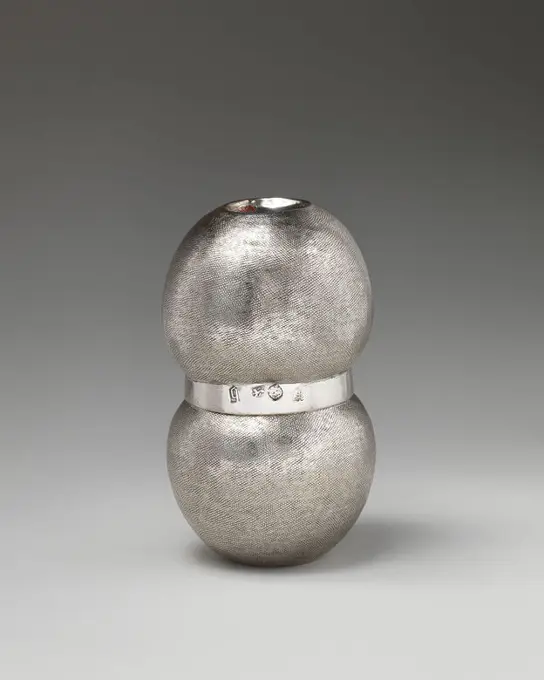
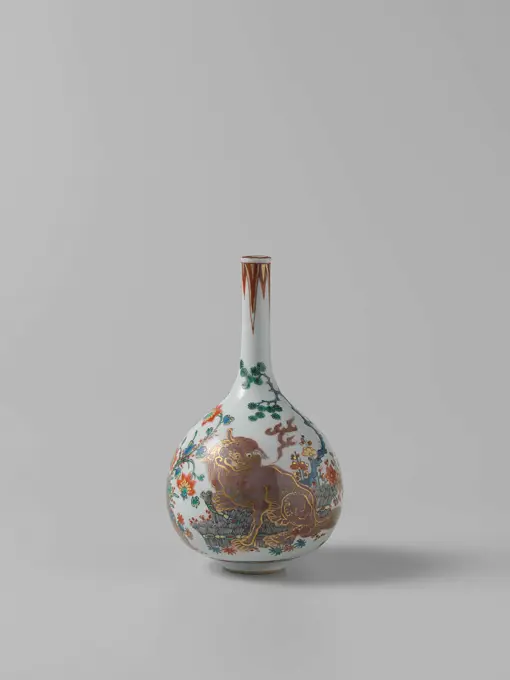
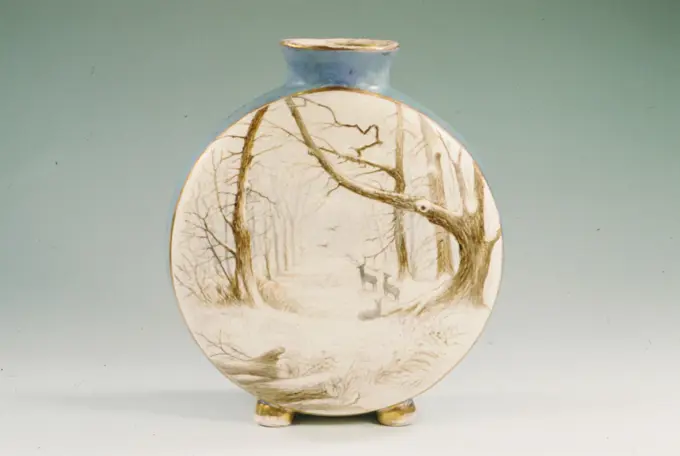
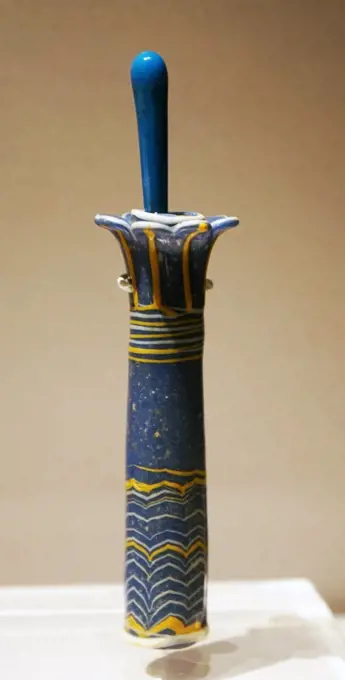
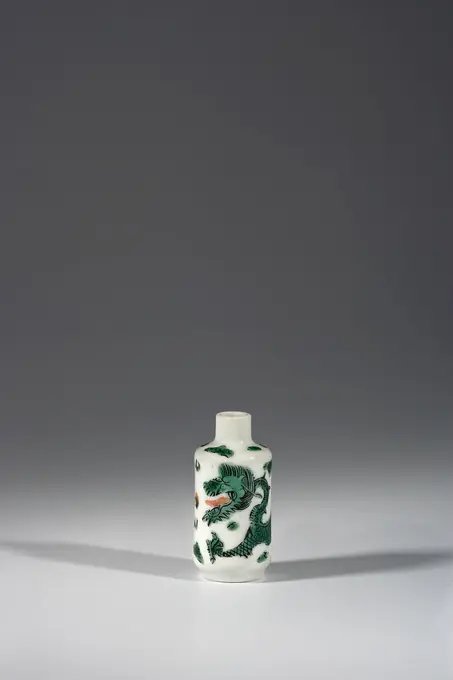
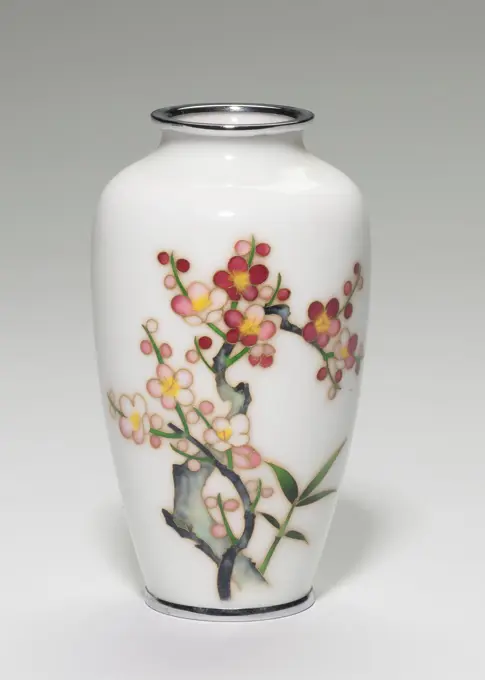
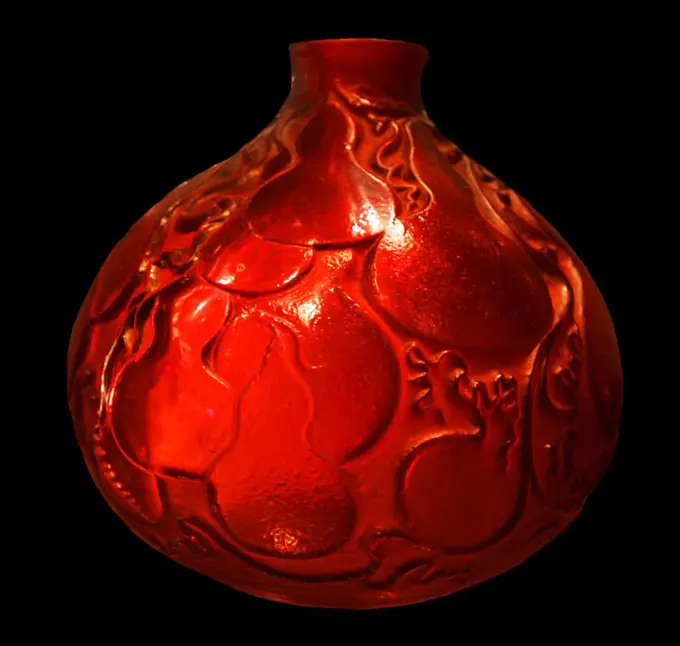
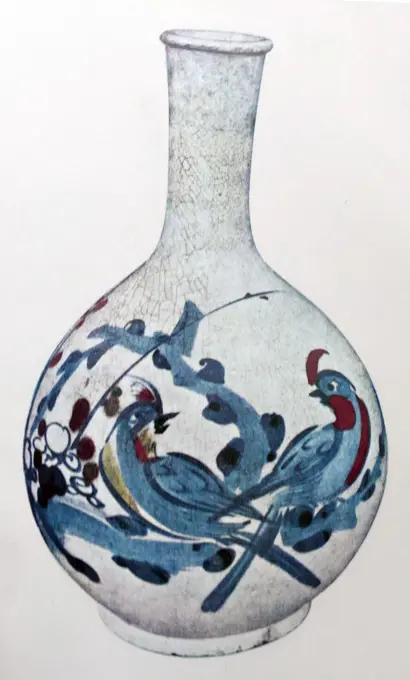
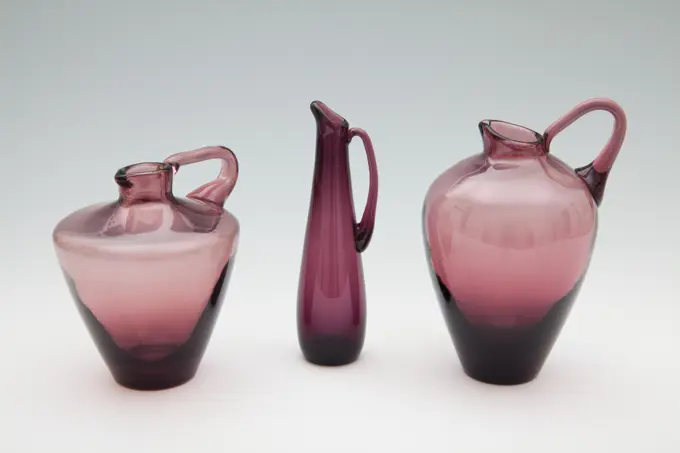
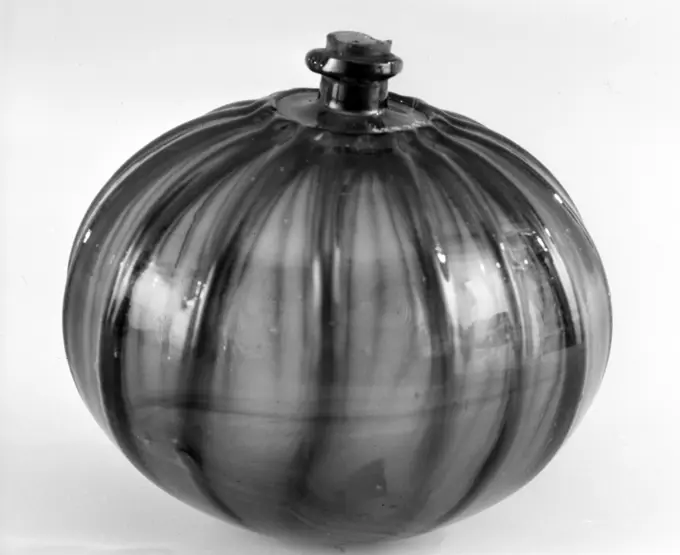
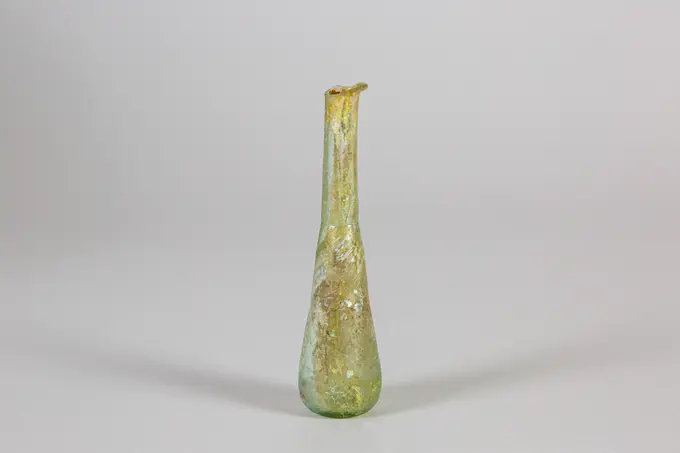
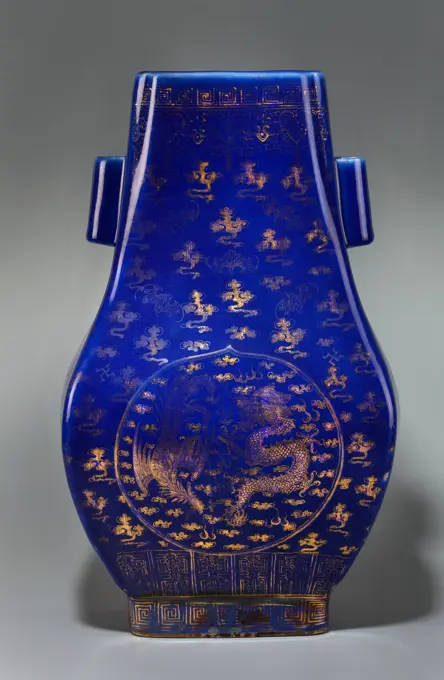
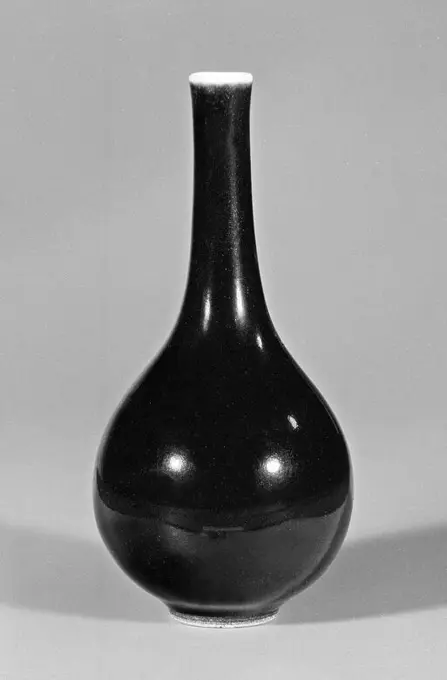
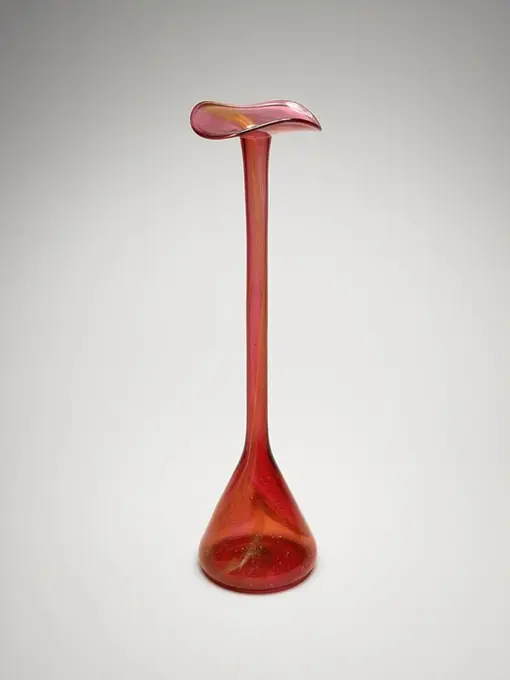
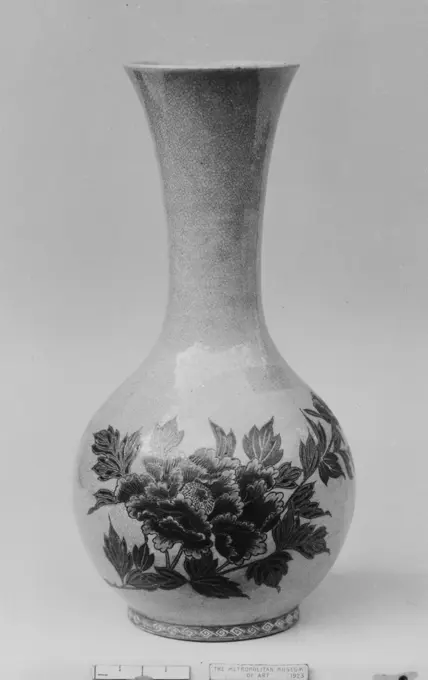
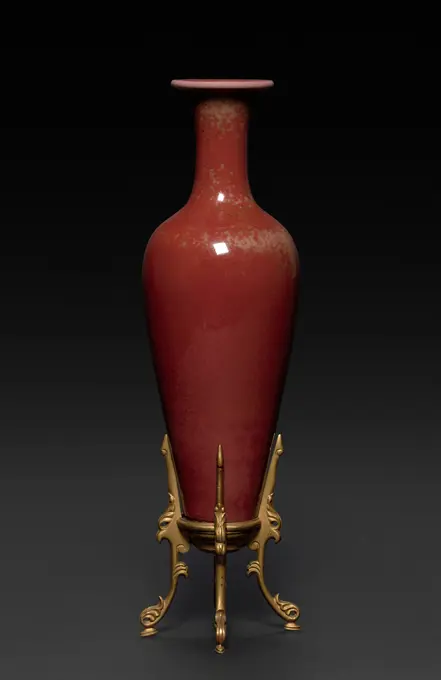
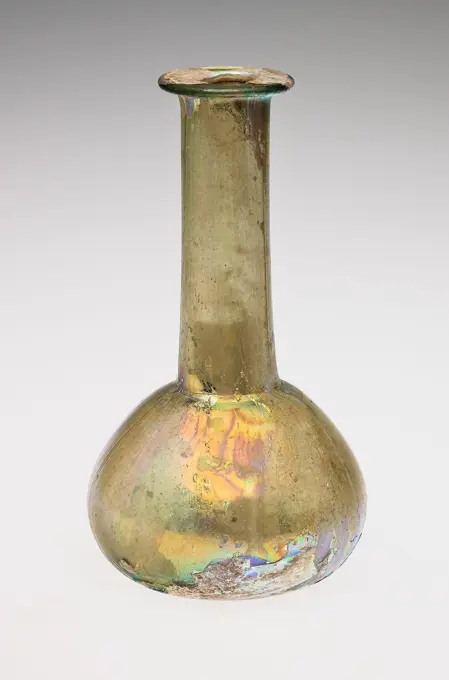
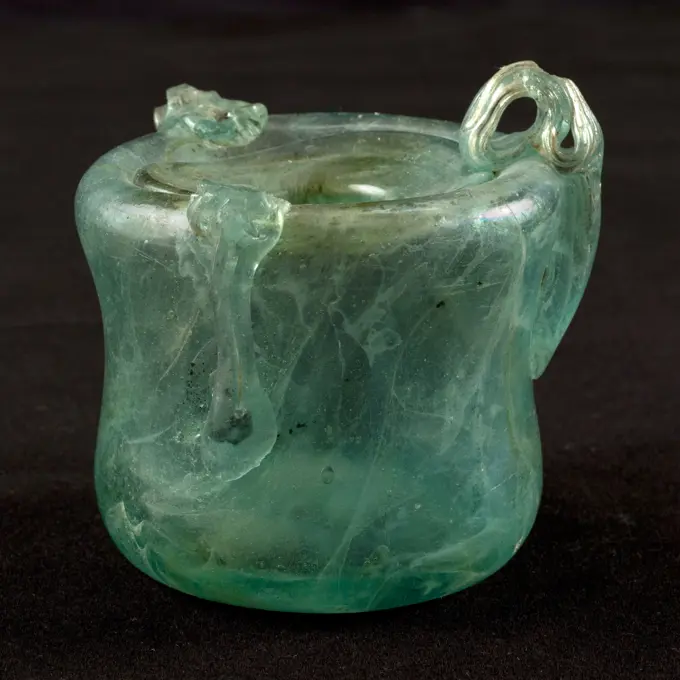
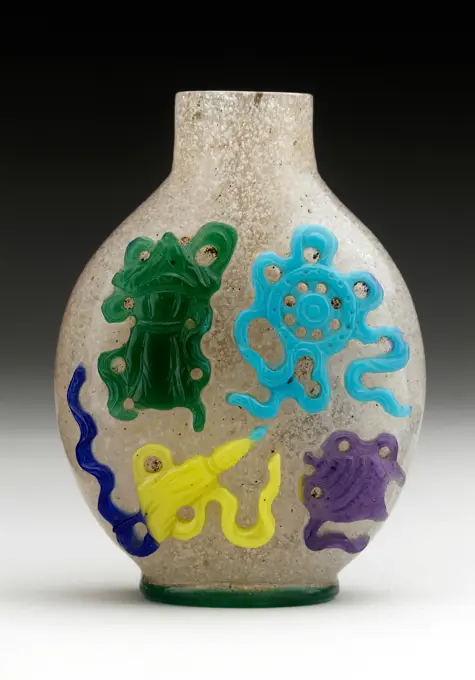
Mouthpiece for a Hookah. India, Mughal empire, circa 1675-1700. Tools and Equipment; hookahs. White nephrite jade inlaid with diamonds, rubies, and emeralds set in goldVase. Culture: American. Designer: Designed by Louis Comfort Tiffany (American, New York 1848-1933 New York). Dimensions: H. 16 3/4 in. (42.5 cm). Maker: Tiffany Glass and Decorating Company (American, 1892-1902). Date: 1893-94.This object forms part of a group of over forty given to the Museum in 1896 by Louisine and Henry Osborne Havemeyer (96.17.9-.56). The gift was the first American glass to enter the Museum's collection. Most likely prompted by Louis Comfort Tiffany, the Havemeyers presented their collection of Tiffany Favrile glass to the Museum only three years after Tiffany started making decorative blown-glass vessels. The shapes, colors, and finishes of Tiffany's vases and plaques were inspired by the natural world and ancient glass. Museum: Metropolitan Museum of Art, New York, USA.Caddy and Cover, 1925. In shape no. 362. High-fired, non-vitreous ceramic with a flambe glaze. Leadless sang-de-boeuf beef blood glaze with spots of green.. Maker: Ruskin Pottery,. Designer: William Howson Taylor (d. 1935).. In 1898, William Howson Taylor's father, Edward Richard Taylor, the Principal at the Birmingham School of Art, founded The Ruskin Pottery, named after the artist John Ruskin whose teachings and philosophy Taylor so admired. William took over the pottery in 1912. The company experimented with glazes, producing results that were quite different from anything seen before. The recipes for the glazes were kept secret, and when William Howson Taylor died in 1935 the recipes went to the grave with him.Bottle vase 18th century China. Bottle vase. China. 18th century. Porcelain with copper red glaze (Jingdezhen ware). Qing dynasty (1644-1911). CeramicsDecanter -Snuff Bottle with Stopper China. Snuff Bottle with Stopper. China. Ivory, glass. Qing dynasty (1644-1911), Qianlong period (1736-95) or earlier. Snuff BottlesPlace card holder (one of a pair) ca. or after 1872 Minton(s) Minton was the most important ceramics factory during the Victorian period and began exhibiting products at the first Great Exhibition of 1851. Founded in 1793 by Thomas Minton at Stoke-on-Trent, the firm initially specialized in transferware pottery before expanding under the ownership of Thomass son Herbert Minton, beginning in 1836. Under the ownership of Colin Minton Campbell, who succeeded his uncle in 1858, the factory became recognized as a specialist producer of Aesthetics movement porcelain, which were inspired by a rich array of exotic and eclectic decorative motifs. Listen to experts illuminate this artwork's story Listen Play or pause #418. Christopher Dresser and the Birth of Industrial Design Supported by Bloomberg Philanthropies We're sorry, the transcript for this audio track is not available at this time. We are working to make it available as soon as possible.. Place card holder (one of a pair). British, SSnuff Bottle. Culture: China. Dimensions: H. 2 1/8 in. (5.4 cm).Painting inside snuff bottles was a novel development in the nineteenth century. With an angled bamboo pen, the artist worked through the narrow opening of a bottle's mouth to paint pictures or write calligraphy on its interior walls. Museum: Metropolitan Museum of Art, New York, USA.Fragment of low drinking glass with crossed rib pattern, maigelein, maigelein drinking glass drinking utensils tableware holder soil find glass of wood glass, in form blown glass application Fragment of low drinking glass maigelein in clear green glass (forest glass). Stuffed bottom with pontilemark and star pattern of twelve ridges continuous over wall. Wall decorated with crossed ribbed pattern that extends up to about 1.5 cm from annealed edge Minimal archeology iris serving drinking wineSeif Yohei III (1851-1914) was a son of the Maruyama school painter Okada Ryhei (dates unknown). Though he studied painting, he ultimately succeeded his ceramics mentor, Seif Yohei II (1845-1878), in Kyoto. He distinguished himself as a remarkable porcelain artist, taking Qing dynasty Chinese wares as his inspiration. He experimented widely with new glazing techniques. In 1893, he became the first ceramicist to be appointed as an Imperial Household Artist under a system introduced by the Japanese government in 1890. He produced many works for use in Chinese-style tea gatherings called sencha. Tong-shaped Vase with Band of Cloud, 1893-97. Seifū Yohei III (Japanese, 1851-1914). Porcelain with molded and carved design and green glaze; height: 26.7 cm (10 1/2 in.); diameter: 11.4 cm (4 1/2 in.); height with stand: 29.8 cm (11 3/4 in.).Vase. Culture: American. Dimensions: H. 5 5/8 in. (14.3 cm); Diam. 5 in. (12.7 cm). Manufacturer: Manufactured by Gates Potteries (Teco Pottery) (ca.1890-ca.1927). Date: ca. 1901-22. Museum: Metropolitan Museum of Art, New York, USA.Maker Unknown, Salt, c. 1790-c. 1820, cobalt blue glass.Miniature Bottle. Culture: China. Dimensions: H. 3 1/2 in. (8.9 cm); Diam. of rim 5/8 in. (1.6 cm); Diam. 2 1/8 in. (5.4 cm); Diam. of foot 1 1/8 in. (2.9 cm). Museum: Metropolitan Museum of Art, New York, USA.Glass jar mid-1st-2nd century A.D. Roman Translucent blue green.Thick horizontal rim, with rounded tubular edge, folded out, down, in, and down again, forming collar around neck, unevenly tooled and set at an angle to ovoid body; concave bottom.Intact, but some small internal cracks; many bubbles, some black streaky impurities in rim; faint iridescent weathering on exterior, limy encrustation and thick, creamy brown weathering on interior. Sealed inside the tubular rim is visible a quantity of liquid, probably water, that seeped in when the jar was buried.. Glass jar 245164Melkkan, Frederik Sleuman (Attributes to), 1772 Pear -shaped milk jug on three high legs, which ends in a button. The upper edge of the KAN is serrated. The handle is S-shaped. The KAN is marked: stk. = Amsterdam, Jrl. = N (1772), Mt. = Attributed to Frederik Sleumer and an ax. Amsterdam silver (metal) Pear -shaped milk jug on three high legs, which ends in a button. The upper edge of the KAN is serrated. The handle is S-shaped. The KAN is marked: stk. = Amsterdam, Jrl. = N (1772), Mt. = Attributed to Frederik Sleumer and an ax. Amsterdam silver (metal)Glass perfume bottle 1st-2nd century A.D. Roman Colorless with many translucent purple streaks.Rim folded out, over, and in, with uneven, beveled upper lip; cylindrical neck but slightly bulging and tooled in around base; low, bulbous body; flattened bottom.Intact; pinprick bubbles; some iridescent weathering on exterior, soil encrustation of interior.. Glass perfume bottle 244580Inkwell 1 CE-99 CE Roman Empire. Glass, blown technique . Ancient RomanMeiping vase with dragons late 18th-early 19th century China. Meiping vase with dragons. China. late 18th-early 19th century. Porcelain with white decoration reserved on a crackled blue ground (Jingdezhen ware). Qing dynasty (1644-1911). CeramicsAlabastron; Eastern Mediterranean; 6th - 4th century B.C; Glass and bronze; 9.4 cm (3 11,16 in.)Jug c 1815-1830 Ohio. Blown glass . Zanesville Glass WorksFlask c 1860-1875 Pittsburgh. Glass . Artist unknownTerracotta oinochoe (jug) 4th-3rd century B.C. Attributed to the Group of Vienna O.565 Mask at base of handle.. Terracotta oinochoe (jug) 254424 : Attributed to the Group of Vienna O.565, Terracotta oinochoe (jug), 4th3rd century B.C., Terracotta, H. of body 5 11/16 in. (14.5 cm); H. with handle 7 1/16 in. (18 cm). The Metropolitan Museum of Art, New York. Rogers Fund, 1941 (41.162.253)Water Pot 18th century China. Water Pot 50910Plique-a-jour Ovoid vase, 20th century, Inaba Studios; Maker: Inaba Studios, Japanese, 3 1/2 x 3 1/8 in. (8.9 x 7.94 cm), Cloisonné enamel, silver, Japan, 20th centuryWazonik. unknown, craftsmanSeif Yohei III (1851-1914) was a son of the Maruyama school painter Okada Ryhei (dates unknown). Though he studied painting, he ultimately succeeded his ceramics mentor, Seif Yohei II (1845-1878), in Kyoto. He distinguished himself as a remarkable porcelain artist, taking Qing dynasty Chinese wares as his inspiration. He experimented widely with new glazing techniques. In 1893, he became the first ceramicist to be appointed as an Imperial Household Artist under a system introduced by the Japanese government in 1890. He produced many works for use in Chinese-style tea gatherings called sencha. Tong-Shaped Vase with Flowers and Grasses, 1914-46. Seifū Yohei IV (Japanese, 1872-1951). Porcelain with molded and carved design and green glaze; height: 31.5 cm (12 3/8 in.); diameter: 12 cm (4 3/4 in.).Tea caddy ca. 1755-70 British, Staffordshire. Tea caddy. British, Staffordshire. ca. 1755-70. Lead-glazed earthenware (creamware). Ceramics-PotteryLidded Jar with sprig design, early 20th century, Unknown Korean, 9 1/8 × 9 3/8 × 9 1/4 in. (23.18 × 23.81 × 23.5 cm), Porcelain with cobalt-blue design under clear glaze, Korea, 20th centuryMiniature meiping vase 18th century China. Miniature meiping vase. China. 18th century. Porcelain with crackled green glaze (Jingdezhen ware). Qing dynasty (1644-1911). CeramicsThumb glass. Thumb glass with inserted bottom on smooth stand ring. Body barrel-shaped with over the middle thumb holes between two pinched and ribbed wiresVase 1835-50 American. Vase 9215Vase China. Vase 46137Pear-shaped bottle vase with a crackled glaze. Bottle-shaped vase of porcelain with pear-shaped body and thickening in the neck, covered with a translucent white glaze. Cracked glaze. Old label on the bottom with 'B. 206A '. White porcelain, monochromes.fine arts, China, stoneware, spherical vase, Song Dynasty (960 - 1379), private collection,Vase. Daum Freres, glassmaking companyVase with lions first half of the 19th century China. Vase with lions. China. first half of the 19th century. Porcelain with incised decoration under polychrome glazes (Jingdezhen ware). Qing dynasty (1644-1911). CeramicsVase; unpredictable Lona Manufaktura; 19th/20th century (1890-00-00-1910-00-00);Far Eastern decorations, message (provenance), secession (style), infiltrate enamelSnuff Bottle. Culture: China. Dimensions: H. 2 5/8 in. (6.7 cm); H. incl. stand 3 1/4 in. (8.3 cm); W. 2 7/8 in. (7.3 cm); D. 1 in. (2.5 cm). Date: 19th century.Aventurine glass, which was made by dissolving copper particles into the molten glass, was invented by the Venetian glass makers of Murano. It was introduced to China during the Kangxi reign (1662-1722) and immediately caught the imagination of the Qing court. These prized bottles were made by the Imperial Workshop and given as gifts or rewards. Museum: Metropolitan Museum of Art, New York, USA.PitcherCDK unknownVase probably 18th-19th century. Vase. probably 18th-19th century. Painted glass. Attributed to Iran. GlassBeaker; Eastern Mediterranean; first half of 1st century; Glass; 6 x 6.3 cm (2 3,8 x 2 1,2 in.). Pottery vase, baluster-shaped with small raised neck and thickened mouth edge. The front is painted with two donated deer in brown with very stylized antlers in black. The shoulder and neck decorated with geometric tires in yellow, black and green. To design by Bert Nienhuis. Partially scratched away. Still readable: monogram va; Infrosted model no. 249. Note: Cracks at the bottom right of main decor and on the back; Crack in mouth edge.Vase 1880-90. Vase. 1880-90. Pressed purple marble glass. Made in EnglandDouble-handled Vase (USA); Company: Biloxi Art Pottery (United States); Ceramist: George E. Ohr (American, 1857-1918); glazed earthenwareDouble cup. Culture: British, London. Dimensions: Height: 5 1/4 in. (13.3 cm). Maker: Thomas Cory (British, active 1655-89). Date: 1685/86. Museum: Metropolitan Museum of Art, New York, USA.Beaker first half 16th century German. Beaker 466670Beaker. UnknownBottle Vase With Three Shishi, Flowering Plants and Brushwood Fencences. Bottle-shaped vase of porcelain with a spherical body and narrow, long neck, painted in underglaze red and on the glaze blue, red, green, yellow, black and gold. In China on the abdomen painted in underglaze red with three shishi (lion dog). In Europe therefrom painted in email colors with pine, prunus and other flowering plants in assembled hedges and insects. Pointy leaf motifs on the edge and neck. Around the foot a bond with flower drinks. Marked on the underside with four imitation Chinese characters. Memorated copper red in Europe decorated with email colors.Pilgrim Vase ca. 1880-89 Jersey City Pottery. Pilgrim Vase. American. ca. 1880-89. Painted and glazed earthenware. Made in Jersey City, New Jersey, United StatesKhol tube from Ancient Egypt. Dated 14th Century BCSnuff bottle - mei ping" vase. unknown, craftsmanVase, 20th century, Unknown Japanese, 6-1/8 x 3-7/16 x 3-7/16 in. (15.6 x 8.7 x 8.7 cm), Cloisonné enamel, Japan, 20th centuryRed glass 'Gourds' vase (1914-1947). France, workshop of Rene Lalique. The vase was pressed hot into a reusable metal mould. The red colour was created by adding gold chloride to the molten glass.Glass cup. Culture: Roman. Dimensions: Height: 2 5/8 (6.7 cm)Diameter: 3 1/2 x 2 15/16 in. (8.9 x 7.5 cm). Date: 2nd-3rd century A.D..Colorless with blue green tinge.Knocked-off, uneven rim; slightly bulging collar below rim; sides expanding downward, then angled in to join convex bottom, flattened at center.Band of two faint wheel-cut lines on body above angle.Intact; some bubbles; dulling, deep pitting, and brilliant iridescent weathering. Museum: Metropolitan Museum of Art, New York, USA.Lidded Container 1850-1900 South Africa. The use of this container with its graceful ovoid form and incised linear pattern is unclear. It may have served as a prestige object for a high-ranking member of societyófor instance, providing a place to store tobacco in honor of guests and ancestors on festive and ritual occasions. Recent scholarship suggests that it may have been made explicitly for sale to a foreign client, tourist, or resident.. Wood . Northern NguniA bottle with birds and tree design in underglaze blue and cinnabar. From the time of Joseon kingdom (1392 - 1910)Three jugs W Cewicz, Janina, Economic Huta ZawiercieVase with Plum Blossoms China 18th century The vase is shaped in an elongated version of the meiping that was often used at Dehua and other kilns in the eighteenth and nineteenth centuries. It is decorated with raised designs on the neck and on the body. A series of clouds or ruyi on the neck are used to enhance the lip and the mouth. Two lions heads decorate the vase as well as two scenes showing blossoming plums and birds. There are no marks or inscriptions on the vase. View more. Vase with Plum Blossoms. China. 18th century. Porcelain (Dehua ware). Qing dynasty (1644-1911). CeramicsVase. Culture: China. Dimensions: H. 16 in. (40.6 cm). Museum: Metropolitan Museum of Art, New York, USA.Vase And Stand; eggshell porcelain; (Vase) H x diam.: 7 x 5 cm (2 3/4 x 1 15/16 in.) (Stand) H x diam.: 2.1 x 3.2 cm (13/16 x 1 1/4 in.)Vase. .Mei Ping, 1662-1722, H.6-6/8 in., Porcelain, China, 17th-18th centuryFlask probably late 17th century French, Nevers. Flask. French, Nevers. probably late 17th century. Glass. GlassCovered SugarBowlGlass perfume bottle Roman late 1st-3rd century CE Translucent blue-green.Everted rim, folded over and in; cylindrical neck with horizontal tooled indent around base; tall, slender conical body; slightly concave bottom.Broken around top of neck with only a quarter of rim remaining; many bubbles and blowing striations; deep pitting and iridescence on exterior, some thick creamy brown weathering and brilliant iridescence on interior. View more. Glass perfume bottle. Roman. late 1st-3rd century CE. Glass; blown. Imperial. GlassBottle for a water pipe (huqqa) late 17th-early 18th century China. Bottle for a water pipe (huqqa). China. late 17th-early 18th century. Porcelain painted in underglaze cobalt blue, with brown glaze (Jingdezhen ware). Qing dynasty (1644-1911), Kangxi period (1662-1722). CeramicsHU" quadrilateral vase;  2. PO. 18th century (1736-00-00-1796-00-00);Qing (style), ceramics, Chinese (culture), Phoenixes (iconogr.), Hu, bats (iconogr.), Colorful porcelain, dragons (iconogr.), Chinese art, vasesVase. Culture: China. Dimensions: H. 4 3/4 in. (12.1 cm); Diam. 2 1/4 in. (5.7 cm). Museum: Metropolitan Museum of Art, New York, USA.Clutha Vase. Designed by Christopher Dresser; English, born Scotland, 1834-1904; Made by James Couper & Sons; Glasgow, 1850-1922. Date: 1890-1900. Dimensions: 42.8 × 11.1 cm (16 7/8 × 4 3/8 in.). Blown glass. Origin: Glasgow. Museum: The Chicago Art Institute, Chicago, USA.Candlestick of silver with trunk in the form of a winding tree trunk with three winding branches with oval leaves and candle holder in flower crown., Jan Kemaer (Possible), 1784 Silver candlestick. A winding tree trunk rises from a leaf rosette, which divides into three winding branches with oval leaves. The candle holder is caught in a flower crown. Dordrecht silver (metal) Silver candlestick. A winding tree trunk rises from a leaf rosette, which divides into three winding branches with oval leaves. The candle holder is caught in a flower crown. Dordrecht silver (metal)Vase 1820 Japan. Vase. Japan. 1820. Faience decorated with colored enamels (Satsuma ware). Edo period (1615-1868). CeramicsPitcher, 19th century, 9 1/4 x 5 1/2 x 4 1/2in. (23.5 x 14 x 11.4cm), Pewter, England, 19th centuryBottle with Peach Bloom Glaze, 1662-1722. China, Qing dynasty (1644-1911), Kangxi reign (1661-1722). Porcelain; overall: 14.6 cm (5 3/4 in.).Bottle 101 CE-300 CE Roman Empire. Glass, core-formed technique . Ancient RomanPale Green Pitcher with blue trail and handle; Eastern Mediterranean; 4th - 5th century; Glass; 10.5 x 5.2 cm (4 1,8 x 2 1,16 in.)Flask. Culture: American. Dimensions: H. 5 1/4 in. (13.3 cm). Date: 1770-1880. Museum: Metropolitan Museum of Art, New York, USA.Inkwell. Gallo-Roman. Glass. Paris, Carnavalet museum. Inkwell, Gallo-Roman, Gallo-Roman, glass, archeological vestigeGabbro mace head ca. 2500-1900 B.C. Cypriot Spherical with a hole through the center.. Gabbro mace head. Cypriot. ca. 2500-1900 B.C.. Gabbro. Early Bronze Age. Miscellaneous-StoneSprinkler. Dimensions: H. 12 7/8 in.. Date: 19th century.Like most Qajar-period glass vessels, this sprinkler is monochromatic with an elegant profile. The surface of the rounded body is ornamented with eight, goffered applications of glass trails. This bulbous shape with a very high, narrow neck, was one of the most common forms in late-medieval Persian glass. The small tapered mouth was used to sprinkle fragrant water infused with rose petals and other perfumes. Museum: Metropolitan Museum of Art, New York, USA.Cantaro, siglo XIX. Museu Català de les Arts i Tradicions Populars.Vase Vase; Designed by Christian Johannes van der Hoef (Dutch, 1875 - 1933); Netherlands; earthenware; 17.8 x 12.4 x 10 cm (7 x 4 7/8 x 3 15/16 in.)Snuff bottle. unknown, craftsmanSnuff Bottle And Stopper (China); glass, ivory, cork; 6.3 x 4.5 x 1.9 cm (2 1/2 x 1 3/4 x 3/4 in. ); 1980-9-3-a,bSnuff Bottle (Biyanhu) with Eight Buddhist Emblems (Bajixiang). China, Chinese, Qing dynasty, Qianlong period, 1736-1795. Tools and Equipment; bottles. Seven-color overlay glass with carved decorationVase, from 'Fennia' series, c. 1902, Arabia Porcelain Factory, Helsinki, Finland; Designer: Attributed to Gesellius, Lindgren, and Saarinen, Finnish, 1874-present, 14 1/2 x 6 1/2 in. (36.8 x 16.51 cm), Ceramic, glaze, Finland, 19th-20th century, Until the 1890s, Finland's Arabia porcelain company (founded in 1873 by the Swedish company Rörstrand to facilitate trade with Russia) largely mimicked the styles of Swedish domestic wares. The Fennia series, produced from 1902 until the early 1920s, demonstrates the development of a distinctive national style and a move beyond utilitarian wares as the firm expanded its production both nationally and internationally.Bottle with pear-shaped body. Pear-shaped body, changing in a low neck. Wide, shell-shaped mouth with a thick edge.Kendi with flower sprays and a landscape with rocks and plants, anonymous, c. 1600 - c. 1699 Kendi of porcelain with a pear -shaped body, flared neck, flat edge and convex spout with a narrow opening, painted in underly glaze blue. On the belly a landscape with rocks and plants. The shoulder with a decorative tire. The neck is divided into courses with flower areas and dots and stripes. Two tendrils on the edge. The spout is divided into four courses with a lucky symbol. A chip in the edge, cracked glaze. Arita, Blauw-Wit. Japan porcelain. glaze. cobalt (mineral) painting / vitrification Kendi of porcelain with a pear -shaped body, flared neck, flat edge and convex spout with a narrow opening, painted in underly glaze blue. On the belly a landscape with rocks and plants. The shoulder with a decorative tire. The neck is divided into courses with flower areas and dots and stripes. Two tendrils on the edge. The spout is divided into four courses with a lucky symbol. A chip in the edge, crToiletbottleWineglass late 18th century Italian, Venice (Murano) or Bohemian. Wineglass. Italian, Venice (Murano) or Bohemian. late 18th century. Glass. GlassSnuff Bottle China. Snuff Bottle. China. Porcelain. Qing dynasty (1644-1911), Qianlong period (1736-95). Snuff BottlesEar Plug. UnknownCast Pendant. UnknownGlass alabastron (perfume bottle) late 4th-early 3rd century B.C. Eastern Mediterranean or Italian Translucent cobalt blue, with handles in same color; trails in opaque yellow and opaque white.Broad slightly uneven rim-disk, made as a spiral coil around top of neck; cylindrical neck, tapering downwards; angular shoulder; straight-sided cylindrical body, with slight upward taper; convex bottom; on upper body, two vertical ring handles, applied over trail pattern, one slightly higher than the other.A yellow trail attached at edge of rim-disk; on body, alternating bands of yellow and white, tooled from top of body to undercurve at bottom into a widely spaced festoon pattern in nine vertical panels with fourteen upward strokes, forming round loops at top.Broken and repaired, with about one third of rim-disk missing, and small holes and chips in body; many white inclusions; some trails completely weathered, leaving hollow lines in body; slight dulling, faint iridescent weathering, and some Vase (China); Made by Unknown (Chinese); glazed hard-paste porcelainCanBottle 1 CE-300 CE Syria. Glass, blown technique . Ancient RomanFlask, c. 1835. America, South Jersey Type, 19th century. Glass; overall: 17.2 x 2 cm (6 3/4 x 13/16 in.); base: 3.2 x 5.1 cm (1 1/4 x 2 in.).Snuff Bottle, 1850-1925, 3 3/4 x 2 3/8in. (9.5 x 6cm), Glass, China, Qing dynastyHexagonalJug