Artistic Glass Vases

A collection of artistic vases featuring various techniques such as iridescence, vibrant colors, and unique designs from different periods and cultures.
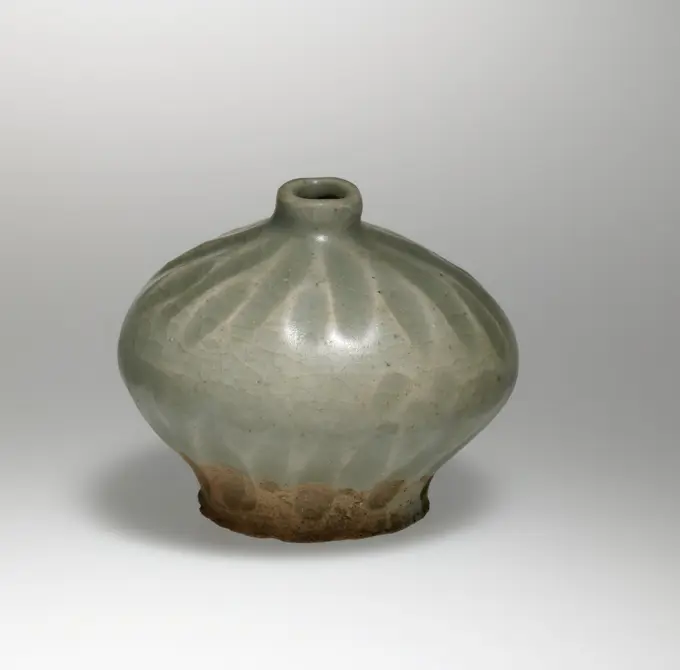
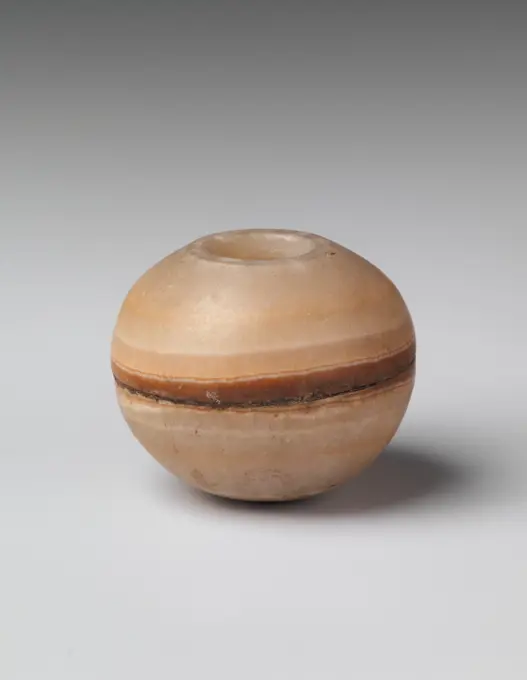
Oil jar, 1st century BCE - 1st century CE, 2 7/16 x 2 3/4 x 2 3/4 in. (6.19 x 6.99 x 6.99 cm), Glazed ceramic, Thailand, 1st century BCE - 1st century CE
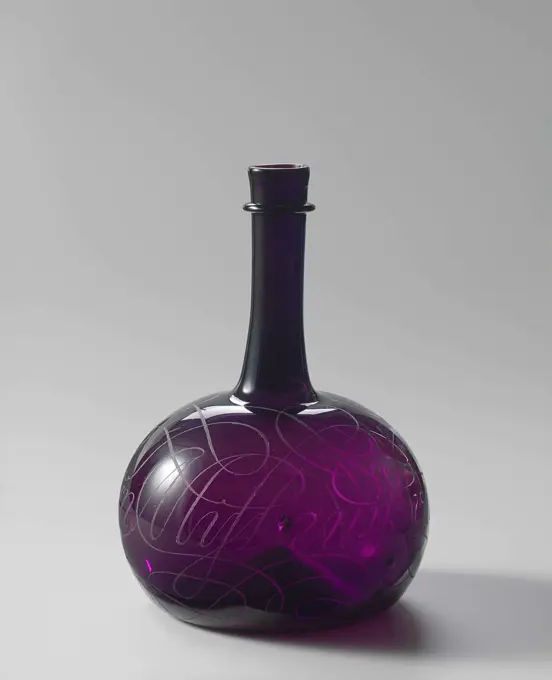
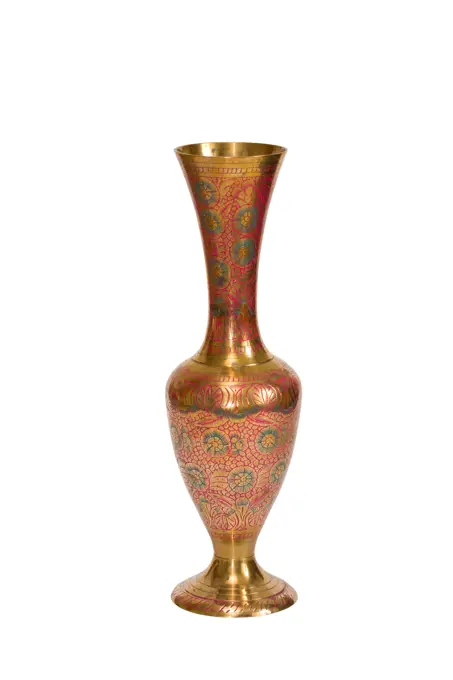
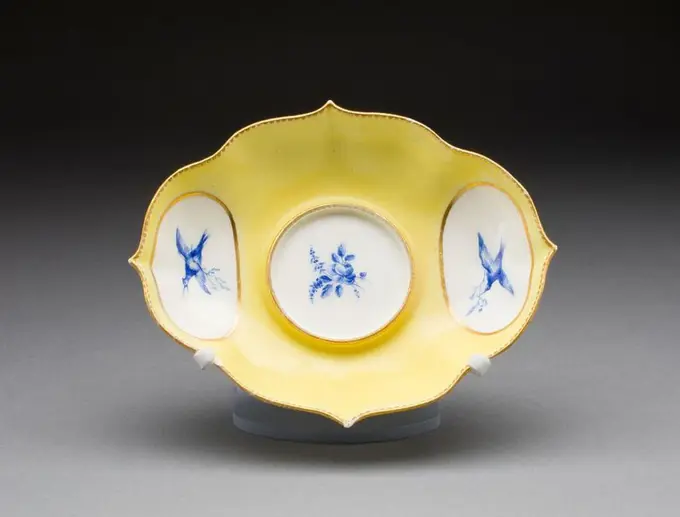
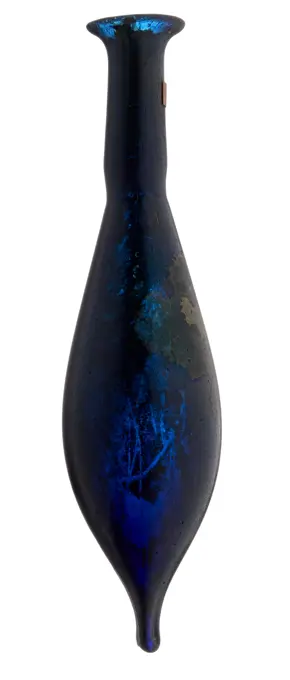
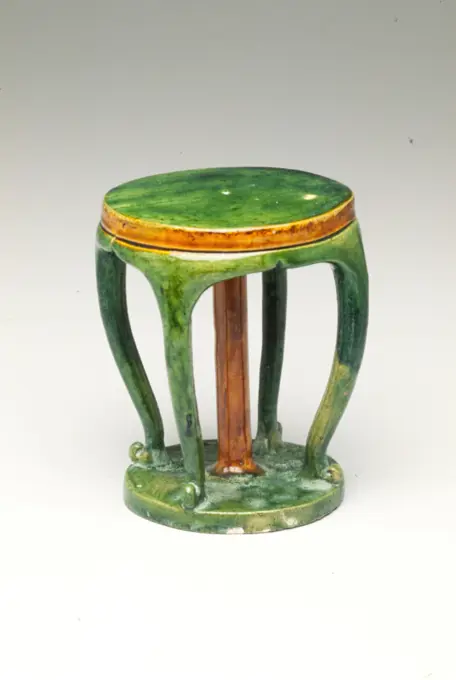
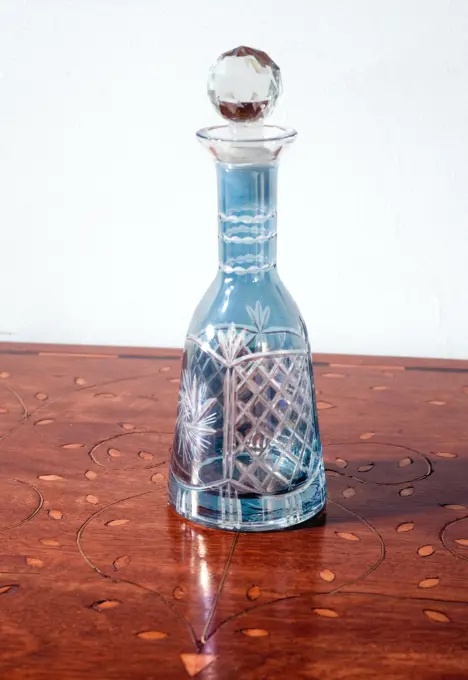
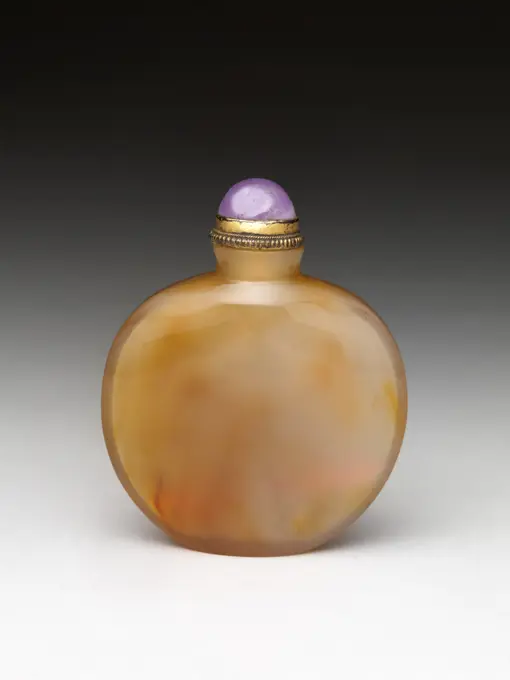
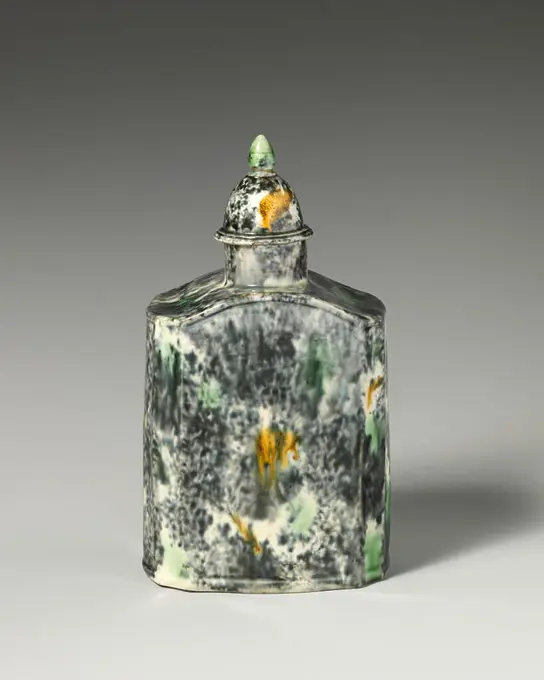
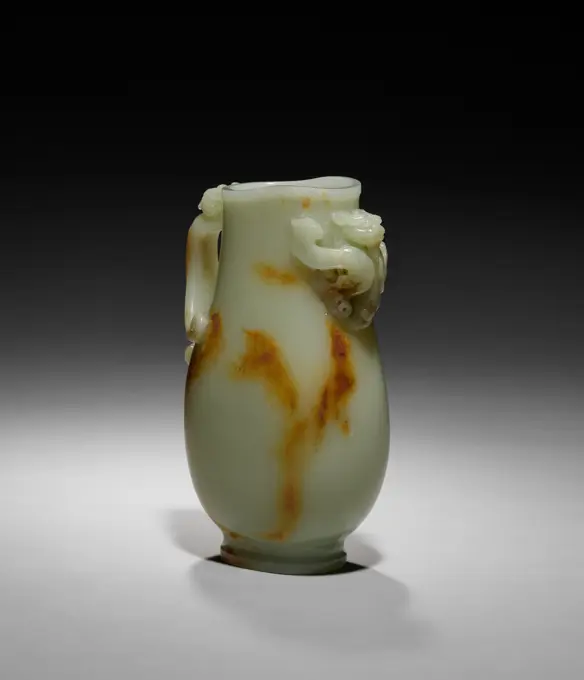
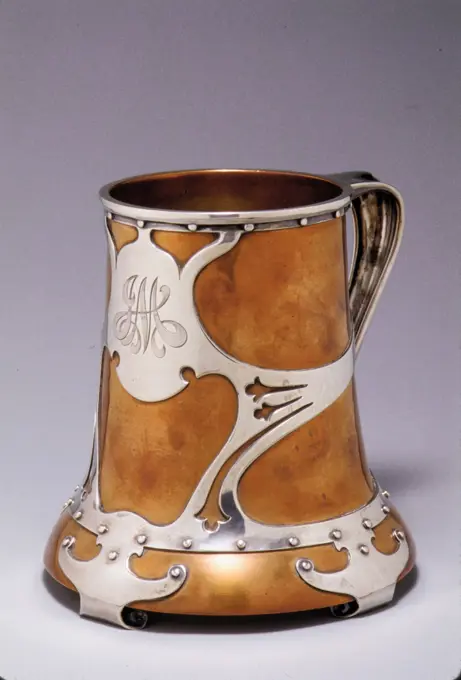
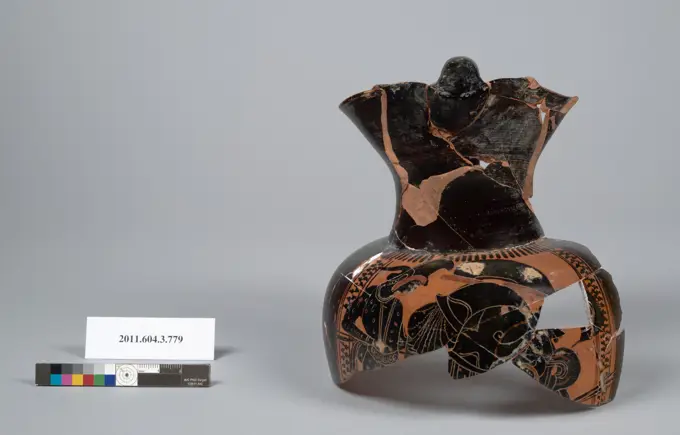
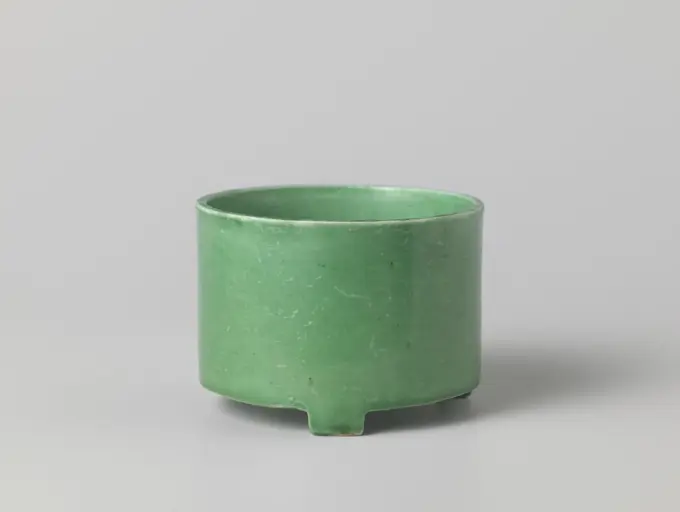
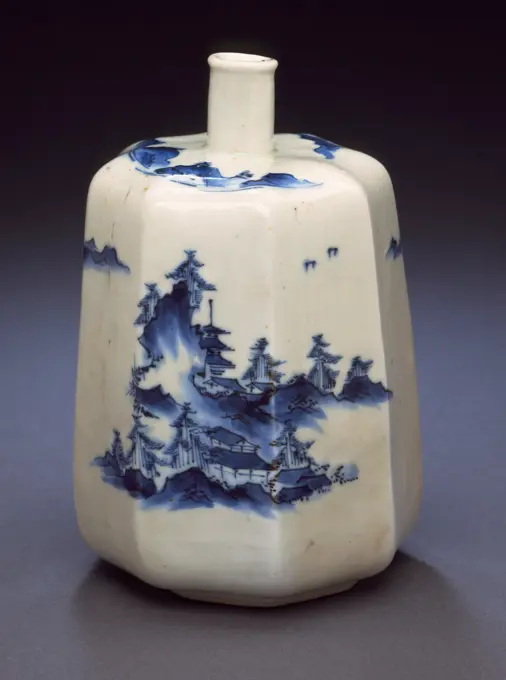
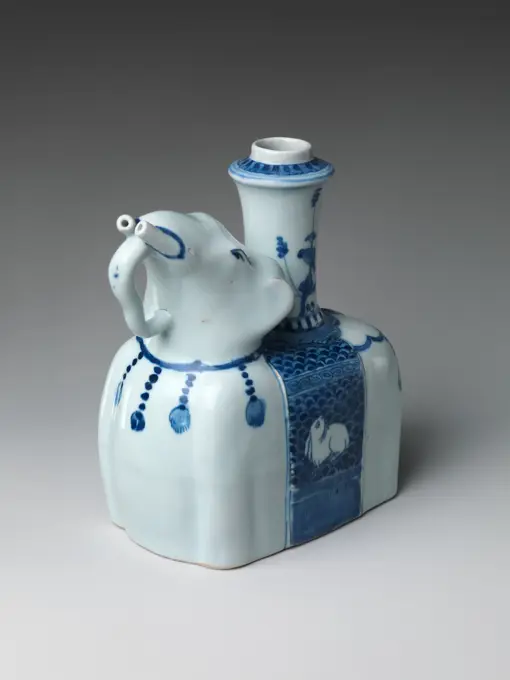
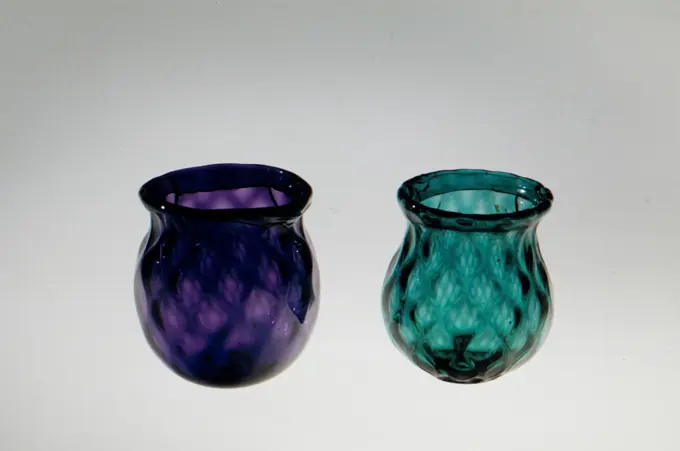
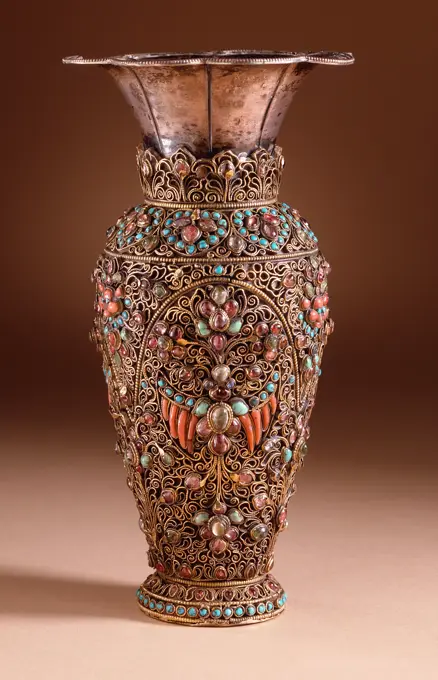
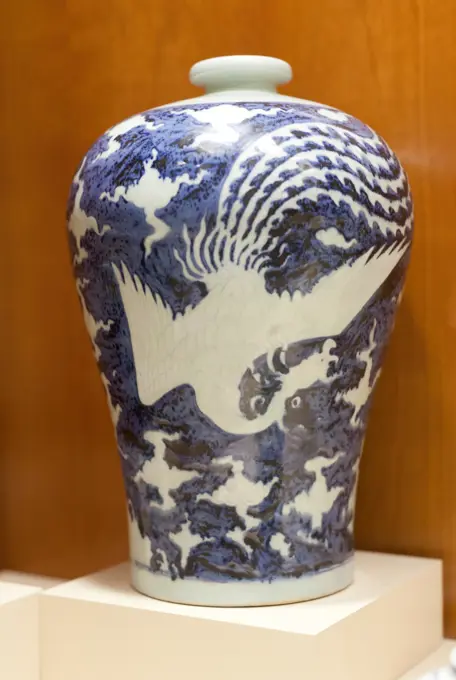
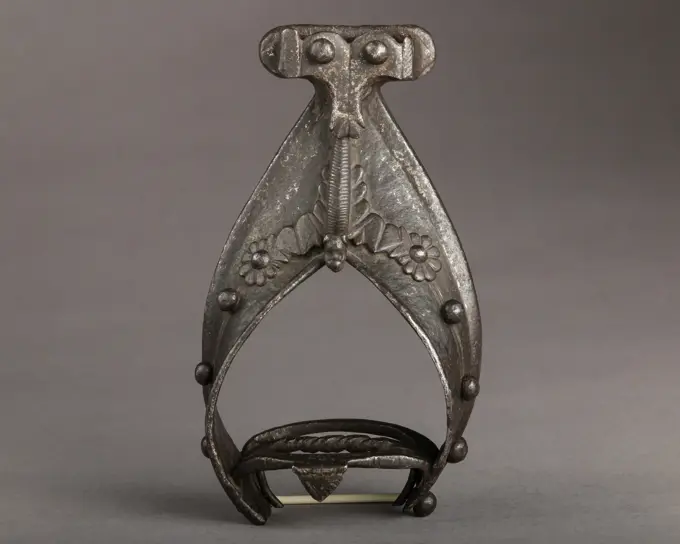
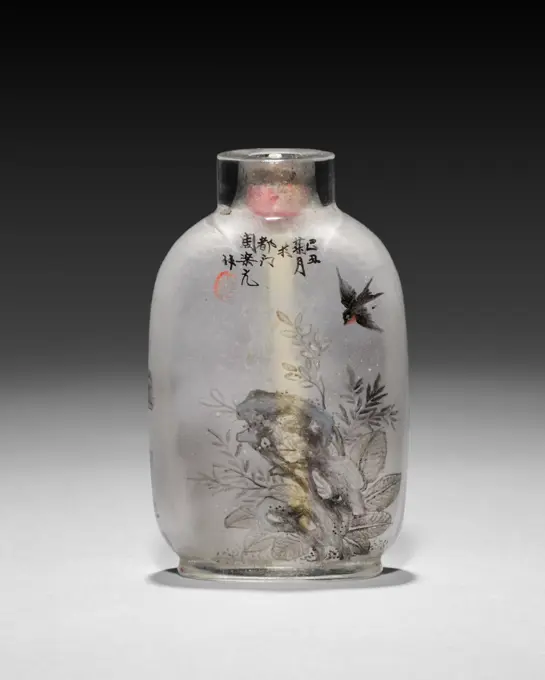
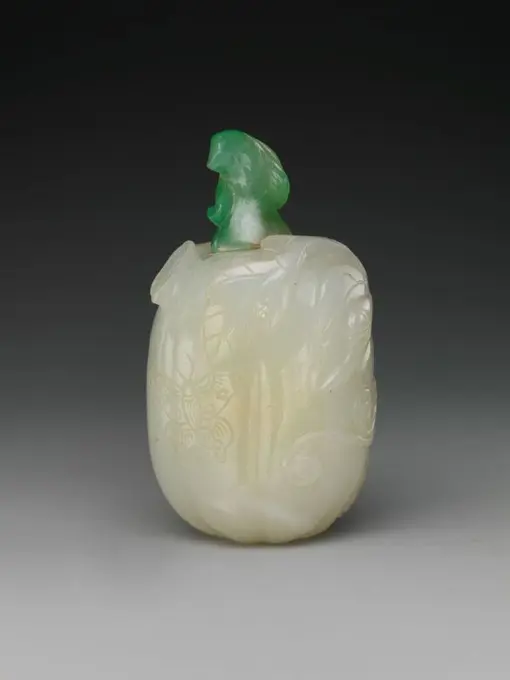
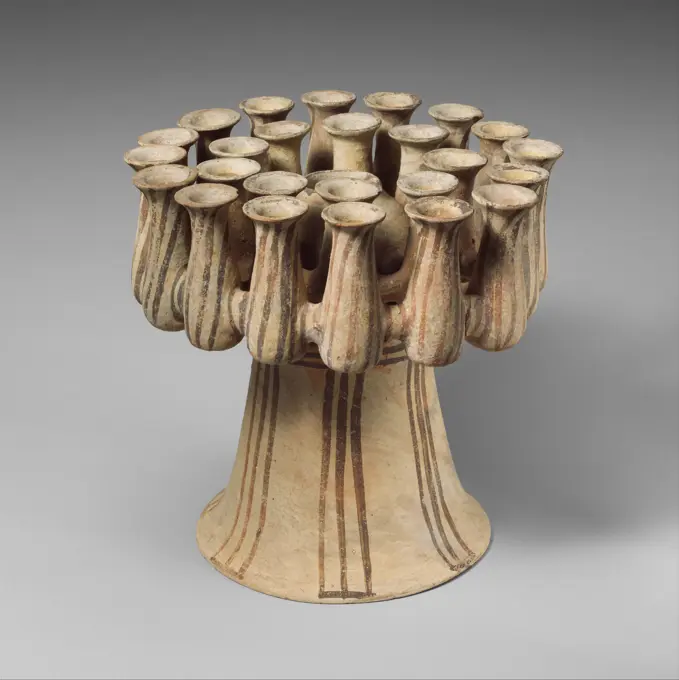
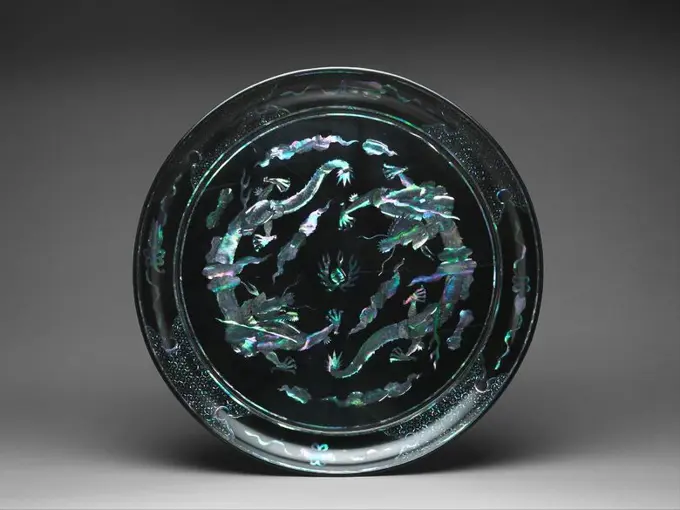
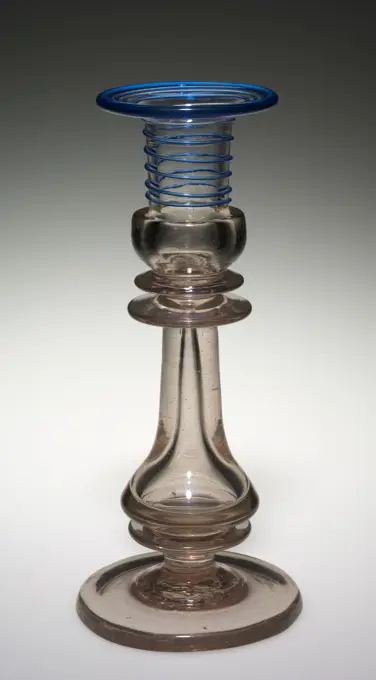
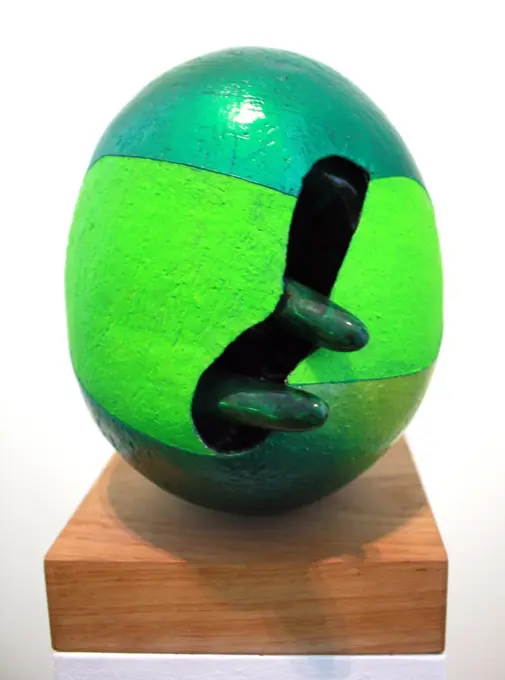
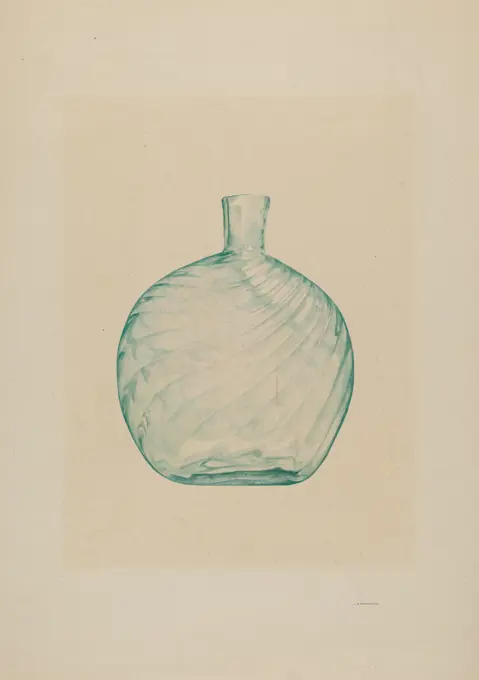
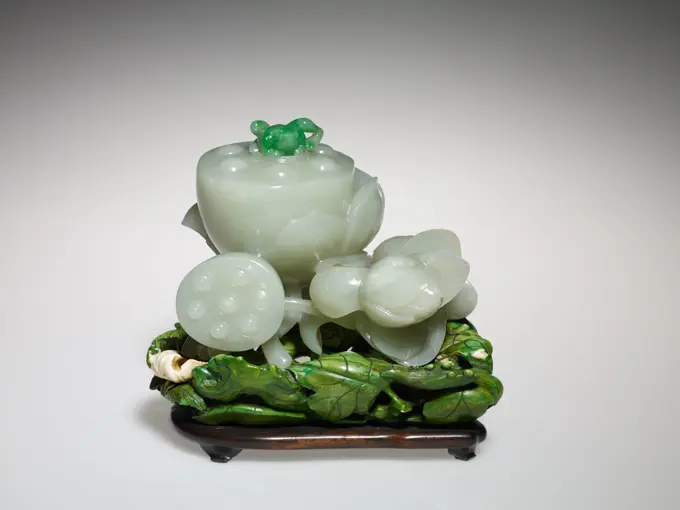
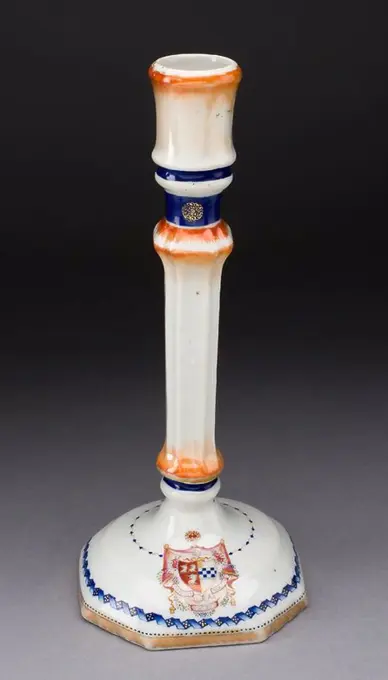
Bottle. Culture: China. Dimensions: H. 17 in. (43.2 cm). Museum: Metropolitan Museum of Art, New York, USA.Globular belly jug, glass jugs and bottles from the 1st-3rd century, Museo Archeologico Concordiese with finds from the Roman period, medieval old town, Portogruaro, Veneto, Friuli, Italy, Portogruaro, Veneto, Italy, EuropeFlaskBOTIJA EN BARRO - S XX CERAMICA POPULAR -. Location: ALFARERIA. LEBRIJA. Seville. SPAIN.CupBottle. The inscription on this rare purple bottle translates as: Too much wine withal, is to the soul like gall’.Stamped brass vase isolated on white backgroundStand for a Mustard Pot. Vincennes Porcelain Manufactory; French, founded 1740 (known as Sevres from 1756); Painted by André-Vincent Vielliard (French, 1717-90, active 1752-90). Date: 1751-1752. Dimensions: 3.6 x 13.7 x 17.4 cm (1 3/8 x 5 3/8 x 6 13/16 in.). Soft-paste porcelain, yellow ground, monochrome blue enamel, and gilding. Origin: Vincennes. Museum: The Chicago Art Institute, Chicago, USA. Author: Manufacture de porcelaine de Vincennes.Fiolka. warsztat wschodniVase; Kumeno, Teitarô (1865-1939); around 1900-1910 (1900-00-00-1910-00-00);Drum Stool, 14th-17th century, 4 3/4 x 4 in. (12.07 x 10.16 cm), Glazed earthenware, China, 14th-17th centuryBottle vase China 18th centuryCup. Bruckmann & Söhne (Heilbronn ; wytwórnia złotnicza ; 1805-1973), goldsmiths companyPerfume bottle on wooden panel, Jodhpur, Rajasthan, India Copyright: xSafatxAli/DinodiaxPhotoxSnuff Bottle late 18th century China. Snuff Bottle 41543Georges Despret (1862-1952). Cutting on foot. Glass, glass paste. XIXth-XXth century. Museum of Fine Arts of the City of Paris, Petit Palais. 19th XIXth XIX 19th 19th 19th century, XXth XXth XX 20th 20th 20th centuryToilet jar ca. 1981-1802 B.C. Middle Kingdom-Early New Kingdom. Toilet jar 546936Vase. Gift by Mr Otto Pauly, AumuchingTea caddy with cover. Culture: British, Staffordshire. Dimensions: Height: 6 in. (15.2 cm). Date: ca. 1760. Museum: Metropolitan Museum of Art, New York, USA.Pitcher (Gong) with Dragon and Bird-Headed Handle, 1700s. China, Qing dynasty (1644-1911). Pale greenish-white jade with brown markings; overall: 25.4 cm (10 in.).Cylinder; indefinite steelworks; 1720-1730 (1720-00-00-1730-00-00);Lubomirski (family), gift (provenance), symbolic scenesSixth pitcher;  1st century (1-00-00-100-00-00);Vase, 1661-1722. China, Jiangxi province, Jingdezhen kilns, Qing dynasty (1644-1911), Kangxi reign (1661-1722). Porcelain with underglaze blue decoration; diameter of mouth: 53 x 23.9 cm (20 7/8 x 9 7/16 in.).Gourd-shaped bottle 18th century China. Gourd-shaped bottle 46815Tankard 1900-1915 Attributed to Thomas G. Brown and Sons. Tankard 14431Plate: Blue Lace and Jewelled Medallion, 1900s. Mary Adelaide Andrews (American, 1884-1962). Ceramic; diameter: 32.3 cm (12 11/16 in.).Souvenir of Józef Czapski  VaseJARRA DEL ESTUDIANTE VIDRIADA Y PINTADA EN NEGRO Y ROJO - SIGLO XX. Location: ALFARERIA. JAEN. SPAIN.Bottle in the Shape of a Date 1 CE-150 CE Syria. Bottles in the shape of dates are commonly preserved in the yellow-brown color of the fruit itself. Vessels like this one served as containers for precious liquids, probably scented oils that were shipped throughout the empire.. Glass, mold-blown technique . Ancient RomanTerracotta fragments of an oinochoe (jug) 510 B.C. Greek, Attic At the shoulder, a band of tongues; inside the panel, head and upper torso of a Scythian, wearing a cap with lappets and a patterned garment, holding spears in his right hand; group of two or three helmeted warriors to right (Ajax and Achilles or the triple bodied Geryon); the panel ornament is comprised of a chain of pomegranates. Terracotta fragments of an oinochoe (jug). Greek, Attic. 510 B.C.. Terracotta; black-figure. Archaic. VasesBead with Animal Mask. China. Date: 1300 BC-1000 BC. Dimensions: H. 4.2 cm (1 5/8 in.); diam. 2.5 cm (1 in.). Jade. Origin: China. Museum: The Chicago Art Institute, Chicago, USA.Watercolor vase. Pottery. Old clay, pot, vintage ceramic icon isolated Watercolor vase. Pottery. Old clay, pot, vintage ceramic icon isolated. Copyright: xZoonar.com/LiubovxPonomarchukx 18526669Red ceramic vase closeup on a green mesh canvas. Selective focus.. Red Ceramic Vase CloseupSnuff Bottle, 1644-1911. China, Qing dynasty (1644-1911). Glass; overall: 8.6 cm (3 3/8 in.).Cylindrical incense burner on three legs with a green glaze, anonymous, c. 1650 Cylindrical incense burner of porcelain without a lid, covered with a monochrome green glaze. The pot is on three short legs. Monochrome. China porcelain. glaze vitrification Cylindrical incense burner of porcelain without a lid, covered with a monochrome green glaze. The pot is on three short legs. Monochrome. China porcelain. glaze vitrificationHippopotamus Flask. UnknownAmpułka. warsztat egipski, workshopGlassware. Ewer Glassware. Ewer. Black and white projection plate. 1900-1930. Photograph of Jacques-Ernest Bulloz (1858-1942).Octagonal Sake Bottle with Multi-storied Buildings in a Chinese Landscape. Japan, second half of 18th century. Ceramics. Hirado Mikawachi ware; porcelain with blue underglazeFlask late 18th-early 19th century British, probably Nailsea. Flask. British, probably Nailsea. late 18th-early 19th century. Glass. GlassElephant-Shaped Kendi Drinking Vessel late 16th century China. Elephant-Shaped Kendi Drinking Vessel 65599Bottle 200 BCE-1 BCE Egypt. Glass, core-formed technique . Ancient EgyptianVase. Emile Gallé (French, 1846-1904). Glass;Hanging Light 1780-1825 American. Hanging Light. American. 1780-1825. Blown pattern-molded amethyst glass. Made in United StatesBottle 18th century Japan. Bottle. Japan. 18th century. Pottery decorated with blue under the glaze, crackle (Kyoto ware). Edo period (1615-1868). CeramicsVase. Nepal, 18th century. Furnishings; Accessories. Silver top; brass body inlaid with gemstonesBlue Faience 18th Dynasty vessel found in the Tomb of Tutankhamen. Egyptian, circa 1323 BC. found in Tutankhamen's tomb by English archaeologist and Egyptologist, Howard Carter in 1922. .VASO AZUL - RECIPIENTE DE VINO ENCONTRADO EN UNA TUMBA POMPEYANA - CAPA DE PASTA BLANCA OPACA SOBRE CRISTAL COLOREADO. Location: NATIONAL MUSEUM OF ARCHAEOLOGY. NEAPEL. ITALIA.Dragon and Phoenix Vase (Meiping), c. 1430, 18 x 11 1/2 x 11 1/2 in. (45.72 x 29.21 x 29.21 cm), Porcelain with incised and cobalt blue painted décor under a clear glaze, China, 15th century, The entire body of this extraordinary vessel serves as a ground for a magnificently painted composition dominated by a dragon on one side and a phoenix on the other, each reserved in white, against a blue ground. The features of both creatures are carefully incised as are the white reserve clouds, which appear to drift through a deep blue sky. The artist applied cobalt blue unsparingly. Piled thickly in places, it attains the highly prized, richly mottled effect known as 'heaped and piled.' This occurs through the eruptions of naturally occurring iron-oxide impurities in the cobalt during firing. The vertically placed dragon and phoenix appearing on opposite sides of the vessel are unprecedented and known only in this example.Small vase two passes ". Jade. Dynasty Qing (1644-1911). Paris, Muse Cernuschi. Iconography evokes the song of the phoenix in bamboo  , this consecrated expression is synonymous with peace. Asian art, two passes, Qing dynasty, jade, decorative motif, small vase, stone, bamboo shootBottle with flower vines, shrub branches and serpentinelinten, anonymous, c. 1700 - c. 1800 Flat bottom, rectangular, body blown in the shape with beveled corners, with flower branches stylized in yellow, blue, green, red and black on the front and rear and starter branches and serpentine tones on the sides and the corners. A slender around the shoulder. The mouth caught in a pewter frame with thread. Middle Europe glass. tin (metal) glassblowing Flat bottom, rectangular, body blown in the shape with beveled corners, with flower branches stylized in yellow, blue, green, red and black on the front and rear and starter branches and serpentine tones on the sides and the corners. A slender around the shoulder. The mouth caught in a pewter frame with thread. Middle Europe glass. tin (metal) glassblowingStirrup late 15th century probably Spanish The shape of this stirrup was designed to accommodate the foot of a knight riding a typical late 15th-century saddle, with his straight legs extended under his body, slightly forward, and the feet pointing downward.The top of it is adorned with a dragon with open wings, recalling those forged on late 15th-century Spanish chest locks and door-knockers.. Stirrup. probably Spanish. late 15th century. Iron. Equestrian Equipment-StirrupsSnuff Bottle, 1644-1911. China, Qing dynasty (1644-1911). Glass; overall: 7 cm (2 3/4 in.).Candlestick of porcelain painted with flowers. Candlestick of porcelain. Square shape, with upwardly rejuvenating walls that pass at the top in a wider and round part with opening for the candle. Something excellent mouth edge. Multicolored painted with flowers to long stems with leaves.Vase; about 1915; England; Stourbridge; Stevens & Williams; Cameo glass. Cameo glass is a luxury form of 'art glass' produced by etching and carving through fused layers of different coloured glass.Bent made of butter fleet or terrine in the form of a grape voucher, anonymous, c. 1750 - c. 1775 Bake of butter fleet or Terrine from Faience. Consisting of a container with lid in the shape of a grape voucher, and a subpotel in the shape of a grape leaf. Delft . Bake of butter fleet or Terrine from Faience. Consisting of a container with lid in the shape of a grape voucher, and a subpotel in the shape of a grape leaf. Delft .Stationary horizontal sundial late 18th century probably Northern German. Stationary horizontal sundial. probably Northern German. late 18th century. Brass. HorologySnuff bottle with stopper. Culture: China. Dimensions: H. 2 1/2 in. (6.4 cm); W. 1 1/2 in. (3.8 cm); D. 1 1/4 in. (3.2 cm). Museum: Metropolitan Museum of Art, New York, USA.Copper lacquer Vase by Jean Dunand, a French lacquer, sculptor, dinandier (copper manufacturer) and interior designer. Dated 1935Sake Cups with Dragons, c. 1893-1914. Seifū Yohei III (Japanese, 1851-1914). Set of six sake cups; porcelain with underglaze blue and iron oxide rims; height (each): 5 cm (1 15/16 in.); diameter (each): 4.5 cm (1 3/4 in.).Tumbler. Culture: American. Dimensions: H. 3 3/4 in. (9.5 cm). Maker: Probably Hobbs, Brockunier and Company (1863-1891). Date: after 1886. Museum: Metropolitan Museum of Art, New York, USA.Tumbler. Culture: British. Dimensions: H. 3 9/16 in. (9 cm). Date: ca. 1885. Museum: Metropolitan Museum of Art, New York, USA.Unknown, Jug and Cover, c. 1780, silver.PitcherTerracotta kernos (vase for multiple offerings) ca. 2300-2200 B.C. Cycladic Although the kernos was used in widely disparate regions during the prehistoric period, particularly impressive examples have come to light in the Cyclades, and this is one of the grandest preserved. The receptacles probably contained foodstuffs of various kinds or perhaps of flowers.The kernos was found, together with the jar (2004.363.2) and the jug (2004.363.3) displayed nearby in this gallery, in 1829 in a tomb on Melos by Captain Copeland, a British naval officer. In 1857 his widow gave the objects to Eton College, where they remained until coming to the Metropolitan Museum of Art on loan in 1996.. Terracotta kernos (vase for multiple offerings) 256548Vitreous paste ointment jars, from Ibiza, SpainTray with Pair of Dragons. Culture: Japan (Ryukyu Islands). Dimensions: H. 1/4 in. (0.7 cm); Diam. 26 7/8 in.(69.3 cm). Date: 18th century.Historical records indicate that sets of thirty trays with matching basins were sent to the Qing court in Beijing from the Ryukyu Islands at least three times during the eighteenth century. The two dragons chasing a pearl in the center of this tray have five claws on each foot, which indicates that they are imperial symbols. Large trays such as this remain in imperial collections in China and Taiwan, and it seems likely that they once belonged to the eighteenth-century sets. The dragons and other motifs are rendered with thin pieces of mother-of-pearl chosen for their bright colors. The disjunction between the heads of the dragons and the rest of their bodies is characteristic of Okinawan lacquer. Museum: Metropolitan Museum of Art, New York, USA.Tumbler after 1886 Probably Hobbs, Brockunier and Company. Tumbler 9140Vase with branches Wilderd Wingerd with blue -black berries, Legras & Cie., C. 1900 - c. 1914 Concave, sharpened soil. Rectangular body with light convex front and back. On a matte brown and ivory überfang in high relief, green and brown -melted glass powder a backdrop of branches of wild wingerd with blue -black berries; The veins of the leaves etched with the needle. On the body the signature legras sd. La-Plaine-Saint-Denis glass glassblowing / grinding / etching Concave, sharpened soil. Rectangular body with light convex front and back. On a matte brown and ivory überfang in high relief, green and brown -melted glass powder a backdrop of branches of wild wingerd with blue -black berries; The veins of the leaves etched with the needle. On the body the signature legras sd. La-Plaine-Saint-Denis glass glassblowing / grinding / etchingPot, pear -shaped, with red glaze, Henry Simmen, c. 1925 Pot of stoneware, pear -shaped, covered with red glaze. Ingrift: HSIM.  pot: stoneware. stop: wood (plant material). voet: wood (plant material) vitrification / cutting Pot of stoneware, pear -shaped, covered with red glaze. Ingrift: HSIM.  pot: stoneware. stop: wood (plant material). voet: wood (plant material) vitrification / cuttingTea bus of hard baked earthenware; Whieldon Ware, Cauliflower Ware., Anonymous, c. 1765 - c. 1775 Cylindrical tea lever of hard baked pottery. The bus has a rounded top with a small, cylindrical copper lid. The tea business has the appearance of a cauliflower due to the decoration in relief and the colors green and white. The wall of the bus is lobed. England earthenware. lead glaze Cylindrical tea lever of hard baked pottery. The bus has a rounded top with a small, cylindrical copper lid. The tea business has the appearance of a cauliflower due to the decoration in relief and the colors green and white. The wall of the bus is lobed. England earthenware. lead glazeBreastplate with applied stop-rib ca. 1420-40 Italian This early example of a one-piece breastplate comes from a large horde of armor found in the fortress of the Order of the Knights of Saint John of Jerusalem on the Mediterranean island of Rhodes, which fell to the Ottomans in 1522. The V-shaped stop rib would deflect the points of weapons away from the neck.. Breastplate with applied stop-rib. Italian. ca. 1420-40. Steel. Armor Parts-BreastplatesMaker Unknown, Pair of Candlesticks, 1920s, jade green glass.Old bottle Old bottle for a drugstore or perfumery Copyright: xZoonar.com/ValeryxxSibrikovx 2525106Snuff Bottle with Stopper, 1800s. China, Qing dynasty (1644-1911). Glass; with cover: 9.3 cm (3 11/16 in.).Snuff Bottle, 17th-19th century, 2 3/4 x 1 5/8in. (7 x 4.1cm), Crystal, jade, China, 17th-19th centuryVase with Chrysanthemums. Rookwood Pottery (United States, Ohio, Cincinnati, 1880-1960)Amelia Browne Sprague (United States, 1887-1903). United States, 1899. Furnishings; Accessories. EarthenwareLimbo. Sèvres Porcelain Manufactory (France, Sèvres, established 1756)Auguste Rodin (France, Paris, 1840-1917). circa 1888-1889. Sculpture. Glazed hard-paste porcelain; celadon glazeCandlestick, mid-1800s. America, Pennsylvania, Pittsburgh , mid-19th century. Glass and detachable pewter bobeche; overall: 23.1 x 10.2 cm (9 1/8 x 4 in.).Toilet bottles, 1st century, National Archaeological Museum, Villa Cassis Faraone, UNESCO World Heritage Site, important city in the Roman Empire, Aquileia, Friuli, Italy, Aquileia, Friuli, Italy, EuropeEwer probably 18th-19th century. Ewer 444775Green Egg 1962. The egg shaped forms incorporate brilliant colour combinations. Created with partly glazed and painted earthenware and painted wood.  Kenneth PriceBeaker ca. 1750 Bohemian. Beaker 196025GA Spangenberg, Glass Pocket Flask, c 1938 Glass Pocket FlaskGlass with stainless steel top salt and pepper shakers Copyright: xVirenxDesai/DinodiaxPhotoxHand holding Beautiful sea shell on a white backgroundWater coupe, 18th-19th century, 4 1/2 in. (11.43 cm), White nephrite with green jade, China, 18th-19th century, Important pieces of jade traditionally were fitted with display stands when they were made. Here, realistic lotus blossoms and pods of white jade combine harmoniously with their green, leafy support of carved and tinted ivory. The green jade frog stopper adds a bit of humor to the total composition. The lotus, although long a Buddhist symbol of spiritual purity, is exploited here for its decorative potential. The carving reflects the late eighteenth and nineteenth century aristocratic taste for realistically carved subject matter and pure, bright colors. The combination of jade with other precious material such as ivory, gold or other hardstones became increasingly popular as the nineteenth century progressed and collectors vied to display their wealth.Close-up of a vase, Canberra, Australiaelectric ultrasonic diffuser scented oils air purifier minimalist backgroundLucky Bank' barrel still bank, 20th century, 4 1/8 x 2 3/4 x 2 3/4 in. (10.48 x 6.99 x 6.99 cm), Glass, 20th centurySnuff Bottle, 1850-1935, 2 1/2 x 2in. (6.4 x 5.1cm), Agate, rose quartz, China, 19th centuryMug. English for the American market; Staffordshire, England. Date: 1810-1850. Dimensions: H. 6.4 cm (2 1/2 in.). Earthenware. Origin: Unknown Place. Museum: The Chicago Art Institute, Chicago, USA.Scent bottle second half 18th century German. Scent bottle. German. second half 18th century. Hard-paste porcelain. Ceramics-PorcelainPair ofCandlesticks.   Maker: Boston and Sandwich Glass Works, American, 1826-88Candlestick. China. Date: 1775-1800. Dimensions: H. 26 cm (10 1/4 in.); Base diameter: 11.4 cm (4 1/2 in.). Hard-paste porcelain with polychrome enamels and gilding. Origin: Jingdezhen. Museum: The Chicago Art Institute, Chicago, USA.Incense Burner 1825-1835 Staffordshire. Glazed earthenware with polychrome enamel decoration .