Artistic Metalwork and Artifacts

Images of decorative items including hand guards, bracteates, and mirrors. These pieces showcase intricate designs and cultural heritage from various periods.

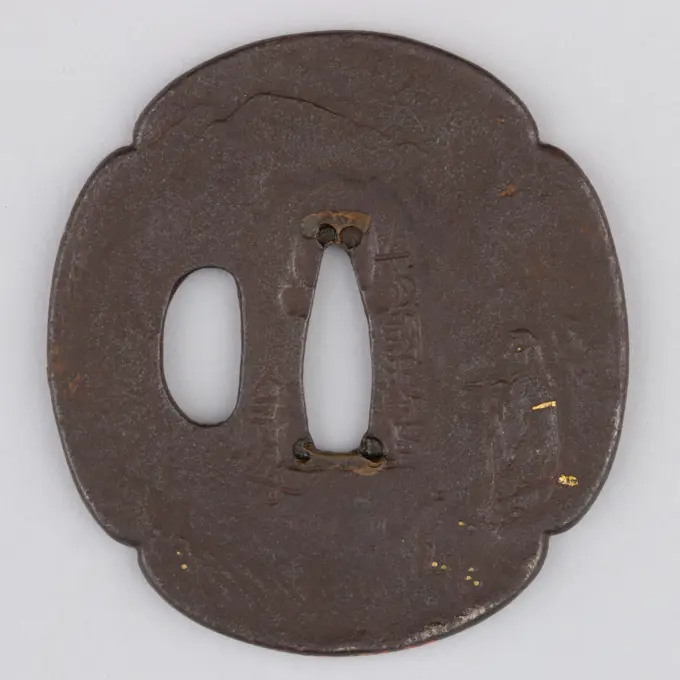
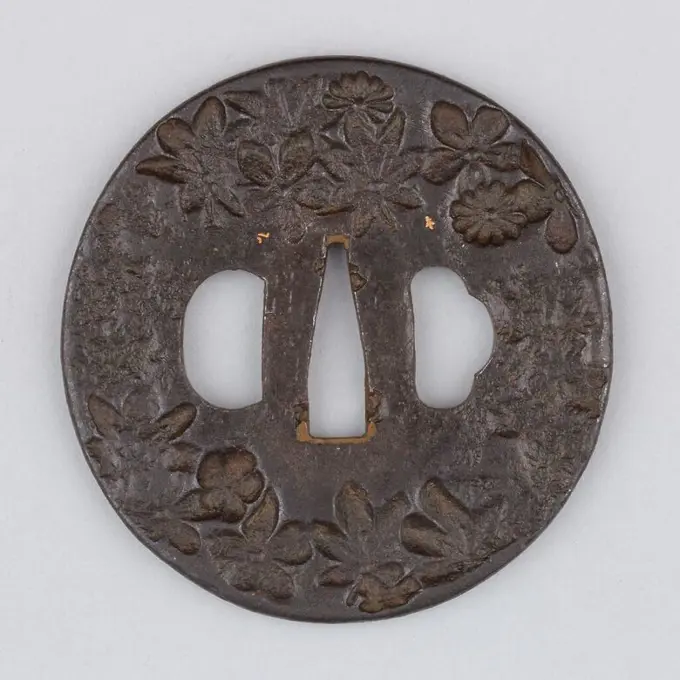
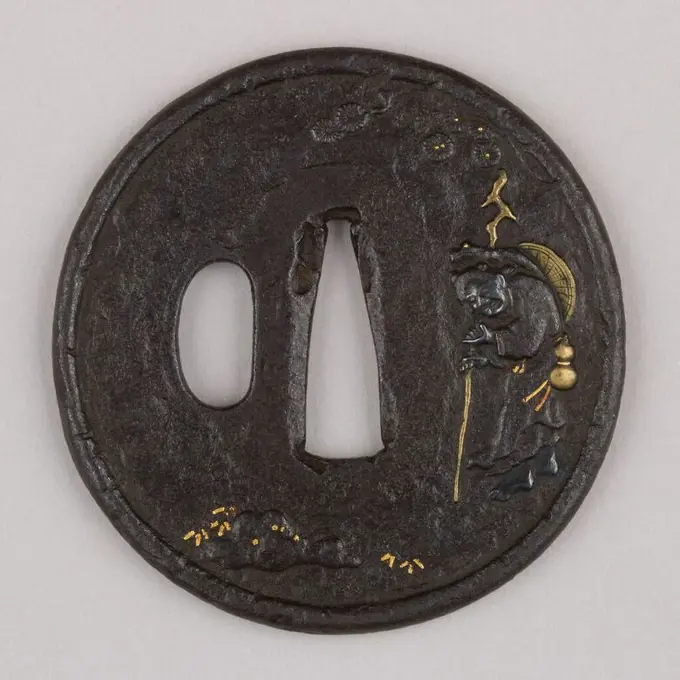
Hand guard, Umetada
Hand guard, Umetada
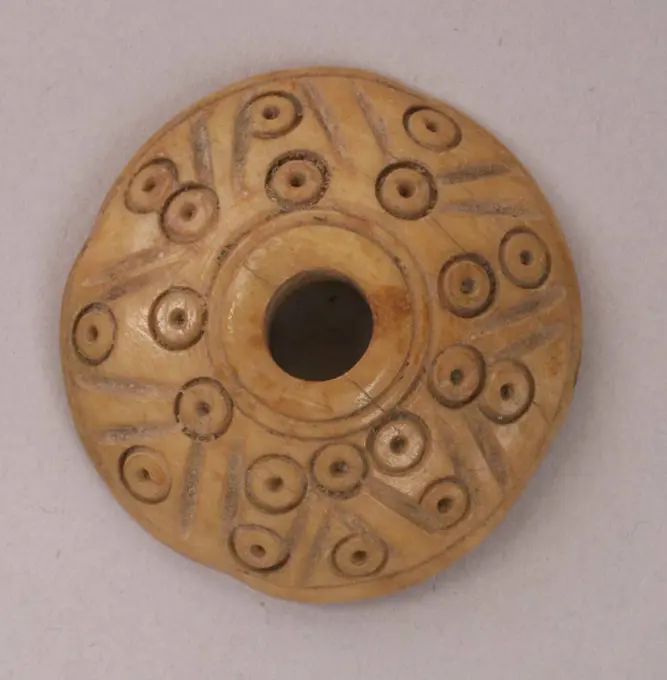
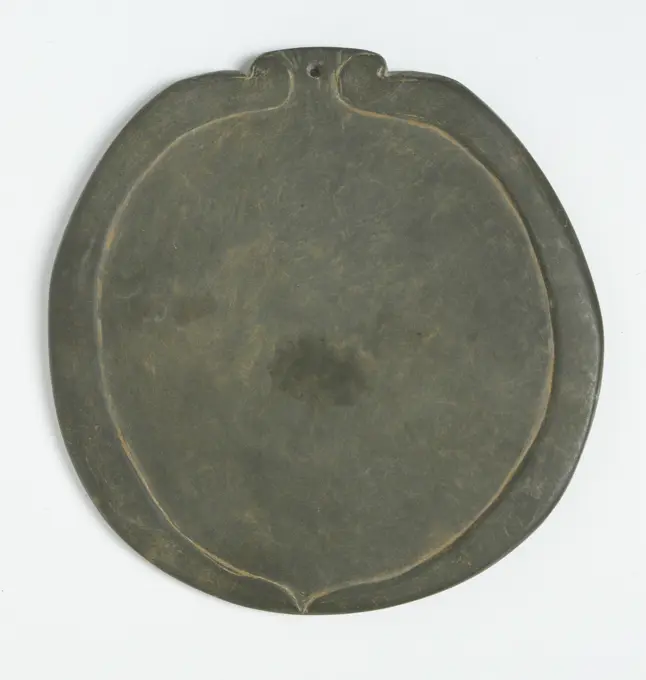
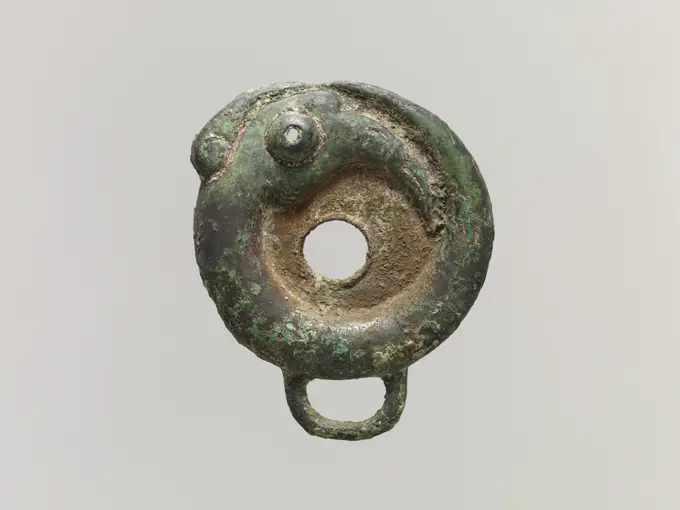
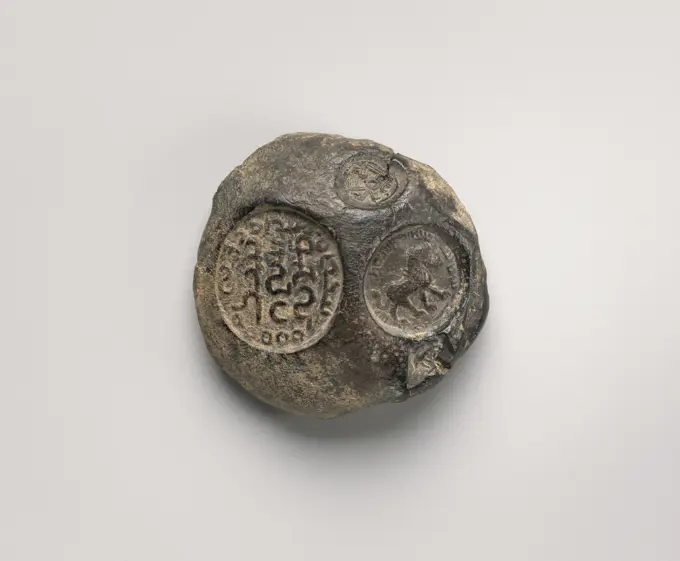
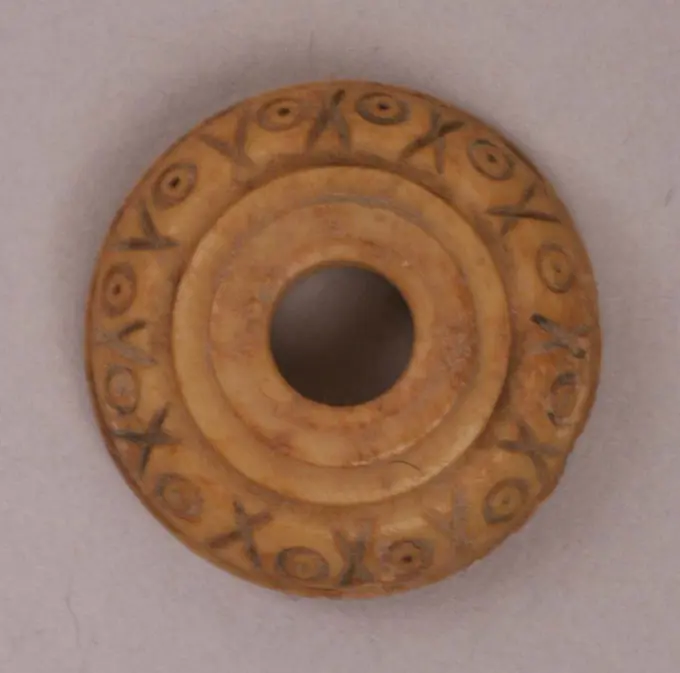
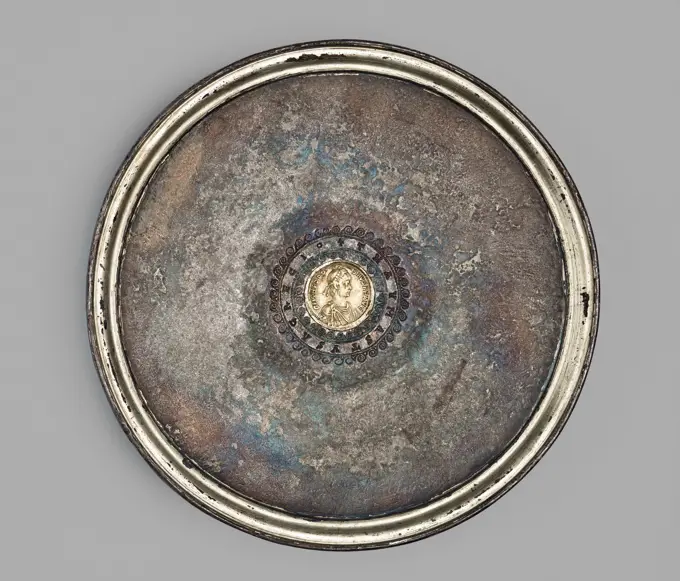
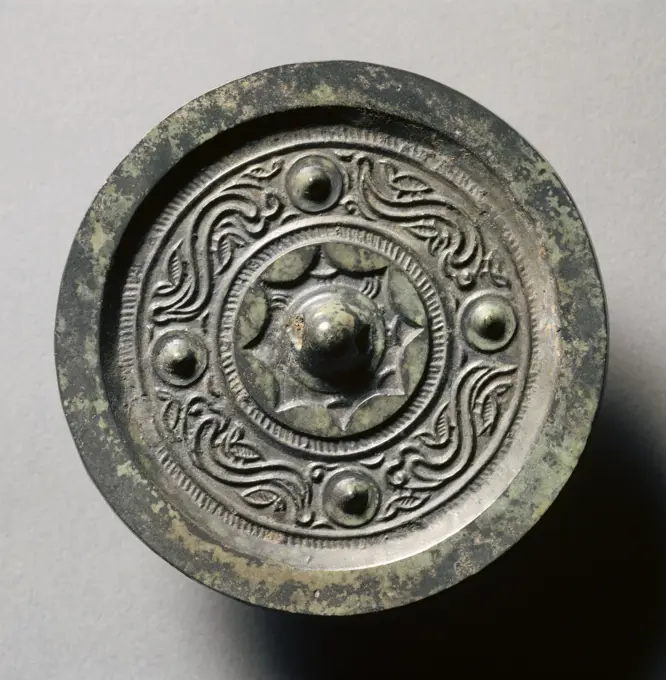
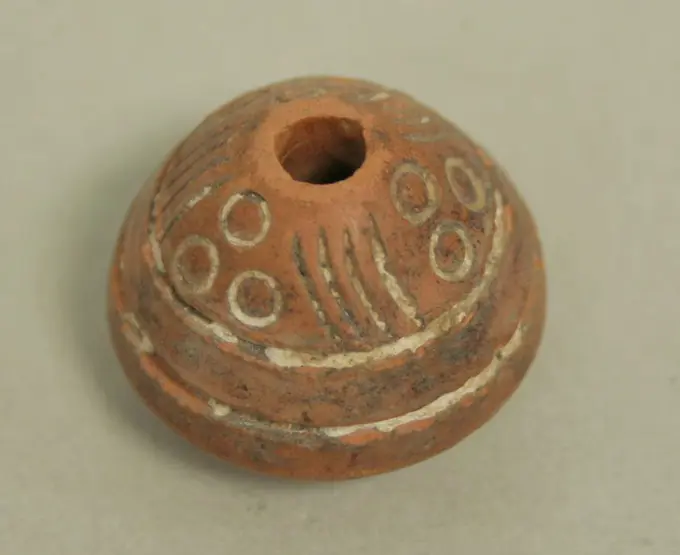
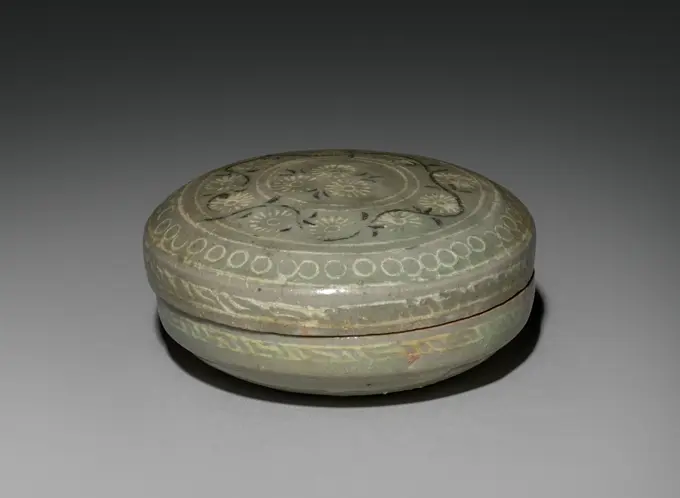
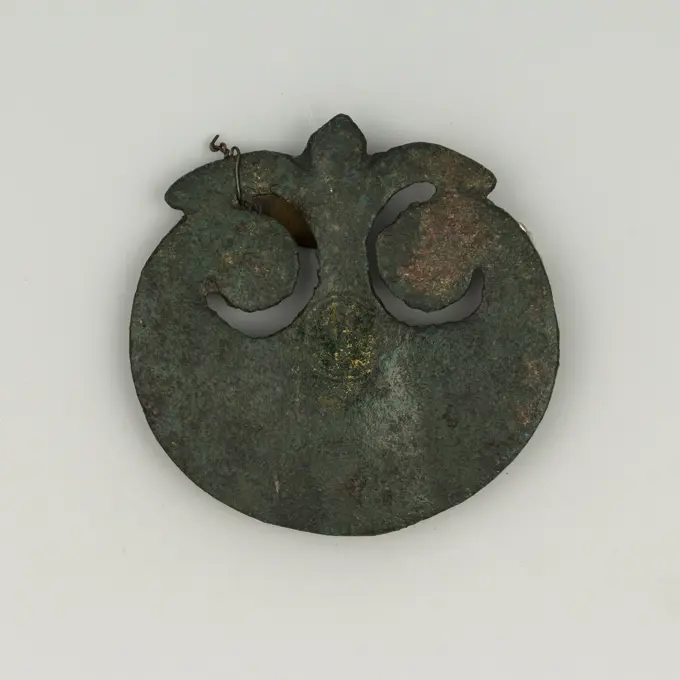
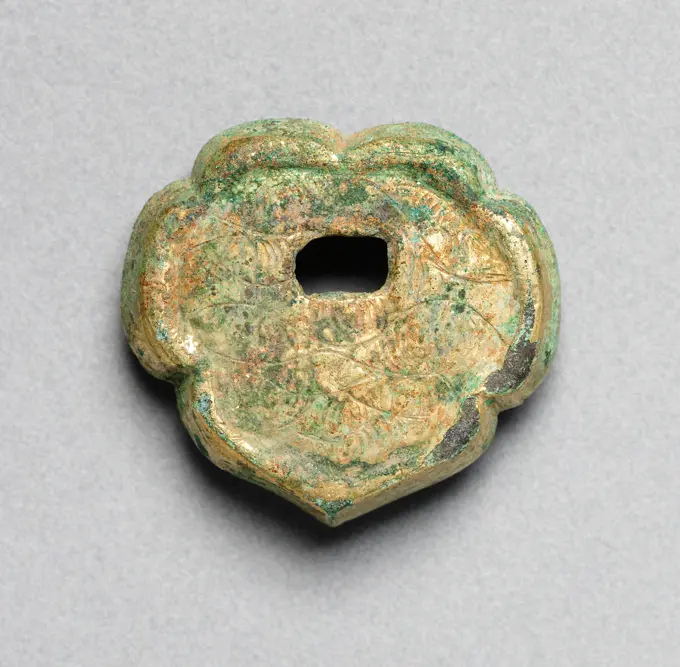
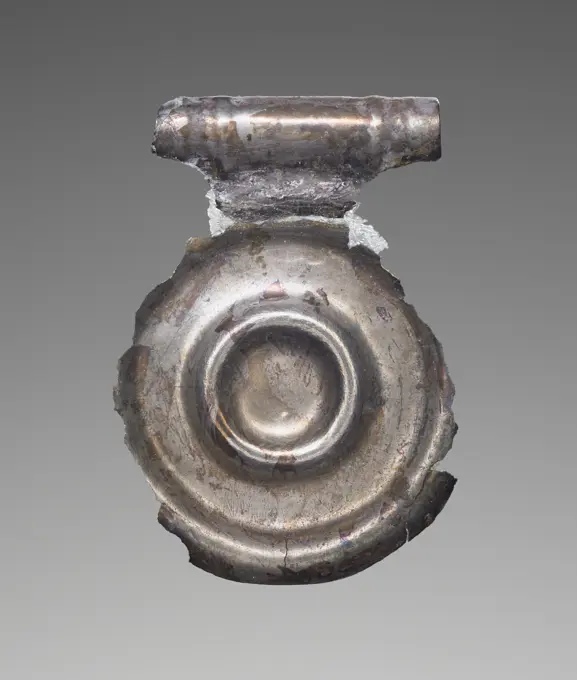
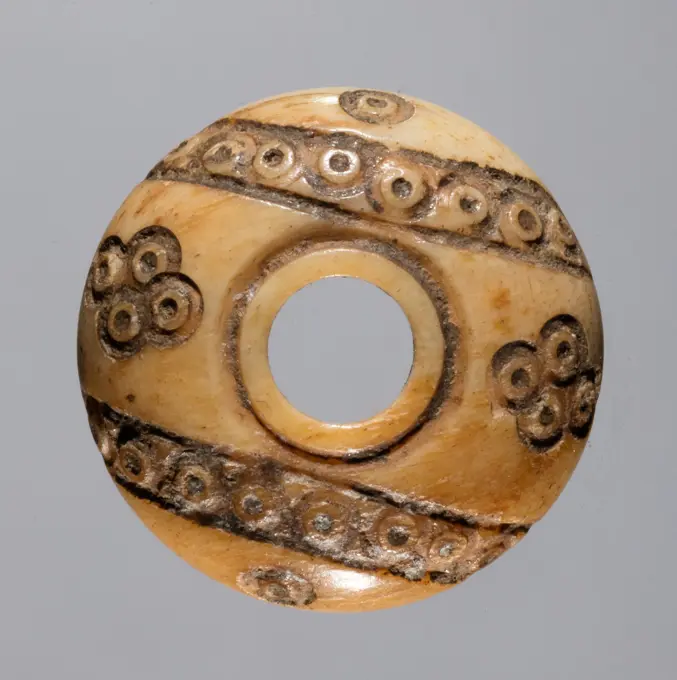
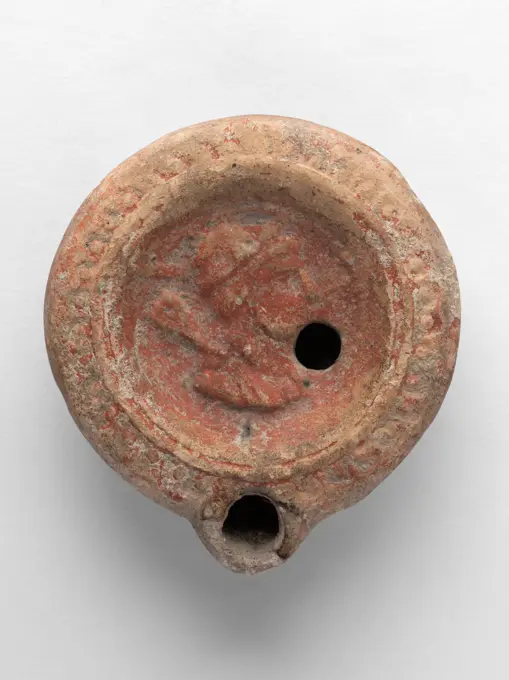
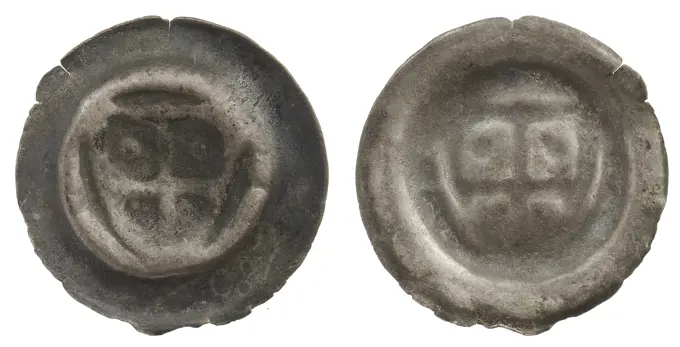
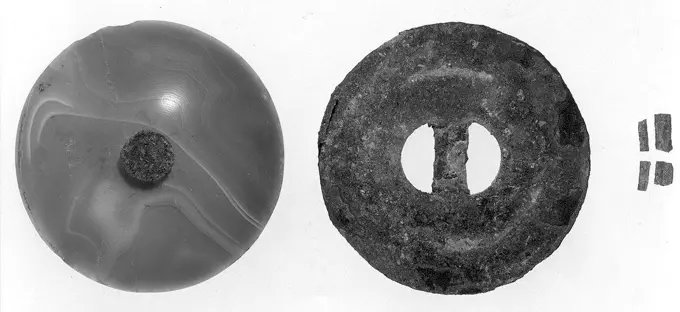
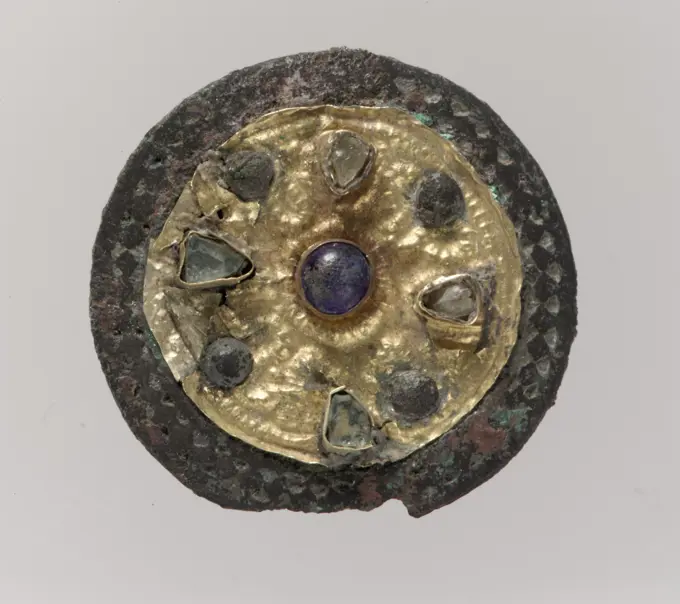
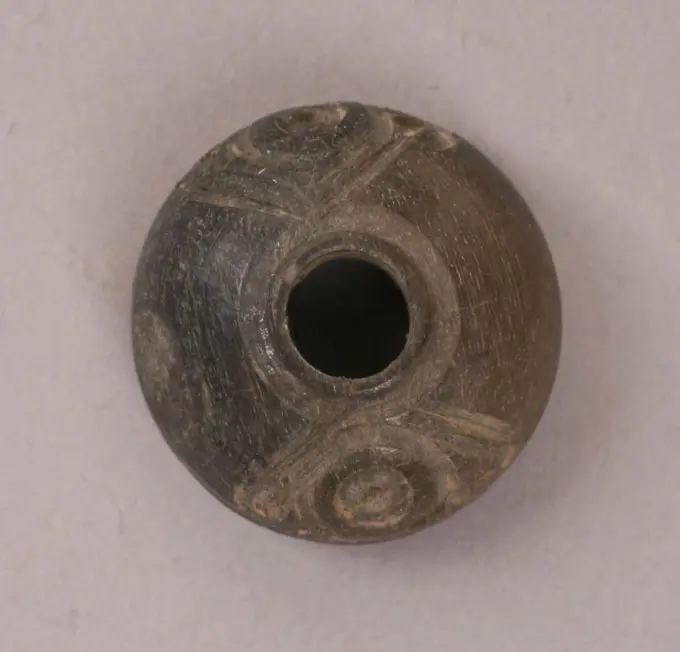
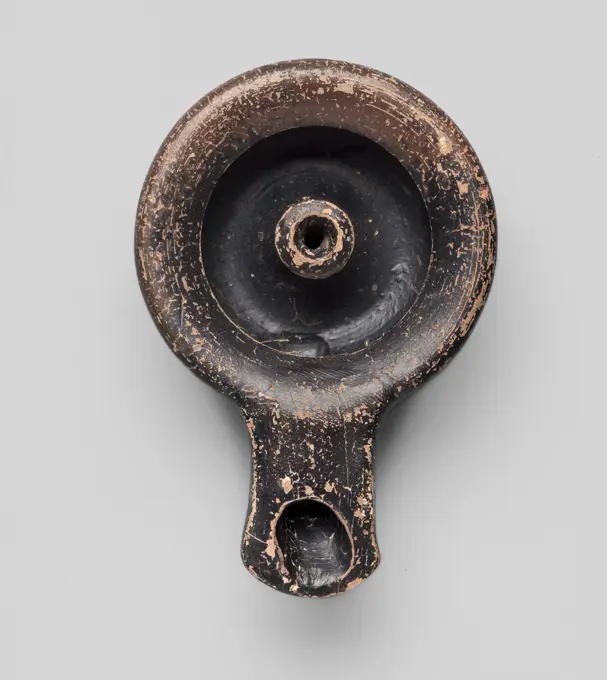
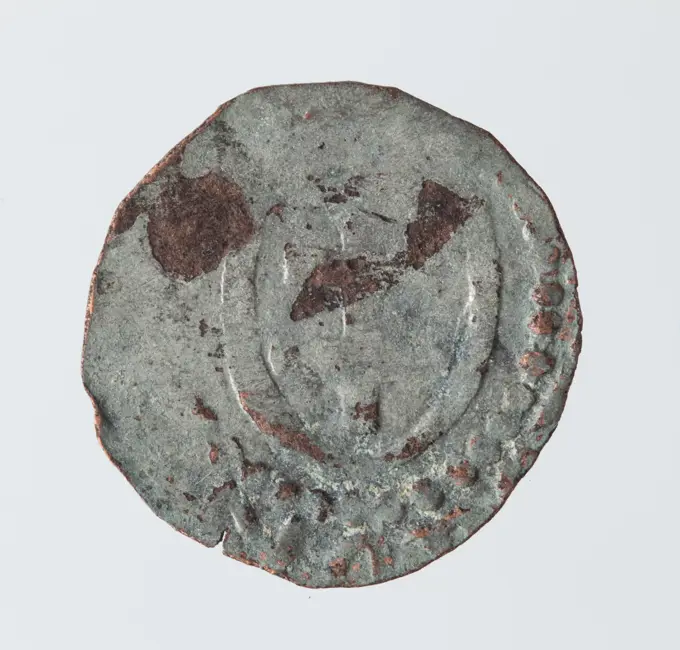
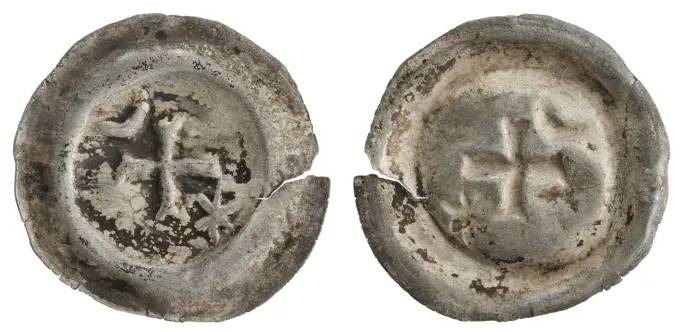
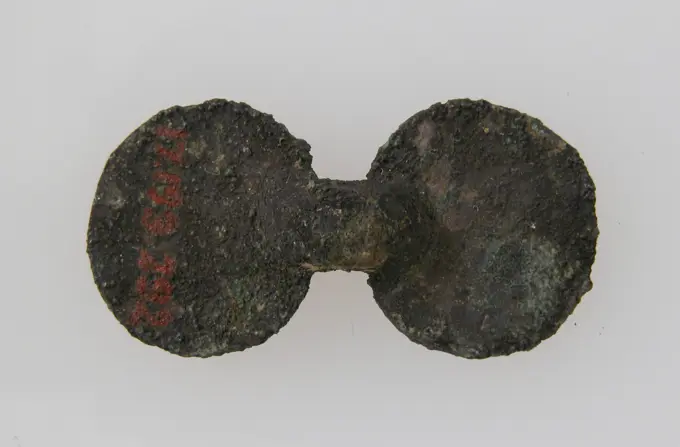
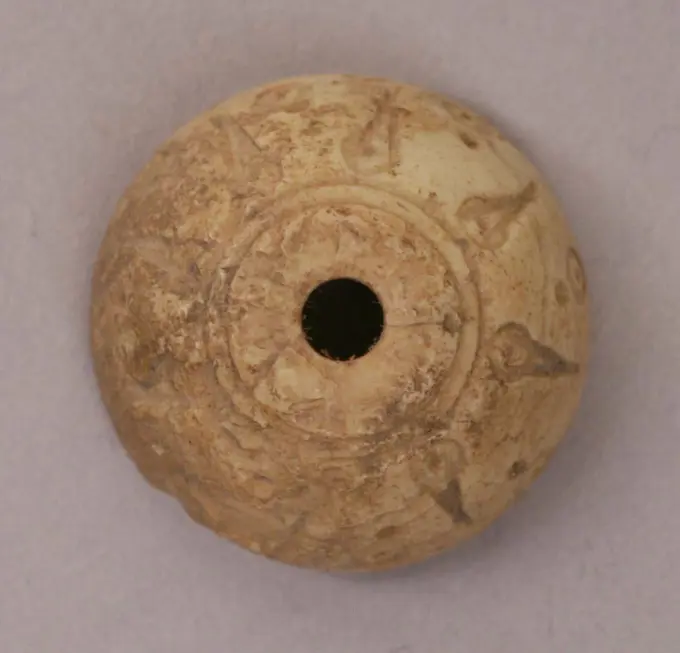
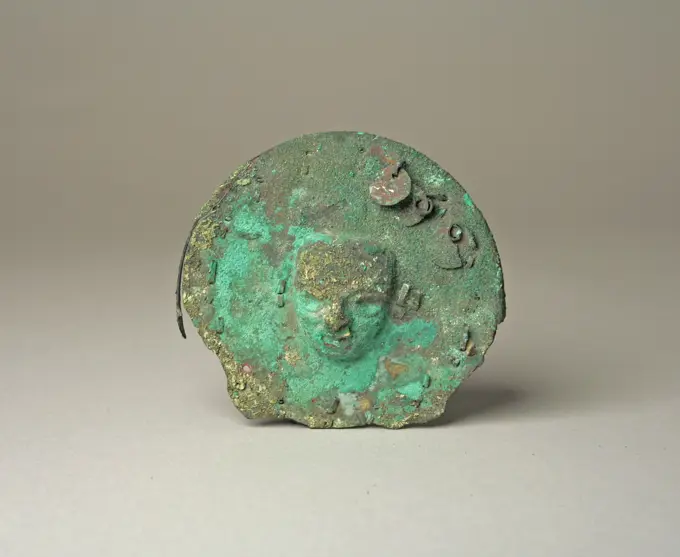
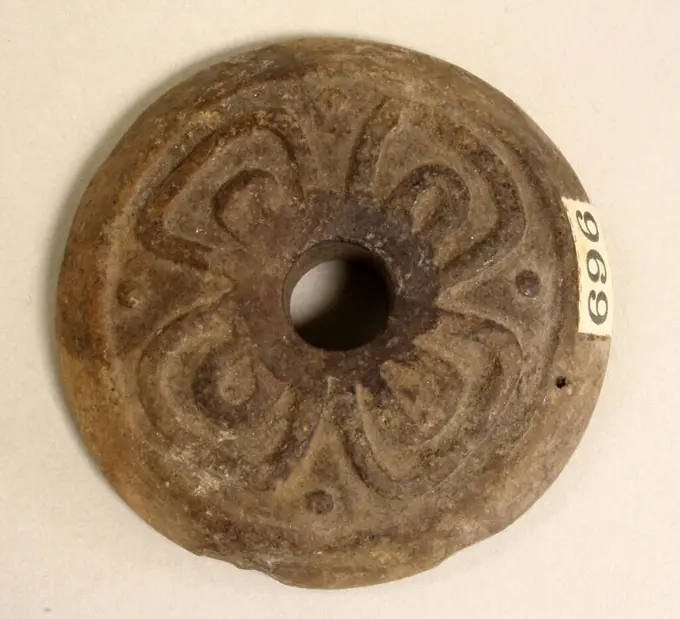
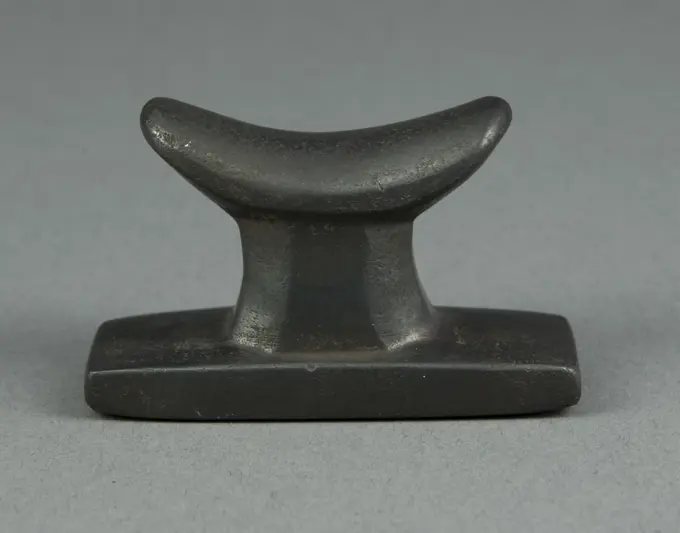
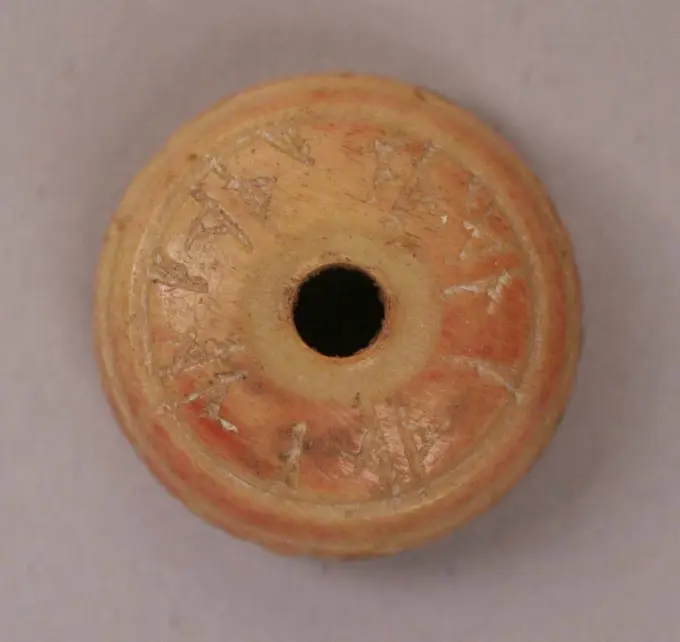
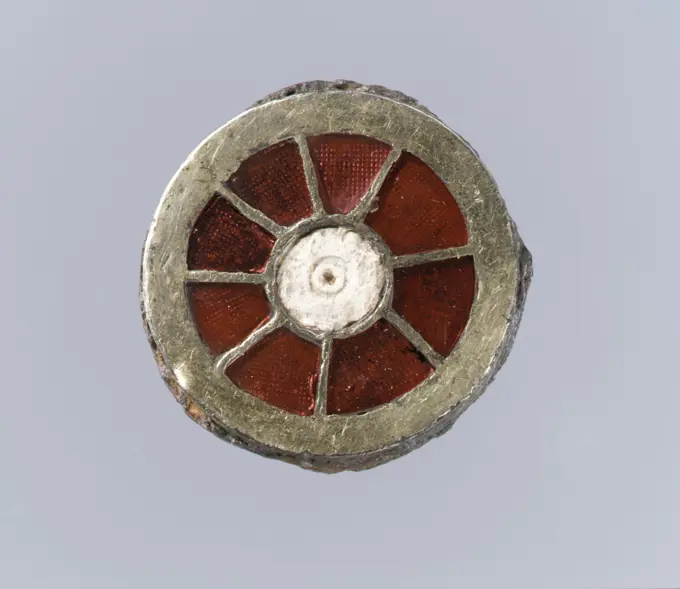
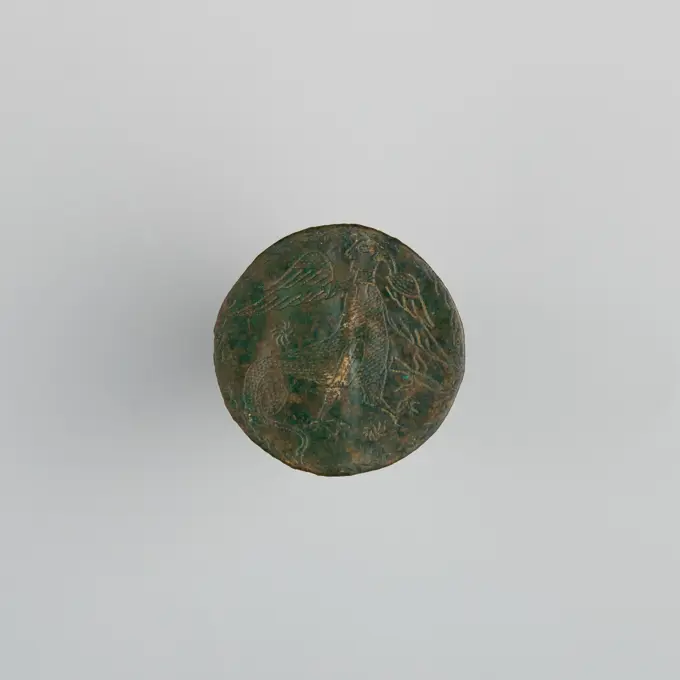
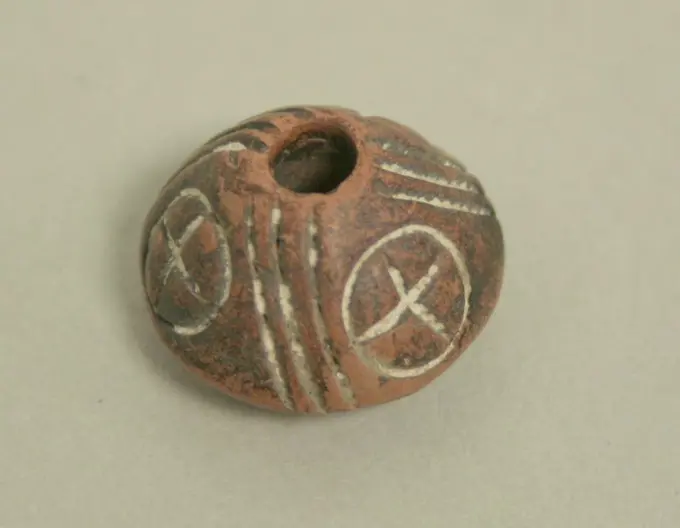
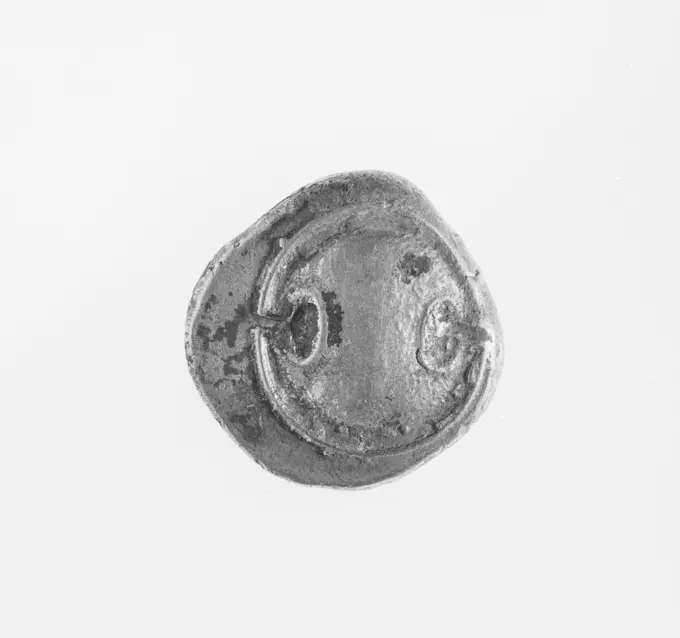
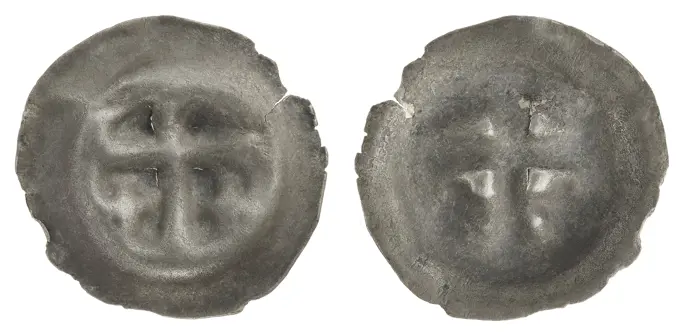
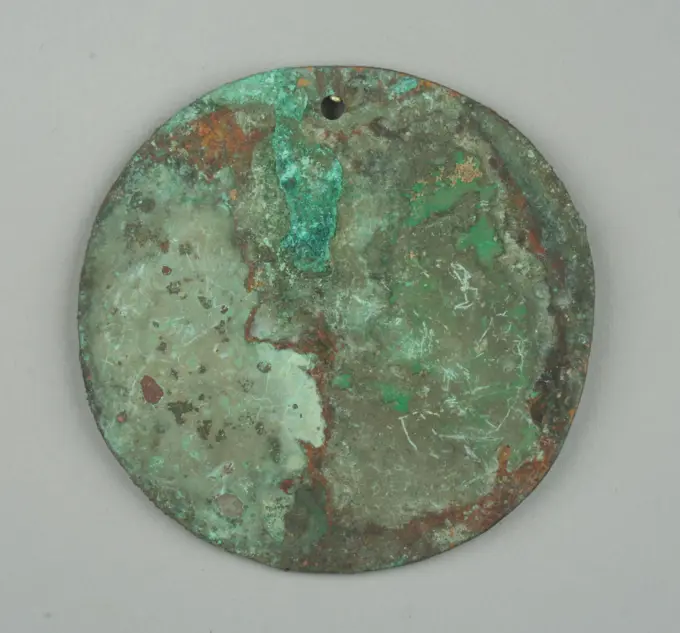
Hand guard, UmetadaKoprzywnica abbey , bracteate; 1305-1322Unidentified Ruler, Brackteate; Nowy Sącz ; After 1292Mirror of Tortoise Knob and Lotus Pattern, early 600s-early 900s. China, Tang dynasty (618-907). Bronze; diameter: 12.5 cm (4 15/16 in.); overall: 0.7 cm (1/4 in.); rim: 0.5 cm (3/16 in.).Saksonia , Denar of the Cross, between 1080 and 1100 unknownButton or Spindle Whorl 3rd-7th century The dot-in-circle motif recalls designs presumed to be of magical significance, most likely an abstract eye to ward off the evil-eye, which serves an apotropaic function. Easily reproduced with a tool and visible in many cultures and times, this symbol may have lost its meaning, and become simply a decorative pattern, or may have one that we have not yet discovered. Button or Spindle Whorl 446074Palette. Egypt, Pre-Dynastic Period (circa 5500 - 3050 BCE). Tools and Equipment; palettes. SlateBridle Cheekpiece 10th-9th century B.C. China. Bridle Cheekpiece 61339Mysia, Parion, drachm; 5th century BC Mennica parsSealing ca. 7th century A.D. Sasanian This sealing was impressed with four seals of varying size. The imagery on the seals depict a lion walking right, a monogram, an inscription, and a horned quadruped. The sealing was among over 500 sealings excavated in the Sasanian fortress at the site of Qasr-i Abu Nasr. The cache was preserved because the building had burned, baking the clay and retaining the seal impressions. These small clay objects played a role in Sasanian administrative practices. A piece of clay would be pressed around a cord to close a document or package and then stamped with a seal. In some cases, these removed sealings seem to have been deliberately stored for administrative purposes.Qasr-i Abu Nasr is located near Shiraz in southern Iran at a strategic point at the intersection of defensive mountains, available water sources, and along roads entering the Shiraz plain. It was excavated by archaeologists from The Metropolitan Museum of Art for three seasons from 1932-193Button or Bead 9th-10th century The dot-in-circle motif recalls designs presumed to be of magical significance, most likely an abstract eye to ward off the evil-eye, which serves an apotropaic function. Easily reproduced with a tool and visible in many cultures and times, this symbol may have lost its meaning, and become simply a decorative pattern, or may have one that we have not yet discovered.. Button or Bead 449280Plate with the coat of arms of Engel de Ruyter. Michiel de Ruyter ate from this plate when he was at sea, so it was claimed in the 19th century. That the famous admiral would use such a plain tin plate only added to his heroic stature. It is unlikely, however, that the plate was really his; the engraved family coat of arms does not belong to him, but rather to his son Engel.Cast-silver patera with some of the details of the decoration gilded. In the centre is mounted a gold medallion of Theodosius II, surrounded by the engraved inscription Thaumastus Agr(o)ecio".. Warsztat bizantyjski, workshopEarthenware lid, red shard, partly glazed, lid closure soil found ceramic earthenware glaze lead glaze, hand turned hand shaped glazed baked Round lid with thickened edge. Round handle Top partially glazed. Bottom: two deep finger impressions at the location of the handle. Red-brown Belongs to cooking pot or grape archeology Rotterdam rail tunnel cooking storage closing food preparation kitchen Soil discovery: rail tunnel Rotterdam.Mirror with Four Nipples, Quasi-Dragons, and Birds, late 3rd Century BC - early 1st Century. China, Western Han dynasty (202 BC-AD 9). Bronze; diameter: 8.9 cm (3 1/2 in.); overall: 0.8 cm (5/16 in.); rim: 0.3 cm (1/8 in.).Vase cover. Gray cutting sandstone. Cernuschi Museum, Asia Museum of Asia in the city of Paris.Mirror with eight-point design 4th-3rd century B.C. China. Mirror with eight-point design 61421Half of Dam disk with portrait: Phocas, Anonymous, 1525 - 1575 Phocas. Caesar. Avgvstvs. Imp. (Phocas, Oostromeins Keizer Van 602-610) Nuremberg boxwood Phocas. Caesar. Avgvstvs. Imp. (Phocas, Oostromeins Keizer Van 602-610) Nuremberg boxwoodScrew cap from the wreck of the East Indies Princesse Maria, Anonymous, 1670 - 1686 screwcap Round pewter screw cap for a basement bottle, black corroded. Screw Cap. Netherlands tin (metal)Spindle Whorl A.D.1-500 Peruvian; north coast (). Spindle Whorl 308918Cut. Olive beige sandstone. Vietnam, 13th-12th century. Paris, Cernuschi museum. 60215-9 Cup, olive cover, beige gres, Vietnamese object, container, XIIIth XIVth centuryBox and Cover with Inlaid Chrysanthemum and Scroll Design, 1200s. Korea, Goryeo period (918-1392). Inlaid celadon ware; body: 2.2 x 7.5 cm (7/8 x 2 15/16 in.); overall: 3.9 cm (1 9/16 in.). Celadons, spoons, seals, and bronze mirrors were the most common burial objects in tombs during the Goryeo period (918-1392). Once used to contain colored powder, rouge, and eyebrow gel for makeup, this small container was one of the standard goods that furnished elites' tombs. Both women and men used the grain powder of rice or millet for whitening their skin, safflower extract for rouge, and plant ash or soot for eyebrow gel. Yet, natural-looking makeup seems to have been the most favorable one in Korea according to the travelogue by Xu Jing (1091-1153), the Chinese diplomat who visited Korea in 1123.Kardiofylaks - napierśnik. unknown, authorAnonymous. Carnavalet museum, history of Paris.Coin. UnknownHorse Tack Ornament 2nd-3rd century Roman-German This small bronze element, shaped as a pelta shield, decorated the horse tack of a German-Roman rider, probably fighting in the Imperial army.The pelta was the traditional Thracian light infantry shield during Hellenistic times, and the shield of the legendary Amazons. During the Roman period it was used as an apotropaic ornament (a protection from the evil eye) and possibly a symbol of the warrior's virtues.. Horse Tack Ornament. Roman-German. 2nd-3rd century. Copper alloy, possibly gold. Equestrian Equipment-BitsNail Cover, 918-1392. Korea, Goryeo period (918-1392). Bronze gilt; overall: 3 x 3.3 x 0.6 cm (1 3/16 x 1 5/16 x 1/4 in.).Sword Guard (Tsuba) late 14th century Japanese This tsuba features an openwork design of a saw. It is made in the so-called kō-toshō (swordsmith's) style.. Sword Guard (Tsuba) 31704Anonymous, Bracelet watch dial (username), 1939, Metal (copper), Museum of the Liberation of Paris-General Leclerc Museum-Jean Moulin Museum.bracteate denarius. Zakon krzyżacki (1190-), issuerPendant. UnknownSword Guard (Tsuba) ca. 1615-1868 Japanese A tsuba is a sword guard and part of a sword mounting. It is mounted between the swords blade and grip to protect the users hands.. Sword Guard (Tsuba) 33478Disk Brooch late 6th-early 7th century () Frankish. Disk Brooch 465308 Frankish, Disk Brooch, late 6thearly 7th century (), Copper alloy, glass paste, remnants of iron pin, Overall: 1 7/16 x 3/8 in. (3.7 x 1 cm). The Metropolitan Museum of Art, New York. Gift of J. Pierpont Morgan, 1917 (17.192.24)Mold for a Rings. Dimensions: diam. 4.3 cm (1 11/16 in). Dynasty: Dynasty 18. Reign: reign of Amenhotep III. Date: ca. 1390-1353 B.C.. Museum: Metropolitan Museum of Art, New York, USA.Spindle Whorl, 700s - 900s. Iran, early Islamic period, 8th - 10th century. Bone, incised; overall: 0.5 x 1.5 x 1.5 cm (3/16 x 9/16 x 9/16 in.).Sesterce; Faustina younger (CA 130-176; Roman Empress 161-176);  (0-00-00-0-00-00);Lamp. Coll. Liesville. Terracotta. High Empire. Mercury head in profile, oves. Paris, Carnavalet museum. Roman divinity, High Empire, oil lamp, oves, profile, terracotta, headbracteate denarius. Zakon krzyżacki (1190-), issuerRoundel ca. early 1st millennium B.C.. Roundel 327450Disk Brooch ca. 550-650 Frankish. Disk Brooch 465033 Frankish, Disk Brooch, ca. 550650, Gold, glass, copper alloy, glass paste cabochons, Overall: 1 1/16 x 3/8 in. (2.7 x 1 cm). The Metropolitan Museum of Art, New York. Gift of J. Pierpont Morgan, 1917 (17.191.32)SPIEGEL, Anonymous, 618 - 907 Sea horse and grape type; Knop in animal shape, around four sea monsters. China bronze (metal) Sea horse and grape type; Knop in animal shape, around four sea monsters. China bronze (metal)Pendant. UnknownCampanian Black Kylix (Stemless). UnknownSpindle Whorl 10th-early 16th century Mexican. Spindle Whorl 307668Coin Weight 11th century. Coin Weight 442890Button or Bead 9th-10th century The dot-in-circle motif recalls designs presumed to be of magical significance, most likely an abstract eye to ward off the evil-eye, which serves an apotropaic function. Easily reproduced with a tool and visible in many cultures and times, this symbol may have lost its meaning, and become simply a decorative pattern, or may have one that we have not yet discovered.. Button or Bead 449300Hoe. Bronze. Cernuschi Museum, Asia Museum of Asia in the city of Paris.Sword Guard (Tsuba) ca. 3rd century-538 Japanese A tsuba is a sword guard and part of a sword mounting. It is mounted between the swords blade and grip to protect the users hands.. Sword Guard (Tsuba) 35116Decorative Door Boss And Nail ; wrought iron; a) H x diam.: 2.2 × 6.3 cm (7/8 × 2 1/2 in.) b) H x diam.: 4.1 × 2.4 cm (1 5/8 × 15/16 in.)Lampka oliwna. unknown, authorFragment of the bowl; Unknown Nubian workshop; 2. PO. IX-XI century; Classic Christian period (851-00-00-1100-00-00);Nubian ceramics, geometric decorations, stamp decorations, crosses, medallions, bowls, nubian vesselsFalse Coin, Władysław Jagiełło (1386 1434), Kwartalnik Mały (Ternar); 1399/1400 unknownSteatite spindle whorl. Culture: Minoan. Dimensions: Diameter 2 cm. Date: ca. 2400-1900 B.C..Spindle whorl with incised circles. Museum: Metropolitan Museum of Art, New York, USA.Spindle Whorl, before 1521. Mexico, 16th century or earlier. Terracotta; diameter: 2.4 cm (15/16 in.).Whorl. Culture: Coptic. Dimensions: Overall: 1 x 1 9/16 in. (2.5 x 3.9 cm). Date: 4th-7th century. Museum: Metropolitan Museum of Art, New York, USA.Decoration for belts and bagsIt's lying. Pierre Granis to Veineures. Provenance: Vietnam. Par musée musée malée. 78815-6 Ring, Archeological ObjectSword Guard (Tsuba) ca. 1615-1868 Japanese A tsuba is a sword guard and part of a sword mounting. It is mounted between the swords blade and grip to protect the users hands.. Sword Guard (Tsuba) 33424bracteate denarius. Zakon krzyżacki (1190-), issuerCarnavalet museum, tokens collectionbracteate denarius. Zakon krzyżacki (1190-), issuerSpindle Whorl A.D.1-500 North coast (). Spindle Whorl 308909Equal-Arm Brooch ca. 650-750 Frankish. Equal-Arm Brooch 465621 Frankish, Equal-Arm Brooch, ca. 650750, Copper alloy, Overall: 1 1/8 x 9/16 x 3/16 in. (2.9 x 1.5 x 0.5 cm). The Metropolitan Museum of Art, New York. Gift of J. Pierpont Morgan, 1917 (17.193.292)Button or Bead 9th-10th century The dot-in-circle motif recalls designs presumed to be of magical significance, most likely an abstract eye to ward off the evil-eye, which serves an apotropaic function. Easily reproduced with a tool and visible in many cultures and times, this symbol may have lost its meaning, and become simply a decorative pattern, or may have one that we have not yet discovered. Button or Bead 455204Sword Guard (Tsuba). Culture: Japanese. Dimensions: H. 3 1/8 in. (7.9 cm); W. 3 in. (7.6 cm); thickness 3/16 in. (0.5 cm); Wt. 4.2 oz. (119.1 g). Date: late 17th century. Museum: Metropolitan Museum of Art, New York, USA.Tags Entitling Official to Commandeer Four Horses. Korea, Joseon (1392-1910), 19th century. Tools and Equipment. Cast bronzeSword Guard (Tsuba) ca. 1615-1868 Japanese A tsuba is a sword guard and part of a sword mounting. It is mounted between the swords blade and grip to protect the users hands.. Sword Guard (Tsuba) 33463Campanian Black Bowl. UnknownEarflare Frontal 6th-7th century Moche (Loma Negra). Earflare Frontal 313485Mirror in the style of the Eastern Zhou dynasty, Warring States period (475-221 B.C.) To be determined China. Mirror in the style of the Eastern Zhou dynasty, Warring States period (475-221 B.C.) 44295Spindle Whorl, 700s - 900s. Iran, early Islamic period, 8th - 10th century. Bone, incised; overall: 0.7 x 2.4 x 2.4 cm (1/4 x 15/16 x 15/16 in.).dupondius; Marek Aureliusz (121-180; Roman emperor 161-180); 170-171 (151-00-00-151-00-00);Disk Brooch ca. 550-650 Frankish. Disk Brooch 465386 Frankish, Disk Brooch, ca. 550650, Copper alloy, glass paste, Overall: 1 5/16 x 3/8 in. (3.3 x 1 cm). The Metropolitan Museum of Art, New York. Gift of J. Pierpont Morgan, 1917 (17.192.8)dupondius; Antoninus Pius (86-161; Roman emperor 138-161); 158-159 (140-00-00-143-00-00);Bliżej Kultury CoricosMirror 4th-3rd century B.C. Greek With concentric circles on under side.. Mirror 246384sesterce; Antoninus Pius (86-161; Roman emperor 138-161), Marek Aureliusz (121-180; Roman emperor 161-180); 148-156 (148-00-00-156-00-00);Spindle Whorl. Culture: Mexican. Dimensions: Diameter 2-7/32 in.. Date: 10th-early 16th century. Museum: Metropolitan Museum of Art, New York, USA.Lead weight from the wreck of the Dutch East India ship Hollandia, anonymous, 1700 - in or before 1743 weight Ring-handle weight, top, circular disc, concave underneath with hollow shaft in centre, flat top with 2 holes for handle and inscription (I). Netherlands lead (metal)   SecondPatch Box c 1710-1730 Newport. Patch boxes were popular accessories for both men and women in the eighteenth century. They were used to hold artificial beauty marks, or patches, which were applied to the face, sometimes over blemishes or smallpox scars. These patches were commonly made out of black paper, velvet, or silk that could be cut into a variety of shapes and designs. Placing patches on specific areas of the face held different meanings. For instance, one placed at the corner of the eye was supposed to evoke passion.. Silver . Artist unknownSword Guard (Tsuba). Culture: Japanese. Dimensions: Diam. 2 5/8 in. (6.7 cm); thickness 3/16 in. (0.5 cm); Wt. 2.7 oz. (76.5 g). Date: 18th century. Museum: Metropolitan Museum of Art, New York, USA.Amulet of a Headrest 700 BCE-1 BCE Egypt. Hematite . Ancient EgyptianLamp 2nd-6th century. Lamp 444800Button or Bead 9th-10th century. Button or Bead 449998Disk Brooch late 6th century Frankish. Disk Brooch 465067 Frankish, Disk Brooch, late 6th century, Silver-gilt on iron core, garnet, mother of pearl, Overall: 7/8 x 1/4 in. (2.2 x 0.6 cm). The Metropolitan Museum of Art, New York. Gift of J. Pierpont Morgan, 1917 (17.191.35)Come from tin, c. 1400 - c. 1950 Small, undecerated bowl of tin, with a narrow edge. Rotterdam tin (metal) casting Small, undecerated bowl of tin, with a narrow edge. Rotterdam tin (metal) castingAugustin Dupré (1748-1833). Society of inventions and discoveries, 1791. Steel, octagonal block with flat base (obverse). Paris, Carnavalet museum. Medal, numismaticsButton decorated with lilies. Button, decorated with lilies. The buttons NG-NM-7723-7, NG-NM-7723-8 and NG-NM-7723-10 are not identical.Badge or Harness Pendant 14th century Spanish Heraldry, or coat-of-arms, were vitally important in Europe throughout the Middle Ages and the Renaissance. Heraldic emblems were used to identify noble families, cities, regions, and even countries. In addition to being displayed on shields and flags, heraldry was incorporated into architectural decoration on the interior and the exterior of buildings, on furniture, works of art, clothing, and horse equipment. Harness pendants, like this example, would have been attached to a headstall, bridle, or other straps making up the tack of a horse ridden by a nobleman or noblewoman, or a member of their household. Many harness pendants also have decoration that is simply ornamental, or have symbols that are not specifically heraldic in nature.. Badge or Harness Pendant. Spanish. 14th century. Copper. Miscellaneous-BadgesPendant. UnknownSword Guard (Tsuba) ca. 1615-1868 Japanese A tsuba is a sword guard and part of a sword mounting. It is mounted between the swords blade and grip to protect the users hands.. Sword Guard (Tsuba) 33379Shawabty Jar with Lid (lid), 1295-1069 BC. Egypt, New Kingdom, Dynasty 19 (1295-1186 BC) - Dynasty 20 (1186-1069 BC). Nile silt ware; lid of limestone; diameter: 23.5 cm (9 1/4 in.); diameter of mouth: 11.3 cm (4 7/16 in.); overall: 22.9 cm (9 in.).Spindle Whorl A.D.1-500 Peruvian; north coast (). Spindle Whorl 308864Spoon. Bronze. Cernuschi Museum, Asia Museum of Asia in the city of Paris.Beads probably 8th-10th century. Beads 856166Stater. Unknownbracteate denarius. Zakon krzyżacki (1190-), issuerGrahal-Manzara. Carnavalet 2013-2016 collection sites. Numismatics.Round Plaque 3rd century B.C.-A.D. 2nd century Vicús. Round Plaque 315547Spindle whorl ca. 1295-1070 B.C. New Kingdom, Ramesside. Spindle whorl 551970