Artistic Metalwork and Artifacts

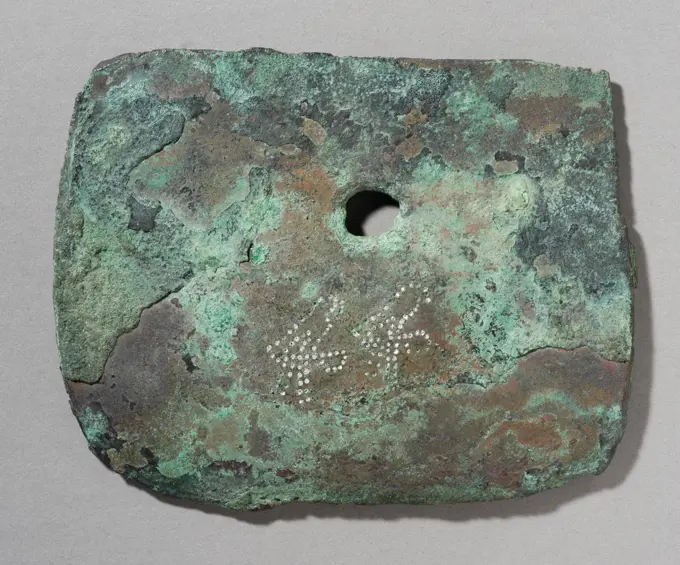
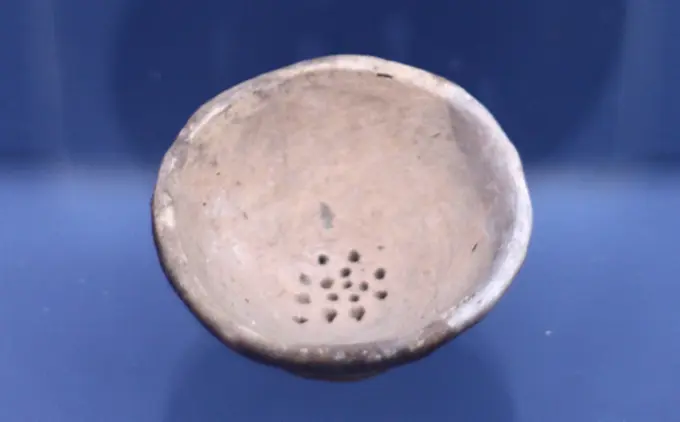
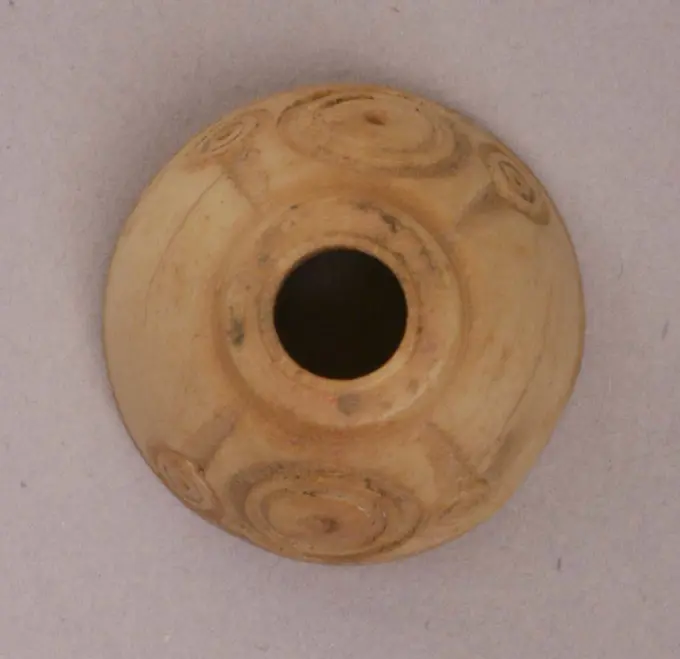
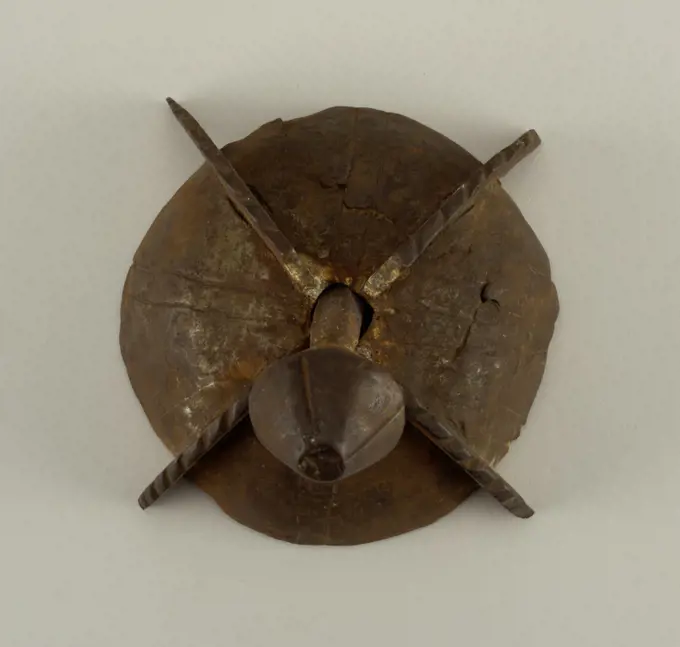
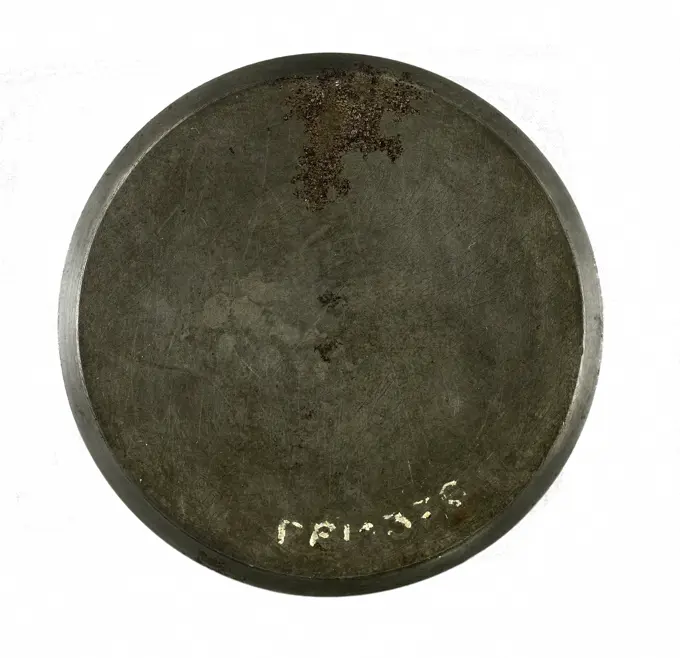
Images of decorative items including hand guards, bracteates, and mirrors. These pieces showcase intricate designs and cultural heritage from various periods.

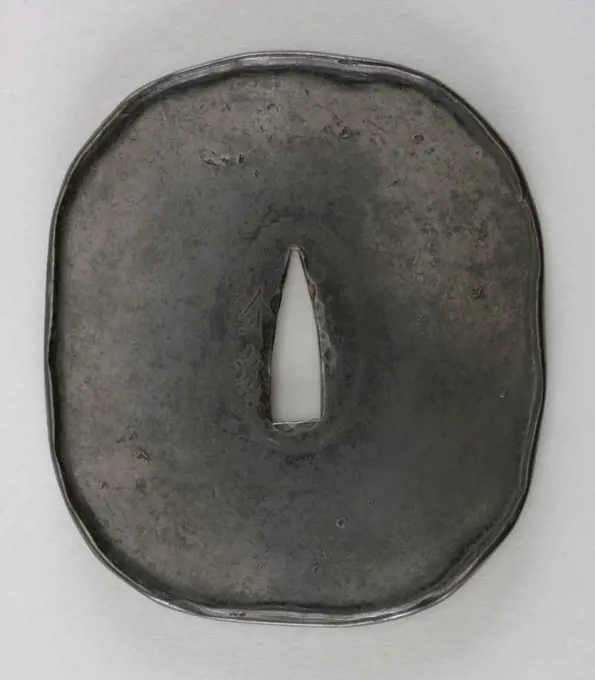
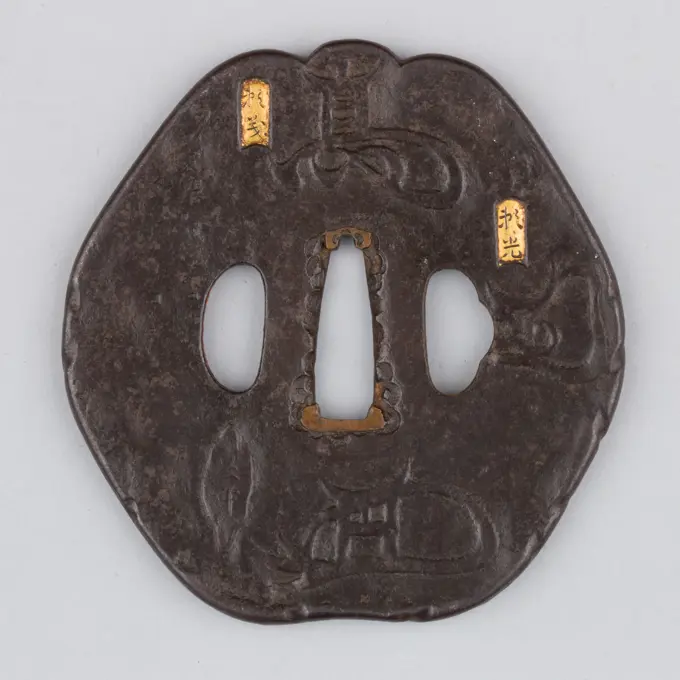
Hand guard, Umetada
Hand guard, Umetada
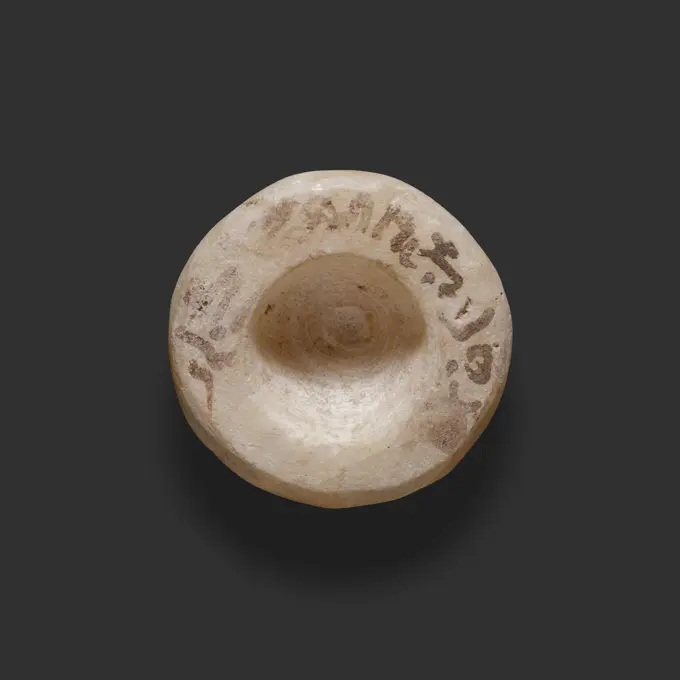
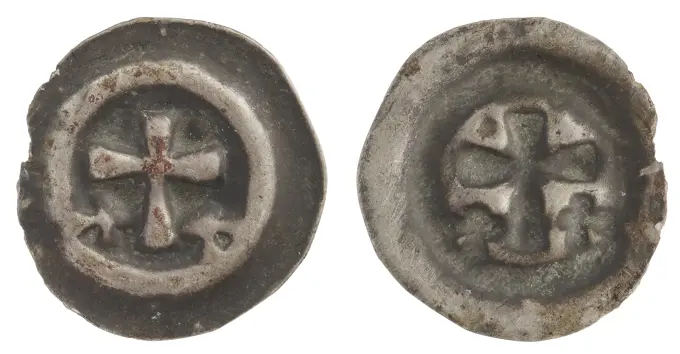
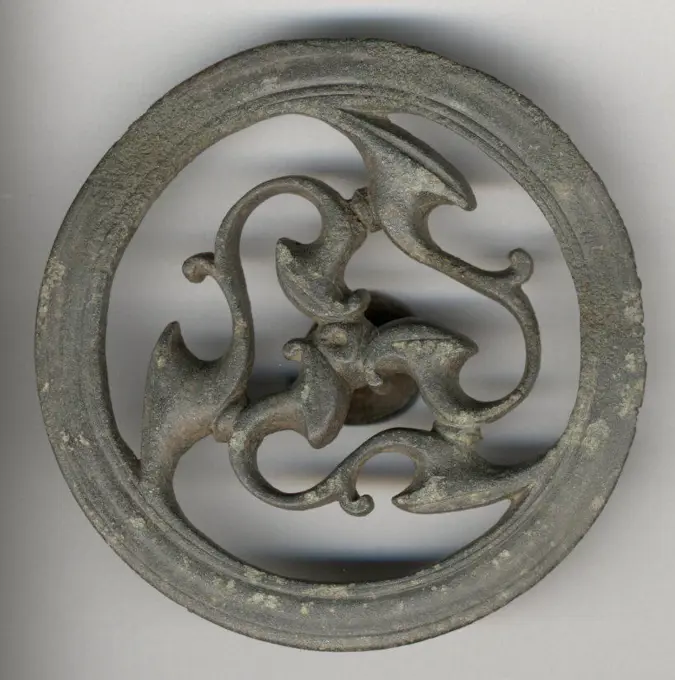
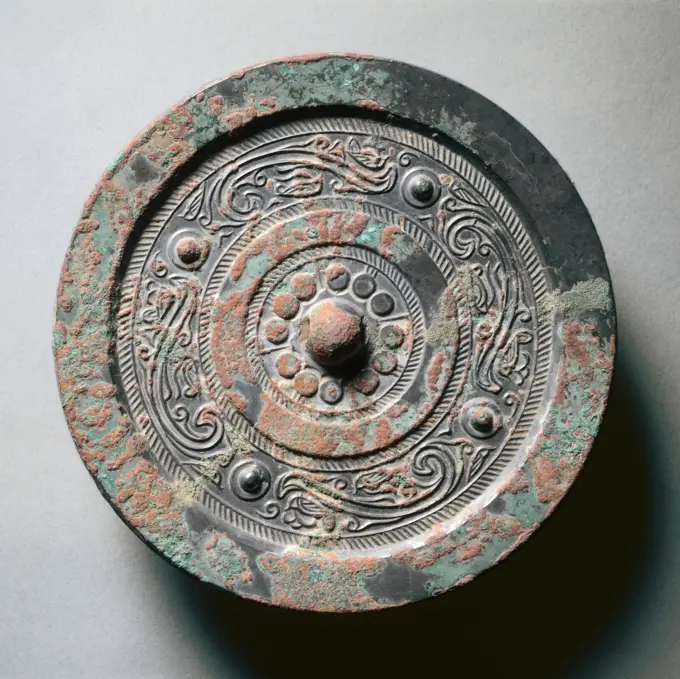
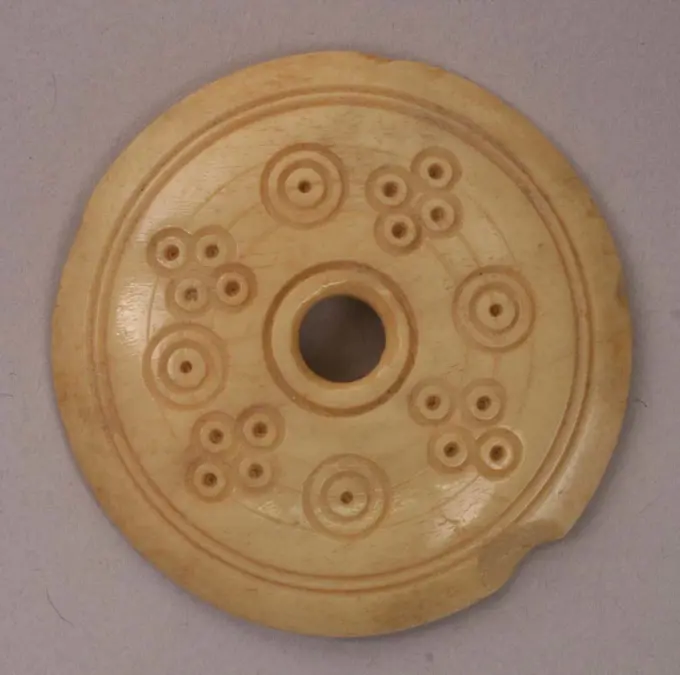
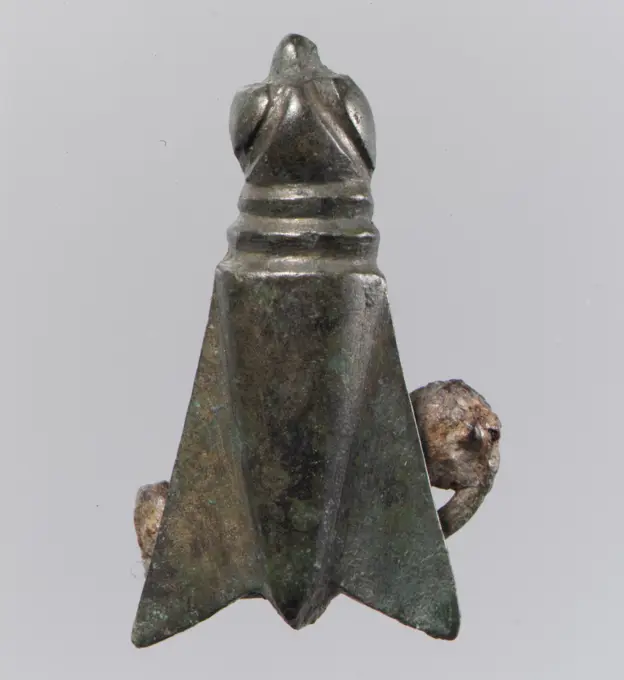
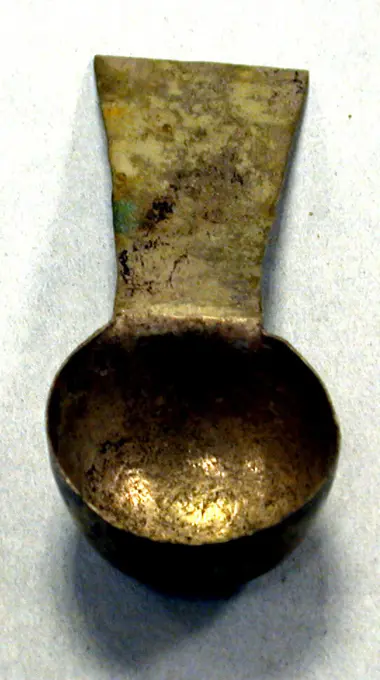
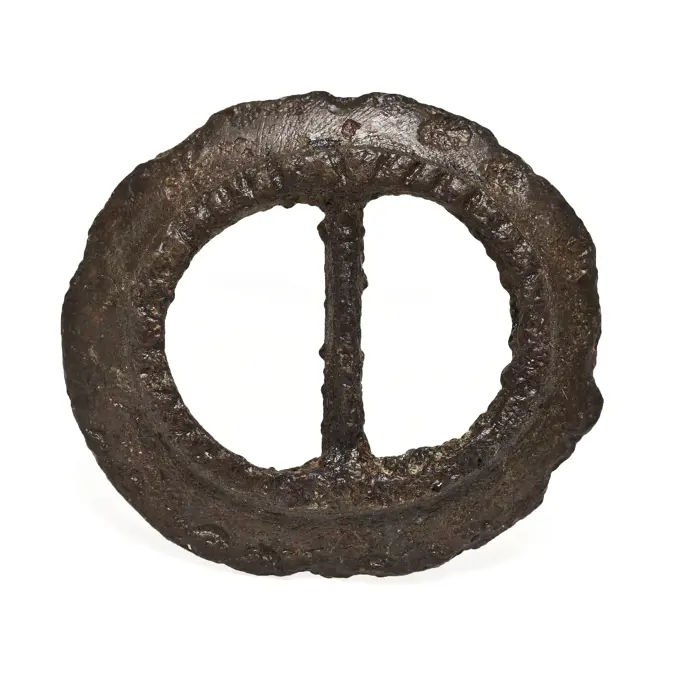
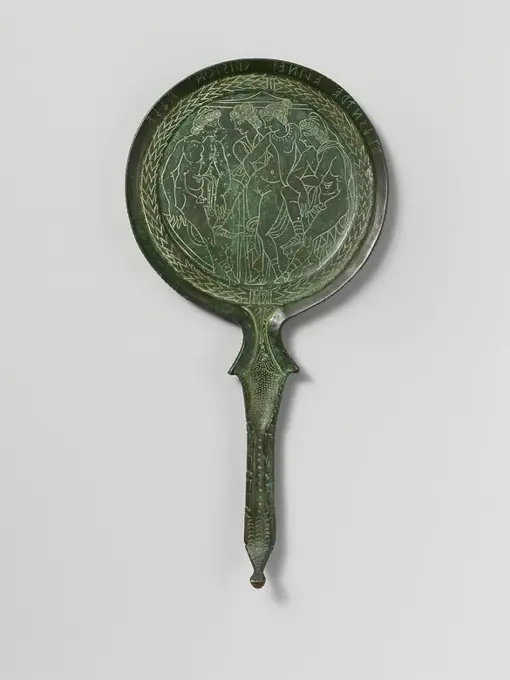
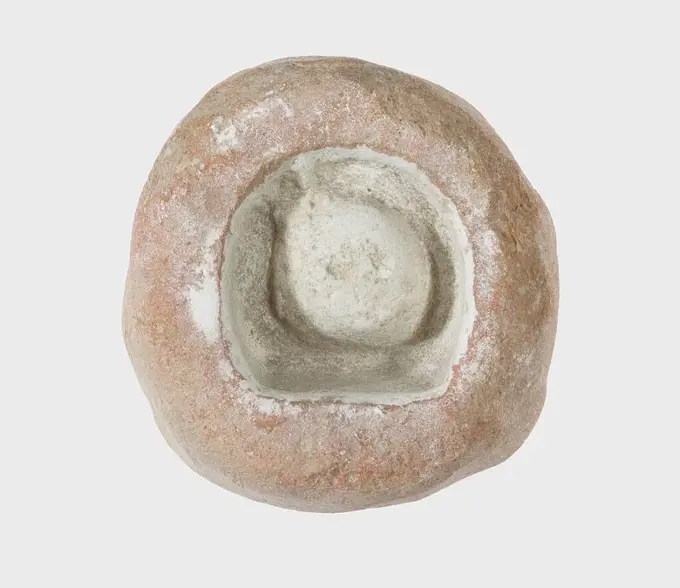
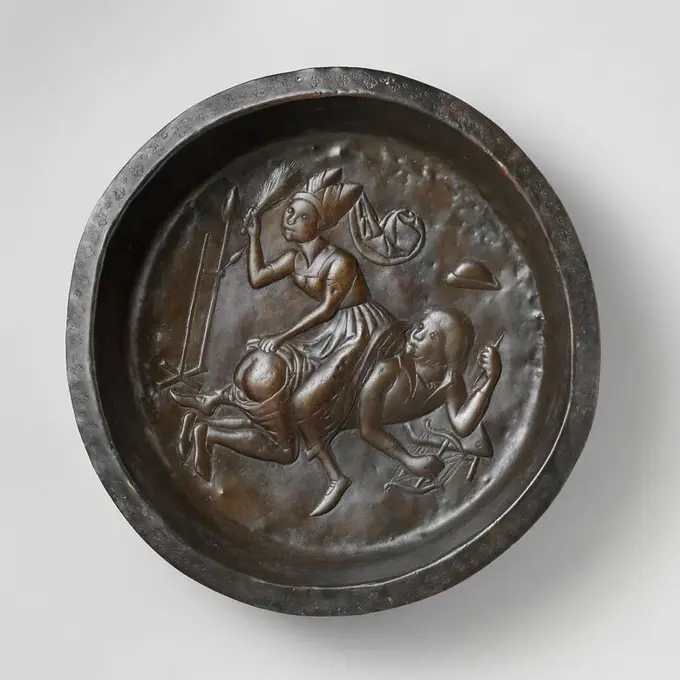
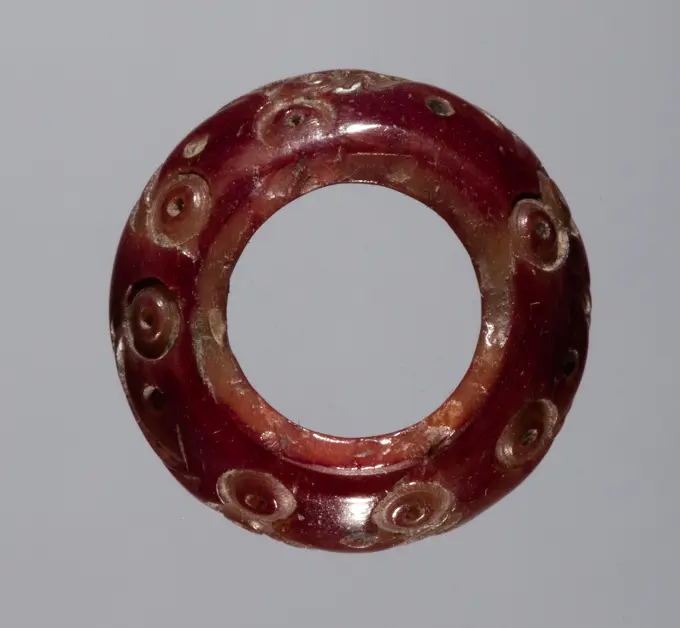
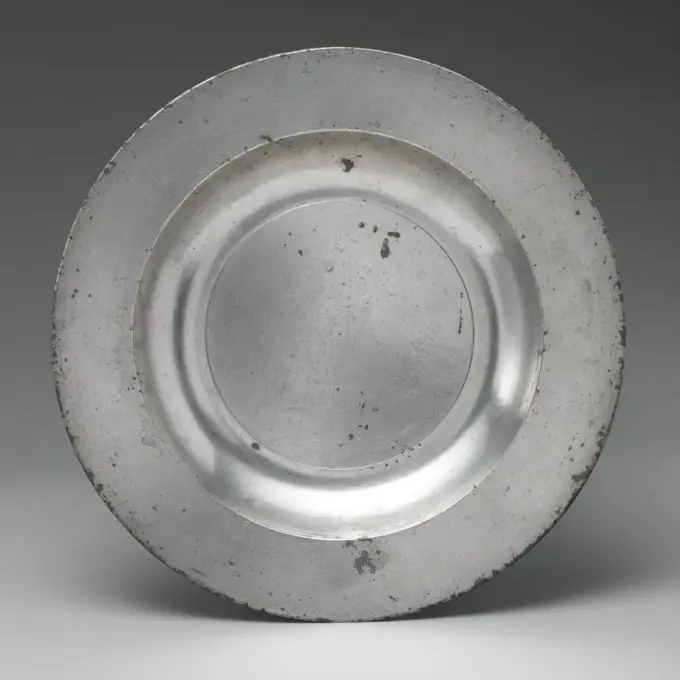
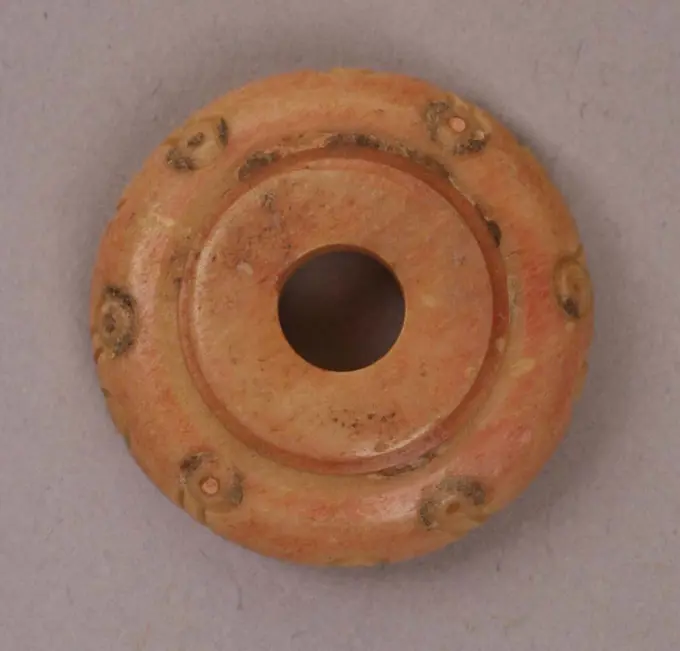
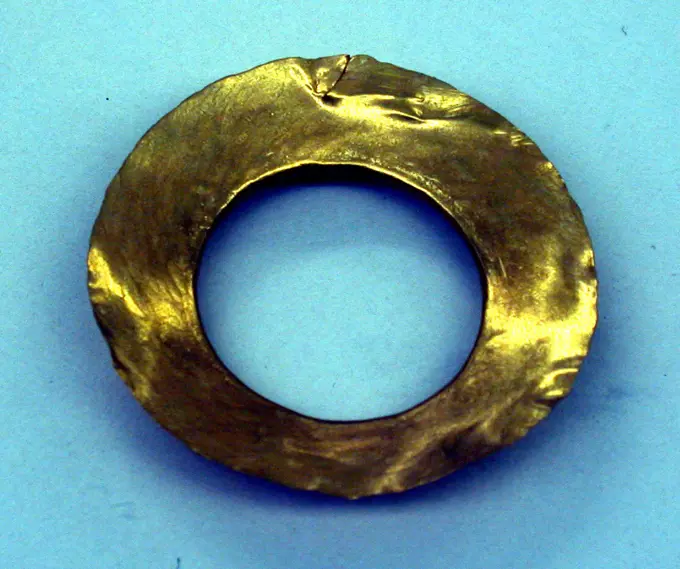
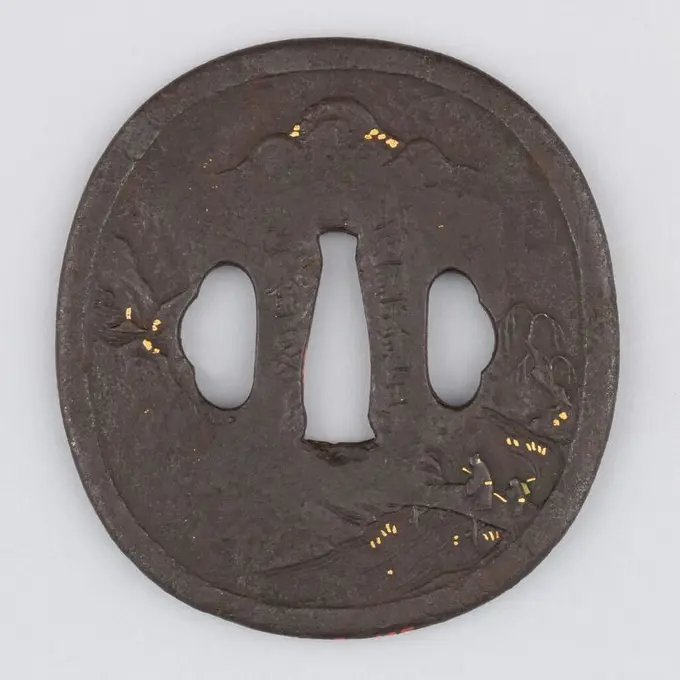
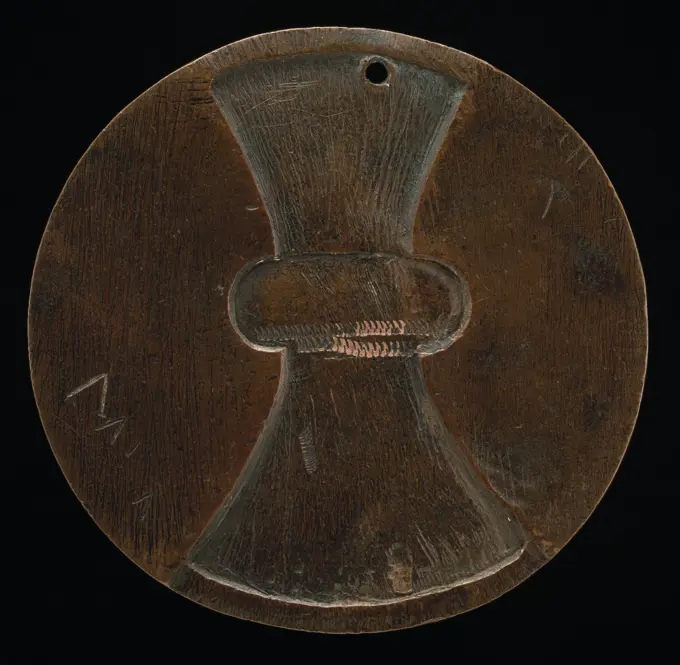
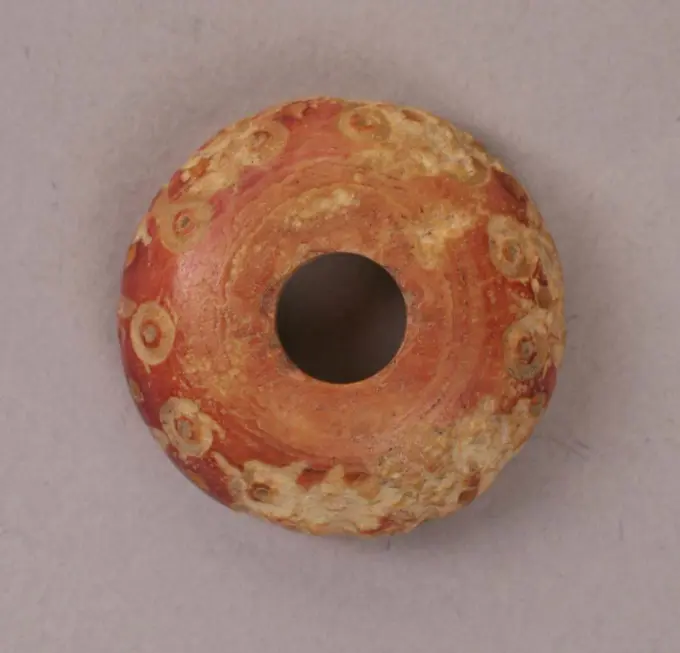
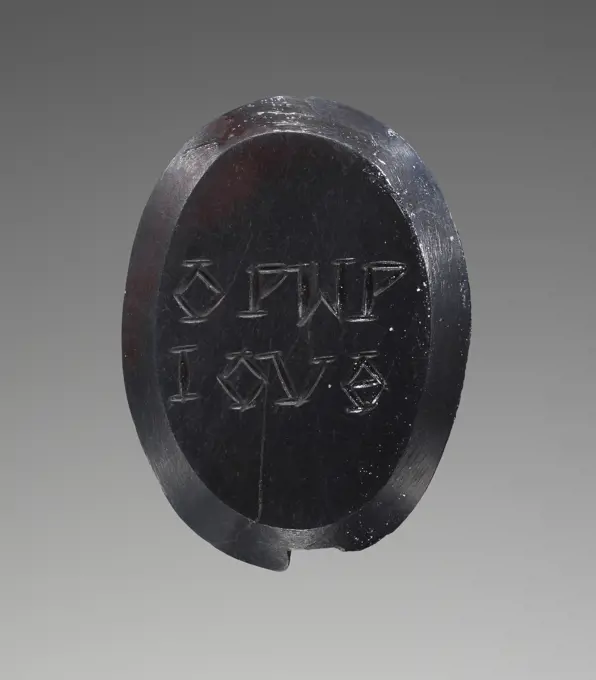
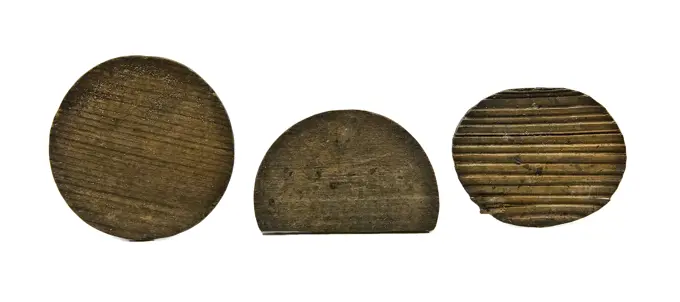
sheath, Tetsu, Period: Meiji. Surface: Migaki. Shape: Nade kaku. Hitsu: Nu; Seppadai: Migaki; Mimi: Suki no koshi., 1868-1911, metalwork, Decorative Arts, sheathSword Guard (Tsuba) 17th-18th century Japanese A tsuba is a sword guard and part of a sword mounting. It is mounted between the swords blade and grip to protect the users hands.. Sword Guard (Tsuba) 30093Split ring. Light green stone, gray veins. Provenance: Vietnam. Paris, Cernuschi museum. 78815-19 Ring, Archeological ObjectModel Dish from a Foundation Depsoit ca. 1479-1425 B.C. New Kingdom This model dish is from one of the foundation deposits that were placed in front of the entrance of KV 42 in the Valley of the Kings. The inscription identifies the tomb's owner as Queen Hatshepsut-Merytre, principal wife of Thutmose III, whose tomb was located nearby. The inscription painted on the rim of the bowl begins with the title King's Wife followed by her name, bracketed by an abbreviated cartouche, and ends with the standard funerary epithet "true of voice" (or "justified"). Two model ointment jars from the KV 42 foundation deposits are also in the collection.For a more complete discussion of KV 42 and its contents, see the Curatorial Interpretation below.. Model Dish from a Foundation Depsoit. ca. 1479-1425 B.C.. Travertine (Egyptian alabaster), paint. New Kingdom. From Egypt, Upper Egypt, Thebes, Valley of the Kings, Tomb of Queen Hatshepsut-Merytre, KV 42, foundation deposit, Carter/Carnarvon excavations, bracteate denarius. Zakon krzyżacki (1190-), issuerButton, Hoof, brass, Button of an animal's hoof; moulded; central section convex with surrounding, slightly concave, band. Brass shank., On card 2, France, 19th century, costume & accessories, Decorative Arts, ButtonSocketed Axe, Late Bronze Age. Found in Gloucestershire, UKTwo Loops for a Rein dated 1270 possibly French, possibly German. Two Loops for a Rein. possibly French, possibly German. dated 1270. Bronze. near Akko. Equestrian Equipment-Horse TrappingsDisk: Emblem of Heaven China. Disk: Emblem of Heaven 42821Buckle second half 5th-6th century Mediterranean. Buckle 466188Mirakulous medal, Devotiedening dedicated to the Immaculate Conception of the Virgin Mary and the Devotion to the Holy Hearts of Christ and Mary, made in response to the appearance, Anonymous, 1830  Messing oval medal to carrying and carrying ring. Front: standing on globe, Mary tramples with aureool on the earth, while shining out of her hands shots within a two -way change. Downside: Letter M; Toss with beam above that; Below two hearts, of which left with thorns of crown, and right with sword thorn in the wreath of stars.  brass (alloy) striking (metalworking)  ParisSpindle Whorl, 700s - 900s. Iran, early Islamic period, 8th - 10th century. Bone, incised; overall: 0.6 x 1.5 x 1.5 cm (1/4 x 9/16 x 9/16 in.).bracteate denarius. Zakon krzyżacki (1190-), issuerSen from 1 Mon from the Empire Japan ,, 1739 - 1868 coin Iron rectangular mint. Front: Inside wide smooth edge around square recess in the middle four cross -way characters with the meaning: kanei tsuho = kanei period. Rail side: Inside wide smooth border smooth surface   iron (metal) castingOpenwork Mount 100-300 Roman or Celtic. Openwork Mount 473294Terracotta oil lamp 1st century B.C.-1st century A.D. Roman Loeschcke Type 1A. Mold-made. Deep concave discus: small, winged Eros on back of lion, both facing left, and another Eros seated in front of lion's head; a single filling hole at bottom, slightly to left; broad band of lines and grooves at edge. Volutes flanking angular nozzle, with large wick hole. Raised base ring, and flat base.Intact.. Terracotta oil lamp. Roman. 1st century B.C.-1st century A.D.. Terracotta. Early Imperial. TerracottasBrass pulley-wheel from the East Indiaman 'Witte Leeuw', before 1613  Bronze round disk or wheel with a round hole and 6 spokes in the middle. Presumably intended for the great coverage and the Kardeelblok of the East Indians De Witte Leeuw. With this heavy hoist, the large RA, to which the mainsail was attached, could be lifted or lowered.  bronze (metal)   Sint-HelenaDisk Brooch ca. 550-650 Frankish. Disk Brooch 465384 Frankish, Disk Brooch, ca. 550650, Silver, garnet, Overall: 1 1/8 x 7/16 in. (2.8 x 1.1 cm). The Metropolitan Museum of Art, New York. Gift of J. Pierpont Morgan, 1917 (17.192.78)Sword Guard (Tsuba). Culture: Japanese. Dimensions: H. 2 7/8 in. (7.3 cm); W. 2 3/4 in. (7 cm); thickness 3/16 in. (0.5 cm); Wt. 4 oz. (113.4 g). Date: ca. 1615-1868. Museum: Metropolitan Museum of Art, New York, USA.Mirror with Four Nipples, Quasi-Dragons, and Birds, late 3rd Century BC - early 1st Century. China, Western Han dynasty (202 BC-AD 9). Bronze; diameter: 14.6 cm (5 3/4 in.); overall: 1.4 cm (9/16 in.); rim: 0.6 cm (1/4 in.).Spindle Whorl, 700s - 900s. Iran, early Islamic period, 8th - 10th century. Bone, incised; overall: 0.4 x 2.3 x 2.3 cm (3/16 x 7/8 x 7/8 in.).Spindle Whorl or Button 5th-8th century The dot-in-circle motif recalls designs presumed to be of magical significance, most likely an abstract eye to ward off the evil-eye, which serves an apotropaic function. Easily reproduced with a tool and visible in many cultures and times, this symbol may have lost its meaning, and become simply a decorative pattern, or may have one that we have not yet discovered. Spindle Whorl or Button. 5th-8th century. Bone; incised. From Palestine, Sbaita. Ivories and BoneCymbal 30 B.C.-A.D. 364 Roman Period. Cymbal 551059Brooch in the Form of a Cicada 350-450 East Germanic The winged insect was a popular motif in both Germanic and nomadic metalwork during the late fourth and fifth centuries. Gold bees appeared in the grave of the Frankish king Childeric (d. 482), while other richly appointed graves, such as that at Domagnano (17.190.698), included cicada brooches.. Brooch in the Form of a Cicada 466255Bead Roman. Bead. Roman. Glass. GlassHammered Silver Spoon 8th-mid-16th century Peru; north coast (). Hammered Silver Spoon 308963Shoe buckle, buckle with profiled, oval frame, clasp fastener component soil found brass copper metal, cast Shoe buckle with oval and profiled frame in which narrow notches and sickles are used as decoration. Curved model archeology Rotterdam rail tunnel attaching dressing shoes adorning fastening shoe Soil discovery: trajectory Rotterdam rail tunnel.Sugar box. An octagonal candy box of forged iron. Under and upstairs with ajour decorated leaves and flowers, in which pieces of cut crystal are placed. Embossed leaf work on the sides.Round Plaque. Culture: Vicús. Dimensions: Diam. 3 1/16 in. (7.8 cm). Date: 3rd century B.C.-A.D. 2nd century. Museum: Metropolitan Museum of Art, New York, USA.Hair Oornament, Three Buns, Lotus Decoration 8th-12th century Indonesia (Central Java). Hair Oornament, Three Buns, Lotus Decoration 64342Button. Button 244531Coin Weight 13th-14th century. Coin Weight 453553Round Plaque 3rd century B.C.-A.D. 2nd century Vicús. Round Plaque 315512Pilgrim's Badge 14th-16th century French. Pilgrim's Badge. French. 14th-16th century. Lead. Metalwork-LeadMirror Greek, Cypriot. Mirror 244298Bronze mirror. Culture: Etruscan. Dimensions: length 10 5/16 (26.2 cm); diameter 5 3/16in. (13.2 cm). Date: 3rd century B.C..Inscribed (retrograde): Achle (Achilles), Crisitha (Chryseis), Elinei (Helen), Elchsntre (Paris). Museum: Metropolitan Museum of Art, New York, USA.Sword Guard (Tsuba) with Landscape, c. 1615-1868. Japan, possibly Edo period (1615-1868). Iron; overall: 7 x 6.8 cm (2 3/4 x 2 11/16 in.).Game piece ca. 1981-1640 B.C. Middle Kingdom. Game piece. ca. 1981-1640 B.C.. Black faience. Middle Kingdom. From Egypt, Memphite Region, Lisht North, Cemetery, MMA excavations, 1920-22. Dynasty 12-13Fragment of Blazon 15th century. Fragment of Blazon 452407Mold for a Rings. Dimensions: Diam. 3.8 cm (1 1/2 in). Dynasty: Dynasty 18. Reign: reign of Amenhotep III. Date: ca. 1390-1353 B.C.. Museum: Metropolitan Museum of Art, New York, USA.Back Panel of a Three-Disk Cuirass. UnknownIt's lying. Pierce gray-ble. Provenance: Vietnam. Par musée musée malée. 78815-2 Ring, Archeological ObjectFloor tile: all Dinc-Heft sijnen-Tijt, Anonymous, 1500-1560 Floor tile decorated with a squared with a weapon around which the inscription: all Dinc-Heeft-sijnen-Tijt. In the corners, a quarter rosette. Netherlands earthenware. lead glaze Floor tile decorated with a squared with a weapon around which the inscription: all Dinc-Heeft-sijnen-Tijt. In the corners, a quarter rosette. Netherlands earthenware. lead glazeBit Boss late 17th - early 18th century possibly French Bit bosses were ornamental elements decorating both sides of a horse bit.. Bit Boss. possibly French. late 17th - early 18th century. Copper alloy. Equestrian Equipment-BitsPottery lamps. Roman, after 30 BC.Disk, ornament, 6 1/2 x 6 x 3/4 in. (16.51 x 15.24 x 1.91 cm), Silver, ChinaMary Owen, Butter Mold, c 1941 Butter MoldPlate with Wife Beating Husband. Culture: Netherlandish. Dimensions: Overall: 3 7/8 x 20 1/4 in. (9.8 x 51.5 cm). Date: ca. 1480.The scene on this copper plate is usually thought to represent Aristotle being ridden by Phyllis, but it may be more accurately identified as a general depiction of a woman's tyrannical rule. Spinning has throughout the ages been considered the work of women. By the time this plate was made, a relatively sophisticated type of spinning wheel had been developed, as seen in an illustration in Das Mittelalterliche Hausbuch of about 1480. The object to the left in this plate represents the method of spinning wool by hand from a fixed distaff (which had the advantage of leaving both hands free, one to rotate the spindle and the other to draw out the fibers). The yarn spun onto the spindle, however, could not be slipped off but had to be wound off with a cross-reel such as that held by the men on this plate. The fact that a man could be reduced to hank winding wouAxe Head Inscribed with Two Horus Falcons. Egypt, early Dynastic - Old Kingdom (3000 - 2191 BCE). Arms and Armor; axes. BronzeMoneda romana, Licinio, procedente de Iluro. Can Serra Museu de Mataró.clay Sieves or strainers were used in cooking and beer preparation in ancient Iraq. Excavated at Ur, Sumerian, 2100-2000 BCLarge stamp from Louis XIV belonging to the diploma in which Cornelis Lampsins was elevated to Baron of Tobago and Knight of St. Michel. Seal of brown wash, very irregular surface, with a crowned weapon on one side with three (French) lilies, supported by two (female) Figures; On the other side a seated figure with two elongated objects (scepter and main the JUSTICE) In the hands, under the bottleneck, the curtains of which are opened by two figures (no longer to distinguish). Pink and green silk cords walk through the seal.Button or Bead 9th-10th century This object was excavated at Nishapur.Nishapur was a vital city in the early and middle Islamic periods, located along one of the main trajectories that connected Iran and West Asia Islamic lands with Central Asia and China. These itineraries are often referred to by the term Silk routes’ but were in fact crucial to the movement of constellations of materials and objects, as well as people and ideas. The diverse population of Nishapur and its surroundings, from the better-researched elite groups of merchants, land-owning aristocracy, and literates, to the less-known artisans, farmers, miners, and servants, were instrumental in adapting global cultural trends to create their own distinctive visual languages. This is seen in the material remains of everyday life in medieval Nishapur - from pots and pans to lighting devices, inkwells, textiles and trimmings, jewelry, games and toys, talismanic devices, weapons, coins, and architectural fragments.Nishapur lTop of a Sword Scabbard. Culture: India. Date: 17th-19th century (). Museum: Metropolitan Museum of Art, New York, USA.Incense Burner Plate. Egypt, Roman Period (30 BCE - 395 CE) or later. Tools and Equipment; burners. BronzePawDecorative door boss and nail, Wrought iron, Hemispherical boss divided into eight triangular sections by paired parallel wrought lines. Nail has a pyramidal head on a square shank., Spain, 15th century, metalwork, Decorative Arts, Decorative door boss and nailTympanum of a Heger I Kettledrum. Culture: Vietnam. Dimensions: Diam. 27 23/32 in. (70.5 cm). Date: ca. 500 B.C.-A.D. 300.Dongson kettledrums of this type must have been widely traded in antiquity, as many have been found in Indonesia. Museum: Metropolitan Museum of Art, New York, USA.Spindle Whorl, 700s - 900s. Iran, early Islamic period, 8th - 10th century. Bone, incised; overall: 0.7 x 1.3 x 1.3 cm (1/4 x 1/2 x 1/2 in.).Plate first half 18th century Samuel Ellis. Plate. British, London. first half 18th century. Pewter. Metalwork-PewterSpinning Whorl, before 1921. Colombia. Red ware; diameter: 5.2 cm (2 1/16 in.); overall: 2 cm (13/16 in.).Spindle Whorl, 700s - 900s. Iran, early Islamic period, 8th - 10th century. Bone, incised; overall: 0.5 x 1.8 x 1.8 cm (3/16 x 11/16 x 11/16 in.).Strap Crossing. Western Inner Mongolia, 5th-3rd century B.C.. Jewelry and Adornments; worn ornaments. Bronze, castShield bosses iron gilded copper Second Half of the 12th century City wall Spandau, BerlinButton or Bead 9th-10th century The dot-in-circle motif recalls designs presumed to be of magical significance, most likely an abstract eye to ward off the evil-eye, which serves an apotropaic function. Easily reproduced with a tool and visible in many cultures and times, this symbol may have lost its meaning, and become simply a decorative pattern, or may have one that we have not yet discovered.. Button or Bead 450022Round Plaque. Culture: Vicús. Dimensions: Diam. 2 13/16 in. (7.1 cm). Date: 3rd century B.C.-A.D. 2nd century. Museum: Metropolitan Museum of Art, New York, USA.Ear Ornament 14th-15th century or earlier Cuyo Island. Ear Ornament 317650Big button fixed on fabric backgroundPlanets-manager. Cornalet Collection Sites 2013-2016. Numismatic.Bliżej Kultury Royal thai mintRingSword Guard (Tsuba). Culture: Japanese. Dimensions: H. 3 5/16 in. (8.4 cm); W. 3 1/8 in. (7.9 cm); thickness 1/4 in. (0.6 cm); Wt. 5.3 oz. (150.3 g). Date: ca. 1615-1868. Museum: Metropolitan Museum of Art, New York, USA.Copper pressed thimble, thimble sewing kit soil find copper metal, pressed Copper pressed thimble spirally drawn on the top crossing without groove in the shaft with fairly wide blank board archeology Rotterdam railway tunnel seamstress tailor sewing textile processing clothing needle and restore wire Soil discovery: rail tunnel Rotterdam.Spindle Whorl 10th-early 16th century Mexican. Spindle Whorl 307569Ferrarese 15th Century, Object Resembling Double Axe head (reverse), c 1470 1500 Object Resembling Double Axe-head reverseBracelet. Iran, Luristan, circa 1000-650 B.C.. Jewelry and Adornments; bracelets. Iron, wroughtAlbert-Désiré Barre (1818-1878). Medal matrix. Napoleon I. Metal, steel. Nineteenth century. Museum of Fine Arts of the City of Paris, Petit Palais. 58763-10 Steel, medal, metal, inventory number, numismatics, backhand, 19th centurySpindle Whorl, 700s - 900s. Iran, early Islamic period, 8th - 10th century. Bone, incised; overall: 0.5 x 1.9 x 1.9 cm (3/16 x 3/4 x 3/4 in.).Barnabite Bell Foundry Badge, 1791 (Title Title) Badge of the Barnabite Bell Currency Foundry. Bronze, 1791.Coin Weight 13th-14th century. Coin Weight 453557Necklace; Unknown Night -Tamanian workshop; approx. 2600 2350 BC ; Early period D Azira III (-2600-00-00--2350-00-00);Pilgrim's Medallion with St. Symeon the Younger, c. 1100. Byzantium, Syria, early 12th Century. Lead; diameter: 5.7 x 0.4 cm (2 1/4 x 3/16 in.).Naszyjnik. nieznany warsztat północno mezopotamski (ca 2600-ca 2350 a.C.), workshopSword Guard (Tsuba) 18th century Japanese A tsuba is a sword guard and part of a sword mounting. It is mounted between the swords blade and grip to protect the users hands.. Sword Guard (Tsuba) 35144Fragments of a cart or chariot, sockets ca. 500-480 B.C. Etruscan Large collection of bronze and iron attachments once belonging to a chariot.. Fragments of a cart or chariot, sockets 253025 Etruscan, Chariot fragments, sockets, ca. 500480 B.C., Bronze, Iron, 1: 5 1/2  4 in. (14  10.2 cm) 2: 5 5/8  3 5/8 in. (14.3  9.2 cm). The Metropolitan Museum of Art, New York. Fletcher Fund, 1929 (29.131.3p1p2)Button or Bead 9th-10th century This object was excavated at Nishapur.Nishapur was a vital city in the early and middle Islamic periods, located along one of the main trajectories that connected Iran and West Asia Islamic lands with Central Asia and China. These itineraries are often referred to by the term Silk routes’ but were in fact crucial to the movement of constellations of materials and objects, as well as people and ideas. The diverse population of Nishapur and its surroundings, from the better-researched elite groups of merchants, land-owning aristocracy, and literates, to the less-known artisans, farmers, miners, and servants, were instrumental in adapting global cultural trends to create their own distinctive visual languages. This is seen in the material remains of everyday life in medieval Nishapur - from pots and pans to lighting devices, inkwells, textiles and trimmings, jewelry, games and toys, talismanic devices, weapons, coins, and architectural fragments.Nishapur lMagical Gem; 100 - 250; Hematite; 2 × 1.5 × 0.2 cm (13,16 × 9,16 × 1,16 in.)Three fragments of chip boxes, three soils, box holder soil find pine wood, cut sawn planed stabbed Three pinewood bottoms of small chip boxes: archeology Capelle aan den IJssel House at Capelle castle packing transport store Soil discovery: castle Capelle cesspool north side 1612-1797 Capelle on the IJssel.Bullet lock with rusted hole, anonymous, c. 1590 - c. 1596 lock Bullet lock, padlock, with rusted hole.  iron (metal) forging  Nova Zembla. Saving HuysRound Plaque. Culture: Vicús. Dimensions: Diam. 3 1/16 in. (7.7 cm). Date: 3rd century B.C.-A.D. 2nd century. Museum: Metropolitan Museum of Art, New York, USA.Lock 16th century Italian. Lock 468334Stone Temple Model 1st-8th century Mezcala. Stone Temple Model 317510Plate 1700-1900 View more. Plate. 1700-1900. Wood; MaplePlate 1700-1900 View more. Plate. 1700-1900. Wood; BeechPlate 1700-1900Cup Cover 15th century German. Cup Cover 464508 German, Cup Cover, 15th century, Silver-gilt, Overall: 1 9/16 x 3 11/16 in. (4 x 9.3 cm). The Metropolitan Museum of Art, New York. Gift of J. Pierpont Morgan, 1917 (17.190.611b)Cinnabar Lacquer 'Scholar in Landscape' Box and Cover 1736-1795 China. Carved cinnabar lacquer .Pierścień - ozdoba włosów. unknown, authorRound Plaque. Culture: Vicús. Dimensions: Diam. 3 3/16 in. (8.1 cm). Date: 3rd century B.C.-A.D. 2nd century. Museum: Metropolitan Museum of Art, New York, USA.Stamp seal ca. 5th century A.D. Sasanian. Stamp seal. Sasanian. ca. 5th century A.D.. Hematite. Sasanian. Iran