Artistic Metalwork and Artifacts

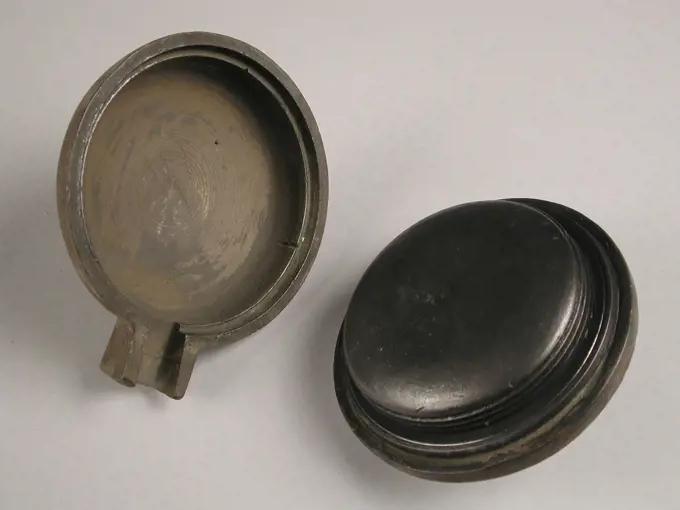
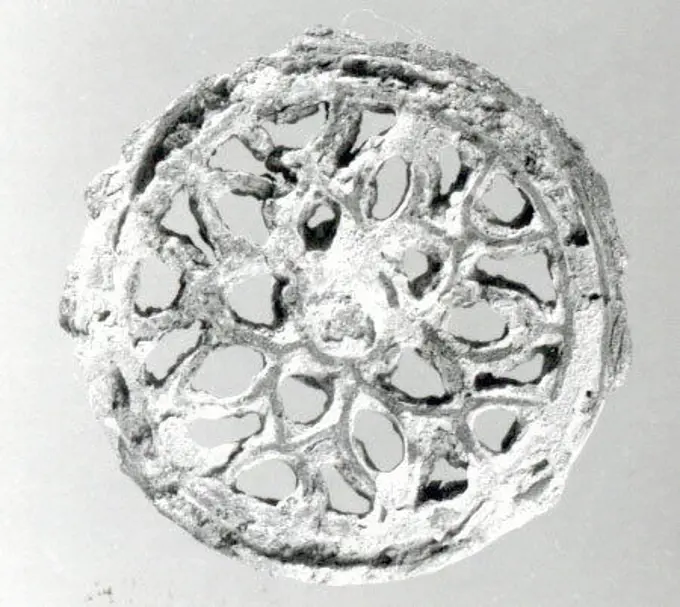
Images of decorative items including hand guards, bracteates, and mirrors. These pieces showcase intricate designs and cultural heritage from various periods.

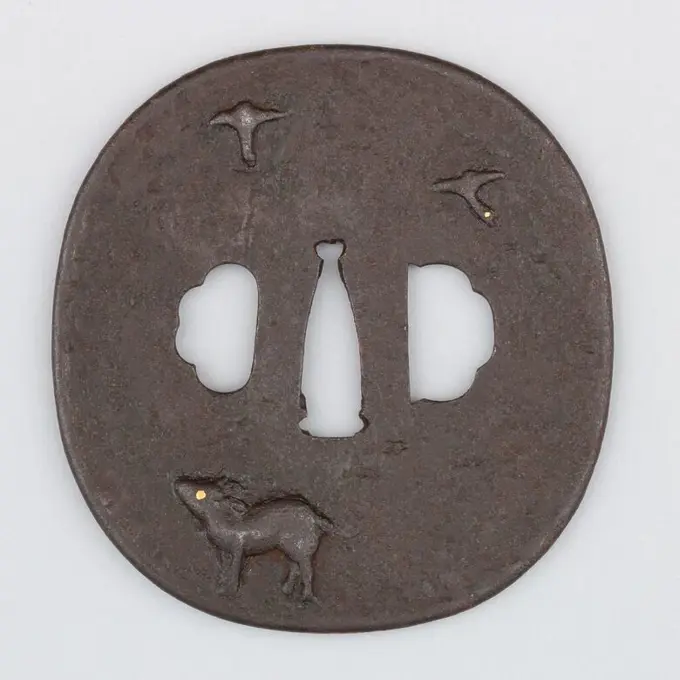
Hand guard, Umetada
Hand guard, Umetada
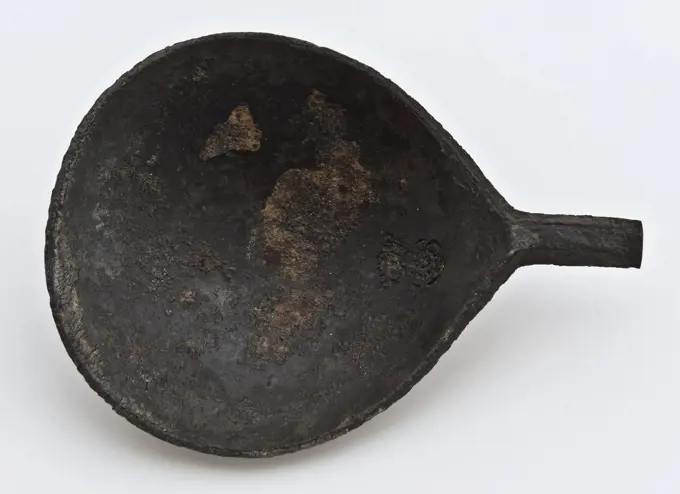
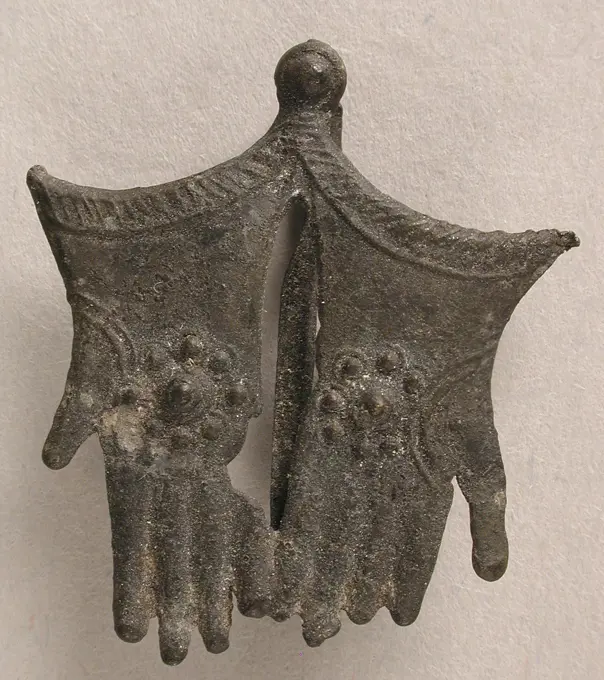
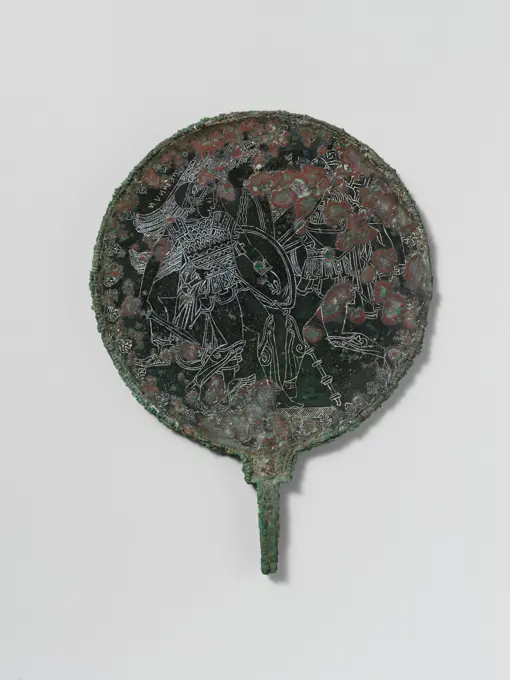
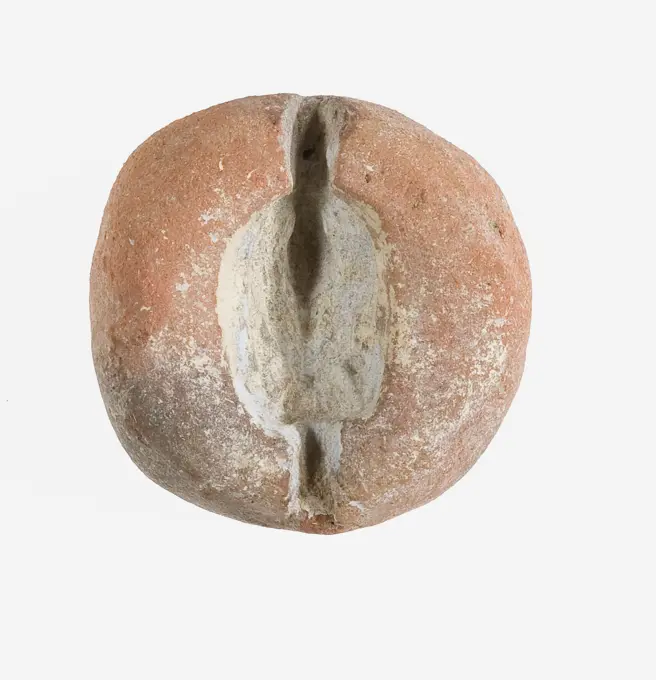
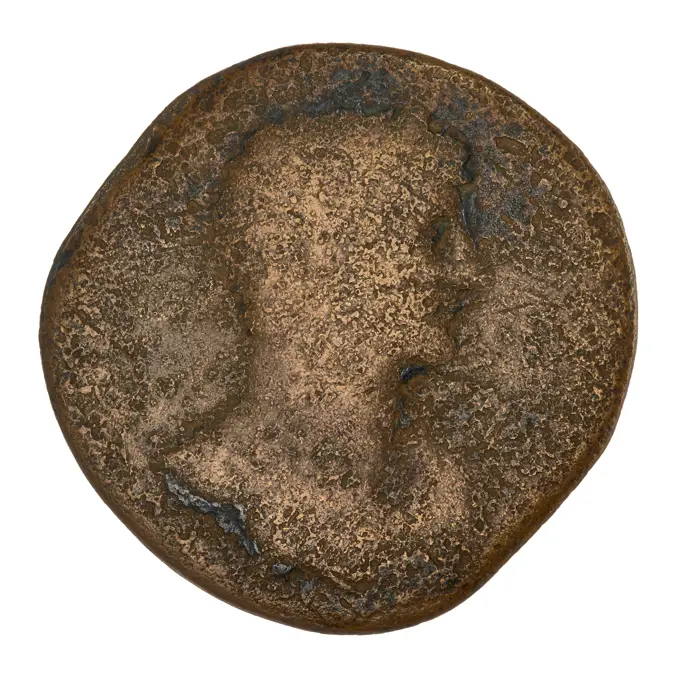
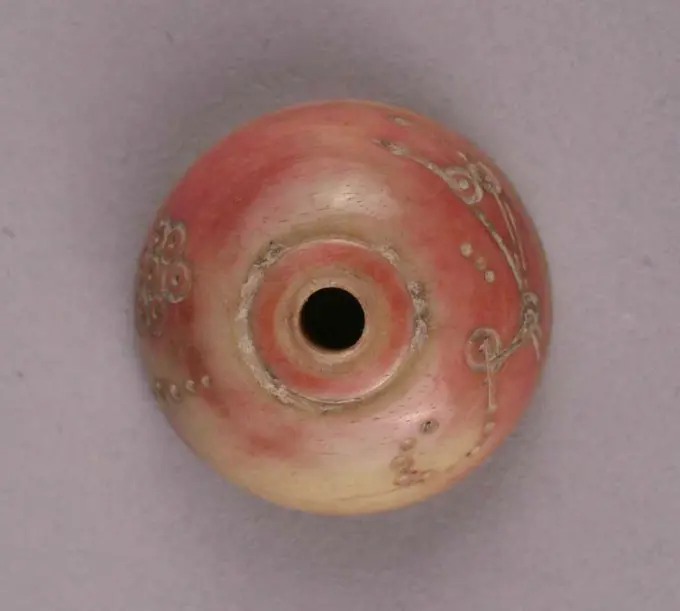
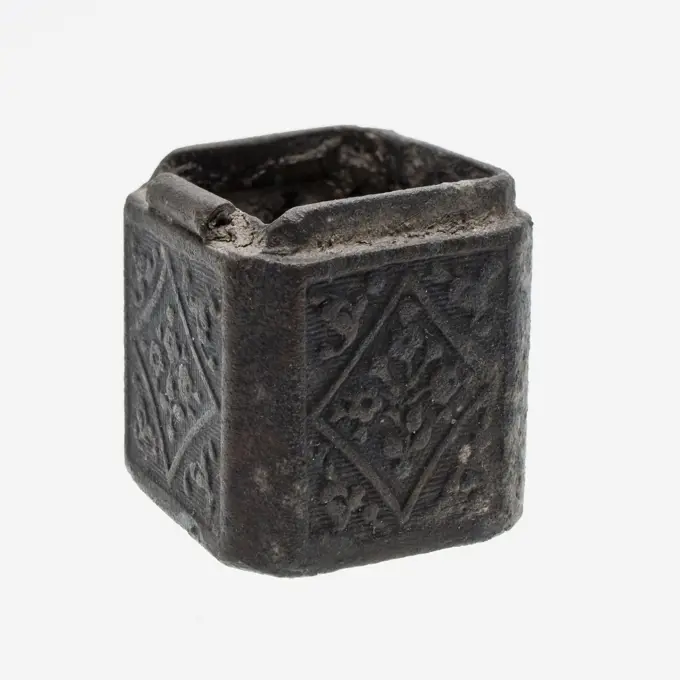
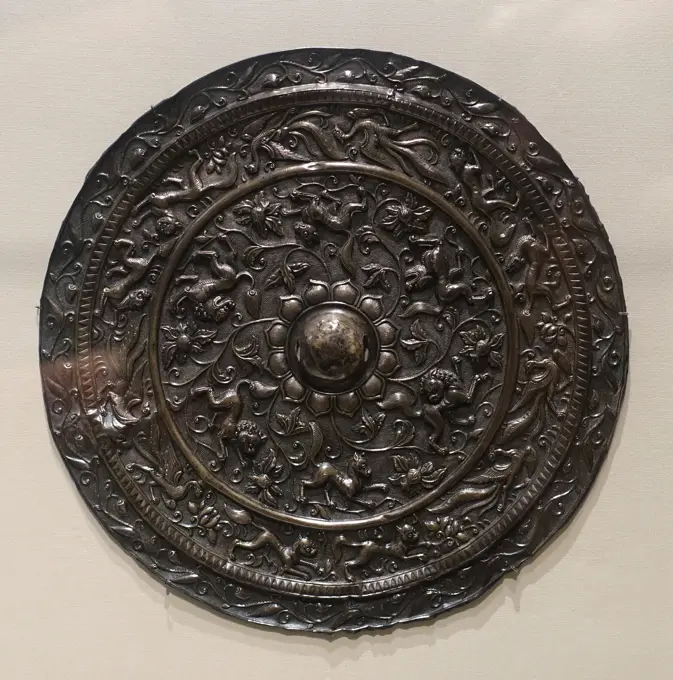
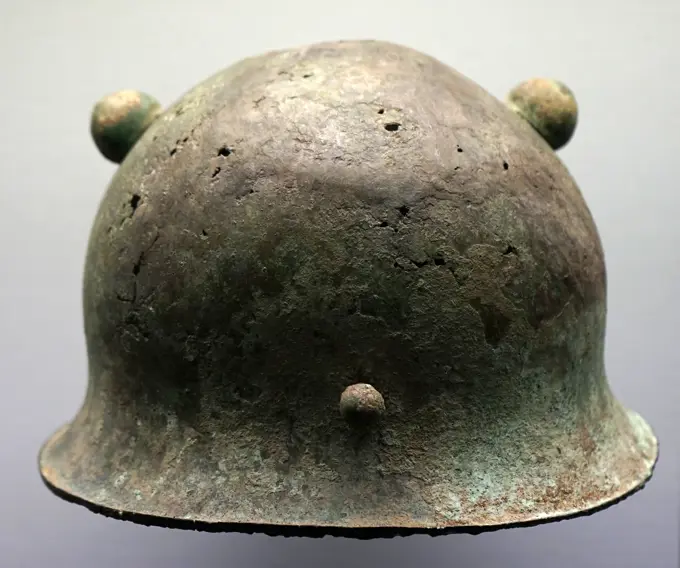
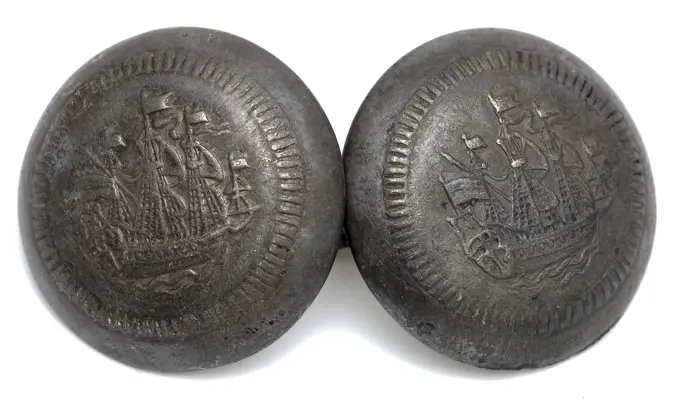
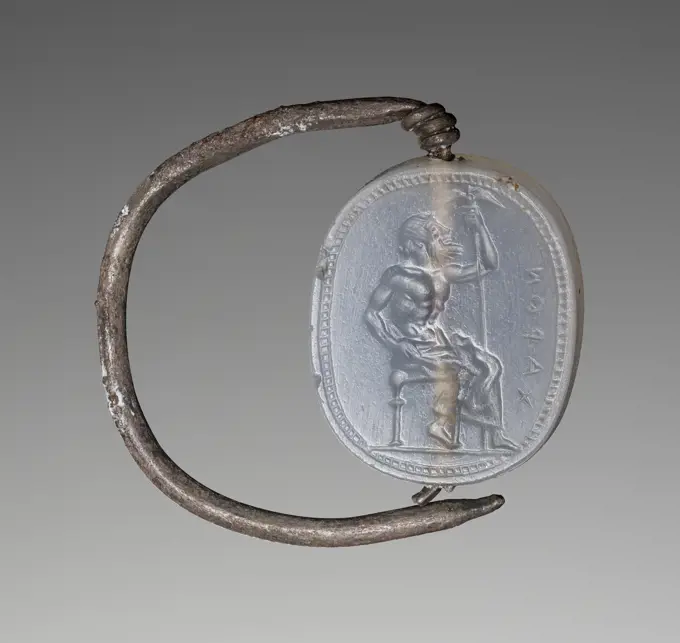
Engraved scaraboid gem inset into a ring; about 470 B.C; Ring: silver; gem: blue chalcedony; 1.7 × 1.4 × 0.8 cm (11,16 × 9,16 × 5,16 in.)Drop-shaped leaves of tin spoon, marked, spoon cutlery soil find tin metal, cast Spoon with drop-shaped leaves Short rat tail under the spoon tray. Marked in the spoon blade for the attachment with the stem In the leaf crowned Tudor rose as brand initials not readable archeology Rotterdam Kralingen-Crooswijk Kralingsche Bos Kralingse Plas Soil discovery: in 1972 at the Kralingse Plas from sprayed dredge collected metal detector finds and sight finds.Pilgrim's Badge with Becket's Gloves 15th century British Badges and souvenirs of this kind were sold across Europe during the Middle Ages, at sites where saints had been martyred, their relics were housed, and miracles had occurred. Outside of Rome, Santiago de Compostela in northwestern Spain, where the relics of Saint James the Greater were preserved, was the preeminent pilgrimage destination in Europe. Canterbury Cathedral, where Thomas Becket was martyred, was foremost in England. Badges associated with each holy place offered proof that the wearer had made the pilgrimage. The sale of souvenirs was a major source of income for religious foundations. Lead alloy was also used for secular objects including buttons, badges, rings, as well as toys.. Pilgrim's Badge with Becket's Gloves 474382Deraisme, Pierre -Georges (n.1859 - D.1932). Petit Palais, Museum of Fine Arts of the City of Paris.Earring 6th-7th century Frankish. Earring 465169 Frankish, Earring, 6th7th century, Silver, traces of gilding, glass paste or garnet (), Overall: 1 9/16 x 1 7/16 x 9/16 in. (3.9 x 3.7 x 1.5 cm) bead: 9/16 x 9/16 in. (1.4 x 1.5 cm). The Metropolitan Museum of Art, New York. Gift of J. Pierpont Morgan, 1917 (17.192.114)Brass bell of rattle, musical instrument or harness, marked, bell sounding device Soil discovery copper brass metal, soldered Small copper bell of rattle musical instrument or horse harness Wide flat seam around the bulge Marked next to the slot of the sound hole Mark: clock with clapper archeology Rotterdam rail tunnel communication sound child play rattle infant rattle music rigging horse Soil discovery: rail tunnel Rotterdam.Bronze mirror ca. 450-420 B.C. Etruscan Achle (Achilles) fighting with Memnun (Memnon) and Thesan (Eos) retrieving the body of her son Memnun from the battlefield. Bronze mirror 251256 Etruscan, Bronze mirror, ca. 450420 B.C., Bronze, length 9 1/8 in. (23.2 cm); diameter 6 7/8 in. (17.5 cm). The Metropolitan Museum of Art, New York. Rogers Fund, 1922 (22.139.84)18th century Child token, given to the Foundling Hospital in London. Mothers left tokens with their babies, so that, if circumstances improved for them, the mothers could reclaim their children. The Foundling Hospital in London, England, was founded in 1739 by the philanthropic sea captain Thomas Coram. It was a children's home established for the "education and maintenance of exposed and deserted young children Fragment of buyer from the wreck of the East India Hollandia.parts or artifacts; eroded fragments: Materials; Copper.Copper Tumi Pendant before 15th century Peruvian. Copper Tumi Pendant 315661Mold for Trussed Duck Amulet ca. 1390-1353 B.C. New Kingdom. Mold for Trussed Duck Amulet. ca. 1390-1353 B.C.. Pottery. New Kingdom. From Egypt, Upper Egypt, Thebes, Malqata, Khor west of camp or E. side of S. Village, MMA excavations, probably 1911-12. Dynasty 18sesterce; Hadrian (76-138; Roman emperor 117-138); 118 (118-00-00-118-00-00);Roma (Mitol.), Helmets, Busters, Bay WreathsSpindle Whorl 9th-10th century Spindle whorls aided in the making of thread by maintaining the momentum of the spindle. This convex spindle whorl made from rose-pink tinted bone was excavated at Nishapur. One side of the main body is decorated with an incised rosette of six dot-in-circles and a vertical line of dots, while the opposite is incised with an anthropomorphic figure. Hundreds of spindle whorls were excavated at Nishapur, providing further evidence that the city possessed a thriving textile industry. Their incised designs exhibit a wide variety of motifs ranging from geometric forms to zoomorphic figures.. Spindle Whorl. 9th-10th century. Bone; tinted, incised, and inlaid with paint. Excavated in Iran, Nishapur. Ivories and BoneBouwfragment, anonymous, c. 1546 A part of a beam key, on which the year 1546. Northern Netherlands (possibly)Netherlands (possibly) wood (plant material). oak (wood). paint (coating) A part of a beam key, on which the year 1546. Northern Netherlands (possibly)Netherlands (possibly) wood (plant material). oak (wood). paint (coating)Sword Guard (Tsuba). Culture: Japanese. Dimensions: H. 3 3/8 in. (8.6 cm); W. 3 3/16 in. (8.1 cm); thickness 1/4 in. (0.6 cm); Wt. 4.2 oz. (119.1 g). Date: 1700-1750. Museum: Metropolitan Museum of Art, New York, USA.House numberAndreas van Duyveland, Two-piece bronze mold for screw cap of barley pot, mold casting tool tools kit metal_metal bronze h 6,5, cast Two-piece bronze mold for the screw cap of gray pot is top and the bottom top: AVD and year 1766 Rotterdam tin tinker tin tin Meeuws Druy artisan Shapes are from the originally 18th century Rotterdam tinnegieter J Druy. The large molds that were not signed or dated were the property of the tinker guild and were rented to the small tin caster.Hispano-Visigotische Wasserstelle Hispano-Visigotische Wasserstelle Copyright: xZoonar.com/Tolox 22568927Nicolas Brenet (1728-1792) and Alexis-Joseph Depaulis (1790-1867). Medal reverse. Battle of Lützen. Metal, bronze. After 1813. Museum of Fine Arts of the City of Paris, Petit Palais. 58768-9 Bronze, medal, metal, inventory number, numismatics, reverseThree Round Copper-Alloy Balance Weight with Cross 8th-9th century Byzantine These objects are decorated with a cross and their respective weights in Greek initials-six ounces, two ounces, and one ounce-within a herringbone wreath. Most round weights were turned on a lathe, but the smallest of these three appears to have been cast in a mold instead. In Byzantium, precise measurement of goods was achieved by a set of standard balance weights.. Three Round Copper-Alloy Balance Weight with Cross. Byzantine. 8th-9th century. Copper alloy. Metalwork-Copper alloyButton, Silk uncut voided cloth velvet over bone forms, From originally a set of seventeen buttons, of three different sizes, to go with the man's suit of which 1939-57-30-a to c are parts - bone shapes covered with purple velvet uncut pile which forms minute hexagons each enclosing a round dot against a ground with short floats of secondary purple silk weft., Component -a is on card A, France, 1750-99, costume & accessories, Decorative Arts, ButtonSign of honor for honorable, long -term and actual service at the militia for non -commissioned officers, Anonymous, 1851  Silver carrying pin with eye and ring.  penning: silver (metal)Copper molded thimble with groove at the top, thimble sewing kit soil find copper metal, cast Copper molded thimble with round holes in lines on the top with groove changing into the shaft with wheel punch and with blank board with two grooves archeology Rotterdam rail tunnel seamstress tailor sewing textile processing clothing needle and thread repair Soil discovery: rail tunnel Rotterdam.Bronze repousse relief depicting a Nike sacrificing a bull. Dated 350 BCRectangular tin box without lid, square, decorated with floral decoration in rhombus, container holder soil find tin metal, d 2,5 cast Pewter box with recessed upper edge for oversattached lid. Cylinder of lid hinge still present. Decorated with molded floral decor in diamond-shaped shaded background On one side the decoration is placed within four-leaved frame. Stand plane Square of archaeological form Rotterdam Hillegersberg-Schiebroek Terwegge Stoopweg rail tunnel for storage storage Rotterdam soil found at the Stoopweg in the dump from the track of the railway tunnel.Compartmented stamp seal ca. late 3rd-early 2nd millennium B.C. Bactria-Margiana Archaeological Complex. Compartmented stamp seal 326402Sicily, Selinus, didrachm; ca 550 500 BC Mennica selinusBronze buckleDISCOS SOLARES CON PERFORACIONES PARA SUJETAR LA ROPA-BRONCE PROTOATLANTICO. Location: MUSEO ARQUEOLOGICO-COLECCION. Oviedo. ASTURIAS. SPAIN.Mirror Back with Birds and Animals in Repoussé 8th century China Originally attached to the back of a bronze mirror, this silver disk is richly decorated with fantastic birds and felines frolicking amid lotus tendrils against a background finely stippled with a punch ring.. Mirror Back with Birds and Animals in Repoussé. China. 8th century. Silver. Tang dynasty (618-907). MirrorsFragments of a cart or chariot, sockets ca. 500-480 B.C. Etruscan Large collection of bronze and iron attachments once belonging to a chariot.. Fragments of a cart or chariot, sockets. Etruscan. ca. 500-480 B.C.. Bronze. Archaic. BronzesPetal-Shaped Bead, c. 1391-1353 BC. Egypt, New Kingdom, Dynasty 18, reign of Amenhotep III. Faience; overall: 3 x 1 cm (1 3/16 x 3/8 in.).An Aufidus bronze embossed helmet, which was once decorated with horsehair. Dated 6th Century BCTwo linked silver buttons with embossed three-master, knot clothing accessory clothing soil find silver metal, Rotterdam rail tunnel close dress show off Soil discovery Railway tunnel between St. Laurens and Mennonite church.Bliżej Kultury unknownHubert Ponscarme (1827-1903). "Averse de medal a French Republic (left)". Metal, bronze. Museum of Fine Arts of the City of Paris, Petit Palais. 57552-13 Avers, bronze, medal, metal, inventory number, numismatics, French republicBronze helmet from the area of Monrupino, Friuli-Venezia Giulia, Italy. Castellieri Culture, 6th Century BC.