Artistic Paperworks

Different paper items including a sketchbook, foot study drawing, and decorative church tablecover, highlighting artistic designs and textures.


Leather old frame nails brown old leather with frame made of upholstery copyright: xzoonar.com/axelxkillianx 5482636
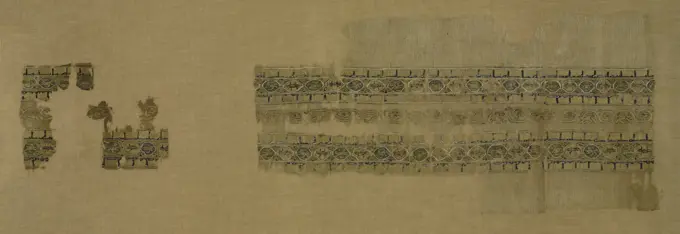
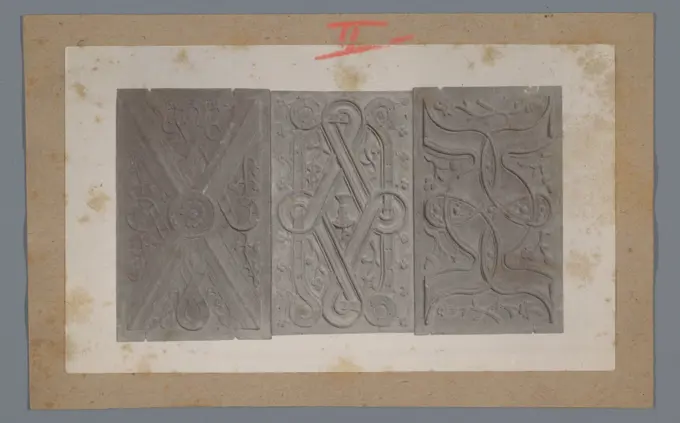
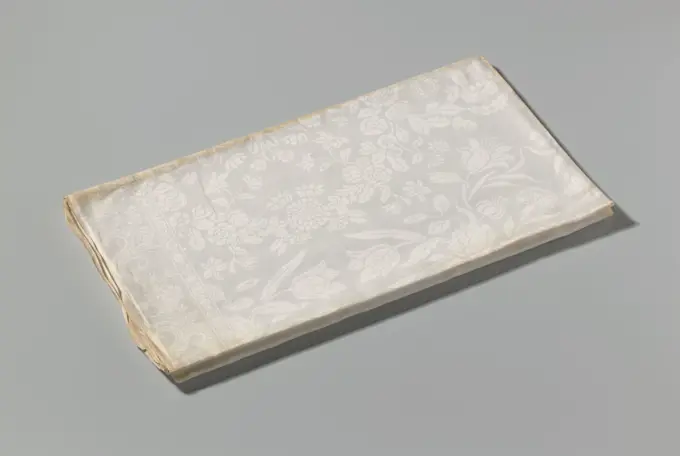
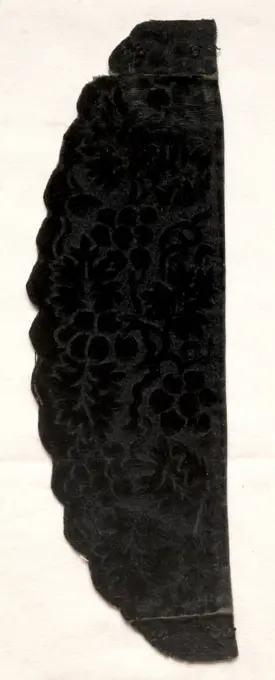
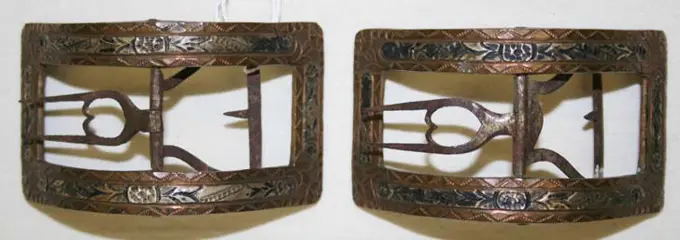
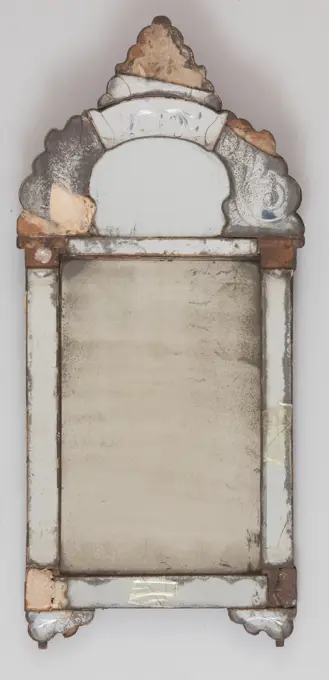
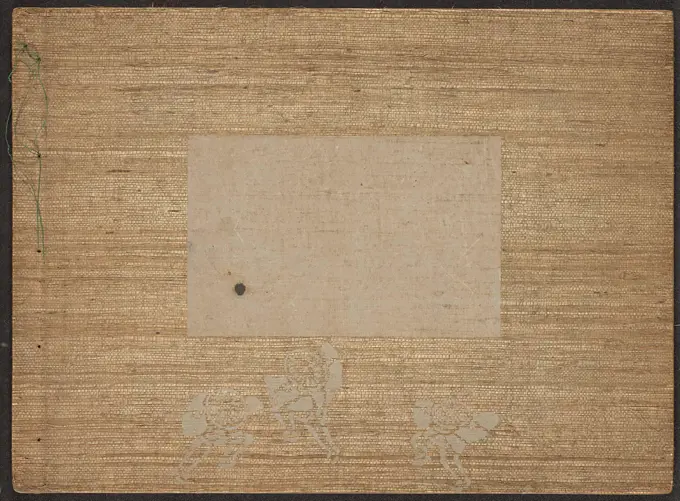
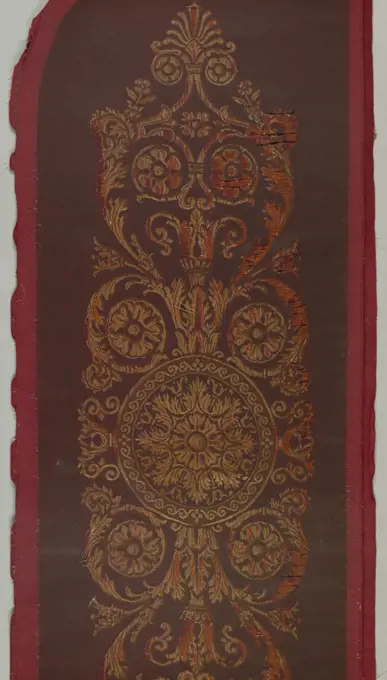
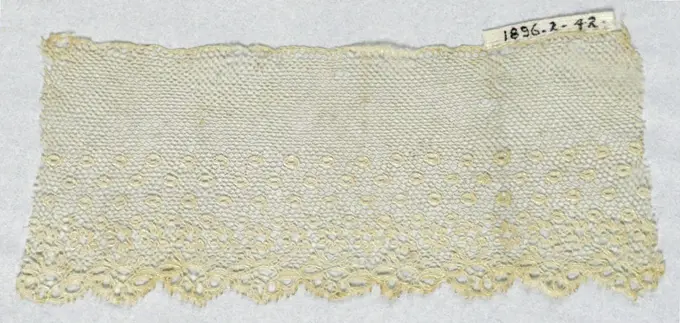
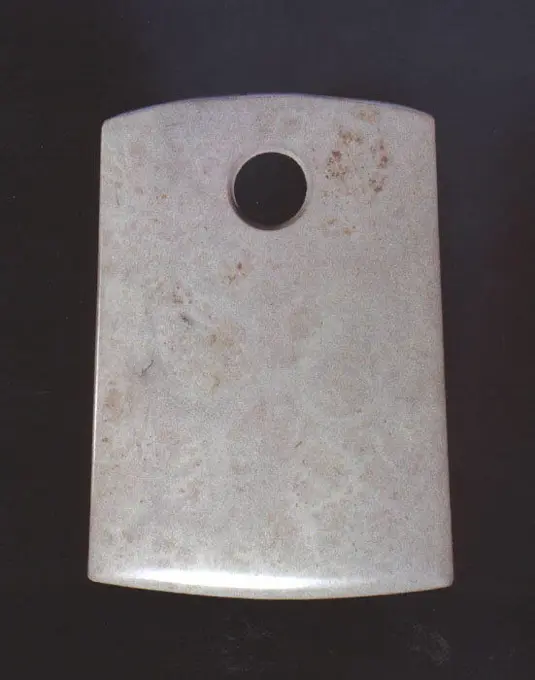
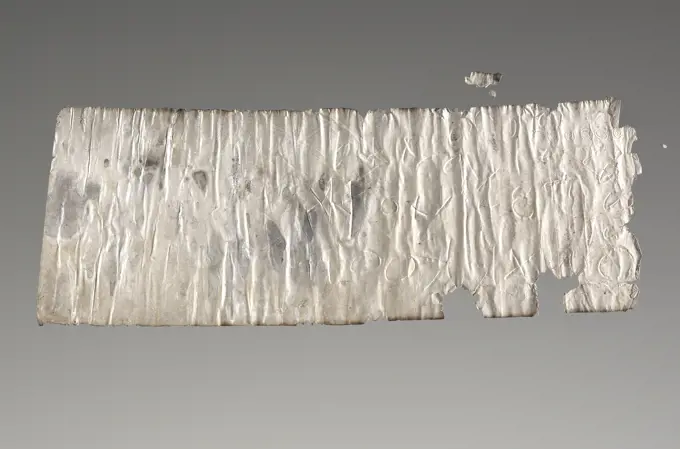
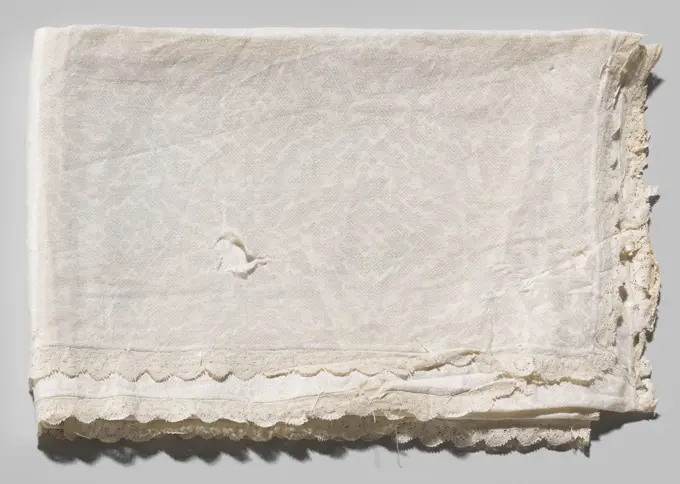
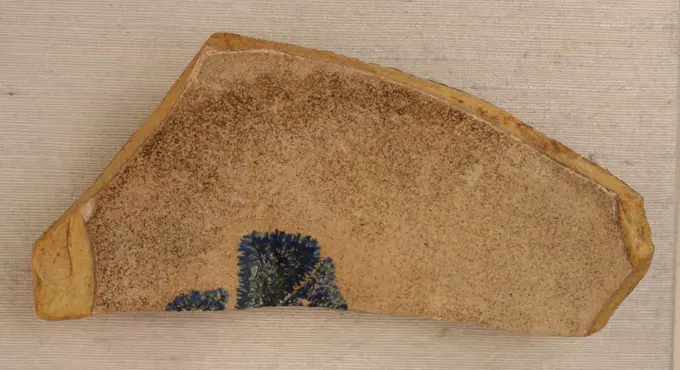
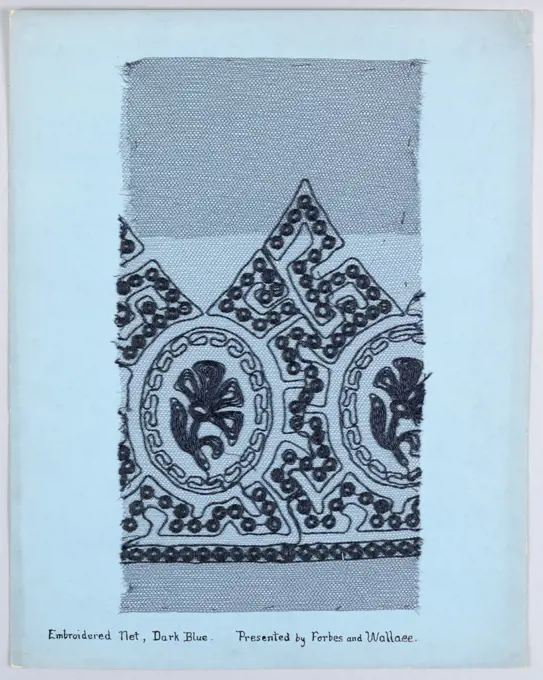
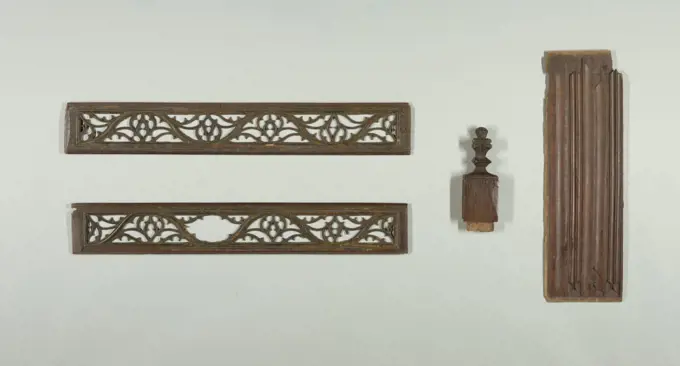
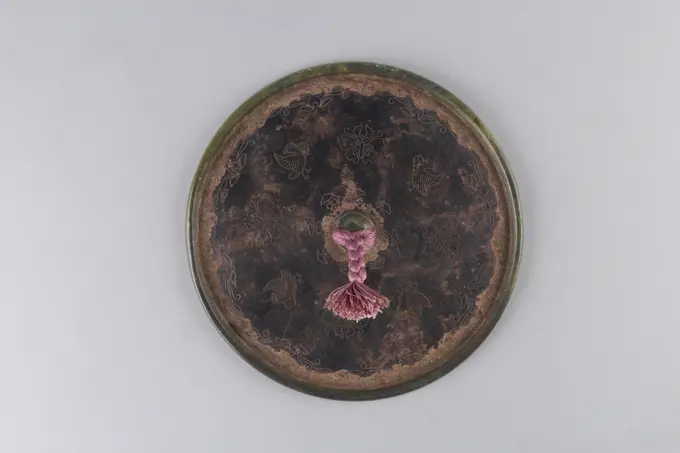
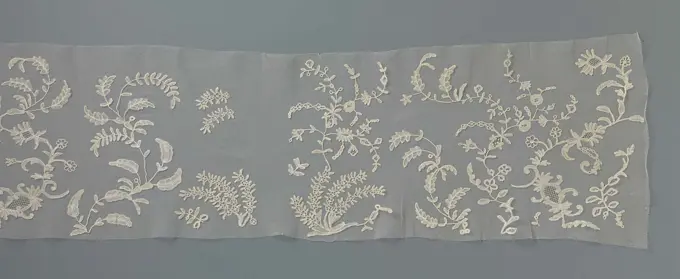
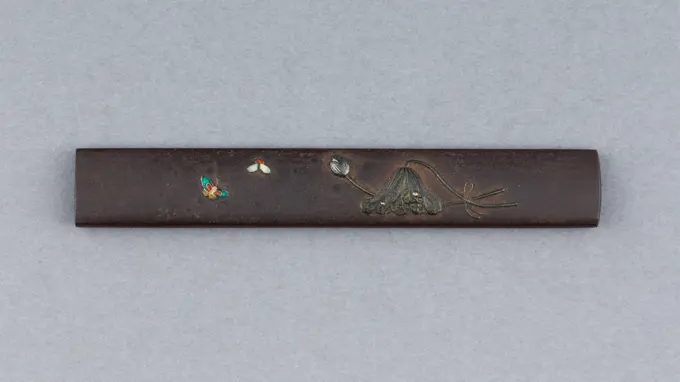
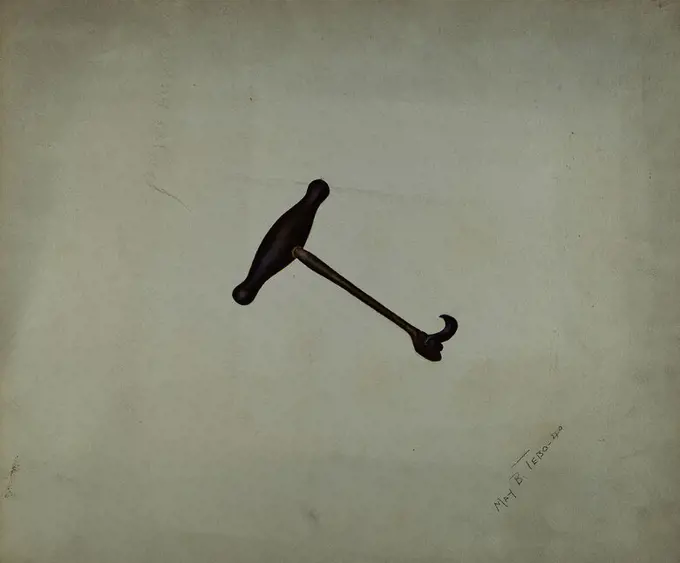
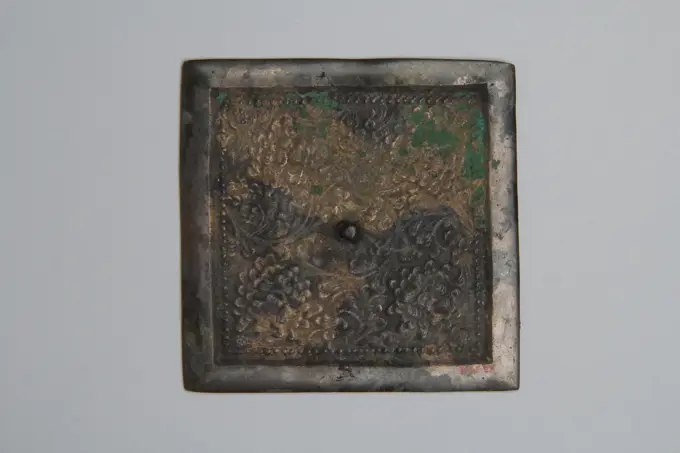
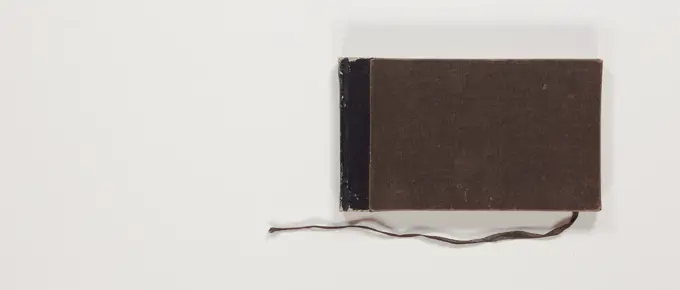
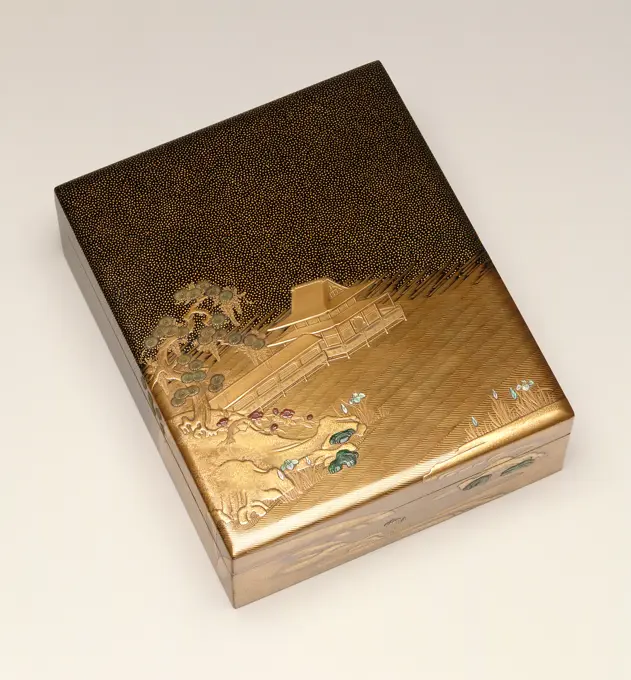
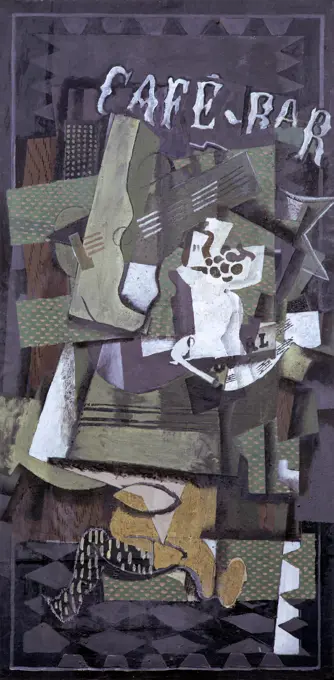
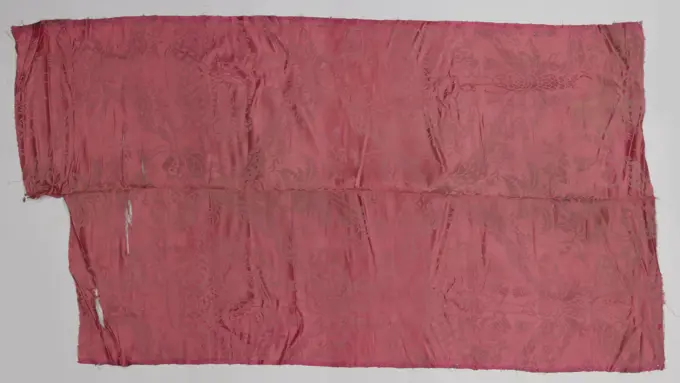
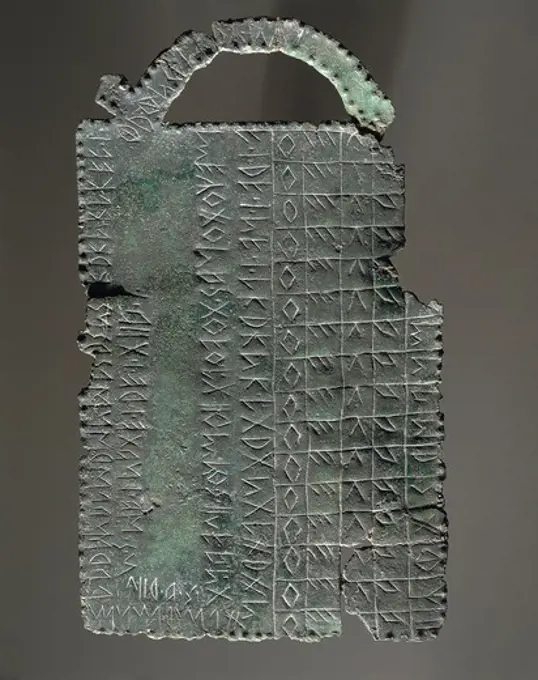
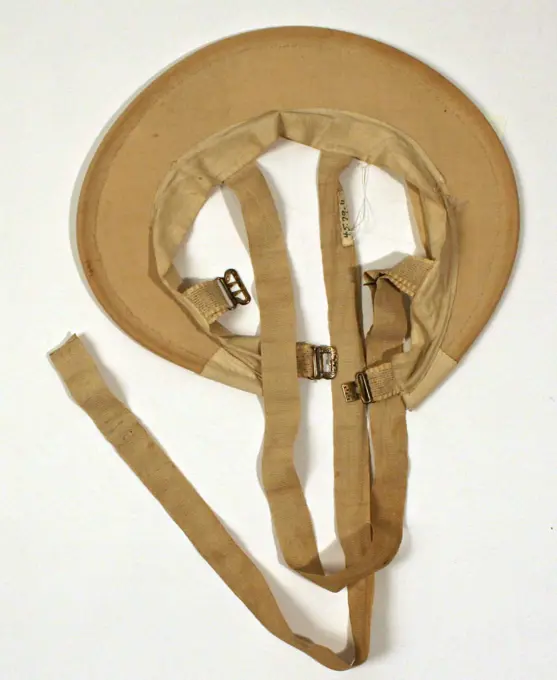
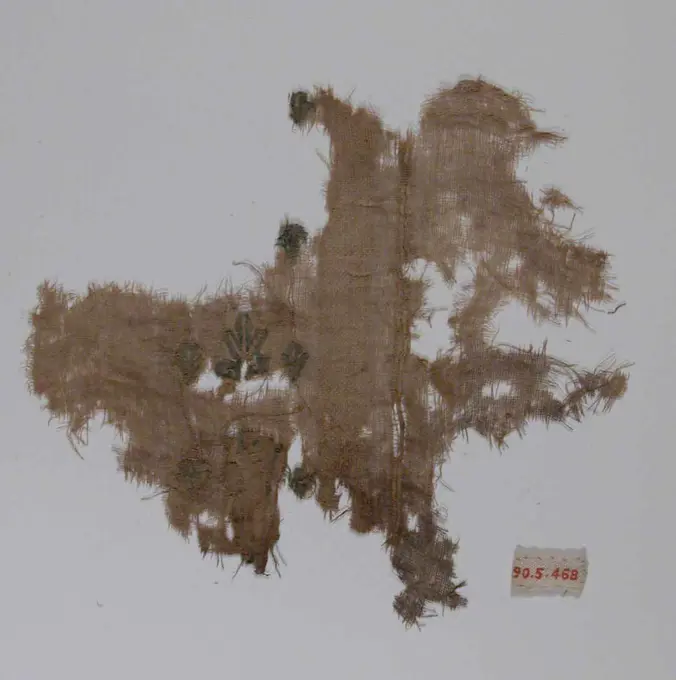
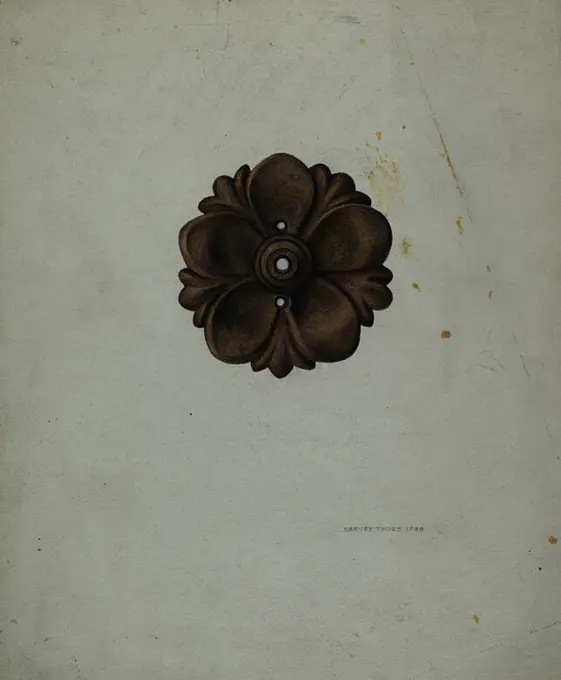
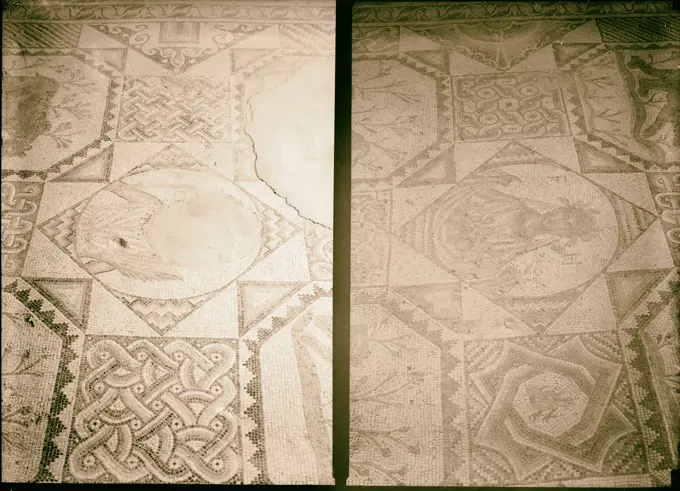
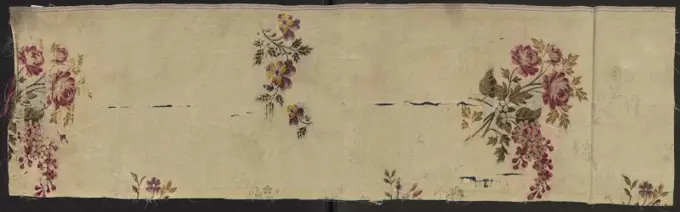
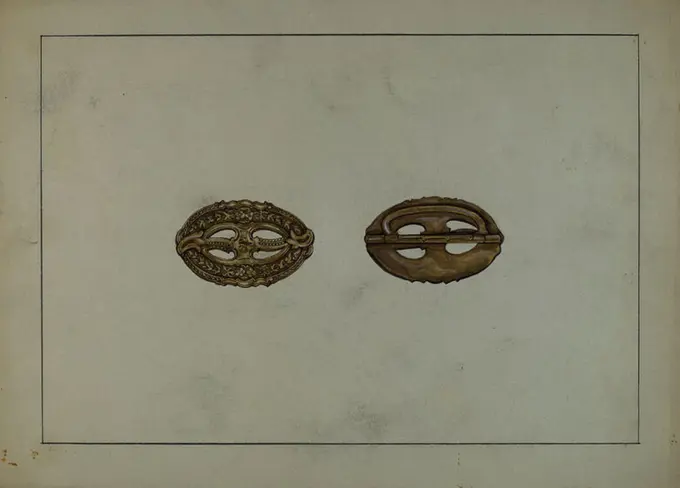
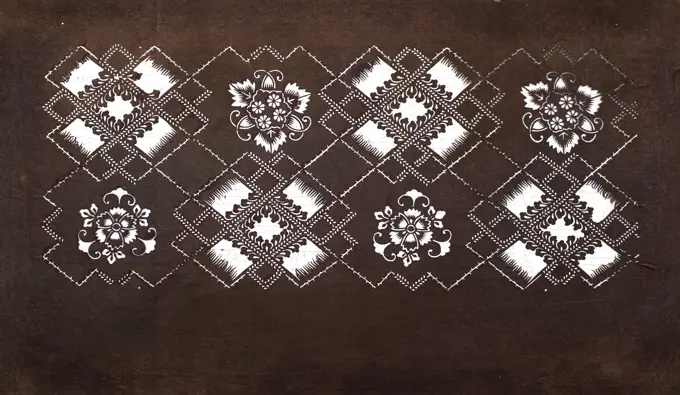
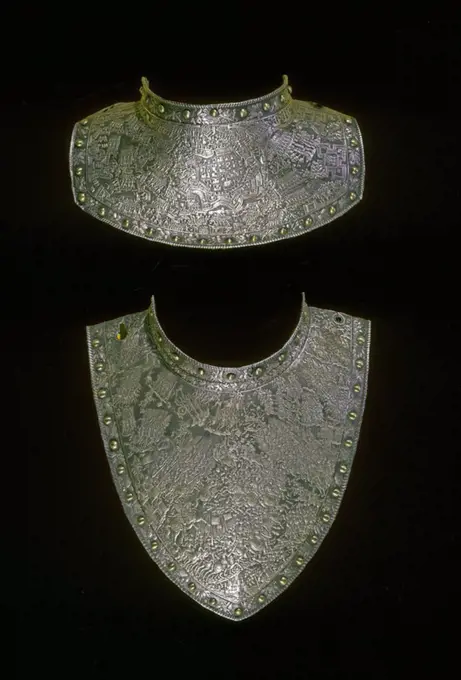
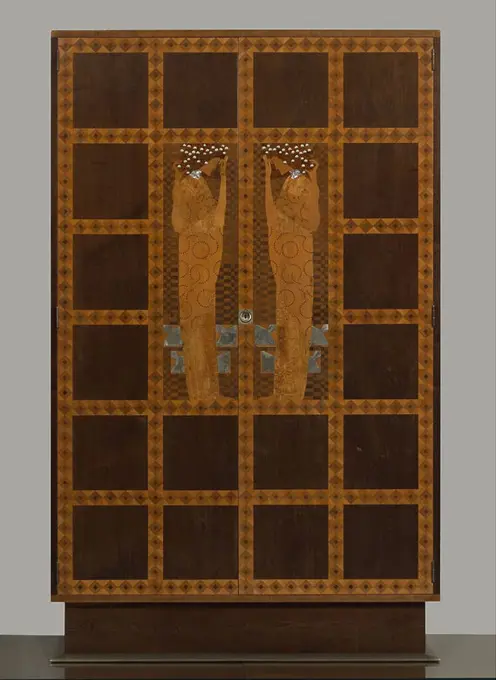
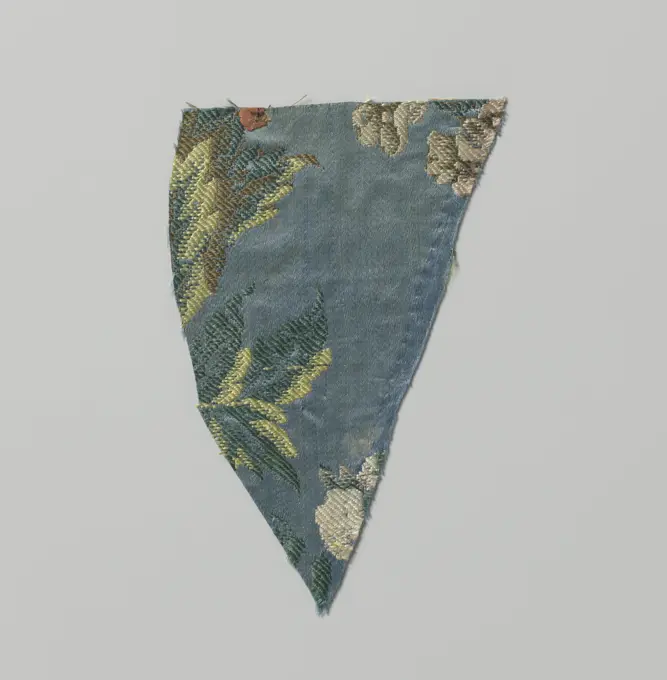
Sketchbook (22 leaves, linencover).  Artist: Edwin Austin Abbey, American, 1852-1911, M.A. (HON.) 1897Study of a Foot, Francis Augustus Lathrop, American, 1849 - 1909, Graphite on brown paper, A left foot, seen from above., USA, ca. 1895, figures, Drawing, DrawingChurch tablecover. Oborska, Katarzyna (fl. ca 1600-1699), authorViewer for car chrome slides. Viewer for car chrome slides in cassette.Rolschildering.A cart with figures, an episode from the life of Genji. The paper is in suhama form. In wooden box.Fragment, Medium: silk Technique: satin plain weave with supplementary weft, Fragment showing vertical stripes of purple and black with small allover white flower figure., France, ca. 1840, woven textiles, FragmentLeather old frame nails brown old leather with frame made of upholstery copyright: xzoonar.com/axelxkillianx 5482636Tiraz with gold, 1094 - 1101. Egypt, Fatimid period, reign of Caliph al-Mustalī, 1094-1101. Plain weave with inwoven tapestry weave: linen, silk, and gold filé; overall: 21.6 x 55.6 cm (8 1/2 x 21 7/8 in.).Three wooden panels decorated with floral motifs and lines, c. 1875 - c. 1900 photograph   photographic support  ornament derived from plant forms. panellingRoundel, disk. Roundel, disk. Bone Fragment of a children's tunic, anonymous, c. 300 - c. 499 Fragment of a children's tunica, consisting of natural tissue with narrow woven clavi and six tabulae. The clavi consists of continuous pendulum ornament of purple tendrils with a three -lobe leaf. A running hare in the tabulae. The neck opening is deposited with a red cord and has a pendulum motif with a three -lobe leaf and serrated edge on both sides. Egypt Ketting an element: Linen (material). Entry: Wool tapestry Fragment of a children's tunica, consisting of natural tissue with narrow woven clavi and six tabulae. The clavi consists of continuous pendulum ornament of purple tendrils with a three -lobe leaf. A running hare in the tabulae. The neck opening is deposited with a red cord and has a pendulum motif with a three -lobe leaf and serrated edge on both sides. Egypt Ketting an element: Linen (material). Entry: Wool tapestryTablecloth from Linnamast with a flower pattern, anonymous, c. 1680 - c. 1690 Tablecloth from Linnamast with flower wreaths and flower bouquets. A crowned monogram in the corners. Northern Netherlands (Possible) linen (material) damask Tablecloth from Linnamast with flower wreaths and flower bouquets. A crowned monogram in the corners. Northern Netherlands (Possible) linen (material) damaskStrip mixed side for a superplie with lilies, anonymous, c. 1640 - c. 1660 Strip of natural needle side: Venetian ribbon side. The closed, running strip is intended for a Superplie and has a pattern of volute vines, vine leaves and lilies on an open ground with fested bars. The contours of the pattern are formed by a woven ribbon. Different decorative lands within the contours. The top is trimmed with a woven edge. The bottom is trimmed with a straight edge. Venice (possibly) linen (material) mixed lace / Venetian tape lace (mixed lace) Strip of natural needle side: Venetian ribbon side. The closed, running strip is intended for a Superplie and has a pattern of volute vines, vine leaves and lilies on an open ground with fested bars. The contours of the pattern are formed by a woven ribbon. Different decorative lands within the contours. The top is trimmed with a woven edge. The bottom is trimmed with a straight edge. Venice (possibly) linen (material) mixed lace / Venetian tape lace (mWall Facing (Netherlands); tin-glazed earthenware, underglaze; 5 tiles tall, various wideVelvet Cuffs, 1800s. France, 19th century. Velvet; overall: 18.4 x 5.7 cm (7 1/4 x 2 1/4 in.).Shoe buckles early 19th century European. Shoe buckles 122387Albumblad, Anonymous, 1200 - 1300 Album magazine, river landscape with mountains. In wooden box. China ink. silk Album magazine, river landscape with mountains. In wooden box. China ink. silkHand holding a slate Human hand is holding a slate without marking. isolated Copyright: xZoonar.com/JFsPic xThielemannx 7630681MirrorTerracotta fragment of a kylix (drinking cup) 520-510 B.C. Greek, Attic Interior, hair, forehead, left eyebrow, eye, and nose of wreathed youth to left; part of an inscription, KALOS, retr.. Terracotta fragment of a kylix (drinking cup) 703983Planets-manager. Cornalet Collection Sites 2013-2016. Numismatic.Photo album with recordings of sights in Japan and studioportraits. Photo album with front and rear platter covered with a tissue of yarn chain lines and a weft of vegetable fibers. Probably the album originally had a Japanese bond. On the Preheat a remainder of a label and three figures with umbrellas. The album contains no carved blades with a total of 24 photos. They are hand-colored albumin prints of sights in Japan including landscapes, parks, street faces, bridges and shrines. Studio photos of Ricksjarijders, of women during the cleaning, of girls in traditional clothing, of workmen etc.Textile, Medium: wool Technique: tapestry weave, Fragments of upholstery fabric in reddish-brown with isolated motifs in dull yellow. Motifs consist of rosettes, palmettes, and leafy arabesques., England, 1820-1830, woven textiles, TextileSketchbook (16 leaves, black pebbled cardboardcover).  Artist: Edwin Austin Abbey, American, 1852-1911, M.A. (HON.) 1897The arrival of people at a feast of rich people, Anonymous, 1750 - 1800  Wooden frame with glass plate, used for magic lantern. The arrival of people at a feast of rich people. Men and women in beautiful clothes walk up the stairs of a house. A carriage is visible in the foreground, with lakeien around it. A carriage arrives on the right.  glass. wood (plant material)Planets-manager. Cornalet Collection Sites 2013-2016. Numismatic.Sampler; cottonTulle veil, anonymous, c. 1830 Veil of natural -colored lace -ups: tuledoor stop work. Rectangular model, bordered on four sides by deep, wide sculpts. The pattern has a flower and leaf volute in every shell. The volutes are made up of two feathered lancet leaves, a large flower and a branch with a row of leaves on the inside and a row of flowers on the outside. Midfield is unadorned. Netherlands (possibly) cotton (textile) Veil of natural -colored lace -ups: tuledoor stop work. Rectangular model, bordered on four sides by deep, wide sculpts. The pattern has a flower and leaf volute in every shell. The volutes are made up of two feathered lancet leaves, a large flower and a branch with a row of leaves on the inside and a row of flowers on the outside. Midfield is unadorned. Netherlands (possibly) cotton (textile)Fragment, Medium: linen Technique: bobbin lace (Lille-style with heavy outlining thread), Lille-style border with a scalloped edge. Minute open-centered rosettes and eyelets clustered near bottom., France, early 19th century, lace, FragmentLinnamast napkin with hawthorns, Chris Lebeau, 1900 - 1925 White linen Damas napkin with a hawthorns design. Eindhoven linen (material) White linen Damas napkin with a hawthorns design. Eindhoven linen (material)Perforated Axe China. Perforated Axe 58941Lamella; Roman Empire; 3rd century; Silver; 4 x 10.9 cm (1 9,16 x 4 5,16 in.)Cawnpore; British, active India about 1843; India; 1843 - 1845; Salted paper print from a paper negative; 9.5 x 15.4 cm (3 3,4 x 6 1,16 in.)Ribbon French 19th centuryFragment Made 1801-1900 France. Silk and silvered-metal strips, plain weave with supplementary facing wefts and supplementary pile warps forming uncut and voided velvet .Place mat on wooden deck table.Stole 1890s Dutch. Stole 109750Wooden stick after 1538 depicting a cube network for geometric construction and study.Sketchbook #38;: studies for early projects andpaintings.  Artist: John La Farge, American, 1835-1910, M.A. (HON.) 1896Piece of translucent horn or parchment, anonymous, c. 1590 - c. 1596 fragment Piece of translucent horn or parchment. Probably from a lantern.  horn (animal material). parchment (animal material)   Nova Zembla. Saving HuysSketchbook, watercolours, 1875-1877. Myra Louisa Bunce (1854-1919). Designer. Daughter of John Thackray Bunce (1828-1899) and elder sister to the painter, Kate Bunce (1856-1927). She is known for designing the frames for her sister's paintings and also made jewellery.Textile Fragment 18th century. Textile Fragment 448345Rod from Kant, Anonymous, 1890 - 1920 photograph   baryta paper  laceFragment (Near East); silk on linenNapkin with large cross -work and goose eye pattern and along the edges trimmed with scalloped bobbin ,, 1690 - 1710 Napkin or deck fat from white Linnamast with two draining corners. Pattern: Bands filled with goose eye form a large grille that thickens and well: on the intersections to squares, on the sides to rectangles, both trap -like. Netherlands linen (material). bobbin lace Napkin or deck fat from white Linnamast with two draining corners. Pattern: Bands filled with goose eye form a large grille that thickens and well: on the intersections to squares, on the sides to rectangles, both trap -like. Netherlands linen (material). bobbin lacehigh resolution photograph of torn cardboard piece isolated over white backgroundPiece 18th-19th century Japan. Piece 66031Fragment of an Open Vessel with Blue on White Motif 9th century This fragment was excavated at Ctesiphon, the Sasanian metropolis and administrative capital conquered by Arab Muslim armies in 637. The city was known in Arabic as al-Madain, or “the cities”, for its extended area. Arab historians indulge in describing al-Madain/Ctesiphons grand monuments, which obsessed Muslim rulers and may have acquired a symbolic meaning related to its imperial past. This was the case of the Taq-i Kisra, an impressively-sized ivan (a vaulted hall with one side open) partially dismantled to reuse its bricks in caliphal buildings in the new capital Baghdad. Finds like this fragment, which was excavated at a site named Selman Pak V, attest to the continued occupation of Ctesiphons urban area in the early Islamic period. Similar ceramics count amongst the advances achieved by Iraqi potters in the 9th century. Beside technical innovations, such as the development of a range of opacifying techniques forMachine-made openwork samples, Medium: cardboard, linen, silk, metallic Technique: linen embroidery with ground cloth dissolved Examples of embroidery on net produced by the Schiffli machine Metallic embroidery on net Machine-made openwork in imitation of hand-embroidered net Mostly floral and a few geometric patterns, some designs described as 'Spanish' Imitation hand-made filet Machine filet Imitation filet crochet Ploven (burnt-out lace) Fancy curtain lace made on the Levers machines Real filet (handmade) next to Machine-made filet Spotted curtain nets, made chiefly at Nottingham, England and Caudry, France., Samples of machine-made openwork and several examples of hand made lace mounted on boards. They imitate hand-embroidered net, crochet, or needlepoint. All are floral patterns plus a few of early 1920's geometric style., 'Embroidered net' produced by the Schiffli Machine., USA, ca. 1910, lace, Machine-made openwork samplesEmbroidered Cover, 1700s. France, 18th century. Embroidery, silk; overall: 54.5 x 8.2 cm (21 7/16 x 3 1/4 in.).Batist cot curtain with grape vines ,, c. 1830 - c. 1840 Batist cot curtain with grape vines in white embroidery. Netherlands batiste embroidering Batist cot curtain with grape vines in white embroidery. Netherlands batiste embroideringSilk Fragment, 1350-1399. Italy, mid or second half of 14th century. Lampas weave; silk and silver thread; overall: 37.5 x 17.5 cm (14 3/4 x 6 7/8 in.).Band (from Woman's Trousers or Robe) Made 1875-1900 China. .Bed finial, walnut, Bed of linen, wood, fold paneling carved, France, 15th century, Decorative Arts, Bed finialTwenty -four plates veneer, covered with newspapers at the rear, decorated with marquetery of flowers and ornaments, anonymous, 1875 - 1900 Twenty -four plates veneer, covered with newspapers at the rear, decorated with marquetery of flowers and ornaments. The plates are stuck on newspaper from 1880, 1881, 1883 and 1891. Intended for decoration. France wood (plant material). ebony (wood). walnut (hardwood). mahogany (wood). rosewood (wood). boxwood. maple (wood). ivory. brass (alloy) Twenty -four plates veneer, covered with newspapers at the rear, decorated with marquetery of flowers and ornaments. The plates are stuck on newspaper from 1880, 1881, 1883 and 1891. Intended for decoration. France wood (plant material). ebony (wood). walnut (hardwood). mahogany (wood). rosewood (wood). boxwood. maple (wood). ivory. brass (alloy)Bible illustrations, c. 1550 - c. 1699    wood (plant material)Photo album with recordings of holidays in southern France, c. 1930 - c. 1935  Photo album in beigebruin checkered tire with yellow rope and wooden painted beads. The bracts are salmon -colored with a fine brown motif. The album contains 18 sheets with a total of 30 photos of which 1 was found separately in the album. The photos are attached to the blades with photo corners and are provided with a caption with a year for the majority. Originally there were more prints, witness the captions without photos. They are recordings of adults during holidays in southern France (Roquebrune-Cap-Martin, Menton, Nice), made by a presumably Dutch amateur photographer in the early 1930s. Four photos of students and teachers from the 'Planciusschool' (location unknown) stand out in terms of subject. South France cardboard. linen (material). rope. wood (plant material). metal. paper. photographic support gelatin silver print travelling; tourism Chin. Roquebrune-Cap-Martin. NiceShawl third quarter 19th century French. Shawl 102681Mirror Japan. Mirror. Japan. Inlaid bronze. MirrorsJaponversiering van applicatiekant met mimosatakjes.Japanese decoration of natural applicators, climbing side applicated on machine tulle. Rectangular shape, without finish. Pattern with mimosa packs and feathered leaves.Knife Handle (Kozuka) ca. 1615-1868 Japanese A kozuka is a handle of a by-knife that is part of a sword mounting. It is kept in a slot on the reverse of a katana scabbard, often with a matching kgai (hairdressing tool).. Knife Handle (Kozuka). Japanese. ca. 1615-1868. Iron, copper-silver alloy (shibuichi), enameled cloisonné (shipp), copper-gold alloy (shakud). Sword Furniture-KozukaDental Forceps. Dated: 1935/1942. Dimensions: overall: 44.8 x 36.7 cm (17 5/8 x 14 7/16 in.). Medium: watercolor, graphite, and heightening on paper. Museum: National Gallery of Art, Washington DC. Author: May B. Tebo.Mirror Korea. Mirror. Korea. Bronze. Goryeo dynasty (918-1392). MirrorsSketchbook: studies for earlyprojects.  Artist: John La Farge, American, 1835-1910, M.A. (HON.) 1896Green Bock for Slabbak ,, 1800 - 1968 Green covered box for slabs. Inside lid print Gebr. Friedländer Berlin ..  wood (plant material). leather Green covered box for slabs. Inside lid print Gebr. Friedländer Berlin ..  wood (plant material). leatherWriting Box. Japan, 2nd half 18th century. Lacquer. Lacquered wood with inlays of mother-of-pearl, green stone, coral, tortoiseshell, wood, and metalCafe-Bar by Georges Braque, 1919, 1882-1963, Switzerland, Basel, Offentliche KunstsammlungZijddamast in Wijnrood with a pattern of a diamond layout by ermine draperies ,, 1800 - 1900 Zijdda mast in wine red with a pattern of a diamond layout by ermine draperies, tied three times and with hanging brushes and with a basket of roses in the middle. The Zijddamast comes from the Palace on Dam Square. France (possibly) silk damask / twill Zijdda mast in wine red with a pattern of a diamond layout by ermine draperies, tied three times and with hanging brushes and with a basket of roses in the middle. The Zijddamast comes from the Palace on Dam Square. France (possibly) silk damask / twillTextile, Medium: cotton warp, horsehair weft Technique: Damask: 4 & 1 satin (1). Pattern created by the weft float face of the satin. Background of the cartouche created by the warp float face of the satin., Vertically symmetrical cartouche with bold flowers on a vine. Pattern direction parallel with weft., possibly France, early 19th century, woven textiles, TextileGreen Materials - Paper Stone counter top samples.Sample early 19th century French. Sample 219339Alphabet tablet of bronze sheet with engraved sequences of letters, Etruscan civilization, 5th-6th century b.c.Fragment of Appliqué with Cloud Motif Second half of the 8th-second half of the 10th century Indonesia (Java). Fragment of Appliqué with Cloud Motif 50077Waistcoat 18th century Swiss. Waistcoat 90104Fragment, Medium: silk Technique: cut supplementary warp pile in a satin foundation (velvet), Vertically striped white satin and pale pink velvet., Spain, 18th century, woven textiles, FragmentBustle 1850-1875 American The bustle, by extending the body, became a point of demarcation for the back of the waist. By enlarging the derriere visually, the bustle became a foil for the constricted waist in profile. Bustles were silk-floss, cotton, or feather down-filled. Small ones could be found sewn into Empire gowns; more prominent ones were used in the 1870s and 1880s and had an ingenious range of configurations and materials, including wire coil, rattan, and horsehair.. Bustle 85397Fragment of a wall tile used to decorate the outside of a building. Turkey, 7th century BC.Rectangular purple border tile, lilac-like fond, surrounded decor, surrounded column, with dark purple parallel lines as edge decoration, yellow-brown pottery, border tile wall tile tile sculpture ceramic earthenware glaze, baked 2x glazed paintedHearing stone with representation of two climbing lions, c. 1875 - c. 1900 Hearing stone with representation of two climbing lions, placed in profiled window. The half windows at the top and bottom are filled with star motif. Netherlands earthenware Hearing stone with representation of two climbing lions, placed in profiled window. The half windows at the top and bottom are filled with star motif. Netherlands earthenwarePlastic Box with Piece of Burma Jadeite 20th century China. Plastic Box with Piece of Burma Jadeite 62100Textile Fragment 5th-6th century. Textile Fragment 443954Empty slate plate over black wooden backgroundOrnamental Iron Rosette. Dated: 1938. Dimensions: overall: 27.9 x 23.1 cm (11 x 9 1/8 in.). Medium: watercolor, graphite, and gouache on paperboard. Museum: National Gallery of Art, Washington DC. Author: Harvey Thoss.Mosaic floor at Beit Jibrin 1900, Israel, Bet GuvrinTextile Swatches Onondaga Silk Company, Inc. (1925-1981). , 1948-1959. Silk, 51 1/2 x 17 3/4 in. (130.8 x 45.1 cm).    1948-1959Piece of fabric. unknown, authorBuckle. Dated: c. 1937. Dimensions: overall: 28 x 20.3 cm (11 x 8 in.). Medium: watercolor, graphite, and goauche on paper. Museum: National Gallery of Art, Washington DC. Author: Evelyn Bailey.Wall Facing (Netherlands); tin-glazed earthenware, underglaze; 5 tiles tall, various wideBorder, Medium: silk Technique: bobbin lace, blonde style, Lace showing a pattern of sprays of flowers and leaves forming a band above a narrow border of conventionalized flowers., Spain, 19th century, lace, BorderFragment Made 1850-1900 Japan. Plain compound twill, silk & gilt paper; 2 strips to m.m. .Dying template katagami cut into an ornament from stylized geometric and browny motifs;  19th/20th century (1868-00-00-1912-00-00);Drabik, Cezary (Fl. Ca 1960 - 1980) - collection, geometric and reel patterns, Katags, templates, Japanese art, purchase (provenance)Skirt, 20th century, 31 x 61 in. (78.74 x 154.94 cm), Cotton; supplementary weft patterning, embroidery, Myanmar (Burma), 20th centuryGOLA Y PETO DEL ARCHIDUQUE ALBERTO DE AUSTRIA (1559-1621) LABRADA CON RELIEVES DE LA TOMA DE OSTENDE. Location: PALACIO REAL-REAL ARMERIA DE MADRID. MADRID. SPANIEN.Album with performances of fountains and architecture prospects, Johannes or Lucas van Doetechum, after Hans Vredeman de Vries, c. 1600 - c. 1601 Album with 47 performances on 49 album blades. The album contains the title print and 17 images of fountains from the series entitled: Artis Perspectivae ... This is followed by a series of 29 performances with architectural perspectives. Brown Marokin Band, with two bracts in the front and in the back. Antwerp band: morocco (leather). paper decorated paper / etching Album with 47 performances on 49 album blades. The album contains the title print and 17 images of fountains from the series entitled: Artis Perspectivae ... This is followed by a series of 29 performances with architectural perspectives. Brown Marokin Band, with two bracts in the front and in the back. Antwerp band: morocco (leather). paper decorated paper / etchingCoif, Medium: Technique: bobbin lace, Bobbin lace circle (possibly coif), floral forms; early 18th century Brussels, early 18th century, lace, CoifIntarsierter Schrank aus dem Schlafzimmer der Wohnung Eisler von Terramare Inlaid Armoire from the Eisler-Terramare Apartment Bedroom. Date/Period: 1903. Art Furniture. Height: 2,100 mm (82.67 in); Width: 1,300 mm (51.18 in). Author: KOLOMAN MOSER.English Walnuts, folio 43 (verso), from Florilegium (A Book of Flower Studies), 1608. France. Watercolor, ink, silver, and gold over occasional traces of pencil, on vellum; sheet: 31.1 x 20.2 cm (12 1/4 x 7 15/16 in.).Fragment multicolored brochure silk, 1750 Three fragments multicolored silk tissue. The pattern has multicolored flowers on a blue ground. Spain silk Three fragments multicolored silk tissue. The pattern has multicolored flowers on a blue ground. Spain silkDecorated jar fragment with inscription. Dimensions: H. 17.8 × W. 12.4 cm (7 × 4 7/8 in.). Dynasty: Dynasty 18. Reign: reign of Amenhotep III. Date: ca. 1390-1352 B.C.. Museum: Metropolitan Museum of Art, New York, USA.Fragment of a Ship Flag, anonymous, anonymous, anonymous, 1570 - 1630 ship flag Fragment of a white ship's flag with a red bat cross. Spain (possibly) wool  flag, colours (as symbol of the state, etc.)