Artistic Porcelain Vases

An assortment of porcelain vases featuring intricate designs and historical significance, highlighting craftsmanship from different eras.

Baluster covered jar with figures in panels, anonymous, c. 1875 - c. 1899 Lid button in the form of a lion of baluster -shaped lid jar, painted in underlaze blue. Covered with a geometric pattern in which two cartouches with two people are depicted in a fenced garden. Blue White. China porcelain. glaze. cobalt (mineral) painting / vitrification Lid button in the form of a lion of baluster -shaped lid jar, painted in underlaze blue. Covered with a geometric pattern in which two cartouches with two people are depicted in a fenced garden. Blue White. China porcelain. glaze. cobalt (mineral) painting / vitrification
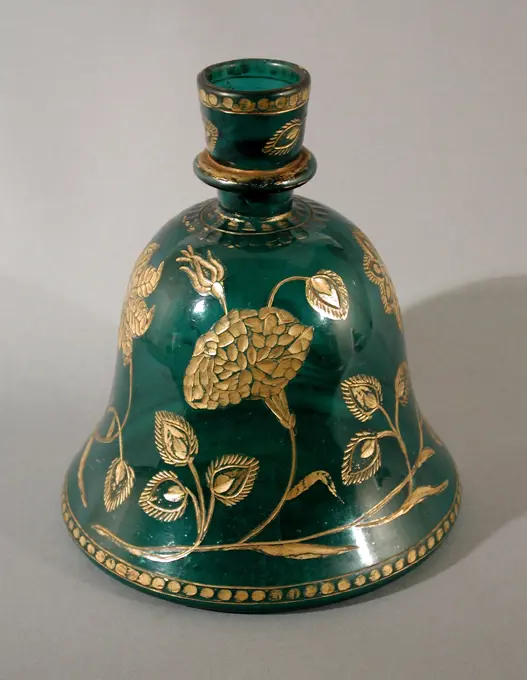
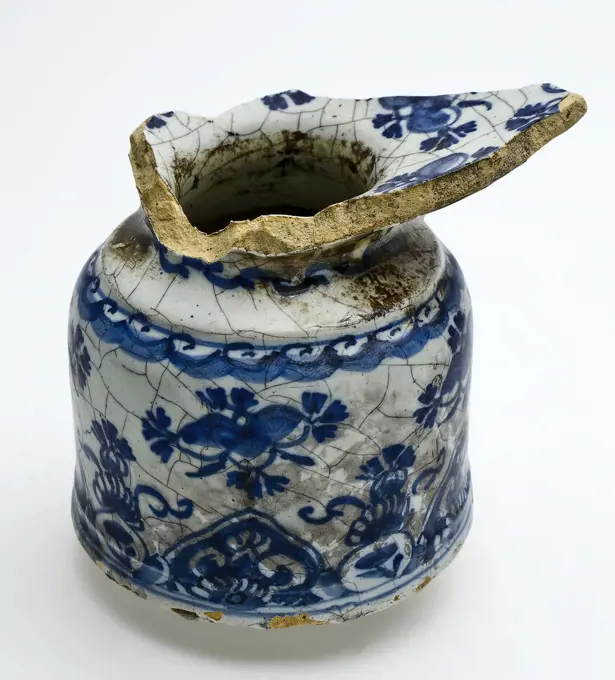
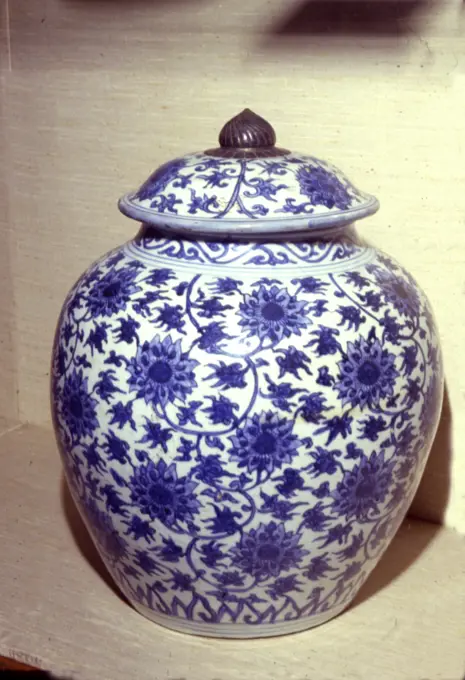
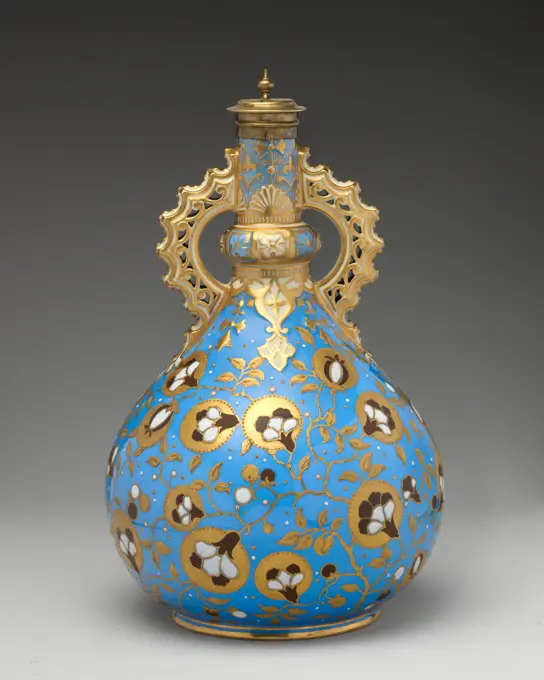
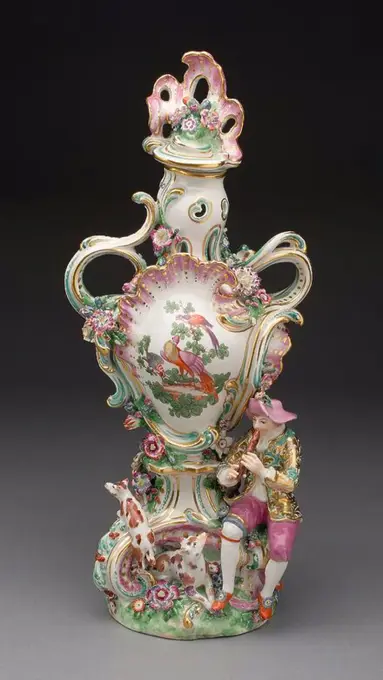
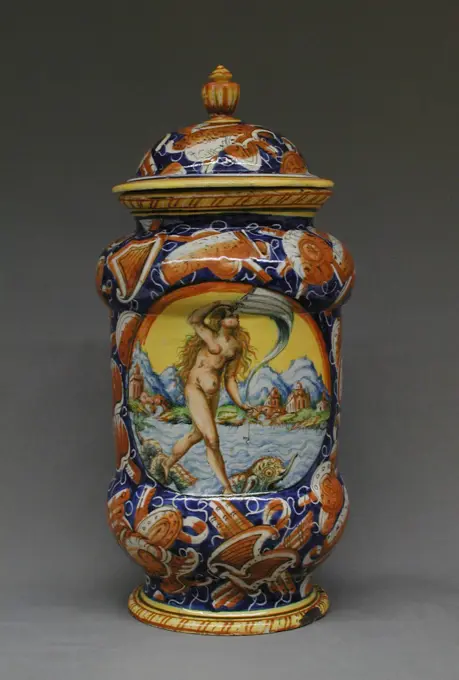
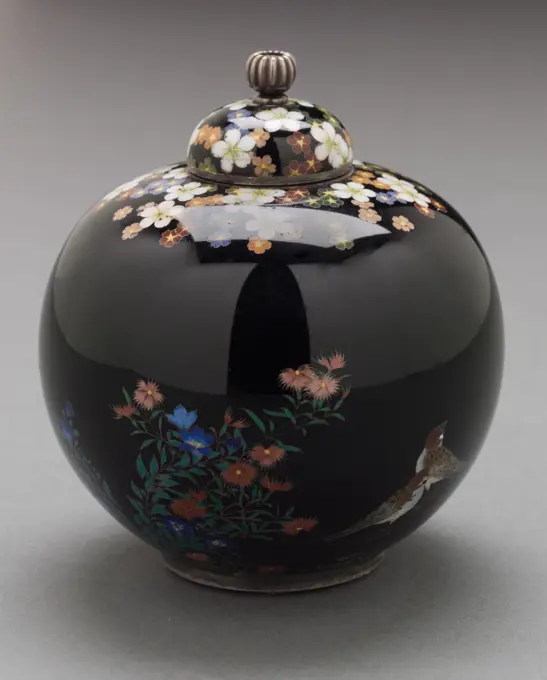
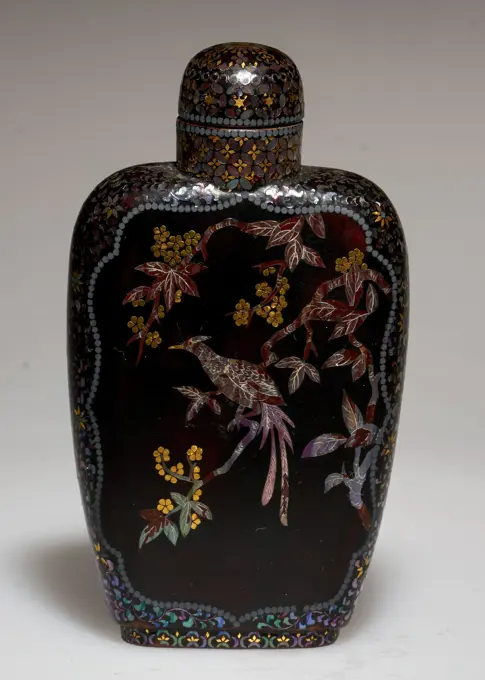
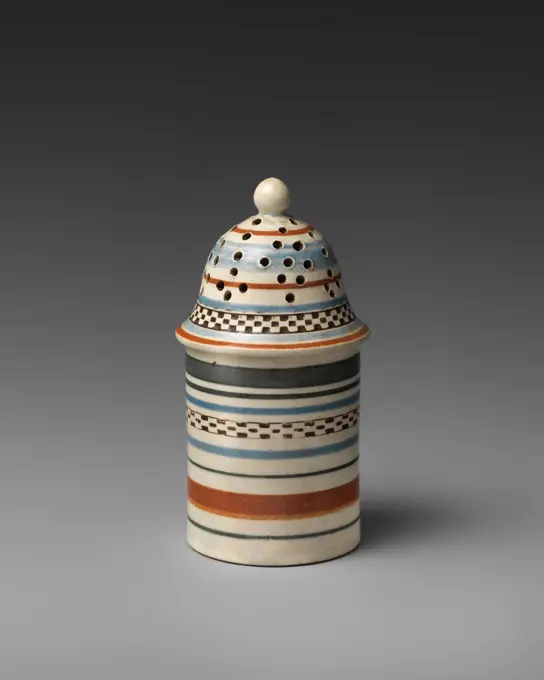
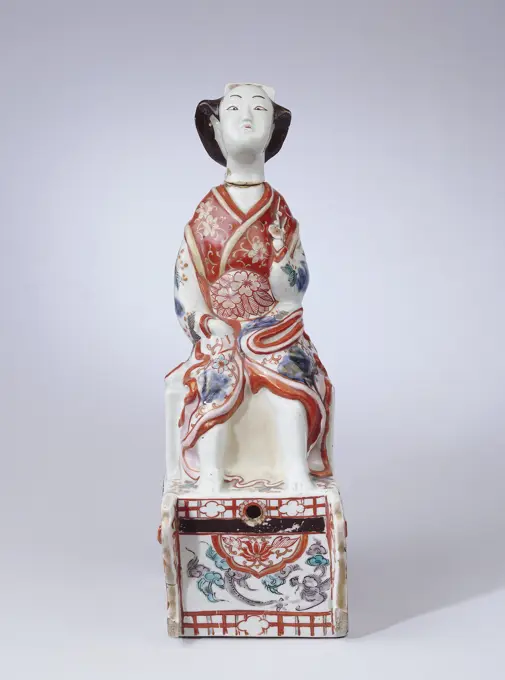
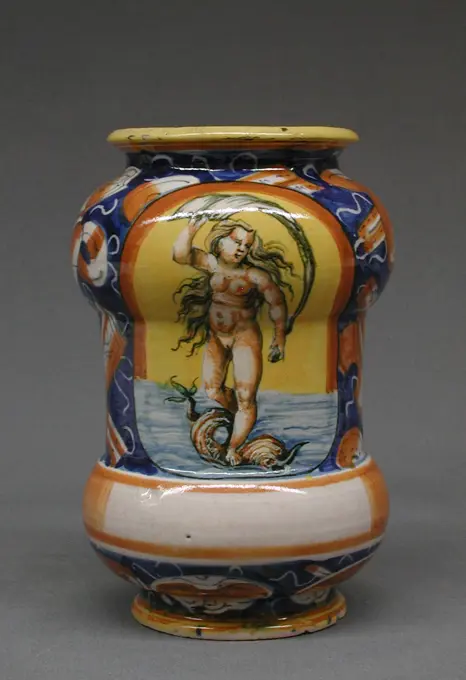
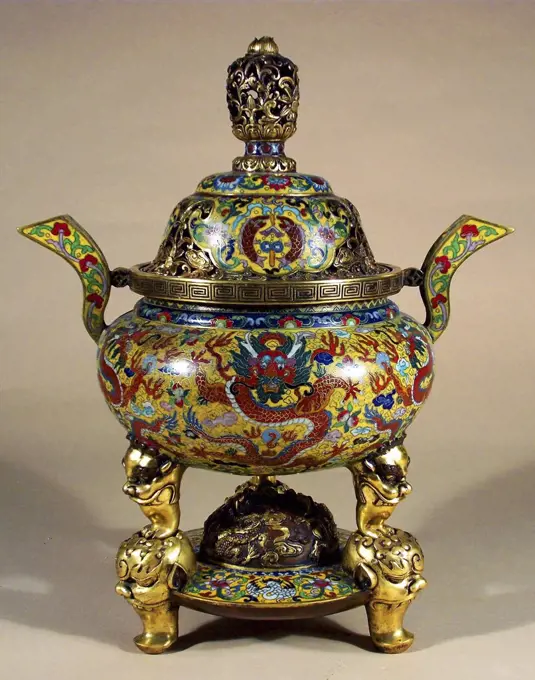
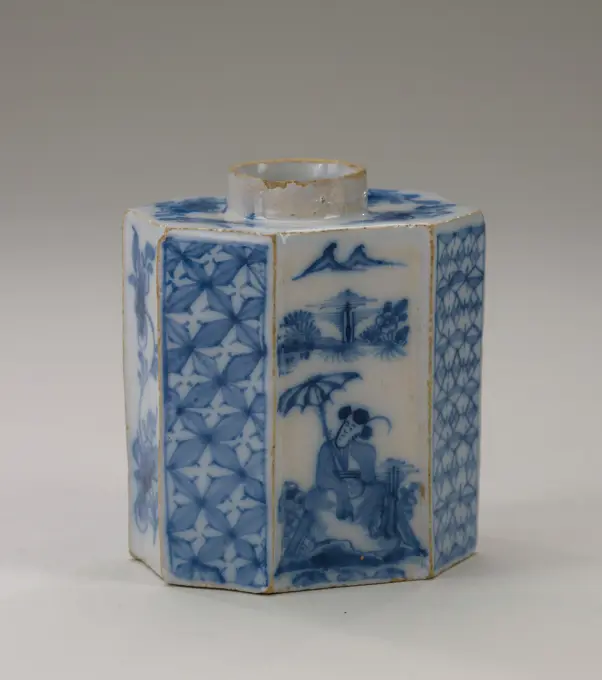
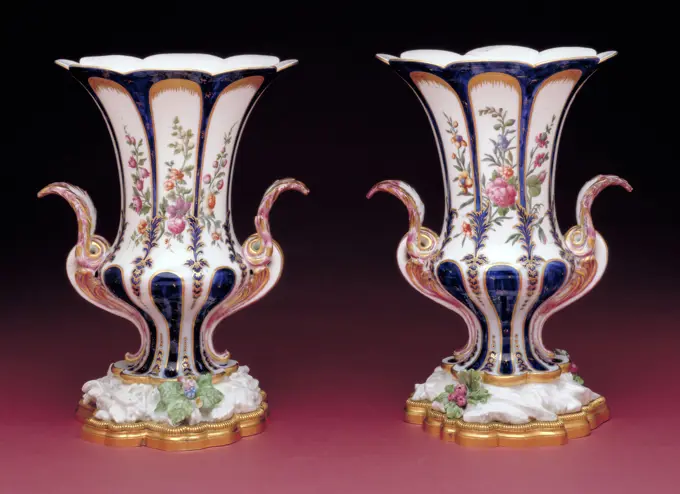
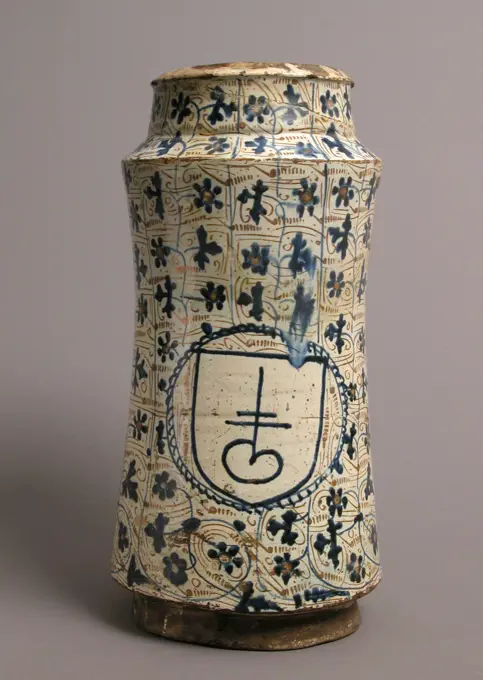
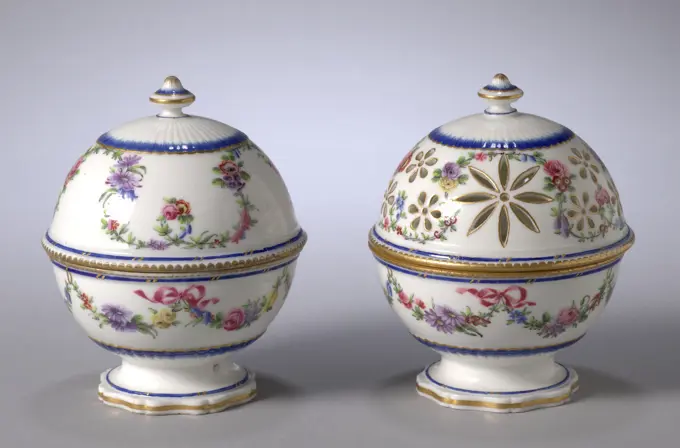
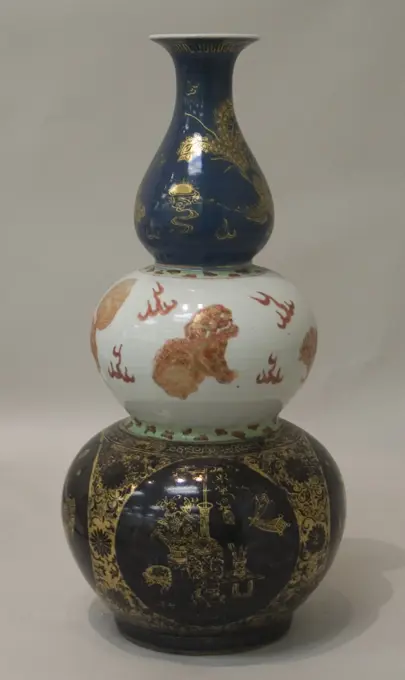
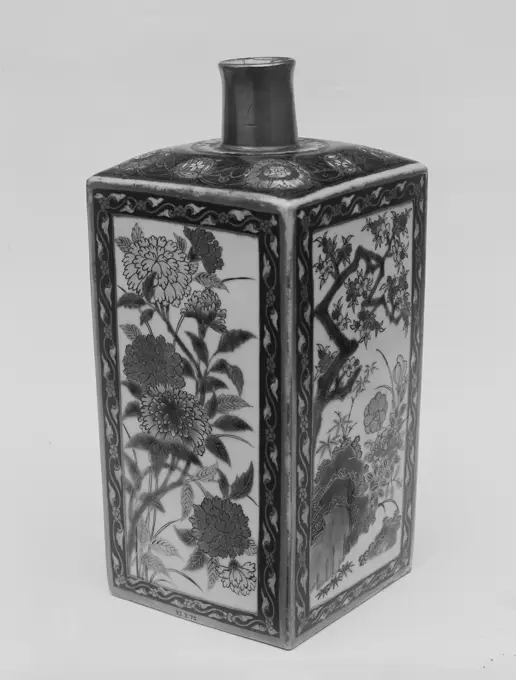
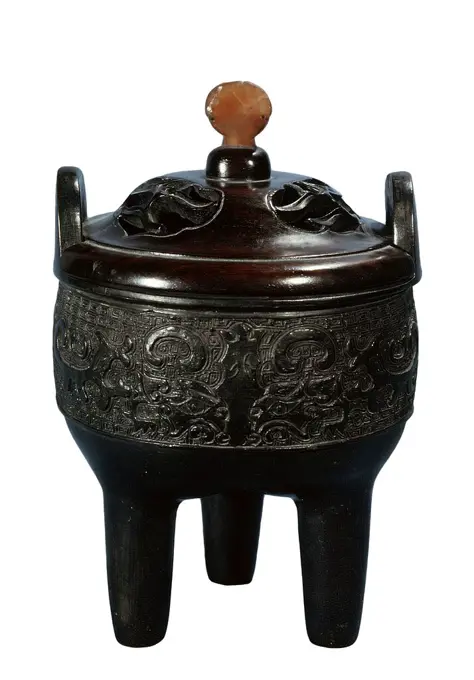
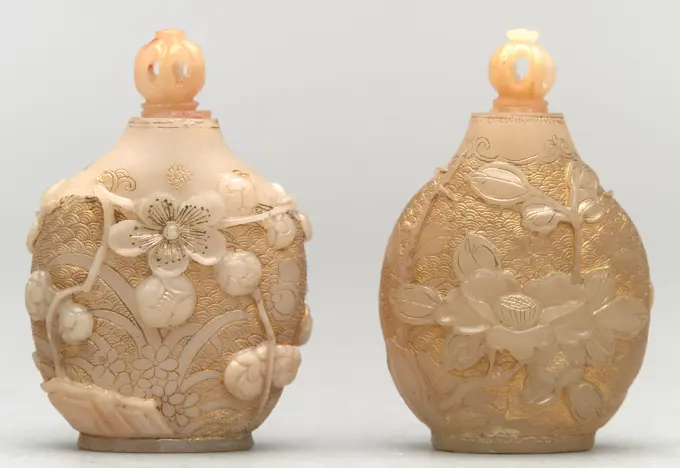
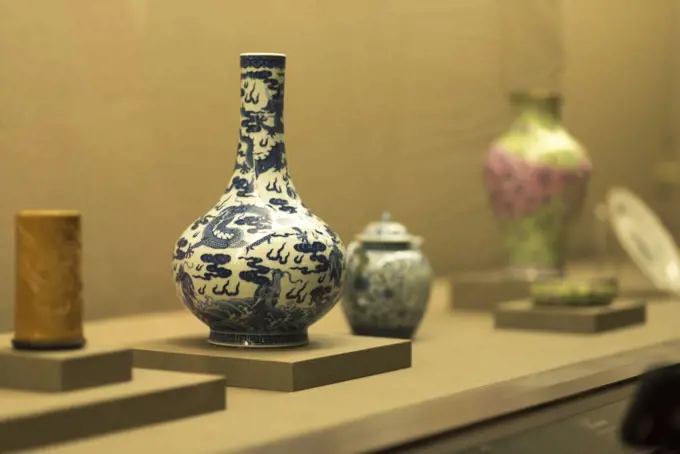
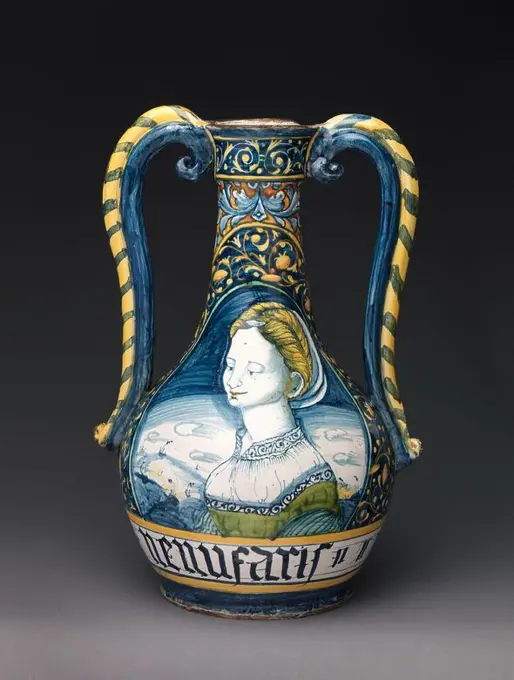
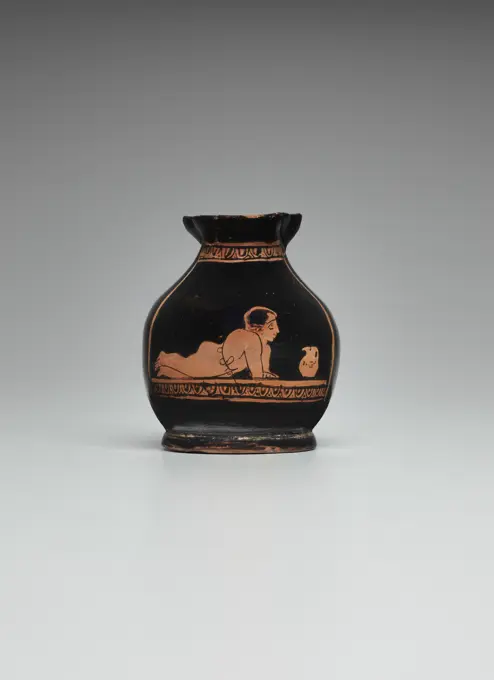
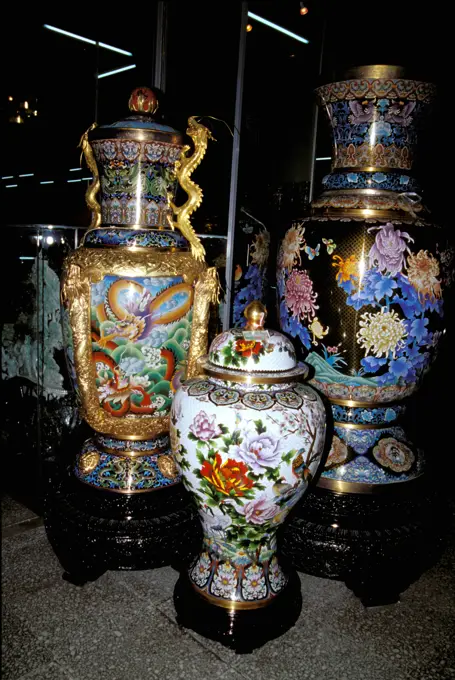
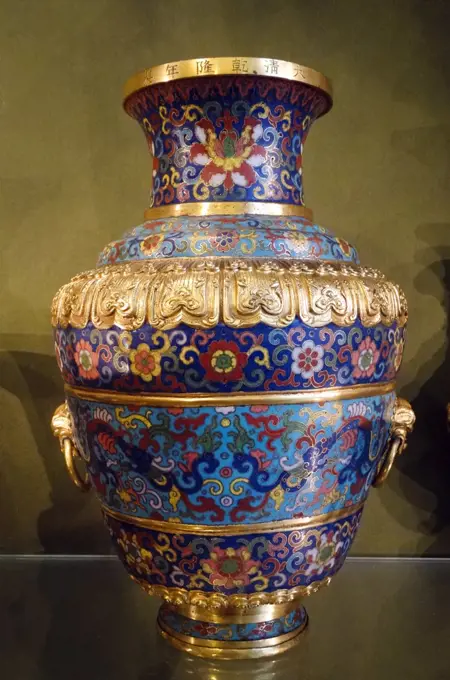
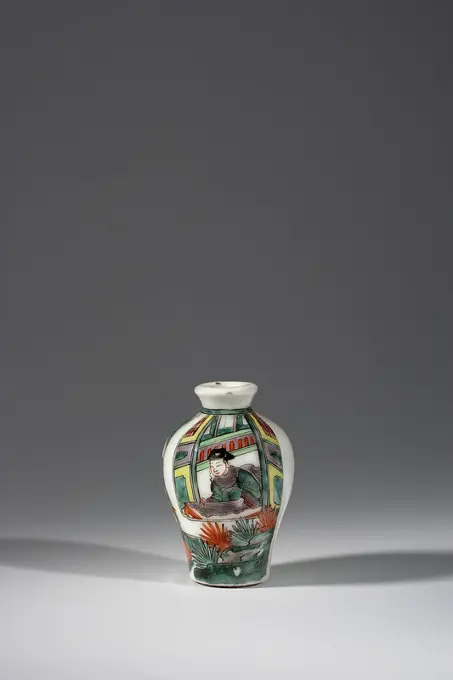
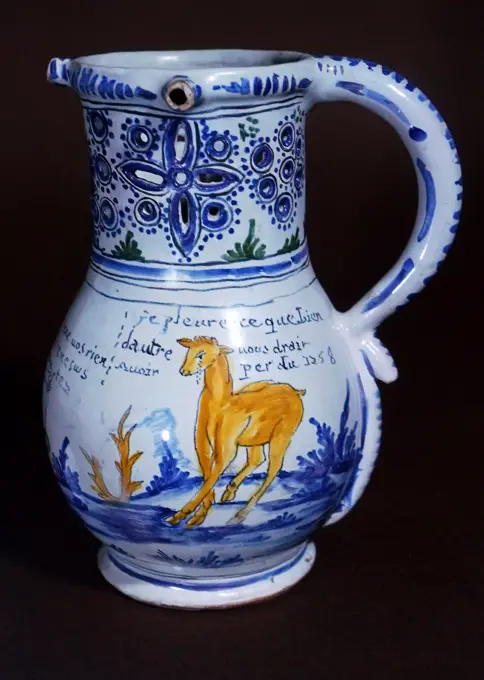
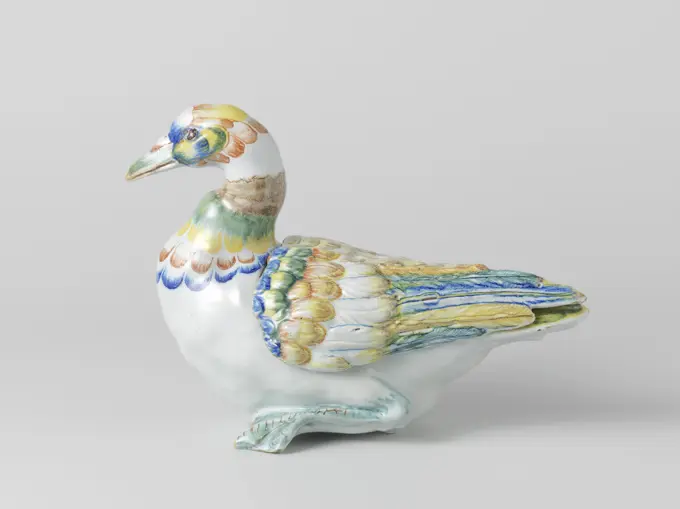
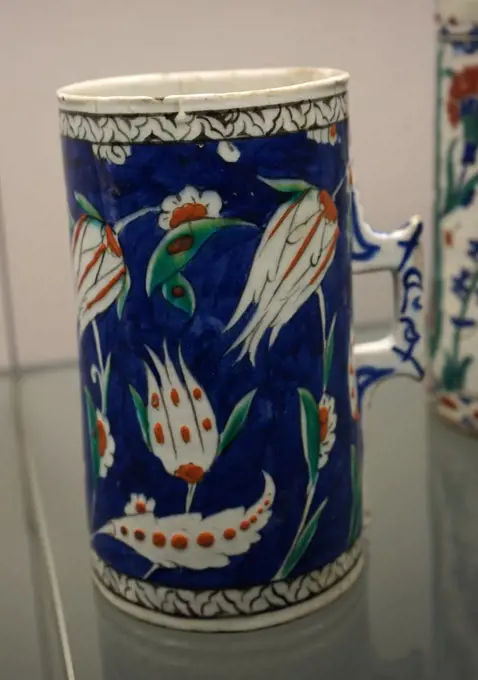
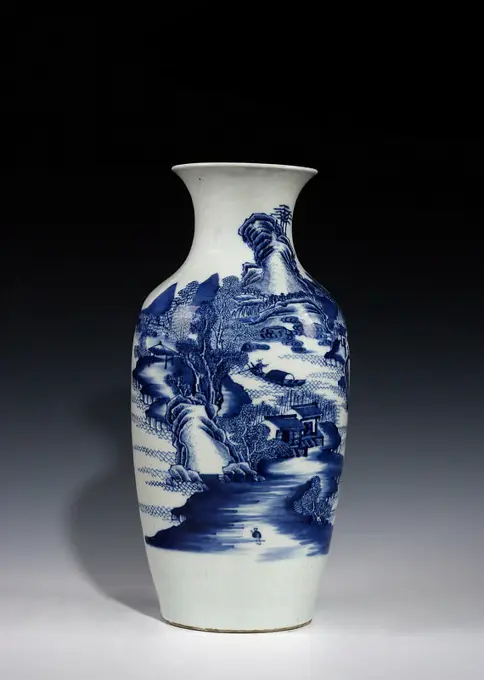
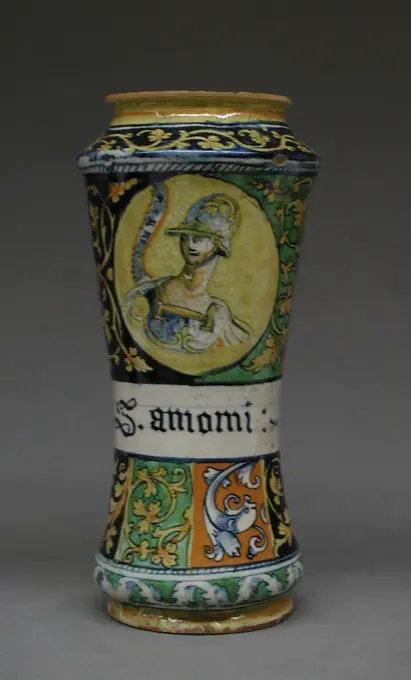
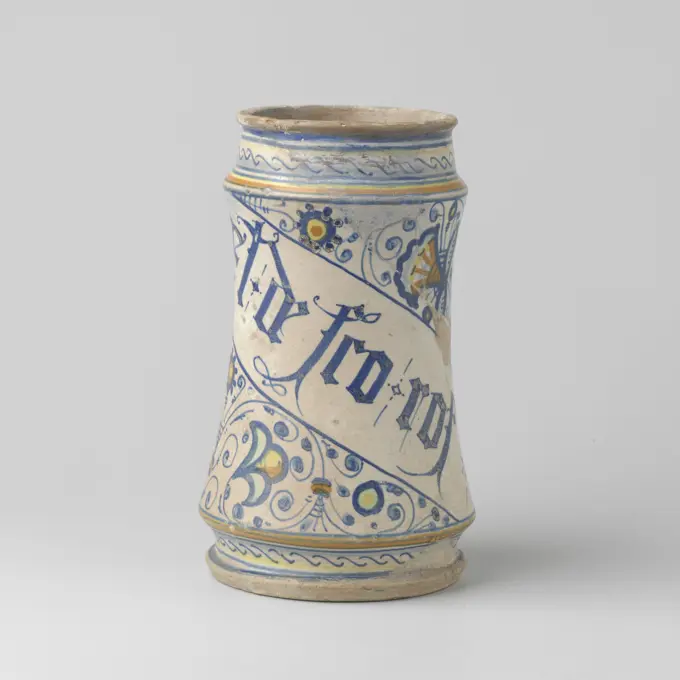
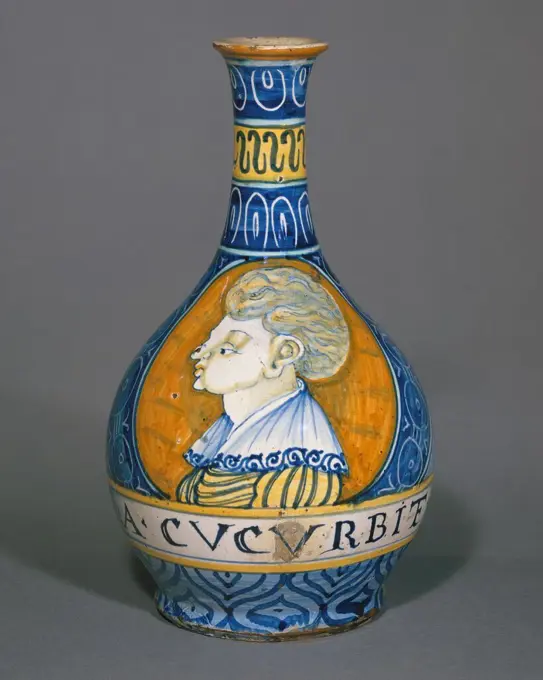
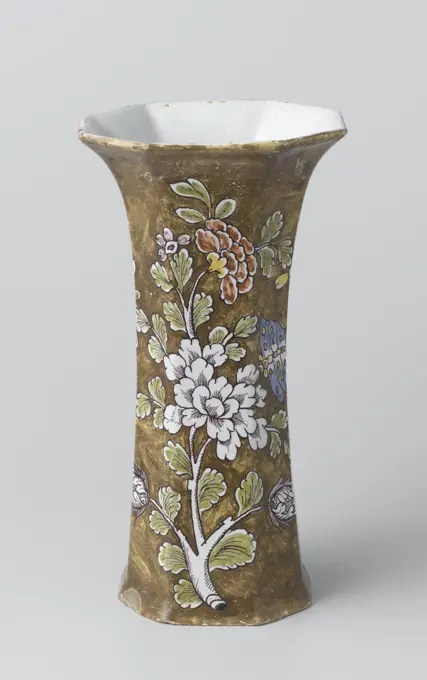
Vase van Faience with a multicolored painting with flower branches, anonymous, c. 1770 - c. 1800 vase Vase of multi -colored painted faience, with a brown stock. The vase is a concave cylindrical. Flower branches are painted on the vase in the colors white, green, yellow, red, blue and purple. The vase is part of a couple. The other parts are an identical vase (BK-NM-13329-D) and two identical Pullen (BK-NM-13329-A and BK-NM-13329-C). The parts are marked. Delft earthenware. tin glaze.Huqqa Base with Wheel-Cut Decoration early 19th century The materials, style and shape of this huqqa base bridge two important parts of our collection: Indian decorative arts and objects evidencing cultural exchange with Europe in the eighteenth and nineteenth centuries. The decorative floral forms are known in metal bidri huqqa bases from the seventeenth century, while the object itself may have been produced using European glass in the nineteenth century.. Huqqa Base with Wheel-Cut Decoration. early 19th century. Green glass; cut and inlaid with gold. Made in India. GlassFaience spittoon with blue decor on white ground, flower figures and borders, spittoon holder soil find ceramic earthenware glaze tin glaze, hand-turned baked glazed painted baked Faience spittoon. Cylindrical belly Characteristic collar as top edge. Standing ear. Blue decor on white background consisting of borders and four-lobed flower figures. Stand with soul. Remains of stuck foreign pottery on the inside archeology Rotterdam Kralingen-Crooswijk Struisenburg Buizengat indigenous pottery drains tobacco plums spitting soil found landfill of municipal waste at the construction site: Buizengat 1983.Pharmacy Jar. Culture: Italian. Dimensions: Overall: 9 x 7 3/16 in. (22.9 x 18.3 cm). Date: 1400s.Maiolica storage jars for Italian pharmacies were highly decorative and frequently combined animal and floral motifs, as demonstrated by this particularly fine pair. Museum: Metropolitan Museum of Art, New York, USA.Ming Dynasty Vase. Blue lotus design. 17th cent. CHINA.Bottle with stopper 1885 Crown Derby. Bottle with stopper. British, Derby. 1885. Porcelain. Ceramics-PorcelainPotpourri Vase with Shepherd. Chelsea Porcelain Manufactory; London, England, c. 1745-1784. Date: 1760-1765. Dimensions: 35.2 × 15.7 cm (13 7/8 × 6 3/16 in.). Soft-paste porcelain, polychrome enamels and gilding. Origin: Chelsea. Museum: The Chicago Art Institute, Chicago, USA.Flower vase (vase hollandais nouveau) (one of a pair). Culture: French, Sèvres. Dimensions: 8 7/8 x 6 3/4 in. (22.5 x 17.1cm). Factory: Sèvres Manufactory (French, 1740-present). Date: 1759. Museum: Metropolitan Museum of Art, New York, USA.Lidded pharmacy jar with the personification of Fortuna 1579-80 Italian, probably Pesaro The goddess Fortuna is depicted standing astride a sea-monster on each of these five jars (see 41.190.343a, b-.345a, b and 53.225.83, .84). She is likely a symbol identifying the pharmacy to which the objects belonged. It is clear from subtle differences in the decoration that a number of artists were involved in making this set. On the three lidded jars, the roundel creates an illusion of a window opening onto a deep pictorial space. The painters have achieved an ambitious perspectival viewmore impressive still on the two vessels with convex surfaces. On one, there is an amusing modification to the representation of Fortuna, who puckers her lips to blow wind into her own sail. The three lids are original, a rare survival.. Lidded pharmacy jar with the personification of Fortuna. Italian, probably Pesaro. 1579-80. Maiolica (tin-glazed earthenware). Ceramics-PotteryPair of Vases (New form Dutch vase), Manufacture de Sèvres, 1763 Vase of multicolored painted porcelain. The top is funnel -shaped and is placed in an oval pedestal on four low legs. The vase has a blue distance with saved courses in which chinoiseries. In a box in the top, a woman with a child and a servant is painted on a terrace. Three children were painted on a terrace in a box on the pedestal. A child has a rod and a hobby horse. The vase is marked. Sèvres porcelain. gilding (material). Vase of multicolored painted porcelain. The top is funnel -shaped and is placed in an oval pedestal on four low legs. The vase has a blue distance with saved courses in which chinoiseries. In a box in the top, a woman with a child and a servant is painted on a terrace. Three children were painted on a terrace in a box on the pedestal. A child has a rod and a hobby horse. The vase is marked. Sèvres porcelain. gilding (material).Salt cellar with the Pomian coat of arms of Bishop Władysław A. Łubieński. Eberlein, Johann Friedrich (1695-1749), sculptor, Koenigliche Porcellain Fabrique, Meissen (1710-1763), factoryJ Howard Iams, Vase, 1938 VaseVase 17th century. Vase 448397Sleeve vase, anonymous, c. 1635 - c. 1650 Porcelain cylindrical vase (roller wagon), painted in underlaze blue. On the wall a continuous performance with people in a landscape with rocks and plants (banana plant, willow), closed by clouds and rocks. In the landscape a meeting between a warrior and his entourage and a scholar director with his horse and entourage. On the shoulder a band with entered flower vines. The neck with raised leaf motifs. Transitional porcelain in blue and white. China porcelain. glaze. cobalt (mineral) painting / vitrification Porcelain cylindrical vase (roller wagon), painted in underlaze blue. On the wall a continuous performance with people in a landscape with rocks and plants (banana plant, willow), closed by clouds and rocks. In the landscape a meeting between a warrior and his entourage and a scholar director with his horse and entourage. On the shoulder a band with entered flower vines. The neck with raised leaf motifs. Transitional porcelain in blue andVase 1887-1905 Willets Manufacturing Company The orchid blossoms on this luxurious vase, which was intended as an object for display, were painstakingly rendered with botanical accuracy in gilded enamels that required multiple firings in the kiln.. Vase 19068Lidded Jar with Design of Birds amid Flowering Plants. Namikawa Yasuyuki (Japan, 1845-1927). Japan, circa 1895-1900. Furnishings; Serviceware. Cloisonné enamel with silver wires and mountsSnuff Bottle, 1800-1900, 3 x 1 3/4 in. (7.6 x 4.4cm), Lacque burgauté, China, Qing dynastyFIne examples of bowls from Ottoman Palace ceramic collectionPepper pot ca. 1800 British Mocha ware, also known as dipped ware, refers to a type of useful but refined earthenware turned on a lathe and decorated primarily with colored slip (liquid clay). These practical vessels were made in pottery factories of the Staffordshire region of England beginning in the late eighteenth century. Pieces are usually unmarked and their exact makers unknown. Yet the remarkable variety of decoration attests to the innovations that took place among pottery factories catering to middle class consumers who could not afford more expensive porcelain pieces. This pepper pot incorporates a checked roulette pattern made by an engine-turned lathe.. Pepper pot. British. ca. 1800. Pottery. Ceramics-PotterySpirit keg in the shape of a Japanese woman on a chariot, anonymous, c. 1700 - c. 1730 Porcelain jeneverbank, painted in underly glaze blue and on the glaze red, green, black and gold. The jug is in the form of a woman in Kimono, sitting on a cart with two wheels. Her kimono is slightly raised, making her lower legs visible. At the front of the cart is a hole made for the tap. The head is detached from the body and acts as a cap. Modeled wheels on either side of the cart. The Kimono is decorated with clematis drinks, cherry blossoms and Paulowna branches. On the front of the cart a rectangular compartment with a cloudy and a scalloped cartouche with a lotus drink. The back of the cart with two birds behind bars, prunus blossoms and flower vines that run on the sides. Two corners of the cart broke off at the front. Imari. Japan porcelain. glaze. cobalt (mineral). gold (metal) painting / gilding / vitrification Porcelain jeneverbank, painted in underly glaze blue and on the glaze red, grCilindrical vase with flower sprays and precious objects, anonymous, c. 1680 - c. 1720 Cylindrical vase of porcelain with a spreading neck and flat edge with a raised lip, painted in under glaze blue. On the belly a band with modeled leaf -shaped cartouches with flower branches (chrysanthemum, peony). The shoulder with three valuables (Pearl, Artemisiablad, window). On the neck a band with curl and one with dots. A chip in the foot ring. Blue White. China porcelain. glaze. cobalt (mineral) painting / vitrification Cylindrical vase of porcelain with a spreading neck and flat edge with a raised lip, painted in under glaze blue. On the belly a band with modeled leaf -shaped cartouches with flower branches (chrysanthemum, peony). The shoulder with three valuables (Pearl, Artemisiablad, window). On the neck a band with curl and one with dots. A chip in the foot ring. Blue White. China porcelain. glaze. cobalt (mineral) painting / vitrificationOvoid vase with four women and two children at a table and an inscription, c. 1724 Egg -shaped vase of porcelain with wide, short neck, painted on the glaze in blue, red, pink, green, yellow, purple, black and gold. On the wall a scene of two 'go' women playing at a table with four spectators, two women and two children, next to the spectators a flower vase, behind the women playing a table with antiques (vase with peacock feathers, coral, scepter, musical stone, incense burner), two large vases next to the table. On the other side an inscription 'Image of a game' go ', painted on the day of flowers in the year Jiachen in a beautiful house on the Zujiang River in Lingnan'; And a seal with 'the Golden Tang Hall'. Famle Rose. China porcelain. glaze. gold (metal) painting / gilding / vitrification Egg -shaped vase of porcelain with wide, short neck, painted on the glaze in blue, red, pink, green, yellow, purple, black and gold. On the wall a scene of two 'go' women playing at a table withPharmacy jar (albarello) (one of a pair) ca. 1579 Italian, probably Pesaro The goddess Fortuna is depicted standing astride a sea-monster on each of these five jars (see 53.225.83, .84 and 41.190.343a, b-.345a, b). She is likely a symbol identifying the pharmacy to which the objects belonged. It is clear from subtle differences in the decoration that a number of artists were involved in making this set. On the three lidded jars, the roundel creates an illusion of a window opening onto a deep pictorial space. The painters have achieved an ambitious perspectival viewmore impressive still on the two vessels with convex surfaces. On one, there is an amusing modification to the representation of Fortuna, who puckers her lips to blow wind into her own sail. The three lids are original, a rare survival.. Pharmacy jar (albarello) (one of a pair). Italian, probably Pesaro. ca. 1579. Maiolica (tin-glazed earthenware). Ceramics-PotteryPolychrome mosque lamp. Glazed. From Sokollu Mehmed Pasha Mosquee, 1570-1575. Kadirga. Tiled Kiosk Museum. Archaeological Museum. Istanbul. Turkey.Russia, St. Petersburg, The Hermitage (aka Winter Palace). Italian pottery. (Editorial Usage Only)Biscuit; Glinica (Fiansu Factory; 1771-Ca 1870); 1771-1787 (1771-00-00-1771-00-00);Ancient China: Censer with dragon hdecorations, Qing Dynasty, 1735 to 1795 AD. Gilt cloisonne enamel and bronze.Tea caddy, c. 1760, 3 11/16 x 3 3/16 x 3 11/16 in. (9.37 x 8.1 x 9.37 cm), Glazed ceramic, England, 18th centuryChinese, Snuff Bottle, soft-paste porcelain.Water pipe. unknown, craftsmanVase, one of a pair, 1752-1758, Vincennes Porcelain Factory, France, c. 1740-1758, 10 3/8 x 7 5/8 x 6 3/4 in. (26.35 x 19.37 x 17.15 cm), Porcelain, gilt bronze, France, 18th centuryCovered vase. Culture: American. Dimensions: 22 3/8 × 56 11/16 in. (56.8 × 144 cm). Manufacturer: Possibly Willets Manufacturing Company (1879-1908). Date: ca. 1900. Museum: Metropolitan Museum of Art, New York, USA.Cane knob with a flower vase and floral scrolls, Saint-Cloud, c. 1700 - c. 1724 Walking stick button from Soft-Paste Porcelain (Pâte Tendre), painted in underly glaze blue. The top with a flower vase and on the wall a band with flower vines. A band with circles on the edge. Saint-Cloud porcelain. soft-paste porcelain. glaze. cobalt (mineral) painting / vitrification Walking stick button from Soft-Paste Porcelain (Pâte Tendre), painted in underly glaze blue. The top with a flower vase and on the wall a band with flower vines. A band with circles on the edge. Saint-Cloud porcelain. soft-paste porcelain. glaze. cobalt (mineral) painting / vitrificationMonkeys within vase ca. 1755 Chelsea Porcelain Manufactory. Monkeys within vase. British, Chelsea. ca. 1755. Soft-paste porcelain. Chelsea Porcelain Manufactory (British, 1745-1784, Red Anchor Period, ca. 1753-58). Ceramics-PorcelainPharmacy Jar 16th century Spanish The albarello, a vessel introduced to Spain from the Near East through the spice trade, was rapidly adopted by Valencian potters and produced in great numbers. Although the profiles of the fifteenth-century examples vary, they are all typically cylindrical, slightly concave in the center, with a sloped shoulder, a collar with a narrow-lipped mouth, and a similarly sloped bottom leading to a beveled edge base. Although earthenware covers may have been used, contemporary panel paintings illustrate the more common technique of sealing the mouth with a piece of parchment tied with a string. Generally, albarellos were labeled, not in the design, but by affixing identifying marks or inscriptions on parchment to the container. In rare cases, such as this albarello, markings were painted on and glazed. In this example, the symbol within the shield identifies the contents as a type of powder.. Pharmacy Jar 467958Three vases with lids of earthenware, 1896 Group of three vases with lids of earthenware, polychrome painted with sunflowers, weapons and topographical representations. Sunflowers are painted between and above the performances. The Hague earthenware Group of three vases with lids of earthenware, polychrome painted with sunflowers, weapons and topographical representations. Sunflowers are painted between and above the performances. The Hague earthenwareContainer on the meadow;  nineteenth century (1868-00-00-1912-00-00);gift (provenance), okimano, Japanese artPair of English vases made by the Chelsea Porcelain Factory in Soft-paste porcelain, between 1752 and 1756Soap Box and Sponge Box Set, 1769. Sèvres Porcelain Factory (French, est. 1756). Soft-paste porcelain; overall: 11.5 x 9.1 cm (4 1/2 x 3 9/16 in.).Ovoid Covered Jar With Chinese Ladies And Flower Pots. Egg-shaped porcelain lid pot, painted on the glaze in blue, red, green, yellow, eggplant and black. The wall is divided into four compartments with alternating a Chinese lady with a range in a fenced garden and a flowerpot with flowering plants (chrysanthemum), a rock and a banner. Above the foot a bond with flower drinks. The shoulder with a tire napkin interrupted by anti-demonies in cartouches (Qin, rolls, books, go game). The lid with antiques and napkin work. Famille Verte.Cloisonne vasesTriple gourd vase late 17th-early 18th century China. Triple gourd vase 46121Bottle ca. 1750 Japan. Bottle. Japan. ca. 1750. White porcelain decorated with blue under the glaze, polychrome enamels (Arita ware). Edo period (1615-1868). CeramicsPaestan Red-Figure Neck Amphora. Attributed as close to Asteas (Greek (Paestan), active about 350 - 320 B.C.)Vase van Sèvres-porcelain, Manufacture de Sèvres, 1849 vase Vase of Sèvres porcelain. France porcelain. metalINCENSARIO DE MADERA ARTE CHINO. Location: PRIVATE COLLECTION. MADRID. SPAIN.Jug on the leg;  19th century (1801-00-00-1900-00-00);Tower-Jug 1872 England. Tin glazed earthenware with pewter mounts . Mintons Ltd.Przeszo Przyszoci unknownObelisk of multi-colored painted faïence. Obelisk of Faïence. Multicolor painted with floral drinks.Elbow pillow, one of a pair, mid 19th century, 9 x 9 x 9 in. (22.9 x 22.9 x 22.9cm), Silk, embroidery, China, 19th centuryTAIPEI, TAIWAN - November 24 : Antiques are displayed in Taipei’s National Palace Museum on November 24, 2016 in Taipei, Taiwan, Asia.Pharmacy bottle (one of a pair). Culture: Italian, Castelli. Dimensions: Overall (confirmed): 15 1/8 × 10 1/4 × 8 9/16 in. (38.4 × 26 × 21.7 cm). Maker: Workshop of Orazio Pompei (Italian, ca. 1516-1590/96). Date: ca. 1550.Storage vessels were among the most frequently produced maiolica wares in late medieval and Renaissance Italy. Made in fairly standard shapes, they were designed to fit with dozens of others on a shelf, often in a pharmacy or shop. Their handles therefore tend to fit within the vessel's profile, and the cylindrical albarello type is generally narrower at the middle than at the top or bottom, making it easy to grip. Other common features include inscriptions indicating contents and flanged lips to help secure cloth or paper seals. The decoration, usually more elaborate on one side than the other, can sometimes link pieces to a known dispensary or specific workshop or artist. Museum: Metropolitan Museum of Art, New York, USA.Oinochoe Type 3 (chous) showing a child and achousAsia, China, Beijing. Cloisonne Factory, furnished product, large highly polished copper and enamel vases (Editorial Usage Only)Chinese gilded vase with enamel inlays belonging to the Qianlong period (1736-1795). Dated 18th CenturyFlask - snuff bottle. unknown, craftsmanFrench Nevers style, glazed jug; 1758. Decorated with a deer in a filed. Tureen in the form of a duck, anonymous, c. 1750 - c. 1780 Terrine of Faïence, in the form of a duck. Multicolored painted. Delft . Terrine of Faïence, in the form of a duck. Multicolored painted. Delft .Tankard with a painted underglaze with tulips on a blue ground from, Iznik, Turkey. Dated 16th CenturyOvoid vase. unknown, craftsmanAlbarello second half 16th century Workshop of Lazzaro workshop Storage vessels were among the most frequently produced maiolica wares in late medieval and Renaissance Italy. Made in fairly standard shapes, they were designed to fit with dozens of others on a shelf, often in a pharmacy or shop. Their handles therefore tend to fit within the vessels profile, and the cylindrical albarello type is generally narrower at the middle than at the top or bottom, making it easy to grip. Other common features include inscriptions indicating contents and flanged lips to help secure cloth or paper seals. The decoration, usually more elaborate on one side than the other, can sometimes link pieces to a known dispensary or specific workshop or artist.. Albarello. Italian, Palermo, Sicily. second half 16th century. Maiolica (tin-glazed earthenware). Ceramics-PotteryAlbarello with the inscription on a banderol: et a fro rof (), Anonymous, c. 1525 - c. 1560 Cylindrical pot of multicolored painted majolica. A banderole is painted between flowers on the pot. The inscription is on the banderol: et a (or the) fro rof (). Antwerp earthenware. tin glaze. lead glaze majolica Cylindrical pot of multicolored painted majolica. A banderole is painted between flowers on the pot. The inscription is on the banderol: et a (or the) fro rof (). Antwerp earthenware. tin glaze. lead glaze majolicaApothecary bottle (fiasca da farmacia). Culture: Italian, Castelli. Dimensions: Height: 9 5/8 in. (24.5cm). Date: ca. 1530-40. Museum: Metropolitan Museum of Art, New York, USA.North America, Mexico, Guanajuato state, San Miguel de Allende. A Mexican ceramic pot decoration below a stairway in a villa in San Miguel. (Editorial Usage Only)