Artistic Salt Cellars and Figurines

Exquisite salt cellars and figurines made from ivory and other materials, showcasing elaborate craftsmanship from various historical periods.
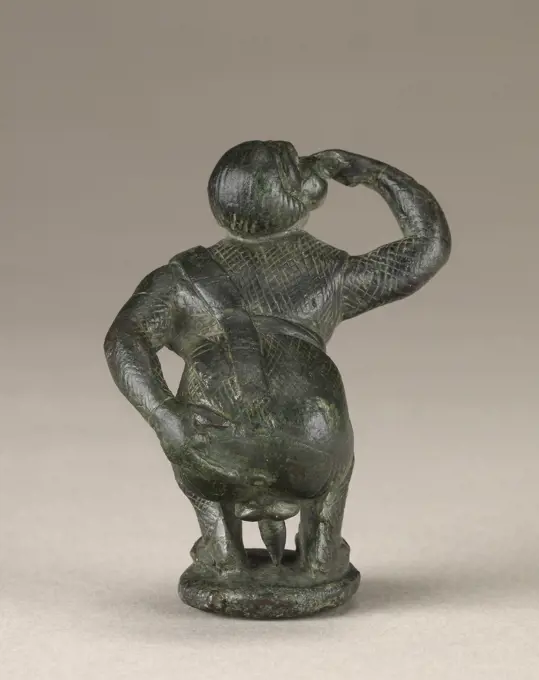
Statuette of a Comic Actor; Roman Empire; 1 - 125; Bronze; 6 cm (2 3,8 in.)
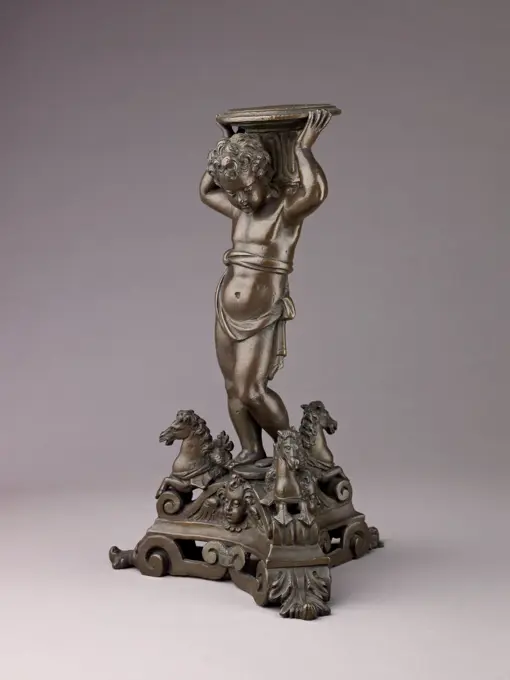
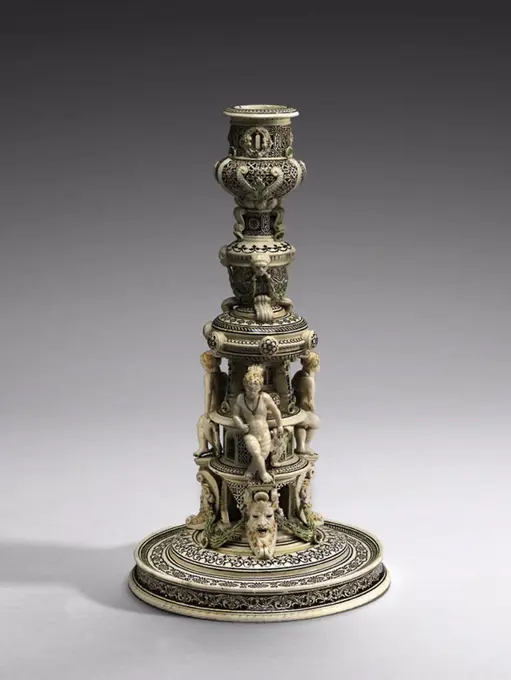
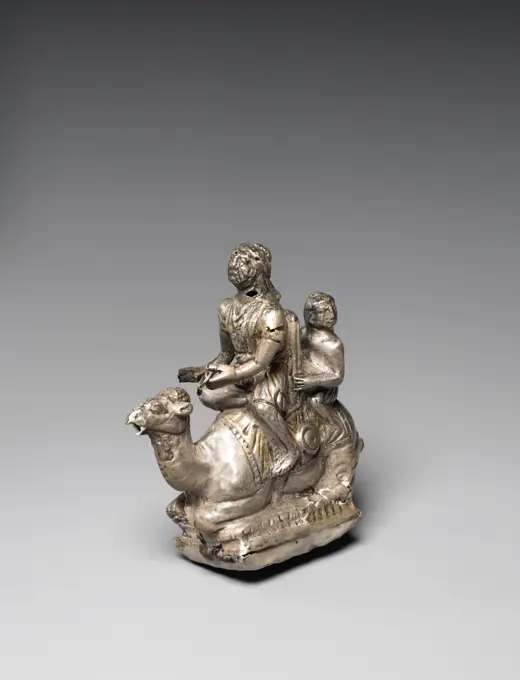
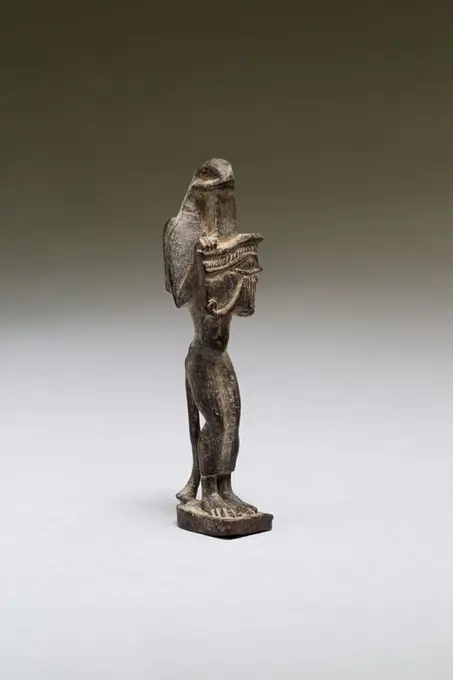
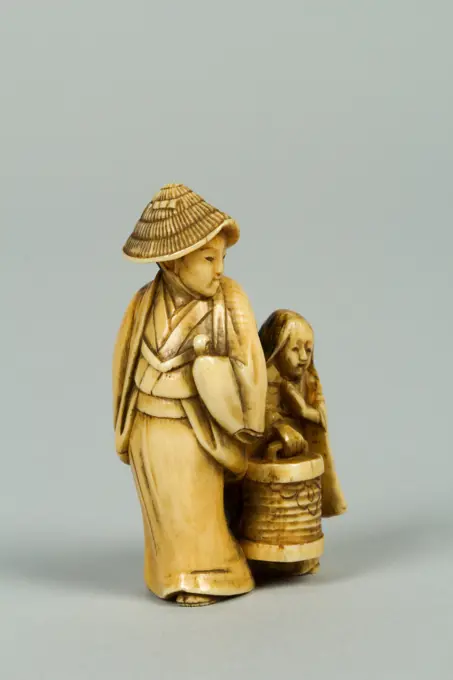
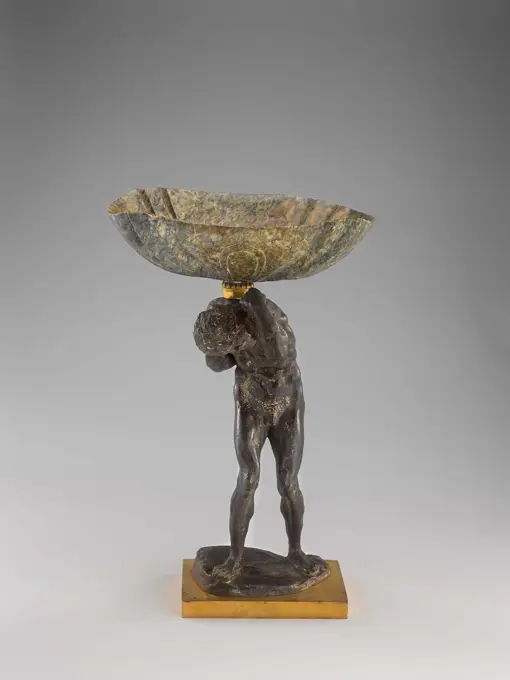
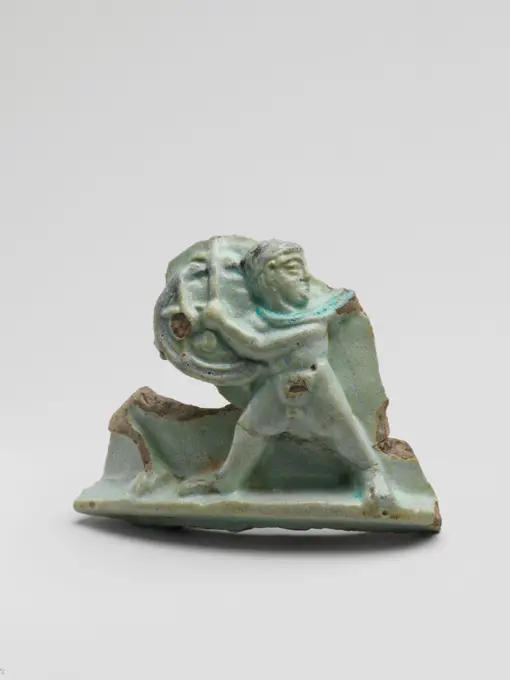
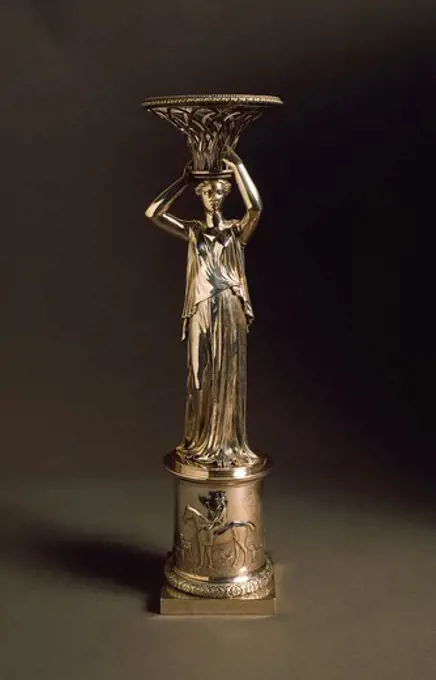
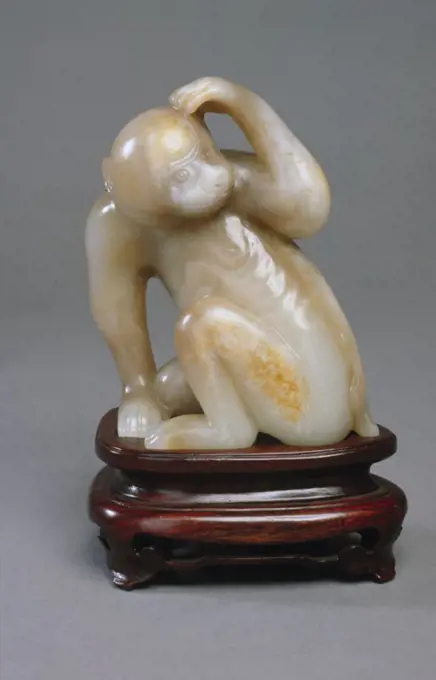
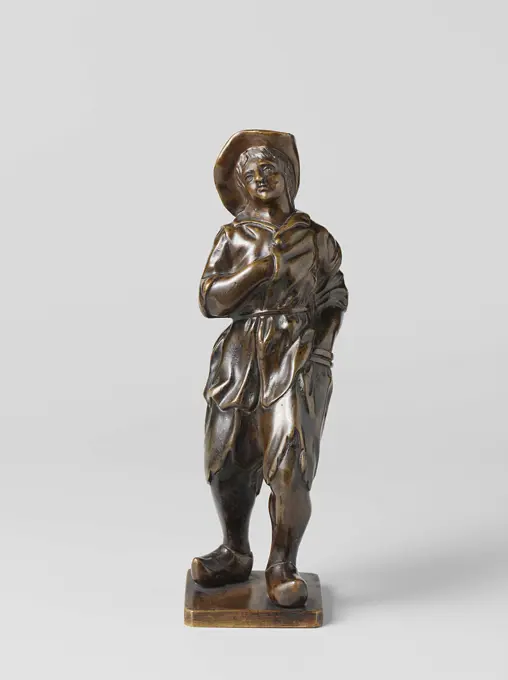
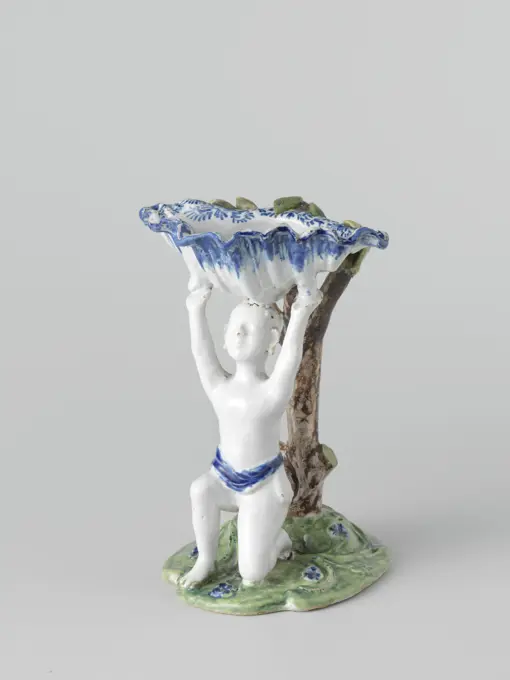
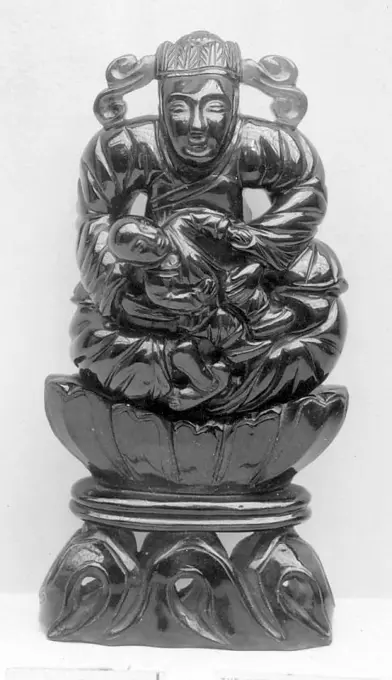
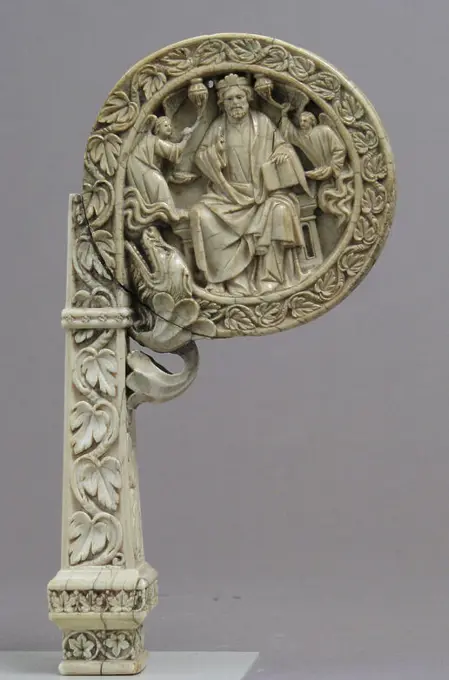
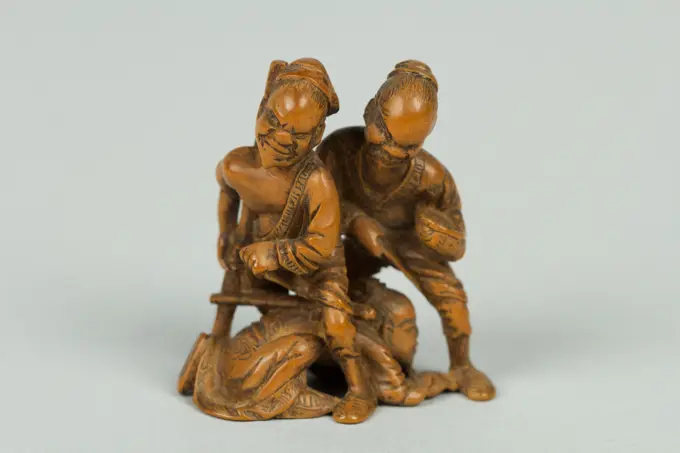
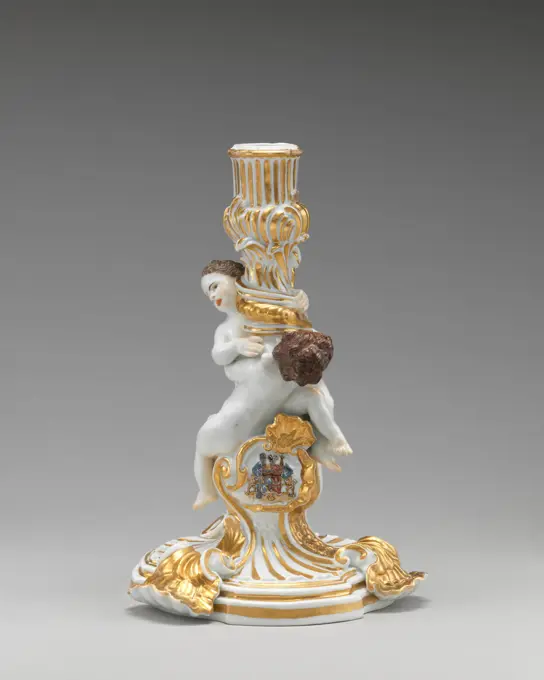
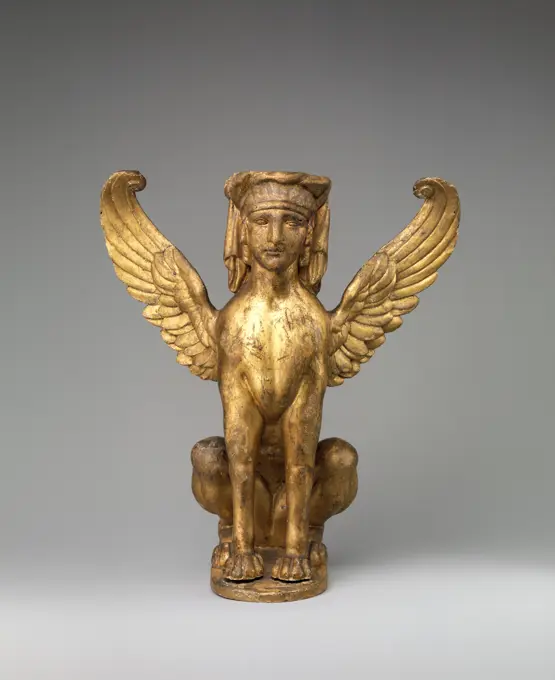
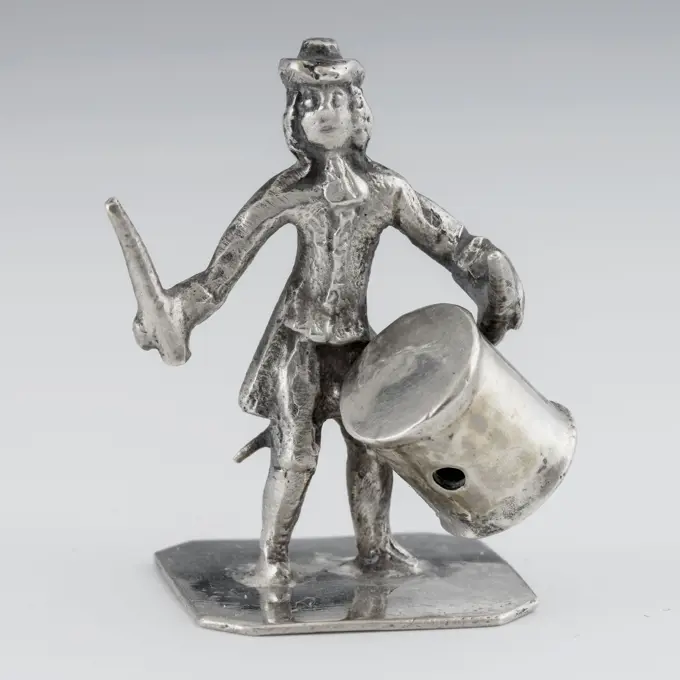
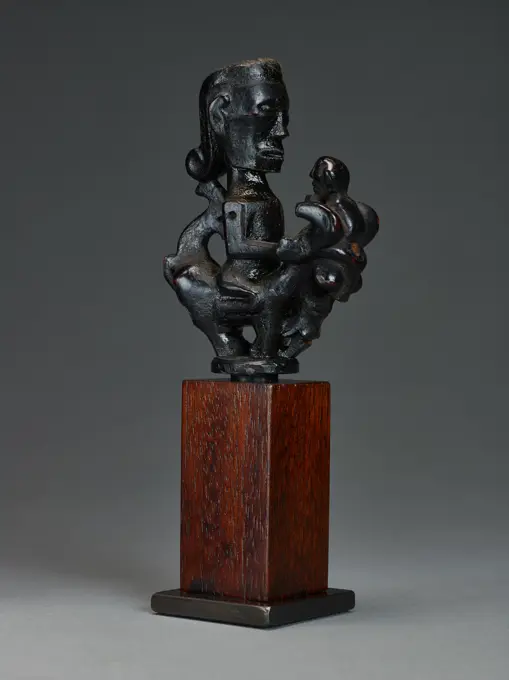
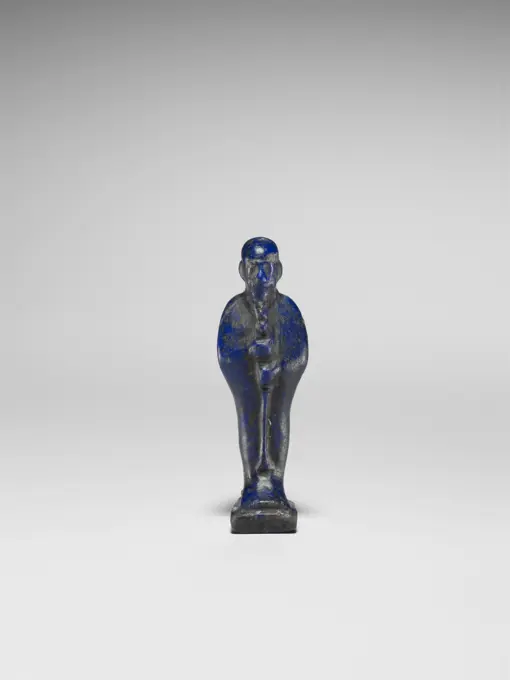
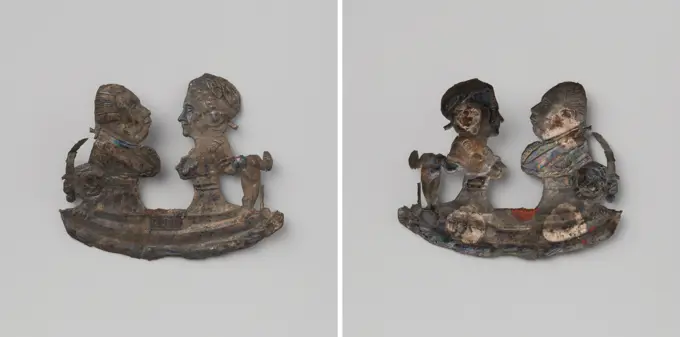
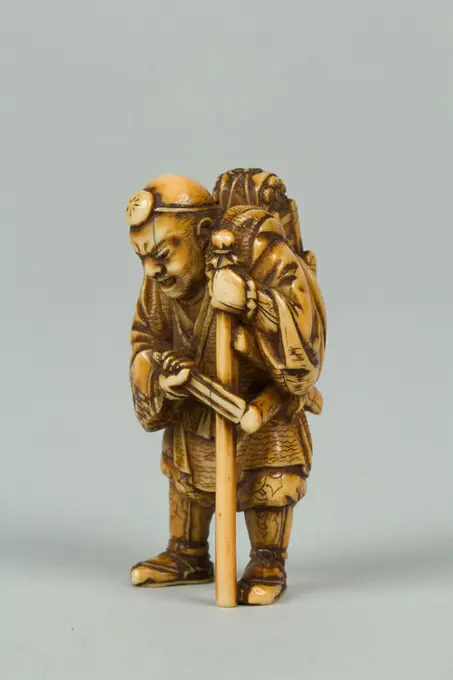
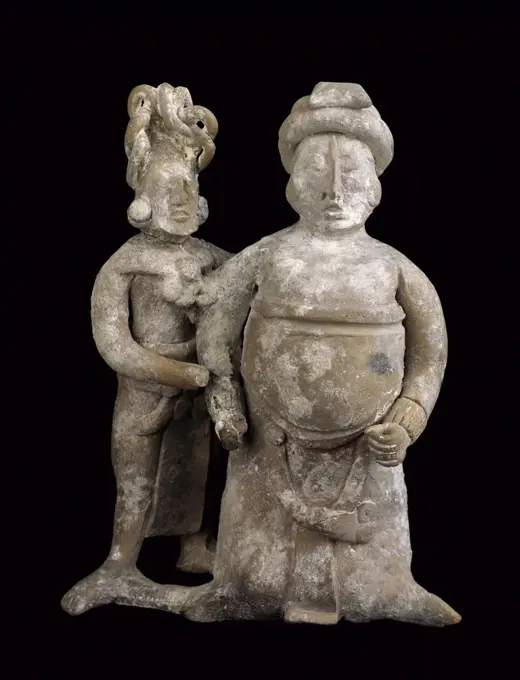
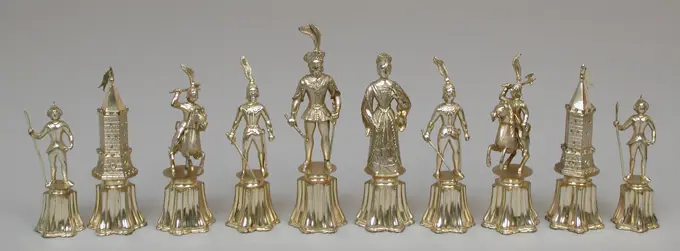
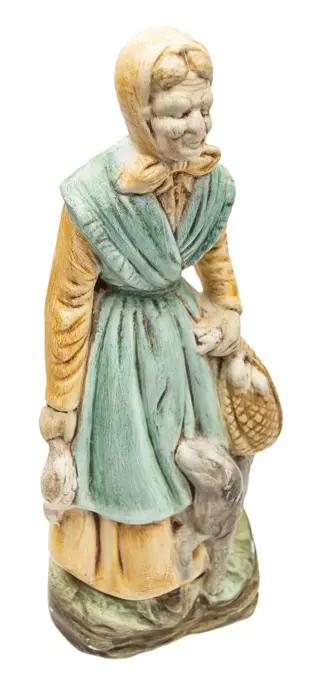
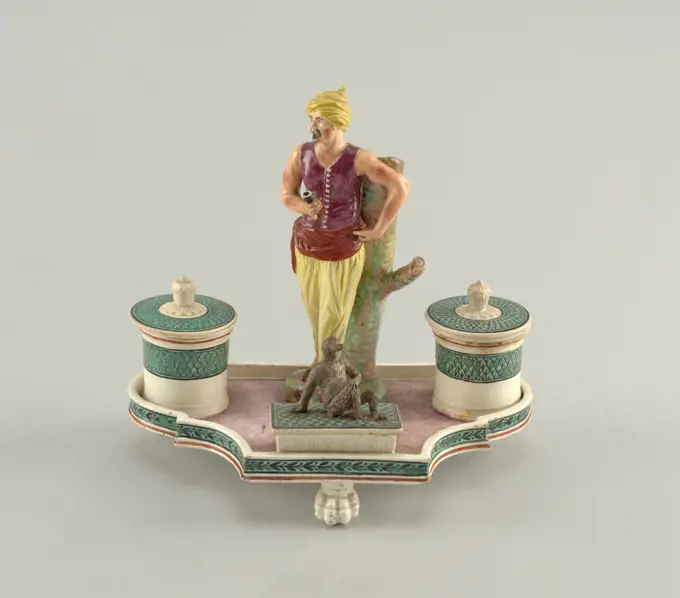
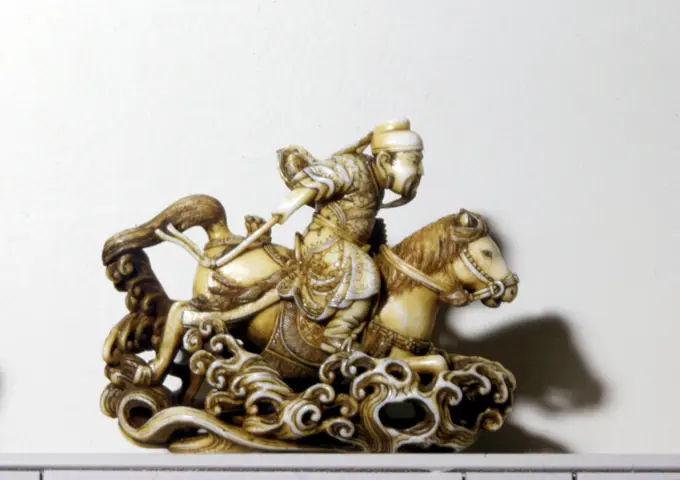
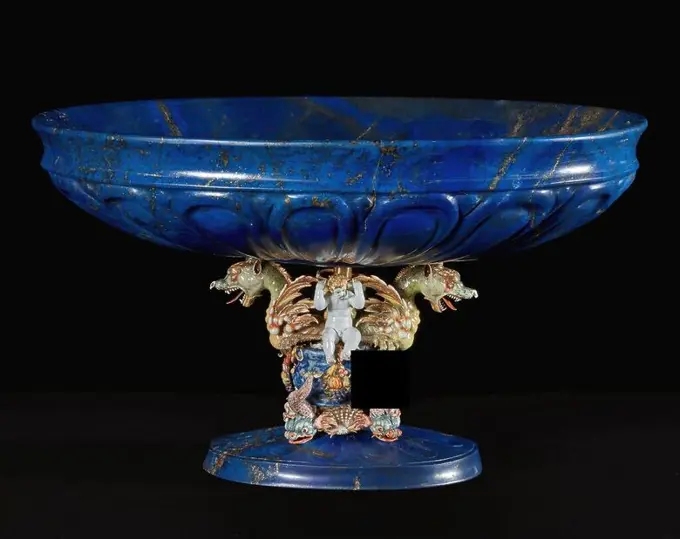
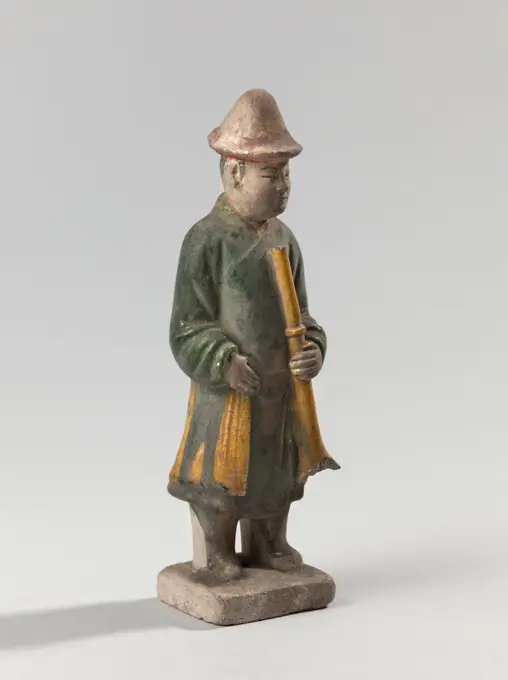
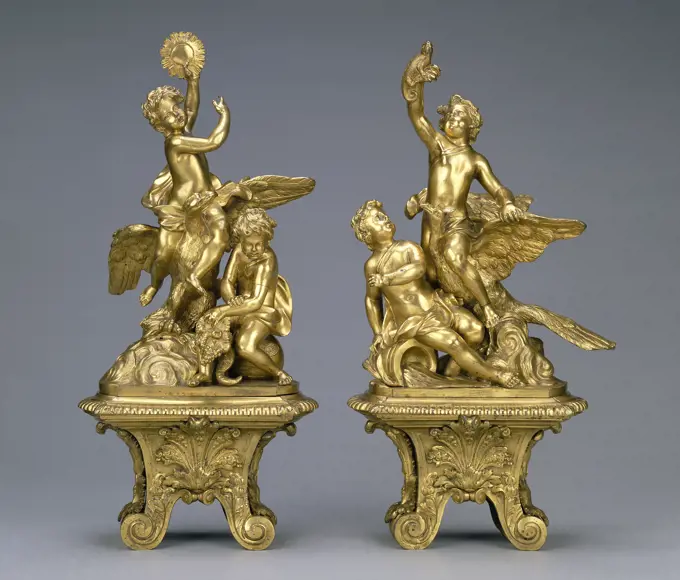
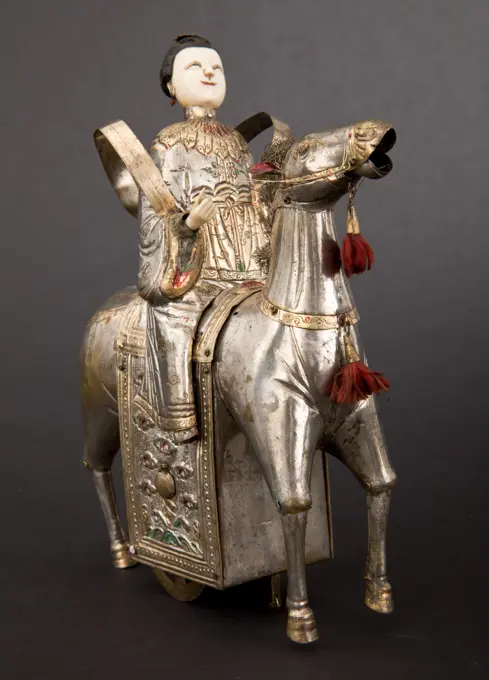
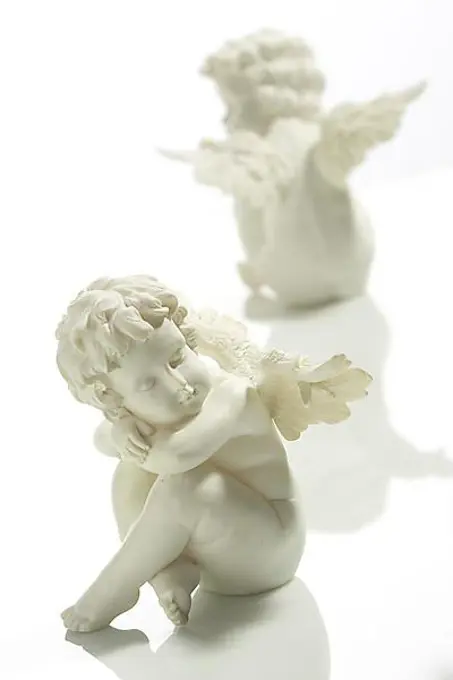
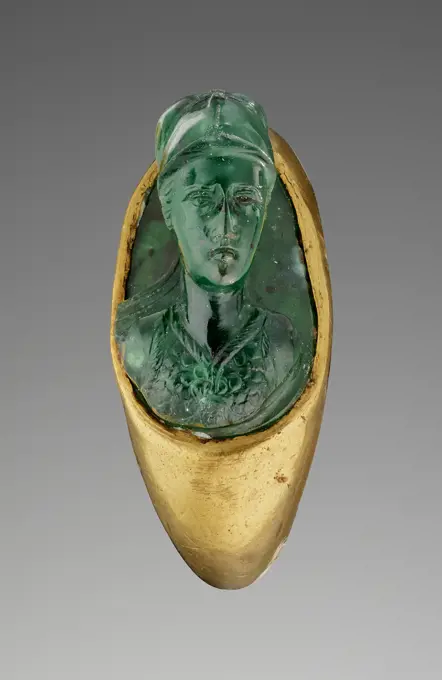
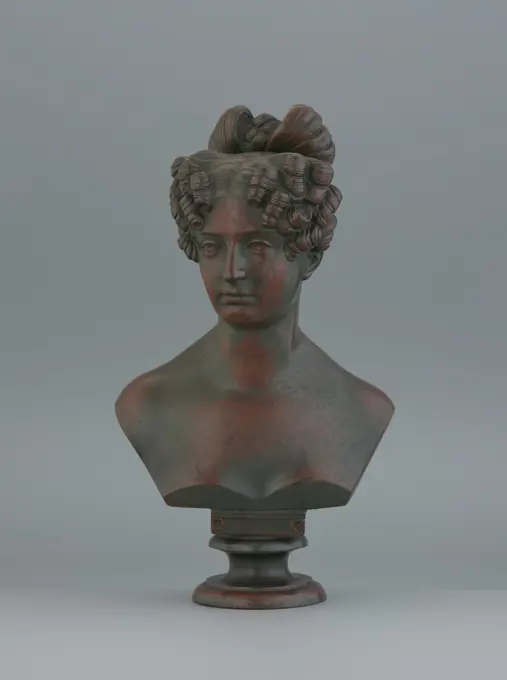
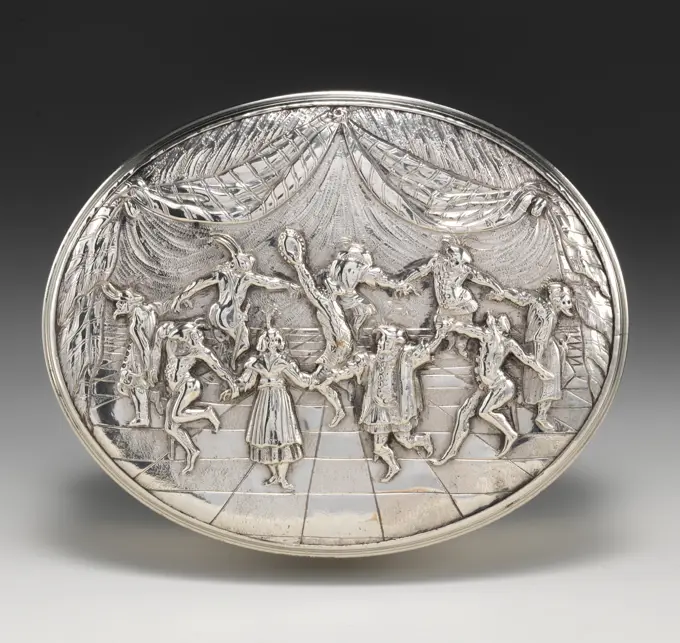
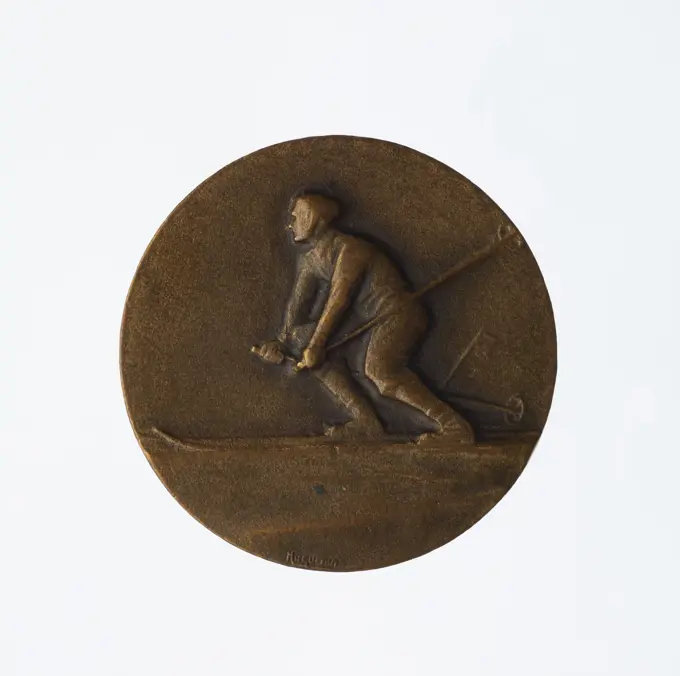
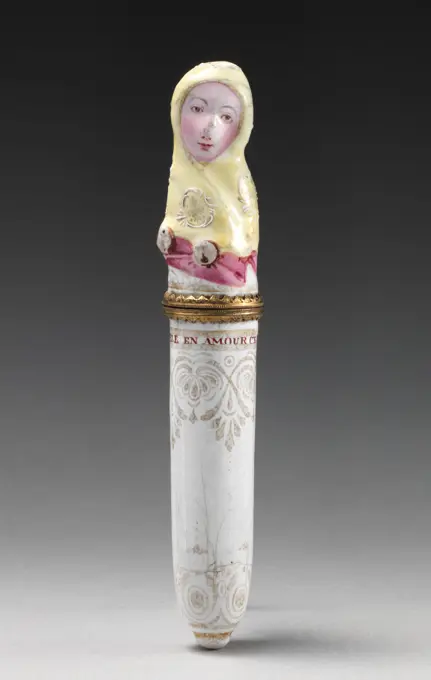
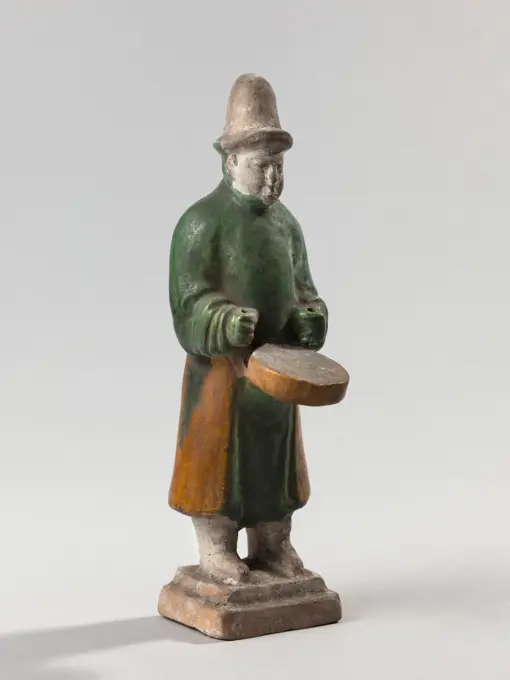
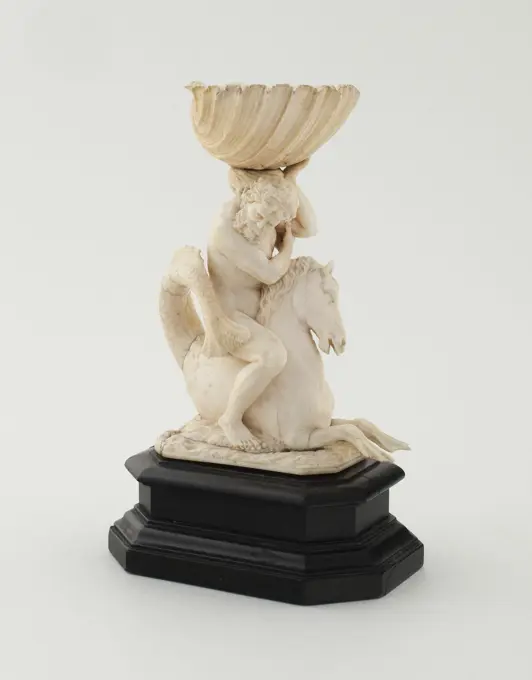
Salt Cellar 1625-1675 Belgium. This elaborately decorated salt holder, crafted from precious materials, once graced the tables at lavish European banquets and, at the same time, served a useful function. Indeed, this work is a proper tribute to salt, a highly desirable commodity that made perishable food more palatable and was also a sign of great wealth.. Ivory .Figurine  Liu Hai with a rope of coins unknownFigurine: Amor as Ebrak; Koenigliche Porcellain Fabrique, Meissen (1710-1763), Schwabe, Heinrich (1847-); 1877-1880 (1877-00-00-1900-00-00);Candlestick in the form of a Putto (see also 1975.1.1375, .1376, .1377) ca. 1600 or later Italian, Venice. Candlestick in the form of a Putto (see also 1975.1.1375, .1376, .1377) 461146Carved Brackets, 1600s. South India, probably Madurai. Ivory with traces of pigment; overall: 10.2 cm (4 in.). Composite creatures with the body of a lion, tusks and trunk of an elephant, and horns of an antelope are standard elements of medieval Indian architecture and furniture. Traces of pigment indicate that these ivory furniture facings were brightly painted.Candlestick. Dated: c. 1547/1559. Dimensions: overall (height): 29.5 cm (11 5/8 in.) overall (diameter of base): 16.6 cm (6 9/16 in.) gross weight: 707.000 gr. Medium: lead-glazed fine earthenware. Museum: National Gallery of Art, Washington DC. Author: French 16th Century, probably Saint-Porchaire (Deux-Sevres), or Paris region.Camel and riders ca. 1st century B.C.-1st century A.D. Nabataean. Camel and riders. Nabataean. ca. 1st century B.C.-1st century A.D.. Silver. Nabataean. Levant or SyriaBronze mirror handle () with Aphrodite ca. 1st-2nd century A.D. Roman Mirror support with Aphrodite.. Bronze mirror handle () with Aphrodite. Roman. ca. 1st-2nd century A.D.. Bronze. Imperial. BronzesStatuette of a Comic Actor; Roman Empire; 1 - 125; Bronze; 6 cm (2 3,8 in.)Nazi chess set. This chess set glorifies Nazi Germanys terratorial ambitions during World War II. The pieces are shaped like weapons. The text in the border lists the countries that Germany had attacked in 1939 and 1940. This set may have been presented in 1941 by SS Commander Heinrich Himmler to Anton Mussert, leader of the NationaalsocialistischeBeweging (NSB), the National Socialist Movement in the Netherlands.Rosary bead. Culture: German. Dimensions: Overall: 2 1/4 × 1 1/2 in. (5.7 × 3.8 cm). Date: early 16th century.This medallion shows the Virgin and Child on one side and a fashionably dressed saint on the other. The holes on top and bottom indicate that it was designed for a metal setting that would have allowed it to be strung. In form it closely resembles the medallion beads strung on the Rosary nearby. Museum: Metropolitan Museum of Art, New York, USA.Man with hat and bottle in hand, on tub. Image of unforded faience. There is a tub on a rectangular pedestal with beveled corners. On the ton is a boy with a hat on his head and a bottle in his hands.Highlander. Culture: British, Chelsea-Derby. Dimensions: 2 1/2 × 1 1/4 in. (6.4 × 3.2 cm). Factory: Derby Porcelain Manufactory (British, 1751-1785). Date: ca. 1765-68. Museum: Metropolitan Museum of Art, New York, USA.Snuff Bottle Depicting the God of Longevity 19th century China. Snuff Bottle Depicting the God of Longevity 41604Nehebkau (snake deity) holding a wedjat eye. Dimensions: H. 3.8 × W. 0.8 × D. 1 cm (1 1/2 × 5/16 × 3/8 in.). Date: 664-30 B.C..The small, finely detailed amulets 10.130.2439-.2445 are all made of wood. Wooden amulets are often gilded, but the only remaining gilding is on the goddess's sun disk (10.130.2443).. Museum: Metropolitan Museum of Art, New York, USA.Rider on horseback. Image of unforded faience. On a rectangular pedestal with beveled corners is a rider on horseback. The horse has bent his left. The rider leans over against the neck of the horse.Netsuke Japan 18th centuryNetsuke 19th century Japan. Netsuke. Japan. 19th century. Ivory. Edo (1615-1868) or Meiji period (1868-1912). NetsukeEpergne with a figure of Atlant. unknown, authorKoro (lid), 1736-95. China, Qing Dynasty (1644-1911), Qianlong reign (1736-95). Jade; overall: 19.8 cm (7 13/16 in.).Girl with tambourine ca. 1760 Saint James's Factory. Girl with tambourine. British, London. ca. 1760. Soft-paste porcelain. Ceramics-PorcelainFigurine of a Young ManFaience vase fragment late 1st century B.C.-1st century A.D. Egyptian, Roman Fragment of pale blue-green enamelled vase; warrior or gladiator with shield and sword.. Faience vase fragment. Egyptian, Roman. late 1st century B.C.-1st century A.D.. Terracotta. Early Imperial. VasesSilversmith's Art, England 19th century. Philip Rundell, Silver centerpiece with female figure in classical clothes on an engraved pedestal, George III style. London, 1819.Jade Monkey, Chinese ArtSnuff Bottle, 1800-1880, 3 x 1 5/8in. (7.6 x 4.1cm), Ivory, ChinaScent Bottle and Box in the Form of a Woman, c 1880-1890. Attributed to James Cox (British). Carved yellow and light brown agate from a single piece.; overall: 15.2 x 6.4 cm (6 x 2 1/2 in.); box: 5.7 x 2.9 cm (2 1/4 x 1 1/8 in.).Boerenboy. It stands on a square plinth with beveled corners and is shown in trend, the left leg forward, the head slightly left behind. He has put the left hand in the pocket and the judge on the chest in the shirt. He wears clogs, a wide-rich hat and about shortly battered pants a shirt with sleeves reaching the elbows, closed from the front with a knot and turned to the neck; To get a tire.The Infant Academy, Edward William Wyon, 1811-1885, British, after Sir Joshua Reynolds RA, 1723-1792, British, 1849, Copper electrotype, Overall: 10 3/4 inches (27.3 cm), children, feather, figure study, headgearBoy gardener. Culture: British, Chelsea. Dimensions: 3 1/2 × 1 1/8 in. (8.9 × 2.9 cm). Factory: Chelsea Porcelain Manufactory (British, 1745-1784, Gold Anchor Period, 1759-69). Date: ca. 1760. Museum: Metropolitan Museum of Art, New York, USA.Zoutvat, anonymous, c. 1760 - c. 1780 salt (condiment vessel) Salt barrel of multi -colored painted faience. On a ground is a tree with a naked kneeling boy figure in front. Above his head he holds a large, deep shell. An identical salt vessel belongs to the salt barrel. Delft (possibly) earthenware. tin glaze.Flora, anonymous, c. 1745 - c. 1749  France bronze (metal)  France bronze (metal)Pendant in the Form of a Seated Musician 1000-1500 Panama. Gold . VeraguasAngel. Culture: Italian. Dimensions: Overall (figure, confirmed): 5 1/8 × 2 1/8 × 6 1/8 in. (13 × 5.4 × 15.6 cm)Overall (wings, confirmed): 2 3/8 × 3/4 × 1 3/4 in. (6 × 1.9 × 4.4 cm)Overall (cross, confirmed): 5 1/8 × 1 1/2 × 1 5/8 in. (13 × 3.8 × 4.1 cm). Date: 16th century (). Museum: Metropolitan Museum of Art, New York, USA.Seated Figure Holding a Child 19th century China. Seated Figure Holding a Child 60668Ivory Crozier Head with Christ in Majesty and Throne of Wisdom. Culture: Italian or German. Dimensions: Overall (ab together): 7 3/16 x 3 3/4 x 1 1/8 in. (18.2 x 9.5 x 2.9 cm)a head only: 3 3/8 x 11/16 in. (8.6 x 1.7 cm)b shaft only: 5 7/16 x 1 1/2 x 1 1/8 in. (13.8 x 3.8 x 2.9 cm)c base only: 5 1/8 x 2 11/16 x 2 11/16 in. (13 x 6.9 x 6.9 cm)Overall (abc together when object came in): 12 5/16 x 4 9/16 x 2 11/16 in. (31.3 x 11.6 x 6.9 cm). Date: 13th century and later. Museum: Metropolitan Museum of Art, New York, USA.Netsuke of Group of Figures 19th century Japan. Netsuke of Group of Figures. Japan. 19th century. Wood. Edo (1615-1868) or Meiji period (1868-1912). NetsukeFigurine of Isis with HorusCandlestick (part of a service) model introduced in 1739 Meissen Manufactory German. Candlestick (part of a service). German, Meissen. model introduced in 1739. Hard-paste porcelain. Ceramics-PorcelainFigurine;  beginning of the 5th century BC (-500-00-00--490-00-00);Chess Figure Pogoń, the coat of arms of Lithuania. Palemona columns Skirmuntt, Helena (1827 1874)Figurine: two hearts in the press; Koenigliche Porcellain Fabrique, Meissen (1710-1763); 1900-1930 (1900-00-00-1900-00-00);Winged sphinx (one of a pair) late 18th century French. Winged sphinx (one of a pair) 189624 French, Winged sphinx (one of a pair), late 18th century, Wood, Overall (confirmed): 10 3/16  9 5/16  4 15/16 in. (25.9  23.7  12.5 cm). The Metropolitan Museum of Art, New York. Gift of J. Pierpont Morgan, 1906 (07.225.361a)Close-up of a figurineKenau Simonsdr. Hasselaar (1526-1588), Manufactuur Oud-Loosdrecht, c. 1782 - c. 1784 Bust of Kenau Simonsdr. Hasselaar (1526-1588), biscuit, on glazed column with cannelures in green and gold, standing on round-profiled plinth, decorated with piping, intersecting leaves and leaf guireses in gold. Loosdrecht porcelain. biscuit (porcelain, material) Bust of Kenau Simonsdr. Hasselaar (1526-1588), biscuit, on glazed column with cannelures in green and gold, standing on round-profiled plinth, decorated with piping, intersecting leaves and leaf guireses in gold. Loosdrecht porcelain. biscuit (porcelain, material)BRAZO RELICARIO DE SAN BERNARDO - SIGLO XII. Location: ABADIA DE SAN MAURICIO. Valais. Switzerland.Gold earring mid-4th century B.C. Greek From this earring dangles a siren, part bird and part woman, playing a kithara.. Gold earring. Greek. mid-4th century B.C.. Gold. Classical. Gold and SilverSilver miniature drum, figurine sculpture sculpture toy relaxing tool miniature model silver, cast Man with drum two picksticks and sword standing on flat surface city mark. three crosses under crown play home interior music Rotterdam G.W. Burger dollhouse Bishop Gerardus Willem Burger (Rotterdam 1856 - Doorn 1916) among others city councilor in Rotterdam 1903 to 1916.Votive Lamp (Deepa Lakshmi), 1700s-1800s. South India, Chingleput district (Madras), 18th-19th Century. Bronze; overall: 37.5 cm (14 3/4 in.).Snuff bottle with boy flying a bird China. Snuff bottle with boy flying a bird 41531BottleStopperAmulet, Ptah 664-332 B.C. Late Period. Amulet, Ptah 546240Willem V and Wilhelmina van Pruisen, Prince and Princess of Oranje -Nassau, Anonymous, 1787 - 1795  Unilateral silver plaque in low relief, representing: towards each other desired breastpieces of men and women, each on its own pedestal; Between the two in a coffin; Left lion with pulled sword and angel on the right with freedom hat on spear. Netherlands silver (metal) striking (metalworking) / snippingClose-up of a jug, HungaryNetsuke of Old Man with a Pack on His Back. Culture: Japan. Dimensions: H. 1 3/4 in. (4.4 cm). Date: 19th century. Museum: Metropolitan Museum of Art, New York, USA.Nightwatchman's companion ca. 1760 Chelsea Porcelain Manufactory. Nightwatchman's companion. British, Chelsea. ca. 1760. Soft-paste porcelain. Chelsea Porcelain Manufactory (British, 1745-1784, Red Anchor Period, ca. 1753-58). Ceramics-PorcelainChocolate can of faience. Chocolate can of faience. In the form of a thick farmer's, painted multi-colored. With accompanying crater (separate from object).Harprocrates Figurine, Late Period.. Seated naked Harprocrates wearing sidelock and triple headdressMayan Clay Figurines c. 700-1000 A.D. Campeche, Mexico Pre-Columbian Collection of The Museum of Contemporary Art, Jacksonville, FloridaAutumn, c. 1760. England, Derby, 18th century. Soft-paste porcelain; overall: 15.8 x 8.9 x 9.9 cm (6 1/4 x 3 1/2 x 3 7/8 in.).Crane Dancer. Gesshō (or Gessei) (Japan, active late 18th-early 19th century). Japan, late 18th century. Costumes; Accessories. Wood with inlayFigurine of a WarriorSpanish 16th Century, Kneeling Supplicant, 16th century Kneeling SupplicantGuard Begce Czen;  19th/20th century (1890-00-00-1910-00-00);Altar Stool 1850-1900 Nigeria. A sculptural tour-de-force, this stool was made for an altar dedicated to the deity Sango. At its center is a Sango priestóidentifiable by his double-bladed staff and cape covered in cowrie shellsóand a woman who reclines before him in a formal greeting. Moving clockwise, they are encircled by a man playing a drum; two women devotees, one of whom is holding a chicken for sacrifice; a rifle-toting soldier leading a bound captive; and a woman holding a large offering bowl. The motif of the soldier and captive, which also appears on the adjacent Esu dance staff by the same artist see 1991.396, reflects the violent invasions that marked the era.. Wood and pigment . YorubaEngraved Gem with a Portrait of a Woman set into a Ring; about 200; Gem: red jasper; ring: gilded silver; 1.5 × 1.1 cm (9,16 × 7,16 in.)Horse with loose rider, anonymous, c. 1700 - c. 1800 Rider of undecorated faience. The horse is on a rectangular pedestal and the rider is loose. De Ruiter wears a bear hat and a German uniform from the second half of the 18th century. The horse has lifted its left front leg. The rider includes an identical copy with InvNR. BK-1955-403-B. Delft earthenware. tin glaze. Rider of undecorated faience. The horse is on a rectangular pedestal and the rider is loose. De Ruiter wears a bear hat and a German uniform from the second half of the 18th century. The horse has lifted its left front leg. The rider includes an identical copy with InvNR. BK-1955-403-B. Delft earthenware. tin glaze.Chessmen (32) and board ca. 1840-50 German The costume of the principal figures appears to be a romantic version of medieval dress; certain features, however, of the dress of the queen are unmistakably of the decade 1840 to 1850, thus dating the entire set. A board of white and black mother-of-pearl squares set in silver-plated metal frame is en suite.. Chessmen (32) and board. German. ca. 1840-50. Silver, silver gilt. Chess SetsEarring. UnknownSeal. Gabowicz, Józef Mojżesz (1862-1939), sculptor, Łopieńscy, Bracia (Warszawa ; wytwórnia złotnicza ; 1884-1944), factoryOld woman figurine Isolated figurine of an old woman against a white background Copyright: xZoonar.com/YannxPoirierx 12419046Stopper for a Medicine Container (GuriGuri)Inkwell, Glazed earthenware, Platform with a paw foot. At center, a man wearing a turban and sash around his waist leans against a tree. At his feet, a reclining monkey. On either side, a covered pot with floral finial. a) tray; b) inkwell; c) cover; d) cover with monkey; e) sandpot; f) cover, Italy, early 19th century, ceramics, Decorative Arts, InkwellRider on horseback, anonymous, c. 1760 - c. 1790 Image of undecorated faience. On a rectangular pedestal with beveled corners is a rider on horseback. The horse has lifted its right front leg and has two rosettes on the neck. The rider carries a three -pointed stitch and has stretched his right arm backwards. Delft earthenware. tin glaze. Image of undecorated faience. On a rectangular pedestal with beveled corners is a rider on horseback. The horse has lifted its right front leg and has two rosettes on the neck. The rider carries a three -pointed stitch and has stretched his right arm backwards. Delft earthenware. tin glaze.Chinese General Gentoku. Ivory netsuke figure. JAPAN.Pierre Delabarre; Taller italiano / 'Lapis lazuli goblet with dragons and kid'. 1625 - 1645. Enamel, Lapis lazuli, Opal, Gold. Museum: Museo del Prado, Madrid, España.Joueaman's joueager. Tears cook at glaçures. Par musée musée malée. Asian art, old ceramic, covered, email, musical instrument, musician, character, porcelain, terracotta emaillee, tricolorStatuette of a Kithara. UnknownMedal: Lindbergh's Flight (reverse), 1900s. Frederick William MacMonnies (American, 1863-1937). Bronze; diameter: 7.2 cm (2 13/16 in.).Pair of Firedogs; about 1700; Gilt bronze;Mount; 1904-21-39Doll mechanically moved  a woman sitting on a horse unknownSitting angelsMinerva; 1st century; Gem: chrome chalcedony; ring: gold; 1.8 × 1.1 × 1.3 cm (3,4 × 7,16 × 1,2 in.)Campania Caserta Capua Museo Campano01. Hutzel, Max 1960-1990 Medieval: Byzantine architectural fragments; parchment fragments with miniatures (12th century) from Montecassino; painted wooden crucifix (13th century); Carolingian crucifixes; Bishop's miter (11th century) of gold and silver damask; fresco (13th century). Post-medieval: Architecture (15th century). Formerly the Palazzo Antignano. Unusual Catalan/Moorish-style portal; Paintings on panel and canvas (15th-18th centuries); marble intarsia (16th century); marble sculpture: busts of Christ and Mary (17th century); sculpture of saints in marble and in wood (15th century); painted and gilded sculpture in wood; marble grave sculpture (16th century); sarcophagus with allegorical carvings; gold reliquary "Rosa d'Oro"; crucifix made of elephant tusk Specific Location: Pianterreno Antiquities: Italic sculpture (seated women holding babies); inscription. Photo campaign #1: 533 photos. Roman relief and sculpture; cinerary urns; Greek anTwo Figurines, De Metaale Pot, c. 1700 - c. 1715 There is a violin -playing man with hat on a triangular and triple pedestal. The image is of multicolored (blue, green, yellow and red) painted faience. The image is marked. Delft earthenware. tin glaze. There is a violin -playing man with hat on a triangular and triple pedestal. The image is of multicolored (blue, green, yellow and red) painted faience. The image is marked. Delft earthenware. tin glaze.Jocular Character or Actor, Pieter Xaveri (attributed to), Jan Smeltzing (I) (attributed to), Philip van der Mij (possibly), c. 1680 - c. 1700 A helmet -shaped head cover, which is just left to the left, to the left, a Gouda pipe is attached to. It is dressed in a wambuis with buttons, above which a weak, pleated collar; Pikkedillekens on the shoulder. From his right shoulder, the cloak runs diagonally down to the right; There is a roll of tobacco between mantle and tube. The headgear shows linear decorations and has largely been on. Leiden bronze (metal) casting A helmet -shaped head cover, which is just left to the left, to the left, a Gouda pipe is attached to. It is dressed in a wambuis with buttons, above which a weak, pleated collar; Pikkedillekens on the shoulder. From his right shoulder, the cloak runs diagonally down to the right; There is a roll of tobacco between mantle and tube. The headgear shows linear decorations and has largely been on. Leiden bronze (metal) castingCup, also known as FrauenBecher, in the form of a men's figure with movable arms. Chalice in the form of an outstanding skirt, Jörg Ruel, c. 1600 Cup, also known as Frauenbeecher, in the form of a men's figure with movable arms and with outstanding skirt. The figure can also be used as a cup screw. Nuremberg silver (metal). gilding (material) gilding Cup, also known as Frauenbeecher, in the form of a men's figure with movable arms and with outstanding skirt. The figure can also be used as a cup screw. Nuremberg silver (metal). gilding (material) gildingA woman's bust;  XIXW. (1850-00-00-1865-00-00);Figure of A Standing Man and Woman with a Fan. Image of porcelain of a standing man and woman on a pedestal, painted on biscuit in blue, red, celadon and black. The two stand side by side on the pedestal. The woman has a range in her right hand, the man has an object in his right hand and wears a headdress. Heads, hands and feet are unglazed; The point of the women's shoe is missing. Old label on the bottom with 'A.J. Spijer & Zoon Antiquaires Amsterdam '. Email sur biscuit.Girl with basket. Girl with basket. Marked and rebuilt HM and N4.Hugo de Groot (1583-1645), Manufactuur Oud-Loosdrecht, After Jacob Houbraken, After Aert Schouman, c. 1782 - c. 1784 Bust van Hugo de Groot (1583-1645), biscuit, on glazed column with cannelures in green and gold, standing on round-profiled plinth, decorated with piping, intersecting leaf garlands and leaf guirandes in gold. Loosdrecht porcelain. biscuit (porcelain, material) Bust van Hugo de Groot (1583-1645), biscuit, on glazed column with cannelures in green and gold, standing on round-profiled plinth, decorated with piping, intersecting leaf garlands and leaf guirandes in gold. Loosdrecht porcelain. biscuit (porcelain, material)Tobacco box first quarter 18th century British. Tobacco box. British. first quarter 18th century. Silver. Metalwork-SilverAtlas Bank' mechanical bank, c. 1880, Attributed to North Brothers, Philadelphia, 8 1/4 x 5 3/4 x 4 in. (20.96 x 14.61 x 10.16 cm), Iron, pigment, paper, wood, United States, 19th centuryAntique Sculpture Isolated Photo Front view antique scuplture of two men sitting surrounded a shield Copyright: xZoonar.com/DanielxFerreira-LeitesxCiccarinox 12021805MEDALLA EN MARFIL ESMALTES ORO Y BRILLANTES.Engraved gem. UnknownToken of a participant in military ski competitions Huguenin Frères & CoBodkin case late 18th-early 19th century British, Staffordshire. Bodkin case. British, Staffordshire. late 18th-early 19th century. Copper, enamel. Enamels-PaintedDrum player. Terracotta with glaze. Paris, Cernuschi museum. 78847-25 Asian art, old ceramic, covered, email, musical instrument, musician, character, porcelain, terracotta emaillee, tricolor