Artistic Salt Cellars and Figurines

Exquisite salt cellars and figurines made from ivory and other materials, showcasing elaborate craftsmanship from various historical periods.
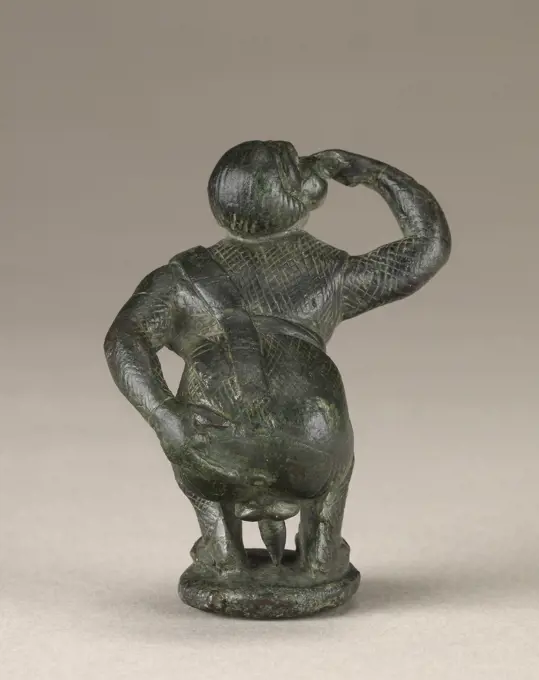
Statuette of a Comic Actor; Roman Empire; 1 - 125; Bronze; 6 cm (2 3,8 in.)
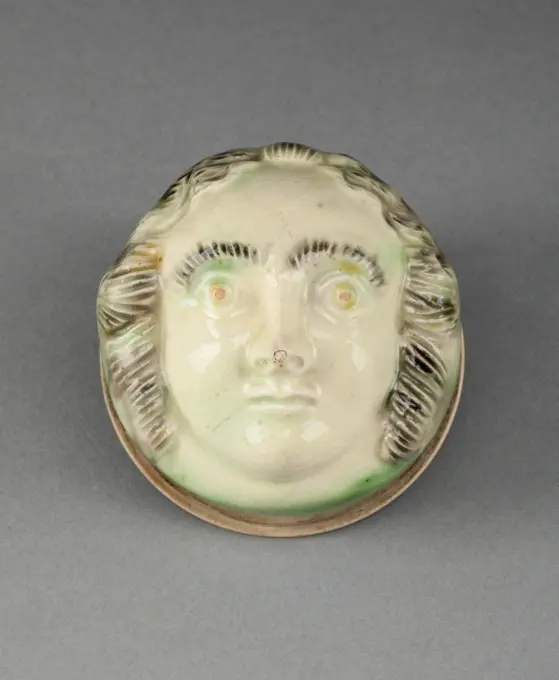
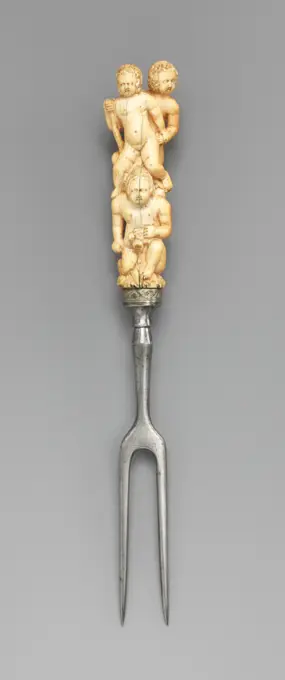
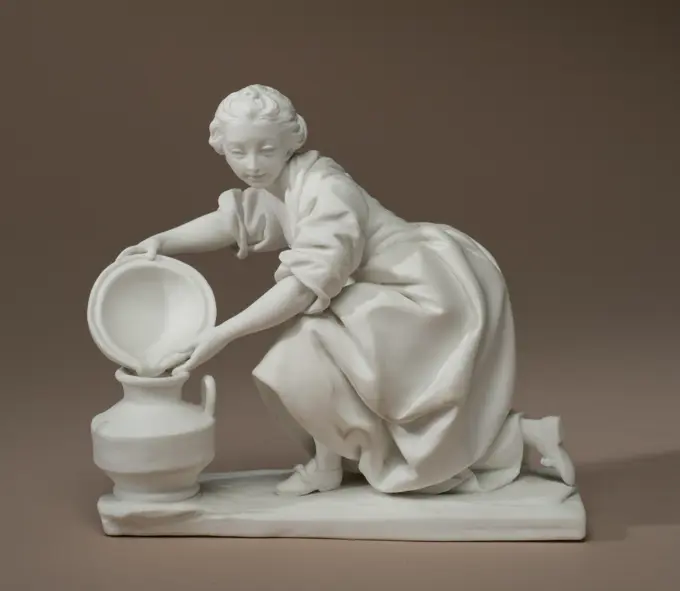
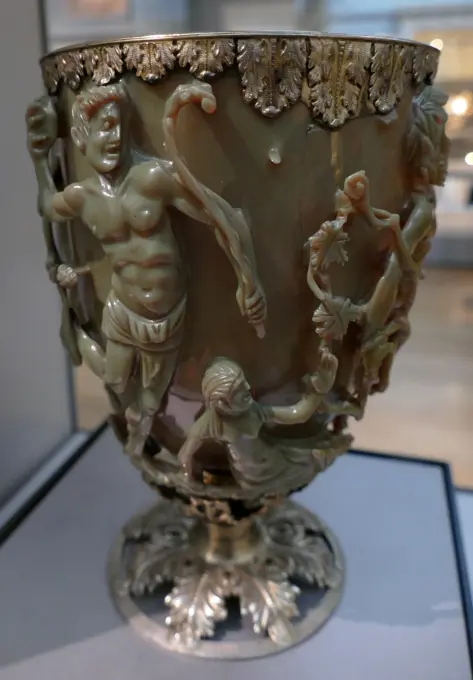
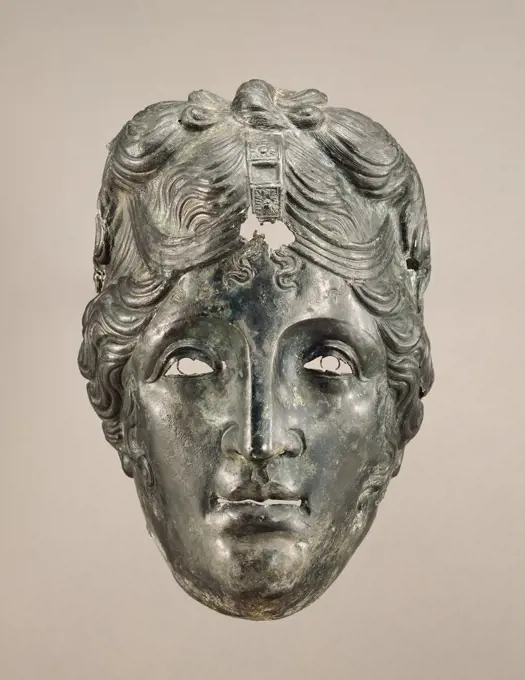
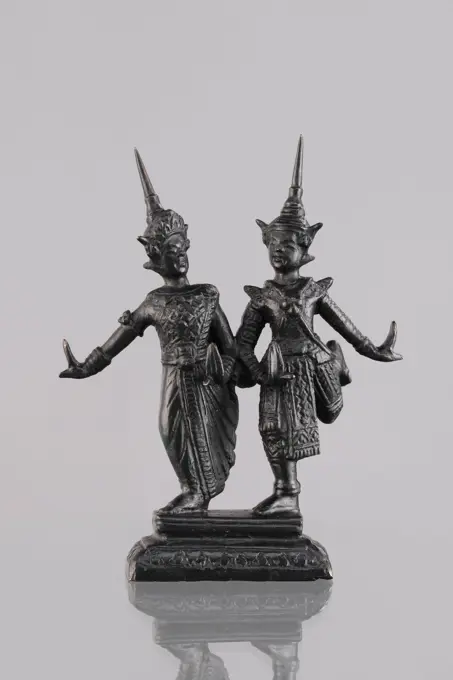
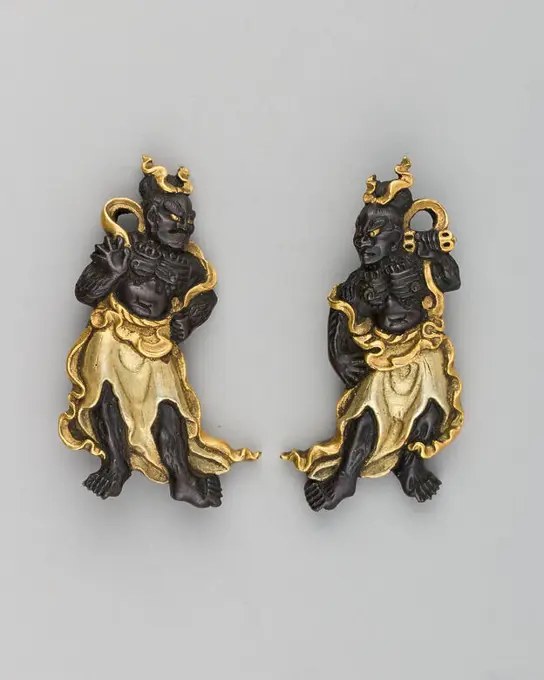
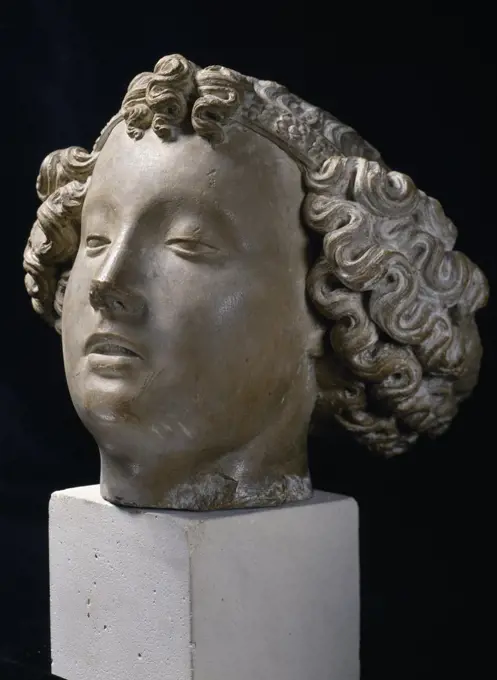
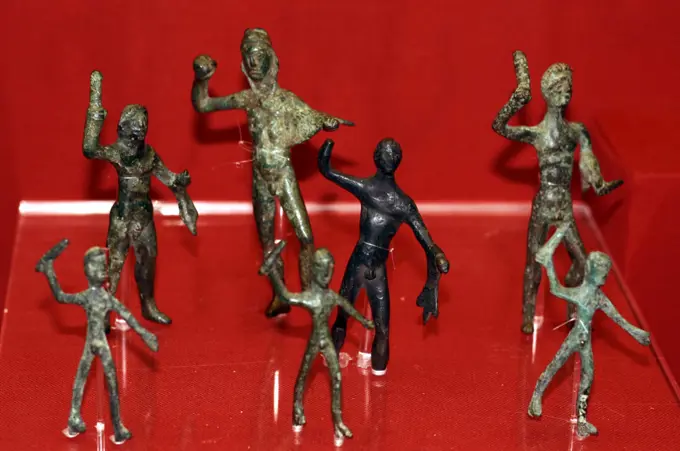
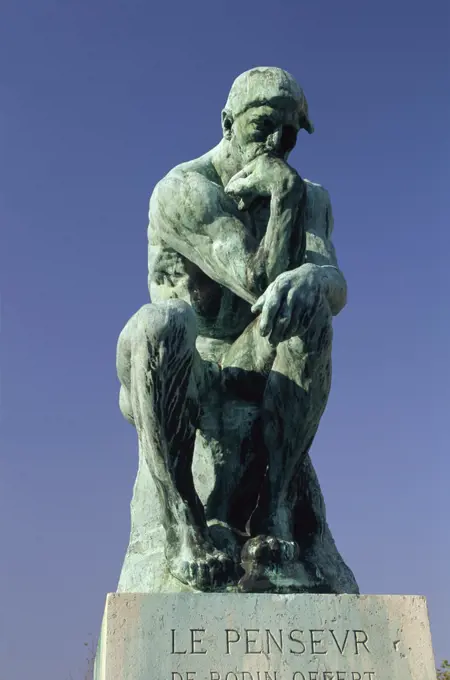
Medallion, "Dancing Nude", 1800's. France, 19th century. Bronze; diameter: 5.1 cm (2 in.).Snuff Box Made 1760-1770 Staffordshire. Lead-glazed earthenware (creamware) .Lorenzo Vaccaro / 'Philip V on Horseback'. 1702. Bronze. Museum: Museo del Prado, Madrid, España.Leaf bowl for dessert, Porzellanmanufaktur. Meissen circa 1770, National Museum, Munich, Upper Bavaria, Bavaria, Germany, EuropeFork first half 18th century German. Fork. German. first half 18th century. Steel, ivory. Metalwork-SteelSèvres Porcelain Manufactory, The Dairy Maid, c. 1757-c. 1766, soft-paste porcelain (biscuit).The Lycurgus Cup; 4th-century, Roman glass cage cup. Made of a dichroic glass, which shows a different colour depending on whether or not light is passing through it; red when lit from behind and green when lit from in front. It is the only complete Roman glass object made from this type of glass. The cup is also a very rare example of a complete Roman cage-cup, or diatretum. It named after King LycurgusNachtwacht, Johannes Adrianus van Geffen (attributed to), 1779 Night watch: On an elongated plate is a man with a stitch and a stick in his right hand. There was probably a bird or a star on the stick. A ZIG-Zag line is engraved along the edge of the plate. The image is marked: stk. = Amsterdam, Jrl. = U (1779) and Mt. = Johannes van Geffen and a written letter V. Amsterdam silver (metal) Night watch: On an elongated plate is a man with a stitch and a stick in his right hand. There was probably a bird or a star on the stick. A ZIG-Zag line is engraved along the edge of the plate. The image is marked: stk. = Amsterdam, Jrl. = U (1779) and Mt. = Johannes van Geffen and a written letter V. Amsterdam silver (metal)Saint George and the Dragon early 16th century French. Saint George and the Dragon. French. early 16th century. Walnut. Sculpture-WoodMariano Benlliure Gil / 'Goya'. Ca. 1902. Bronze. Museum: Museo del Prado, Madrid, España.Chessmen (32) Indian 19th centuryFace Mask from Parade Helmet; Unknown; Asia Minor; 75 - 125; Bronze; Object: H: 28 x W: 17.8 cm (11 x 7 in.)Figurines of the same pair;  1. PO. 20th century (1901-00-00-1950-00-00);Left The capstan ; Center Man shoveling ; Right Man pushing barrel , Fishermen, Helms. The Massachusetts WPA Federal Art Project Photograph CollectionPair of Sword-Grip Ornaments (Menuki). Culture: Japanese. Dimensions: L. of each 1 7/8 in. (4.8 cm); W. of each 13/16 in. (2.1 cm); Wt. of each 0.5 oz. (14.2 g). Date: 18th century. Museum: Metropolitan Museum of Art, New York, USA.Krishna god Vishnu avatar brass statue isolated on wooden background. Krishna statue on wooden backgroundImperial and Royal Porcelain Manufactory Vienna, Statuette: Vegetable Vendor, 1755-60, hard-paste porcelain.Head of an Angel, sculpture, France, Paris, Musee de la Ville de ParisClose-up of a shiny golden seahorse figure on a Venetian gondola, Venice, Veneto, Italy, EuropeRAFAEL MOLINA - EL LAGARTIJO (1841-1900). Location: MUSEO TAURINO. MADRID. SPAIN. LAGARTIJO-RAFAEL MOLINA SANCHEZ.Medallion. Henri Emile Allouard (French, 1844-1929). Bronze; overall: 7 x 5.5 cm (2 3/4 x 2 3/16 in.).Lohan, one of a pair, 18th century, 10 3/4 x 4 1/4 in. (27.31 x 10.8 cm), Gilt bronze, Tibet, 18th centurySelection of assorted Hercules figurines in Bronze from across the Roman provinces of Europe. Circa 1-300 ADThe Thinker  (Le Penseur)  1880 Auguste Rodin (1840-1917/French)  Bronze  Musee Rodin, Paris