Artistic Silver & Porcelain Vases

Diverse vases made from silver and porcelain, showcasing elaborately designed surfaces and historical craftsmanship.

Cuppa of a chestnut cheese, Porcelinfabriek aan den Amstel, c. 1810  Cuppa of a chestnut cheese. Netherlands porcelain
Cuppa of a chestnut cheese, Porcelinfabriek aan den Amstel, c. 1810 Cuppa of a chestnut cheese. Netherlands porcelain
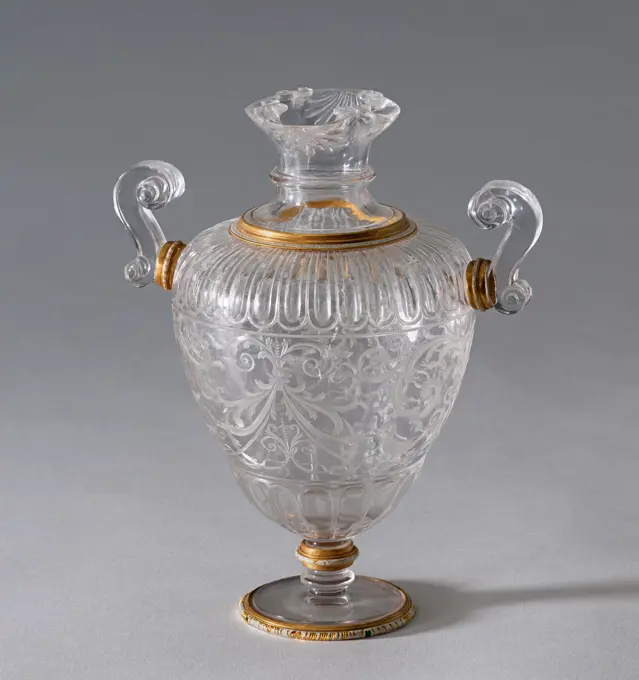
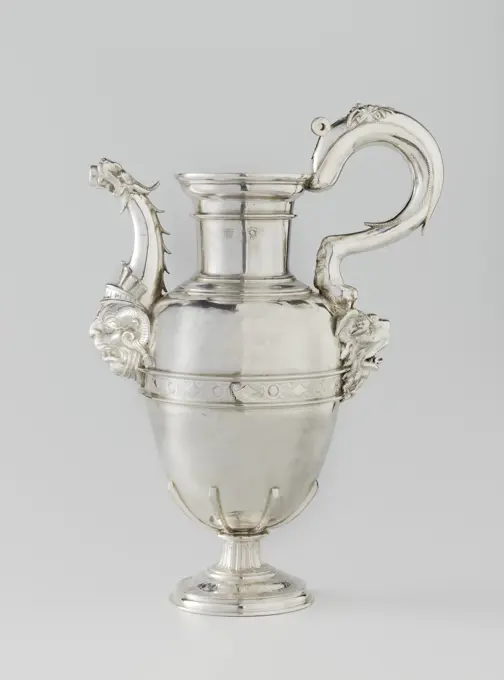
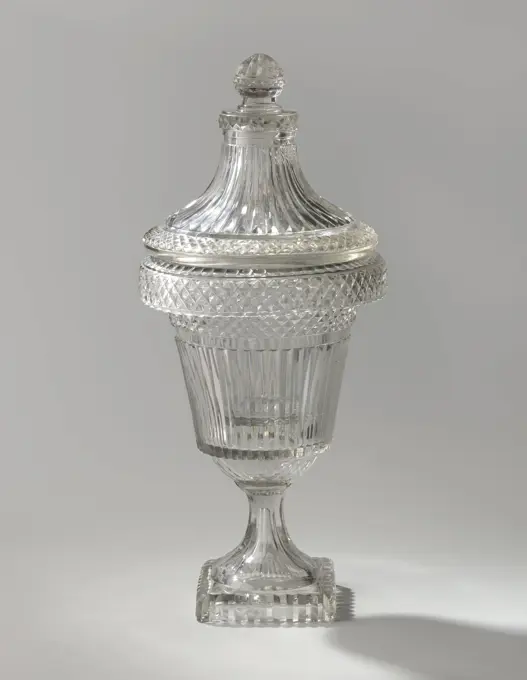
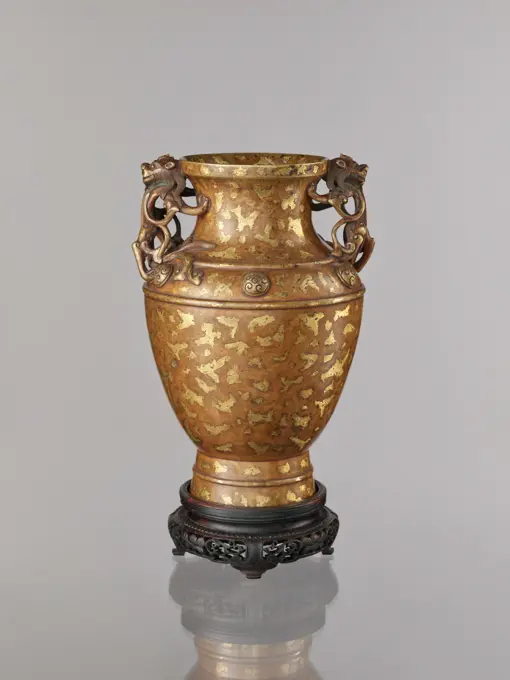
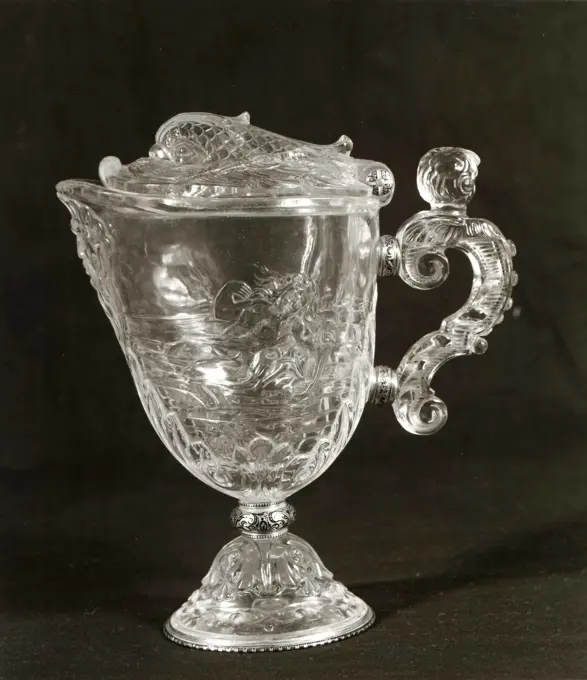
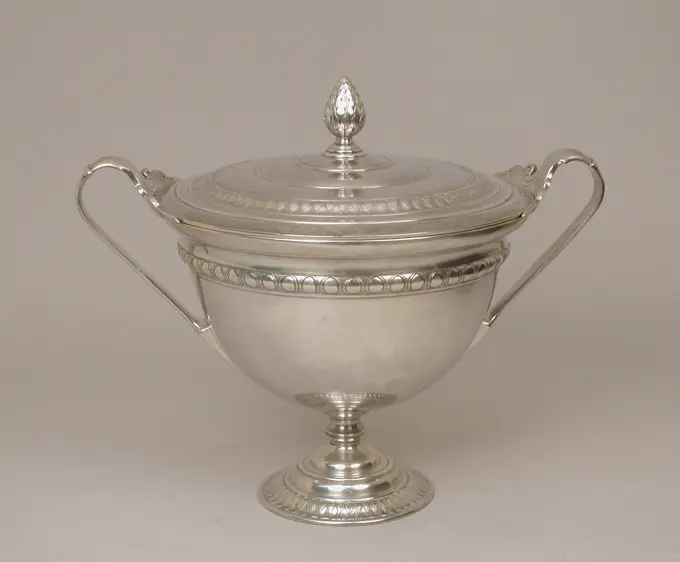
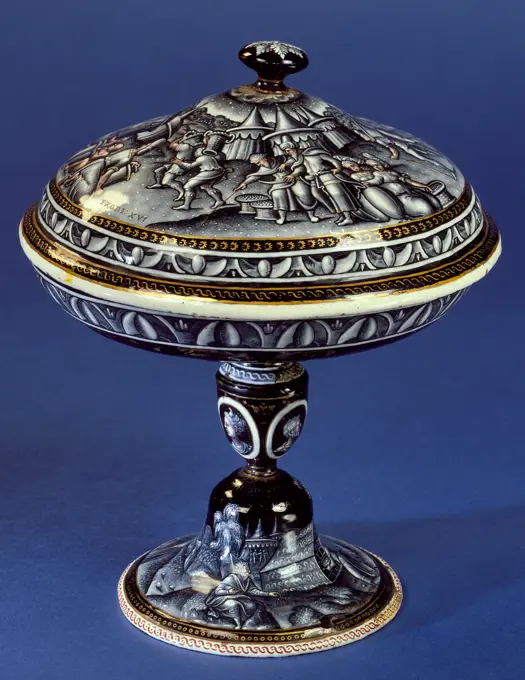
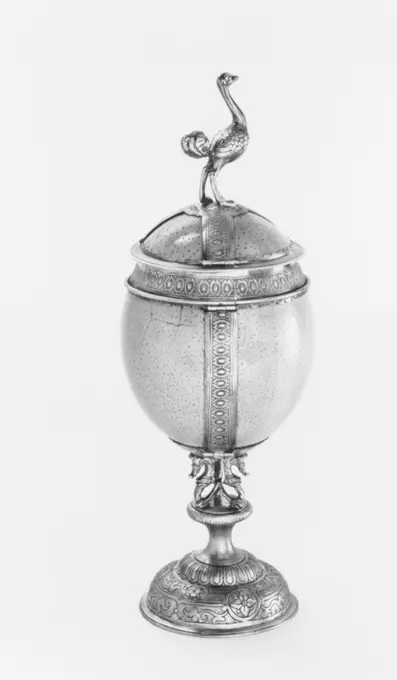
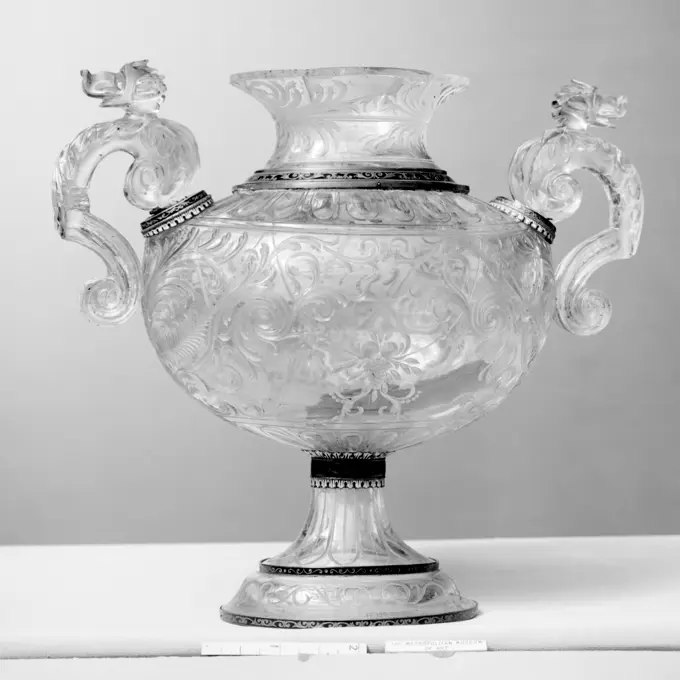
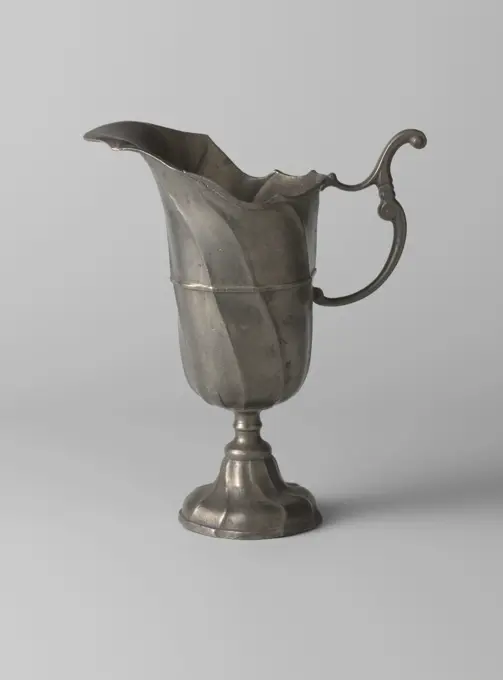
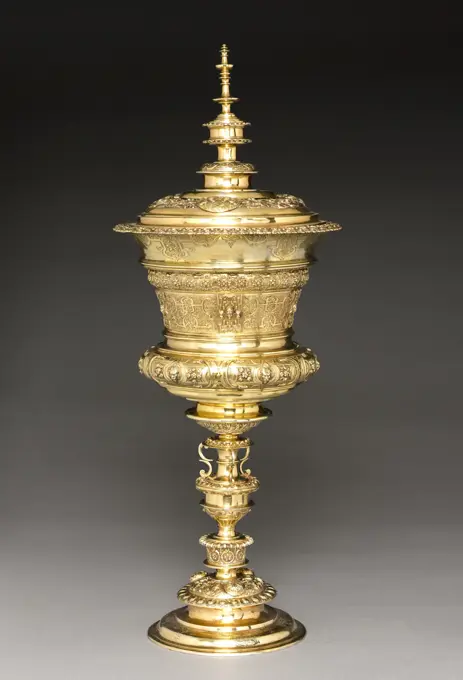
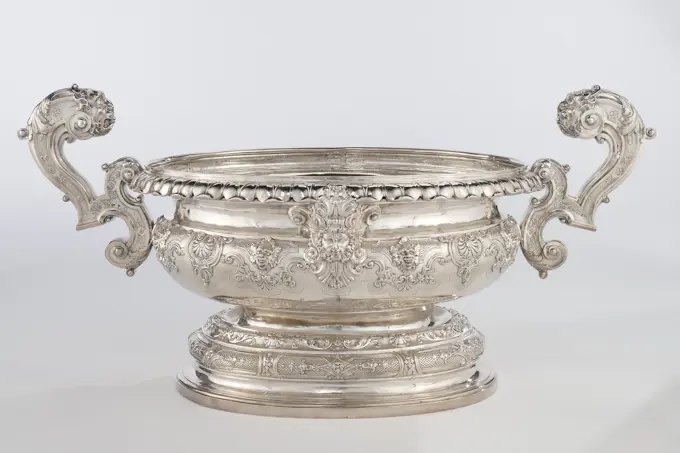
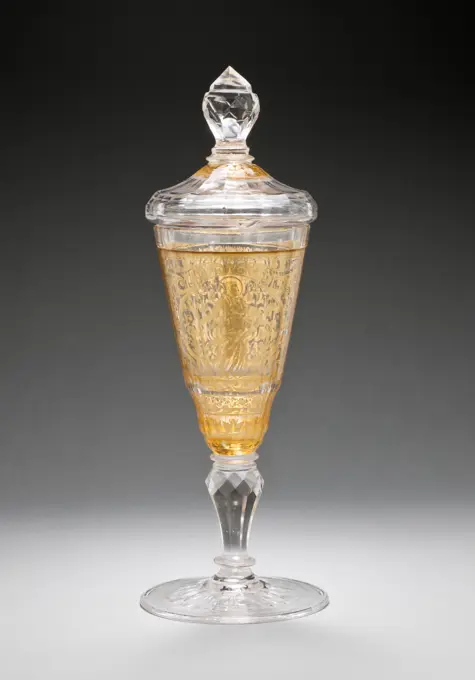
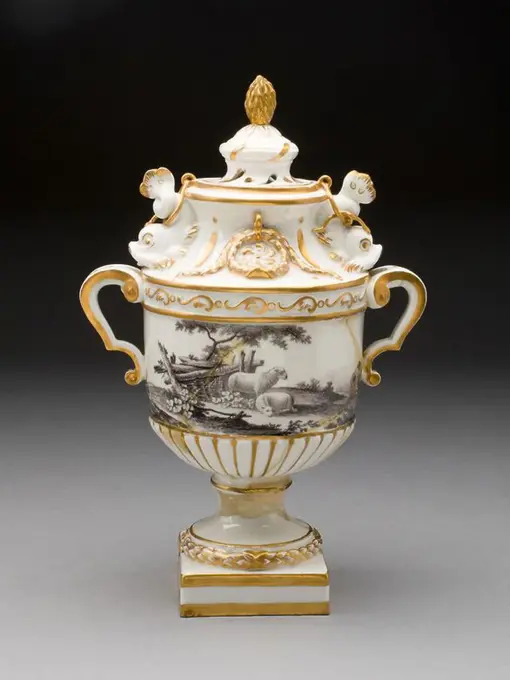
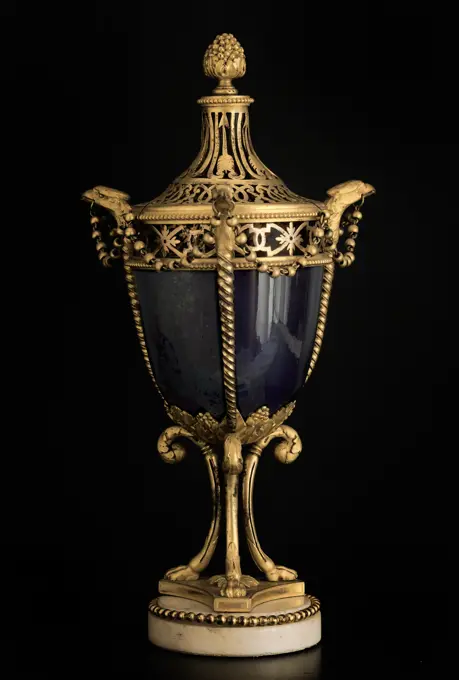
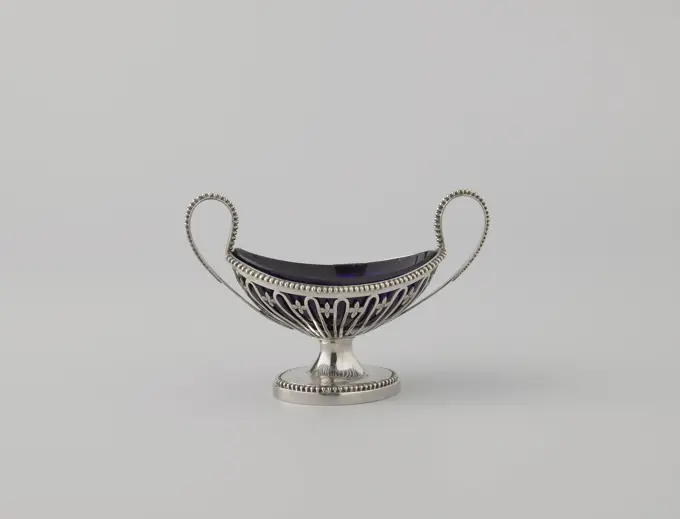
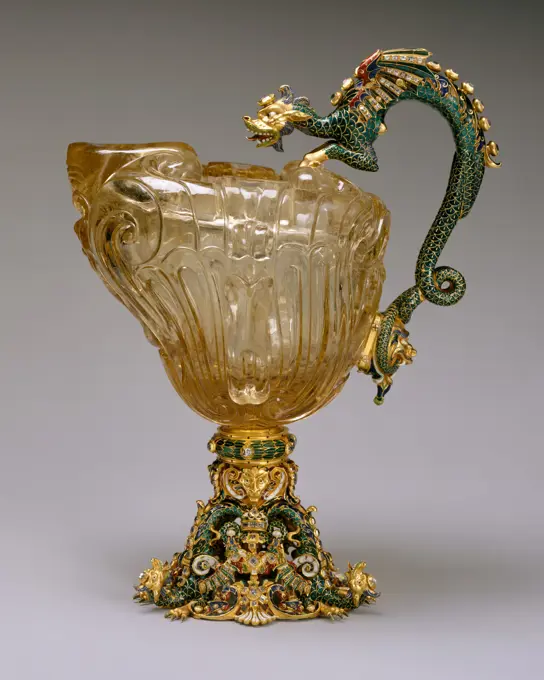
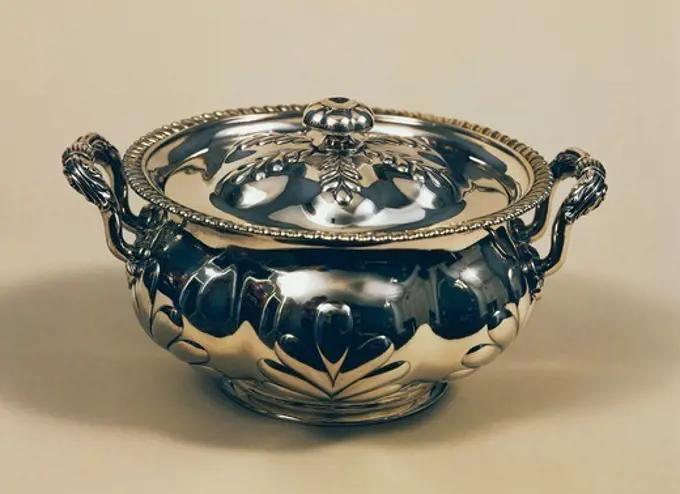
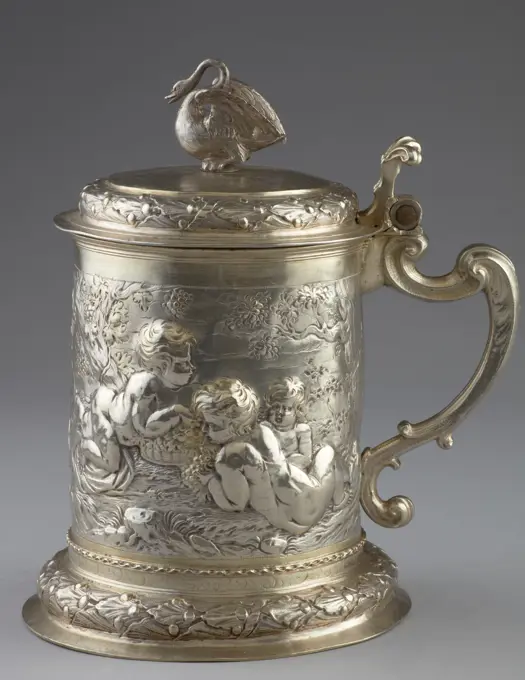
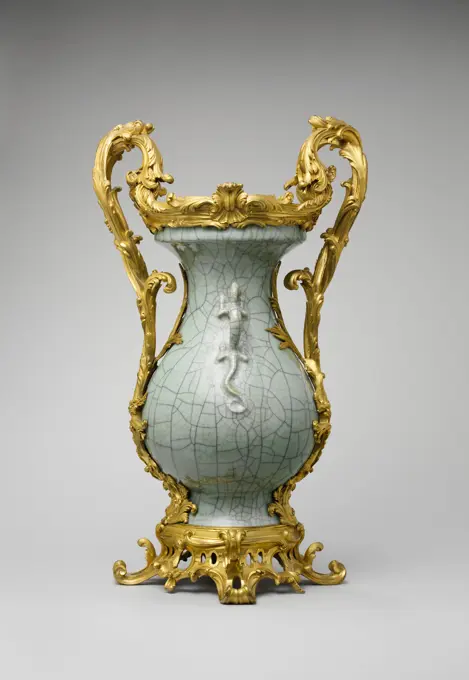
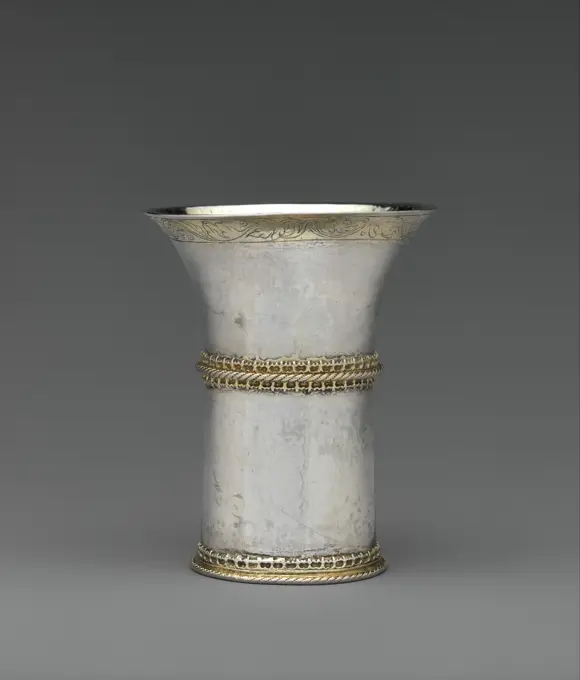
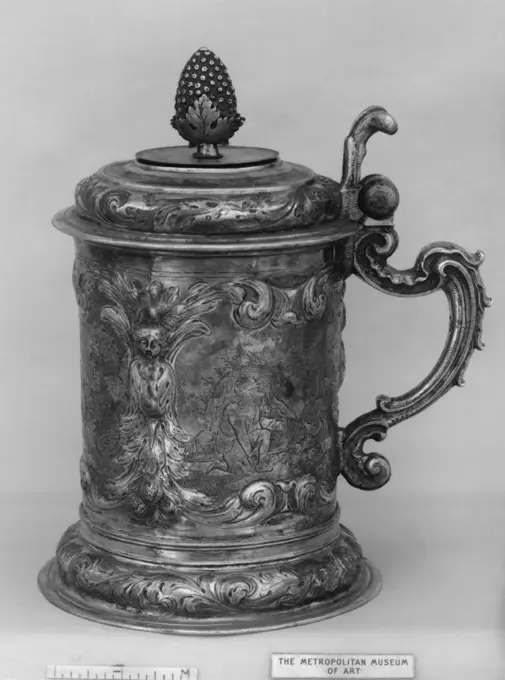
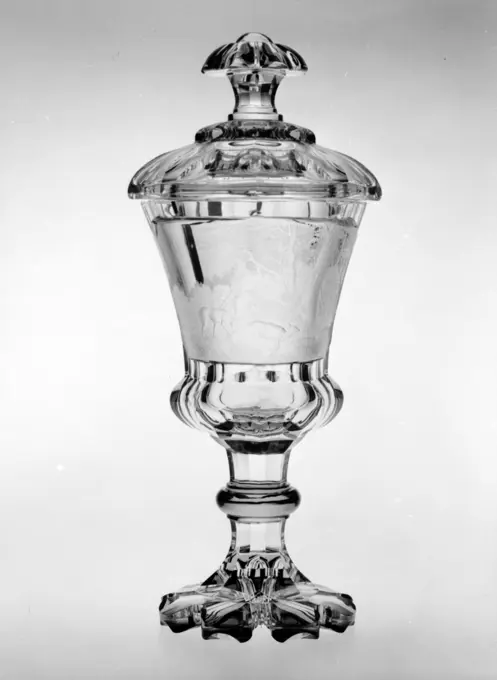
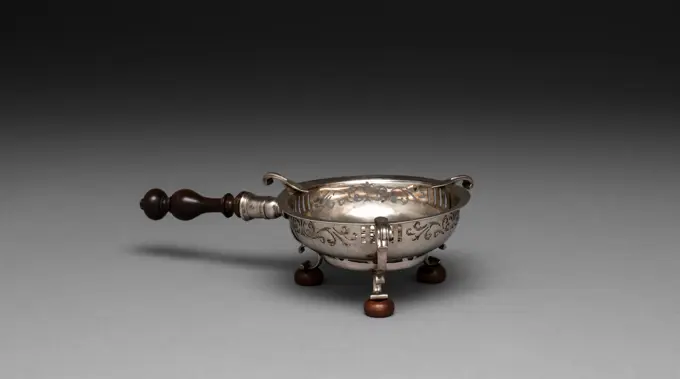
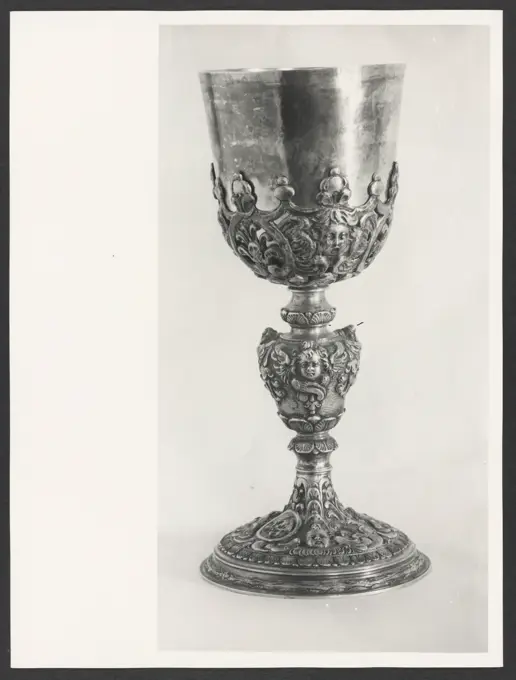
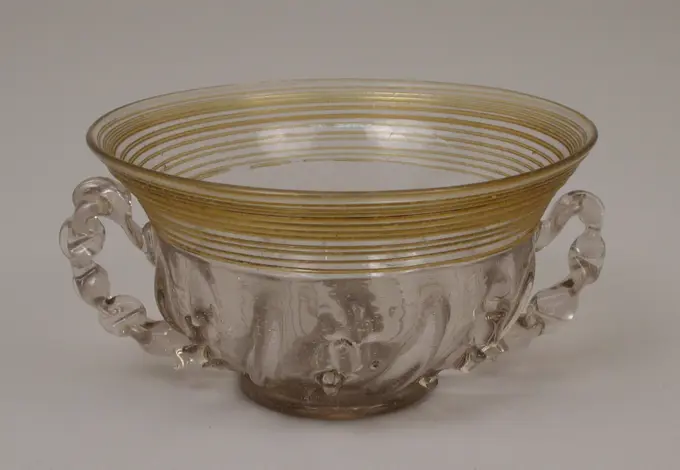
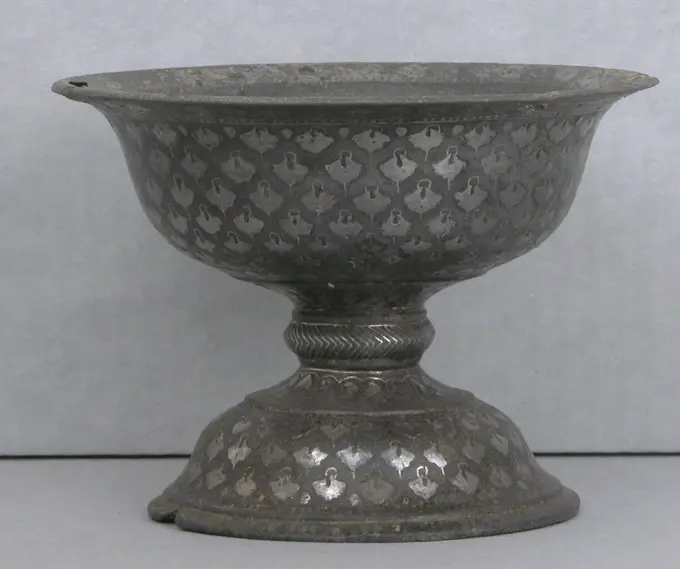
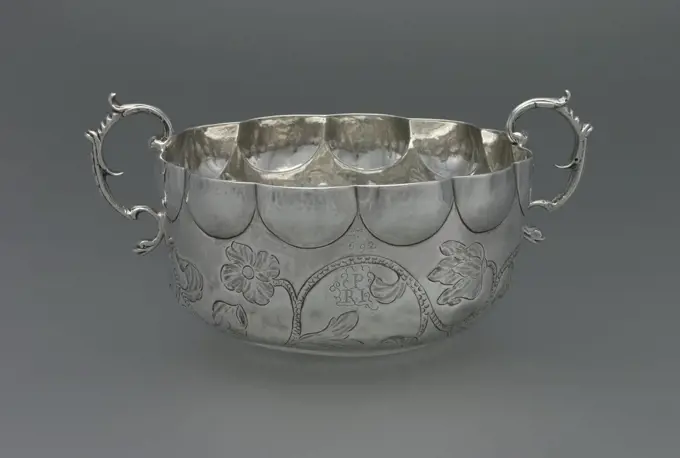
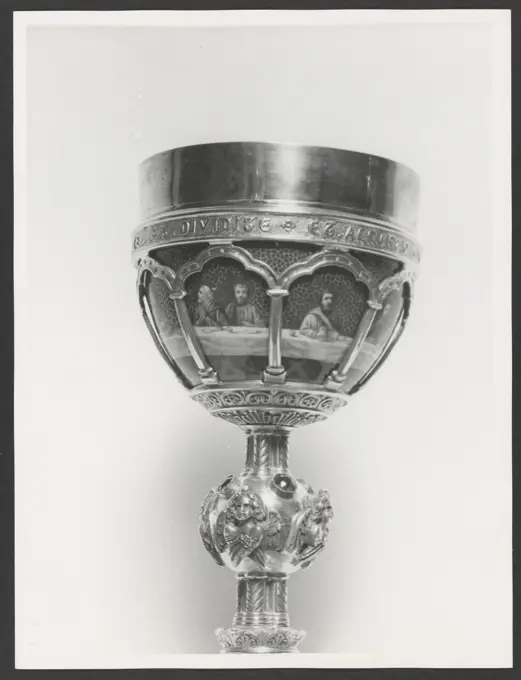
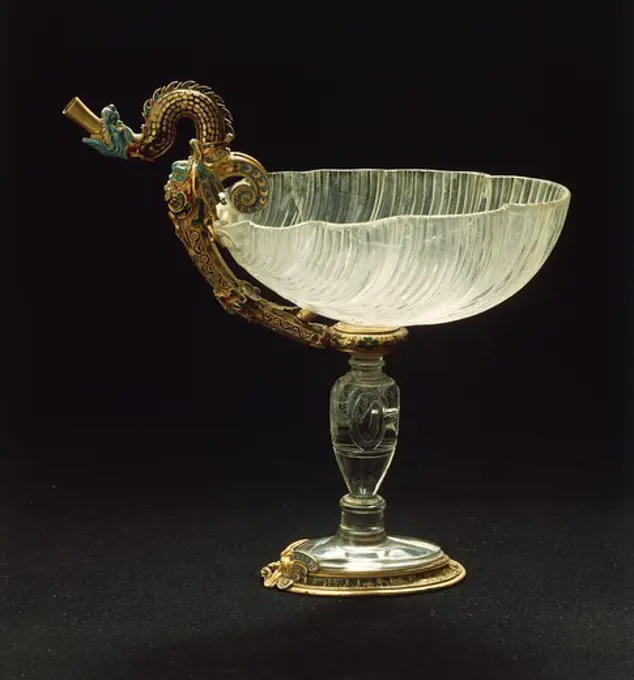
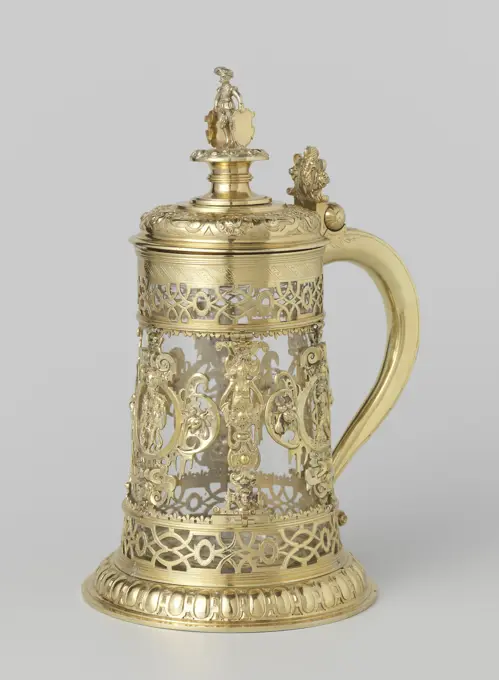
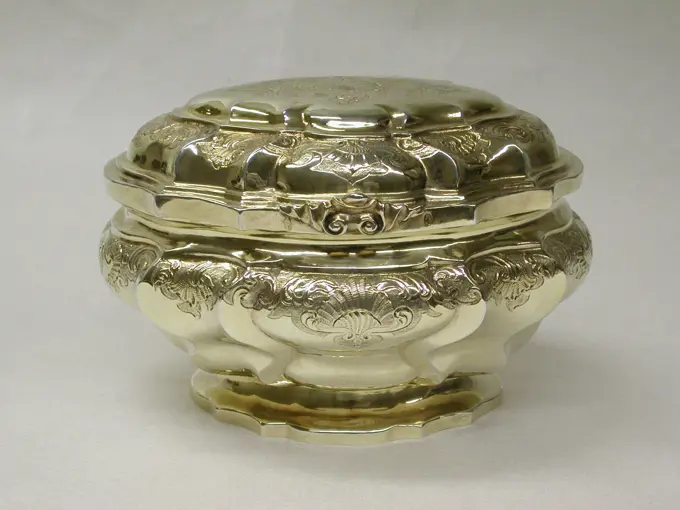
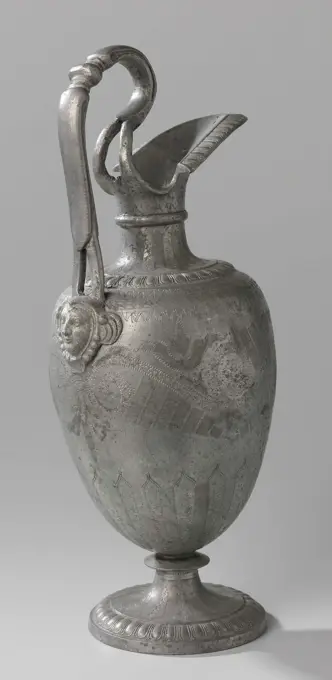
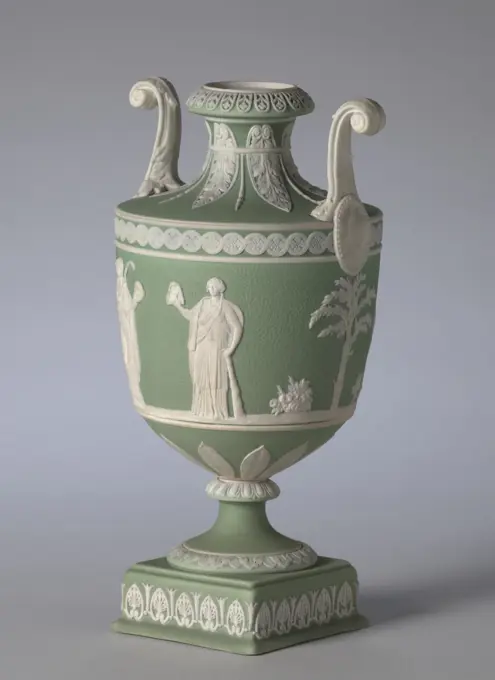
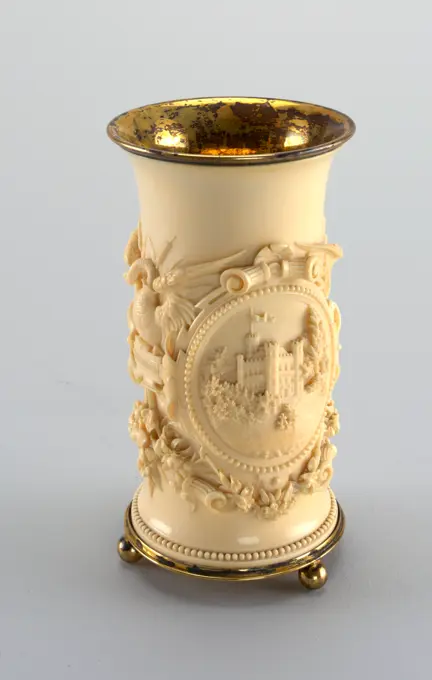
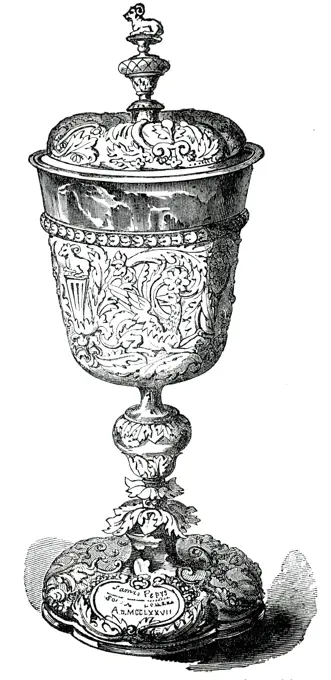
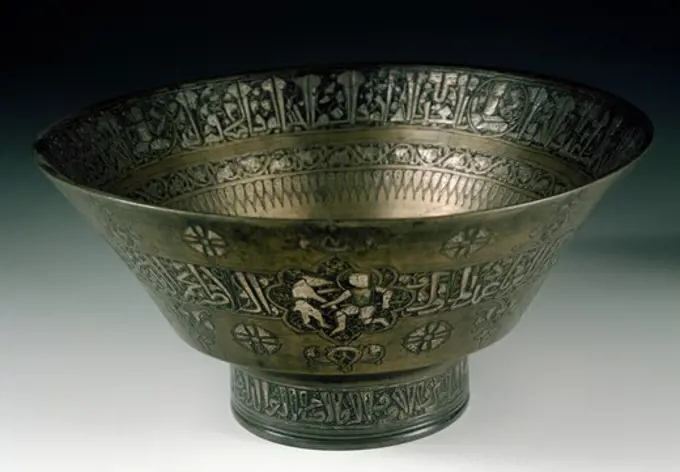
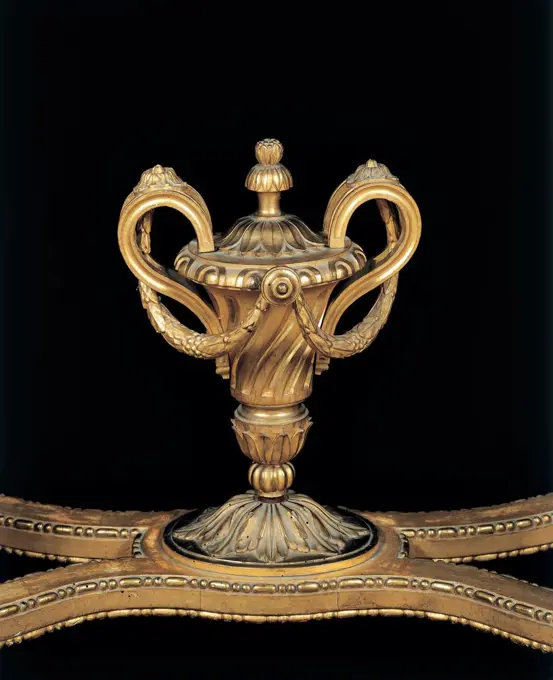
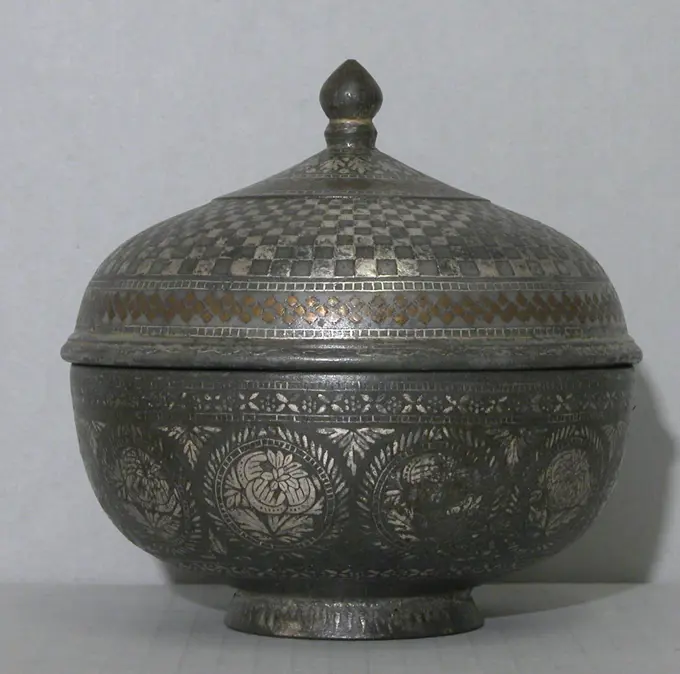
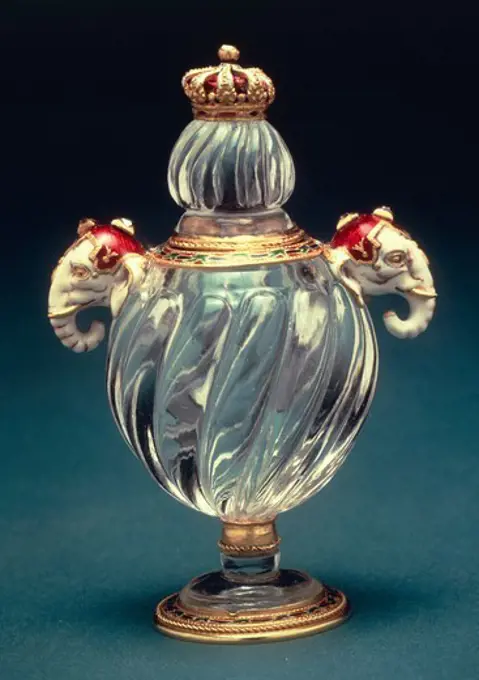
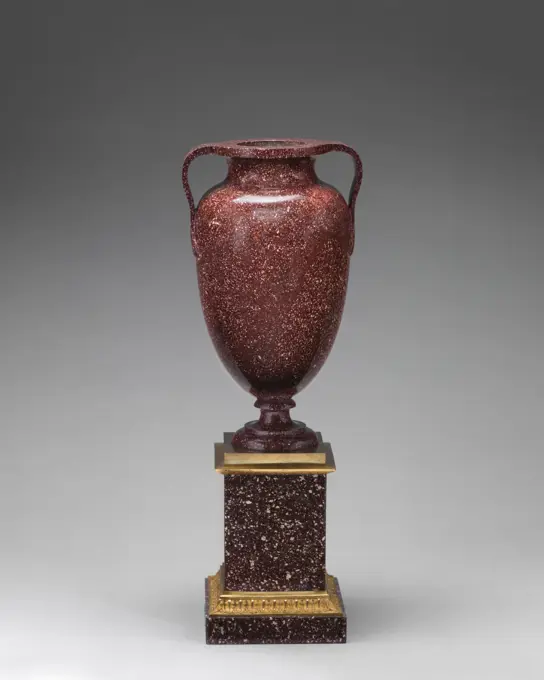
Embossed silver bottom of a vase, from Agighiol treasure, Romania. Geto-Dacian Civilization, 4th Century BC.Soup vase; Bandau, Johann Georg II (1778-1828); approx. 1800 (1796-00-00-1805-00-00);Cuppa of a chestnut cheese, Porcelinfabriek aan den Amstel, c. 1810  Cuppa of a chestnut cheese. Netherlands porcelainMilanese 17th Century (vase); Western European 19th Century (handles), Vase with Two Handles, c 1600 (vase); 19th century (handles) Milanese 17th Century (vase); Western European 19th Century (handles), Vase with Two Handles, c. 1600 (vase); 19th century (handles), rock crystal and enameled gold, Widener Collection 1942.9.301Galvanoplastic reproduction of a jar with lid with scenes related to hunting, fa. Elkington & Co., after 1863 - Before 1878 Galvanoplastic reproduction of a cup with lid, with ties with engraved scenes with topics related to hunting interspersed with ties with rolling work in relief; A vase with flowers forms the crown of the lid. London copper (metal). silver (metal) gilding Galvanoplastic reproduction of a cup with lid, with ties with engraved scenes with topics related to hunting interspersed with ties with rolling work in relief; A vase with flowers forms the crown of the lid. London copper (metal). silver (metal) gildingPiet Heyn ewer, Francisco Enriquez, c. 1550 - c. 1600  Silver pouring jug. The egg -shaped, smooth barrel, with engraved strap in the middle, is grabbed at the bottom by six clamps and tranquility on a round foot. The spout has the shape of a dragon. Marked: F Enriqz. Spain silver (metal)  dragon. lion's head ~ ornament. ram's head ~ ornamentCup with cover 1558-59 British, London Although this cup was hallmarked in London, it was probably the work of an immigrant German or Flemish goldsmith.. Cup with cover 205055The lid of a cooling vase on foot, anonymous, c. 1820 Colorless crystal with diamond and v -groove grinding. Manufacture imperfection. Ireland crystal (lead glass) Colorless crystal with diamond and v -groove grinding. Manufacture imperfection. Ireland crystal (lead glass)Bokaal by Cornelis Schrijver, Jan Lanckhorst (attributed to), 1730 goblet Cup on round, curved foot, on which bunches of shells. Hollow trunk with engraved leaves, wears a chalice -shaped cuppa surrounded by a smooth tire: on the bottom of its nautical attributes, above that a relief a sea battle near a harbor. The lid crowned by a bald button, underneath a wreath -quoted acanthus leaves, underneath the same crowned coat of arms (Admiralty of Amsterdam) on crossed anchors and weapon trophies. Amsterdam gold (metal) engraving sailing-ship, sailing-boat AlgiersOvoid vase. unknown, craftsmanCreamer 1770-1795 John Letelier Sr.. Creamer 2726Ewer: Neptune and Amphitrite ca. 1859-1907 probably German (Aachen) or French (Paris). Ewer: Neptune and Amphitrite. probably German (Aachen) or French (Paris). ca. 1859-1907. Rock crystal, cut on the wheel, enameled gold.Tea Urn, 1781. Henry Greenway (British). Silver and ivory; overall: 47.3 x 26.1 x 25.6 cm (18 5/8 x 10 1/4 x 10 1/16 in.).Soup tureen. Bandau, Johann Georg II (1778-1828), goldsmithSilversmith's art, 18th century. Silver coffeepot.Ormolu-mounted urn on square base ca. 1790 British Blue John, also known as Derbyshire Spar, is a rare semi-precious mineral, which can be found only in Britain, primarily in Derbyshire. This neo-classical urn and columns are highly evocative of eighteenth-century British taste for hardstones fashioned into classical forms.. Ormolu-mounted urn on square base. British. ca. 1790. Derbyshire spar "Blue John", gilt bronze; Sienna marble. Natural SubstancesCovered bowl with ladle and tray 1900-1910 Giacinto Melillo. Covered bowl with ladle and tray. Italian. 1900-1910. Silver. Metalwork-SilverCovered Cup with Scenes from the Story of Moses. Pierre Reymond (France, Limoges, circa 1513-after 1584). France, Limoges, 1575. Furnishings; Serviceware. Grisaille enamel, flesh tones, touches of color, and gold on copperAnonymous. "Ovoid vase". Porphyry and bronze. 1760-1790. Paris, Carnavalet museum. 76109-2 Antiquity, bronze, porphyry, ovole, ancient vaseCup with cover 1591 British, London Ostrich eggs were regarded as both rare and exotic in sixteenth-century England, and thus were considered suitable for mounting in gilt silver. The top of the shell has been sliced off in order to form the cover; the finial in the form of an ostrich is probably a nineteenth-century addition.. Cup with cover 205052Urn from biscuit, Louis XVI, white with straight ears. Urn from biscuit, Louis XVI, white with straight ears. Part of a few. Brand pressed on side foot: Ma (Nubactu) Re de Mer Le Duc d'Angouleme a Paris. The urn has a lid. With accompanying glass bell.Vase late 16th century Mounts by Morell of Paris. Vase. Italian, Milan with French, Paris mounts. late 16th century. Rock crystal, gold, enamel. Natural Substances-Rock CrystalGalvanoplastic reproduction of a can with parades of sea uts. Galvanoplastic reproduction of a can, driven, the handle consisting of a zeenimf and a dolphin; Around the neck, the belly and the foot shows of triumphs and parades of sea oven. Gold plated.Urn from Biscuit, Louis XVI, white with straight ears, Manufacture de Monsieur Le Duc, c. 1780 - c. 1790 Urn from Biscuit, Louis XVI, white with straight ears. Part of a few. Brand pressed on side foot: ma (nufactu) re de mer le duc d'Angouleme a paris. Paris biscuit (porcelain, material) Urn from Biscuit, Louis XVI, white with straight ears. Part of a few. Brand pressed on side foot: ma (nufactu) re de mer le duc d'Angouleme a paris. Paris biscuit (porcelain, material)Two garden vases with the Four Seasons, Jacob Cressant, 1714 Flora sits head -on and holds a litter with birds with the right hand and hits her left arm around the right of her standing boy, which feeds the birds. She has used her to two, left of hers, children talking to each other: a standing, helmeted boy with his left hand on the phases and his right on the shoulder of a girl sitting next to the basket with flowers. Flora is in tunic and cloak and with bare upper body; She is wearing a wreath of roses in her hair. Rail side: Cronos sits to the left and holds the scythe in the left hand and in the other a piece of wood above a burning fire pot. He sees down on a kneeling boy who is putting his skate. To his left are a girl and a boy; The girl holds up a mask in the left hand and has a battle wood in the right, the boy supports the right hand on a reverse ax. Cronos is hardly dressed in his cloak, the girl is wearing a hat with a spring, a raced key and outstanding skirt, the kangs aCan, getting model, c. 1700 - c. 1800 Can from tin, touched model. The foot runs narrow up to the can. Halfway through the Kan is a horizontal band. The upper edge is slightly sculpted and ends in a wide. High pour. The set handle in the form of two curls runs from just below the horizontal band to the opening at the top of the jug. Great Britain tin (metal) Can from tin, touched model. The foot runs narrow up to the can. Halfway through the Kan is a horizontal band. The upper edge is slightly sculpted and ends in a wide. High pour. The set handle in the form of two curls runs from just below the horizontal band to the opening at the top of the jug. Great Britain tin (metal)Standing Cup, mid-late 1500s. After a design by Virgilius Solis (German, 1514-1562). Gilt silver; overall: 50.8 x 20.4 cm (20 x 8 1/16 in.). Large ceremonial silver cups with covers were a status symbol in the late 16th century, particularly when gilded like this superb example from Nuremberg. Stylish and grand, these cups provided the ultimate vessel from which a royal guest or aristocratic visitor could drink at a formal banquet. They came to be known as willkom, or welcome cups, as a result. The lid, mid-section, and base are all cast in sections, creating imposing height and stability for the great amount of silver used, a testament to the skill of the maker and the pocketbook of the owner.Wine cistern, 1719-1720, Paul de Lamerie, English, (born Holland), 1688-1751, 18 x 38 x 25 in. (45.72 x 96.52 x 63.5 cm), Silver, England, 18th century, During large banquets and parties, cisterns were used to chill wine bottles in cool water.Charles Dickson, Punch Bowl and Cover, 1709/10, silver.Covered Goblet with St. Judas Thaddeus. Bohemia (now Czech Republic), circa 1730-1750. Furnishings; Serviceware. Glass, gold leafUrn. Frankenthal Porcelain Factory; German, founded 1755. Date: 1776-1777. Dimensions: 23.5 × 15.2 × 10.2 cm (9 1/4 × 6 × 4 in.). Hard-paste porcelain, black monochrome, and gilding. Origin: Frankenthal. Museum: The Chicago Art Institute, Chicago, USA.Manufacture of Sèvres, bronzes attributed to Pierre-Philippe Thomire (1751-1843), Parisian bronzier. Vase mounted. Porcelain, gilded bronze, 1780-1790. Paris, Cognacq-Jay museum. 79737-24 Decorative art, blue, bronze gilded, lid, gilding, manufacture of sevres, foot, porcelain, tripod, vase, 18th 18th 18th 18th 18th 18th 18 centuryMadrid, M.A.N. 57832. Arte Edad Media. Medallones con apóstoles, y en pie escenas de la Pasión. Plata sobredorada y esmaltes translúcidos. s.XV.Punch Bowl 1873 New York City. Executed in the ìneo-grecî style, this suite of silver was commissioned by the United States government and presented to Viscount díItajub· of Brazil in gratitude for his role in arbitrating grievances between the United States and Great Britain after the American Civil War. It was the first of three identical suites made by Tiffany and Company, as indicated on each piece by the ìNo. 1î stamped on the underside. Figures and symbols decorating these objects represent ancient Greek themes. The handles on the punch bowl portray Dionysus, the god of wine, and the wine coolers (1996.15.1-2) depict facemasks of Silenus, a woodland god and Dionysusís constant companion. The full-figure, chased plaques on the wine coolers represent Agriculture and Commerce and were meant to symbolize the continued stability and prosperity of the United States after the Civil War.. Silver . Tiffany and Company (Manufacturer)CoveredChalice.   Maker: Johann Christoph Heyne, American, born Germany, 1715-1781Inner box of blue glass, Nathanael Teuter, 1805 Inner box of blue glass, has been restored with Krammetjes. Amsterdam glass Inner box of blue glass, has been restored with Krammetjes. Amsterdam glassSugar Bowl And Lid (USA); Manufactured by Sweetser Co., New York; silver, goldCoffee Pot. Robert Swan (United States, Philadelphia, circa 1795-1815)Robert Swan (attributed to) (United States, Pennsylvania, Philadelphia, circa 1800). United States, circa 1800. Furnishings; Serviceware. SilverEwer ca. 1680 and early 19th century Attributed to the workshop of Ferdinand Eusebio Miseroni William Beckford purchased this ewer from the London antiques dealer Edward Baldock in 1819. Modern connoisseurship permits the attribution of the ewer to the Prague workshop of Ferdinand Eusebio Miseroni (active 1656-84), but by reason of the technology employed in the working of the gold, the setting of the diamonds, and the assembling of the parts, the mounts cannot have been made very long before Baldock sold the ewer to Beckford.. Ewer. Bohemian, Prague with French, Paris mounts. ca. 1680 and early 19th century. Smoky rock crystal, enamel, gold, diamonds. Natural Substances-Rock CrystalRimmonim (Torah finial) (one of a pair), c. 1867-72, 14 1/4 x 6 1/16 x 4 13/16 in. (36.2 x 15.4 x 12.22 cm), Silver, Austria, 19th centuryACETRE S XVIII (IRIA FLAVIA). Location: MUSEO DE ARTE SACRO. Padrón. Coruña. SPAIN.Two garden vases with the Four Seasons. These two vases were almost certainly made for the Elsenburg country estate in Maarssen, the property of Amsterdam merchant Theodoor de Leeuw. The classical shape is decorated in several places with asymmetrical ornaments that herald the Rococo style. Examples are the large scrolls above the reliefs representing the seasons.Cup c 1813-1830 Boston. Silver . Moses MorseCáliz, Espluga de Francolí, 1415. Monasterio de Poblet.Berkemeyer, anonymous, c. 1625 - c. 1675 Berkmeier with inserted bottom, on a low base spun from a wire. The funnel -shaped chalice blown as a whole with the trunk, which is occupied with two rows of very large, flat studs. The transition from the chalice to the trunk indicated by a smooth thread. Low Countries glass glassblowing Berkmeier with inserted bottom, on a low base spun from a wire. The funnel -shaped chalice blown as a whole with the trunk, which is occupied with two rows of very large, flat studs. The transition from the chalice to the trunk indicated by a smooth thread. Low Countries glass glassblowingSilversmith's art, 18th century. Silver tureen.Przeszo Przyszoci Pichgiel, Christian (1652 1700)Mounted vase porcelain early 18th century, mounts ca. 1750 Chinese with French mounts With delight one notices.. a very large number of pieces of old porcelain of the greatest perfection, and the mounts that accompany the pieces seem to rival them in value.— Antoine-Nicolas Dézallier d’Argenville, Voyage pittoresque de Paris In eighteenth-century France, gilt bronze played important functional and decorative roles in the houses of those who could afford it. Gilt bronze was employed for andirons, furniture hardware, wall lights, candelabra, and chandeliers, and it served as an embellishment for porcelain produced both in Asia and in Europe. This large Chinese porcelain vase with unusually elaborate and sculptural gilt-bronze mounts offers a spectacular example of the transformation that can be effected by the addition of mounts. The profile of the vase is radically changed, and the profusion of curving metal shapes creates a quintessential expression of French Rococo taste.The cost ofTureen with cover Saints, AntonMosterdpot, Spitsovaal, with openwork wall with pearl lists, Nathanael Teuter, 1805 The four striker ovale, vaulted barrels (A, B, C and D), which have slightly raised walls on the sides, each rest on an oval, strongly rejuvenating foot on a straight -walled base. A hinged, vaulted lid that is crowned by a ribbed pineal -shaped button fits on the body alternating with alternating knots and rosettes. Around the foot, around the upper edge of the body, pearl lists are running over the high rising ears and around the lid. Amsterdam silver (metal). glass The four striker ovale, vaulted barrels (A, B, C and D), which have slightly raised walls on the sides, each rest on an oval, strongly rejuvenating foot on a straight -walled base. A hinged, vaulted lid that is crowned by a ribbed pineal -shaped button fits on the body alternating with alternating knots and rosettes. Around the foot, around the upper edge of the body, pearl lists are running over the high rising ears and around the lid. AmBeaker late 16th century Simon Kontz The engraved pattern of elongated leaf motifs on this beaker belong to the ornamental language of the Renaissance, while the openwork and robe bands are reminiscent of ornament from the late Gothic period. Two similar Hungarian beakers were excavated together with an Ottoman bowl and gold coins in 1910 at Makó. They are now in the Hungarian National Museum in Budapest.LiteratureJudit H. Kolba. Hungarian Silver: The Nicolas M. Salgo Collection. London, 1996, p. 29, no. 7.ReferencesElemér Kőszeghy. Magyarországi ötvösjegyek a középkortól 1867-ig / Merkzeichen der Goldschmiede Ungarns vom Mittelalter bis 1867. Budapest, 1936, similar to no. 1350 maker’s mark.Géza Fehér. Craftsmanship in Turkish-Ruled Hungary. Budapest, 1975, n.p., fig. 59.Wolfram Koeppe 2015. Beaker 236987Galvanoplastic reproduction of a cup with lid decorated with masks, fruit and band work. Galvanoplastic reproduction of a cup with lid. The baluster-shaped strain is decorated with fruitguirlands; The Cuppa and the lid are decorated with masks, fruit and tape work.Tankard second half 17th century Possibly by Johann Christian Bierpfaf German. Tankard 191997Maker: Simeon Soumaine, American, born England, ca. 1660 or ca. 1685-1750, SugarBowl, Silver, 4 3/16 × 4 11/16 in. (10.64 × 11.9 cm), Tea drinking in theeighteenth-century demanded elaborate equipment, including sugar bowls like this one with its distinctive cover modeled after a Chinese porcelain covered rice bowl. The work of Huguenot silversmith Simeon Soumain, this Queen Anne-style vessel indicates a wealthy owner who spent large sums on luxury objects for the tea table. The bowl relies primarily on its perfectly round form for its aesthetic impact. The engraved cipher is for Elizabeth Harris (died 1760), who married Henry Cruger in Legnaum, Jamaica, in 1736. According to Cruger’s diary, he and his family arrived in New York from Jamaica on May 31,1738. , Made in New York, New York, American, 18thcentury, Containers -MetalsStanding cup with cover ca. 1840-50 Engraved by August Böhm. Standing cup with cover. Austrian or Bohemian. ca. 1840-50. Glass. Engraved by August Böhm (1812-1890). GlassAbruzzo, Chieti, Chieti, Museo Nazionale di Antichita, Italy, 20th century, photo, photography, EuropeChafing Dish, c. 1730. John Potwine (American, 1698-1792). Silver, wooden handle; with handle: 8.6 x 29.5 cm (3 3/8 x 11 5/8 in.). A small candle would have been placed under this dish for keeping the contents warm at the table.Dish on stem foot China. Dish on stem foot 50566Umbria Terni Collescipoli S. Maria Maggiore0. Hutzel, Max 1960-1990 Post-medieval: Architecture, architectural sculpture (15th century); Baroque interior (c. 1688); frescoes (c. 1690). In sacristy treasury: metalwork (13-16th century) Object Notes: Hutzel photo campaign date: February 6, 1986. General Notes: Re material in treasury, Hutzel refers reader to Terni-Narni Catalogue Should treasury be noted in location field German-born photographer and scholar Max Hutzel (1911-1988) photographed in Italy from the early 1960s until his death. The result of this project, referred to by Hutzel as Foto Arte Minore, is thorough documentation of art historical development in Italy up to the 18th century, including objects of the Etruscans and the Romans, as well as early Medieval, Romanesque, Gothic, Renaissance and Baroque monuments. Images are organized by geographic region in Italy, then by province, city, site complex and monument.Cup 17th century Italian, Venice (Murano) During the Renaissance, Venetian glassmakers, working on the island of Murano, were celebrated across Europe for their fine and sparkling work. Called cristallo” emulating the clarity of rock crystal, in the hands of the most skilled glassblowers the medium could be delightfully manipulated, variously stretched paper-thin flat, or playfully twisted, or blown into molds with spectacular patterns.. Cup. Italian, Venice (Murano). 17th century. Glass. GlassGraceCup. Retailer: Crichton Brothers, American, 1912-1930Garden Vase, anonymous, c. 1700 - c. 1725  Northern or Southern Netherlands marble (rock)   Castle Enguizen  Northern or Southern Netherlands marble (rock)   Castle EnguizenAnderson Candelabra, 1765-70 Ormolu Candelabra, one of a pair Manufacture attributed to Diederich Nicholas Anderson, Design attributed to James 'Athenian' Stuart, One of a pair of George III ormolu three-branch candelabra, see also 2005.4465.1, Applied Arts, 18th Century, Metalwork, Candle, Metal, Ormolu, LampJohn D. Germon, Sugar Bowl and Cover, c. 1785, silver.Salt.   Maker: Paul Revere, American, 1735-1818Spittoon early 19th century. Spittoon. early 19th century. Zinc alloy; cast, engraved, inlaid with silver (bidri ware). Attributed to India, Purnia, Bihar. MetalMaker: Jeremiah Dummer, American, 1645-1718, Two-HandledBowl, ca.1690-1700, Silver, 4 3/8 × 9 × 6 7/8 in. (11.1 × 22.9 × 17.46 cm, 542g), The lobed rim of this bowl is unique in American silver. The bowl was made by the Boston silversmith Jeremiah Dummer, purportedly for Jane and Richard Pattishall. Its shape relates to Portuguese silver, which Dummer may have seen through his mercantile interests or through examples that were imported into Boston. The meandering band of flowers echoes the rounded forms of the lobes and recalls Stuart embroiderypatterns. , Made in Boston, Massachusetts, American, 17thcentury, Containers -MetalsTrophy cup and case, Abraham Drentwet, 1647 - 1727, Parcel gilt silver, painted wood, Round domed cover surmounted by a full round twenty-four-point stag. Round,footed, shaped cup. Both chased with parcel gilt decorated scrolls and, on the cup, trophies of the hunt. Hinged case is red-painted wood decorated in gold and colors and lined with green silk velvet. Painted in two ivory reserves with one pastoral and one hunting scene., Augsburg, Germany, 1773-75, metalwork, Decorative Arts, Trophy cup and caseMilk jug, Silver gilt, wood, Ovoid body on domes foot, with helmet-shaped open spout. Leaf-and-dart moulding on foot, shoulder and around rim; laurel wreath around body. Wooden handle curving high above the spout, set in leafy tubes. Engraved shield, crowned, of Borghese family., France, 1815-19, metalwork, Decorative Arts, Milk jugCruet Stand. Paul Storr (England, London, 1771-1844). England, London, circa 1814-1815. Furnishings; Serviceware. Silver, cut glassSugar Bowl 1840-50 George B. Foster. Sugar Bowl 7992Hille church. Hille kyrka.Lazio Roma Velletri Museo Capitolare5. Hutzel, Max 1960-1990 Medieval: Breviaries (two, 14-15th century); "The Passion" on vellum (French school, late 13th century); reliquaries. Post-medieval: Paintings, frescoes, vestments, sculpture, metalwork, panel painting Object Notes: Bibliographic material housed in Center library. Hutzel photo campaign dates: one undated, another November 9, 1985. It is likely that notes for the Pinacoteca Cattedrale (no separate Hutzel entry) describe items under this heading. TCI seems to indicate that the Museo Capitolare is adjacent to the cathedral. As well, some prints are missing; the initial Hutzel entry indicates that there are 422 prints. At this count, I can find 142. German-born photographer and scholar Max Hutzel (1911-1988) photographed in Italy from the early 1960s until his death. The result of this project, referred to by Hutzel as Foto Arte Minore, is thorough documentation of art historical development in Italy up to the 18th century, incluStanding cup with cover ca. 1720 German, Potsdam. Standing cup with cover. German, Potsdam. ca. 1720. Glass. GlassJohn Swift, Tea Canister and Sugar Bowl and Cover, 1761/62, silver.Goldsmith's art, Italy, 16th century. Rock crystal cup set over an enamelled gold stand.Glass cup in frame of gilded silver, Bartel Jamnitzer (attributed to), c. 1580 Glass cup in a gilded silver frame with ear and lid. Around the barrel four clamps with Hermen in relief, in between three open worked cartouches with a figure in circle: Mercury; A man with a horn of abundance and a man with fish, lance and jug. On the ear three figures in niches; On the lid a national servant with two empty shields. Nuremberg silver (metal). glass gilding Glass cup in a gilded silver frame with ear and lid. Around the barrel four clamps with Hermen in relief, in between three open worked cartouches with a figure in circle: Mercury; A man with a horn of abundance and a man with fish, lance and jug. On the ear three figures in niches; On the lid a national servant with two empty shields. Nuremberg silver (metal). glass gildingGlass Beaker with White Trails late 6th-early 7th century Frankish. Glass Beaker with White Trails 465069 Frankish, Glass Beaker with White Trails, late 6thearly 7th century, Glass, Overall: 5 7/16 x 2 1/2 in. (13.5 x 6.4 cm). The Metropolitan Museum of Art, New York. Gift of J. Pierpont Morgan, 1917 (17.191.351)Toilet box (one of a pair) ca. 1743-45 Johann Conrad Lotter German. Toilet box (one of a pair) 231573'Ewer and basin, c.1735', 1953. Artist: Unknown.Candlestick 1830-35 American. Candlestick 1214Merchandise.Among the merchandise intended for the Asian market were pewter salt-cellars and a splendidly ornamented ewer. The pewter medallions in wooden frames were meant to serve as wall decorations.Urn, c. 1800. Wedgwood Factory (British). Jasper ware with relief decoration; overall: 19.7 cm (7 3/4 in.).Vase (Germany); ivoryWorkshop of the Sarachi () / 'Two-spouted vase with the bust of a woman'. Ca. 1680. Rock crystal / Hyaline quartz, Gold. Museum: Museo del Prado, Madrid, España. Author: TALLER DE LOS SARACHI.Clothworkers Company's Cup (Pepys's), 1850. Item from an 'Exhibition of Ancient and Mediaeval Art at the Society of Arts, in John-street, Adelphi', London. 'The election cup of the Clothworkers' Company, which is commonly called "Pepys' cup", probably because it was presented to them by Samuel Pepys, who, we find was master in the year 1677'. From "Illustrated London News", 1850.Bronze cup, engraved and inlaid, by Najm al-Din Umar al Badri. Islamic Civilisation, 13th century.Pair of Urn Convertibles, late 1700s. England, late 18th century. Dark bronze, mounts in ormolu; overall: 23.5 x 10.8 cm (9 1/4 x 4 1/4 in.).Wall table, by Manifattura Parmense, perhaps by Marchetti Ignazio, 18th Century, wood carved and gilded, inlaid marble top. Italy: Tuscany: Florence: Palazzo Pitti: Sala Bianca. Detail. Wall table furniture furnishing decoration urn amphora vase garlands festoons laurel inlay gold wood gilt handles cover baseBowl 19th century. Bowl 447102Cáliz, siglo XV. MEV, Museu d'Art Medieval.Goldsmith's art, Germany, 18th century. Gold, enamel and rock crystal vase, with two red and white side ornaments in shape of elephant's head.Cover for Wine Cup. Culture: American. Dimensions: 2 1/4 x 4 in. (5.7 x 10.2 cm); 3 oz. 2 dwt. (97 g). Date: ca. 1740. Museum: Metropolitan Museum of Art, New York, USA.Urn on square base (one of a pair) ca. 1770-80 possibly Italian This pair of early Neo-Classical urns is likely to have been produced around 1770 and 1780. The later, possibly early 19th century base, is also made of Egyptian porphyry, but of a deeper purple color with white rather than pink speckles, which is akin the chocolaty porphyries quarried in Sweden. The calm austerity of these Etruscan’ was much sought after in the second half of the eighteenth century.. Urn on square base (one of a pair). possibly Italian. ca. 1770-80. Egyptian Imperial porphyry; gilt bronze. Natural SubstancesPurse with inscription: jhesus.maria.anno.domini.m.cccc.xxxvii. The cast octagonal mortar widens upwards, has a high-wearing profiled edge and a flared profiled foot. On the edge, which has a pearl edge at the top and at the bottom of a wound string ridge, the inscription 'jhesus.maria.anno.domini.m.cc.xxxvii is applied in gothic minuskels.' With interpunctions consisting of six-leaf rosettes (six times) and a zespunting star. To the middle of the wall a profiled rib decorated with injured pearl and string edge. A pearl edge at the bottom of the foot. The two little eagerly executed lion's heads on both sides have a view to confirm the ring in the form of a three-pass.Vase Dedicated to the God Dionysus 1808 B.C. the God of Wine, to abandon their previous lives to roam free; to dance and sing into a state of ecstasy.Cup. Bekervormig kopje op vergulde voetring, buitenzijde zwart gemoffeld, binnenzijde (vuur-)vergulde suassa. Bovenrand licht geschulpt met twaalf schulpjes/deukjes. Aan de buitenzijde twee cartouches. Aan weerszijden vergulde oren vastgeklonken, bestaande uit gestileerde bloemtakken, boven de rand van het kopje uitstekend.Vase, Anonymous, c. 1660 - c. 1690Retro kibble Retro kibble isolated with clipping path included Copyright: xZoonar.com/Baloncicix 7323487Design for a Tureen, Joseph Anton Seethaler II, German, 1799-1868, Pen and ink, brush and wash on paper, The vessel is banded with a grapevine meader. The finial is in the form of a crouching lion, and coiled snakes form the handles. The base rests on paw feet and is encircled with a similar grapevine meander band. Lower right (in red ink): 'No. 40.', Augsburg, Germany, 1825-1835, metalwork, Drawing, Drawing