Artistic Silver & Porcelain Vases

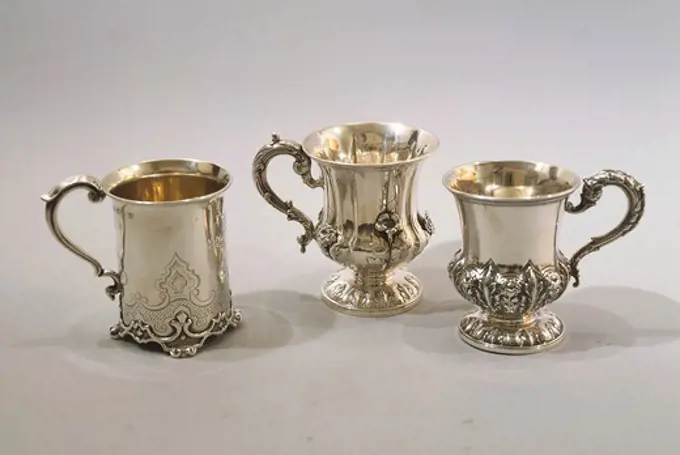
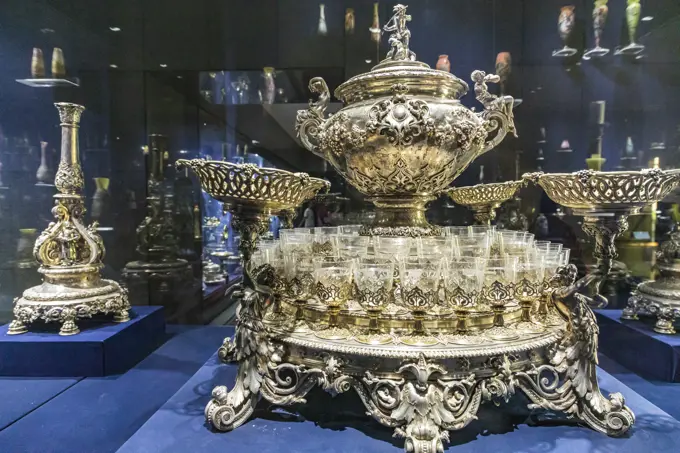
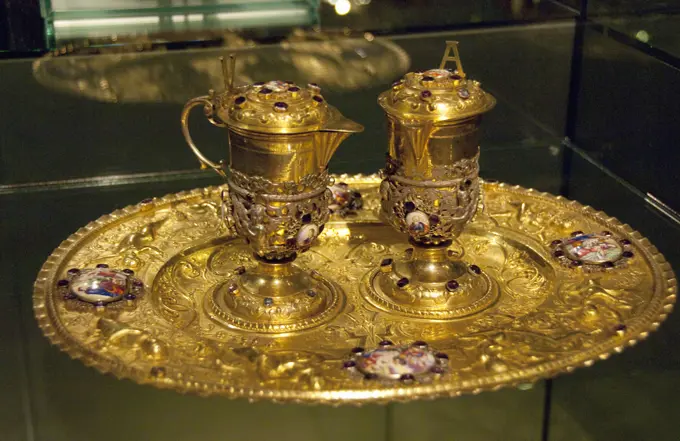
Diverse vases made from silver and porcelain, showcasing elaborately designed surfaces and historical craftsmanship.

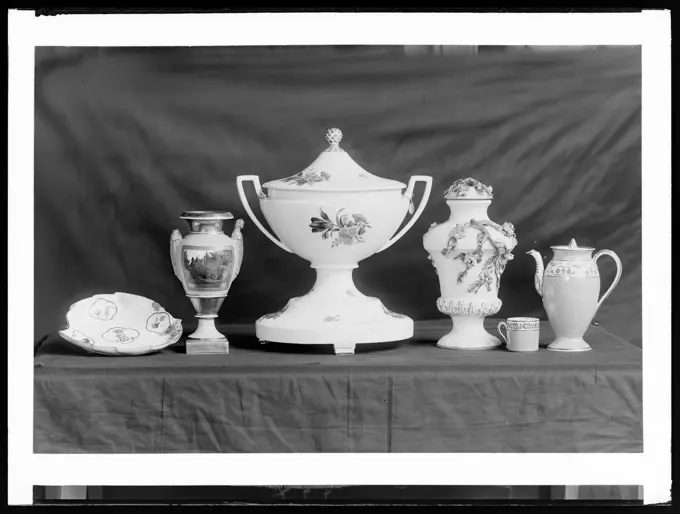
Cuppa of a chestnut cheese, Porcelinfabriek aan den Amstel, c. 1810  Cuppa of a chestnut cheese. Netherlands porcelain
Cuppa of a chestnut cheese, Porcelinfabriek aan den Amstel, c. 1810 Cuppa of a chestnut cheese. Netherlands porcelain
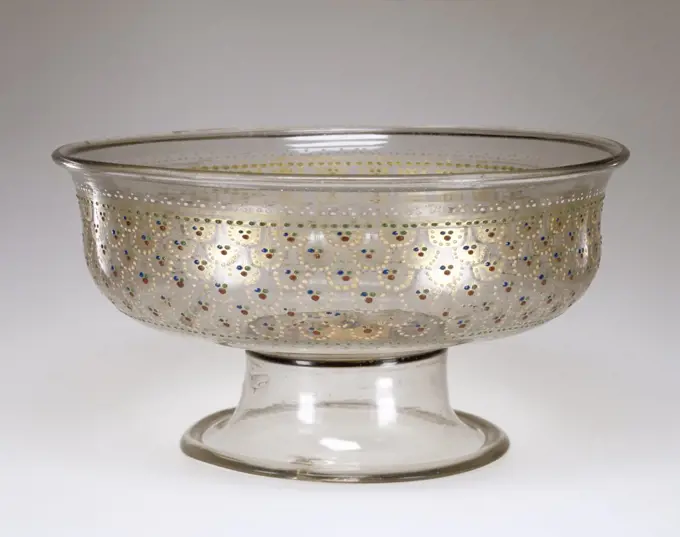
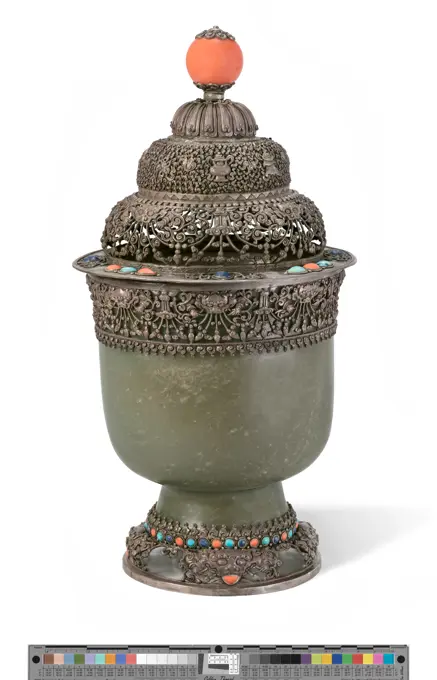
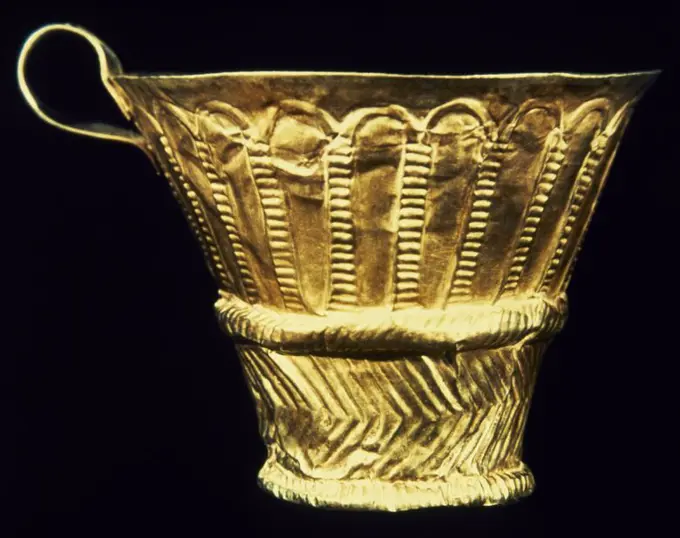
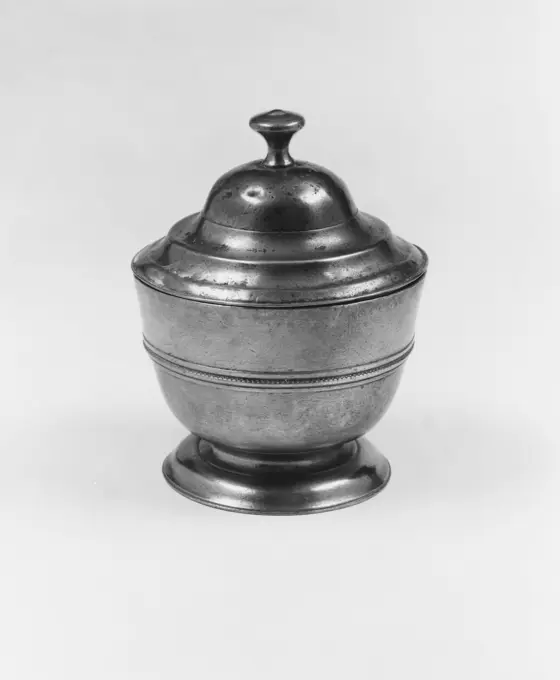
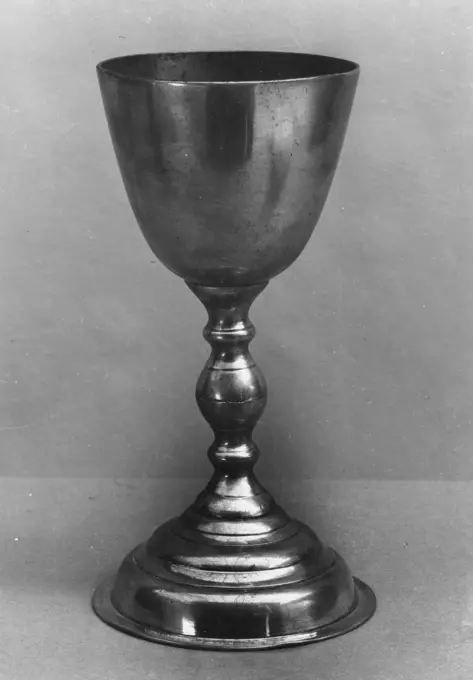
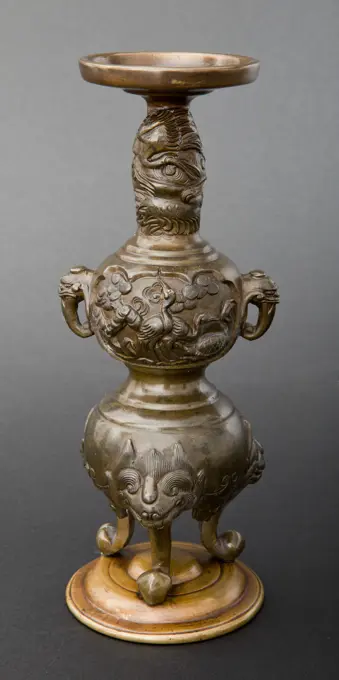
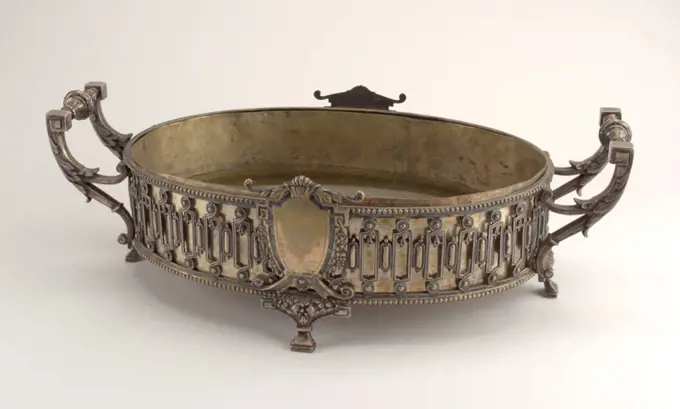
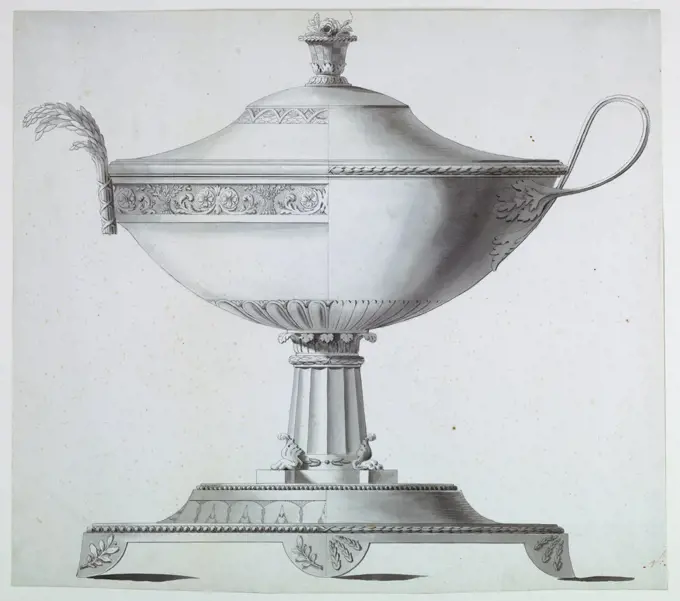
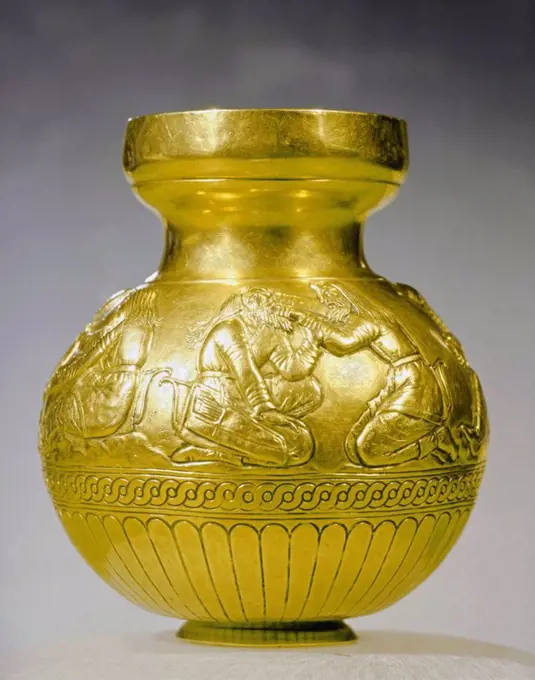
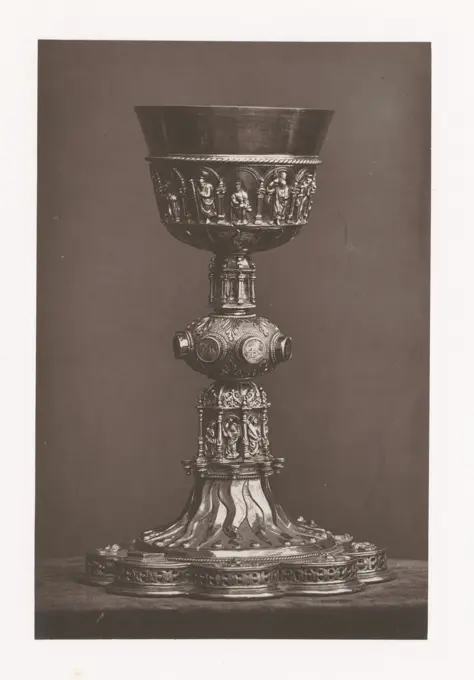
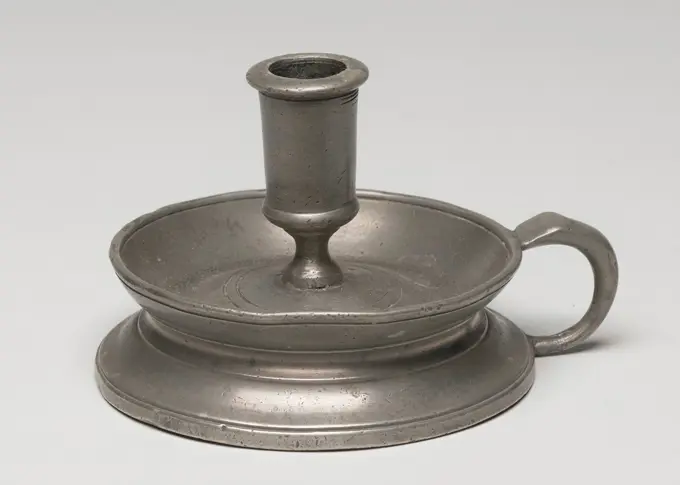
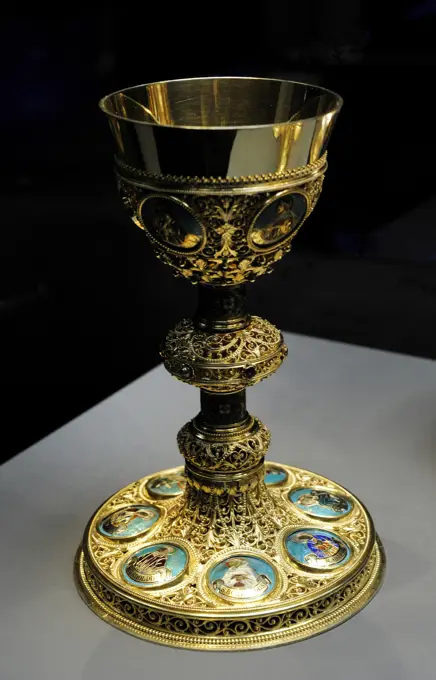
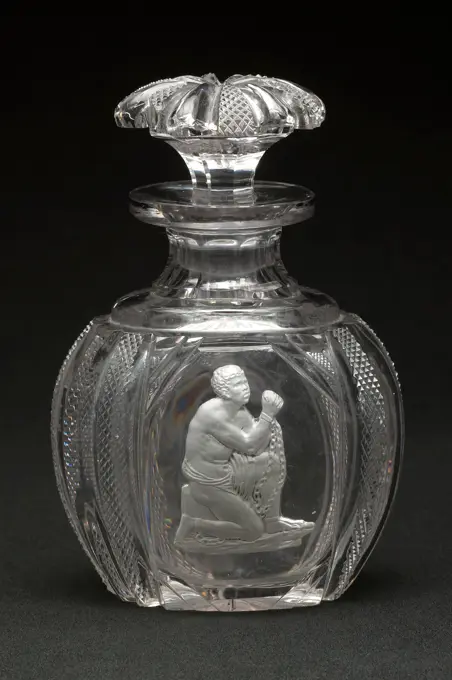
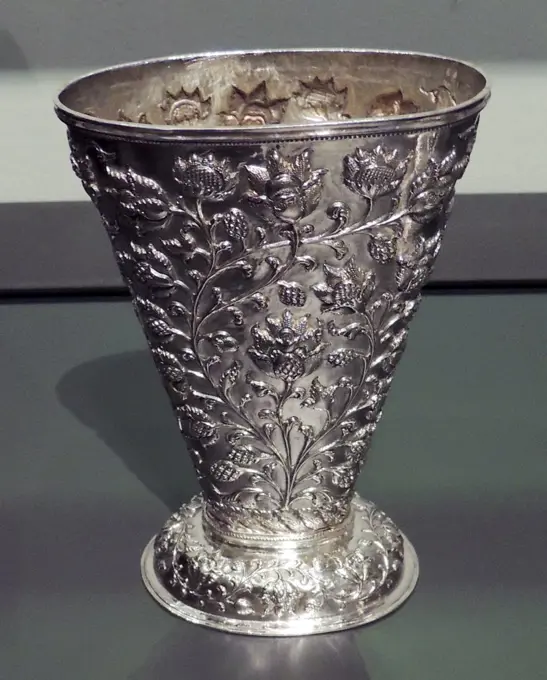
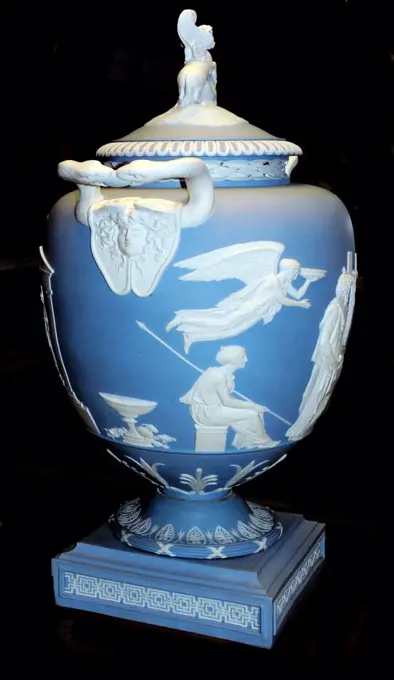
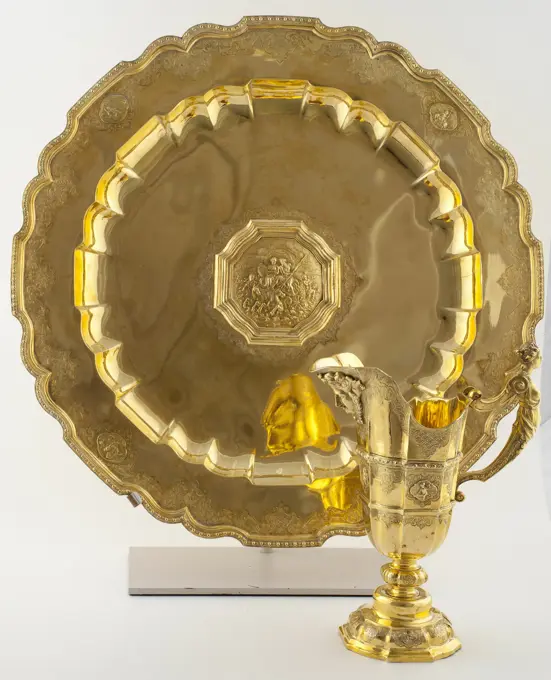
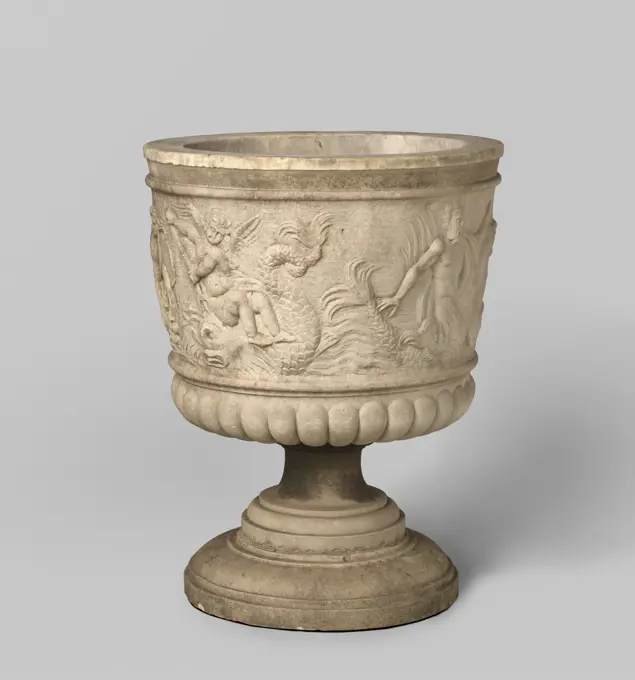
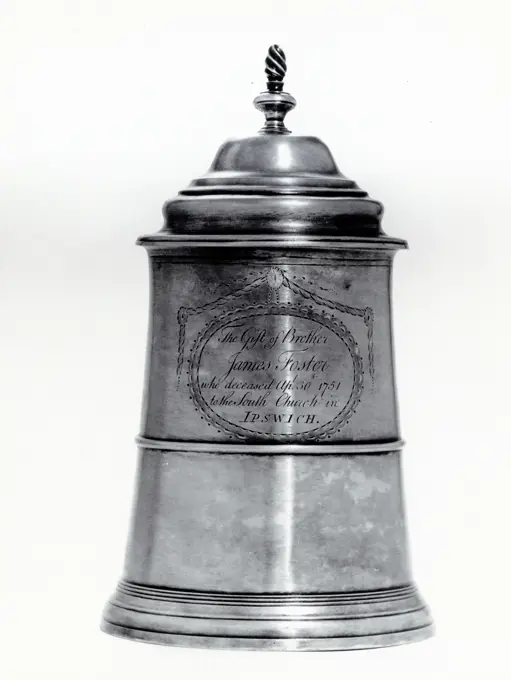
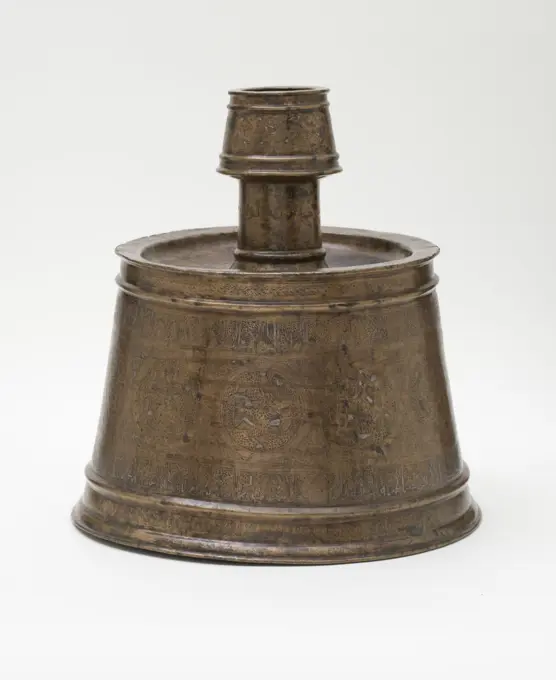
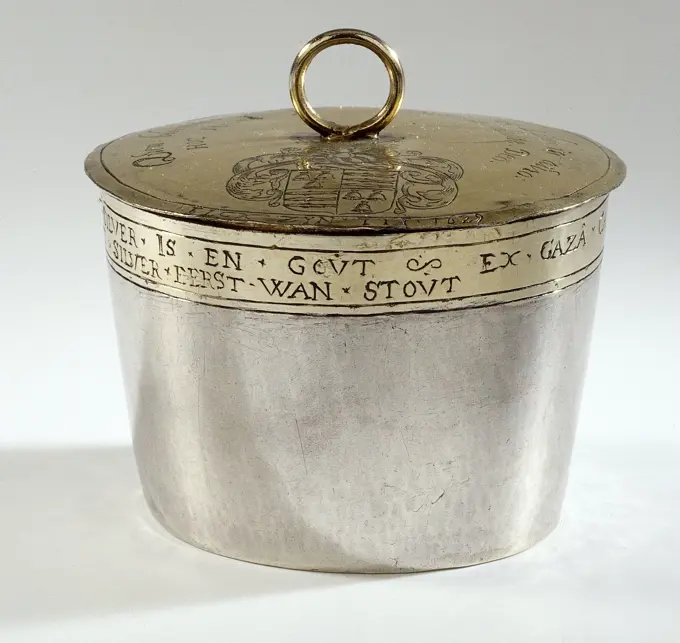
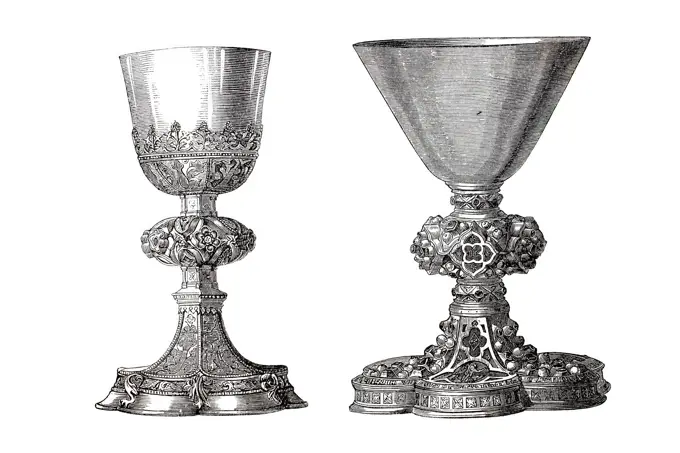
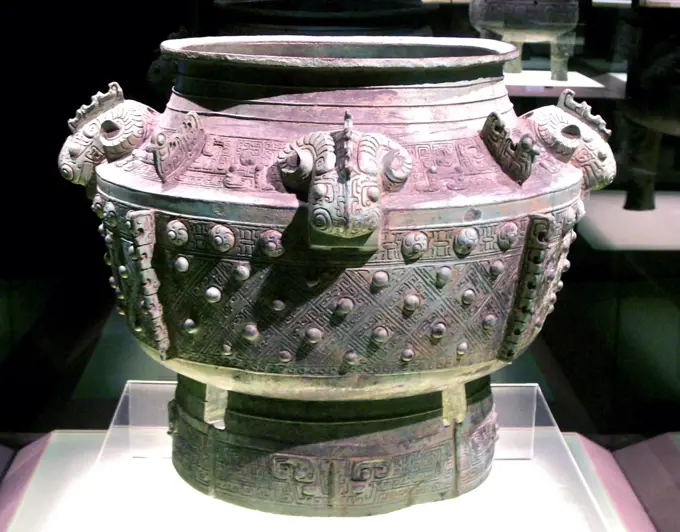
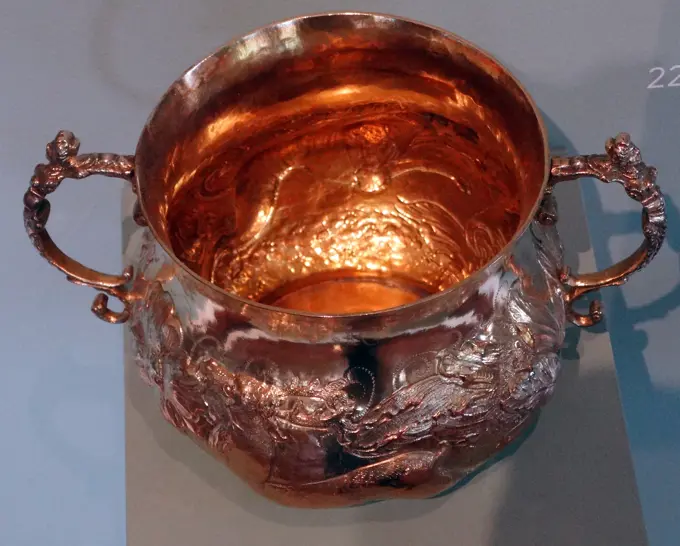
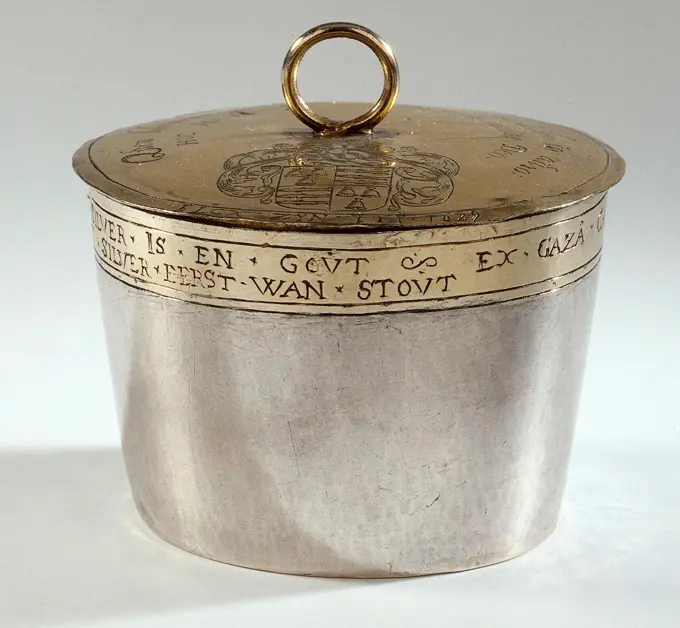
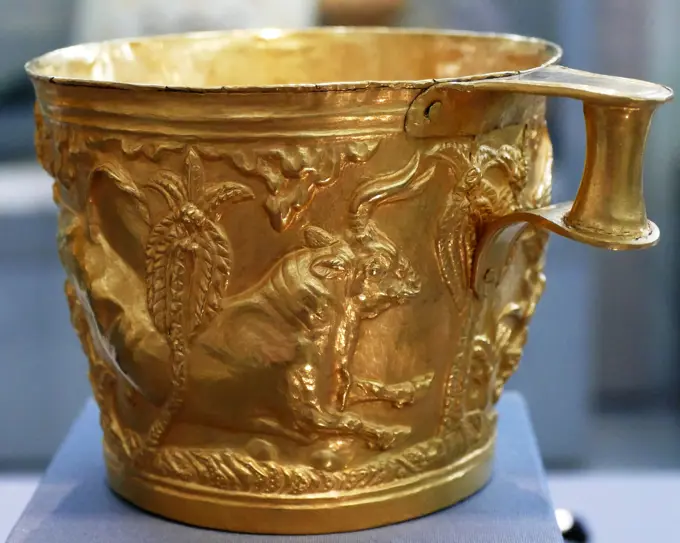
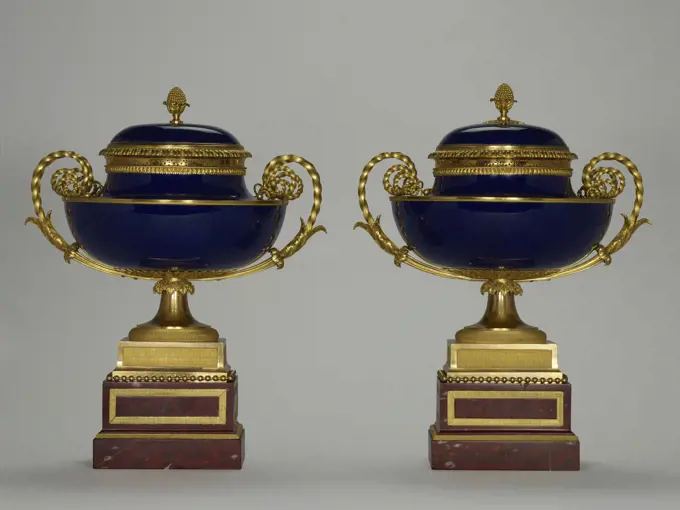
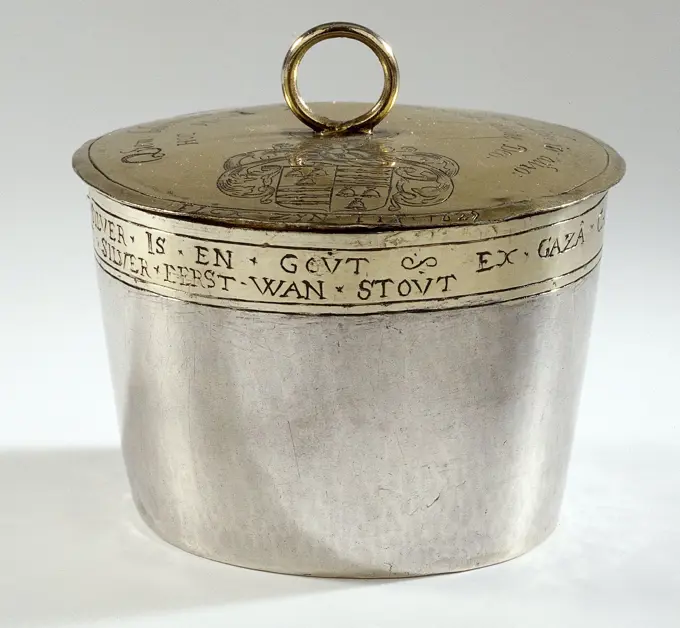
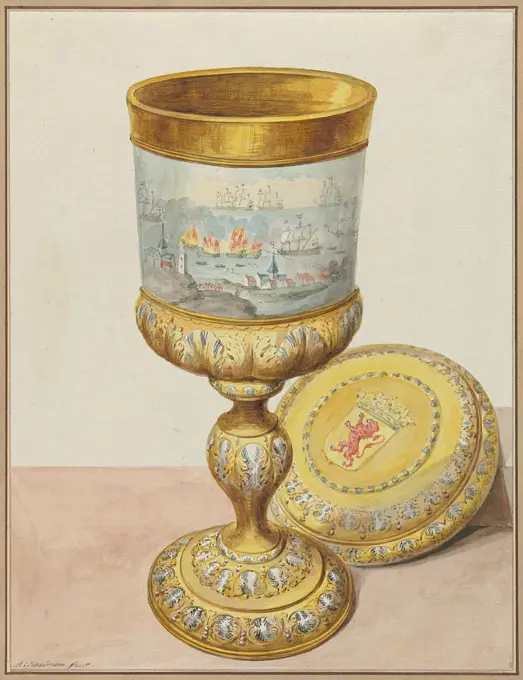
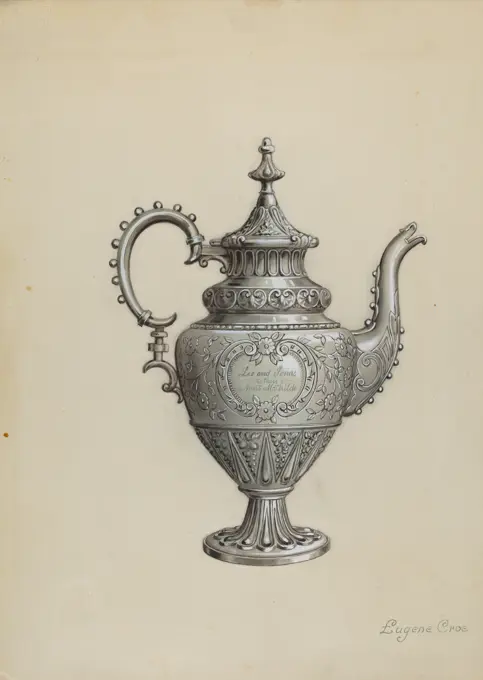
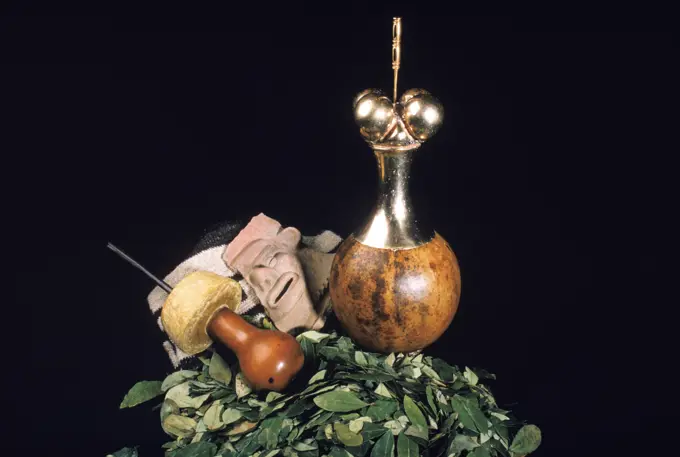
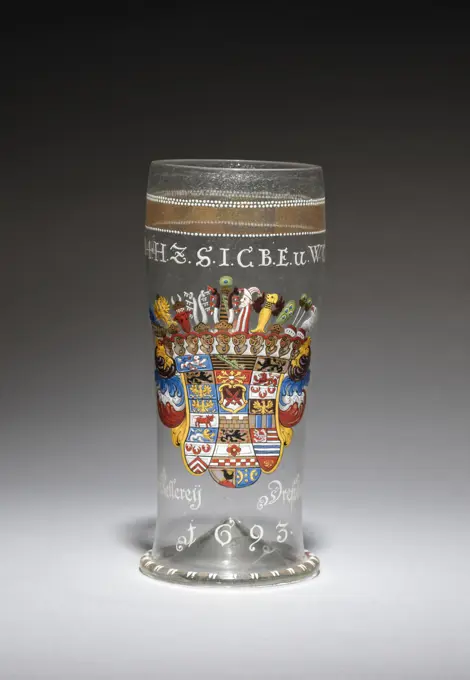
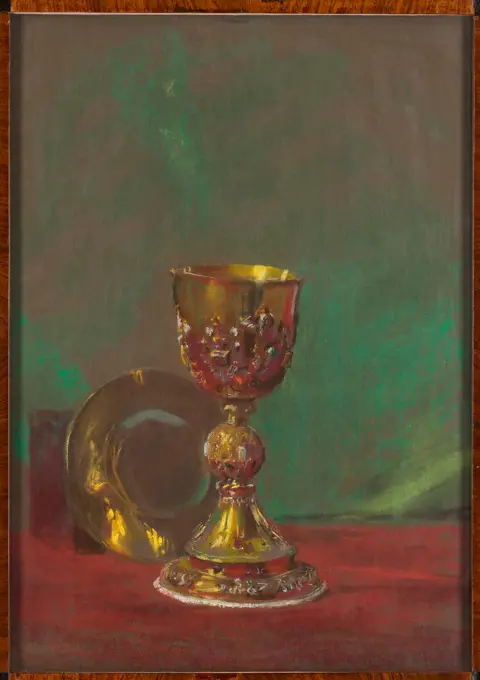
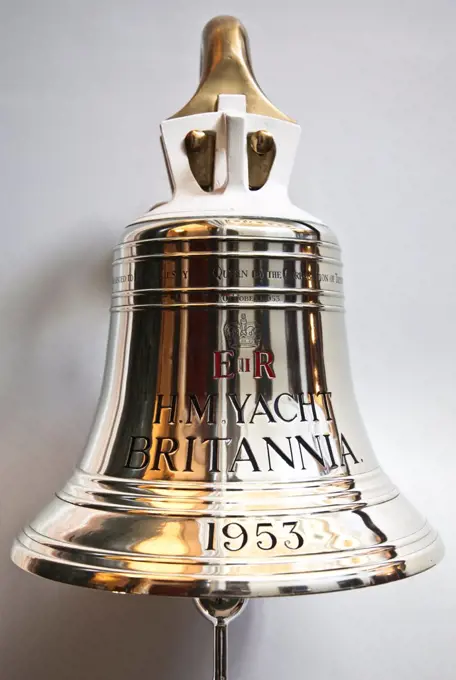
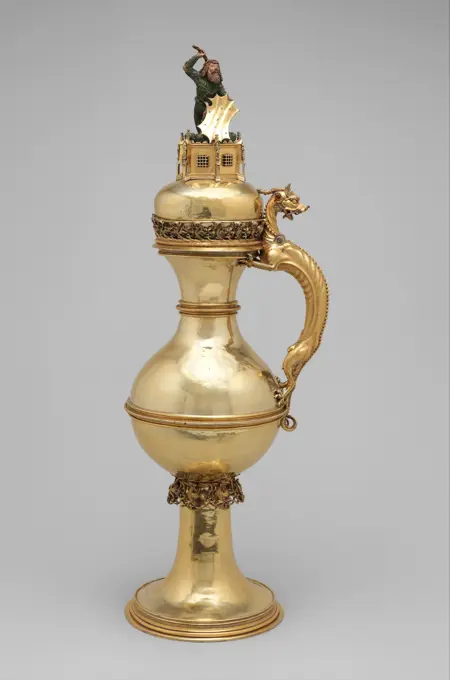
Ewer with Wild Man Finial ca. 1500 German These ewers long have been thought to be the pair mentioned in the 1526 and 1585 inventories of the Order of the Teutonic Knights, which were emblazoned with the arms of Hartmann von Stockheim, the German grand master of the order between 1499 and 1510 or 1513. Both works shown here are unmarked, and the attribution to Nuremberg is based on stylistic comparisons. For instance, the small cast figures against the buttresses are similar to examples by the Nuremberg goldsmith Sebastian Lindenast the Elder. The enameled and painted wild men are heraldic supporters but also can be understood as symbols of virility and procreation.. Ewer with Wild Man Finial 470312Tankard 18th century Northern Polish. Tankard 187183Paul de Lamerie, Bowl and Cover, 1735/36, silver.Communion Cup, 1671-72. England, London. Silver gilt; overall: 25.3 x 12.9 cm (9 15/16 x 5 1/16 in.).Footed Bowl with Papal Arms (Coppa); Unknown; Venice, Italy, Veneto, Europe; 1513 - 1534; Free-blown colorless (slightly pinkish-brown) glass with gold leaf and enamel decoration; Object: H:  16.03 x Diam.:  29.53cm (H:  6 5/16 x Diam.:  11 5/8 in.)Ceremonial Urn. Eastern Tibet or Mongolia, circa 16th century. Furnishings; Accessories. Nephrite jade with silver fittings inlaid with coral, turquoise, and lapis lazuli; glass finialCrystals engraved gift jug with animal handles, from the Louvre.Silversmith's art, Germany, 18th century. Aiguiere-casque, gilded silver helmet-shaped ewer and basin.Gold cup. Embossing decoration with geometric motifs. Royal Tombs of Mycenae. 16th century BC. Tomb V. Grave Circle A. National Archaeological Museum. Athens, Greece.CupCovered Sugar Bowl ca. 1735-1802 Possibly Henry Will. Covered Sugar Bowl 2512Chalice 1816-19 Timothy Bridgen. Chalice 1923Claughter with ablaimant members unknownJar And Lid (England); glassJardiniere, Silverplate, Adam style oval planter with scroll handles; pierced bell flower decoration and center crest. Silver-plated liner., 19th century, metalwork, Decorative Arts, JardinierePerfume Burner. England, London, 1628. Tools and Equipment; burners. SilverCup. UnknownDesign for a Tureen, Joseph Anton Seethaler II, German, 1799-1868, Pen and ink, brush and washes, The left half shows the vessel banded by wheat and rinceaux, with a bundle of wheat forming the handle. The finial is in the form of a basket holding a rose. Fluted columnar base with acanthus leaf capital and paw feet. The right half is adorned with a leaf motif and leaf and tendril forming the handle., Germany, 1825-1835, drawing, drawingAppliqué 18th century Italian. Appliqué 213470Gold vase with scene of myth of Scythians, 4th century BC, from Kuban. Museum: HERMITAGE, SAN PETERSBURGO, RUSSIA.Tours, Blaise, Gabriel, Chalice from a monastery in Tours, set up during the Exposition Rétrospective of 1873 in Tours, France, photomechanical print, page, photos, photographically illustrated books, height 190 mm, width 125 mm, French, 1827 - 1897-09-04, maker, manufacturer, 1873 - 1873, paper, Woodbury typeCandlestick; one of a pair, 1825-1830, 3 1/8 x 5 1/4in. (7.9 x 13.3cm), Pewter, England, 19th centuryChilds cup.   Maker: John Burt, American, 1692-1745Standing cup with cover late 16th century and 19th century Silver foot made by Vinzenz Hofer. Standing cup with cover. German, Nuremberg and Austrian, Salzburg. late 16th century and 19th century. Silver gilt, glass, enamel, diamonds, rubies. Glass-PaintedGold-plated silver chalice with precious stones. By the goldsmith Johan Hamers, Tilburg, 1897. Museum Catharijneconvent. Utrecht. Netherlands.Cologne bottle, c. 1830, Attributed to Falcon Glassworks of Apsley Pellatt, London, c. 1791-1890, 6 x 4 x 2 3/4 in. (15.2 x 10.2 x 7 cm), Blown and cut glass with encased sulphide, England, 19th century, Copies of Wedgwoods's anti-slavery medallion circulated in many different media as evidenced by this cologne bottle, which was likely produced around 1833, the year that Britain formerly abolished slavery with the passage of the Slavery Abolition Act. The image would have been well known to Ary Scheffer as he composed his first version of Christus Consolator in 1837.Confectioner; Malcz, Karol (1797-1867); 1940s (1840-00-00-1849-00-00);Silversmith's art, 18th century. Silver cup.Sugarbowl. Maker, attributed to: John Armstrong, American, active 1810-1813Maker, attributed to Or: Allen Armstrong, American, active 1806-17Diesinker: Moritz Furst, Hungarian, 1782-1840Cup 17th century German, Augsburg. Cup. German, Augsburg. 17th century. Silver gilt. Metalwork-SilverBetel holder, Batavia (now Jakarta), c.1700-1725, silver. Betel was a widespread stimulant chewed in Asia, one also used by Europeans. Offering a betel chewing quid to others was an integral part of social occasions. Magnificent boxes and silver receptacles were made in which to preserve the ingredients - including betel leaves - for rolling a quid.The Pegasus Vase. Jasperware, with applied reliefs. English, Staffordshire, Josiah Wedgwood, 1786,Ewer and Basin 1715-1725 Augsburg. A ewer and basin was a necessity for cleaning oneself in 17th- and 18th-century homes, and the choice of materials was an important indicator of a householdís status. Pewter and brass were fine for those who could not afford anything grander, but silver gilt, of which this ewer and basin are made, represented the ultimate in aristocratic luxury. When not in use, such sets were kept in the plate room, where a familyís most splendid metalwork was displayed. In periods of financial hardship, silver vessels were routinely melted down for conversion to bullion, making brilliant examples of workmanship, like this set, quite rare.At this time, silver was shipped to Europe from South American mines and was worked principally in the cities with the wealthiest clients. Augsburg, Germany, was one such center, and Johann Erhard Heuglin III (1687ñ1757) was among the most famous in the field, the most renowned member of his well-recognized family of silversmiths. HGarden Vase with Marine Creatures, Allegory of the Navy, anonymous, c. 1800  Northern Netherlands marble (rock)  Northern Netherlands marble (rock)Hexagonal canister (Schraubflasche) ca. 1650 Jonas Laminit. Hexagonal canister (Schraubflasche) 206258Tankard.   Maker: Joseph Foster, 1760-1839Candlestick. Northern Iraq, first half of 13th century. Metal. Brass, inlaid with silver and copperThree Wine Cups Made with Booty from the Silver Fleet, Roelant Gerobulus, 1629  One of three almost identical silver Kroezen, slightly giving to the flat bottom. The upper edge and with engraved inscription: "T'Welck was before Glass nv Silver is and Gold / that gave God Hein Diet Silver first Wan Stovt / Ex Gaza Captiva". On the bottom of the weapon, on one side of the helmet 16, on the other 29, under the shield inscription: " * each * are * tyt *". Marked; edge b.: steering wheel (R. Gebrobulus); Utrecht. NOTE: see NG-525-B and C. Dated: 1629 and yearl. I (1629 or 1602). Utrecht silver (metal). gilding (material) forging / engraving / striking (metalworking) / gildingLidded bowl, Tinned and engraved copper, Bowl with lid, campaniform; lid surmounted by a paneled pointed mushroom-shaped knob. Body and cover decorated with wide engraved bands of inscription bounded by narrower bandings of diagonal lines., 19th century, metalwork, Decorative Arts, Lidded bowlTwo richly decorated chalices with enamels and filigree ornaments, probably from 1337, from the Neuburg Monastery, Bavaria, Germany, historical, digitally enhanced reproduction from an original from around 1860.Bronze vessel with four ram's heads in relief, Shanghai Museum, China.Crystals engraved glass on foot, from the Louvre, Charles Thurston Thompson, 1866 - 1890 photomechanical print  Louvre Museum paper  container of glass: bottle, jar, vase Louvre MuseumThe samovar. Watercolor illustration. Vector on an isolated background.Two-handled porringer, London. Silver-gilt, 1669-70. A Porringer is a shallow bowlDesign for a Covered Tureen on a Footed Stand ca. 1770-1800 Workshop of Henri Auguste French. Design for a Covered Tureen on a Footed Stand 343386Silversmith's Art, England, 19th century. Silver decorated mugs.GOLD POT OF GOLD COINSLid belonging to wine cup. Lid, gold-plated silver, round and slightly ball, on ring. on top m. Suspension ring, inscription in double semicircle b., M.O. A brazed weapon, in the edge: "Elcx * Zyn * TYT * 1629". Inscription: Quem Bibimus Vitror Bibitur Nunc Liber in Auro / Hoc Heini Factum Munere, Dante Deo. Note: See NG-525-B to D.Gold grave object from the Pylos Tholos Tombs; 14th century BC; Mycenaean.Bucchero vase from Campana CollectionChalice and Paten early 20th century (original dated 1555) French. Chalice and Paten 463080WeddingPair of Lidded Bowls; Mounts attributed to Pierre-Philippe Thomire (French, 1751 - 1843 (master 1772)), Sèvres Manufactory (French, 1756 - present); Sèvres, France; about 1785; Hard-paste porcelain with a bleu nouveau ground color and gilt bronze mounts; rouge griotte marble;Juan Laurent y Minier (Photographer) / 'Rock crystal vase with scroll-shaped handles and a decoration of roses, cup with the Four Seasons, bottle with two mouths and rings'. Ca. 1879. Albumen on photographic paper. Museum: Museo del Prado, Madrid, España.Normandy. Manche. Hambye. Hambye Abbey. Close up on a chiseled silver chalice dating from the 17th century.Three Wine Cups Made with Booty from the Silver Fleet, Roelant Gerobulus, 1629 lid Cover, gilded silver, round and slightly bulging, on ring. On top m. Barrel ring, inscription in double semicircle b., M.O. A helmeted weapon, in the edge: "Elcx * are * tyt * 1629". Inscription: Quem Bibimus Vitror Bibitur Nunc Liber in Auro / HOC Heini Factum Munere, Dante Deo. NOTE: see NG-525-B to D. Utrecht silver (metal). gilding (material) forging / engraving / striking (metalworking) / gildingThree handpainted vases showing buildings from Copenhagen, Denmark, EuropeLluís Masriera / Taza y plato de plata, asa con forma femenina, 1904. Colección privada. Author: LLUÍS MASRIERA I ROSÉS.The urn to the ground from the grave of Joachim Lelewel made by bibliophiles and Polish librarians on November 11, 1935 on the Józef Piłsudski Mound Żyła, AlbinBlame 'The Thing' if They BoltAt Flemington this afternoon, we discovered "The Thing."Millions have wondered what was in that famous box, so colorfully described in the popular *****.But the secret is out at last."The Thing" is a thing which causes horses to bolt, for women to blanch with horror for strong men to turn away, and for children to faint.For "The Thing" is the trophy given by the commonwealth government as a Jubilee gesture to the owner of the winner of the commonwealth Jubilee handicap at Flemington today."The Thing" stands about two feet high, and is called a memento of the Jubilee Celebrations, and is said to be worth £100.Really, the memento is a horror. May 14, 1951.Set of ancient vase hand drawn ink sketch. Engraved style vector illustration.Golden cup with lid, donated to Cornelis de Witt on the occasion of the trip to Chatham, 1667. Image of the golden cup with a loose lid, donated by the states of Holland and West Friesland to Cornelis de Witt on the occasion of the victory over the victory over the victory over the victory over the English during the trip to Chatham, 20-23 June 1667. On the cup a show of the trip to Chatham.Africa, Egypt, Cairo. Abdeen Palace Museum. October 3, 2018. Family relics and possessions on display at the Abdeen Palace Museum. (Editorial Use Only)Angle of a room with three bronze objects including a putto with a hose; Masters of the Bronze of Italian Renaissance. .Bliżej Kultury unknownHelena's bath in front of Aphrodite, bell crater from the funerary chamber of Prince Iltirtiiltir, 4th century BC, necropolis of Piquia, Arjona, Iberian culture, Iberian Museum of Jaén, Andalusia, Spain.Baroque baptismal font, protestant parish church, Graefenberg, Franconian Switzerland, Upper Franconia, Franconia, Bavaria, Germany, EuropeVienna, Austria. Kunsthistorisches Museum. (Editorial Use Only)Austria, Wachau Valley, Melk. 900 year old baroque Melk Abbey (aka Benediktinerstift). Monastery art collection, gold items.Juan Laurent y Minier (Photographer) / 'Heliotrope nef, Heliotrope cup with lionesses' heads, Cup in the form of a kneading trough'. Ca. 1879. Albumen on photographic paper. Museum: Museo del Prado, Madrid, España.Eugene Croe, Silver Teapot, c 1936 Silver TeapotCreamer 1790-1800 American. Creamer 5696Museum Gold Poporo, Colombia.Creampot.   Maker: William Ball, American, 1763-1815Beaker, 1693. Germany, 17th century. Enameled glass; overall: 36.9 x 10.4 cm (14 1/2 x 4 1/8 in.). This humpen was made for the court cellar (Hofkellerei), Dresden, which belonged to the House of Saxony, showing the arms of Johann IV zu Sachsen.Chalice made by King Sigismund III". Wyczółkowski, Leon (1852-1936), painterShowcases with glass and / or crystal objects; Halls of crafts 1962..Set of ancient vase hand drawn ink sketch. Engraved style vector illustration.Two-HandledCup.   Maker: William Cowell, Jr., American, active ca. 1713 - 1761England, City Of London, London. The bell from the Royal Yacht Britannia.