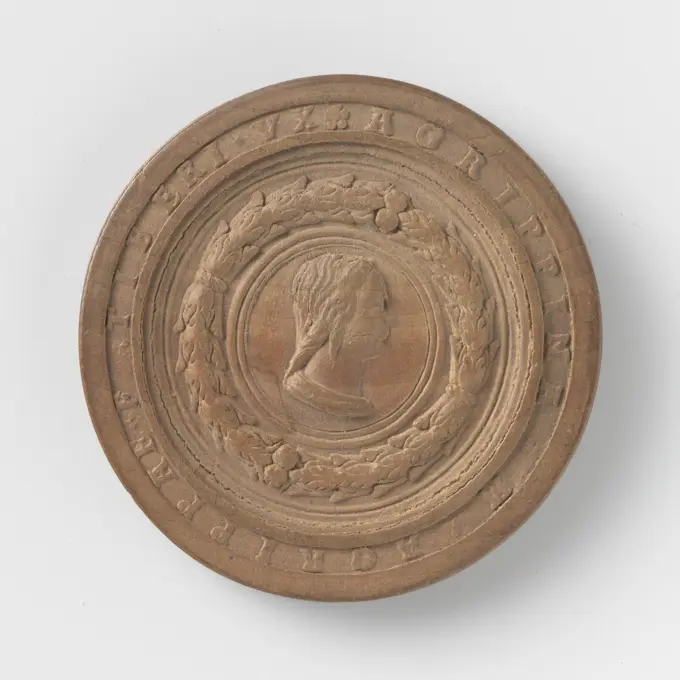
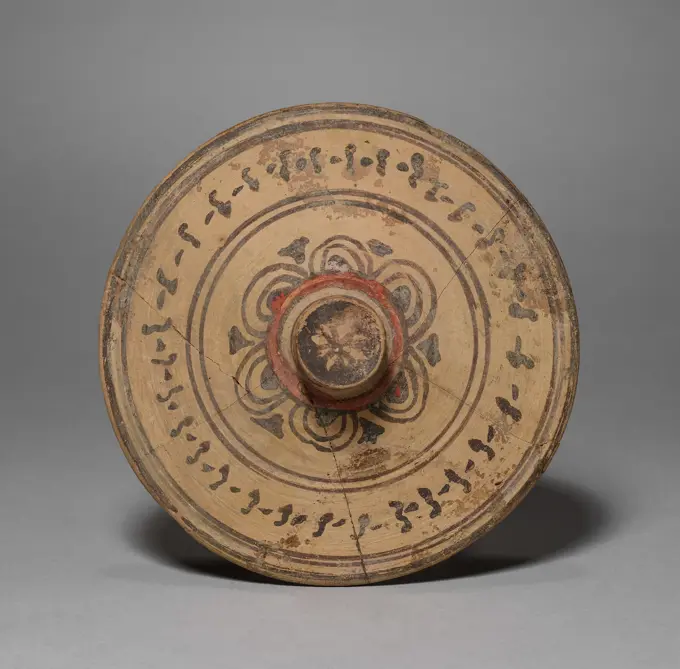
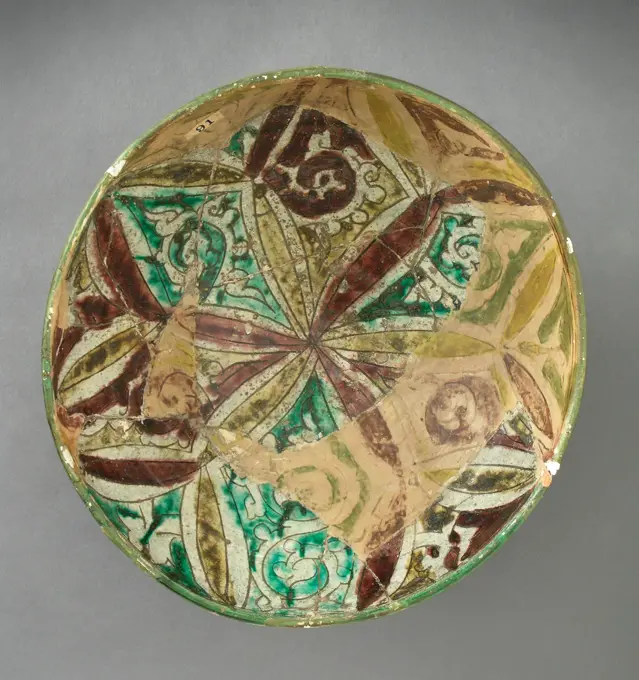
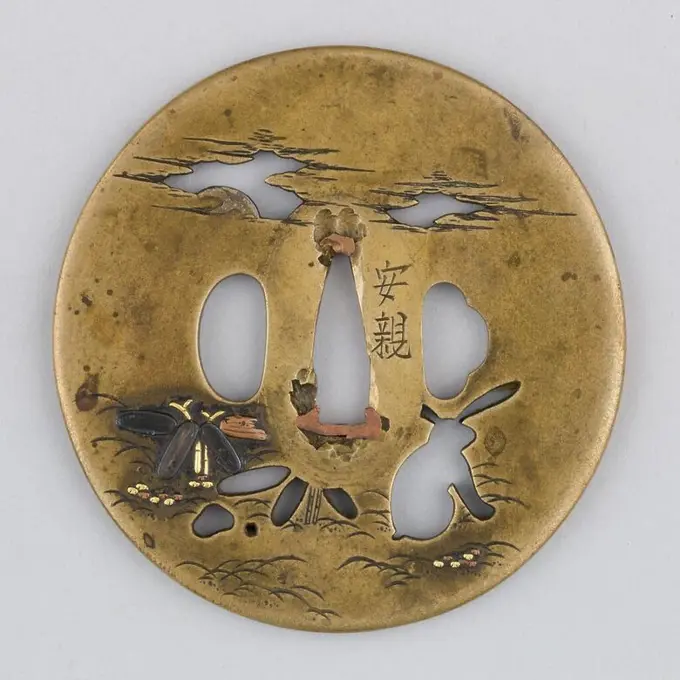
Artistic Sword Guards and Shields

Decorative sword guards and shields, featuring intricate motifs and inscriptions that illustrate craftsmanship and cultural heritage.

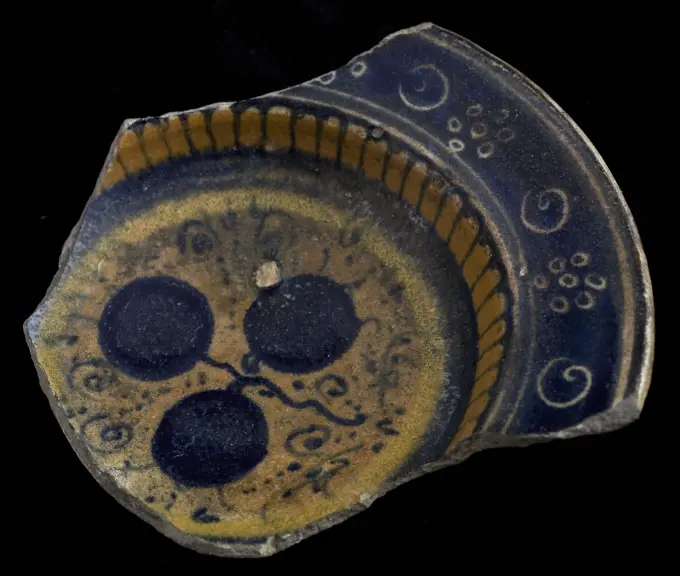
Werra dish, mirror decor with three fishes, light yellow and green glaze, edge decor bows and circles, dish crockery holder soil find ceramics earthenware glaze lead glaze clay, hand turned decorated glazed baked small cord sgraffito Red earthenware bowl on stand surface Slightly curved side wall thick and vertical dish edge In the mirror three fish. Edge decor with bows and circles. Short lines on the top of the saucer edge. Part enamel layer shows black spots archeology Rotterdam serving decorate serving food archaeological find in the soil Rotterdam 1940.
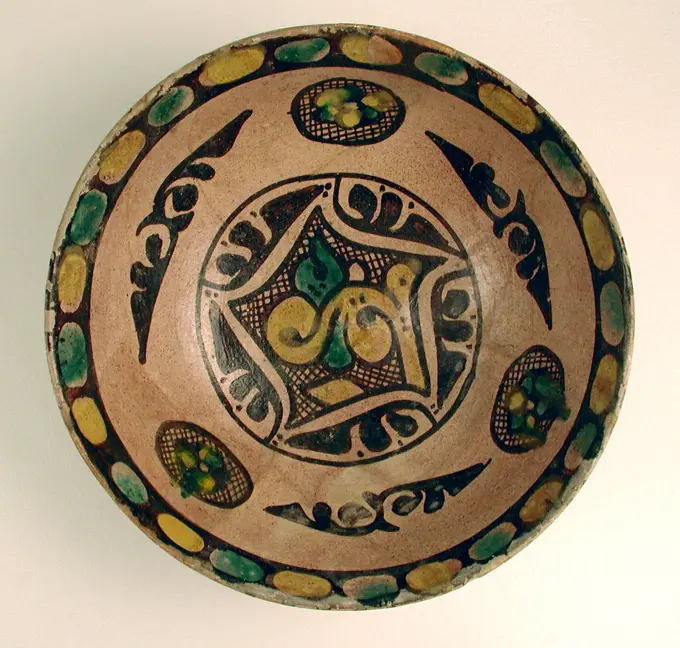
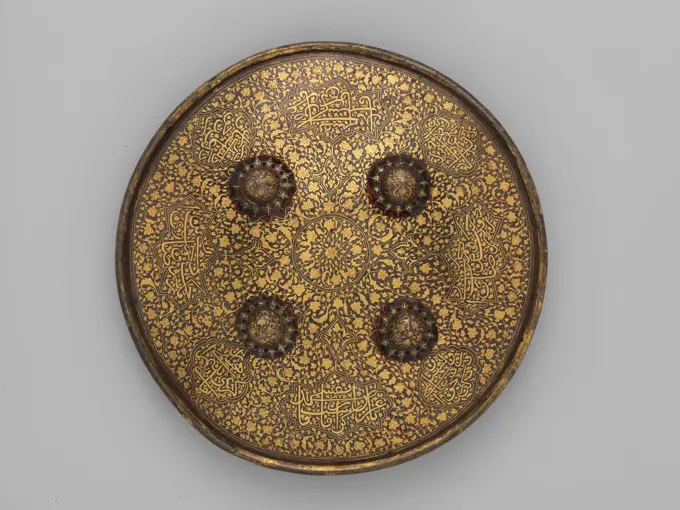
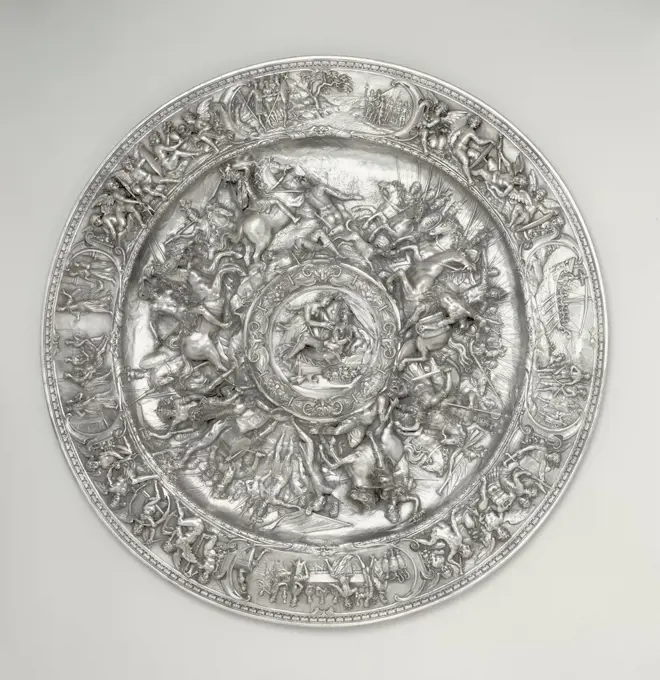
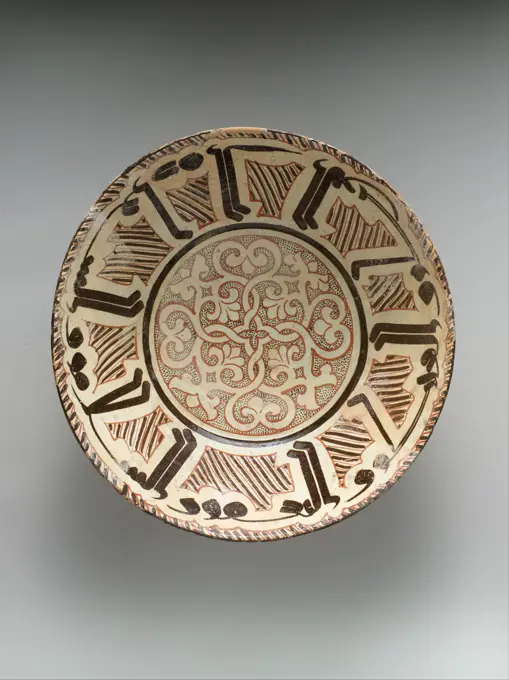
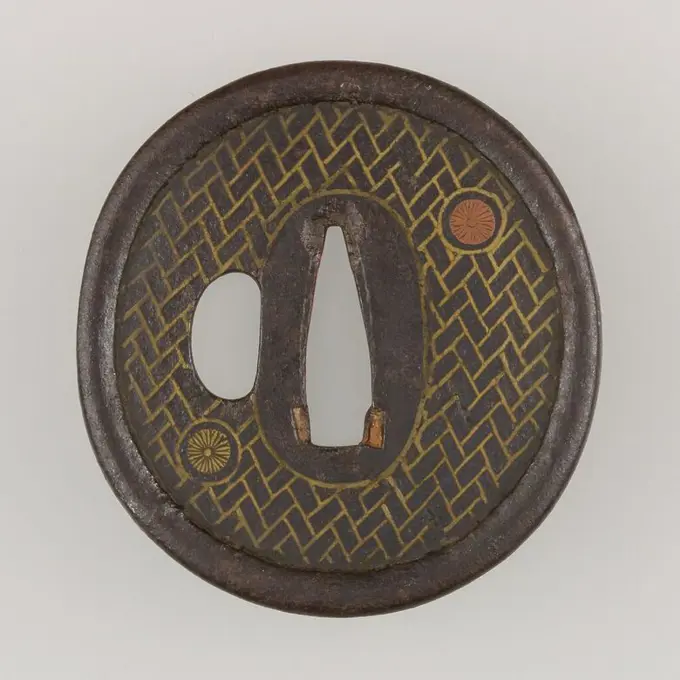
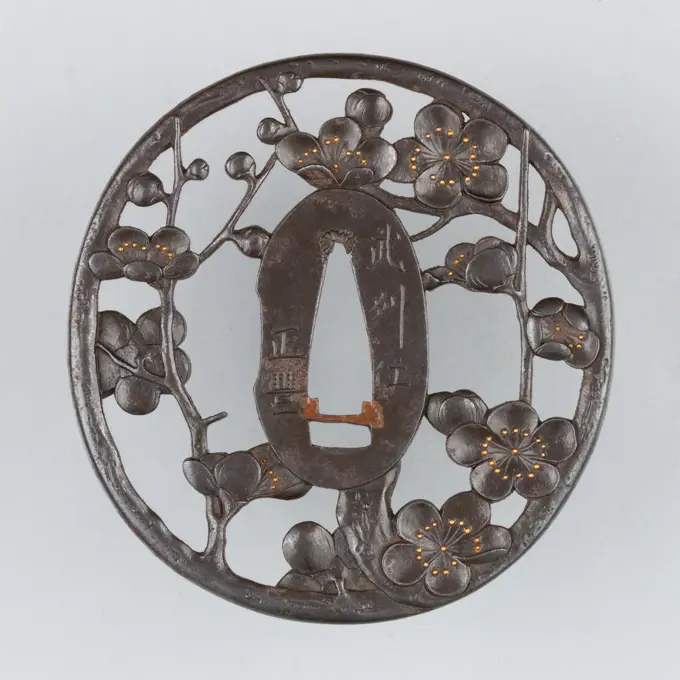
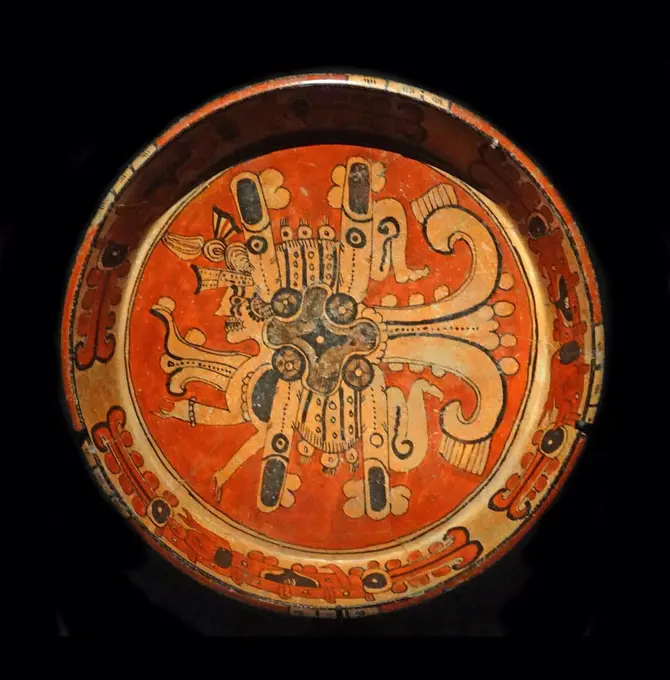
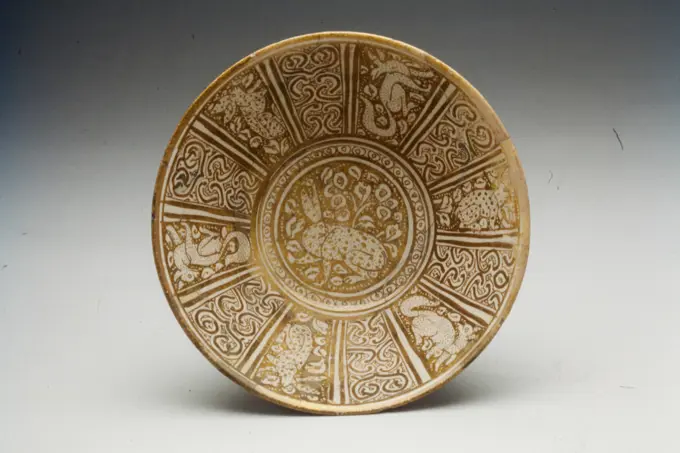
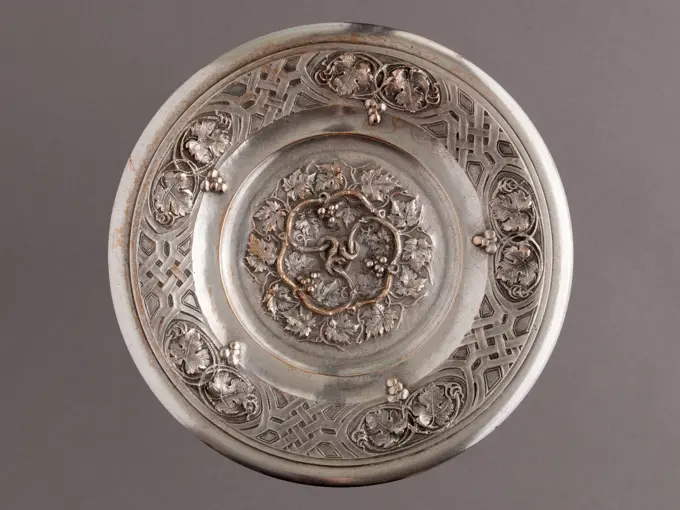
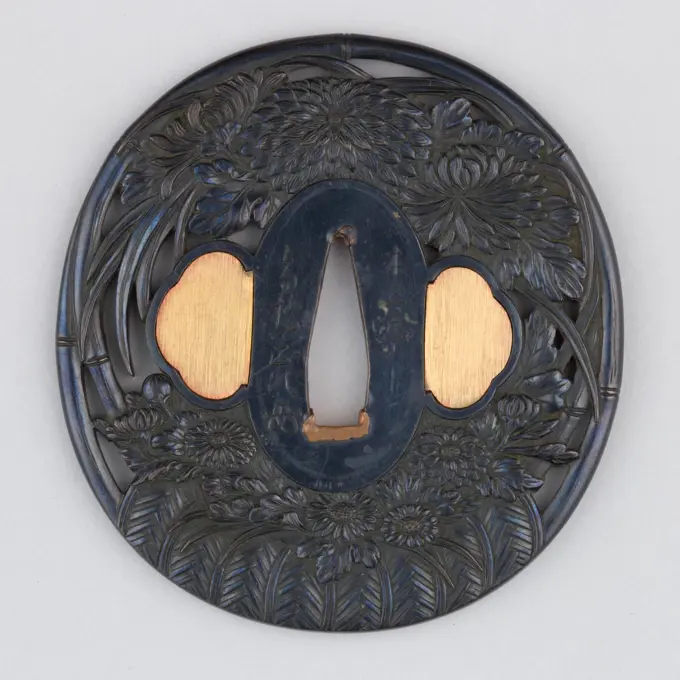
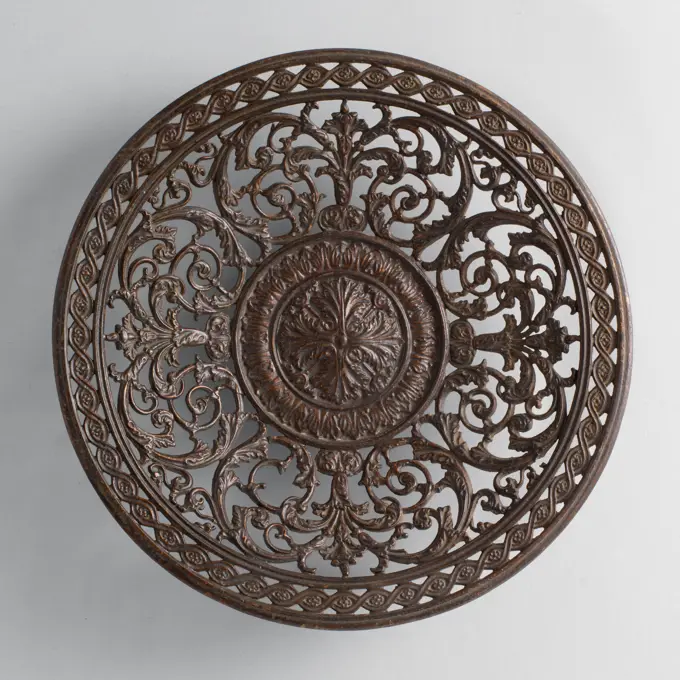
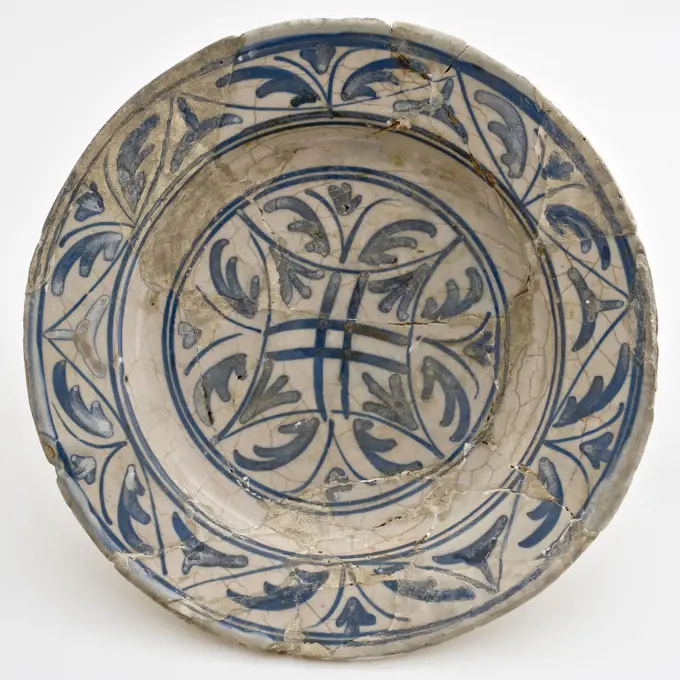
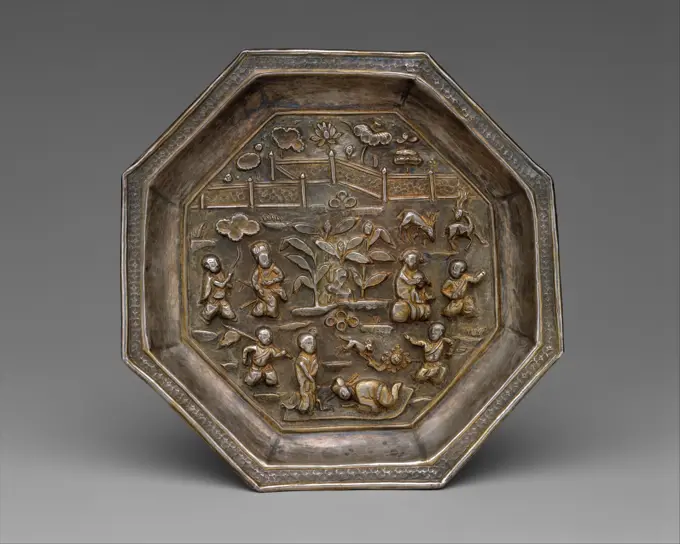
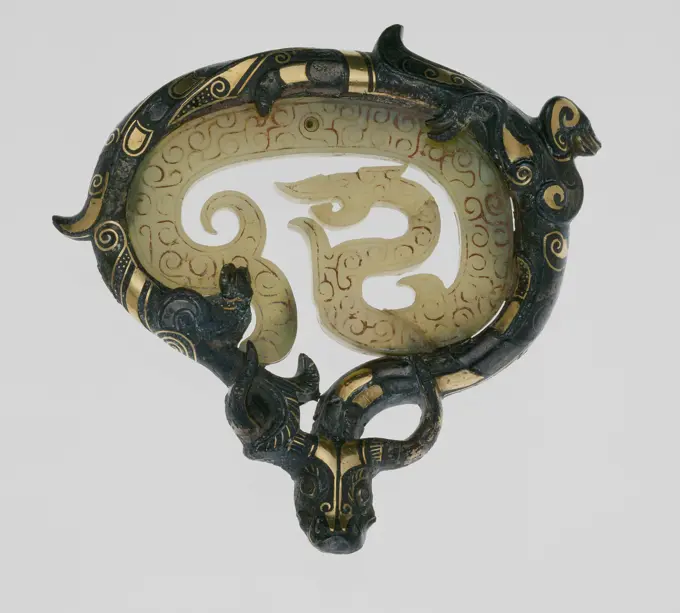
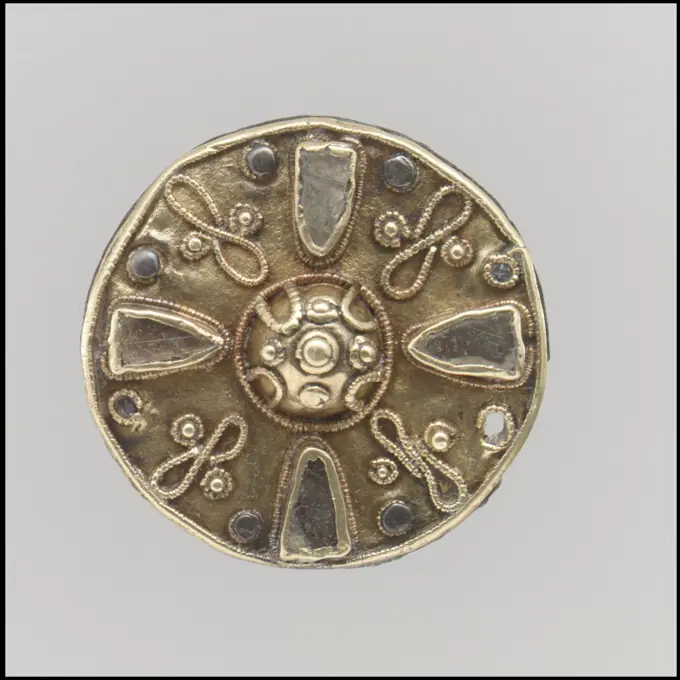
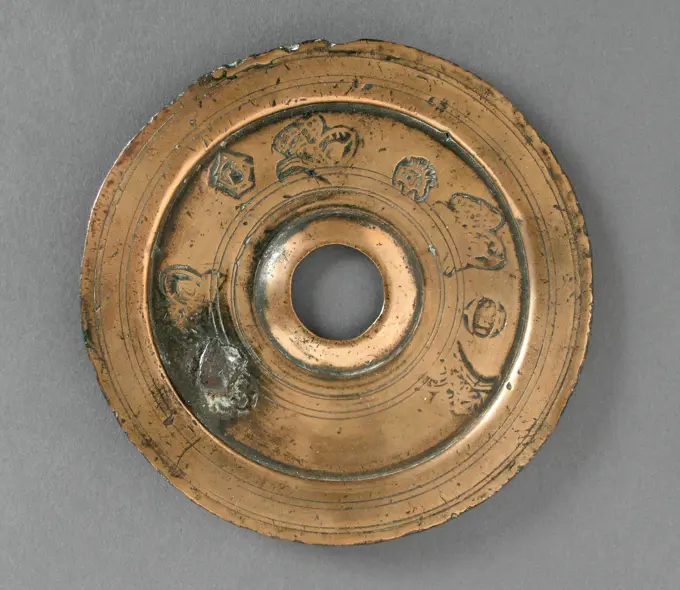
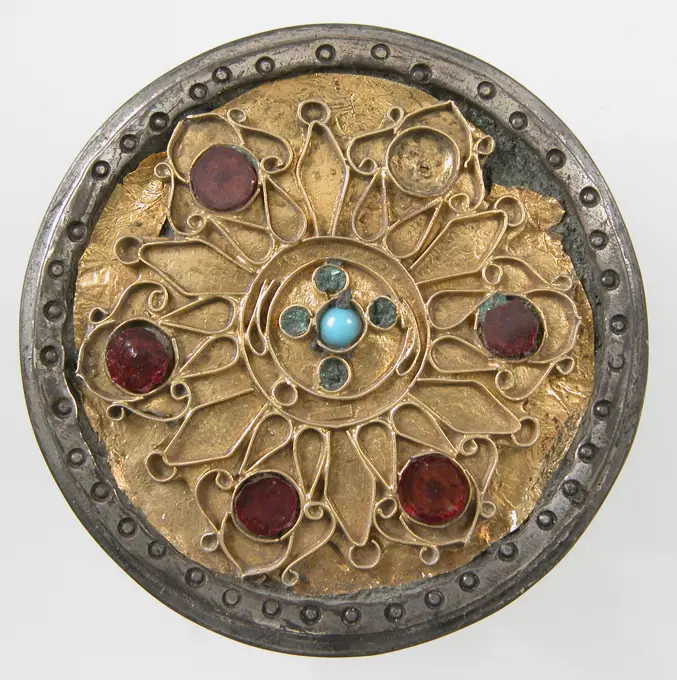
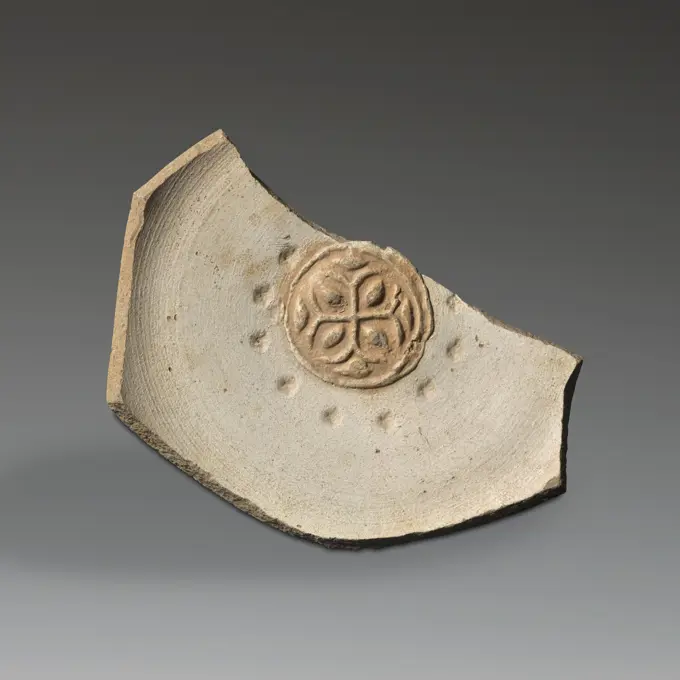
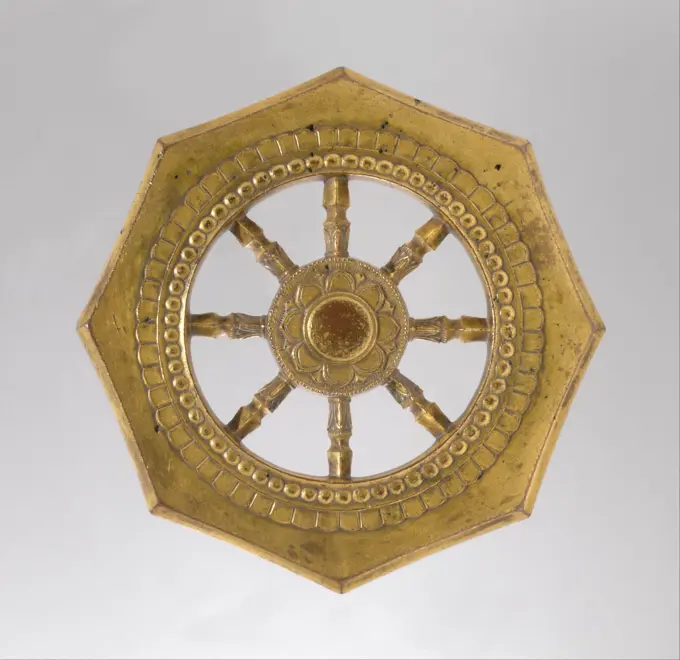
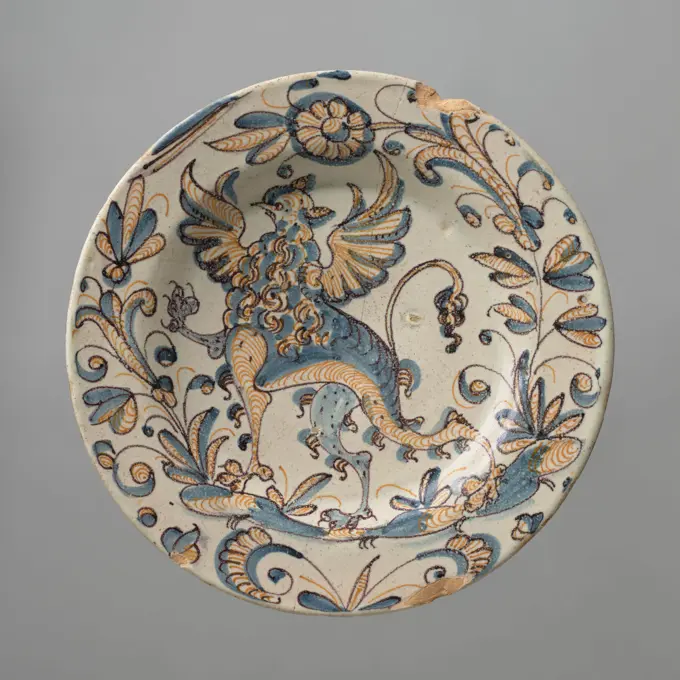
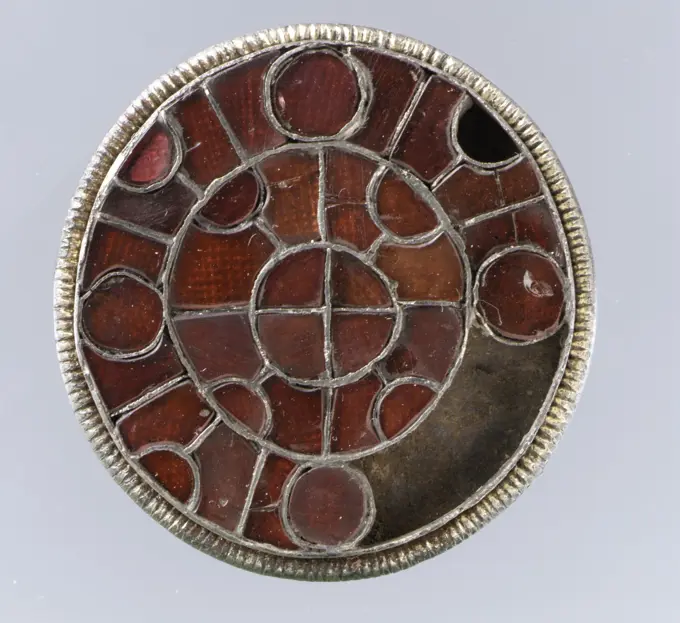
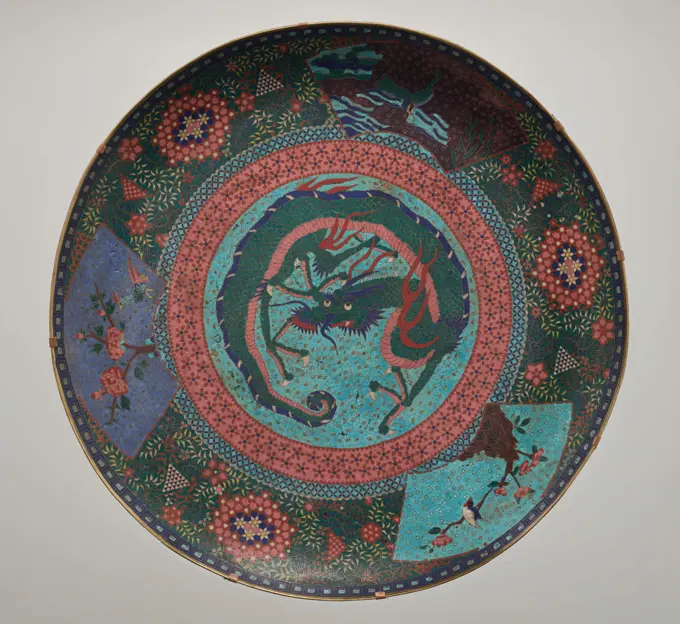
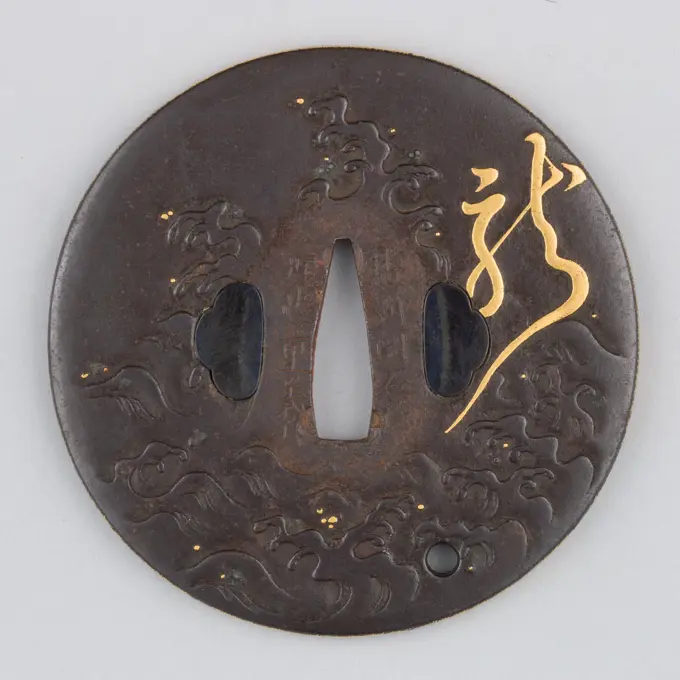
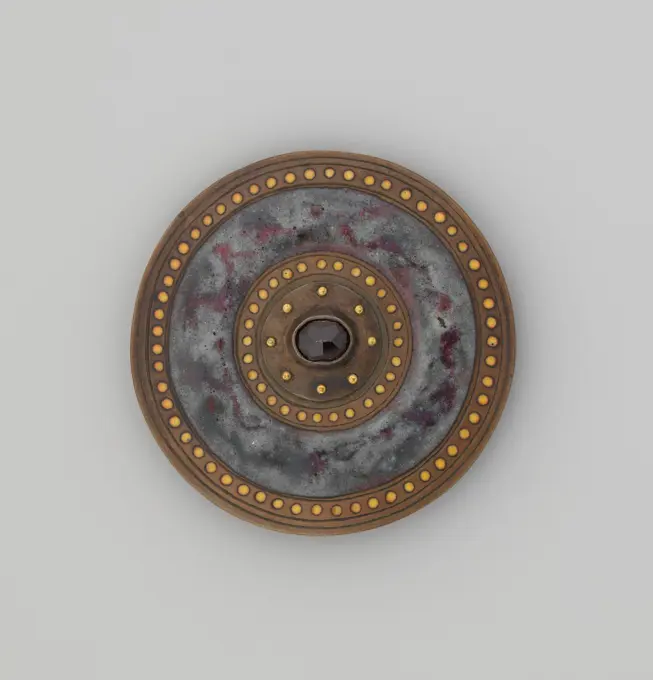
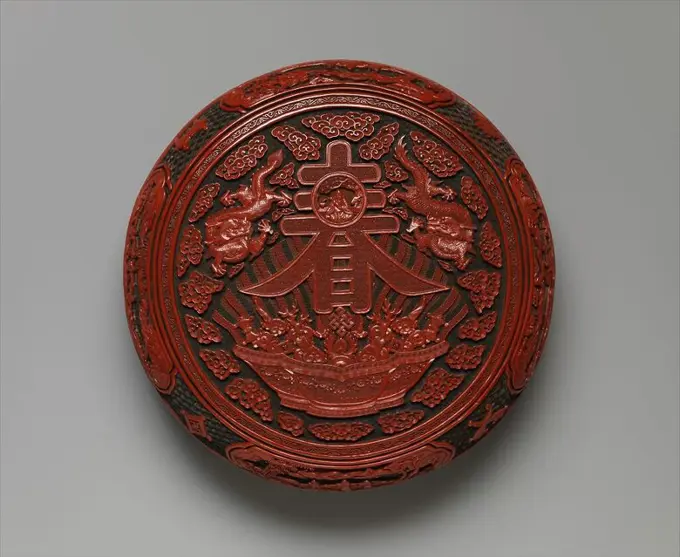
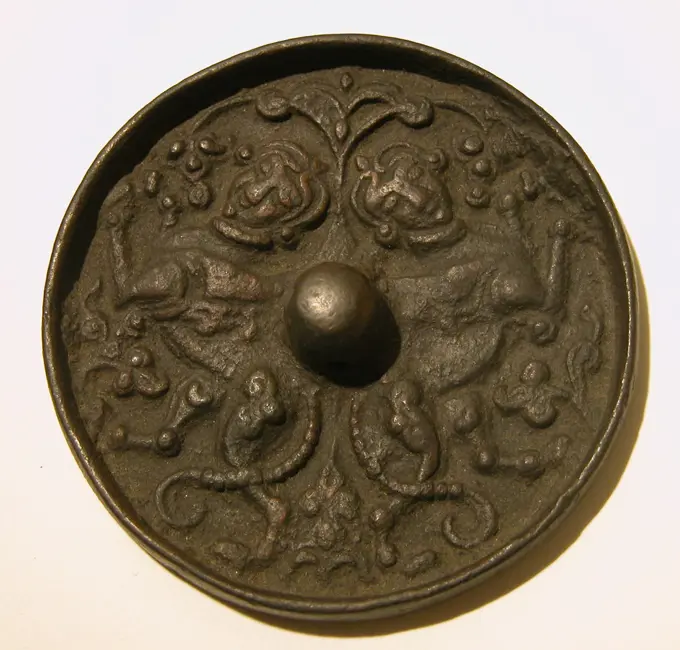
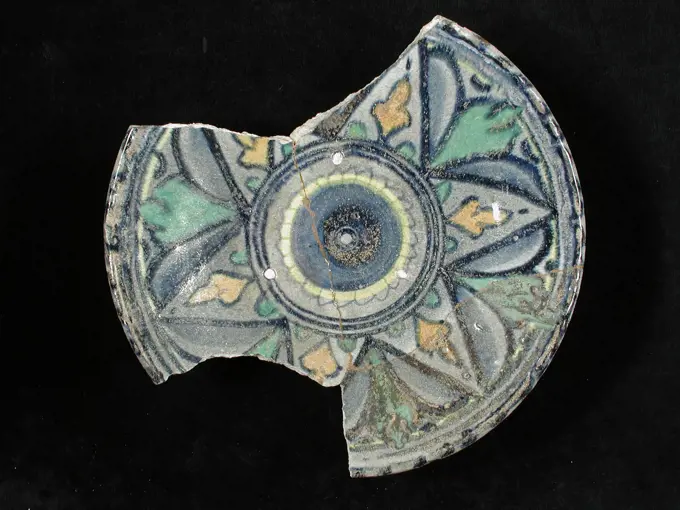
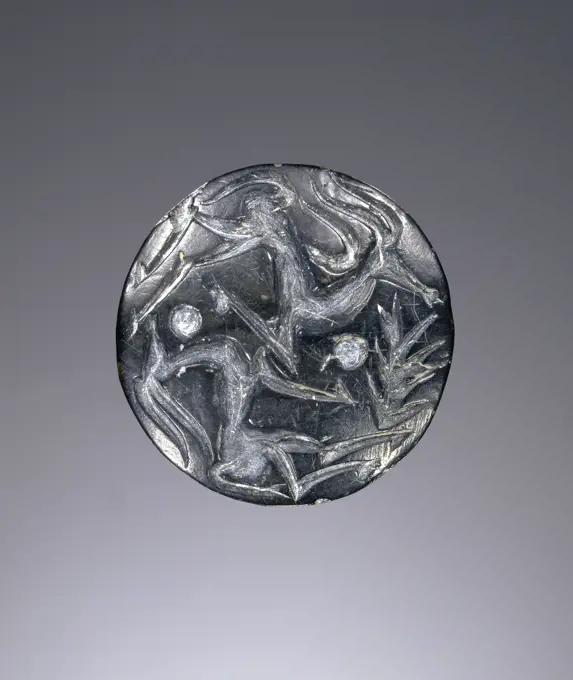
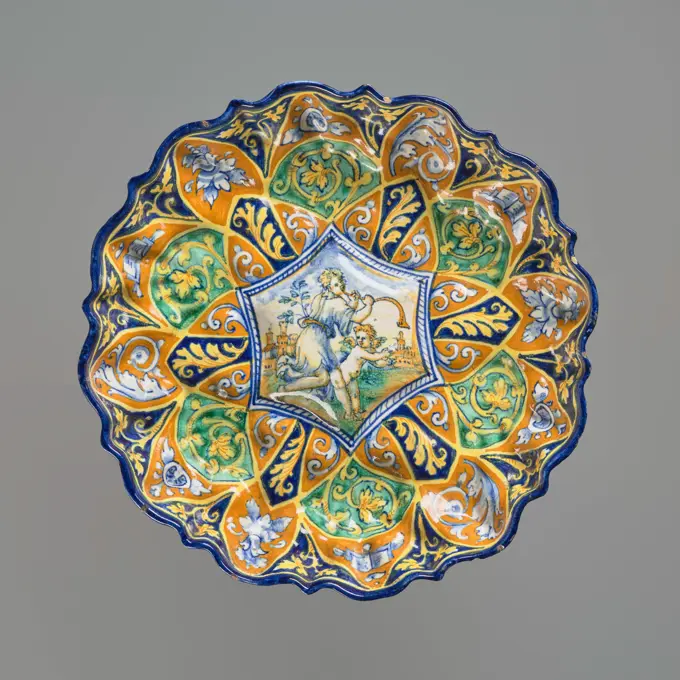
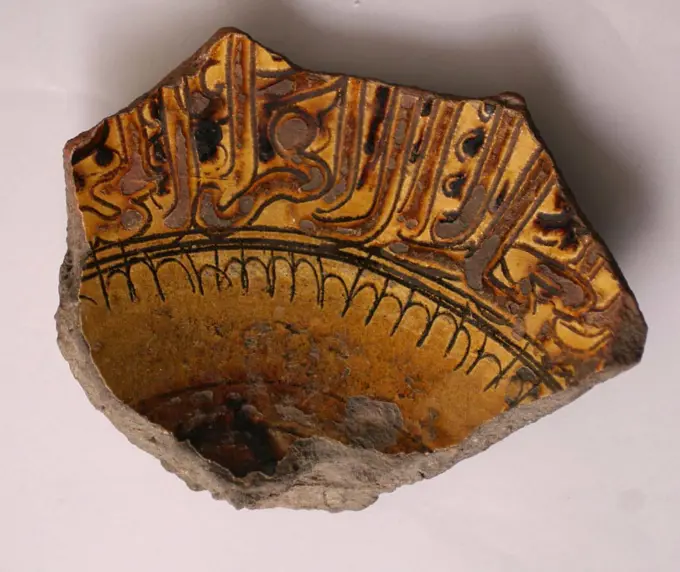
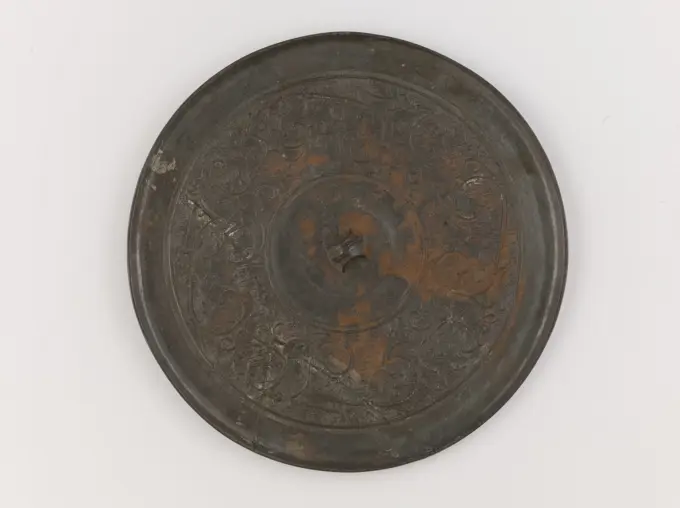
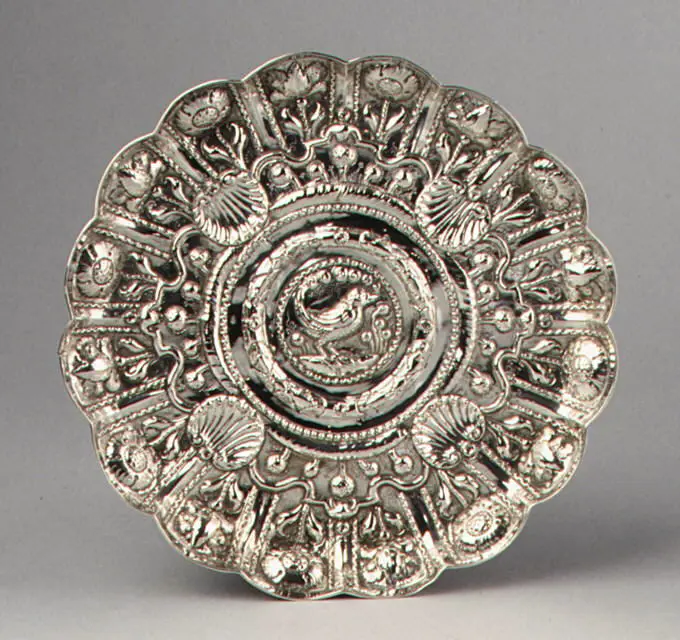
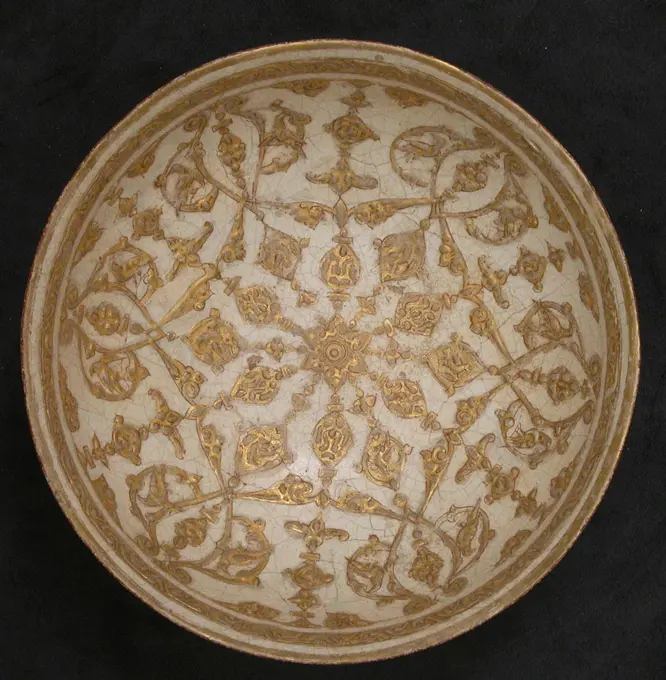
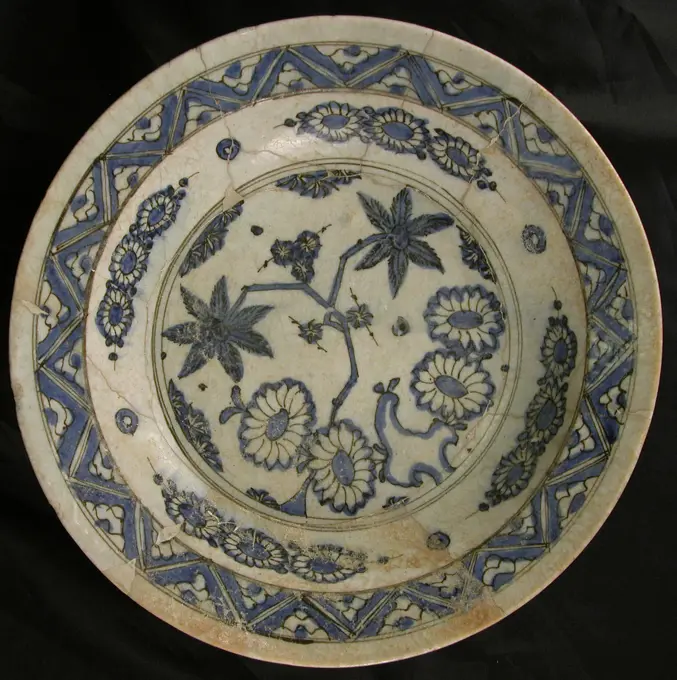
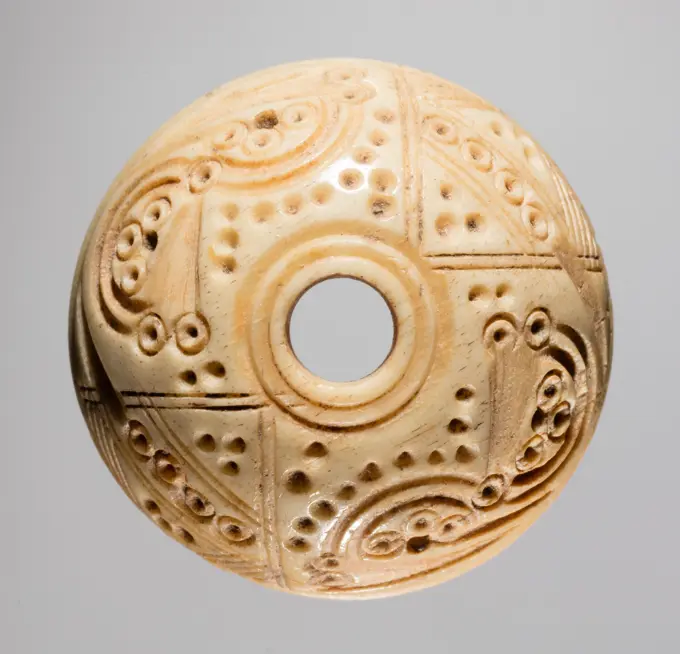
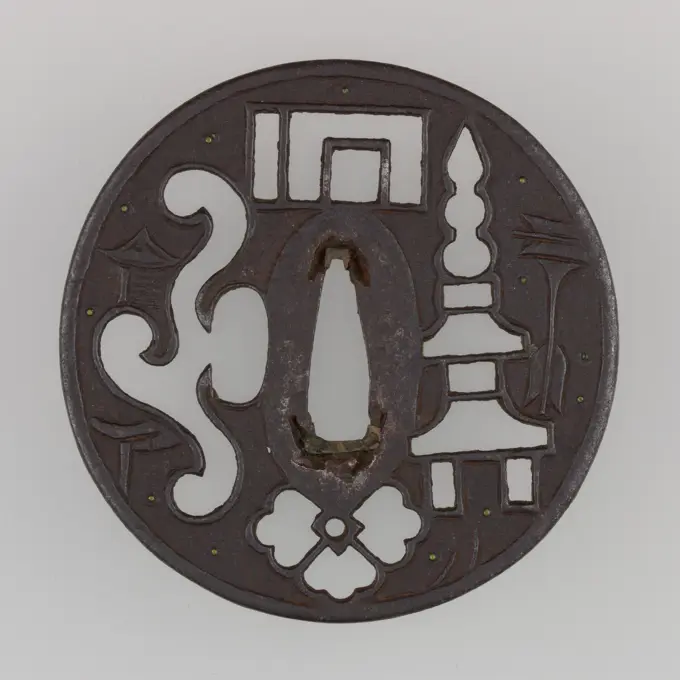
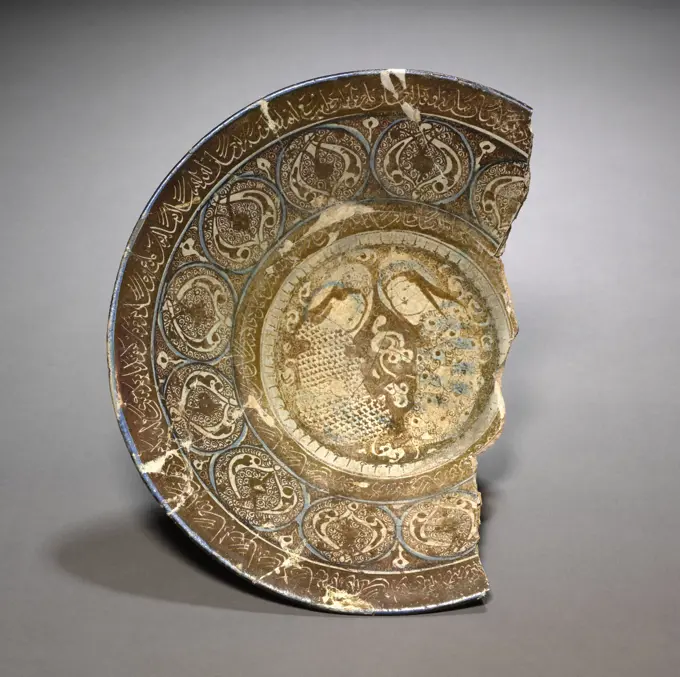
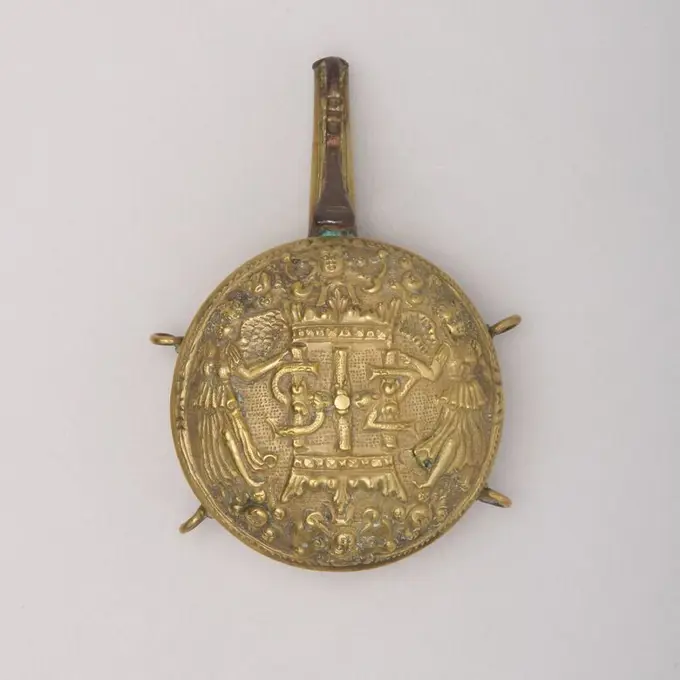
Sword guard (Tsuba) With Grapevines on Trellis Motif (萄棚図鐔) possibly 17th century Inscribed by Hisanori Japanese This tsuba features a design of grapevines.. Sword guard (Tsuba) With Grapevines on Trellis Motif (萄棚図鐔) 34931Shield (Sipar) late 18th-19th century Persian Shields of this type were used by infantry and cavalry across Iran and India. Eight cartouches contain verses from the preface to the Persian poet Sadi’s Gulistan (The Rose Garden), written in 1258, demonstrating that apotropaic inscriptions were derived from a variety of sources, including poetry and prose. The choice of inscription suggests that the shield’s creator, rather than its owner, was asking for blessings, indicating that armorers and artisans were also active participants in the talismanic process.. Shield (Sipar) 32278Plate late 15th century German. Plate. German. late 15th century. Brass. Metalwork-BrassFragment of a Bowl 14th-15th century. Fragment of a Bowl 445477Dishwill of earthenware with drawing of a flower pattern, in underly glaze blue, anonymous, 1500 - 1799   earthenware. glaze   earthenware. glazeEngraved Gem with Victory in a Chariot and Zodiac Symbols. UnknownDish 14th century. Dish 444504Werra dish, mirror decor with three fishes, light yellow and green glaze, edge decor bows and circles, dish crockery holder soil find ceramics earthenware glaze lead glaze clay, hand turned decorated glazed baked small cord sgraffito Red earthenware bowl on stand surface Slightly curved side wall thick and vertical dish edge In the mirror three fish. Edge decor with bows and circles. Short lines on the top of the saucer edge. Part enamel layer shows black spots archeology Rotterdam serving decorate serving food archaeological find in the soil Rotterdam 1940.Button in the form of a mask, anonymous, -200 --100 Button in the form of monster head; Decoration of intertwined arabesks and animal figures. The patina is gray -green. China bronze (metal) Button in the form of monster head; Decoration of intertwined arabesks and animal figures. The patina is gray -green. China bronze (metal)Badge or Harness Pendant 14th century Spanish Heraldry, or coat-of-arms, were vitally important in Europe throughout the Middle Ages and the Renaissance. Heraldic emblems were used to identify noble families, cities, regions, and even countries. In addition to being displayed on shields and flags, heraldry was incorporated into architectural decoration on the interior and the exterior of buildings, on furniture, works of art, clothing, and horse equipment. Harness pendants, like this example, would have been attached to a headstall, bridle, or other straps making up the tack of a horse ridden by a nobleman or noblewoman, or a member of their household. Many harness pendants also have decoration that is simply ornamental, or have symbols that are not specifically heraldic in nature.. Badge or Harness Pendant. Spanish. 14th century. Copper, gold, enamel. Miscellaneous-BadgesBasin with Scenes from the Life of Cleopatra; After a sketch by Bernardo Strozzi, Italian, 1581 - 1644, Perhaps modeled by Francesco Fanelli, Italian, about 1590 - after 1653, Probably executed by an Unknown maker, Dutch or Flemish silversmith; Genoa, Italy, Liguria, Europe; 1620 - 1625; Silver; Object: Diam.:  75.6 cm (Diam.:  29 3/4 in.)Source (container), XVII Century, Ceramics (earthenware decorated in blue and metallic reflections, central umbo and explanted bocepfala bird, surrounded by small striped leaves), of Manises or Valencia (Valencia), Diameter: 38.4 cm. Museum: Museo Fundación Francisco Godia, Barcelona, Cataluña, España.Bowl with Arabic Inscription, "Blessing, Prosperity, Well-being, Happiness" late 10th-11th century Many ceramics from the Nishapur region are decorated with calligraphy. The writing on these objects often relates to their use (i.e., "Eat with appetite") or repeat a familiar proverb. The writing on this bowl expresses good wishes for the owner: "Blessing, felicity, prosperity, well-being, happiness." Curiously, the inscription includes the start of an additional word, al, meaning "the," but not the rest of the word. The tall vertical strokes of these letters must have been included to make the overall visual effect of the inscription more harmonious. This bowl is thought to come from Samarqand, because the central motif of interlacing straps is also found on metal objects made there.. Bowl with Arabic Inscription, "Blessing, Prosperity, Well-being, Happiness" 449711Sword Guard (Tsuba). Culture: Japanese. Dimensions: H. 3 in. (7.6 cm); W. 2 7/8 in. (7.3 cm); thickness 3/16 in. (0.5 cm); Wt. 3.6 oz. (102.1 g). Date: 18th century. Museum: Metropolitan Museum of Art, New York, USA.Sword Guard (Tsuba) early 19th century Japanese A tsuba is a sword guard and part of a sword mounting. It is mounted between the swords blade and grip to protect the users hands.. Sword Guard (Tsuba) 29517Mayan, ceramic plate with the sign of Venus Yucatan, Mexico. 600-900 AD.Bowl with hare and dog motifs, late 12th- early 13th century, before 1220, 3 3/4 x 8 13/16 in. (9.53 x 22.38 cm), Stonepaste with golden luster-painted decoration, Kashan ware, Iran, Seljuk period (1038- c.1194)François-Désirée Froment-Meurice (1801-1855). Cut. Silver metal cut mounted on a marble base. Nineteenth century. Paris, house of Victor Hugo. 51263-2 Cut, marble, silver metal, montee, baseTerracotta dish ca. 330-300 B.C. Greek, South Italian, Campanian, Teano Shallow dish with ring base, decorated with ivy vine and stamped pattern.. Terracotta dish 248189Sword guard (Tsuba) with Flower Basket Motif (籠図鐔) ca. 1615-1868 Japanese This tsuba shows an openwork design of a flower basket with bamboo forming the rim. Masatsugu, real name Takahashi Uhei (高橋卯兵衛), was a student of the second Akao generation Yoshitsugu (吉次) but also learned from the Bushū (武州) School. He signed in early years with the name Masaoki (正興) and used the gō (art name) Mokusantei (木三亭), which we also find quoted as Bokusantei or Kisantei. Masatsugu established his own branch within the Akao (赤尾) School which was based in Edo.. Sword guard (Tsuba) with Flower Basket Motif (籠図鐔) 34441Disc (Bi) 2nd century B.C. China. Disc (Bi) 74526Sword Guard (Tsuba) 18th century Japanese A tsuba is a sword guard and part of a sword mounting. It is mounted between the swords blade and grip to protect the users hands.. Sword Guard (Tsuba) 26365Model for a ceramic mold ca. 1860-80 Probably by Coalbrookdale Company British. Model for a ceramic mold. British, Coalbrookdale. ca. 1860-80. Iron, cast and patinated. Metalwork-IronHand guard, anonymous, 1600 - 1900 Almost round tsuba with in a positive silhouette and raised relief a winding dragon; The edge is caught in Shakudo. Japan brass (alloy). Almost round tsuba with in a positive silhouette and raised relief a winding dragon; The edge is caught in Shakudo. Japan brass (alloy).Fragment majolica salt scale, yellow and blue on white, motif with three circles and volutes, sgraffito border, salt bowl salt barrel tableware holder soil find ceramic earthenware glaze tin glaze lead glaze, total, hand turned fried glazed painted fried sgraffito Mirror edge of majolica salt bowl on stand. Three blue spheres (pomegranates) in the mirror orange nissendecor in the shoulder and dark blue outer border with delineated sgraffittand in spirals interspersed with groups of seven circles Stand with minimal soul. Top tinglaze underside lead glaze Light shard some shredded pottery Serving shrimps with archeology serving salty salt condimentLobed Square Table Cover, 1800s. China, 19th century. Embroidery, silk and gold thread; overall: 112.4 x 117.5 cm (44 1/4 x 46 1/4 in.).Faience plate from Italy, with blue brushstrokes decor, bottom of the bows, plate crockery holder soil find ceramic earthenware glaze tin glaze, hand-turned baked decorated glazed fried Plate on wide stand ring. Yellow-orange shard entirely covered with tin glaze. Blue decors on white fond At the top brush strokes decor and curved lines very familiar decor from the majolica period underside bow design to Spanish example. Cooked Saucer with deep flat high shoulder and slightly angled flag archeology Valckensteyn Poortugaal Albrandswaard indigenous pottery import serving serve archaeological find in the soil Poortugaal Valckensteyn.Bowl early 14th century. Bowl. early 14th century. Stonepaste; molded and painted under transparent glaze. Attributed to Iran. CeramicsDish with children playing in a garden 13th century China The theme of children at play, which expresses a wish for the birth of children and the concomitant joys they engender, is a ubiquitous motif in Chinese decorative arts from as early as the tenth century. Some of the figures seen on this dishfor example, the two boys at left, one riding a hobbyhorse and the other holding a lotus leafare a stock figural grouping, appearing on art objects until the seventeenth century. The cluster of leafy palms with rocks and the balustrade enclosing a lotus pond are standard features of Chinese garden designs.. Dish with children playing in a garden. China. 13th century. Silver with repoussé decoration and gilding. Southern Song dynasty (1127-1279). MetalworkCarnavalet Museum, Medals CollectionBowl 13th century. Bowl. 13th century. Stonepaste; glazed and luster-painted. Attributed to Iran, Kashan. CeramicsSaucer-dish with auspicious symbols, diaper pattern and scrolls, anonymous, c. 1800 - c. 1899 Porcelain bowl, painted in underly glaze blue and on the glaze red, green, eggplant, black and gold. On the front in the center a medallion containing a peach surrounded by ranks. Around the medallion six radiating compartments on the wall, three of which with a lucky symbol on servetwork and three with a scalloped cartouche with a lucky symbol and flower branches. The back with six lucky symbols. Marked on the underside with an unidentified seal brand. A chip in the edge. Imari. Japan porcelain. glaze. cobalt (mineral). gold (metal) painting / gilding / vitrification Porcelain bowl, painted in underly glaze blue and on the glaze red, green, eggplant, black and gold. On the front in the center a medallion containing a peach surrounded by ranks. Around the medallion six radiating compartments on the wall, three of which with a lucky symbol on servetwork and three with a scalloped cartouche withTerracotta dish ca. 330-300 B.C. Greek, South Italian, Campanian, Teano Shallow dish, boss in center and ring base, decorated with ivy vine and stamped pattern.. Terracotta dish 248191Scale, decorated with a flower basket inside Lambrequinrand, De Greek A, After Pieter Adriaensz. Kocx, c. 1705 - c. 1725 Scale, round and ribbed, from Faïence. Multicolored painted with a flower basket inside a lambrequinrand. Delft . Scale, round and ribbed, from Faïence. Multicolored painted with a flower basket inside a lambrequinrand. Delft .Dish. Culture: German. Dimensions: Overall: 15 x 1 3/4 in. (38.1 x 4.4 cm). Date: early 16th century. Museum: Metropolitan Museum of Art, New York, USA.Garment Hook 310 BCE-90 BCE China. The buttonlike knob on the back of this small garment hook served to fasten a belt or robe. A dragon of jade curls sinuously within its bronze mountóa composite creature combining a bullís head and a serpentine body terminating in a fishlike tail curled over one horn. The dragonís finely incised curls are echoed in a complex pattern of gold and silver embellishing the mount. Thin strands of these malleable metals, applied individually or compacted together into thicker ribbons, were pressed into grooves in the bronze, then ground flush with the surface and polished to a high luster. This combination of descriptive and abstract patternsófacial features, scales, volutes, and spiralsóis a masterwork of metallic inlay.The jade dragon is datable about three hundred years earlier than the inlaid bronze garment hook in which it was carefully set. The exquisite ìrecyclingî of ancient jades demonstrates their value to those who inherited or discovered such pieHand Guard, Sadashichi Masayoshi, 1750-1800 Ovale tsuba with in relief (marubori) the battle between the Taira and the minamoto at the UJI bridge in 1180; Details in gold nunome-zogan, silver and copper; Signed "Masatsune Nyudo" and "Masayoshi". Japan iron (metal). copper (metal). gold (metal). silver (metal) Ovale tsuba with in relief (marubori) the battle between the Taira and the minamoto at the UJI bridge in 1180; Details in gold nunome-zogan, silver and copper; Signed "Masatsune Nyudo" and "Masayoshi". Japan iron (metal). copper (metal). gold (metal). silver (metal)Buffware Bowl with Geometric Designs late 8th-early 9th century. Buffware Bowl with Geometric Designs 449477Dish With a Flower Basket, Landscape and Floral Scrolls. Dish of porcelain, painted in underglaze blue and on the glaze red and gold. On the flat a flower vase with a chilong (corneless dragon) and on either side of the vase also a chilong. The wall and edge are divided into six compartments with alternating a landscape with a chicken and a rooster in a fenced garden at a pavilion and flower drinks against a blue background. The back with a band interrupted by cartouche with flour rosettes and plants; To the band three flower branches (Peony, Prunus, Chrysanthemum). On the underside a piona branch in a circle. The dish is caught in a metal frame. The underside with preen. Imari.. Oval tsuba with a part of a bamboo plant in positive silhouette and relief; Details in gold Nunome-Zogan; Signed "Bushu Ju Masakata".. Mokko-shaped tsuba with the twelve animals of the Zodiac in Iroe-Taka-Zogan.Teacup or Offering Bowl Container with Wheel of Joy Motif 1701-1900 Tibet. Brass, copper, nickel, and zinc alloy .Tin-can clock. unknown, authorDisk Brooch first half of the 7th century Frankish. Disk Brooch 464910 Frankish, Disk Brooch, first half of the 7th century, Gold sheet, beaded wire; granulation, clear glass inlaid with red glazing on the underside; gold sheet attached to a copper alloy back with silver rivets; no spring/pin or attachment posts extant., Overall: 1 x 3/16 in. (2.6 x 0.5 cm). The Metropolitan Museum of Art, New York. Gift of J. Pierpont Morgan, 1917 (17.191.21a, b)Weight. Ottoman, 1789. Metal. BronzeFragment majolica plate, blue on white, Chinese motif with flower vase, rim in Wanli style, plate dish crockery holder soil find ceramics pottery glaze, Op fried archeology decorate serving food ChinaDisk Brooch 8th century () Frankish. Disk Brooch. Frankish. 8th century (). Silver, coated with gold, wire, glass, paste. Metalwork-SilverFragment of a small bowl without a foot; Unknown Nubian workshop; 2. PO. IX-1. after. 10th century (851-00-00-950-00-00);Faras (Sudan), Nubian ceramics, stamp decorations, plastic decorations, medallions, fans without foot, nubian vessels, Polish excavations in Faras (Sudan)Fragment 14th-15th century. Fragment 446359Wheel of the Buddhist Law (Rinp) late 13th century Japan This bronze ritual object connected with Esoteric Buddhism symbolizes the Wheel of the Law (Sanskrit: dharmachakra). In Buddhist texts and rituals, the phrase “turning the wheel of the law” refers to the act of teaching by the Buddha Shakyamuni. Each of the eight spokes and eight corners represents one of the moral admonitions of the Noble Eightfold Path, and the central section depicts a lotus flower with eight petals.. Wheel of the Buddhist Law (Rinp). Japan. late 13th century. Gilt bronze. Kamakura period (1185-1333). MetalworkCollar, mid 20th century, 9 3/4 x 9 1/2 in. (24.77 x 24.13 cm), Cotton, embroidery, China, 20th centuryHalf of Dam disk with portrait: Agrippina ,, 1525 - 1575 Agrippina. Marcus Agrippa. F. Tiberius. Vx. (Agrippina, Vrouw van Tiberius) Nuremberg boxwood Agrippina. Marcus Agrippa. F. Tiberius. Vx. (Agrippina, Vrouw van Tiberius) Nuremberg boxwoodLid for Two-Spouted Strainer Askos (Flask), 300-200 BC. South Italian, Daunian or Canosan. Ceramic; diameter: 14.5 cm (5 11/16 in.).Dish with a Japanese figure in a pavilion near a prunus, c. 1875 - c. 1925 Porcelain saucer, painted in underly glaze blue and on the glaze red, black and gold. On the flat a flower -shaped cartouche with a Japanese person in a pavilion at a prunus. On the wall and edge three medallions with a shishi (lion dog) and three half flower cartouches with servetwork in the leaves. Between the cartouches flower and fruit vines against a blue background. Three peony branches on the outside wall. The dish has a double foot ring and is caught in a metal frame. A European (French) Imitation of the Japanese Imari. Europe porcelain. glaze. cobalt (mineral). gold (metal). montuur: metal. uranium oxide painting / gilding / vitrification Porcelain saucer, painted in underly glaze blue and on the glaze red, black and gold. On the flat a flower -shaped cartouche with a Japanese person in a pavilion at a prunus. On the wall and edge three medallions with a shishi (lion dog) and three half flower cartoucheRed-figure pottery dish with fish decoration, from CerveteriPatera-fiale czerwonofigurowa z przedstawieniem kobiety z wachlarzem i koszem. unknown, authorMirror with fantastic animals amid grape vines 7th-8th century China. Mirror with fantastic animals amid grape vines. China. 7th-8th century. Bronze, silver patina. Tang dynasty (618-907). MirrorsGalvanoplastic reproduction of a round shield with tendrils and putti. Galvanoplastic reproduction of a round shield with tendrils and putti.Bowl. Syria, 11th-12th century. Ceramics. Earthenware, white slip, incised and underglaze-paintedSword Guard (Tsuba). Culture: Japanese. Dimensions: H. 3 1/8 in. (7.9 cm); W. 3 in. (7.6 cm); thickness 3/16 in. (0.5 cm); Wt. 5.1 oz. (144.6 g). Date: 1669-1744. Museum: Metropolitan Museum of Art, New York, USA.For a long time; Talavera de la Reina; XVII century (1600-00-00-1700-00-00);Arita (ceramic production center), hollow dish, Imari decor (username). Ceramics, porcelain, polychrome enamels: cobalt blue under cover, iron and green on covered, gilding. Petit Palais, Museum of Fine Arts of the City of Paris.Plate, 16th-18th century, 2 1/4 x 10 1/4 in. (5.7 x 26.04 cm), Glazed faience, Turkey, 16th-18th centuryDisk Brooch first half 6th century Frankish Garnets, worked in the cloisonné technique, featured prominently in the luxury jewelry of the Franks. Jewelers would solder small compartments arranged in geometric patterns onto the surface of a metal disk. In those cells, or cloisons, they would place a textured piece of gold foil, which would show through the thin translucent garnet that would then be set on top.. Disk Brooch 465084 Frankish, Disk Brooch, first half 6th century, Silver-gilt, garnets with patterned foil backings., Overall: 1 7/16 x 1/4 in. (3.6 x 0.6 cm). The Metropolitan Museum of Art, New York. Gift of J. Pierpont Morgan, 1917 (17.191.38)For a long time (ôzara);  around 1860-1870 (1860-00-00-1870-00-00);Gold ellipsoidal breastplate depicting the tree of life with palmettes and lotus flowers, from Staro Selo, Burgas Region, Bulgaria. Goldsmith art. Thracian Civilization, 5th Century BC.ESCUDILLA DE OREJAS RIZADAS CON ZANCUDA - MUEL - SIGLO XVI-XVII. Location: INSTITUTO VALENCIA DE DON JUAN-COLECCION. MADRID. SPAIN.Arita (ceramic production center), hollow dish, Imari decor (username). Ceramics, porcelain, polychrome enamels: cobalt blue under cover, red on covered, gilding. Petit Palais, Museum of Fine Arts of the City of Paris.Sword Guard (Tsuba) 18th century Japanese A tsuba is a sword guard and part of a sword mounting. It is mounted between the swords blade and grip to protect the users hands.. Sword Guard (Tsuba) 29942Saltcellar 19th century, after 18th century original German This electrotype is after a sixteenth-century original in the collection of the Victoria and Albert Museum, London, at the time of reproduction.. Saltcellar 185877Round brooch from copper with email and grenade, Homme de Vries, c. 1915 - c. 1925 Round brooch made of copper with email with an oval -faceted Almandien grenade. Back with Schulprand. Netherlands copper (metal). almandine faceting Round brooch made of copper with email with an oval -faceted Almandien grenade. Back with Schulprand. Netherlands copper (metal). almandine facetingPrecious Spring Longevity Box. Culture: China. Dimensions: Diam. 13 1/4 in. (33.7 cm). Date: 1736-1795.The Qianlong emperor commissioned at least eighteen versions of this box. He especially valued the design on the top: a large representation of the character for spring (chun, an allusion to long life), and a small image of Shoulao, the god of longevity. The character and the overflowing bowl below it are set against a background of radiating rainbows. The bowl of treasures motif first appeared in carved lacquer in the sixteenth century; it was incorporated into this more complicated program of imagery during the reign of Qianlong. Museum: Metropolitan Museum of Art, New York, USA.Sword Guard (Tsuba) probably late 18th-early 19th century Japanese A tsuba is a sword guard and part of a sword mounting. It is mounted between the swords blade and grip to protect the users hands.. Sword Guard (Tsuba) 26648Belt Buckle with Kulans Attacked by Wolves. Culture: Southern Siberia. Dimensions: H. 3 1/4 in. (8.3 cm); W. 5 3/4 in. (14.6 cm). Date: 3rd-2nd century B.C.. Museum: Metropolitan Museum of Art, New York, USA.Bowl with Leopard. Dimensions: H. 4 1/8 in. (10.5 cm)Diam. of rim: 8 3/4 in. (22.2 cm)Wt. 14.9 oz. (422.5 g). Date: early 13th century. Museum: Metropolitan Museum of Art, New York, USA.Mirror with a Pair of Addorsed Sphinxes with Scorpion Tails 12th-13th century The medieval Islamic period, specifically during the rise of the Seljuqs and other Turkish dynasties, witnessed the production of a large number of circular cast-bronze mirrors with a fully decorated reverse. Despite a relatively short phase of manufacture (twelfth to the thirteenth century), they enjoyed wide popularity within and beyond the Seljuq realm. The technique of sand-casting bronze would have enabled mass production for a broad market, as demonstrated by the large number of mirrors with similar motifs (specifically the type featuring a pair of sphinxes with scorpion tails). Beyond their practical function, they served as talismans, given their benedictory inscriptions and apotropaic motifs. Some are believed to have been used for divination or to possess other magical powers. Most mirrors bear figural decoration on their reverse sides, with iconography ranging from the zodiac to heraldic animals, tBowl with an ArabicInscriptionRound Box (lid), c. 1770. France, 18th century. Tortoise shell decorated in red lacquer with inlays of gold, brass, and silver; contains a portrait miniature; diameter: 2.3 x 6.4 cm (7/8 x 2 1/2 in.).Octagonal dish with two butterflies late 18th-early 19th century China. Octagonal dish with two butterflies. China. late 18th-early 19th century. Porcelain painted in overglaze polychrome enamels (Jingdezhen ware). Qing dynasty (1644-1911). CeramicsSidewall, Leather, stamped, silvered, painted, Gray field; scrollwork and foliage arabesques in varnished silver, with green paint., Belgium, ca. 1700, Wallcoverings, SidewallWilliam L Antrim, Plate, 1935 1942 PlateISS, Majolica dish, polychrome, in the middle rosette and star, signed, plate crockery holder soil find ceramic earthenware glaze, baked underside covered with lead glaze. Polychrome. Signed ItalianHolland decor. Heavy and thick-walled earthenware on the reverse in the ring the initials JS on the bottom edge S archeology Italy decorate servingLentoid engraved seal; Greece; about 1350 B.C. - 1100 B.C; Steatite; 2 × 0.8 cm (13,16 × 5,16 in.)Crespina plate. unknown, authorGold phylactery containing Muslim prayer 1th century AD Nejzac treasure from Bachcisaray Crimea Mongol Empire. Museum: HERMITAGE, SAN PETERSBURGO, RUSSIA.Fragment 14th-15th century. Fragment 453595Dish, wood, ivory, Paris, France, ca. 1880, tableware designs, Decorative Arts, DishClose-up of a plate, Urbania, ItalyFragment butli pielgrzymiej. warsztat nubijski, workshopSword Guard (Tsuba) ca. 1615-1868 Attributed to the Hirata School Japanese This sword guard (tsuba) features a design of gourds and leaves.. Sword Guard (Tsuba) 24711Mirror. Bronze, China, Han dynasty (206 BC AP.J.-C.). Paris, Cernuschi museum. Asian art, Chinese art, beauty, bronze, han dynasty, mirror, daily lifeDish early 19th century Portuguese. Dish 207581Bowl 12th-13th century In one group of ceramics, potters combined the technique of mina'i painting with decoration in low relief, which is further highlighted by gilding, to create an even more sumptuous effect.. Bowl 451387Dish late 16th-early 17th century Like so many ceramics produced in Iran during the Safavid period, the style and decoration of this dish was an attempt to emulate the highly-regarded Chinese porcelain wares. This is illustrated by the blue and white color scheme, as well the floral motifs. Pseudo-Chinese calligraphy has been painted on the reverse of the plate, a detail which illustrates the great lengths to which artists went to make their wares comparable to Chinese originals.. Dish 452959Spindle Whorl, 700s - 900s. Iran, early Islamic period, 8th - 10th century. Bone, incised; overall: 1 x 2.4 x 2.4 cm (3/8 x 15/16 x 15/16 in.).Sword Guard (Tsuba) 17th century Japanese A tsuba is a sword guard and part of a sword mounting. It is mounted between the swords blade and grip to protect the users hands.. Sword Guard (Tsuba) 26298Plate, 1200s. Seljuk Iran, Rayy, or Syria, Raqqa. Fritware with luster-painted design; diameter: 32.4 cm (12 3/4 in.).Wall plate with the pattern pond, 1893 Polychrome painted wall plate with a decor of stylized waves and water lilies. Light green and dark blue water motifs complement each other, with accents in red and a brown mixing color. The Hague earthenware. glaze vitrification Polychrome painted wall plate with a decor of stylized waves and water lilies. Light green and dark blue water motifs complement each other, with accents in red and a brown mixing color. The Hague earthenware. glaze vitrificationBowl 1835-50. Bowl. 1835-50. Lacy pressed glassPowder Flask. Culture: German. Dimensions: H. 5 3/16 in. (13.2 cm); W. 3 3/4 in. (9.5 cm); D. 2 9/16 in. (6.6 cm); D. of dome 2 1/16 in. (5.2 cm); Wt. 7.4 oz.. (210 g). Date: ca. 1575-85.The only known example of its kind, this flask is constructed of a wooden core, which is overlaid with a copper-alloy sheet that was chased in low relief, in the same manner as the stocks of a small group of firearms associated with the court of Duke Julius of Brunswick-Lüneburg (1528-1589) and thought to have been made in his dominions. The group includes three wheellock pistols that are preserved in the Deutsches Historisches Museum, Berlin (inv. unknown), the Kestner Museum, Hannover (inv. WM I. 227), and the Royal Armouries, Leeds (inv. XII.1176), respectively; a wheellock gun in the Anton-Ulrich-Museum, Brunswick (inv. unknown); and a wheel- and matchlock gun in the Tøjhusmuseet, Copenhagen (inv. B 70). As with most of these weapons, the flask prominently features the duke's monogram, the meaning