Artistic Textile Fragments

Historical textile fragments showcasing intricate designs and craftsmanship in silk and linen, reflecting cultural and artistic heritage.

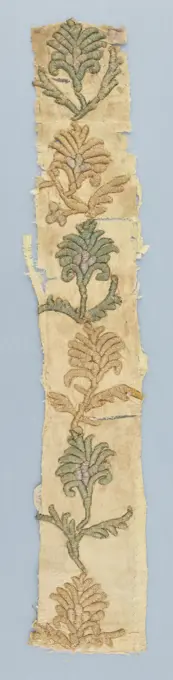
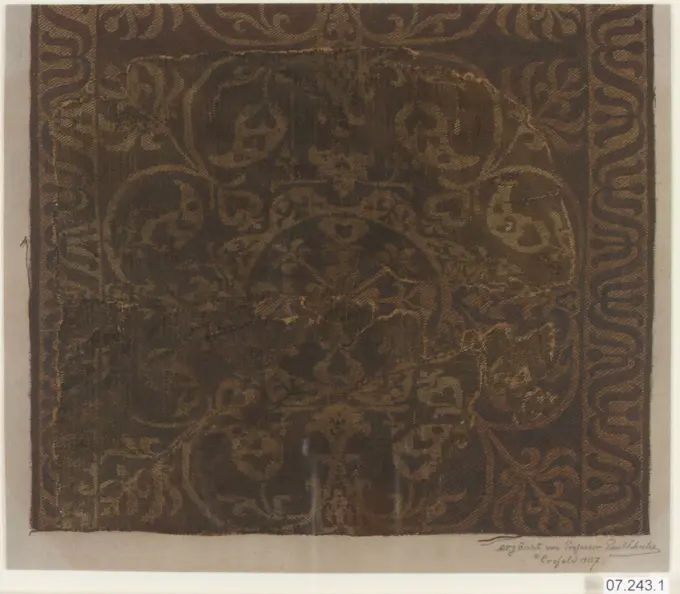
Fragment, Medium: silk, metallic Technique: supplementary warps forming raised pile in a plain weave foundation (velvet) with supplementary wefts, Leaf and pinecone() motif in tan and gold., 17th century, woven textiles, Fragment
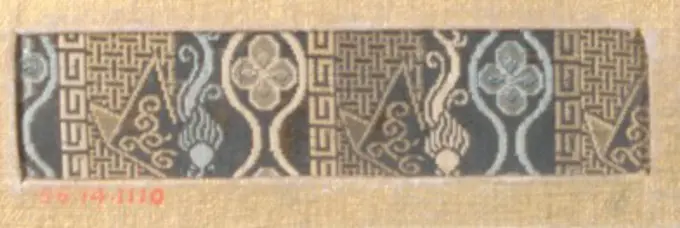
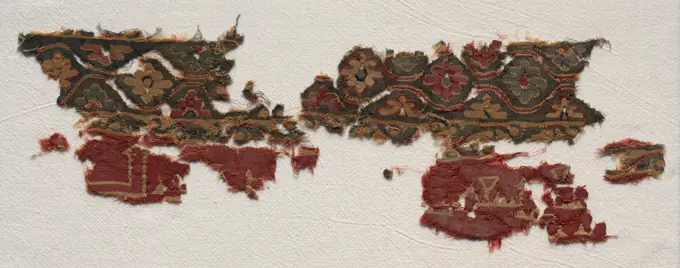
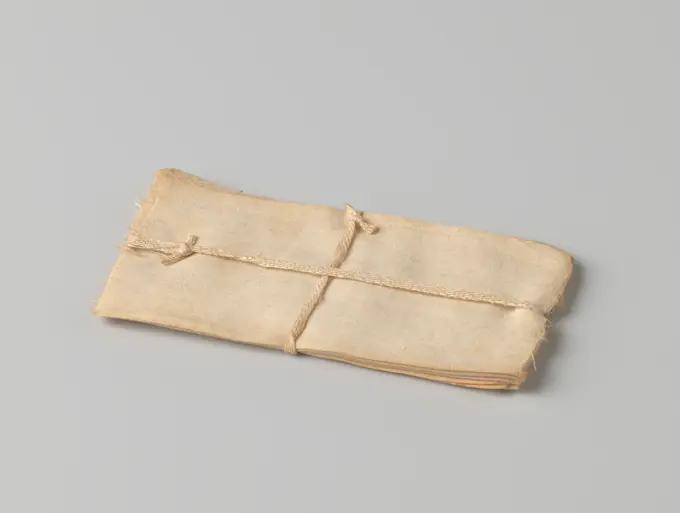
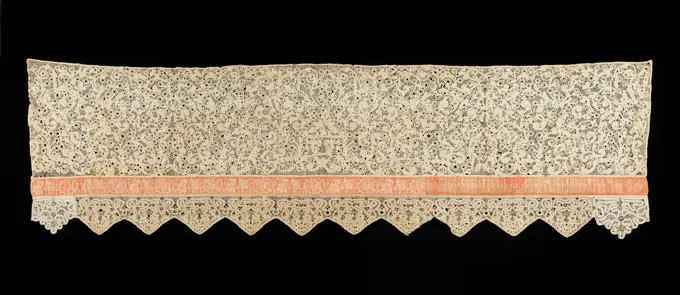
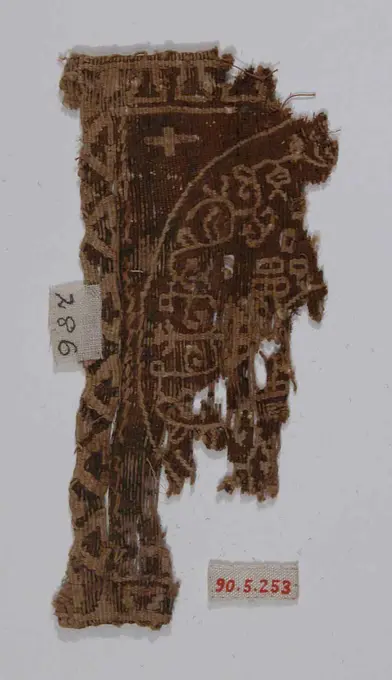
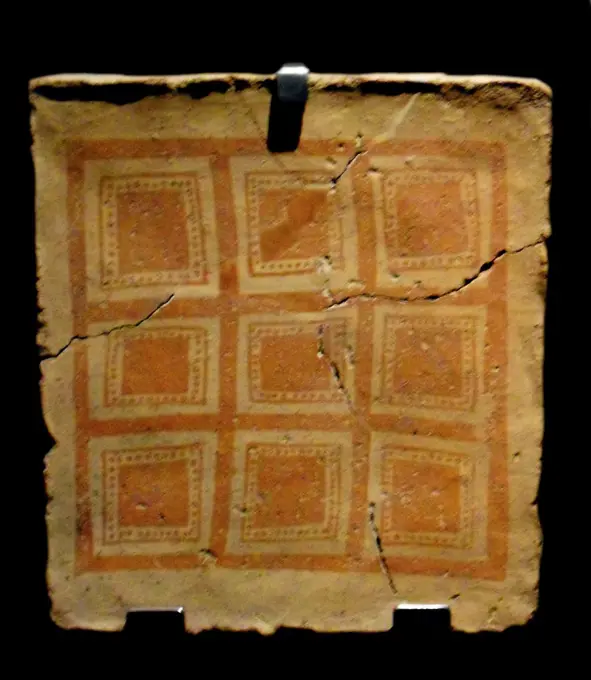
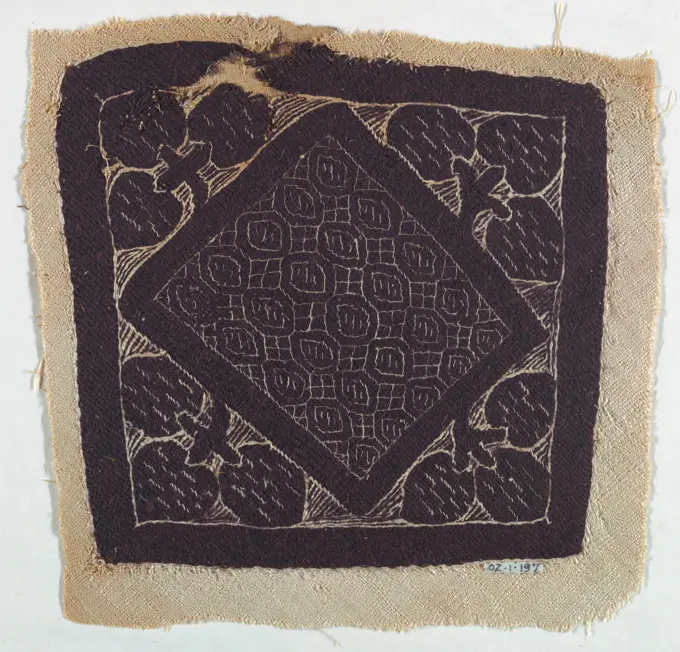
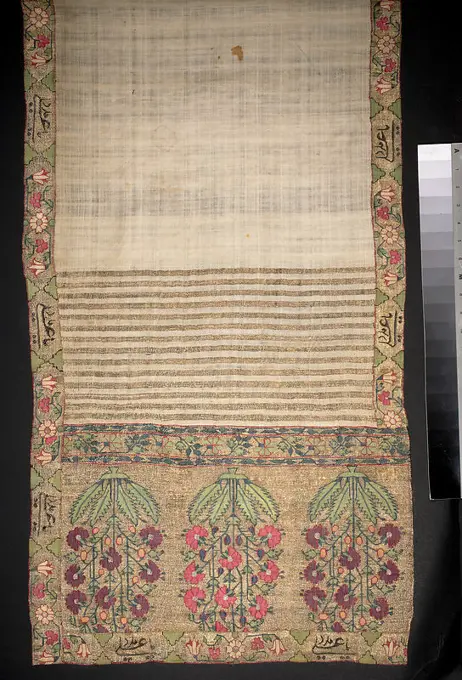
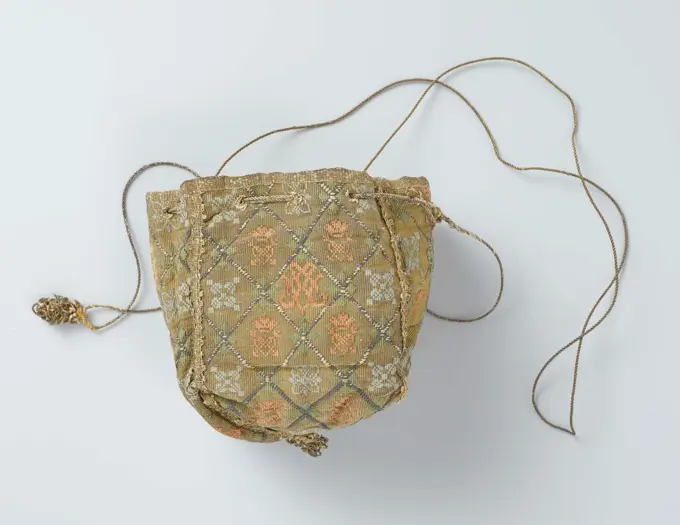
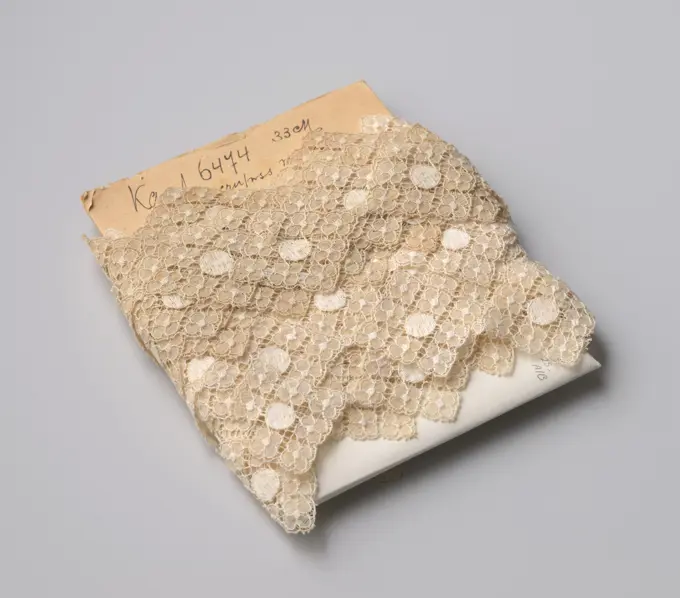
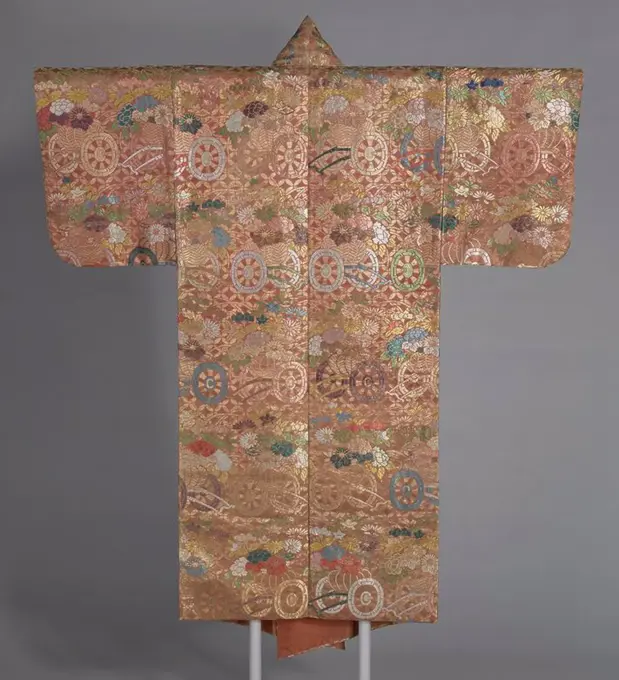
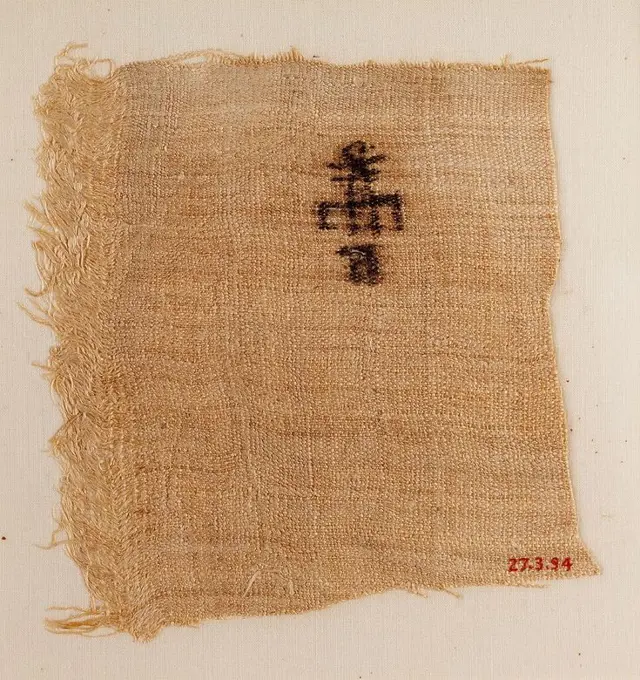
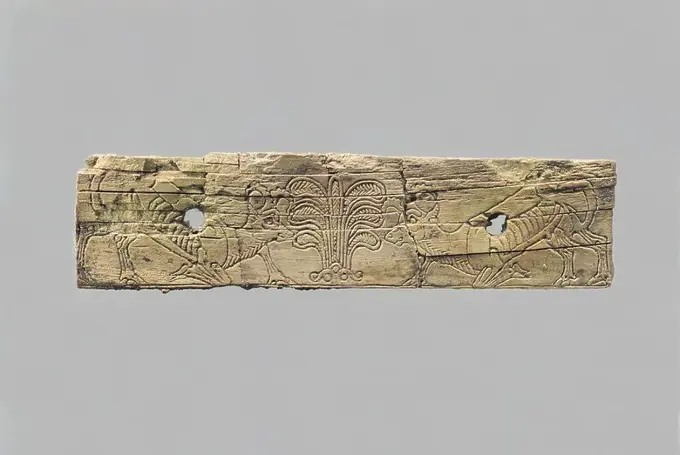
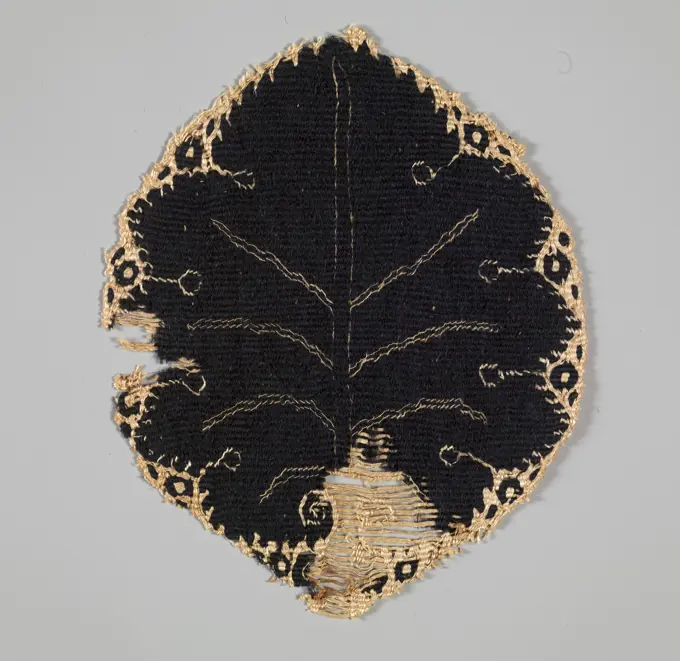
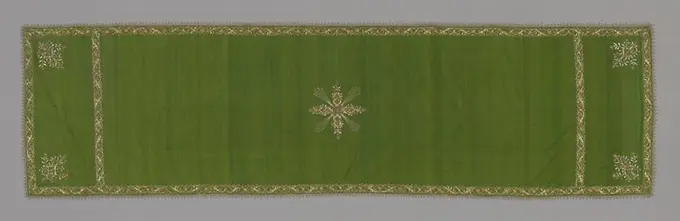
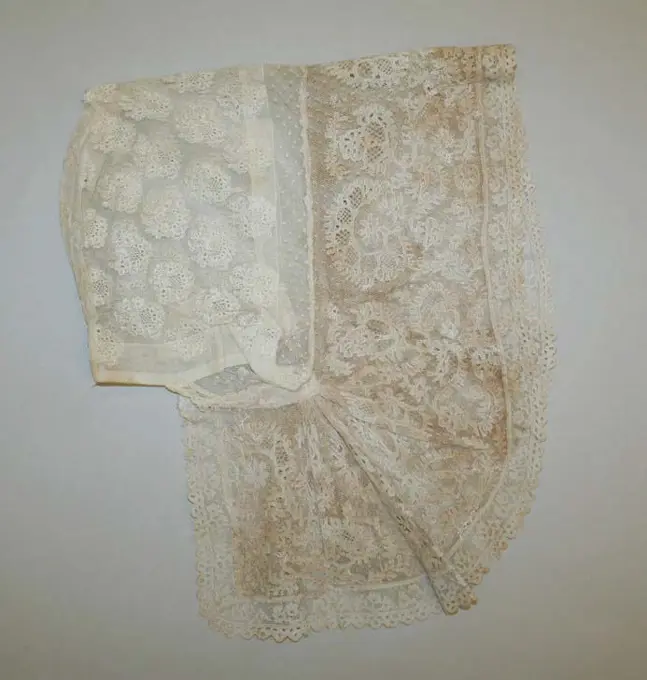
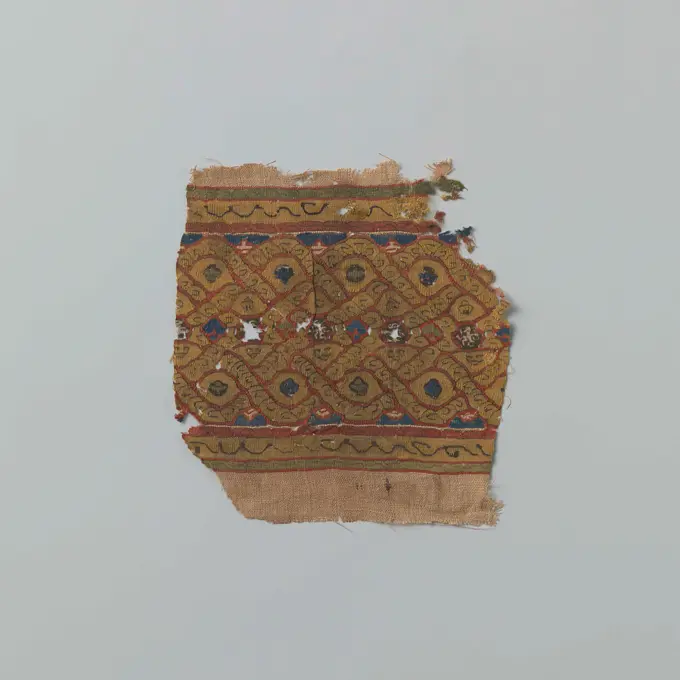
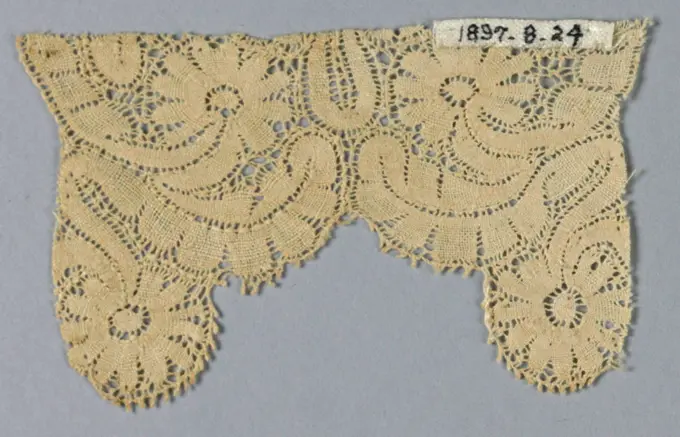
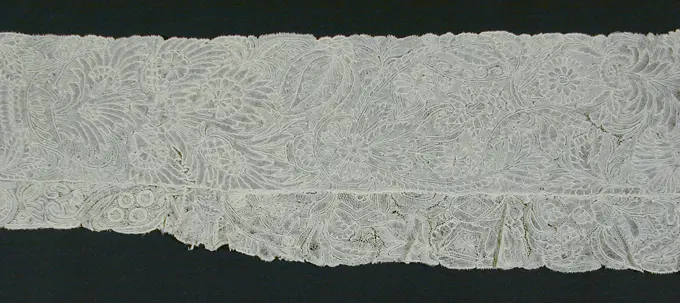
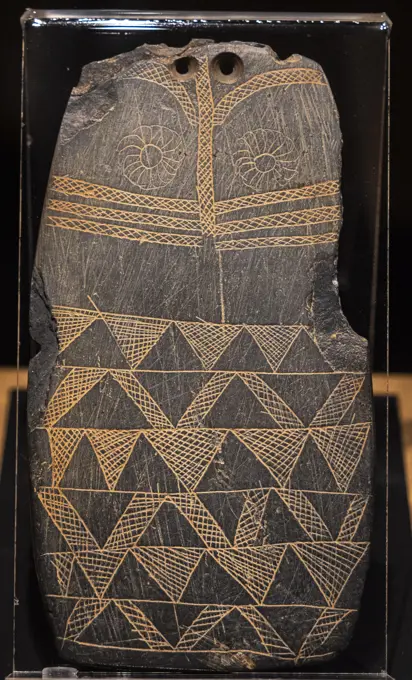
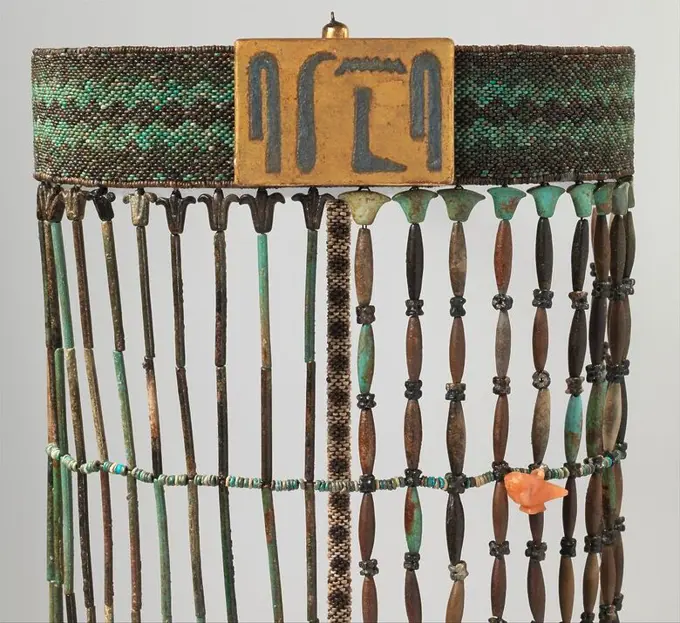
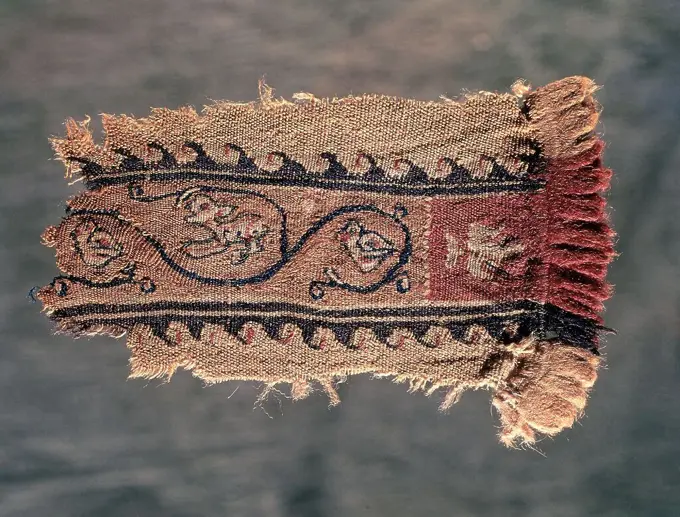
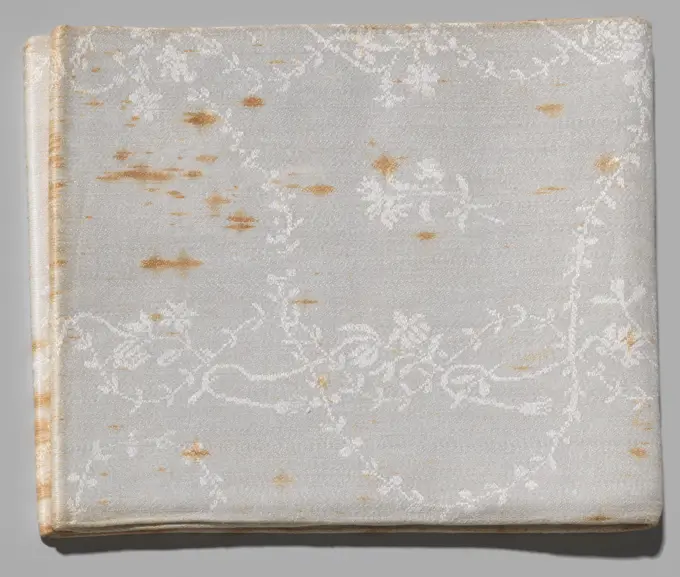
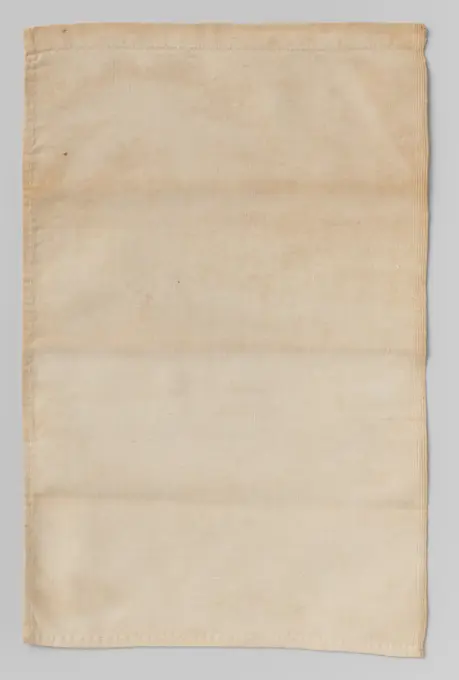
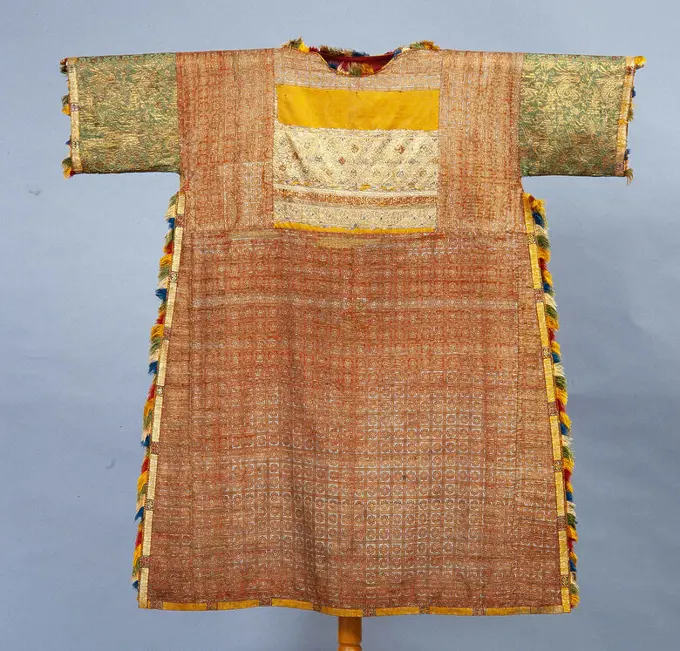
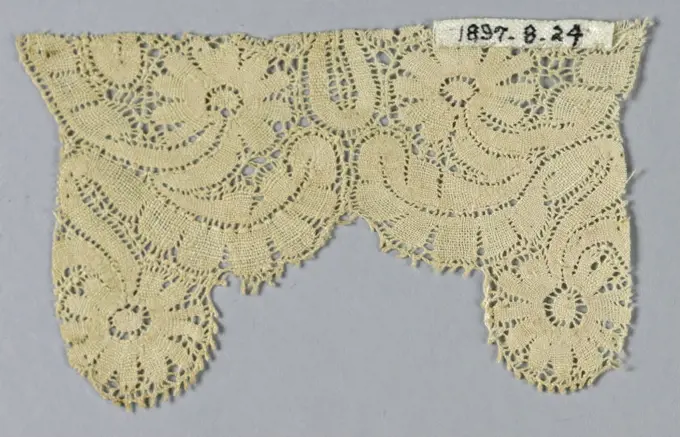
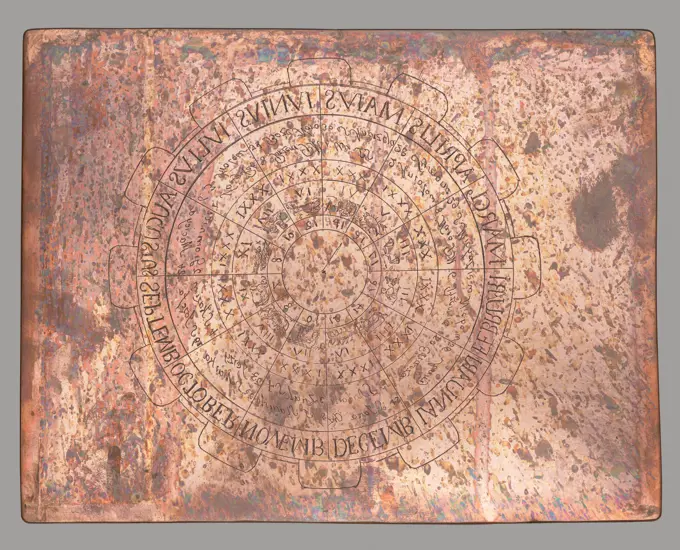
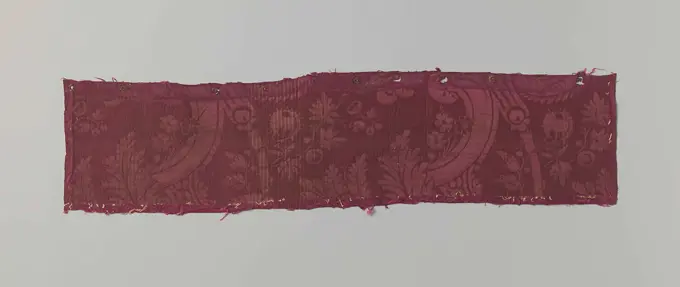
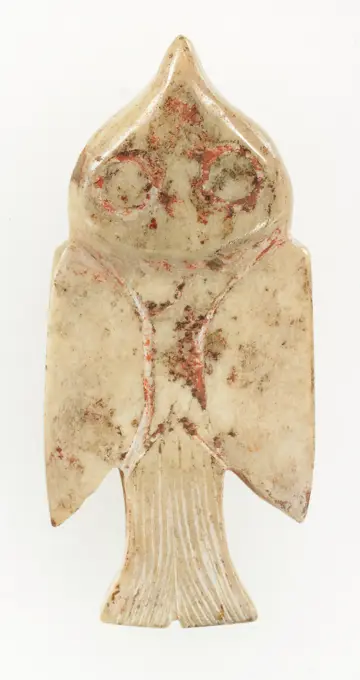
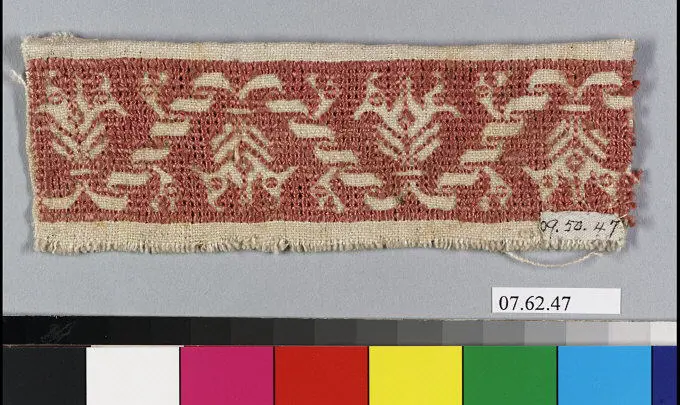
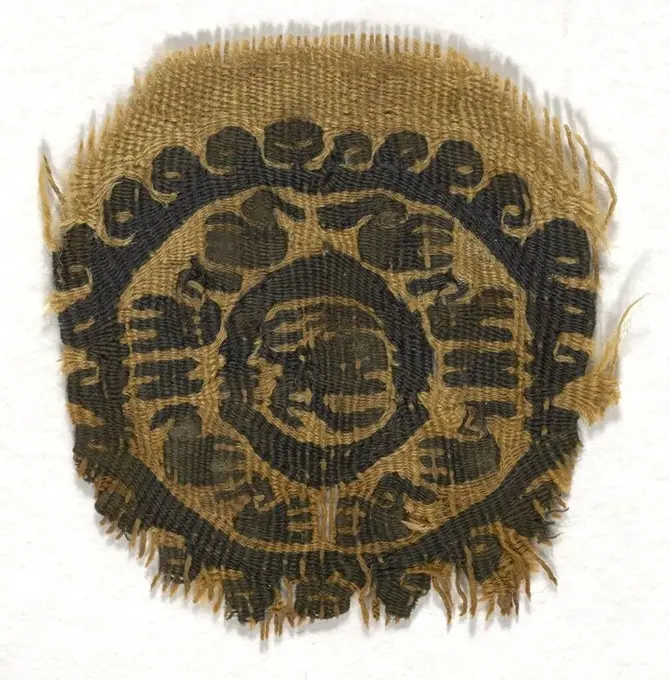
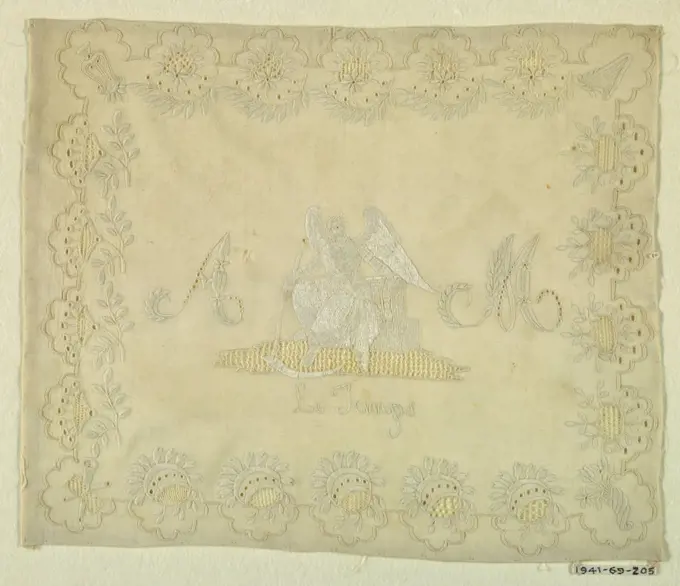
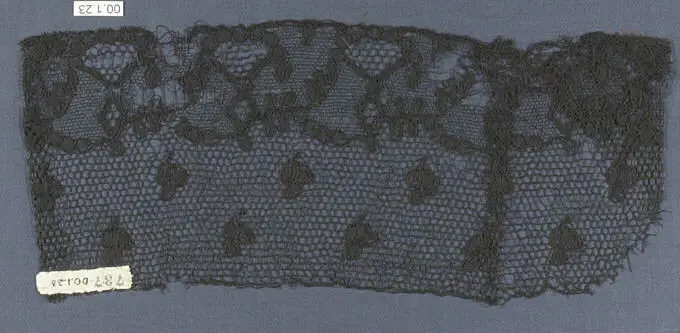
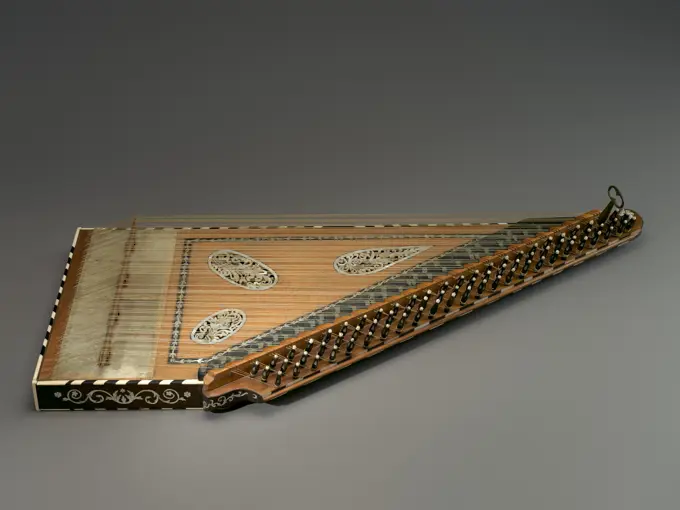
Fragment Of A Child's Tunic (Egypt); linen, silkPiece 18th-19th century Japan. Piece 66832Sampler (Mexico); silk embroidery on linen foundationTiraz with foliate band, 717-718. Egypt, Umayyad period (661-750) or Abbasid period (750-1258). Tapestry weave: linen and wool; overall: 12.5 x 37.6 cm (4 15/16 x 14 13/16 in.).Jacket 19th century Irish. Jacket 102528Fragment; silk, linen; Warp x Weft: 23.5 x 17.5 cm (9 1/4 x 6 7/8 in.)Stack of pieces, tied together with a band. A pile of six cotton pieces, folded up and tied together with linen tape.Bed curtain border 1790-1825 Russian This object is from the collection of Natalia de Shabelsky (1841-1905), a Russian noblewoman compelled to preserve what she perceived as the vanishing folk art traditions of her native country. Traveling extensively throughout Great Russia, she collected many fine examples of textile art of the wealthy peasant class. From the 1870s until moving to France in 1902, Shabelsky amassed a large collection of intricately embroidered hand-woven household textiles and opulent festival garments with rich decoration and elaborate motifs. The Brooklyn Museum holdings include many fine examples including the majority of the garments. Portions of Shabelsky's collection are also housed at the Museum of Fine Arts, Boston, the Cleveland Art Museum, and the Russian Museum of Ethnography in St. Petersburg.Russian bed curtains and towels were not only used for decorative purposes, but also provided an important role in ceremony. Bed curtains often adorned sleighs for wTextile Fragment 5th-6th century. Textile Fragment 443739Shawl 19th century French. Shawl 102723Treasure of Aliseda. Tartessian grave goods. Gold Diadem. Orientalizing Period. 700-501 BC. Found in Aliseda, province of Caceres, Extremadura, Spain. National Archaeological Museum. Madrid. Spain.Fragment early 18th century French. Fragment 214594Kościelna Kapa;  18th century (1701-00-00-1800-00-00);Miniature Linen Sheet From Foundation Deposit 2 of Hatshepsut's Valley Temple ca. 1479-1458 B.C. New Kingdom. Miniature Linen Sheet From Foundation Deposit 2 of Hatshepsut's Valley Temple. ca. 1479-1458 B.C.. Linen. New Kingdom. From Egypt, Upper Egypt, Thebes, Asasif, Hatshepsut Valley Temple, Foundation Deposit 5AFD2, MMA excavations, 1915-16. Dynasty 18Painted Terracotta Tiles 700 B.C.Fragment Silk Brokaat tissue with a pattern of pastel -colored flowers on striped soil, 1600 - 1800 Fragment Silk Brokaat tissue with a pattern of pastel -colored flowers on striped soil. Pattern: vertical silver lanes (perishing up to the yellow core) interspersed with narrow light blue lanes in gray-beige frame. Filling of curved flower branches and stiff palm flowers in pink with white and pink with silver. Eastern textile. Persia silk. brocade (textile) Fragment Silk Brokaat tissue with a pattern of pastel -colored flowers on striped soil. Pattern: vertical silver lanes (perishing up to the yellow core) interspersed with narrow light blue lanes in gray-beige frame. Filling of curved flower branches and stiff palm flowers in pink with white and pink with silver. Eastern textile. Persia silk. brocade (textile)Fragment; warp; s-spun linen. wefts; s-spun linen, s-spun woolDarning sampler, Medium: silk embroidery, linen foundation Technique: darned and embroidered, Small square sampler with nine squares of pattern darning. In the center square, where the foundation fabric has been cut away and then replaced, a crown and the inscription A.H.L. Anno 1723 has been embroidered in red cross stitch. The other eight squares demonstrate four twill and chevron variations, three plain weave variations, and one knitted pattern., Netherlands, 1723, embroidery & stitching, Darning samplerTowel or Napkin Made 1801-1900 Turkey. embroidered . AnonymousFragment of a Sleeve 4th-5th century. Fragment of a Sleeve 443743Textile Fragment 6th-7th century Byzantine. Textile Fragment 474221Fringe 18th century probably European. Fringe 213721Fragment (Egypt); warp; s-spun linen. wefts; s-spun linen, s-spun wool, z-spun woolFringe probably European 19th centuryFragment 16th century Italian. Fragment 230558Half of a sash. unknown, author. Fair consisting of four shield-shaped parts of silver and gold breeding, on which a diamond pattern of silver wire. Four green woven surfaces and barrows textured ornaments are crossed against the crowned ornaments argues: chrowned in pink butterless and hearts with arrows interspersed with blue stylized floral motifs. In the middle of two buildings in pink butter-side, a monogram of most likely woven the intertwined letters 'V' and 'c' with a heart shape in the opening of the 'V'. Along the edges of the buildings a passing of gold thread, which comes together at the bottom of the stock exchange in a gold thread knotted brush. Along the opening a border of gold thread. Through the eyes-deposited eyes, a twisted cord is stressed, which also two knotted brushes. The stock market is lined with pink silk organza. Possibly a wedding grant, because of the hearts pierced with arrowsCurtain edge of clamping side with geometric figures and frills. Curtain edge with a narrow and a wide strip light brown dick. The top of the curtain edge is made of linen, on which a woven band is sewn that is laid in a long job with palm forms. Below there is a narrow strip of clamping side with a pattern of connected circles or wheels, inspired by early dick edge. The majority of the curtain edge consists of a wide strip of clamping side with squares, in which geometric figures have been worked, inspired by Reticella. The narrow and wide strip of clamping are separated from each other by a linen strip. At the bottom of the curtain edge, on the wide strip of clamping side, brushes.Fragment, medium: Warp; S-spun linen. Wefts; S-spun linen, S-spun wools Technique: supplementary weft loops in a plain weave foundation, Lozenge forms and a band created by supplementary wool pile., Egypt, 5th-8th century, woven textiles, FragmentCardboard with a strip of lace, connected windows decorated with eight flowers around a circle, écru, c. 1920 Cardboard with a strip of lace, connected windows decorated with eight flowers around a circle, écru. NijmegenFrance (possibly) . Cardboard with a strip of lace, connected windows decorated with eight flowers around a circle, écru. NijmegenFrance (possibly) .Irrit to incentive on a double piece of cotton and with trace wires for making a part of a collar of needle side, Belgian interned (Village Elisabeth, Amersfoort), c. 1915 - c. 1924  Property for a part of a collar of Venetian needle side. The needle side pattern is drawn with ink on blue paper and holes were then stung along the pattern lines. A trace wire is sewn through this 'incentive' and the double layer of cotton. If the needle side stitches are made over and between the trace wires, the incentive and the cotton surface can be cut and removed. Then you only have a needle side, in this case a part of the collar that can then be processed with the other parts and the edge into a collar. The design of the collar was made by a person from Belgium who was interned in the 'Elisabeth-Dorp' camp in Amersfoort in the First World War. Mrs. Van Nierop started making the collar and has donated the unfinished parts to the Rijksmuseum as a study material. Designer: AmersfoortAmsterdam Pick: PFragment; wool, linenAtsuita karaori (Noh Costume). Japan. Date: 1801-1825. Dimensions: 176.4 x 144.5 cm (69 1/2 x 56 7/8 in.)Warp repeat: 60.6 cm (23 7/8 in.). Silk and gold-leaf-over-lacquered-paper strips, warp-float faced 2:1 'Z' twill weave with supplementary patterning wefts; lined with silk, plain weave; dyed with safflower, beni. Origin: Japan. Museum: The Chicago Art Institute, Chicago, USA.Ribbon, Medium: silk, Grey ribbon, USA, 19th century, woven textiles, RibbonLinen mark (Type IV). Dimensions: H. 17.8 × W. 17.1 cm (7 × 6 3/4 in.); Outside Dimensions: H. 18.4 × W. 17.8 cm (7 1/4 × 7 in.). Dynasty: Dynasty 12. Reign: Possibly Senwosret I. Date: ca. 1961-1917 B.C.. Museum: Metropolitan Museum of Art, New York, USA.Piece 19th century Japan. Piece 72196Bed curtain border 1800-1850 Russian. Bed curtain border 173350Incised furniture plaque with two ibexes flanking a stylized palmette tree. Culture: Assyrian. Dimensions: 0.98 x 4.06 in. (2.49 x 10.31 cm). Date: ca. 9th-8th century B.C..Two kneeling ibexes, identified as juveniles by their short, curling horns, flank a stylized palmette tree on this rectangular plaque. It was found with several other plaques carved in a similar style at the base of the throne platform in the Throne Room of the Temple of Nabu (the Babylonian god of writing and wisdom) at Nimrud. The location suggests that these ivories may have originally been used to decorate a piece of royal furniture such as a throne. Two dowel holes that pierce the plaque were probably used to fasten it to a frame or other backing that has not survived. Because they share motifs and images with the monumental stone reliefs that lined the walls of Assyrian palaces, ivories with incised decoration like this one have been attributed to an Assyrian style. Certain details, including the stylized paFragment of a Tunic 6th century. Fragment of a Tunic 443772Textile Fragment 3rd-4th century. Textile Fragment 443487Fragment 18th century Italian. Fragment 230387Altar Cover. Italy. Date: 1601-1700. Dimensions: 68.9 x 248.7 cm (271/8 x 97 7/8 in.). Origin: Italy. Museum: The Chicago Art Institute, Chicago, USA.Embroidered cushion Hankiewicz, ZofiaStrip of a climbing side with warrig ribbons pattern. Strip natural colosside. The wrigging pattern is formed by a strong winding ribbon made in poetry linen. Made between the twists in his connections with braids. The top is finished with a separate clust strap. Along the straight bottom, an edge of picoted arcs runs.Cap 19th century British. Cap 98245Fragment 16th century Italian. Fragment. Italian. 16th century. Silk. Textiles-VelvetsSquare (Near East); cotton, silk and metalTextile Fragment, undetermined Inca/Moquegua. Textile Fragment, undetermined. Cotton, camelid fiber, 1 3/16 x 2 3/8 in. (3 x 6 cm).   Arts of the AmericasFragment of embroidery  floral twig motifs (part of a stole ) unknownScarf 1804-15 American or European. Scarf. American or European. 1804-15. no medium availableTissue fragment with decorative strap. Natural linen tissue fragment with decorative tie with braid band motifs and hares in tapestry.Anonymous, 1800. Velvet shaped with patterns alternating red stripes and white stripes encrusted with blue flowers. Ecru scratched cotton back. Palais Galliera, fashion museum of the city of Paris.Piece 18th century French. Piece 229703Object (Purpose Unknown), 907-1125. China, Liao dynasty (907-1125). Damask; compound twill; silk; overall: 53 x 25.7 cm (20 7/8 x 10 1/8 in.).Fragment; linenSampler (Mexico); cotton, glass beadsLace Dress Robing. Flanders, Brussels, circa 1710. Costumes. Linen, bobbin laceTextile Fragment 3rd-4th century. Textile Fragment. 3rd-4th century. Wool, linen; tapestry weave. Made in Egypt. TextilesTrimming (France); silkeyed plate idol eyed plate idol, slate, 2500-2000 BC, Los Gabrieles 2, Valverde del Camino, Huelva Museum, Huelva, Andalusia, Spain Copyright: xZoonar.com/TOLOxBALAGUERx 21720653Linen mark (Type V) ca. 1961-1917 B.C. Middle Kingdom. Linen mark (Type V). ca. 1961-1917 B.C.. Linen. Middle Kingdom. From Egypt, Upper Egypt, Thebes, Deir el-Bahri, Tomb MMA 507 (The Slain Soldiers), MMA excavations, 1926-27. Dynasty 12Belt of beadwork apron of Senebtisi. Dimensions: Apron: L. without buckle: 51.9 cm (20 7/16 in.), L. at center back with tail 47 cm (18 1/2 in.). Dynasty: Dynasty 12, late-early 13. Date: ca. 1850-1775 B.C.. Museum: Metropolitan Museum of Art, New York, USA.TEJIDO DE LANA EGIPCIO SIGLO VII. Location: ALHAMBRA-MUSEO TEXTIL. GRANADA. SPANIEN.Wood Block (France); wood and brass; 48 x 23.5 x 4 cm (18 7/8 x 9 1/4 x 1 9/16 in.); Purchased, in memory of Paul Tuckerman; 1956-165-1Cap ca. 1835 American. Cap 168806Trimming, Length of trim; possibly England; cotton, silk, wool, wood; Warp x Weft: 362 x 7 cm (11 ft. 10 1/2 in. x 2 3/4 in.); given by Miss Amy R. Knox; 1968-116-2-hTwo Dalmatics Made 1475-1525 Spain. Velvet silk, plain weave variation with silk supplementary facing wefts, weft-float faced 1 2 'Z' twill interlacings of secondary binding warps and gilt-metal-strip-wrapped silk, supplementary facing wefts forming weft loops, and supplementary pile warps forming cut and uncut, pile-on-pile, voided velvet; Cuffs and Apparels silk, warp-float faced 3 1 broken warp chevron twill weave with supplementary pile warps forming cut solid velvet; appliquÈd with linen, plain weave; embroidered with silk, linen and gilt-metal-strip-wrapped silk in couching and padded couching; Edge trim 1) silk, warp-float faced 7 1 satin weave; embroidered with silk and gilt-metal -strip-wrapped silk in couching, and 2) silk and gilt-metal-strip-wrapped silk, plain weave (with multiple wefts) with supplementary patterning wefts and extended ground weft cut and uncut fringe .Fragment of a Ship Flag. Fragment of a white ship flag with red bat cross.Fragment of a Tunic, 400s - 600s. Egypt, Byzantine period, 5th - 7th century. Tabby weave with interwoven tapestry ornament, linen and wool; overall: 21.3 x 15 cm (8 3/8 x 5 7/8 in.).Bed rug N. L. American 1796 Bed rugs (referred to as "ruggs" during the late eighteenth century) are completely home-manufactured products. The wool yarn pile is needleworked (not hooked, as was once assumed) in running stitch on a base of handloomed wool or linen. Most often, the base is a wool blanket, the surface of which is entirely obscured by embroidery. All the wool used for making bed rugs such as the Museum's two examples (13.207) was most likely shorn from local sheep. The fleeces were then washed, carded, spun, and dyed by the rug maker.Although a few extant bed rugs are embroidered with stitches that lie flat to the surface of the base, the majority have a looped pile that may have been either clipped or left uncut. Both of the Museum's bed rugs have cut pile faces. The one illustrated here has some random loops left uncut: the unevenness of the surface seems to indicate that the loops were made without the aid of a reed to keep them at a uniform height and that the surfaceFlorian Rokita, Horn Cup, c 1937 Horn CupBag With Pen And Ink Drawing (England); cottonNapkin with flowers and garlands, anonymous, c. 1800 - c. 1810 Linnamast napkin with flowers and garlands. Midfield: A straight -up fine swinging branch, with cord and brush, is intersected by a wide wavy -leafed branch. Edges: three times a straight list, coordinously wound; The middle one is wide and with leaves wound, the outer narrow and with a fine flower branch overranks. Brabant (possibly) linen (material) damask Linnamast napkin with flowers and garlands. Midfield: A straight -up fine swinging branch, with cord and brush, is intersected by a wide wavy -leafed branch. Edges: three times a straight list, coordinously wound; The middle one is wide and with leaves wound, the outer narrow and with a fine flower branch overranks. Brabant (possibly) linen (material) damaskLaken, anonymous, c. 1750 - c. 1850 A coarse linen sheet, lined on two sides with narrow hem; Top with wide hem, one self -side. Netherlands linen (material) A coarse linen sheet, lined on two sides with narrow hem; Top with wide hem, one self -side. Netherlands linen (material)Dálmatica de San Valero, siglo XII. Museu del Disseny de Barcelona.Needlecase Sampler Made 1775-1800 England .Textile, Medium: silk, metallic thread Technique: woven, Textile with vertical stripes in filled with floral sprigs in dark purple, blue, green, and red. Each stripe bordered by a narrower stripe with smaller flower motifs., Turkey, 19th century, woven textiles, TextileRoundel with a Palmette Tree, 7th-8th century. Syria, 7th-8th century. Compound twill weave, silk; overall: 20.6 x 19.1 cm (8 1/8 x 7 1/2 in.); mounted: 27.9 x 26.7 cm (11 x 10 1/2 in.).Fragment, Medium: linen Technique: bobbin lace, Closely-spaced, tightly worked design of ribbon-like flower and leaf motifs. Deeply scalloped edge., Belgium, 17th-18th century, lace, FragmentArm band, beadwork Technique: embroidery with beads, Arm band of hide, beaded in a geometric pattern., USA, 19th century, embroidery & stitching, Arm bandTextile Fragment 5th-6th century. Textile Fragment 445217Batter, c. 1400 - c. 1950 Batter of the inner part of a suitcase. With sculpted images and ornaments. Marked.  iron (metal) forging Batter of the inner part of a suitcase. With sculpted images and ornaments. Marked.  iron (metal) forgingFringe, Medium: cotton, Header of gauze weave separated into four rectangles, each with an upright leaf inside. Rectangles are formed by thicker threads which are carried down to create loops underneath that support large tassels., India, 19th century, trimmings, FringeCalendar shield with name days (Polish calendar); "Blades, Jan Nikodem (1747-1810); around 1800 (1790-00-00-1810-00-00);Fragment rood zijdedamast.Fragment red silk tissue with a pattern of floral drinks.Pendant in Bird Form, 1027-775 BCE, 2 1/4 x 1 x 3/8 in. (5.72 x 2.54 x 0.95 cm), Calcified ivory jade with traces of red pigment, China, 11th-8th century BCEBag (one side), Medium: silk and metal thread embroidery, cotton foundation Technique: embroidered in counted satin stitches on plain weave, One side of a bag, embroidered in colored silks and metal thread in a floral design on a white ground; lined with green and white silk and fitted with a blue and white knotted cord, China, 18th century, costume & accessories, Bag (one side)Maniple French 19th centuryLeather lap of lap belonging to the equipment of a juice of the 1st Department of Noord-Hollandse Schutterij, c. 1800 - c. 1830  White veal leather lap sheet. Coming from the equipment of a juice of the 1st Department of Noord-Hollandse Schutterij. Netherlands calf (leather)Strip 16th-17th century Italian. Strip 215449Cover for a cradle. Cover for a cradle, of light blue silkedamast with a pattern of slightly whimsical, embroidered flowers, to the bottom edge with cream-colored tire in a pattern of volutes, trimmed with cream-colored frills.Roundel. Coptic; Egypt. Date: 501 AD-600 AD. Dimensions: 7.3 × 7 cm (2 7/8 × 2 3/4 in.). Wool, tapestry weave. Origin: Egypt. Museum: The Chicago Art Institute, Chicago, USA.Sampler, A.M., Los Angeles, California, founded 1952, Medium: cotton Technique: satin, overcast, buttonhole, eyelet and drawnwork stitches on plain weave, Initials 'A.M.' and the word 'Le Temps' with a representation of time surrounded by a floral border with cornucopia and musical instruments at corners. Edges unfinished., Europe, early 19th century, embroidery & stitching, SamplerHandicraft with embroidered blue arrow herb. Handicraft with blue arrow herb in Jugendstil, on gray linen rectangle, in overrun with raster filling (unfinished). Belonging to series of eight white and ten colored needlework, manufactured by Aagje tapp for obtaining the deed beautiful and / or useful needlework to the industrial school, BK-1974-105-A to R.Fragment French, Chantilly 19th centuryTextile Fragment 9th-10th century. Textile Fragment 452542Raw linen Ballantyne with golden, sequin and jet embroidery and glass little canes, golden braid handle, detail, 1790, fashion accessories, Italy, 18th century.Cap 1831 American. Cap 168310Terracotta fragment of a stamnos (jar) 460-440 B.C. Greek, Attic Meander and cross square with dots in the corners. Terracotta fragment of a stamnos (jar). Greek, Attic. 460-440 B.C.. Terracotta; red-figure. Classical. VasesQnn 19th century Turkish Although the term qnn(kanun) appears in the thirteenth century, the trapezoidal plucked zither (psaltery) used today probably originated in Egypt or Syria during the 18th century. Today it is distributed throughout the Middle East, North Africa and parts of Asia. The adjustable levers on the oblique side (player's left), called mandal ("that which supports") in Turkish and orabe ("carriage") in Arabic, raise the pitch of each triple course of gut or nylon strings. This permits the player to use several tones, often shown as scales, that satisfy a makam (a melodic pattern combined with stock phrases and ornaments). The bridge supporting the strings is placed upon a belly ("wajh") traditionally made of fishskin. Placed on a small table the kanun's 72 strings, grouped in 24 courses, are plucked with metal plectra attached to the player's index fingers. Modern kanuns are larger than this 19th-century model.. Qnn. Turkish. 19th century. Wood; parchment; gut st