Artistic Vases and Jugs

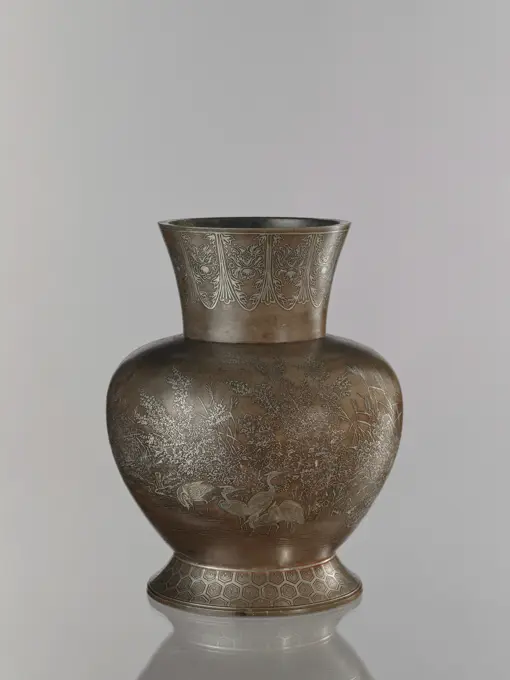
A variety of unique vases and jugs from different cultures and periods, illustrating craftsmanship in ceramics and metals.

Dish;  around 1550 1069 BC ; New PA
Dish; around 1550 1069 BC ; New PA
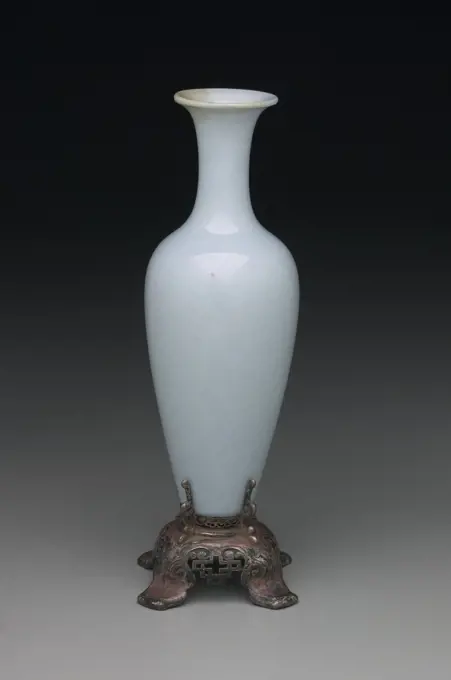
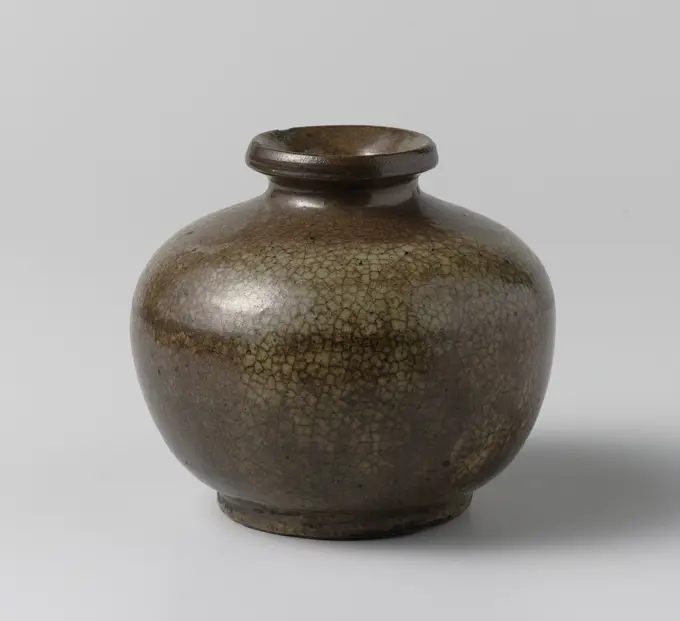
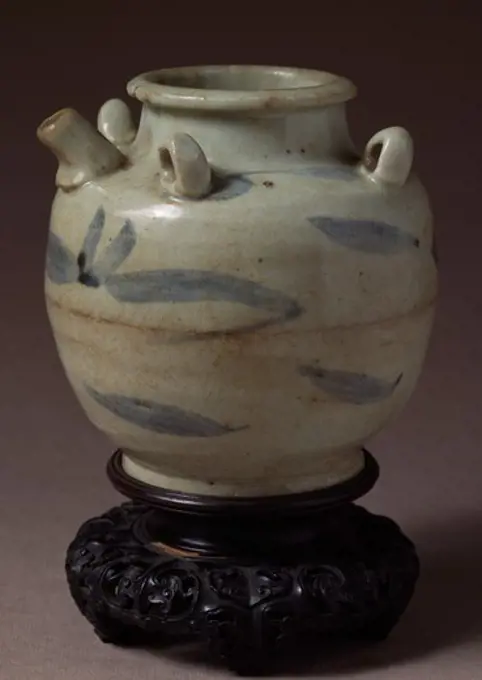
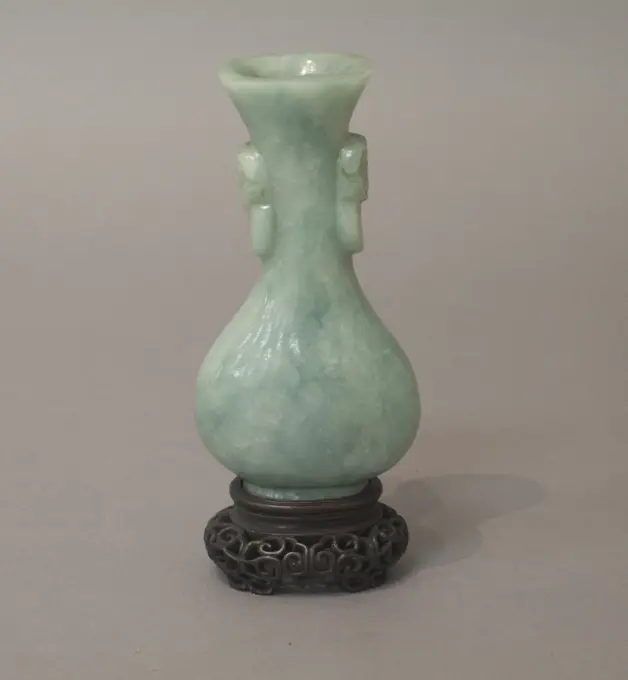
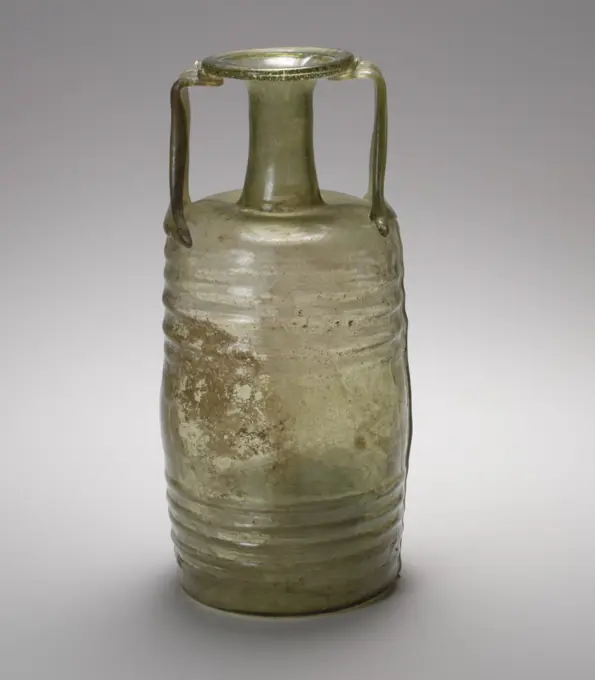
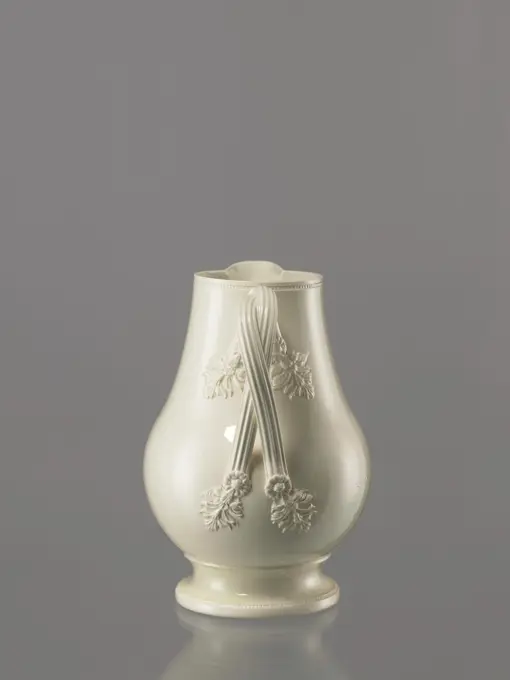
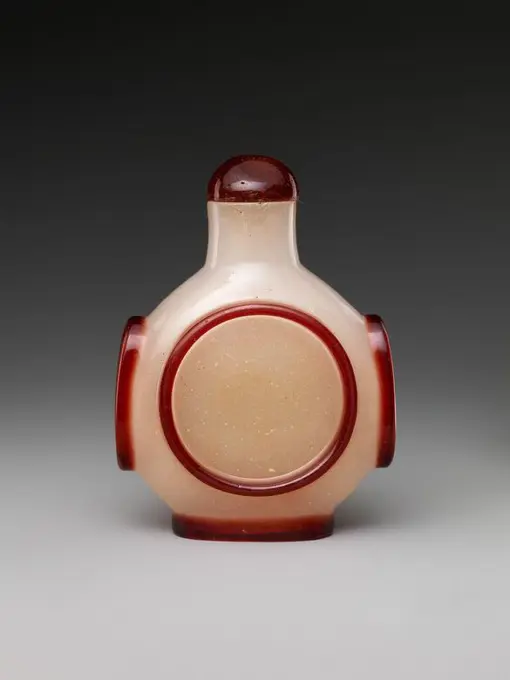
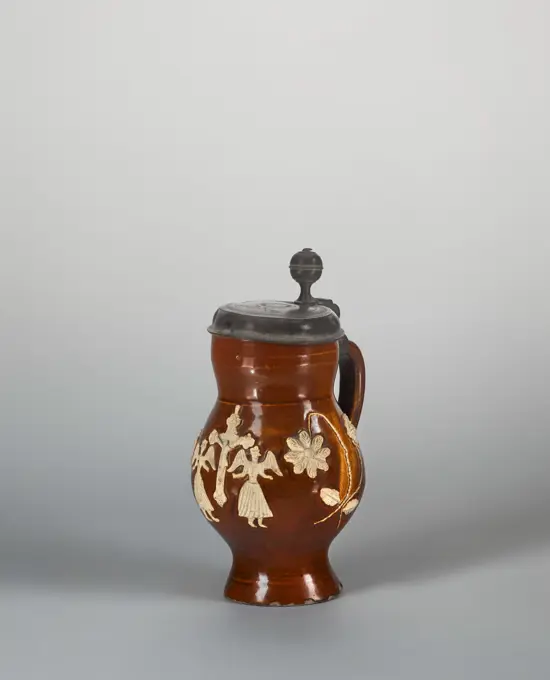
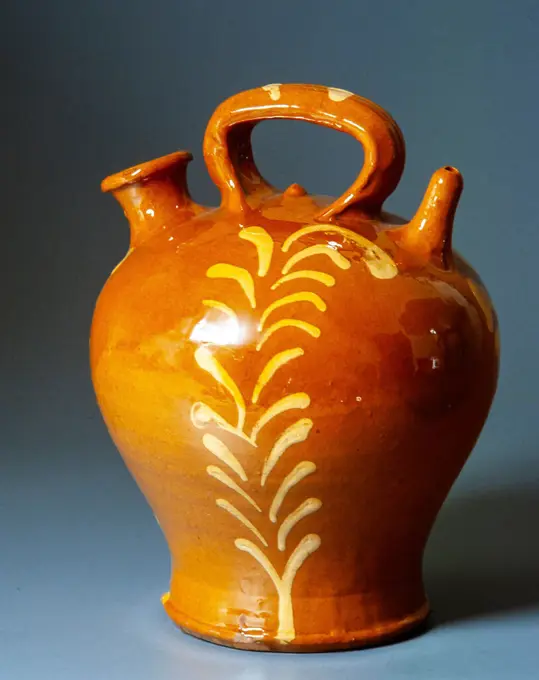
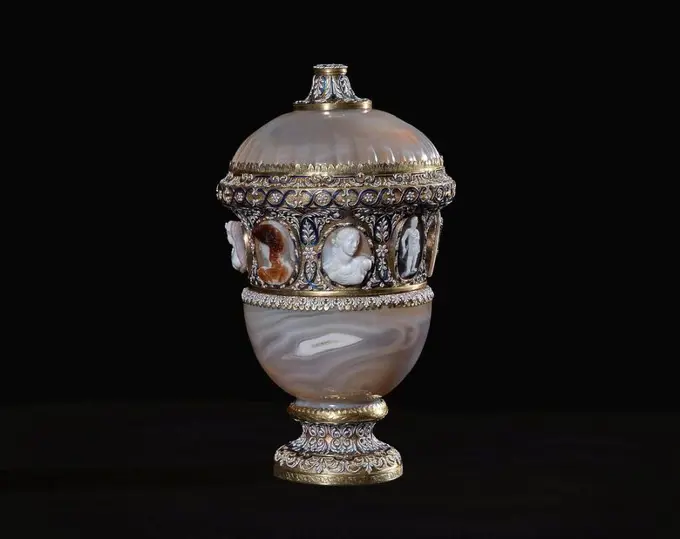
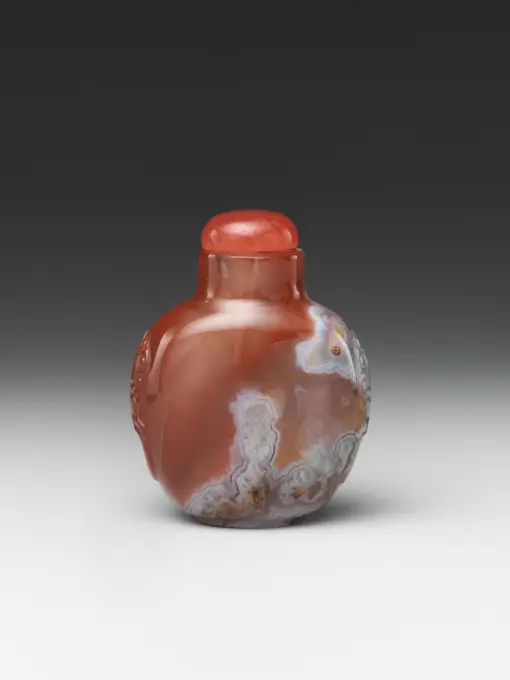
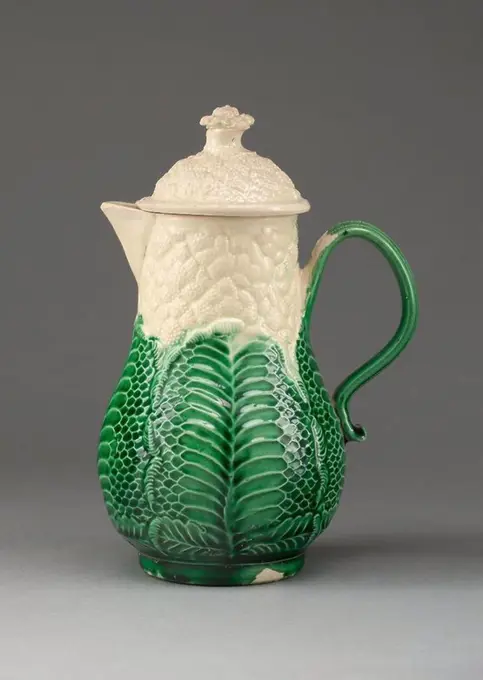
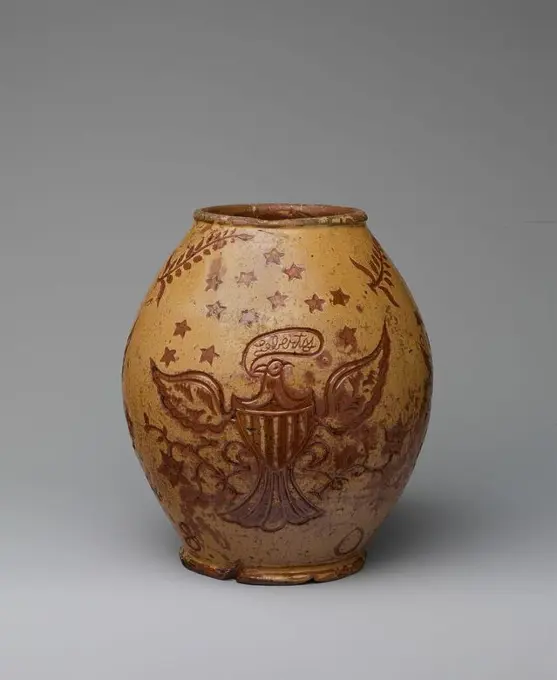
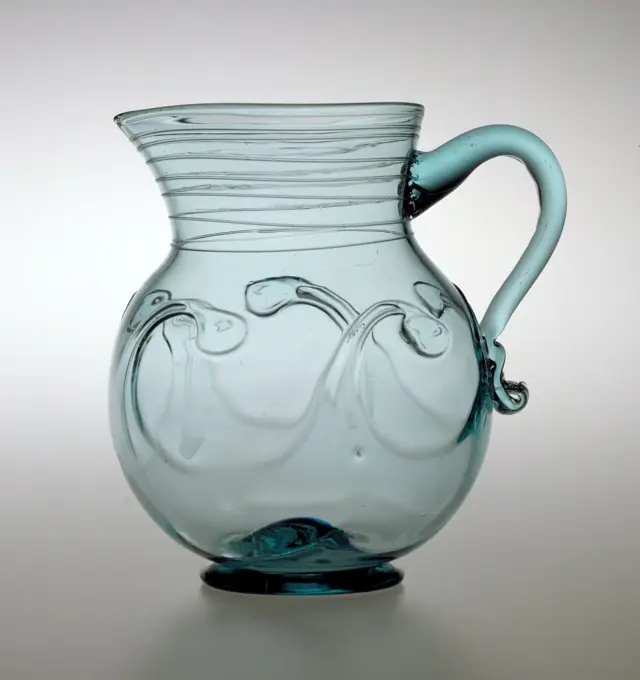
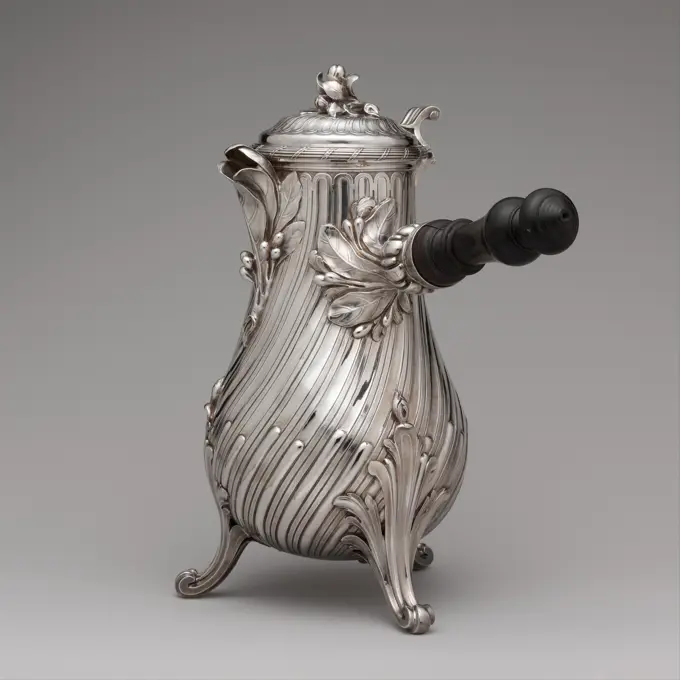
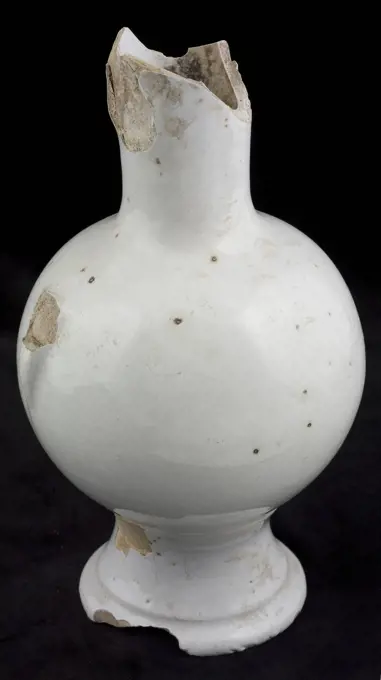
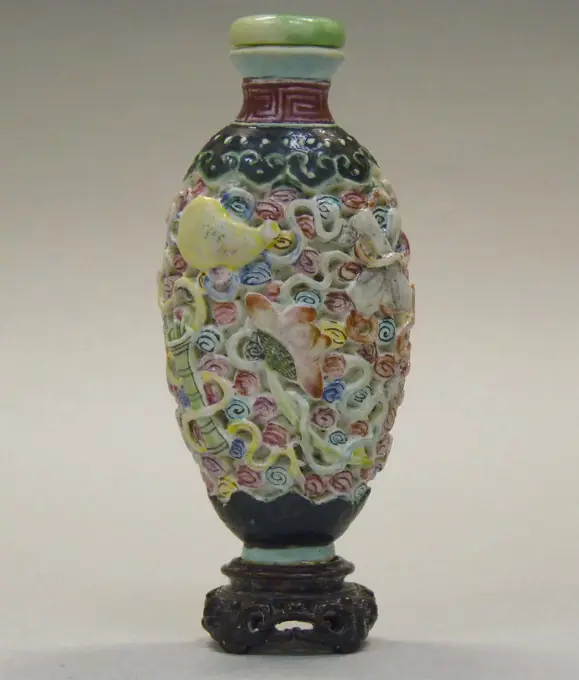
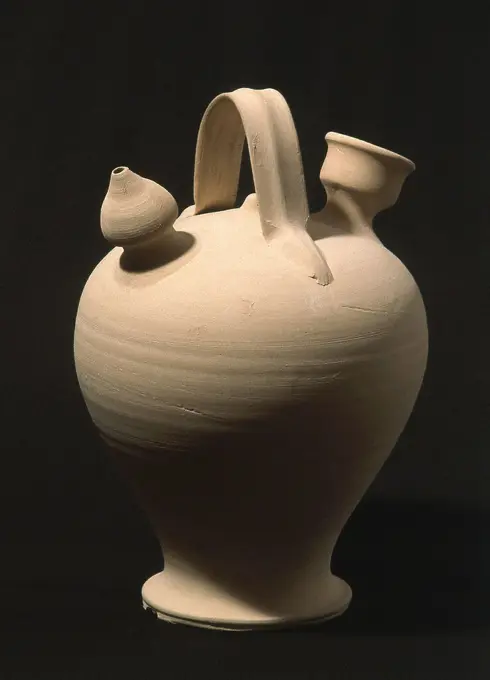
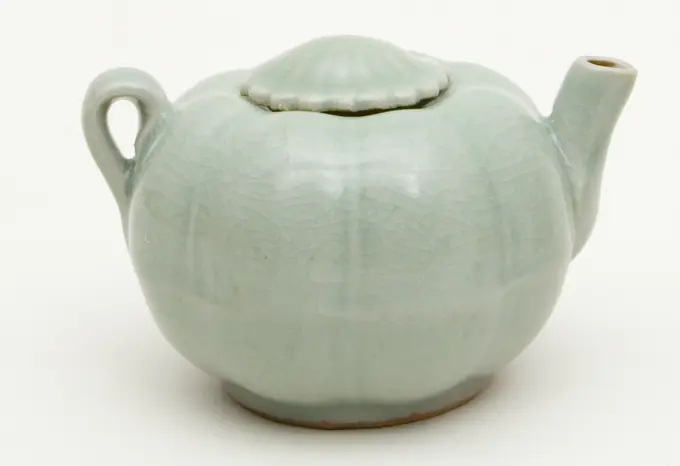
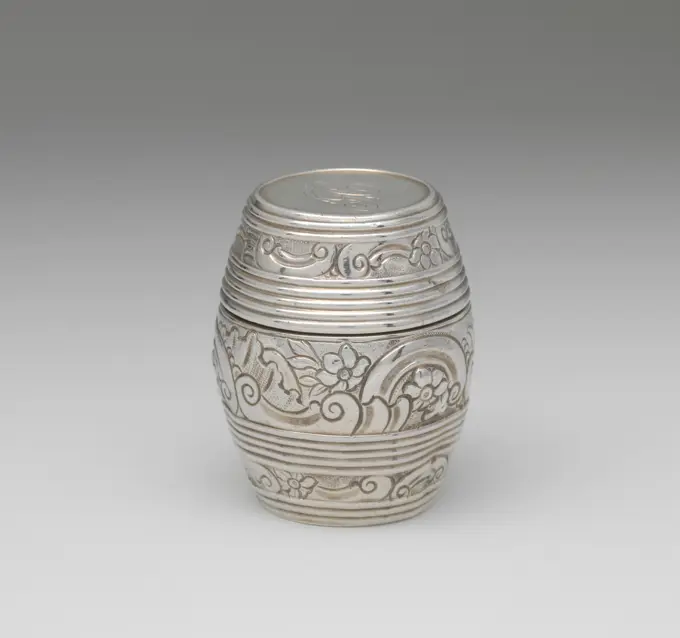
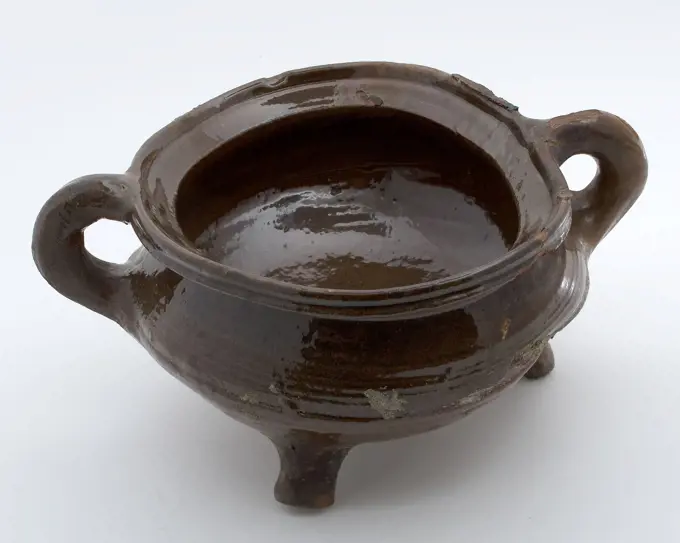
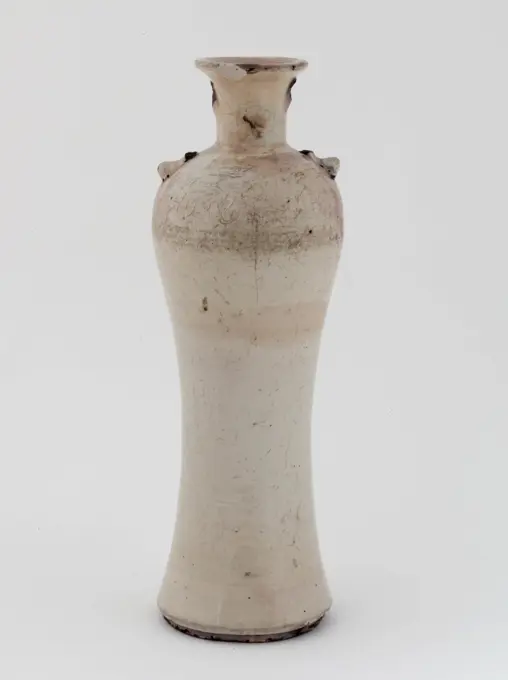
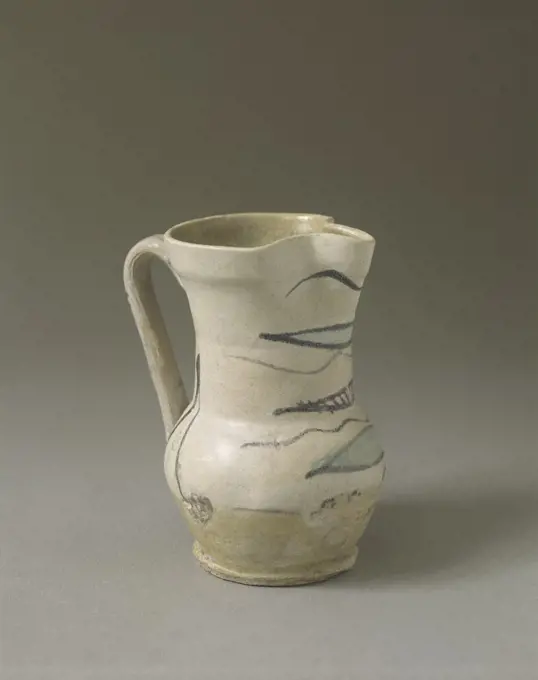
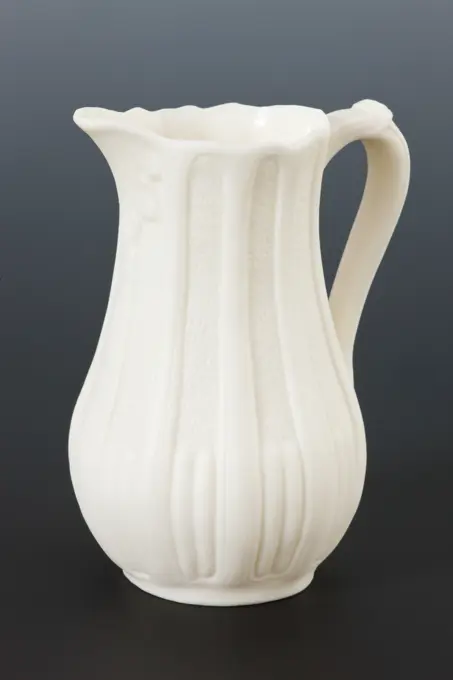
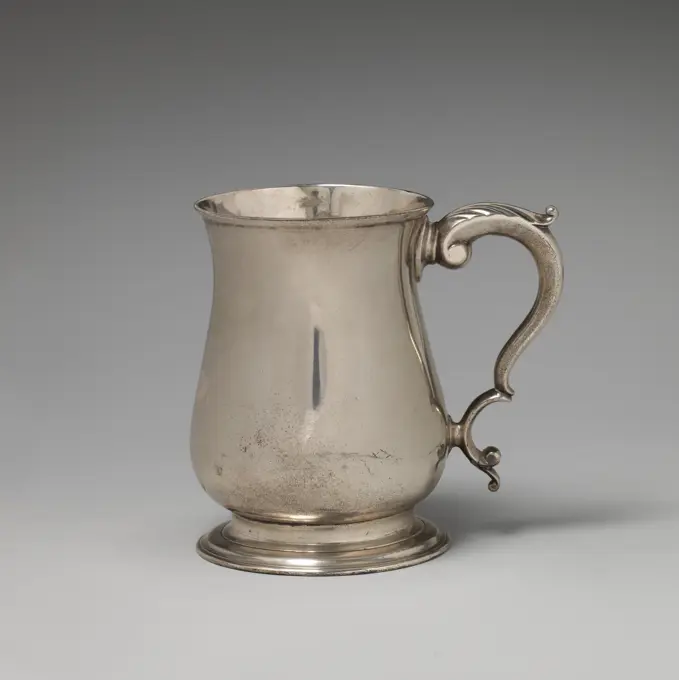
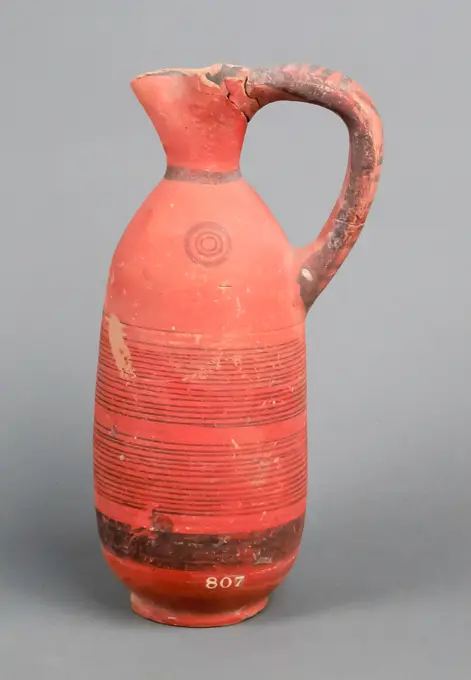
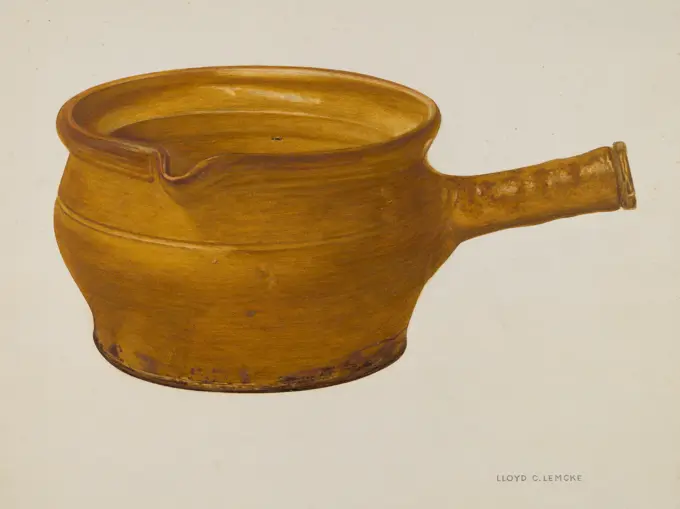
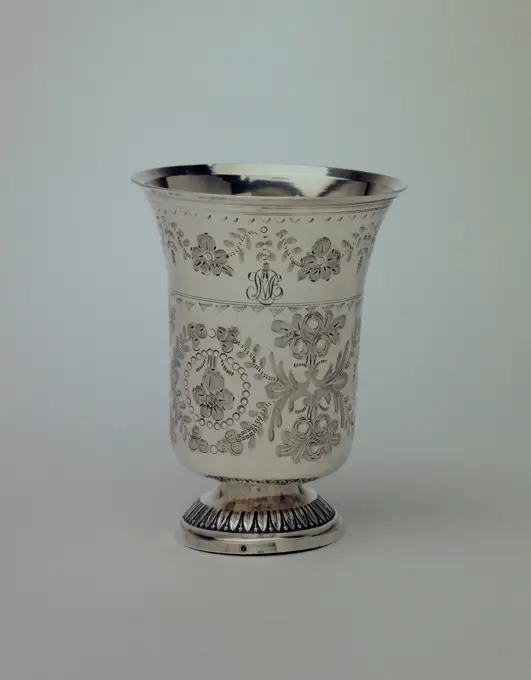
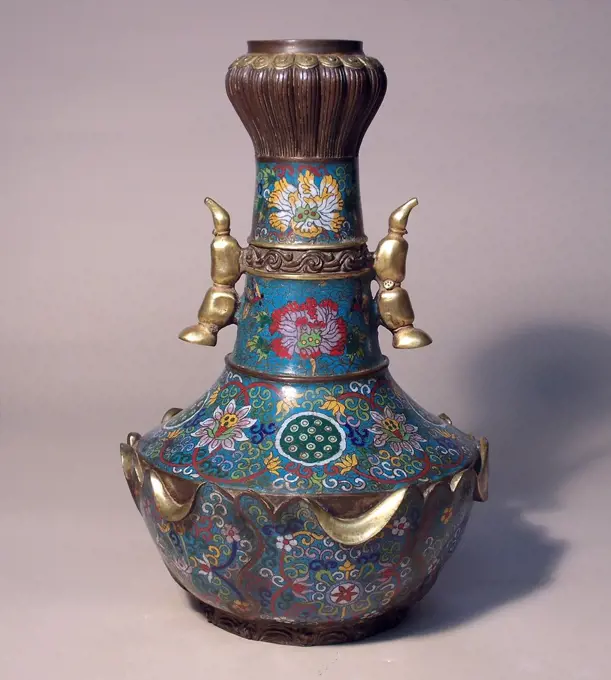
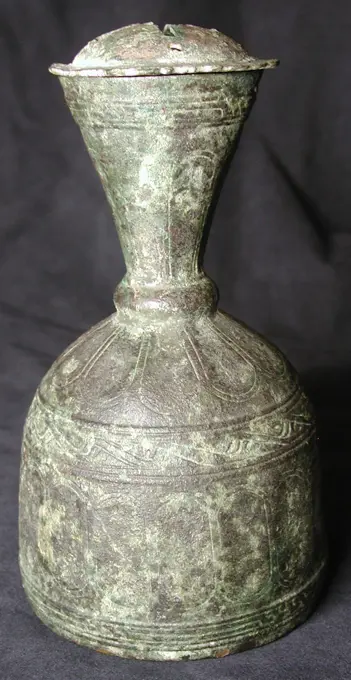
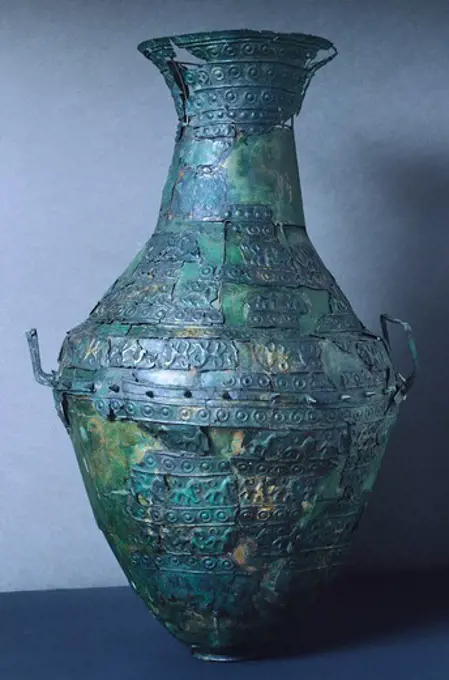
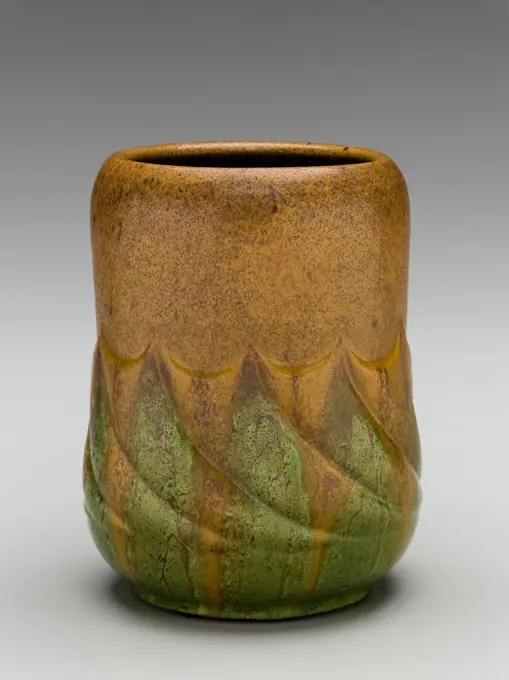
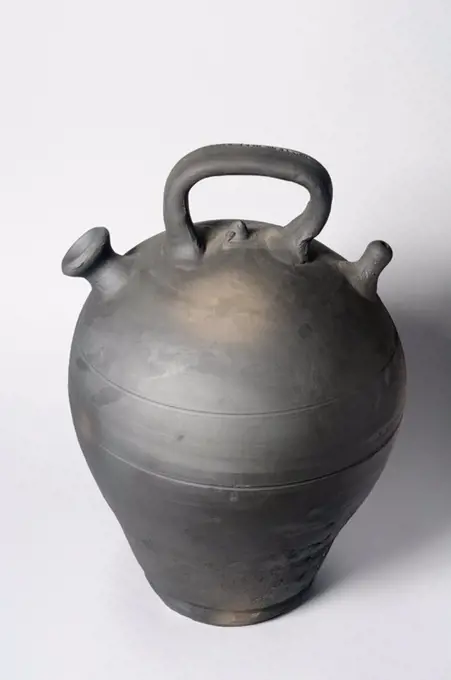
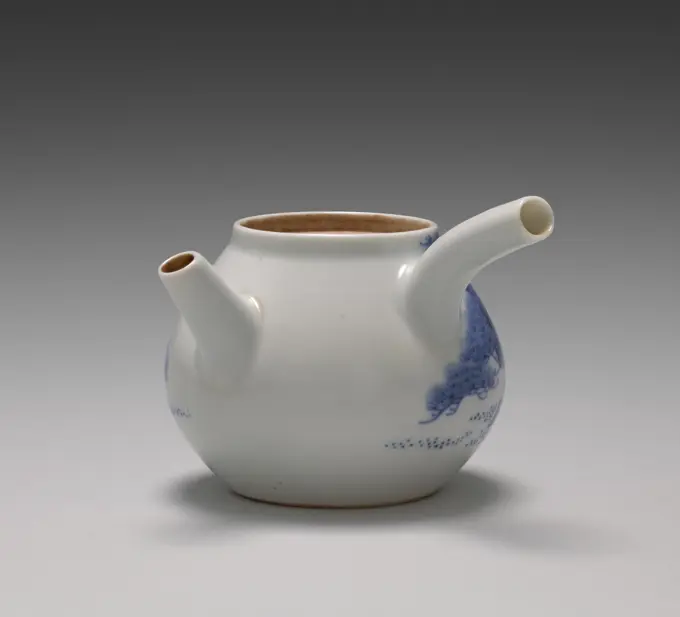
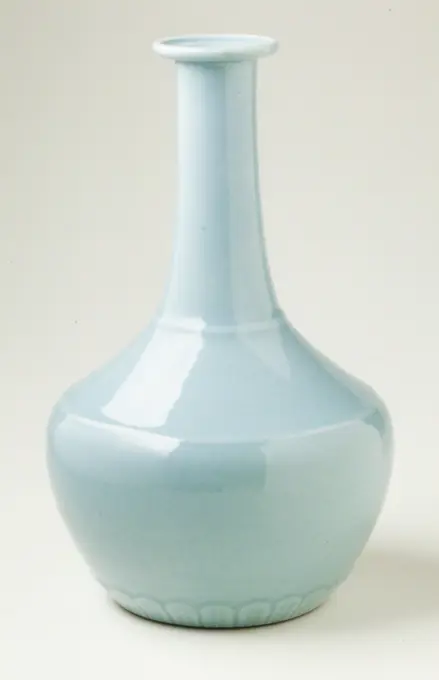
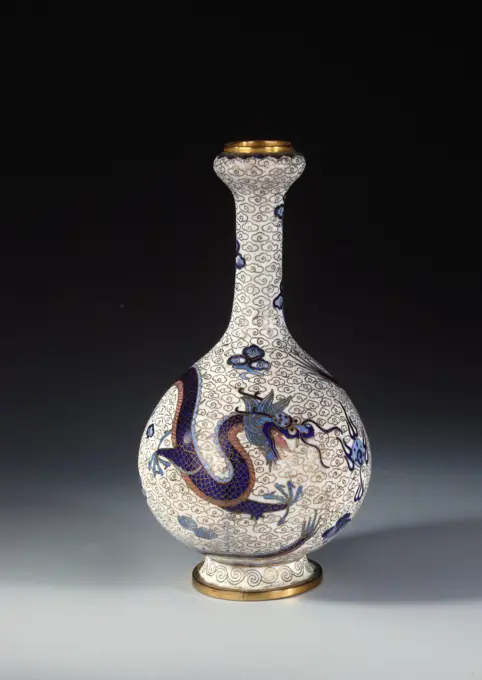
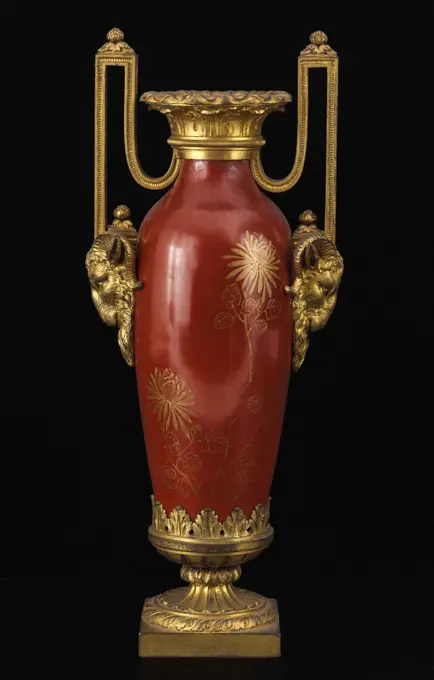
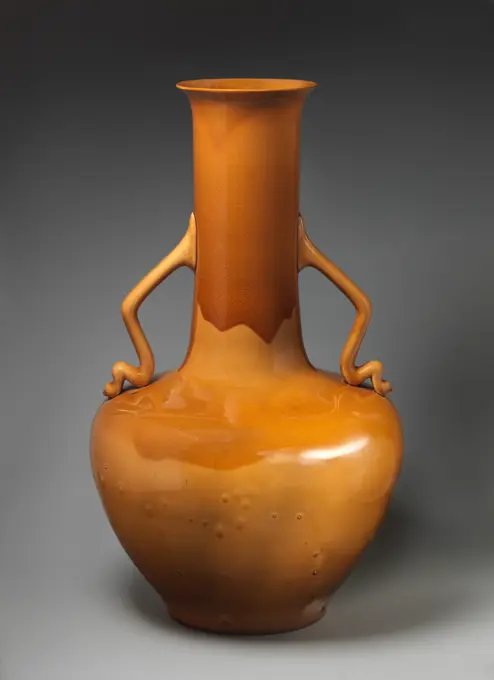
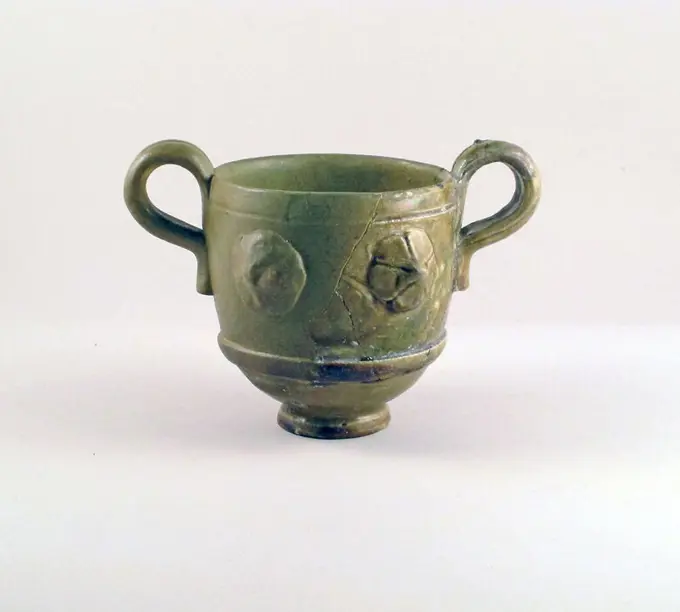
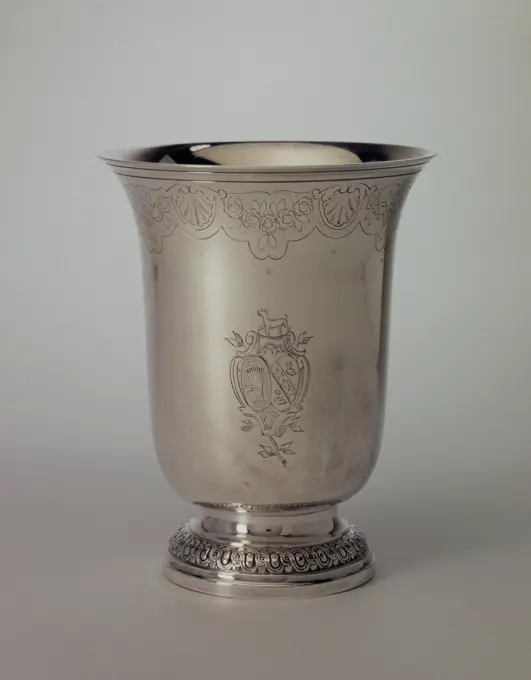
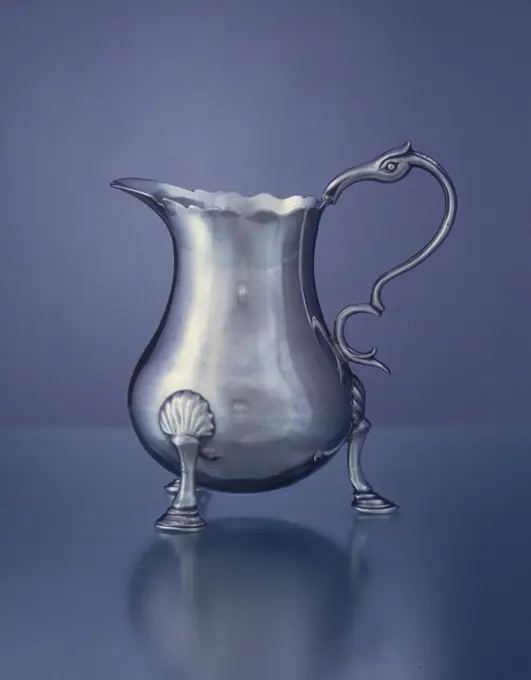
Vase. unknown, craftsmanSmall AmphoraVase, 17th-18thcentury, Porcelain, 6 1/4 × 2 1/4 in. (15.9 × 5.7cm), China, Chinese, Qing dynasty (1644-1911), Kangxi period(1662-1722), Containers -CeramicsBottle with a brown glaze, anonymous, anonymous, c. 1700 - c. 1799 Bottle of stoneware with an egg -shaped body and a short, spreading neck, covered with a crackled cream -colored and brown enamel. Old label on the bottom with 'W691'. Karatsu. Japan stoneware. glaze painting Bottle of stoneware with an egg -shaped body and a short, spreading neck, covered with a crackled cream -colored and brown enamel. Old label on the bottom with 'W691'. Karatsu. Japan stoneware. glaze paintingBlue and white porcelain ewer, China. Chinese Civilisation, end of Sung Dynasty, 12th-13th century.Ewer with Lamp-Shaped Spout late 12th century The shape and decoration of this ewer and 54.64 are very similar. On this piece, the handle is preserved, and its leonine form is echoed in the lion mask on the lid. This object represents an early phase of the inlay technique, when areas of intricate inlay were balanced by broad zones of brass. Like other metalwork objects from the period, this ewer bears Arabic inscriptions of good wishes to the owner.. Ewer with Lamp-Shaped Spout. late 12th century. Brass; cast, chased, engraved, inlaid with silver and black compound. Attributed to Iran, Khurasan. MetalDish;  around 1550 1069 BC ; New PAGlass jug with trefoil rim 4th-5th century A.D. Roman Translucent greenish yellow; handle and two trails in same color; another trail in translucent turquoise blue.Trefoil rim with rounded lip; flaring mouth; cylindrical neck, flaring downwards; broad, slightly sloping shoulder; funnel-shaped body; thick bottom with central kick and pontil scar; rod handle applied as a pad to edge of shoulder, drawn up and slightly outwards, then turned down and in, and trailed onto back of rim.On upper half of body, nine irregular vertical indents; one trail wound 3½ times in a spiral around underside of mouth; a second trail wound once horizontally around lower neck; the third trail wound 7½ times in a spiral around body over indents.Complete except for hole in body below handle; many bubbles, some elongated; slight dulling, patches of whitish weathering and iridescence.. Glass jug with trefoil rim 256712Vase China. Vase 52711Vase China. Vase 43907White marble vase with lid. Vase of white marble with lid. The base is made of gray-white marble that is connected to the vase with a copper screw. Perhaps the feet later attached to the vase.Jug, Arabic” patternACEITERA DECORADA EN BLANCO Y VIDRIADA. Location: ALFARERIA. SALVATIERRA DE LOS BARROS. Badajoz. SPAIN.Cylindrical glass bottle 3rd century A.D. Signed by Frontinus Translucent yellow green, with handles in same color; streaks in purplish red on lower body and bottom.Rim folded out, down, round, and in; flaring mouth; uneven cylindrical neck, expanding downwards; broad, convex shoulder, pushed-in at center; cylindrical body with slightly convex vertical side; uneven, slightly concave bottom with small central pontil mark; two broad strap handles with ribs on either edge attached on opposite sides to edge of shoulder, drawn up, then turned in horizontally and trailed onto underside of rim. Two prominent vertical mold seams run down body from top to bottom, misaligned on one side, with a separate disk-shaped base section; on one side, there appear to be small indented circles near the top and bottom on either side of the misaligned seam, perhaps indicating fasteners or hinges.On body, side divided into three horizontal bands of roughly equal width; top and bottom bands have six continuousPear-Shaped Bottle Vase With a Red Glaze. Bottle-shaped vase of porcelain with a pear-shaped body, covered with a monochrome red glaze. Within the foot edge and the lip edge white glazed. Old label on the bottom with 'WO62'. Two chips in the edge. Monochromes.Milk; Leeds, Wedgwood, Josiah (1730-1795); 1775 (1775-00-00-1775-00-00);Vase 1830-70 American. Vase 9257Snuff bottle. Culture: China. Dimensions: Gr. H. 2 1/2 in. (6.4 cm); Gr. W. 1 13/16 in. (4.6 cm); Gr. D. 1 in. (2.5 cm). Date: 19th century. Museum: Metropolitan Museum of Art, New York, USA.BOTIJO DE CARRO CON CUELLO ALTO Y BOCA ANCHA - VISTA LADEADA. Location: ALFARERIA. Lorca. MURCIA. SPAIN.Covered Bowl with Peony Scroll. China. Date: 1000-1099. Dimensions: H. 12.4 cm (4 7/8 in.); diam. 13.0 cm (5 1/8 in.). Yaozhou ware; stoneware with underglaze carved decoration. Origin: China. Museum: The Chicago Art Institute, Chicago, USA.Stein with tinplated lid. Bolesławiec (ośrodek ceramiczny ; ca 1400- ), potter's workshopBottle with flattened, spherical body, anonymous, c. 1800 - c. 1900 Soul inserted. Layed laterally, around body, transferred to a concave neck. Europe glass glassblowing Soul inserted. Layed laterally, around body, transferred to a concave neck. Europe glass glassblowingBotijo de Blanes. Museu Català de les Arts i Tradicions Populars.Bottle late 11th-early 12th century. Bottle 451986Jarre.. Tent namer à couvere céludon. Chinese is dynasten die des TANG (618-, Paris, Museum and Cerneys. Chinese art, Chinese ceramic, container, tang dynasty, round shape, jar, container, base, terracottaJug, Portland Vase” pattern. Maker, probably by: Samuel Alcock & Co., British, 1828-1853TIBOR CHINO CON DECORACION FLORAL ALT-180CM. Location: PALACIO REAL-INTERIOR. LA GRANJA DE SAN ILDEFONSO. SEGOVIA. SPAIN.Bottle. Dimensions: H. 12 1/4 in. (30.6 cm)Max. diam. 4 11/16 in. (11.9 cm). Date: probably 18th-19th century. Museum: Metropolitan Museum of Art, New York, USA.Pierre Ladoireau (); Josias Belle () / 'Agate vase with a central band of cameos'. 1680 - 1688. Agate, Chalcedony, Cowry, Enamel, Gold, Silver-gilt. Museum: Museo del Prado, Madrid, España.Bottle with silver -plated inside and the inscription: Knowledge comes uyt experience, anonymous, c. 1675 - In or Before 1692 Soul inserted. Smooth stand ring. Cleated, spherical body, long slender neck with imposed ring and silver strap around the neck. On body calligraphy inscription: Knowledge comes uyt experience. glassblower: Low CountriesLeiden glass glassblowing Soul inserted. Smooth stand ring. Cleated, spherical body, long slender neck with imposed ring and silver strap around the neck. On body calligraphy inscription: Knowledge comes uyt experience. glassblower: Low CountriesLeiden glass glassblowingSnuff Bottle China. Snuff Bottle. China. Chloromelanite jadeite; wood stand. Qing dynasty (1644-1911), Qianlong period (1736-95). Snuff BottlesSnuff Bottle late 18th-early 19th century China. Snuff Bottle 41254Milk Jug. Staffordshire, England. Date: 1765-1780. Dimensions: 14.3 x 9.8 x 7.6 cm (5 5/8 x 3 7/8 x 3 in.). Lead-glazed earthenware (creamware). Origin: Staffordshire. Museum: The Chicago Art Institute, Chicago, USA.Jar. Culture: American. Dimensions: 9 1/8 x 4 1/2 in. (23.2 x 11.4 cm). Maker: Attributed to Philip Kline (active ca. 1806-34). Date: 1809. Museum: Metropolitan Museum of Art, New York, USA.Pitcher, c. 1840, Redford Crown Glass Works; Maker: Redwood Glass Works, Plattsburgh, New York, 10 1/16 x 10 x 8 1/2 in. (25.56 x 25.4 x 21.59 cm), Blown glass, United States, 19th century, The decorative wave patterns on this pitcher were created with molten glass being applied to a liquid glass bubble on the blow pipe. The aquamarine color, the process of creation, and the purpose of this vessel perfectly combine to express the theme of water.Coffeepot 1757 François Thomas Germain French Germain, the son of a royal silversmith, was himself appointed "orfèvre du roi" in 1748. From then until about 1765 he was the most fashionable silversmith in Paris, with a workshop of more than one hundred craftsmen executing commissions for the courts of France, Portugal, and Russia. This coffeepot is one of six made as part of a large table service ordered in 1756 by Joseph I of Portugal. With this masterful Rococo design Germain created an extraordinary impression of movement and surface brilliance through the spiral channeling of the body, the scrolled and foliate legs and feet, and the swirl of coffee leaves and berries at the base of the handle.. Coffeepot 197462Pitcher.  Maker: Lester Howard Vaughan, American, 1889-1961Jug;  19th century (1801-00-00-1900-00-00);Pottery jug on stand foot, white glazed, ball model, cylindrical neck, jug crockery holder soil find ceramic earthenware glaze tin glaze, hand-turned baked glazed baked Pottery jug with cylindrical neck on stand foot. Bullet belly. Pilot rings around the foot. Stand surface with soul likewise glazed Whole white glazed Delft pottery archeology Rotterdam serve serving table drink archaeological find in the soil Rotterdam 1940.Snuff Bottle 19th century China. Snuff Bottle. China. 19th century. Porcelain with jadeite stopper. Qing dynasty (1644-1911). Snuff BottlesBOTIJO DE BARRO BLANCO - CERAMICA PARA AGUA SIN VIDRIAR. Location: ALFARERIA. VALDEVERDEJA. Toledo. SPAIN.Meiping vase with flowers 12th-13th century China. Meiping vase with flowers 48569JARRA DE TRAMPA VIDRIADA - CERAMICA POPULAR S XX. Location: ALFARERIA. JIMENEZ DE JAMUZ. LEON. SPAIN.Wine bottle with wine from the wreck of the East Indians' t Vliegend Hart, Anonymous, 1700 - 1735 wine Uivid wine bottle of green glass filled with red (port) wine, closed with cork, wire and lacquer. Netherlands wine. cork (bark). lacquer (coating)Snuff Bottle, 17th-19th century, 2 3/4 x 1 5/8in. (7 x 4.1cm), Amethyst, China, 17th-19th centuryMelon-Shaped Ewer (Wine Pot) with Flower-Head/ Foliate Lid 1200-1299 China. Longquan ware; stoneware with underglaze molded decoration .Incense, spherical, anonymous, c. 1150 - c. 1200 Consisting of two half bulbs, the container on a (dented) round pedestal with three legs, the ajour processed lid with a lantern, in which four openings and an eye on the top. Two eyes on both parts on the outside (originally three), to confirm the now missing chain. The decoration on bin and lid includes three equally elaborated bolse segments, divided over both. They are decorated with symmetrical tifles, the stems of which are composed of three ribs, which split, multiply and end in leaf motifs. The upper halves on the lid are equipped with symmetrical tiflines, in which two four -legged animals are included, with heads, seen from aside and from the front. In the saved top, an eagle with spread wings. West-Europa bronze (metal) casting Consisting of two half bulbs, the container on a (dented) round pedestal with three legs, the ajour processed lid with a lantern, in which four openings and an eye on the top. Two eyes on both parts on JARRA DECORADA EN BLANCO Y VIDRIADA. Location: ALFARERIA. SALVATIERRA DE LOS BARROS. Badajoz. SPAIN.Nutmeg Grater 1780-1850 Marked by D. F.. Nutmeg Grater. American. 1780-1850. Silver, steel. Possibly made in Philadelphia, Pennsylvania, United StatesPottery cooking pot, misbaksel, grape-model, red shard, glazed, two sausage rolls, on three legs, cooking pot tableware holder utensils earthenware ceramics earthenware glaze lead glaze, hand turned glazed baked Pottery cooking pot (misbaksel) grape-model red shard with dark brown lead glaze two sausages three legs. Rotating wings around the shoulder archeology indigenous pottery food prepare cooking food cuisine16th century Glazed Earthenware.Flask. New London Glassworks; American, c. 1860-c. 1866; New London, Connecticut. Date: 1860-1866. Dimensions: . Glass. Origin: New London. Museum: The Chicago Art Institute, Chicago, USA.Vase ". Sandstone, white slip under transparent cover. Northern China, Cizhou. Paris, Cernuschi museum. Asian art, Chinese art, Chinese Ceramic, Cizhou, container, extended form, container, terracotta, vaseClose-up of an Umbrian jar, Umbria, ItalyJARRA AZUL (NUEVO IMPERIO). Location: EGYPTIAN MUSEUM. KAIRO. EGYPT.JugVase ca. 1500-1400 B.C. New Kingdom. Vase. ca. 1500-1400 B.C.. Pottery. New Kingdom. From Egypt, Upper Egypt, Thebes, Asasif, Tomb CC 24, Carnarvon/Carter excavations. Dynasty 18Jug - Inconnu / UnknownCorinthian Aryballos. UnknownMug 1770-71 James Priest. Mug. British, London. 1770-71. Silver. Metalwork-SilverMaker's mark obscured (possibly IW or AW), Jug, 1742/43, silver.Jug 750-600 B.C. Cypriot Pear-shaped oinochoe with horizontal bands and concentric circles.. Jug. Cypriot. 750-600 B.C.. Terracotta. Cypro-Archaic I. VasesLloyd Charles Lemcke, Bowl, 1935 1942 BowlSnuff Bottle China. Snuff Bottle 41410Ewer probably 18th-19th century. Ewer 444783Vase in the shape of a flower 12th century China Although known in China as early as the late sixth century, porcelain was first used extensively in the kilns at Jindgezhen during the twelfth and thirteenth centuries to make delicate Qingbai wares for both domestic use and export. After the mid-fourteenth century, production at these kilns focused on porcelain with cobalt blue painted under the glaze, and Qingbai was no longer made.. Vase in the shape of a flower 50236Pitcher. Gorham Manufacturing Company; American, founded 1831; Providence, Rhode Island. Date: 1880-1900. Dimensions: 19.7; diam. base 7.6 cm (7 3/4 × 3 in.). Silver. Origin: Providence. Museum: The Chicago Art Institute, Chicago, USA.Large jar ca. 3100-2649 B.C. Early Dynastic Period. Large jar. ca. 3100-2649 B.C.. Pottery. Early Dynastic Period. From Egypt, Northern Upper Egypt, Abydos, Osiris Temple precinct, Tomb M12, Egypt Exploration Fund excavations, 1902. Dynasty 1Sixte-Simon Rion. "Cup". Money. 1819-1838. Museum of Fine Arts of the City of Paris, Petit Palais. 74382-22 Money, silverware, gobletGlazed vase, 15th - 16th centuries. Joseon Dynasty. Buncheong ceramic, Korean pottery. Museum World Cultures. Barcelona. Spain.Roomkan van Zilver on three curved legs with a faning motif that is continued in the driven decoration on the wall. Wide spout and s-shaped bent ear., Walter Brind, 1751 Oval cream can of silver. The can rest on 3 curved legs, each crowned by a fanning motif that is continued in the driven decoration of the barrel. It has a wide spout and an S-shaped bent ear. London silver (metal) Oval cream can of silver. The can rest on 3 curved legs, each crowned by a fanning motif that is continued in the driven decoration of the barrel. It has a wide spout and an S-shaped bent ear. London silver (metal)Ancient China: Water Lily Vase with two handles, Ming Dynasty, Jingtai period, 1450 - 1456 AD. Gilt cloisonne enamel and bronze.Covered Chocolate Pot, c. 1830. Sixte-Simon Rion (French). Silver, wooden handle; overall: 13.7 x 9.6 cm (5 3/8 x 3 3/4 in.).Coffee Pot, c. 1879. Tiffany & Co. (American, New York, est. 1837). Silver inlaid with copper and gold, ivory ; overall: 21.5 x 12.6 cm (8 7/16 x 4 15/16 in.).Fragment 9th-10th century. Fragment 448989BOTIJO DE CARRO CON 2 ASAS DECORACION INCISA Y EN RELIEVE-BARRO COCIDO. Location: ALFARERIA. SPAIN.Triple gourd-shaped bottle with brown glaze and flower scrolls, anonymous, c. 1675 - c. 1699 Bottle-shaped vase (bobbel bottle) of porcelain consisting of three balls, long neck with thickening and spreading edge, covered with a cafe-au-lait glaze and painted in underly glaze blue. The bottom two balls are covered with a brown glaze interspersed with three cream -colored tires; On the top sphere in blue three connected cartouches with flower vines in reserve; the neck with flower branches, butterflies and insects; The edge with a band with leaf motifs. Two chips in the edge. On the bottom an old label with: Friends of Asian art. Monochrome brown with blue and white. China porcelain. glaze. cobalt (mineral) painting / vitrification Bottle-shaped vase (bobbel bottle) of porcelain consisting of three balls, long neck with thickening and spreading edge, covered with a cafe-au-lait glaze and painted in underly glaze blue. The bottom two balls are covered with a brown glaze interspersed withLidded vase.Meissen porcelain manufactory ice cream, c. 1725-1730Hard Paste PorcelainMetal Bottle with Faceted Design 10th-11th century A well-known shape in both metal and glass. The interlacing bands at the base and below the lip suggest a relationship with Samanid inscriptional pottery.. Metal Bottle with Faceted Design 449581Embossed bronze amphora, Italy. Piceno Civilization, 9th-3rd Century BC.Vase ca. 1898-1918 William J. Walley. Vase. William J. Walley (1852-1919). American. ca. 1898-1918. Stoneware. Made in West Sterling, Massachusetts, United StatesVase with Phoenix and Peonies late 17th century China The combination of a phoenix and bright red peonies on this vase creates a visual metaphor for prosperity and righteousness.. Vase with Phoenix and Peonies 42338Botijo from Spain.This teapot with images of pines are among Seif Yohei III’s designs painted in blue. Teapot with Pines, 1893-1914. Seifū Yohei III (Japanese, 1851-1914). Porcelain with underglaze blue; diameter: 8 cm (3 1/8 in.); width with handle: 10.5 cm (4 1/8 in.).Vase, 18th century, 11 1/2 x 4 1/2 x 4 1/2 in. (29.2 x 11.43 x 11.43 cm), Porcelain, China, 18th centuryChinese, Snuff Bottle, porcelain.Santou ping vase;  19th century (1801-00-00-1900-00-00);Qing (Styl), Serbiewo - property, Chinese (culture), cloisonné, copper, dishes, pearls, dragons (iconogr.), Chinese art, vasesAnonymous. Vase mounted. Porcelain, gilded bronze, 1775-1785. Paris, Cognacq-Jay museum. 78926-12 Mythological animal, handle, bronze gilded, ceramic, ceramic, gilding, flower motif, red, head, vase monte, 18th 18th 18th 18th 18th 18th 18 centuryVase after 1885 American. Vase 9512Vase with handles ca. 1882 Christopher Dresser British designer Christopher Dressers fascination with foreign cultures is evident in the designs he produced for Linthrope Art Pottery. John Harrison, owner of the Sun Brick Works, began Linthorpe in 1879 as a charitable endeavor intended to provide jobs for the vast number of unemployed in the impoverished region of North Yorkshire. Dressers interest in Japanese design appears in many of models and unique glazes he developed for Linthorpe, The honey-colored glaze on this large vase, deliberately poured in uneven layers, would have reminded contemporary viewers of Japanese ceramics. Apparently, Linthorpe was also popular among Japanese officers visiting England. Sailing on the Tees River in North England to deliver cargo, they purchased the affordable wares and took them back to Japan. Listen to experts illuminate this artwork's story Listen Play or pause #418. Christopher Dresser and the Birth of Industrial Design Supported by BloomberCup with Filigrane Glass lid, Anonymous, c. 1650 - c. 1700 Cup with lid on a flat stand ring. Cylindrical body with a flat bottom. Vaulted lid with overhanging edge and twisted button with one disc. Body, lid and button of filigree glass a fili and a retortoli, the stand ring and the disk of colorless glass Low Countries glass glassblowing Cup with lid on a flat stand ring. Cylindrical body with a flat bottom. Vaulted lid with overhanging edge and twisted button with one disc. Body, lid and button of filigree glass a fili and a retortoli, the stand ring and the disk of colorless glass Low Countries glass glassblowingIncense Burner with Cover China. Incense Burner with Cover. China. Porcelain with crackled glaze. Qing dynasty (1644-1911). CeramicsVase fragment. Culture: Roman. Dimensions: 3 3/4in. (9.5cm)Other (height with handle): 3 3/4in. (9.5cm).Part of two-handled cup with green glaze; rosette and bands in relief. Museum: Metropolitan Museum of Art, New York, USA.TETERA VIDRIADA Y DECORADA CON MEZCLA DE COLORES-ARTE POPULAR S XX. Location: ALFARERIA. SPAIN.Pipkin withCover.   Maker: Speeler Pottery Company, 1871-1879Maker, formerly attributed to: Southern Porcelain Co., AmericanRoman glass- The Masterpiece Vase with snake thread ornament, 250 AD. Romano-German GERMANY.Oil Bottle 1000-1035 Korea. Stoneware with underglaze iron brown painted decoration .Teacaddy (lid), late 1700s. Wedgwood Factory (British). Cream-colored earthenware; overall: 14.3 cm (5 5/8 in.).Anonymous. "Cup". Money. 19th century. Museum of Fine Arts of the City of Paris, Petit Palais. 74380-9 Money, silverware, gobletCreampot.   Maker: Elias Pelletreau, 1726-1810Cream Pitcher. American; Baltmore, Maryland. Date: 1810-1840. Dimensions: 10.5 × 10.1 cm (4 1/8 × 3 7/8 in.). Blown glass. Origin: United States. Museum: The Chicago Art Institute, Chicago, USA.