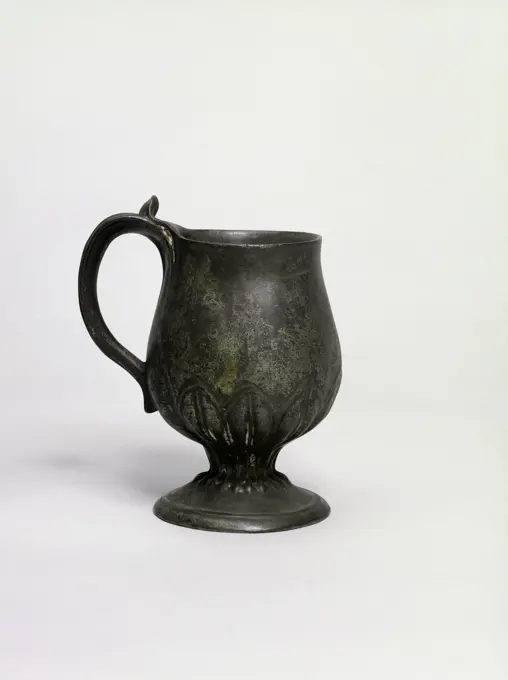
Artistic Vases Collection

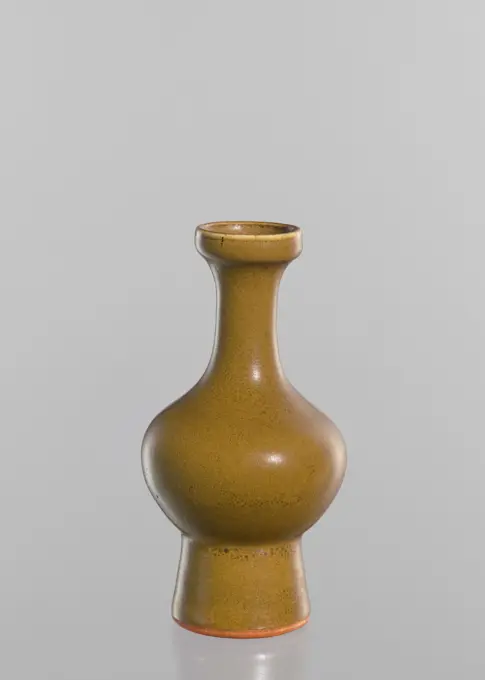
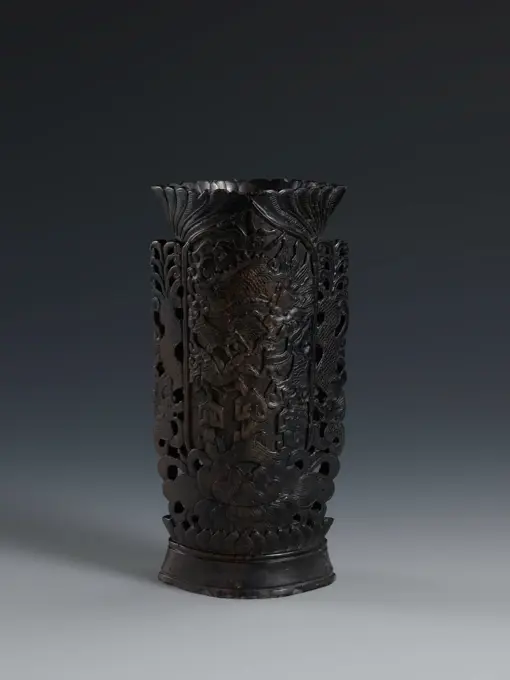
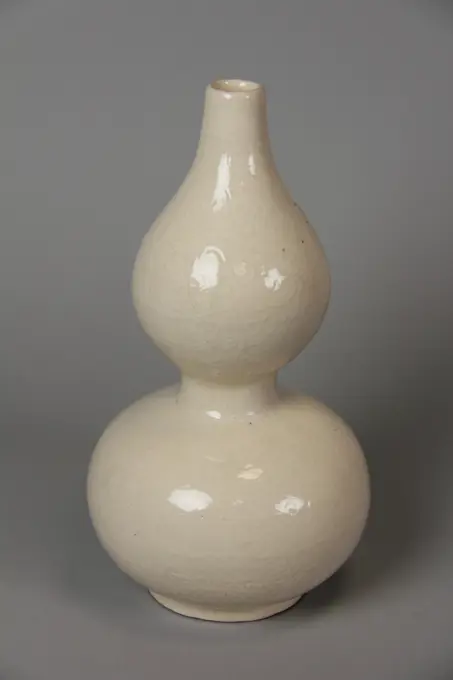
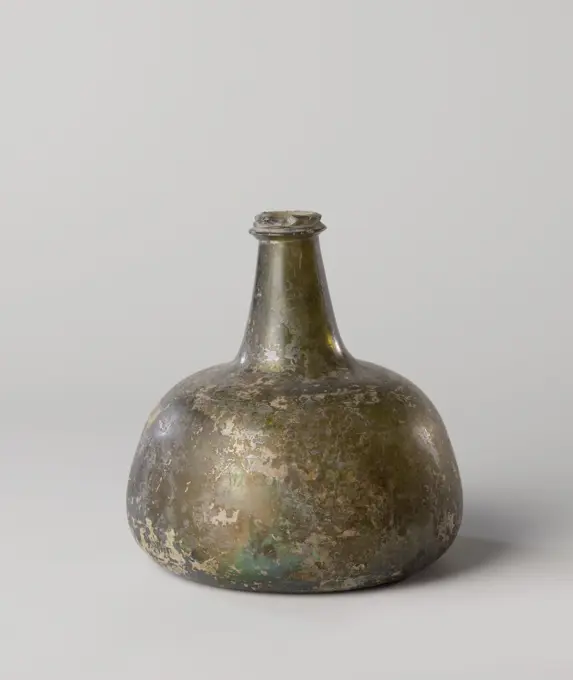
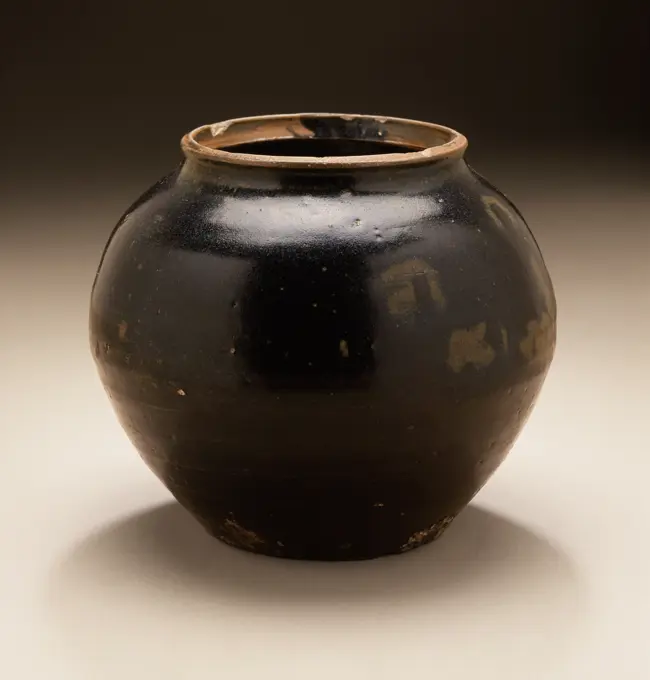
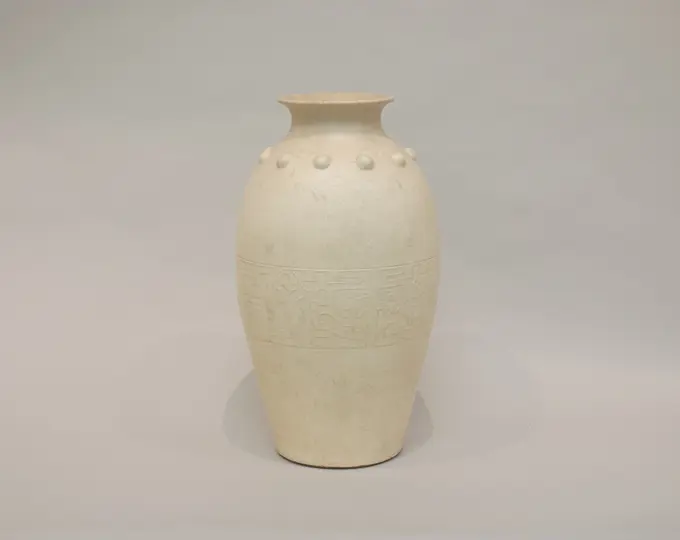
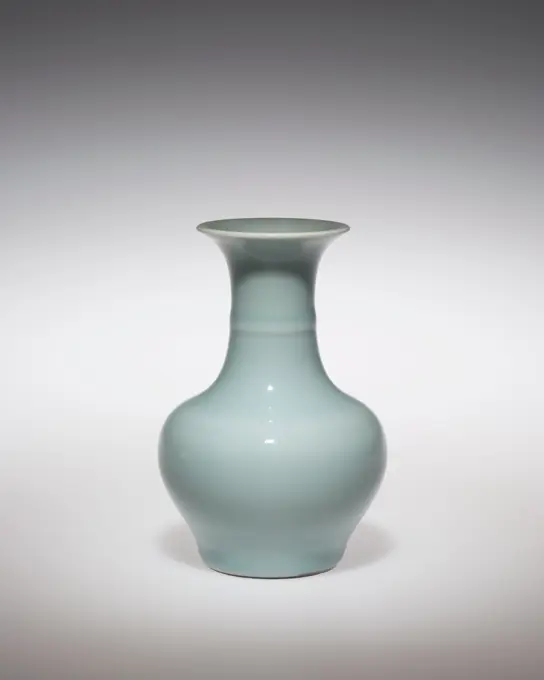
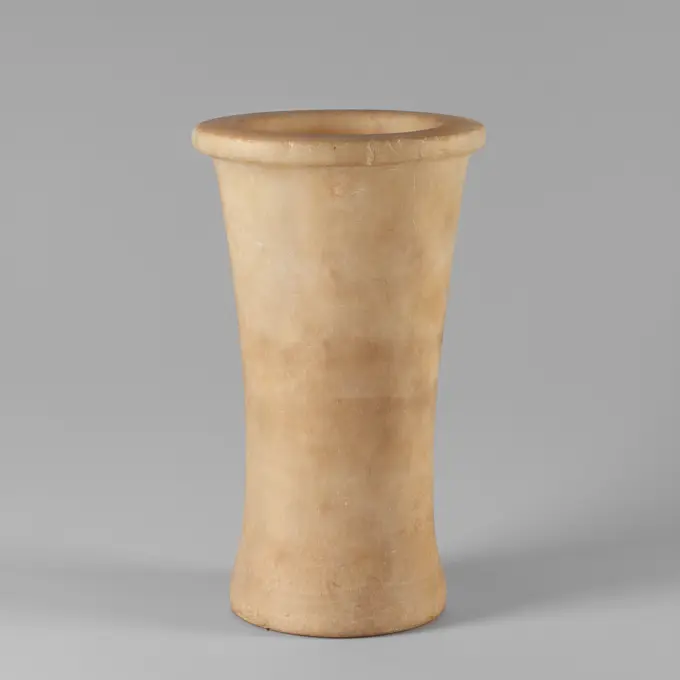
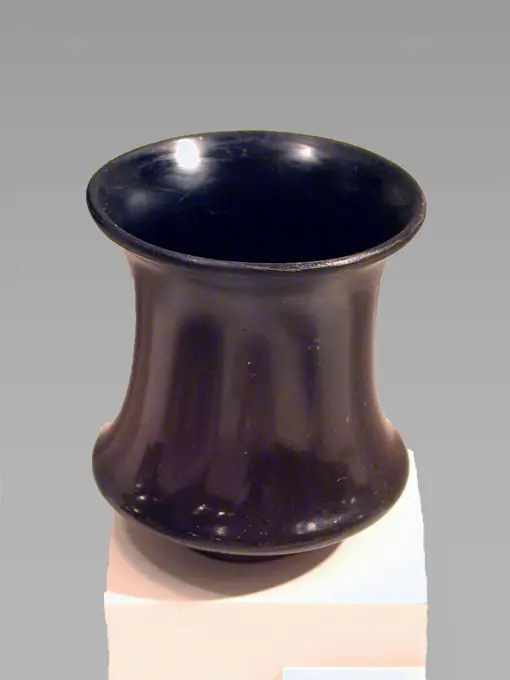
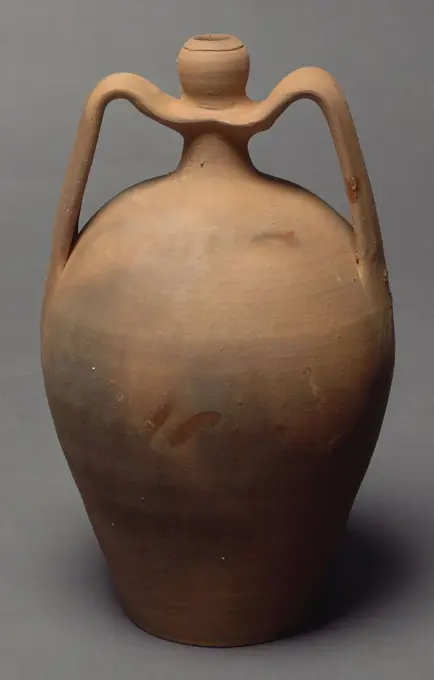
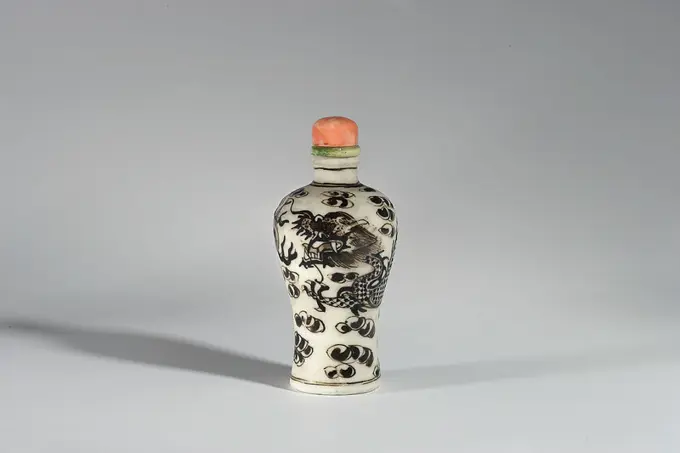
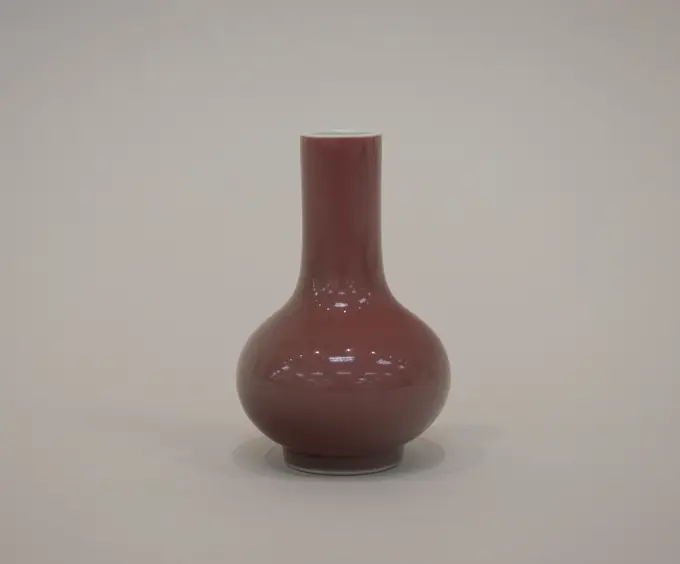
A variety of unique, artistically crafted vases in different shapes and finishes, showcasing ceramic design with a focus on texture and color.
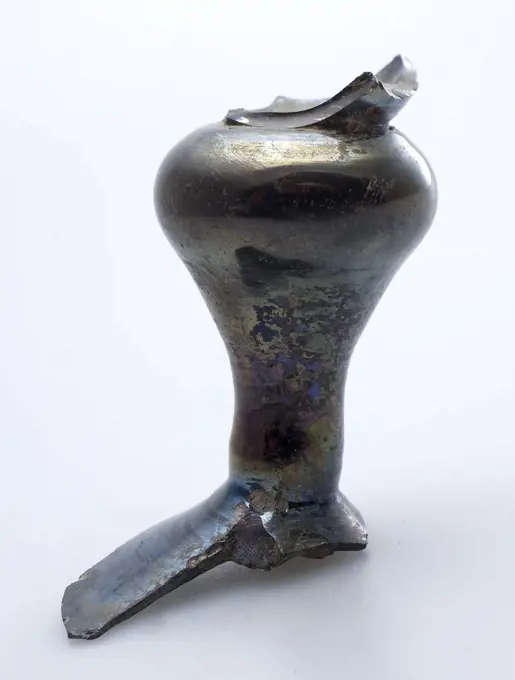
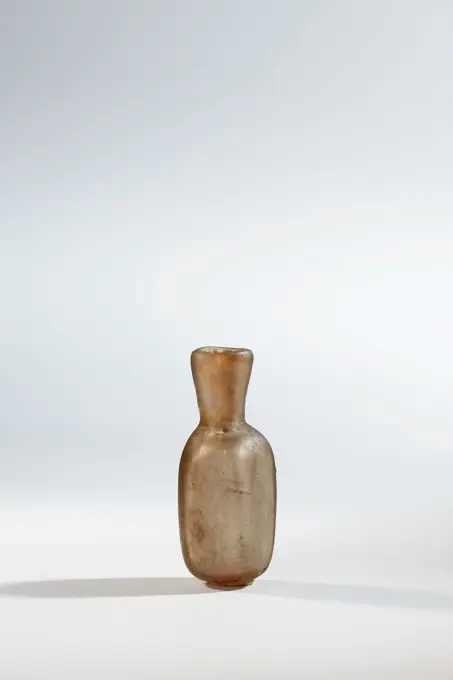
Fragment of part of foot and of stem of goblet, drinking glass drinking utensils tableware holder soil find glass, hand-blown Fragments of part of foot of trunk and of part of three (very similar) chalice glasses (5-7) ) in clear colorless glass. Pontil mark under slightly ascending foot one with folded foot edge. Hollow reverse baluster stem. Bell-shaped smooth chalice archeology Soil discovery: loose finds collapses.
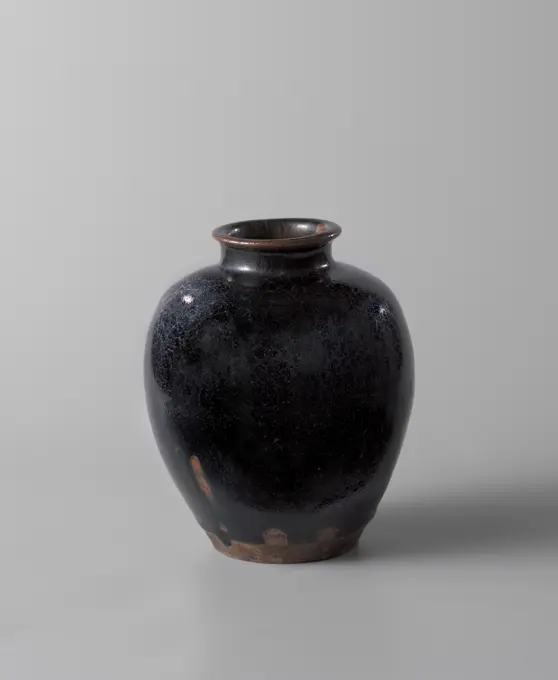
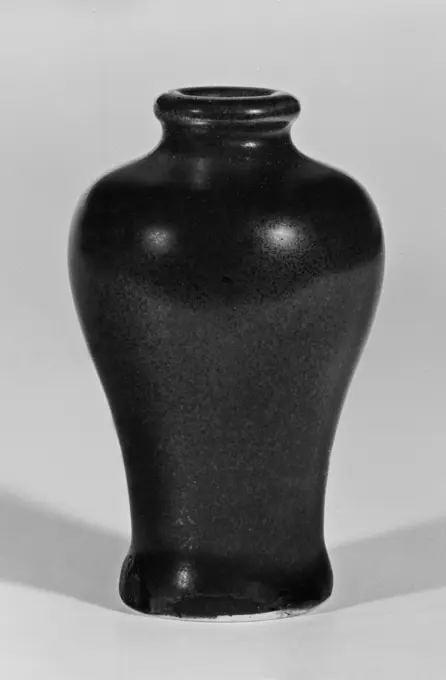
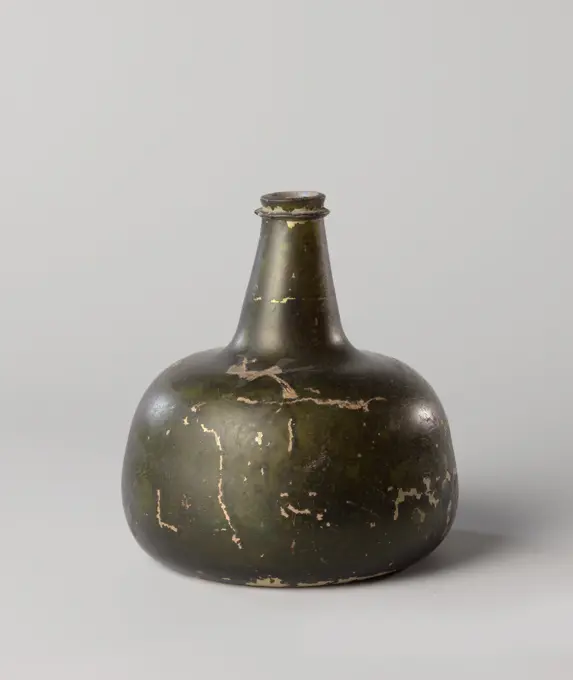
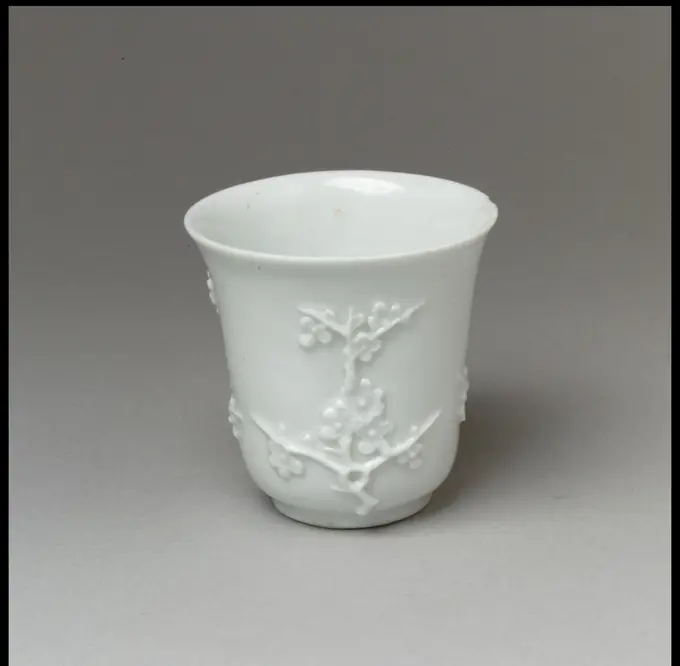
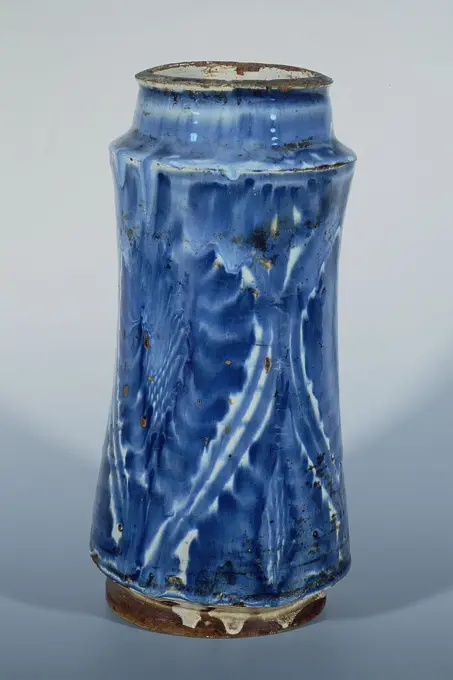
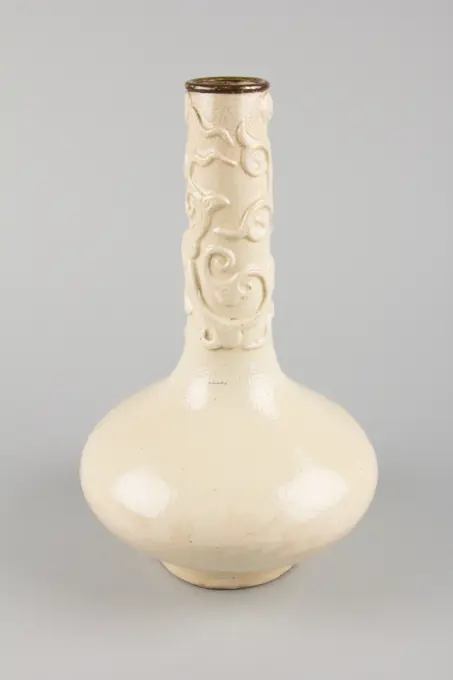
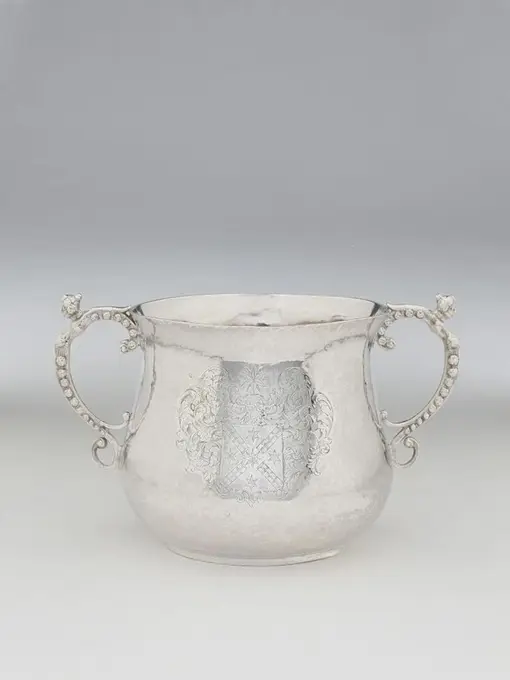
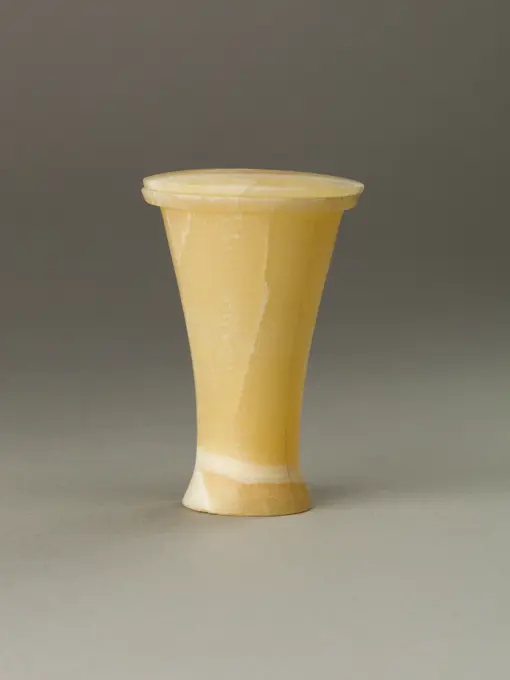
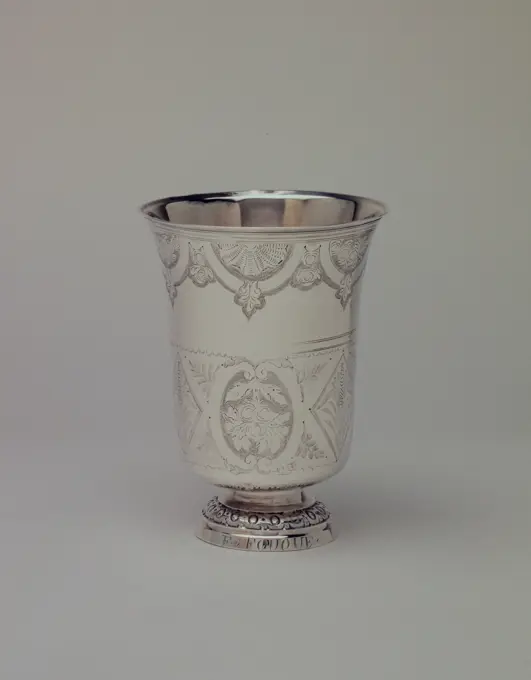
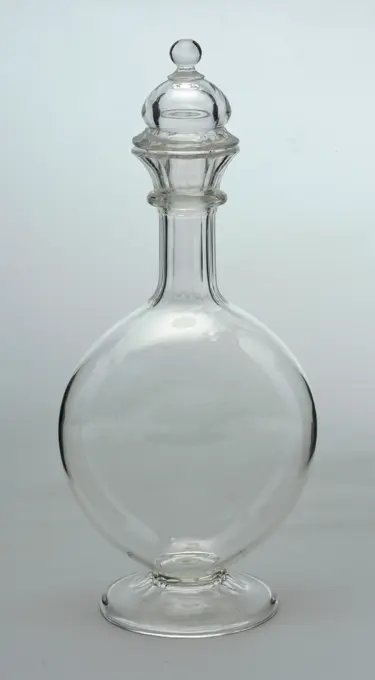
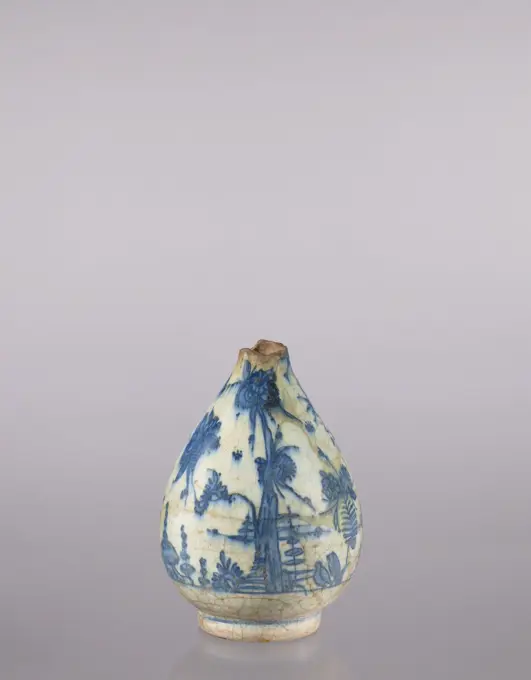
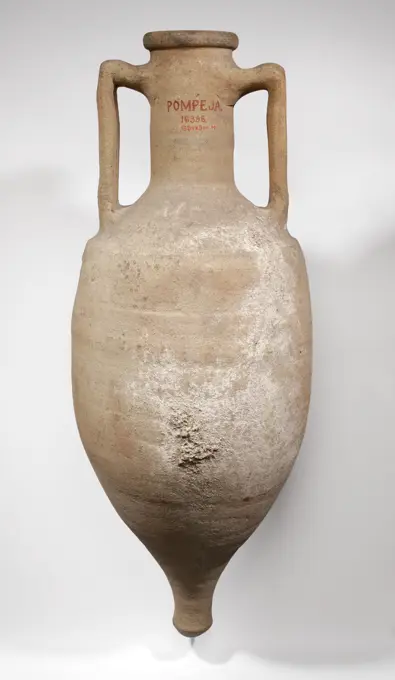
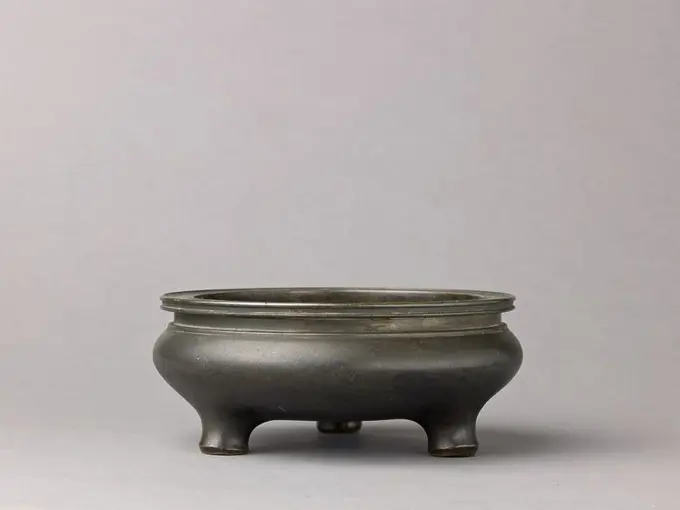
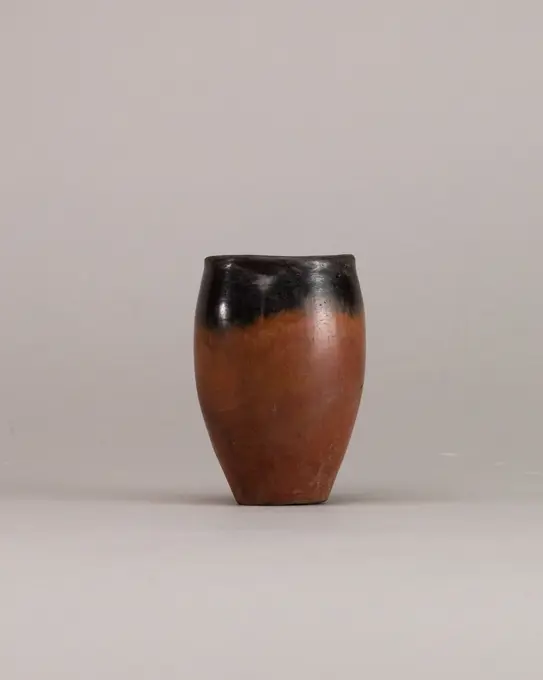
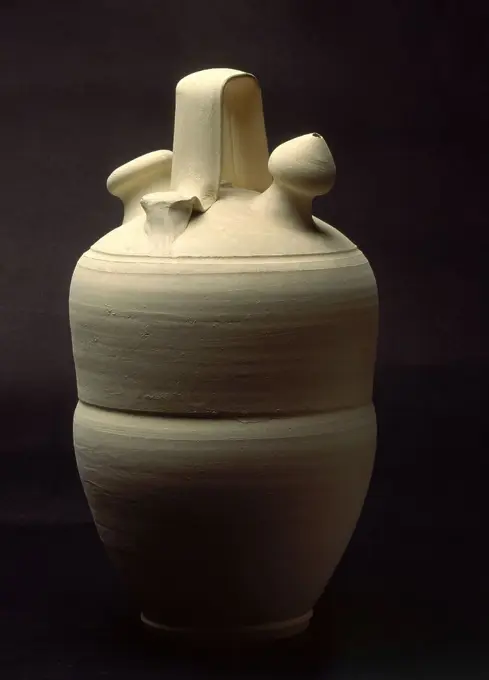
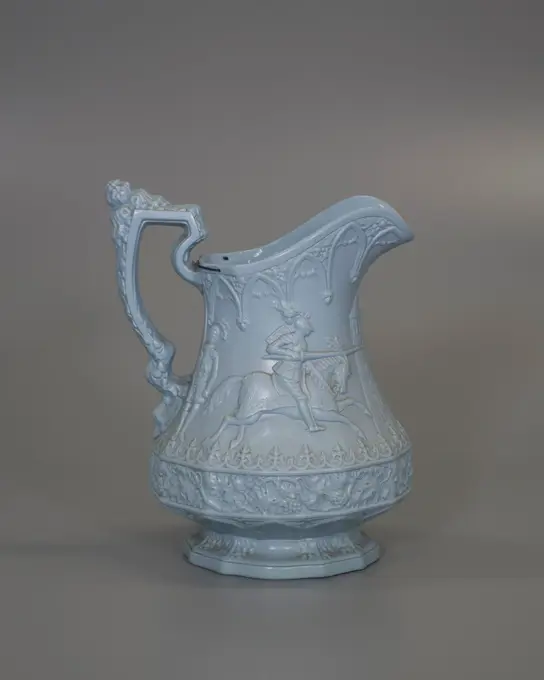
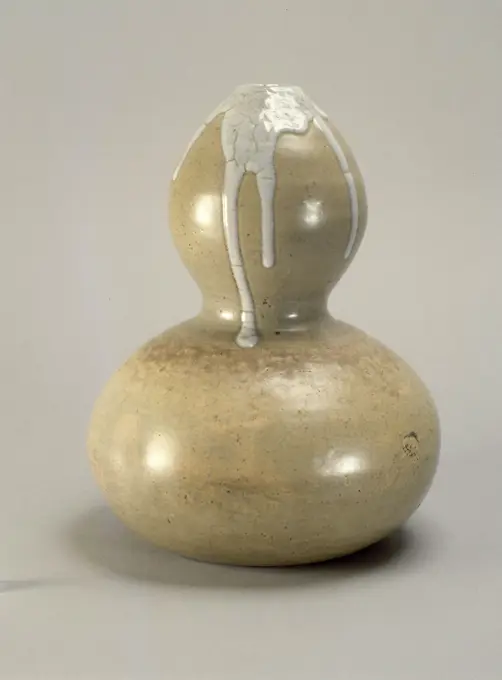
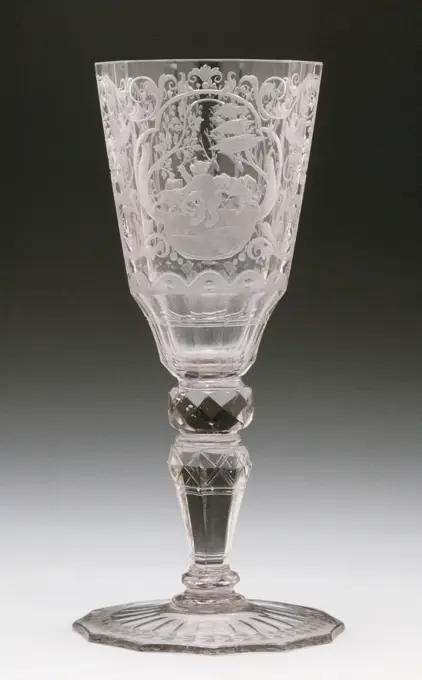
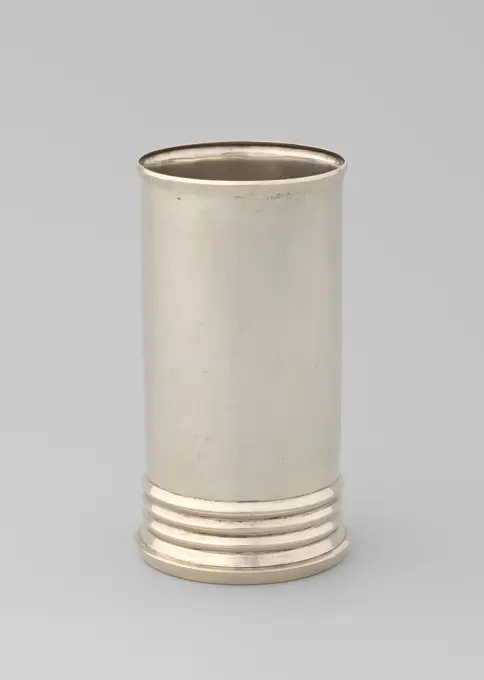
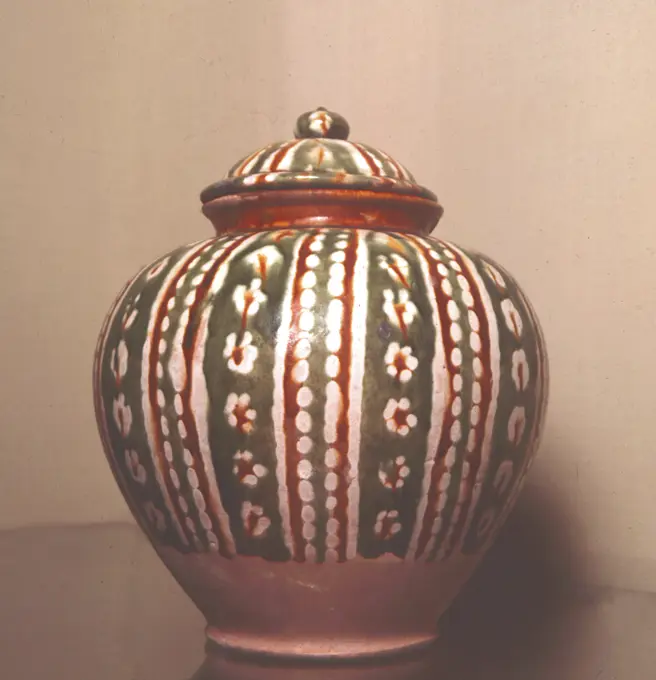
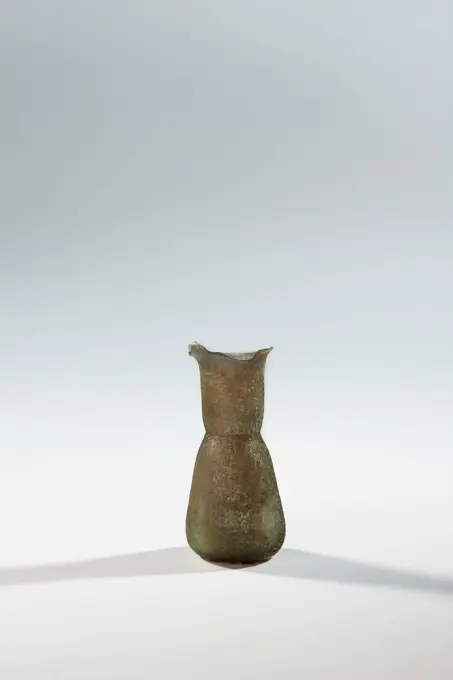
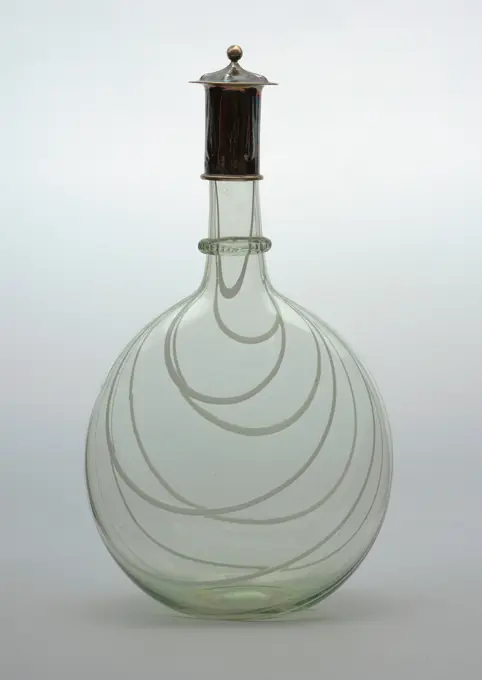
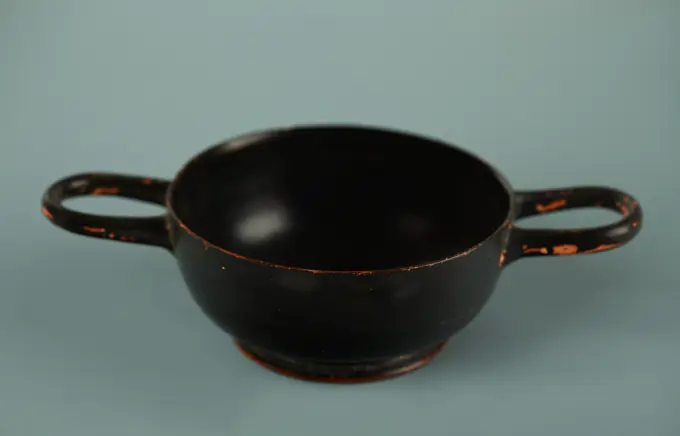
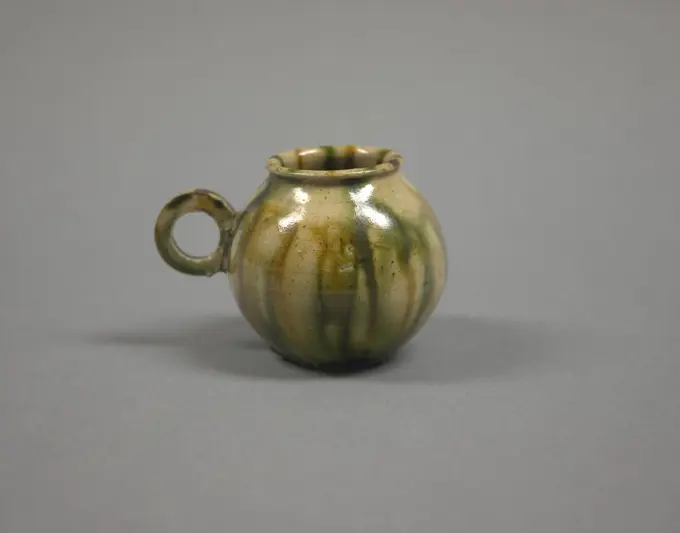
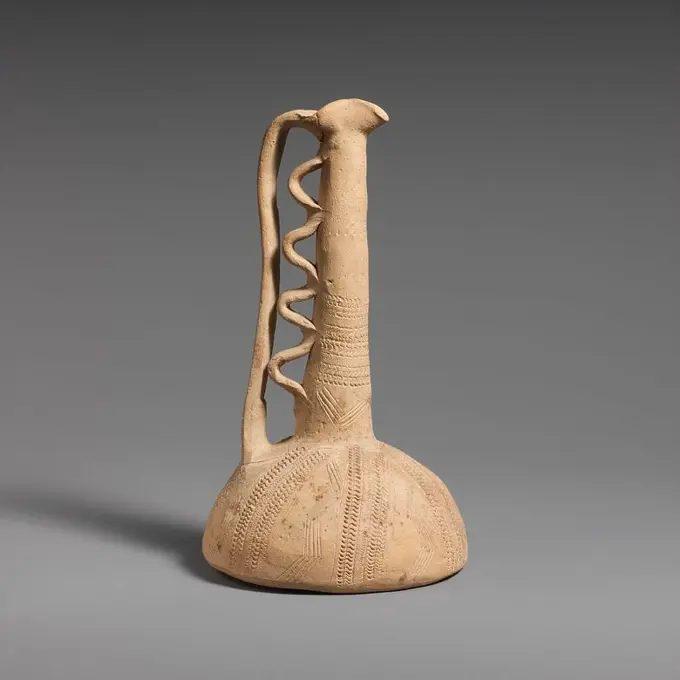
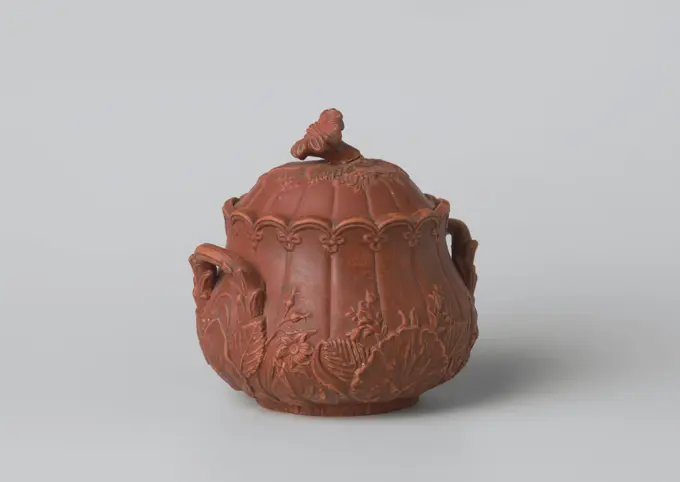
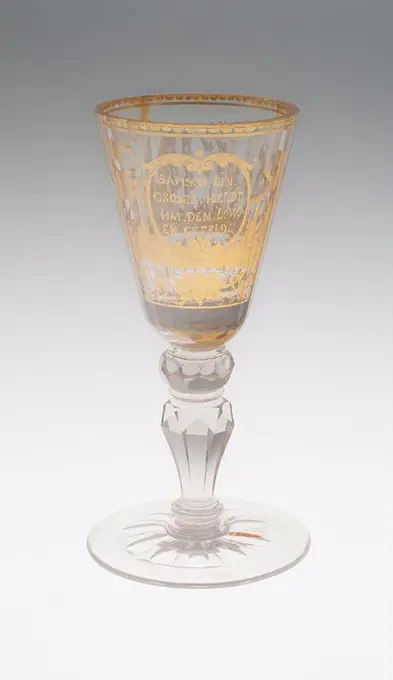
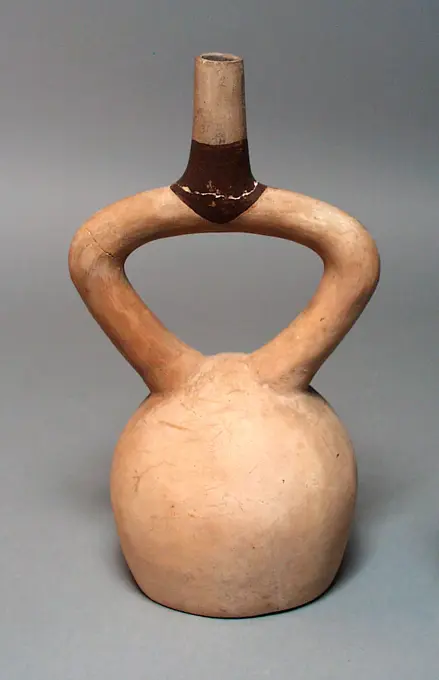
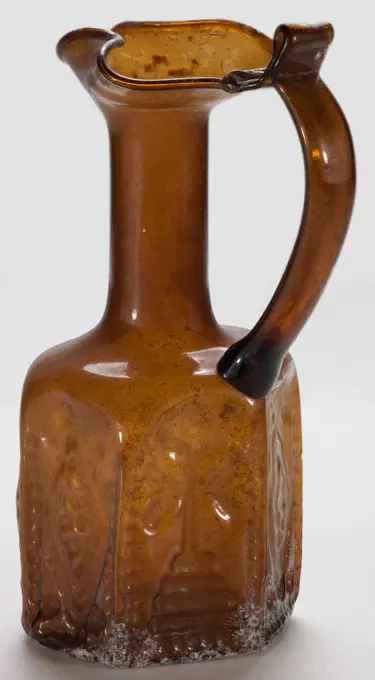
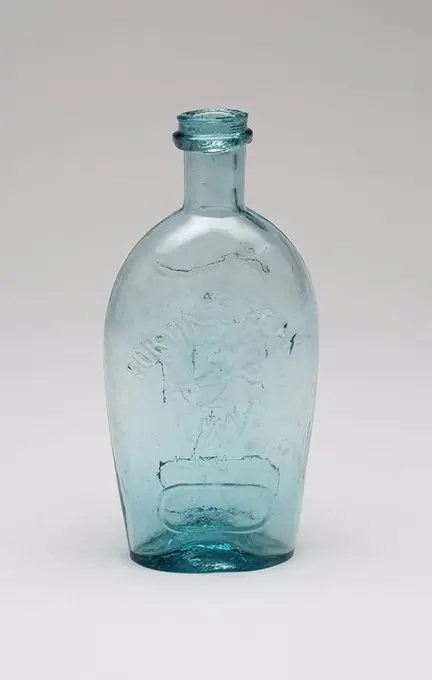
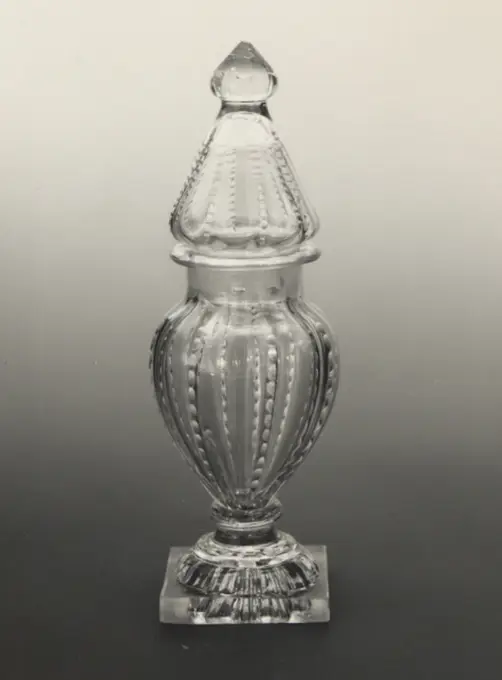
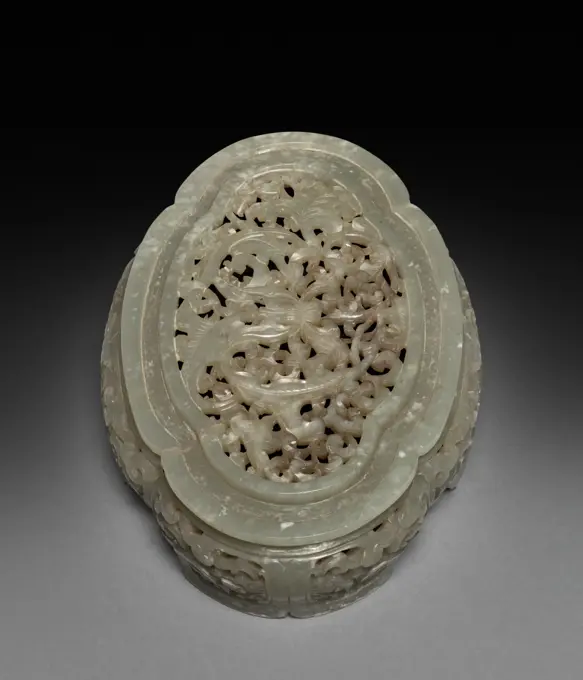
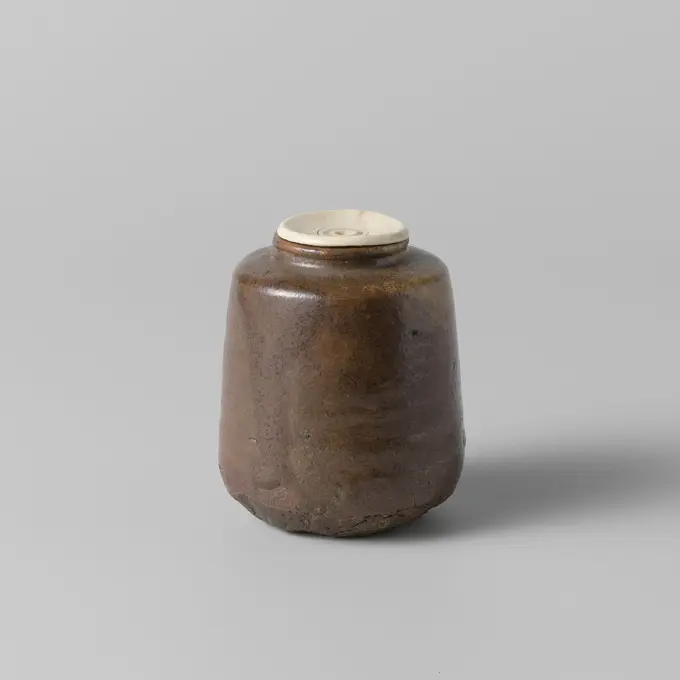
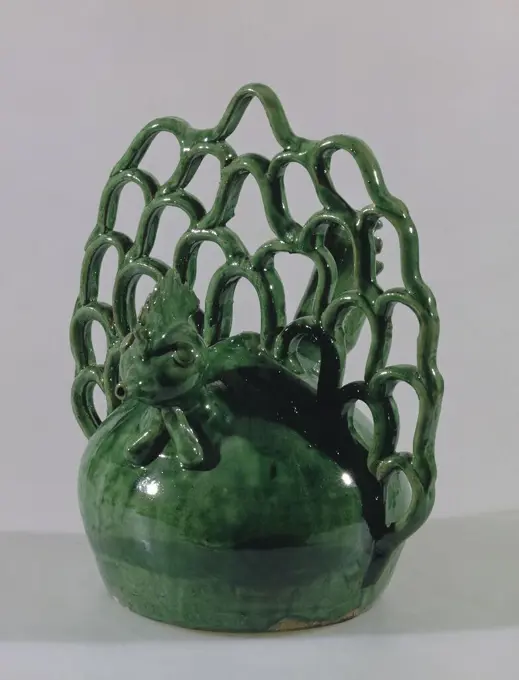
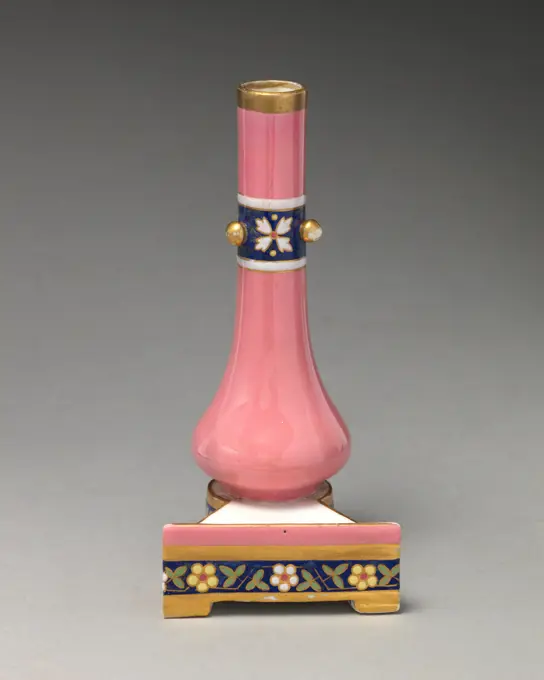
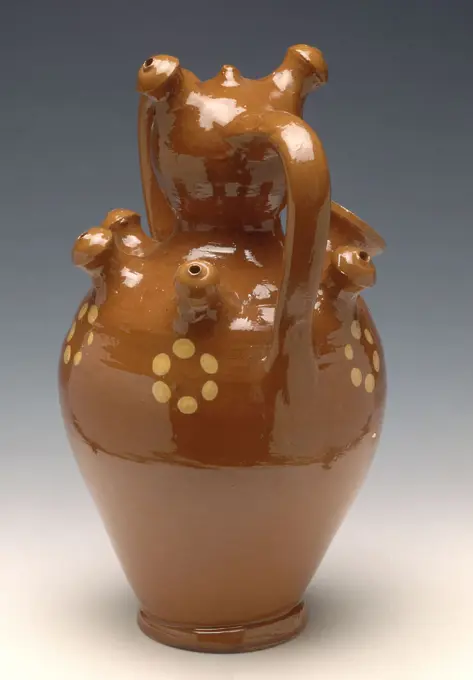
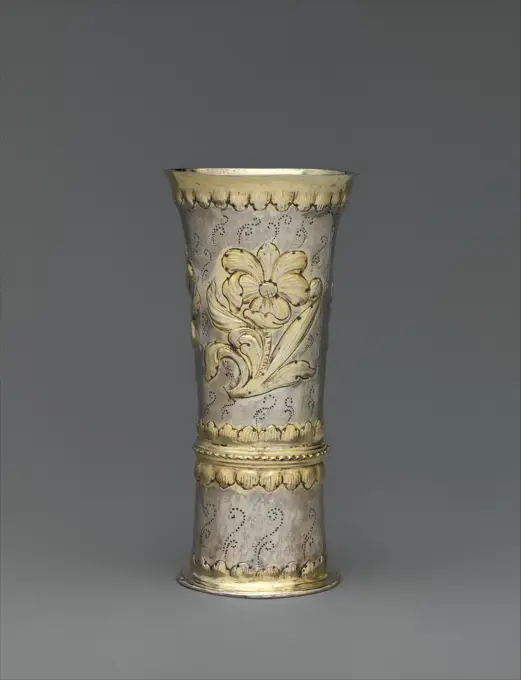
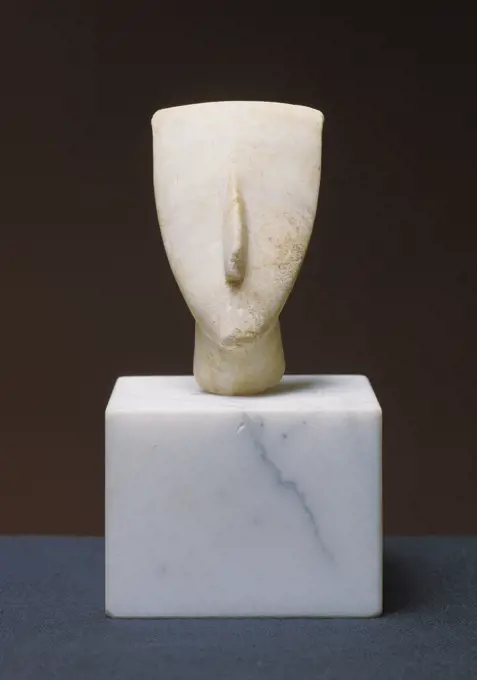
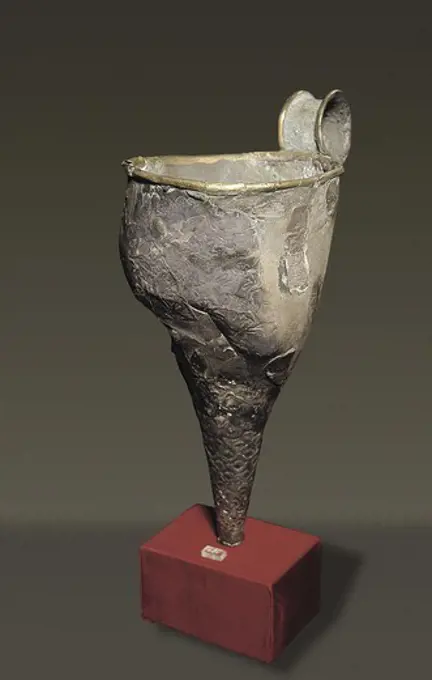
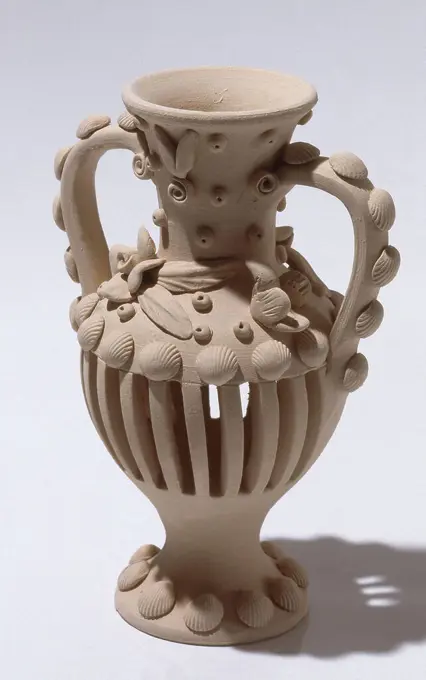
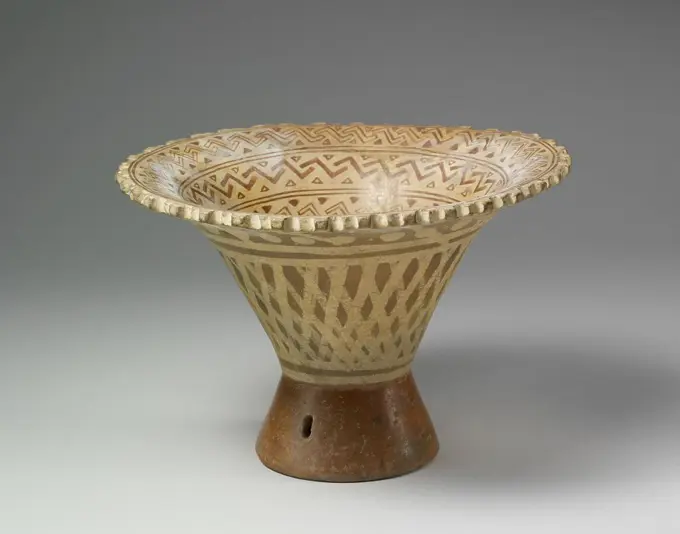
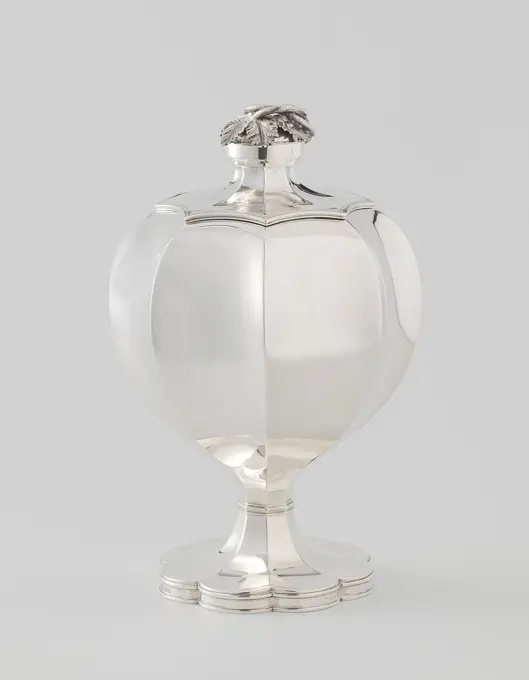
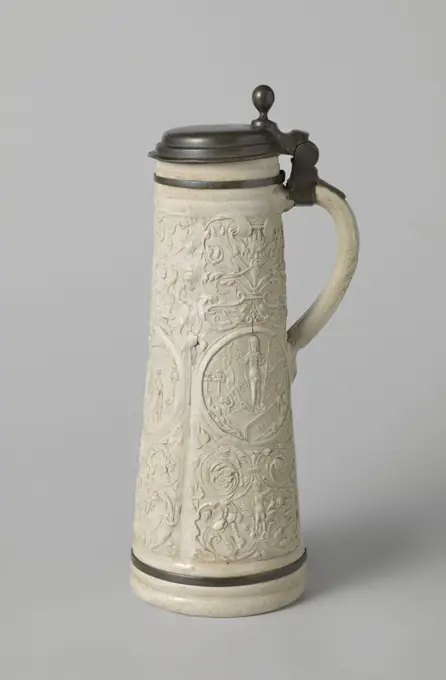
Bottle. unknown, craftsmanVase. unknown, craftsmanVase;  1st quarter of the 20th century (1901-00-00-1925-00-00);Ovoid Vase With a Black Glaze. Egg-shaped vase of stoneware, partially covered with a black glaze. The bottom is unglazed. In the glaze brown golden stripes. Old label on the bottom with 'w118'. Cizhou.VaseWazon. unknown, craftsmanFragment of part of foot and of stem of goblet, drinking glass drinking utensils tableware holder soil find glass, hand-blown Fragments of part of foot of trunk and of part of three (very similar) chalice glasses (5-7) ) in clear colorless glass. Pontil mark under slightly ascending foot one with folded foot edge. Hollow reverse baluster stem. Bell-shaped smooth chalice archeology Soil discovery: loose finds collapses.WIne Glass and Cover 1735-1745 Potsdam .Vase first half of the 19th century China. Vase. China. first half of the 19th century. Porcelain with incised decoration under white glaze. Qing dynasty (1644-1911). CeramicsBottle with spherical body, anonymous, c. 1725 Deep inserted soul, narrowing body through rounded shoulders transferred to a highly tuning neck with a high -placed ring. Glass very irrise. Northwest Europe glass glassblowing Deep inserted soul, narrowing body through rounded shoulders transferred to a highly tuning neck with a high -placed ring. Glass very irrise. Northwest Europe glass glassblowingVase 19th century China. Vase 46615Black-glazed JarVase with archaistic pattern 19th century China. Vase with archaistic pattern. China. 19th century. Porcelain with relief decoration. Qing dynasty (1644-1911). CeramicsMinature meiping vase 19th century China. Minature meiping vase. China. 19th century. Porcelain with iron rust glaze (Jingdezhen ware). Qing dynasty (1644-1911). CeramicsVase, 1912-1949, 5 15/16 × 3 3/4 × 3 5/8 in. (15.08 × 9.53 × 9.21 cm), Glazed porcelain, China, 20th centuryBottle with spherical body, anonymous, c. 1725 Deep inserted soul, narrowing body through rounded shoulders transferred to a highly tuning neck with a high -placed ring. Northwest Europe glass glassblowing Deep inserted soul, narrowing body through rounded shoulders transferred to a highly tuning neck with a high -placed ring. Northwest Europe glass glassblowingGloglò with four times inched body. Gloglò with light conical foot, upwards. The body armed four times, straight, short neck with flat mouth. The neck has sharpened inside. This indicates that the bottle could be closed with a well-fitting stop. The stop is missing.Beaker late 18th century Chinese, for European market The gift of the Hans Syz Collection in 1995 endowed the Museum with nearly three hundred examples of European and Asian ceramics meticulously acquired by Swiss-born collector Dr. Syz (1894-1991) to chart the migration of models and patterns from East to West. Documenting a continuous process of influence and adaptation, these pieces provide a discriminating review of the nuances of stylistic change resulting from three centuries of trade.. Beaker 208400POT O BOTE AZUL CORRIDO "POT BLAU REGALAT" - SIGLO XV - COBALTO CORRIDO SOBRE ESTANNIFERO. Location: INSTITUTO VALENCIA DE DON JUAN-COLECCION. MADRID. SPAIN.Daum brothers. "Vase Crocus", late 19th century. Glass and glass paste. Museum of Fine Arts of the City of Paris, Petit Palais. Art Nouveau, Glass Pate, Symbolism, Crocus Vase, GlassBottle vase 18th century China. Bottle vase 46040Baluster vase, 18th century, 11 1/2in. (29.2cm), Glazed ceramic, China, 18th centuryCaudle Cup. Cornelius Vander Burch (Vanderburgh); American, c. 1653-1699; New York, New York. Date: 1674-1699. Dimensions: 8.9 × 22.9 × 15.2 cm (3 1/2 × 9 × 6 in.); 707.9 grams. Silver. Origin: New York. Museum: The Chicago Art Institute, Chicago, USA.Ointment jar with lid ca. 1805 B.C. Middle Kingdom 26.7.1439-.1442 are ointment jars that were found scattered at the bottom of a tomb shaft at Thebes. Nearby was a box belonging to a man named Kemeni (26.7.1438). Kemeni's box has a drawer with spaces for eight small ointment jars, so it is assumed that the box and jars go together.. Ointment jar with lid 543969Vase with raised, silvery combed threads and a silver -colored irization, Witwe Johan Lötz, c. 1899 Flat sharpened, in the middle concave soil, vaulted body with a strong uppering upper, short neck with tutiting mouth. A decor of rumbled, silvery combed threads and a silver colored irization. Marked on the bottom, in Radgravure Loetz Austria. Glassblower: Klostermühledesigne: Munich glass glassblowing / iridescence Flat sharpened, in the middle concave soil, vaulted body with a strong uppering upper, short neck with tutiting mouth. A decor of rumbled, silvery combed threads and a silver colored irization. Marked on the bottom, in Radgravure Loetz Austria. Glassblower: Klostermühledesigne: Munich glass glassblowing / iridescenceBlaise-Simon Trotin. "Cup". Money. 1800-1808. Museum of Fine Arts of the City of Paris, Petit Palais. 74382-10 Money, silverware, gobletOld Abe/Frosted Eagle covered footed dish c 1880-1890 Ohio. Glass . Crystal Glass Company (Manufacturer)Vase (England); Designed by George Cartlidge; Produced by Sampson Hancock & Sons; lead-glazed earthenwareNo. 132 Wine Decanter With Stopper; Designed by Professor Josef Storck (Austria, 1830 - 1902); Manufactured by J. & L. Lobmeyr GmbH (Austria), Meyr's Neffen, Adolf; Austria; mouth-blown crystal, facet-cut and polishedBottle. unknown, craftsmanBottle withChrysanthemumsResource amphora; Unknown Kampa workshop; 1st century BC - 1st century AD (-100-00-00-100-00-00);Antical art collection, Muz.Majewski, PMA, messageCenser. Artist: Chinese , Qing Dynasty. Culture: Chinese. Dimensions: Diameter: 13 cm.. Date: ca. 18th century. Museum: Metropolitan Museum of Art, New York, USA.Black-topped Red Ware Jar ca. 3850-2960 B.C. Predynastic Period. Black-topped Red Ware Jar. ca. 3850-2960 B.C.. Pottery. Predynastic Period. From EgyptPORRON DE FAROLILLO DE ARCILLA LLAMADA GREDA-ARTE POPULAR S XX. Location: ALFARERIA. LA RAMBLA. CORDOBA. SPAIN.Jug, Jousting” pattern.   Maker: William Ridgway , Son & Co., 1838-1845Covered Sugar Bowl, c. 1800. William Haverstick (American, 1756-1823). Silver; overall: 22.7 x 11.8 cm (8 15/16 x 4 5/8 in.).Jean Carriès (1855-1894). Gourd in the shape of a gray white poured gray, ceramic in enameled sandstone, between 1875 and 1894. Museum of Fine Arts of the city of Paris, Petit Palais. 24072-3 Calabasse, ceramic, white flow, gray background, shape, gourd, gres emailleKanjar with a scabbardGoblet with Dogs Attacking a Bear and a Stag. Bohemia, late 19th century. Furnishings; Serviceware. GlassFoot fragment of goblet or trumpet glass with facet cut stem, loose rim fragment, drinking glass drinking utensils tableware holder soil find glass, blown glass Two fragments of drinking glass Chalice or trumpet glass. Milky appearance through weathering irisation Foot with soul and pontilemark Stem facet cut to seven surfaces continuous in the base of the chalice archeology Valckensteyn Poortugaal Albrandswaard serve serving soil Soil discovery: castle Valckensteyn in Poortugaal now Albrandswaard 1961-1962.Cup, Carel desires, 1927 Cup belonging to a four -part sacrament service. The cup rests on a flat base plate with a raised edge, and is made up of one cylinder. The mouth edge is indicated with a big part. Voorschoten silver (metal). Cup belonging to a four -part sacrament service. The cup rests on a flat base plate with a raised edge, and is made up of one cylinder. The mouth edge is indicated with a big part. Voorschoten silver (metal).Bottle probably 18th-19th century. Bottle 444779Clarinet mouthpiece cover, anonymous, 1800 - 1850 Clarinet mouthpiece cap to protect wicker. Horend with five deck pieces (BK-NM-11430-124-A to BK-NM-11430-124-F).  wood (plant material) Clarinet mouthpiece cap to protect wicker. Horend with five deck pieces (BK-NM-11430-124-A to BK-NM-11430-124-F).  wood (plant material)Milk jug. Culture: British, Bristol. Dimensions: Height: 3 3/8 in. (8.6 cm). Date: 1750-1800. Museum: Metropolitan Museum of Art, New York, USA.Tang Dynasty pottery CHINA.Glass beaker. Culture: Roman. Dimensions: H.: 3 5/8 in. (9.2 cm). Date: 1st century A.D..Colorless with pale blue green tinge.Knocked-off, uneven rim; slightly bulging collar below rim; narrow, cylindrical body with straight side, then tapering in to folded foot ring; small bottom with low central kick.Intact, except for small chip in rim; some bubbles and blowing striations; iridescence and creamy weathering, with thick soil encrustation around bottom of interior. Museum: Metropolitan Museum of Art, New York, USA.Bastet;  Old PADeposit of the University of Warsaw from 1937-1939, stone vessels, Polish-French excavations in Edfu (Egypt)Glass beaker (carchesium) late 2nd-mid-3rd century A.D. Roman Translucent very dark green, appearing black.Everted, rounded rim; concave curving side to cylindrical body, then splaying out to rounded carination, below which it has a low convex undercurve; applied base ring; flat bottom, with central kick and pontil scar.Intact; pinprick and a few larger bubbles; slight dulling and faint weathering.. Glass beaker (carchesium). Roman. late 2nd-mid-3rd century A.D.. Glass; blown. Mid Imperial. GlassCandlestick Adrian Bancker American 1735-50 Early American candlesticks are extraordinarily rare; typically candlesticks that graced colonial American homes were imported from England or the Continent. For these, Adrian Bancker, a New York silversmith of Dutch descent, chose a traditional English form, yet their construction and appearance are unmistakably colonial North American. Although Banckers known oeuvre is small, the Met owns a significant collection of his silver, including a tankard (24.109.4), beaker (33.120.104), porringer (33.120.326), cream pot (44.88), punch bowl (48.15) and set of casters (1972.233.1-.3).Covered Bottle Bottle; possibly England; glass, silverCANTARO O BOCALEJA DE 2 ASAS CUELLO CILINDRICO Y ESTRECHO - SIN VIDRIAR. Location: ALFARERIA. SPAIN.Flask - snuff bottle. unknown, craftsmanSmall bottle. unknown, craftsmanVase late 16th-early 17th century China. Vase. China. late 16th-early 17th century. Porcelain with white glaze (Dehua ware). Ming dynasty (1368-1644). CeramicsFlask And Stopper (England); Manufactured by James Powell & Sons (United Kingdom); glass, silver; 23 x 15.5 x 7 cm (9 1/16 x 6 1/8 x 2 3/4 in.) Diameter: 5 cm (1 15/16 in.)Cup, wood, turned, footed, England, late 18th-early 19th century, Decorative Arts, CupSmall BowlCup with ring handle 8th century China. Cup with ring handle 50970CANDELABRO DE DOS PISOS PINTADO EN BLANCO Y VIDRIADO. Location: ALFARERIA. Manises. Valencia. SPAIN.Cann.   Maker: Thomas Dane, American, 1726-1759Ribbon of cream -colored mesh of 8 meters, c. 1900 - c. 1915 Ribbon of cream -colored mesh of 8 meters. Nijmegenfrance silk. Ribbon of cream -colored mesh of 8 meters. Nijmegenfrance silk.Terracotta conical lekythos-oinochoe (combination oil flask and jug). Culture: Greek, Attic. Dimensions: H. 8 1/8 in. (20.7 cm). Date: late 8th century B.C.-early 7th century B.C..This piece is said to have been found with 36.11.3. Museum: Metropolitan Museum of Art, New York, USA.Sugar bowl, scalloped, with flowers and leaves in relief, anonymous, c. 1400 - c. 1950 Terracotta sugar bowl. The scalloped body with flowers and leaves in relief. Germany terracotta (clay material) Terracotta sugar bowl. The scalloped body with flowers and leaves in relief. Germany terracotta (clay material)Wine Glass. Bohemia, Czech Republic. Date: 1700-1725. Dimensions: 17.2 × 6.7 cm (6 3/4 × 2 5/8 in.). Glass with engraved gold leaf decoration. Origin: Bohemia. Museum: The Chicago Art Institute, Chicago, USA.Maker Unknown, Decanter and Stopper, c. 1820-40, colorless lead glass (blue tint).Creampot.   Maker: Joseph Richardson, Sr., American, 1711-1784Single Spouted JarBottle vase early 18th century China. Bottle vase. China. early 18th century. Porcelain with copper red glaze (Jingdezhen ware). Qing dynasty (1644-1911), Yongzheng period (1723-35). CeramicsPilgrimage Jug with Christian Symbols 578 CE-636 CE Jerusalem, Latin Kingdom of. Glass workshops outside the walls of Jerusalem mass-produced a series of hexagonal and octagonal jugs with Christian or Jewish symbols on their sides. The vessels with Christian symbols, like this example, have images of the cross alternating with diamond shapes. Such vessels were probably filled with oil from holy sites and sold to pilgrims.. Glass, mold-blown technique . ByzantineSpittoon (Zhadou). China. Date: 800 AD-899 AD. Dimensions: H. 10.2 cm (4 in.); diam. 15.3 cm (6 in.). Yue ware; glazed stoneware. Origin: China. Museum: The Chicago Art Institute, Chicago, USA.Aryballos kompozytowy. unknown, authorFlask. American; Probably Midwestern. Date: 1860-1875. Dimensions: H. 16.5 cm (6 1/2 in.). Glass. Origin: United States. Museum: The Chicago Art Institute, Chicago, USA.Snuff Bottle, 17th-19th century, 3 1/8 x 2 3/8in. (7.9 x 6cm), Topaz crystal, pink glass, China, 17th-19th centuryCover (Ireland); glassGourd-shaped ewer, anonymous, c. 1600 - c. 1800 Pass jug of stoneware, covered with a red -brown glaze. The jug is in the form of a gourd. Two stamped brands on the outside wall. Japan stoneware. glaze vitrification Pass jug of stoneware, covered with a red -brown glaze. The jug is in the form of a gourd. Two stamped brands on the outside wall. Japan stoneware. glaze vitrificationLavabo, anonymous, c. 1400 - c. 1499 The barrel was cast with the spouts and presumably with the handle as a whole in Cire Perdue technique. The flat -ball barrel has a sharp, hollow collar. The two spouts are located in each other and end in vague animal heads. At the top of this, there are two handle on the upper edge of the collar in the form of women's heads, in which the handle holes. The handle consists of a round -curved iron rod with a round opening in the middle, in which the hook with a ring in it. Pouring protrusions can be observed on barrel and spouts. Rhine region vat: brass (alloy). hengsel: iron (metal) forging The barrel was cast with the spouts and presumably with the handle as a whole in Cire Perdue technique. The flat -ball barrel has a sharp, hollow collar. The two spouts are located in each other and end in vague animal heads. At the top of this, there are two handle on the upper edge of the collar in the form of women's heads, in which the handle holes. The handlOval Stand, 1700s. China, Qing Dynasty (1644-1911), Qianlong reign (1736-95). Jade;Tea caddy with a goldenbrown glaze, anonymous, anonymous, c. 1400 - c. 1950 Dust bar or Chare van Steengoed with an ivory lid, partly covered with a golden brown glaze. The lower part of the bus is unglazed. Old label on the bottom with 'W585'. BIBEN. Japan stoneware. glaze. deksel: ivory vitrification Dust bar or Chare van Steengoed with an ivory lid, partly covered with a golden brown glaze. The lower part of the bus is unglazed. Old label on the bottom with 'W585'. BIBEN. Japan stoneware. glaze. deksel: ivory vitrificationSnuff Bottle China. Snuff Bottle 41467Model or a water cask. Model of a water vessel with ten hoops and a dowel in the belly. It is a model of a 1000 liter barrel. Scale 1:10 (according to Obeen).Stoneware cylindrical mineral pitcher with ear, brown glazed and marked, mineral pitcher pitcher product container container soil find ceramic stoneware icing salt enamel, hand turned baked glazed Stoneware mineral pitcher so-called half-jar gray shard with salt-enamel mokkaroodbrown sausage ear subtraction traces on the underside. Contained spring water from Nieder Selter Marked at the front with round stamp and with text marked under the ear stamped source: SELTERS standing lion underneath HERZOGTHUM NASSAU archeology Rotterdam Delfshaven advertising import pottery packing serve drinking mineral water cure medicine transport drug Soil discovery: at R.K. church Delfshaven Rotterdam.Coopered Jug, 1750-1800. Pinto Collection - Purchased from Edward H Pinto, 1965.. This oak jug is typical of the type of household equipment which was used in ordinary houses in England for hundreds of years. It was probably made over 200 years ago. The cooper made containers for both dry and liquid goods. Their work was highly specialized and required a 7 year apprenticeship, which was the longest of all the woodworking trades. .Water pot 1662-1722 Chinese. Water pot 461223BOTIJO DECORATIVO CON FORMA DE GALLINA VIDRIADO Y PINTADO EN VERDE. Location: ALFARERIA. JAEN. SPAIN.Place card holder (one of a pair) ca. or after 1872 Minton(s) Minton was the most important ceramics factory during the Victorian period and began exhibiting products at the first Great Exhibition of 1851. Founded in 1793 by Thomas Minton at Stoke-on-Trent, the firm initially specialized in transferware pottery before expanding under the ownership of Thomass son Herbert Minton, beginning in 1836. Under the ownership of Colin Minton Campbell, who succeeded his uncle in 1858, the factory became recognized as a specialist producer of Aesthetics movement porcelain, which were inspired by a rich array of exotic and eclectic decorative motifs. Listen to experts illuminate this artwork's story Listen Play or pause #418. Christopher Dresser and the Birth of Industrial Design Supported by Bloomberg Philanthropies We're sorry, the transcript for this audio track is not available at this time. We are working to make it available as soon as possible.. Place card holder (one of a pair). British, SBOTIJO DE TRAMPA-VIDRIADO Y PINTADO CON AMARILLO-CERAMICA POPULAR S XX. Location: ALFARERIA. ALHAMA DE ARAGON. Saragossa Zaragoza. SPAIN.Lampshade -Footed beaker mid-17th century Georgius Gebell II LiteratureTihamér Gyárfás. A brassai ötvösség története. Brassó, 1912, pp. 109-10, no. 198.European Silver. Sale cat., Sothebys, Geneva, May 12, 1983, p. 45, no. 108.Judit H. Kolba. Hungarian Silver: The Nicolas M. Salgo Collection. London, 1996, p. 62, no. 40.ReferencesElemér Kőszeghy. Magyarországi ötvösjegyek a középkortól 1867-ig / Merkzeichen der Goldschmiede Ungarns vom Mittelalter bis 1867. Budapest, 1936, no. 219 [makers mark.See also Erdély régi művészeti emlékeinek kiállítása az Iparművészeti múzeumban / Ausstellung alten Kunstgewerbes aus Siebenbürgen. Exh. cat. Museum of Applied Arts. Budapest, 1931, p. 40, no. 191, pl. VII.A similar beaker was sold by Sothebys, New York, April 11, 2000, p. 26, no. 52.[Wolfram Koeppe 2015. Footed beaker 237008Head Fragment from a Cycladic Figure (Dokathismata Variety); Cyclades, Greece; about 2800 - 2200 B.C; Marble; 8.6 cm (3 3,8 in.)Silver Rython. Mycenaean art. Jewelry. GREECE. ATTICA. Athens. National Museum of Archaeology. Proc: GREECE. PELOPONNESE. ARCADIA. Mycenae.JARRA DE ADORNO - DECORADA CON CONCHAS Y FLORES. Location: ALFARERIA. SA CABANETA-MARRATXI. MALLORCA. SPAIN.Pedestal Bowl. Culture: Moche. Dimensions: H. 7 × Diam. 10 1/4 in. (17.8 × 26 cm). Date: 6th-8th century.This flared bowl, called <i>florero</i>, has an empty pedestal base filled with small ceramic pellets that rattle when the vessel is shaken. Moche flared bowls were produced from the fourth century A.D. They became taller over time, with smaller bases and wider, more everted rims. Complex decoration is almost invariably painted inside the rim, while the exterior of the vessel shows simpler designs. This flared bowl is decorated with a net motif on the exterior and with interlocking zigzag lines with triangles on the interior. The geometric decoration, as well as the notched rim with step patterns, indicate that it was produced during the Late Moche period (600-800). Similar vessels were found at the site of Galindo, on the north coast of Peru, occupied by Moche people from the sixth century A.D. Museum: Metropolitan Museum of Art, New York, USA.Snuff Bottle with Scholar and Assistant on Rocky Promontory 1750-1800 China. Suzhou agate with carved decoration .Snuff Bottle China. Snuff Bottle 41429Snuff Bottle China. Snuff Bottle 41442Pair or Chestnut venes, fa. As. Bone baker and zoon, 1841 The octagonal chestnut cheese with hollow surfaces rest on a high, rejuvenating base on a straight, lobed base. The spherical body rises above. The vaulted, rejuvenating, loose lid has a round, standing, slightly excellent strap with a loose spherical, octagonal cavemen -vaulted lid with a flat, excellent bottom edge. This is crowned by a branch with acanthus leaves. A smooth profile runs along the bottom and top of the base. Cable edges surround the bottom of the lid and along the top of the foot, surrounded by smooth profiles. The feet are equipped with a wooden core covered with roggen skin. Amsterdam silver (metal). wood (plant material). The octagonal chestnut cheese with hollow surfaces rest on a high, rejuvenating base on a straight, lobed base. The spherical body rises above. The vaulted, rejuvenating, loose lid has a round, standing, slightly excellent strap with a loose spherical, octagonal cavemen -vaulted lid with a Tankard (schnelle) with the Annunciation, the Crucifixion and the Resurrection, anonymous, c. 1500 - c. 1599 Jug (schnelle) of stoneware with cylindrical, tapered body and C-shaped ear. Profiles under the edge and above the foot. On the body in relief three times a printed and imposed, elongated box with a medallion in the middle containing the annunciation, the crucifixion or the resurrection. The medallions are surrounded by ranks and grotesken. The judge medallion with the brand 'H.H.'. The jug is caught in a pewter frame with lid. Siegburg. Siegburg Stoneware. Glaze. frame: tin (metal) vitrification Jug (schnelle) of stoneware with cylindrical, tapered body and C-shaped ear. Profiles under the edge and above the foot. On the body in relief three times a printed and imposed, elongated box with a medallion in the middle containing the annunciation, the crucifixion or the resurrection. The medallions are surrounded by ranks and grotesken. The judge medallion with the brand 'H.H.'. TheJean Baffier (1851-1920). "Gobelet", 1894. Etain. Museum of Fine Arts of the City of Paris, Petit Palais. Anse, Art Nouveau, Art Table, Etain, Cup, footInsence burner with incised geometric pattern and three ruyi-shaped feet, anonymous, c. 1625 - c. 1675 Incense burner of porcelain, covered with a translucent white glaze. The cylindrical burner is divided into three tires separated by horizontal ribs; The middle tire is decorated with an Ingrift Geometric pattern with stylized 'taotie' masks in reserve; The three short feet are in the form of a Ruyi motif. Blanc the Chine. China porcelain. glaze vitrification Incense burner of porcelain, covered with a translucent white glaze. The cylindrical burner is divided into three tires separated by horizontal ribs; The middle tire is decorated with an Ingrift Geometric pattern with stylized 'taotie' masks in reserve; The three short feet are in the form of a Ruyi motif. Blanc the Chine. China porcelain. glaze vitrification