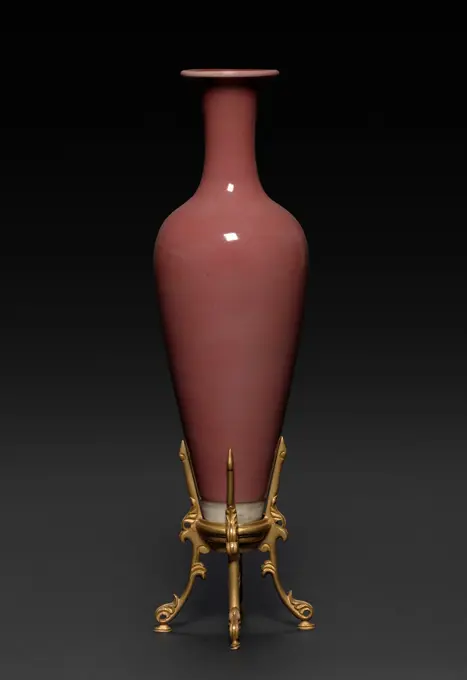
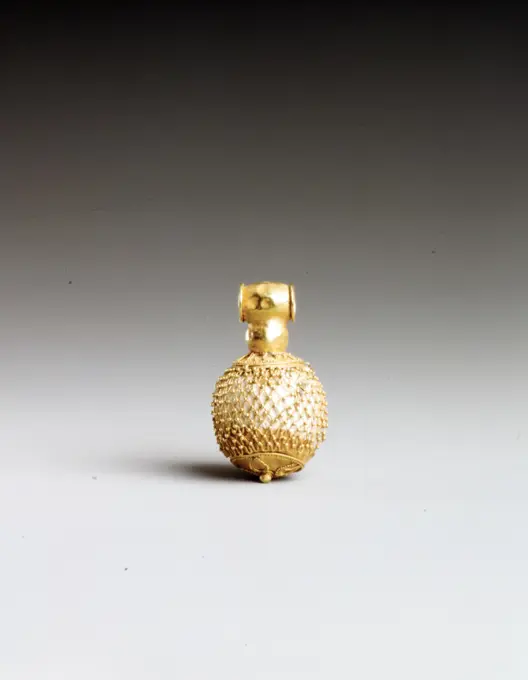
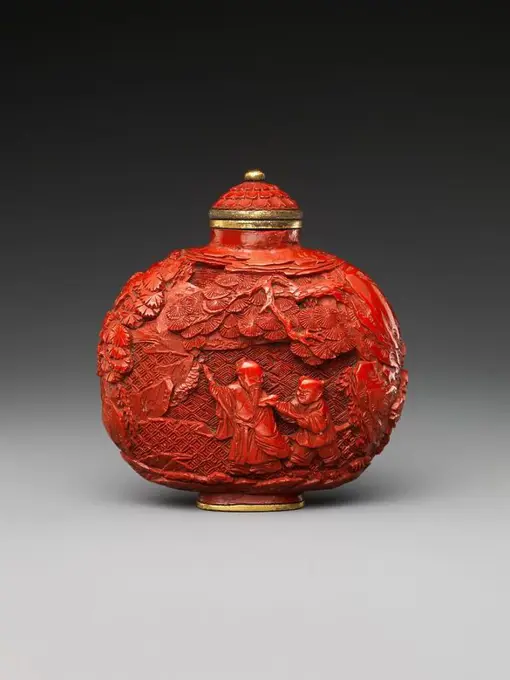
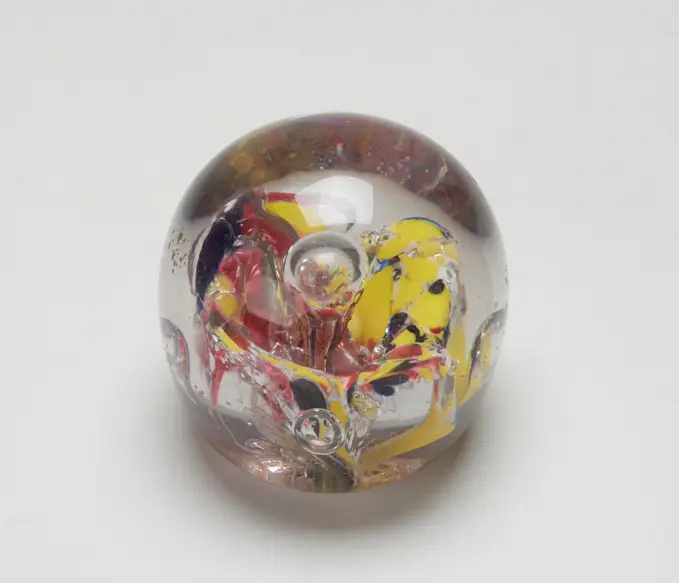
Artistic Vases Collection

A variety of unique, artistically crafted vases in different shapes and finishes, showcasing ceramic design with a focus on texture and color.
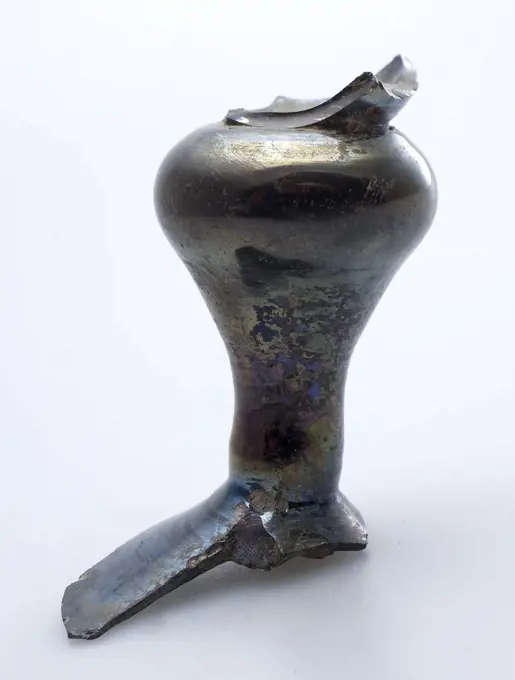
Fragment of part of foot and of stem of goblet, drinking glass drinking utensils tableware holder soil find glass, hand-blown Fragments of part of foot of trunk and of part of three (very similar) chalice glasses (5-7) ) in clear colorless glass. Pontil mark under slightly ascending foot one with folded foot edge. Hollow reverse baluster stem. Bell-shaped smooth chalice archeology Soil discovery: loose finds collapses.
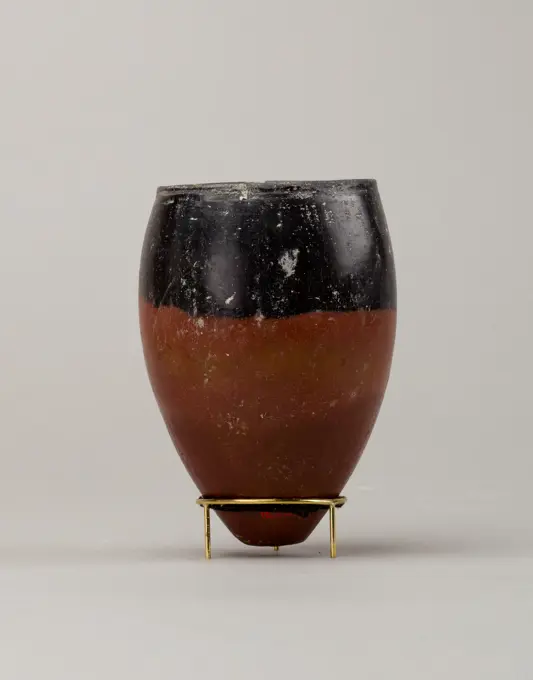
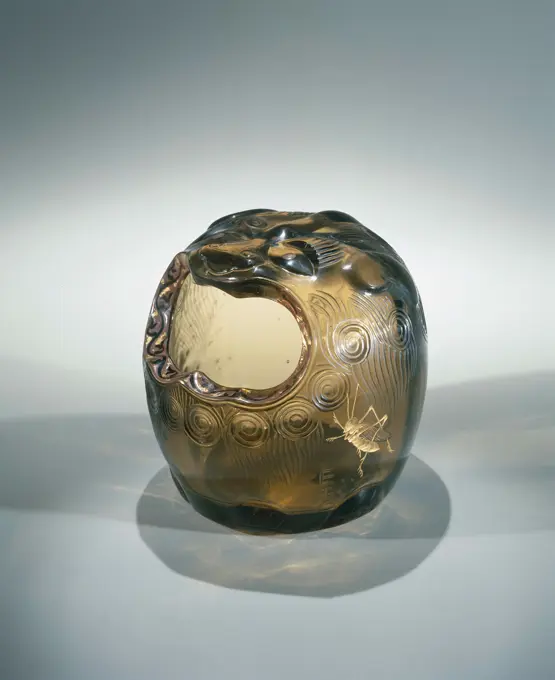
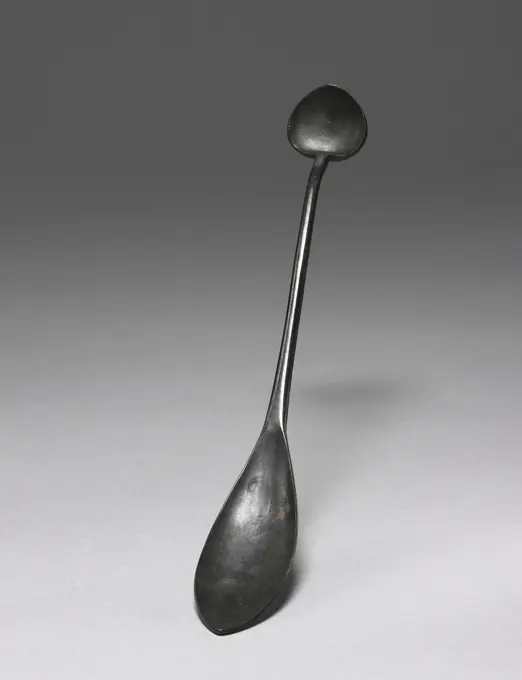
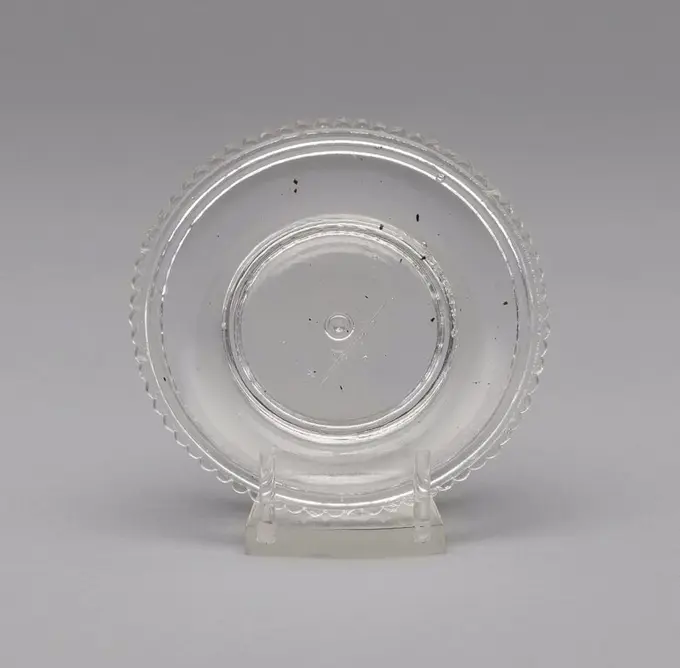
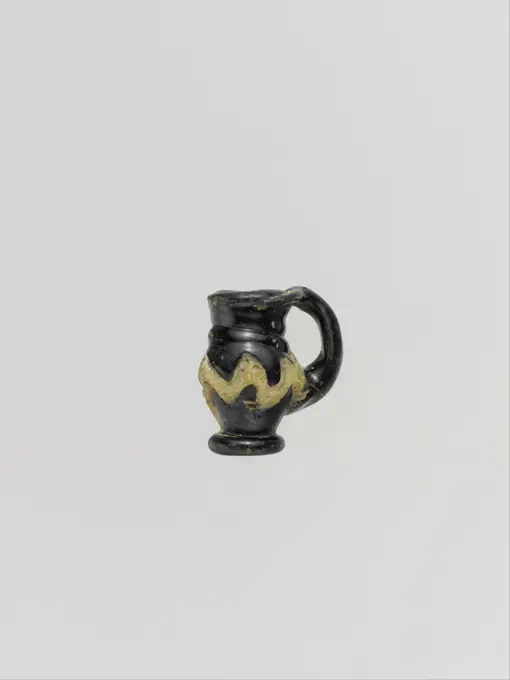
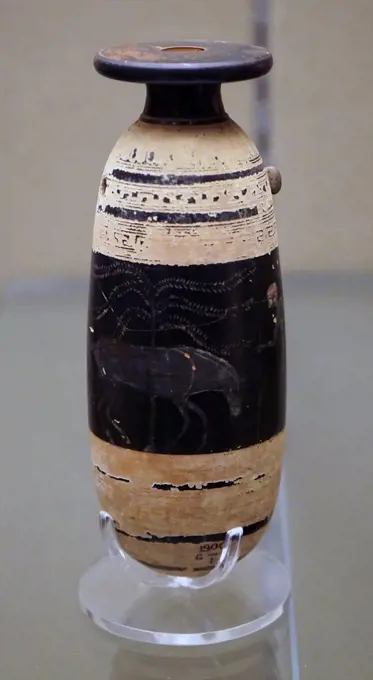
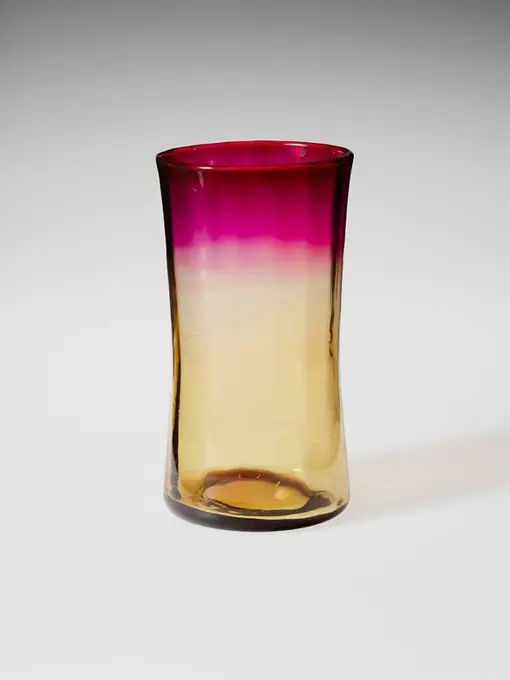
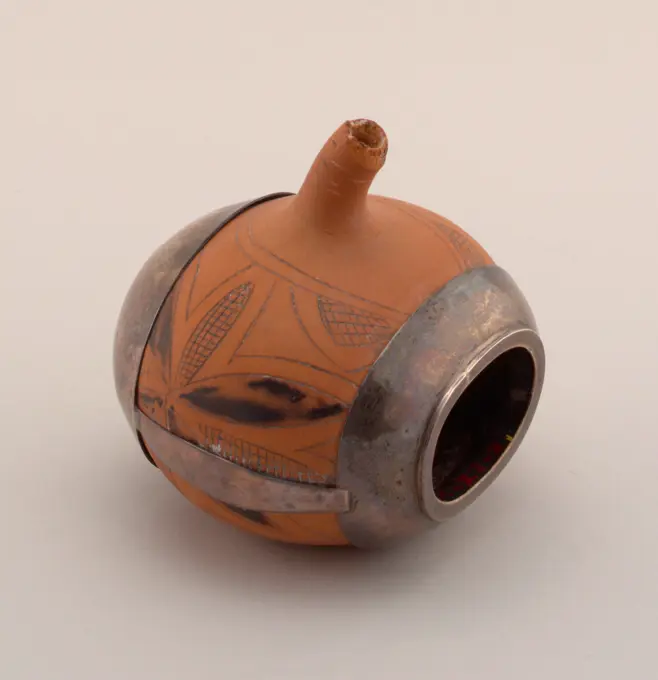
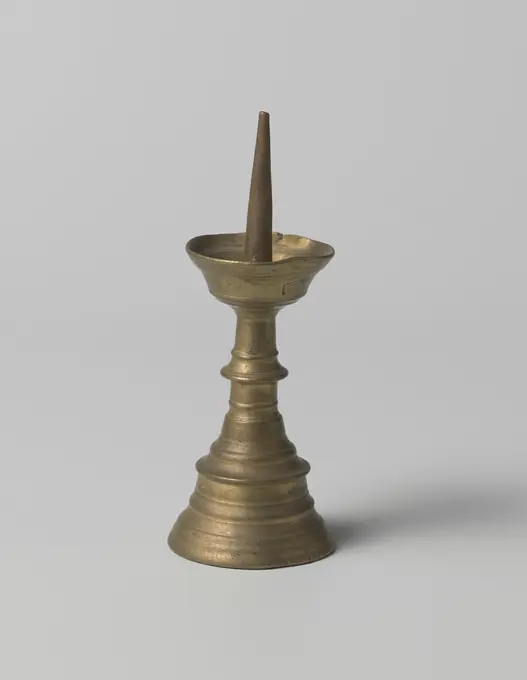
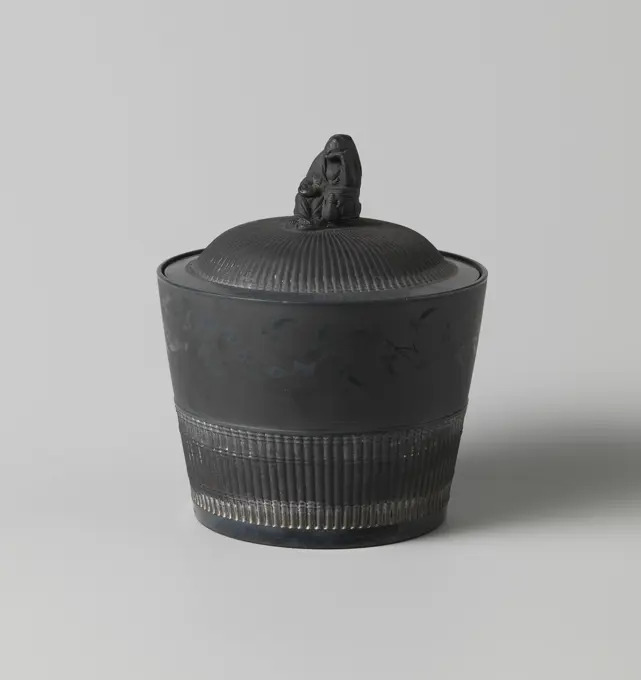
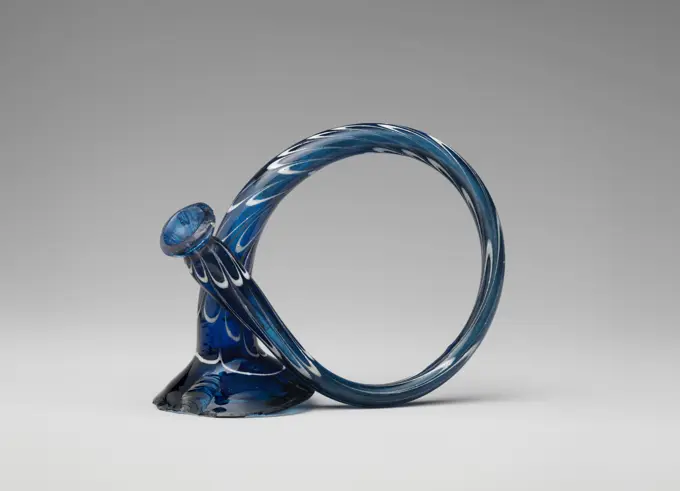
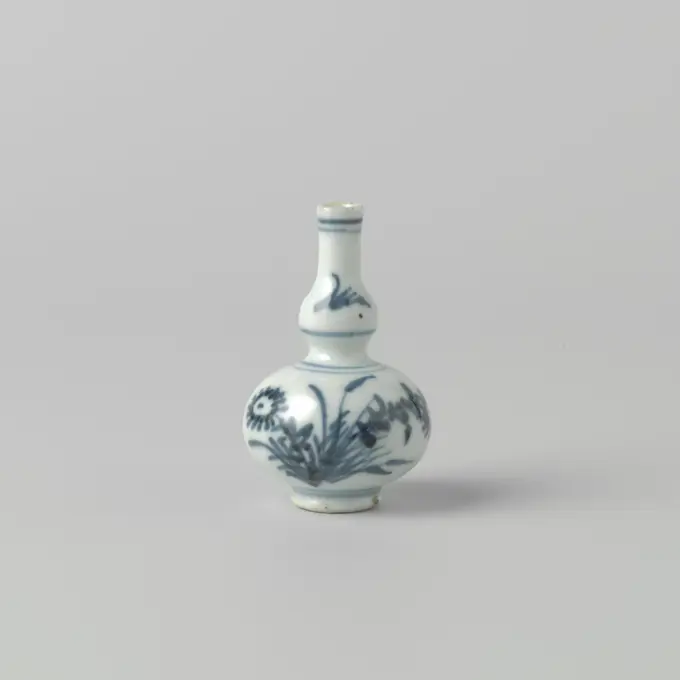
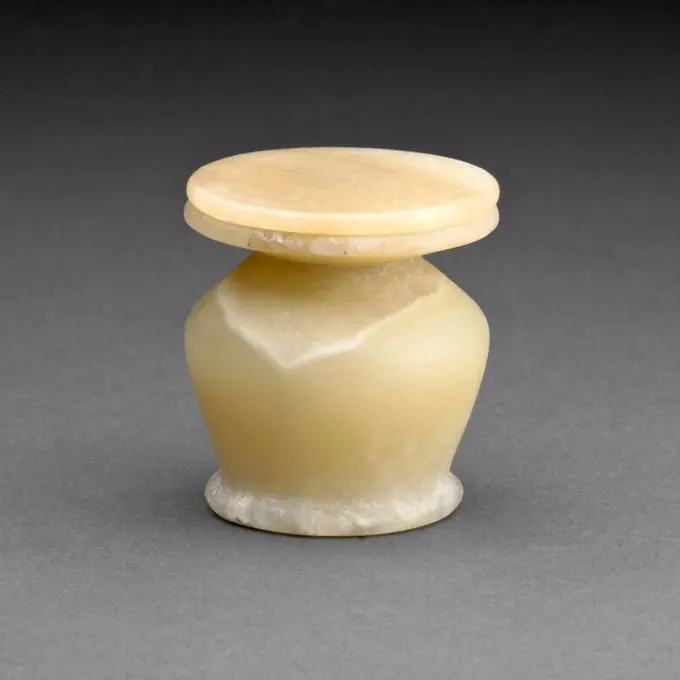
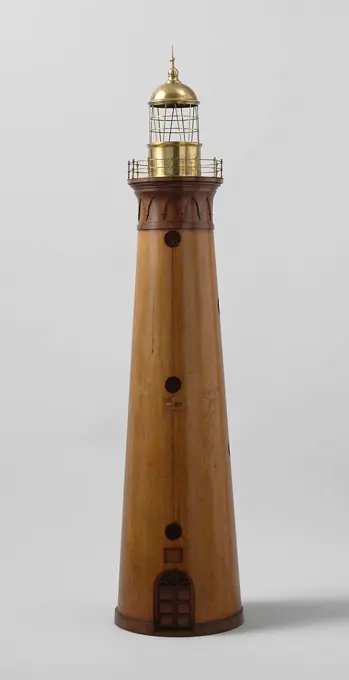
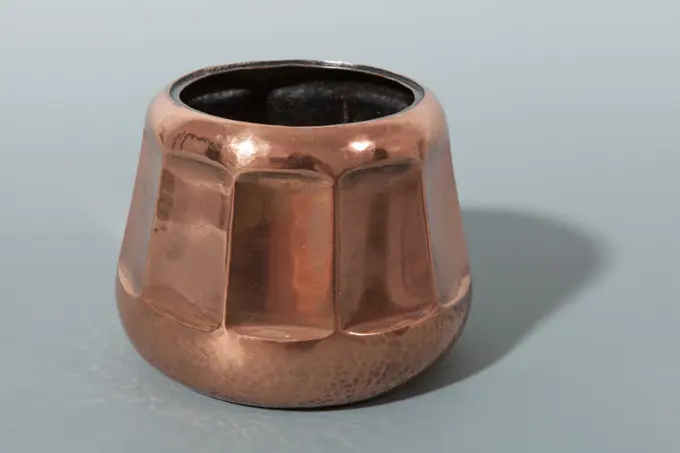
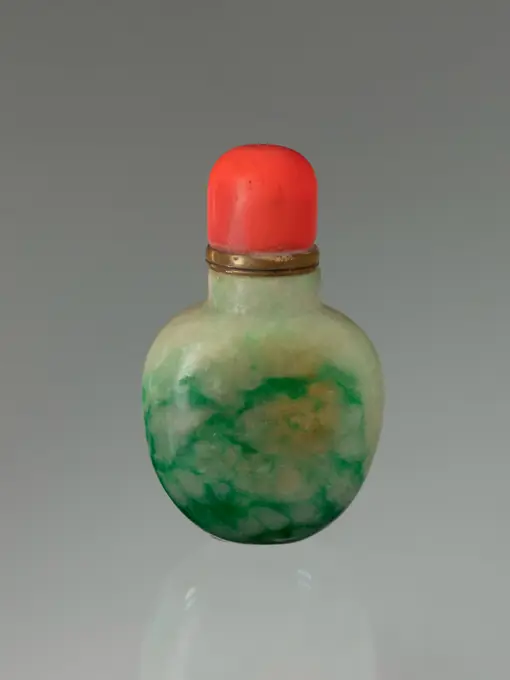
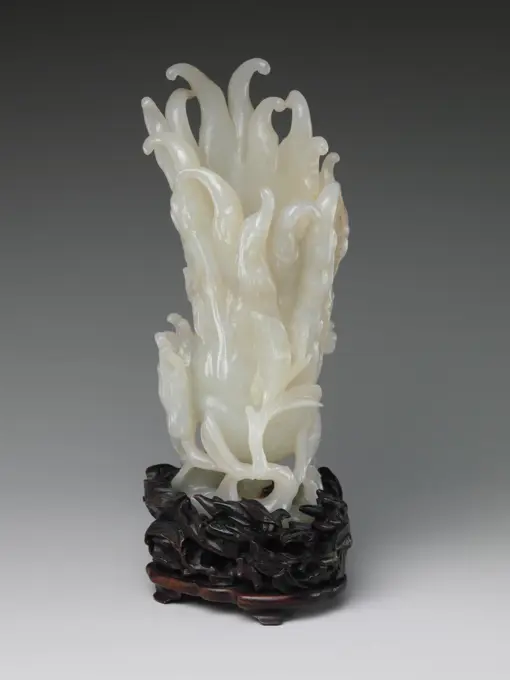
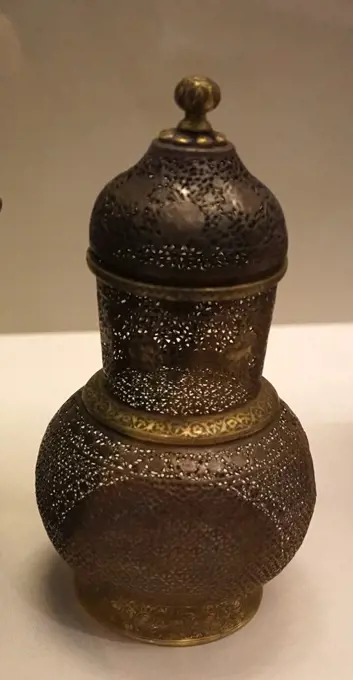
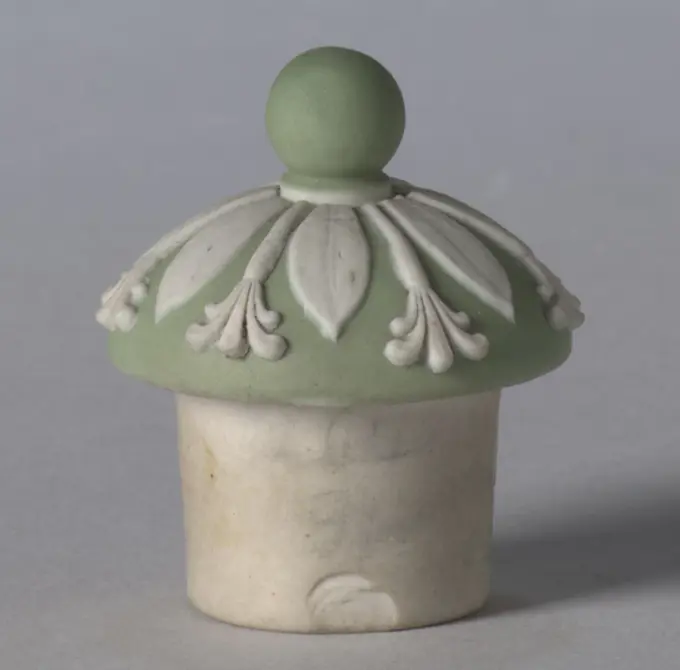
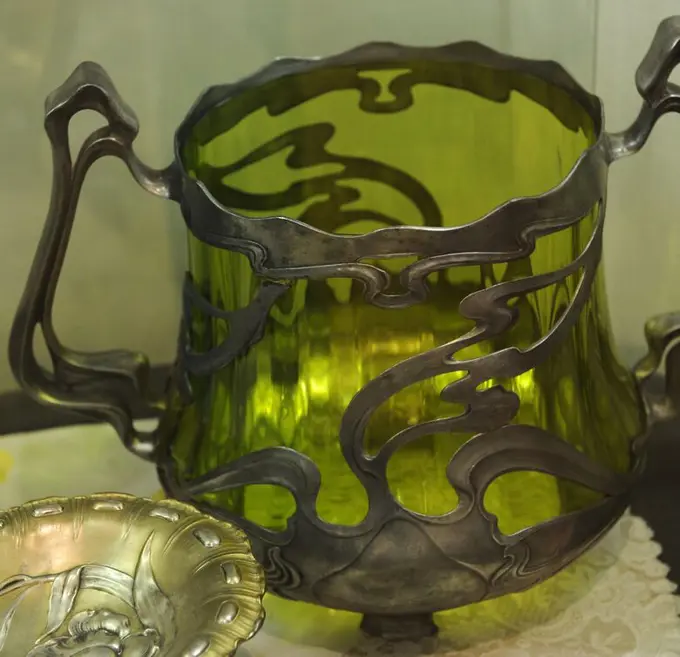
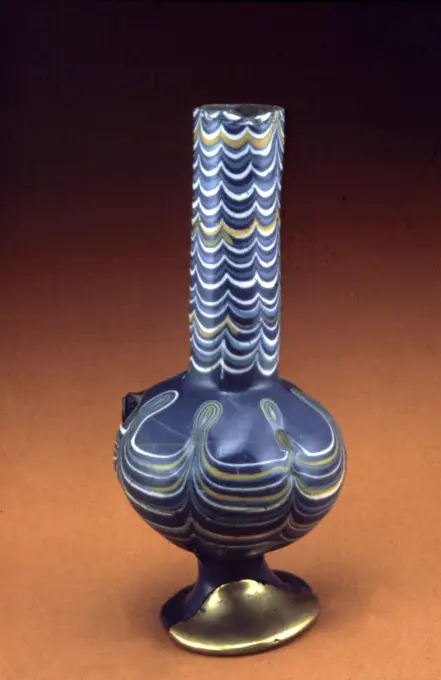
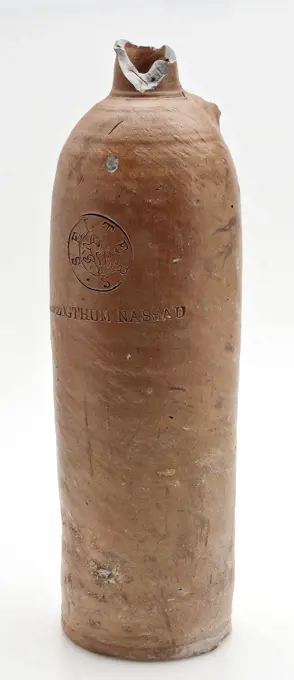
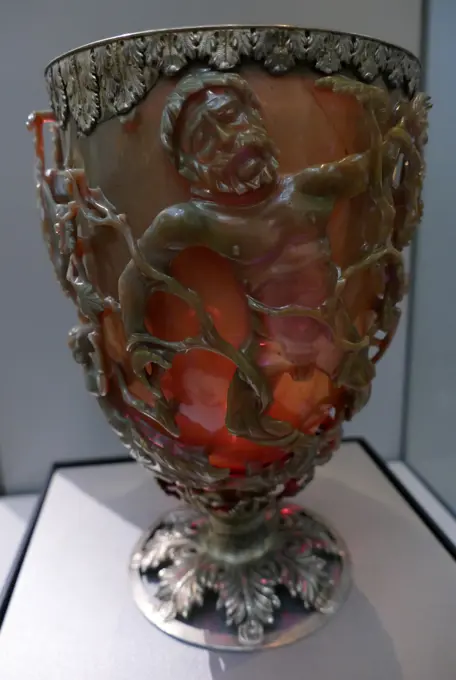
Bearing. Comet cup with inserted soil. Ribbed stand ring. Cylindrical body with a ribbed wire on one-four of the height. Below there are three sloping wires made of blue glass, ending in clawsCollar or disc candlestick from brass, anonymous, c. 1575 - c. 1625 The candlestick is composed of two cast and turned parts: the foot with the fat catcher and the trunk with the candle holder. The Konian foot passes up in a wide fat catcher, the collar. The stem sounded in the foot is baluster -shaped. The Cylindrian holder has two round openings in the wall. Foot and collar are decorated with profiles. Northern Netherlands (possibly) brass (alloy) casting The candlestick is composed of two cast and turned parts: the foot with the fat catcher and the trunk with the candle holder. The Konian foot passes up in a wide fat catcher, the collar. The stem sounded in the foot is baluster -shaped. The Cylindrian holder has two round openings in the wall. Foot and collar are decorated with profiles. Northern Netherlands (possibly) brass (alloy) castingTea jar 18th century Japan. Tea jar 63119Black-topped red ware jar ca. 3850-2960 B.C. Predynastic Period. Black-topped red ware jar. ca. 3850-2960 B.C.. Pottery. Predynastic Period. From EgyptLid, sharpened in twelve vertical facets, anonymous, c. 1350 A lid in twelve facets sharpened lid has a lion's head -contained lion's head as a crown. Southern Italy (Possible) silver (metal) grinding / gilding A lid in twelve facets sharpened lid has a lion's head -contained lion's head as a crown. Southern Italy (Possible) silver (metal) grinding / gilding. This vase displays the glass artist Émile Gallés response to Far Eastern art. Its shape is based on the ferocious Japanese lion deity shisa (or shishi), which occurs as a temple guardian throughout Asia. The vase is called ‘Head of a Japanese monster. The manes around its gapingmouth are engraved, as is the grasshopper on its cheek.Cup And Saucer; porcelain, overglaze enameling and gildingKuan vase with a cover. Wolff, Karol (fl. ca 1800), company owner, Bielino (manufaktura fajansu ; 1779-1800), factoryWaterpot with Ram's Head Spout, 1700s. China, Qing dynasty (1644-1911). White jade; overall: 4.7 x 11.8 cm (1 7/8 x 4 5/8 in.).Sugar bowl of earthenware, Neale & Palmer (Hanley), c. 1790 - c. 1825 Cup -shaped sugar bowl of earthenware, black basalt. The bottom edge of the pot is ribbed, above that a silver -colored leaf vessel runs. Hanley earthenware Cup -shaped sugar bowl of earthenware, black basalt. The bottom edge of the pot is ribbed, above that a silver -colored leaf vessel runs. Hanley earthenwareRinse bowl of pottery, et al. Birch Black Basalt. Hall ball-shaped flush bowl of pottery, Black Basalt. The bowl is on a profiled foot, has an edge of imitated braid and above a fries with allegorical representations in relief (shepherd and shepherd). The bowl has been marked.Terracotta stemless kylix (drinking cup) 5th century B.C. Greek, Attic Perhaps because the skyphos performed a similar function, stemless cups began only at the end of the sixth century B.C. and became popular during the second quarter of the fifth. They continued into the fourth century B.C., particularly in black-glazed examples.. Terracotta stemless kylix (drinking cup). Greek, Attic. 5th century B.C.. Terracotta; black-glaze. Classical. VasesBottle in the Shape of a House, with PseudoglyphsPorcelain Vase from the Qing Dynasty 17th Century.Spoon with Dual Heads, 918-1392. Korea, Goryeo period (918-1392). overall: 25.2 cm (9 15/16 in.).Vase. Culture: American. Designer: Designed by Louis Comfort Tiffany (American, New York 1848-1933 New York). Dimensions: H. 4 1/2 in. (11.4 cm). Maker: Tiffany Furnaces. Date: ca. 1903. Museum: Metropolitan Museum of Art, New York, USA.Cup plate. American. Date: 1830-1835. Dimensions: diam. (3 5/16 in.). Pressed glass. Origin: United States. Museum: The Chicago Art Institute, Chicago, USA.Tabakierka z łyżeczką. unknown, craftsmanOintment jar Late Middle Kingdom or early second Intermediate Period ca. 1850-1640 B.C. This vase was found in a group with a string of beads and a Tell el-Yahudiya juglet (now in Cairo JE 60 263) with three zones of decoration. Such juglets have been excavated in Tell el-Dab'a strata F and E3, dated generally to ca. 1710-1650 B. C.. According to the shape, the vase could, however, also be earlier (heirloom). View more. Ointment jar. ca. 1850-1640 B.C.. Travertine (Egyptian alabaster). Late Middle Kingdom or early second Intermediate Period. From Egypt, Memphite Region, Lisht South, tomb of Senwosretankh, Surface burial 34-37, MMA excavations, 1932-33. Dynasty 12, late-13Glass pendant in the form of a miniature jug ca. 4th century A.D. Roman Semi-opaque dark green, appearing opaque black; handle in same color; trail in semi-opaque pale yellow.Biconical body; broad rounded rim; short cylindrical neck with spiral ribbing; large, flat pad base, slightly pushed-in on bottom; handle applied to body over decoration, drawn out and up in a loop, and attached to rim and trailing off to one side.On body, single zigzag trail.Body intact, but large weathered chip in body; faint dulling and slight weathering.Small one-ndled glass vase; blue with light design.. Glass pendant in the form of a miniature jug 246039Flute glass with a portrait of William III, anonymous, after Anthonie Heeres Siverdtsma, c. 1655 - c. 1660 Conical foot with turned around. Hollow, baluster -shaped trunk with two discs. High, funnel -shaped chalice. On De Kelk a portrait of Stadholder Prince William III (1650-1702) is engraved as a child. The prince is wearing a dress with collar and cuffs, on the head a hat with bows and an ostrich spring. In the right hand he holds a general staff, with the other hand he picks an orange apple of a twig. His crowned weapon is depicted on the downside, surrounded by the garter of the eponymous order. Under the weapon a truncated tree, from which a young loot sprouts and a dune landscape with a church tower. Under the performance festons with orange apples. Above the portrait, the glass is signed CFM. glassblower: Low CountriesNorthern Netherlands glass glassblowing Conical foot with turned around. Hollow, baluster -shaped trunk with two discs. High, funnel -shaped chalice. On De Kelk Prehistory, Italy, Iron Age. Golasecca culture. Two-branched candelabrum in stamped and colored ceramic, second half of the 6th century b.C.Cobra Chair. Designed by Carlo Bugatti; Italian, 1856-1940; Italy. Date: 1902. Dimensions: 96.8 × 36.8 × 52.7 cm (38 1/8 × 14 1/2 × 20 3/4 in.). Wood, parchment, copper, and pigments. Origin: Italy. Museum: The Chicago Art Institute, Chicago, USA.Alabastron, oil flask, decorated in white-ground and Six Technique. Made in Athens. By 4th Century BCTumbler. Culture: American. Dimensions: H. 4 3/16 in. (10.6 cm); Diam. 2 1/4 in. (5.7 cm). Maker: Probably New England Glass Company (American, East Cambridge, Massachusetts, 1818-1888). Date: ca. 1883-88. Museum: Metropolitan Museum of Art, New York, USA.Lid of a jar, anonymous, 1700 - 1750 Vaulted lid with a pseudo-compacetted, pear-shaped button with a drop-shaped end. On the lid an engraved flower and leaf ornament. England glass glassblowing Vaulted lid with a pseudo-compacetted, pear-shaped button with a drop-shaped end. On the lid an engraved flower and leaf ornament. England glass glassblowingLid of a jar. Vaulted lid, awarded with articulated lid knob, consisting of a twisted button between four discs and a spherical end. A engraved flower and leaf garland on the lid.Cup; gourdFrasco de perfume, vidrio verde, siglos IX-X, procedente de Sant Quirze de Pedret. Museum: Museu Diocesà, Solsona.Candlestick with profiled trunk and foot. The profiled conical foot is over in a trunk with one button, and then in a fat catcher, on which the candle pin is soldered. The latter is not originally.Freshwater jar (Mizusashi). Culture: Japan. Dimensions: H. (incl. lid) 7 1/4 in. (18.4 cm); Diam. 7 1/2 in. (19.1 cm). Date: late 17th-18th century. Museum: Metropolitan Museum of Art, New York, USA.Sugar bowl with lid of pottery. Cup shaped sugar bowl with lid of pottery, black basalt. The sugar bowl has a ribbed, vaulted lid with a button in the form of a grieving woman. The bottom edge of the pot is ribbed, above it runs a silver-colored leaf drink.Wine Glass, 1775-1810. England, late 18th-early 19th century. Glass; diameter: 6.9 cm (2 11/16 in.); overall: 17.5 x 8 cm (6 7/8 x 3 1/8 in.).Horn late 16th or early 17th century French. Horn. French. late 16th or early 17th century. Glass. GlassNo. 103 Wine Pitcher With Stopper; Designed by Theophil Hansen; Manufactured by J. & L. Lobmeyr GmbH (Austria); Austria; mouth-blown crystal, cut and polished ornamentsMiniature double gourd-shaped vase with flower sprays, anonymous, c. 1675 - c. 1724 Miniature gourd -shaped vase with a slightly spreading neck, painted in underlaze blue. On the abdomen a flower branch (aster) and loose twigs. Blue White. China porcelain. glaze. cobalt (mineral) painting / vitrification Miniature gourd -shaped vase with a slightly spreading neck, painted in underlaze blue. On the abdomen a flower branch (aster) and loose twigs. Blue White. China porcelain. glaze. cobalt (mineral) painting / vitrificationCup in Shape of Rhinoceros Horn 18th century China This small cup, most likely intended for use on a scholars desk, is in the shape of a rhinoceros horn, a material that was widely used at the court and among the literati from the seventeenth to the nineteenth century. The cup is decorated with appliquéd designs that include a slumped figure on one side, which may allude to the famous poet Li Bai (701-762), and on the other, a mythical qilin gazing at the moon.. Cup in Shape of Rhinoceros Horn. China. 18th century. Porcelain with applied decoration (Dehua ware). Qing dynasty (1644-1911). CeramicsSnuff Bottle China. Snuff Bottle 41585Chalice glass with funnel -shaped, optically blown, ribbed and twisted chalice, anonymous, c. 1550 - c. 1650 Flat. The trunk formed from a ribbed, twisted tube bent in the shape of a winding serpent with a blue mouth and a flat wing of colorless glass. Funnel -shaped, optically blown, ribbed and twisted chalice. Venice glass glassblowing Flat. The trunk formed from a ribbed, twisted tube bent in the shape of a winding serpent with a blue mouth and a flat wing of colorless glass. Funnel -shaped, optically blown, ribbed and twisted chalice. Venice glass glassblowingHoldsCeramics and glass from the Roman Imperial period, year 27 B.C. - 3rd century AD , Museu Municipal de Ciutadella,. Bastió de sa Font, Ciutadella, Menorca,balearic islands, Spain.Models of shot bundles (grapeshot), anonymous, c. 1750 - c. 1800 scale model A bullet bundle or grape. Linen bag with bullets or scrap on a wooden disc. Netherlands wood (plant material). linen (material). iron (metal)BottleVase with archaistic design 14th century China This pear-shaped vase has a wide oval mouth, a long neck with two tubular handles, a swelling belly and a tall ring foot. Its surface is decorated with six horizontal bands of archaistic motifs, five on the body and one on the foot. The top band consists of bird-like motifs in low relief on a background of small squarish spirals. The next one includes two masks of fantastic animals, apparently derived from ancient bronze designs, which are also repeated on the surface of the handles. The third band is composed of interlaced dragons” with vaguely defined heads. Designs in the fourth band and that on the foot are identical, which are the so-called hook, wing and eye” motifs, that alternate around the circumference. The last band on the body of the vase, the tallest of all, is made of dragons with intertwined bodies.. Vase with archaistic design. China. 14th century. Bronze. Yuan dynasty (1271-1368). MetalworkCup with Running Ibexes. Dimensions: H. 5 in. (12.7 cm)Diam. 5 5/8 in. (14.3 cm). Date: second half 12th century.To create "silhouette ware," an object of white clay is covered with a special black slip made with the mineral chromite. The slip is carefully removed or incised to create an image. After an initial firing, the vessel is dipped into a transparent turquoise glaze and fired again. In addition to creating a striking color contrast, this overglaze saturates the chromite slip, transforming it from a matte gray brown into an intense black. Museum: Metropolitan Museum of Art, New York, USA.Bottle with Peach Bloom Glaze, 1662-1722. China, Qing dynasty (1644-1911), Kangxi reign (1661-1722). Porcelain; overall: 15.3 cm (6 in.).Size of approx. 0.757 liters. Size of approx. 0.757 liters with handle.chrismera intended to store the Holy Oils and the Chrism, 9th-10th century, monastery of Sant Pere de Roda, high Emporda, Girona art museum, Girona, Catalonia, Spain.Oorijzer, anonymous, 1801 A silver ear iron with two buttons. This includes: two such pins (B, C) and two such springs (D, E). The two feathers are marked, master sign: a tree. Alkmaar silver (metal) A silver ear iron with two buttons. This includes: two such pins (B, C) and two such springs (D, E). The two feathers are marked, master sign: a tree. Alkmaar silver (metal)JARRO DE VINAGRE - VIDIRIADO Y DECORADO EN BLANCO Y AZUL. Location: ALFARERIA. GRANADA. SPAIN.Oil and vinegar of glass and tin, anonymous, c. 1775 - c. 1800 Oil and vinegar. Tin with medallions and garlands, with two bottles.  glass. tin (metal) Oil and vinegar. Tin with medallions and garlands, with two bottles.  glass. tin (metal)Double kohl tube with lid ca. 1635-1458 B.C. Second Intermediate Period-Early New Kingdom. Double kohl tube with lid 547042Cover with flower sprays, Mennecy-Villeroy, c. 1735 - c. 1763 Soft-pale porcelain lid (pâte tendre) with a lobed edge, painted on the glaze in blue, red, pink, green, yellow and purple. The lid is slightly modeled in eight compartments with a flower branch twice. Lid button in the form of a branch with a strawberry. Mennecy porcelain. soft-paste porcelain. glaze. painting / vitrification Soft-pale porcelain lid (pâte tendre) with a lobed edge, painted on the glaze in blue, red, pink, green, yellow and purple. The lid is slightly modeled in eight compartments with a flower branch twice. Lid button in the form of a branch with a strawberry. Mennecy porcelain. soft-paste porcelain. glaze. painting / vitrificationSnuff Bottle 19th century China. Snuff Bottle 41573Mei Ping, 1662-1722, H.7-1/4 in., Porcelain, China, 17th-18th centurySwiss military manner model 1932 Factory productGold pendant 4th century B.C. Greek Pendant globe. A large white globe of lime mortar, evidently intended to imitate a large sea pearl, is enclosed in a gold wire net fused with granulation and constructed of rows of plain wire laid in a zigzag pattern.. Gold pendant. Greek. 4th century B.C.. Gold. Classical. Gold and SilverModels of shot bundles (grapeshot), anonymous, c. 1750 - c. 1800 scale model A bullet bundle or grape. Linen bag with bullets or scrap on a wooden disc. Netherlands wood (plant material). linen (material). iron (metal)Saucepan with lid with the family crest of Beaumont, Jan Hendrik Middelhuysen, 1793 Saucepan or porringer with lid with the Beaumont family crest. The printed spherical body has a convex, outstanding top edge, which is bordered on the bottom by a wide rib, and which turns into a snared spout. Halfway through the body, the ebbenhouten stalks up a tilted steel; It was stabbed in a silver stroke built up from two parts. The loose, curved lid has a low round elevation in the middle on which the spherical, profiled, ebony button, crowned by a small silver ball, is attached. Beaumont's weapon is engraved under the spout. Amsterdam silver (metal). ebony (wood) Saucepan or porringer with lid with the Beaumont family crest. The printed spherical body has a convex, outstanding top edge, which is bordered on the bottom by a wide rib, and which turns into a snared spout. Halfway through the body, the ebbenhouten stalks up a tilted steel; It was stabbed in a silver stroke built up from two parts. TCup, decorated with woman with tambourine. Cup of porcelain, with golden edge and in black a woman with tambourine and song, entitled: Cendrillon, with music.Cobalt Pitcher. Dated: 1935/1942. Dimensions: overall: 35.5 x 27.9 cm (14 x 11 in.). Medium: watercolor, graphite, and gouache on paper. Museum: National Gallery of Art, Washington DC. Author: Robert Stewart.Flacon of red stained glass, with stop, anonymous, c. 1850 Flacon made of red stained glass. Engraved surfaces in which images of monuments with captions: Ober-Wesel, Ober-Tensmpel a.d. Niederwald, Falkenburg and the initials M.R. Bohemia glass Flacon made of red stained glass. Engraved surfaces in which images of monuments with captions: Ober-Wesel, Ober-Tensmpel a.d. Niederwald, Falkenburg and the initials M.R. Bohemia glassBowl, c. 1679, 3 1/4 x 7 3/4 x 7 3/4 in. (8.3 x 19.7 x 19.69 cm), Silver, England, Charles IISnuff Bottle with Two Figures. Culture: China. Dimensions: H. 3 1/8 in. (7.9 cm). Date: early 19th century. Museum: Metropolitan Museum of Art, New York, USA.Mosaic bone ball, from Uttar Pradesh, Northern India.Gourd. Japan, 19th century. Costumes; Accessories. Gourd, metalSnuff bottles with figures in landscape. Culture: China. Dimensions: H. 2 1/2 in. (6.4 cm); H. incl. stand 3 1/4 in. (8.3 cm); W. 2 3/8 in. (6 cm); D. 1 in. (2.5 cm). Date: 18th century.Lacquer, the resin of a tree, has been colored with the mineral cinnabar and then layered onto the surface of this snuff bottle. It is the lacquer, not the underlying substructure, which was carved to create the scene of figures in a landscape. Museum: Metropolitan Museum of Art, New York, USA.Glass trumpet. Smooth, curved ribbed tube, flared in a bell-shaped ribbed singing cup; A bent nozzle on the narrow side. Green glass.Small jugLluis Ventós / "Goddess", 2006, Sculpture, 31,5 x 11,5 x 7,1 cm.Paperweight, 19th-20th century, 2 7/8 x 2 7/8 x 2 7/8 in. (7.3 x 7.3 x 7.3 cm), Glass, United States, 19th-20th centuryKohl Jar with Lid. Egyptian. Date: 1976 BC-1794 BC. Dimensions: a (lid): 0.4 × 4 × 4 cm (3/16 × 1 9/16 × 1 9/16 in.) b (jar): 4.1 × 4 × 4.1 cm (1 5/8 × 1 9/16 × 1 5/8 in.). Egyptian alabaster. Origin: Egypt. Museum: The Chicago Art Institute, Chicago, USA. Author: Ancient Egyptian.Model of the lighthouse at De Cocksdorp on Texel.This lighthouse model is remarkable for its wooden structure, which represents brickwork. At the end of World War II this lighthouse on Texel was heavily damaged during a fierce exchange of fire between Georgian prisoners of war, who had barricaded themselves in the building, and German troops, who eventually managed to recapture the lighthouse. After the war, it was rebuilt in concrete.Tankard with ribbed borders, c. 1800 - c. 1899 Beer pules of stoneware on standing surface with a cylindrical body and C-shaped ear. A wide tire profiles under the edge and above the foot. The lower part of the can is covered with a brown Engobe. Attached to the ear a pewter frame with lid. On the lid the brand 'I.H.' And on the inside a beaten brand with the letters 'I.F.S.'. Germany Stoneware. Glaze. Engobe. frame: tin (metal) vitrification Beer pules of stoneware on standing surface with a cylindrical body and C-shaped ear. A wide tire profiles under the edge and above the foot. The lower part of the can is covered with a brown Engobe. Attached to the ear a pewter frame with lid. On the lid the brand 'I.H.' And on the inside a beaten brand with the letters 'I.F.S.'. Germany Stoneware. Glaze. Engobe. frame: tin (metal) vitrification. Pot of pottery, spherical with raised edge. Decorated in gray and dark blue with stylized butterfly motifs, on green fond. The raised edge is entirely covered with gray, the blue butterflies are trimmed with yellow gold dots. Signed: Crowned the name Thistel above the Amsterdam weapon in triangle; M.129 And painter DW. Decor to design by Bert Nienhuis.Vase with silver decoration of leaf raft. Flat soil, double -onic body. Decoration of gusted yellow-brown glass splinters, golden irisering. Galvanoplastic silver decoration of leaf refrices with engraved details. The silver marked in the upper edge with crown, crowbar and level of waste 935, German silver brands in use from 1888.Cutlery holder. Koenigliche Porzellanmanufaktur, Meissen (1807/14-1918), manufactureSugar bowlKissing white cotton. Pillow from the cradle, made of white cotton, filled with fluff.Ring probably 19th century Chinese This collection of largely ethnographic jewelry includes examples from cultures in South America, North America, Europe, Asia, and Africa and dates from the Pre-Columbian period to the twentieth century. Owned by renowned art collector and fashion enthusiast Muriel Kallis Newman, the collection represents her knowledge and appreciation of a wide range of jewelry design and making traditions. Numerous items in her collection are composite artifacts made from various cultures and time periods reappropriated as modern jewelry creations by or for Muriel. It is important to note that Newman wore many of the pieces in the collection, interpreting them to suit and express her own singular, often avant-garde style.. Ring. Chinese. probably 19th century. jadeiteTurkish coffee pots made in a traditional styleMug (England); 5.1 x 7.5 x 5.3 cm (2 x 2 15/16 x 2 1/16 in.); Bequest of Jane M. Epstine; 2006-20-12Tabakierka z łyżeczką. unknown, craftsmanBuddhas hand China. Buddhas hand 44264Helmet 18th century Japanese. Helmet. Japanese. 18th century. Iron, steel, silver. Helmetspatinated brass vessel in openwork with cast handles, from Iran. Dated 19th CenturyCup with Handle, 10th-11th century, 3 1/16 x 4 1/2 x 4 15/16 in. (7.8 x 11.4 x 12.5 cm), Ding ware Porcelaneous stoneware under a transparent glaze, China, 10th-11th centuryPepper Shaker:WashingtonFlash; Non -like Lona Huta; 2. PO. 19th century (1850-00-00-1900-00-00);Wilgenteen cradle, with white hood, anonymous, c. 1750 - c. 1800 Crib van braided willow on two wooden shanks. The cradle is covered with linen on the inside, filled with fluff. The outside of the hood is covered with white linen and with black -stained edge decoration. The cradle has four handles. Holland beech (wood). linen (material). wool braiding Crib van braided willow on two wooden shanks. The cradle is covered with linen on the inside, filled with fluff. The outside of the hood is covered with white linen and with black -stained edge decoration. The cradle has four handles. Holland beech (wood). linen (material). wool braidingSnuff Bottle, 1800-1900, 2 1/4 x 7/8in. (5.7 x 2.2cm), Bean pod, ivory, silver, ChinaThree stacked cups on a wooden floorCover for an Urn, c. 1800. Wedgwood Factory (British). Jasper ware with relief decoration; overall: 19.7 cm (7 3/4 in.).Detail of wicker basketArt nouveau. Showcase with different objects. Early twentieth century. Museum of History and Navigation. Riga. Latvia.Cup (part of a service) Manufactory Capodimonte Porcelain Manufactory Italian 1743-59 The gift of the Hans Syz Collection in 1995 endowed the Museum with nearly three hundred examples of European and Asian ceramics meticulously acquired by Swiss-born collector Dr. Syz (1894-1991) to chart the migration of models and patterns from East to West. Documenting a continuous process of influence and adaptation, these pieces provide a discriminating review of the nuances of stylistic change resulting from three centuries of trade.Egyptian glass flask, 18th Dyn. 1400-1300 BC.Stoneware mineral water pitcher, cylindrical with round shoulder, sausage ear and short neck, mineral water pitcher jar product packaging container soil find ceramic stoneware glaze salt glaze approx., hand-turned glazed baked stoneware mineral pitchers cylindrical with round shoulder short neck and sausage ear. Stand area with traces of deduction and soul. brown glazed. Marked under the ear and marked on the front with medallion and text. Chalkboard in medallion: SELTERS in the midfield leftwing claw lion archeology Rotterdam Kralingen-Crooswijk Struisenburg Oostmaaslaan Boslaan Buizengat advertising indigenous pottery import drinking water drinking medicine medicine packaging Soil discovery: Buizengat Oostmaaslaan Boslaan Rotterdam an old landfill of urban waste.The Lycurgus Cup; 4th-century, Roman glass cage cup. Made of a dichroic glass, which shows a different colour depending on whether or not light is passing through it; red when lit from behind and green when lit from in front. It is the only complete Roman glass object made from this type of glass. The cup is also a very rare example of a complete Roman cage-cup, or diatretum. It named after King LycurgusThree-Sectional Altar Group: Cylindrical Carving with Phoenix (base), 1644-1911. China, Qing dynasty (1644-1911). Jade; overall: 21.4 x 8 x 4.5 cm (8 7/16 x 3 1/8 x 1 3/4 in.); with base: 24.2 cm (9 1/2 in.); base: 6.9 x 10.4 x 5 cm (2 11/16 x 4 1/8 x 1 15/16 in.).