Artistic Vases Collection

A variety of unique, artistically crafted vases in different shapes and finishes, showcasing ceramic design with a focus on texture and color.
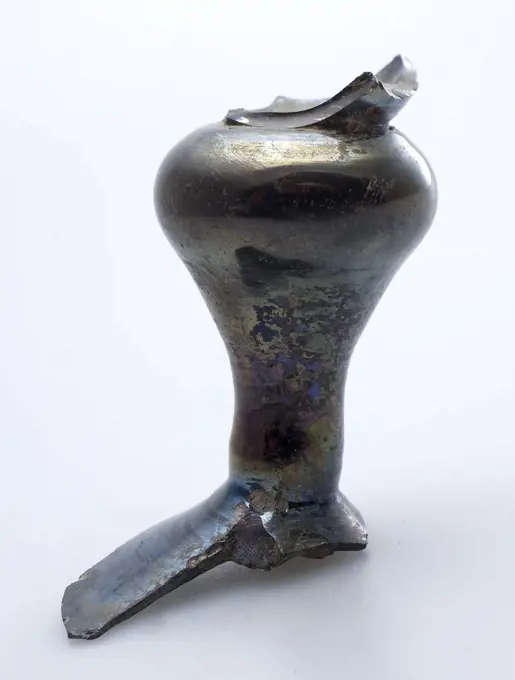
Fragment of part of foot and of stem of goblet, drinking glass drinking utensils tableware holder soil find glass, hand-blown Fragments of part of foot of trunk and of part of three (very similar) chalice glasses (5-7) ) in clear colorless glass. Pontil mark under slightly ascending foot one with folded foot edge. Hollow reverse baluster stem. Bell-shaped smooth chalice archeology Soil discovery: loose finds collapses.
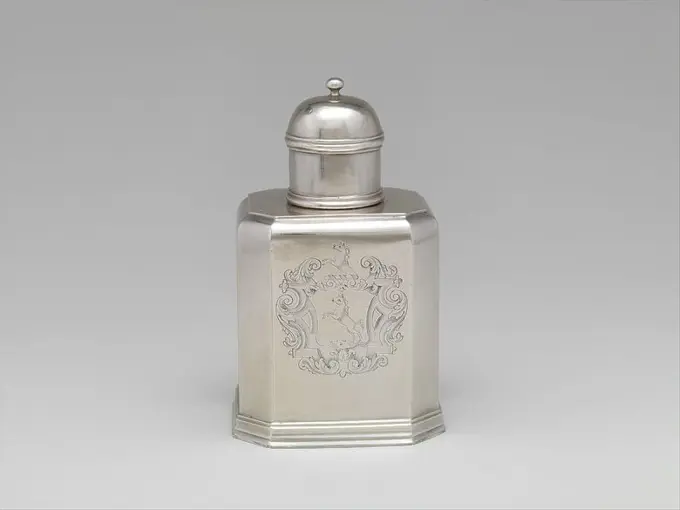
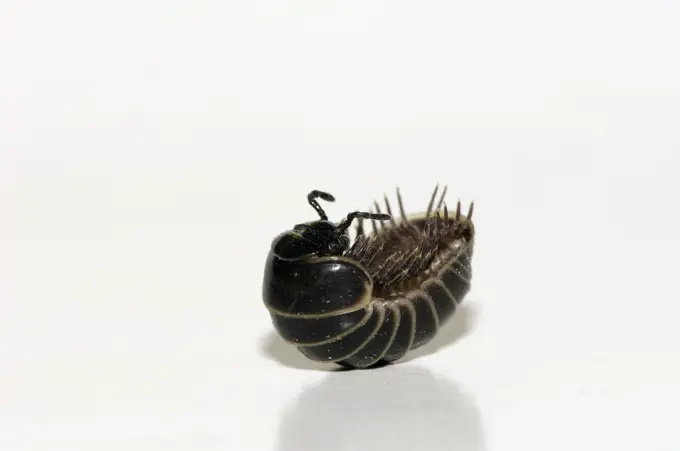
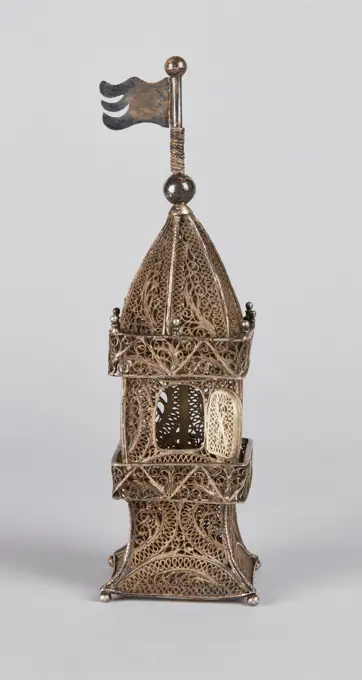
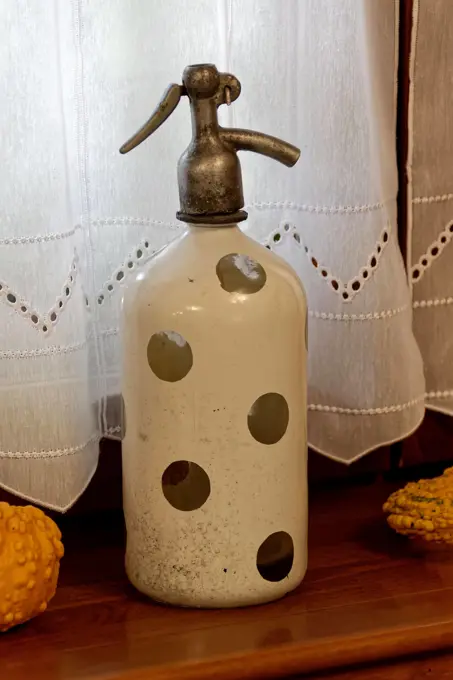
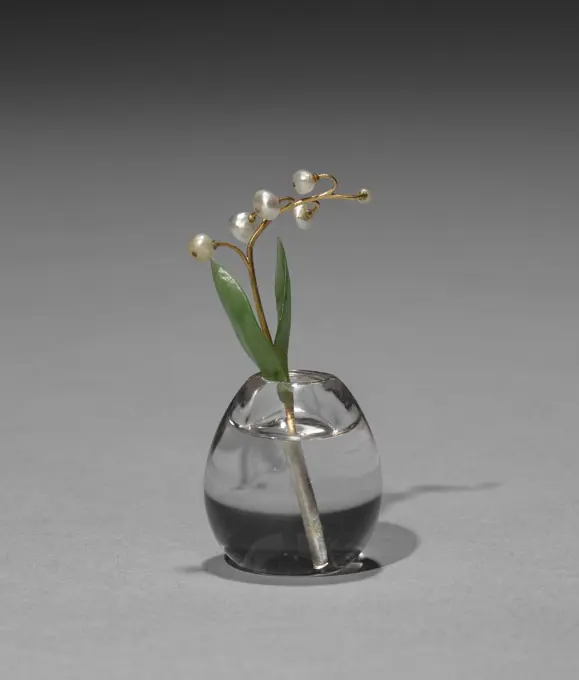
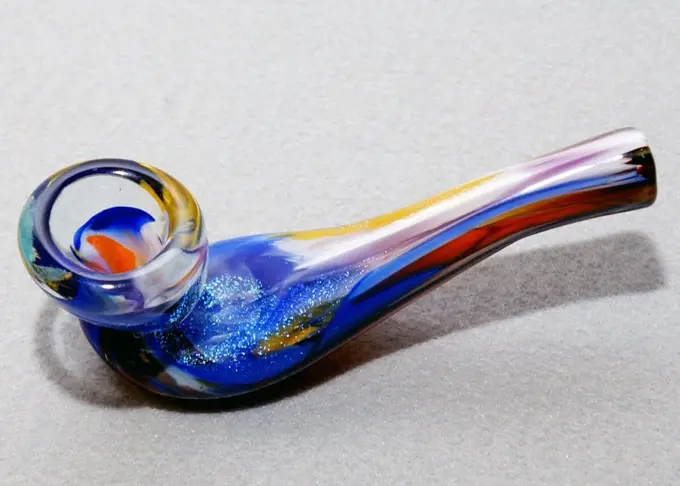
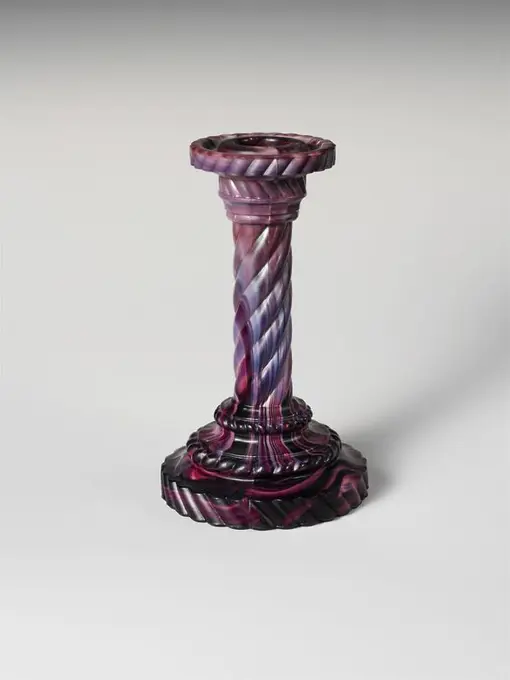
Candlestick. Dimensions: Dimensions unavailable. Date: 1880-90. Museum: Metropolitan Museum of Art, New York, USA.Tassel 17th century Italian. Tassel. Italian. 17th century. Linen. Textiles-TrimmingsTea Caddy. Artist: Simeon Soumaine (baptized 1685-ca. 1750). Dimensions: 4 3/8 × 2 3/4 × 2 3/8 in. (11.1 × 7 × 6 cm). Date: ca. 1720.Rare survivals in early American silver, this pair of octagonal tea caddies and matching sugar box emulate contemporary English design. They also evoke the passion for tea-drinking and its costly accessories that became as fashionable in the Colonies as they were abroad. Each vessel is engraved with the arms and crest of the Bayard family of New York. Although only one tea caddy entered the Metropolitan's collection in 1964 (64.249.5a,b), the set was reunited in 2015 with the purchase of the matching caddy and sugar box (2015.93.1a,b-2a,b). Museum: Metropolitan Museum of Art, New York, USA.Stamp. Stamp in the form of a stupa. A drum is shown on the stamp.pill millipede - cut outCup with the motif of a yellow dragon on a blue background unknownMiniature Ointment jar ca. 1850-1775 B.C. Late Middle Kingdom The five miniature ointment jars 33.1.16-.20 were excavated in subsidiary shaft tomb 29 in the area of the mastaba of Senwosretankh at Lisht South. The shaft led to two chambers. In the debris filling chamber A were found remains of at least two funerary masks, one of them (33.1.64) covered with gold foil and inscribed with so-called mutilated hieroglyphs (hieroglyphic signs of birds and other animals without feet), a style of writing that is found on objects from the late 12th Dynasty through the beginning of the 18th. More gold leaf from the edges of a wooden coffin with a design imitating papyrus matting suggests that at least one of the plundered burials was of the so-called "court type" best known from the funeral outfits of royal princesses who died during the late 12th and early 13th dynasties. The shapes of several pottery vessels found in pit 29 also fit with these dates, but others (formerly MMA 33.1.150, .152-.154Sèvres Porcelain Manufactory, Cup and Saucer, c. 1920, hard-paste porcelain.Covered Dish. Thomas Bakewell for Atterbury Glass Co.; Pittsburgh, Pennsylvania. Date: 1887. Dimensions: 12.7 × 28 × 10.2 cm (5 × 11 × 4 in.). Glass. Origin: Sandwich. Museum: The Chicago Art Institute, Chicago, USA.Vase (USA); Manufactured by Rookwood Pottery (United States); Decorated by Helen M. Lyons; glazed earthenwareLamp. Dated: c. 1937. Dimensions: overall: 30.5 x 22.9 cm (12 x 9 in.) Original IAD Object: 5" high; 4 1/2" wide. Medium: watercolor, graphite, and gouache on paper. Museum: National Gallery of Art, Washington DC. Author: Robert Stewart.The Earth Planet with a Cup-and-ball ToyVaseSpice containerSoda Siphon Flasche weiss emailliert mit grauen punkten *** Soda Soda Siphon Bottle white enamelled with grey Points 1033902740Flower Study of a Miniature Lily of the Valley, c. 1885-1915. House of Fabergé (Russian, 1842-1918). Pearls, jade, rock crystal, gold, diamonds; overall: 5.1 x 2.3 cm (2 x 7/8 in.). A small, carved rock crystal vase holds this lily of the valley study. The pearls, forming the flowers buds, are drilled and attached to the remarkably slim gold stem. The hand-cut nephrite (jade) leaves enhance the naturalistic aura of the flower. Fabergés inspiration for his flower studies is said to have come from the floral brooches of precious stones that were made in the 1700s for Catherine the Great as well as from the Japanese art of flower arranging, known as ikebana.CreamJug.   Maker: Sèvres Porcelain Manufactory, French, founded 1745Trident Maple Bonsai (Acer buergerianum), Aceraceae, 40 cm high, around 50 years old.Tassel 18th century French. Tassel 213578Shop selling Edo Kiriko cut glass in Tokyo, Japan.Blackfeet peyote water drum covered with the bison hidePirate treasure two oval cut blue topaz set within a wooden skull Copyright: xZoonar.com/YannxPoirierx 2290378A glass Meth Pipe for inhaling Methamphetamine (also called methylamphetamine, desoxyephedrine, Crystal Meth (or just meth) a man-made stimulant drug.MOROCCO, Casablanca: Quartier Habous / Nouvelle (New) Medina built by the French in the 1930's, Moroccan Souvenirs, Sheesha Water Pipe