Blue and White Porcelain

A collection of historical blue and white porcelain bowls and dishes featuring intricate floral designs from various Chinese and Vietnamese dynasties.

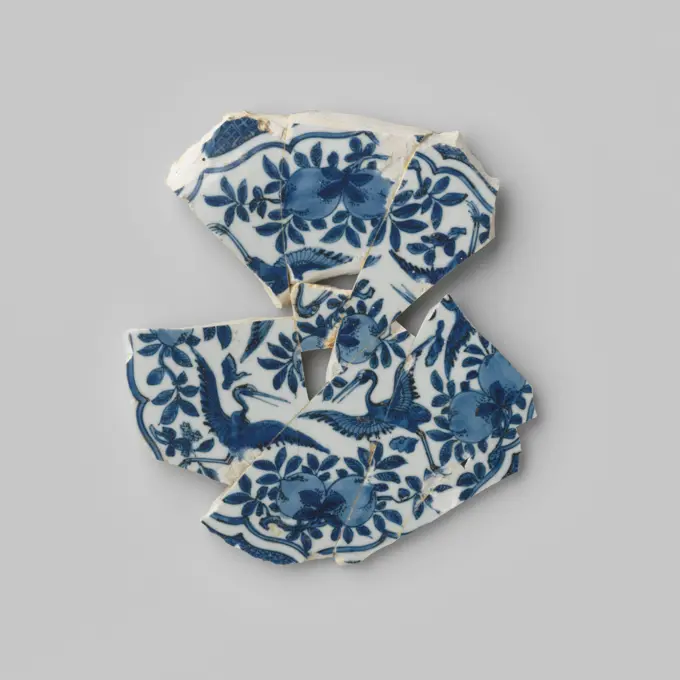
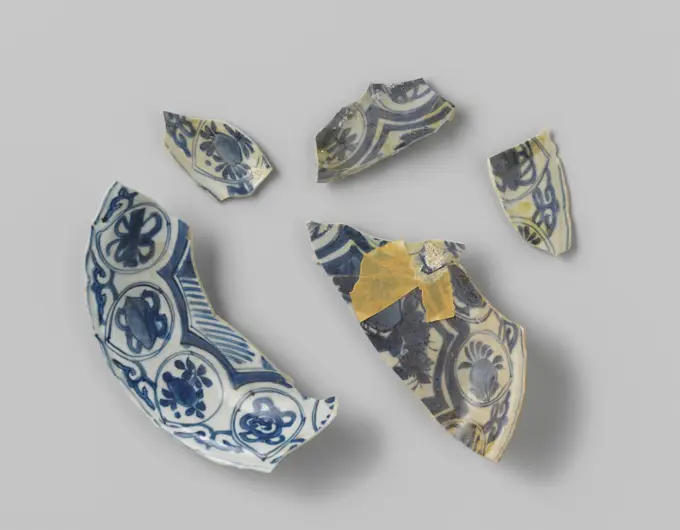
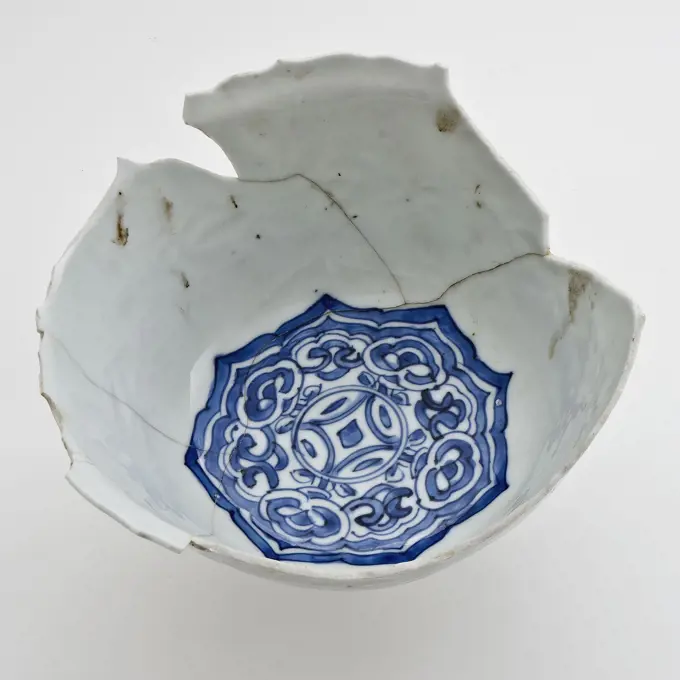
Fragment majolica dish, blue on white, flower vase and bird in Chinese style, dish tableware holder soil find ceramics pottery glaze, Op princes fried Deep dish bowl shaped soul archeology food decorate serving China
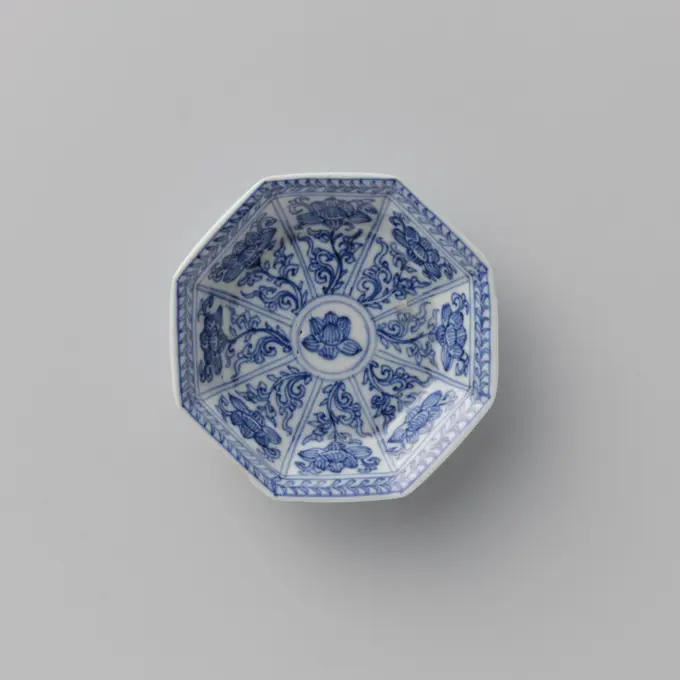
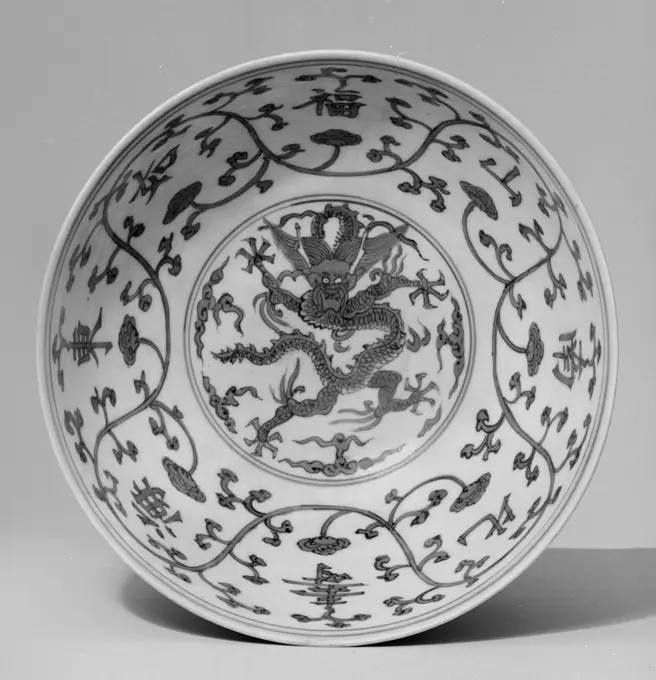
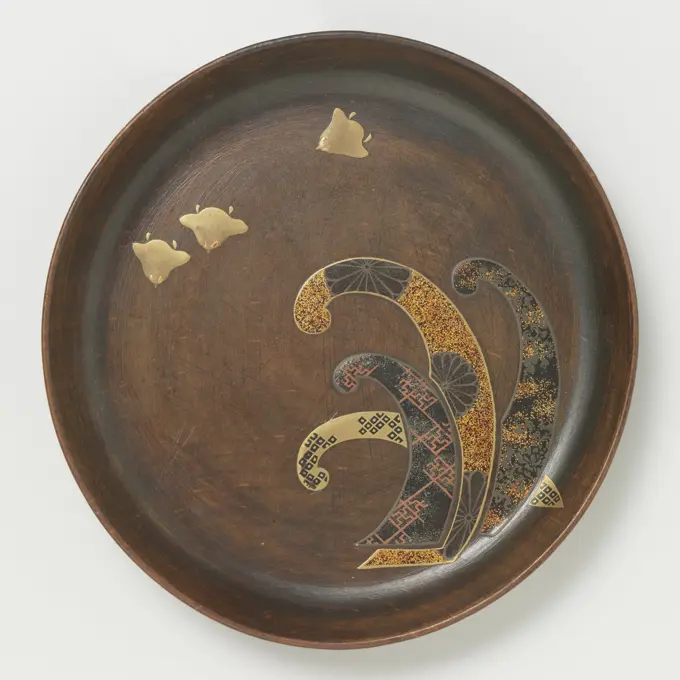
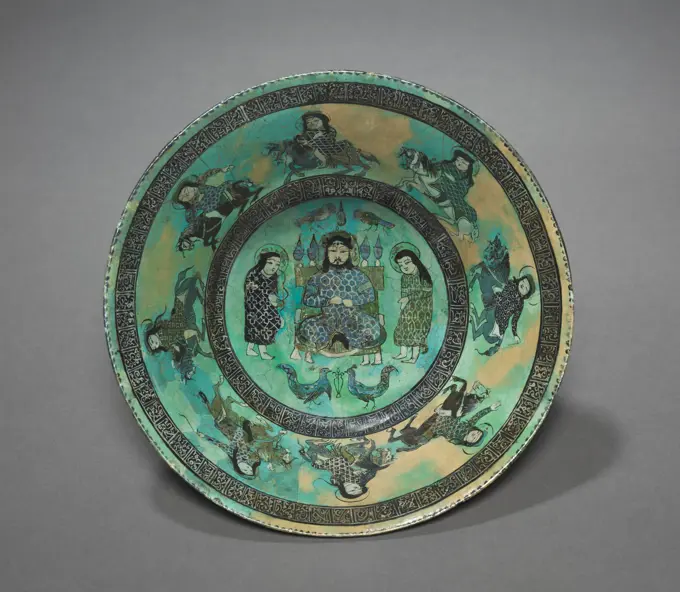
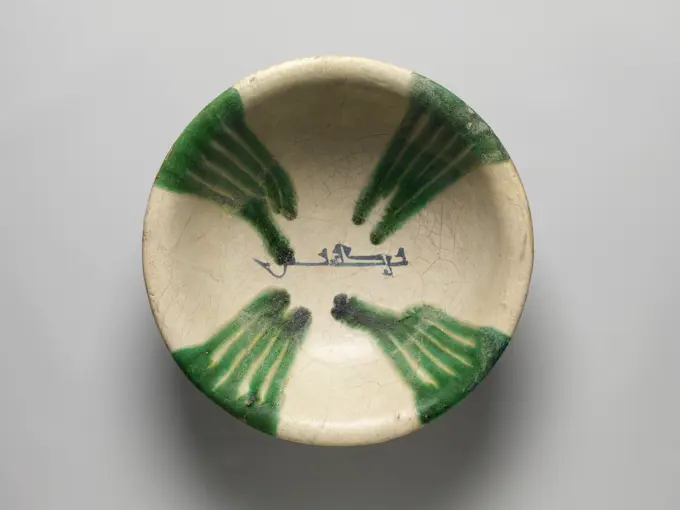
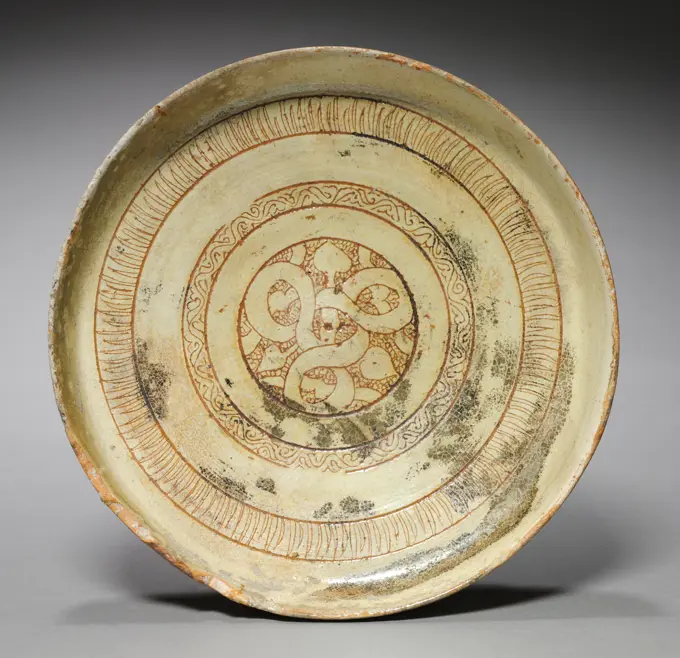
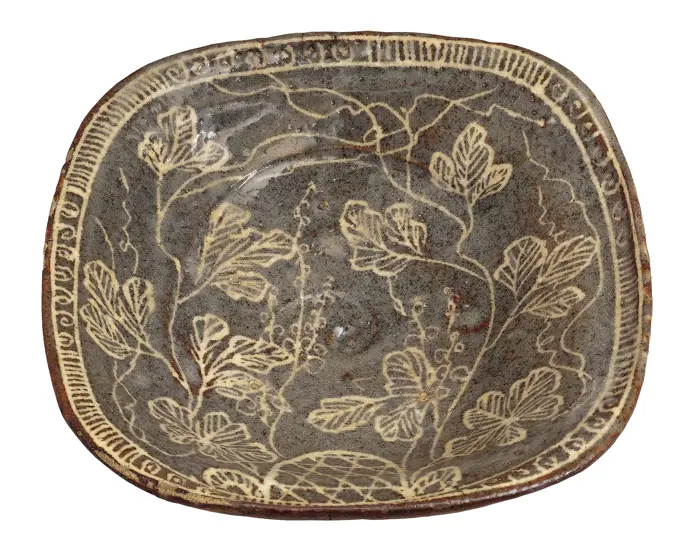
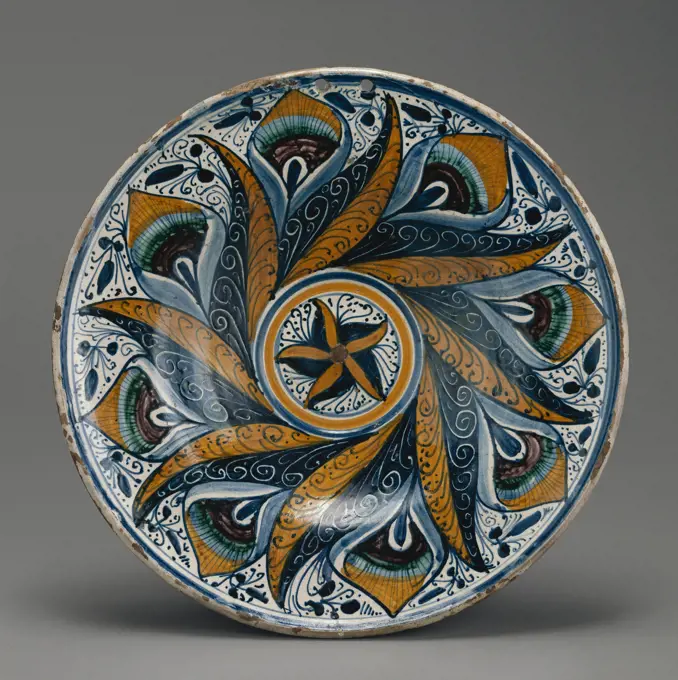
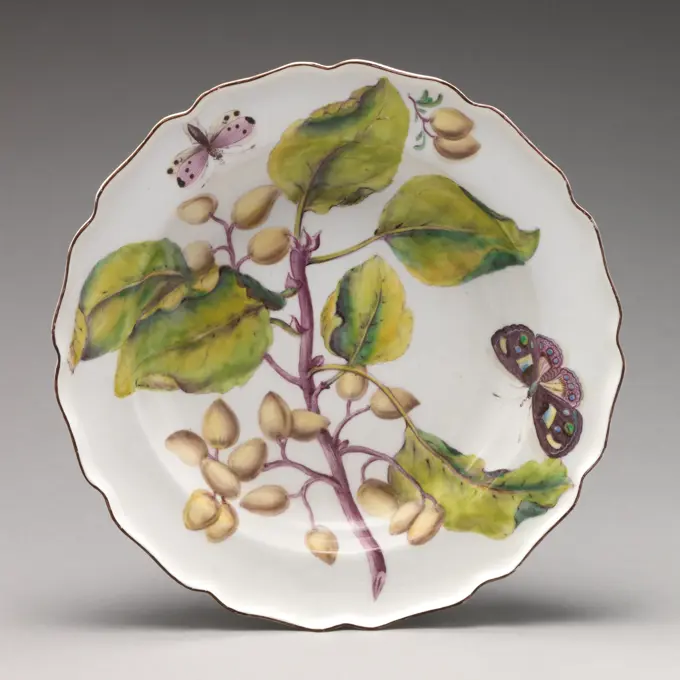
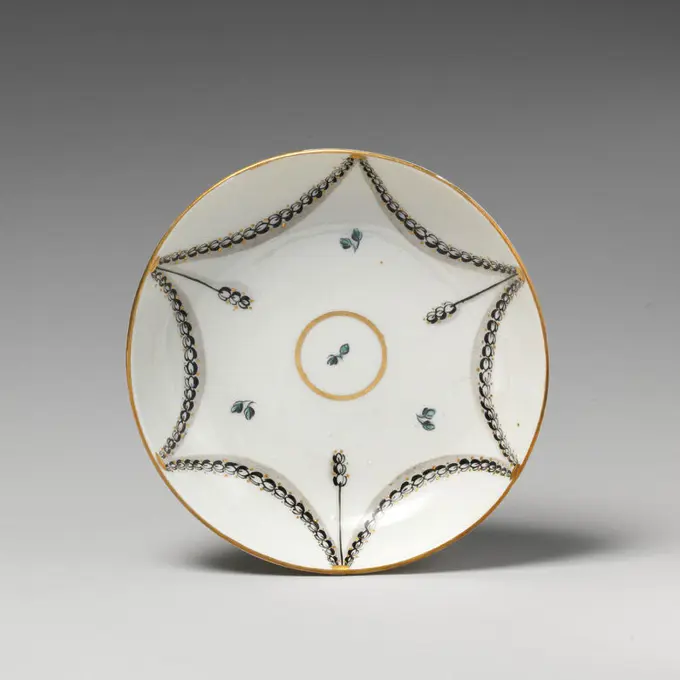
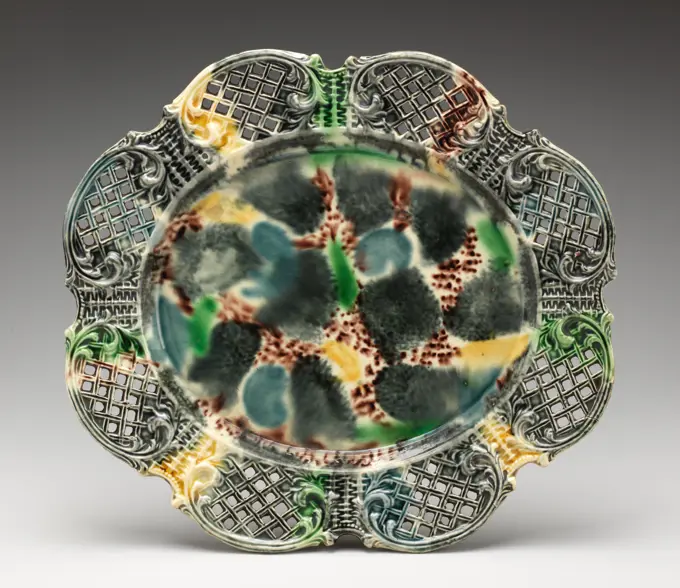
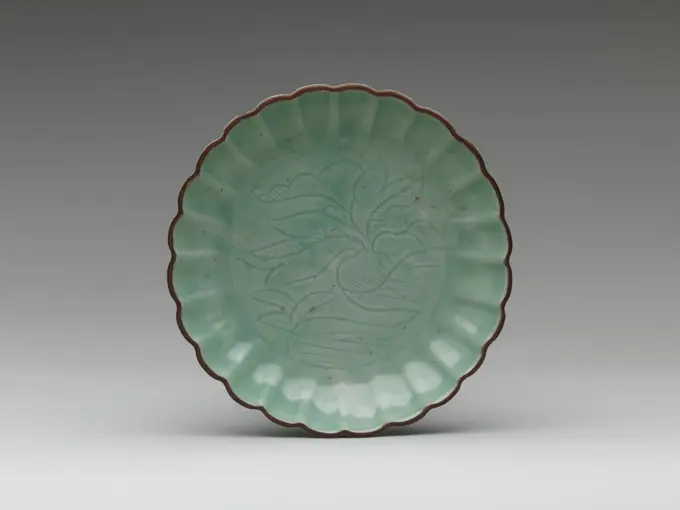
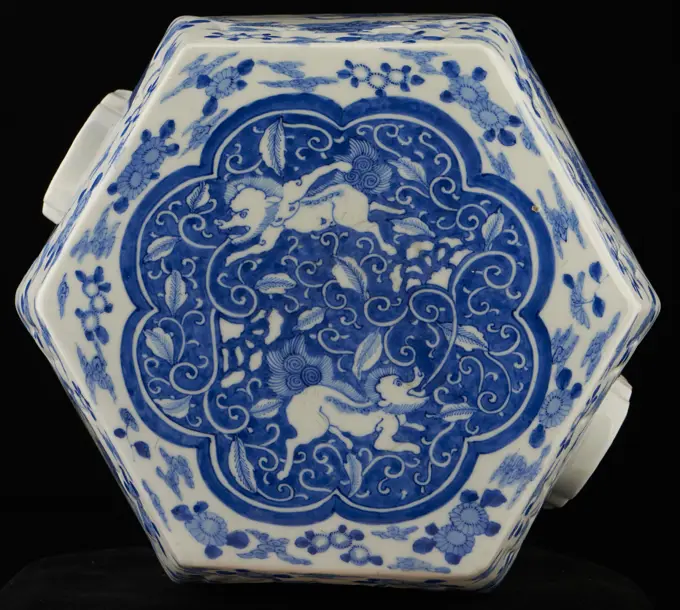
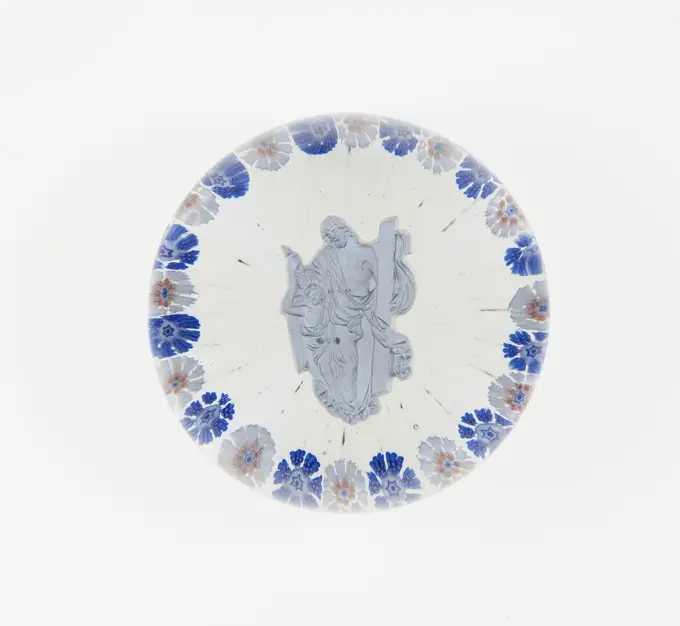
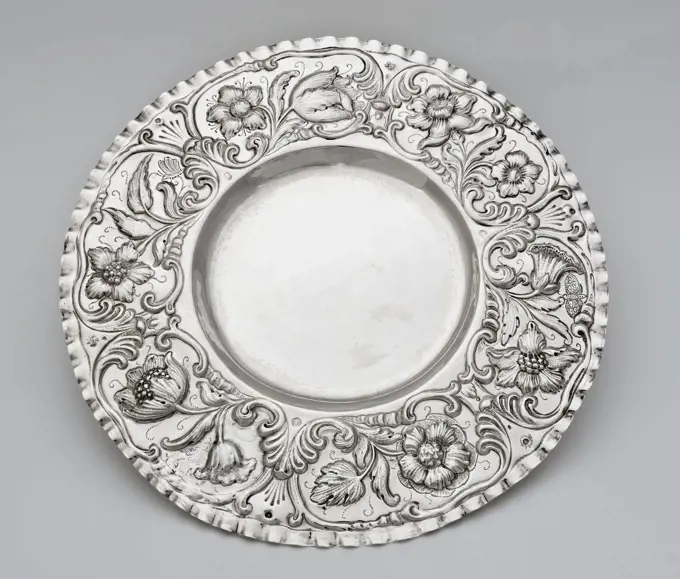
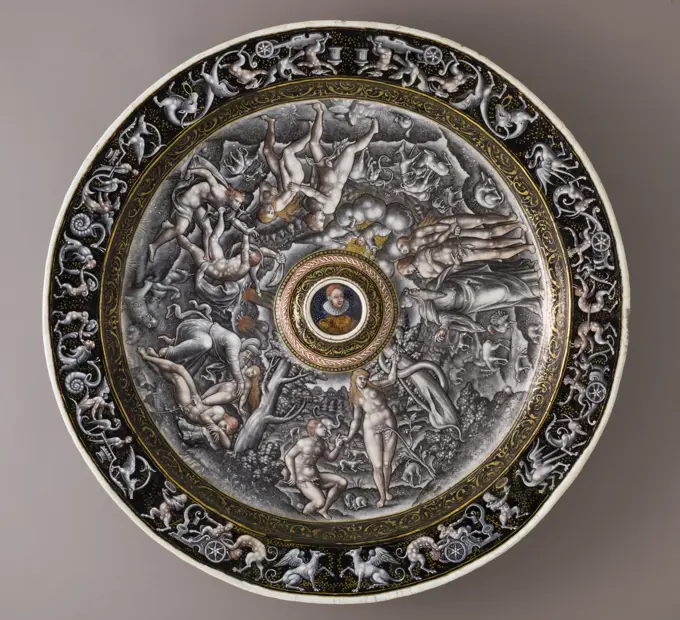
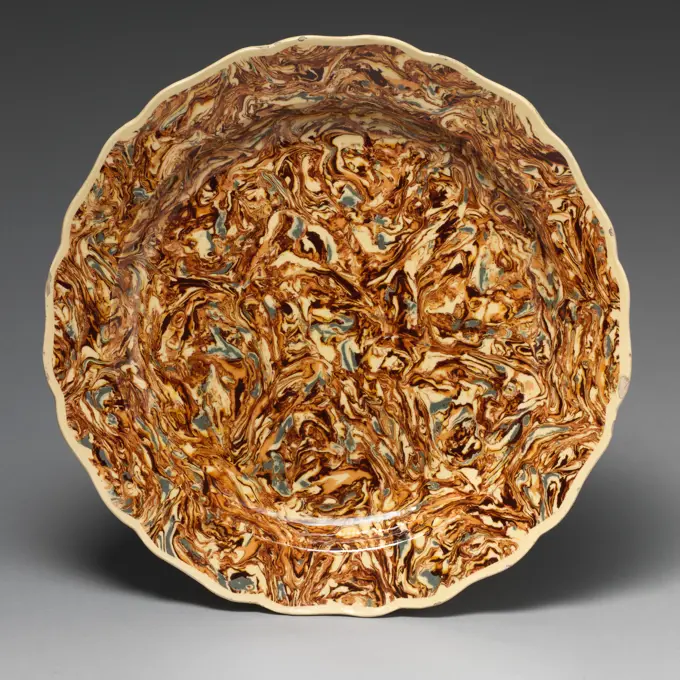
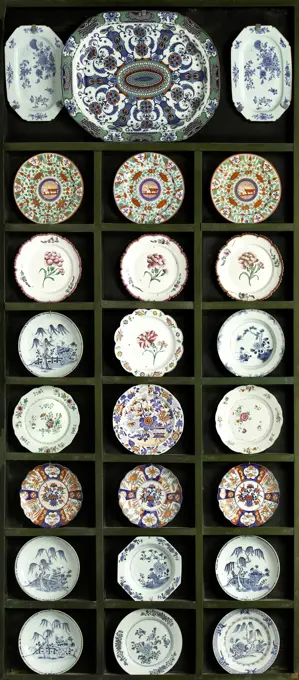
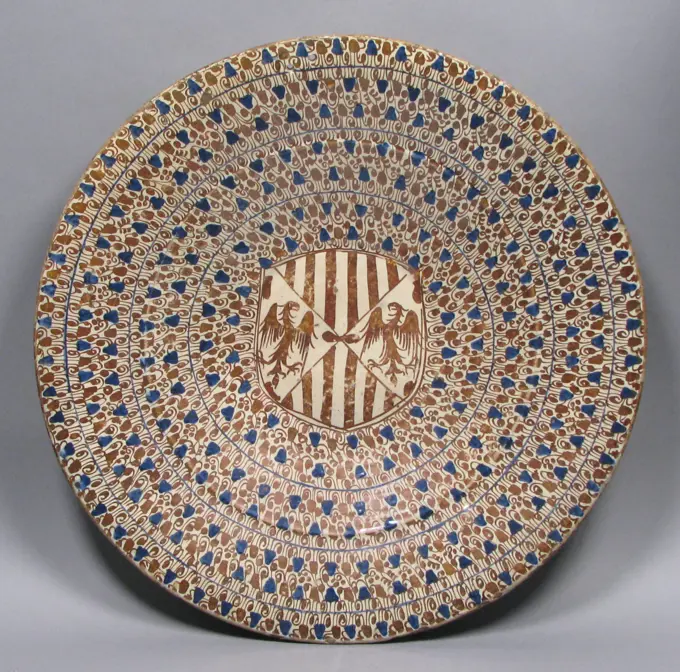
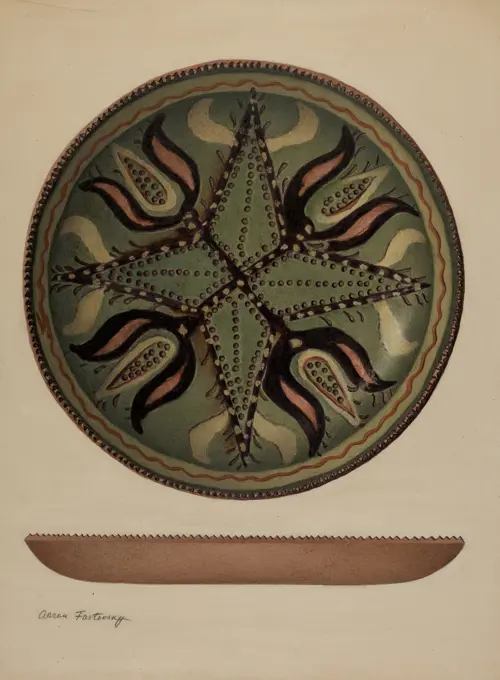
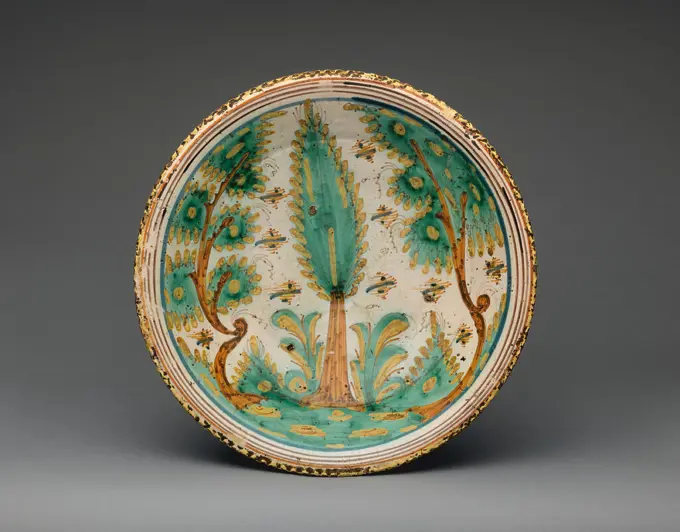
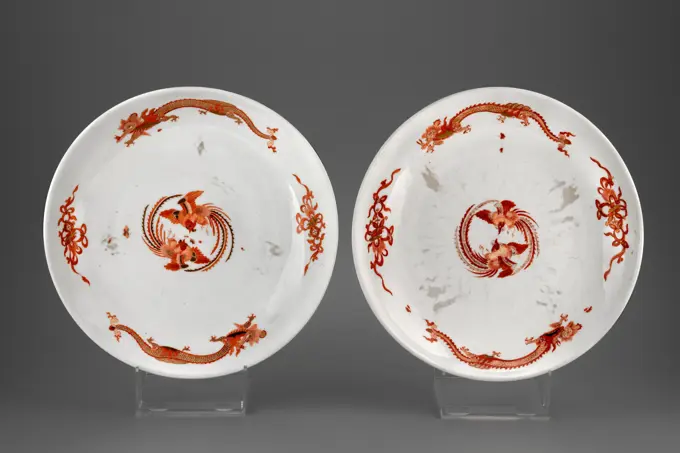
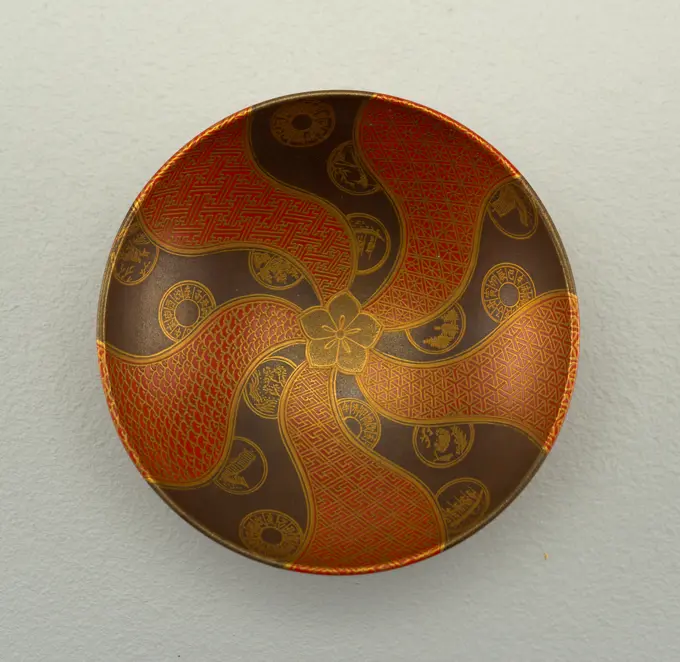
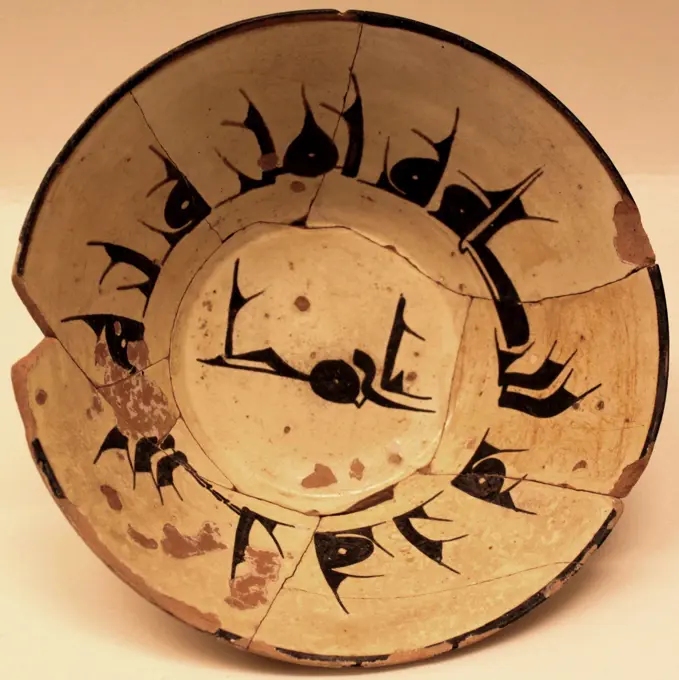
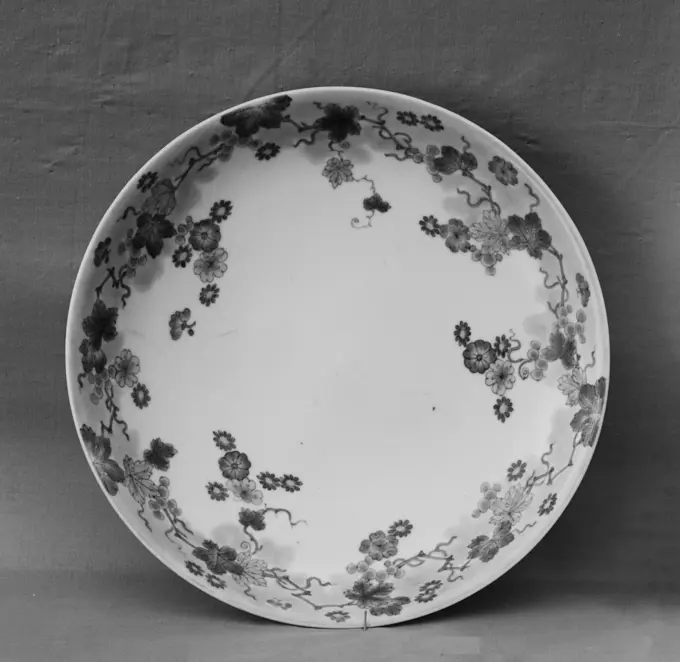
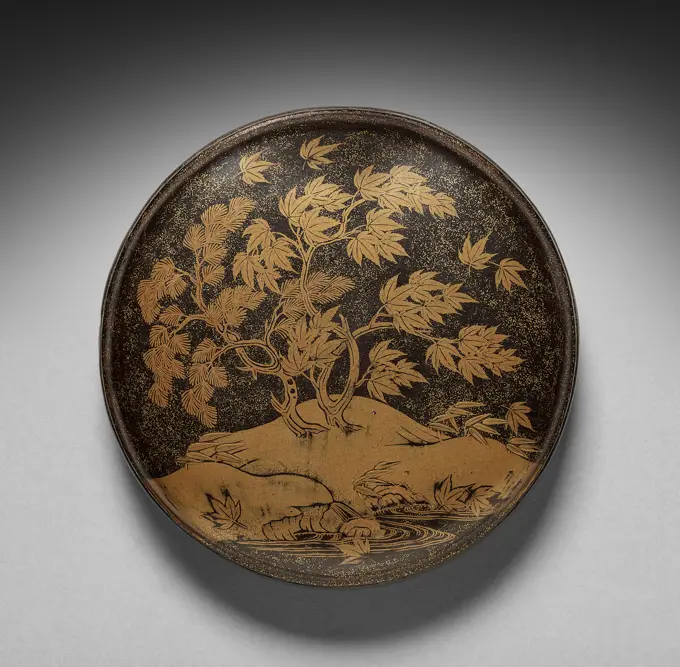
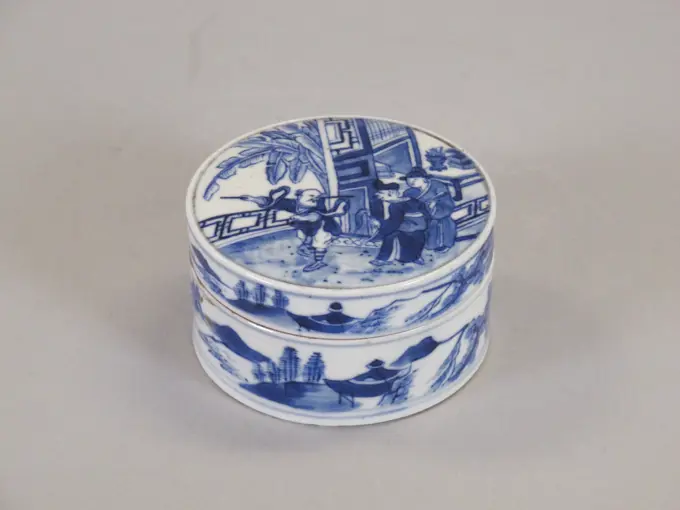
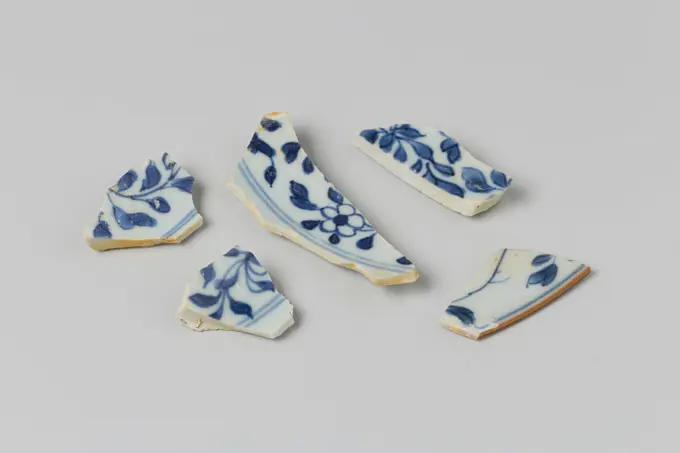
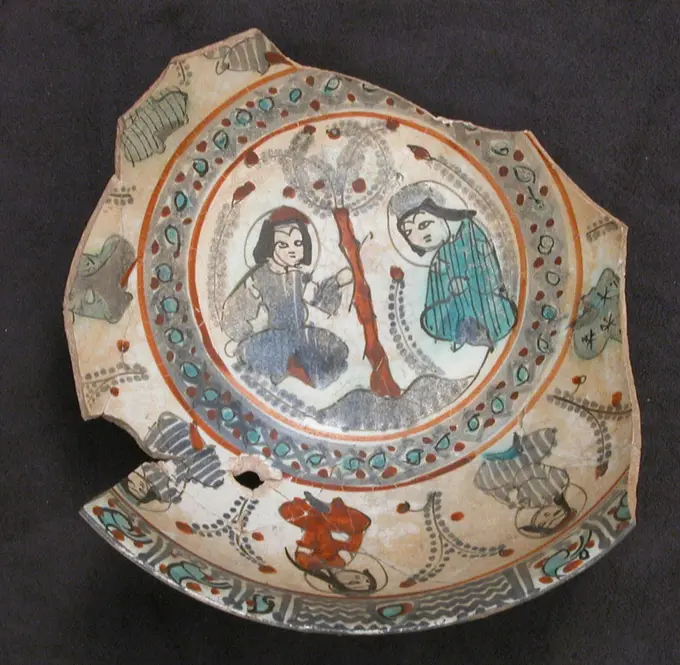
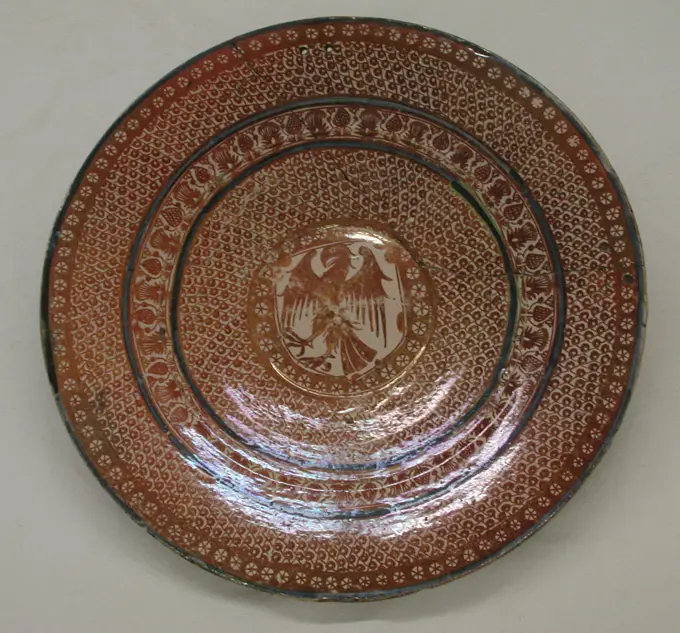
Saucer, c. 1750. China, Chinese Export, 18th century, Period of Kien Lung. Porcelain; diameter: 15.9 cm (6 1/4 in.).Octagonal saucer with lotus scrolls, anonymous, c. 1700 - c. 1724 Octagonal dish of porcelain, painted in under -glaze blue. On the flat a lotus in a double medallion; Around eight -radiating courses with lotus vines; The edge with a band with leaf vines. The outside with eight compartments with a lottery branch. A chip in the edge. Blue White. China porcelain. glaze. cobalt (mineral) painting / vitrification Octagonal dish of porcelain, painted in under -glaze blue. On the flat a lotus in a double medallion; Around eight -radiating courses with lotus vines; The edge with a band with leaf vines. The outside with eight compartments with a lottery branch. A chip in the edge. Blue White. China porcelain. glaze. cobalt (mineral) painting / vitrificationDoucai 'Dragon' Dish 1700-1899 China. Porcelain painted in underglaze blue and overglaze enamels .Dish 14th century. Dish 446943Bowl China. Bowl. China. Porcelain. Ming dynasty (1368-1644), Wanli period (1573-1620). CeramicsPlate; De Drye Vergulde Astonnens (Facans Factory; 1655-1803), Kam-Family (1679-1705); 1679-1705 (1645-00-00-1645-00-00);bord, anonymous, c. 1740 - c. 1780 Round plate of multicolored painted faience, with a bird on the flat in a circle between two branches, painted in the colors blue, green and red. Five blue leaves and five compartments with red lines and dots are painted around the circle. Delft earthenware. tin glaze. Round plate of multicolored painted faience, with a bird on the flat in a circle between two branches, painted in the colors blue, green and red. Five blue leaves and five compartments with red lines and dots are painted around the circle. Delft earthenware. tin glaze.Plate. Culture: China. Dimensions: Diam. 8 3/4 in. (22.2 cm). Museum: Metropolitan Museum of Art, New York, USA.Scale, Anonymous, 1800 - 1900 Round paint scale decorated with stylized waves and birds (chidori) in gold lacquer. Japan wood (plant material). lacquer (coating) Round paint scale decorated with stylized waves and birds (chidori) in gold lacquer. Japan wood (plant material). lacquer (coating)Dish late 17th century Japan. Dish 52272Excerpt deep plate from v.o.c.-ship De 'Witte Leeuw', Anonymous, Before 1613 plate (dishes) Fragment deep plate from V.O.C. ship De 'Witte Leeuw', 35 present. Jingdezhen bone china (material)   Sint-HelenaLarge plate with yellow, green and ocher-colored decoration in sludge technology, plate dish crockery holder soil find ceramic earthenware glaze lead glaze, hand turned bezel glazed fried Large plate from the Weser area decorated with alternating rings in yellow and ocher circle and the middle of the plate are decorated with alternating green - and ocher-colored wavy lines archeology City Triangle Rotterdam City Hall City Hall import food serve serve up decorate Soil discovery Rotterdam city park around 1915.Dish, the ribs alternately blue and white, separated by golden piping. Saucer, ribbed, the edges serrated. The ribs separated by vertical golden piping. Dark blue caves (Blue du ROI), the ribs white, on which a decoration of leafwork and braid band. The edges gilt, gilt inside serrated. Marked in underglaze blue.. Lead-glazed earthenware (creamware) .Bowl, late 1100s-early 1200s. Iran, Seljuk Period, late 12th - early 13th Century. Fritware with overglaze-painted design (minai ware); overall: 9.2 x 20.9 cm (3 5/8 x 8 1/4 in.).Dish with phoenixes among flowers late 16th-early 17th century China. Dish with phoenixes among flowers. China. late 16th-early 17th century. Polychrome lacquer with filled-in and engraved gold decoration. Ming dynasty (1368-1644). LacquerBowl with Green Splashes 9th century In response to the popularity of imported Chinese ceramics, Abbasid artists learned to replicate the colors and shapes of these prestigious goods for a growing clientele. This bowl shows the results of these efforts, particularly in its color scheme. Green was a popular color used in the decoration of glazed bowls that imitated Chinese white stoneware. The green streaks are carefully controlled to run radially toward the center of this bowl, creating a harmonious design. Some early Abbasid ceramics include short, generic inscriptions of well-wishes. The blue inscription at the center is written in a kufic script, wishing "Blessing, good fortune" to the bowls owner.. Bowl with Green Splashes 448539Deep Plate with Decorative Patterns, 1100s. Byzantium, 12th century. Sgraffito earthenware; diameter: 4.8 x 23.5 cm (1 7/8 x 9 1/4 in.).Plate with grapevines, trellis, and geometric design, late 16th century, Unknown Japanese, 2 3/4 × 11 3/16 × 10 9/16 in. (6.99 × 28.42 × 26.83 cm), Mino ware, Nezumi-Shino type; stoneware with underglaze iron oxide, Japan, 16th century, 濃 Mino ware, 鼠志野 Nezumi Shino type; Formal tea gatherings are accompanied by kaiseki, multicourse communal meals at which dishes would be served on plates like this one, which was created by a potter in the Mino region of central Japan. Mino potters in the late 1500s produced a wide variety of innovative ceramic styles in quick succession, with each style swiftly arousing interest, but then just as quickly dying out—wares that included the now celebrated Black Seto, Yellow Seto, Oribe, and Shino styles. This plate represents a substyle of Shino ware known as Nezumi, or 'mouse-gray' Shino. Potters created these wares by applying a coat of iron-rich slip (liquid clay) to the formed vessel, allowing it to dry, and then using a sharp tool to etch a design Dish first half 17th century. Dish 444882Peacock-Pattern Dish (Piatto); Deruta (probably), Italy; about 1470 - 1500; Tin-glazed earthenware; 6.4 × 39.1 cm (2 1,2 × 15 3,8 in.)Tray, c. 1730. Rouen Factory (French). Faience; diameter: 49.9 cm (19 5/8 in.); overall: 4.2 cm (1 5/8 in.).Dish, late 1400s. Italy, Venice, late 15th century. Painted enamel on copper; overall: 26 x 4.2 cm (10 1/4 x 1 5/8 in.).Plate - celadon. unknown, craftsmanDish, belonging to cup with cashmere pattern. Dish of porcelain, belonging to cup with multicolor cashmere pattern.Botanical plate with fruiting branch ca. 1755 Chelsea Porcelain Manufactory These botanical plates (2016.217-.226) were produced by the Chelsea factory around 1755 and are often referred to as Chelsea "Hans Sloane" wares, in reference to the royal physician, traveler, and natural historian who helped transform the Chelsea Physik Garden into a center of botanical knowledge during the British Enlightenment. Several subjects depicted on these plates were taken from botanical illustrations published by Philip Miller, curator of Chelsea Physik Garden. Although flowers and fruits could typically be found on earlier porcelain wares from Meissen, the lively naturalism of the Chelsea botanical plates reflects a broadening public interest in the natural world, and evidence the forms of global commerce that brought exotic species from the Caribbean, the Americas, and Asia to England.. Botanical plate with fruiting branch. British, Chelsea. ca. 1755. Soft-paste porcelain with enamel decoration. CeDeep sign from V.O.C. ship De 'Witte Leeuw', Anonymous, Before 1613 plate (dishes) Deep sign from V.O.C. ship De 'Witte Leeuw', 90 present. Five fragments glued together and one loose shard. Jingdezhen bone china (material)   Sint-HelenaPlat says an Nome (common name), 1615. Sandstone coated with a Jun cover. Cernuschi Museum, Asia Museum of Asia in the city of Paris.Plate with Talismans for Duanwujie (Dragon Boat Festival) 1736-1795 China. Porcelain painted in overglaze enamels .Saucer (part of a service). Culture: British, Caughley. Dimensions: Diameter (each): 3 13/16 in. (9.7 cm); Diameter (.375): 3 3/4 in. (9.5 cm). Factory: Caughley Factory (British, ca. 1772-1799). Date: ca. 1780-90. Museum: Metropolitan Museum of Art, New York, USA.Commemorative plate - Monument to Sir Georges Etienne Cartier, Fletcher's Field, MontrealDish. Culture: Spanish. Dimensions: Overall: 18 1/8 in. (46 cm). Date: late 15th-early 16th century. Museum: Metropolitan Museum of Art, New York, USA.Bowl Depicting a Lady Riding an Elephant, c. 1180-1220, 3 3/4 x 8 3/4 in. (9.53 x 22.23 cm), Earthenware with overglaze polychrome colors, Mina'i ware, Iran, Seljuk period (1038- c.1194), Minai wares delight due to their lively depictions of human life, with figures galloping on horses and, seen here, atop a wide-eyed elephant.Stand ca. 1760 Style of Whieldon type. Stand. British, Staffordshire. ca. 1760. Lead-glazed earthenware (creamware). Ceramics-PotteryDish with Vegetal Design mid-17th century Japan. Dish with Vegetal Design 52254Ladle. Worcester Porcelain Factory; Worcester, England, founded 1751. Date: 1755-1765. Dimensions: 24.8 x 8 cm (9 3/4 x 3 /18 in.). Soft-paste porcelain, underglaze blue decoration. Origin: Worcester. Museum: The Chicago Art Institute, Chicago, USA. Author: Worcester Royal Porcelain Company.Hexagonal stool. unknown, craftsmanPaperweight 1840-1865 France. Technological improvements to optical scientific instruments in the mid-nineteenth century spurred a veritable obsession across Europe with identifying and classifying the natural world. Amateur botanists were eager to collect and preserve floral specimens, which they intently researched and catalogued. In response to this broad appeal, French glassmakers made paperweights that portrayed the very botanical subjects that were so enthusiastically sought. Many weights represented specimens with horticultural correctness, but others were entirely fanciful creations. Paperweights like this example speak to the periodís fascination with taxonomic systems.From the late 1840s to early 1860s, French manufacturers of fine glass and crystalósuch as Baccarat (Alsace), Clichy (Paris), and Saint-Louis (Lorraine)ócatered to the vast public enthusiasm for beautiful yet functional desk accessories. Paperweights, which were designed to secure loose papers against drafts, wePlate (one of a pair). Culture: Japan. Dimensions: Diam. 16 in. (40.6 cm). Date: 18th century. Museum: Metropolitan Museum of Art, New York, USA.Fragment bowl, blue on white, Chinese decor surrounded by serrated edge, bowl crockery holder soil find ceramic pottery glaze tin glaze, majolica Cooked in tube archeology serve food decorate ChinaCup and saucer. Culture: British, Staffordshire. Dimensions: Cup (.108): 7/8 × 1 3/4 in. (2.2 × 4.4 cm);Saucer (.109): 5/8 × 2 5/8 in. (1.6 × 6.7 cm). Date: ca. 1760. Museum: Metropolitan Museum of Art, New York, USA.Flash in the shape of a pilgrim cylinder;  18th century (1701-00-00-1800-00-00);Semerau-Siemianowski, Władysław (1849-1938), Semerau-Siemianowski, Władysław (1849-1938)-collection, moon cylinders, gift (provenance), Osman dynasty (1299-1922), flower (ornament), Islamic art, Turkish (Turkish art ( culture)Plate; Koenigliche Porzellan Manufaktur (KPM; Berlin; 1763-1918); 1870-82 (1823-00-00-1832-00-00);Paperweight 1825-1850 France. Glass . Compagnie de Saint LouisDish with a Bird ofPreyPair of plaques. These plaques, possibly used as table tops, are covered with auspicious symbols: the butterfly represents a long life, and the magpie joy, while the blossoming plum tree and bamboo signify life force. The cloisonné enamel technique flourished in China from the Ming dynasty (1368-1644) onwards. Copper wire soldered onto the copper ground created the outlines of the design; these spaces were then filled with coloured glass paste, which melted and flowed when heated.Round box with a wave pattern and blossoms, anonymous, c. 1650 Round box of porcelain with a vaulted lid ending in a point, painted in underlaze blue. The box is covered with a wave pattern, spread over four courses separated by a saved band with five prunus blossoms in cartouches. Transitional porcelain in blue and white. China porcelain. glaze. cobalt (mineral) painting / vitrification Round box of porcelain with a vaulted lid ending in a point, painted in underlaze blue. The box is covered with a wave pattern, spread over four courses separated by a saved band with five prunus blossoms in cartouches. Transitional porcelain in blue and white. China porcelain. glaze. cobalt (mineral) painting / vitrificationCharger Made 1700-1750 Bristol. Tin-glazed earthenware .PUZDRO OKRI  18th century (1801-00-00-1900-00-00);Dish with floral scrolls late 17th-early 18th century China. Dish with floral scrolls 47765Silver dish, Dish dish holder silver, driven inserted engraved Round bowl with smooth flat and wide flat driven edge fine pleated outer edge outer edge bottom (debossed)Ewer Stand with Scenes from the Book of Genesis. Pierre Reymond (France, Limoges, circa 1513-after 1584). France, Limoges, circa 1558. Furnishings; Serviceware. Grisaille enamel, flesh tones, touches of color, and gold on copperÉcuelle stand 1793-1830 Moulin Manufactory The "brocatelle" ware of the Moulin factory is noted for the elegance of its forms and the refined use of the humble materialwedged clays of different colorsan improvement on the Staffordshire original.. Écuelle stand. French, Apt. 1793-1830. Faience (tin-glazed earthenware). Ceramics-PotteryShards of signs from V.O.C. ship De 'Witte Leeuw', Anonymous, Before 1613 plate (dishes) Shards of signs from V.O.C. ship De 'Witte Leeuw', 15  present. Jingdezhen porcelain   Sint-HelenaSleeve with relief caps. Koenigliche Porzellanmanufaktur, Meissen (1807/14-1918), factoryPlate. unknown, craftsmanBox late 18th century Japan. Box 58299Victor Hugo (1802-1885). Chinese decor from Juliette Drouet's house in Guernsey, West Wall. Green wooden locker containing plates and dishes, composed of twenty-seven compartments (left side near South Wall). Painted wood. 1857-1864. Paris, house of Victor Hugo. 78171-19 Asian art, decorative arts, painted wood, Chinese cabinet, chinoiserie, compartment, decor, earthenware, storage, Chinese living room, dishes, 19th 19th 19th 19th 19th 19th century, plate, dishDish 14th century. Dish 446905Dish second half 15th century Spanish. Dish. Spanish. second half 15th century. Tin-glazed earthenware. Made in probably Manises, Valencia, Spain. CeramicsPlate KulczyckiPlate first half 18th century. Plate 452214BowlBowl, 14th century, 3 1/8 x 7 1/8 in. (7.94 x 18.1 cm), Stoneware with green on white glaze decoration, Myanmar (Burma), 14th centuryGlass mosaic inlay. Culture: Egyptian, Roman. Dimensions: Other: 1 7/16 in. (3.6 cm). Date: late 1st century B.C.-early 1st century A.D..Translucent cobalt blue ground; decoration in opaque white, yellow, red, and grayish green.Polygonal, flat, and very thin plaque.Symmetrical ivy leaf and palmette motif arranged around a large central six-petaled rosette, with a slightly compressed palmette with spiral volutes below on sides of the hexagon and ivy leaves in solid white at corners.Broken across middle with almost half of motif missing; upper and underside and edge ground and polished; pitted surface bubbles.This inlay is cut from the same mosaic block as 17.194.380, with decoration in mirror image. Museum: Metropolitan Museum of Art, New York, USA.Aaron Fastovsky, Pa German Dish, c 1941 Pa. German DishVietnamese Grand circular plate, decorated with a Feiyu (dragon-fish), chrysanthemums. 16th century, Later The Dynasty (1428-1789) stoneware (ceramic), With decoration.Fragment dish from v.o.c.-ship De 'Witte Leeuw', Anonymous, Before 1613  Fragment dish from v.o.c. ship De 'Witte Leeuw', 15 present. The shard is glassy white and has a lot of ingrained dirt. The glaze is blue tinted. The bottom is unglazed. The foot ring is faceted, V-shaped and stands inside. Little oven sand was found. Lampet dish. Nine shards glued together. Jingdezhen bone china (material). glaze   Sint-HelenaSharters of earthenware decorated with blue ornaments on white soil, anonymous, c. 1725 - c. 1750 Shards of earthenware, completely covered with tinglaze and decorated with blue ornaments on white soil. Unnoticed. Dug up in London, Middlesex Street close to Liverpool Street Station. England (possibly) earthenware. tin glaze. Shards of earthenware, completely covered with tinglaze and decorated with blue ornaments on white soil. Unnoticed. Dug up in London, Middlesex Street close to Liverpool Street Station. England (possibly) earthenware. tin glaze.Shards of Kraakporeleinen plates from V.O.C.-ship De 'Witte Leeuw', Anonymous, Before 1613 plate (dishes) Shards of Kraakporeleinen plates from V.O.C. ship De 'Witte Leeuw'. Jingdezhen bone china (material)   Sint-HelenaCharger plate (ôzara). unknown, craftsmanDish with Design of Maple Leaves in a Stream 19th century Style of Ogata Kenzan Japanese. Dish with Design of Maple Leaves in a Stream 58286Dish. Culture: China. Dimensions: H. 2 3/4 in. (7 cm); Diam. 14 1/2 in. (36.8 cm); Diam. of foot 9 3/8 in. (23.8 cm). Date: ca. late 17th-first half of 18th century. Museum: Metropolitan Museum of Art, New York, USA.Plate with a European landscape with figures, a cow and a village, c. 1720 - c. 1730 Plate of porcelain with a lobed edge, painted in underlaze blue. On the flat a European landscape containing three Europeans, two by a fence and one has cow to a rope. A village in the background. The edge with a wave pattern. The outer wall with three flower branches. Four pronen on the bottom. 'Schevenings sign'. Blue White. Japan porcelain. glaze. cobalt (mineral) painting / vitrification Plate of porcelain with a lobed edge, painted in underlaze blue. On the flat a European landscape containing three Europeans, two by a fence and one has cow to a rope. A village in the background. The edge with a wave pattern. The outer wall with three flower branches. Four pronen on the bottom. 'Schevenings sign'. Blue White. Japan porcelain. glaze. cobalt (mineral) painting / vitrificationCharger with foliate design. Culture: possibly Spanish, Talavera or Puente del Arzobispo. Dimensions: Overall (confirmed): 3 1/4 × 14 1/4 × 14 1/4 in. (8.3 × 36.2 × 36.2 cm). Date: ca. 1750-1800.Green, yellow, and brown are used in a lush composition that features a straight tree flanked by two curving trees with knotted trunks. The tin-glazed charger was made in the second half of the eighteenth century, possibly in Talavera or Puente del Arzobispo, two centers of pottery production in the Castile region of Spain. Museum: Metropolitan Museum of Art, New York, USA.Fragment of a jug with the Crucifixion, anonymous, c. 1630 - c. 1680 Fragment of a jug of stoneware. Partly covered with cobalt blue. The fragment shows a printed and imposed representation in relief of the crucifixion with Mary Magdalena and the skull at the foot of the cross. The scene is surrounded by entered and stamped flower vines. Westerwald. Westerwald stoneware. glaze. cobalt (mineral) vitrification Fragment of a jug of stoneware. Partly covered with cobalt blue. The fragment shows a printed and imposed representation in relief of the crucifixion with Mary Magdalena and the skull at the foot of the cross. The scene is surrounded by entered and stamped flower vines. Westerwald. Westerwald stoneware. glaze. cobalt (mineral) vitrificationWilhelmina and Wellington, Adrianus Johannes Bik, c. 1814  Porcelain dish. The dishes have a wide golden trim along the edge and in the middle a kind of gold field, in which a weapon is inserted. European porcelain. Amsterdam porcelainWith red dragons" platter; Koenigliche Porcellain Fabrique, Meissen (1710-1763); around 1730-1740 (1725-00-00-1730-00-00);Far East -style decorations, KHC manor sideboardDish with Design of Dishes ca. 1690-1720 Japan. Dish with Design of Dishes 50345Chinese, porcelain bowl, carved edge, blind print along the wall, blue rosette on the bottom, bowl crockery holder soil find ceramic porcelain, shaped decorated fried Deep bowl on stand. Chinese porcelain. Worked edge Decorated with embossed reliefs and with blue rosette at the bottom of the bowl. From the late Kangxi period. Blue bulbs around the archaeological site Valckensteyn Poortugaal Albrandswaard indigenous porcelain import adorn serving serve China Kangxi Kang Shi archaeological find in the soil Poortugaal castle valckensteyn.Fragment majolica plate, blue on white, landscape with large tree and in the distance tower, plate crockery holder soil find ceramic earthenware enamel, baked underside covered with lead glaze. Monochrome The proportions in this landscape are not in order the tree is disproportionately large archeology decorate servingFooted Dish; lacquered woodSaucer with folding fans late 18th-early 19th century China. Saucer with folding fans. China. late 18th-early 19th century. Porcelain painted in overglaze polychrome enamels (Jingdezhen ware). Qing dynasty (1644-1911). CeramicsBowl 10th century. Bowl 453370Dish 18th century Japan. Dish. Japan. 18th century. White porcelain decorated with blue under the glaze (Imari ware, Kakiemon type). Edo period (1615-1868). CeramicsMirror Container with Design of Maple Tree and Autumn Shower (lid), 1400s. Japan, Muromachi period (1392-1573). Lacquer on wood with decoration in maki-e; diameter: 12.2 cm (4 13/16 in.); overall: 3.1 cm (1 1/4 in.).Covered box with narrative scene late 18th-early 19th century China. Covered box with narrative scene 47964Fragment sign from V.O.C. ship De 'Witte Leeuw', Anonymous, Before 1613 plate (dishes) Fragment sign from V.O.C. ship De 'Witte Leeuw', 80 present. The shard is glassy white. The glaze is blue tinted. The bottom is glazed. The foot ring is inside and is faceted. More than 2o grains of oven sand have been found. The lip is scooped. Eighties glued together. Jingdezhen bone china (material). glaze   Sint-Helenatable setting, tableware and eating concept - close up of blue ceramic plate on slate background. close up of blue ceramic plate on slate backgroundTwelve Plates from a Calendar SetBronze perforated disc. Culture: Italic. Dimensions: diameter 5 15/16in. (15.1cm). Date: early 7th century B.C..Decorative disks of this sort were often attached to shields or sewn onto leather breastplates for added protection. Museum: Metropolitan Museum of Art, New York, USA.Shards of plates from the wreck of the East India Hollandia.Porcelain, Plate, Type 3; Fragm or base; Fragm or Rim, SIM. NG 1980-27H3202C.Fragment of a Bowl 12th-13th century. Fragment of a Bowl 446194Plate, painted with the Flügelmuster decor. Painted porcelain plate. The plate is painted in green and blue with the flügelmuster. The sign belongs to a tableware (BK-1976-65-1 to BK-1976-65-34) and has been marked.Plate in frame, the white rigid (attributed to), after Dirck Witsenburg (I), after Dammas Hofdijck, c. 1690 - c. 1705 A plaque of Delft pottery, painted in blue with a landscape in a frame with floors, leaves and medallions in relief. Brand: a big star. With this plaque, the hook before hanging is largely lacking. Delft earthenware A plaque of Delft pottery, painted in blue with a landscape in a frame with floors, leaves and medallions in relief. Brand: a big star. With this plaque, the hook before hanging is largely lacking. Delft earthenwareLisbon, Portugal. Antique Chinese porcelain plates. (Editorial Use Only)Two framed plaques, De Witte Starre (attributed to), after Dirck Witsenburg (I), after Dammas Hofdijck, c. 1690 - c. 1705 A plaque of Delft pottery, painted in blue with a landscape in a frame with floors, leaves and medallions in relief. Brand: a big star. With this plaque, the hook before hanging is largely lacking. Fedral of cardboard with lined inside in which the shape of the plate is modeled. Delft earthenware A plaque of Delft pottery, painted in blue with a landscape in a frame with floors, leaves and medallions in relief. Brand: a big star. With this plaque, the hook before hanging is largely lacking. Fedral of cardboard with lined inside in which the shape of the plate is modeled. Delft earthenwareBroochDish early 16th century Spanish, Valencia Tin-glazed earthenware, of which lusterware is one type, was developed in the Middle East in the ninth and tenth centuries to imitate the porcelains produced in China. The opaque white glaze concealed the clay body, which could range from pale buff to brick red, allowing for brilliant effects created by painting the white surface with metal oxides that fired to a range of colors. This technique, as well as the use of metallic lusteran iridescent, coppery painted glazespread throughout the Muslim world, arriving among the potters of Valencia in the thirteenth century. The so-called Hispano-Moresque lusterware, with its fusion of Islamic and Gothic styles and motifs, often in shaped imitating those of metal vessels, was treasured by the elite in Spain during the fifteenth century and exported to the courts of Europe. The Valencian industry declined in the late sixteenth century, as colorful Italian Renaissance maiolica gained in popularity amonSpain, Castilla-La Mancha, Toledo, Souvenir plates