Blue and White Porcelain

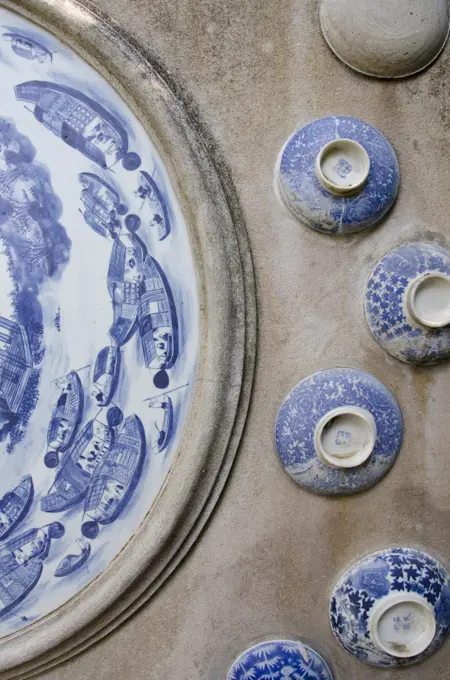
A collection of historical blue and white porcelain bowls and dishes featuring intricate floral designs from various Chinese and Vietnamese dynasties.

Fragment majolica dish, blue on white, flower vase and bird in Chinese style, dish tableware holder soil find ceramics pottery glaze, Op princes fried Deep dish bowl shaped soul archeology food decorate serving China
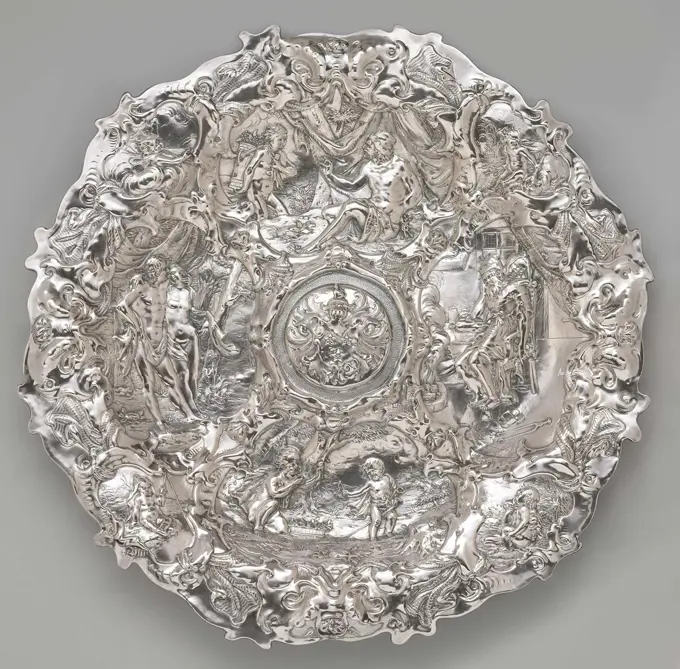
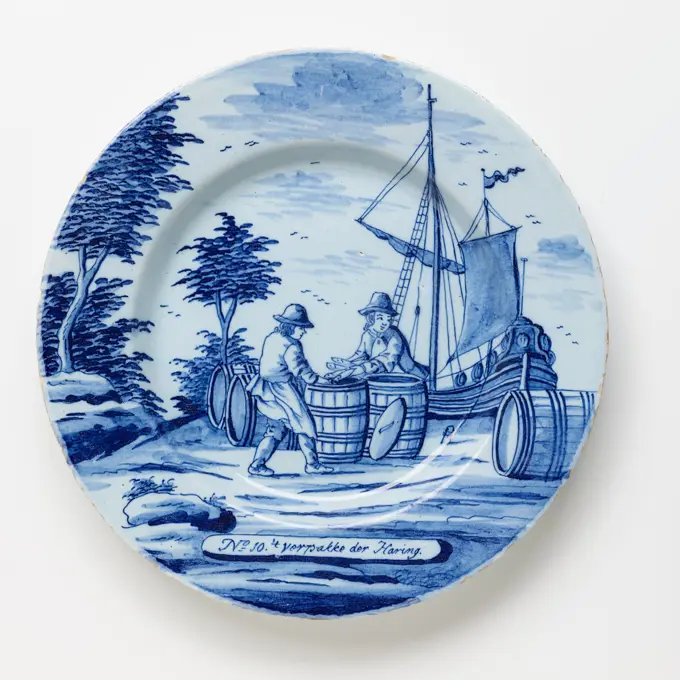
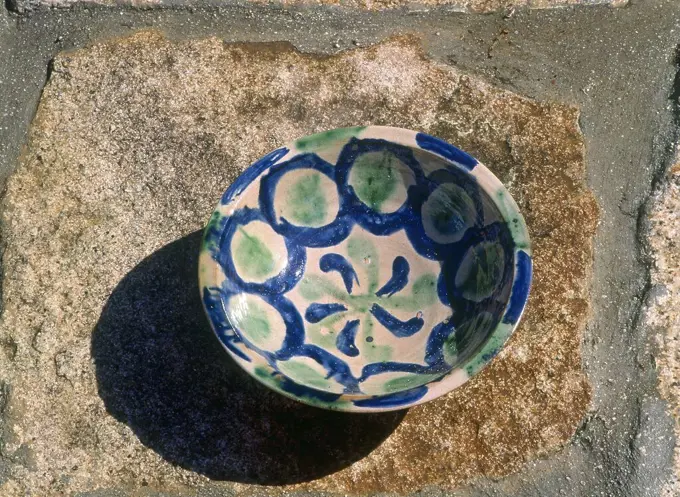
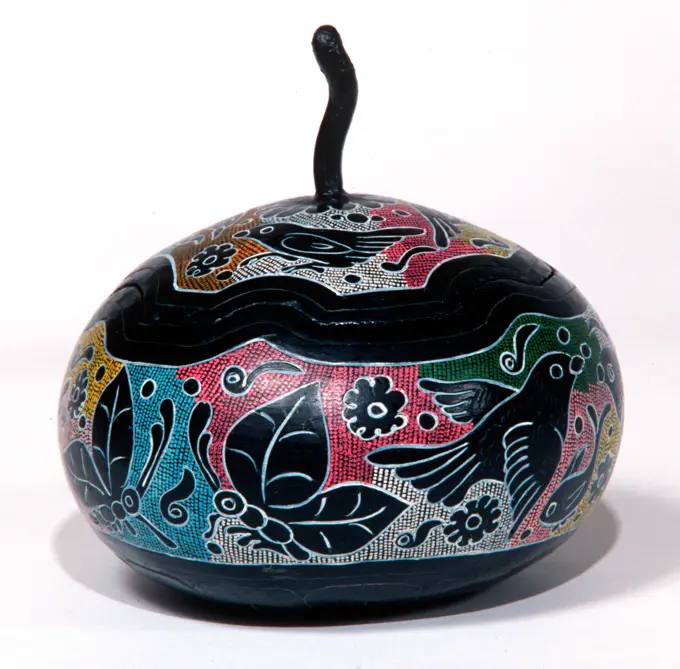
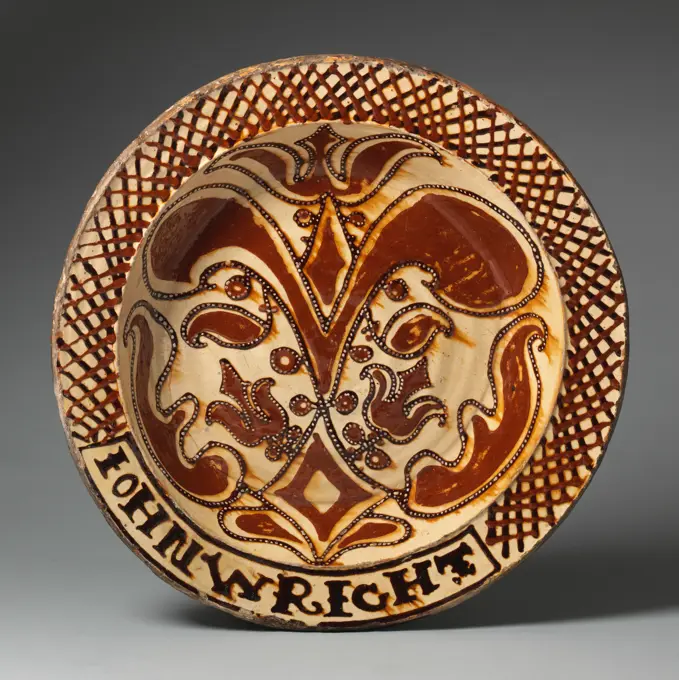
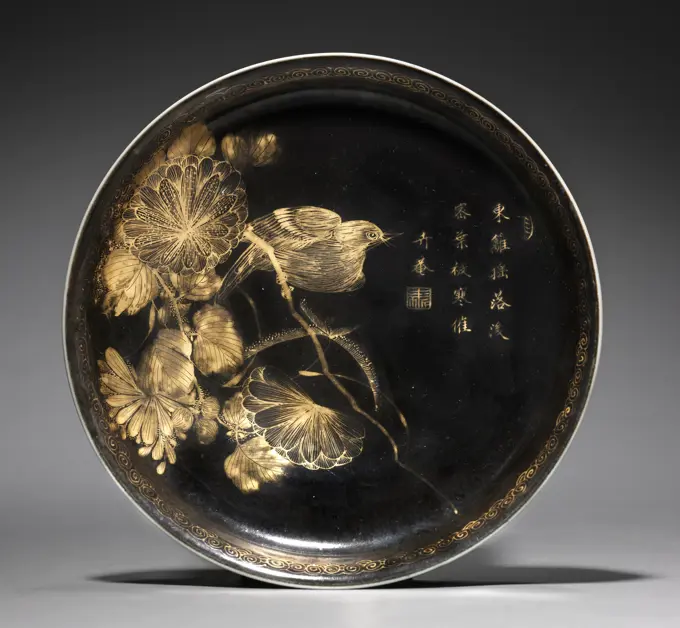
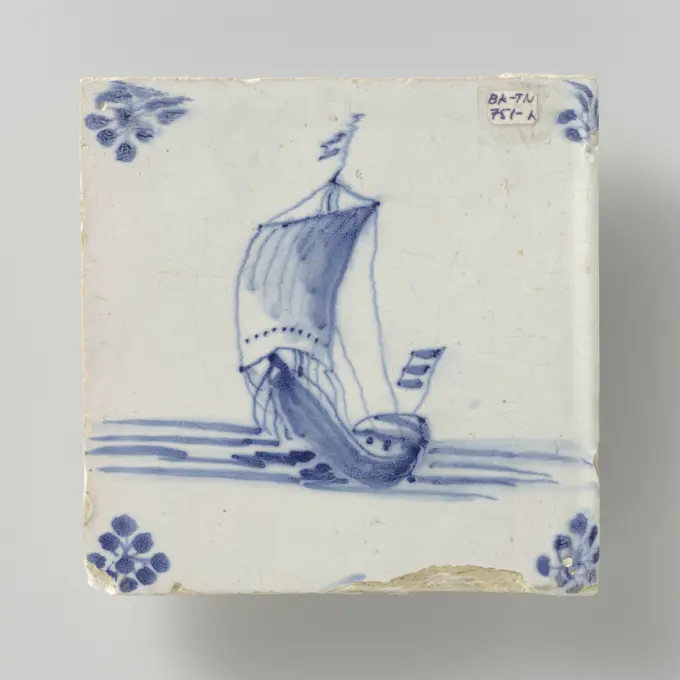
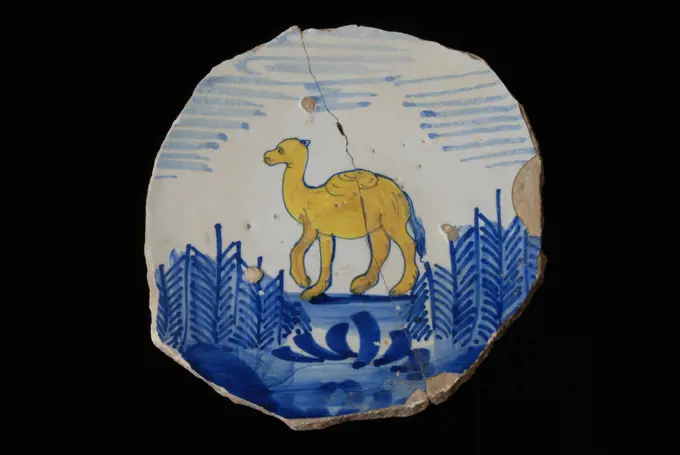
Shallow Lobed Bowl with Peony Scroll 1000-1127 China. Ding ware; porcelain with underglaze carved decoration .Ewer and basin. Scenes chased on silver were an Amsterdam speciality. This ewer and basin demonstrate Johannes Grills mastery in combining fanciful motifs with Classical figures. His work was also admired outside of the Netherlands: this ensemble, for instance, was made for Edward Sebright, an English nobleman. These showpieces were used to wash ones hands before and after a meal.Square tray. unknown, craftsmanNo. 10, Verpakke der Haring (The crating of the herring), from 'The Herring Catch', c. 1780, Porcelain Axe (Porceleyne Bijl) Factory, 1 × 9 × 9 in. (2.54 × 22.86 × 22.86 cm), Tin-glazed earthenware, Netherlands, 18th century, The 17th century has been called the Golden Age of the Dutch Republic, its prosperity built by a new and expanding merchant class which had become wealthy through industry and international trade, its tolerance of religious and intellectual diversity, and its patronage of home grown and international traders, craftsmen and artists. This radiance was in large part supported by the Dutch mastery of fishing for herring and by preserving this otherwise undistinguished silver fish. So much of the national wealth was accumulated through this industry that Amsterdam was said to have been built on herring bones. What could be a more appropriate subject to be celebrated by the potteries in Delft'Dish 18th century Japan. Dish. Japan. 18th century. White porcelain decorated with blue under the glaze (Nabeshima ware). Edo period (1615-1868). CeramicsPLATO O BACIN VIDRIADO Y PINTADO CON AZUL Y VERDE - ARTE POPULAR S XX. Location: ALFARERIA. SPAIN.Sign from V.O.C.-ship De 'Witte Leeuw', Anonymous, Before 1613 plate (dishes) Sign from V.O.C. ship De 'Witte Leeuw', 50 present. Jingdezhen bone china (material)   Sint-Helenaoriental antique ceramic plate on a black background closeup. oriental antique ceramic plateNorth America, Mexico, Traditional Arts: painted, laquered gourd. (PR)Incense container 19th century Unidentified artist. Incense container 58367Teapot and TeacupShards of scales from V.O.C. ship De 'Witte Leeuw', Before 1613 dish Shards Kraakporcelain from V.O.C. ship De 'Witte Leeuw'. Jingdezhen bone china (material)   Sint-HelenaThailand, Bangkok. The Prasart Museum. Private collection of Asian art and artifacts. Asian sculpture made from traditional blue and white china bowls.Plate German, Rauenstein 19th century The gift of the Hans Syz Collection in 1995 endowed the Museum with nearly three hundred examples of European and Asian ceramics meticulously acquired by Swiss-born collector Dr. Syz (1894-1991) to chart the migration of models and patterns from East to West. Documenting a continuous process of influence and adaptation, these pieces provide a discriminating review of the nuances of stylistic change resulting from three centuries of trade.Dish decorated with chinoiseries is. Dish of porcelain, decorated with chinoiseries in colors and gold.Dish ca. 1705 John Wright. Dish. British, Staffordshire. ca. 1705. Slipware. Ceramics-PotteryDish with Bird on Chrysanthemum Spray, 1661-1722. China, Jiangxi province, Jingdezhen kilns, Qing dynasty (1644-1911), Kangxi reign (1661-1722). Porcelain with mirror black glaze painted with gold decoration; diameter: 20.4 cm (8 1/16 in.).Dish in the shape of a leaf late 7th-early 8th century China Flowers and birds increasingly became the dominant motifs of Tang silver from the eighth century onward. Listen to experts illuminate this artwork's story Listen Play or pause #7430. Dish in the Shape of a Leaf Supported by Bloomberg Philanthropies We're sorry, the transcript for this audio track is not available at this time. We are working to make it available as soon as possible.. Dish in the shape of a leaf. China. late 7th-early 8th century. Silver with parcel gilding. Tang dynasty (618-907). MetalworkTile, blue painted with a ship, c. 1650 - c. 1680 tile Tile, blue painted with a ship, supposedly farm ship. A spinning head in the corners. Holland earthenware. tin glaze majolicaSoul of majolica dish with dromedary, plate crockery earthenware ceramic earthenware glaze lead glazing tin glazing, ring, baked 2x glazed painted Shard only mirror plate archeology food serving garnishTile, multi -colored painted with a soldier or a standard bearer, 1625 - 1700 Tile, multi -colored painted with a soldier or a standard bearer. Netherlands earthenware. tin glaze majolica Tile, multi -colored painted with a soldier or a standard bearer. Netherlands earthenware. tin glaze majolicaPlate