Botanical Illustrations

Handcolored engravings of various plants and spices, showcasing detailed foliage and flowers, reflecting historical botanical art.

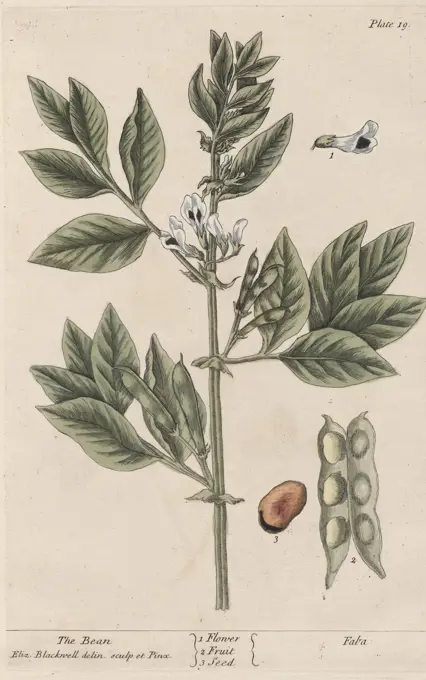
The bean, 1751, 1751, London, Publisher, Printed for John Nourse, Botany, Medical
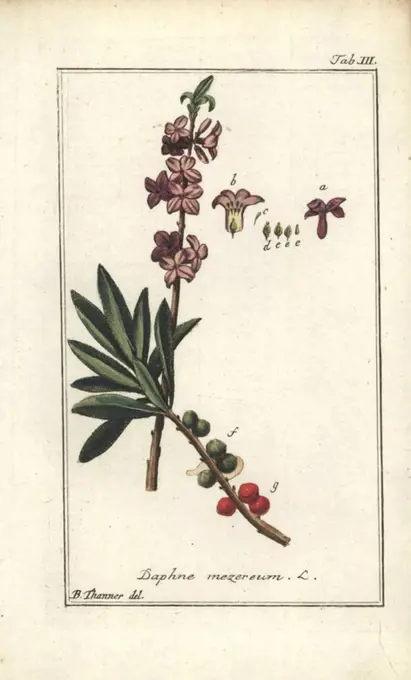
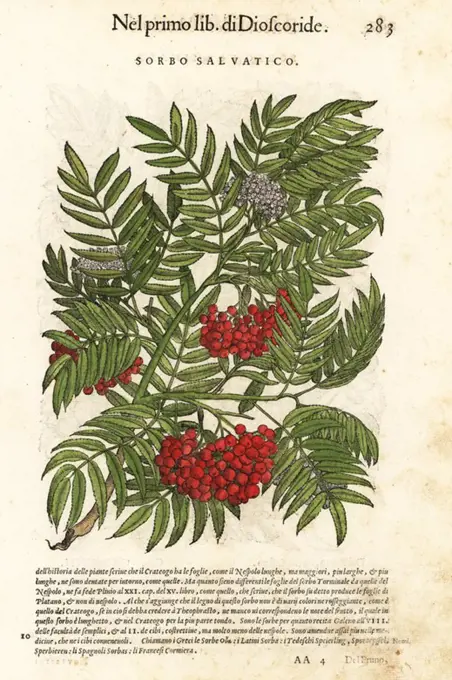
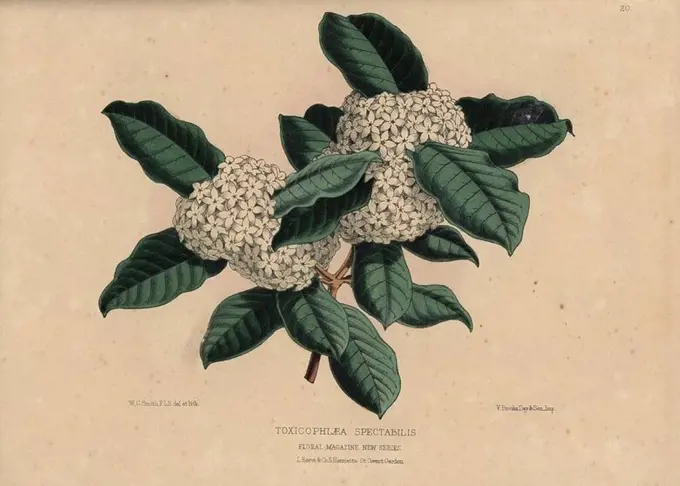
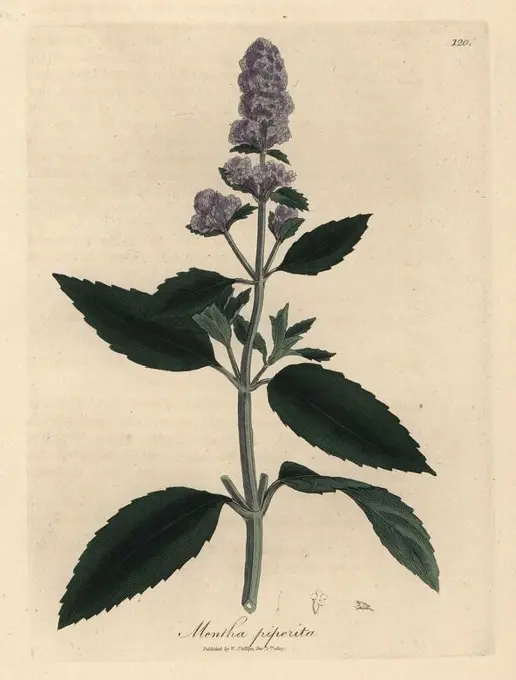
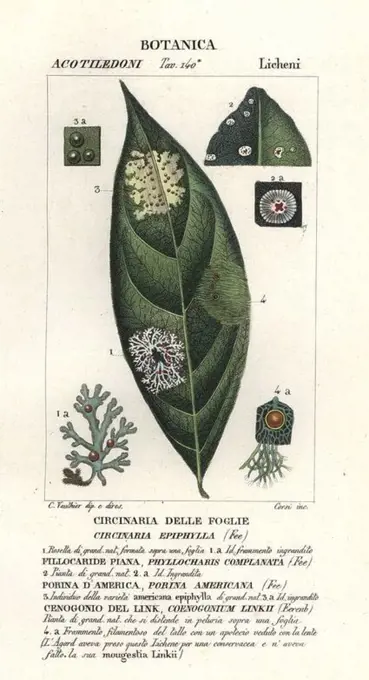
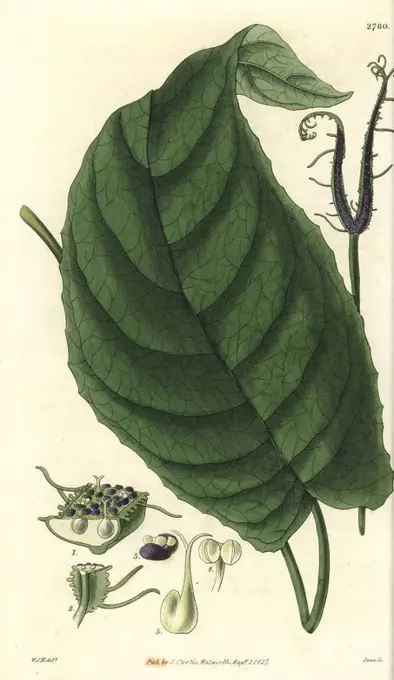
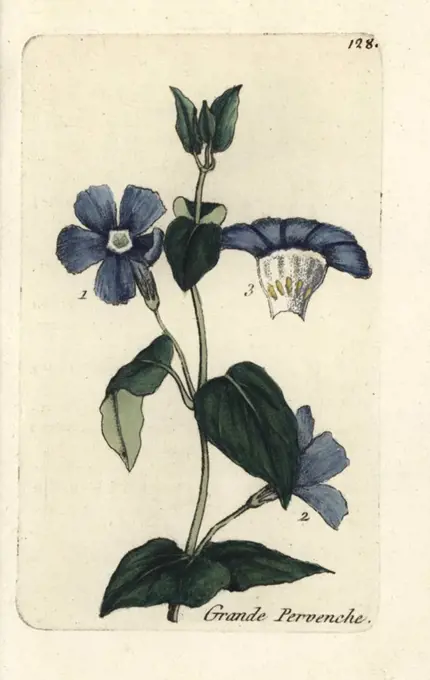
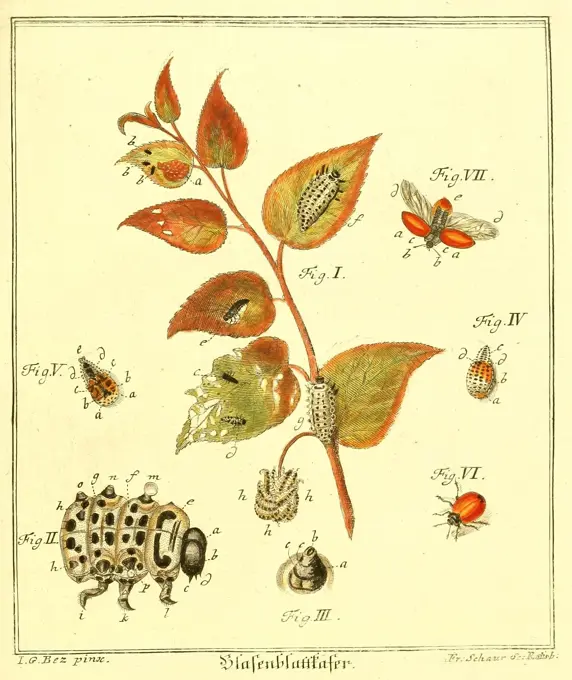
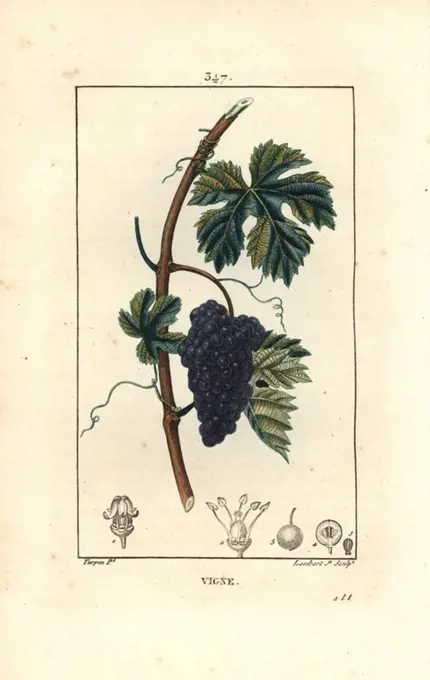
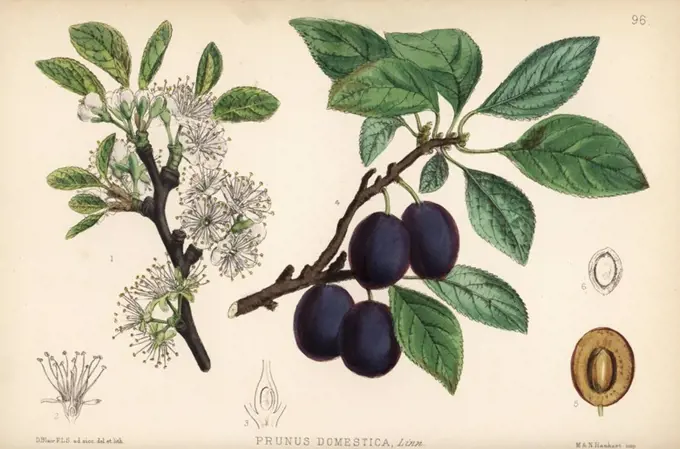
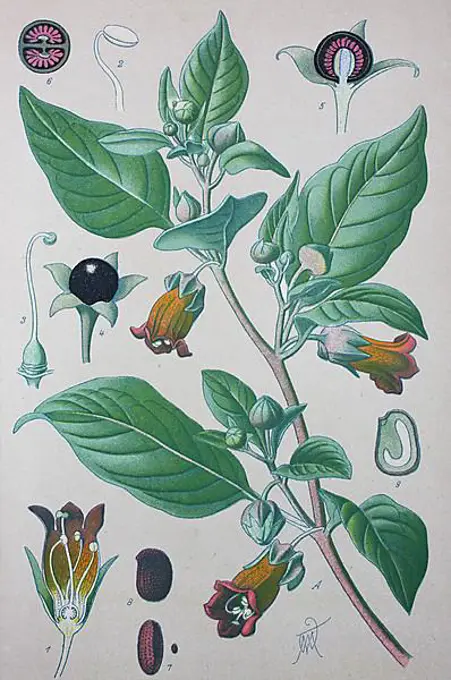
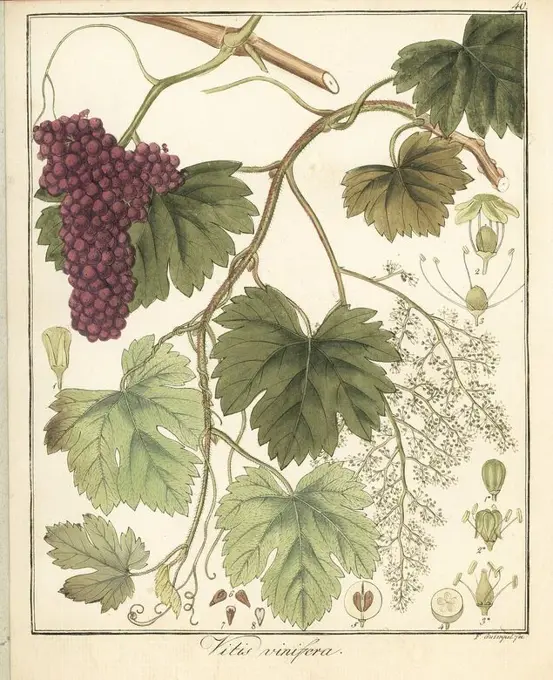
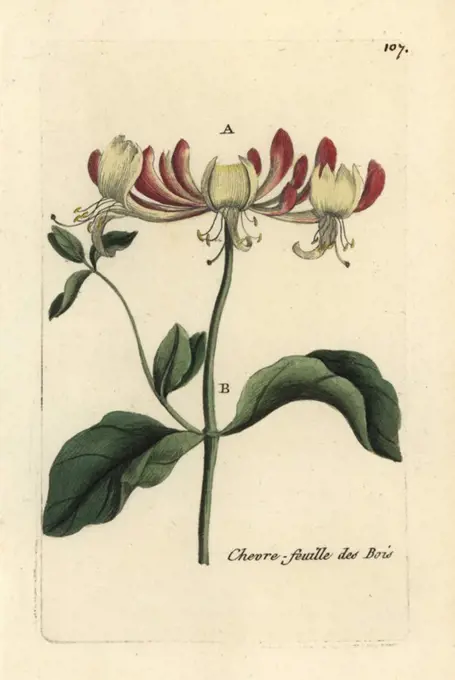
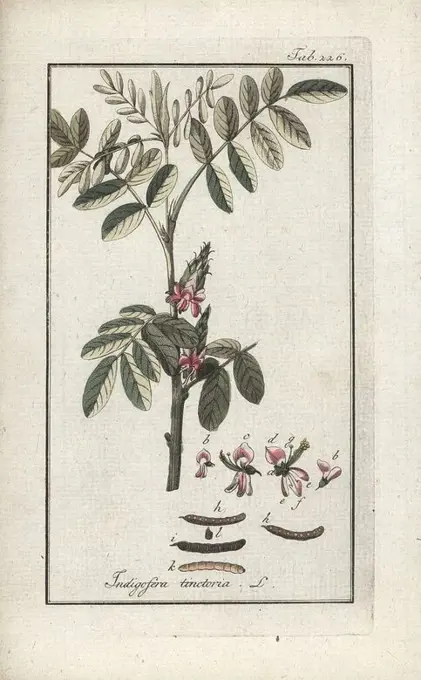
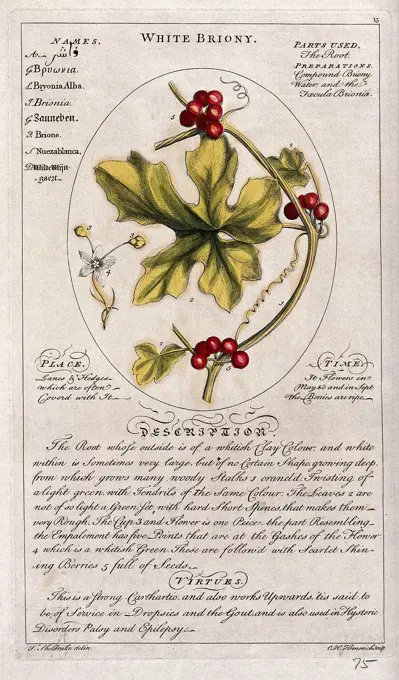
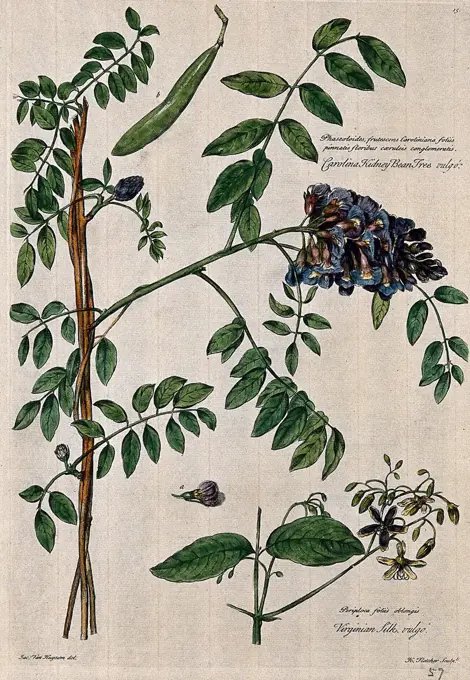
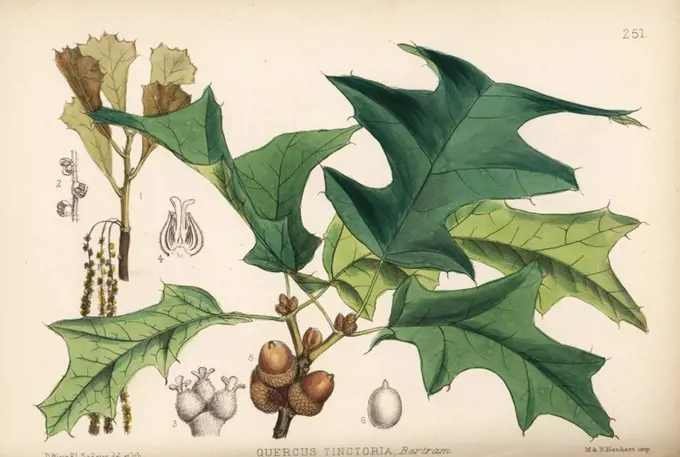
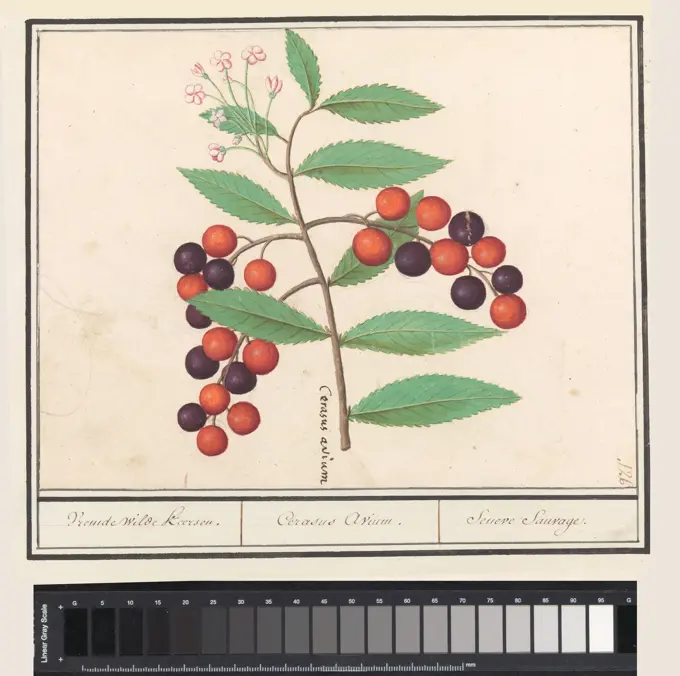
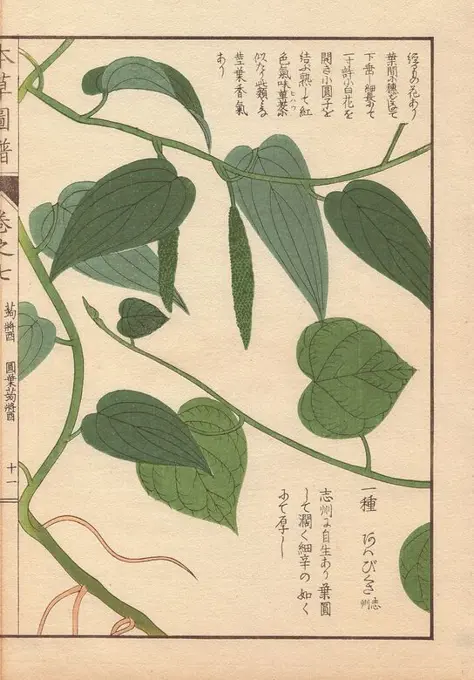
Mezereon, Daphne mezereum. Handcoloured copperplate engraving from a drawing by B. Thanner from Johannes Zorn's "Icones plantarum medicinalium," Germany, 1796. Zorn (1739-99) was a German pharmacist and botanist who travelled all over Europe searching for medicinal plants.Sicilian sumac or tanner's sumach, Rhus coriaria. Handcoloured woodblock print by Wolfgang Meyerpick after an illustration by Giorgio Liberale from Pietro Andrea Mattioli's Discorsi di P.A. Matthioli ne i sei libri della Materia Medicinale di Pedacio Dioscoride Anazarbeo (Commentary on the Materia Medica of Dioscorides), Vincenzo Valgrisi, Venice, 1568.Wintersweet or Bushman's Poison with clusters of star-shaped white flowers. Acokanthera spectabilis (Toxicophlaea spectabilis). Handcolored botanical drawn and lithographed by W.G. Smith from H.H. Dombrain's "Floral Magazine" 1872.. Worthington G. Smith (1835-1917), architect, engraver and mycologist. Smith also illustrated "The Gardener's Chronicle." Henry Honywood Dombrain (1818-1905), clergyman gardener, was editor of the "Floral Magazine" from 1862 to 1873.LAMINA 52 - CENTRONIA MITISII - DIBUJO SIGLO XVIII. Author: MUTIS CELESTINO. Location: JARDIN BOTANICO-DIBUJOS. MADRID. SPAIN.The Spotted Ribbon Snake (Coluber nebulosus). Dated: published 1731-1743. Dimensions: plate: 35.4 x 26.2 cm (13 15/16 x 10 5/16 in.) sheet: 53.8 x 36.8 cm (21 3/16 x 14 1/2 in.). Medium: hand-colored engraving on laid paper. Museum: National Gallery of Art, Washington DC. Author: Mark Catesby.Dilated kennedya, Kennedya dilatata. Handcoloured copperplate engraving by S. Watts after an illustration by Miss Sarah Drake from Sydenham Edwards' Botanical Register, Ridgeway, London, 1832.Purple flowered peppermint, Mentha piperita. Handcolored copperplate engraving from a botanical illustration by James Sowerby from William Woodville and Sir William Jackson Hooker's "Medical Botany" 1832. The tireless Sowerby (1757-1822) drew over 2,500 plants for Smith's mammoth "English Botany" (1790-1814) and 440 mushrooms for "Coloured Figures of English Fungi " (1797) among many other works.Leaf fungi, Circinaria epiphylla. Handcoloured copperplate stipple engraving from Antoine Jussieu's "Dictionary of Natural Science," Florence, Italy, 1837. Illustration by C. Vaulthier, engraved by Corsi, directed by Vaulthier, and published by Batelli e Figli.Dorstenia ceratosanthes. Cleft dorstenia, with purple seed receptacle.. Illustration by WJ Hooker, engraved by Swan. Handcolored copperplate engraving from William Curtis's "The Botanical Magazine" 1827.. William Jackson Hooker (1785-1865) was an English botanist, writer and artist. He was Regius Professor of Botany at Glasgow University, and editor of Curtis' "Botanical Magazine" from 1827 to 1865. In 1841, he was appointed director of the Royal Botanic Gardens at Kew, and was succeeded by his son Joseph Dalton. Hooker documented the fern and orchid crazes that shook England in the mid-19th century in books such as "Species Filicum" (1846) and "A Century of Orchidaceous Plants" (1849). A gifted botanical artist himself, he wrote and illustrated "Flora Exotica" (1823) and several volumes of the "Botanical Magazine" after 1827.Botanical Print by Walter Hood Fitch 1817 - 1892, W.H. Fitch was an botanical illustrator and artist, born in Glasgow, Scotland, UK, colour lithograph. From the Liszt Masterpieces of Botanical Illustration Collection.Johnnyberry variety, Miconia pulverulenta var trifasciata. Drawn and chromolithographed by P. de Pannemaeker from Jean Linden's l'Illustration Horticole, Brussels, 1873.Untitled (Study of AmericanAgriculture). Artist: UnknownGreater periwinkle, Vinca major. Handcoloured botanical drawn and engraved by Pierre Bulliard from his own "Flora Parisiensis," 1776, Paris, P. F. Didot. Pierre Bulliard (1752-1793) was a famous French botanist who pioneered the three-colour-plate printing technique. His introduction to the flowers of Paris included 640 plants.D. Jacob Christian Schäffer's Abhandlungen von Insecten, Regensburg, Verlegts Johann Leopold Montag, 1764-1779, insects, parasites, A botanical illustration features a branch adorned with green leaves, showcasing various types of beetles and other insects along with their detailed forms. The illustration is labeled with figures indicating different species, each meticulously rendered with attention to their distinctive characteristics. Among the depicted insects are a larvae-like creature, a few small beetles, and a stylized view of a leaf, providing a rich insight into entomological studies. The arrangement highlights the intricate relationship between plants and insects, emphasizing the diversity and complexity of their interactions in nature.Grape vine, Vitis vinifera, with fruit, leaf, tendril and stem. Handcoloured stipple copperplate engraving by Lambert Junior from a drawing by Pierre Jean-Francois Turpin from Chaumeton, Poiret and Chamberet's "La Flore Medicale," Paris, Panckoucke, 1830. Turpin (1775~1840) was one of the three giants of French botanical art of the era alongside Pierre Joseph Redoute and Pancrace Bessa.Brilliant fuchsia, Fuchsia fulgens. Handcoloured copperplate engraving after a botanical illustration by Mrs Augusta Withers from Benjamin Maund and the Rev. John Stevens Henslow's The Botanist, London, 1836.French plum, Prunus domestica. Handcoloured lithograph by Hanhart after a botanical illustration by David Blair from Robert Bentley and Henry Trimen's Medicinal Plants, London, 1880.Female liane of Chilli (Lardizabala biternata Ruíz & Pavón): fruiting stem with tendrils and floral segments. Engraving by Heath, c.1798, after Prevost.Ipecacuan, Ipecacuanha, showing leaves, root and tendrils. Handcolored copperplate engraving from a botanical illustration by James Sowerby from William Woodville and Sir William Jackson Hooker's "Medical Botany" 1832. The tireless Sowerby (1757-1822) drew over 2,500 plants for Smith's mammoth "English Botany" (1790-1814) and 440 mushrooms for "Coloured Figures of English Fungi " (1797) among many other works.Japanese camellia or tsubaki, Camellia japonica. Camellia du Japon. Handcoloured steel engraving by Felicie Fournier after an illustration by Conrad Johann Theodor Susemihl from Charles d'Orbigny's Dictionnaire Universel d'Histoire Naturelle (Universal Dictionary of Natural History), Paris, 1849.Belladonna (Atropa belladonna), historical illustration from 1885, Germany, EuropeGrape vine, Vitis vinifera. Handcoloured copperplate engraving by F. Guimpel from Dr. Friedrich Gottlob Hayne's Medical Botany, Berlin, 1822. Hayne (1763-1832) was a German botanist, apothecary and professor of pharmaceutical botany at Berlin University.Amerikaanse vogelkers (Prunus serotina). Vremde wilde Keersen. / Cerasus Avium. / Seneve Sauvage. (title on object). Draughtsman: Anselmus Boëtius de Boodt. Draughtsman: Elias Verhulst. Dating: 1596 - 1610. Place: Praag. Measurements: h 236 mm × w 181 mm. Museum: Rijksmuseum, Amsterdam.Common honeysuckle, Lonicera periclymenum. Handcoloured botanical drawn and engraved by Pierre Bulliard from his own "Flora Parisiensis," 1776, Paris, P.F. Didot. Pierre Bulliard (1752-1793) was a famous French botanist who pioneered the three-colour-plate printing technique. His introduction to the flowers of Paris included 640 plants.True indigo plant, Indigofera tinctoria. Handcoloured copperplate botanical engraving from Johannes Zorn's "Afbeelding der Artseny-Gewassen," Jan Christiaan Sepp, Amsterdam, 1796. Zorn first published his illustrated medical botany in Nurnberg in 1780 with 500 plates, and a Dutch edition followed in 1796 published by J.C. Sepp with an additional 100 plates. Zorn (1739-1799) was a German pharmacist and botanist who collected medical plants from all over Europe for his "Icones plantarum medicinalium" for apothecaries and doctors.White bryony (Bryonia dioica Jacq.): fruiting stem and separate flower and a description of the plant and its uses. Coloured line engraving by C.H.Hemerich, c.1759, after T.Sheldrake.Carolina kidney bean plant (Phaeolus sp.) and virginian silk plant (Periploca sp.). Coloured engraving by H. Fletcher, c. 1730, after J. van Huysum.Coffee, Coffea arabica. Handcoloured copperplate engraving after an illustration by Richard Duppa from his The Classes and Orders of the Linnaean System of Botany, Longman, Hurst, London, 1816.Black oak, yellow-barked oak or quercitron, Quercus velutina (Quercus tinctoria). Handcoloured lithograph by Hanhart after a botanical illustration by David Blair from Robert Bentley and Henry Trimen's Medicinal Plants, London, 1880.American bird cherry (Prunus Serotina), Anselmus Boëtius de Boodt, 1596 - 1610 drawing American bird cherry. Branch with leaves, flowers and fruits. Numbered at the top right: 126. Part of the second album with drawings of flowers and plants. Ninth of twelve albums with drawings of animals, birds and plants known around 1600, made commissioned by Emperor Rudolf II. With explanation in Dutch, Latin and French. draughtsman: Praagdraughtsman: Delft paper. watercolor (paint). deck paint. ink. chalk brush / pen fruits: wild black cherryBlue passionflower, Passiflora caerulea. Handcoloured copperplate engraving after an illustration by Richard Duppa from his The Classes and Orders of the Linnaean System of Botany, Longman, Hurst, London, 1816.Leaves and stems of Japanese pepper, Piper futo-kadzura Sieb. Colour-printed woodblock engraving by Kan'en Iwasaki from "Honzo Zufu," an Illustrated Guide to Medicinal Plants, 1884. Iwasaki (1786-1842) was a Japanese botanist, entomologist and zoologist. He was one of the first Japanese botanists to incorporate western knowledge into his studies.