Brass Decorative Ornaments

Intricate brass mounts and ornaments featuring floral and decorative designs. Includes historical artifacts showcasing craftsmanship from different cultures.

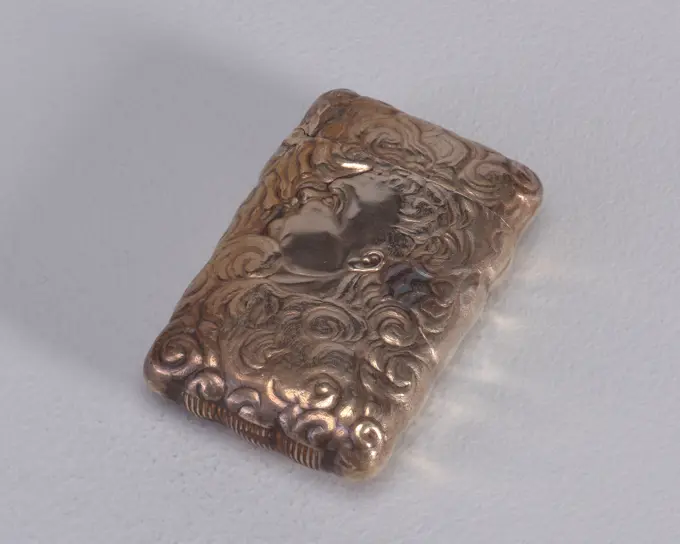
Snail Shell, Brass, with evidence of silver plating, In the form of a snail shell, with raised scroll work and gadrooning on sides, decorative cartouche at top near lid, decorative shell motif on lid, which flips open at wider, flat end, hinged at center, c-scrolls below. Worn hatch marks on back possibly intended as striker., late 19th century, containers, Decorative Arts, Matchsafe, Matchsafe
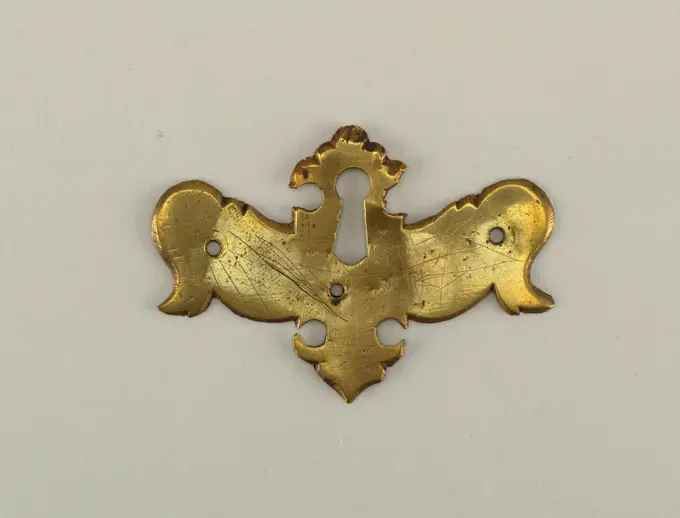
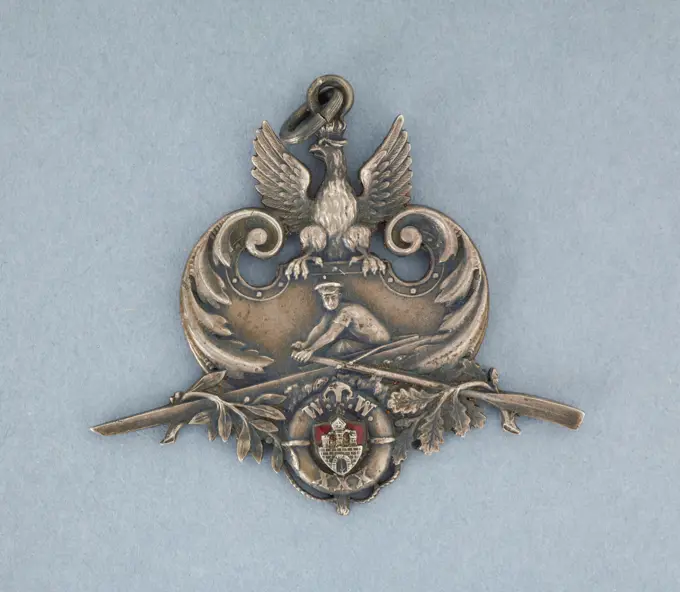
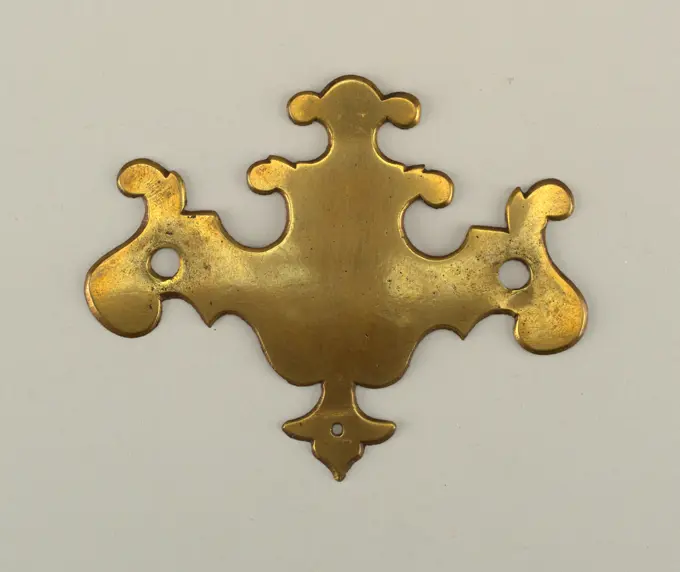
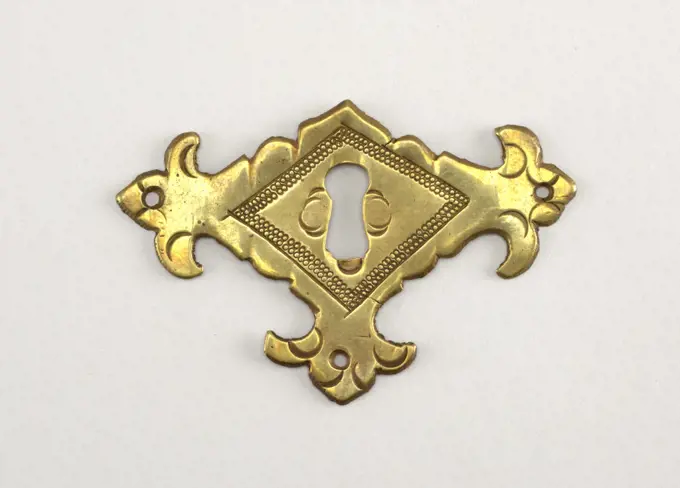
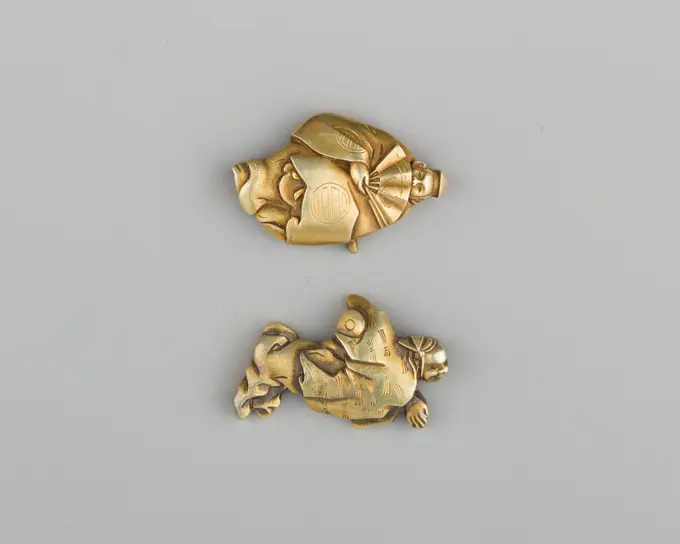
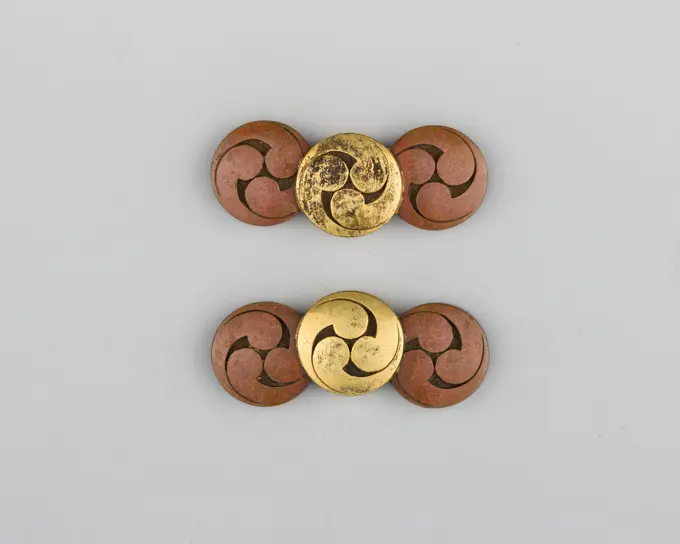
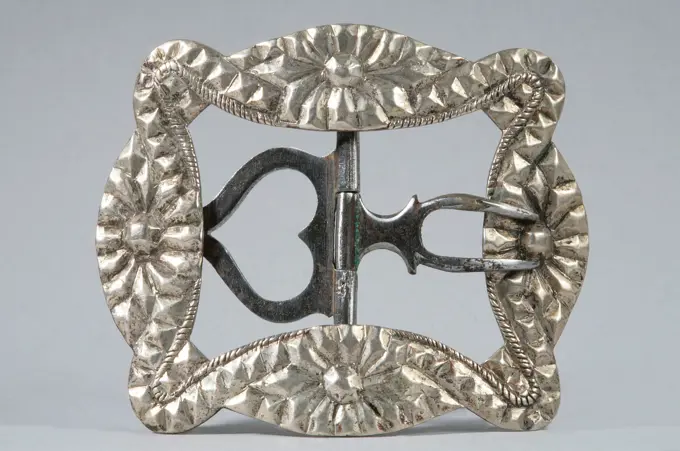
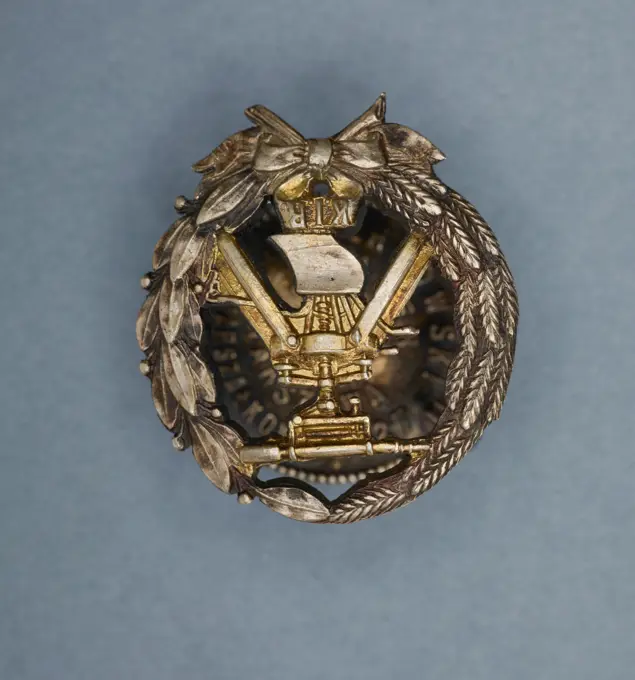
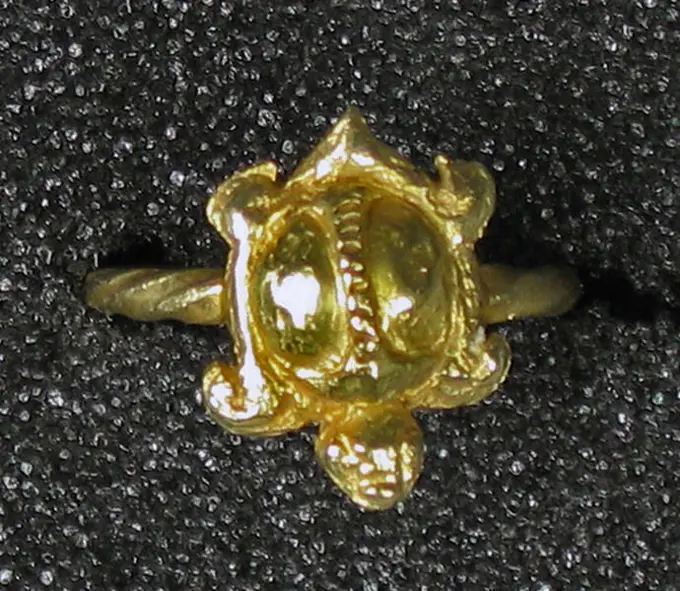
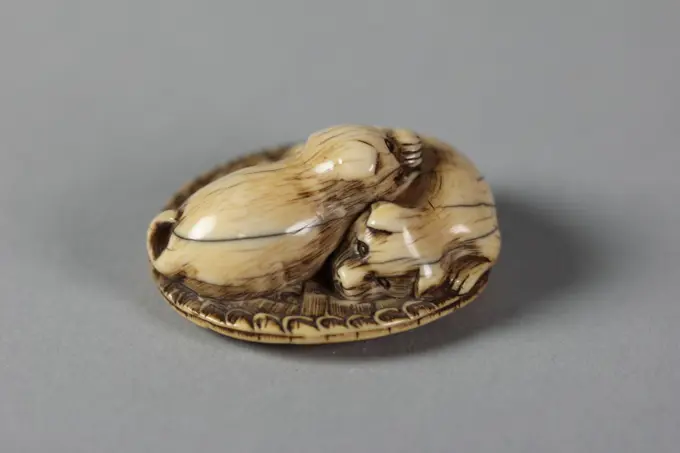
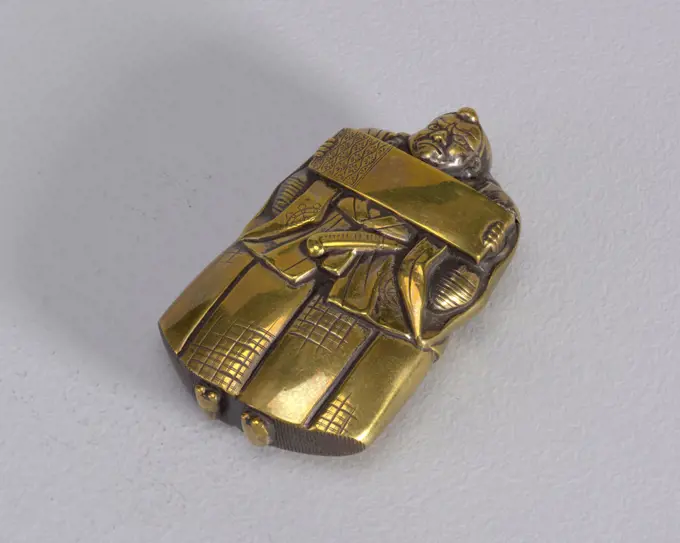
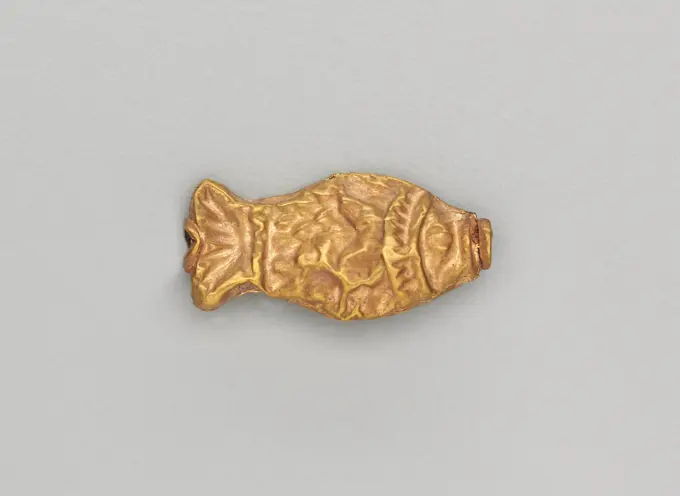
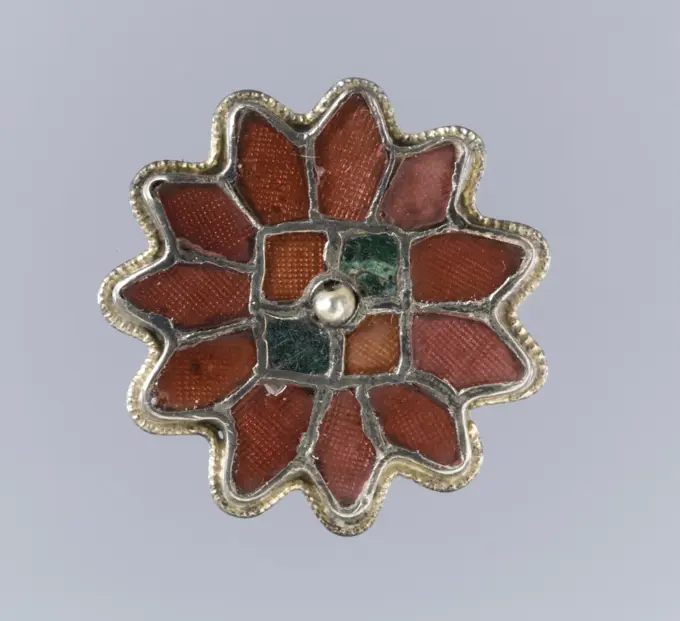
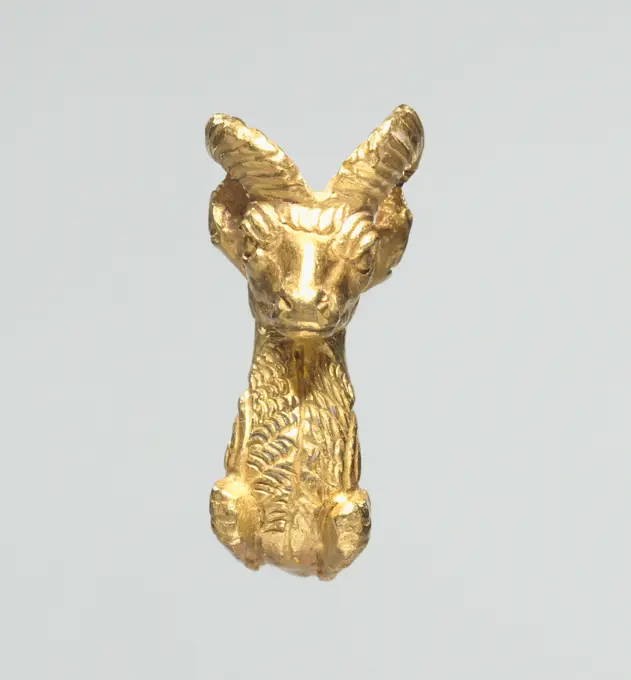
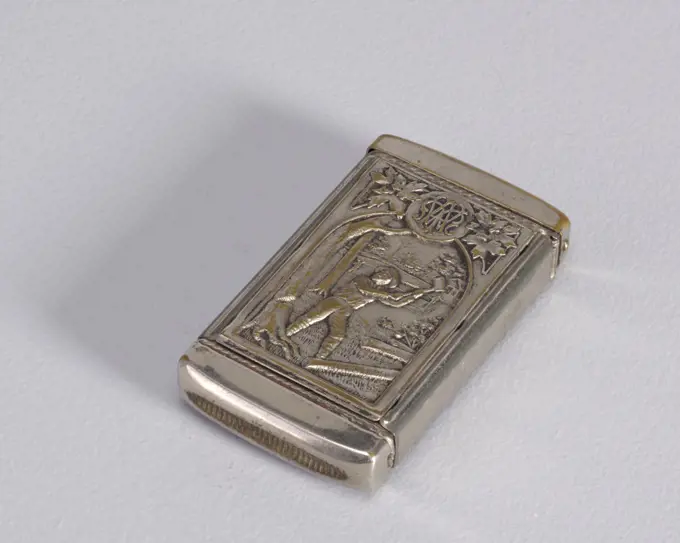
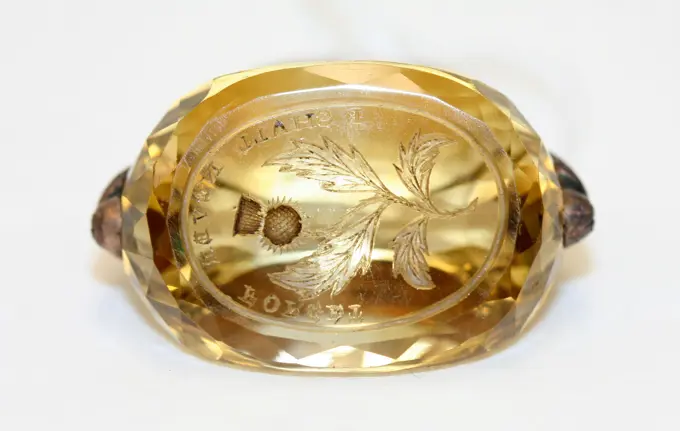
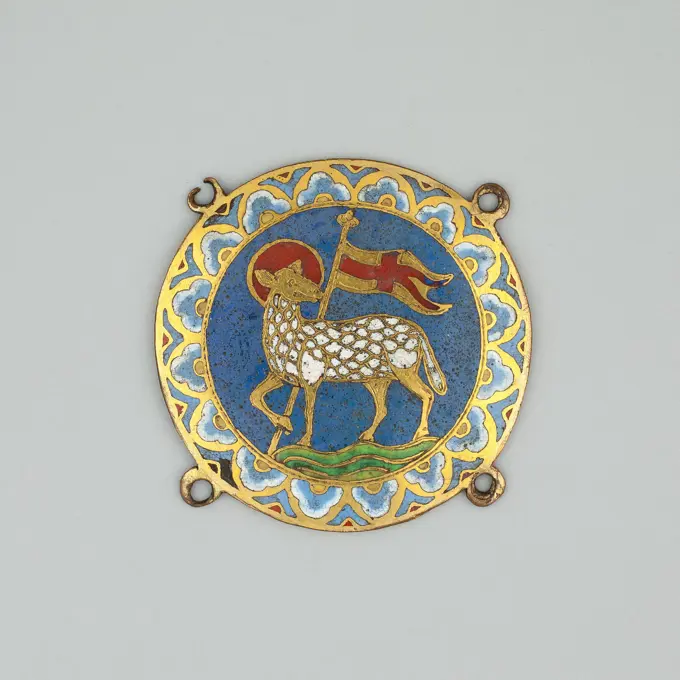
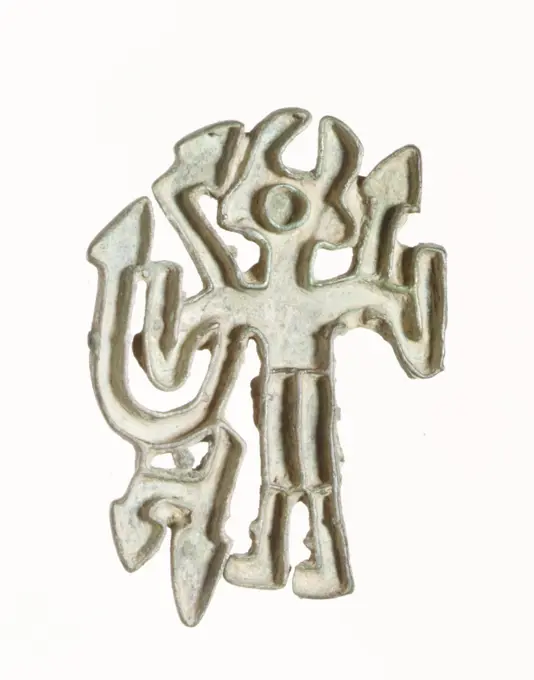
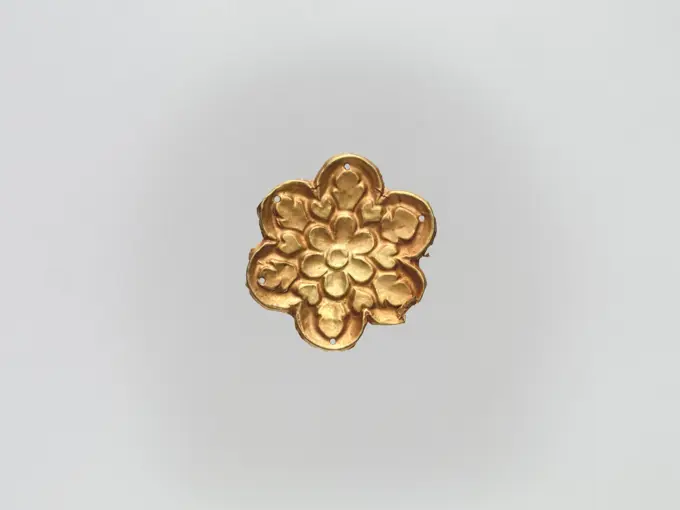
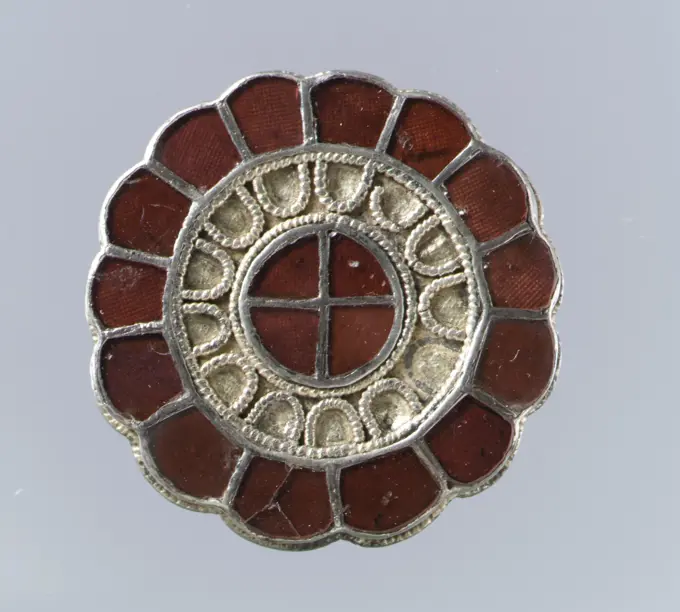
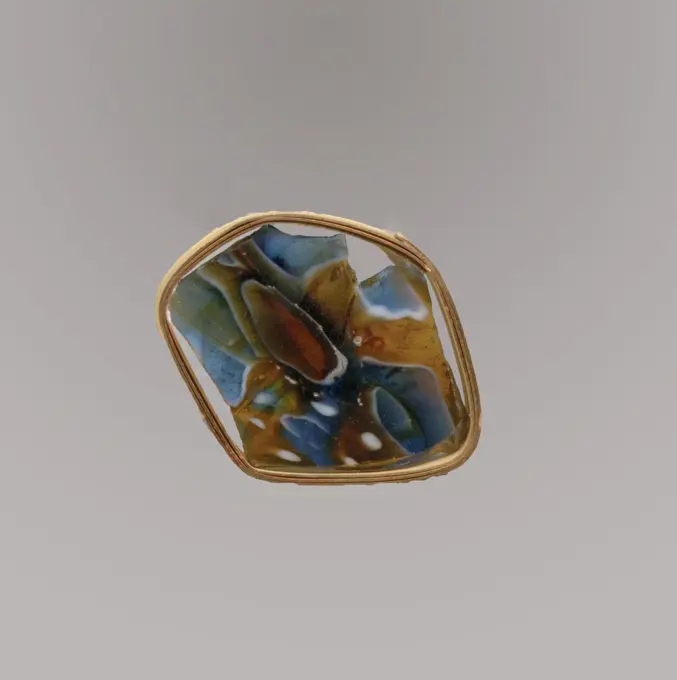
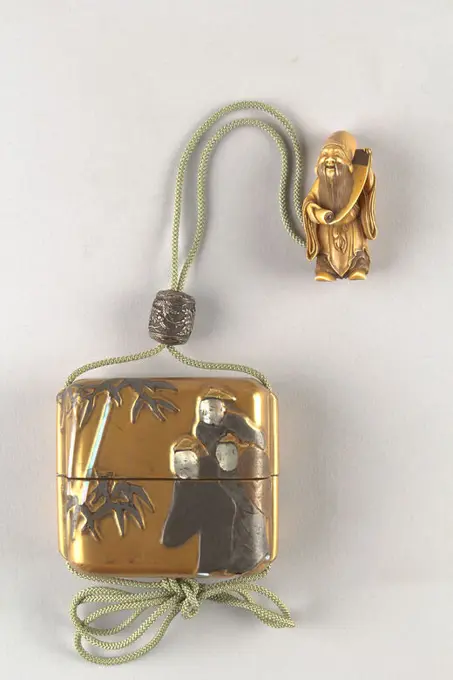
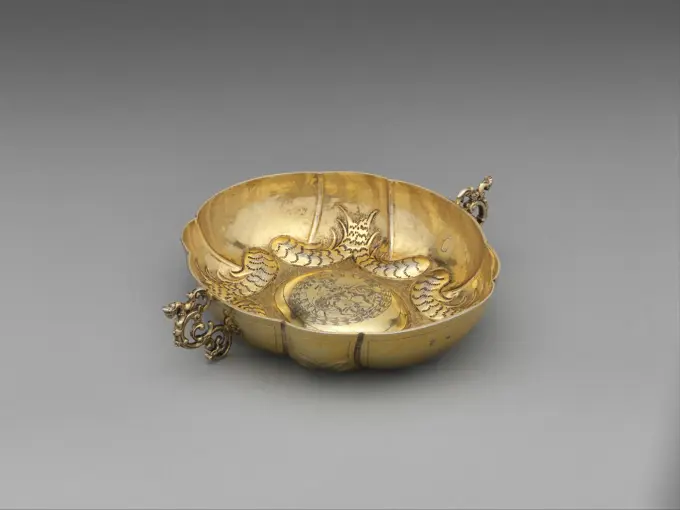
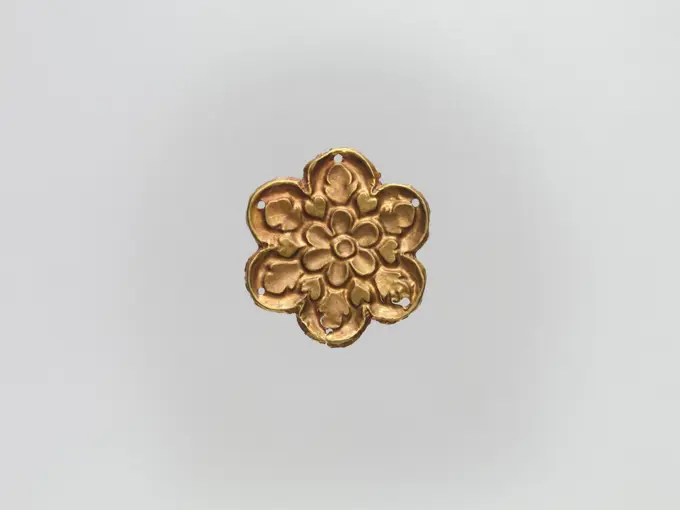
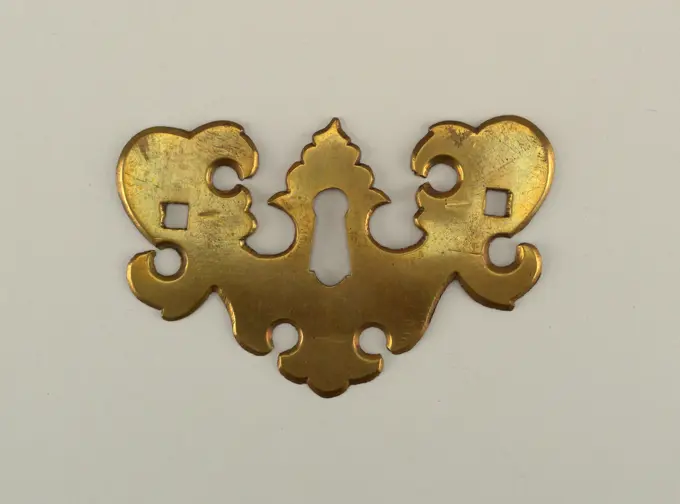
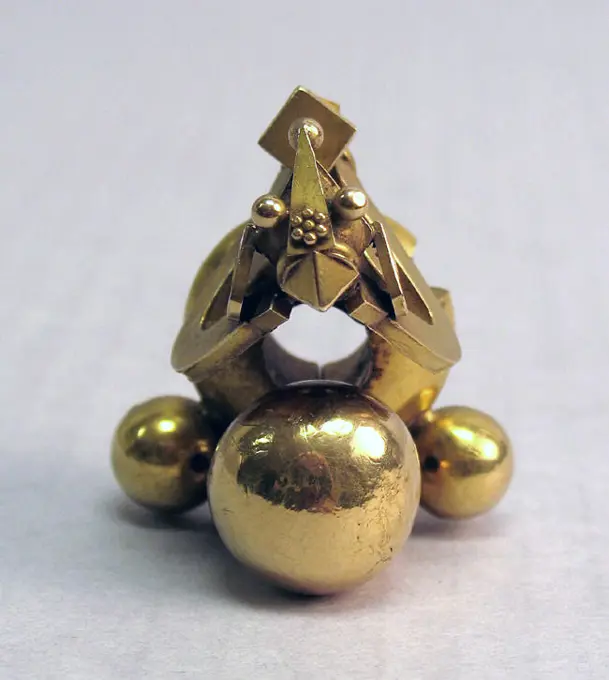
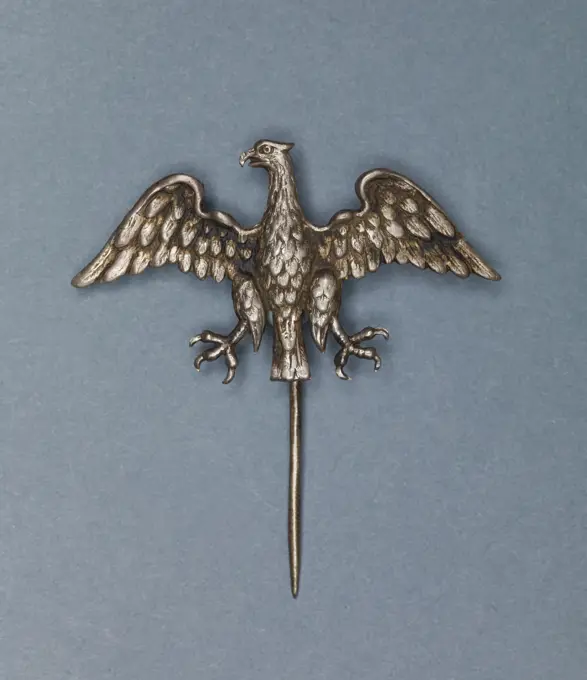
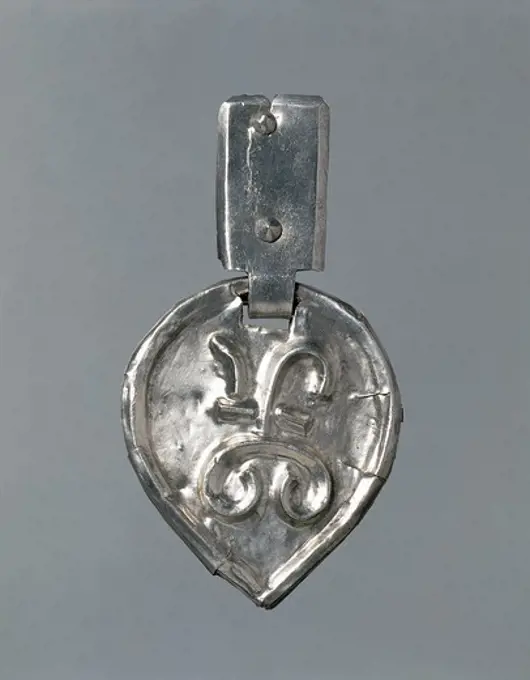
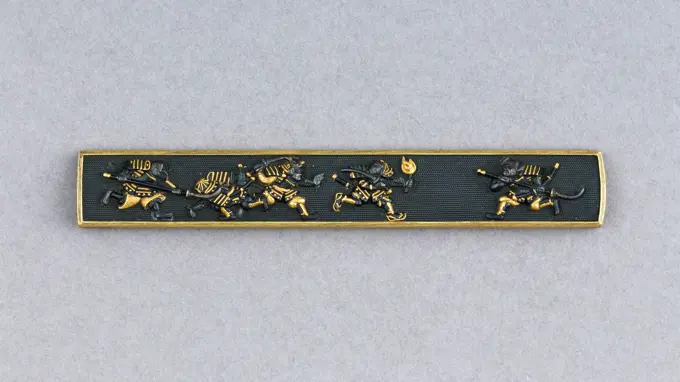
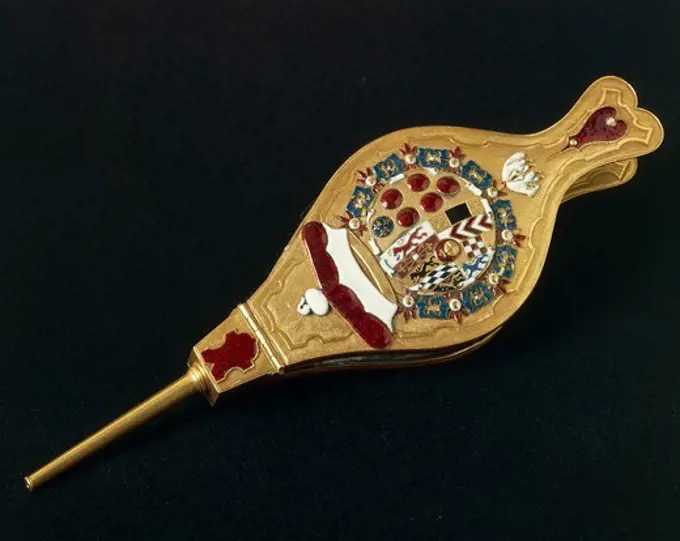
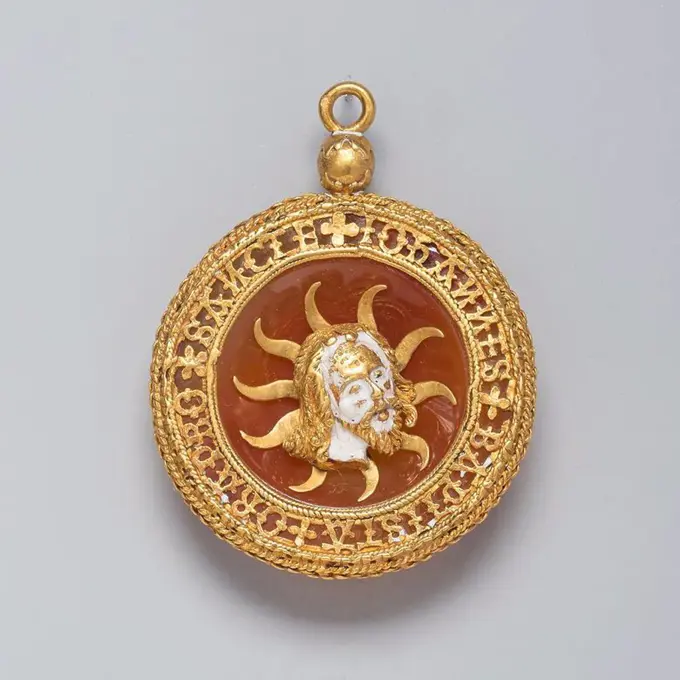
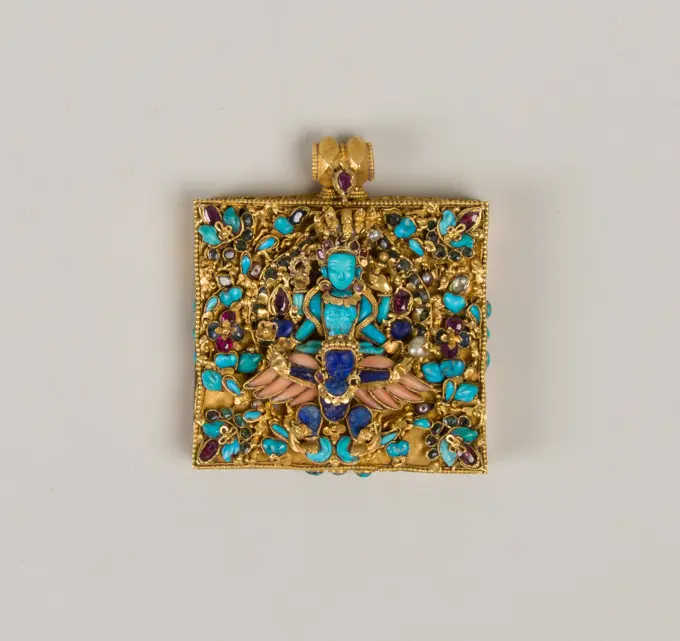
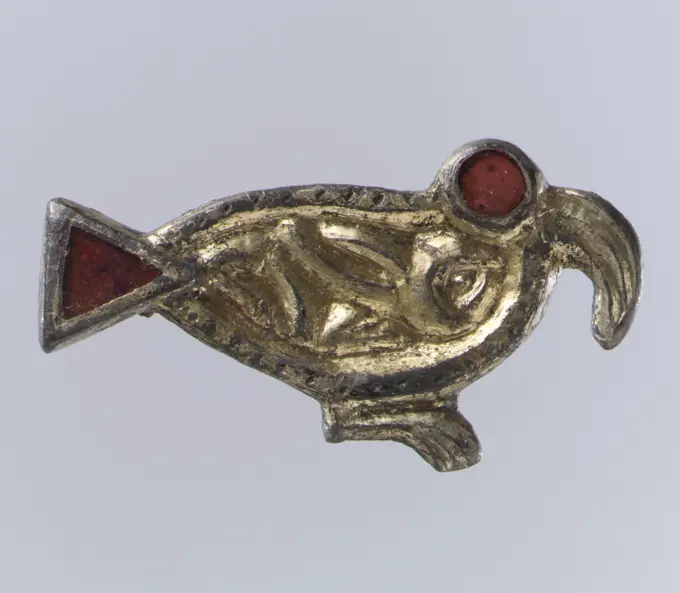
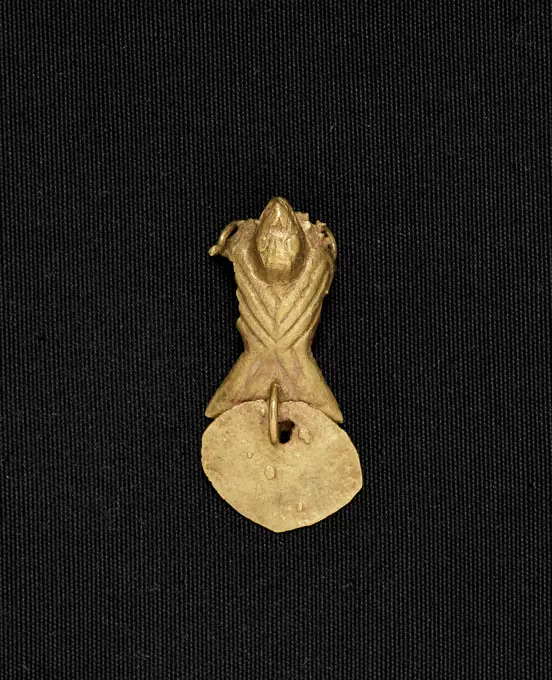
Mount; L x W x D: 8.1 x 11 cm (3 3/16 x 4 5/16 in.)Pair of Sword-Grip Ornaments (Menuki). Culture: Japanese. Dimensions: L. of each 1 3/8 in. (3.5 cm); Wt. of each 0.2 oz. (5.7 g). Date: 18th century. Museum: Metropolitan Museum of Art, New York, USA.MountSnail Shell, Brass, with evidence of silver plating, In the form of a snail shell, with raised scroll work and gadrooning on sides, decorative cartouche at top near lid, decorative shell motif on lid, which flips open at wider, flat end, hinged at center, c-scrolls below. Worn hatch marks on back possibly intended as striker., late 19th century, containers, Decorative Arts, Matchsafe, MatchsafeMountEar Ornament last quarter of the 10th-last quarter of the 15th century Indonesia (Java). Ear Ornament 49969Security Service BadgeMountEscutcheonJubilee pendant of the 30th anniversary of the Włocławek rowing Societymatchsafe, silver, late 19th century, containers, Decorative Arts, matchsafeFragment of the saber of the saber (kilid A);  XIX-XX century (1800-00-00-1950-00-00);MountMountCartridge Box. German. Date: 1650-1700. Dimensions: H. 12 cm (4 3/4 in.). Brass, cast and chiseled. Origin: Germany. Museum: The Chicago Art Institute, Chicago, USA.Silly scarf, c. 1940 Heart -shaped scarf of silver with relief. Jogjakarta silver (metal) Heart -shaped scarf of silver with relief. Jogjakarta silver (metal)Escutcheon, Brass, England, ca. 1700, metalwork, Decorative Arts, EscutcheonMount, late 19th century; gilt bronzeKing Edward VII Matchsafe; probably England; brass; 4.4 x 3.5 x 1 cm (1 3/4 x 1 3/8 x 3/8 in. )Pair of Sword-Grip Ornaments (Menuki) 18th century Japanese Menuki are a pair of ornamental sword fittings attached to either side of a sword hilt.. Pair of Sword-Grip Ornaments (Menuki). Japanese. 18th century. Gold. Sword Furniture-MenukiPair of Sword-Grip Ornaments (Menuki) 18th century Japanese Menuki are a pair of ornamental sword fittings attached to either side of a sword hilt.. Pair of Sword-Grip Ornaments (Menuki). Japanese. 18th century. Copper, gold. Sword Furniture-MenukiOrnament from a crown China. Ornament from a crown 44631Dish with Gold Palmettes Dish; Manufactured by Meissen Porcelain Manufactory (Germany); hard paste porcelain, goldSilver loop.Commemorative badge of the Agricultural Engineers' Circle Michrowski, JózefRing with Turtle 8th-12th century Indonesia (Central Java). Ring with Turtle 64325Mount, gilt bronze, A, B: Furniture mounts in the shape of watch holders. In the shape of an amphora, with high handles terminating in heads of crested birds, turned toward mouth of amphora. From amphora springs caduceus entwined with two serpents and two olive branches, surmounted by a star. Hook for hanging watch affixed to bowl of amphora., late 18th century, Decorative Arts, MountNetsuke of Two Dogs 19th century Japan. Netsuke of Two Dogs 60280Mount, ca. 1640; brass; L x W: 8.3 × 5.3 cm (3 1/4 × 2 1/16 in.); 1904-21-19Pair of Bit Bosses first half 17th century probably Netherlandish Bit bosses were ornamental elements decorating both sides of a horse bit. The center of these bosses is adorned with an openwork fleur-de-lis circled by a wreath, while the rim displays a frieze of pointed lobes.This object belongs to a large group of bosses using a series of rims and centers combined in different ways. The exact center of production of these bosses is still unclear. If the motifs used are Italian, the scale of the production and the process of combining a series of rims and center recalls contemporary German practices. Some of them, however, are identical or very similar to bosses seen in several early 17th-century Netherlandish paintings, a likely origin for the manufacture of these objects.. Pair of Bit Bosses. probably Netherlandish. first half 17th century. Copper alloy. Equestrian Equipment-Bitsdiscoidal fibula discoidal fibula, Museo de los Concilios y la Cultura Visigoda, Church of San Román, Toledo, Castilla-La Mancha, Spain Copyright: xZoonar.com/TOLOxBALAGUERx 21307915Flower-Shaped Clothing Plaque. Culture: China (Xinjiang Autonomous Region, Central Asia). Dimensions: Diam. 1 1/4 in. (3.2 cm). Date: 7th-9th century.The nomadic communities of Central Asia used such plaques to embellish clothing and horse trappings. As these nomadic cultures herded animals and were constantly moving, their artistic production was expressed in portable objects that marked the wearer's status and wealth. The outstanding preservation of these fragile ornaments suggests they were used in conjunction with burials, where the body was aggrandized with valuable textiles and augmented with gold. Although it is difficult to date and place these objects geographically, their presence in Central Asia and has a long, established history. Museum: Metropolitan Museum of Art, New York, USA.Samurai Warrior, Brass, In the form of a Samurai warrior, in full costume, with sword beneath garment. Head and shoulders form lid which, hinged on back, flips backwards to open box. Small feet are attached to striker on bottom., late 19th century, containers, Decorative Arts, Matchsafe, MatchsafeFoot Ring ShardNecklace Bead in the Form of a Fish, 185-72 BC. India, Sunga Period (185-72 BC). Gold repoussé with granulation;Flower-Shaped Clothing Plaque. Culture: China (Xinjiang Autonomous Region, Central Asia). Dimensions: Diam. 1 1/4 in. (3.2 cm). Date: 7th-9th century.The nomadic communities of Central Asia used such plaques to embellish clothing and horse trappings. As these nomadic cultures herded animals and were constantly moving, their artistic production was expressed in portable objects that marked the wearer's status and wealth. The outstanding preservation of these fragile ornaments suggests they were used in conjunction with burials, where the body was aggrandized with valuable textiles and augmented with gold. Although it is difficult to date and place these objects geographically, their presence in Central Asia and has a long, established history. Museum: Metropolitan Museum of Art, New York, USA.Ornate Door Handles on Black Door, Senso-Ji Temple, Asakusa, Tokyo, JapanBliżej Kultury Lipczyński, Stanisław (1867 1939)Mordant dated 1535 German. Mordant. German. dated 1535. Brass. Miscellaneous-Buckles & Ornament. Brooch of gold and blue email, with an amethyst.Cowboy and Lasso, Shreve & Co., founded 1852, Gold, Oblong, curved sides and corners, featuring raised decoration of bust of cowboy in profile surrounded by long, intertwined lasso; he has mustache, hat with chin strap, long scarf knotted at front, lasso is looped five times beneath, one long, attenuated loop above, one strand of rope extends around to reverse side of matchsafe, incised monogram R.G.P. Jr. on reverse. Lid hinged on side. Striker in recessed groove on bottom., ca. 1900, containers, Decorative Arts, Matchsafe, MatchsafeBuckle Shank 7th century Visigothic. Buckle Shank. Visigothic. 7th century. Copper alloy, tin. Miscellaneous-Buckles & OrnamentRosette Brooch 6th century Frankish Garnets, worked in the cloisonné technique, featured prominently in the luxury jewelry of the Franks. Jewelers would solder small compartments arranged in geometric patterns onto the surface of a metal disk. In those cells, or cloisons, they would place a textured piece of gold foil, which would show through the thin translucent garnet that would then be set on top.. Rosette Brooch 464847 Frankish, Rosette Brooch, 6th century, Silver-gilt, garnets with patterned foil backings, green glass, pearl, Overall: 7/8 x 1/8 in. (2.2 x 0.3 cm). The Metropolitan Museum of Art, New York. Gift of J. Pierpont Morgan, 1917 (17.191.154)Ibex Bracelet Terminal, 500-400 BC. Iran, Achaemenian, 5th Century BC. Gold, solid cast; overall: 1.9 x 0.9 x 1.4 cm (3/4 x 3/8 x 9/16 in.).'Modern Woodmen of America', Plated brass, Rectangular, curved top and bottom, featuring raised decoration, inscribed in circular reserve 'Modern Woodmen of America', the center of which displays a shield with a crossed malet and hatchet and monogram 'MWA', over circular reserve inscribed 'Pur Autre Vie', beneath features an assortment of objects including a scale, urn, and medallion inscribed 'Brazen Coin', some foliage motifs interspersed throughout; reverse features male with hatchet raised, chopping a tree trunk, background of trees, cabin, and 2 men on wooden river raft. Lid hinged on side. Striker on bottom., patented 1904, containers, Decorative Arts, Matchsafe, MatchsafeHexagonal dish. Culture: Hungarian, Transylvania. Dimensions: Diameter: 9 9/16 in. (24.3 cm). Date: 1696.The center of each dish in this set (acc. nos. 2010.110.42-49) bears an engraved laurel wreath encircling a coat of arms. Small differences in these arms could be the result of different masters working quickly to complete what was probably a much larger set for a wedding that was fast approaching. The bold blossoms in the six corners symbolize both the wish for abundance throughout marriage and the transitory glories of earthly existence. Salgo acquired two of these dishes at a later date from the others, but all eight pieces belonged to the same set of fourteen dishes that were once part of the Andrssy treasury.LiteratureEuropean Silver. Sale cat., Sotheby's, Geneva, November 15, 1983, p. 19, no. 53.European Silver. Sale cat., Sotheby's, Geneva, November 14, 1984, n.p., no. 34.Judit H. Kolba. Hungarian Silver: The Nicolas M. Salgo Collection. London, 199"Modern Woodmen of America" Matchsafe; USA; plated brass; 7 x 3.8 x 1 cm (2 3/4 x 1 1/2 x 3/8 in. )Military accessory 1830-60 Austrian Military officers began wearing hat plates of this type at the beginning of the 19th century. The lions depicted on the plate are highly refined; differentiating male and female creatures is integral to iconography and symbolism. This particular emblem is from the collection of Archduke Leopold of Austria.. Military accessory 157869Carving, wood, gilded, 19th century, woodwork, Decorative Arts, CarvingSeal 1820-40 probably British. Seal 104890PullInauguration of Wilhelmina as Queen of the Netherlands, A. Rogmans, 1898  Silver one -sided carrying sign in the form of four -armed cross with crown and carrying ring. Front: four -armed cross, both of which are wearing one year; In the middle of the medallion: breastpiece woman with diadem inside pearl edge and laurel interrupted by the arms of cross; On top arm: crown. Amsterdam silver (metal) striking (metalworking)  NetherlandsMechanical retro styled pocket watch in a heart cageHand Holding Cigar Amid Smoke Matchsafe; USA; silver; 5.7 x 3.6 x 1.3 cm (2 1/4 x 1 7/16 x 1/2 in. )Sword Guard (Tsuba). Culture: Japanese. Dimensions: H. 3 1/8 in. (7.9 cm); W. 3 1/16 in. (7.8 cm); thickness 3/16 in. (0.5 cm); Wt. 2.8 oz. (79.4 g). Date: 19th century. Museum: Metropolitan Museum of Art, New York, USA.Button, painted and gilded porcelain and brass, reddish-brown buttons ornamented by small floral spray within scrolling border - double shank of brass., France, 19th century, costume & accessories, Decorative Arts, ButtonEarring cast with Mount Meru 8th-12th century Indonesia (Central Java). Earring cast with Mount Meru 64437Sponge Box. Denmark. Date: 1825-1835. Dimensions: Diam. 4.5 cm (1 3/4 in.). Silver. Origin: Denmark. Museum: The Chicago Art Institute, Chicago, USA.Agnus Dei 1200-1250 France. Gilt copper, champlevÈ enamel .Tumors to Upana with clasp;  XVII/XVIII W (1690-00-00-1709-00-00);Akant (ornament), baroque (style), geometric (ornament), rosette (ornament), purchase (provenance)Openwork stamp seal: figure holding snakes ca. late 3rd-early 2nd millennium B.C. Bactria-Margiana Archaeological Complex Western Central Asia, now known as Turkmenistan, Uzbekistan, and northern Afghanistan, has yielded objects attesting to a highly developed civilization in the late third and early second millennium B.C. Artifacts from the region indicate that there were contacts with Iran to the southwest.Openwork copper or bronze stamp seals, often called "compartmented" seals, were cast in both geometric and figural patterns in Bactria-Margiana and are distinctive to that region. This copper-alloy example represents a male figure dressed in a short kilt and mountain boots with upturned toes. If his horned headdress is similar in meaning to examples found in Mesopotamia and Iran, the figure may be divine. The arrow-shaped forms emerging from his shoulders and under his arm may represent snakes or lightning bolts.. Openwork stamp seal: figure holding snakes. Bactria-Margiana ArchaeoFlower-Shaped Clothing Plaque 7th-9th century China (Xinjiang Autonomous Region, Central Asia) The nomadic communities of Central Asia used such plaques to embellish clothing and horse trappings. As these nomadic cultures herded animals and were constantly moving, their artistic production was expressed in portable objects that marked the wearers status and wealth. The outstanding preservation of these fragile ornaments suggests they were used in conjunction with burials, where the body was aggrandized with valuable textiles and augmented with gold. Although it is difficult to date and place these objects geographically, their presence in Central Asia and has a long, established history.. Flower-Shaped Clothing Plaque 65199Statuette of a warrior-11 Greek, Laconian. Statuette of a warrior-11 251637 Greek, Laconian, Statuette of a warrior-11, Lead, Height: 1 1/4 in. (3.2 cm). The Metropolitan Museum of Art, New York. Gift of A. J. B. Wace, 1924 (24.195.71)abstract illustrated glass background object abstract illustrated glass background object Copyright: xZoonar.com/FrankxRohdex 4797312Rosette Brooch last quarter 6th century Frankish Garnets, worked in the cloisonné technique, featured prominently in the luxury jewelry of the Franks. Jewelers would solder small compartments arranged in geometric patterns onto the surface of a metal disk. In those cells, or cloisons, they would place a textured piece of gold foil, which would show through the thin translucent garnet that would then be set on top.. Rosette Brooch 464834 Frankish, Rosette Brooch, last quarter 6th century, Silver-gilt, garnets with patterned foil backings, Overall: 1 3/16 x 3/16 in. (3 x 0.5 cm). The Metropolitan Museum of Art, New York. Gift of J. Pierpont Morgan, 1917 (17.191.142)Glass mosaic ribbed bowl fragment late 1st century B.C.-early 1st century A.D. Roman Body fragment. Translucent honey brown, blue, and opaque white.Almost straight side.Mosaic pattern formed from sections of two canes: one in blue ground with irregular spiral white threads, the other in brown ground with central circle in blue outlined in white and surrounded by white dots; on exterior, one pronounced vertical rib with flattened top.Polished interior; pitting of surface bubbles on interior; dulling, pitting, and faint weathering on exterior and jagged, chipped edges.. Glass mosaic ribbed bowl fragment. Roman. late 1st century B.C.-early 1st century A.D.. Glass; cast and tooled. Early Imperial. GlassWreath from Mikołaj Zybiikiewiczs FuneralCase (Inro) with Design of Seven Sages of the Bamboo Grove. Culture: Japan. Dimensions: 2 3/8 x 2 11/16 x 1 3/16 in. (6.1 x 6.8 x 3 cm). Date: 18th-19th century.The Seven Sages were third century literati. Shunning the constraints of official life, they gathered in a bamboo grove and engaged in the Daoist-inspired practice of "pure talk." Here they relax and drink and make music. Museum: Metropolitan Museum of Art, New York, USA.Two-handled bowl ca. 1668 Péter W. Kecskeméti The engraved coat of arms in the center of this bowl is surrounded by an inscription that may refer to the membership of its owner to a religious or fraternal order. In Hungary, almost all members of a dynastic house used the same coat of arms. Therefore, individual heraldic crowns, conveying ones personal rank and title, were rarely added.LiteratureJózsef Mihalik. “Kecskeméti Ötvös Péter.”Archaeologiai értesítű, 2nd ser., 14 (1894), pp. 148-59.European Silver. Sale cat., Sothebys, Geneva, November 10, 1987, p. 73, no. 201.Judit H. Kolba. Hungarian Silver: The Nicolas M. Salgo Collection. London, 1996, p. 74, no. 52.ReferencesElemér Kőszeghy. Magyarországi ötvösjegyek a középkortól 1867-ig / Merkzeichen der Goldschmiede Ungarns vom Mittelalter bis 1867. Budapest, 1936, nos. 818 [town mark, 879 [makers mark.[Wolfram Koeppe 2015. Two-handled bowl 237015Flower-Shaped Clothing Plaque 7th-9th century China (Xinjiang Autonomous Region, Central Asia) The nomadic communities of Central Asia used such plaques to embellish clothing and horse trappings. As these nomadic cultures herded animals and were constantly moving, their artistic production was expressed in portable objects that marked the wearers status and wealth. The outstanding preservation of these fragile ornaments suggests they were used in conjunction with burials, where the body was aggrandized with valuable textiles and augmented with gold. Although it is difficult to date and place these objects geographically, their presence in Central Asia and has a long, established history.. Flower-Shaped Clothing Plaque. China (Xinjiang Autonomous Region, Central Asia). 7th-9th century. Gold. Period of Tibetan Empire. Metalworkdenarius; Decjusz, Jost Ludwik (Fl. 1528-1535), Wille, Albrecht (Fl. 1520-), Straub (Strawb), Heinrich; 1529-1531 (1529-00-00-1531-00-00);Bust of Queen Victoria Matchsafe; England; plated brass, enamel; 5 x 5 x 1.5 cm (1 15/16 x 1 15/16 x 9/16 in. )Glass mosaic ribbed bowl fragment late 1st century B.C.-early 1st century A.D. Roman Rim fragment.Translucent cobalt blue and opaque white.Rounded rim; flaring neck; curving side tapering downward.Mosaic pattern formed from sections of a single cane in blue ground with irregular spiral white threads; on exterior, two vertical ribs with squared tops, tapering downwards.One internal crack below rim; polished interior; pitting of surface bubbles on interior; dulling, pitting, and faint weathering on exterior and jagged edges.. Glass mosaic ribbed bowl fragment. Roman. late 1st century B.C.-early 1st century A.D.. Glass; cast and tooled. Early Imperial. GlassEscutcheonKeeshondje, carrying sign in honor of Hendrik Danielsz. Hooft, mayor of Amsterdam. Keeshondje, carrying sign in honor of Hendrik Danielsz. Hooft, mayor of Amsterdam. In the form of rectangular box with rounded corners, of which top and bottom are decorated with lily branch inside edge of waves; Box is kept together on both sides by cylinder-shaped knob, decorated with floral pattern; At the top button, wearing eye is attached, while the bottom button is hinged, with which rectangular medallion can be turned into frame with rounded corners from case. Reverse: Dog with pointed mouth, hairy cup and neck with mane, smoothness and long in plum flared tail, sitting back with loop hanging on back above year under banderel with inscription.Bliżej Kultury Gontarczyk, WiktorEarring 20th century India (Kerala, Malabar). Earring. India (Kerala, Malabar). 20th century. Gold. JewelryEagle shaped patriotic badgeOrnamental plaque for harness depicting a heraldic Sarmatic symbol, Crimea. Jewellery. Sarmatic Civilization. 1st-2nd Century.Knife Handle (Kozuka) ca. 1615-1868 Japanese A kozuka is a handle of a by-knife that is part of a sword mounting. It is kept in a slot on the reverse of a katana scabbard, often with a matching kōgai (hairdressing tool).. Knife Handle (Kozuka) 34546Goldsmith's art, 18th century. Enamelled gold bellows.Ornament bell, one of five, 1 1/4 x 1 x 1 in. (3.18 x 2.54 x 2.54 cm), Silver, ChinaPair of Sword-Grip Ornaments (Menuki) 18th century Japanese Menuki are a pair of ornamental sword fittings attached to either side of a sword hilt.. Pair of Sword-Grip Ornaments (Menuki). Japanese. 18th century. Copper-gold alloy (shakud), copper-silver alloy (shibuichi), gold. Sword Furniture-MenukiHat Badge with the Head of Saint John the Baptist Adapted as a Pendant. French. Date: 1475-1485. Dimensions: 6.2 × 4.7 cm (2 7/16 × 1 7/8 in.). Gold, enamel, and carnelian. Origin: France. Museum: The Chicago Art Institute, Chicago, USA.Shoe Buckle Owned by Elizabeth DeWindt. Maker, attributed to: Jeremiah Wool, American, ca. 1740-1807Amulet case with Vishnu Riding Garuda 17th-19th century Nepal Amulet boxes had powerful talismanic functions, and their design often refers to divine realms. Here Vishnu travels in a cosmic sphere on his vehicle Garuda.. Amulet case with Vishnu Riding Garuda. Nepal. 17th-19th century. Gold, rubies, sapphires, emeralds, pearls, zircon, coral, lapis lazuli, and turquoise. MetalworkSaucer with objects in medallions, anonymous, c. 1800  Porcelain dish with a straight wall, painted on the glaze in red, purple, brown and gold. The front is covered with purple with a rosette in a medallion on the flat. Around it, continuously on the wall, gold medallions with a jug or a jug interspersed by a narrow compartment with objects (including Caduceus). A golden band on the edge. France porcelain. glaze. gold (metal) painting / gilding / vitrificationCommemorative Badge of the Second Congress of Polish Hygienists in WarsawOrnament in the Shape of a Stag 6th century B.C. Northeast China. Ornament in the Shape of a Stag 59445Bird-Shaped Brooch 500-550 Anglo-Saxon Artistic traditions that developed at Kent spread through the export of objects. These two brooches were found in France. Their affinity with objects from Kent suggests that they were exports or copies of exports.. Bird-Shaped Brooch. Anglo-Saxon. 500-550. Silver with gilding and garnets; no spring/pin extant. Made in Kent, England. Metalwork-SilverBird Bead, c. 900-1550. Colombia, Muisca style, 10th-16th century. Cast gold; Muisca metalwork divides into two categories: ornaments to be worn, such as these, and offering figurines, in the case to the right. The elaborate bird pendant features delicate herringbone moldings, openwork patterns, and wing details-all part of the wax model from which the pendant was cast (see nearby computer animation). The dangles were attached after casting.Ladies watch of gold, anonymous, c. 1840 - c. 1860 Ladies watch of gold. The front and rear bottoms are completely shot. The white enameled dial has Arabic figures.  gold (metal). Ladies watch of gold. The front and rear bottoms are completely shot. The white enameled dial has Arabic figures.  gold (metal).Bit Boss. Culture: probably Netherlandish. Dimensions: Diam. 3 5/16 in. (8.4 cm); Wt. 3 oz. (86 g). Date: first half 17th century.Bit bosses were ornamental elements decorating both sides of a horse bit. The center of this boss is adorned with an openwork fleur-de-lis circled by a wreath, while the rim displays a frieze of palmettes.This object belongs to a large group of bosses using a series of rims and centers combined in different ways. The exact center of production of these bosses is still unclear. If the motifs used are Italian, the scale of the production and the process of combining a series of rims and center recalls contemporary German practices. Some of them, however, are identical or very similar to bosses seen in several early 17th-century Netherlandish paintings, a likely origin for the manufacture of these objects. Museum: Metropolitan Museum of Art, New York, USA.'Speak No Evil, See No Evil, Hear No Evil', Silver, Rectangular, rounded sides and corners, featuring raised decoration of 3 seated monkeys, with hands over mouth, ears, and eyes, inscribed beneath each respectively 'Speak No Evil', 'See No Evil', 'Hear No Evil', all framed by decorative cartouche. Lid hinged on side. Striker on bottom., ca. 1900, containers, Decorative Arts, Matchsafe, MatchsafeCuff links 1871 American. Cuff links 104524Sword Guard (Tsuba). Culture: Japanese. Dimensions: H. 3 in. (7.6 cm); W. 2 3/8 in. (6 cm); thickness 1/8 in. (0.3 cm); Wt. 3.8 oz. (107.7 g). Date: ca. 1615-1868. Museum: Metropolitan Museum of Art, New York, USA.Plate and Nail 15th-16th century European. Plate and Nail. European. 15th-16th century. Iron. Metalwork-IronBuckle Shank 5th-7th century Visigothic. Buckle Shank. Visigothic. 5th-7th century. Bronze. Miscellaneous-Buckles & OrnamentHand holding a retro styled key over fake gold coinsMirror before 16th century Chavin. Mirror 317412