Bronze and Metal Artifacts

A collection of bronze and metal tools, including cranes, lifting wrenches, and decorative elements, reflecting historical craftsmanship.

Part or fittings from the wreck of the East Indians Hollandia, Anonymous, 1700 - in Or Before 1743 part Strip-shaped fitting; fragm, eroded, squashed; angular pattern, flat, 1 oblique pointed end, 1 end broken, 3 holes. Netherlands copper (metal)
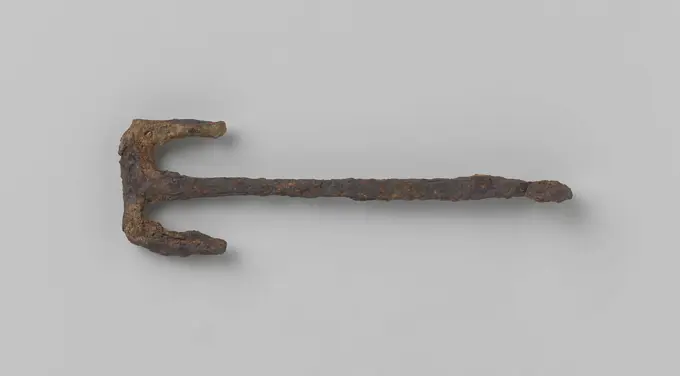
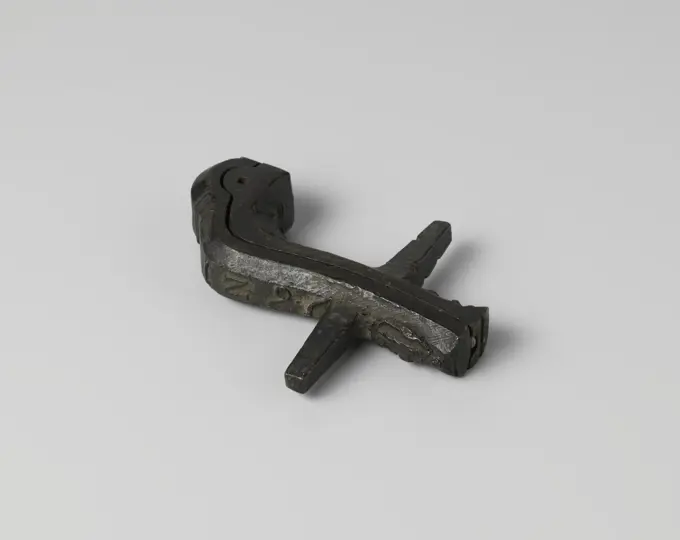
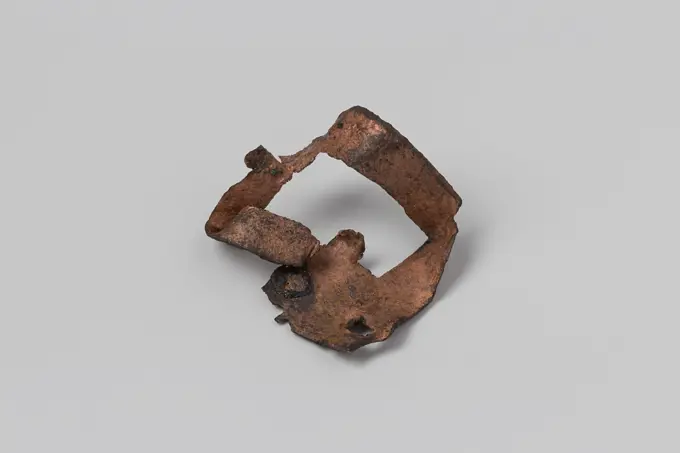
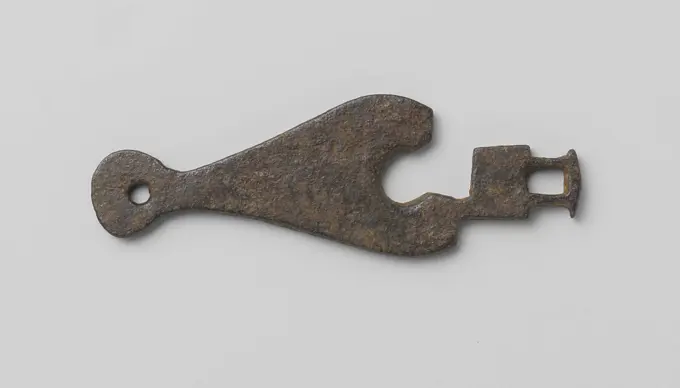
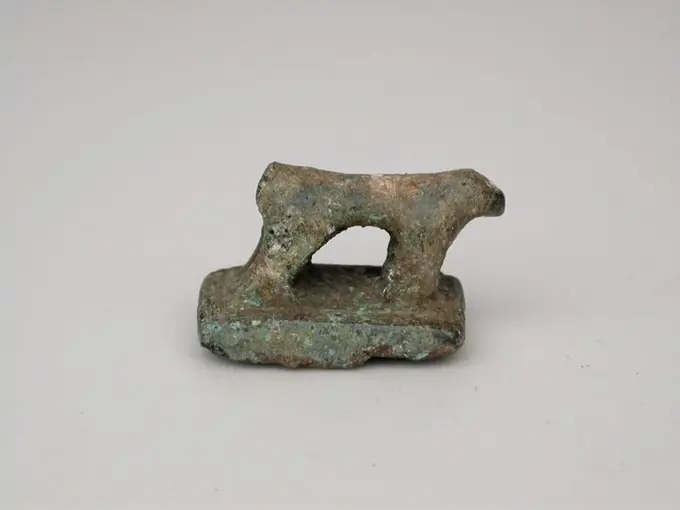
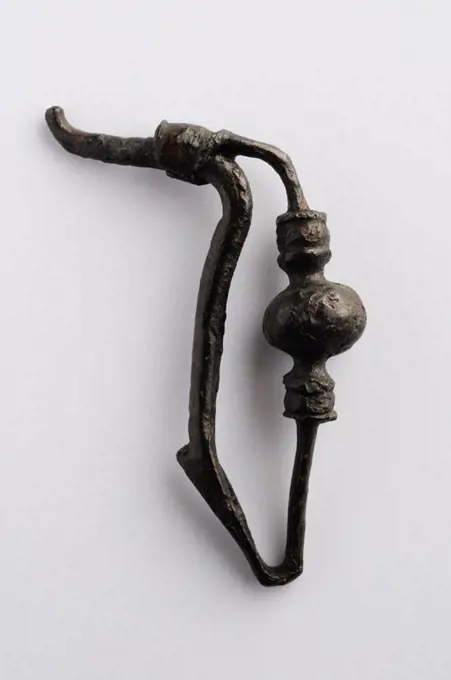
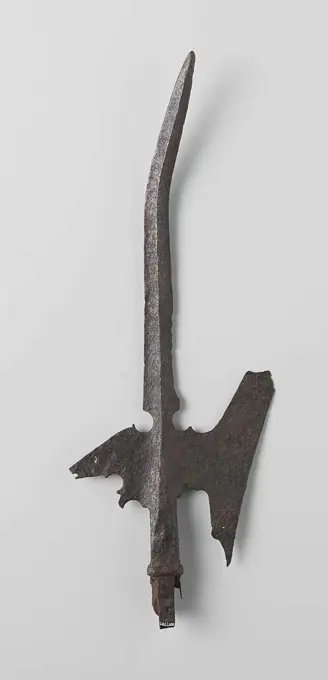
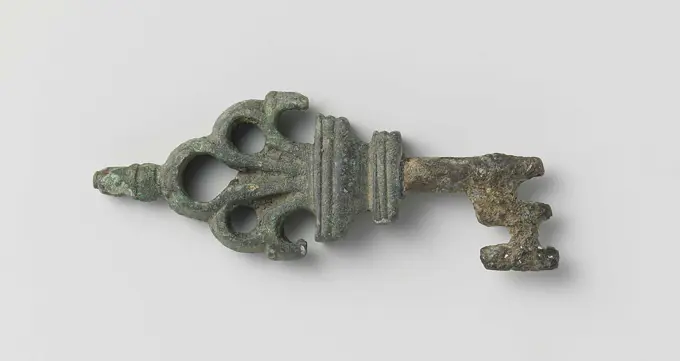
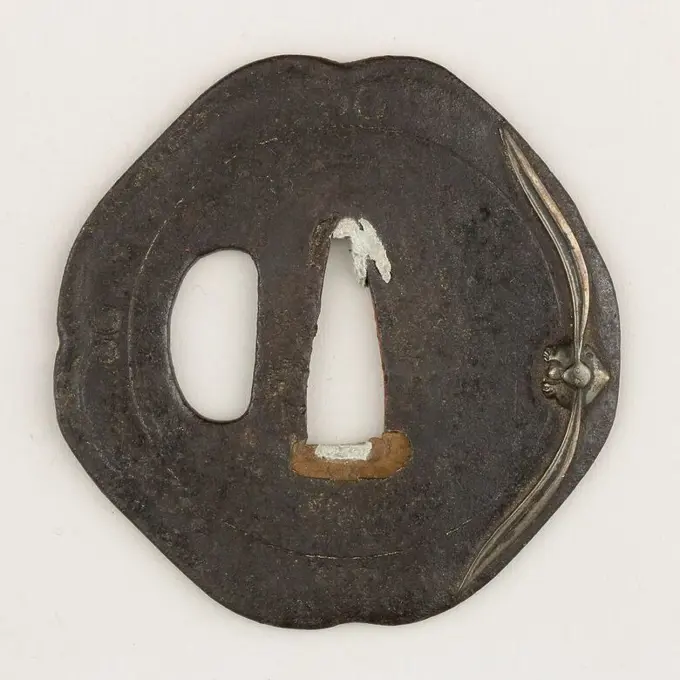
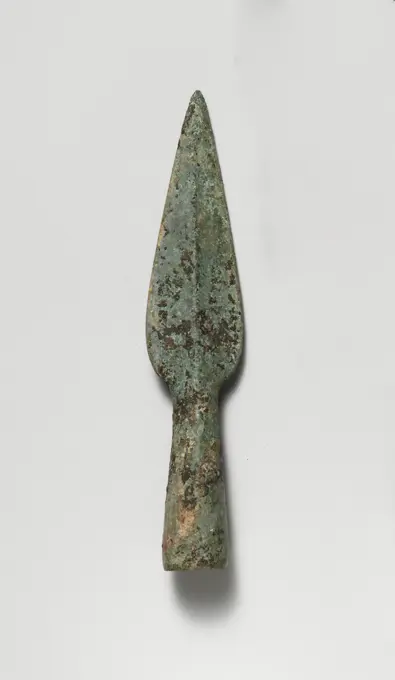
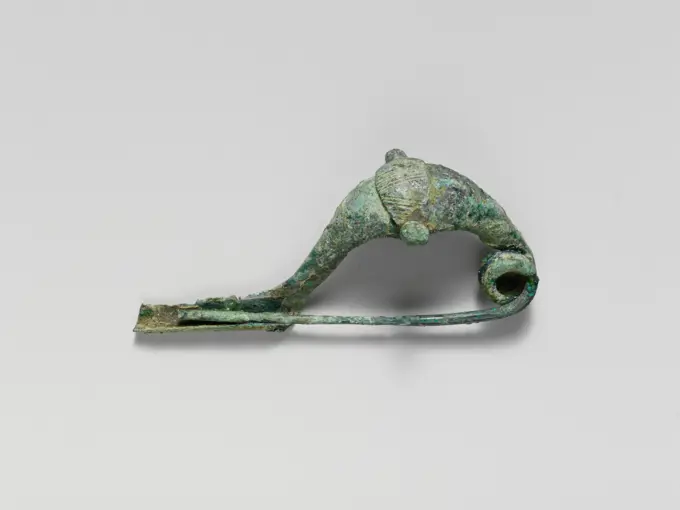
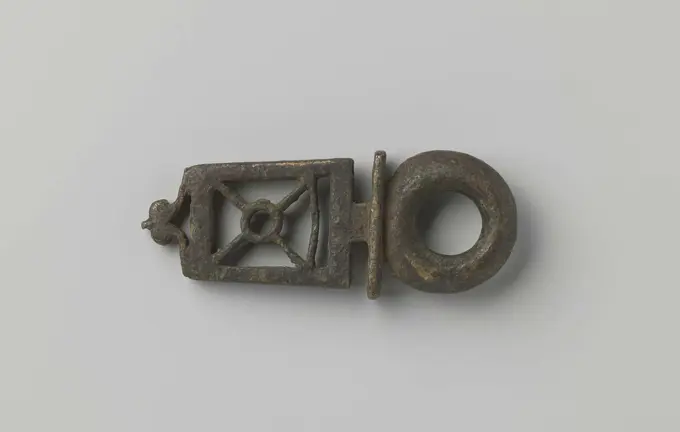
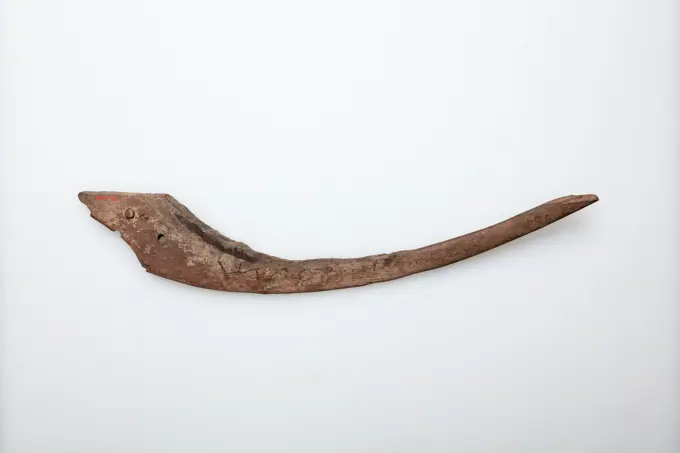
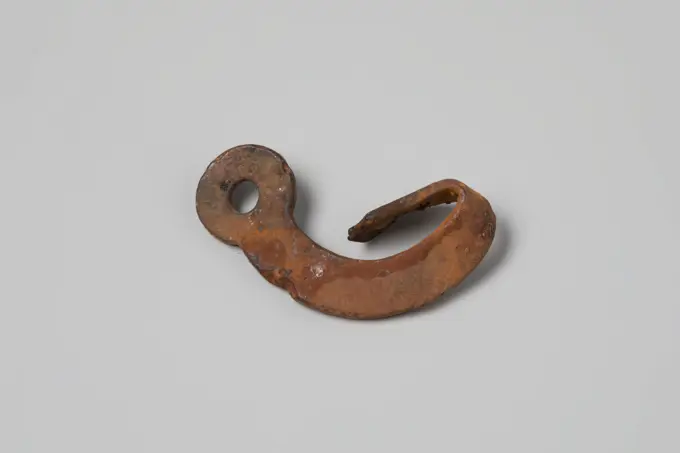
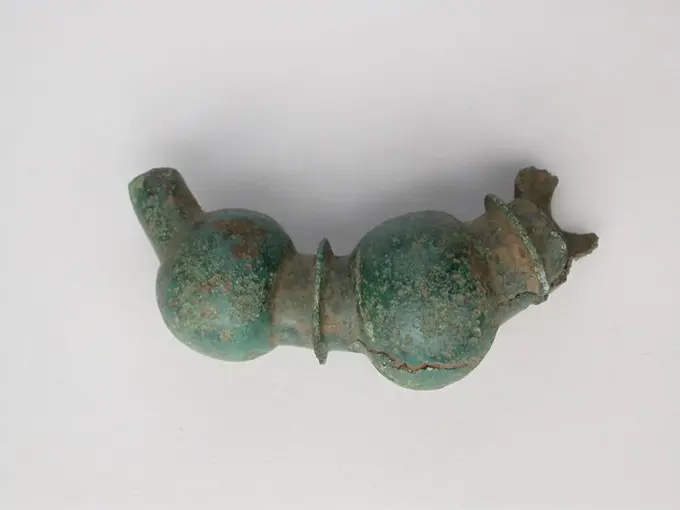
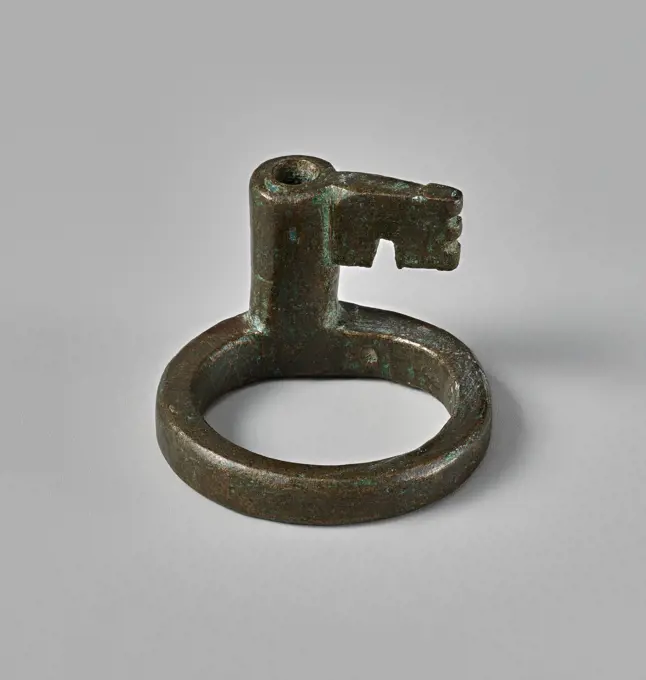
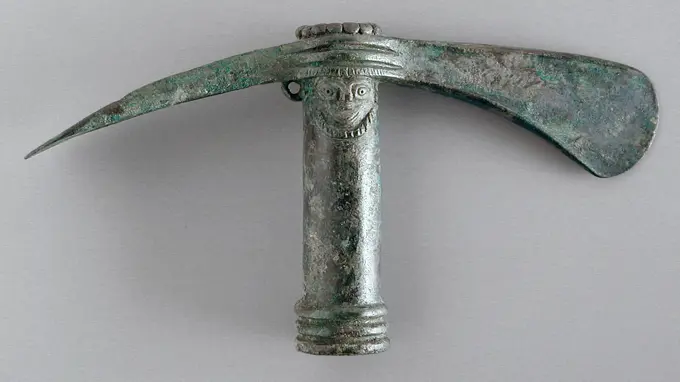
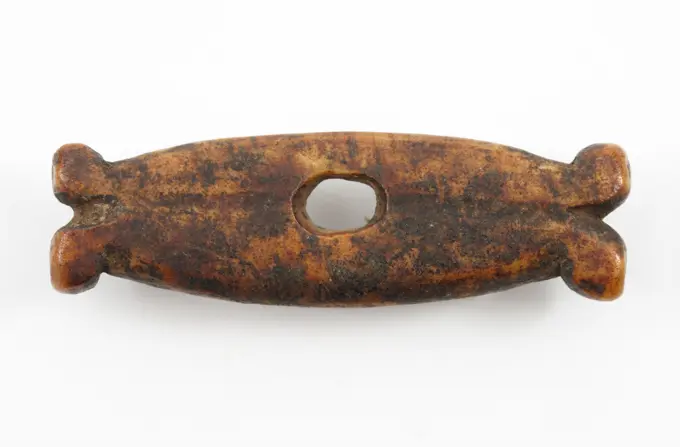
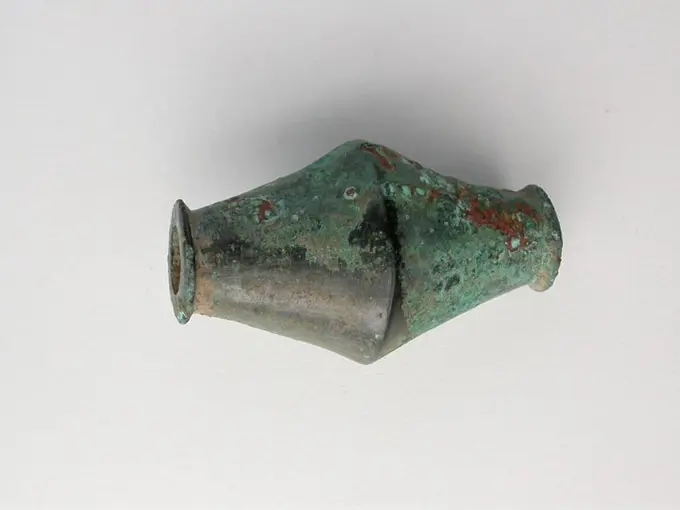
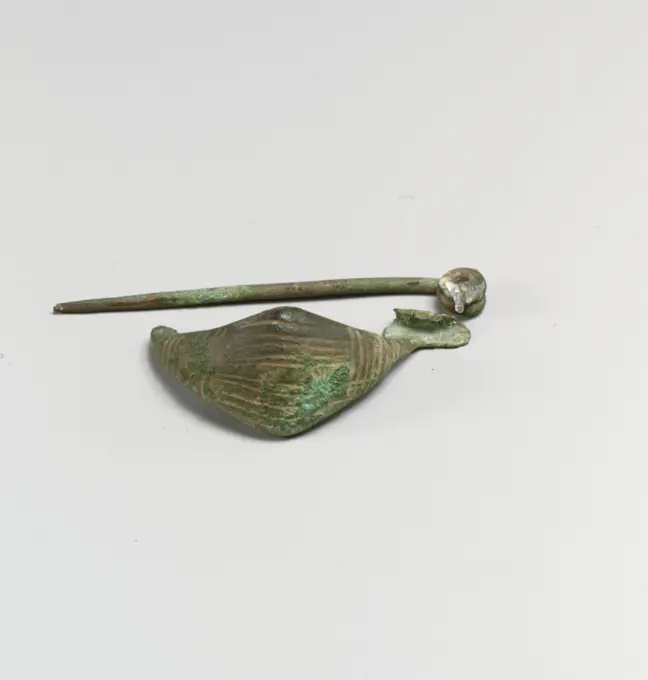
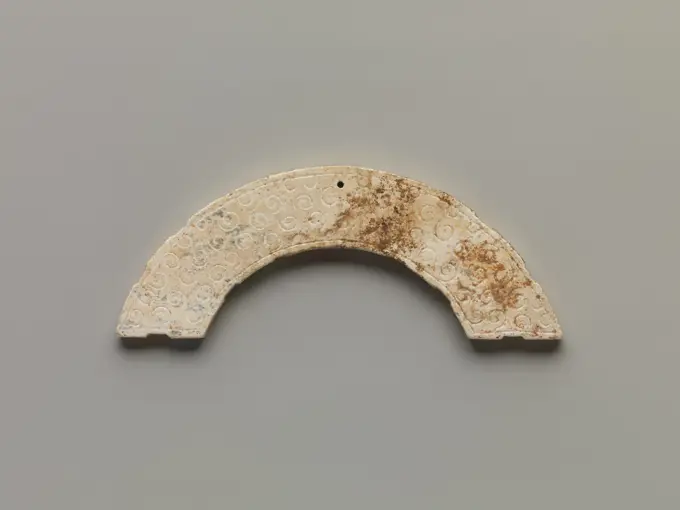
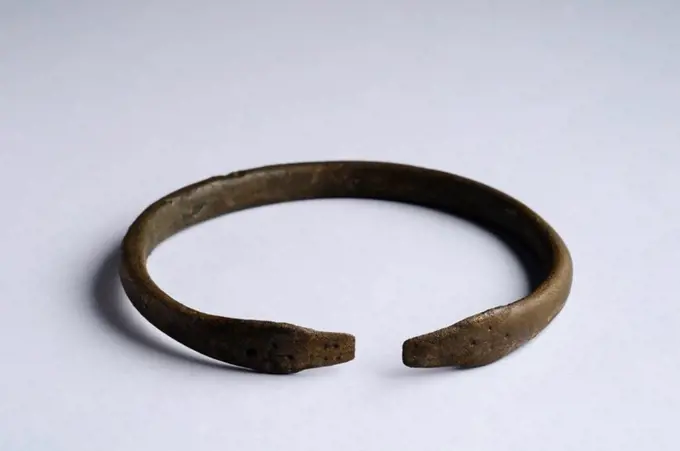
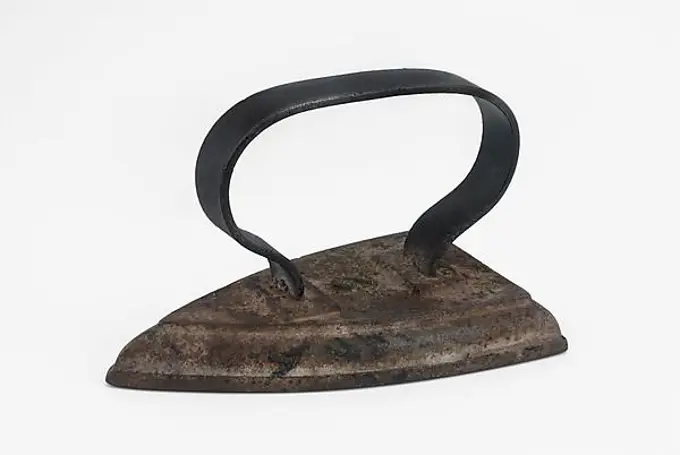
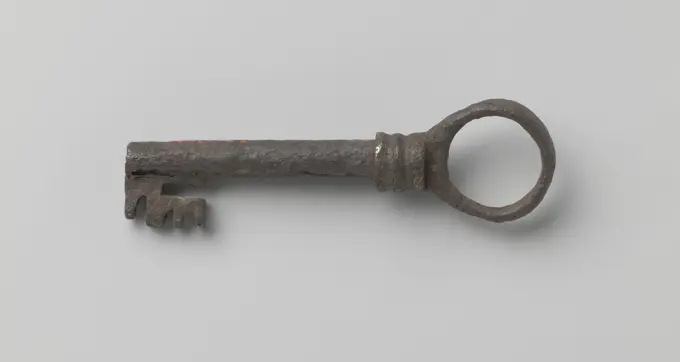
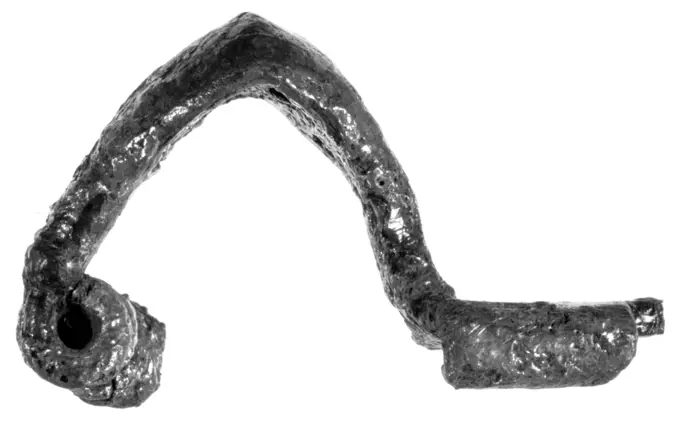
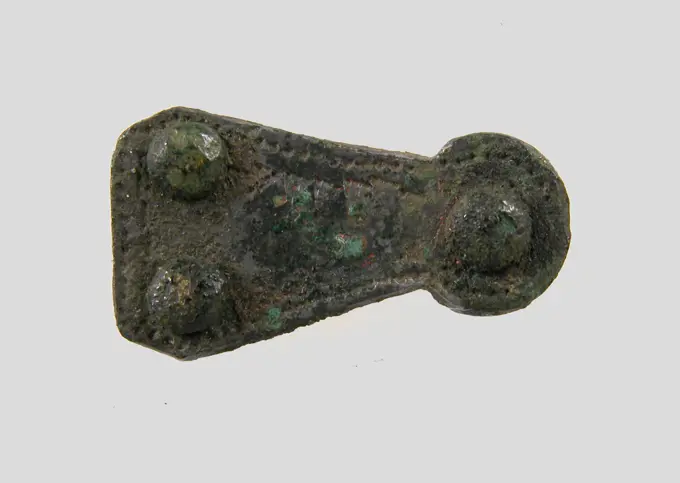
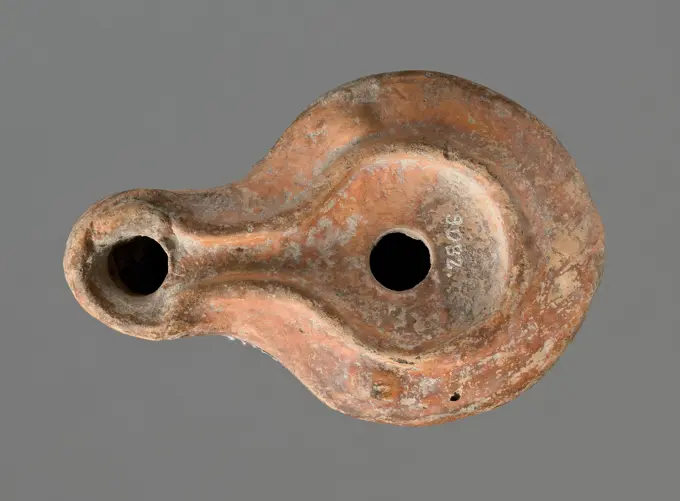
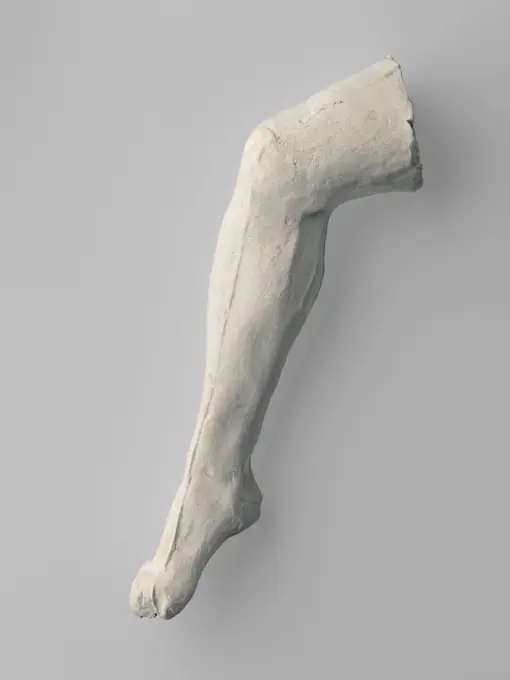
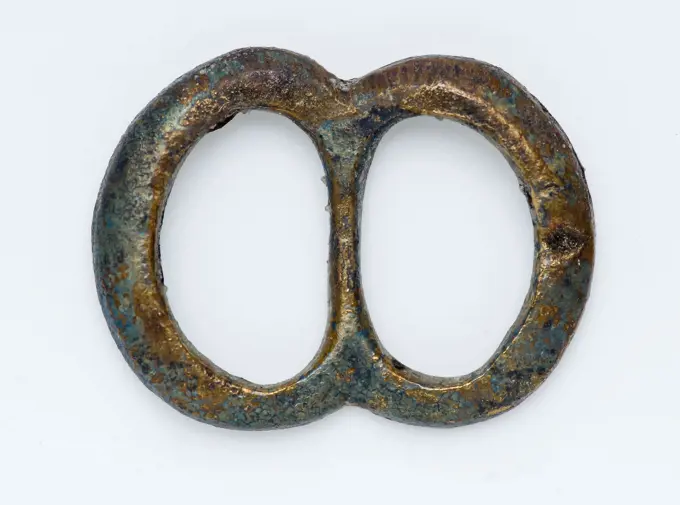
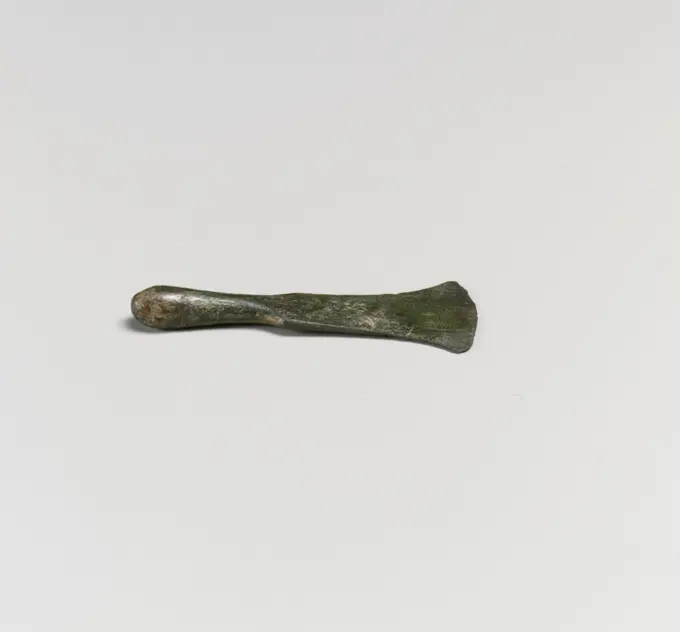
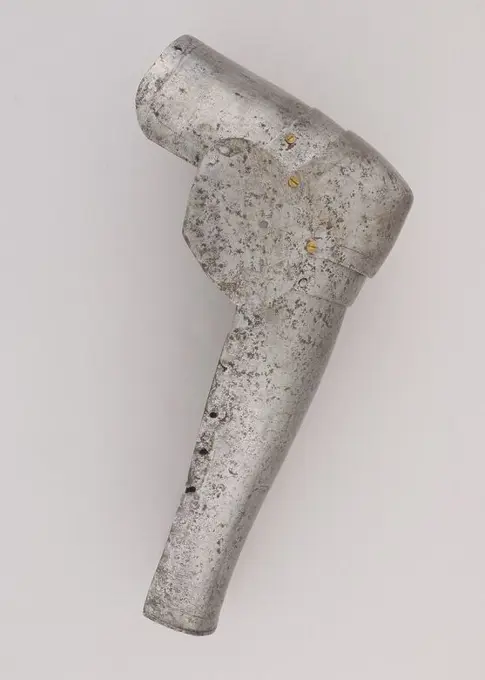
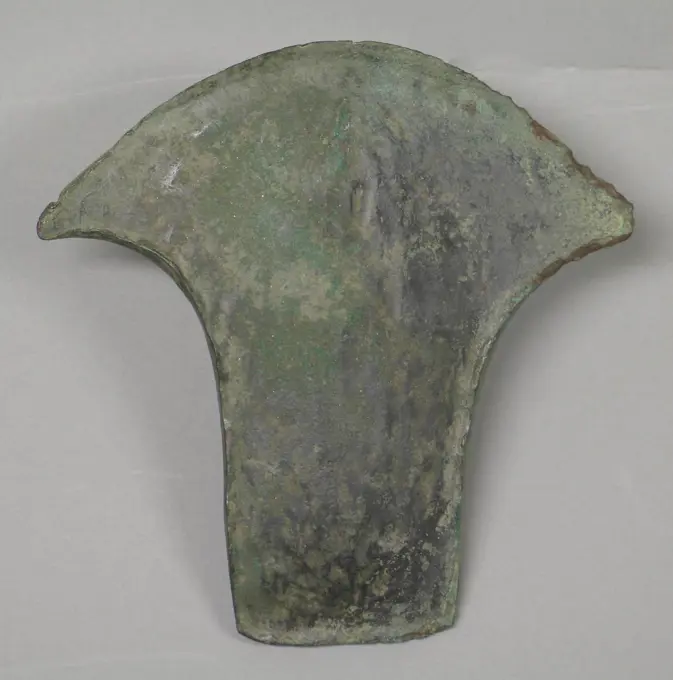
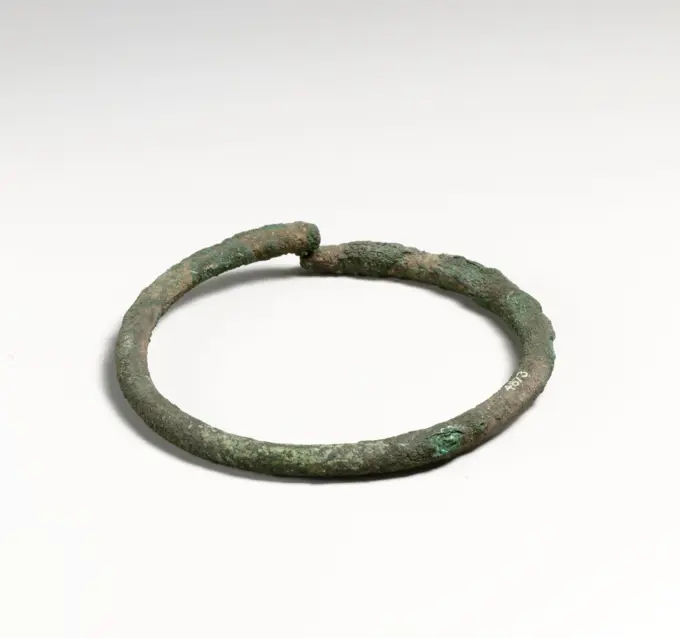
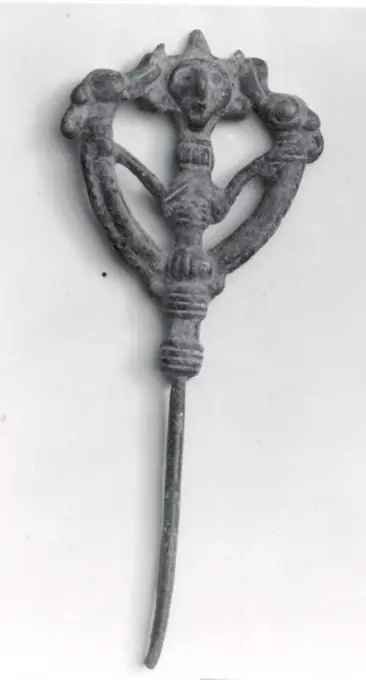
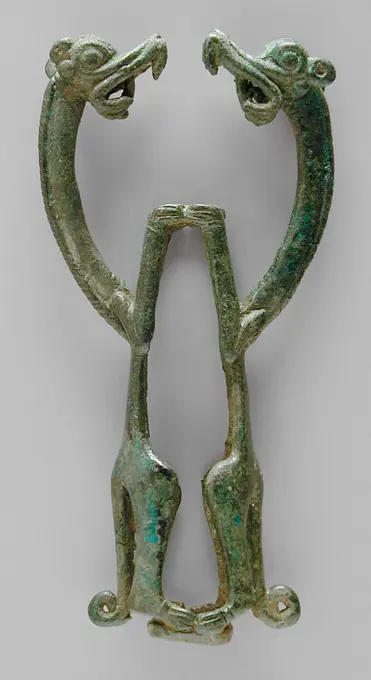
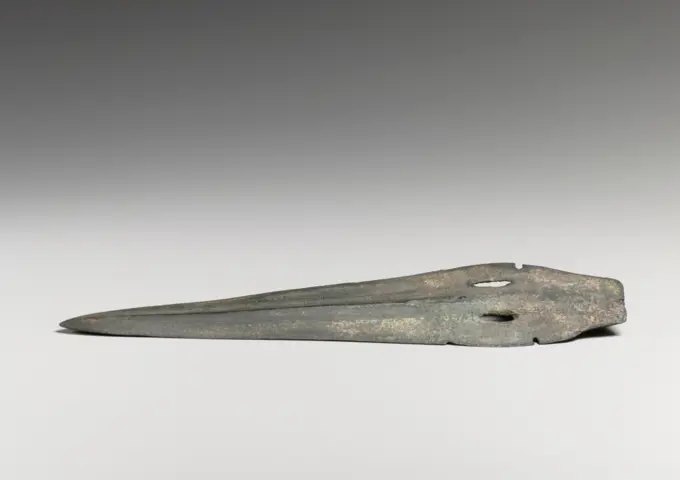
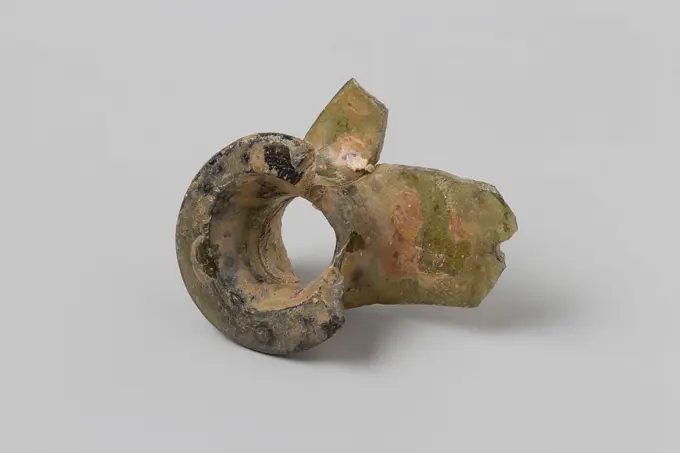
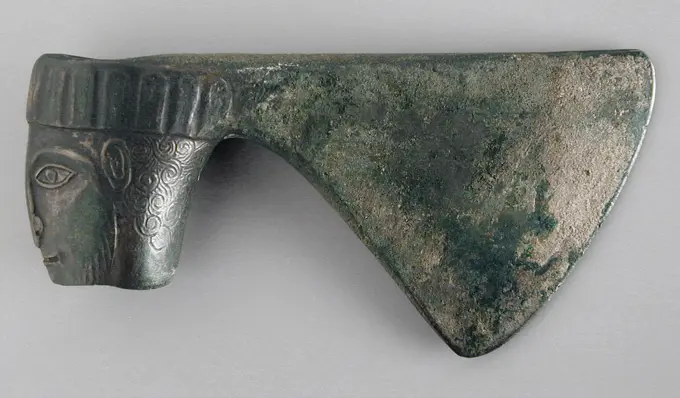
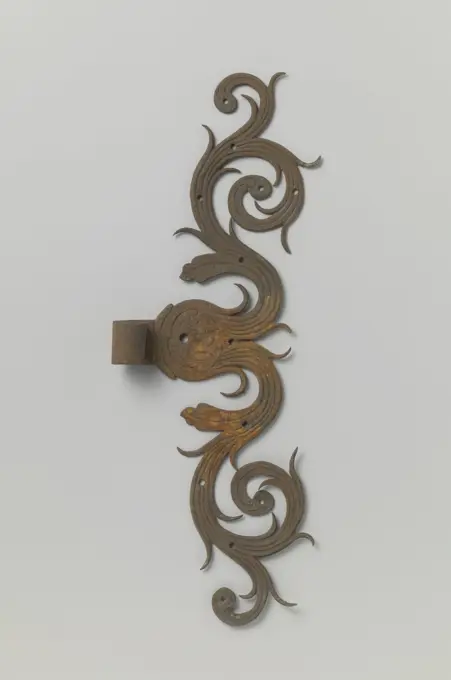
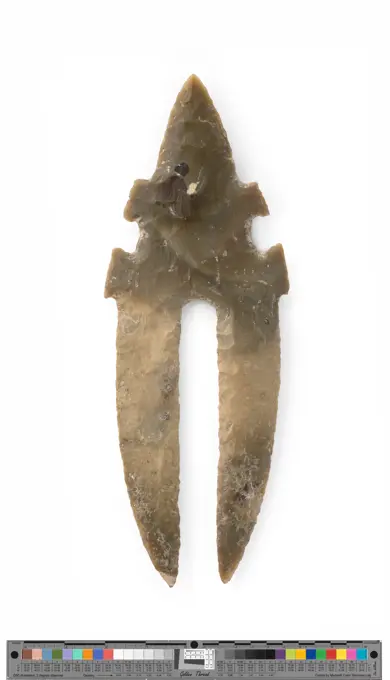
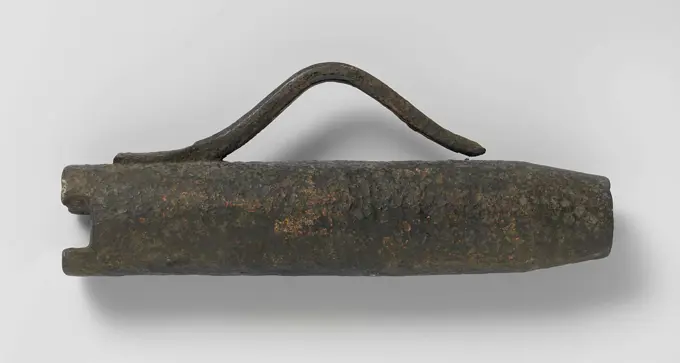
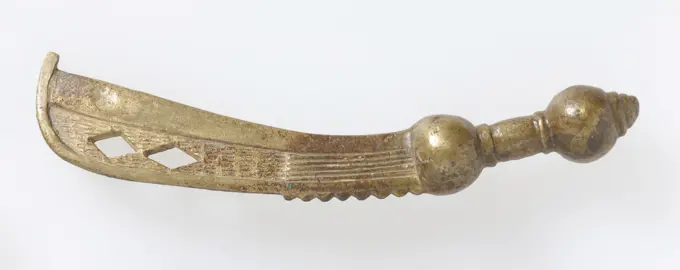
Bronze Kraan, c. 1400 - c. 1950 Bronze crane, belonging to a crane with invnr. BK-NM-1580-A.  bronze (metal) Bronze crane, belonging to a crane with invnr. BK-NM-1580-A.  bronze (metal)Hefsleutel.Lifting wrench in the shape of a T. heavily rusted.Poot of Vaatwerk from the wreck of the East Indians' t Vliegend Hart, 1700 - 1735  Copper black leg of a piece of dishes. It is bent and has austere decorations.  copper (metal)Anonymous, plays from Mors (Biaoxian) (usual name), 1050. Cernuschi museum, Asia Museum of Asia in the city of Paris.Fine for the handle of a tin can, anonymous, 1621 The form consists of two removable parts. On the inside of the two parts, such a space has been saved that it has the shape of a handle of one can, with the round hinge part with two notches on the top end. On the outside, both parts are five -square and equipped with a square, to the tip somewear protrusion. The upper part is decorated with the figure of Judith with the head of Holofernes, as well as the year 1621. The lower part is decorated with the letters JVS. brazier: Northern Netherlandsbrazier: Deventer brass (alloy) casting The form consists of two removable parts. On the inside of the two parts, such a space has been saved that it has the shape of a handle of one can, with the round hinge part with two notches on the top end. On the outside, both parts are five -square and equipped with a square, to the tip somewear protrusion. The upper part is decorated with the figure of Judith with the head of Holofernes, as well as the yeKey 1st-7th century Roman. Key 462983Part or fittings from the wreck of the East Indians Hollandia, Anonymous, 1700 - in Or Before 1743 part Strip-shaped fitting; fragm, eroded, squashed; angular pattern, flat, 1 oblique pointed end, 1 end broken, 3 holes. Netherlands copper (metal)Fragment of a tractor plate of a musket from the wreck of the East India Flying Heart. Rectangular tractor plate of a musket, damaged and bent, with one remaining angular eye.The Amsterdam apothecary and art collector Emmanuel Vita Israël. He donated his collection, comprising keys dating from Roman antiquity to the 19th century, to the Koninklijk Oudheidkundig Genootschap (Royal Antiquarian Society) in 1937. Vita Israël claimed that his key collection had grown more or less by accident: being one of the few collectors of keys, dealers automatically made their way to him.Koeloper knot with four lilies. Geelchoper knot with four lilies in decoration. The buttons NG-NM-7723-7, NG-NM-7723-8 and NG-NM-7723-10 are not identical.Seal with Quadruped. Greek; Thessaly. Date: 800 BC-600 BC. Dimensions: 2.0 x 3.1 x 1.9 cm (3/4 x 1 1/4 x 3/4 in.). Bronze. Origin: Thessaly. Museum: The Chicago Art Institute, Chicago, USA. Author: ANCIENT GREEK.Fragment of shot and lock. .old and rusty boat hook. Boat hookBronze Fibula foot area of " La Tene " type 5, 5 x 3.5 cms - Second Iron Age from the archaeological site of " La Coronilla" in Alcalá de Henares - " Burgo de Santiuste Museum " (Madrid). SPAIN.Weapons.Naturally, Barentszs ship and his crew were well armed. They had to be able to repel pirates, European rivals andpotentially hostile Asian ships. On Nova Zembla the men used the weapons chiefly to defend themselves fromaggressive polar bears.Heron. Copper alloy. Gallo-Roman. Paris, Carnavalet museum. 51468-20 Copper alloy, Gallo-Roman, Gallo-Roman, Heron, Bird, Statuette, animalFragment Tobacco Pipe, Anonymous, 1635 - 1650 Fragment tobacco pipe. Of the excavations on the Hofstede Arentsburg 1827-1831 under the supervision of Professor Reuvens. Gouda (possibly) pipe clay Fragment tobacco pipe. Of the excavations on the Hofstede Arentsburg 1827-1831 under the supervision of Professor Reuvens. Gouda (possibly) pipe clayFragment. Small fragment of aluminum sheet, coming from the crash of General Leclerc's plane. Aluminum sheet, 1939-1945. General Leclerc Museum of Hauteclocque and the Liberation of Paris, Jean Moulin Museum. 78984-30 War 1939-1945, War 39-45, Second World WarThe Amsterdam apothecary and art collector Emmanuel Vita Israël. He donated his collection, comprising keys dating from Roman antiquity to the 19th century, to the Koninklijk Oudheidkundig Genootschap (Royal Antiquarian Society) in 1937. Vita Israël claimed that his key collection had grown more or less by accident: being one of the few collectors of keys, dealers automatically made their way to him.Prick Spur. German. Date: 1290-1310. Dimensions: L. 12.7 cm (5 in.); W. 7.8 cm (3 in.). Iron. Origin: Germany. Museum: The Chicago Art Institute, Chicago, USA.39 keys from the collection of Emmanuel Vita Israël, , c. 1400 - c. 1950 Pipe key with a handle in the shape of a stylized open -sized palmet, crowned by a profiled button and standing on a profiled quadrangular capital. Rome bronze (metal) Pipe key with a handle in the shape of a stylized open -sized palmet, crowned by a profiled button and standing on a profiled quadrangular capital. Rome bronze (metal)Bow Brooch. Culture: Roman. Dimensions: Overall: 1 3/4 x 13/16 x 5/8 in. (4.5 x 2.1 x 1.6 cm). Date: 3rd century. Museum: Metropolitan Museum of Art, New York, USA.Key, 1700 - 1800 Key with large, ring -shaped eye decorated by transverse notches of one side.  bronze (metal) Key with large, ring -shaped eye decorated by transverse notches of one side.  bronze (metal)Anonymous, plays from Mors (Biaoxian) (usual name), 1050. Cernuschi museum, Asia Museum of Asia in the city of Paris.Key 15th century German The decoration of Gothic iron locks and keys was often elaborate and of the highest standard of workmanship. The motifs were frequently drawn from Gothic architecture, reproducing on a miniature scale complicated tracery patterns and even tiny statuettes. A number of these tiny locks were compound, with some of the mechanisms concealed from view, and required two or even three keys used in sequence to open them. It has been suggested that the greatly expanded use of locks on doors, or coffrets and other types of storage chests was a result of the increasing urbanization of life and the new emphasis on material wealth and private ownership which developed in the late Middle Ages.. Key 468844Bronze Mount from a "Shawabty Bundle": Arm with Feather, c. 1336-1256 BC. Egypt, Thebes, Wadi Qubbanet el-Qirud, New Kingdom, Late Dynasty 18 or early Dynasty 19. Bronze with traces of gilding; overall: 4.9 cm (1 15/16 in.).Bronze navicella-type fibula (safety pin) Etruscan 8th century BCE Fibula, boat-shaped type.Sword Guard (Tsuba). Culture: Japanese. Dimensions: H. 2 1/2 in. (6.4 cm); W. 2 1/2 in. (6.4 cm). Date: 18th century. Museum: Metropolitan Museum of Art, New York, USA.Pin 4th century B.C. European. Pin 90136Miniature bronze spearhead 5th century B.C. Etruscan, Vulci Spear point.. Miniature bronze spearhead. Etruscan, Vulci. 5th century B.C.. Bronze. Classical. BronzesFibula, c. 600 BC. Italy, Etruscan, late 7th Century BC. Bronze; overall: 5.2 cm (2 1/16 in.).Boutdrevel with flattened head, anonymous, c. 1590 - c. 1596  Boutdrevel, thick in shape with flattened head. The point has been broken down.  iron (metal) forging  Nova Zembla. Saving HuysBronze navicella-type fibula (safety pin) 8th century B.C. Italic Navicella-type fibulae have arched bows with open undersides; embellished with two small bosses on either side.. Bronze navicella-type fibula (safety pin) 255996Appliques. Caucasus. Av. J.C. Paris, Cernuschi museum. 35406-18 Applique, CaucasusSchuifsleutel.Sliding key with an eye similar to a heavy ring on a thin, flat key breast. The beard runs out in a leaf motif.Sickle Fragment ca. 1186-1070 B.C. New Kingdom, Ramesside This object is a fragment of a wooden sickle. Ancient Egyptians used sickles such as this to harvest the grain that they made into bread and beer for daily consumption and for funerary offerings. Many tomb reliefs show sickles in use, such as in the Old Kingdom tomb of Raemkai (MMA 08.201.1) and in the New Kingdom tomb of Sennedjem (MMA 30.4.2).Sharp pieces of flint (now missing) were set into a groove on the interior of the curved part of the sickle, and held in place with an adhesive. Some of the adhesive still remains in the groove. The handle of this sickle is missing, but was originally attached with small pegs, two of which are still in place. The placement of the pegs and handle indicate that this sickle was probably made for a right-handed farmer.. Sickle Fragment. ca. 1186-1070 B.C.. Wood. New Kingdom, Ramesside. From Egypt, Memphite Region, Lisht North, Cemetery, MMA excavations, 1922-23. Dynasty 20Knife or lancet Etruscan With molded handle and a movable, two edged blade attached by means of a joint. The blade is now rusted in a half-open position.. Knife or lancet 246379Decorative batter from the wreck of the East Indies Hollandia, Anonymous, 1700 - in or Before 1743  Fitting, decorative fitting or fragment; fragm, id. NG 1980-27H1133, left scrolling wing, eroded. Netherlands lead (metal)   SecondFragment stitch passer from the wreck of the East Indians Hollandia, Anonymous, 1700 - in Or Before 1743  Divider; fragment, semicircular ring, id. NG 1980-27H1669, twisted. Netherlands copper (metal)   SecondFragment of an Appliqué. UnknownBow Fibula. Greek; Thessaly. Date: 800 BC-700 BC. Dimensions: 3.7 x 7.9 x 2.8 cm (1 1/2 x 3 1/8 x 1 1/8 in.). Bronze. Origin: Greece. Museum: The Chicago Art Institute, Chicago, USA. Author: ANCIENT GREEK.Key; Roman Empire; about A.D. 130-180; Bronze; 1.8 × 2.6 cm (11,16 × 1 1,16 in.)Adze-axehead. Iran, Luristan, circa 800-650 B.C.. Arms and Armor; axes. Bronze, castPin, eyelet type Cypriot. Pin, eyelet type 244406Excerpt seizure of copper from the wreck of the East Indians Hollandia, 1700 - in or before 1743  Varied parts or fragments, strips and strip-shaped fragments; fragm. Netherlands copper (metal)   SecondAx 500 B.C.-A.D. 300 Indonesia. Ax 53029Toggle -Fish Pendant. China. Date: 1300 BC-900 BC. Dimensions: 3 1/16 × 7/8 × 1/8 in. Jade. Origin: China. Museum: The Chicago Art Institute, Chicago, USA.Fragment (console of the altar cabinet); (possibly) belonging to the Retable of Soest. .Biconical Bead. Greek; Thessaly. Date: 800 BC-600 BC. Dimensions: 2.8 × 5.5 × 2.8 cm (1 1/8 × 2 1/8 × 1 1/8 in.). Bronze. Origin: Greece. Museum: The Chicago Art Institute, Chicago, USA. Author: ANCIENT GREEK.39 keys from the collection of Emmanuel Vita Israël, anonymous Pipe key with flattened kidney -shaped handle on quadrangular and profiled capital. Beard and part of the shaft broken down.  bronze (metal) Pipe key with flattened kidney -shaped handle on quadrangular and profiled capital. Beard and part of the shaft broken down.  bronze (metal)Fibula, boat-shaped type 8th-6th century B.C. Itallic The bow is solid and decorated on its outer surface with incised lines.. Fibula, boat-shaped type. Itallic. 8th-6th century B.C.. Bronze. BronzesArc-shaped pendant (Huang) 5th century B.C. China. Arc-shaped pendant (Huang) 75285Razor Fragment. UnknownHals with cork of a wine bottle from the wreck of the East Indians Hollandia, Anonymous, 1700 - in or before 1743  Wine bottle, continental production, neck, onion-shaped bottle or bottle with vertical side; eroded, vs-string rim. Netherlands cork (bark)   SecondBronze bracelet , represented in the end of two snakes heads facing and dotted decoration. Diameter 6, 7 cm Thickness 0.3 cm ( 5 th - 8 th CE ) Visigoth period, from the " Calle Victoria "- Archaeological site of Complutum in Alcalá de Henares ( Madrid ). SPAIN.Antique ironPipe key, c. 1600 - c. 1699 Pipe key with a round eye, resting on a deeply grooved key breast. Wide shaft and small beard.  iron (metal) Pipe key with a round eye, resting on a deeply grooved key breast. Wide shaft and small beard.  iron (metal)Four Fragmentary Fibulae. UnknownPipe key, c. 1600 - c. 1699 Pipe key with horizontally lying handle, connected to the shaft by means of a bullet. The handle is formed from two volutes desired, one eye between it. Cross -shaped incisions in the beard.  iron (metal) Pipe key with horizontally lying handle, connected to the shaft by means of a bullet. The handle is formed from two volutes desired, one eye between it. Cross -shaped incisions in the beard.  iron (metal)Key 30 B.C.-A.D. 364 Roman Period. Key 552324Club 1st-8th century Mezcala. Club 317557BROCHE DE CINTURON. VISIGODO.(DEPOSITO: MUSEO ARQUEOLOGICO NACIONAL).Belt Fitting 7th century Frankish. Belt Fitting 465657 Frankish, Belt Fitting, 7th century, Copper alloy, Overall: 13/16 x 7/16 x 1/8 in. (2 x 1.1 x 0.3 cm). The Metropolitan Museum of Art, New York. Gift of J. Pierpont Morgan, 1917 (17.193.321)Male character ". Porcelain. Period of the ten kingdoms. Paris, Cernuschi museum. 157046-13 Asian art, Chinese art, shield, period ten kingdoms, male character, porcelainOlive lamp;  I/II century AD (0-00-00-100-00-00);Leech Bow Fibula, Etruscan, 600 BC. Etruria, Italy.. Leech-shaped bronze brooch or fibula ('fibula a sanguisuga') with three stylised ducks set along the top.Study of a leg last quarter 19th-early 20th century Auguste Rodin French. Study of a leg. Auguste Rodin (French, Paris 1840-1917 Meudon). French. last quarter 19th-early 20th century. Cast plaster. SculptureCopper key. Copper key with transverse beard. Untilged open and ending in a button, attacks the ring with two volutes.Yellow brass 8-shaped buckle, buckle fastener part soil find brass metal, archeology Rotterdam City center Stadsdriehoek Mariniersweg Soil discovery: Mariniersweg Rotterdam 1983.Buckle Tongue 3rd-5th century Late Roman. Buckle Tongue 464891 Late Roman, Buckle Tongue, 3rd5th century, Copper alloy, Overall: 1 9/16 x 15/16 x 7/16 in. (3.9 x 2.4 x 1.1 cm). The Metropolitan Museum of Art, New York. Gift of J. Pierpont Morgan, 1917 (17.191.193)Armband, anonymous, -1200 - -100  Ban Chiang bronze (metal)  Ban Chiang bronze (metal)Inkstone in the Shape of the Chinese Character "Wind" (Feng) China. Inkstone in the Shape of the Chinese Character "Wind" (Feng). China. Stone. Song dynasty (960-1279). InkstoneBuckle (tongue, loop and clasp), 600s. Merovingian, Burgundian, Migration period, 7th century. Iron with silver overlay; overall: 4.5 cm (1 3/4 in.).Bronze trowel or cutter 2nd millennium B.C. Minoan The form resembles what Sir Arthur Evans calls the trowel sign on Middle Minoan seals, an example of which can be seen in Study Center Case 04 in this gallery.. Bronze trowel or cutter 252395 Minoan, Bronze trowel or cutter, 2nd millennium B.C., Bronze, L. 1 3/4 in. (4.3 cm). The Metropolitan Museum of Art, New York. Bequest of Richard B. Seager, 1926 (26.31.474)Bracelet 9th-8th century B.C. Italic, Villanovan. Bracelet. Italic, Villanovan. 9th-8th century B.C.. Bronze. Geometric. BronzesArm Defense. Culture: Italian. Dimensions: H. 14 in. (35.6 cm); W. 3 1/2 in. (8.9 cm); D. 5 1/4 in. (13.3 cm); Wt. 1 lb. 4.5 oz. (581.2 g). Date: ca. 1450-70. Museum: Metropolitan Museum of Art, New York, USA.Excerpt of copper from the wreck of the East Indians Hollandia, 1700 - in or before 1743  Parts of artefacts; eroded fragments: materials; copper. Netherlands copper (metal)   SecondCOLGANTE SOBRE DIENTE. PALEOLITICO. (DEPOSITO: MUSEO ARQUEOLOGICO NACIONAL).Ax 1500-500 B.C. India. Ax 50649Bracelet Cypriot. Bracelet 244360Anonymous, axle of Char (usual name), 1050. CERUNUSCHI museum, Museum of Arts of Asia in the city of Paris.Fragment neck of a wine bottle from the wreck of the East Indians Hollandia, Anonymous, 1700 - in or before 1743  Wine bottle, continental production, neck, onion-shaped bottle or bottle with vertical side; fragm, mouth missing. Netherlands .   SecondOpenwork pin ca. 8th-7th century B.C. Iran. Openwork pin 322579Finial. Iran, Luristan, Luristan bronzes, circa 1350-800 B.C.. Architecture; Architectural Elements. Bronze, castArsenical copper dagger with midrib ca. 1450-1050 B.C. Mycenaean or Italic The inscription, "EPEIOS," is modern.. Arsenical copper dagger with midrib 251786 Mycenaean or Italic, Arsenical copper dagger with midrib, ca. 14501050 B.C., Bronze, L. 7 1/2 in. (19.1 cm.) Max. W. 1 5/8 in. (4.1 cm.). The Metropolitan Museum of Art, New York. Gift of Bashford Dean, 1924 (24.229.2)Shard of coffin from v.O.c.-ship the 'white lion'. Shard of coffin bottle from v.O.c.-ship the 'white lion', bottle neck of green glass with yellow-brown and coral-like attack.Shaft-hole Axehead. Iran, Luristan, circa 2600-2350 B.C.. Arms and Armor; axes. Bronze, castMiniature Ax 500 B.C.-A.D. 300 Indonesia (Java). Miniature Ax. Indonesia (Java). 500 B.C.-A.D. 300. Bronze. Bronze and Iron Age period. MetalworkHanden of Vertind Iron with leaf motifs and volutes, anonymous, 1600 - 1800 Handen of Vertind iron. At the bottom a large round opening of a hinge with a round start. From there, two symmetrical leaf motifs, which split in two volutes, one large and one small.  iron (metal). tin (metal) Handen of Vertind iron. At the bottom a large round opening of a hinge with a round start. From there, two symmetrical leaf motifs, which split in two volutes, one large and one small.  iron (metal). tin (metal)Anthropomorhic Eccentric Flint. Belize, Guatemala, Honduras, or Mexico, Maya, 600-900 CE. Stone. ChertAxt Old small axe on reflective background Copyright: xZoonar.com/J.xSandvikx 1290479Denmark, Copenhagen, stone axes from GramFragment tobacco pipe, anonymous, 1750 - 1800 Fragment tobacco pipe with a crown and a stork below. Of the excavations on the Hofstede Arentsburg 1827-1831 under the supervision of Professor Reuvens. Netherlands pipe clay Fragment tobacco pipe with a crown and a stork below. Of the excavations on the Hofstede Arentsburg 1827-1831 under the supervision of Professor Reuvens. Netherlands pipe clayGorget Plate for Bevor. Spanish. Date: 1490-1510. Dimensions: . Steel. Origin: Spain. Museum: The Chicago Art Institute, Chicago, USA.Seal Box 3rd century Roman. Seal Box 466164Room with a 2.9 cm caliber. The wedge is missing.Goldweight Sword and Sheath, 19th-20th century, 1 x 9/16 x 4 1/2 in. (2.54 x 1.43 x 11.43 cm), Brass, Ghana, 19th-20th centuryCantle Plate 1500-1550 Germany. Steel .Mordant dated 1595 German. Mordant. German. dated 1595. Steel. Miscellaneous-Buckles & Ornament