Bronze and Metal Artifacts

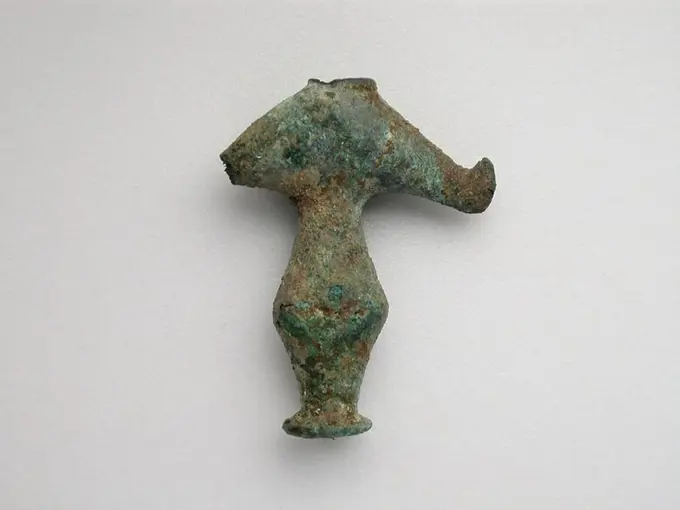
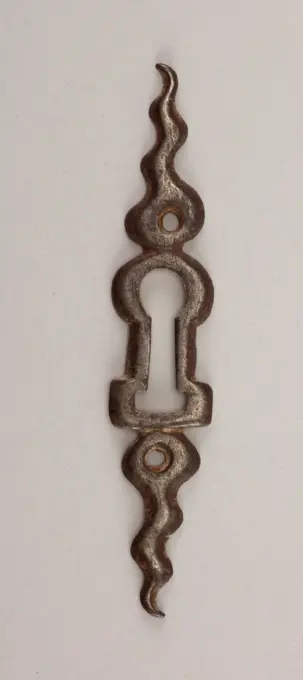
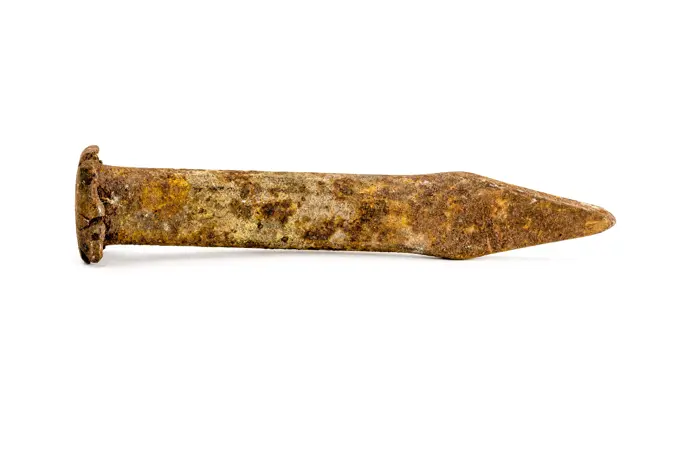
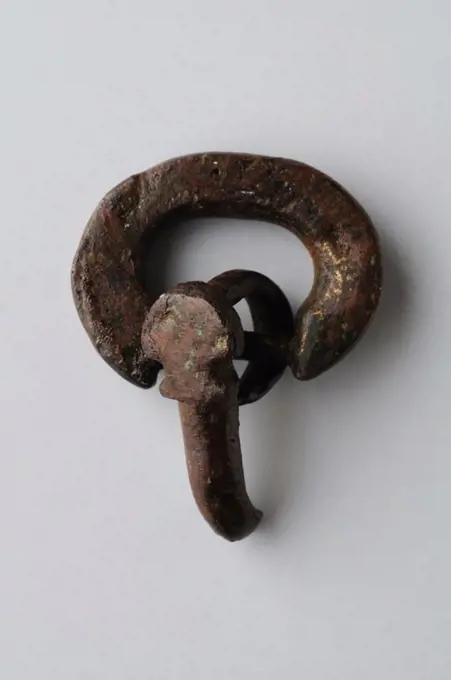
A collection of bronze and metal tools, including cranes, lifting wrenches, and decorative elements, reflecting historical craftsmanship.

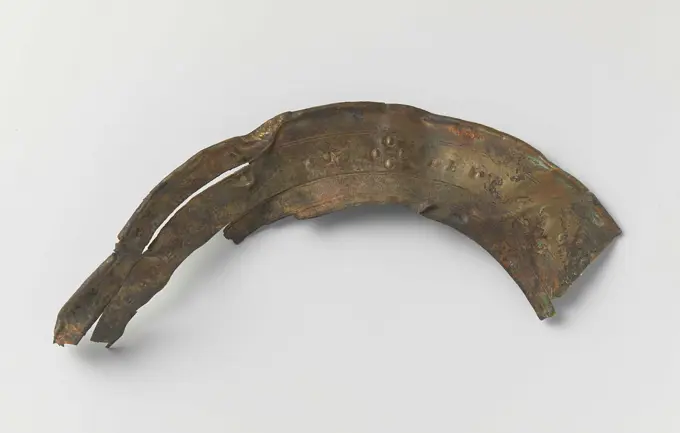
Part or fittings from the wreck of the East Indians Hollandia, Anonymous, 1700 - in Or Before 1743 part Strip-shaped fitting; fragm, eroded, squashed; angular pattern, flat, 1 oblique pointed end, 1 end broken, 3 holes. Netherlands copper (metal)
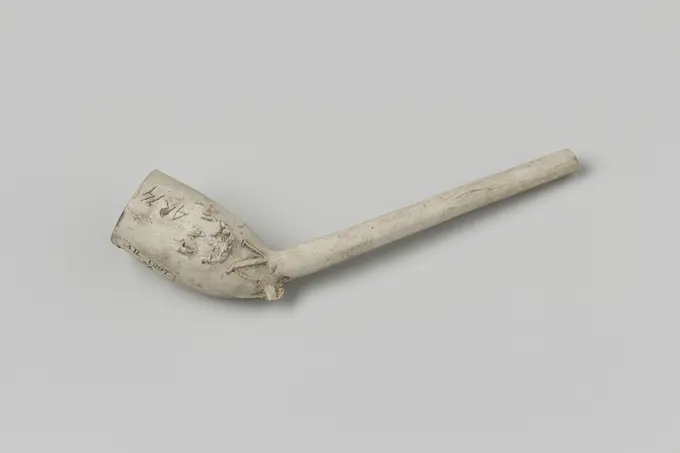
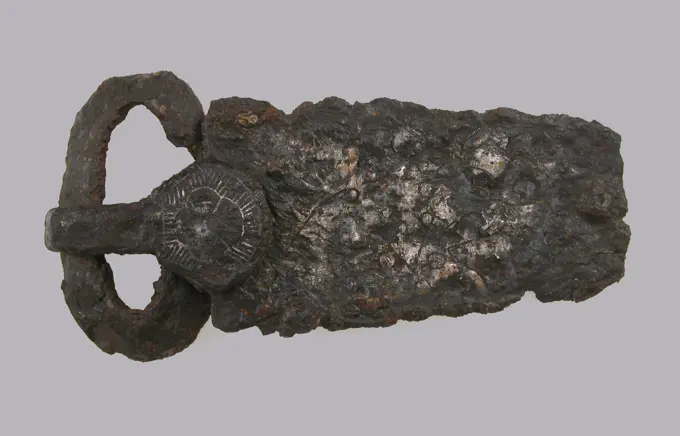
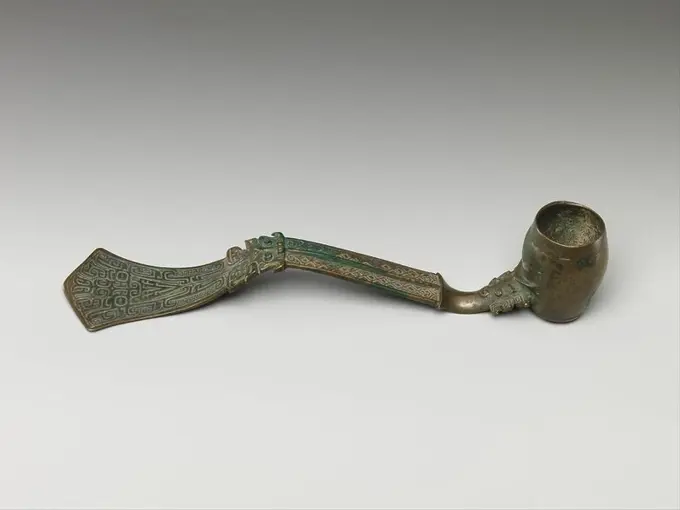
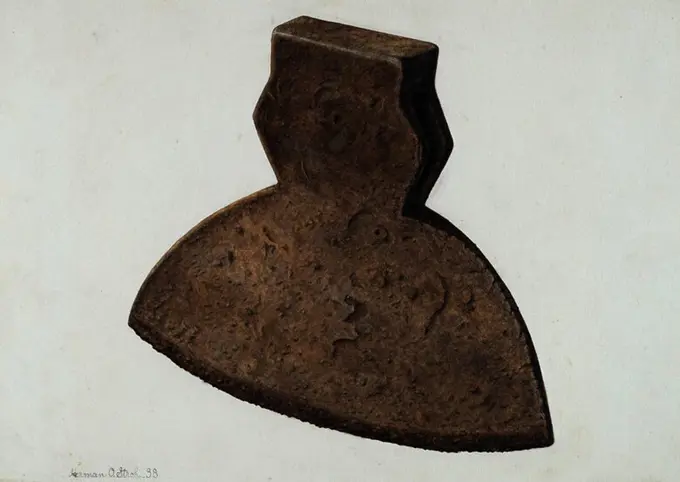
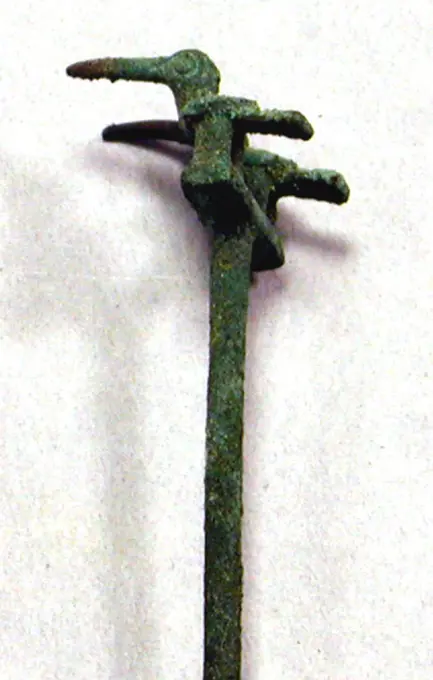
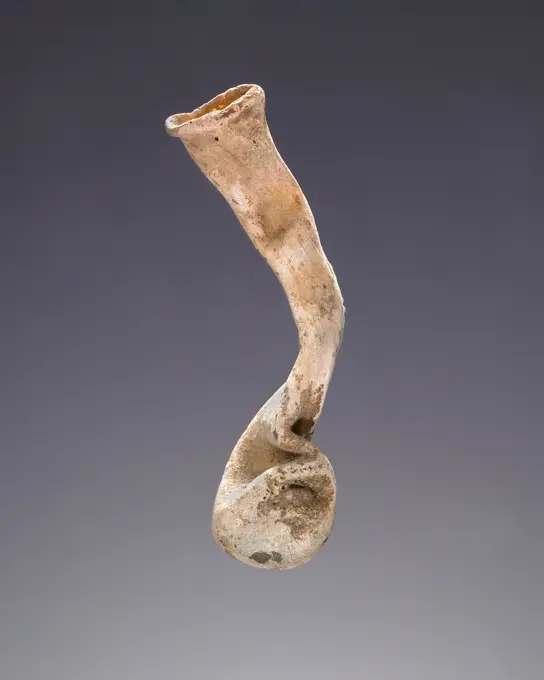
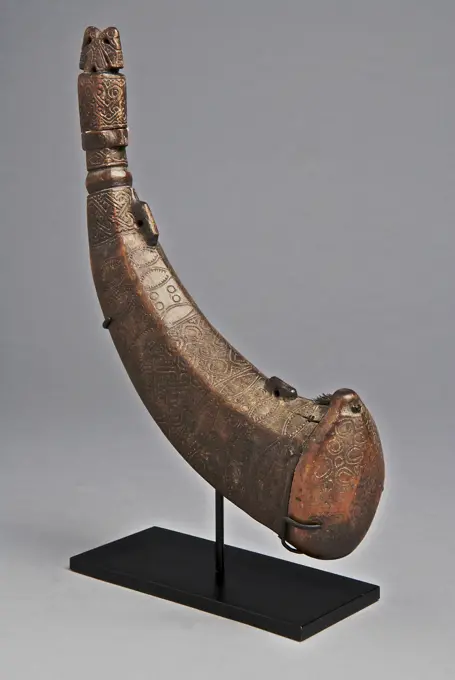
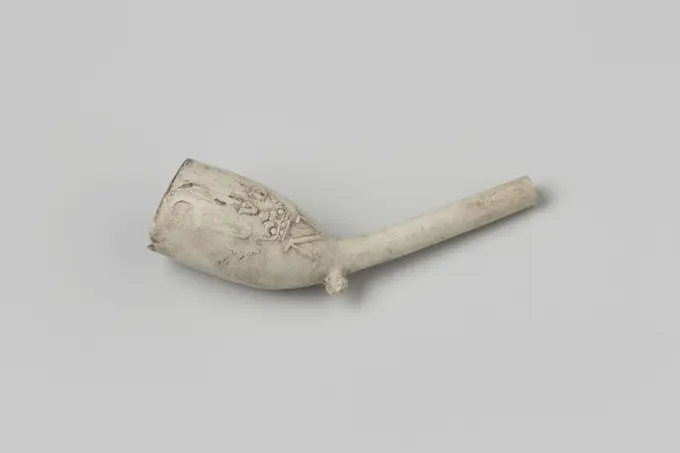
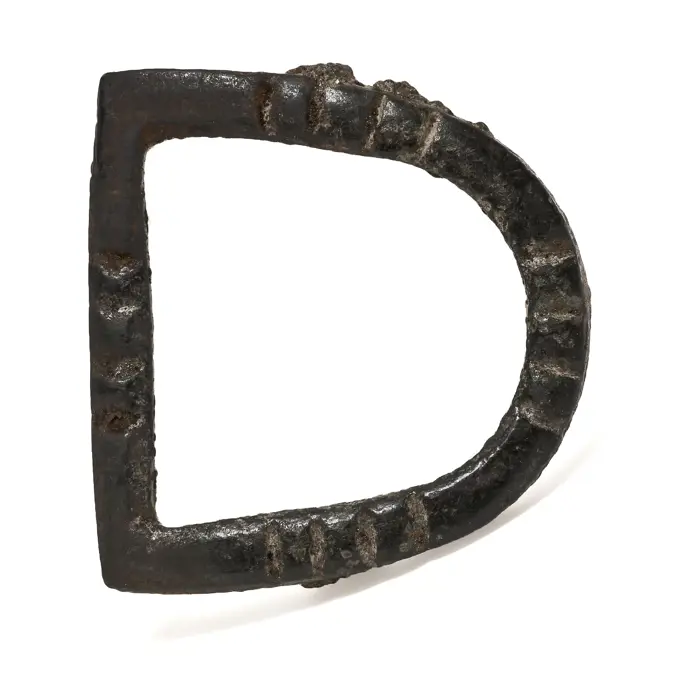
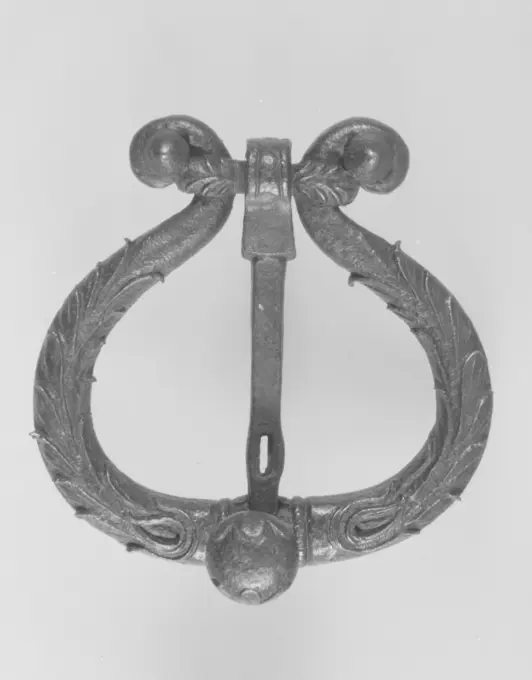
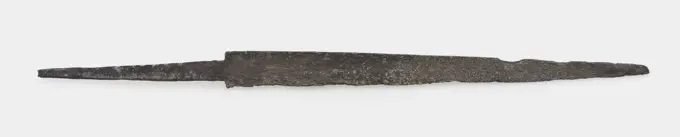
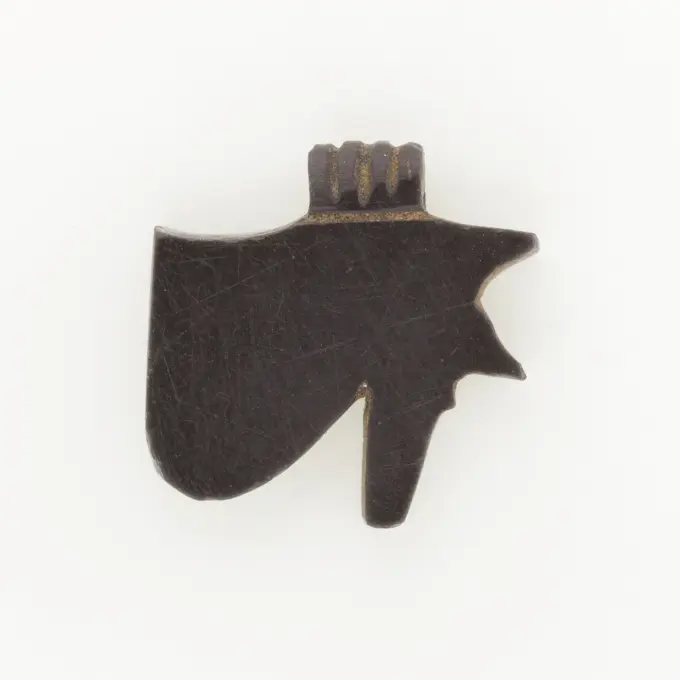
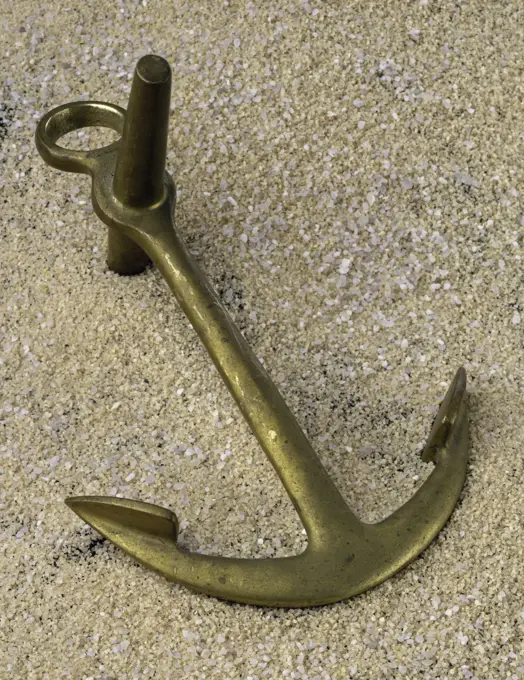
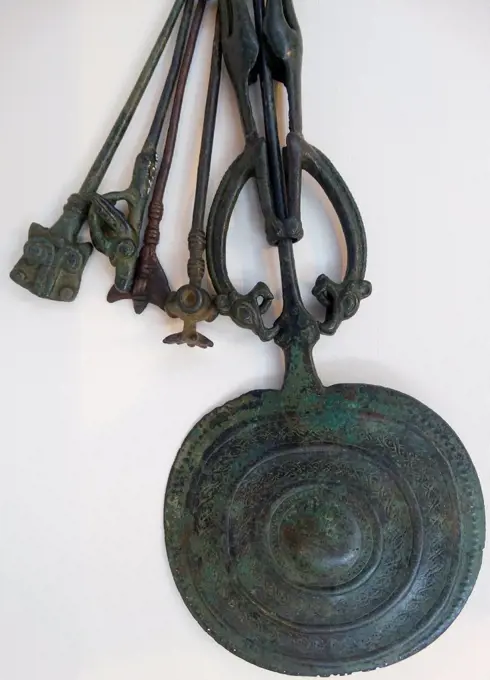
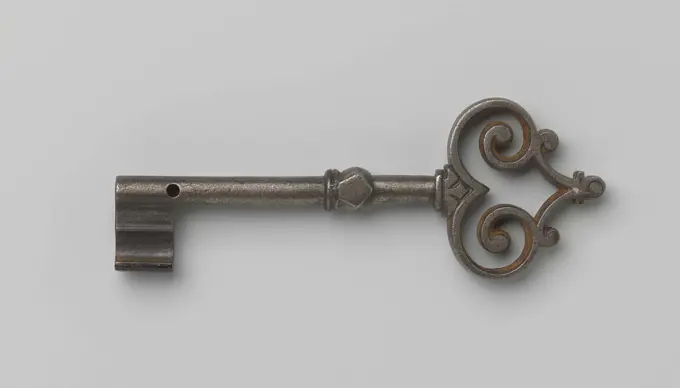
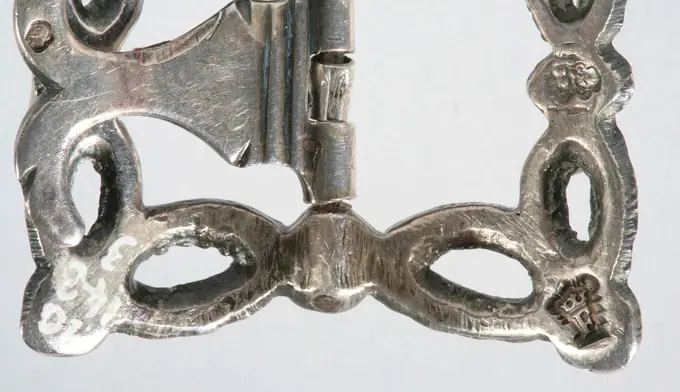
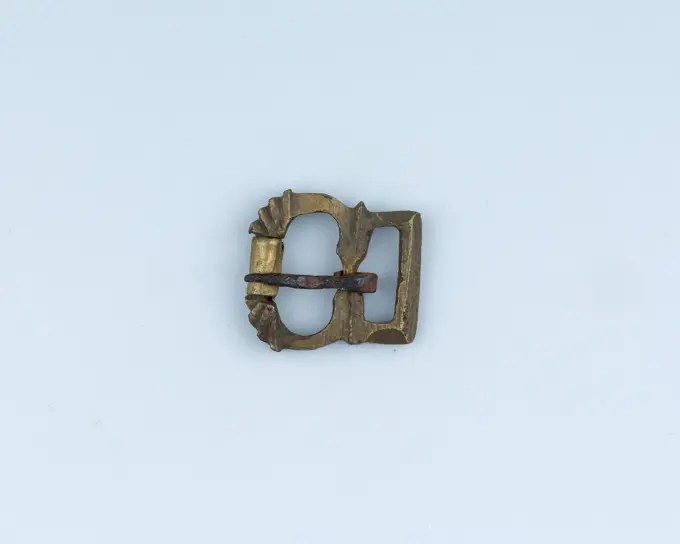
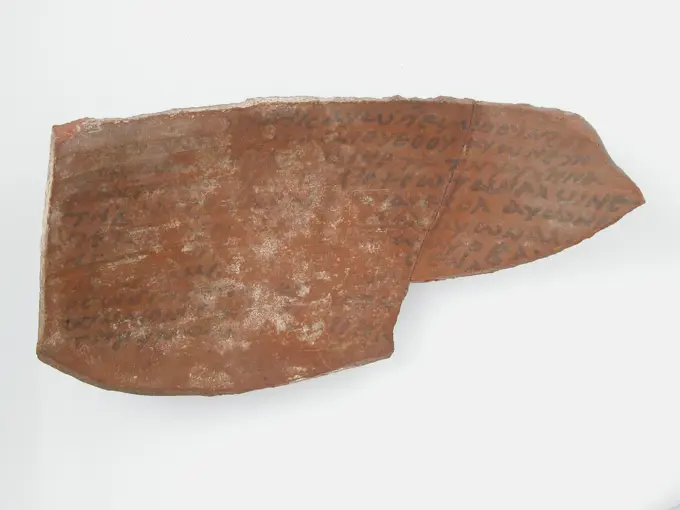
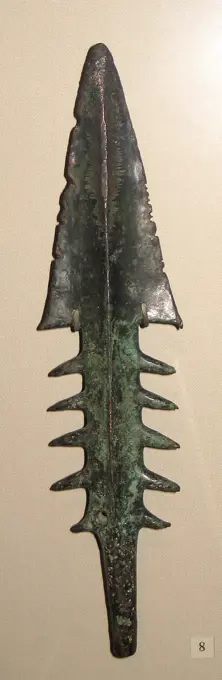
Pectoral 13th-16th century Sonso For several centuries large chest-sized pectorals of gold were made in ancient Colombia in different styles. Many were plain--virtually without decoration of any sort--relying completely on shape and surface for presence and character. This pectoral is unadorned, except that it has a thin strap winding through the central suspension hole at the top. The strap is a visually successful complement to the elegant simplicity of the pectoral.. Pectoral. Sonso. 13th-16th century. Gold. Colombia. Metal-OrnamentsHalberd ca. 1640 German. Halberd 29011Fragment white candle holder, Delft white, candleholder lighting medium fragment earthenware pottery earthenware glaze tin glaze, hand turned baked glazed baked White candle holder. Tube with protruding upper edge. Two holes to remove stumps. Column with nodules as decoration Small scale to catch drops. Yellow shard archeology Rotterdam City triangle Oudehaven indigenous pottery lighting evening night transport Soil discovery Old Port Rotterdam.Fragment of a tobacco pipe., Anonymous, c. 1600 - c. 1699 A fragment of a small white tobacco pipe, on which H. Note: burned out.  pipe clay A fragment of a small white tobacco pipe, on which H. Note: burned out.  pipe clayLancer point (common name), -0450. Bronze. Cernuschi Museum, Asia Museum of Asia in the city of Paris.Rectangular Plaque 500-700 Frankish. Rectangular Plaque 465521 Frankish, Rectangular Plaque, 500700, Copper alloy, Overall: 1 x 3/4 x 3/8 in. (2.6 x 1.9 x 1 cm). The Metropolitan Museum of Art, New York. Gift of J. Pierpont Morgan, 1917 (17.193.202)Rectangular Plaque middle of 6th century Frankish. Rectangular Plaque 465463 Frankish, Rectangular Plaque, middle of 6th century, Copper alloy, Overall: 1 1/4 x 13/16 x 5/16 in. (3.1 x 2.1 x 0.8 cm). The Metropolitan Museum of Art, New York. Gift of J. Pierpont Morgan, 1917 (17.193.151)Fragment tobacco pipe. Fragment tobacco pipe with a crown and letters I v W and N shown. Of the excavations at the Hofstede Arentsburg 1827-1831 under the supervision of professor Reuvens.Sheath from the wreck of the East Indiesman Hollandia. Scabbard; Fragm, Lower End, tapering, pointed.Knife. Bronze.Chine du Northeast, 7th-the sixth century BC. Paris, Cernuschi museum. 59696-7 Bronze, knife, decorative motif, northeastArrowhead 2nd-1st millennium B.C. Iran. Arrowhead 325225Plain Ring 7th century Frankish. Plain Ring 465500 Frankish, Plain Ring, 7th century, Copper alloy, Overall: 13/16 x 1/8 in. (2 x 0.3 cm). The Metropolitan Museum of Art, New York. Gift of J. Pierpont Morgan, 1917 (17.193.184)Beds cord of Tsar Peter the Great, Peter I the Great (Tsar of Russia), 1697 lanyards Bedskoord is tied with four threads. At the top a knotted loop, followed by a horizontal decorative button (Turkish button) where the ends of wires are visible. After this a square nod (farmer's pin) with a horizontal decorative node (t.k.) and attachment of new threads at a quarter of the length. Continuation of the square button work that is closed with horizontal decorative nodes. This is followed by a wider part knotted with vertical shapes, concluded with a large decorative button (t.k.) with brush. Amsterdam (possibly) rope   AmsterdamBelt Buckle 7th century Frankish. Belt Buckle. Frankish. 7th century. Iron, with silver and brass inlay. Made in Burgundy. Metalwork-IronLid of ritual barrel, anonymous, c. -300 - c. -200 Cover of ritual barrel (hu) of bronze. China bronze (metal) Cover of ritual barrel (hu) of bronze. China bronze (metal)LAS DOS MANOS - SIGLO XX. Author: Julio Gonzalez. Location: EXPOSICION ANTOLOGICA. MADRID. SPAIN.Taught. Two felines faced. Bronze. LURISTAN. 1150-750 BC. J-C. Paris, Cernuschi museum. 35176-3 Iron Age, Bronze, Brand, Felin facesRitual ladle (Shao). Culture: China. Dimensions: H. 1 3/4 in. (4.4 cm); Diam. 1 1/16 in. (2.7 cm); L. 8 in. (20.3 cm); Wt. 1 lb. (0.5 kg). Date: late 11th century B.C..This elaborate set of wine vessels provides an idea of the splendor of Shang and early Zhou ritual ceremonies. The set is said to have come from a tomb uncovered in 1901; shortly thereafter, it entered the collection of Duan Fang, a senior Manchu official and one of the preeminent antiquarians of the late Qing period. The pieces vary in style and execution. Although eleven of the vessels are inscribed, only one grouping shares identical inscriptions: the two wine containers, or you (nos. 2, 3) and the tall wine container, or zun (no. 4). A second grouping has largely comparable inscriptions: the spouted water vessel, or he (no. 5) and one cup, or zhi (no. 11).A partial reconstruction of the set's arrangement in the tomb may be established from corrosion outlines on the three principal vessels--the two wine containers,Broad Axe Head. Dated: 1938. Dimensions: overall: 22.9 x 30.5 cm (9 x 12 in.) Original IAD Object: 9" high; 12" wide at blade; 5" wide at blade 1 1/2" thick. Medium: watercolor, graphite, and pen and ink on paperboard. Museum: National Gallery of Art, Washington DC. Author: Herman O. Stroh.Karte von Tennessee auf rostigem Metall - Map of Tennessee on rusty metal Karte von Tennessee auf rostigem Metall - Map of Tennessee on rusty metal Copyright: xZoonar.com/lantapixx 14572590Hallebarde round end. Bronze, China, IV-IIe s. av. Paris, Cernuschi museum. Asian art, Chinese art, bronze, Asian civilization, Chinese civilizationNagelas from v.O.c.-ship the 'white lion'. Wooden nail shaft with octagonal end.Chisel  ca. 1050-1000 B.C. Cypriot. Chisel  244199Tupu (pin) A.D. 1400-1533 Inca This metal object is a tupu, the Quechua term for pin (pithu in Aymara and alfiler in Spanish). Women in the Andes wear such pins in order to fasten textile garments. As part of a pair, tupus may be used to join the ends of the acsu, a large rectangular cloth made of camelid wool that wraps around the body. Smaller versions of tupus, sometimes referred to as ttipqui, may be worn individually in order to fasten the lliclla, a textile that wraps around the shoulders (for more information on the uses of tupus, please see Metropolitan Museum of Art 64.228.702). This particular example of a tupu shows a pair of birds at rest. They comprise the finial or head of the tupu. Each has a long pointed beak and circular eyes that slightly project from the sides of the head. The body and wings of each bird are indicated by an element that wraps around the neck, and the tail is flat and points slightly downward. Each bird has two roughly cylindrical legs, and these connCup and ball toy -Fragment of one blowball. Fragment of ended from one blowball.Fragment of jaws. Caucasus. 4th century BC. Paris, Cernuschi museum. 35407-6 BRONZE, FRAGMENT, MORSFragment of jaws. Caucasus. 4th century BC. Paris, Cernuschi museum. 35407-6 BRONZE, FRAGMENT, MORSBrooch -Bird Pendant. China. Date: 1300 BC-1000 BC. Dimensions: 5.4 × 3.3 × 0.4 cm (2 1/8 × 1 5/16 × 3/16 in.). Jade. Origin: China. Museum: The Chicago Art Institute, Chicago, USA.Ointment Flask. UnknownGreece, Sarmacja, Olmia, V The beginning of the 4th century BC, Dolphin money, AE MintKnife leftring from the wreck of the East Indiesman Hollandia. Knife-Handle, Ferrule; ID. NG 1980-27H426.Copper alloy spearhead ca. 2500-2000 B.C. Cypriot Leaf-shaped blade with a hooked tang.. Copper alloy spearhead 244150Fibula ca. 7th-6th century B.C. Iran. Fibula 324083Fragment tobacco pipe. Fragment tobacco pipe with a crown and the letters G H L and N pictured. Of the excavations at the Hofstede Arentsburg 1827-1831 under the supervision of professor Reuvens.GunpowderHornFragment tobacco pipe, Gerrit van Duuren (De Oude), 1750 - 1780 Fragment tobacco pipe with a crown on the head and the letters g v d and n. Of the excavations on the Hofstede Arentsburg 1827-1831 under the supervision of Professor Reuvens. Schoonhoven pipe clay Fragment tobacco pipe with a crown on the head and the letters g v d and n. Of the excavations on the Hofstede Arentsburg 1827-1831 under the supervision of Professor Reuvens. Schoonhoven pipe clayKey Handle 1st-7th century Roman. Key Handle 462914Copper buckle, D-shaped, decorated with dowels, buckle fastener part soil find copper brass metal, cast brass buckle with half round side D-shaped model with thickening at the middle post. Decorated with four four tugs on the archeology list Rotterdam railway tunnel fastening fastening footwear Soil discovery Rotterdam tunnel trajectory.Door knocker 16th-17th century Spanish. Door knocker. Spanish. 16th-17th century. Iron. Metalwork-IronBlade of dagger with one cutting blade of armor crusher or kidney dagger, kidney dagger dagger knife stabbing weapon weapon soil find iron metal, forged blade The blade is single-edged and flat triangular in diameter. Kling is suitable for general carving and sturdy and slim enough to serve as shock weapon archeology dagger decoration status symbol personal equipment defense clothing accessoryBracelet with two uraei. Dimensions: Diam. 3.7 x H. 2 cm (1 7/16 x 13/16 in.). Date: 304 B.C.-A.D. 364. Museum: Metropolitan Museum of Art, New York, USA.Model of an Anchor, J.M. Polders, 1824 demonstration model Wooden model of a peculiarly shaped anchor. The anchor stick and arms have been changed. The shaft is flat and broadens halfway to form the bent arms, to which a curved oval copper plate with spent ends is attached. The straight anchor stick is very thick, approximately triangular in diameter, the sharp part pointing backwards, and runs on the shaft. The weight of the anchor stick and the oval shape of the arms ensure a correct location of the anchor. A harp on the tip of the anchor stick and one at the top of the shaft. model maker: Netherlandsafter design by: United Kingdom wood (plant material). copper (metal)Key 15th-16th century German The decoration of Gothic iron locks and keys was often elaborate and of the highest standard of workmanship. The motifs were frequently drawn from Gothic architecture, reproducing on a miniature scale complicated tracery patterns and even tiny statuettes. A number of these tiny locks were compound, with some of the mechanisms concealed from view, and required two or even three keys used in sequence to open them. It has been suggested that the greatly expanded use of locks on doors, or coffrets and other types of storage chests was a result of the increasing urbanization of life and the new emphasis on material wealth and private ownership which developed in the late Middle Ages.. Key 468839Knife 1st-mid-8th century Moche. Knife 309096Terracotta fragments of a kyathos (cup-shaped ladle) late 6th/early 5th century B.C. Greek, Attic The larger fragment has part of the handle of a kyathos; to the left of the handle, part of a vine and leg of a quadruped (horse); to the right of the handle, an unidentified object; legs of a draped male to right; the smaller fragment has the calf and foot of a figure to left; lower body and feet of a draped male; part of a vine; foot of a woman to right; fragments are burnt. Terracotta fragments of a kyathos (cup-shaped ladle). Greek, Attic. late 6th/early 5th century B.C.. Terracotta; black-figure. Archaic. VasesRing -shaped fragment from the wreck of the East Indians Hollandia, Anonymous, 1700 - in Or Before 1743 fragment Varied parts or fragments, rings or ring-shaped fragments; sim. 80H704. Netherlands copper (metal)   SecondPin. Pin 243009Wedjat eye amulet 664-30 B.C. Late Period-Ptolemaic Period One of the most popular amulets in ancient Egypt, the wedjat eye represents the healed eye of the god Horus. It depicts a combination of a human and a falcon eye, since Horus was often associated with a falcon. Its ancient Egyptian name, wedjat, means "the one that is sound (again)." In Egyptian mythology Horus eye was injured or stolen by the god Seth and then restored by Thoth. The wedjat eye embodies healing power and symbolizes rebirth. An amulet in this shape was thought to protect its wearer and to transfer the power of regeneration onto him or her. It was used by the living as well as for the dead.. Wedjat eye amulet. 664-30 B.C.. Obsidian. Late Period-Ptolemaic Period. From Egypt. Dynasty 26-30Biconical Bead with Bird. Greek; Thessaly. Date: 800 BC-700 BC. Dimensions: 4.3 × 3.3 × 1.1 cm (1 11/16 × 1 1/4 × 3/8 in.). Bronze. Origin: Greece. Museum: The Chicago Art Institute, Chicago, USA. Author: ANCIENT GREEK.Creak lock;  XVII century (1601-00-00-1700-00-00);Escutcheon; 1904-21-55Bangle with Circular Motifs ca. 2700 B.C.-A.D. 400 Thailand. Bangle with Circular Motifs 53282rostiger Meissel rostiger Meissel Copyright: xZoonar.com/ThomasxHutx 20572056Fragment tap from the wreck of the East Indians Hollandia, Anonymous, 1700 - in Or Before 1743  Tap, spigot, removable; fragm of ring-shaped handle, sim. NG 1980-27H903. Netherlands copper (metal)   SecondPasser of brass and iron. Passer of brass and iron.Snaffle Bit. Culture: Villanovan, possibly Bologna. Dimensions: H. 3 1/2 in. (8.9 cm); W. 6 1/2 in. (16.5 cm); Wt. 8.4 oz. (238.1 g). Date: 8th century B.C..The snaffle bit is the simplest type of horse bit, and has an effect on the bars (part of the horses' jaw without teeth) and the corners of the lips. The mouthpiece of this bit consists of two articulated straight canons passing through the eyelets of the cheekpieces. The latter, crescent-shaped, is decorated with an abstract geometrical pierced decoration forming two square loops at each point of the crescent (one is broken off on both cheekpieces), used for hanging it on the bridle. The reins would hang from the square rings attached to each side of the mouthpiece. When they were pulled, the cheekpieces would compress the corners of the lips, forcing the horse to stop. They would also help indicate the direction to the horse and keep the rings from pulling through the mouth.Horses had a great value among Villanovan and EtruscanAnthropomorphic tube ca. 8th-7th century B.C. Iran. Anthropomorphic tube 322573Fragment stitch passer from the wreck of the East Indians Hollandia, Anonymous, 1700 - in Or Before 1743  Divider; fragment, semicircular ring, id. NG 1980-27H1171, eroded. Netherlands copper (metal)   SecondBronze belt buckle, kidney-shaped needle scutiform base. Length 36 mm Width 26 mm ( 6th- 8 th CE ) - Visigoth period, from the "Afflicted Necropolis " -Archaeological site of Complutum in Alcalá de Henares ( Madrid ). SPAIN.Bangle with Circular Motifs ca. 2700 B.C.-A.D. 400 Thailand. Bangle with Circular Motifs 53284Goldweight Sword, 19th-20th century, 3 9/16 x 1 x 1/2 in. (9.05 x 2.54 x 1.27 cm), Brass, Ghana, 19th-20th centuryPiece of spearhead (common name). Bronze. Carnavalet museum, history of Paris.Spoon with a female Herme, Anonymous, c. 1550 - c. 1650 The spoon, which may be cast in two parts, has an oval container and a handle in the form of a female Herme. West-Europa brass (alloy) casting The spoon, which may be cast in two parts, has an oval container and a handle in the form of a female Herme. West-Europa brass (alloy) castingBuckle 15th-17th century European. Buckle. European. 15th-17th century. Brass. Miscellaneous-Buckles & OrnamentPart of the wind instrument from the wreck of the East India Hollandia.Wind instrument; Fragment of Bell or Horn or Trumpet; Circular strip, broken, engraved linear decoration and inscription (s) athler in Leipzig.Fragments pins from the wreck of the East India Hollandia. Tools and Instruments, Sewing and Sailmaking, PIN; Fragm of Bows, ID. NG 1980-27H3265.A selection of pins with decorative heads. Made from Luristan bronze. Dated 700 BCSleutel.Key whose handle consists of two volutes escaped from the stem. They are covered by a saddle above.Fragment pin out of the wreck of the East Indians Hollandia, Anonymous, 1700 - in Or Before 1743  Tools and instruments, sewing and sailmaking, pin; fragm of shaft with bow, id. NG 1980-27H3265. Netherlands copper (metal)   SecondLeft hallmark: Paris 1768-1774 Discharge hallmark, medium work. Right punch: unidentified master's punch. Hallmark F: Paris, house in common for 1746 or 1769. 2 intertwined ribbons with patterns of small squares and churered border.PUNTA DE LANZA Y ESPADA DE BRONCE. Location: MUSEO ARQUEOLOGICO-COLECCION. Oviedo. ASTURIAS. SPAIN.Prehistory, Italy, Bronze Age. Bone punches. From Lagozza di Besnate, province of Varese.Ring of yellow copper, wavy, oval setting for stone, ring jewel clothing accessory clothing soil find copper brass gold metal d 0.2, cast Copper ring. Wavy circle Oval cast setting for stone. Decorated at the back of the setting with curved grooves. Possibly gilded archeology Rotterdam rail tunnel wear adorn prosperity status Soil discovery: Railway tunnel 1988-1993.Buckle 15th-17th century European. Buckle. European. 15th-17th century. Brass, steel. Miscellaneous-Buckles & OrnamentBody ornament Japan By the Middle Jmon period, the food supply in Japan had stabilized enough that the Jmon people could focus their activities more on crafts and spiritual life. This led to the development of a wide variety of body ornaments, including necklaces and hairpins, some of which feature very elaborate designs. It is speculated that body ornamentation may have served a religious or spiritual purpose, but it may also have represented social rank and status.. Body ornament. Japan. Bone. Final Jmon period (ca. 1000-300 B.C.). BoneFibula Cypriot. Fibula 244438Ostrakon 7th century Coptic. Ostrakon 474604Pen Box late 13th-early 14th century The lavish miniaturelike overall decoration of this writing case makes it one of the most outstanding objects of its kind. The motifs find parallels in the southwestern Iranian region rather than in Mamluk Syria. The eulogic inscriptions, however, are typically Mamluk, suggesting Syrian production.. Pen Box. late 13th-early 14th century. Brass; inlaid with silver and gold. Attributed to Iran, possibly Tabriz. MetalOrnaments, 14 Greek, Laconian. Ornaments, 14 251708 Greek, Laconian, Ornaments, 14, Lead, Height: 1 9/16 in. (4 cm). The Metropolitan Museum of Art, New York. Gift of A. J. B. Wace, 1924 (24.195.142)Brooch -Ornaments, 14 Greek, Laconian. Ornaments, 14 251711 Greek, Laconian, Ornaments, 14, Lead, Height: 1 1/4 in. (3.1 cm). The Metropolitan Museum of Art, New York. Gift of A. J. B. Wace, 1924 (24.195.145)Fragment faucet from the wreck of the East Indieschief Hollandia. Tap, spigot, removable; Fragm or Ring-Shaped Handle, SIM. NG 1980-27H903.Anonymous, American identity plaque M -1940 of the 2nd class Claude Massenet - Char Reims, 2nd Peloton, 2nd squadron of the 12th Cuirassiers regiment (username), 1943, metal, Paris Liberation Museum - Museum of the General Leclerc - Jea MuseumPlaque. Western Inner Mongolia, 5th-3rd century B.C.. Sculpture; plaques. Bronze, castFitting ring from the wreck of the East India Hollandia. Fittings, Bands and Bracing, Circular: Riveted; Squashed, Strip with Cut-Corner Ends, overlap SEAM WITH 2 RIVETS, 1 Circular Hole.Key 15th century German The decoration of Gothic iron locks and keys was often elaborate and of the highest standard of workmanship. The motifs were frequently drawn from Gothic architecture, reproducing on a miniature scale complicated tracery patterns and even tiny statuettes. A number of these tiny locks were compound, with some of the mechanisms concealed from view, and required two or even three keys used in sequence to open them. It has been suggested that the greatly expanded use of locks on doors, or coffrets and other types of storage chests was a result of the increasing urbanization of life and the new emphasis on material wealth and private ownership which developed in the late Middle Ages.. Key 463325Ring -shaped fragment from the wreck of the East Indians Hollandia, Anonymous, 1700 - in Or Before 1743 fragment Varied parts or fragments, rings or ring-shaped fragments; circular, circular in section. Netherlands copper (metal)   SecondPilgrim's Badge 14th-16th century French. Pilgrim's Badge. French. 14th-16th century. Lead. Metalwork-LeadBronze Belt Buckles from the period of Korean Three Kingdoms. From the period of Three Kingdoms in Korea (57 BCE - 668) despite the existence of more than 70 tribes throughout Korean territory at the time.Hammered Silver Arc Ornament 12th-15th century Chimú. Hammered Silver Arc Ornament. Chimú. 12th-15th century. Silver, gilt. Peru. Metal-OrnamentsLime Vessel 500 B.C.-A.D. 300 Indonesia (Java, Lumajang, Pasiran). Lime Vessel 51326Harpoon 1500-500 B.C. India. Harpoon 50604Torque (neck ring). Northwestern Iran, circa 1350-800 B.C.. Jewelry and Adornments; torques. Bronze, castPijpsleutel.Pipe key in which the handle originated is by coordination of two straps to a large and a small eye. A lily springs in the large eye down. The capital is formed by a torus between two round discs.Hinge 1600-1700 American. Hinge 4300Old rusty spade stands vertically with a wooden handle, highlighting its weathered surface and signs of aging. This tool demonstrates the beauty of wear and practicality over timeLamp. Unknown