Bronze and Metal Artifacts

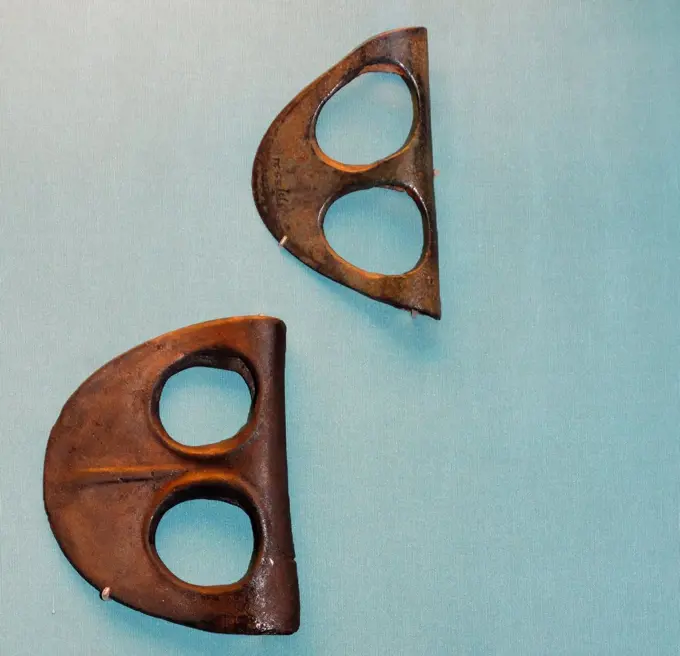
A collection of bronze and metal tools, including cranes, lifting wrenches, and decorative elements, reflecting historical craftsmanship.

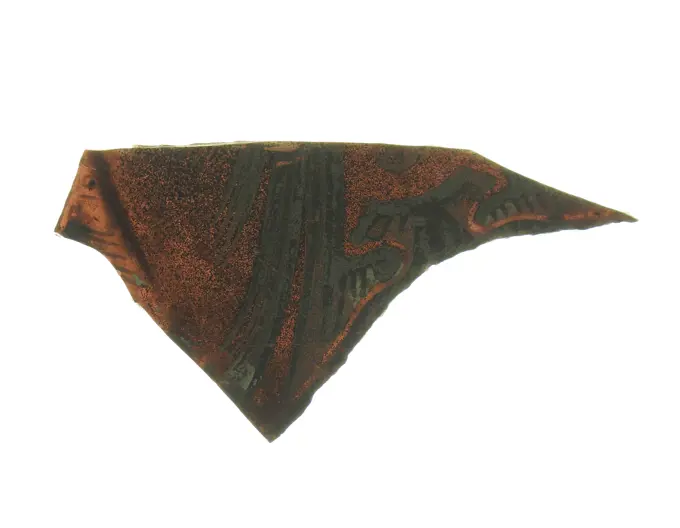
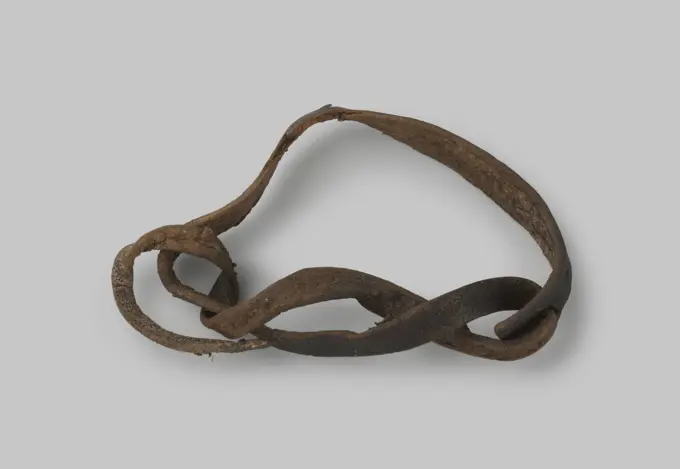
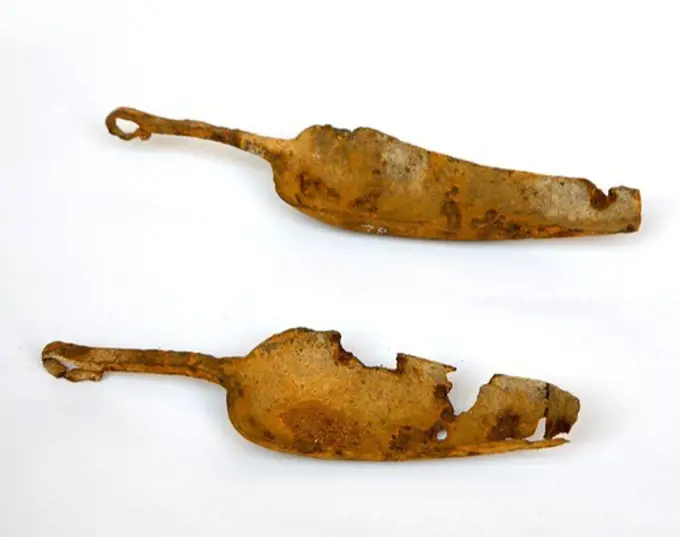
Part or fittings from the wreck of the East Indians Hollandia, Anonymous, 1700 - in Or Before 1743 part Strip-shaped fitting; fragm, eroded, squashed; angular pattern, flat, 1 oblique pointed end, 1 end broken, 3 holes. Netherlands copper (metal)
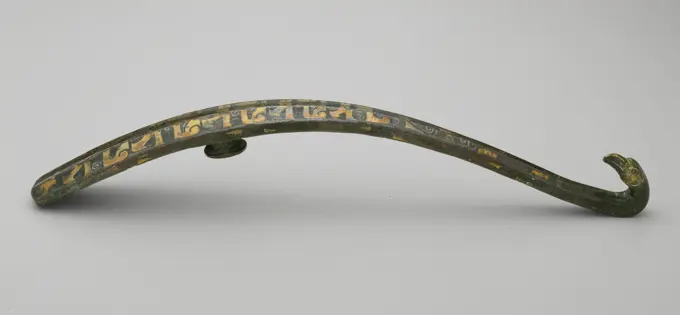
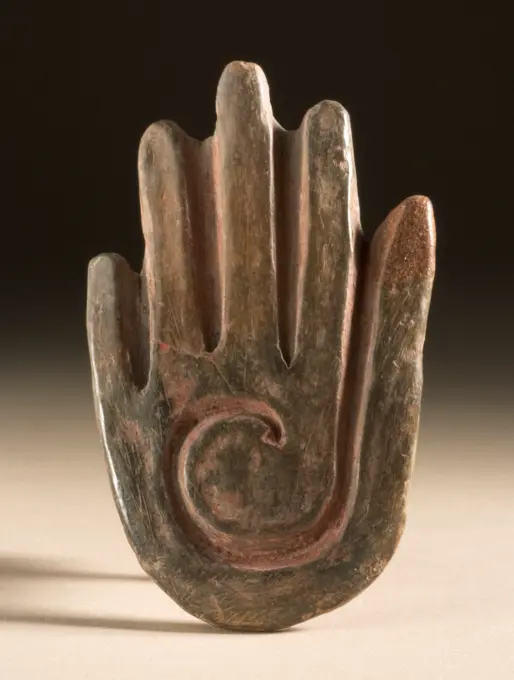
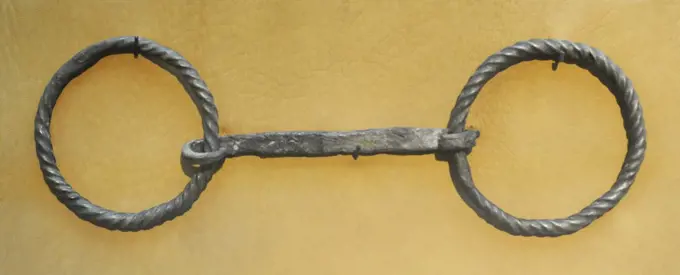
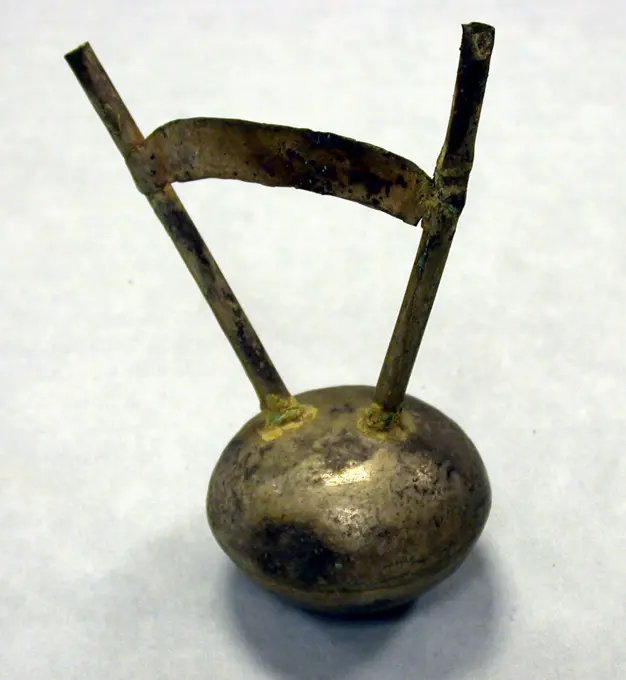
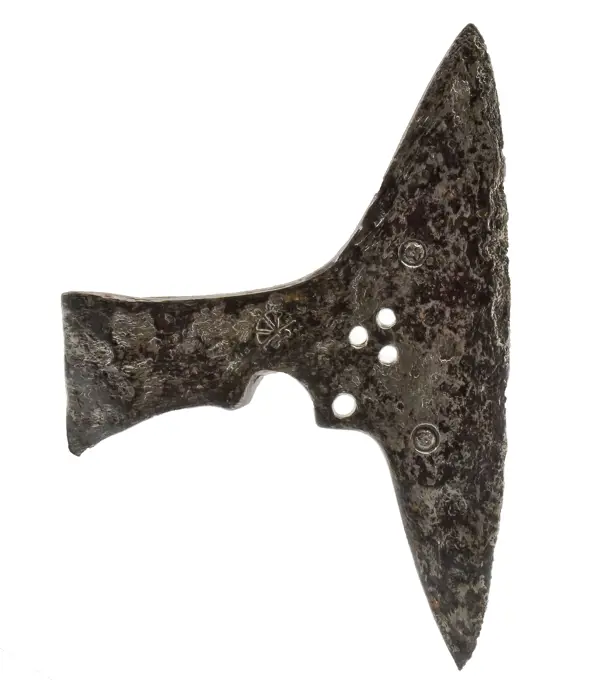
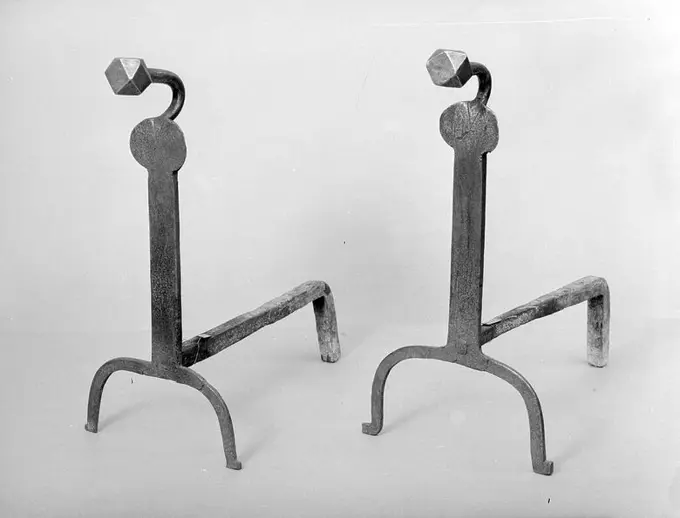
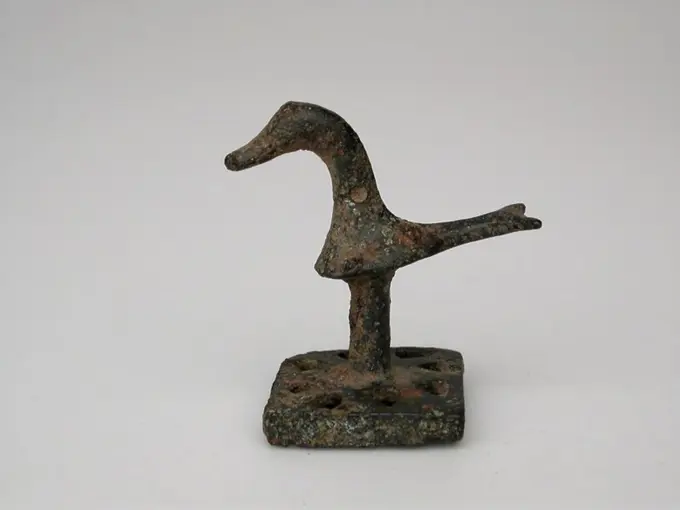
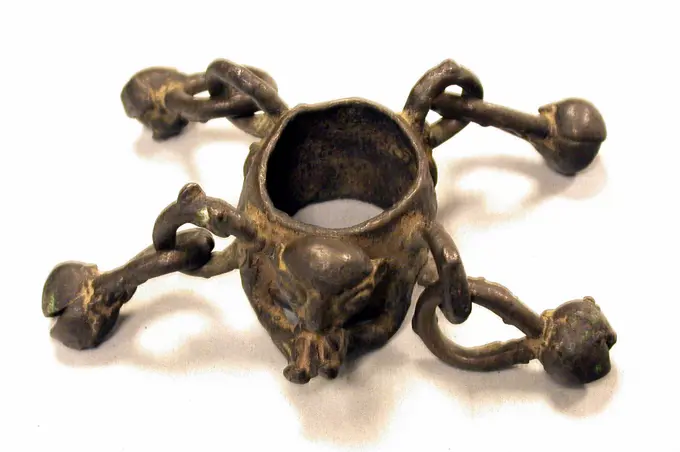
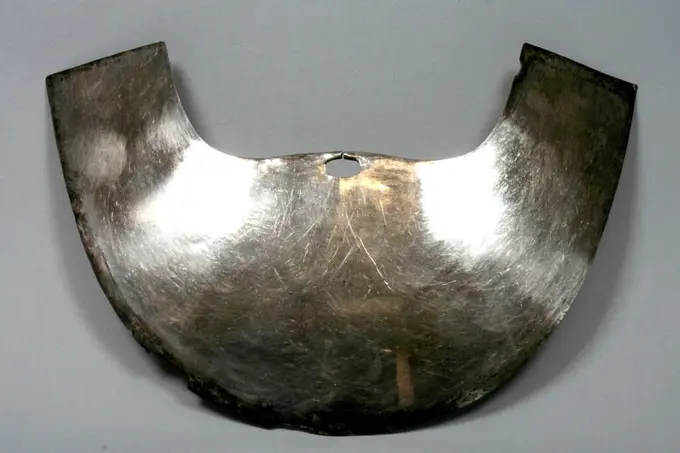
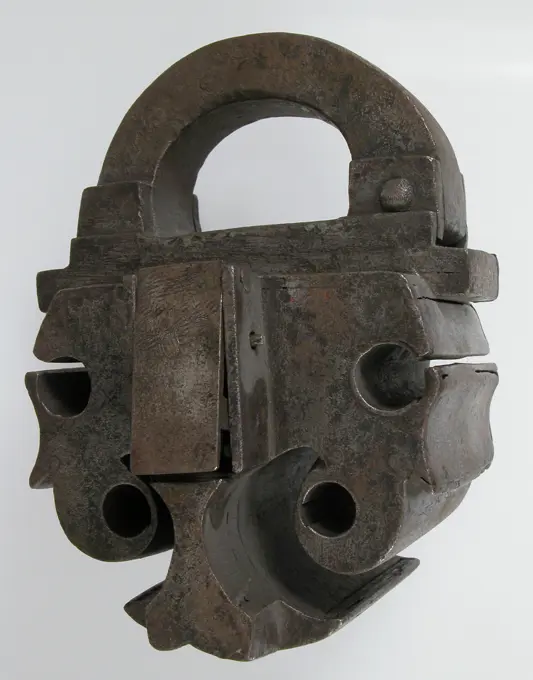
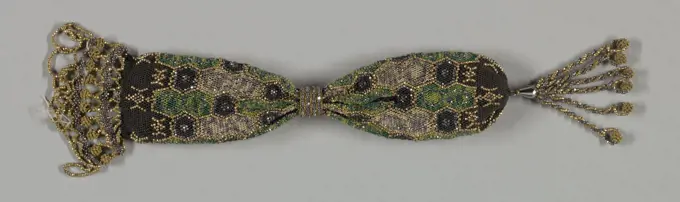
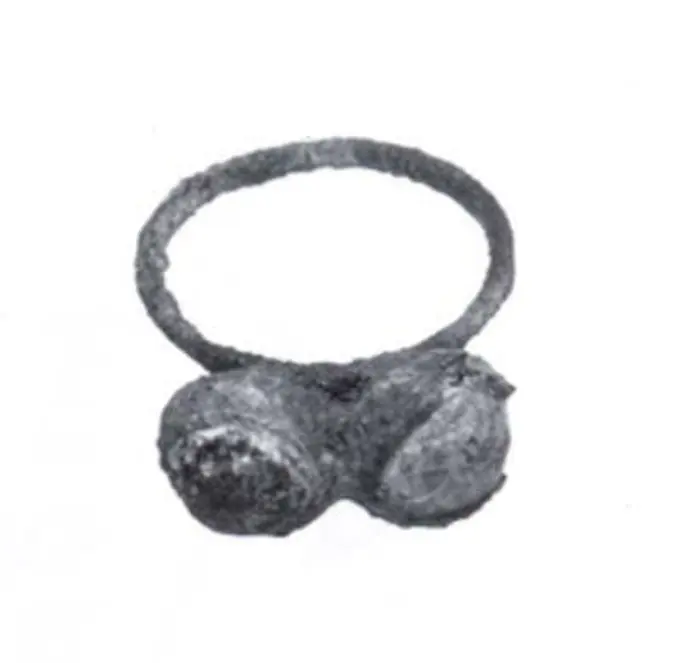
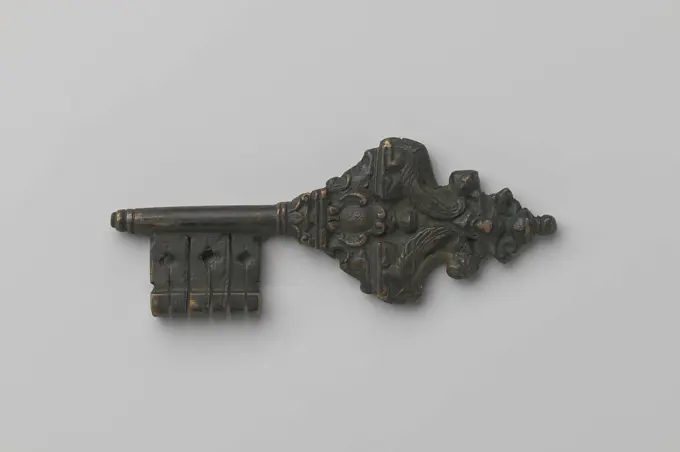
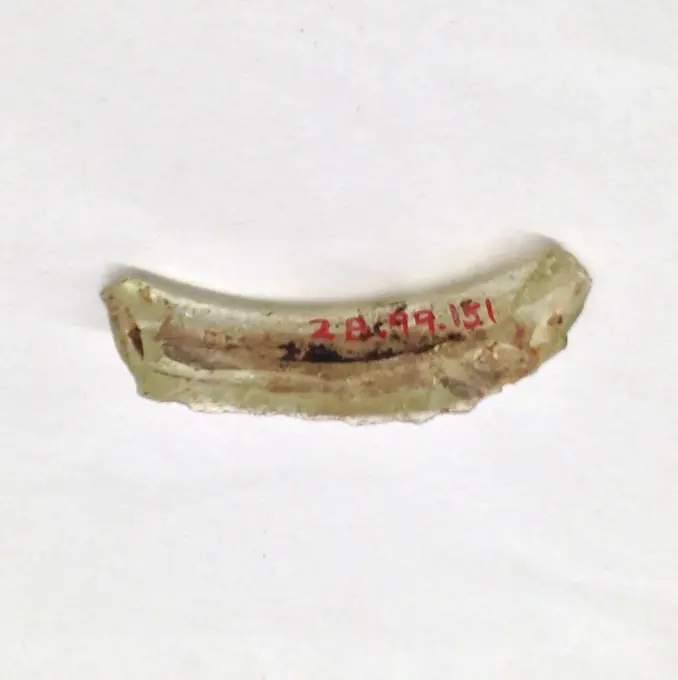
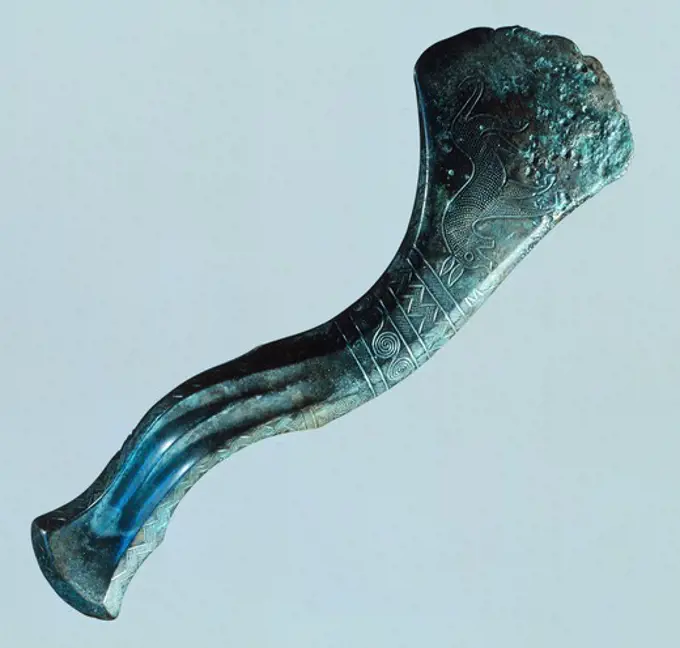
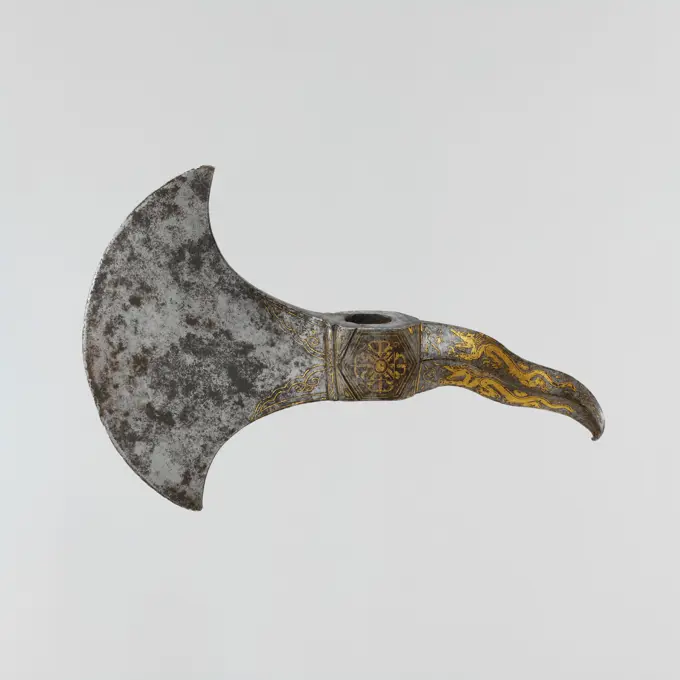
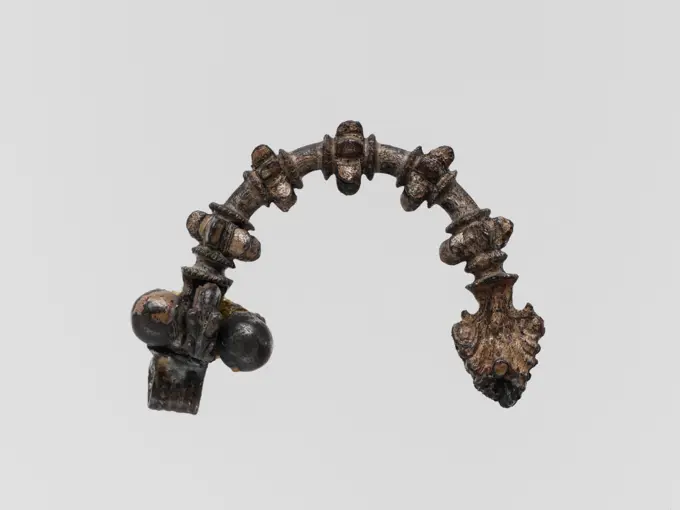
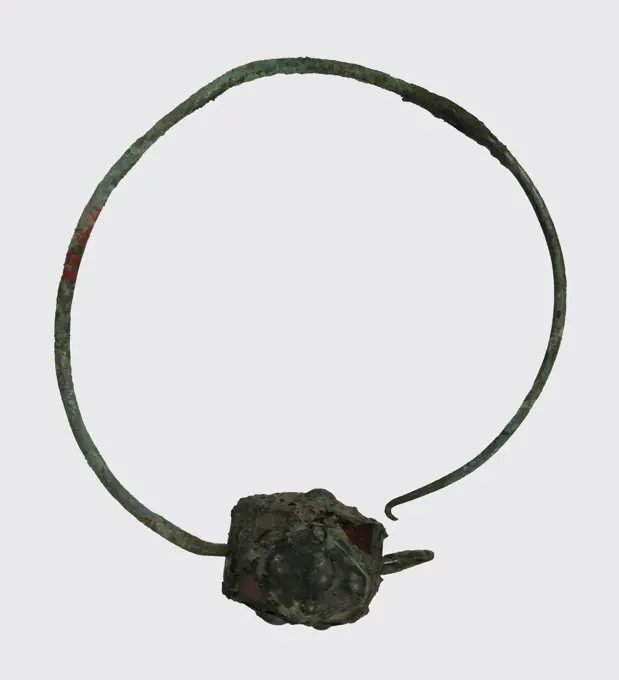
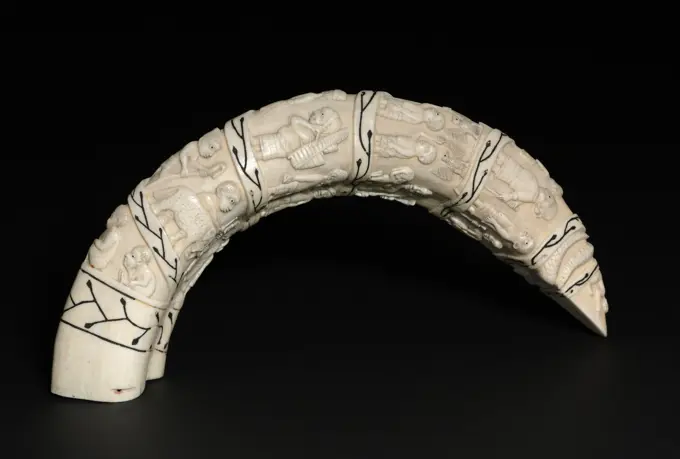
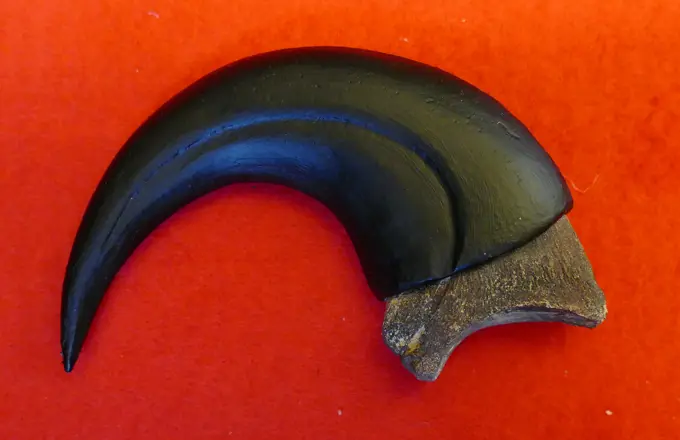
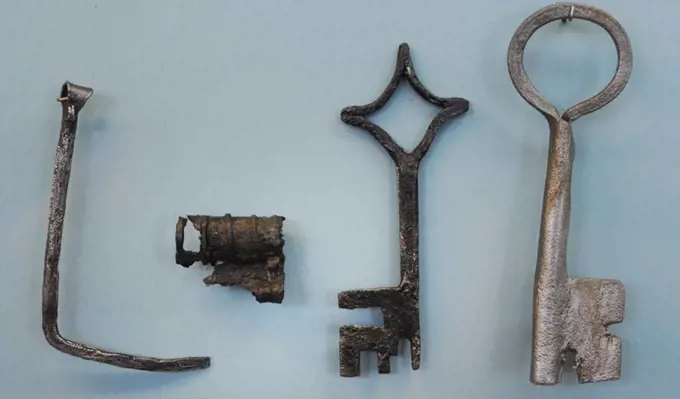
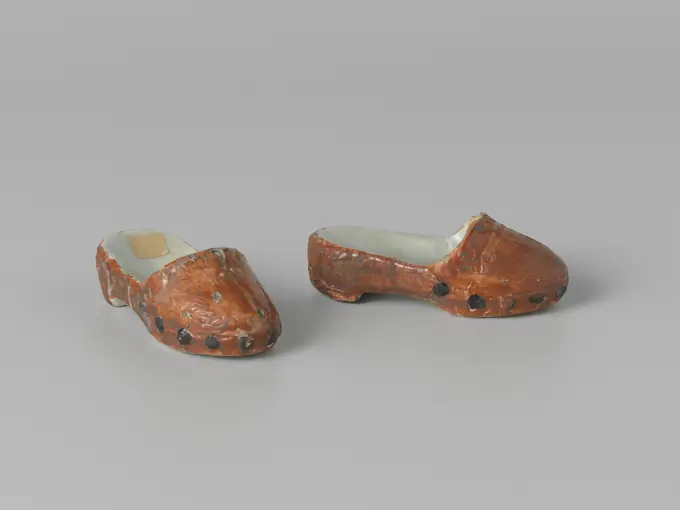
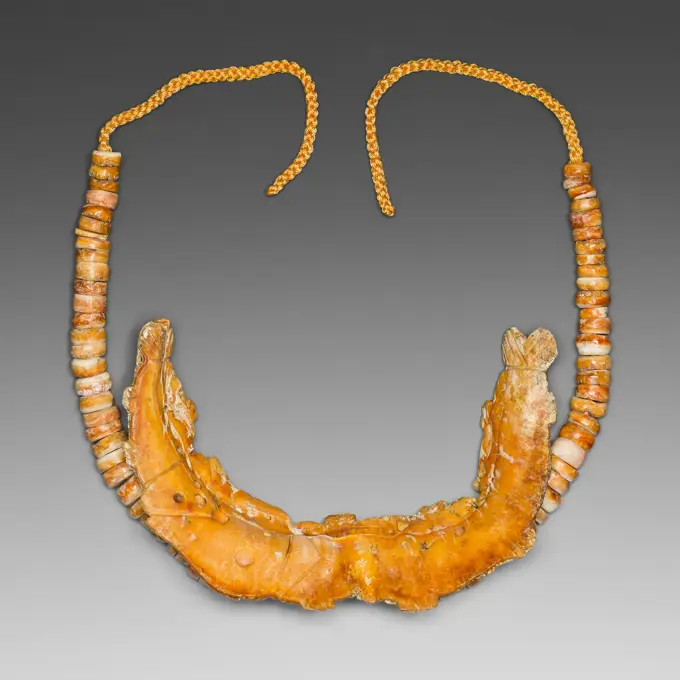
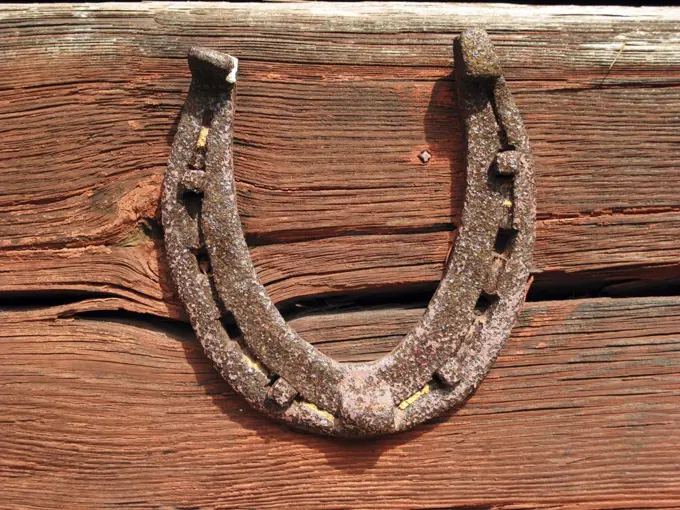
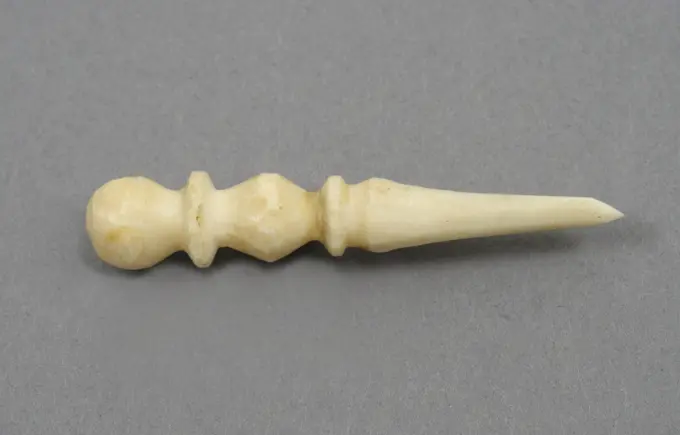
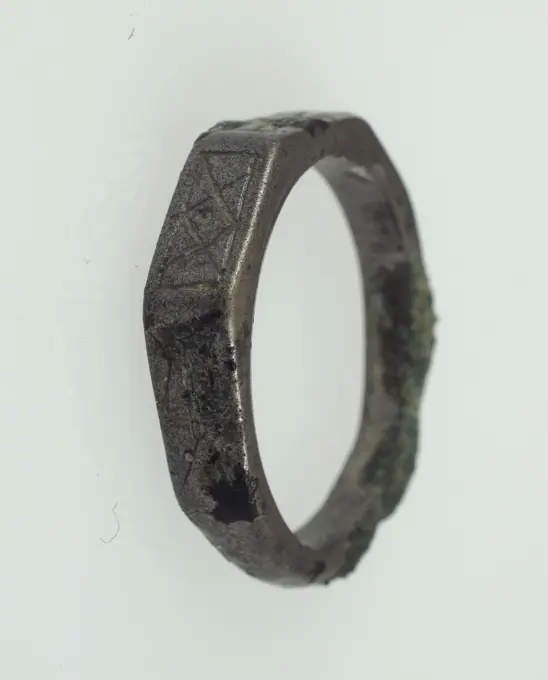
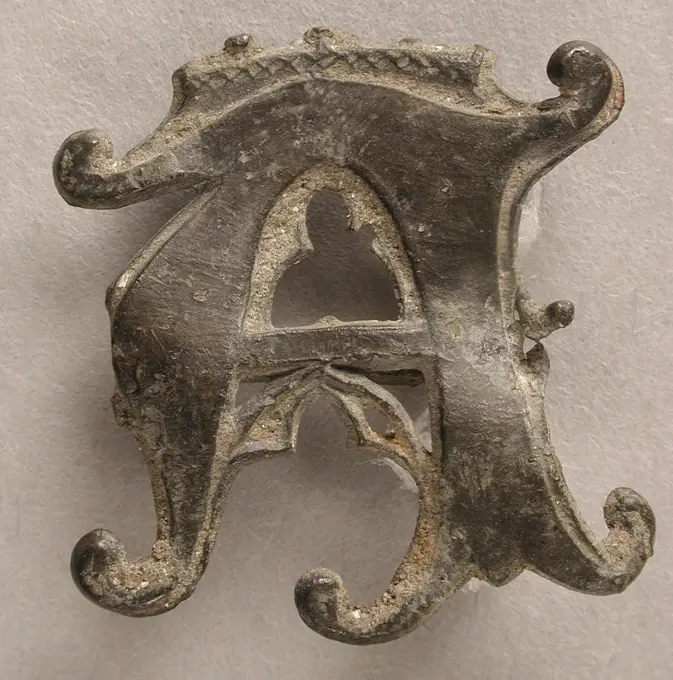
Badge with Crowned Letter A 14th-15th century British. Badge with Crowned Letter A. British. 14th-15th century. Tin/lead alloy. Metalwork-Tin/lead alloyFragment of a closing plate of a snaphanes lock of a musket, anonymous, c. 1590 - c. 1996  Fragment of the lock plate of a snaphanes lock. A piece of profiled flint is clamped in the rooster using a screw with an eye. The remarkably shaped rooster is mounted with an axle by the lock plate. At the axis, one of the traces of De Haan, which connects the rooster with the Slagveer, has been demolished. On the inside of the lock plate there is still the remains of the rod and the deposit with which the lock was fired. De Haan belongs to another fragment of the same lock to which a steel is attached (RM NM-7763). It is a SnaPhans lock of Northern model from Norway or Russia.  iron (metal) forging  Nova Zembla. Saving HuysGarment Hook (Daigou) Artist's working dates 299 BCE-100 BCE China. Bronze inlaid with gold and silver .Hand-Shaped Stamp. Mexico, Puebla, Las Bocas, Olmec, 1000-600 BCE. Ceramics. Slip-painted ceramicScandinavia. Bit from a bridle of horse. Historical Museum. Oslo. Norway.Miniature Bottle 11th-late 15th century Chimú or Chancay. Miniature Bottle 308925Fragment 12th-14th century French. Fragment. French. 12th-14th century. Pot-metal glass, vitreous paint. Glass-StainedBracelet with Four Bells. Thailand, Ban Chiang culture, 300 B.C.-A.D. 150. Jewelry and Adornments; bracelets. Copper alloyHigh battle ax with simple hole decoration, ax ax weapon arm found iron metal, forged Ax and tube in one piece. Perforation pattern on ax circle partly with spokes archeology Rotterdam City center Stadsdriehoek Goudsesingel Veemarkt war militaria arming Soil discovery: new construction pumping station between Veemarkt and Goudse Singel 1953.Mace head ca. 9th century B.C. Iran. Mace head 325151Clay pot of manual work. It is possible to store milk or other liquidCopper pin. Dimensions: L: 4.3 cm (1 11/16 in.). Dynasty: Dynasty 2. Reign: reign of Khasekhemui. Date: ca. 2650 B.C.. Museum: Metropolitan Museum of Art, New York, USA.Karte von Palästina auf rostigem Metall - Map of Palestine on rusty metal Karte von Palästina auf rostigem Metall - Map of Palestine on rusty metal Copyright: xZoonar.com/lantapixx 10298363Ax Head. Culture: probably Chinese. Dimensions: L. 9 in. (22.9 cm); H. 5 7/8 in. (14.9 cm). Date: 15th-18th century. Museum: Metropolitan Museum of Art, New York, USA.Andiron. Dimensions: 21 x 15 3/4 in. (53.3 x 40 cm). Date: 1700-1800. Museum: Metropolitan Museum of Art, New York, USA.Detail picture of rails in rail.Hook-Shaped Object 500 B.C.-A.D. 300 Vietnam (North). Hook-Shaped Object. Vietnam (North). 500 B.C.-A.D. 300. Bronze. Bronze and Iron Age period. MetalworkAnimal Ornament 6th-7th century Moche (Loma Negra). Animal Ornament. Moche (Loma Negra). 6th-7th century. Gilded copper. Peru. Metal-OrnamentsNaaldenkoker.Needle tube in the form of a key with the reverse initials A.P.s. in the handle that is screwed.Shoe buckle, buckle decorated with embossed grid pattern, clasp fastener component soil find bronze copper metal, cast shoe Shoe buckle with four embossed grid patterns decorated Rectangular shape rounded corners archeology Rotterdam rail tunnel attach footwear adorn fasten shoe shoe Soil discovery: trajectory rail tunnel Rotterdam.Seal with Bird. Greek; Thessaly. Date: 750 BC-700 BC. Dimensions: 3.9 × 3.5 × 2.4 cm (1 1/2 × 1 3/8 × 1 in.). Bronze. Origin: Thessaly. Museum: The Chicago Art Institute, Chicago, USA. Author: ANCIENT GREEK.Wristband, consisting of one bar leather, anonymous, c. 1642 - c. 1800  Wristband, consisting of one strip of leather. The tire ends from a rectangular base with rounded corners with a width of 1.5 cm to the 0.2 cm thick point. Basically, a T-shaped incision has been made through which the point is pulled.  leather   Spitsbergen. Zeeuwsche UytkyckCast Bronze Staff Finial 8th-mid-16th century Peru; north or central coast (). Cast Bronze Staff Finial 309224Nose ornament. Culture: Moche (Loma Negra). Dimensions: H. 5 1/2 x W. 8 1/2 x D. 7/8 in. (14 x 21.6 x 2.2 cm). Date: 390-450. Museum: Metropolitan Museum of Art, New York, USA.Padlock 16th century French. Padlock 468867Miser's purse, Medium: silk, metallic beads Technique: beaded netting, Miser's purse in brown, cream, and soft pink silk netting in a honeycomb pattern, with gold-colored and cut-steel beads. The side opening is controlled by two cut steel rings. One end finished with tassel of twisted strands of beads, the other with a deep fringe of beads., Europe, 1830-50, costume & accessories, Miser's purseOld Nails Old handforged rusty nails isolated on white with natural shadows. Copyright: xZoonar.com/J.xSandvikx 4628222HorseshoePIEZA DE AJUAR PALEOLITICO: BRAMADERA CON DOS CIERVOS GRABADOS, DE LA CUEVA DE EL PENDO (DEPOSITO: MUSEO ARQUEOLOGICO NACIONAL).Italy - Iron Age - Fragments - Alphabet of MagrFinger ring ca. 3rd-7th century A.D. Sasanian. Finger ring. Sasanian. ca. 3rd-7th century A.D.. Gold. Sasanian. Iran, Qasr-i Abu NasrKey. Key with handle consisting of a cartouche between two consoles (bearded men's heads), which again carry two backlings placed sphinxes, embed a vase and, above which a closure piece, consisting of a vase, flanked by two distant dolphins. The whole rests on a capital of composite order. The shaft is short and walks past the large beard and ends in a profiling.Fragment ca. 1150-ca. 1250 European or Middle Eastern. Fragment 694280Shoes 16th century British. Shoes 101803Mirror with Falcons, 1540-1296 BC. Egypt, New Kingdom, Dynasty 18. Mirror of copper, handle of tin-bronze; overall: 18.6 x 11.7 cm (7 5/16 x 4 5/8 in.).Whetstone ca. 3rd-7th century A.D. Sasanian. Whetstone 323205Decorated bronze ax from the Kuban region, Russia. Scythian Civilization, the first half of the 1st millennium BC.Ax Head 15th-18th century probably Chinese. Ax Head. probably Chinese. 15th-18th century. Iron, gold. Shafted WeaponsPin 4th-7th century Recuay. Pin 315806Handle (England); ebonySilver fibula (fibula) Greek 5th-4th century BCE This type of fibula, with projecting flanges, is particularly associated with Northern Greece. View more. Silver fibula (fibula). Greek. 5th-4th century BCE. Silver. Classical. Gold and SilverTorser armor;  IV-III century BC (-400-00-00--201-00-00);Fountain Pen Nib. Egypt, 18th - 19th century CE. Tools and Equipment; writing implements. BronzeSilver fibula (fibula) 5th-4th century B.C. Greek This type of fibula, with projecting flanges, is particularly associated with Northern Greece.. Silver fibula (fibula). Greek. 5th-4th century B.C.. Silver. Classical. Gold and SilverEarring 6th-7th century Frankish. Earring 465167 Frankish, Earring, 6th7th century, Copper alloy, glass paste, garnet (), Overall: 3 x 2 5/8 x 3/4 in. (7.6 x 6.6 x 1.9 cm) bead: 13/16 x 3/4 in. (2 x 1.9 cm). The Metropolitan Museum of Art, New York. Gift of J. Pierpont Morgan, 1917 (17.192.112)Sweden, Blekinge, Blekinge, Karlskrona, Karlskrona, external marina (depicted, town).Sweden, Blekinge, Blekinge, Karlskrona, Karlskrona, External War Gogs (depicted, City)Set of Sword Fittings (Mitokoromono) 19th century Inscribed by Ginshtei Tmei Japanese This set of sword fittings features a design of millet.. Set of Sword Fittings (Mitokoromono). Japanese. 19th century. Iron, gold, copper-silver alloy (shibuichi)Knife leftring from the wreck of the East Indiesman Hollandia. Knife-Handle, Ferrule; ID. NG 1980-27H426.Knife from Board ofRevenue.  Mint: Board of Revenue Artist: UnknownSerpent in C early 19th century British. Serpent in C 501861Porte. Porcelain dressed in turquoise glaze. Paris, Cernuschi museum. 78844-22Part of a bronze bit ca. 600-480 B.C. Cypriot Four links and a bar, with bronze wire coiled around it and terminating at each end in a ring.. Part of a bronze bit 244265Club -Viking 'Thor's Hammer' pendant, 10th century Artist: UnknownCarved Tooth, late 1800s. Central Africa, Democratic Republic of the Congo, late 19th century. Hippopotamus ivory and organic material; overall: 33 cm (13 in.).Deinonychus Antirrhopos Claw - the killing claw from the foot of a Deinonychus with reconstructed keratin sheathRope of hoisting block from the wreck of the East India Flying Heart. Piece of rope that sat around the bronze disc of a wooden hoist block when it was surfaced from the Westerschelde. The block has the same find number (V82-50) and the NG number: NG-1983-48-1.Old keys. Coming from Gniew and Swiecie. Archeological Museum of Gdansk. Poland.Muiltje van Faience, Anonymous, 1690 - 1740 Muiltje van Faience. Multicolor. Delft . Muiltje van Faience. Multicolor. Delft .Old rusty horseshoe vertically isolated on white backgroundWeapon in ancient timesScancinavia. Boat-builders. Knife. Hilme, Nord-Aurdal k., Oppland. Viking Age. 2 fairleads for rigging ropes. Gokstad, Sandefjord k., Vestfold, 9th century. Historical Museum. Oslo. Norway.Prehistory, Denmark, Paleolithic. Ax heads.Bracelet. Western Iran, circa 1000-650 B.C.. Jewelry and Adornments; bracelets. Bronze, hammeredAmulet of a Cross 301 CE-600 CE Egypt. Bronze . ByzantineOld Nails Old handforged rusty nails isolated on white with natural shadows. Copyright: xZoonar.com/J.xSandvikx 4628221One from a Pair of Solid Undecorated Bangles 4000 B.C.-A.D. 400 Thailand. One from a Pair of Solid Undecorated Bangles 53357Prehistory, Korea, Bronze Age. Bronze ornament with engraving depicting rural scene.Prehistory, Italy, Bone tools. From Castione Marchesi, province of Parma.Fragment Ring -shaped object from the wreck of the East Indians Hollandia, Anonymous, 1700 - in Or Before 1743 fragment Varied parts or fragments, rings or ring-shaped fragments; fragm, eroded, id. 80H946. Netherlands copper (metal)   SecondBucranium. Dimensions: overall h. 24.1 (9 1/2 in); h. of skull 18.3 cm (7 3/16 in); w. of antlers 23.8 cm (9 3/8 in). Dynasty: Dynasty 14-17. Date: ca. 1640-1550 B.C.. Museum: Metropolitan Museum of Art, New York, USA.Knife lifting out of the wreck of the East India hollandia.knife, handle, cylindrical: tapering; ID. NG 1979-403H, Ferrule, ID. NG 1980-27H426.Old open padlock and key. Isolated with clipping pathNecklace with a Pendant Depicting a Large Fish Eating a Smaller Fish 200 BCE-200 CE Western Mexico. Spondylus shell . ColimaPullTESORILLO DE BETANRIQUE. (DEPOSITO: MUSEO ARQUEOLOGICO NACIONAL).Knife with Sheath. Culture: Indonesian, Sulawesi, possibly Phillipine. Dimensions: L. with sheath 3 3/4 in. (9.5 cm); L. without sheath 3 5/8 in. (9.2 cm); W. 1 13/16 in. (4.6 cm); Wt. 0.4 oz. (11.3 g); Wt. of sheath 0.2 oz. (5.7 g). Date: 18th-19th century. Museum: Metropolitan Museum of Art, New York, USA.A pair of tefilIInFragment. Culture: European or Middle Eastern. Dimensions: L. 1 5/8 in. (4.1 cm). Date: ca. 1150-ca. 1250. Museum: Metropolitan Museum of Art, New York, USA.Rusted Horseshoe on Red WallCribbage peg -Finger Ring 7th century Frankish (). Finger Ring 465149 Frankish (), Finger Ring, 7th century, Silver, Overall: 15/16 x 7/8 x 3/16 in. (2.4 x 2.3 x 0.5 cm). The Metropolitan Museum of Art, New York. Gift of J. Pierpont Morgan, 1917 (17.191.97)Conger Eel, Muræna Conger, British fishes, Donovan, E. (Edward), 1768-1837, (Author).Early Bronze IV age, Egyptian Copper metalwork, was the main metal of this period, but the principles of alloying for strength and hardness were well established, and most of the artefacts show the deliberate addition of arsenic or antimony.Door knocker, Bronze, Door knocker. Large bead at lower center. Handle decorated with leaves in relief. Two rosettes at top of handle., Italy, 17th century, metalwork, Decorative Arts, Door knockerSiphon nozzle ca. 1295-1070 B.C. New Kingdom, Ramesside. Siphon nozzle 559487Clogs from Veberöds parish, Torna hardened, Skåne. Nordic Museum Inv.nr NM.0054568 NordicWeather vane in the shape of a rooster. Part of Tower Cross BK-NM-11356. .old rusty horseshoe on a wood backgroundCostume Ornament. Culture: Peru; central coast (). Dimensions: D. 1 3/8 in. (3.5 cm). Date: 11th-12th century. Museum: Metropolitan Museum of Art, New York, USA.During the later Iron Age, gold and silver were sacrificed in swamps and silting-up lakes. The rings from Skedemosse, Oland, and the silver ornaments from Sjorup in Skane are examples of this kind. Around 500 AD sacrifical venues were transferred to the homes of magnates. This was the case with the newly discovered impressed figure foils from Sloinge, Halland. Sacrifices could be private or public, local, regional or nationwide. The Swedish History Museum. Stockholm. Sweden.Eye of Horus (Wedjat) Amulet 1985 BCE-1773 BCE Egypt. Carnelian . Ancient EgyptianDog trace fastener -