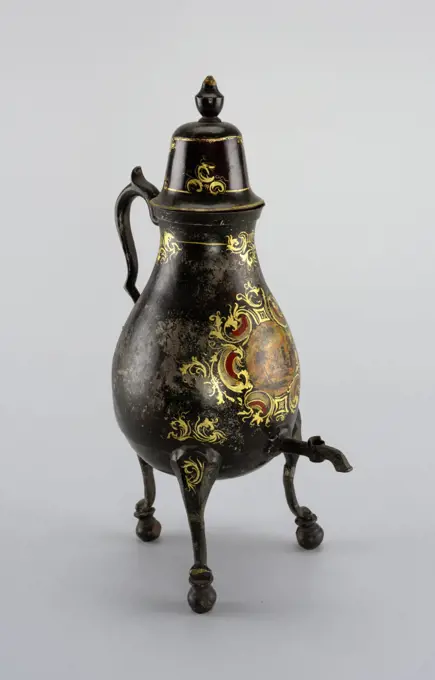
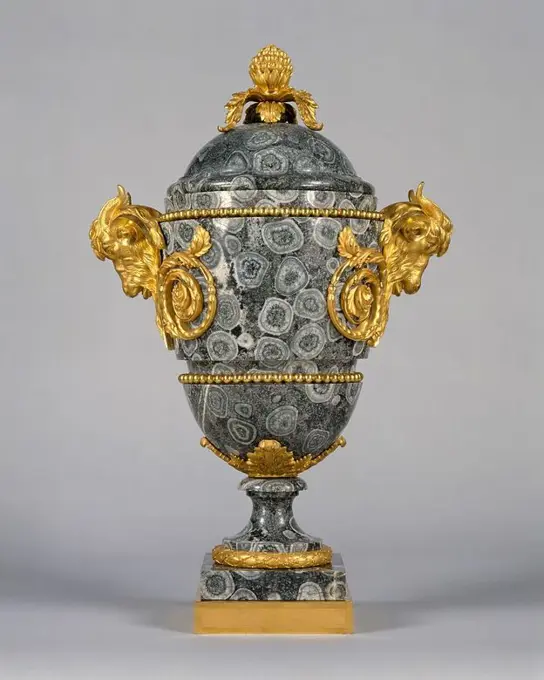
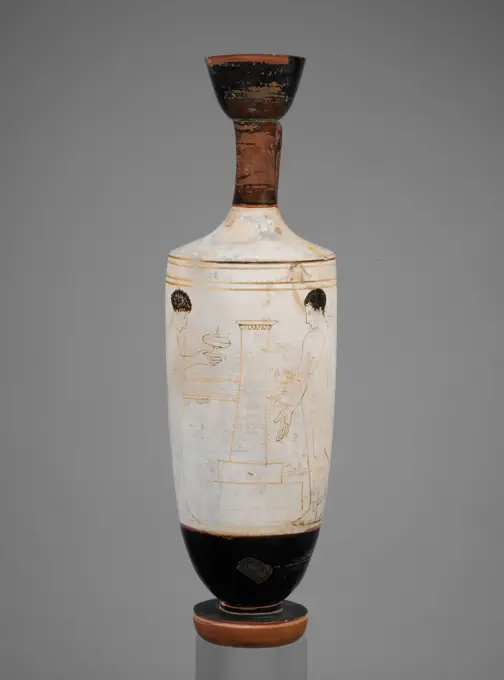
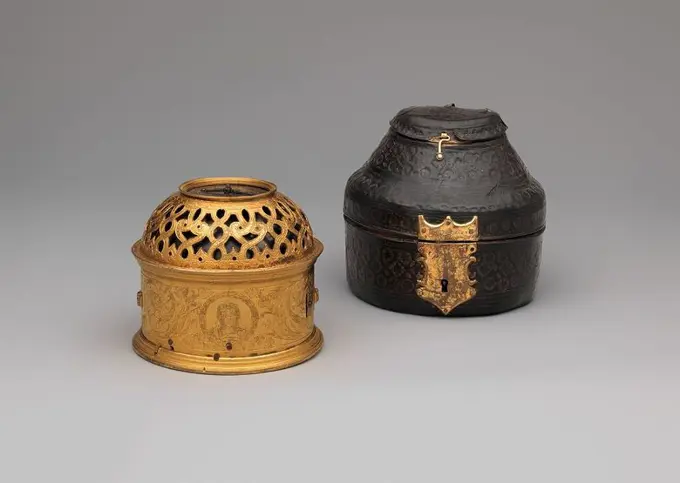
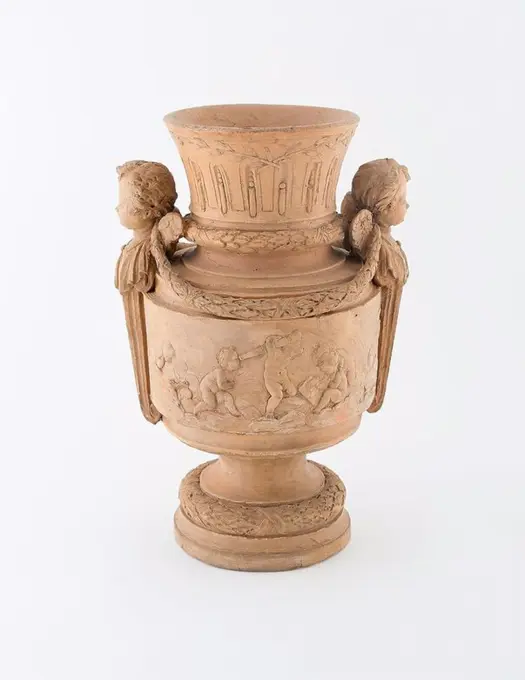
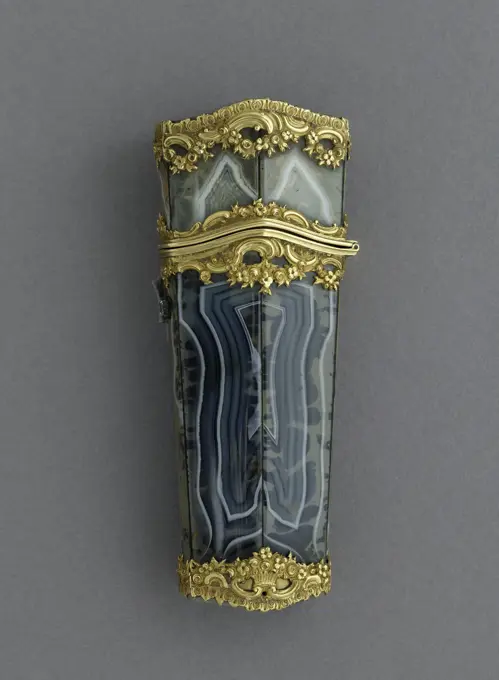
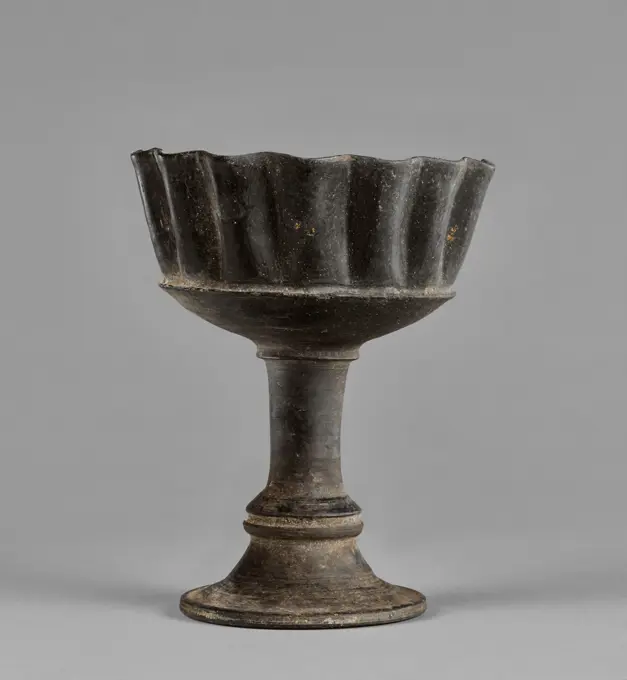
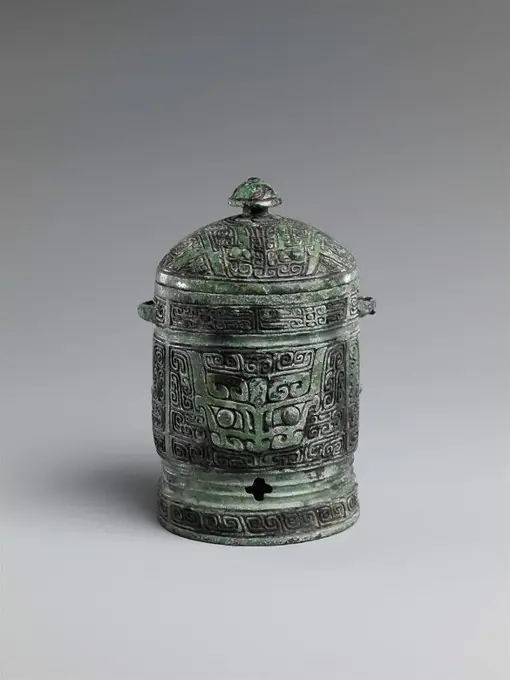
Bronze and Silver Artifacts

Elegant bronze and silver artifacts, including vases and ceremonial items, showcasing intricate details and cultural motifs from historical eras.

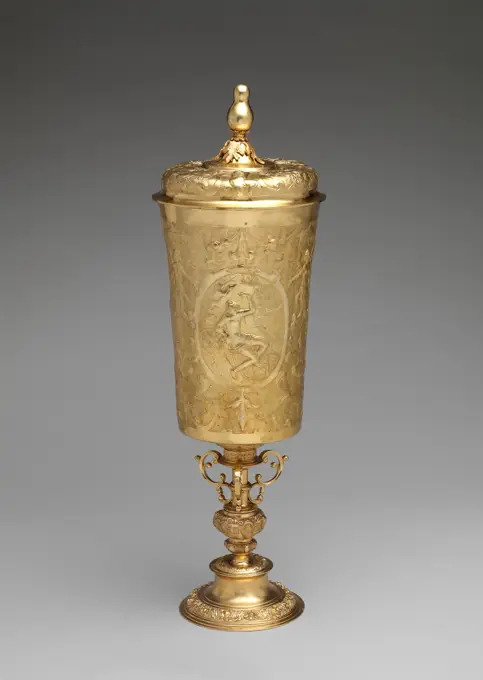
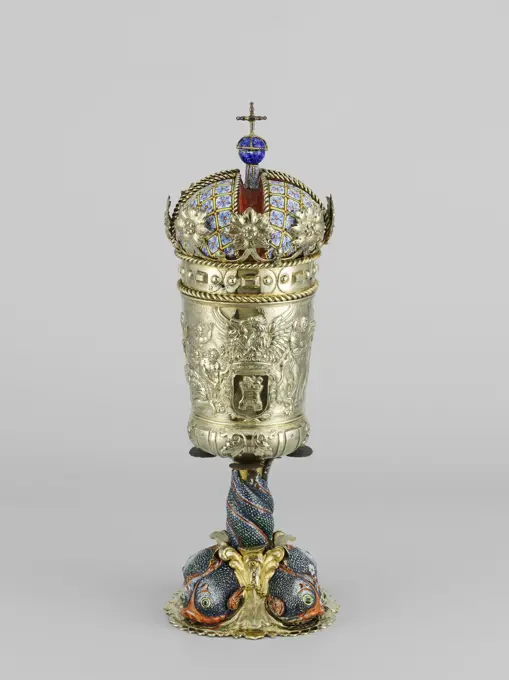
Silversmith: Laurens Andrieszoon, Silver cup, engraved with flower and rank ornaments and at the bottom three birds, cup drinking utensils tableware holder silver, hammered engraved Cylindrical upwards widening. Foot: stand ring profiled with seven rings bottom bottom (debossed) Rotterdam drink Long-term loan G.Ph. Verhagen-Stichting purchase for the Museum Rotterdam.
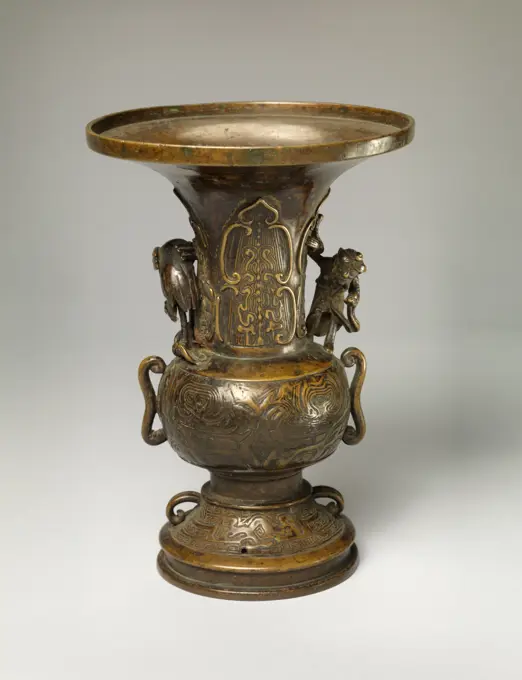
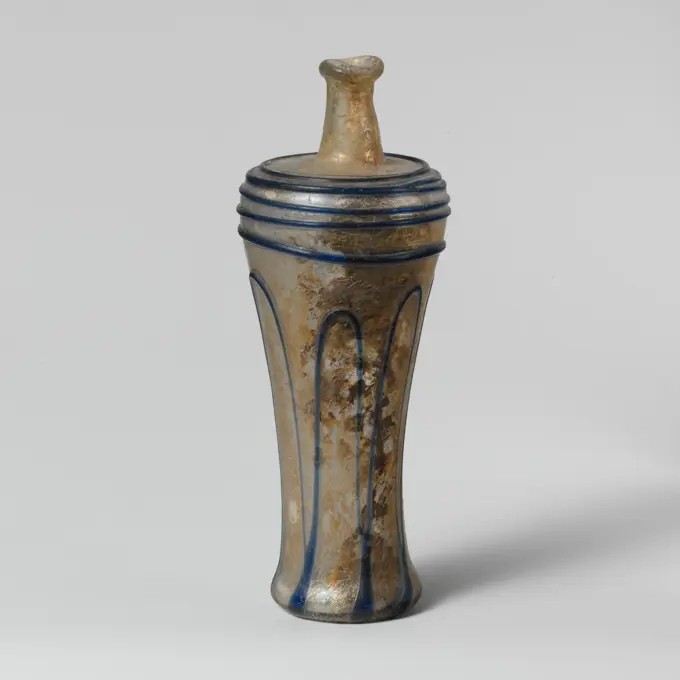
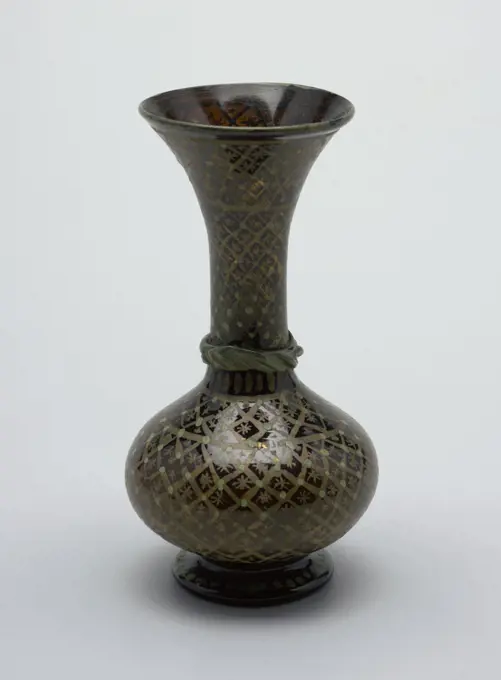
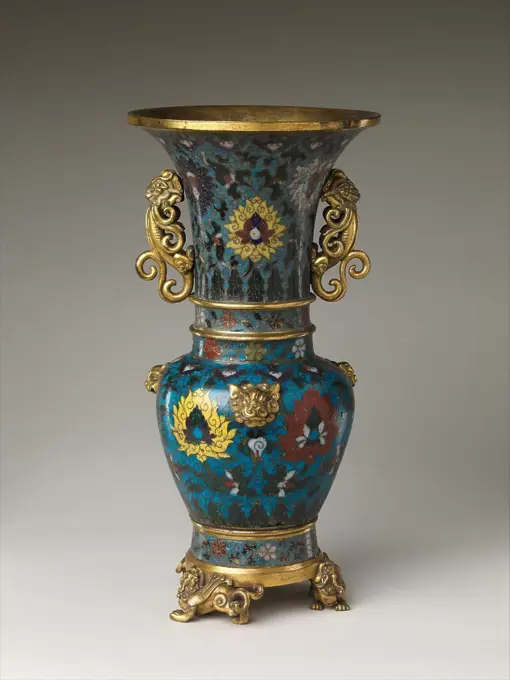
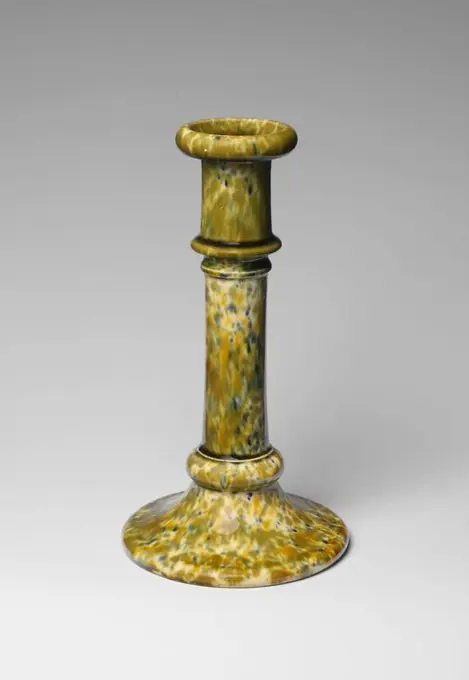
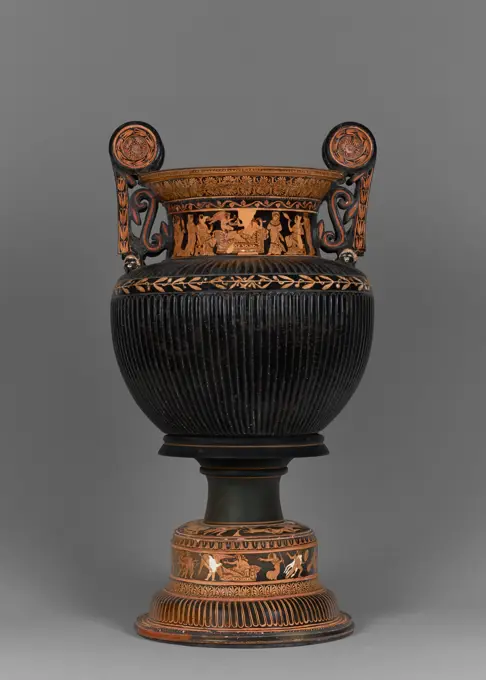
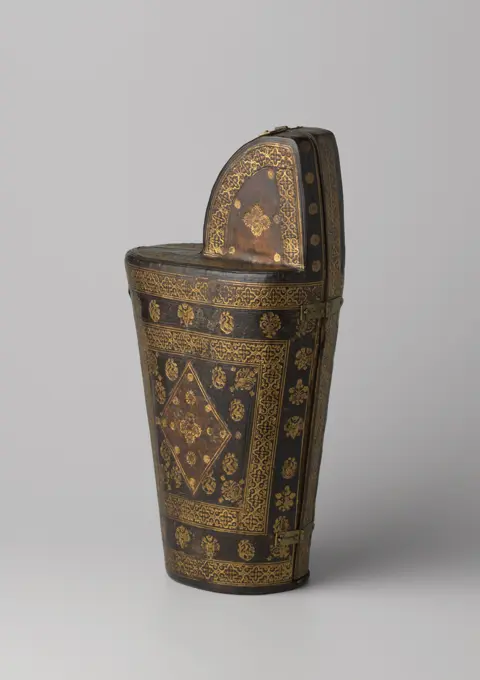
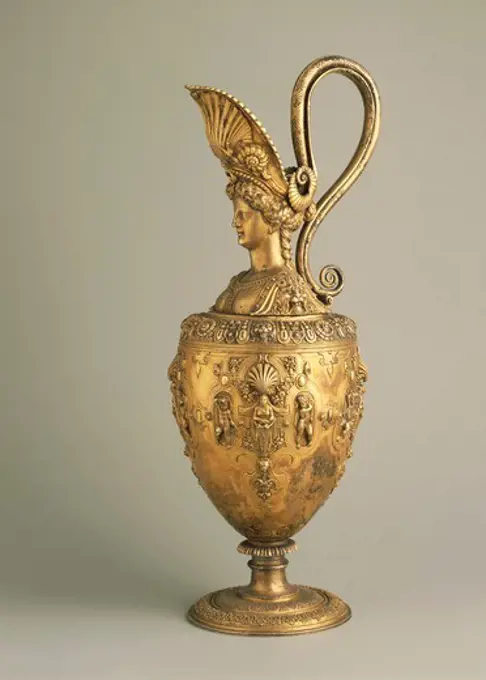
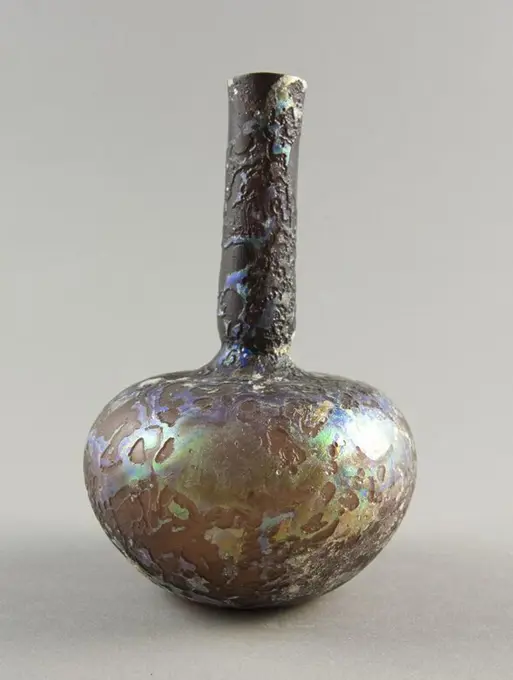
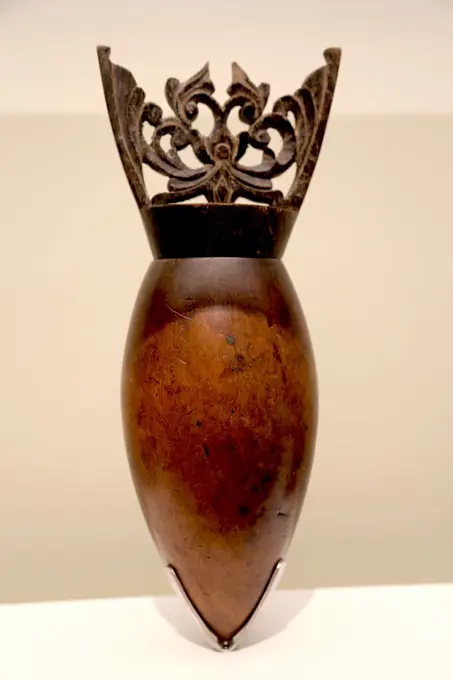
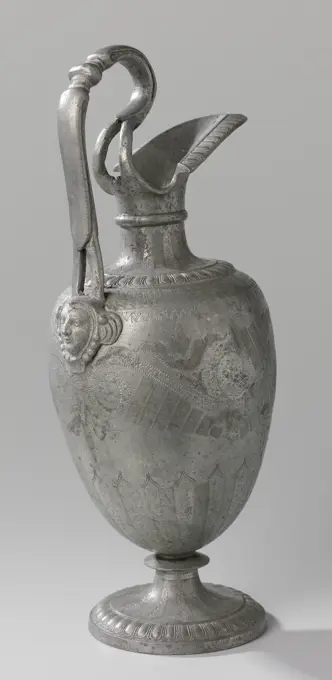
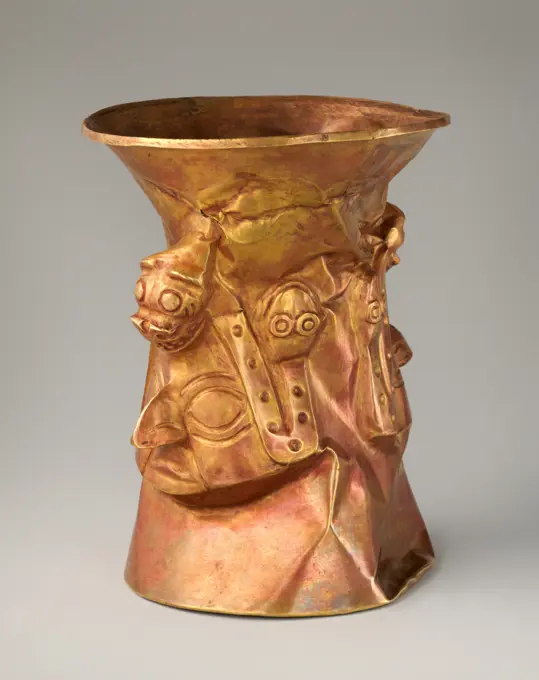
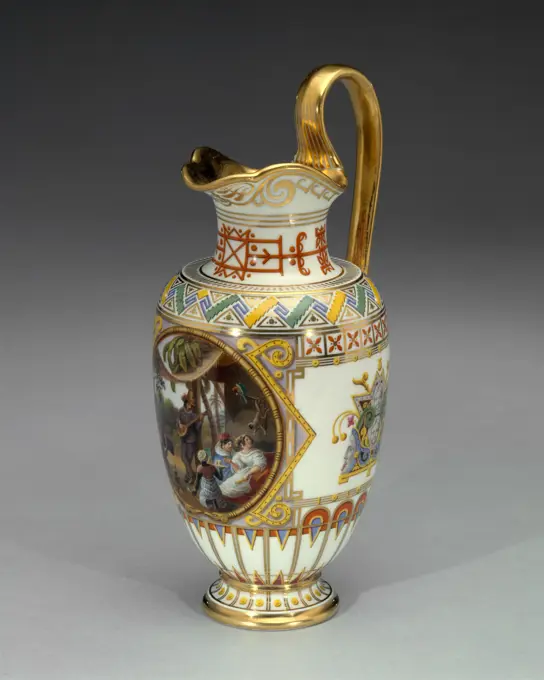
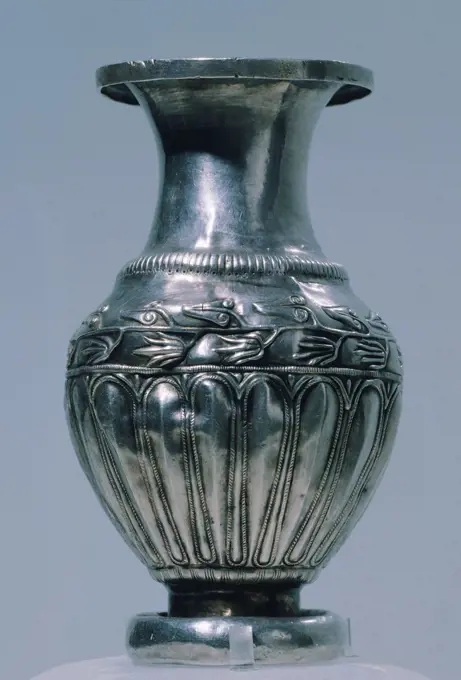
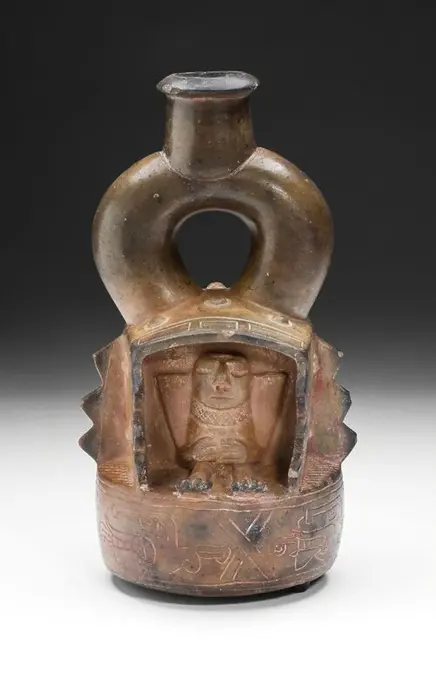
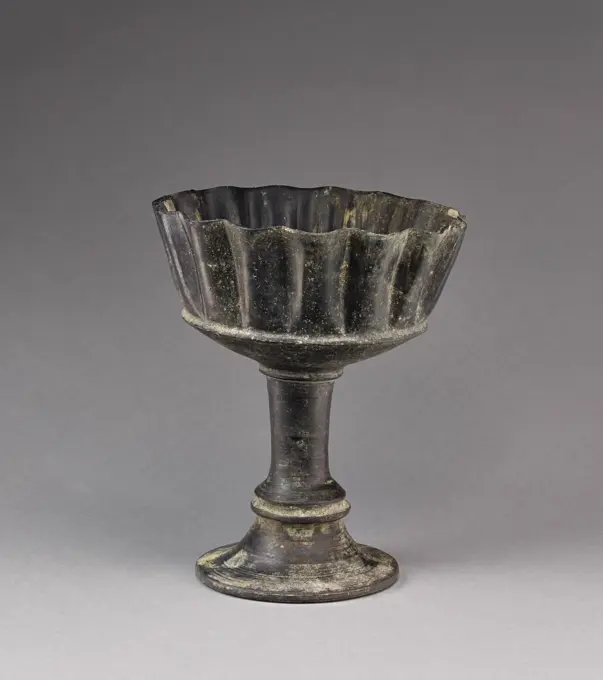
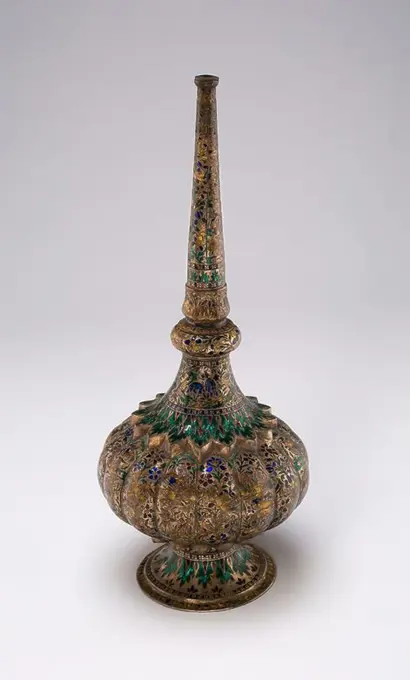
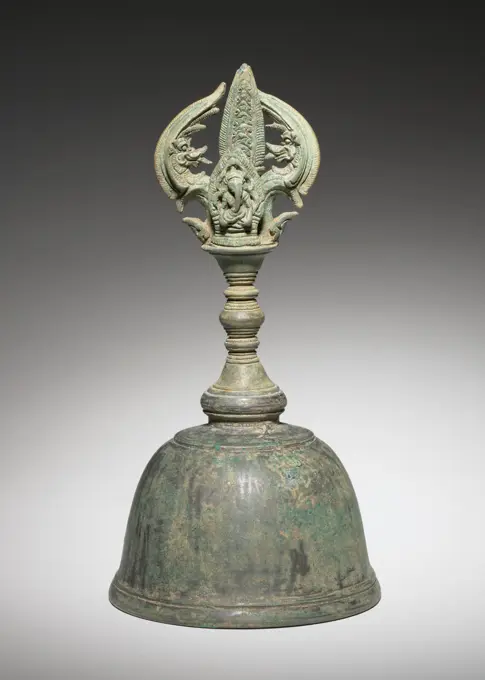
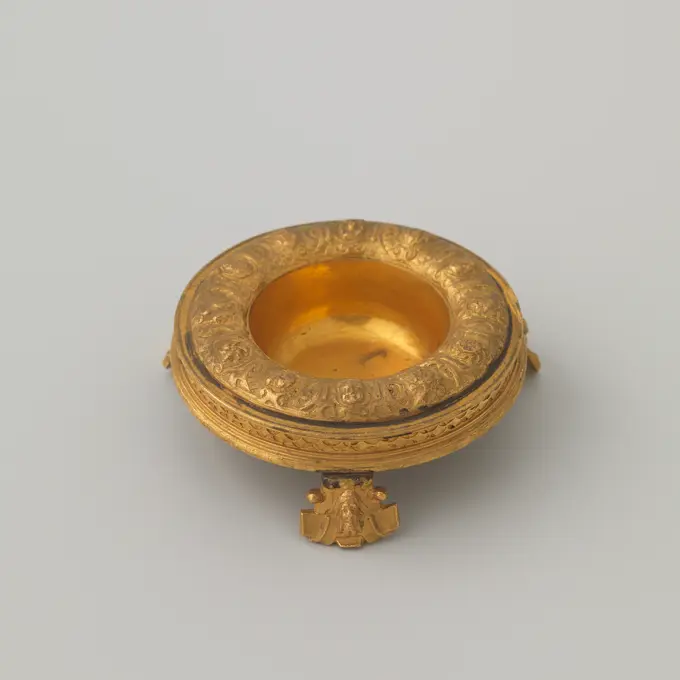
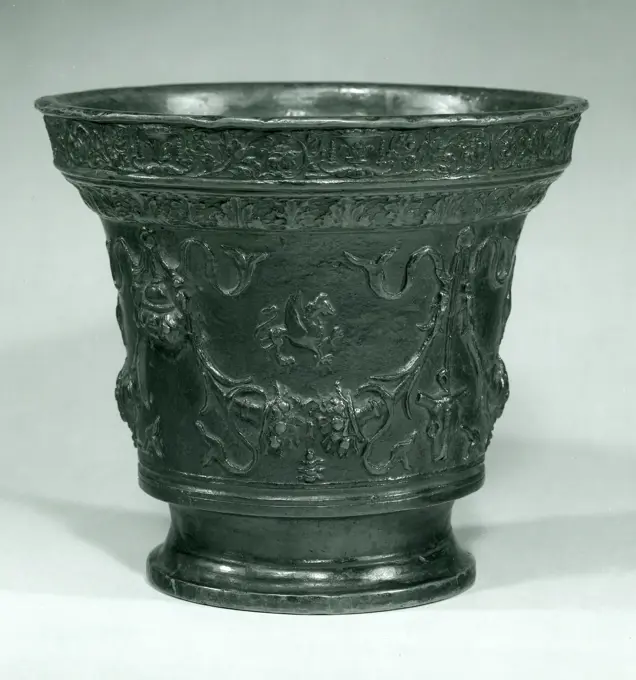
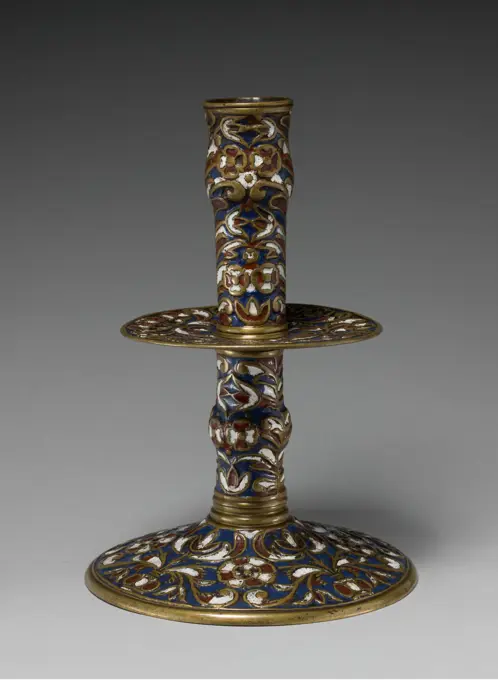
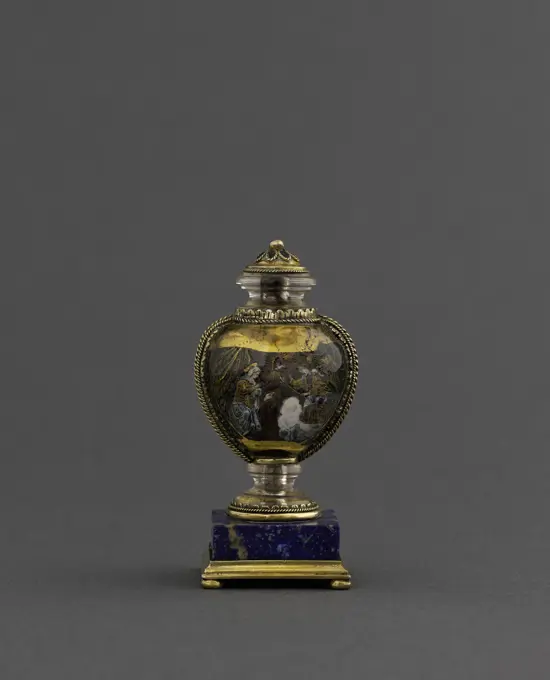
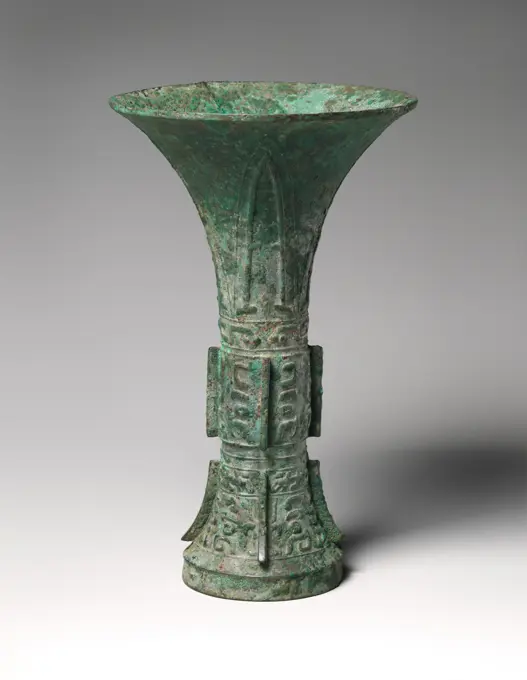
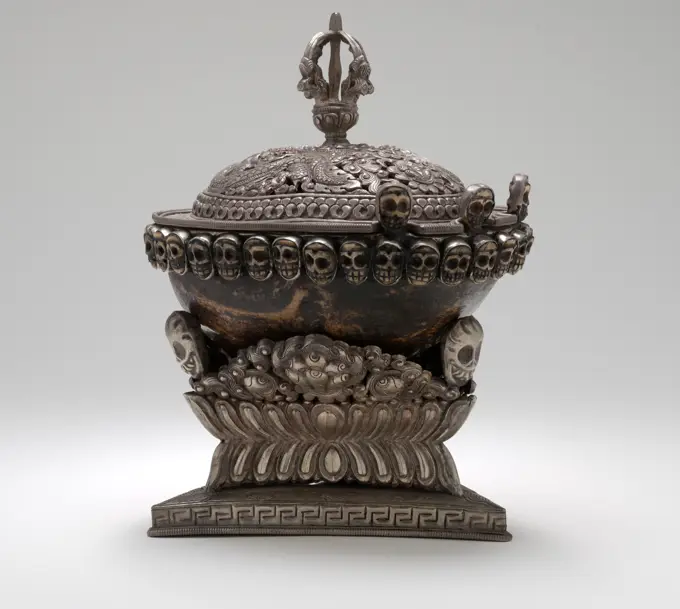
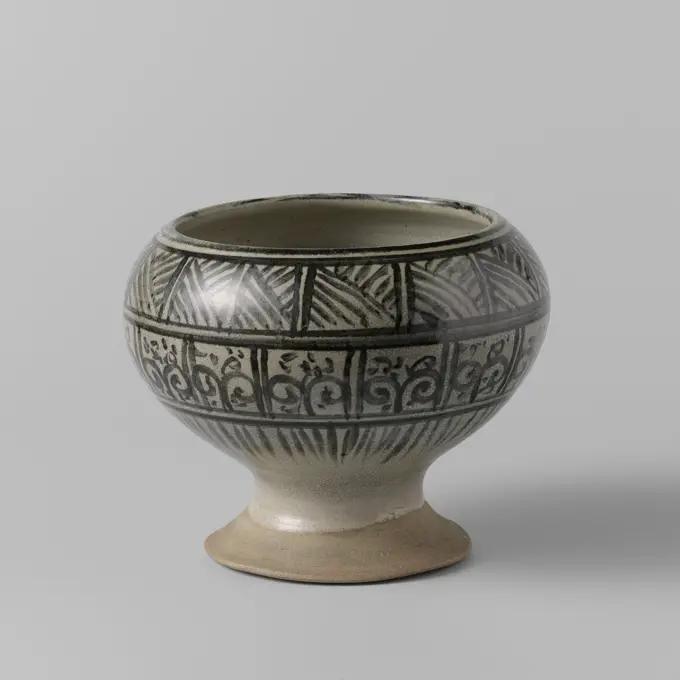
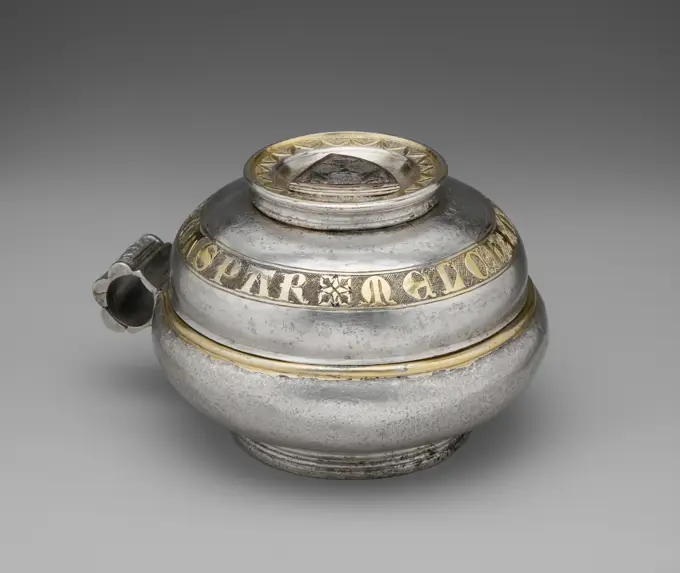
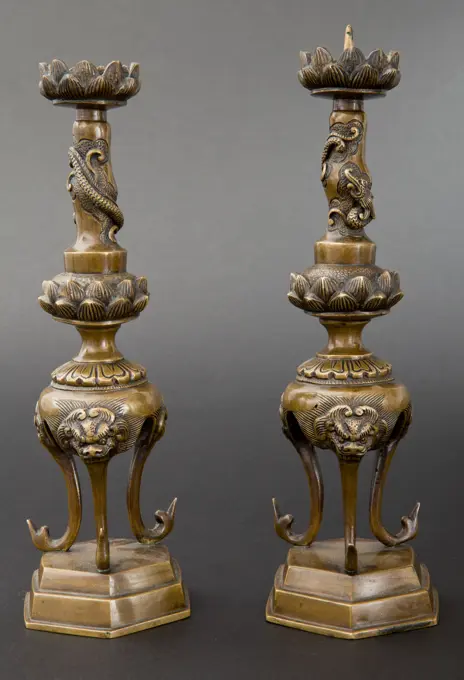
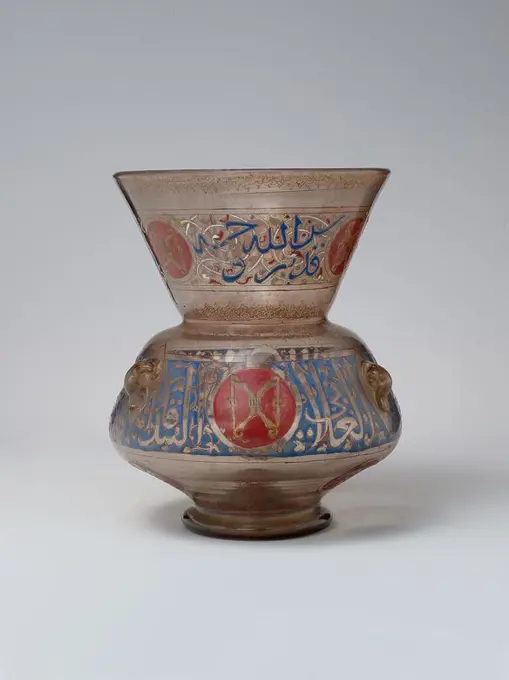
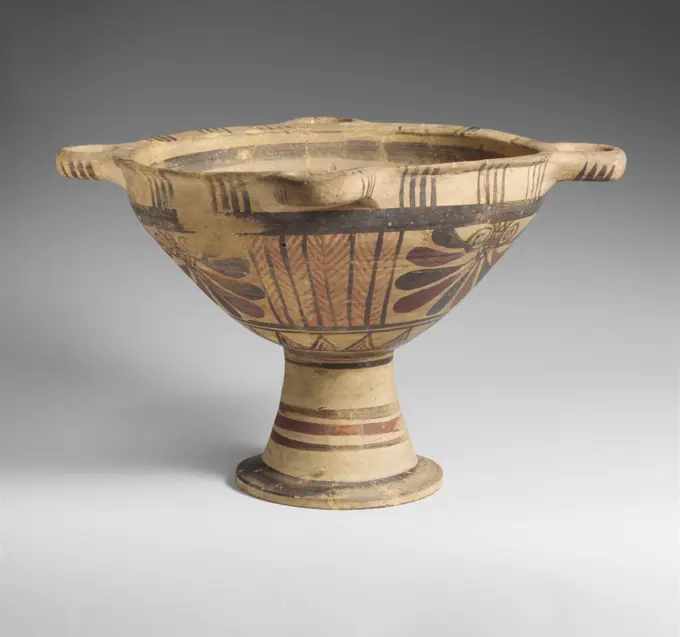
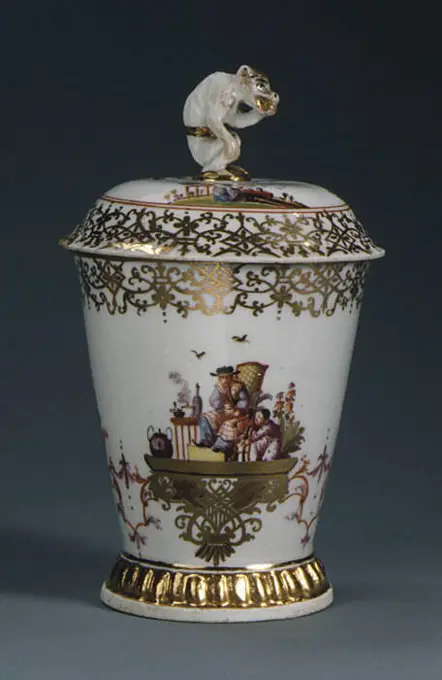
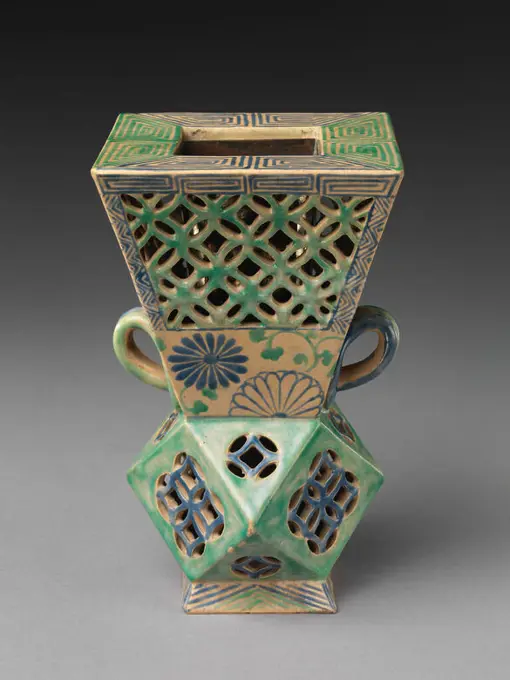
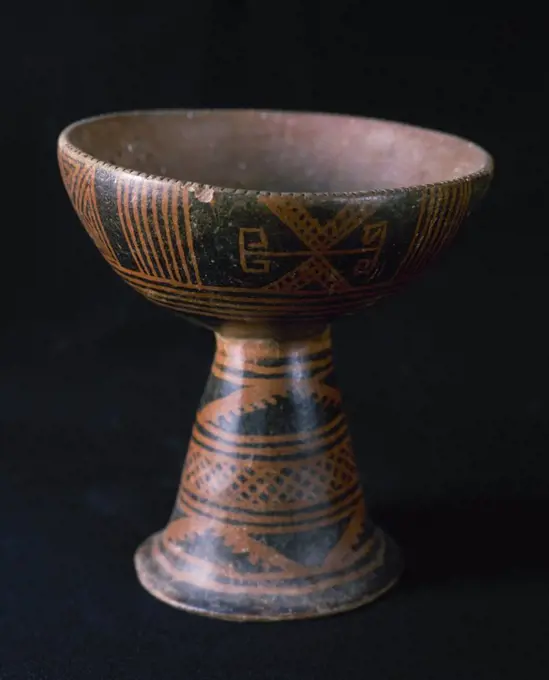
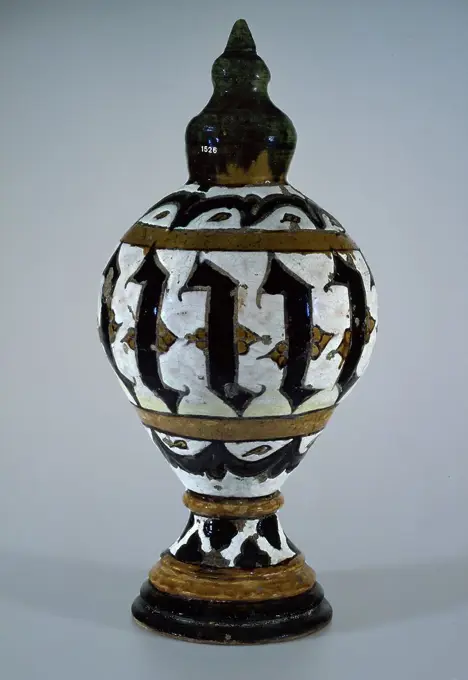
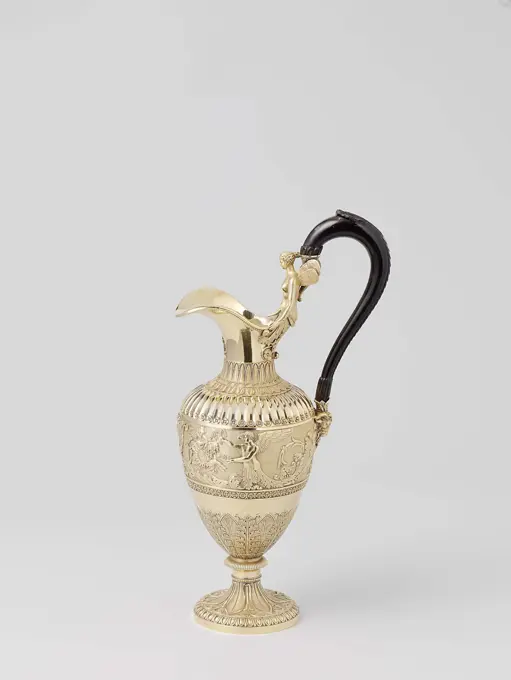
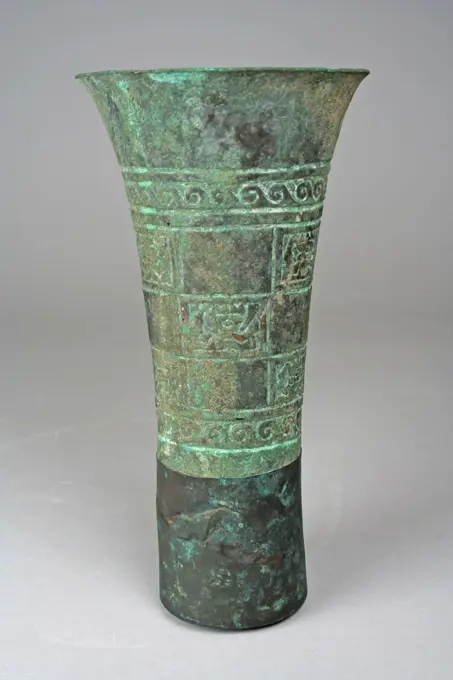
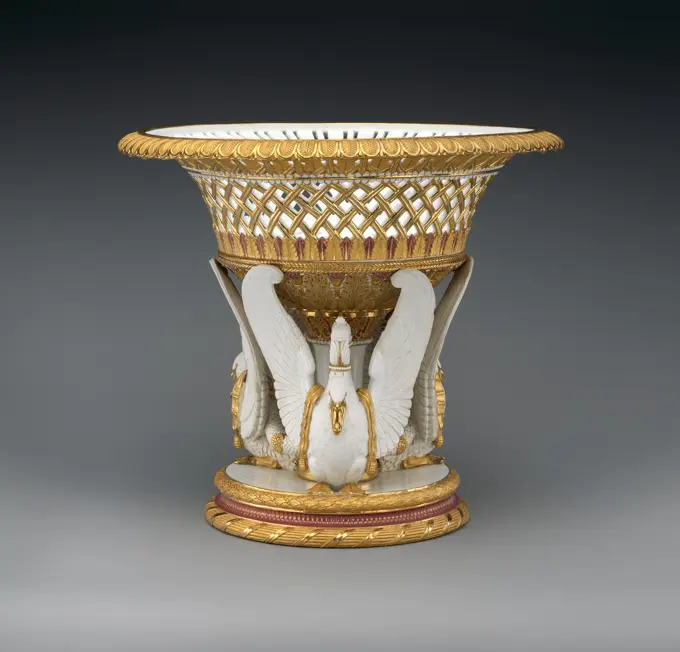
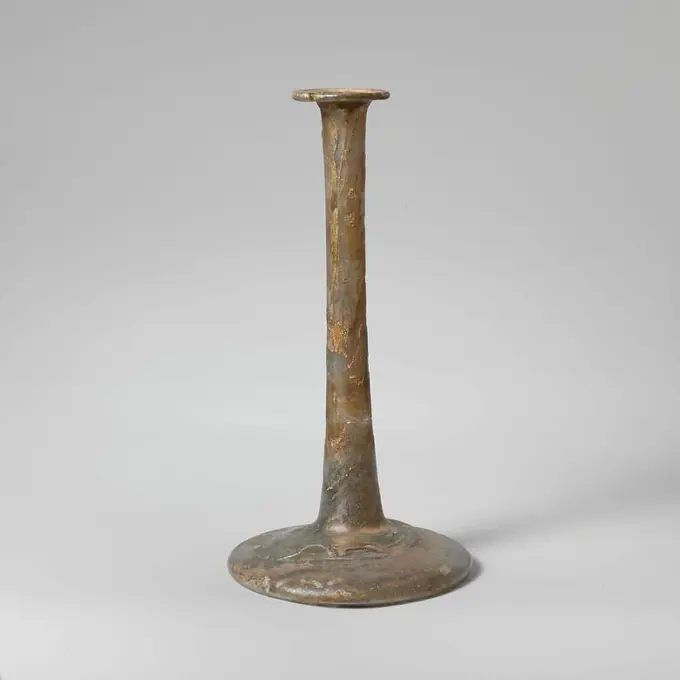
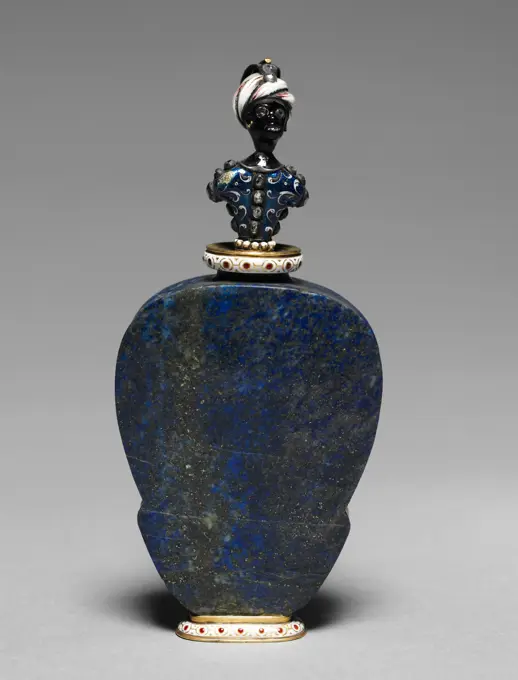
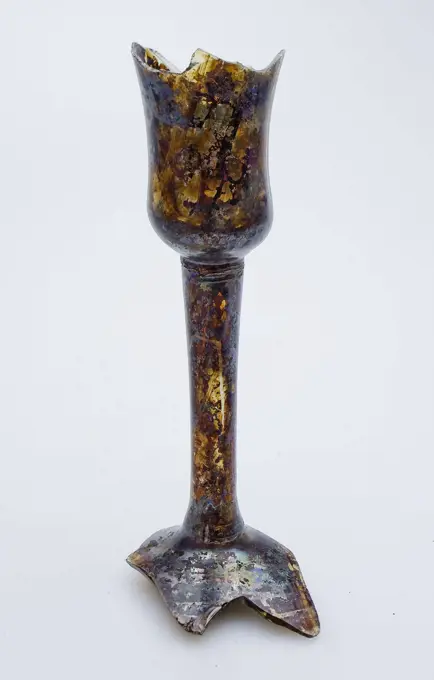
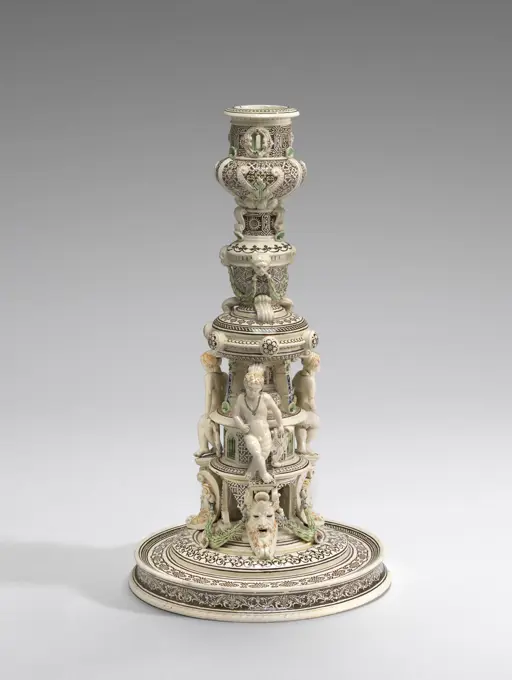
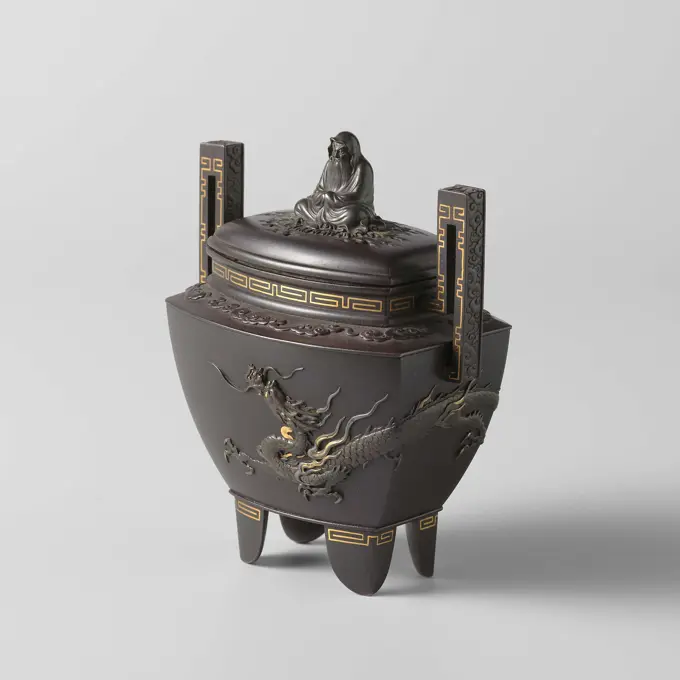
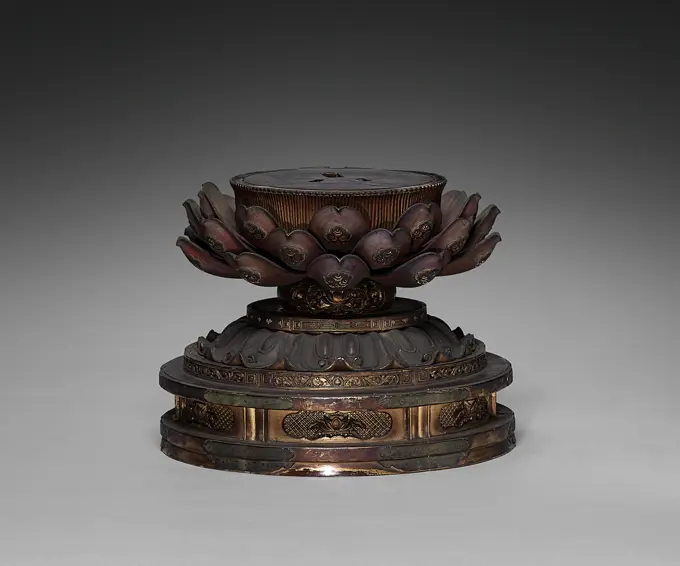
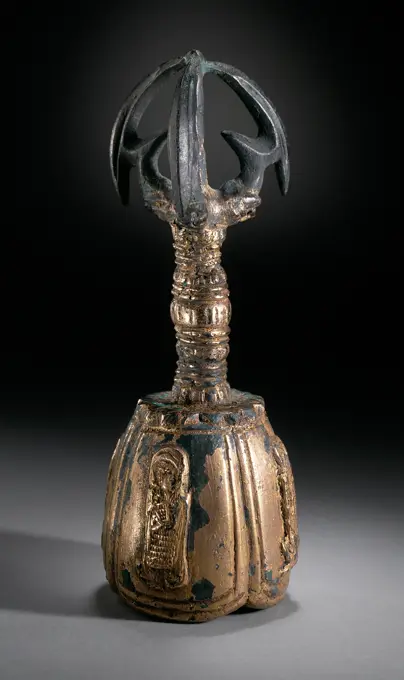
Vajra-ghanta. Korea, Goryeo dynasty (918-1392), 10th-11th century. Tools and Equipment; musical instruments. Cast bronze with gildingVase with Rin Nasei (Ch. Lin Hejing) and crane, 18th-19th century, Unknown Japanese, 7 15/16 × 5 1/2 × 5 1/2 in. (20.16 × 13.97 × 13.97 cm), Bronze, Japan, 18th-19th century, Lionized poets from Chinese antiquity, such as the famous Song dynasty recluse-poet Lin Hejing (also Lin Bu; 967-1028), were a popular motif in Japanese painting and decorative arts, beginning in the medieval period. Lin Hejing is said to have lived a solitary life with only a crane to keep him company. Here, the poet and his crane cling to either side of the neck of this bronze vase.Beaker (Norway); chased and parcel-gilt silverVase with cover (one of a pair) 1675-76 I H. Vase with cover (one of a pair). British, London. 1675-76. Silver gilt. Metalwork-Silver. Consisting of two half spheres, the bin on a (dented) around pedestal with three legs, the Ajour processed lid with a lantern, in which four openings and an eye on top. Two eyes on both parts on the outside (originally three), confirming the currently missing chain. The trim onto bin and lid exists o.A. Divided from three equal dialed bulb segments. They are decorated with symmetrical tendrils, the stems of which are compiled from three ribs, which split, increase and end in leaf motifs. The upper halves on the lid are provided with symmetrical tendrils, in which two four-legged animals are included, with heads, seen from aside and from the front. In the saved upper a eagle with spread wings.Kadzielniczka - lamp; Manises (ceramic family; Ca 1400-); 18th century (1580-00-00-1610-00-00);Covered Vase Vase; Designed by Theodorus Adriaan Christiaan Colenbrander (Dutch, 1841 - 1930); Manufactured by Rozenburg Pottery and Porcelain Factory (Netherlands); Netherlands; earthenwareGlass bottle 3rd century A.D. Roman Colorless; trail in translucent cobalt blue.Irregular oval everted rim with thick, rounded lip; cylindrical neck, expanding downwards; almost horizontal shoulder; elongated body, convex at top, then concave down side, and bulging at base; deeply pushed-in bottom with pontil scar.Trail applied on outer shoulder and wound round six times in a spiral, extending on to upper body, then drawn down and up in long strokes, creating a pattern of six finger-like shapes, some of which extend onto bottom.Intact; many pinprick bubbles; dulling, some pitting, and brilliant iridescent weathering.Vase with blue applied threads.. Glass bottle. Roman. 3rd century A.D.. Glass; blown and trailed. Late Imperial. GlassVase, Enameled glass, Oblate body, receding foot. Tall cylindrical neck with broad trumpet mouth. All over lattice in gold, divided into four bands, the squares filled with star-shaped figures and pale green dots at the intersections. Green annular fillet base of neck., Iran, 17th-18th century, glasswares, Decorative Arts, VaseGalvanoplastic reproduction of a cup with lid, decorated with shells and leaf volutes. Galvanoplastic reproduction of a cup with lid, decorated with shells and leaf volutes. With the inscription: Jacob Marten, Hamburg, 4, 7ber 1708.Silversmith: Laurens Andrieszoon, Silver cup, engraved with flower and rank ornaments and at the bottom three birds, cup drinking utensils tableware holder silver, hammered engraved Cylindrical upwards widening. Foot: stand ring profiled with seven rings bottom bottom (debossed) Rotterdam drink Long-term loan G.Ph. Verhagen-Stichting purchase for the Museum Rotterdam.Vase. Culture: China. Dimensions: H. 13 3/8 in. (34 cm); W. 6 1/4 in. (15.9 cm); Diam. of rim 6 3/4 in. (17.1 cm). Date: lower part: Yuan dynasty; mounts and upper part: Kangxi period (1662-1722. Museum: Metropolitan Museum of Art, New York, USA.Candlestick. Culture: American. Dimensions: H. 7 5/8 in. (19.4 cm). Maker: United States Pottery Company (1852-58). Date: 1849-58. Museum: Metropolitan Museum of Art, New York, USA.Cup 1595-1605 Augsburg. Silver gilt . L. UmbachAttic Red-Figure Dinoid Volute Krater and Stand. Attributed to the Meleager Painter (Greek (Attic), active 420 - 380 B.C.)Lamp 1301-1400 Egypt. Glass painted with red, blue, pale green, and white enamels and gilding . IslamicCase for a gift jug, made of pressed gold leather, anonymous, c. 1600 - c. 1699 Case for a gift jug, made of pressed gold leather. Copper closure.  copper (metal) Case for a gift jug, made of pressed gold leather. Copper closure.  copper (metal)ancient oriental metal teapot on dark background. antique bronze tableware. ancient metal utensilsStanding cup with cover. Culture: British, London, after German, Augsburg original. Dimensions: Overall (confirmed): 26 1/2 × 13 × 13 in. (67.3 × 33 × 33 cm);Overall (with lid): 41 × 13 × 13 in. (104.1 × 33 × 33 cm). Manufacturer: Franchi and Son. Date: 19th century, after 1570 original.This electrotype is after a sixteenth-century original (1570) in the Landesmuseum Joanneum, Graz (Austria). Museum: Metropolitan Museum of Art, New York, USA.Silversmith's art, Germany, 16th century. Wenzel Jamnitzer I (1507/1508 - 1585), embossed chased and cast gilt silver ewer. From the church of Santa Maria near San Celso, Milan.Chalice 19th century, after 1627 original British, after Russian original This electrotype is after a seventeenth-century original (1627) in a monastery, Troisata, at the time of reproduction.. Chalice. British, after Russian original. 19th century, after 1627 original. Silver on base metal. Metalwork-ElectrotypeBottle. Roman; Levant or Syria. Date: 101 AD-400 AD. Dimensions: H. 14.3 cm (5 5/8 in.); diam. 9.5 cm (3 3/4 in.). Glass, blown technique. Origin: Syria. Museum: The Chicago Art Institute, Chicago, USA. Author: ANCIENT ROMAN.Italian 16th Century, Mortar with Foliage and Acanthus Leaves, early 16th century Mortar with Foliage and Acanthus LeavesLakub, tobacco box. Maranao, Mindanao. Lake Lanao First 20th Century. Carved wood.Merchandise, anonymous, c. 1590 - c. 1596  Lametkan with a short foot with wide foot edge, an egg -shaped belly with gifts and an ear. A godron or egg list is applied to three places of the KAN and a woman's mask is located at the start of the ear. The foot, belly, neck and donation are covered with engraved ornaments  tin (metal) casting  Nova Zembla. Saving HuysDouble-ear flower vase. Chlebnikow (Moskwa i Petersburg ; wytwórnia złotnicza ; 1840-1918), silverware factoryFace beaker with pumas and snakes 12th-15th century Chimú. Face beaker with pumas and snakes. Chimú. 12th-15th century. Gold. Peru, Lima province (). Metal-ContainersMilk jug (pot à lait ovoïde) (part of a service) 1836 Sèvres Manufactory French The interest in depicting foreign and exotic locations on Sèvres porcelain tea and dinner services begins in the earliest years of the nineteenth century, propelled in part by French Emperor Napoléon Is (1769-1821) expedition to Egypt in 1798-99. The fascination with Egypt was both profound and long lasting, and some of the factorys most inventive work is found on services that utilize Egyptian motifs in both two and three dimensions.[1 The curiosity about foreign lands extended far beyond Egypt, however, and the taste for depictions of exotic places lasted into the 1840s.[2 The popularity of this type of subject matter coincided with a growing interest in creating thematic programs for multi-piece services.[3 In a letter from 1834, Alexandre Brongniart (French, 1770-1847), director of the Sèvres factory, stated his belief in the importance of linking sets of objects together by theme, as well as by deMass chalice. Italy, 16th century.Engraved silver Hellenistic jug, from the Lukovit Treasure, Bulgaria. Thracian Civilization, 4th-3rd Century BC.Butterlampe Butter lamp, Tibet, 19th century, chiseled silver, MuEC, Barcelona, Catalonia, Spain LicenseRF Copyright: xZoonar.com/Tolox 23171174Unknown, Potiche vase (common name). Ceramics, porcelain, yellow enamel. Petit Palais, Museum of Fine Arts of the City of Paris.Vase 1893 England. Tin-glazed earthenware, slip-decorated . Doulton Pottery and Porcelain CompanyBeaker 1599 BCE-1450 BCE China. Bronze .Vessel with Figure Seated Inside a Structure. Chavín; North coast, Peru. Date: 850 BC-750 BC. Dimensions: 25.4 × 13 × 13 cm (10 × 5 1/8 × 5 1/8 in.). Ceramic and pigment. Origin: North Coast. Museum: The Chicago Art Institute, Chicago, USA.Kadzielniczka (kôro) type Ding with a cover;  2. PO. 19th century (1851-00-00-1900-00-00);Fluted Chalice. UnknownRose Water Sprinkler (gulab pash). India. Date: 1775-1800. Dimensions: 27.5 × 11.4 × 11. 4 cm (10 13/16 × 4 1/2 4 1/2 in.). Silver and enamel. Origin: India. Museum: The Chicago Art Institute, Chicago, USA.Hindu altar bell with Ganesha, 12th century, 7 5/8 x 4 in. (19.37 x 10.16 cm), Bronze, Cambodia, Angkor Wat styleGalvanoplastic reproduction of a round salt barrel decorated with tape work and maskons. Galvanoplastic reproduction of a round salt barrel whose edge is decorated with driven and gamberd straps and maskons. The salt barrel is worn by three maskons. Gold plated.Kohl Tube, 305 BC-AD 395. Egypt, Ptolemaic Dynasty to Roman Empire. Brass with blue enamel decoration; diameter: 1.7 cm (11/16 in.); with cover: 8.9 cm (3 1/2 in.).Lantern of copper, circular, with twelve windows, one hinged, on three bol feet and with three -part articulated dome -shaped crowning ,, 1600 - 1699 Lantern of copper, circular with faintly bombarded bummer on three massive roasted legs, with upright Perlérand and a circular Perlé top edge. In between eight windows, one hinged, with flat baluster -shaped styles and rule. Dome in three, section edge separated with ajour ranking decoration. The lower section is flattened spherical. A solid button with hook on this. On the inside a can of plate with two candle holders. Netherlands copper (metal) striking (metalworking) Lantern of copper, circular with faintly bombarded bummer on three massive roasted legs, with upright Perlérand and a circular Perlé top edge. In between eight windows, one hinged, with flat baluster -shaped styles and rule. Dome in three, section edge separated with ajour ranking decoration. The lower section is flattened spherical. A solid button with hook on this. On thMortar 1551-80, (model), (possibly cast in France, first half of the 19th century) Alberghetti Foundry. Mortar 460438The Boston Salt. Edward Rowland (England, London, active circa 1600). England, London, circa 1600. Furnishings; Serviceware. Silver giltCup with cover 19th century Elkington & Co. British This electrotype is after an original treasure of the Kremlin, Moscow, at the time of reproduction.. Cup with cover. British, Birmingham, after German, Augsburg original. 19th century. Silver on base metal. Metalwork-ElectrotypePair of candlesticks 1666-99 British, Surrey. Pair of candlesticks. British, Surrey. 1666-99. Enamel on brass. Metalwork-BrassUrn, late 1700s - 1800s. England, late 18th or 19th century. Earthenware; overall: 17.2 cm (6 3/4 in.).Anonymous Italian. Small monument in the shape of an urn. Painting under crystal and gold metal. 1550-1650. Paris, Cognacq-Jay museum. 56535-1 Crystal, forms, metal Dore, Objet Art, Orfevre, Orfevrerie, Penture, Monument Petit, CleatsRitual Wine Beaker (Gu) late 11th century B.C. China This elaborate set of wine vessels provides an idea of the splendor of Shang and early Zhou ritual ceremonies. The set is said to have come from a tomb uncovered in 1901; shortly thereafter, it entered the collection of Duan Fang, a senior Manchu official and one of the preeminent antiquarians of the late Qing period. The pieces vary in style and execution. Although eleven of the vessels are inscribed, only one grouping shares identical inscriptions: the two wine containers, or you (nos. 2, 3) and the tall wine container, or zun (no. 4). A second grouping has largely comparable inscriptions: the spouted water vessel, or he (no. 5) and one cup, or zhi (no. 11).A partial reconstruction of the sets arrangement in the tomb may be established from corrosion outlines on the three principal vessels—the two wine containers, or you, and the central tall wine container, or zun—that were etched onto the surface of the altar table. The diagram Pyksis orientalizująca z przedstawieniami zwierząt. unknown, authorSkullcup with Lid and Stand. Eastern Tibet, Kham region, Derge(), circa 1900-1950. Furnishings; Serviceware. Human skull, repoussé copper electroplated with silver, and cast brass electroplated with silver; inset animal bone; interior with silver fittings and turquoiseVase with ornamental borders and scrolls, anonymous, anonymous, c. 1800 - c. 1899 Bokal -shaped vase of stoneware, covered with a crackled, gray enamel and painted in underlaze blue. On the bowl three decorative tires: one with horizontal stripes, one with flower vessels in square compartments and one with braid work in square compartments. The foot and the bottom are unglazed. Kyoyaki. Japan stoneware. glaze vitrification Bokal -shaped vase of stoneware, covered with a crackled, gray enamel and painted in underlaze blue. On the bowl three decorative tires: one with horizontal stripes, one with flower vessels in square compartments and one with braid work in square compartments. The foot and the bottom are unglazed. Kyoyaki. Japan stoneware. glaze vitrificationDouble Cup 1325-50 German or Bohemian This drinking vessel is cleverly designed so that its lid can be used as a sharing cup. The heraldic arms on the lidthree Jewish hats linked at the centercorrespond to those of a Jewish family from Zurich. Circling the lid are the names associated with the Magi who, in Christian belief, paid homage to the baby Jesus. Doctors in fourteenth-century Europe, Christians and Jews alike, suggested giving voice to the names "Caspar, Balthasar, Melchior" to promote good health. Inscribed on a drinking cup, the names serve much like a toast. Listen to experts illuminate this artwork's story Listen Play or pause #46. Double Cup Supported by Bloomberg Philanthropies We're sorry, the transcript for this audio track is not available at this time. We are working to make it available as soon as possible.. Double Cup. German or Bohemian. 1325-50. Silver, gilded silver, and enamel. Made in possibly Prague. Metalwork-SilverA pair of candlesticks in the shape of a lotus flower unknownDragonfly Karol Wolff's workshopNeoclassical vase (one of a pair) 1780-85 French One of a pair (see 07.225.13a), this ornamental vase on its marbleized stand can be seen in historic photographs of Georges Hoentschels showroom in Paris. The inscription and accession number on the pedestal were added after J. Pierpont Morgan gave the Hoentschel collection to the Metropolitan Museum.. Neoclassical vase (one of a pair) 239209Mosque Lamp for the Mausoleum of Amir Aydakin al-'Ala'i al-Bunduqdar. Dimensions: H. 10 3/8 in. (26.4 cm)Diam. of rim 8 1/4 in. (21 cm). Date: shortly after 1285.This lamp's inscriptions reveal that it was ordered for Aidakin's mausoleum (turba), a building still standing in Cairo. Mamluk amirs adopted emblems, often connected with their ceremonial roles at court, which decorated the objects and buildings they commissioned. Here, the motif of two gold crossbows against a red shield illustrates the office of bunduqdar (bow-keeper). Museum: Metropolitan Museum of Art, New York, USA.Mount, Silvered metal, Mount for teapot in the form of a footed neoclassical vase., probably England, 1750-1850, metalwork, Decorative Arts, MountTerracotta stemmed bowl mid-6th century B.C. Greek, Boeotian The stemmed bowl was a characteristic Boeotian vase that was popular from the mid-sixth into the early fifth century B.C. The decoration of the exterior often shows a flying bird. Here it consists of palmettes.. Terracotta stemmed bowl 251111 Greek, Boeotian, Terracotta stemmed bowl, mid-6th century B.C., Terracotta, H. 7 7/8 in. (20 cm); diameter 9 15/16 in. (25.2 cm). The Metropolitan Museum of Art, New York. Rogers Fund, 1921 (21.88.91)Anonymous / 'Case for rock crystal ewer with emeralds, rubies and a handle in the form of a gold siren'. 1570 - 1600. Leather, Wood, Cloth. Museum: Museo del Prado, Madrid, España.Beaker ca. 1725-30 Meissen Manufactory German. Beaker 203157Cup of the Court of Justice of Voorne and Putten, anonymous, 1701 Cup with lid. The cup rests on a base with a flat, outstanding edge with a whimsical contour. The foot has four, foaming water -lined fields. The body of a fish is applied to every field. The tail of the fish is strict around the trunk and ends in a double tail fin. Three of the four pairs of tail fins have disappeared. Between each pair of fins there is a hole, right underneath is an eye on the foot, in which a chain crochet. The cuppa of the cup has a roared underside and a sloping straight wall. The underside is decorated with turned acanthus leaf and lobben, on the wall above there are two performances, which are separated by a weapon. A Keizersbust has been installed between Zuilen, which rests on a coat of arms with a chain with the order sign of the Golden Fleece. The weapon shows a double eagle with a shield with a crossbar on the chest. On the other side you can see a crowned weapon resting on crossed palm brancRitual Wine Vessel (Zun). Culture: China. Dimensions: H. 9 5/8 in. (24.4 cm); Diam. 7 11/16 in. (19.5 cm). Date: 13th-10th century B.C.. Museum: Metropolitan Museum of Art, New York, USA.Canister 1681 Hungarian, possibly Fogaras The six dynamic semicircular lobes are reminiscent of Byzantine and later orthodox sacred architecture but the Ottoman-influenced engraved floral decoration of pomegranates, tulips, and roses against black enamel suggests the canister served a useful purpose. When the domed lid is screwed down, it holds in place a second tidily inserted lid to hermetically seal the gilt interior. The arms belong to Michael Teleki of Szék and his third wife Judith Weér de Köröstarcsa, to whom the inscription VER JUDIT refers.LiteratureFine Russian Works of Art, Fabergé, Watches and Clocks.. Silver / Objets dart russes, Fabergé, montres et pendules.. orfèvrerie européenne. Sale cat., Christies, Geneva, November 12-15, 1984, p. 181, no. 529.Judit H. Kolba. Hungarian Silver: The Nicolas M. Salgo Collection. London, 1996, p. 81, no. 59.Wolfram Koeppe in “Recent Acquisitions: A Selection, 2010-2012.” The Metropolitan Museum of Art Bulletin 70, no. 2 (Fall 2012), p.Tumbler 1854 Andrei Kovalskii. Tumbler 207367Cover, Enameled tôle, wood, In style of ca. 1770. A: pear-shaped, on cabriole legs with ball feet; with shaped handle; B: domed lid with urn finial (spigot in bottom is missing). Black, decorated in red and gilt, with landscape medallion above faucet; C: plain square base., England, ca. 1770, metalwork, Decorative Arts, CoverPair of vases. Culture: possibly Russian, St. Petersburg with French mounts. Dimensions: each: 24 × 16 in. (61 × 40.6 cm). Date: ca. 1780.In the second half of the eighteenth-century, French designers sought ever rarer and more exotic materials for decorative objects. This pair of vases, of a granite called orbicular diorite found in both Corsica and the Ural mountains, may have been turned and polished either in Paris or St. Petersburg, where there was a luxury market for hard stone objects. They were then completed in Paris with gilt-bronze mounts including large handles in the form of rams' heads and finials with a knob of berries above acanthus leaves. Objects of this quality were much sought after by collectors and were sometimes especially commissioned by the Parisian dealers called "marchands merciers". Museum: Metropolitan Museum of Art, New York, USA.Attic Black-Figure Dinos and Stand. Attributed to the Circle of the Antimenes Painter (Greek (Attic), active 530 - 510 B.C.)Vase of Immortality (Tshe-bum). Eastern Tibet, 18th century. Furnishings; Accessories. SilverTerracotta lekythos (oil flask) ca. 420 B.C. Attributed to the Painter of New York 23.160.41 Woman and youth at a tombOne of the objects carried by the woman is a plemochoe, a container for perfumed oil. Ceramic examples of the shape are most common in Athens during the late sixth and early fifth centuries B.C. Very fine examples also would have been made of marble.. Terracotta lekythos (oil flask). Greek, Attic. ca. 420 B.C.. Terracotta; white-ground. Classical. VasesMATE ARGENTINO DE PLATA CINCELADA - 1850-1925 - 11,50x9,30 cm. Location: MUSEO DE AMERICA-COLECCION. MADRID. SPAIN.Flask 19th century, after 17th century original British, after German, Augsburg original This electrotype is after a seventeenth-century original in the Brobinsky collection, Moscow, at the time of reproduction.. Flask 186573Traveling case. Culture: British, London. Dimensions: Height: 4 in. (10.2 cm);Circumference: 10 in. (25.4 cm);Diam. of base: 3 3/4 in. (9.5 cm). Maker: Watchmaker: Bartholomew Newsam (British, recorded 1565, died 1587). Date: 1580-85.Bartholomew Newsam is the earliest known native English maker of small domestic clocks, yet his few surviving works are remarkably similar to French clocks. In this example, the cylindrical gilded-brass case contours to the shape of the movement contained inside: the perforated dome of the upper section follows the form of an interior bell. The leather and gilded-brass outer case, which protected the clock during travel, has a special opening at the top for easy access to the dial. Museum: Metropolitan Museum of Art, New York, USA.Terracotta after a Vase. France. Date: 1755-1765. Dimensions: 33.3 × 22 × 19.7 cm (13 1/8 × 8 5/8 × 7 3/4 in.). Terracotta. Origin: France. Museum: The Chicago Art Institute, Chicago, USA. Author: the Younger Louis Félix Larue.Etui-negation. Agate and gold pushed, remedied and chiseled. England, 1750-1770. Paris, Cognacq-Jay museum. 36972-1 Agate, box, chisel, etui-necessary, art object, gold pushing, goldsmith, recoveryCenser - Pierre Huguet dit Latour (1771-1829)Fluted Chalice. UnknownMiniature Wine Cup (Zhi). Culture: China. Dimensions: H. 4 1/8 in. (10.5 cm). Museum: Metropolitan Museum of Art, New York, USA.Bottle with stopper ca. 1825-35 Bohemian. Bottle with stopper 196094Vessel with openwork design. Culture: Japan. Dimensions: H. 8 1/8 in. (20.6 cm). Date: 18th century. Museum: Metropolitan Museum of Art, New York, USA.Beaker or Goblet 101 CE-300 CE Syria. Glass, blown technique . Ancient LevantinePre-Columbian art. Pre-Incan. Negative Carchi culture. 850-1500 AD. "Compotera". Negative decorated with black on red background. Negative resist painted bowl. 19 x 18 cm (diameter). From Ecuador. Private collection.REMATE ARQUITECTONICO TOLEDANO DE CUERDA SECA QUE MEZCLA LA EPIGRAFIA GOTICA CON GUIRNALDAS RENACENTISTAS - SIGLO XVI. Location: INSTITUTO VALENCIA DE DON JUAN-COLECCION. MADRID. SPAIN.Bucchero Nero cup;  VI century BC (-700-00-00--601-00-00);. This is not just any service. These objects belong to a huge coffee and tea service that originally comprised more than a thousand pieces. The Russian tsar Nicholas I bought it from the French silversmith Biennais in 1817. The pieces are double gilded, so they look like they are made of solid gold. The geometric shapes and type of rims are typical of the early Empire style.Snuff Bottle, 17th-19th century, 2 3/4 x 1 1/2in. (7 x 3.8cm), Stone, coral, China, 17th-19th centuryBeaker 12th-15th century Chimú. Beaker 309962TESORO DE LOS QUIMBAYAS - VASIJA DE ORO DECORADA CON GAJOS EN RELIEVE - COLOMBIA - 200-1000 DC. Location: MUSEO DE AMERICA-COLECCION. MADRID. SPAIN.Urn 1775-1800 England. Terracotta . Wedgwood Manufactory (Manufacturer)Powder Flask with Standing figures of a Man and Woman, 1570. Germany, 16th century. Elk horn, steel mounts; overall: 23.4 x 11.8 cm (9 3/16 x 4 5/8 in.).Fruit or flower basket (corbeille aux cygnes) designed 1812, manufactured 1823 Sèvres Manufactory French This basket is one of the most spectacular products of the Sèvres factory made during the first quarter of the nineteenth century. While the factory archives often provide copious amounts of information concerning the manufacture and sale of important objects such as this basket, surprisingly little is known about its origins and history. It may have been one of a pair, and one can assume that they were intended to be the focal points of a complex, multipart centerpiece intended to decorate the table during the dessert course. The large size and ambitious design of the basket, which perhaps was intended for fruit or flowers, conveys a sense of the scale and grandeur of the dining table setting in the first third of the nineteenth century.The design for the basket is attributed to Louis Martin Berthault (active 1785-1823), and it appears that he included it among the designs he submiCoffeepot ca. 1795-1800 Royal Porcelain Manufactory, Naples. Coffeepot. Italian, Naples. ca. 1795-1800. Soft-paste porcelain. Ceramics-PorcelainGlass perfume bottle. Culture: Roman. Dimensions: 6 1/16in. (15.4cm)Other: 3 1/16in. (7.7cm)Diam. of rim: 1 1/4 in. (3.1 cm). Date: 2nd-3rd century A.D..Candlestick unguentarium.Colorless with greenish tinge.Uneven rim folded out, over, and in, with lopsided mouth; slender, concave neck; sides of wide body expanding sharply outward; pushed-in bottom with central kick surrounded by traces of pontil scar. Broken on neck and repaired; hole around lower part of neck; bubbles; deep pitting and iridescent weathering. Museum: Metropolitan Museum of Art, New York, USA.Scent Bottle, 1800s. Continental, 19th century. Lapis lazuli with gold and enameled mounts, enameled and jeweled stopper; overall: 10.4 x 4.8 x 2 cm (4 1/8 x 1 7/8 x 13/16 in.).Galvanoplastic reproduction of a jar with lid decorated with tire work, maskerons and email, fa. Elkington & Co., after 1865 - Before 1881 Galvanoplastic reproduction of a jar with lid decorated with tire work, maskerons and leaf work surrounded by three tires with enamel; Three panels on the wall and three panels on the lid contain biblical scenes in low relief. Gilded. London copper (metal). silver (metal) gilding Galvanoplastic reproduction of a jar with lid decorated with tire work, maskerons and leaf work surrounded by three tires with enamel; Three panels on the wall and three panels on the lid contain biblical scenes in low relief. Gilded. London copper (metal). silver (metal) gildingFragment of foot, trunk and calyx of chalice, drinking glass drinking utensils tableware holder soil find glass, hand-blown Fragment of part of foot of trunk and part of chalice of chalice in clear colorless glass. Pontil mark under slightly ascending hollow foot. Placed massive lightly dilated trunk (air bubble). Tulip-shaped chalice with thick (0.5 cm) soil archeology underground pit Rotterdam City Center Stadsdriehoek Oostplein archaeological find in the soil Oostplein 1976.French 16th Century, probably Saint Porchaire (Deux Sevres), or Paris region, Candlestick, c 1547 1559 French 16th Century, probably Saint-Porchaire (Deux-Sevres), or Paris region, Candlestick, c. 1547/1559, lead-glazed fine earthenware, Widener Collection 1942.9.352Glass perfume bottle 2nd-3rd century A.D. Roman Colorless with green tinge.Tubular rim folded out, over, and in; cylindrical neck, expanding downward, with slight tooling around base; sides of body expanding outward and downward; slightly concave bottom with trace of central pontil mark. Intact, excpet for small hole in lower part of body; pinprick bubbles; patches of deep pitting and iridescent weathering.. Glass perfume bottle 239591. Decorated with a dragon in relief.Horse-Headed Kannon (Batō Kannon) (base), Edo Period (base only). Japan, Edo period (1615-1868). Wood; overall: 110.6 cm (43 9/16 in.); base: 28 cm (11 in.); figure: 82.6 cm (32 1/2 in.). Bato Kannon is the "Horse-Headed" Avalokitesvara, or Bodhisattva of Compassion, who presides over the realm of animals in the Buddhist Six Realms of Existence.