Bronze and Silver Artifacts

Elegant bronze and silver artifacts, including vases and ceremonial items, showcasing intricate details and cultural motifs from historical eras.

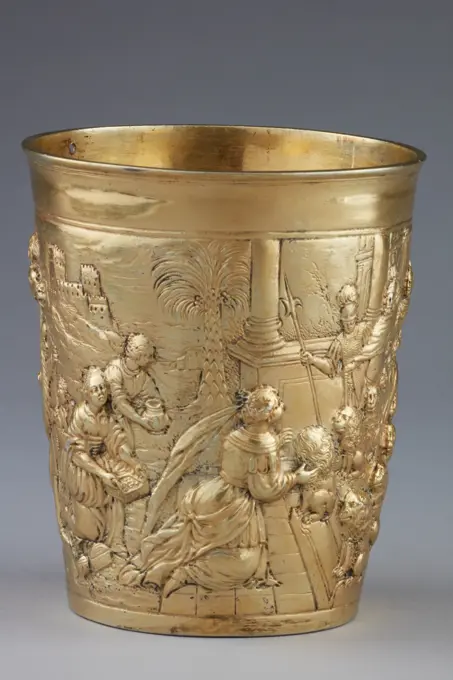
Silversmith: Laurens Andrieszoon, Silver cup, engraved with flower and rank ornaments and at the bottom three birds, cup drinking utensils tableware holder silver, hammered engraved Cylindrical upwards widening. Foot: stand ring profiled with seven rings bottom bottom (debossed) Rotterdam drink Long-term loan G.Ph. Verhagen-Stichting purchase for the Museum Rotterdam.
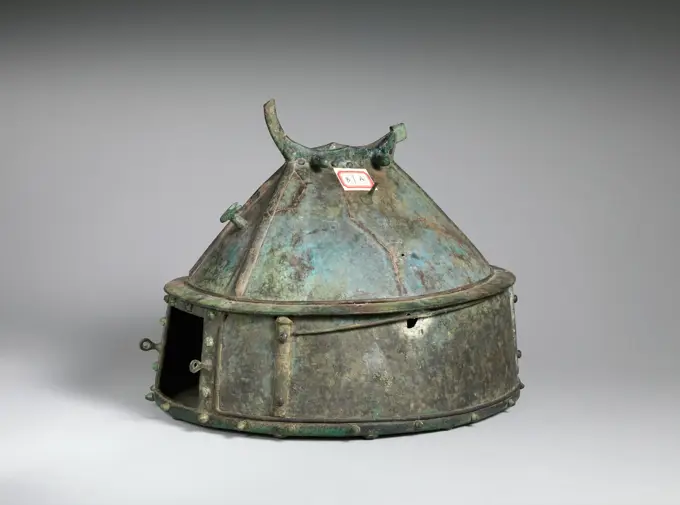
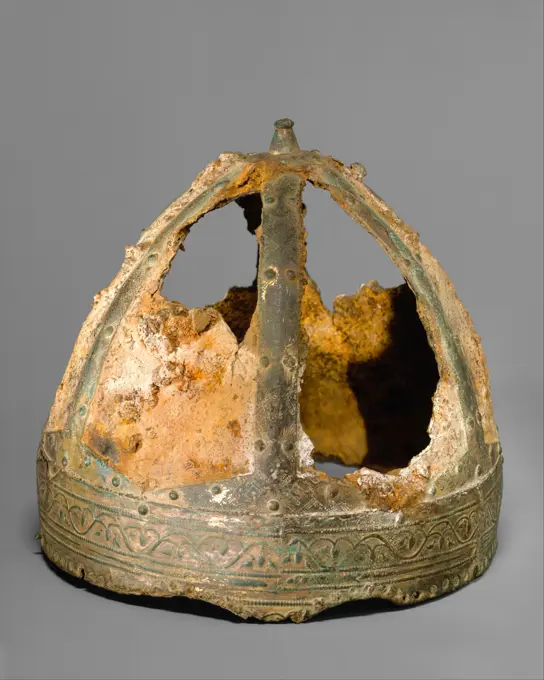
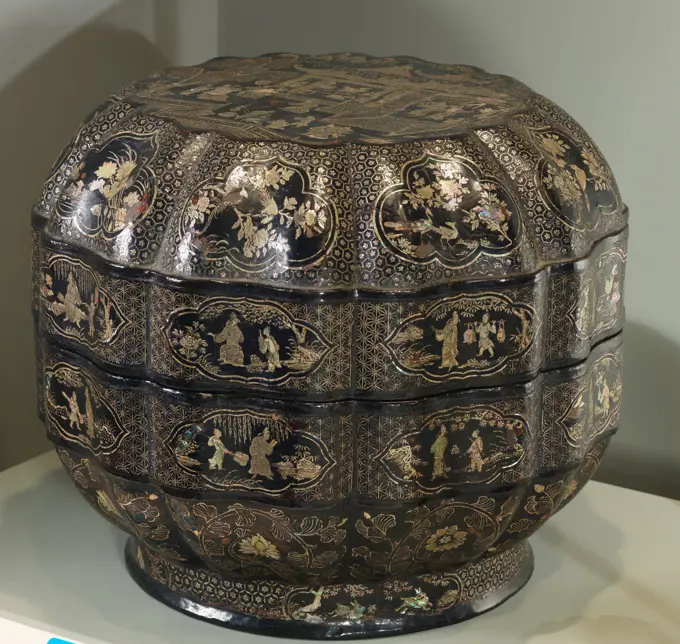
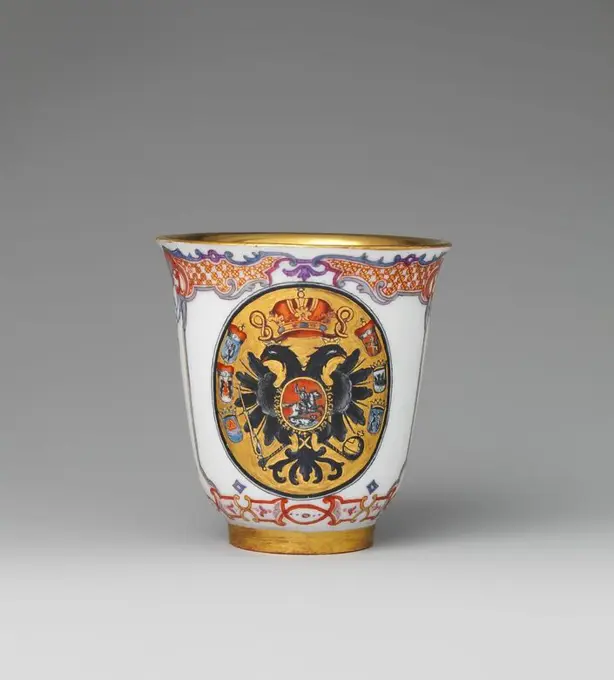
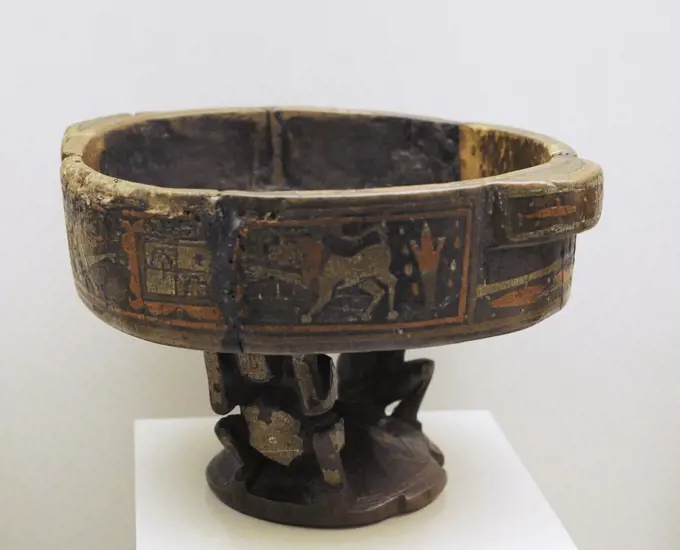
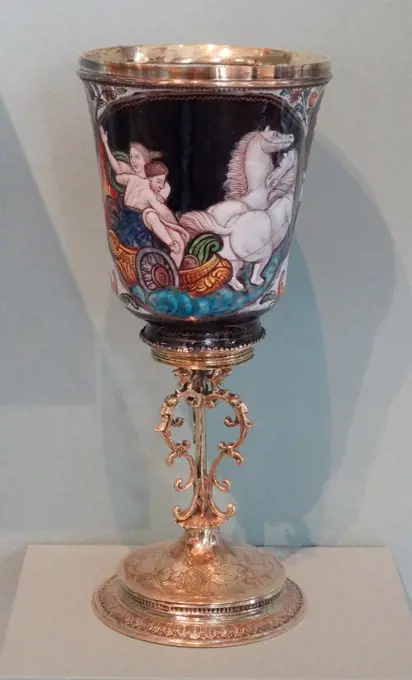
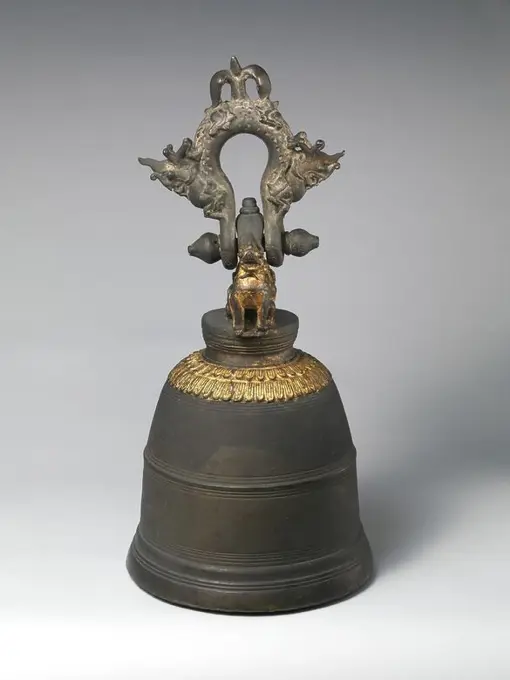
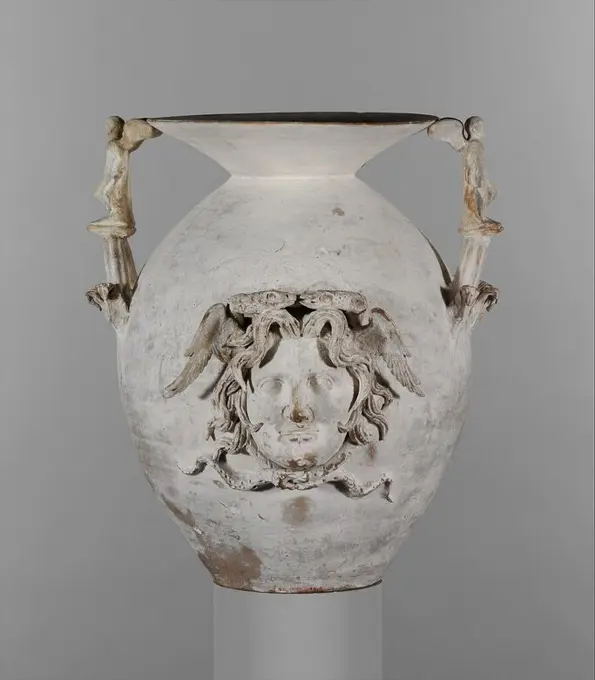
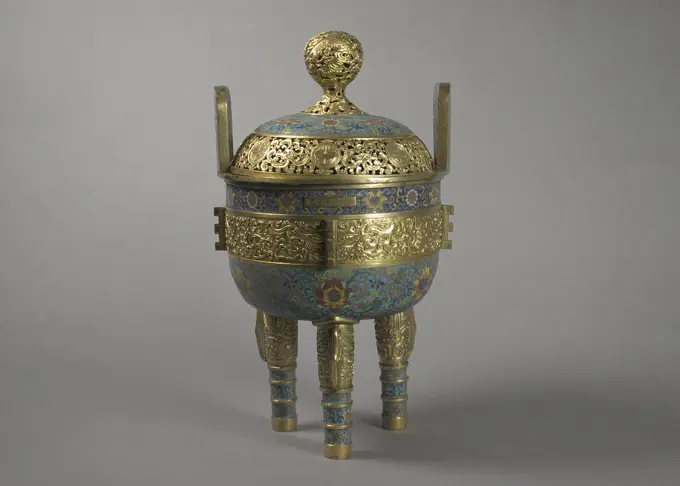
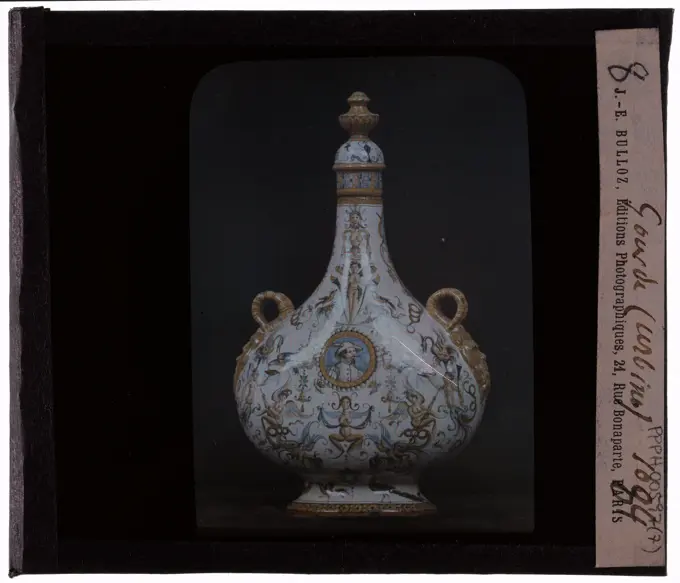
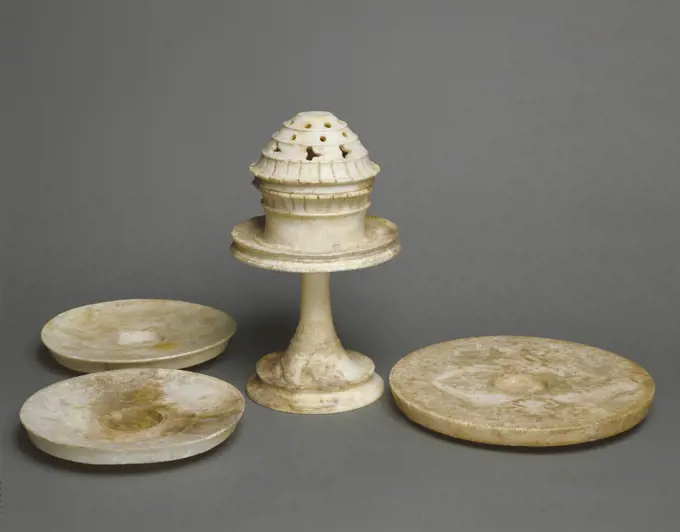
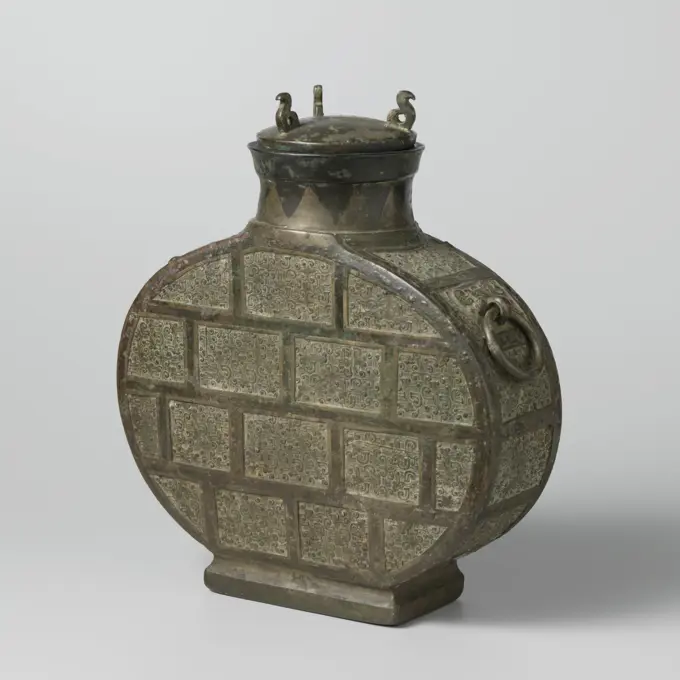
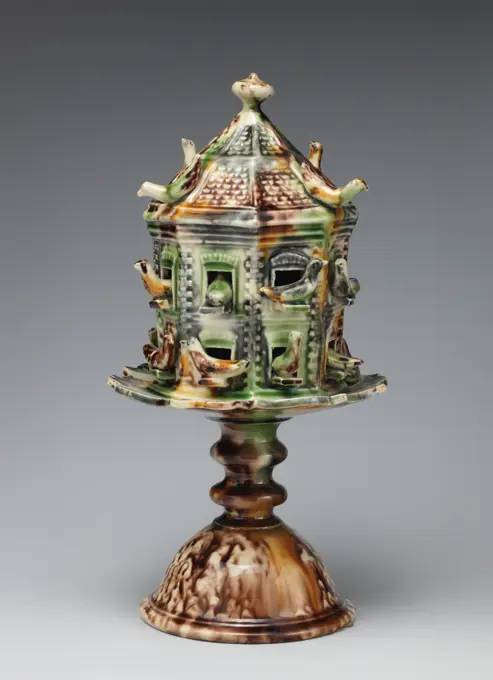
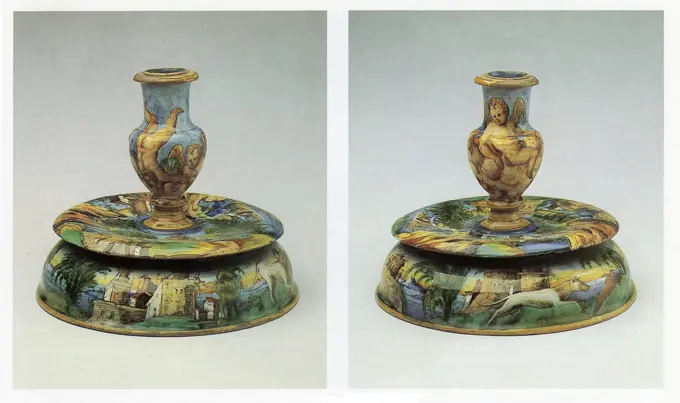
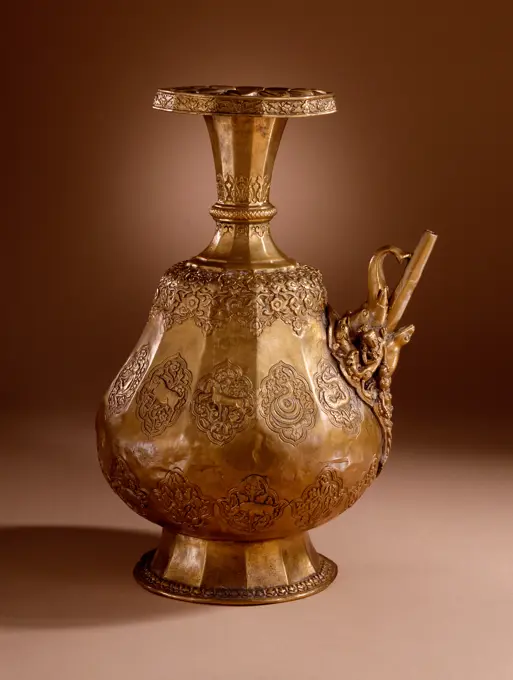
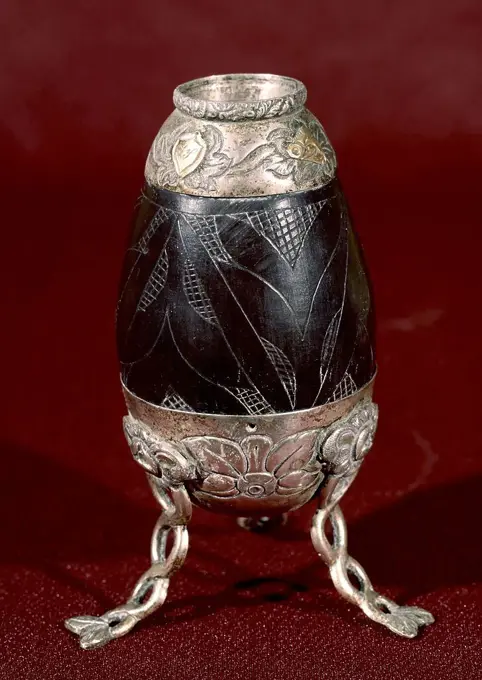
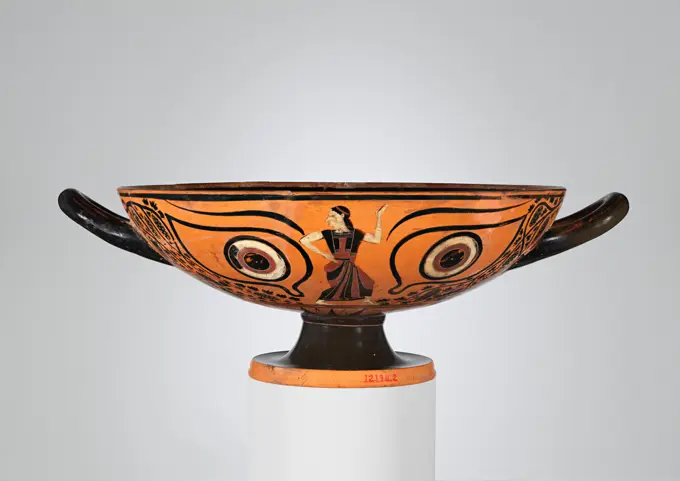
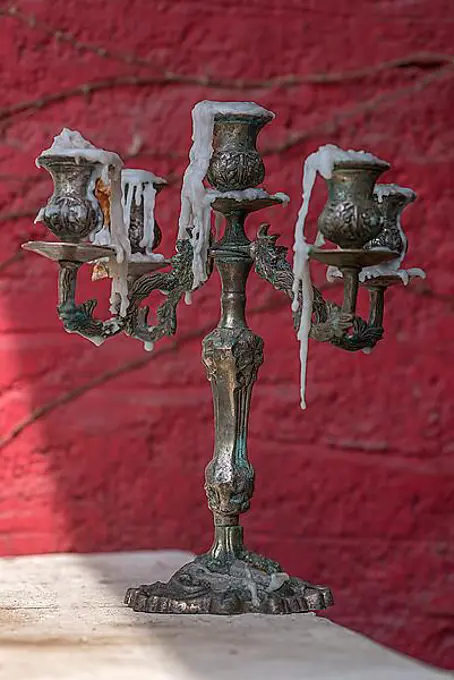
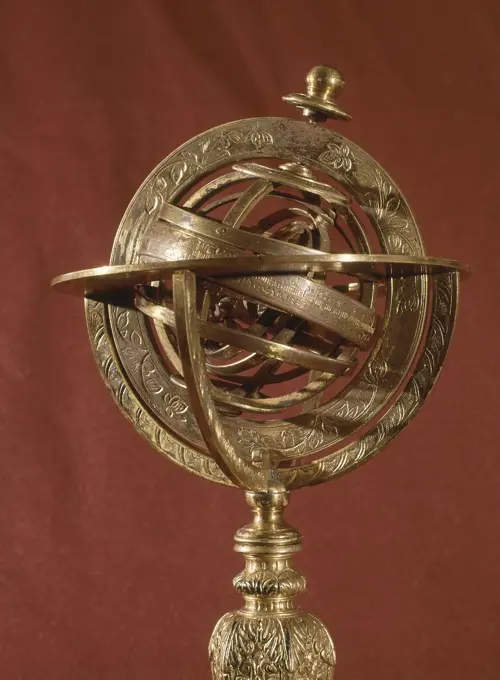
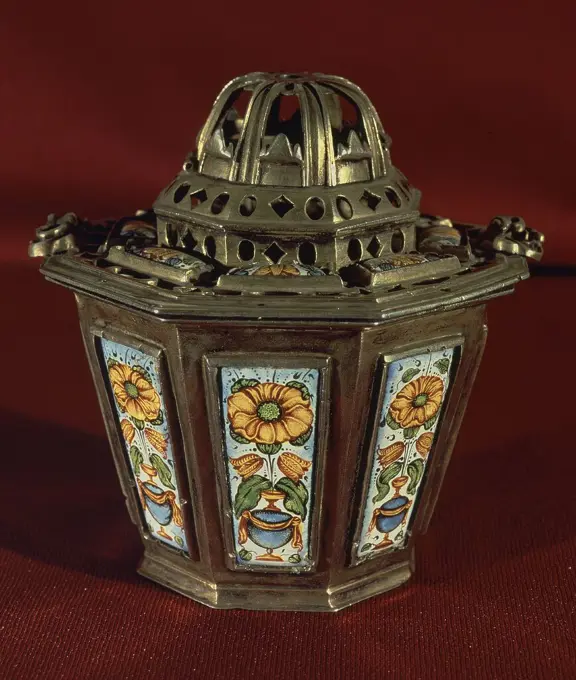
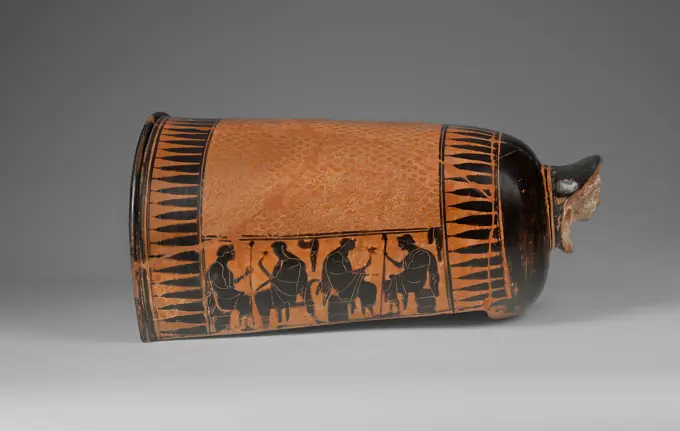
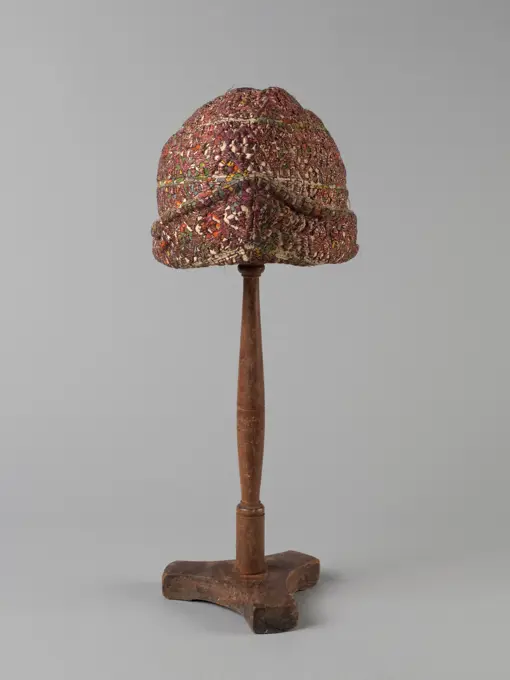
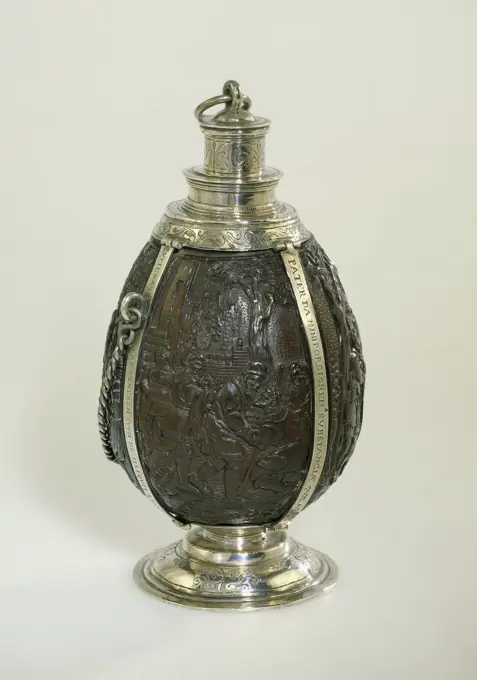
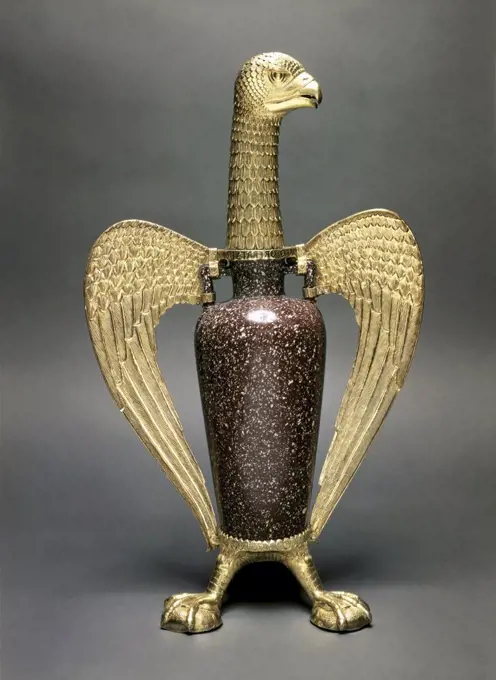
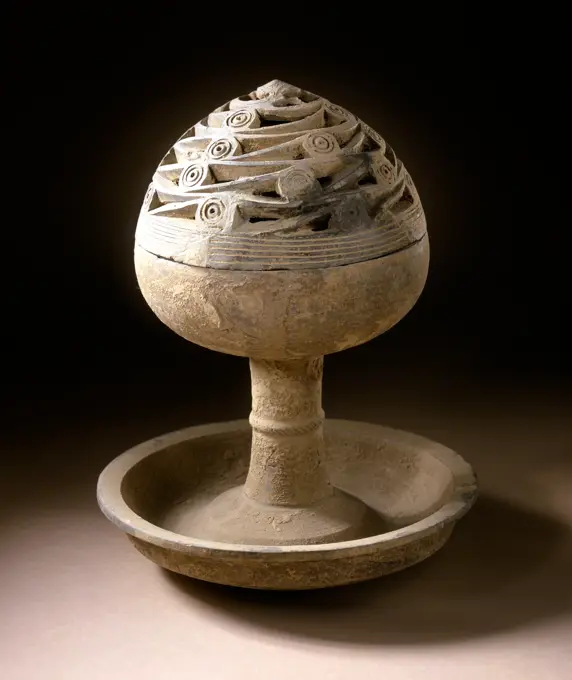
Lidded Incense Burner (Boshanlu) with Cloud Scrolls. China, Eastern Han dynasty, 25-220. Tools and Equipment; burners. Wheel-thrown stoneware with cut and incised decorationUrn in the form of a hut Modern after Villanovan. Urn in the form of a hut 253567 Modern after Villanovan, Urn in the form of a hut, Bronze, Other: 11 9/16 x 14 1/4 in. (29.4 x 36.2 cm). The Metropolitan Museum of Art, New York. Fletcher Fund, 1938 (38.11.14)Helmet (Spangenhelm) 6th-7th century Byzantine or Germanic This helmet comes from a small group of closely related Spangenhelme (strap helmets). The sites where they have been found are widely scattered, ranging from Sweden to Germany, the Balkans and Libya. The Metropolitan Museums helmet was found in the Saône River near Trévoux, France. The quality of the helmets and their diverse find sites suggest that they were made as diplomatic gifts to foreign rulers, perhaps sent from the Byzantine court or from the Ostrogothic kingdom in Italy.All the helmets originally had metal cheek pieces, a mail neck defense, and often an integral nasal. As on this helmet, the decoration typically consists of patterns punched into the radiating straps and birds amid an undulating grapevine embossed on the brow band. Some examples include crosses and other Christian symbols.. Helmet (Spangenhelm) 24685Foliate box and cover, 14th century, 12 x 14 5/8 in. (30.48 x 37.15 cm), Lacquer with mother-of-pearl inlay, China, 14th century, Impressive for its size and age, this spectacular presentation box is elaborately decorated in mother-of-pearl inlay on a black lacquer ground. Although the shell-inlay technique dates from the late Bronze Age and was popular in both Tang (618-907) and Song (960-1279) dynasties, very few examples of this important style have survived from those early eras. The lid of this tall box depicts an outdoor scene with figures in terraced pavilions and on the veranda. The sides of the top and bottom display scholars and attendants in landscape settings and shaped floral panels against a star-diaper ground. Most landscape and floral decoration on Yuan dynasty (1271-1368) mother-of-pearl lacquer is based on contemporary paintings or pattern books. That new pictorial direction remained popular into the 1800s. The thousands of pieces of mollusk shells used in the mother-The Stowe Vase. Unknown, Roman, Hadrianic period, 117-138. Furnishings; Accessories. MarbleTwo Ornaments of a Bird and a Mythical Creature, anonymous, 800 - 1000 Crowning in the form of a bird with curly tail. Java bronze (metal) Crowning in the form of a bird with curly tail. Java bronze (metal)Beaker with Imperial Russian Arms. Culture: Austrian, Vienna. Dimensions: Height: 2 15/16 in. (7.5 cm). Factory: Vienna. Factory director: Du Paquier period (1718-1744). Date: ca. 1735.This beaker, from a set that Emperor Charles VI (r. 1711-40) probably gave to Czarina Anna Ivanovna (r. 1730-40), includes the arms of six major Russian cities in its armorial panels, a subtle salute to Russia's rising military, commercial, and territorial power. Charles VI made lavish gifts of Du Paquier porcelain to the Russian court, probably as a result of the alliance between Russia and Austria during the War of the Polish Succession (1733-38). Museum: Metropolitan Museum of Art, New York, USA.Qiru (ancient Andean drinking vessel). Colonial qiru of Inca tradition. Polychrome wood. 16th-18th centuries. Cuzco, Peru, South America. Museum of the Americas. Madrid. Spain. Foedraal at Cup of M.A. De Ruyter, Anonymous, 1667 case Wooden partition with red velvet exaggerated and decorated with silver spacon. The Hague wood (plant material). velvet (fabric weave).   ChathamFrench Standing Cup c1630. Enamelled copper, silver-giltEnglish pottery Vase by Josiah Wedgwood in Jasperware, about 1780Metal islamic crescent moon iconStrainer. Culture: Etruscan. Dimensions: Other: 11 9/16 x 5 3/8 in. (29.4 x 13.7 cm). Date: 5th century B.C.. Museum: Metropolitan Museum of Art, New York, USA.Bell. Culture: Burmese. Dimensions: Height: 27 in. (68.6 cm)Diameter: 15 1/2 in. (39.4 cm)Weight: 1855.2 oz. (52.6 kg). Date: 1879.Cast in Shwebo, a town north of Mandalay, this monastery bell weighs approximately one hundred and fifty pounds and is part of an ancient tradition of elaborately adorned clapperless bronze hanging temple bells found throughout Southeast Asia and Indonesia. The support mounts, attached above a stylized and gilded double lotus design appearing on the bell's shoulder, take the form of two guardian simbas (mythical lions), while the suspension loop is cast to represent two makaras (Hindu water monster) whose tails meet to form a finial. On the bell's upper side a barely legible inscription gives the name of the donor. Collected by Felice Antonio Beato, an English photographer, this bell was saved from the ashes of a monastery fire witnessed by a slight discoloration on some of its surface. Museum: Metropolitan Museum of Art, New York, USA.Terracotta two-handled vase. Culture: Greek, South Italian, Apulian, Canosan. Dimensions: H. 30 3/4 in. (78.1 cm)diameter 17 5/16 in. (44 cm). Date: late 4th-early 3rd century B.C..This vase is a variant of the funnel-jar with relief plaques 06.1021.248. The underlying shape is comparable. The decoration here is even more sculptural, with the two handles in the form of Erotes; plaster copies replace the originals, which are lost. The magnificently tactile Medusa on the front of the body may well fulfill her time-honored function of guardian and averter of evil. A statuette once stood on the ledge between her wings.Four such vases were in the burial. This one belongs with the same group as the loutrophoroi 06.1021.245 and 06.1021.249; the pyxis 06.1021.253a, b; and the funnel-jar 06.1021.248a, b. Museum: Metropolitan Museum of Art, New York, USA.One of a Pair of Incense Burners. Culture: China. Dimensions: H. 15 1/2 in. (39.4 cm); W. 8 3/4 in. (22.2 cm).Vessels from China's ancient Bronze Age cultures, such as the Shang (ca. 1600-ca. 1050 B.C.) and Zhou (ca. 1046-256 B.C.) dynasties, often served as prototypes for later metalwork, particularly those with ritual or ceremonial functions. The shape of this incense burner is based on an archaic tripod vessel known as a ding, which was used for holding or serving food and other offerings. The floral scrolls in the background are embellished by the raised gilt-bronze band at the center, which is decorated with a pattern loosely based on the taotie, a masklike design ubiquitous in the imagery of the Bronze Age. Museum: Metropolitan Museum of Art, New York, USA.Italian earthenware in color. Gourd Italian earthenware in color. Gourd. Color projection plate. 1900-1930. Photograph of Jacques-Ernest Bulloz (1858-1942).Kovsch or drinking cup; Russian 1898.Three Fish Plates; South Italy; 4th century B.C; Marble; polychromyRitual Wine Flask, anonymous, -350 - -250 Flat bottle (flat silk divided into rectangles) and lid, probably not belonging to each other. China bronze (metal) Flat bottle (flat silk divided into rectangles) and lid, probably not belonging to each other. China bronze (metal)Dovecote (one of a pair) ca. 1750-60 Style of Whieldon type. Dovecote (one of a pair). British, Staffordshire. ca. 1750-60. Lead-glazed earthenware (creamware). Ceramics-PotteryPair of candlesticks (candelieri) ca. 1550-60 possibly workshop of Guido Durantino Italian. Pair of candlesticks (candelieri). possibly workshop of Guido Durantino (Italian, Urbino, active 1516-ca. 1576). Italian, Urbino. ca. 1550-60. Maiolica (tin-glazed earthenware). Ceramics-PotteryWine cup English (London), Silver-gilt, 1606/07Przeszo Przyszoci Leek, BaltazarEwer. Nepal, 17th-18th century. Furnishings; Serviceware. Repoussé brassVAJILLA ITALIANA - CORNETO - TARQUINIA - PRIMER 1/4 SIGLO XX (OTRA COMPOSICION Nº 71788). Author: S SCAPPINI (S XX). Location: BANCO EXTERIOR-COLECCION. MADRID. SPAIN.Bottle. Roman, Levant or Syria. Date: 100 AD-300 AD. Dimensions: H. 15.2 cm (6 in.); diam. 7 cm (2 3/4 in.). Glass, blown technique. Origin: Syria. Museum: The Chicago Art Institute, Chicago, USA. Author: ANCIENT ROMAN.MATE ARGENTINO - SIGLO XIX. Location: MUSEO DE AMERICA-COLECCION. MADRID. SPAIN.Mirror with Engraved Scene: Two Female Figures, 330-300 BC. Italy, Etruscan, 4th century BC. Bronze; overall: 36 cm (14 3/16 in.).Cloches dish covers Cloches dish covers, Silver Gilt, Paris 19th century, Amsterdam, Netherlands Copyright: xZoonar.com/BartomeuxBalaguerxRotgerx 21697121Terracotta kylix: eye-cup (drinking cup) ca. 530 B.C. Greek, Attic Obverse and reverse, between the eyes, dancing womenThe Dionysiac iconography of drinking cups at the end of the sixth century B.C. includes the ornamental motifs as well as the figures. Here the irregular space around the handle is filled with a vine. On the large Nicosthenic cup nearby, the plant is ivy. The women most likely have some connection with the symposium (drinking party).. Terracotta kylix: eye-cup (drinking cup). Greek, Attic. ca. 530 B.C.. Terracotta; black-figure. Archaic. VasesHandbell Golden handbell isolated with clipping path included Copyright: xZoonar.com/Baloncicix 7136392Ink Cake, 1644-1911. China, Qing dynasty (1644-1911). Ink cake; overall: 8.6 cm (3 3/8 in.).Antique champagne glass collection at Kupferberg Winery, Mainz, GermanyFive-armed candlestick with candle wax remains, Bavaria, Germany, EuropeESFERA ARMILAR ITALIANA EN BRONCE DORADO - AÑO 1650. Location: PRIVATE COLLECTION. MADRID. SPAIN.JOYERO EN PLATA DORADA Y ESMALTES - SIGLO XVII. Location: CATEDRAL DE CRISTO SALVADOR-MUSEO. AVILA. SPAIN.Beaker with the Arms of the Holy Roman Empire (Reichsadlerhumpen). Germany, probably Franconia, 1622. Furnishings; Serviceware. Glass, enamel, giltVery old style metal ewer water jar in viewBlack -prophent epinetron with a presentation of sitting women and men; Golonosa Group (510-500 BC); approx. 500 BC (-505-00-00--495-00-00);Digital Museum, chairs, archaic period, peplos, spinningLucia Mary. "Children's hairstyle". Green, yellow, brown printed canvas, blue reborn with gold metal wires and red silk threads. Around 1925. Galliera, fashion museum of the city of Paris. 71776-23 Hairstyle, child, childish mode, clothing, hatDecorative columns in St Marks Church, Fugger settlement since the 16th century, Augsburg, Bavaria, Germany, EuropeSoft-paste porcelain Ice-Cream cooler from the dinner service delivered to Catherine II of Russia. Dated 18th CenturyCopper bucket Close up shot of irregular copper bucket Copyright: xZoonar.com/MarkoxBericx 14222703Table bubble with the proclamation and inscription. The object consists of three parts: the bronze bell-shelled, the iron eye, the iron clapper. On the lower edge of De Schel, the inscription Ghegoten int IAER 1551. Above the inscription Ave Gracia plena between a figuration, consisting of the reading Mary, an angel, and a vase with lilies (the proclamation / annunciation). Around decorative motifs, in which O.A. Dolphin heads, stylized buttons and acanthus leaves can be recognized.Scroegffles with coconut in a frame of silver with cut scenes from the history of the lost son, Anonymous, 1550 - 1600 Scroegffles, consisting of a coconut in a silver frame. Four scenes from the history of the lost son have been cut in the note. A weapon with three lying Wassenaars is applied to the note and under the foot. Northern Netherlands (possibly) silver (metal). coconut shell Scroegffles, consisting of a coconut in a silver frame. Four scenes from the history of the lost son have been cut in the note. A weapon with three lying Wassenaars is applied to the note and under the foot. Northern Netherlands (possibly) silver (metal). coconut shellEagle-Shaped Vase known as Suger's Eagle  from the  Treasure of St. Denis Antiques   Musee du Louvre, Paris  Tobacco Pouch 19th century Japan. Tobacco Pouch 58498 Japan, Tobacco Pouch, Lacquer, H. 7 1/8 in. (18.1 cm); W. 3 3/8 in. (8.6 cm); D. 2 5/8 in. (6.7 cm). The Metropolitan Museum of Art, New York. Edward C. Moore Collection, Bequest of Edward C. Moore, 1891 (91.1.727)Bottle with Arms of the Burgsdorf Family. Germany, probably Brandenburg, 1644. Furnishings; Accessories. Glass