Bronze Animal Figurines

Bronze statuettes representing animals, including a pantheress and other creatures, showcasing artistic forms from ancient cultures.

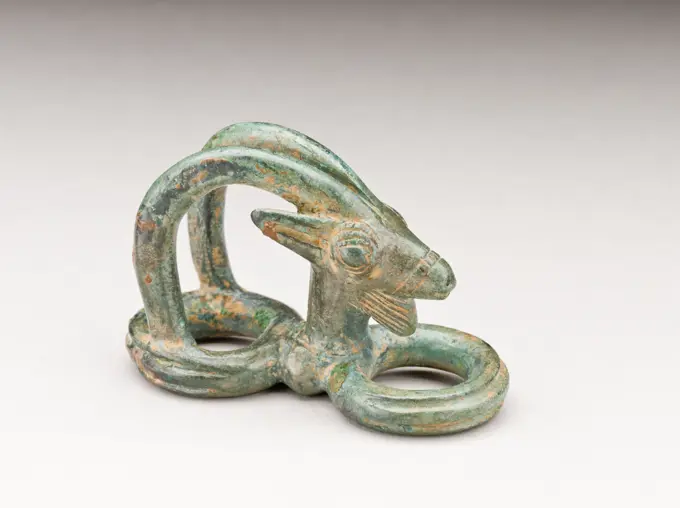
Goldweight Antelope, 19th-20th century, 15/16 x 1/2 x 1 3/8 in. (2.38 x 1.27 x 3.49 cm), Brass, Ghana, 19th-20th century
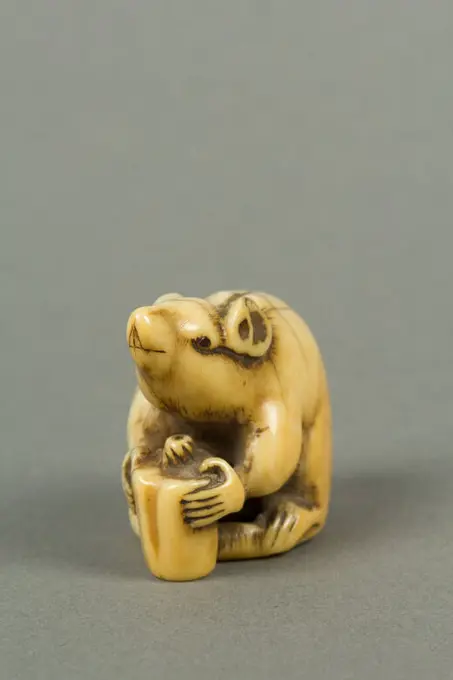
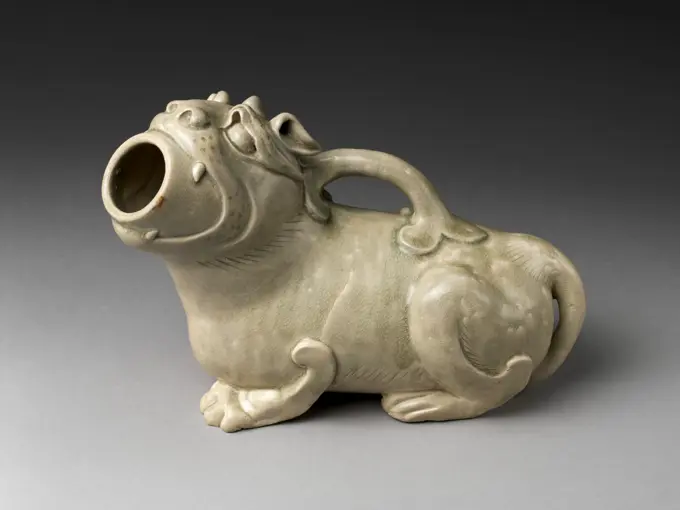
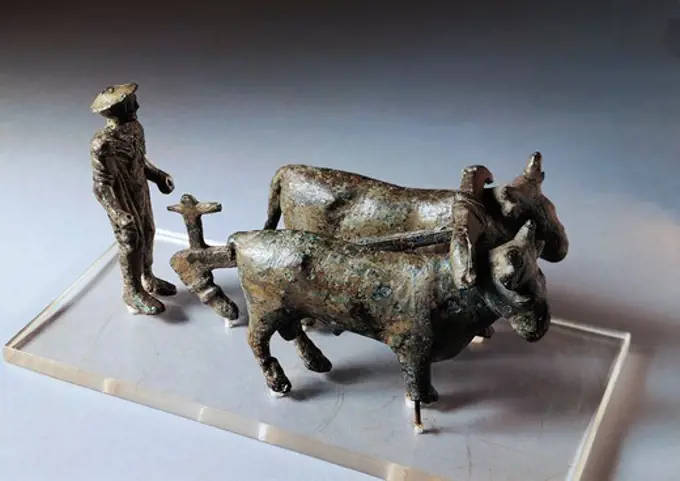
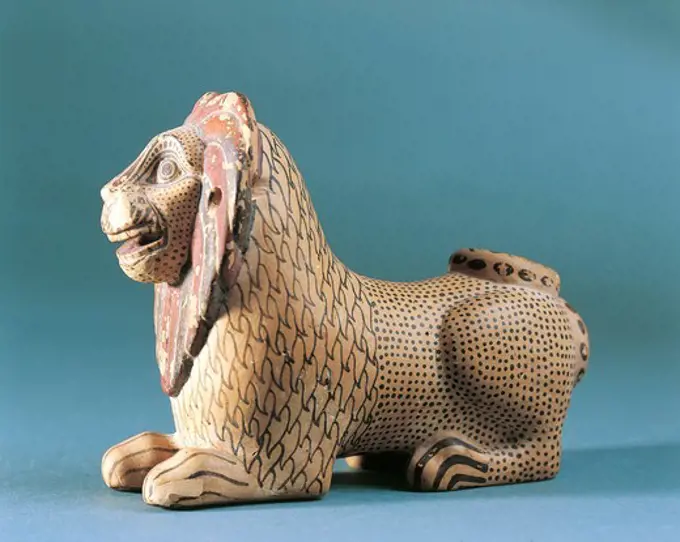
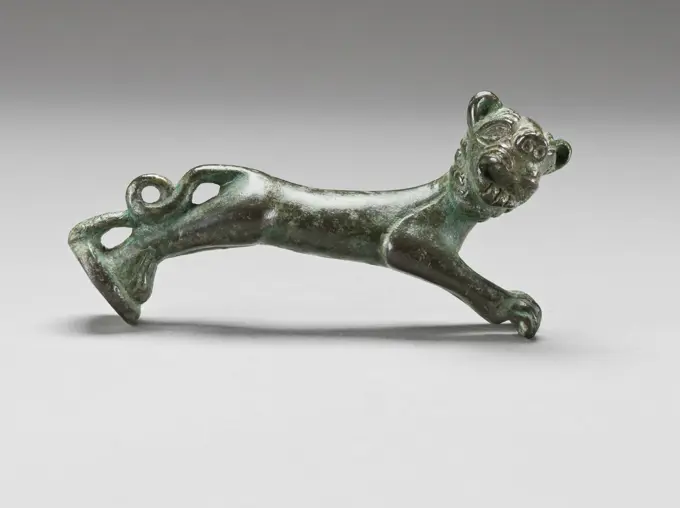
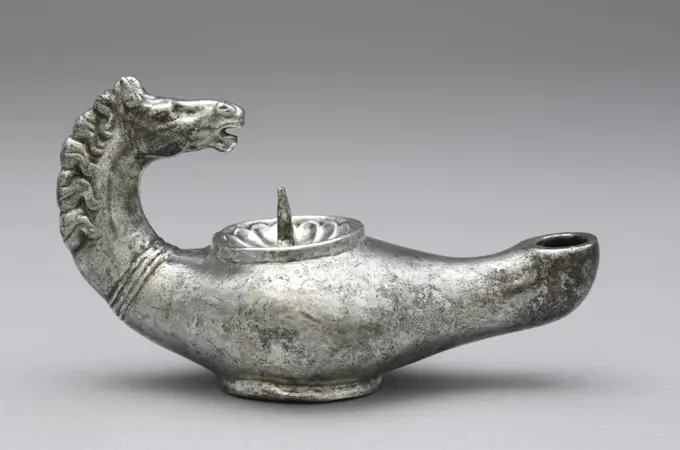
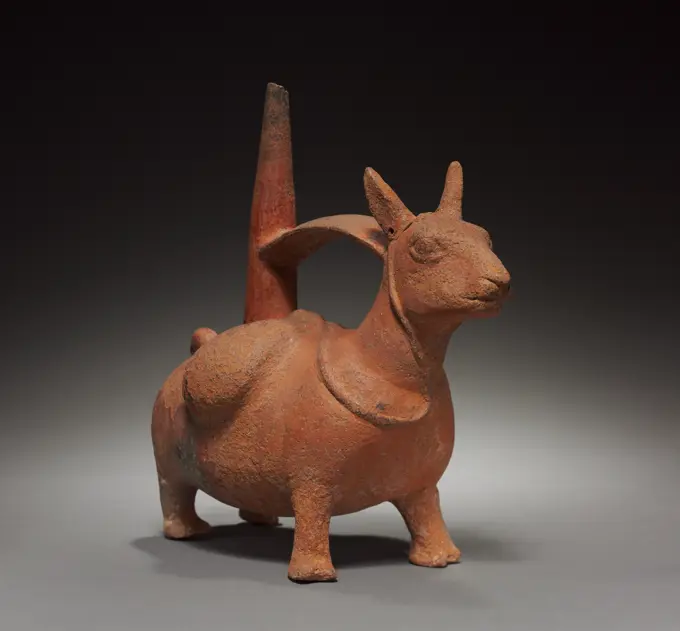
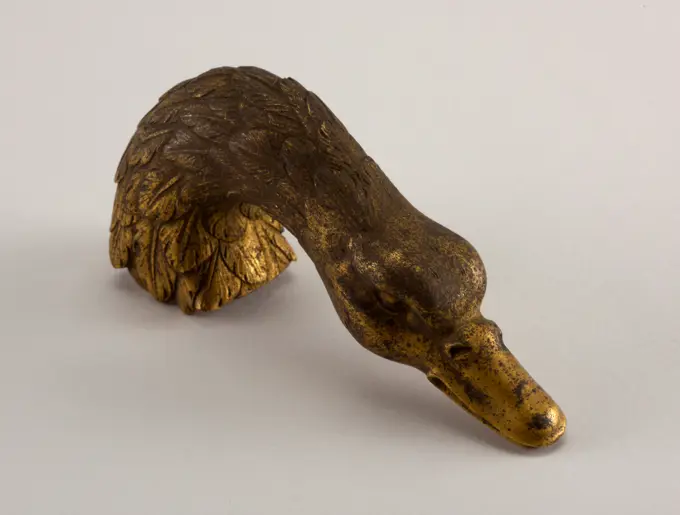
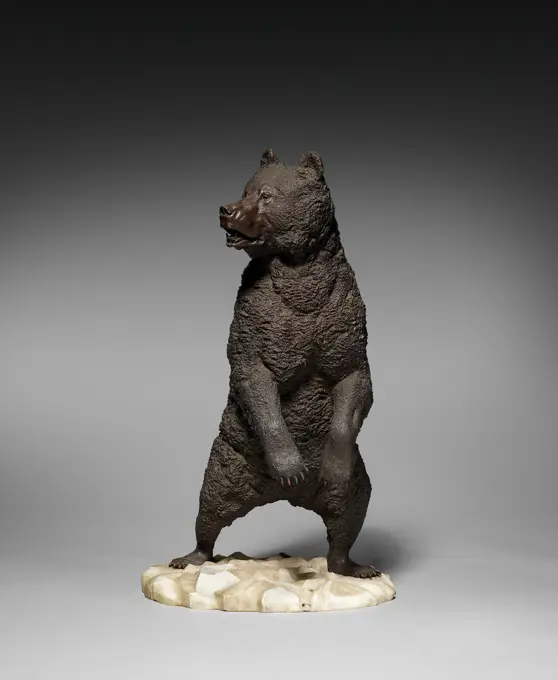
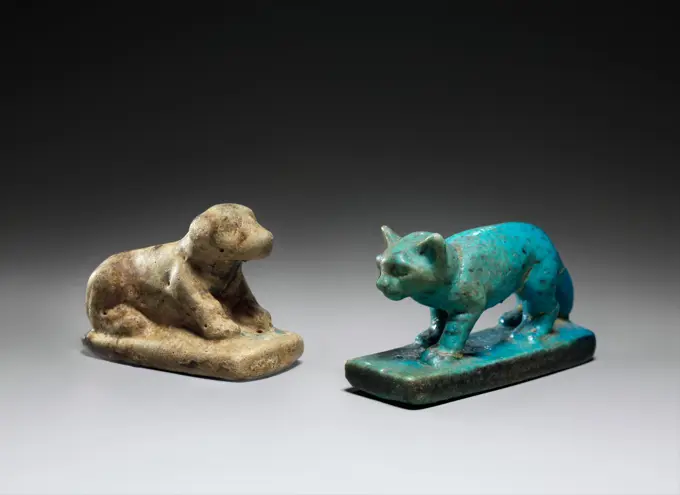
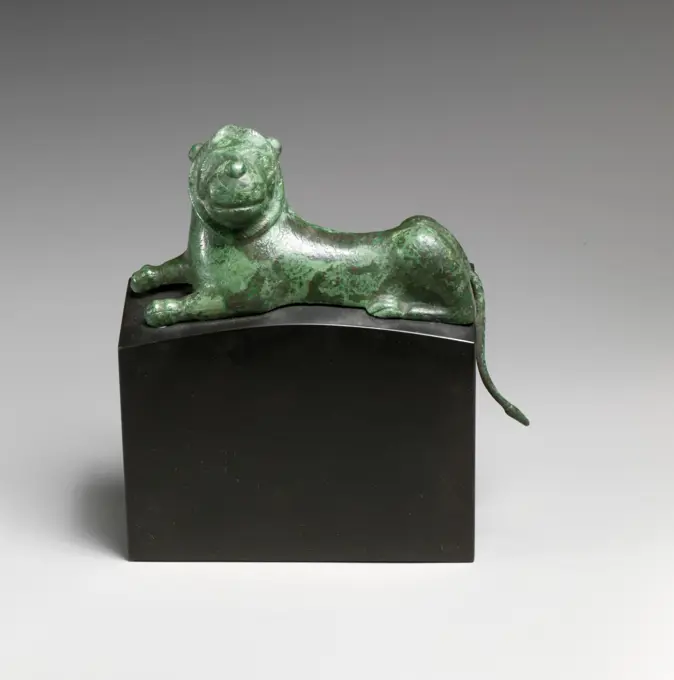
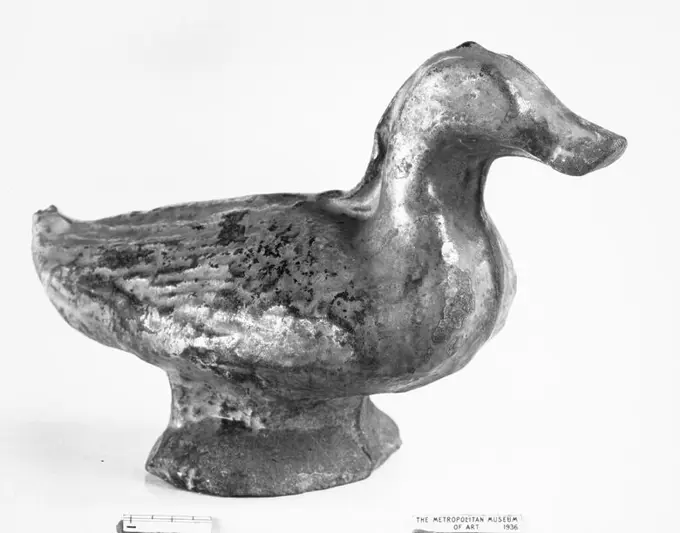
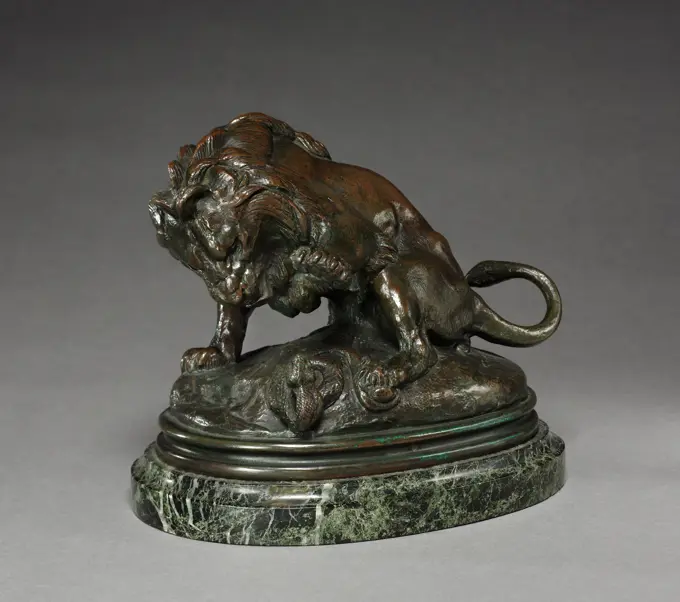
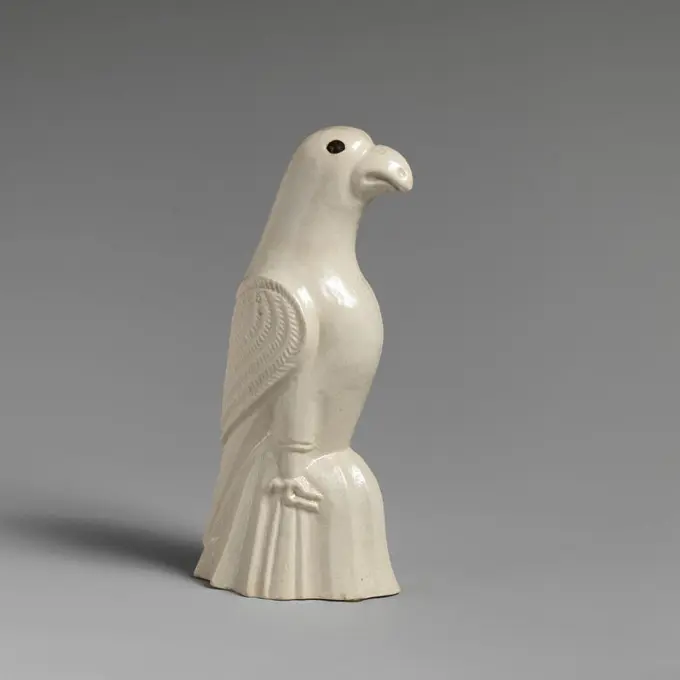
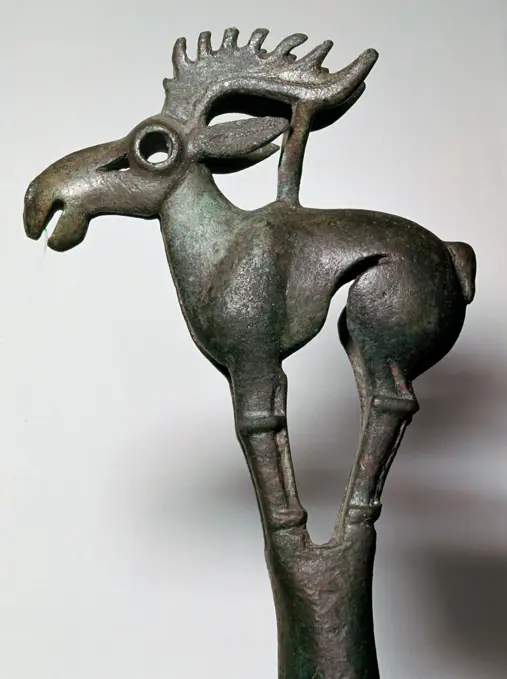
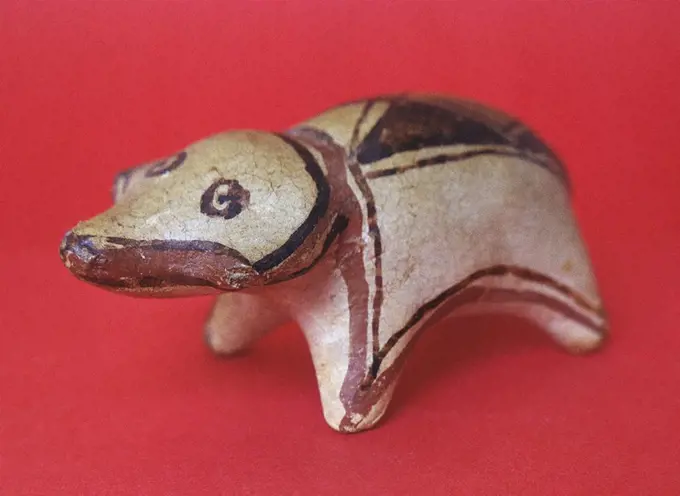
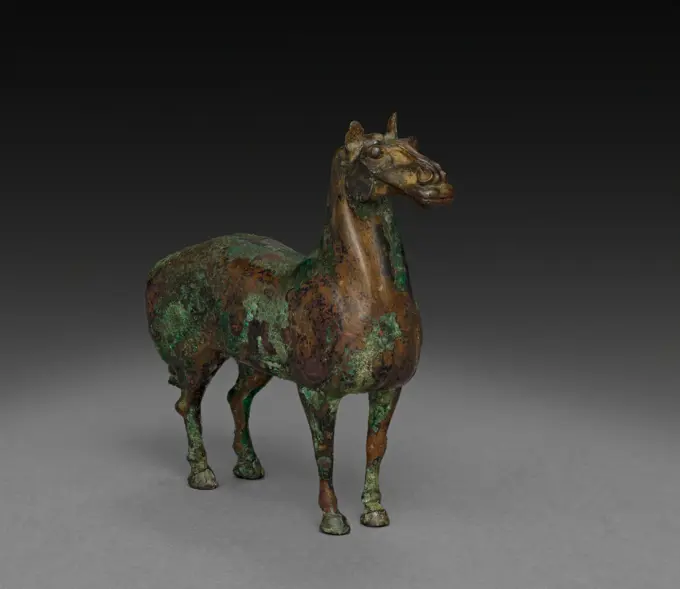
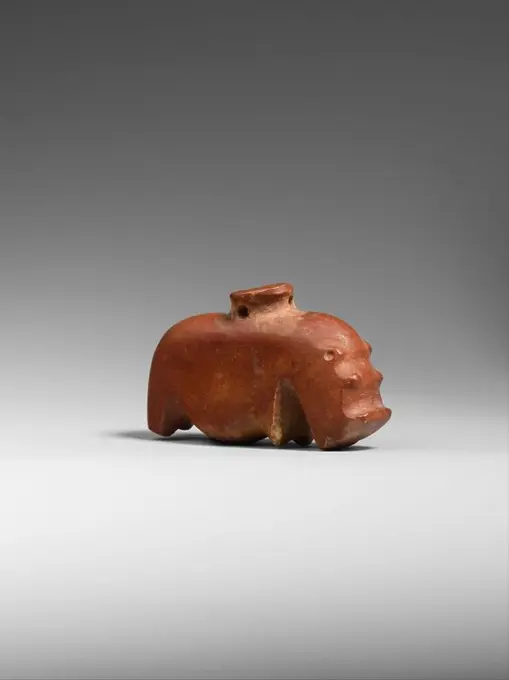
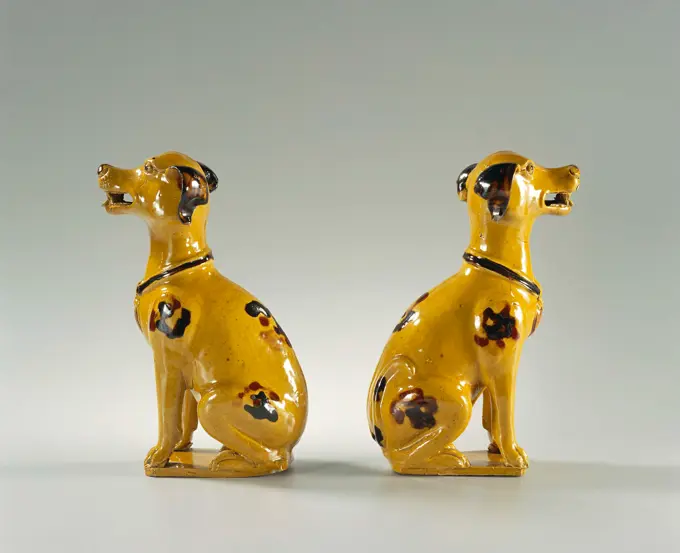
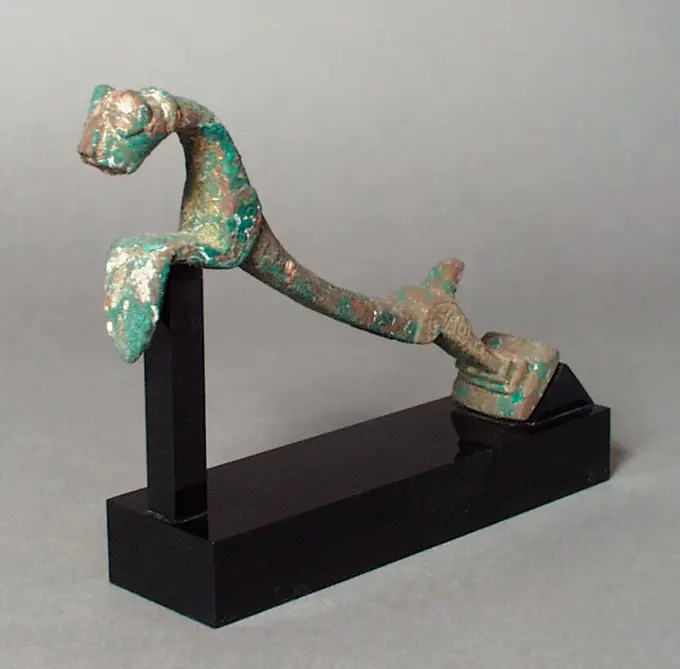
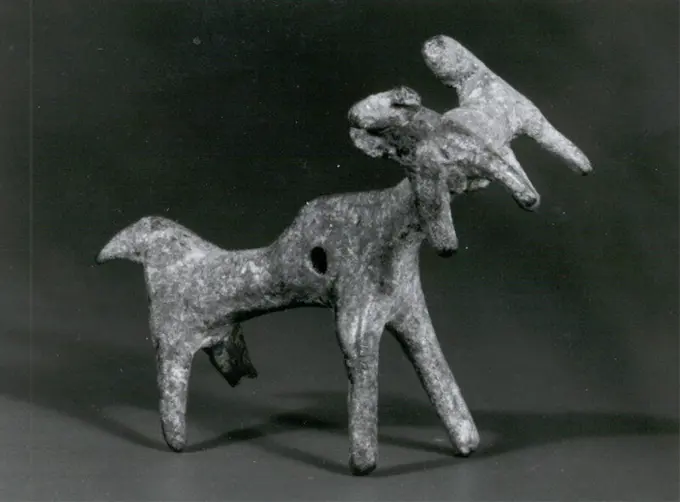
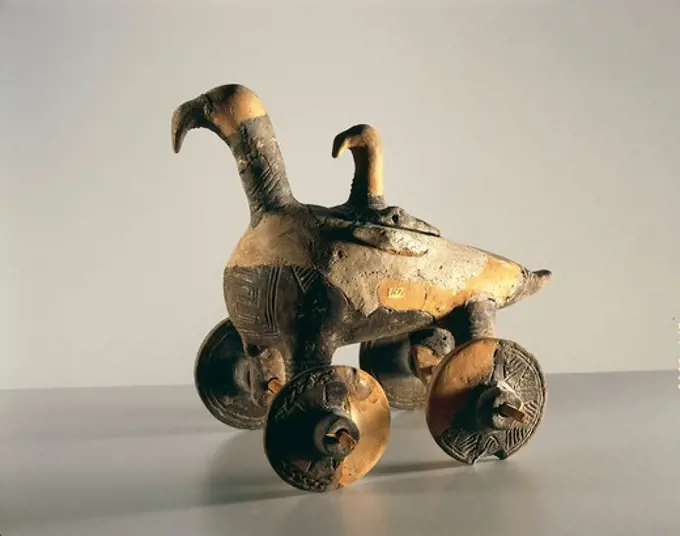
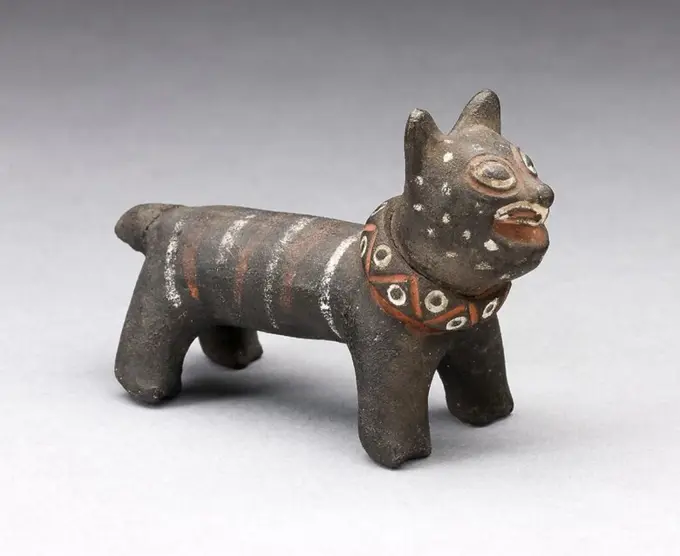
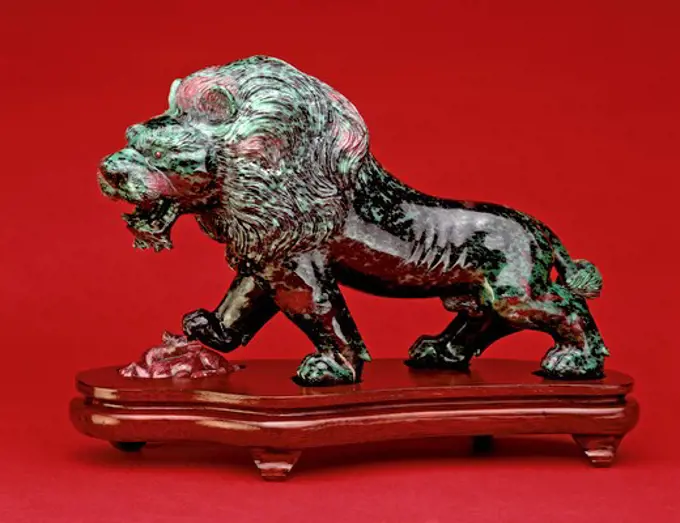
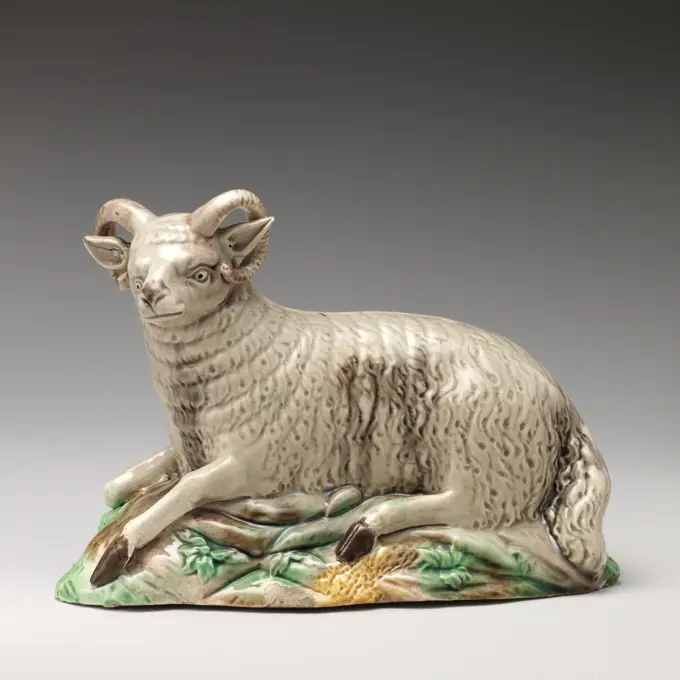
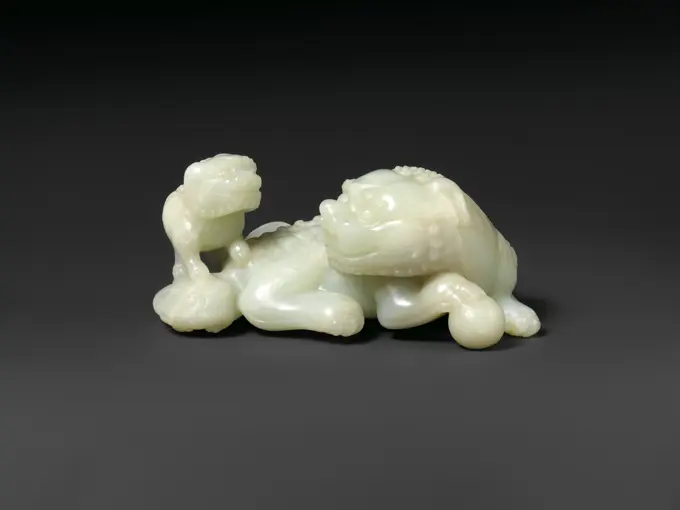
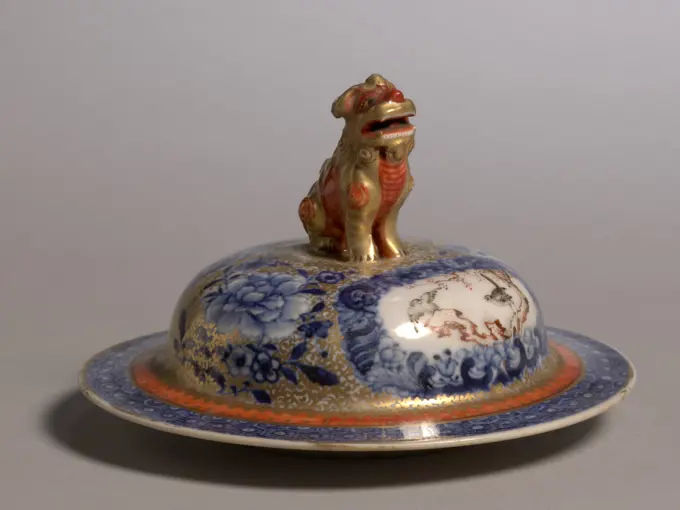
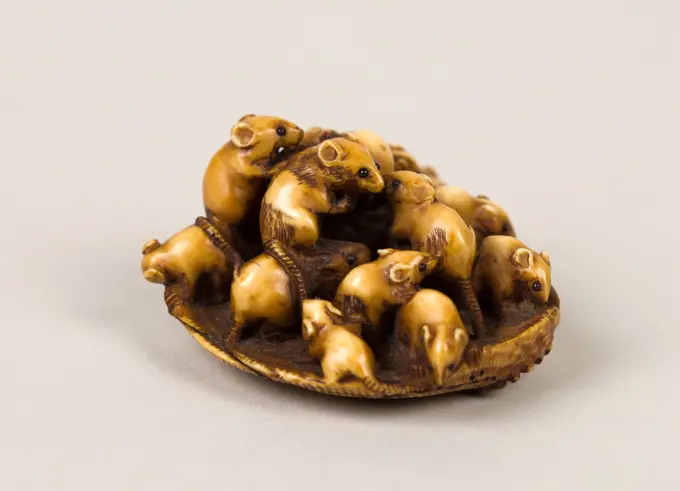
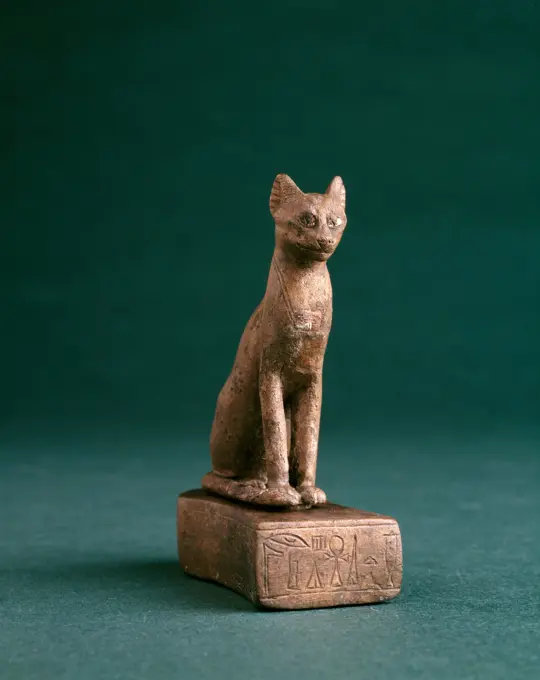
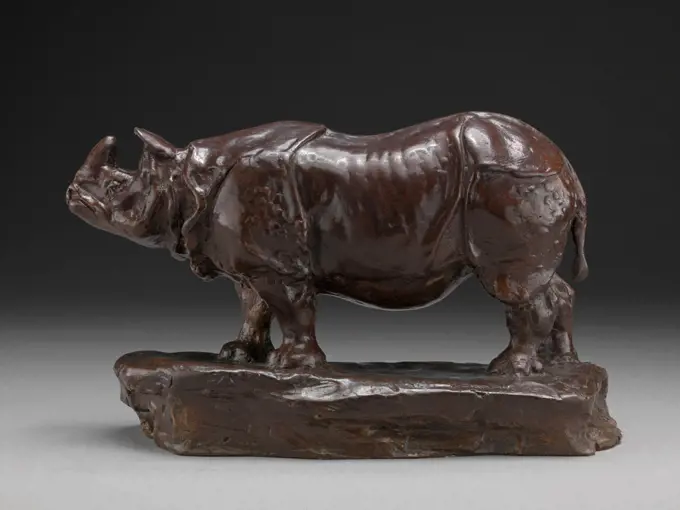
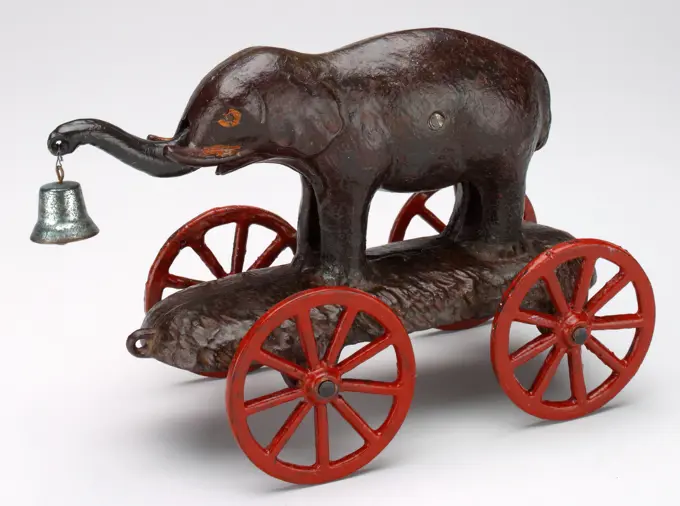
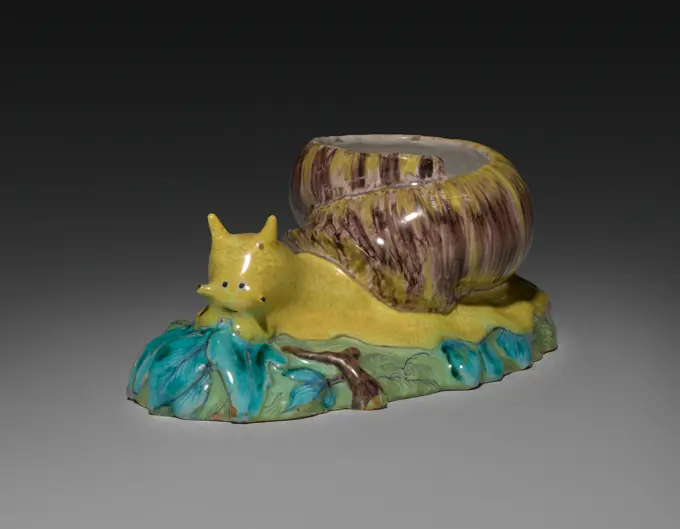
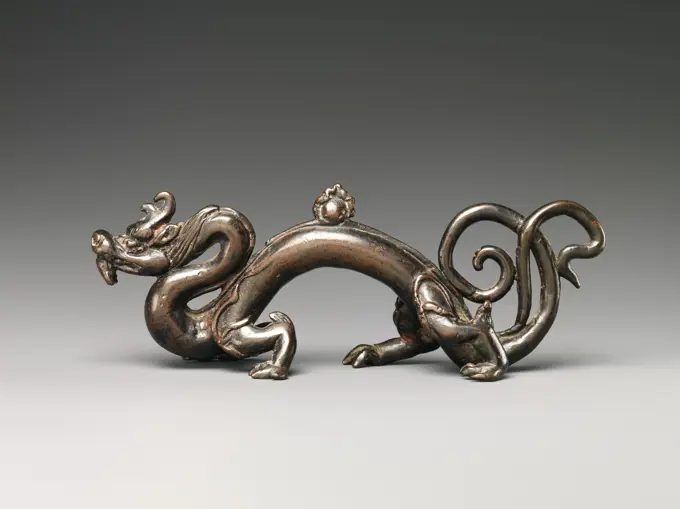
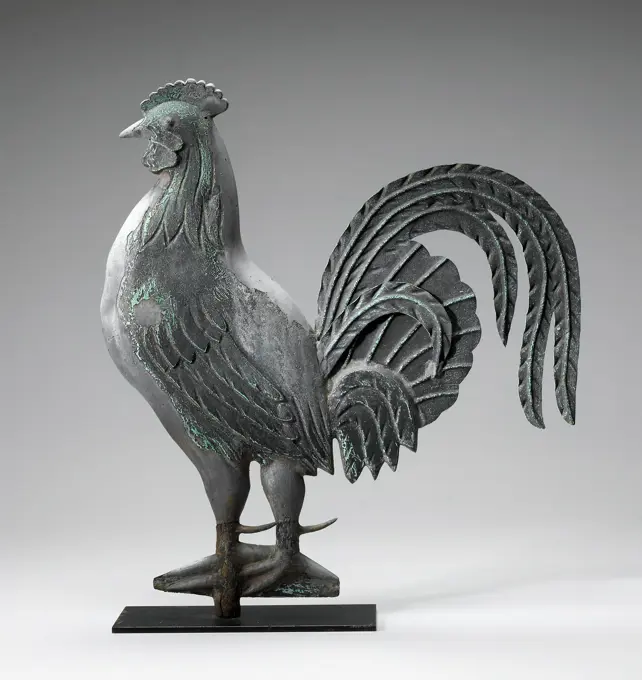
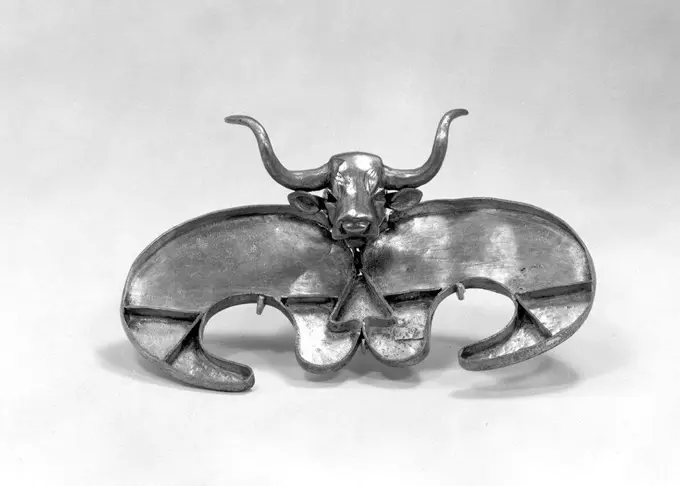
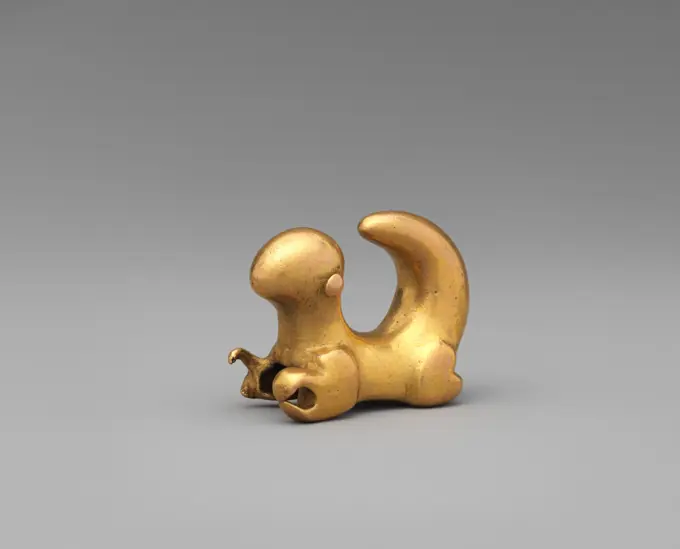
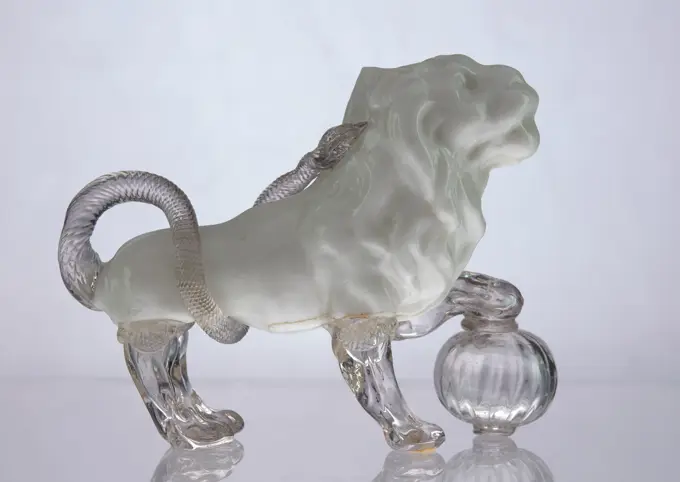
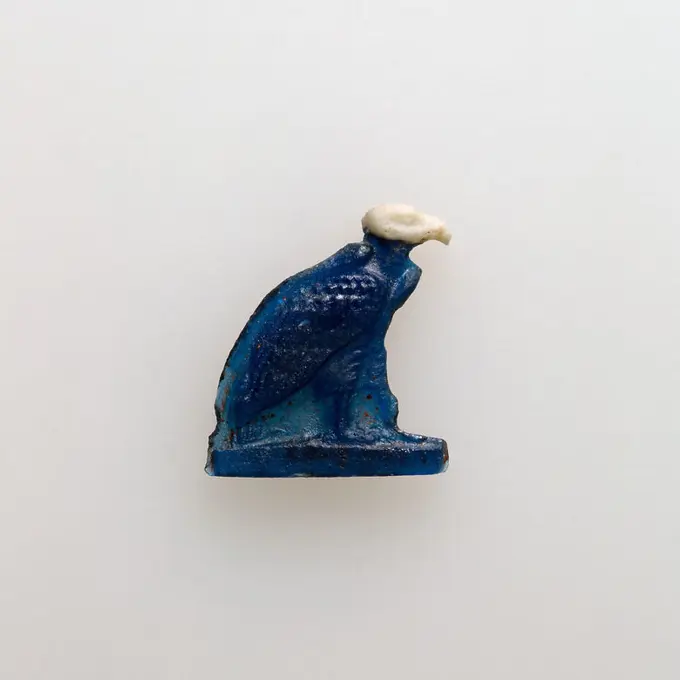
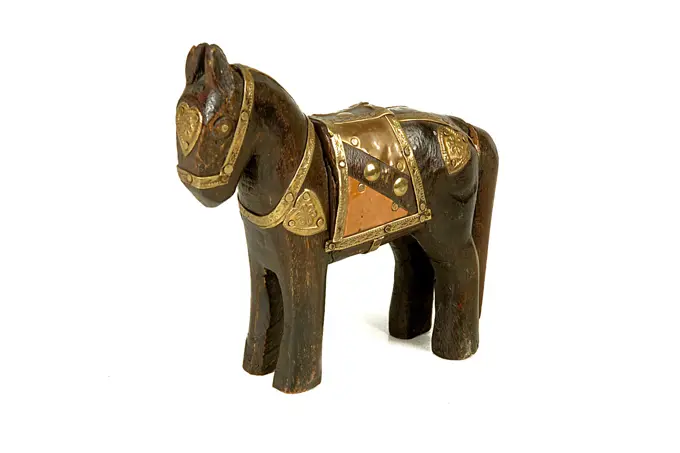
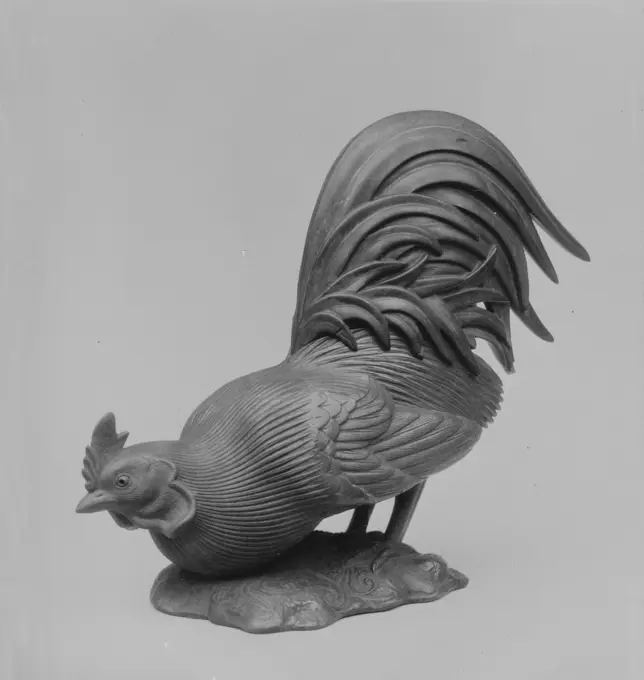
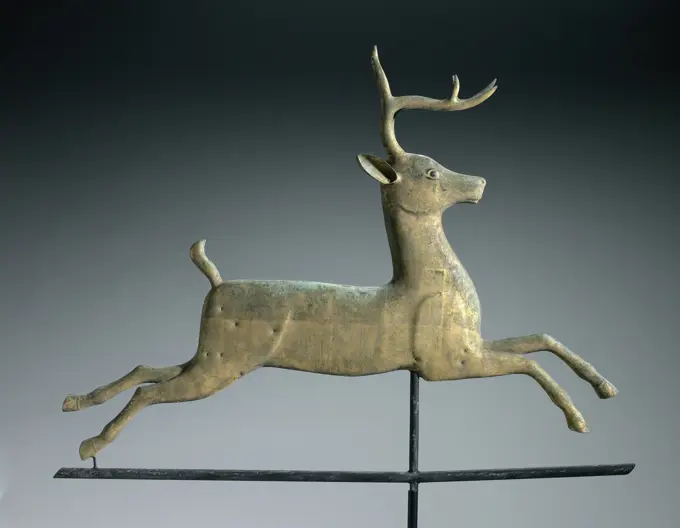
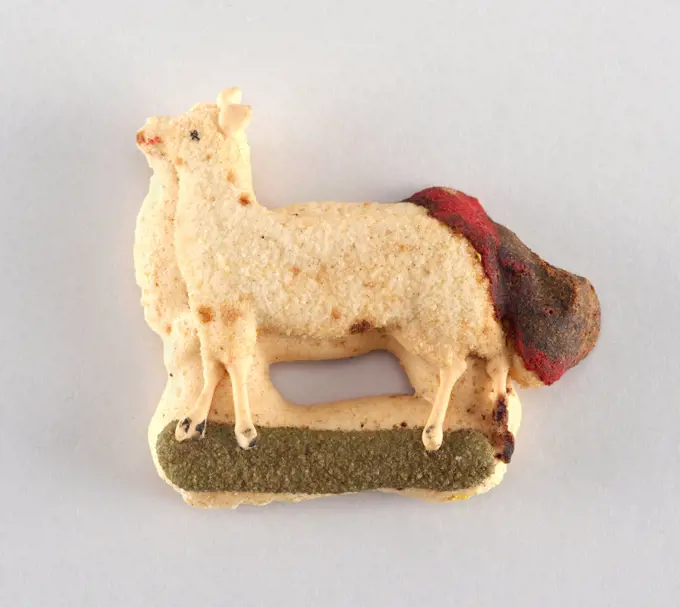
Bronze statuette of a pantheress 1st-2nd century A.D. Roman This bronze likely served as an attachment for a chariot.. Bronze statuette of a pantheress 251213 Roman, Bronze statuette of a pantheress, 1st2nd century A.D., Bronze, H. 3 7/8 in. (9.9 cm); L. 5 7/8 in. (14.9 cm). The Metropolitan Museum of Art, New York. Rogers Fund, 1922 (22.139.35)Cow lying down. Culture: Italian. Dimensions: Overall (confirmed): 3 3/4 × 7 × 3 in. (9.5 × 17.8 × 7.6 cm). Date: second half 18th-mid-19th century.The practice of using crèche figures to restage religious events reached the height of its complexity and artistic excellence in eighteenth-century Naples, and the Metropolitan Museum of Art's group of Neapolitan crèche is one of the finest and most complete survivals of the art form. The ensemble consists of characters traditional to eighteenth-century Italian Christmas holiday customs. The Nativity, featuring the holy family, shepherds and their flocks, and a host of angels and cherubs is joined by the procession of the three Magi and colorful peasants, townspeople, and animals. The figures have articulated bodies of tow and wire with polychromed terracotta heads, and are all in partially distressed condition.These vibrant characters are further brought to life by a wide-ranging set of cloth, embroidery, leather, wicker, wax, and silverStatuette of a Winged Boar. UnknownNetsuke of Mouse Gnawing on Candle. Culture: Japan. Dimensions: H. 1 3/16 in. (3 cm); W. 13/16 in. (2.1 cm); L. 1 5/16 in. (3.3 cm). Date: 18th century. Museum: Metropolitan Museum of Art, New York, USA.Mirror decoration;  1. PO. 5th century BC (-500-00-00--451-00-00);Horse or mule head. Copper alloy. Gallo-Roman. Paris, Carnavalet museum. 51468-13 Copper alloy, Gallo-Roman, Gallo-Roman, mule, statuette, Horse, AnimalVessel in shape of a crouching tiger 3rd-5th century China Fanciful vessels such as this were produced primarily in south China; however, examples in both clay and bronze have been found in the north as well. The shape has a long history and was first produced in the second and third centuries for pouring liquids.. Vessel in shape of a crouching tiger. China. 3rd-5th century. Stoneware with celadon glaze. Western Jin dynasty (265-316). CeramicsGoldweight Antelope, 19th-20th century, 15/16 x 1/2 x 1 3/8 in. (2.38 x 1.27 x 3.49 cm), Brass, Ghana, 19th-20th centuryGuild vessel German 19th century View more. Guild vessel. German. 19th century. Pewter. Metalwork-PewterItaly, Arezzo Province, Bronze statuette of ploughman with oxenHarness Fitting ('Bow Ring'). Iran, Luristan, 1st millennium B.C.. Tools and Equipment; horse trappings. Bronze, castMatchsafe 1830-70 American. Matchsafe 4991Seal Carved as Chinese Lion. Japan, late 19th century. Costumes; Accessories. BoxwoodWall support for Paintings Tang, 1885 - 1899  Wall support for painting tongs. Casted in two halves in the form of an open lion's pussy, ending in oak leaves on a profiled plinth, with supported supports of uneven length. Traces of gilding are still present on the object.  cast iron castingTomb figures of horses and camels, anonymous, c. 650 - c. 750 Graffer or image of earthenware in the form of a horse with a rider. Tang. China earthenware Graffer or image of earthenware in the form of a horse with a rider. Tang. China earthenwareItaly, Sicily, Polychrome statuette representing a Corynthian lionBronze statuette of a lion 6th century B.C. Etruscan Recumbent lion.. Bronze statuette of a lion 256833Vessel Handle (Lion). Iran, Parthian period (about 150 B.C.-A.D.225). Furnishings; Serviceware. BronzeFigure of a Feline, Possibly a Finial for a Pin 1100-1470 North Coast. Bronze . ChimúStag in Maple Leaves. Kagetoshi (Japan, active early to mid-19th century). Japan, early to mid-19th century. Costumes; Accessories. Ivory with sumiFinial (Wild Ass or Horse). Southern Siberia, 7th-5th century B.C.. Architecture; Architectural Elements. BronzeLamp , late 300s. Byzantium, Syria, early Byzantine period, late 4th century. Silver; overall: 9.2 x 16 x 7 cm (3 5/8 x 6 5/16 x 2 3/4 in.). Numerous oil lamps of various shapes and sizes have survived from the late Roman and early Byzantine periods. Most served a basic utilitarian function and were plainly fashioned from clay or bronze. However, a few more elaborate examples, such as this one, have survived in silver. Embellished with an elegant horse-head handle, this lamp was made to fit on the nearby stand, thus offering its owner flexibility of function.Graffiguur, anonymous, 220 - 589 Surded horse, painted in colors. China loam. dye Surded horse, painted in colors. China loam. dyeCanada, First Nations Canadian art. Typical Inuit soapstone sculpture. (Editorial Usage Only)Lion China. Lion 61522Ceramic figure of a parrot, Colima civilization, MexicoSpinach Jade Horse Chinese Art Llama with Packs, before 1532. Peru, Chimú or Inca. Pottery; overall: 25.9 x 26.2 x 14.8 cm (10 3/16 x 10 5/16 x 5 13/16 in.).Alcove ornament 1750 Japan. Alcove ornament 63015Head, SwanBear, c. 1900-1947. Japan, Meiji period (1868-1912) to Shōwa period (1926-89). Bronze; with base: 53 cm (20 7/8 in.).Figurine of a Dog ca. 1961-1917 B.C. Middle Kingdom Already in the Early Dynastic Period, Egyptians deposited faience figurines of wild animals in temple precincts. These figurines were reintroduced in the 12th Dynasty, but as a component of burial equipment and with new species added to the repertoire. The controlled representation of desert animals may have assured the Egyptians of eternal safety, though they also likely had symbolic meanings. The dog may represent a personal wish for companionship.. Figurine of a Dog. ca. 1961-1917 B.C.. Faience. Middle Kingdom. From Egypt, Memphite Region, Lisht South, Pyramid Complex of Senwosret I, outer court west, east of boat pit, MMA excavations, 1923-24. Dynasty 12Rooster: Coq Gaulois de Jungle. Designed by René Lalique (French, 1860-1945); Manufactured by Lalique et Cie (French, founded 1885). Date: 1934-1944. Dimensions: 40.3 x 34.6 cm (15 7/8 x 13 5/8 in.). Glass. Origin: Paris. Museum: The Chicago Art Institute, Chicago, USA.Creamer 1830-60 American. Creamer 2604Cup late 17th century German. Cup 193563Bronze statuette of a lion 2nd quarter of the 6th century B.C. Greek, Ionian The statuette of a lion would have decorated the shoulder of a lebes (jar with lid, foot, and handles and associated with weddings).. Bronze statuette of a lion 255372Figure of a Duck. Culture: China. Dimensions: H. 5 1/2 in. (14 cm); L. 8 in. (20.3 cm). Museum: Metropolitan Museum of Art, New York, USA.Figurine of hippopotamus ca. 1981-1550 B.C. Middle Kingdom-Early New Kingdom. Figurine of hippopotamus 558329Terracotta toy, from Frattesina (Veneto region, Italy)Bear bottle (one of a pair) ca. 1740-50 British, Nottingham. Bear bottle (one of a pair). British, Nottingham. ca. 1740-50. Salt-glazed stoneware. Ceramics-PotteryLion and Serpent, c. 1830 - 1875. Antoine-Louis Barye (French, 1796-1875). Bronze; overall: 15.3 x 13.3 cm (6 x 5 1/4 in.).Goldador. Ceramic figurine, dog breed isolated on whiteFigurine of ApisParrot. Culture: British, Staffordshire. Dimensions: Height: 5 3/8 in. (13.7 cm). Date: ca. 1745. Museum: Metropolitan Museum of Art, New York, USA.Chinese bronze elk finial from a harness, Inner Mongolia, China, 5th century BC. Artist: UnknownToad with a Young Toad on its Back. Culture: Italian, probably Padua. Dimensions: Overall (confirmed): 2 1/2 × 4 5/8 × 4 3/4 in. (6.4 × 11.7 × 12.1 cm). Date: ca. 1500.Casts made directly from nature may have originated in Padua. Museum: Metropolitan Museum of Art, New York, USA.ARTE AFRICANO. CERAMICA BEREBER. Representación de un animal. Colección privada. Tunicia.Figural group: Bull fighting with dogs; Kaiserliche Porzellanmanufaktur in Wien (1744-1864), Niedermajer, Johann Josef (1710-1784); approx. 1760 (1750-00-00-1765-00-00);Standing Horse, 206 BC-AD 220. China, Han dynasty (202 BC-AD 220). Bronze; overall: 6.5 cm (2 9/16 in.).Hippopotamus amulet. Dimensions: L: 7.4 x H: 4.4 x W: 2.2 cm (2 15/16 x 1 3/4 x 7/8 in.). Date: ca. 3700-3450 B.C..Egyptologists understand this figurine to be an amulet, which was designed to be suspended by a cord passing through the holes above its back. This type of hippo figurine is distinctive for three reasons: they were made from pink limestone, created in pairs, and depicted as pregnant females. This last observation is evident by from the swollen belly that nearly touches the ground; most hippo statuettes do not display this feature. Museum: Metropolitan Museum of Art, New York, USA.Seal with Quadruped 800 BCE-600 BCE Thessaly. This precious bronze object is a votive, or devotional gift, made as an offering to the gods. They come in many forms, such as animals, beads and brooches. Many seem once to have been attached to something else. Votives were hung from sacred trees or placed in sanctuaries around Greece. Once a shrine was full, the votives were ceremonially buried to make room for more offerings.. Bronze . Ancient GreekItaly. Sardinia. Nuragic civilization. Statuette of a bull. 9th-8th century BC. From Santa Vittoria de Serri. Archeological Museum of Cagliari.. Sitting porcelain dog on a small foot, painted on the glaze in yellow, brown and black with a yellow fur, dark dots and a necklace. Email sur biscuit.Prestige Stool: Lion Base. Culture: Akan peoples. Dimensions: H x W x D: 16 1/4 x 24 x 10 1/2 in. (41.3 x 61 x 26.7 cm). Date: 19th century. Museum: Metropolitan Museum of Art, New York, USA.35mm originalAnimal figure 1st millennium B.C. Iran. Animal figure 325687Close up of bird-shaped vessel on wheels, decorated with geometric patterns, Italic civilization, Paleovenetians, 9th century b.c.Ewe and Lamb 1752-1754 Bow. Soft-paste porcelain, polychrome enamels . Bow Porcelain FactoryFigurine in the Form of a Striped Feline Wearing Collar. Inca; Central or south coast, Peru. Date: 1200-1470. Dimensions: 7 x 10.6 cm (2 3/4 x 4 3/16 in.). Ceramic and pigment. Origin: Peru. Museum: The Chicago Art Institute, Chicago, USA.Pre-Columbian era. Ceramic molded in form of a feline. White clay. Moche style. Early Intermediate (200A-600AD). Peru.Dog, anonymous, c. 1700 - c. 1724 Image of porcelain in the form of a sitting dog, painted on the biscuit in green, yellow and eggplant. Forms a few with AK-MAK-568. Email sur Biscuit. China porcelain. glaze. painting / vitrification Image of porcelain in the form of a sitting dog, painted on the biscuit in green, yellow and eggplant. Forms a few with AK-MAK-568. Email sur Biscuit. China porcelain. glaze. painting / vitrificationSTONE SCULPTURE (red & green stone) of a MALE LION from AFRICA Cow 1760-1770 Staffordshire. Lead-glazed earthenware (creamware) .Incense Box. Culture: Japan. Dimensions: H. 2 in. (5.1 cm). Date: 18th century. Museum: Metropolitan Museum of Art, New York, USA.Figurine seals Koriak folk productsBronze statuette of a recumbent lion late 5th century B.C. Greek The lion curves to his left side. Possibly an attachment from the rim of an oinochoe.. Bronze statuette of a recumbent lion 255398Archaic bronze figure of a horse, 6th century BC. Artist: UnknownRoosterRam ca. 1770-80 Probably by Ralph Wood the Younger. Ram. British, Burslem, Staffordshire. ca. 1770-80. Lead-glazed earthenware. Ceramics-PotteryLion and cub 18th century China. Lion and cub. China. 18th century. Jade (nephrite). Qing dynasty (1644-1911). JadeCover for a Vase, c. 1770-80. China, Chinese Export, 18th century. Porcelain; overall: 47 cm (18 1/2 in.); container: 38 cm (14 15/16 in.).Container in the Form of a Unicorn, 1736-95. China, Qing dynasty (1644-1911), Qianlong mark and reign (1736-95). Cloisonné enamel and gilt copper; overall: 16.1 x 25.2 cm (6 5/16 x 9 15/16 in.).Netsuke of a Group of Rats Nestled in an Abalone Shell late 19th century Masamitsu. Netsuke of a Group of Rats Nestled in an Abalone Shell. Masamitsu. Japan. late 19th century. Ivory, horn. NetsukeCat Figurine. Seated bronze cat, wearing copper pectoral with Wedjat (Eye of Horus) inlaid in gold. Eyes inlaid in gold... Site name: Sakkara. Locality: Africa, Eastern Africa, Egypt .Indian Rhinoceros, John R. Skeaping, 1901-1980, British, Cast 1990 (original model 1915), Bronze, Overall: 4 1/2 x 10 inches (11.4 x 25.4 cm), animal art, Indian, rhinocerosElephant on Wheels' (converted bell toy) mechanical bank, c. 1905, 4 1/2 x 5 1/4 x 1 3/4 in. (11.43 x 13.34 x 4.45 cm), Iron, pigment, 20th centuryIbis on a wooden base. Dimensions: H. 16.9 cm (6 5/8 in.); W. 9 cm (3 9/16 in.); L. 17.6 cm (6 15/16 in.). Date: 664-30 B.C..This ibis has a fine head, and stands on an ancient wooden base also appears unusual. Two mortises on the underside indicate the base was reused anciently, probably from a striding god to judge from the placement of the mortises. Museum: Metropolitan Museum of Art, New York, USA.Box in the Form of a Snail, c. 1750. Strasbourg Factory (French). Faience; overall: 8 x 12.4 x 7 cm (3 1/8 x 4 7/8 x 2 3/4 in.).Dog and Bear; Italian; Florence (probably), Italy; about 1600; Bronze;Artistic cane basket shape of duck on green background India Copyright: xNirmalaxMishra/DinodiaxPhotoxPair of reclining cows 18th century Dutch, Delft. Pair of reclining cows. Dutch, Delft. 18th century. Tin-glazed earthenware. Ceramics-PotteryBrush Rest in the Form of a Dragon 15th century China A rare example of 15th century Ming bronze work, this brush rest was cast in the form of a sinuous dragon crouching on its four powerful paws with a flaming pearl” on its arched back. It is further distinguished by two curved horns and a bifurcated tail that coils and unfurls. Its neck, body, and tail all provide places for resting writing brushes. More than a functional object, this brush rest is an imaginative and auspicious sculpture designed to ornament a scholar’s table.. Brush Rest in the Form of a Dragon. China. 15th century. Bronze. Ming dynasty (1368-1644). SculptureOctopus. Gyokuzan (Japan, active early 19th century). Japan, early 19th century. Costumes; Accessories. Red and black Negoro lacquer with inlaysScent bottle in the form of a swan. Culture: British, Chelsea. Dimensions: Height: 3 in. (7.6 cm). Factory: Chelsea Porcelain Manufactory (British, 1745-1784, Red Anchor Period, ca. 1753-58). Date: ca. 1755. Museum: Metropolitan Museum of Art, New York, USA.Rooster weathervane, c. 1860, A.L. Jewell & Company, Waltham, Massachusetts, 1852-1867, 22 3/4 x 20 1/2 x 2 1/4 in. (57.79 x 52.07 x 5.72 cm), Copper, zinc, United States, 19th centuryCompartmented pendant with a bull's head ca. 3100-2900 B.C. Proto-Elamite. Compartmented pendant with a bull's head. Proto-Elamite. ca. 3100-2900 B.C.. Silver. Proto-Elamite. Southwestern IranCurly-Tailed Animal Pendant 4th-5th century Panama Gold ornaments in Central America date back to the mid-first millennium A.D., and some of these early gold pieces were made in the same shapes as jade objects. This small pendant is such a piece. The type has been named "curly-tailed animal" by archaeologists, and while details of the animal head differ from object to objectsome have birdlike crests, others have long animal snouts or smooth, round headsthe prominent tail curled up over the back is remarkably consistent in both gold and stone objects. This consistency across media signals the beginning of a significant change in Central America, when the use of jade for important personal ornaments gives way to gold. The introduction of goldworking technology from Colombia to the south may have coincided with the depletion of jade sources in Costa Rica, or gold came to be adopted so firmly as the high-status material of choice that jade and its sources were eventually forgotten.. CurlPrzeszo Przyszoci unknownVulture amulet. Dimensions: H. 2.6 × W. 2.3 cm (1 × 7/8 in.). Date: 400-30 BC.Starting in the later Late Period and continuing through the Ptolemaic Period, a type of glass amulet cast by pressing the glass into a shallow open mold appears. The back was left rough, and the amulets may look ragged because glass overflowed the mold around the edges. The earlier amulets are monochrome, bi- or multicolor amulets supplement the repertoire during the Ptolemaic Period.Some of the amulets can be specifically tied to spells of the Book of the Dead - for example, acc. no. 17.194.2526 - and most are clearly funerary amulets, presumably meant to be wrapped between the bandages of the mummy where the presence of the amulet would do its job irrespective of its degree of finish. Museum: Metropolitan Museum of Art, New York, USA.City Of London, T Fox Umbrella Shop, Pollard, 118 London Wall, 2010, , , Architect UnknownBrass and copper design fitting on antique wooden horse, Jodhpur, Rajasthan, India Copyright: xSafatxAli/DinodiaxPhotoxCenser in Form of a Cock 1650 Japan. Censer in Form of a Cock. Japan. 1650. Stoneware covered with thin glaze; tail of lacquered wood (Bizen ware). Edo period (1615-1868). CeramicsWeathervane directionals, 19th century, 2 7/16 x 14 5/16 x 14 7/16 in. (6.19 x 36.35 x 36.67 cm), Metal, United States, 19th centuryInca, gold llama ornament; 15th century. Peru. The Inca Empire was the largest empire in pre-Columbian America. and possibly the largest empire in the world in the early 16th centuryOrnament, Christmas tree, Dough, Lamb-like animal, standing on green grass, in relief., 1850-99, Decorative Arts, Ornament, Christmas treeCanada, First Nations Canadian art. Typical Inuit soapstone & caribou antler sculptures. (Editorial Usage Only)Box with lid in the form of a duck on pedestal, Meissener Porzellan Manufaktur, c. 1750 Box of painted porcelain. The box has the shape of a duck. The duck is on a gilded bronze rococo footage. The duck is partially painted in blue, brown, gray, violet and black; The head in Violet and blue gray with a light red beak. The box is unnoticed. Float porcelain. bronze (metal) gilding Box of painted porcelain. The box has the shape of a duck. The duck is on a gilded bronze rococo footage. The duck is partially painted in blue, brown, gray, violet and black; The head in Violet and blue gray with a light red beak. The box is unnoticed. Float porcelain. bronze (metal) gildingFigure Group 1785-1835 British (American market). Figure Group 3599Frogpendant.  Artist: UnknownLamb figurine Koriak folk products