Bronze Animal Figurines

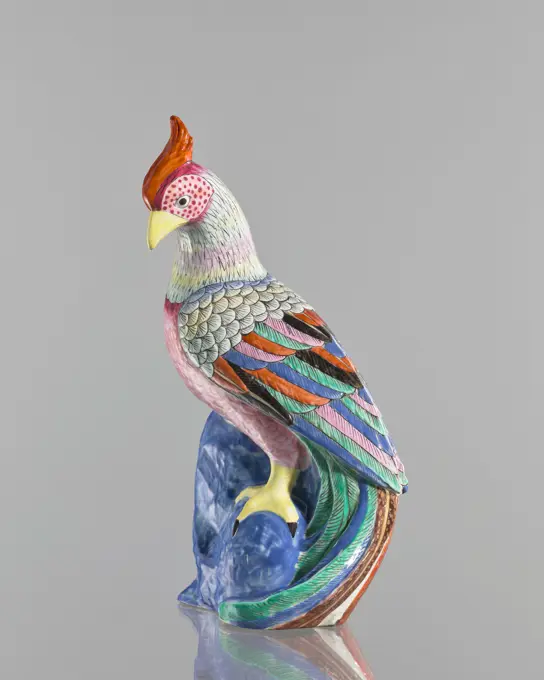
Bronze statuettes representing animals, including a pantheress and other creatures, showcasing artistic forms from ancient cultures.

Goldweight Antelope, 19th-20th century, 15/16 x 1/2 x 1 3/8 in. (2.38 x 1.27 x 3.49 cm), Brass, Ghana, 19th-20th century
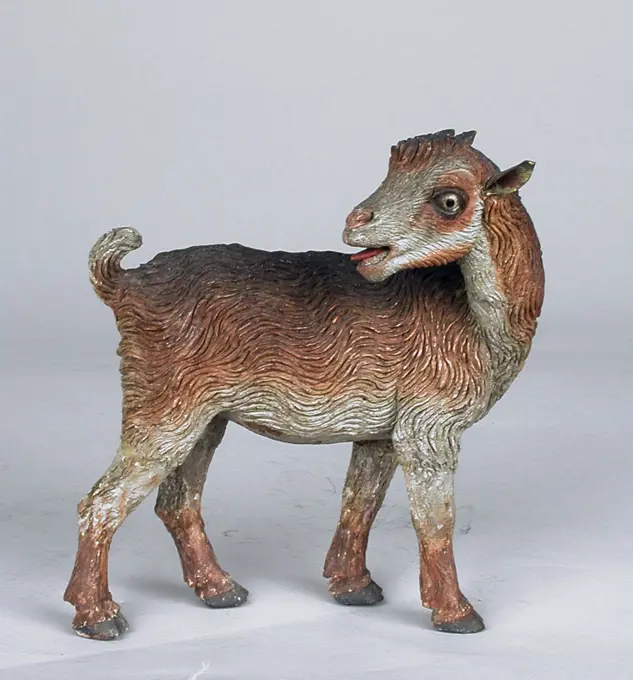
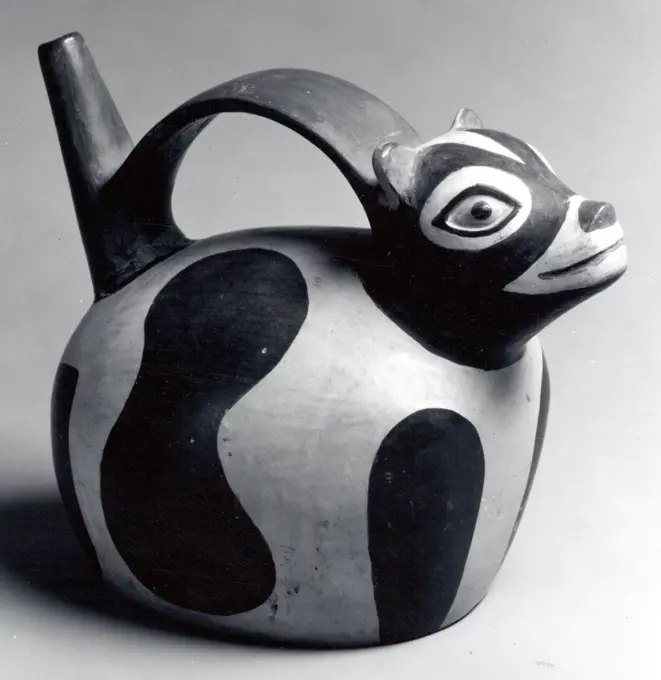
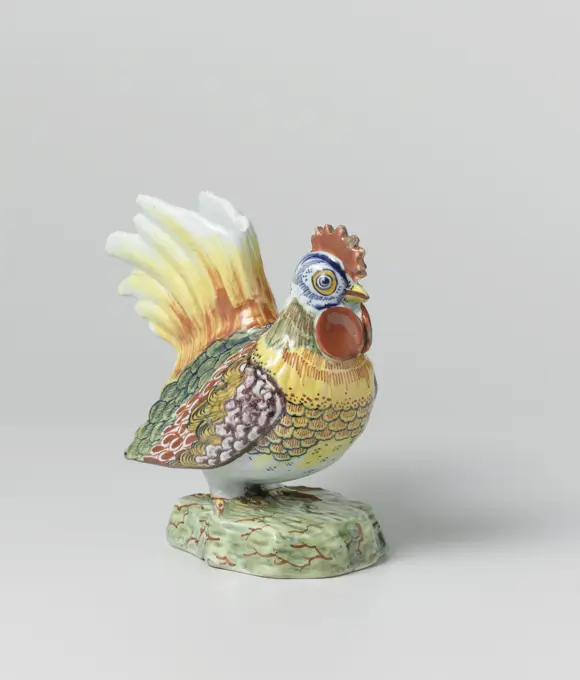
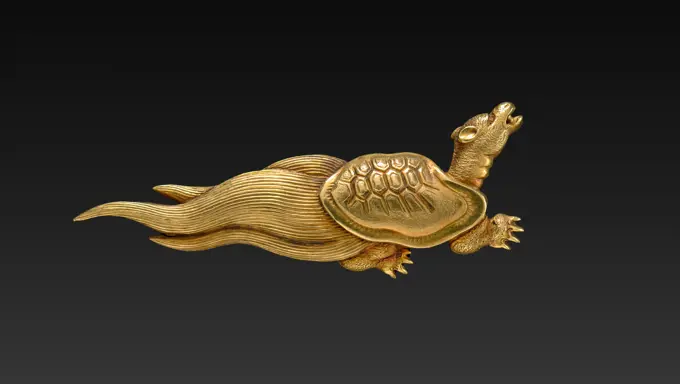
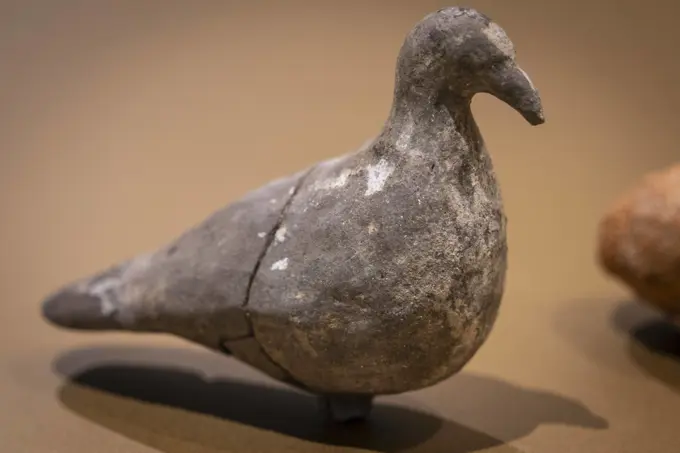
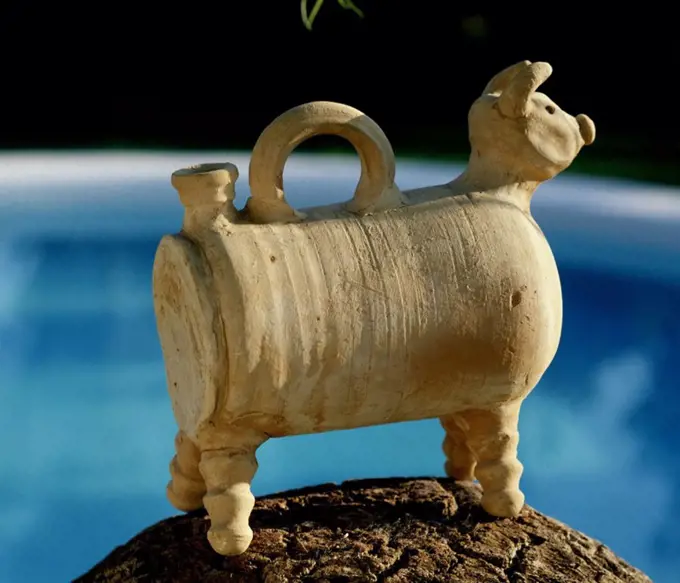
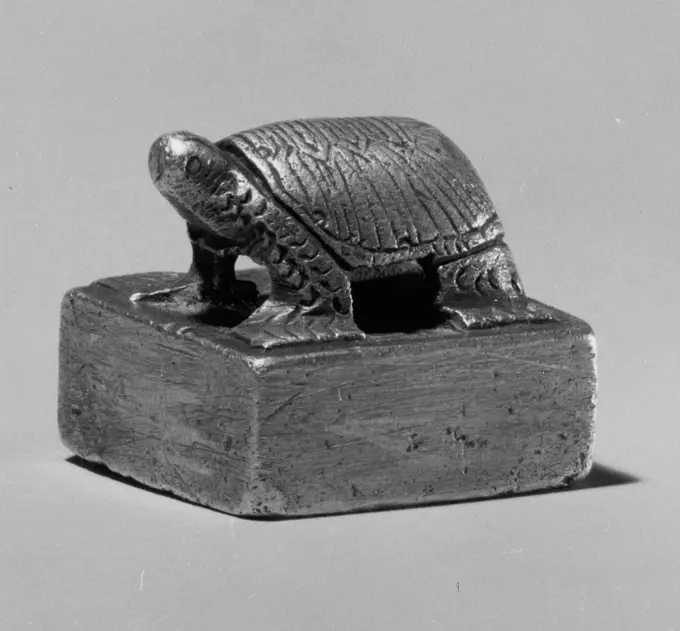
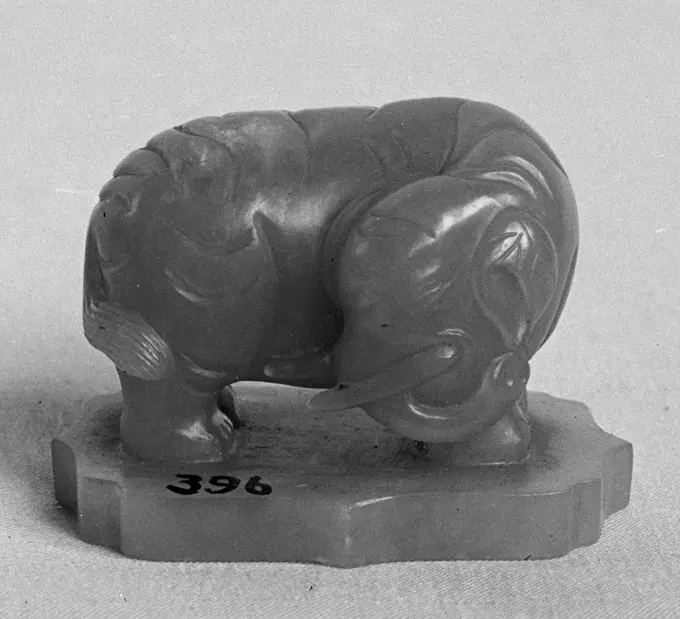
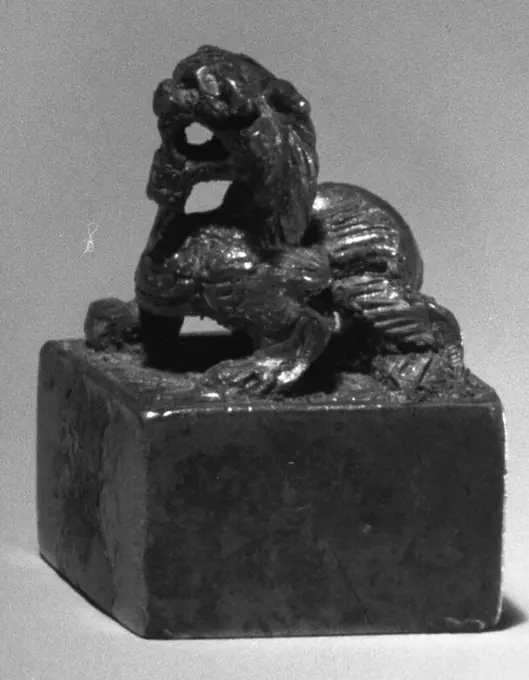
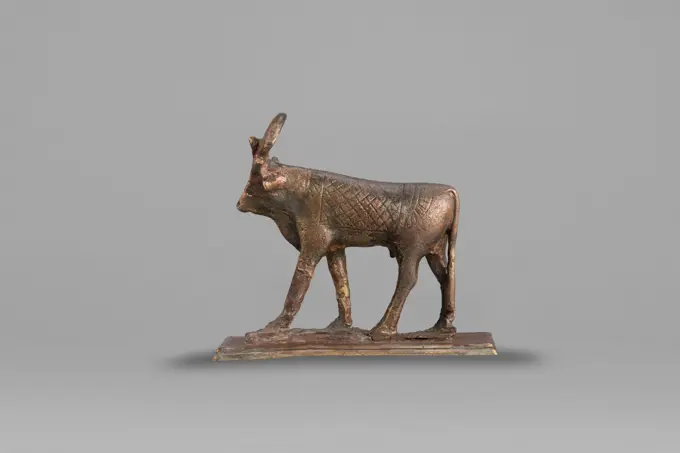
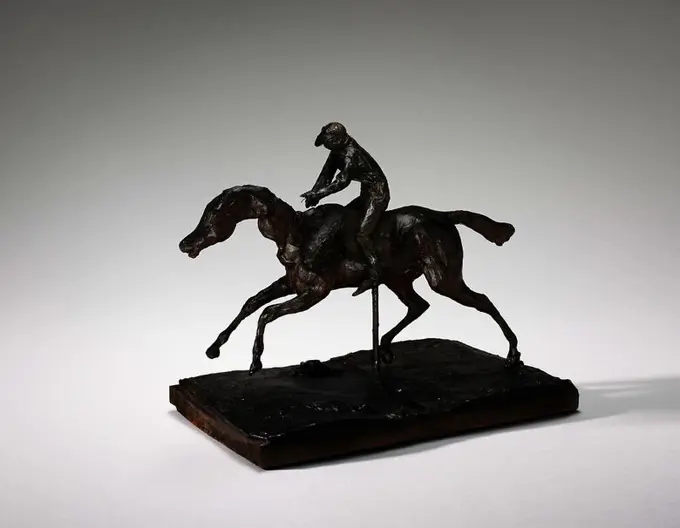
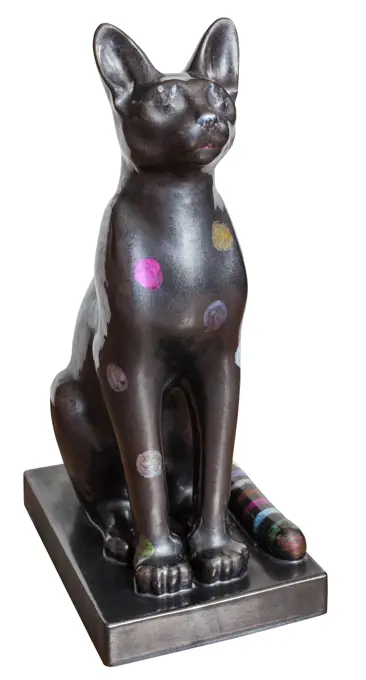
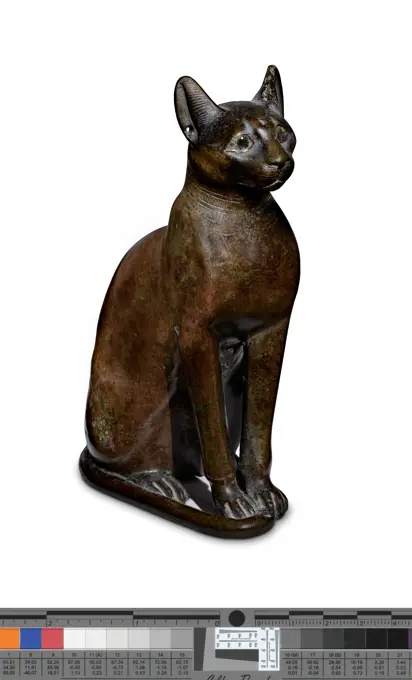
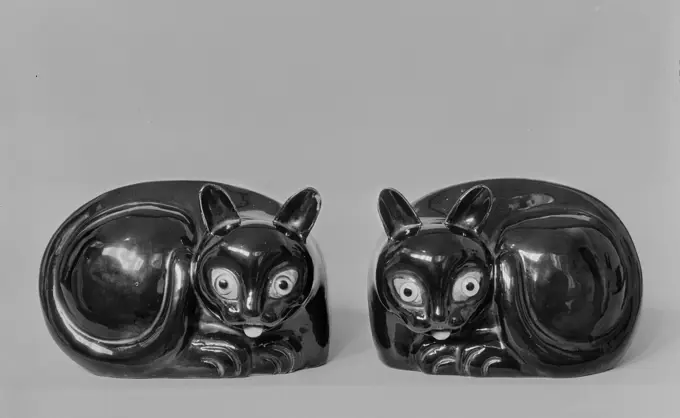
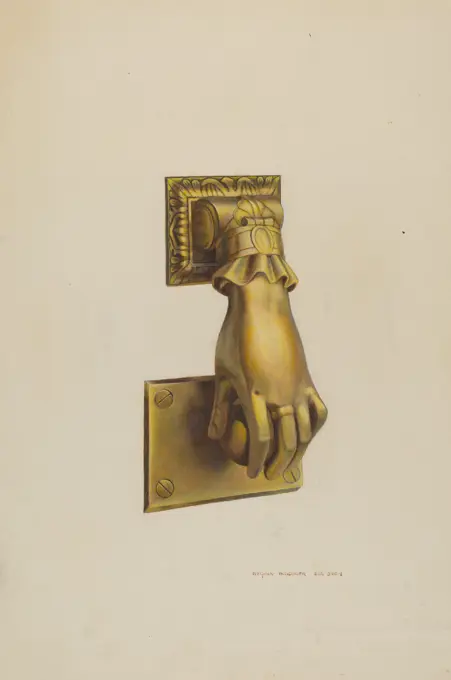
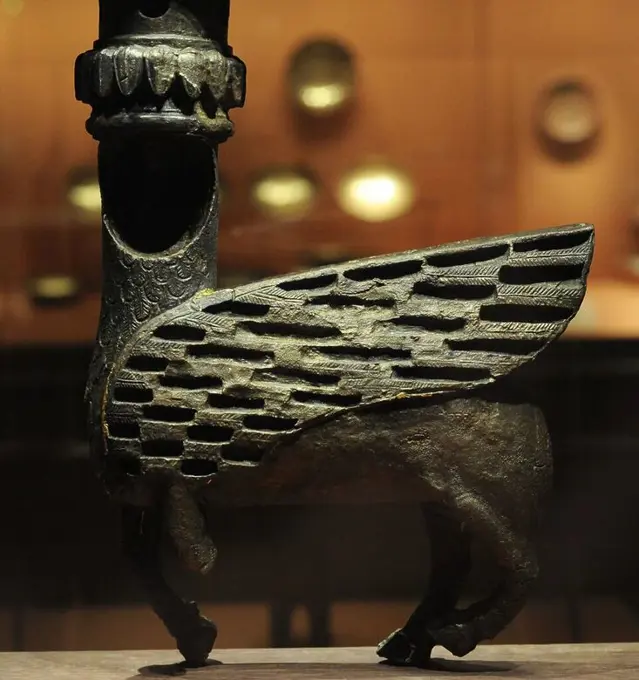
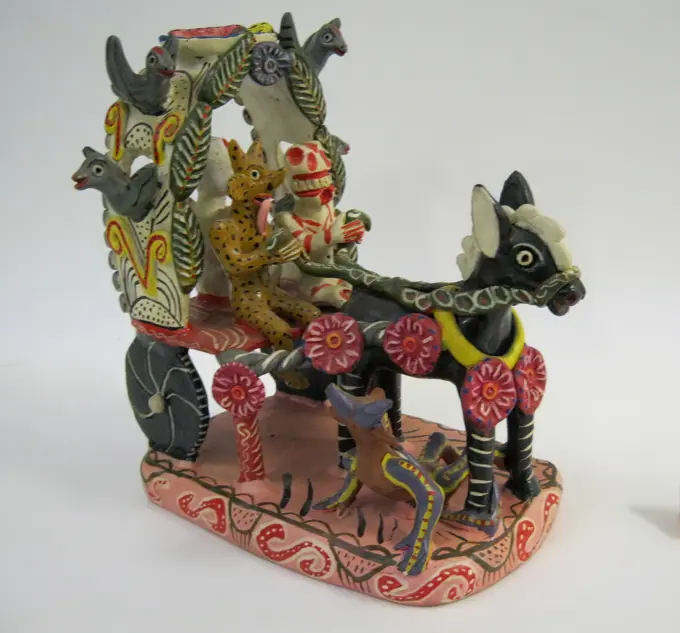
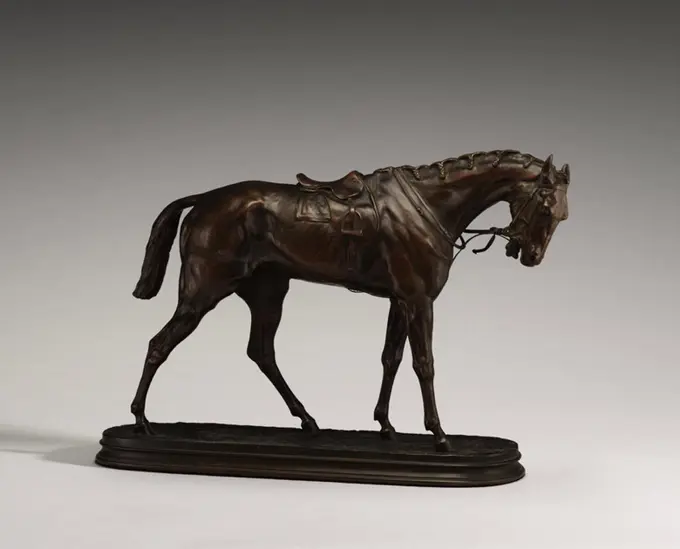
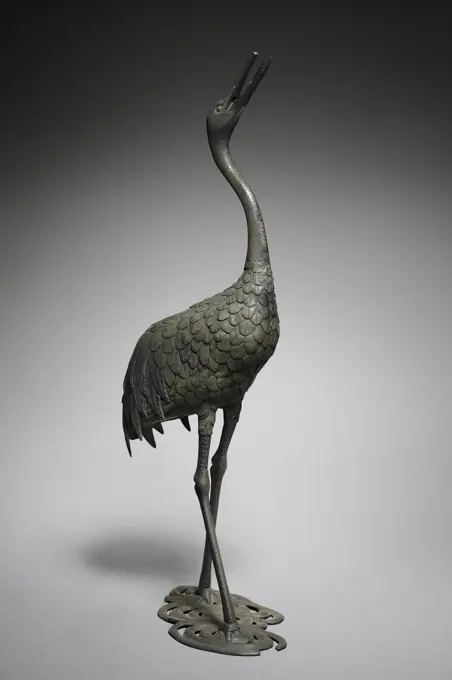
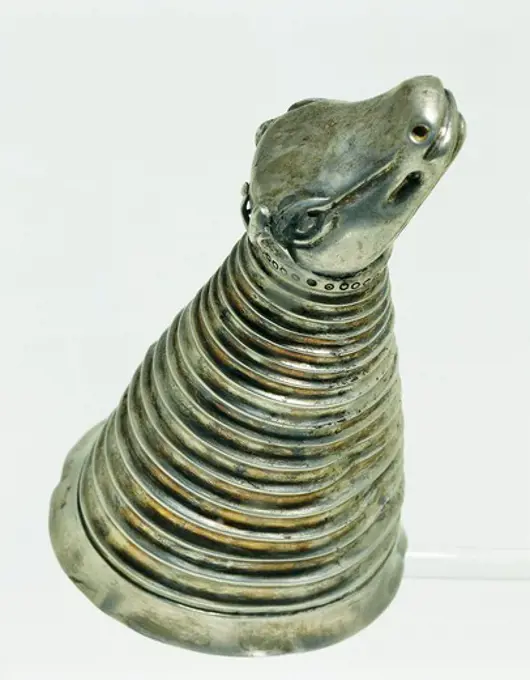
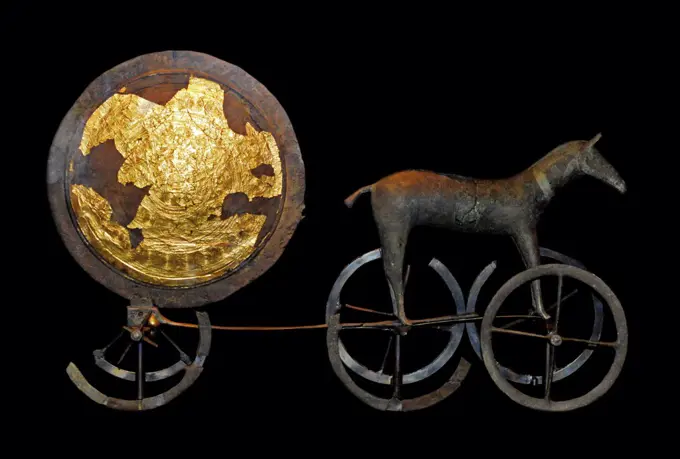
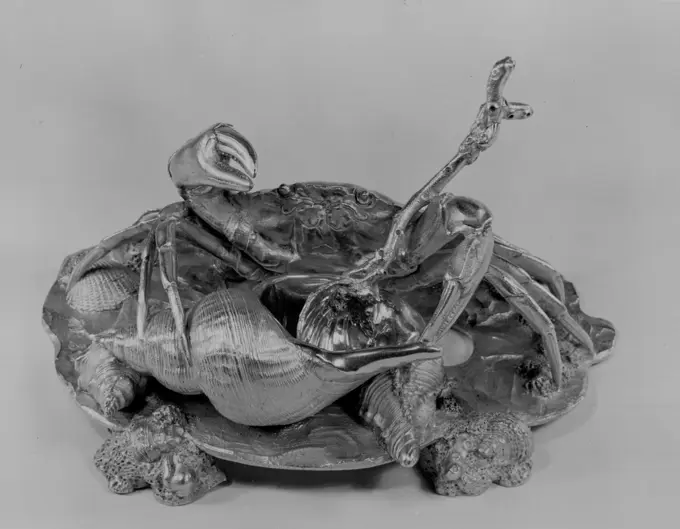
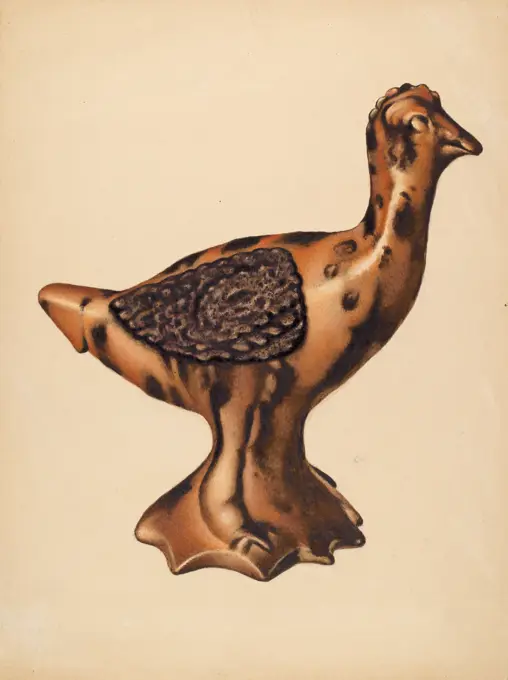
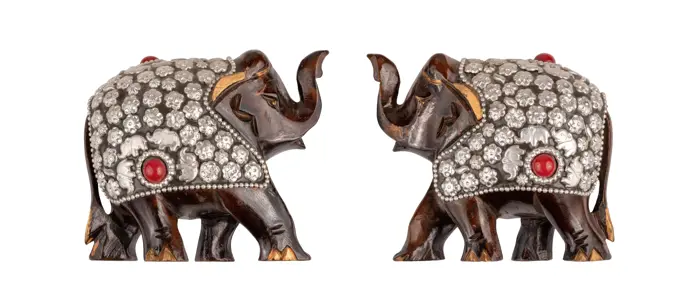
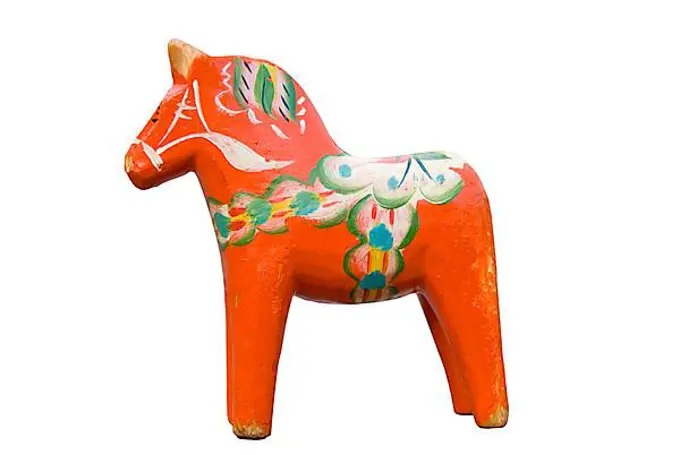
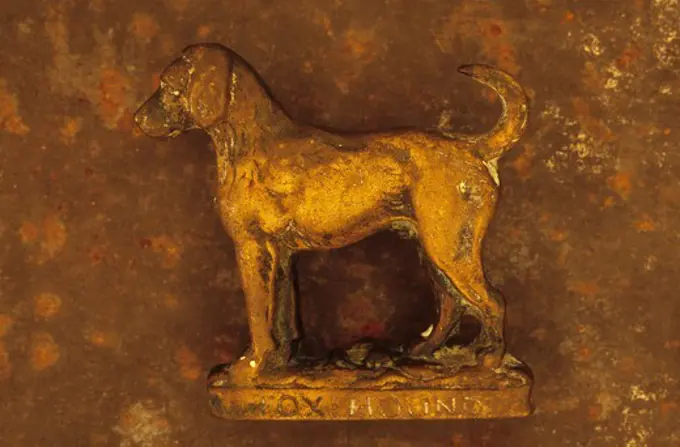
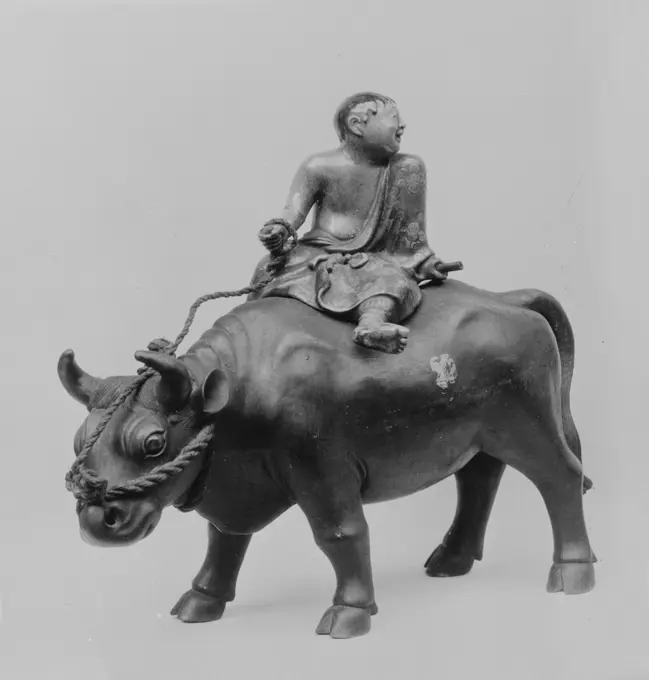
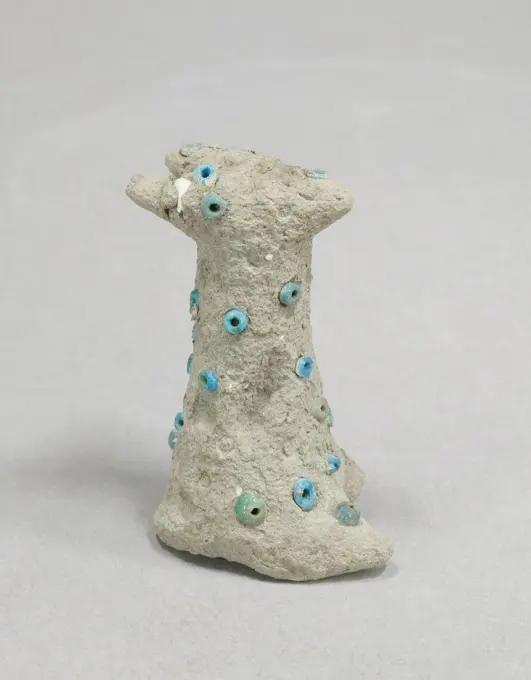
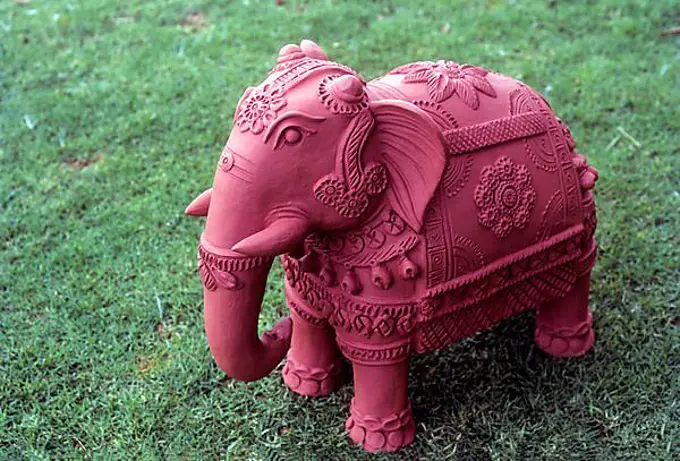
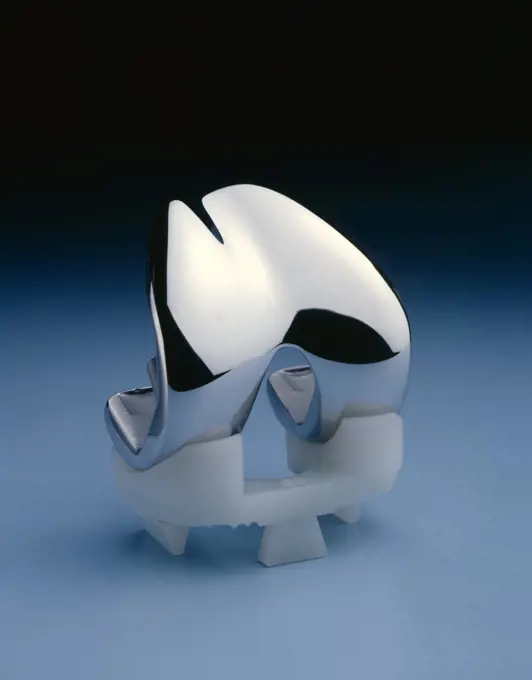
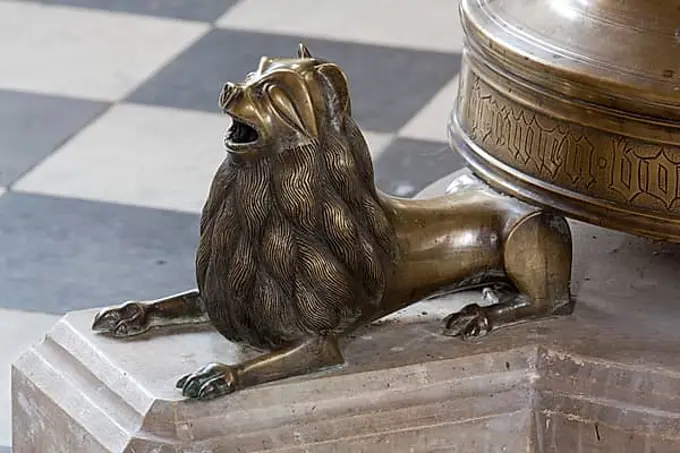
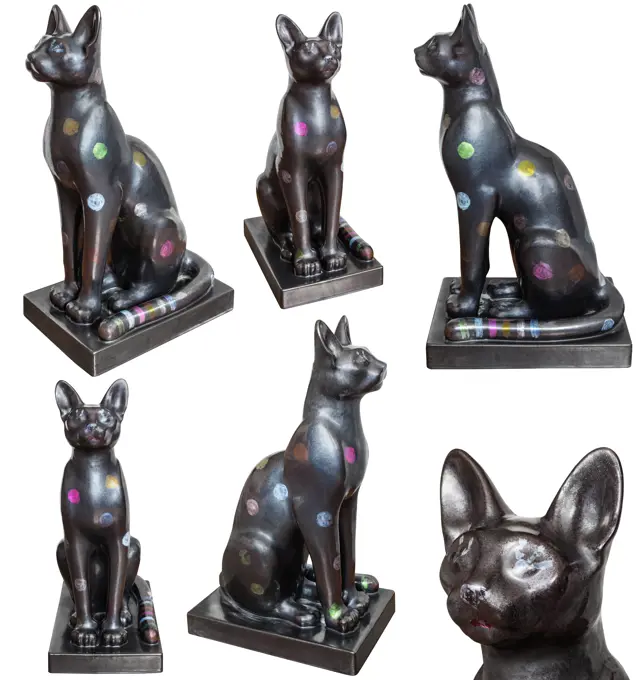
Piece of chess. The fallen knight on a white backgroundShoulo in Jeleń - Kadzielniczka;  18th century (1701-00-00-1800-00-00);Model of a Figurehead, anonymous, c. 1840 - c. 1858 scale model Polychromed model of a climbing lion as a cheg on a Scheg, on back plate. He has his tail on starboard and a cartouche between the front legs. The inscription on the cartouche is incomplete; The second line is worn out. Netherlands wood (plant material). paint (coating)  beasts of prey, predatory animals: lionFigurine of rooster on rock. unknown, craftsmanKid second half 18th century Italian, Naples In 1964, Loretta Hines Howard generously presented to the Museum over 140 Neapolitan crèche figures, dating from the second half of the eighteenth century. The varied assortment includes figures from the three traditional scenes of a complete Neapolitan presepio: the Nativity, with angels, shepherds, and sheep; the procession of the three Magi, with their colorful retinue of attendants; and the varied and gay crowd of country and town people thronging the tavern, or inn, of Bethlehem  the diversorium mentioned by St. Luke, where on the Holy Night there was no place for Mary and Joseph. Averaging between twelve and fifteen inches in height, according to the position they were to take in perspective in the stage set, the figures are pliable and can be given poses at will, according to their facial expressions. Their bodies are made of tow and wire, their arms and legs are finely carved of wood, and their heads and shoulders are modeled of terCanine Bottle 6th-7th century Nasca or Wari. Canine Bottle 316177Sword handle in the shape of a horses head 18th-19th century India. Sword handle in the shape of a horses head 56234Vase in the form of a rooster of multicolored painted faïence, the Greek A, c. 1757 - c. 1765 Vase of Faïence, in the form of a rooster. Multicolored painted. Delft . Vase of Faïence, in the form of a rooster. Multicolored painted. Delft .Tortoise-shaped Sword-Grip Ornament (Menuki), c. 1615-1868. Japan, possibly Edo period (1615-1868). Gilt bronze;Hen and Chicks. Yamaguchi Okatomo (Japan, active before 1781). Japan, mid- to late 18th century. Costumes; Accessories. Ivory with staining, sumi, inlaysclay figure in the shape of a bird clay figure in the shape of a bird, 5th-1st century BC, Giribaile, Vilches, Iberian Museum of Jaén, Andalusia, Spain Copyright: xZoonar.com/BartomeuxBalaguerxRotgerx 21714884CERAMICA POPULAR.Seal with Knob in the Shape of a Turtle ca. 1st-2nd century China So-called seal script,” seen here, is an archaic writing style that was standardized during the Qin (221-206 B.C.) and Han dynasties (206 B.C.-A.D. 220). It is characterized by straight lines of uniform width and angular turns suited to a square format. The inscription reads:Seal of Tiannan General”. Seal with Knob in the Shape of a Turtle 44316Snuffbox in the shape of a pugs head. Meissener Porzellan ManufakturMeissen, c. 1740-1750hard-paste porcelain, copperFigure of Elephant China. Figure of Elephant. China. Nephrite, light sage-green with a light bluish tint. Ming dynasty (1368-1644). JadeSeal with Knob in the Shape of a Chimera. Culture: China. Dimensions: H. 13/16 in. (2.1 cm); W. 9/16 in. (1.4 cm); D. 1/2 in. (1.3 cm). Date: ca. 3rd century. Museum: Metropolitan Museum of Art, New York, USA.Figurka byka Apisa. unknown, authorCup. Culture: German. Dimensions: 13 1/2 × 8 3/4 in. (34.3 × 22.2 cm). Date: 16th century. Museum: Metropolitan Museum of Art, New York, USA.Wooden Horse Head Close up of a carved wooden horse s head Copyright: xZoonar.com/StephenxFarhallx 9689167Horse Galloping on the Right Foot, the Back Left Foot Only Touching the Ground. Dated: possibly 1890s. Dimensions: overall without base: 18.9 x 7.1 x 32.2 cm (7 7/16 x 2 13/16 x 12 11/16 in.) height without base (of horse): 18.1 cm (7 1/8 in.). Medium: pigmented beeswax, metal armature, wool, cork, on wooden base. Museum: National Gallery of Art, Washington DC. Author: EDGAR DEGAS.cat statue from Ancient Egypt isolated modern hand made ceramic replica of cat statue from Ancient Egypt isolated on white background ,property released Copyright: xZoonar.com/ValeryxVoennyyx 8548219 ,model released, Symbolfoto ,property releasedOx 19th century Japan. Ox 59191SealFigurine of the Goddess Bastet as a Cat. Egypt, Late Period, 712-332 B.C.. Sculpture. BronzeAnonymous, seated cat, forming a night light, China, Qing dynasty, reign of Qianlong (1736-1795), end of the 18th century. Chinese porcelain enamelled in turquoise blue. Paris, Cognacq-Jay museum. 25926-1 Turquoise blue, cat, lantern, various object, qingCat (one of a pair) 18th century China. Cat (one of a pair). China. 18th century. Porcelain with black enamel (Jingdezhen ware), modern plastic repair of eyes. Qing dynasty (1644-1911). CeramicsRegina Henderer, Door Knocker, c 1938 Door KnockerKingdom of Urartu. Element from throne of a divinity. Bronze. From ancient Rusahinili (Toprakkale, Turkey). 8th-7th c. BC. The State Hermitage Museum. Saint Petersburg. Russia.Day of the Dead Group, mid 20th century, 12-3/8 x 8-7/16 x 12-3/16 in. (31.4 x 21.4 x 31.0 cm), Ceramic, pigment, Mexico, 20th centuryA Saddled Racehorse. Dated: model c. 1860s. Dimensions: overall: 30.5 × 12.7 × 40.6 cm (12 × 5 × 16 in.). Medium: bronze. Museum: National Gallery of Art, Washington DC. Author: PIERRE-JULES MENE.Crane, early to mid-1900s. Japan, Taishō period (1912-26) to Shōwa period (1926-89). Bronze; overall: 96.6 cm (38 1/16 in.).Wild Boar Pair. Kanō Tomokazu (Japan, active circa 1764/1771-circa 1830/1843). Japan, early 19th century. Costumes; Accessories. Wood with inlaysErotic statue on a white backgroundZoomorphic vessel depicting a native animal of America. Chimu-Inca culture. Late Horizon (1470-1532 AD). Peru. Museum of the Americas. Madrid, Spain.Sake Cup Holder in the Form of a Chinese Boy Pulling a Cart. Japan, late 19th century. Ceramics. Sanda or Oujiyama ware; porcelain with underglaze blueSilver rhyton silver in shape of ox-head, from Qasr-i Shirin, IranLion of a stabbing of a standard of the Dutch army at the time of the Belgian rebellion. Metal decorations of a banner or standard consisting of a lion with sword on a block. The sword has been demolished. Stand ornament.Fragment of pottery drink with glazed mouth rim, on stand button, pouring cup cup drinking utensils tableware holder earth discovery ceramics earthenware glaze lead glaze, hand turned glazed baked Pottery drinkuyt pouring cup red sharpened sparingly glazed small stand. Stand or stand knob rough square shaped archeology native pottery beer wine drinkStag Statuette; Antoine Louis Barye (1796 - 1875); France; bronzeSauceboat, End of the 18th century - beginning of the 19th century, Ceramics (polychrome crockery, with lid, decorated with a piece of wood, on a molded circular base, mark A, at the base), manufactured by Alcora (Castellón), Height: 18 cm. Museum: Museo Fundación Francisco Godia, Barcelona, Cataluña, España.The Trundholm sun chariot (Danish: Solvognen); is a late Nordic Bronze Age artefact discovered in Denmark. It is a representation of the sun chariot; a bronze statue of a horse and a large bronze disk; which are placed on a device with spoked wheels. It was discovered in 1902 in a peat bog on the Trundholm moor on the northwest coast of the island of Zealand (Sjælland) in DenmarkDog 1700-1799 France. Glass; lampwork (verre de Nevers), metal armature .Royal Plate on show in London: Historic Exhibits From Buckingham Palace and Windsor Castle.This silver-gilt salt formed as a crab with shells on a rocky base is one of a pair from the service of Frederick Prince of Wales. It bears the mark of Nicholas Sprimont (1742) the Liege born silversmith, who is better known as the co-founder of the Chelsea porcelain manufactory. July 28, 1954.Horse bit with cheekpieces in form of a horse ca. 8th-7th century B.C. Iran. Horse bit with cheekpieces in form of a horse 324669Aaron Fastovsky, Bank, c 1939 BankBear and bull, golden figurinesPendant in the Shape of a Pomegranate Flower New Kingdom ca. 1350-1295 B.C. View more. Pendant in the Shape of a Pomegranate Flower. ca. 1350-1295 B.C.. Glass. New Kingdom. From Egypt. Dynasty 18, second halfFigurine of a wooden elephant isolated on a white background, in Indian style Figurine of a wooden elephant isolated on a white background, in Indian style Copyright: xZoonar.com/InnaxZhemerdeevax 22799293Trick Pony' mechanical bank, c. 1885, Charles G. Shepard; Designer: Peter Adams; Manufacturer: Shepard Hardware Company, Buffalo, New York, 1866-1892, 7 1/2 x 7 1/8 x 2 1/2 in. (19.05 x 18.1 x 6.35 cm), Iron, pigment, 19th centuryDala horse, landmark, toy, wood, souvenir, cut-out from SwedenVessel lid with phoenix motif, 17th-19th century, 2 7/16 x 2 3/8 x 2 3/8 in. (6.19 x 6.03 x 6.03 cm), Silver and gold, China, 17th-19th centuryBrass model of Foxhound dog in profile in warm light lying on rusty metal sheetCenser in Form of a Boy Riding an Ox 1720 Japan. Censer in Form of a Boy Riding an Ox. Japan. 1720. Faience covered with non-lustrous black glaze, colored and gold enamels (Awata ware). Edo period (1615-1868). CeramicsAnimal figurine ca. 1981-1640 B.C. Middle Kingdom. Animal figurine. ca. 1981-1640 B.C.. Clay. Middle Kingdom. From Egypt, Memphite Region, Lisht North, Cemetery, MMA excavations, 1906-07. Dynasty 12-13Boar's Head Tureen and Stand. Netherlands, Delft, circa 1750. Furnishings; Serviceware. Tin-glazed earthenware (Delft)Kloskant motif with the lion of Saint Marcus of Venice, Anonymous, c. 1914 - c. 1915  Motif of natural -colored bobbin: War Lace. The motive represents the Lion of Saint Marcus of Venice. It is made with different parts in linen battle with openwork edges. A coarse hexagonal grille with picots has been applied between the legs. Belgium cotton (textile) bobbin laceHandicraft terracotta elephant in Puducherry or Pondicherry, Union Territory of India, AsiaGilt bronze and copper plate. From the time of Three Kingdoms Period (57BCE - 668) to Unified Silla (668 - 935)Titanium knee replacement on blue background, studio shotCandlestick, bronze lion, Saint, Saintvarious views of cat statue from Ancient Egypt set of various views of modern hand made ceramic replica of cat statue from Ancient Egypt isolated on white background ,property released Copyright: xZoonar.com/ValeryxVoennyyx 8548377 ,model released, Symbolfoto ,property released