Bronze Animal Figurines

A collection of bronze sculptures including a horse, sphinx oil lamp, rooster weathervane, and others, showcasing detailed craftsmanship and historical significance.

Rooster weathervane, c. 1850, 27 3/8 x 20 x 11 13/16 in. (69.53 x 50.8 x 30 cm) (including base), Copper, gilt, Canada, 19th century
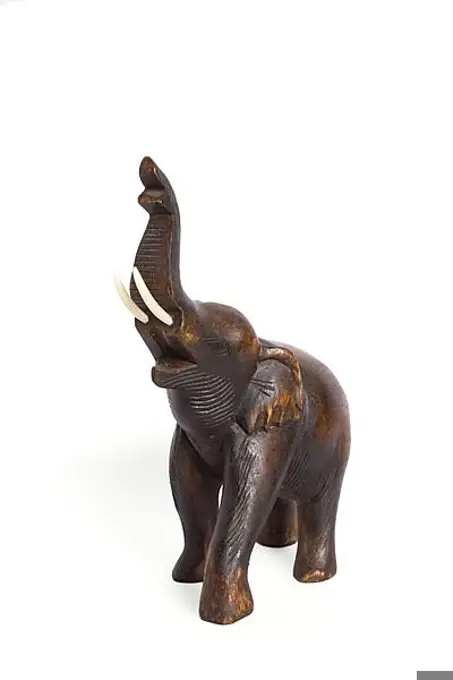
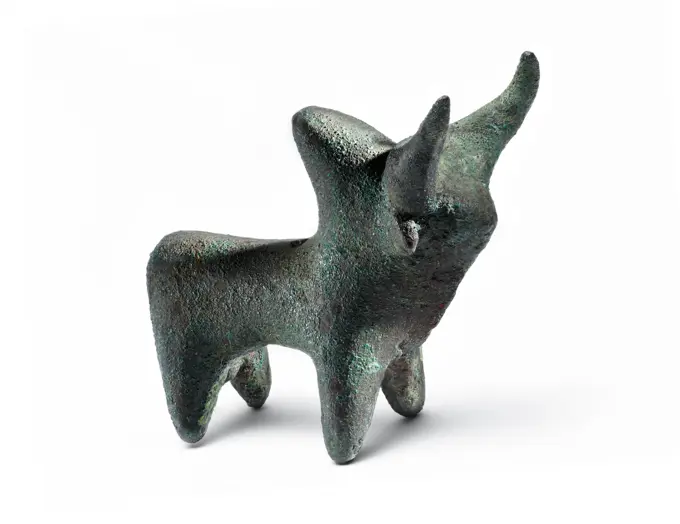
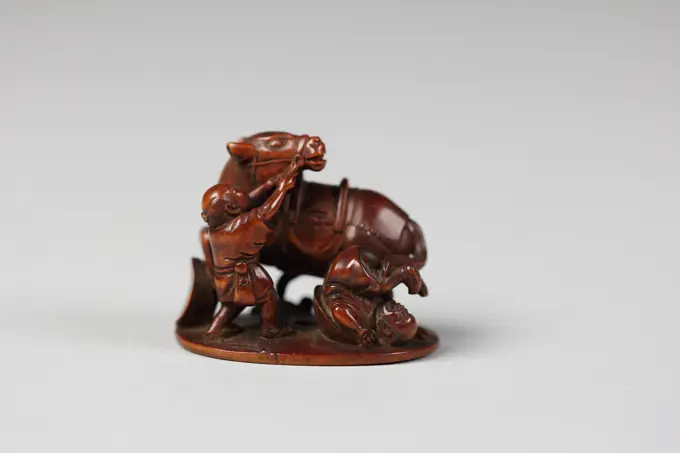
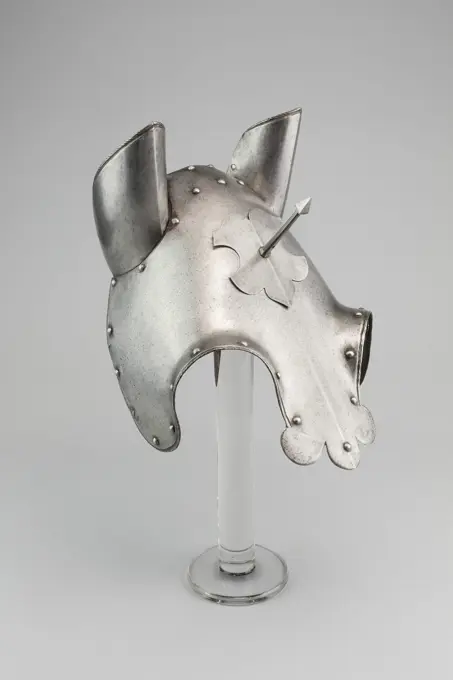
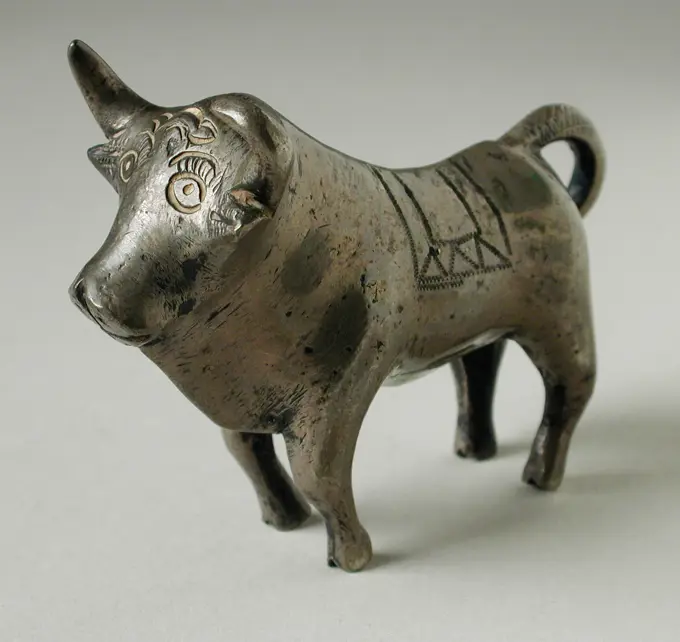
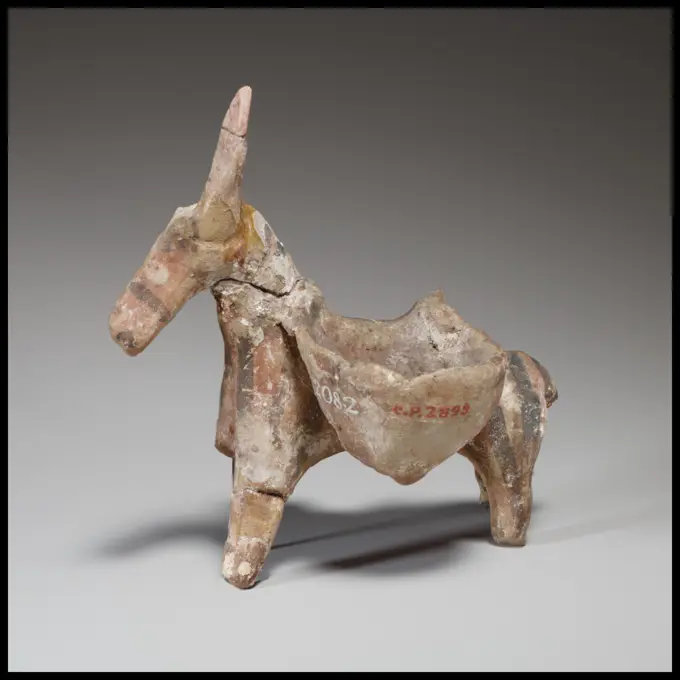
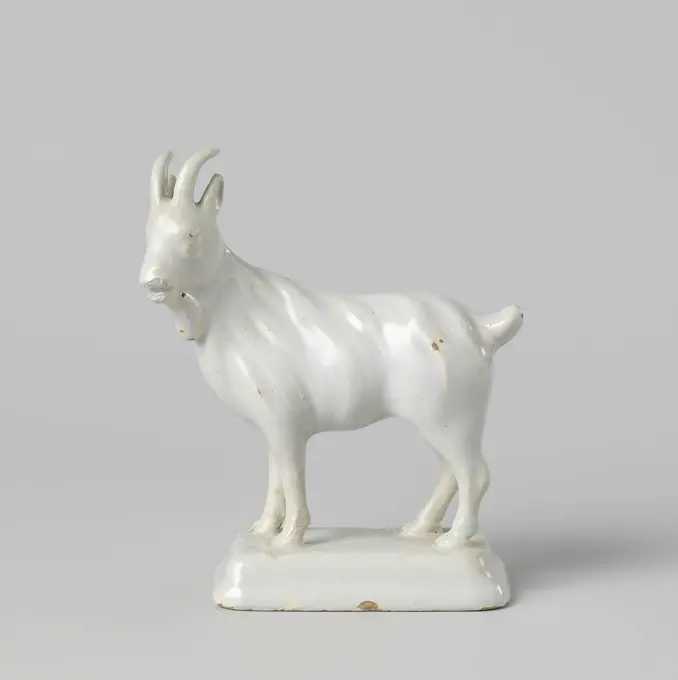
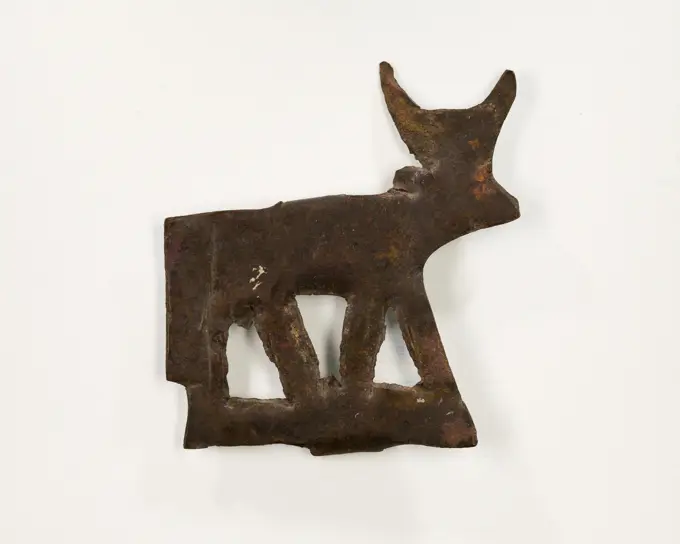
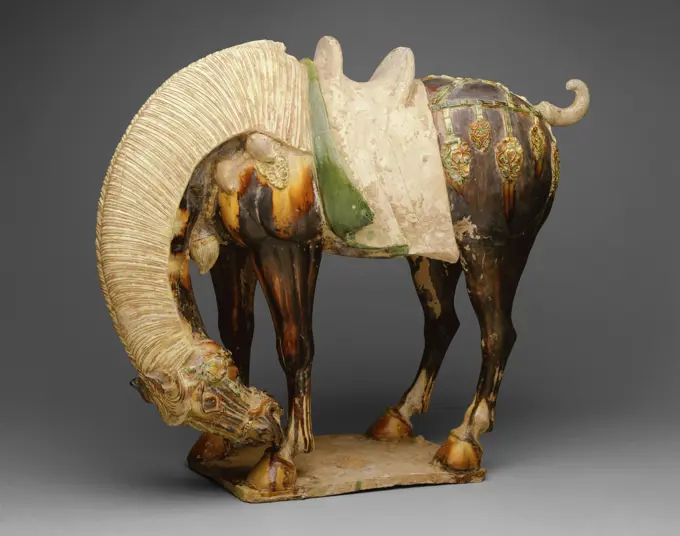
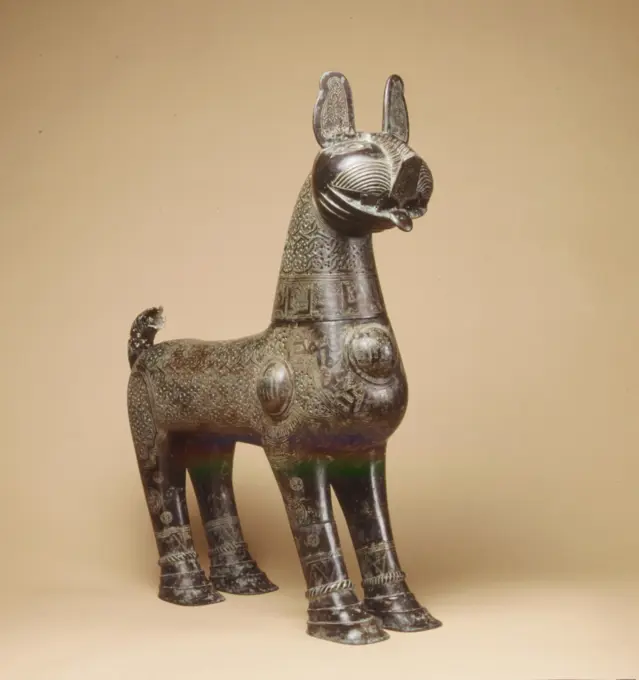
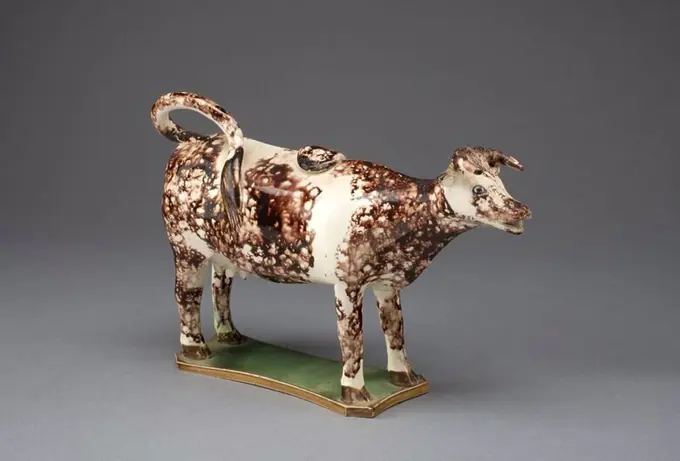
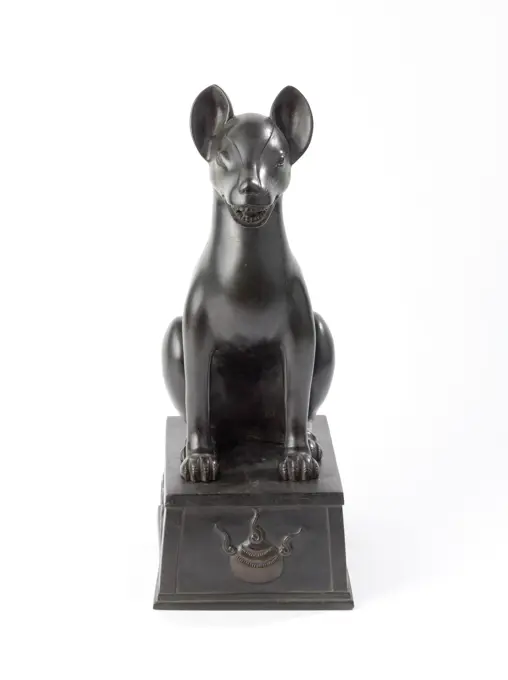
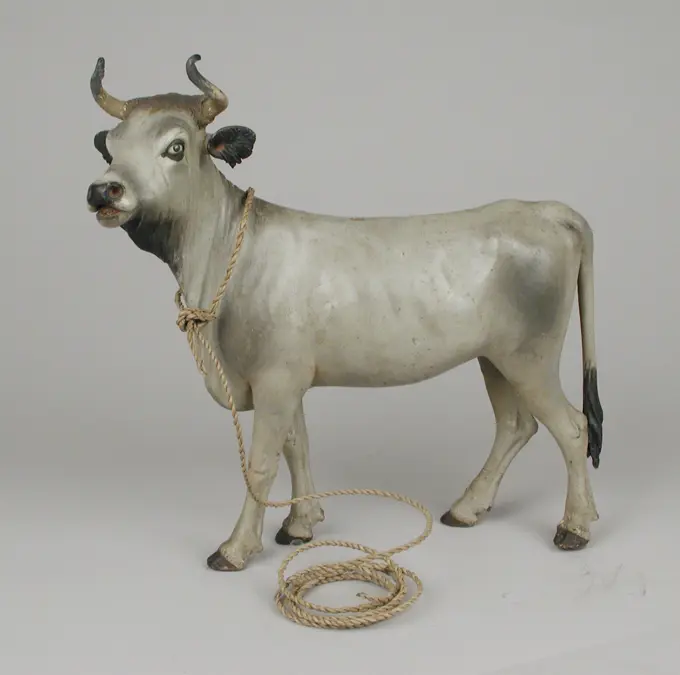
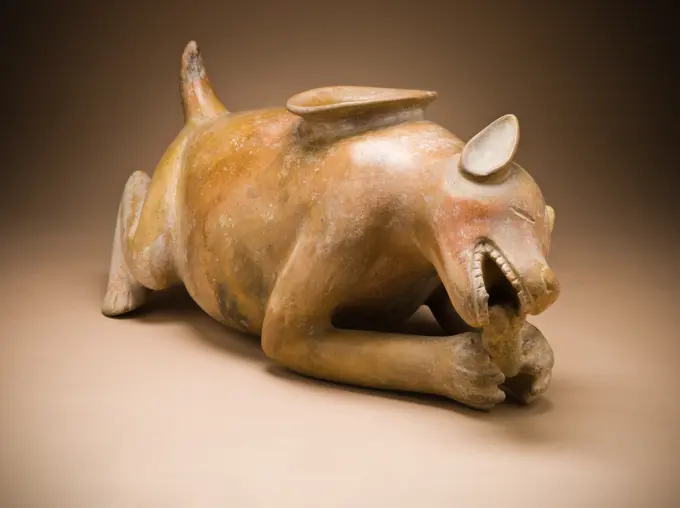
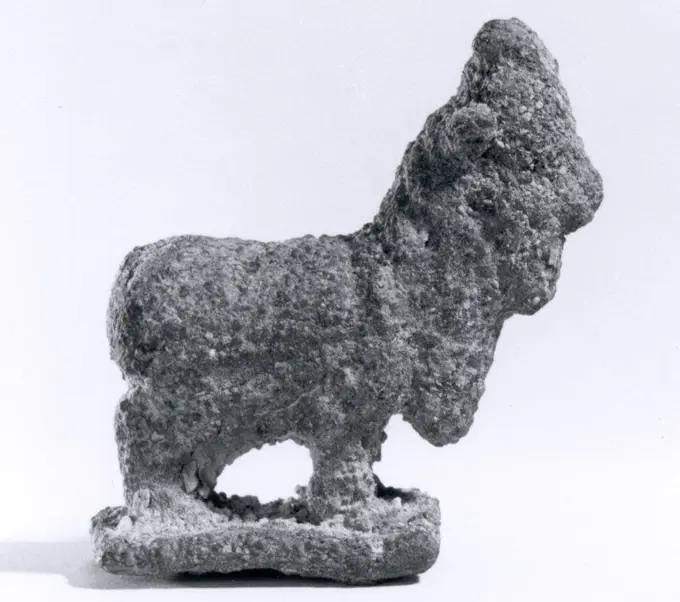
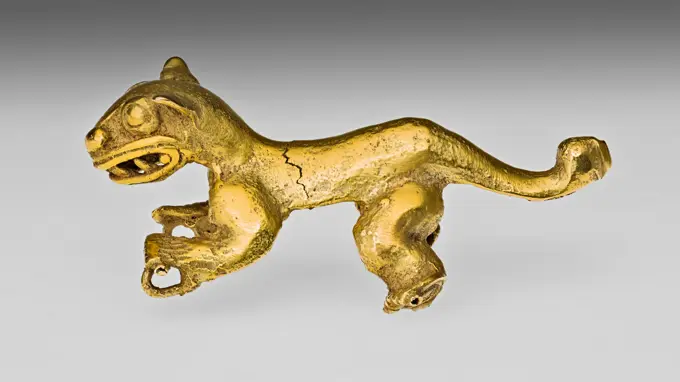
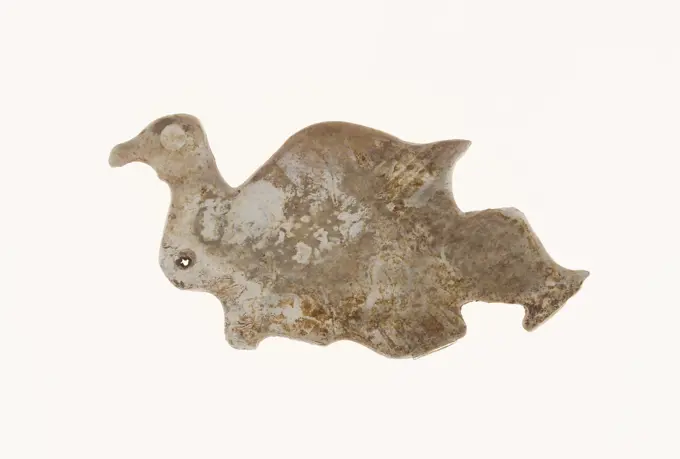
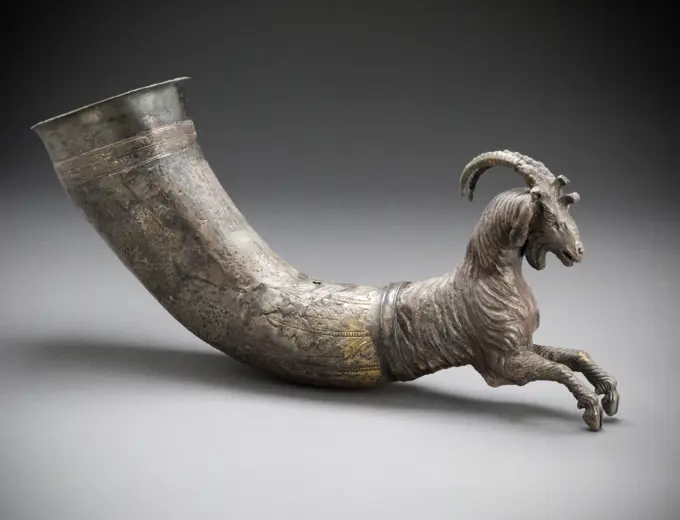
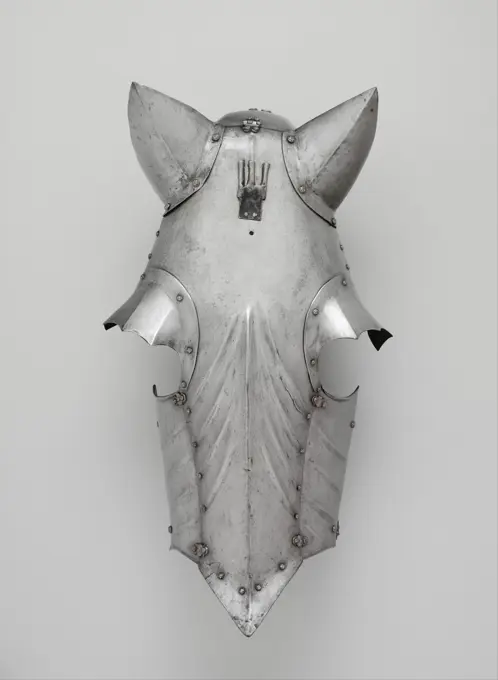
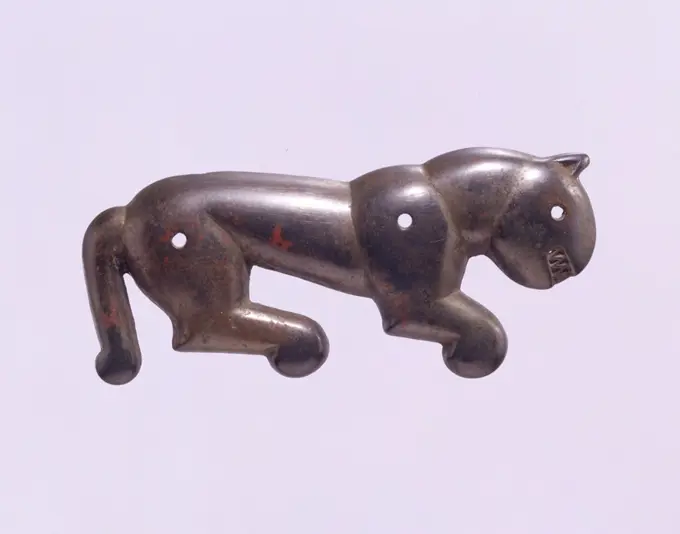
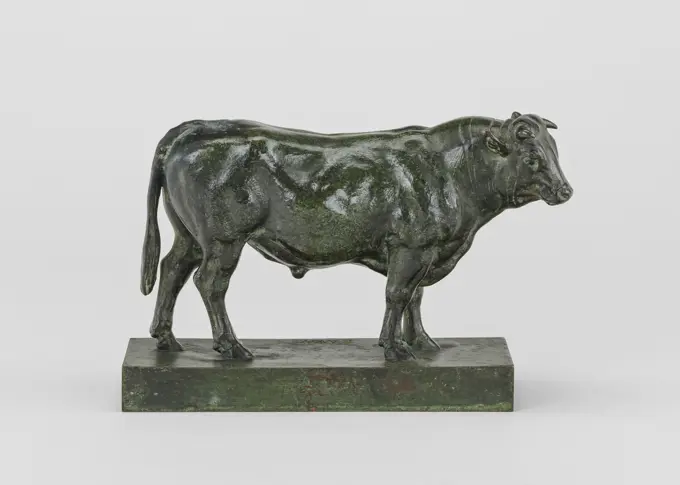
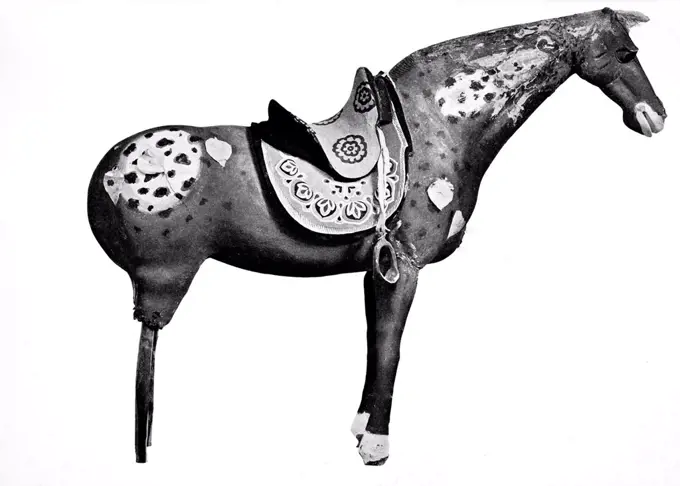
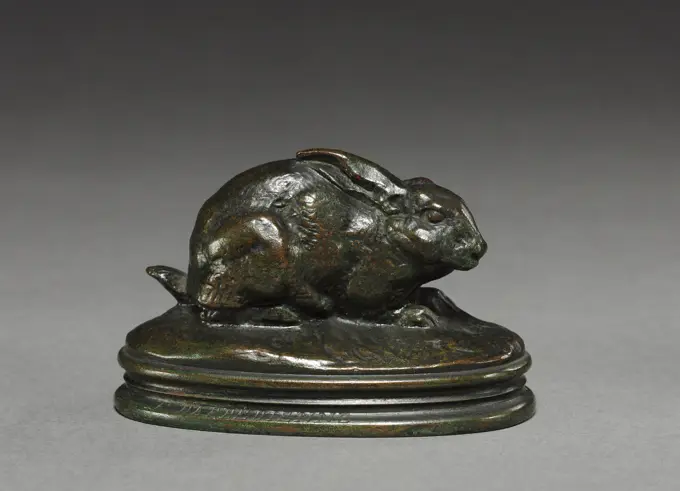
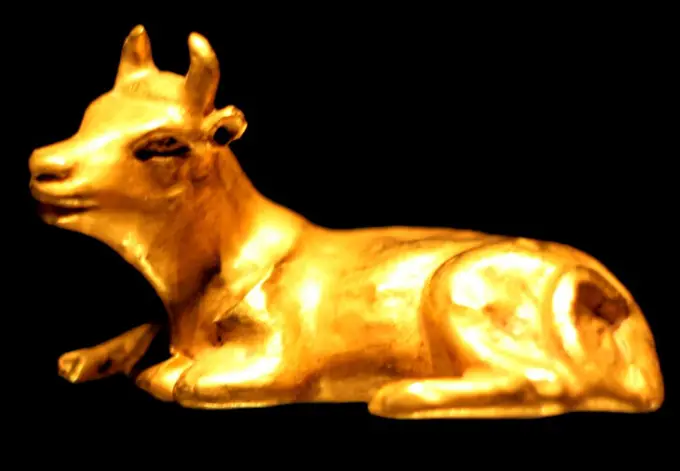
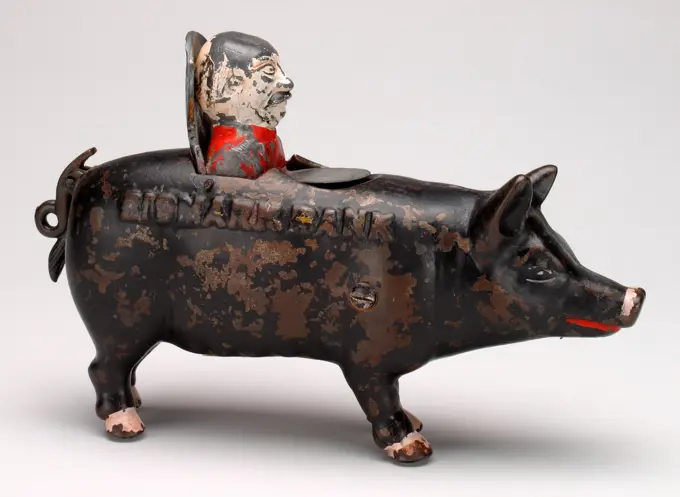
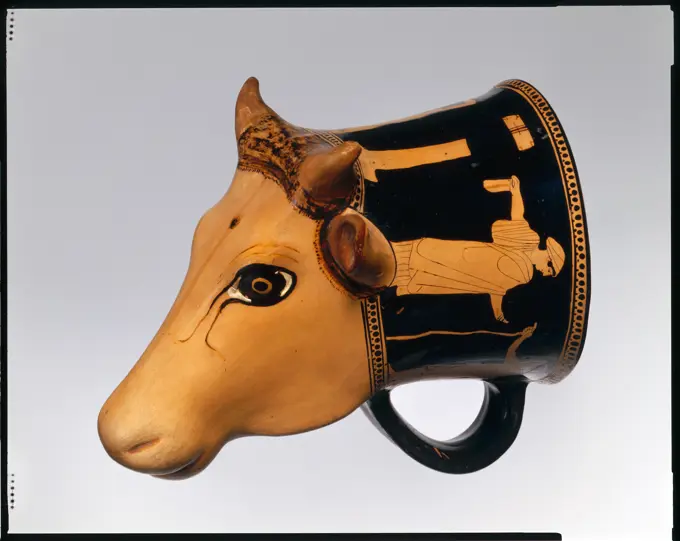
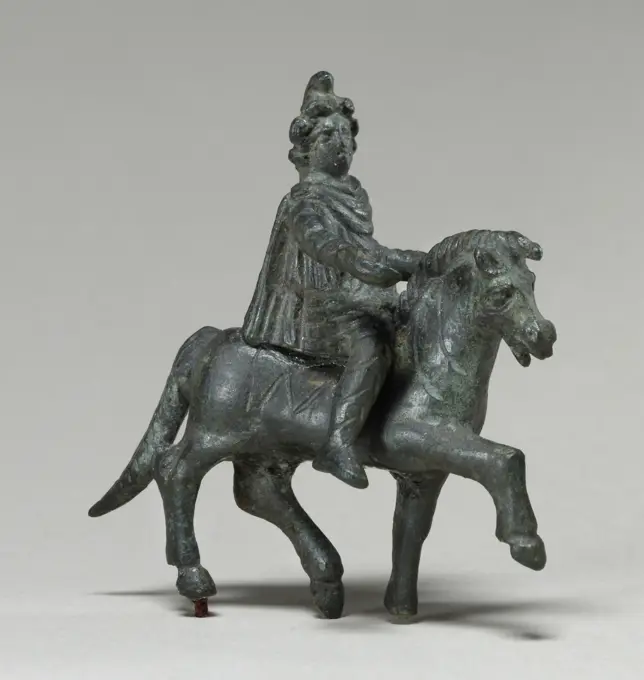
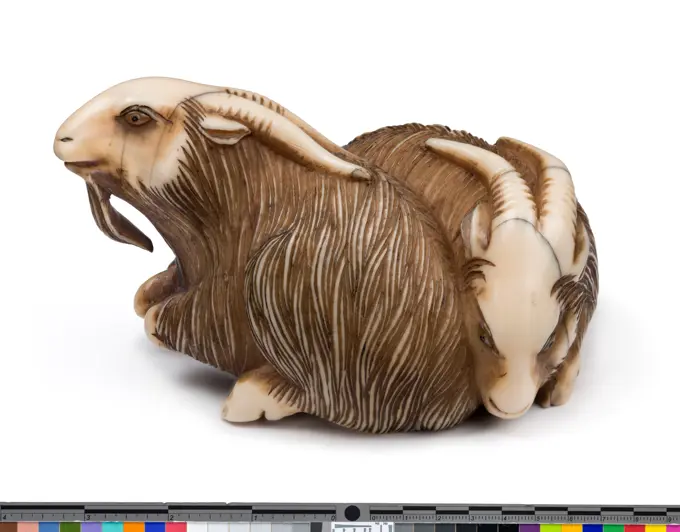
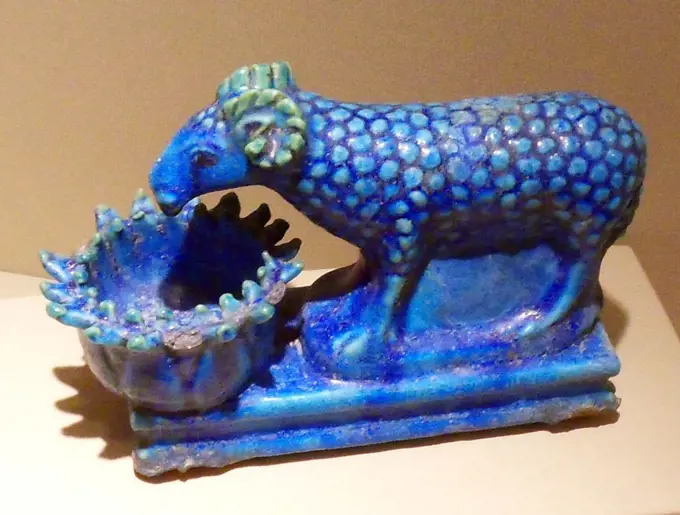
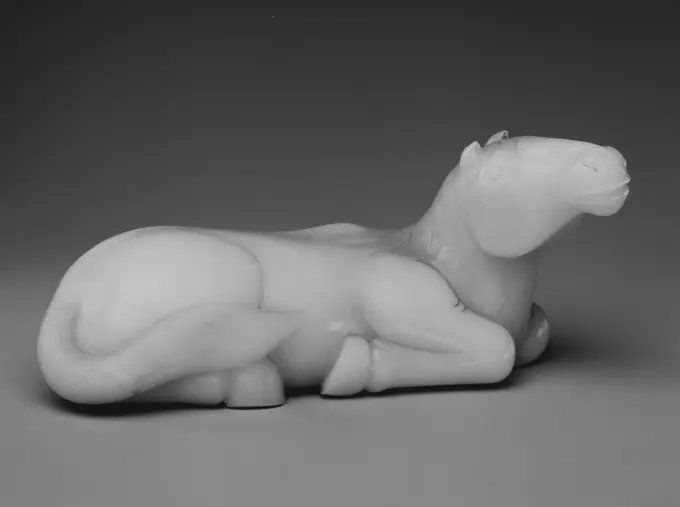
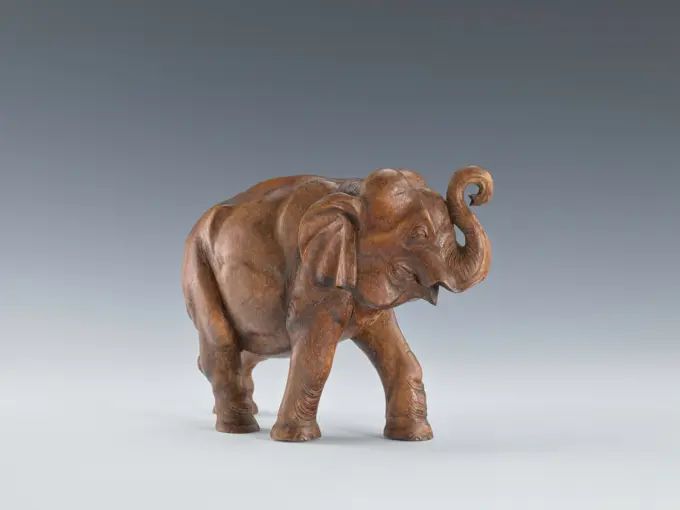
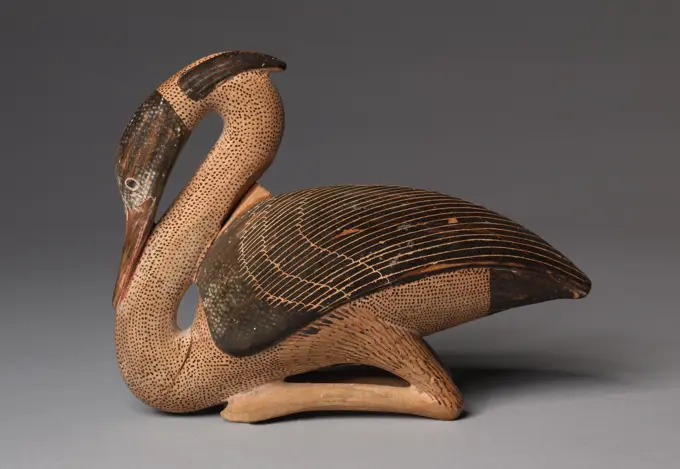
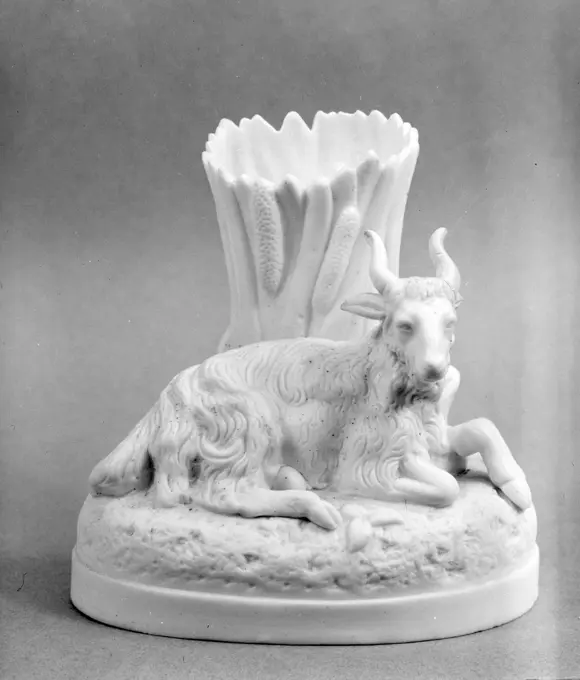
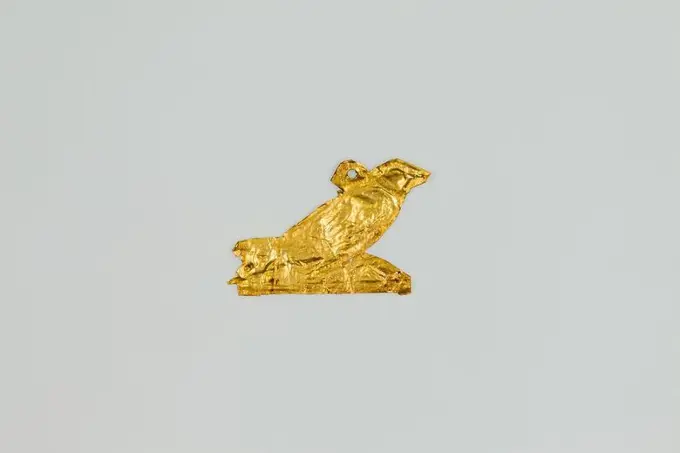
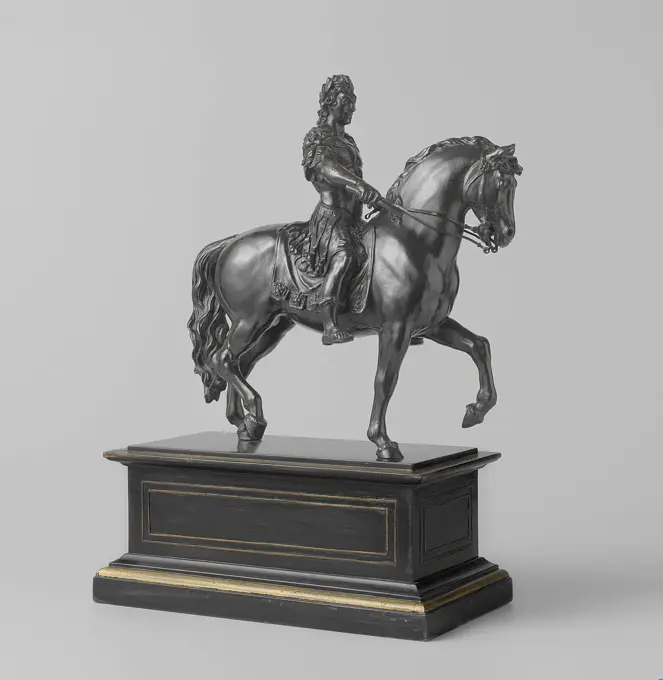
Horse, anonymous, c. 1500 - c. 1600 The massive cast and accompanying item represents a slow-paced stallion that cancel his right front and left hind legs. Screw wires are attached to the legs. He has a long tail, elongated body, moons (which fall on the neck to the left) and a small head. Various parts (including the horseshoes) have been detailed in detail. The pelvis are pierced. They have a hole on the right flank. In the same flank, both slightly lower and at the same height are two holes behind the foreleg, which have been filled. The left flank of shows flat butsen. With this horse, the details (moons etc.) are generally finished and the patina is slightly darker than with the other horse of the couple. The forefoot has been demolished and restored. West-Europa brass (alloy). bronze (metal) casting The massive cast and accompanying item represents a slow-paced stallion that cancel his right front and left hind legs. Screw wires are attached to the legs. He has a long tail, elongOil Lamp in the Form of a Sphinx Cast 1520-1530 Padua. Bronze . Workshop of Andrea RiccioRooster weathervane, c. 1850, 27 3/8 x 20 x 11 13/16 in. (69.53 x 50.8 x 30 cm) (including base), Copper, gilt, Canada, 19th centuryknight chess piece vintage wooden knight chess piece isolated on white Copyright: xZoonar.com/YuryxZapx 1053976985stWooden elephant figurine from Thailand isolated on white backgroundZebu Pendant. Northern Iran (possibly Amlash), circa 1350-800 B.C.. Jewelry and Adornments; pendants. BronzeNetsuke of Two Men and Horse 18th century Japan. Netsuke of Two Men and Horse. Japan. 18th century. Wood. Edo period (1615-1868). NetsukeHalf-Shaffron 1545-1575 Europe. Steel .Full-Figure Standing Bull. Iran, no date. Sculpture. BronzeDonkey figurine ca. 600-480 B.C. Cypriot The solid, handmade donkey carries panniers. The body is broken across the neck and the left foreleg and is mended.. Donkey figurine. Cypriot. ca. 600-480 B.C.. Terracotta; hand-made. Cypro-Archaic II. TerracottasResting bovine amulet 664-380 B.C. Late Period. Resting bovine amulet. 664-380 B.C.. Gold. Late Period. From Egypt. Dynasty 26-29Bok or goat on profiled pedestal with beveled corners. Image of unforded faience. On a rectangular, profiled pedestal with beveled corners is a goat or a goat.ARTE CHINO. S. XII A. C. VASO RITUAL ZUN EN FORMA DE ELEFANTE, realizado en bronce y fechado en el siglo XII a. C. Museo Guimet. París. Francia.Cow plaque ca. 1479-1458 B.C. New Kingdom This metal plaque depicts a standing cow with a sundisk between its horns, which is a common representation of the goddess Hathor. It was excavated at Deir el-Bahari, close to a shrine for this goddess. Most likely the plaque had been deposited at this shrine, as a donation to the deity. There are two elongated loops on the back of the plaque: one is in the center of the cows back, and the other is on the baseline. These were probably used for stringing this plaque together with a series of similar small pieces. For very similar pieces, see 23.3.100-.101.. Cow plaque 549404Horse (Tomb Figure) 700 CE-750 CE China. Buff earthenware with three-color (sancai) lead glazes and molded decoration .Crafts of horseChessman (Rook) third quarter 19th century, after 17th century original Elkington & Co. British This electrotype is after a German seventeenth-century original, at time of reproduction at the Romanoff House, Moscow.. Chessman (Rook). British, Birmingham, after German original. third quarter 19th century, after 17th century original. Silver-giltAquamanile in the form of a lion with a mounted female figure, anonymous, c. 1220 - c. 1230 Aquamanile from copper alloy, in the form of a lion with on his back female figure. Poured in Cire Perdue technique and then accompanyed object, of which details are extended, engraved and punched, has the shape of a lion, which has held his head diagonally to the right and has hit the tail around his right hind leg. On his back a fork -shaped tree with four excellent leaves. A crowned female figure has sounded on two of those leaves. She is dressed in a long robe and wears a jewel on the chest. She holds her right hand on the belly, with her left -stretched hand she originally held something. De Leeuw has a grinning head surrounded by a ring beard and with the ears, one of which serves as a spout. There are three protrusions on the head and in between a valve attached by a hinge, which is decorated with rococo ornament. The valve covers the hole, so that it could be filled with water as a can sRocking Horse, 1850-1900Incense Burner of Amir Saif al-Dunya wal-Din ibn Muhammad al-Mawardi dated A.H. 577/ A.D. 1181-82 Ja`far ibn Muhammad ibn `Ali Zoomorphic incense burners were popular during the Seljuq period. This lion-shaped example is exceptional for its monumental scale, the refinement of its engraved ornament, and the wealth of information provided by the Arabic calligraphic bands inscribed on its body. These include the names of the patron and the artist, as well as the date of manufacture. The head is removable so that coal and incense could be placed inside, and the body and neck are pierced so that the scented smoke could escape. The lion certainly would have been at home in a palatial setting. Listen to experts illuminate this artwork's story Listen Play or pause #904. Kids: Incense Burner of Amir Saif al-Dunya wa'l-Din ibn Muhammad al-Mawardi Supported by Bloomberg Philanthropies We're sorry, the transcript for this audio track is not available at this time. We are working to make it availaCow Creamer. Staffordshire, England. Date: 1770-1795. Dimensions: 13 x 17.2 x 6.4 cm (5 1/8 x 6 3/4 x 2 1/2 in.). Lead-glazed earthenware (creamware). Origin: Staffordshire. Museum: The Chicago Art Institute, Chicago, USA.Fibula-Brooch. Roman, A.D. 2nd-3rd century. Jewelry and Adornments; brooches. Bronze, castCormorant ca. 1760 Bow Porcelain Factory British. Cormorant. British, Bow, London. ca. 1760. Soft-paste porcelain. Bow Porcelain Factory (British, 1747-1776). Ceramics-PorcelainFox. Bronze. Japan. XVIII-XIXth century. Paris, Cernuschi museum. Animal, Japanese art, bronze, fox, base, 19th XIXth 19th 19th 19th 19th century, 18th 18th 18th 18th 18th 18th century, animalFIGURA ARABE. Location: PRIVATE COLLECTION. MADRID. SPANIEN.Young bull 18th-19th century Possibly by Francesco Gallo. Young bull. Italian, Naples. 18th-19th century. Polychromed terracotta body with wooden legs, tail and horns. CrècheDog Vessel. Mexico, Colima, 200 BCE-500 CE. Ceramics. Slip-painted ceramicCow, white glazed., Anonymous, 1725 - 1770 Animal figure of Faience, representing a cow. White glazed. Delft . Animal figure of Faience, representing a cow. White glazed. Delft .Ashtray in the form of a lizard; Manufaktura Majoliki in Nieborów (Nieborów; Wytwórnia; 1881-1899); 1881-1886 (1881-00-00-1886-00-00);Figurine ca. late 3rd-early 2nd millennium B.C. Bactria-Margiana Archaeological Complex. Figurine 326674Horse Walking. Dated: original wax possibly early 1870s, cast c. 1920/1921. Dimensions: overall with base: 21 x 9.7 x 26.7 cm (8 1/4 x 3 13/16 x 10 1/2 in.) height without base (of horse): 20.5 cm (8 1/16 in.). Medium: copper alloy. Museum: National Gallery of Art, Washington DC. Author: EDGAR DEGAS.Cup in the form of a stag early 17th century Christoph Beham. Cup in the form of a stag 193548Pendant in the Form of a Jaguar 1300-1500 Panama. Gold . VeraguasAntoine-Louis Bare (1795-1875). "Rabbit, erect ears". Bronze patina clear. Around 1845. Museum of Fine Arts of the City of Paris, Petit Palais. Statuette, 19th XIXth 19th 19th 19th 19th century, animalGarment Plaque in the Shape of Deer 6th-4th century B.C. Kazakhstan. Garment Plaque in the Shape of Deer. Kazakhstan. 6th-4th century B.C.. Bronze. MetalworkStatuette of a Horse, 750-700 BC. Greece, Corinth, 8th century BC. Bronze; overall: 11.5 x 10 x 2.6 cm (4 1/2 x 3 15/16 x 1 in.).Bird Pendant 1100 BCE-900 BCE China. Jade .Finial in the Shape of a Tiger 6th-5th century B.C. China. Finial in the Shape of a Tiger 44719Bulls from Costitx. 500 BC-200 BC. Iron age. Material: bronze. Shrine of Predio de Son Corro, Costitx, Majorca, Spain. National Archaeological Museum, Madrid. Spain.Filagree Pendant in the Form of a Frog or Toad 500 CE-1000 Venado Beach. Throughout the ancient Americas, the animal world was closely linked to social hierarchies and obligations. In this worldview, frogs were seen as callers of water in connection with the onset of the rainy season, suggesting a rulerís ultimate responsibility to the community to virtually ensure the continuity of the agricultural cycle.. Cast gold . CocléKhokhloma colorfull russian khokhloma isolated on a white background Copyright: xZoonar.com/VladxPodkhlebnikx 479621Flower holder. Culture: British, Burslem, Staffordshire. Dimensions: Height: 5 in. (12.7 cm). Maker: Ralph Wood the Younger (British, Burslem 1748-1795 Burslem). Date: ca. 1780-90. Museum: Metropolitan Museum of Art, New York, USA.Rhyton in the form of a Saiga antelope head ca. 5th-6th century A.D. Sasanian. Rhyton in the form of a Saiga antelope head 324024John Benson How, Thoroughbred Horse (Never Say Die), c. 1955, bronze.Parthian Rhyton. Iran, 150 B.C. - A.D. 225. Tools and Equipment; rhyta. Silver with mercury gildingSweetmeat dish. Culture: Austrian, Vienna. Dimensions: Overall (confirmed): 3 3/8 x 9 11/16 x 4 3/8 in. (8.6 x 24.6 x 11.1 cm). Factory: Vienna. Factory director: Du Paquier period (1718-1744). Date: ca. 1730. Museum: Metropolitan Museum of Art, New York, USA.Shaffron (Horse's Head Defense) ca. 1480-95; ear guards, eye guards, and plume holder, 19th century restorations Attributed to Romain des Ursins Italian This is a rare example of a late Gothic shaffron preserved with its matching crinet also in the Metropolitan Museum's collection (acc. no. 14.25.1662). The combination of the shaffron's slender, pointed shape and its radiating ridges, together with the Italian-style armorer's marks, suggests that it is a work alla tedesca (in the German fashion) by an Italian master. The mark, an orb surmounted by a cross above the letters ROM ROM, has been attributed to the Milanese armorer Romain des Ursins, who appears to have supplied armor to the French court. (The ear and eye guards, bottom lame of the crinet, and mail fringe are ninteenth-century restorations.). Shaffron (Horse's Head Defense) 35725Leopard-Shaped Pectoral ca. 6th century B.C. China. Leopard-Shaped Pectoral 59452Manufacture of Meissen, teapot and its rooster -shaped cover (dummy title). Hard porcelain, polychrome enamels. Petit Palais, Museum of Fine Arts of the City of Paris.Antoine Louis Barye, Small Bull, model nd, cast 1874 Small BullSmall metal sculpture in the shape of a ramStag-shaped vessel ca. late 1st millennium B.C. Parthian. Stag-shaped vessel 325063The Astana Graves are a series of underground tombs located 6km from the ancient city of Gaochang, and 42km from Turpan, in Xinjiang, China. The tombs were used by the inhabitants of Gaochang, both commoners and locals, for about 600 years from 200 CE - 800 CE. The complex covers 10 square kilometers and contains over 1,000 tombs. Different plots for separate castes and families are marked by gravel dividers. Due to the arid environment many important artifacts have been well preserved at the tombs, including natural mummies. A typical tomb is entered by a 10 meter sloping staircase. The tombs are not very large, usually only 2 meters high. Some tombs also have murals inside. The deceased were laid on a small raised platform in the back of the tomb, surrounded by possessions and even food. Their faces were covered by cloths, some of which have distinct Persian motifs. A small funeral brick was placed to next to each body, on which was written the person's name and other biographical inHare, c. 1830 - 1875. Antoine-Louis Barye (French, 1796-1875). Bronze; overall: 4.8 x 2.7 cm (1 7/8 x 1 1/16 in.).Gold bull, Bactria or Gandhara, 100-1 BC.Figure of Horse late 17th-early 18th century China. Figure of Horse 42295Camel with saddle bags late 6th-7th century China. Camel with saddle bags. China. late 6th-7th century. Glazed earthenware. Sui dynasty (581-618). Tomb PotteryBrass and copper design fitting on antique wooden horse, Jodhpur, Rajasthan, India Copyright: xSafatxAli/DinodiaxPhotoxGun-Lock Hammer, c. 1800-1825. England, early 19th century. overall: 6.4 x 3.8 cm (2 1/2 x 1 1/2 in.).Anonymous, crane placed on a rock (of a pair of cranes placed on rocks), China, Qing dynasty, reign of Qianlong (1736-1795), 1760-1780. Chinese porcelain, decor of color enamels and black enamel, gilded bronze base. Paris, Cognacq-Jay museum. 35087-13 Ceramic, crane, bird, pair, animalCERAMICA EN FORMA DE TORO-PROCEDE DE MARLIK S XII AC. Location: MUSEO BASTAN. Teheran. IRAN.Vase in the shape of a rooster of multicolored painted faïence. Vase of Faïence, in the shape of a rooster. Painted multi-colored.Man met bok, Wessel Jansen, after 1642 - before 1696 On an elongated plate, the ends of which are bent down is a man. In his left hand, the man holds the lines of a goat or a goat that stands on the plate in front of him. A tulip is engraved in the plate and a zig-zag line. The image is marked: twice size = Wessel Jansen and a crowned V in a shield. Amsterdam silver (metal) On an elongated plate, the ends of which are bent down is a man. In his left hand, the man holds the lines of a goat or a goat that stands on the plate in front of him. A tulip is engraved in the plate and a zig-zag line. The image is marked: twice size = Wessel Jansen and a crowned V in a shield. Amsterdam silver (metal)Dog figurine Koriak folk productsLisbon, Portugal. Antique carved silver Indian mythical figure. (Editorial Use Only)Bismark sic Bank' mechanical bank, c. 1883-1884, Charles A. Bailey; Manufacturer: J. & E. Stevens Company, Cromwell, Connecticut, 1843-1950s, American (Middletown, CT), American, 1848-1926, 5 1/4 x 7 1/2 x 2 1/2 in. (13.34 x 19.05 x 6.35 cm), Iron, lead, tin, pigment, 19th centuryTerracotta rhyton (vase for libations or drinking) ca. 460 B.C. Attributed to the Cow-Head Group The molded part is in the form of a cow's head. On the wheel-made lip, women and youths.The molded, figural part of the vase is in the shape of a cow's head. The meaning of these plastic vases is difficult to grasp. To some degree, the animal forms hark back to the prototypes that came to Greece from the East. By the classical period, however, the criteria for selection probably included novelty and, it would seem, a contrast to the usual surroundings of an urban, Athenian symposiast (participant in a drinking party).. Terracotta rhyton (vase for libations or drinking) 247366Asian Elephant, Wooden Statute Isolated on White backgroundStatuette of Mithras on Horseback. UnknownDish 18th century Portuguese. Dish 192342Nail; bronze (gilt); 1904-21-10Frog Pendant. Culture: Greater Coclé. Dimensions: H. 2 3/4 × W. 3 3/4 × D. 1 7/8 in., Wt. 3.459 oz. (7 × 9.5 × 4.8 cm, 98.07 g). Date: A.D. 550-850.This pendant, in the form of a frog, is suggestive of a range of frog species in the area where it was likely fabricated (see image 1). It is made of cast metal, likely an alloy of gold with copper. Its carbonized ceramic core is partially preserved. The frog looks forward. Its spherical eyes are at the top corners of its head, and they have linear indentations in their centers. The frog's tongue projects outward, illustrated as two spirals that are connected to the center of the mouth and at its ends by a thick, curved band of metal (see image 2). There is a plain band of metal that outlines the mouth. Another band has a chevron design, and it extends from the mouth down the center of the head and then connects with another chevron band forming a circle on the back of the frog (see image 3). The internal diameter of this circular band is Figure of a mythical beast first half of the 19th century China. Figure of a mythical beast. China. first half of the 19th century. Porcelain with turqoise-blue glaze (Jingdezhen ware). Qing dynasty (1644-1911). CeramicsInlay for a Mirror or Box: shih-shih, c. 900-1000. China, Tang dynasty (618-907) - Song dynasty (960-1279). Beaten silver with chased details; overall: 4.2 x 6.1 cm (1 5/8 x 2 3/8 in.). The p'ing-t'o technique of inlaying gold and silver foil on lacquer produced luxurious articles of elegance and fragility. These stray silver inlays were originally mounted on a mirror back or a cosmetic box whose lacquered surface has disintegrated. They combine auspicious symbols of Indian and Chinese origin--human-headed birds whose melodies filled the Buddhist paradise, and bird-riding deities who inhabited the skies of Taoist mythology. Like these imaginary beings, the lions were probably paired in a radial design; at least one has been lost.Silver bull's head. Tello, ancient Girsu. 3000 BC.Toy animal - Mule with pack saddle Britains, Ltd. Britains, Ltd.Horse rider, AnonymousGoat Pair. Japan, early 19th century. Costumes; Accessories. Ivory with staining, sumi, double inlaysBronze horse. Culture: Greek. Dimensions: H.: 4 3/8 in. (11 cm). Date: late 8th century B.C..Statuette of a bronze horse with no base. It is broken at the tail and the eyes are hollow. Museum: Metropolitan Museum of Art, New York, USA.Faience Ram with lotus-shaped manger. Roman Period A.D. 2nd century found at Egypt, Fayum, Medinet el-Fayum(Fayum, Krokodilopolis-Arsinoe)Figure of A Bird or Prey on a Rock. Image of porcelain, painted in underglaze blue and on the glaze blue, red, green, yellow, brown, black and gold. Image of a bird of prey standing on a rock with the wings light spread and head up. Some trays. Porcelain with email colors.Cadzielniczka with a lion -shaped cap;  18th century (1701-00-00-1800-00-00);Reclining Horse 18th century China. Reclining Horse. China. 18th century. Jade (nephrite). Qing dynasty (1644-1911). JadeFigure of a Retriever 1830-1870 France. Bronze, dark brown patina . Pierre-Jules MêneAntoine-Louis Bare (1795-1875). "Lion seated n ° 2". Brown brown-red patina mounted on a green marble base veined with white. Around 1857. Museum of Fine Arts of the City of Paris, Petit Palais. Statuette, 19th XIXth 19th 19th 19th 19th century, animalSłoń. unknown, sculptorGeorge Yanosko, Ceramic Coach Dog, c 1940 Ceramic Coach DogHeron-Shaped Figure Vase (Oil Vessel), c. 580 BC. Assigned to Robertson's Group. Ceramic; overall: 13 x 5.8 cm (5 1/8 x 2 5/16 in.).fine arts, ancient world, Greece, sculpture, three horses, bronze, 740 - 720 BC, Badisches Landesmuseum, Karlsuhe,Spill Vase 1830-70 American. Spill Vase. American. 1830-70. Parian porcelain. Probably made in Bennington, Vermont, United StatesAncient Nutcracker.Box reliquary Waleria with Limoges;  1210-20 (1210-00-00-1220-00-00);Russian Traditional Handmade Make Russian traditional folk handmade make on an isolated studio background Copyright: xZoonar.com/AndreyxSkatx 14291554Rattle China. Rattle 61299Scorpion 6th-7th century Moche (Loma Negra). Scorpion 314467Swallow amulet. Dimensions: l. 2.1 cm (13/16 in.) × h. 1.3 cm (1/2 in.). Dynasty: Dynasty 26-29. Date: 664-380 B.C.. Museum: Metropolitan Museum of Art, New York, USA.Mina Lowry, Steer Weather Vane, c 1938 Steer Weather VaneTerracotta vase in the form of a duck mid-6th century B.C. East Greek A vase in the form of a swimming duck with incised feathers.. Terracotta vase in the form of a duck. East Greek. mid-6th century B.C.. Terracotta. Archaic. Vasesa beautyful marble unicorn figure isolated on white background 3d illustration of a beautyful marble unicorn figure isolated on white background Copyright: xZoonar.com/magannx 11779167. After invading England, William III and Mary became its joint king and queen in 1689. William also remained stadtholder of the Netherlands. This small equestrian statue, modelled on a sculpture now in Bristol, shows the king in the guise of a Roman general. In reality, William was a poor horseman. In 1702 he fell from his horse and died from his injuries.