Bronze Animal Figurines

A collection of bronze sculptures including a horse, sphinx oil lamp, rooster weathervane, and others, showcasing detailed craftsmanship and historical significance.

Rooster weathervane, c. 1850, 27 3/8 x 20 x 11 13/16 in. (69.53 x 50.8 x 30 cm) (including base), Copper, gilt, Canada, 19th century
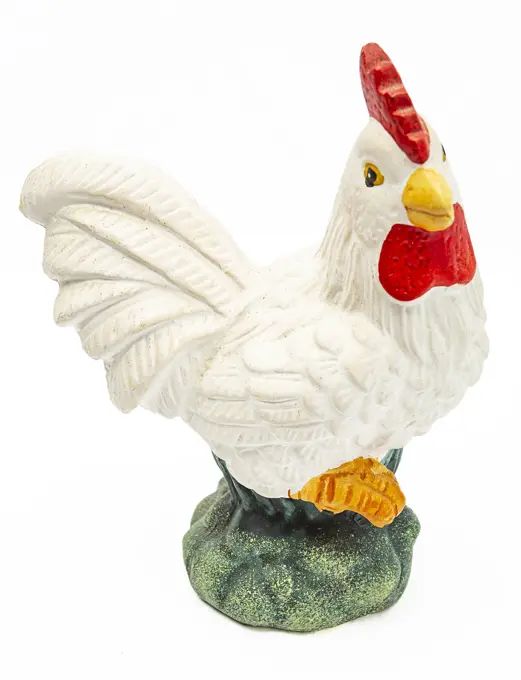
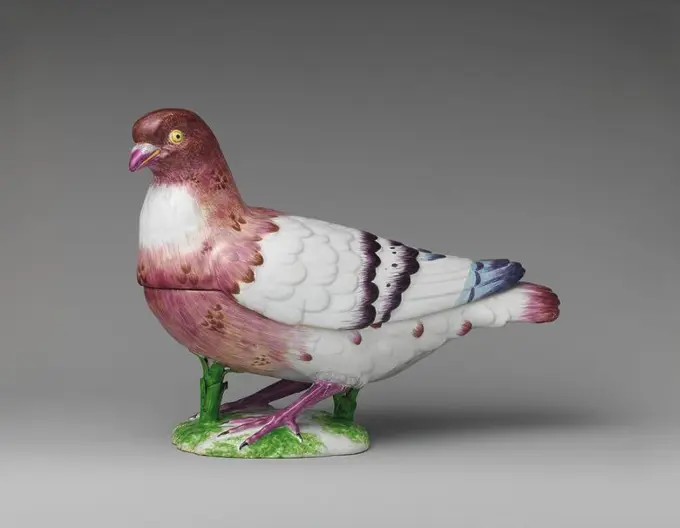
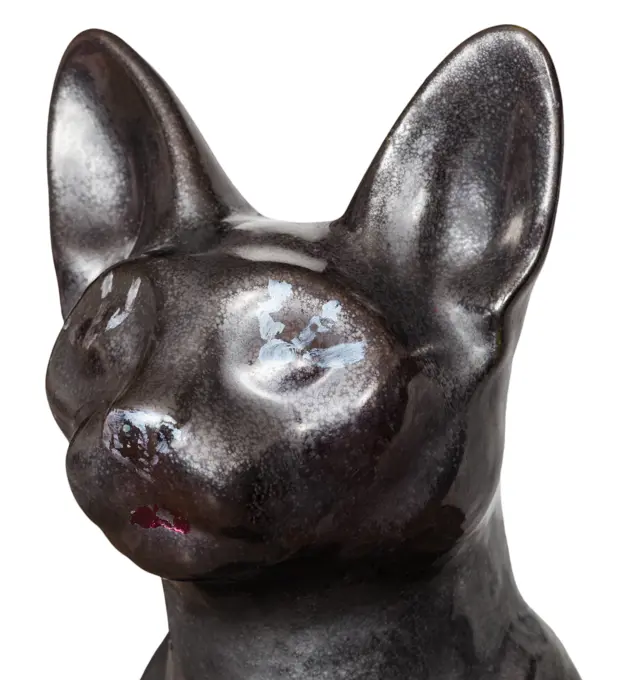
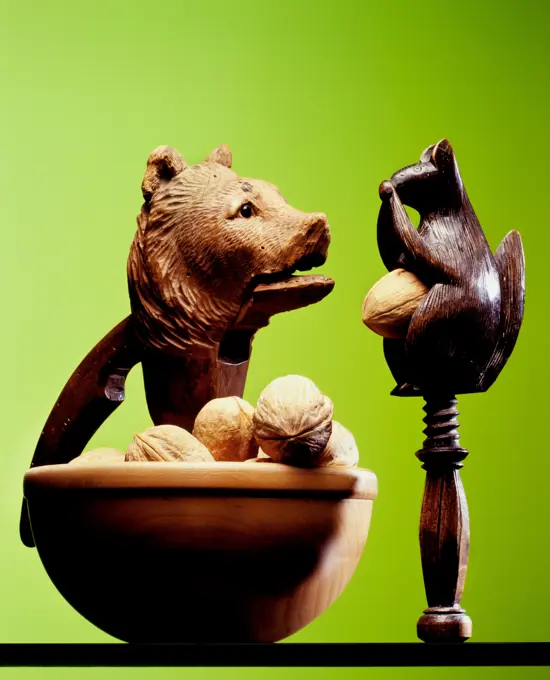
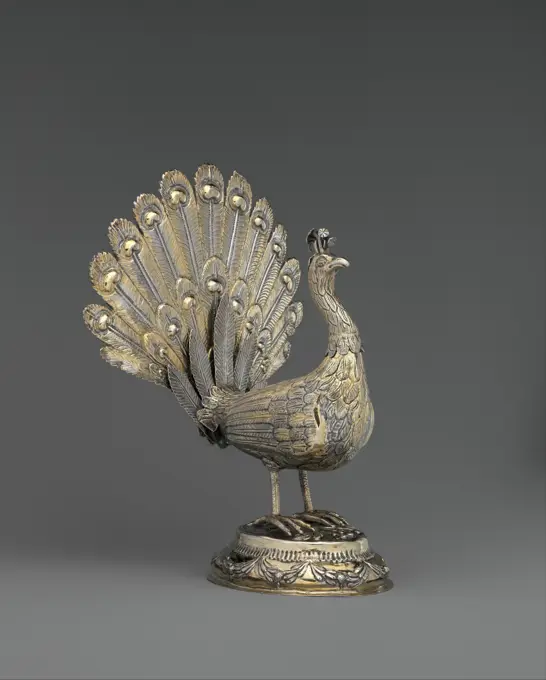
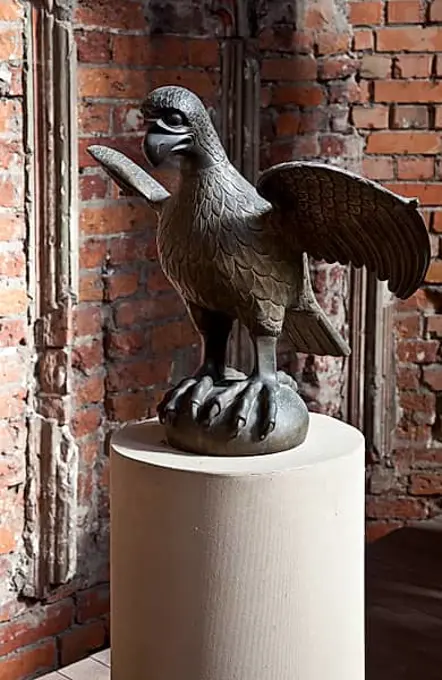
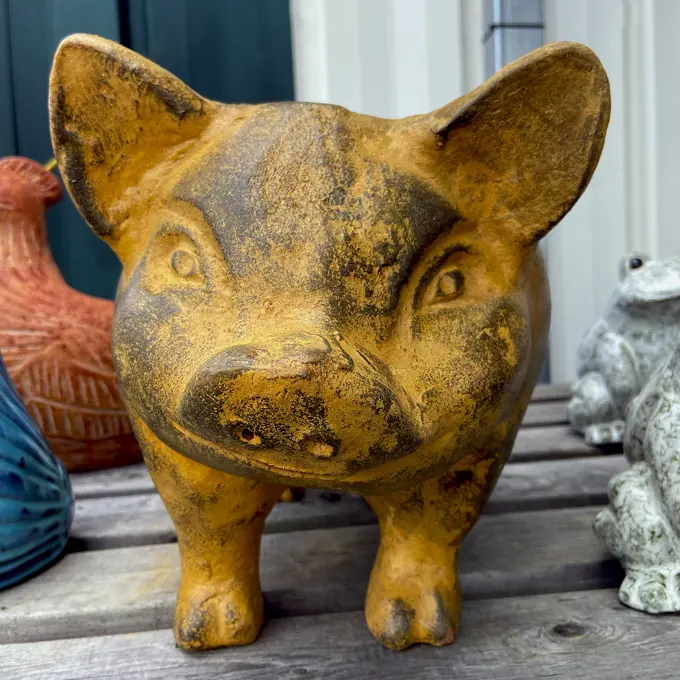
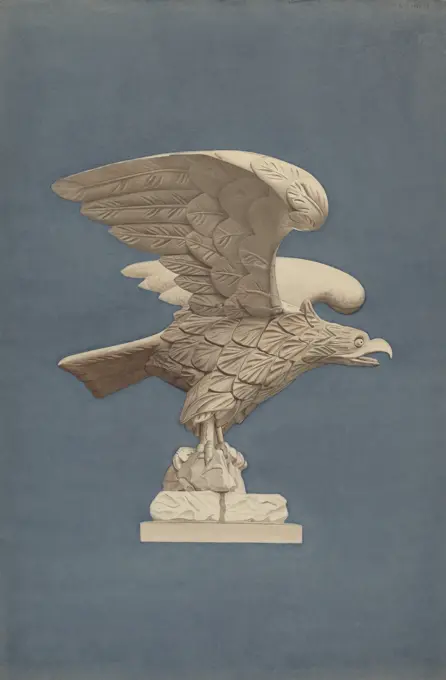
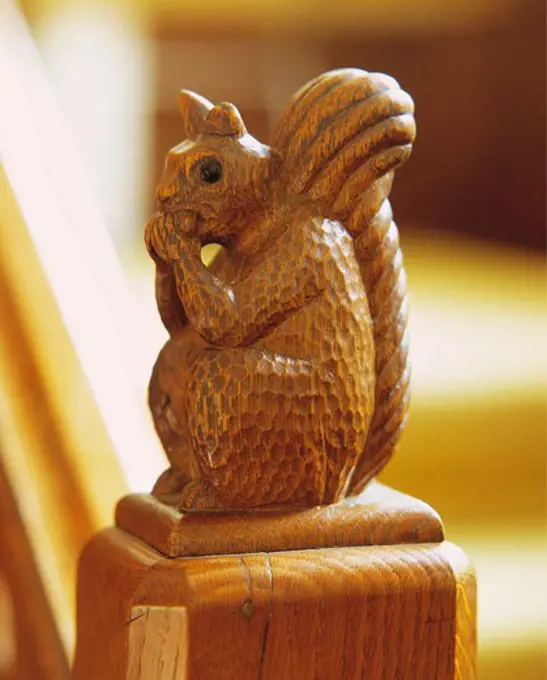
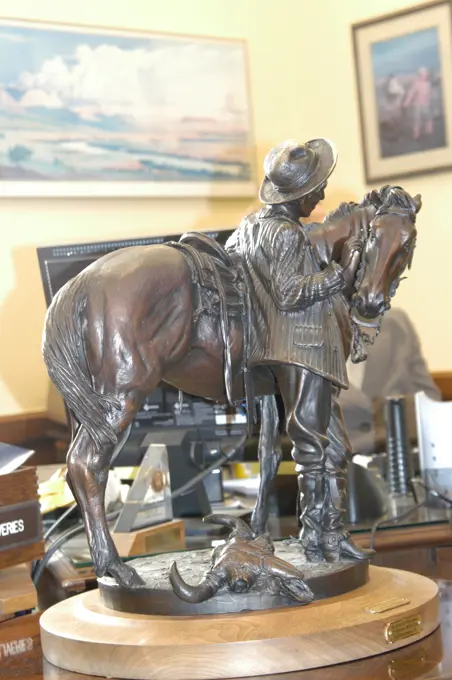
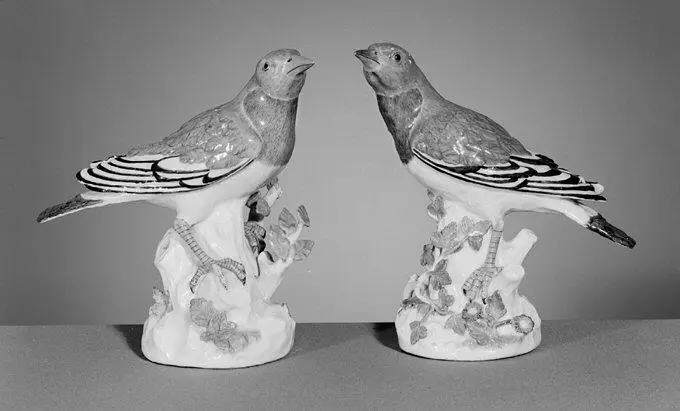
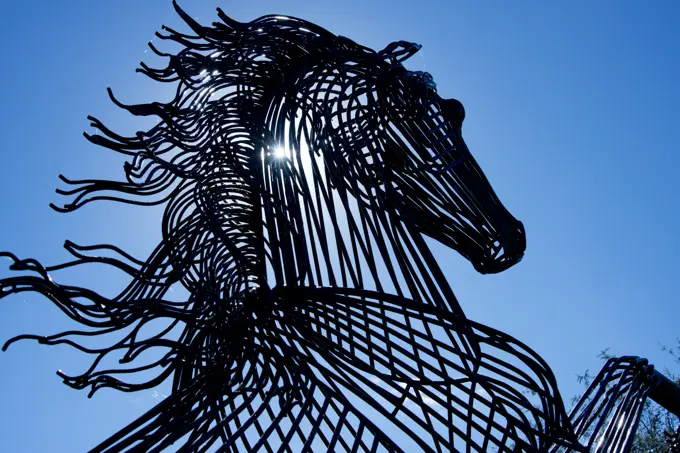
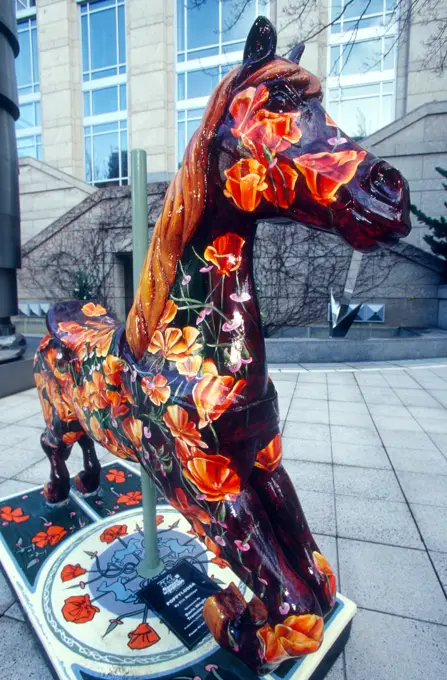
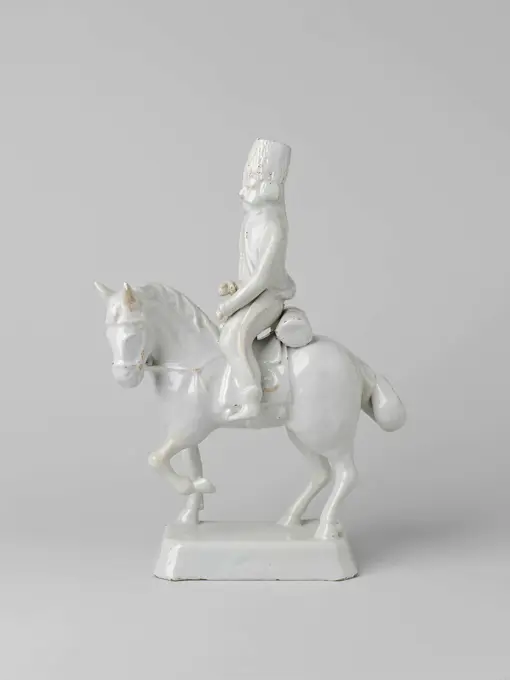
Horse with rider. Rider of unfathy faience. The horse stands on a rectangular pedestal and the rider is separate. The rider carries a breet of breet and a German uniform from the second half of the 18th century. The horse has lifted his left front leg. The rider includes an identical copy with Invnr. BK-1955-403-a.Small ceramic chicken figurine Small chicken figurine isolated on white background Copyright: xZoonar.com/YannxPoirierx 12419102Costa Rica, San Jose, Pre-Columbian Gold Museum, Gold metalworking with animal shapeTureen with cover in the form of a pigeon. Culture: French, Strasbourg. Dimensions: 9 3/4 × 13 1/4 in. (24.8 × 33.7 cm). Factory owner: Period of Paul Hannong (1755-1759). Date: ca. 1750-60.Faience, or tin-glazed and enameled earthenware, first emerged in France during the sixteenth century, reaching widespread usage among elite patrons during the seventeenth and early eighteenth centuries, prior to the establishment of soft-paste porcelain factories. Although characterized as more provincial in style than porcelain, French faience was used at the court of Louis XIV as part of elaborate meals and displays, with large-scale vessels incorporated into the Baroque garden designs of Versailles. Earlier examples of French faience attest to the strong influence of maiolica artists from Italy. Later works demonstrate the ways in which cities such as Nevers, Rouen, Lyon, Moustiers, and Marseille developed innovative vessel shapes and decorative motifs prized among collectors throughout Europe.Lion Statue at warsaw park, Isolated on White background with clipping pathWooden Cat. Cat figurine made of woodGoldsmith's art, Italy, 16th century. Fish-shaped rock crystal and engraved gold vase, 22x30 cm. Saracchi Workshop manufacture.England, London, The Wellcome Collection, Exhibit of Scottish Ram's Head Snuff Container 1881head of cat statue from Ancient Egypt isolated head of modern hand made ceramic replica of cat statue from Ancient Egypt isolated on white background ,property released Copyright: xZoonar.com/ValeryxVoennyyx 8547262 ,model released, Symbolfoto ,property releasedChoir stalls from the 13th century, St., Sankt, SaintAmulet of a Hedgehog 1550 BCE-664 BCE Egypt. Steatite . Ancient EgyptianAncient Nutcracker.Flora Merchant, Cock Weather Vane, 1935 1942 Cock Weather VaneThe skull of a big Kob on a wooden plate - a hunter’s trophyHelen E Gilman, Metal Weather Vane, c 1940 Metal Weather VaneKing symbol in the royal palace, Allada, Benin.Shadow Puppet (Wayang Kulit) ofMacanTable decoration in the form of a peacock 1787 Hungarian, Munkács Festive drinking cups were produced in an astonishing range of animal forms, such as bears, rampant stags, owls, and unicorns, during the Renaissance and Baroque periods. Usually the head could be removedas is the case hereand both parts of the cup could be filled with an alcoholic beverage. As customs changed, their ceremonial purpose shifted and during the eighteenth century these objects were mainly seen as humorous table ornaments, comparable to porcelain statuettes. Peacock cups like this were typically made in Hungary. Any drink poured into its detachable head had to be drunk at once, since it cannot be set down while full. The partial gilding emphasizes the "eyes" on the peacock's tail feathers, symbols of pride.LiteratureWorks of Art. Sale cat., Sotheby’s, London, December 8, 1983, p. 31, no. 92.Judit H. Kolba. Hungarian Silver: The Nicolas M. Salgo Collection. London, 1996, p. 123, no. 100.ReferencesElemér K?sCastle, castle church bronze eagle from a lectern, cast in 1893 after a model from 1450, St., Sankt, SaintCeramic Planter resembling a Pig at Garden CenterWooden Rocking Horse A realistic, detailed wooden rocking horse isolated on a white background. This charming toy is perfect for children s play and evokes a sense of classic childhood nostalgia. It s a beautiful representation of a traditional toy. Copyright: xandegraxCantle Plate (Rear Saddle Plate) From a Horse Armor Probably Made for Count Antonio IV Collalto (1548-1620). Culture: Italian, probably Brescia. Dimensions: H. 6 1/2 in. (16.51 cm); W. 18 1/2 in. (46.99 cm). Date: ca. 1580-90.This cantle plate belongs to a horse armor (21.139.1a-w), which is covered with etched ornament that includes undulating foliage, mythological creatures, winged putti, and heroes from Biblical and Classical history, such as David and Goliath and Marcus Curtius. The exuberant sketchlike quality of the etching and the preference for overall decoration suggest an origin in Brescia, the second most important armor-producing center in northern Italy after Milan. Brescia was the principal supplier of arms to the Venetian Republic. Like another Italian horse armor in the Metropolitan Museum's collection (acc. no. 21.139.2), this example comes from the armory of the counts Collalto at the castle of San Salvatore, near Treviso. It is one of the few complete horse armors tA dish in the shake of ducks from the cover; Yan Yihe; 19th century (1801-00-00-1900-00-00);Henry Murphy, Wooden Eagle, c 1939 Wooden EagleClose-up of carved wooden squirrel newel-postPartridge Tureen 1743-1753 Meissen. Hard-paste porcelain, polychrome enamels, and gilding . Meissen Porcelain Manufactory (Manufacturer)Butter dish with a lid. Glinica (wytwórnia fajansu ; 1771-ok. 1870), factoryDiscover the Unique Red Triceratops Art Installation Blending Creativity and Pop Culture in Urban SpacesGolden piggy bank isolated on whiteSet of grunge design elements isolated on white background. Paint brush for ink paint, dirt and text banners, dirty texture. Freehand drawing. Trendy brush stroke, vector illustration.. Set of abstract grunge design elements vector illustrationUsa, Washington State, Seattle, Pike Place Market, Close-Up Of Bronze Statue Of Rachel The Pig At Main EntranceSprinkhaan, Anonymous, 1800 - 1900 Grasshopper. Japan bronze (metal) Grasshopper. Japan bronze (metal)Office of the Secretary - Secretary Donald Evans with Senators Voinovich, Stevens and BurrThrush (one of a pair) ca. 1740 Meissen Manufactory German Porcelain birds have their origins in the princely tradition of maintaining collections of living animals and birds in menageries and aviaries, which were viewed as microcosms of the universe, and emblems of royal power and enlightenment. These collections often included exotic birds such as parrots, admired for their rarity, as well as more familiar native species.In 1731 the Meissen manufactory began a new genre in European porcelain, producing several hundred life-size and near-life-size porcelain birds and animals, many destined for the Japanese Palace of Augustus the Strong, Elector of Saxony (1670-1733). To create them, factory modelers found inspiration in nature, looking both to living and stuffed specimens, as well as zoological illustrations and Asian porcelain precedents. The great Meissen modeler Johann Joachim Kändler is known to have copied from life the birds kept at the royal aviary at Schloss Moritzburg.SurviviArizona, Tucson, Tubac. Metal horse sculpture. (Large format sizes available).Decorated carousel pony, Seattle, WA