Candlestands and Holders

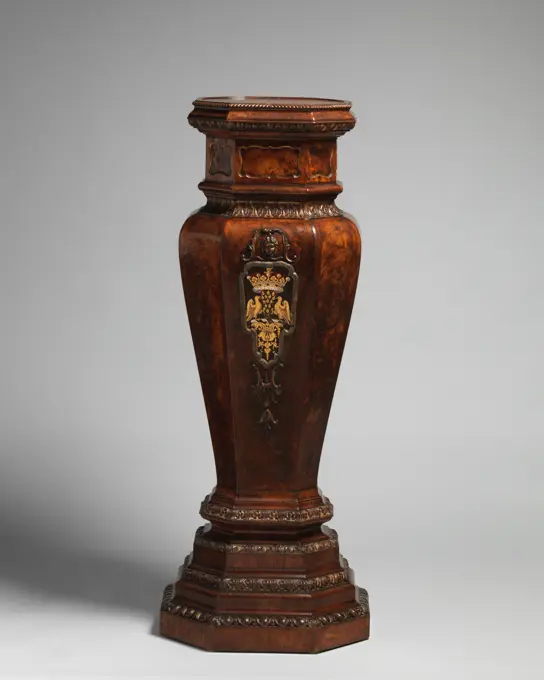
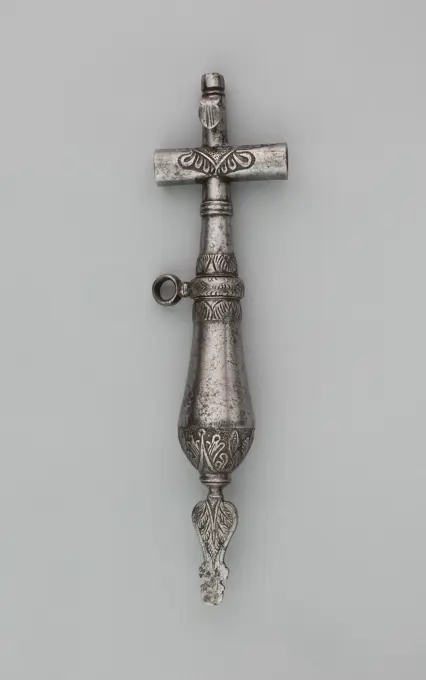
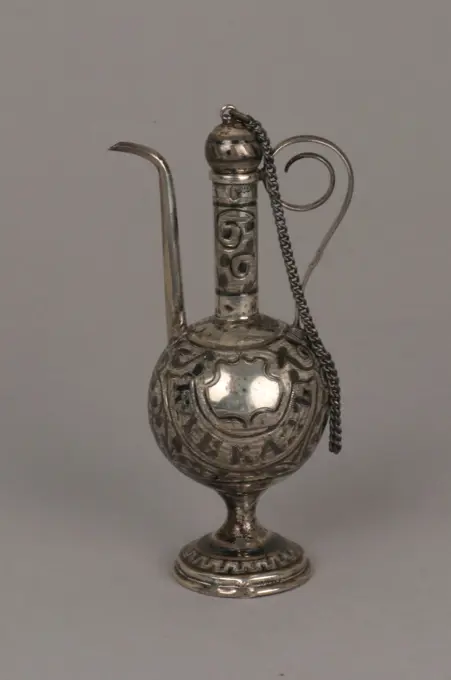
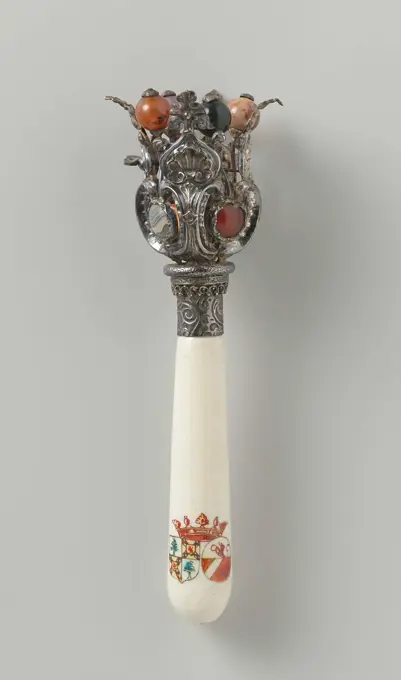
Intricately designed candlestands and holders crafted from various materials, featuring decorative elements and historical styles, all set against neutral backgrounds.

Chair walnut, with octagonal seat. Shield with intarsia tree and decorations, Anonymous, 1500 - 1600
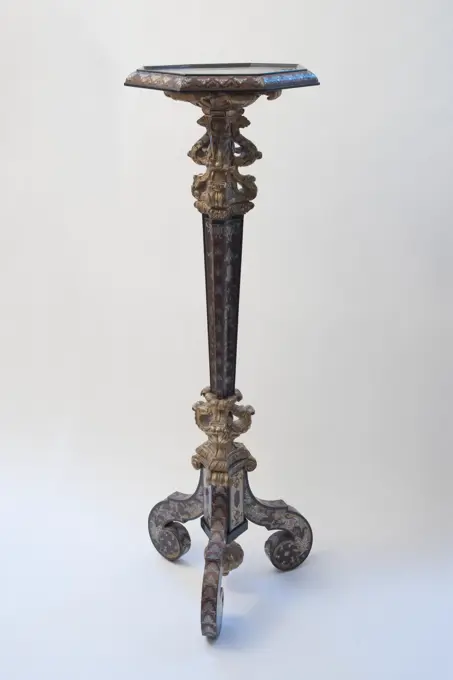
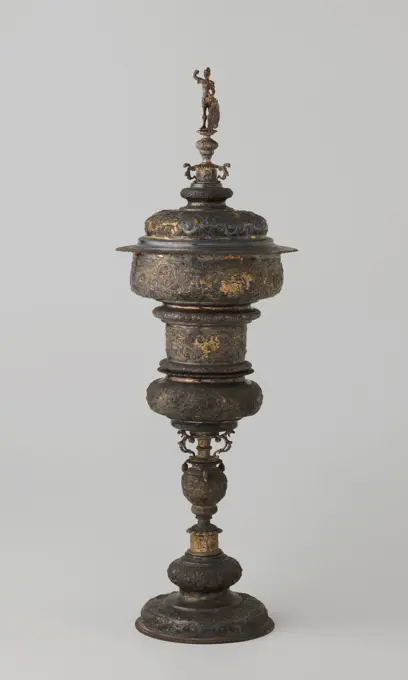
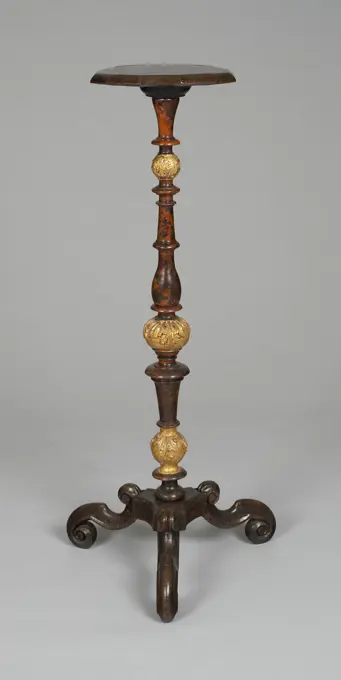
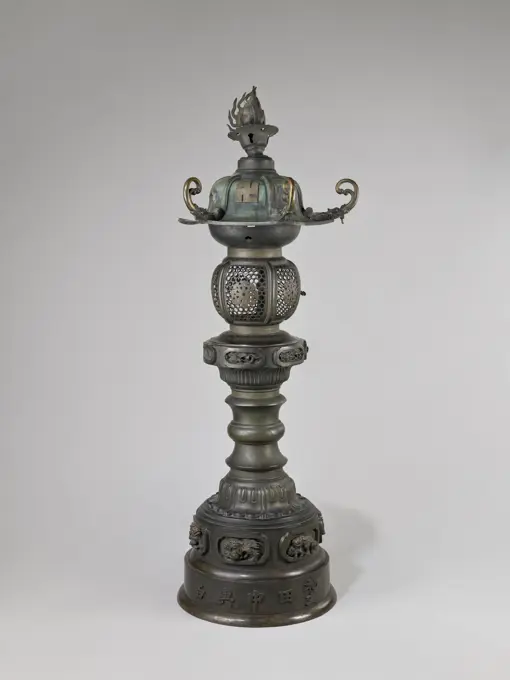
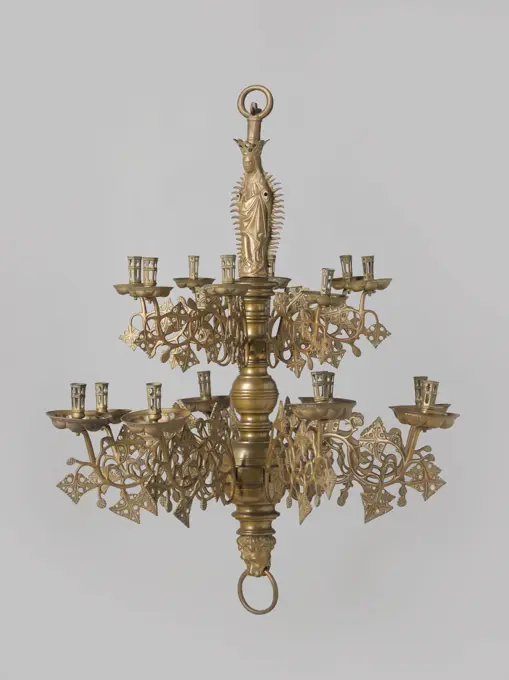
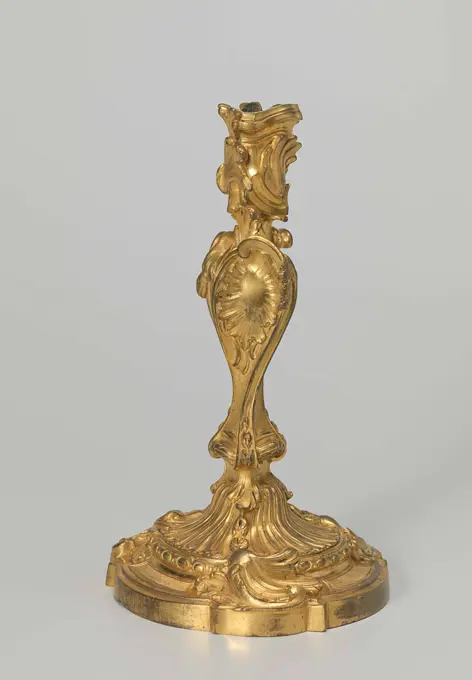
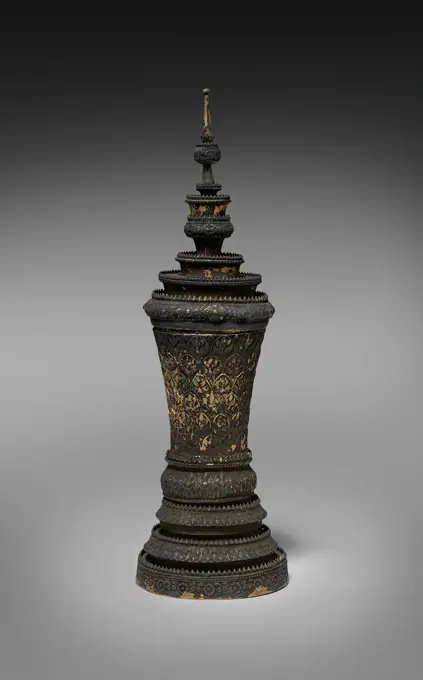
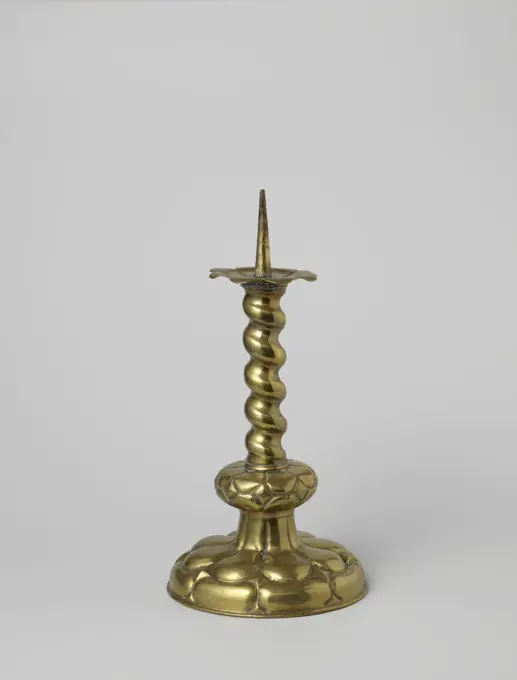
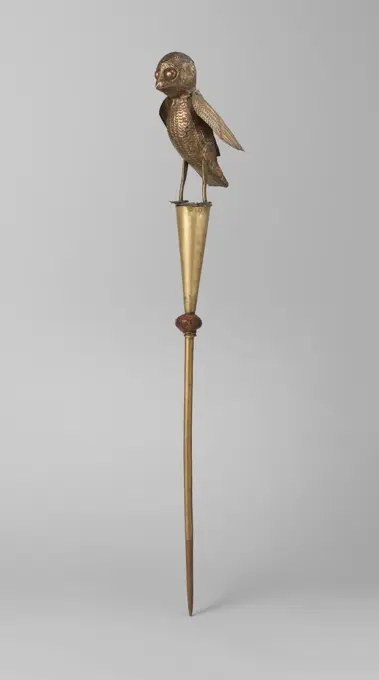
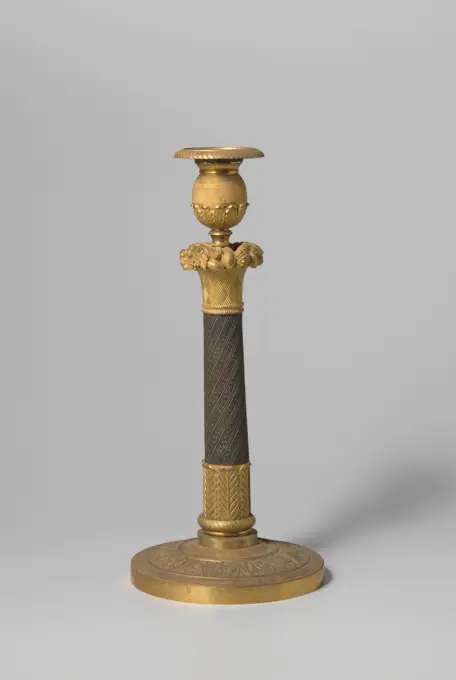
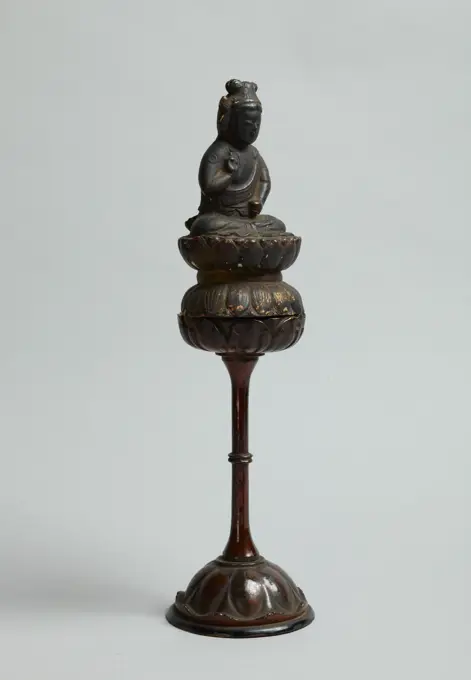
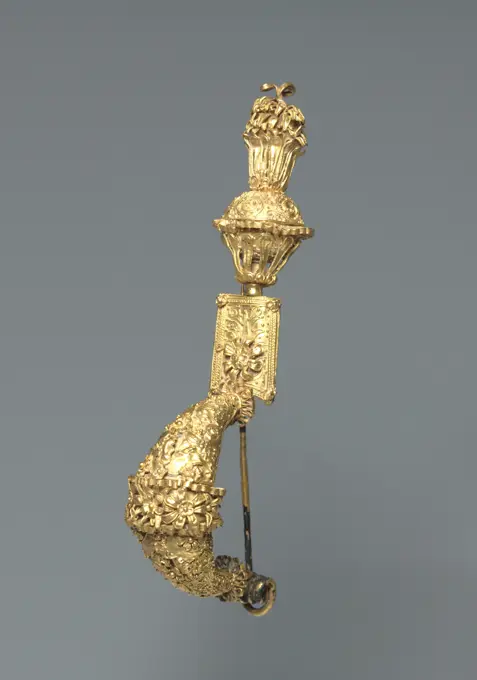
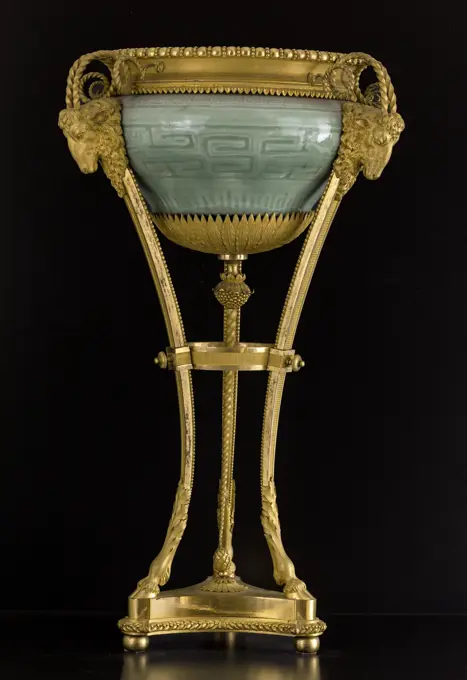
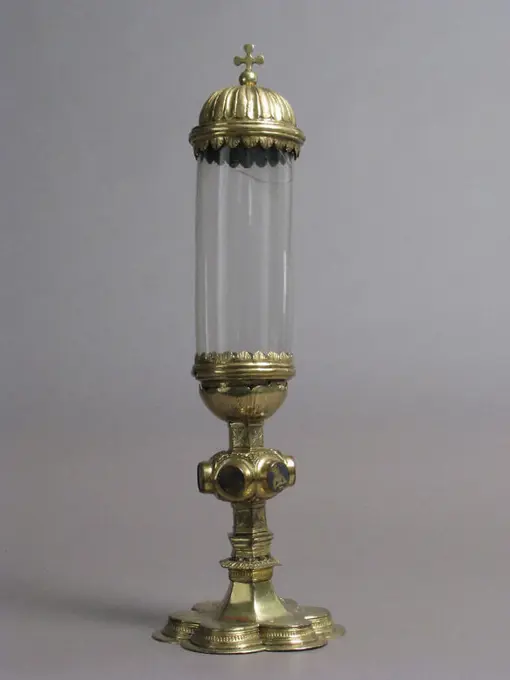
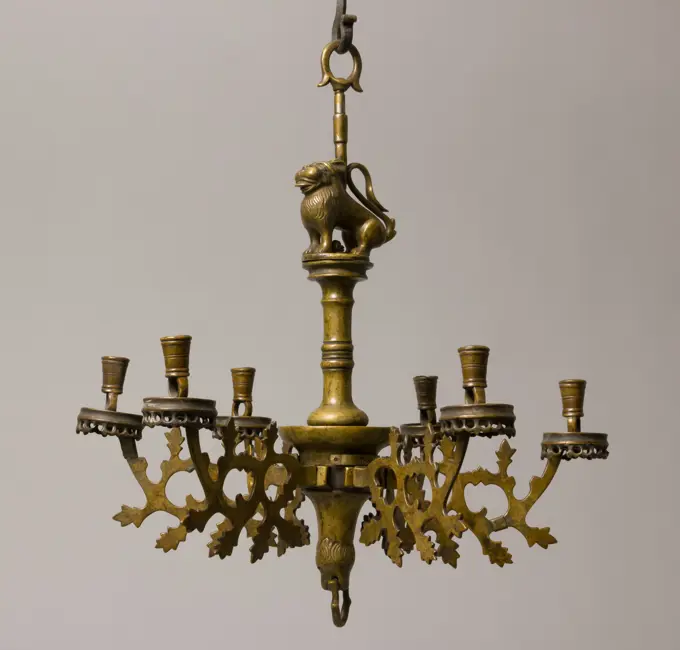
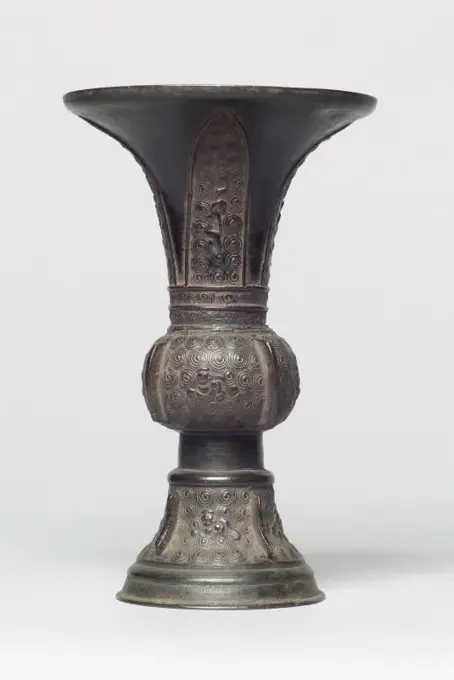
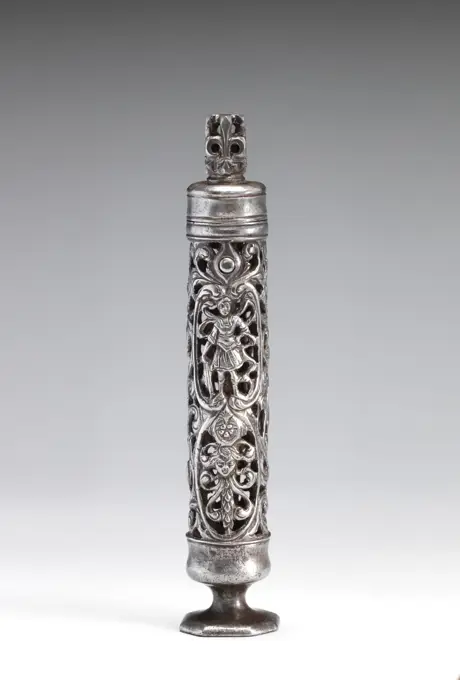
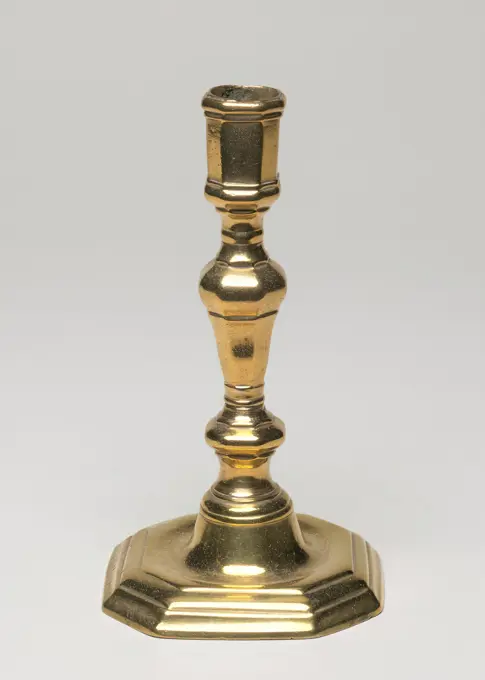
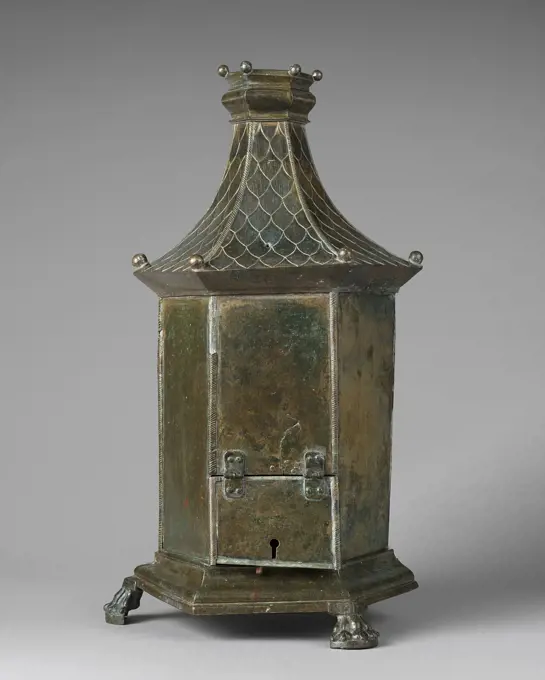
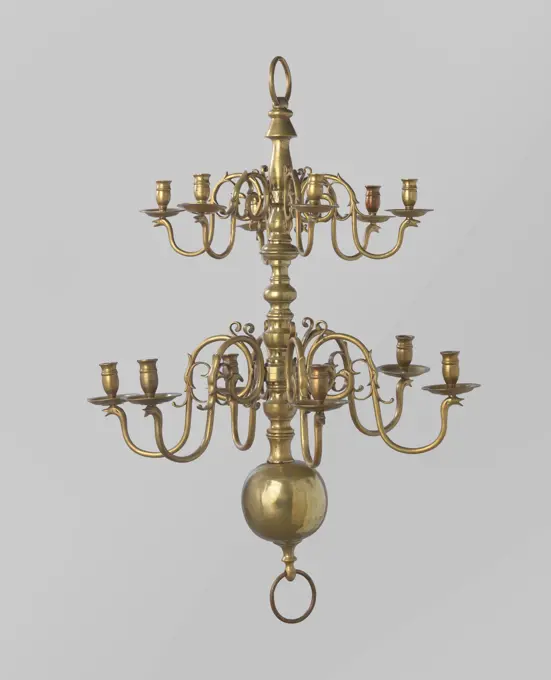
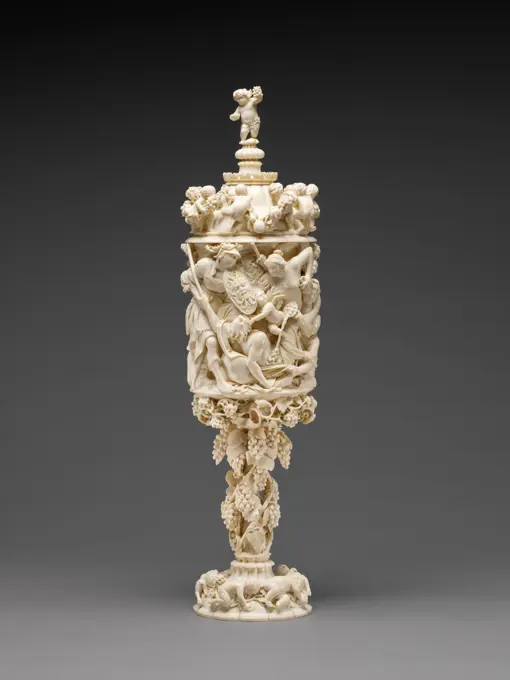
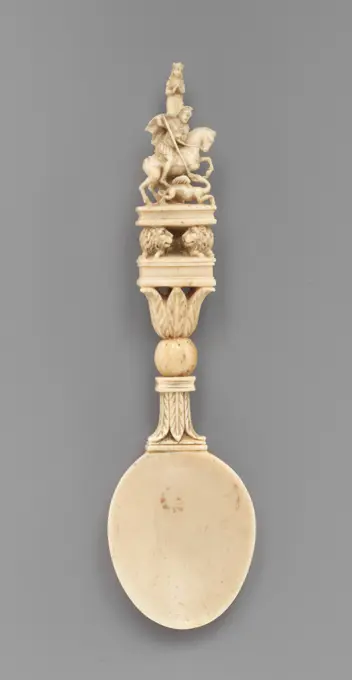
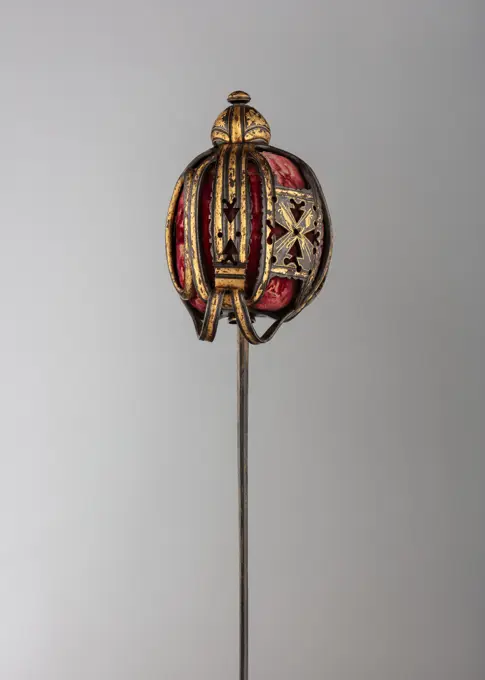
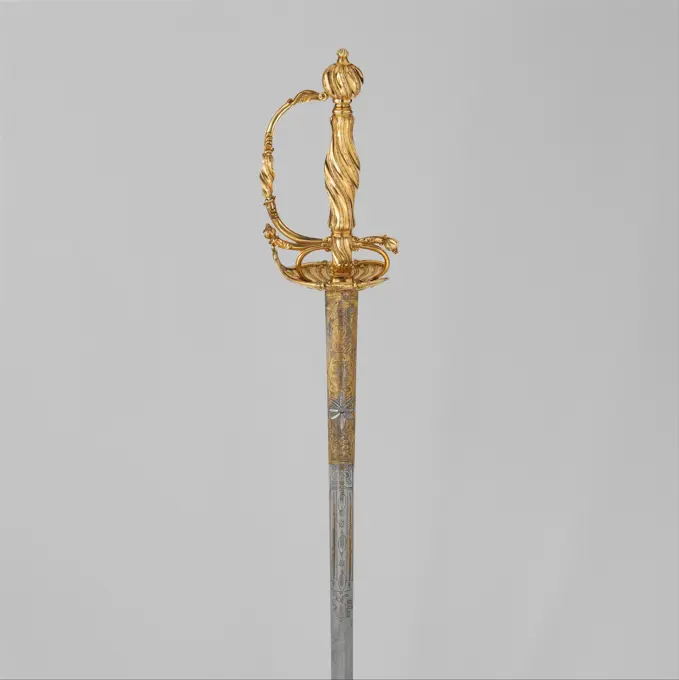
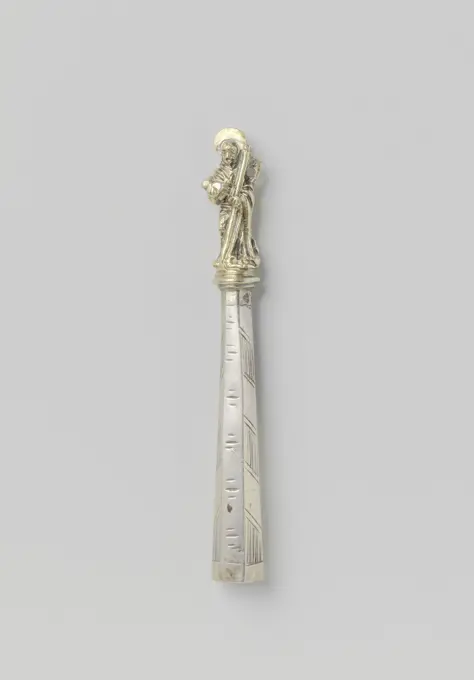
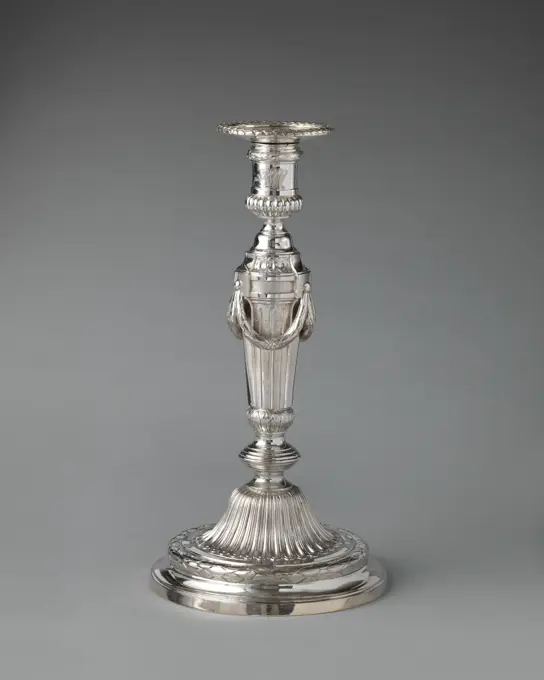
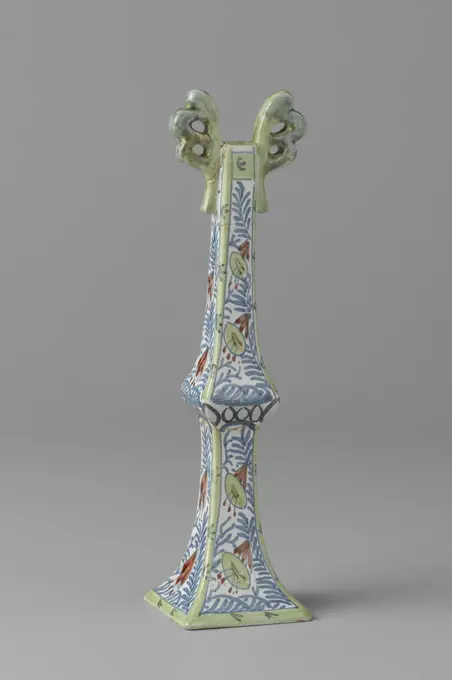
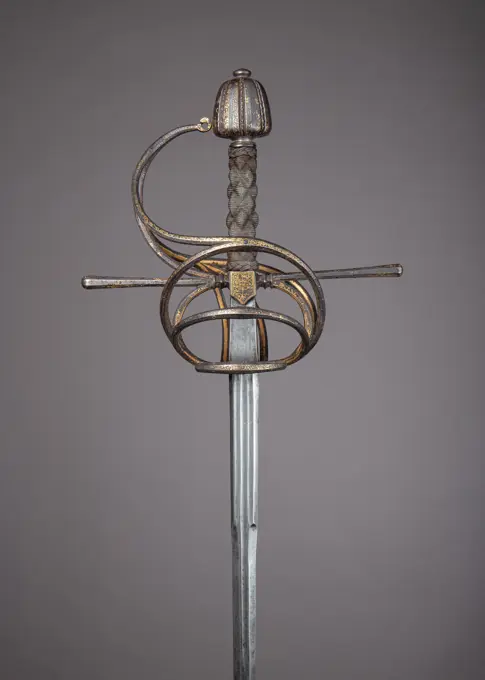
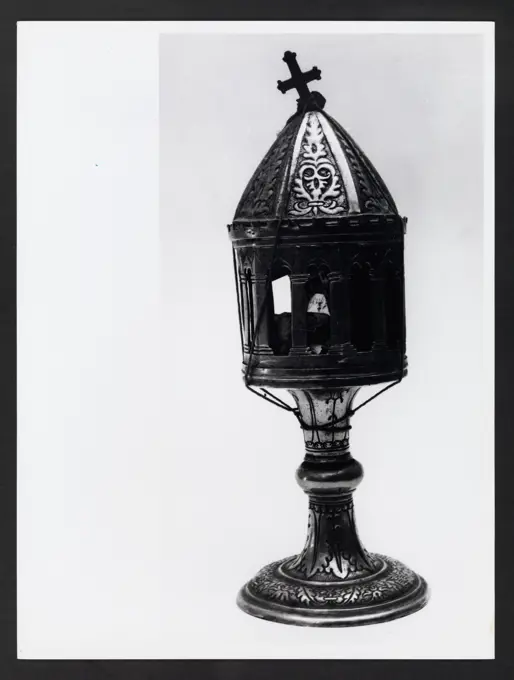
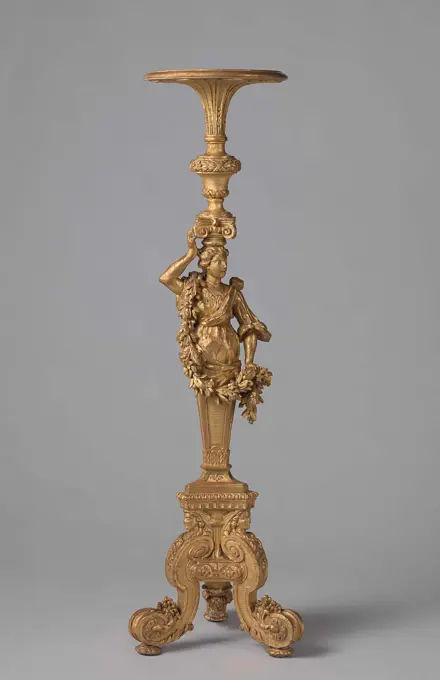
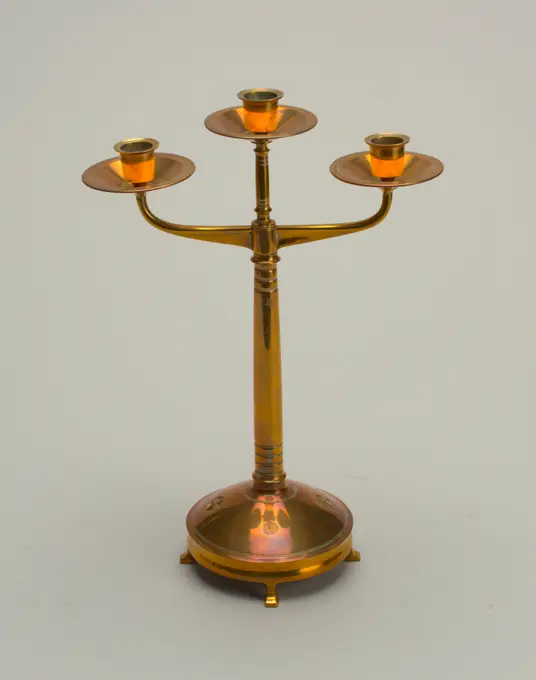
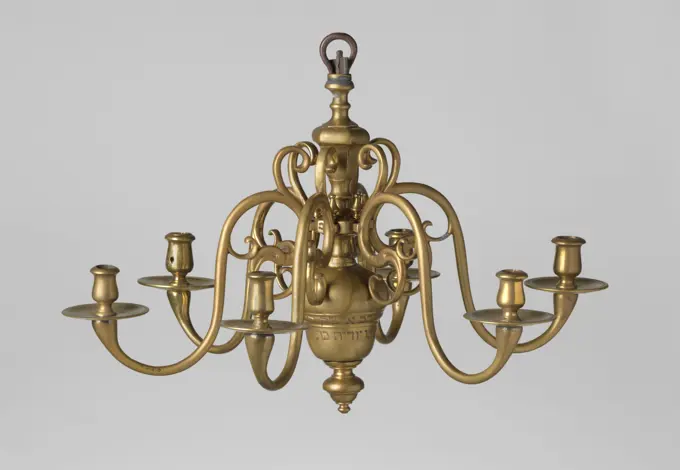
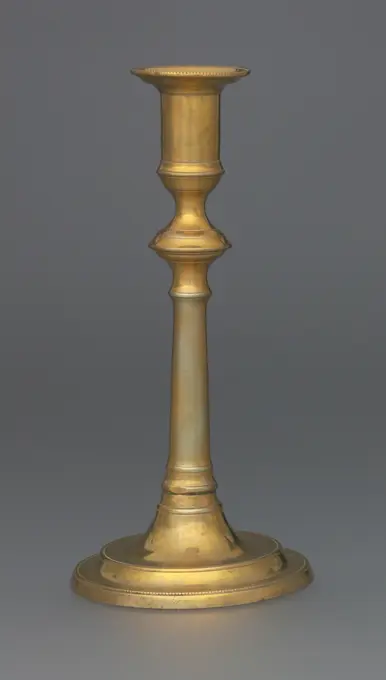
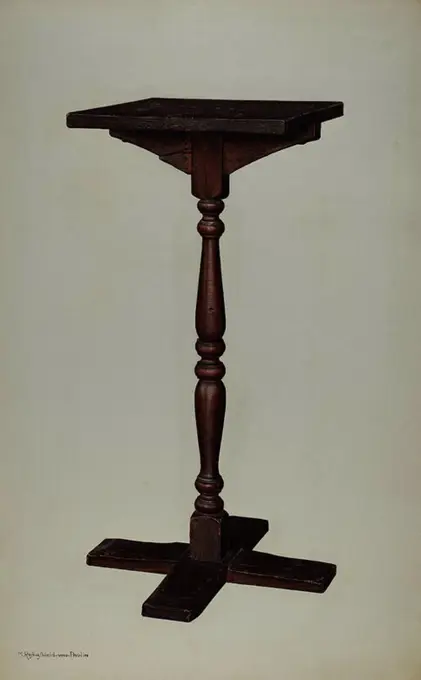
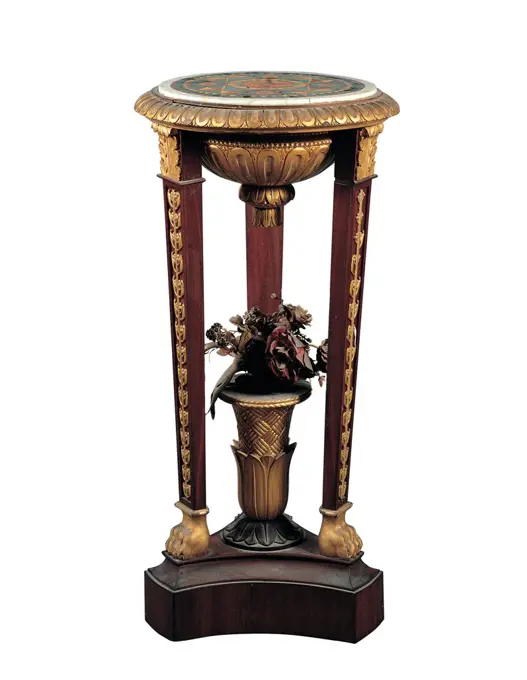
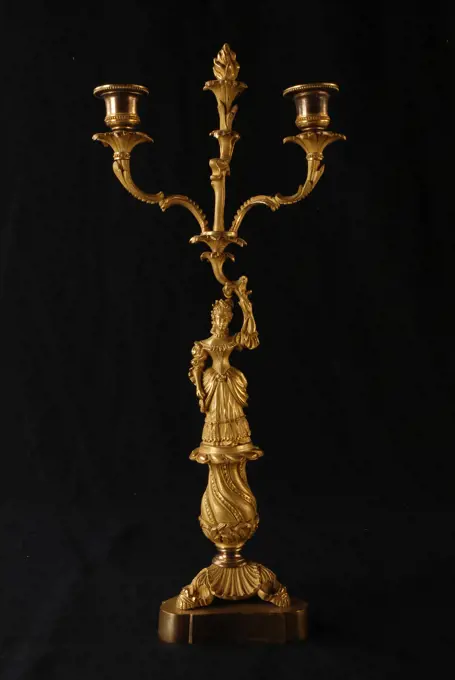
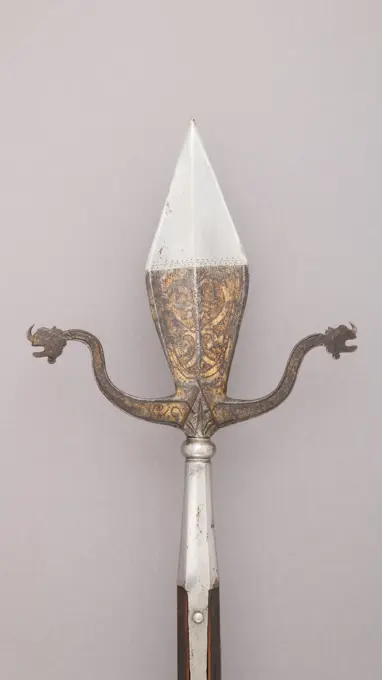
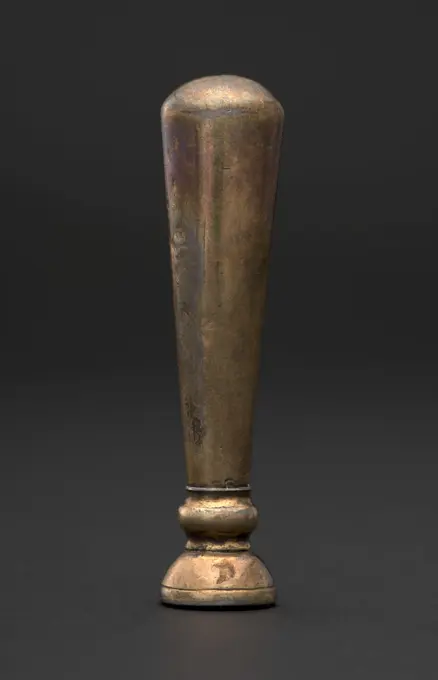
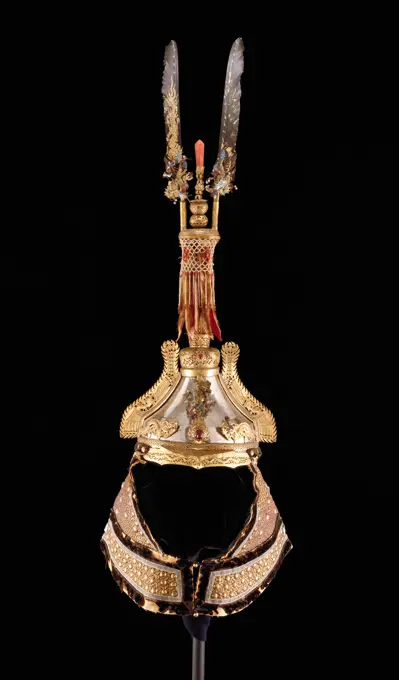
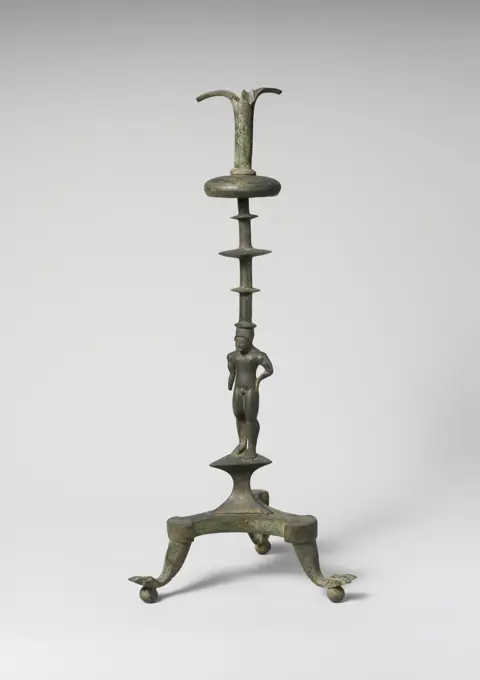
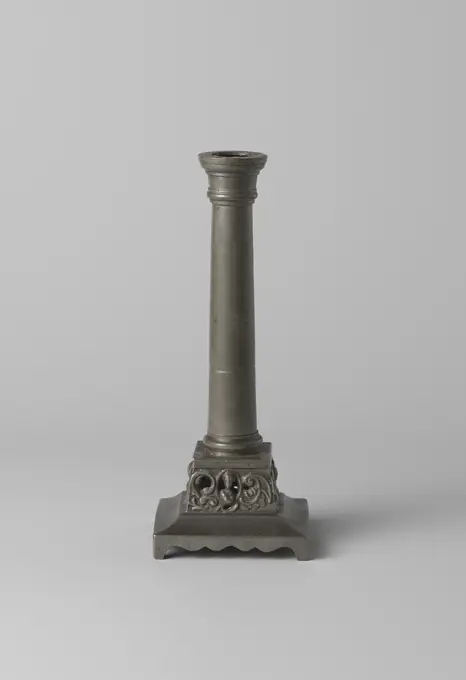
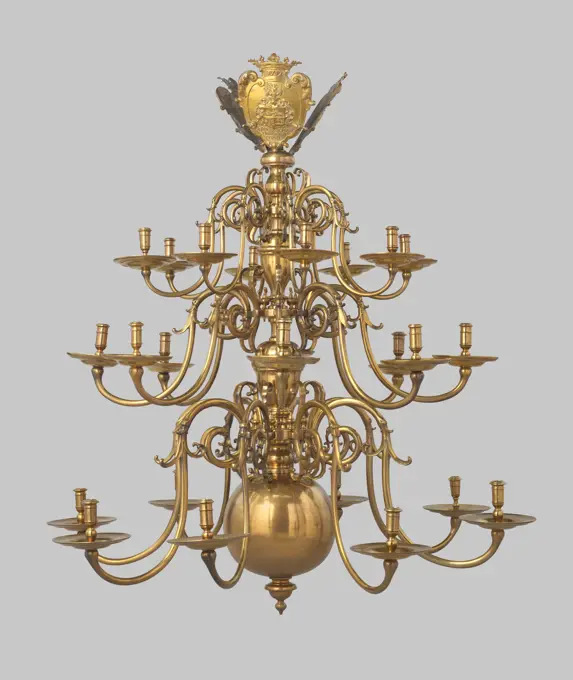
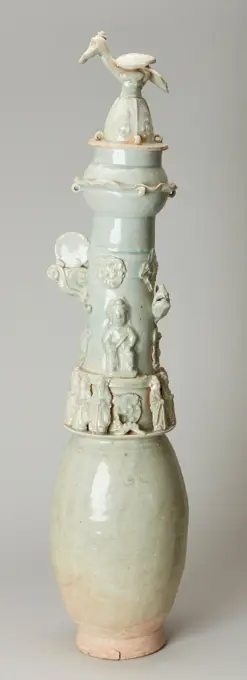
one Cafe, William (Fl. 1757-Ca 1802); 1763/64 (1763-00-00-1764-00-00);Anonymous. "Guéridon". Building: oak; Placing: ebony, scales, brass, tin; Golden bronze. 1700. Paris, Carnavalet museum. 100627-25 Guidon, furniture, furnitureCandlestick with three nodi, decorated with email, anonymous, c. 1175 - c. 1225 Gilded copper candlestick, decorated with email champlevé. The triangular base rests on three legs. The surfaces of the base are decorated with three circles in which a performance against a blue background can be seen, a man fighting respectively with a lion (Samson), A noble woman on horseback and a love couple. On the base is the trunk, which is decorated halfway with three nodes, the lower of which is decorated with birds, the top two with leaf vines. At the top is a fairly flat fat catcher with a pointed point to attach the candle. Limoges copper (metal). gilding Gilded copper candlestick, decorated with email champlevé. The triangular base rests on three legs. The surfaces of the base are decorated with three circles in which a performance against a blue background can be seen, a man fighting respectively with a lion (Samson), A noble woman on horseback and a love couple. On the base is the trunk, whiGalvanoplastic Reproductie van de "Interim Cup" uit Het Lüneburg Council, Fa. Vollgold & Sohn, 1552 - 1553 Galvanoplastic reproduction of the "interim pokal". Driven and gilded. Berlinsilversmith: Lüneburg copper (metal). silver (metal) gilding Galvanoplastic reproduction of the "interim pokal". Driven and gilded. Berlinsilversmith: Lüneburg copper (metal). silver (metal) gildingCandlestand 1680-1690 London. Painted, japanned, and gilt wood .Chair walnut, with octagonal seat. Shield with intarsia tree and decorations, Anonymous, 1500 - 1600Lighthouse;  1860 (1860-00-00-1860-00-00);Sugar Caster (one of a pair) (sucrier à poudre). Simon Gallien (French, died 1757, master 1714)Shokudai); Takhoto, Iwam; 2 after. 19th century (1868-00-00-1900-00-00);Arm with candle holder of candle crown of two heights, each with eight arms, 1525 - 1550 Candle arm belonging to a candle crown of two heights with maria figure at the top. The arm is bent twice and is decorated with nine grape bunches and five vine leaves. The round fat catcher is decorated at the bottom with six round lobes. The candle holder is six -flared, opened, placed on a double hollow -round -profiled pedestal, transferring to a protruding with thread. This is the sixth arm of the bottom ring, numbered with 6 round points. The candle holder is unnumbered. Southern Netherlands brass (alloy) casting Candle arm belonging to a candle crown of two heights with maria figure at the top. The arm is bent twice and is decorated with nine grape bunches and five vine leaves. The round fat catcher is decorated at the bottom with six round lobes. The candle holder is six -flared, opened, placed on a double hollow -round -profiled pedestal, transferring to a protruding with thread. This is tCandlestick of gold-plated bronze in the form of a twisted trunk and candle holder, decorated with volute and leaf-shaped Rocaille ornaments .. Candlestick of gold-plated bronze. The base, the twisted strain and candle holder are decorated with volute and leaf-shaped Rocaille ornaments. See also: BK-NM-12286-b.Burial Urn, 1800s. Siam, 19th century. Gold; overall: 37.5 cm (14 3/4 in.).Candlestick with twisted trunk and eight -lobe base, anonymous, c. 1625 - c. 1650 The candlestick is composed of the following parts driven: the foot, the nodus, the trunk, the fat catcher and the candle pin. There are two profiled rings around the top and bottom of the trunk. On the wide, curved, eight lobes decorated, the fairly flat nodus is placed, the decoration of which corresponds to that of the foot. The tribe is twisted. The fat catcher has the shape of an eight -leaf rosette. The candlestick has a hole on the edge of the foot and above it an opening in the Nodus. Northern Netherlands (possibly) brass (alloy) The candlestick is composed of the following parts driven: the foot, the nodus, the trunk, the fat catcher and the candle pin. There are two profiled rings around the top and bottom of the trunk. On the wide, curved, eight lobes decorated, the fairly flat nodus is placed, the decoration of which corresponds to that of the foot. The tribe is twisted. The fat catcher has thFlame building candlestick, fifty. Flame building candlestick, fifty-part with a wide range of circular base with two egg lists. The candlestick has a baluster-shaped shaft or strain with a disk-shaped knot a concave fat scale with egg list, a baluster-shaped shaft and a cylindrical candle holder with two round holes, intended to remove the candle tompets, and at the top an egg list. Pouring bolks are visible in the egg lists. The candlestick has a crowned rose as a quality brand.Bell;  19th century (1801-00-00-1900-00-00);Lampstand. Iran, 12th century. Metal. Bronze, cast and engravedAnonymous (n. - d.), Crucifix -shaped table clock (main title), 1600. Golden copper, silver, wooden support. Petit Palais, Museum of Fine Arts of the City of Paris.Staff (Recade): Bird 19th century Fon peoples. Staff (Recade): Bird. Fon peoples. 19th century. Brass (hammered), copper, tin, wax. Republic of Benin. Metal-SculptureCandlestick of partially gilded bronze, decorated with rosettes and crowned by a basket with flowers and fruits, Anonymous, 1830 Candlestick of, partially gilded, bronze. The round base has a quoted edge of stylized leaves, interspersed with rosettes and arches, which connect the angular frame of the leaves. The rejuvenating tribe is caught in a high leaf edge; The undisputed middle part is equipped with small quoted rosettes, while the gilt crown is cut as a basket with flowers and fruits. Spherical candle holder with leaf and braid tire; fat catcher with edge as on the base. BK-14920-A. France bronze (metal). beech (wood) Candlestick of, partially gilded, bronze. The round base has a quoted edge of stylized leaves, interspersed with rosettes and arches, which connect the angular frame of the leaves. The rejuvenating tribe is caught in a high leaf edge; The undisputed middle part is equipped with small quoted rosettes, while the gilt crown is cut as a basket with flowers and fruits. SSculpture  bodhisattwa sitting on a lotus throne with a pedestal unknownTemple lantern. unknown, craftsmanFibula (Pin), 400-200 BC. South Italy, Campania, 4th-3rd Century BC. Gold; overall: 8 cm (3 1/8 in.).Circular Reliquary with Domed Roof and Relics of Saints Godehard and Bernward 1350-1400 Brunswick. This reliquary monstrance displaying relics of Saint Anne and of Saints Bernward and Godehard of Hildesheim was part of the so-called Welfenschatz, or Guelph Treasure, from the collegiate church of Saint Blaise in Braunschweig, Germany. This collection of luxury liturgical objects dating from the 11th to the 15th centuries was assembled under the patronage of the Brunons and the Guelphs, families who served as the Dukes of Saxony in the Middle Ages. The treasure remained largely intact into the twentieth century. An inventory drawn up in 1482 listed 140 items, of which around 70 survive today.. Silver gilt and rock crystal .Anonymous. Vase mounted. Céladon, golden bronze, 1775-1785. Paris, Cognacq-Jay museum. 78926-10 Bronze gilded, ceramic, ceramic, gilding, headlist, tripod, vase monte, 18th 18th 18th 18th 18th 18th 18 centuryReliquary. Culture: Italian. Dimensions: Overall: 15 1/8 x 4 7/8 in. (38.4 x 12.4 cm). Date: 16th century. Museum: Metropolitan Museum of Art, New York, USA.Chandelier mid-15th century South Netherlandish. Chandelier. South Netherlandish. mid-15th century. Brass, Dinanderie. Metalwork-BrassCloches (dish covers), coolers, soup tureens, sauceboats, salt cellars, pepper and mustard pots, Jean Baptiste Claude Odiot, c. 1819 Empire double salt barrel, made of gilded silver. On a rectangular base, 2 women in antique traditional costume are back to a column. They each wear a round barrel with inner tray. Engraved with the weapon of Potemkin. Paris silver (metal). gilding (material) gilding Empire double salt barrel, made of gilded silver. On a rectangular base, 2 women in antique traditional costume are back to a column. They each wear a round barrel with inner tray. Engraved with the weapon of Potemkin. Paris silver (metal). gilding (material) gildingKu Wine Vessel Vase,Sealing wax case 17th century French This sealing wax case would have been used to store sealing wax; the faceted end was then used to impress the melted wax with the owners cypher, in this case conjoined Rs. The foliate pattern with classicized figures is common among comparable objects, however the openwork is less so. Unlike the other, later, French cases with seals in the departments collection, this example was produced in iron, demonstrating the range of material production, particularly at this earlier date.[Ellenor M. Alcorn, 2014. Sealing wax case. French. 17th century. Iron, cast. Metalwork-IronCandleholder, c. 1730, 7 3/8 x 4 x 4 in. (18.73 x 10.16 x 10.16 cm), Brass, England, 18th centuryOffering Box (Arca); Roman Empire; about A.D. 130-180; Bronze; 51 cm (20 1,16 in.)Tribe of a candle crown in two heights, Anonymous, 1890 - 1910 The object is built as follows with the following loose parts: the richly profiled button with a loose tensile ring, the smooth ball, a hollow -round connection part, a vase -shaped connection part, the position ring, a vase -shaped connection part, the position ring, a vase -shaped connection part, a baluster and nodus -shaped Connection part, the upper as a whole cast piece in the form of two balusters with a stand ring in between, the smooth button with fixed hanging ring and the round smooth iron connecting rod. The two stand rings and the associated six arms are numbered with the same figures 1 to 6. The color of the yellow run of the tensile ring and the pins differs from that of the other parts. The shape of the upper part of the trunk is less sharp profiled than that of the other. Netherlands brass (alloy). iron (metal) casting / forging The object is built as follows with the following loose parts: the richly profiIvory Goblet. Balthasar Griessmann (German, 1620 - 1706)Two-light candelabrum, George Eadon & Company, Sheffield, England, Silver, wood, Each candelabrum with curcular base (wood filled) with step moldings and gadrooned shoulder below socket; urn-shaped socket with candle nozzle, into which paired branches fit; each detachable double branch with 's' curved reeded arms joined to central flange; leaf-applied finial between; each branch with gadrooned wax pans and urn-shaped sockets with detachable gadroon-edged nozzles; each candlestick based engraved with coat of arms and crest (unidentifiable); similar crest on juncture plate of branches., Sheffield, England, ca. 1810, metalwork, Decorative Arts, Two-light candelabrumSaint George slaying the dragon 16th century French. Saint George slaying the dragon. French. 16th century. Ivory. Natural Substances-IvoryIslam. Near East. Persia. Torch lamp. Bronze; casting, engraving. Iran. 1570-1580. The State Hermitage Museum. Saint Petersburg. Russia.Pyx 15th century Spanish. Pyx. Spanish. 15th century. Silver, partly gilt. Metalwork-SilverCandle holder, Anonymous, 1625 - 1675 This object is composed of the following four parts: the baluster, the button, the Vetvanger, the candle holder. The profiled baluster is provided with screw wires at the top and bottom. The lower thread in iron has been renewed. The arm is stabbed on the smooth top of the baluster. This is bent twice, and ends on one side in a spiral with stylized bird heads and on the other side in a thickening. The profiled candle holder is screwed onto the fat catcher on the bottom. The fat catcher slightly off BK-1976-15-A and, like the holder, may not be originally accompanying. Netherlands brass (alloy) casting This object is composed of the following four parts: the baluster, the button, the Vetvanger, the candle holder. The profiled baluster is provided with screw wires at the top and bottom. The lower thread in iron has been renewed. The arm is stabbed on the smooth top of the baluster. This is bent twice, and ends on one side in a spiral with stylized biCandlestick supported by three female demi-figures (pair with .1378) ca. 1600 or later Italian, Venice. Candlestick supported by three female demi-figures (pair with .1378) 461461. This magnificent altar set, made by the Roman Rococo goldsmith Leandro Gagliardi, is comprised of statuettes of four apostlesóSaints Andrew, John, Peter, and Paul; four candlesticks; a crucifix; and three frames to hold cards indicating the part of the Mass being performed. The altar set was made for Flavio Chigi (1711ñ1771) and bears the Chigi and Albani coats of arms. It might have been intended for use in the family chapel of the Palazzo Chigi in the Piazza Colonna, Rome.. Gilt bronze . Leandro GagliardiBasket-Hilted Sword 1730-50 Scottish The hilt of this sword may have been refurbished and decorated around the time of King George IV's state visit to Scotland in 1822, which sparked a revival in traditional Scottish fashions.. Basket-Hilted Sword. Scottish. 1730-50. Steel, gold, leather, wood, velvet. SwordsCaster mid-18th century I. B.. Caster 197390Patery base;  1 PO. XIX (1801-00-00-1850-00-00);Krystall, Bronisław (1887-1983) - collection, Biedermeier (style), testamentary record (provenance)Wall arm of gilded lindenhout with three candle holders and decoration of asymmetrical sculpted acanthus leaf work with flowers, anonymous, c. 1755 - c. 1770 Wall of gilded lindenhout with three candle holders and decorated with asymmetrical sculpted acanthus leaf work with flowers. Netherlands linden. gilding (material) cutting / gilding Wall of gilded lindenhout with three candle holders and decorated with asymmetrical sculpted acanthus leaf work with flowers. Netherlands linden. gilding (material) cutting / gildingSmallsword ca. 1750-60 German or Dutch The spirally channeled surfaces and elegant foliate finials on the guards typify the flamboyant Rococo style. The small proportions suggest the sword was made for a young man. Although not hallmarked, this exquisitely detailed gold hilt is probably of either German or Dutch manufacture.. Smallsword 27723Standing bowl and cover of silver gilt, 1840. Artist: Robert Blemmell SchnebbeliePedestal ca. 1725-35 Attributed to Thomas How British. Pedestal. British. ca. 1725-35. Walnut and walnut veneer, parcel gilt; gilt lead; verre églomisé. Woodwork-FurniturePriming Flask with Spanner and Screwdriver 1600-1700 Central Europe. Iron .Kavukluk turban stand. Turkey, mid to late 18th century. Wood. Wood, carved, and gildedMiniature ewer Russian 19th century View more. Miniature ewer. Russian. 19th century. Silver and niello. Metalwork-SilverSalt cellar with figures of gods and goddesses, Jean Limosin (attributed to), c. 1600 - c. 1625 Copper salt barrel, decorated with email. On the hexagonal body, some gods are depicted in the midst of gilded leaf motifs, respectively: Apollo, Juno, Mercury, Venus and two musician women. On the top, in the container where the salt was stored, a female bust with laurel wreath in the hair. She may be Minerva or Nikè. Equipped with the monogram between the two musician women. Limoges copper (metal). gold (metal) gilding Copper salt barrel, decorated with email. On the hexagonal body, some gods are depicted in the midst of gilded leaf motifs, respectively: Apollo, Juno, Mercury, Venus and two musician women. On the top, in the container where the salt was stored, a female bust with laurel wreath in the hair. She may be Minerva or Nikè. Equipped with the monogram between the two musician women. Limoges copper (metal). gold (metal) gildingTwo -country candelab;  beginning of the 19th century (1800-00-00-1809-00-00);Two candlesticks. Adam Loofs was silversmith and silver steward to Stadtholder William III. After having worked for King Louis XIV in Paris, he moved to The Hague in 1680. These candlesticks may have been made for William III. They are based directly on the silver furnishings and other objects at Versailles.Bouquet carrier of silver and painted Meissen porcelain.Silver bouquet carrier with a handle of painted porcelain. The painting consists of the weapons of Adriaan Boogaert van Beloys and his wife Elisabeth Adriana Backer.Spoon stalk with image apostle, anonymous, c. 1600 - c. 1625 Silver spoon stalk with a gilded apostle at the end. Germany silver (metal) gilding Silver spoon stalk with a gilded apostle at the end. Germany silver (metal) gildingCandlestick (one of a set of eight) 1774/75 Andrew Fogelberg British An early development of the neoclassical style, le goût grecque (Greek taste) was highly fashionable at the end of the 1760s. While in Paris, the Duke of Bedford acquired a set of boldly architectural candlesticks by the French goldsmith Robert-Joseph Auguste. The design was later borrowed by several English makers, among them Andrew Fogelberg, who made these examples for James Dutton, 1st Baron Sherborne.. Candlestick (one of a set of eight). British, London. 1774/75. Silver. Metalwork-SilverCandlestick with lacquer with flower bouquets. A lucked candlestick, round on square pedestals, with fine flower bouquets. Belongs to BK-NM-5459.. Vase of earthenware, square foot and rejuvenating tribe with square nodus. Upper part of the trunk becomes narrower and is crowned on either side by two openwork ornaments. Painted with stylized flower and leafwork in the colors blue, green and red.. The round candlestick rests on three four-sided, volull-like legs. The sides of the legs have deepened, punched fields and are decorated with acanthus leaves; A cord of smaller pearls runs over the front of each leg, resting on a leaf curl. The legs are connected to the top by straight rods, with the eye extracted from leaves, culot-like motif. Of the upper curls of the vultuts, flower festivals depend (on b one renewed). The strain is made of a clock-shaped, a vase-shaped and a baluster-shaped component. The convex bottom of the bell shape is decorated with varied wide and narrow godruns. In addition, this part shows two layers of acanthus leaves placed on a punched soil. Clock and vase form are separated by a multi-profiled connector. The vase is divided into an understood and a top, similarly decorated as the bottom edge and the upper part of the bell shape. The Baluster is almost completely caught in from above curly acanthus leaves and is closed on top and bottom by profiled porEarringVase of Archaistic Design China. Vase of Archaistic Design 61019Unknown architect, street scandala. Monthly competition December 1879 (12,1879): floor plan (half), tearing; Scale bar. Pencil watercolor on the box, 57.5 x 29 cm (including scan edges) N.N. : Straßenkandelaber. Monatskonkurrenz Dezember 1879Rapier ca. 1590 Italian The rapier was the principal civilian sidearm throughout the sixteenth and seventeenth centuries. Designed for cut-and-thrust fencing of progressively complex techniques, the rapier is characterized by a double-edged blade with an acute point and an elaborate guard for the hand. The guards, usually of iron or steel, were subject to a variety of embellishment. They were engraved, chiseled, gilded, damascened, and encrusted in gold and silver in keeping with fashionable styles. Unless otherwise noted, the materials, attributions, and dating given here refer to the hilts. Rapier blades, invariably of steel, bear a variety of makers marks denoting their origin in the two principal centers of blademaking, Toledo in Spain and Solingen in Germany.. Rapier. Italian. ca. 1590. Steel, gold, silver. SwordsAbruzzo L'Aquila Castelvecchio Subequo S. Francesco, Museum9. Hutzel, Max 1960-1990 Reliquaries, processional cross (15th century) statues- including a silver Madonna and Child with Angels, sculpture-including wooden statue of Christ, and frescoes Roman sculpture fragments, bronze sculpture, bronze plate, iron sword, roman coins German-born photographer and scholar Max Hutzel (1911-1988) photographed in Italy from the early 1960s until his death. The result of this project, referred to by Hutzel as Foto Arte Minore, is thorough documentation of art historical development in Italy up to the 18th century, including objects of the Etruscans and the Romans, as well as early Medieval, Romanesque, Gothic, Renaissance and Baroque monuments. Images are organized by geographic region in Italy, then by province, city, site complex and monument.Pair of candelabra, anonymous, c. 1770 - c. 1800 A wooden, standing female figure on a square plinth. She is wearing a three -light candeletry, which comes from a vase on a square plinth. The arms of the Kandelaber are made in the form of oak branches. The bobèche is loose. The woman is painted black and the rest is gilded. The pate layer is damaged in some places, especially with the candle holders. Netherlands wood (plant material). brass (alloy). paint (coating). composition (material). gilding (material). oak (wood). rosewood (wood). copper (metal). marble (rock) gilding A wooden, standing female figure on a square plinth. She is wearing a three -light candeletry, which comes from a vase on a square plinth. The arms of the Kandelaber are made in the form of oak branches. The bobèche is loose. The woman is painted black and the rest is gilded. The pate layer is damaged in some places, especially with the candle holders. Netherlands wood (plant material). brass (alloy). paint (coatinTwo candle stands guéridons. These tall candle stands closely resemble designs by Daniël Marot and drew inspiration from the French court style of the late 17th century. They were probably commissioned by someone in the circle of the stadtholders court in The Hague. Such stately, gilt showpieces would have found an appropriate place there.Cup-Hilted Rapier. Italian. Date: 1640-1660. Dimensions: Overall L. 117 cm (46 1/16 in.)Blade L. 100.6 cm (39 5/8 in.). Steel and iron. Origin: Milan. Museum: The Chicago Art Institute, Chicago, USA.Candelabrum (Netherlands); Designed by Jan Eisenloeffel (1876 - 1957); brass; 37.5 x 25.3 x 13.9 cm (14 3/4 x 9 15/16 x 5 1/2 in.)Arm with candle crown candle holder, Anonymous, 1795 - 1800 The S-shaped arm has a curl at the end at the tribe side and turns outside into a thickening with screw hole. The candle holder is secured with the fat catcher. The round holder has a hol round pedestal, narrows upwards and then has an excellent edge. The fat catcher has a grooved ring at the top. This is the fourth arm, numbered with 4 round points. Amsterdam brass (alloy) casting The S-shaped arm has a curl at the end at the tribe side and turns outside into a thickening with screw hole. The candle holder is secured with the fat catcher. The round holder has a hol round pedestal, narrows upwards and then has an excellent edge. The fat catcher has a grooved ring at the top. This is the fourth arm, numbered with 4 round points. Amsterdam brass (alloy) castingHand Vice, 1600s-1700s. Europe, 17th-18th century. overall: 10.8 x 15.3 cm (4 1/4 x 6 in.).CandlestickCandle Stand. Dated: c. 1940. Dimensions: overall: 57.7 x 36.6 cm (22 11/16 x 14 7/16 in.). Medium: watercolor and gouache over graphite on paperboard. Museum: National Gallery of Art, Washington DC. Author: M. Rosenshield-von-Paulin.Candlestick Van Tin, J. van Giessen (attributed to), c. 1750 - c. 1800 Tin candlestick. The square base is accolade shaped at the bottom. It contains a square base with an open worked Frisian, with a bust in the middle of a rocaille ornament on each side. The Cylindrian tribe has a profiled band on the bottom half. At the top the candlestick runs slightly and is decorated with profiled tires. Heusden tin (metal) casting Tin candlestick. The square base is accolade shaped at the bottom. It contains a square base with an open worked Frisian, with a bust in the middle of a rocaille ornament on each side. The Cylindrian tribe has a profiled band on the bottom half. At the top the candlestick runs slightly and is decorated with profiled tires. Heusden tin (metal) castingCaster ca. 1785 British. Caster 208871Abruzzo, L'Aquila, Celano, Museum, Italy, 20th century, photo, photography, EuropeTea-table, by Turin Work, 1800 - 1825, 19th Century, wood veneered palisander and inlaid. Italy, Piemonte, Aglie, Turin, Castle. Whole artwork. Tea-table tripod furniture furnishings interior: fittings design zoomorphous: animal shaped feet flowers carvings gilt: gilding wood gold decoration top colors.Gilded double Biedermeier candelabrum from pendant, female person in 18th century clothing, candelabrum candle holder lamp enlightenment brass copper gold metal, cast gold plated Set of two copper gilt candlesticks In the column of female figure in 18th century clothing (D) that has double branch candlestick carries and torch. Triangular basement Two separate rings for the candles. (E-F) Rotterdam lighting evening night illuminate interior Biedermeier Vlierboom shipping company The candelawa were in possession of the Gew. Elder tree shipping company in Rotterdam.Linstock 17th century Italian. Linstock. Italian. 17th century. Steel, wood, gold. Shafted WeaponsAbout the baked Anna née Lubomirski Radzwi (1882-1947); Johnson, William (Fl.ca. 1877); 1879-80 (1900-00-00-1910-00-00);Pair of Feathers for Helmet, 1662-1722, Silver, gold, brass, silk, cotton, feathers, coral, China, 17th-18th centuryCandlestick with three arms, anonymous, c. 1475 - c. 1500 The candlestick consists of the following cast and ciseled parts: the foot, the trunk and middle fat catcher, which are cast in one whole, the two soldered arms, each of which are composed of two arm parts, nodus and the fat catcher, the three large bees The onset of unprofiled candle pins. The trunk has two nodes and is decorated with fine grooved rings. This also applies to the partly full -rounded fat catchers. Northern Netherlands (possibly) brass (alloy) casting The candlestick consists of the following cast and ciseled parts: the foot, the trunk and middle fat catcher, which are cast in one whole, the two soldered arms, each of which are composed of two arm parts, nodus and the fat catcher, the three large bees The onset of unprofiled candle pins. The trunk has two nodes and is decorated with fine grooved rings. This also applies to the partly full -rounded fat catchers. Northern Netherlands (possibly) brass (alloy) castinPendant. Iran, circa 800-600 B.C.. Jewelry and Adornments; pendants. Bronze, castBronze thymiaterion (incense burner) late 6th century B.C. Etruscan Incense burners were popular items among the Etruscans, who often buried their dead with them. This example is typical of a type normally associated with Vulci, the site of extensive bronze-working activity throughout much of Etruscan history. A robust nude youth, a descendant of the Greek kouros type, stands on a triangular platform supported by a tripod with lion's-paw feet. The shaft rising from his head terminates in a plant-like form that originally supported a small bowl for the incense.. Bronze thymiaterion (incense burner) 246698Caster.  Maker: Bartholomew Le Roux, American, ca. 1665-1713Key, Gilded bronze, chhiselled, 1775-1800, metalwork, Decorative Arts, KeyCandlestick of tin. Candlestick of tin. The square feet is scalloped at the bottom. There is then a square base with a cut-away fries, with a bust of a Rocaille ornament on each side centrally. The cylindrical strain has a profiled tire on the lower half. At the top, the candlestick walks slightly and has been decorated with profiled tires.Table, decorated with marquetery and standing on three broken S-shaped, blasting feet, with cylindrical intersection and with grooves decorated stem. With two oval sheets with gold-plated bronze edge. Table decorated with marquetery of satin, rosewood and ebony on oak core. Three broken S-shaped, blasting feet set on a cylindrical intersection the round, with grooves decorated, trunk. For the hallway and on top of its oval blades arranged, which exhibit edges with circular scallops in marqueteria and wear a galerie around a gold-plated bronze edge. In the middle of the strain, an adjustable steel rod with two gold-plated bronze, foldable candle arms.Bone pin. Culture: Roman, Cypriot. Dimensions: length 4 3/16in. (10.6cm). Date: 1st-4th century A.D..The busts were worked separately and attached. Such ornate pins were probably used as hair ornaments. Museum: Metropolitan Museum of Art, New York, USA.Eucharist vessel, Ciborium of Alpais, 13th cent. FRANCE.Basket-shaped vase. Kinkôzan, Sôbei VII (1867-1927), ceramistArm of a candle crown in three heights, Anonymous, 1717 chandelier The S-shaped arm is equipped with a ridge on the tribe side to secure it with a pin in the stand ring. At the trunk, the arm is decorated at the end and to the center with two stylized dolphin heads and with curls, the shape of which is derived from the lobe ornament. To the outside, the arm ends in a thickening, in which a hole provided with a thread is applied to attach the candle holder to the fat catcher. The arm is cast using the same model as the other arms of the wreath. The candle holder is cylinder -shaped with profiled excellent edge and with a baluster foot, which turns into a threaded end, in which the center hole at the bottom. The fat catcher is deepened twice at the top towards the center. At the bottom it is profiled around the hole in the somewhat spherical center and the edge is ribbed. The fat catcher has been cast using the same model as the other fat catchers of this wreath. The pin is equipped withArm of a candle crown in three heights, Anonymous, 1717 chandelier The S-shaped arm is equipped with a ridge on the tribe side to secure it with a pin in the stand ring. At the trunk, the arm is decorated at the end and to the center with two stylized dolphin heads and with curls, the shape of which is derived from the lobe ornament. To the outside, the arm ends in a thickening, in which a hole provided with a thread is applied to attach the candle holder to the fat catcher. The arm is cast using the same model as the other arms of the wreath. The candle holder is cylinder -shaped with profiled excellent edge and with a baluster foot, which turns into a threaded end, in which the center hole at the bottom. The fat catcher is deepened twice at the top towards the center. At the bottom it is profiled around the hole in the somewhat spherical center and the edge is ribbed. The fat catcher has been cast using the same model as the other fat catchers of this wreath. The pin is equipped withShields of a candle crown in three heights, Anonymous, 1717 chandelier The three shields are marked unnoticed on the ridge at the bottom, or with one and two notches. They are decorated with stylized leaf ornament and a three -leaf crown, with the year 1717 and the inscription Hugo Schaep / Ord Cap / Terzee, as well as the next weapon: 1 a three -leaf crown, 2 a standing sheep, 3 an arm from a cloud, coming, Keeping a leafed branch in hand, 4 a crossbar, on which a bird. Amsterdam (possibly) brass (alloy) castingRose water blade of silver, driven with flower and leaf refines. Silver rose water blade on profiled foot with pear-shaped body and screwed elongated neck ending in a flower-shaped peak. There are holes between the stamens of the flowers. The entire vial is decorated with flower and leaf refines. Above the nodus-shaped widening on the underside of the neck, we see a decoration of pointed shutsed leaves (pineapple). India or Sri Lanka, 18th century.Charles Fox II, Taperstick, 1839/40, silver-gilt.Pair of Sinumbra Lamps. Cornelius and Company; American, 1839-1851. Date: 1822-1836. Dimensions: H. 51.4 cm (20 1/4 in.). Gilded brass, bronze, and glass. Origin: Philadelphia. Museum: The Chicago Art Institute, Chicago, USA.Cross. Ethiopia, Africa, Ethiopia, Zagwe dynasty, 13th-14th century. Sculpture. BronzeStand first half 14th century. Stand 444568Furniture Mount in the form of a Capital Furniture Mount; bronzeBurial Jar for Wine Storage, one of a pair, 13th century, 28 1/4 x 8 1/8 x 8 1/8 in. (71.76 x 20.64 x 20.64 cm), Ching-pai ware Porcelaneous stoneware with molded and applique décor under light blue glaze, China, 13th century, Much Ch'ing-pai ware was produced in numerous small family workshops throughout southeast China. Many of these family kilns specialized in one type of ware such as covered boxes or burial jars such as these, which were likely made in Fukien. Tall lidded urns were peculiar to thirteenth century Kiangsi and Fukien provinces and they are good examples of ceramics made specifically for burial rather than as household items.