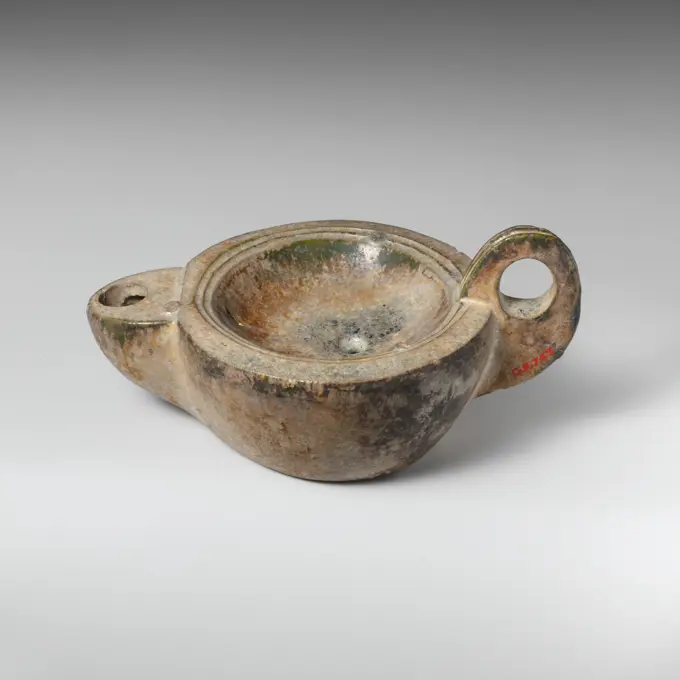
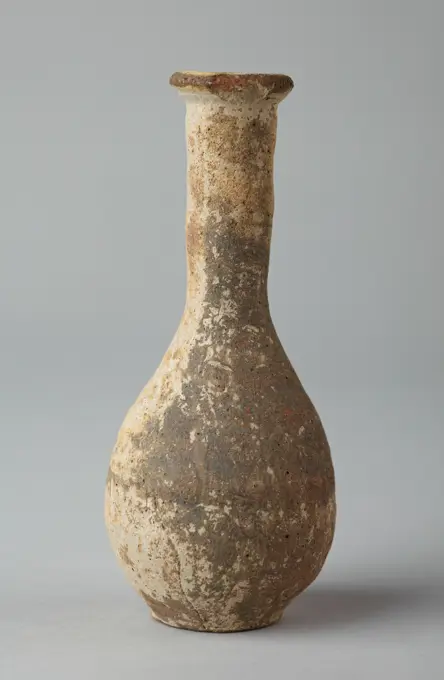
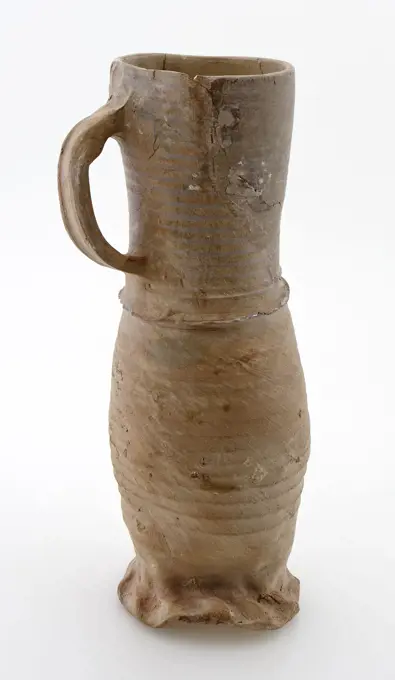
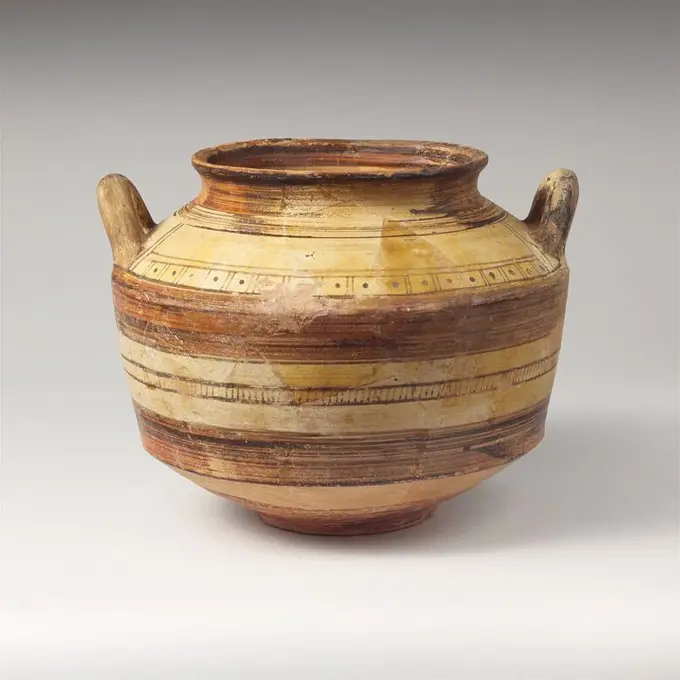
Ceramic and Glass Vessels

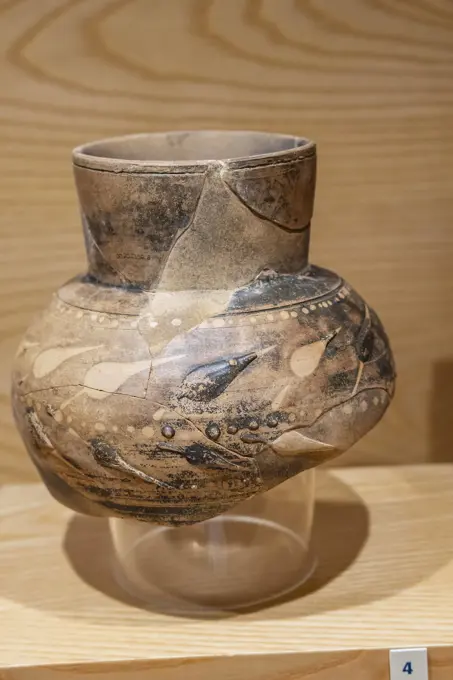
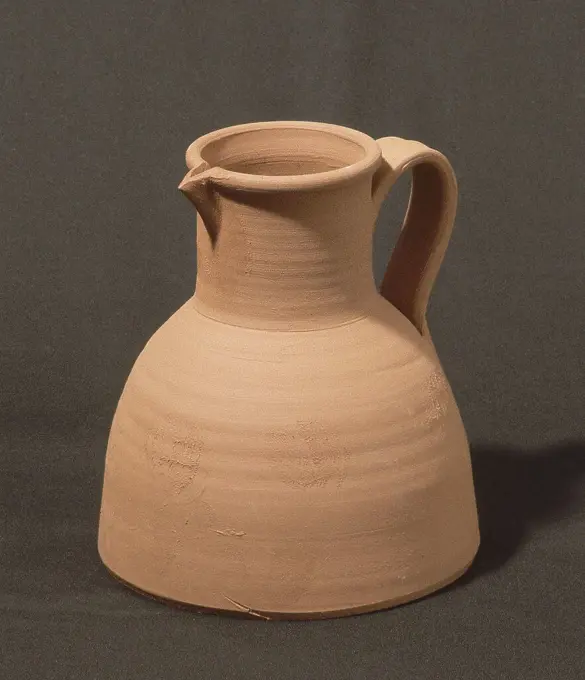
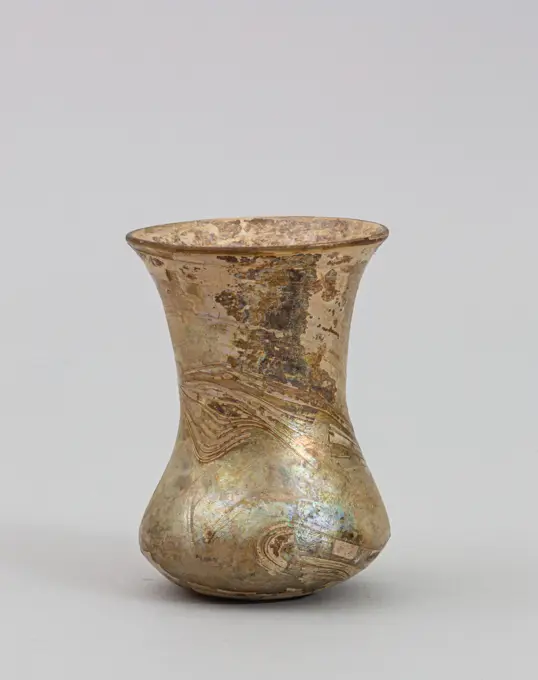
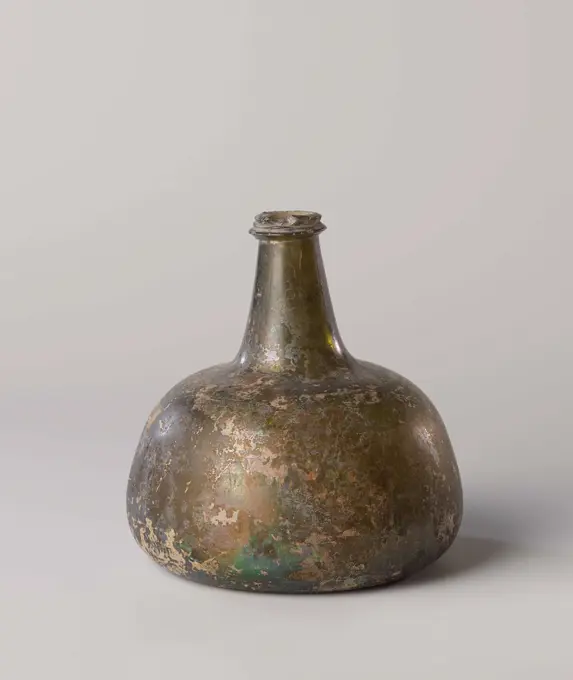
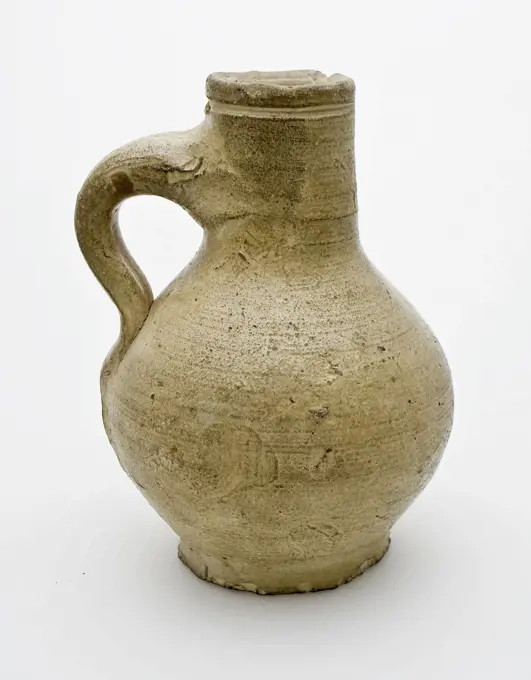
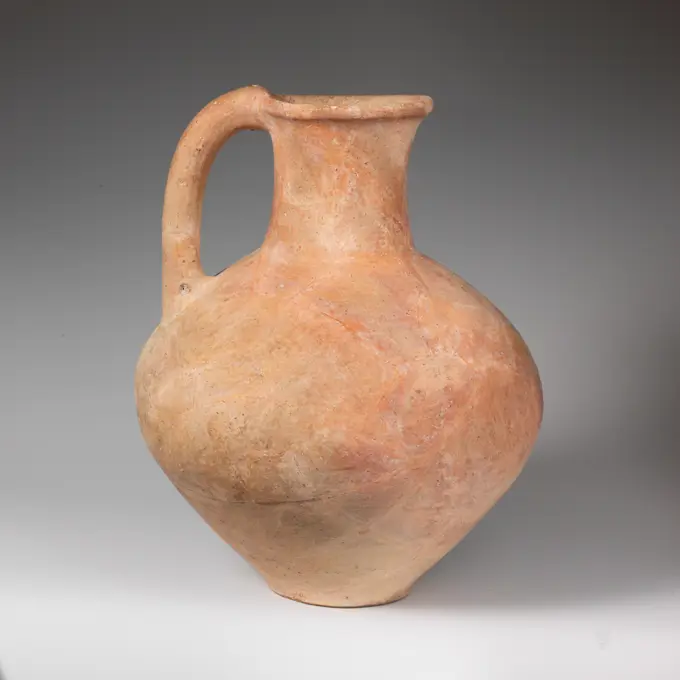
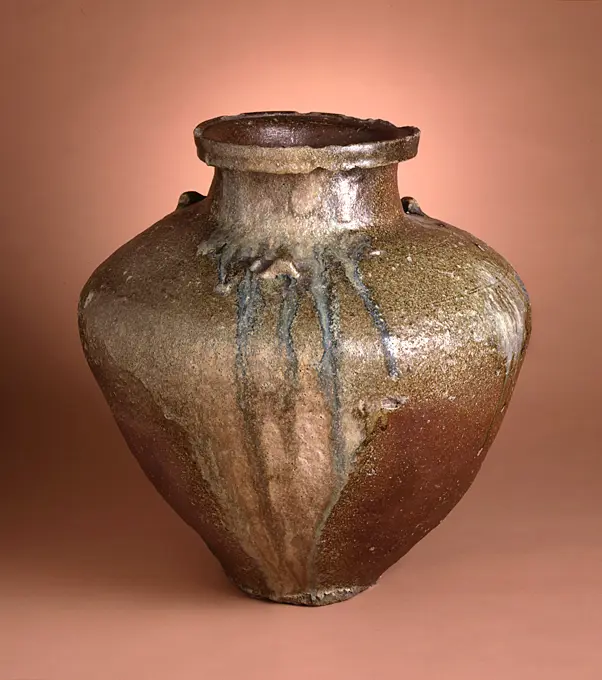
A variety of jars and jugs from different eras and materials, showcasing utilitarian design and historical craftsmanship.
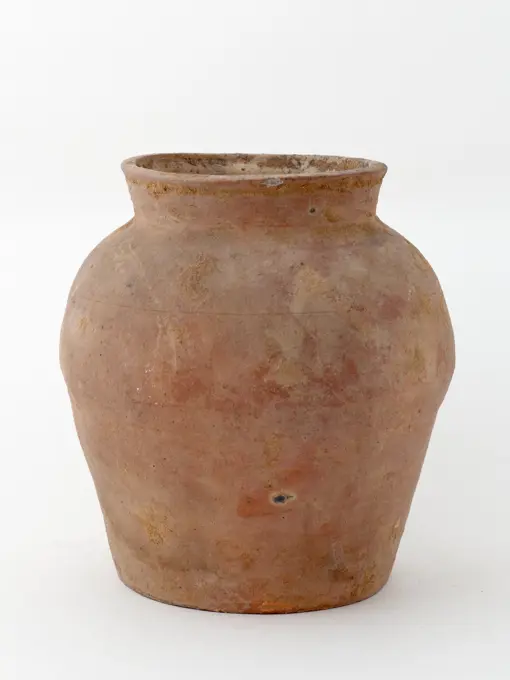
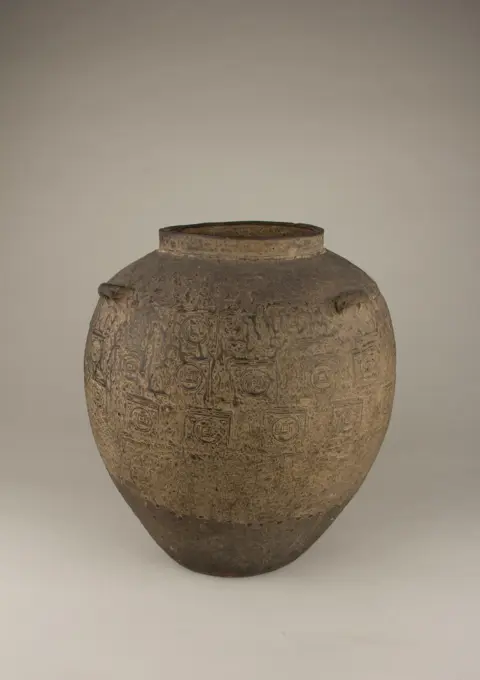
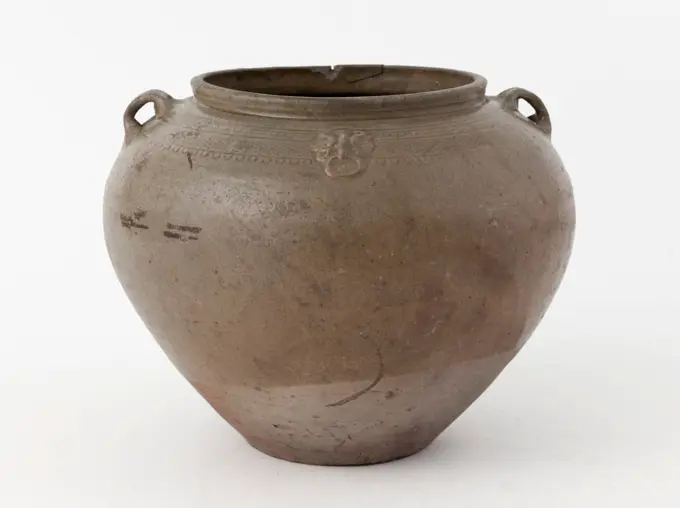
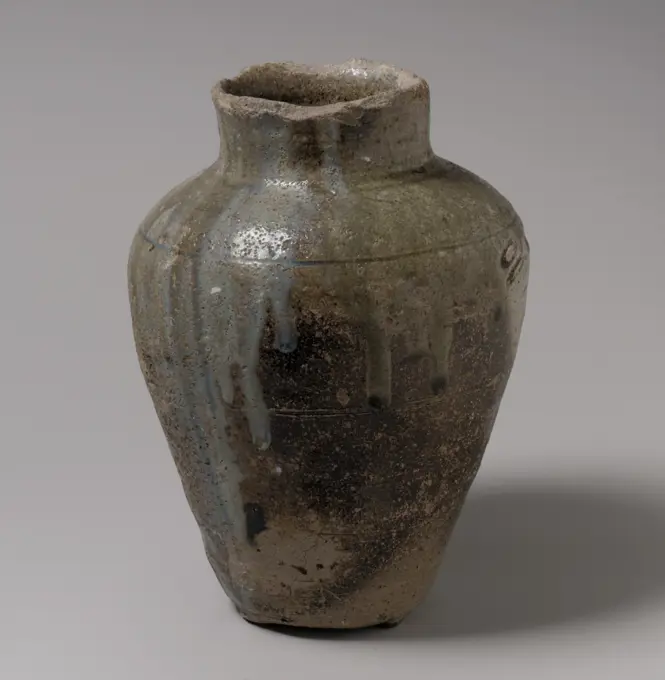
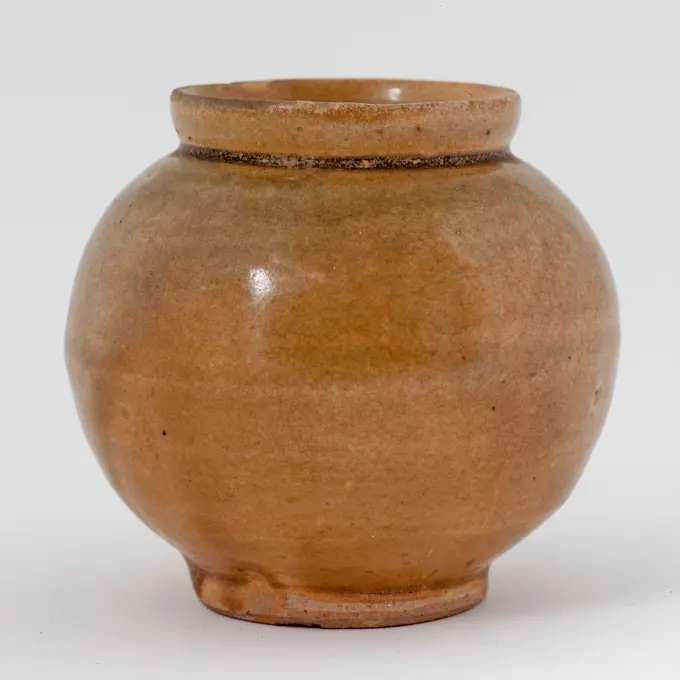
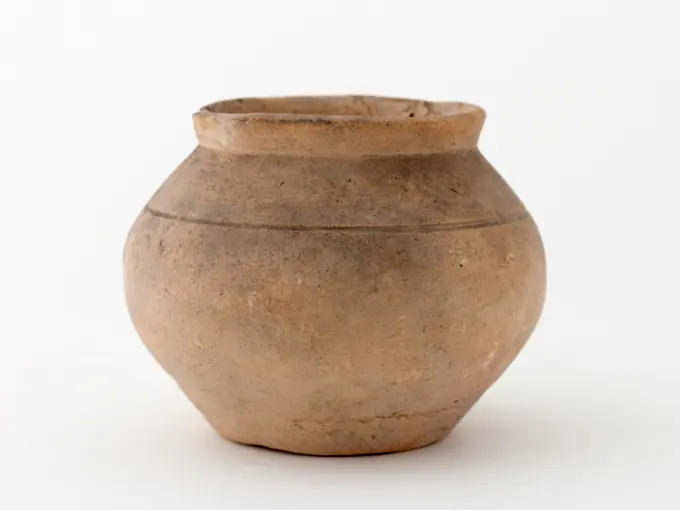
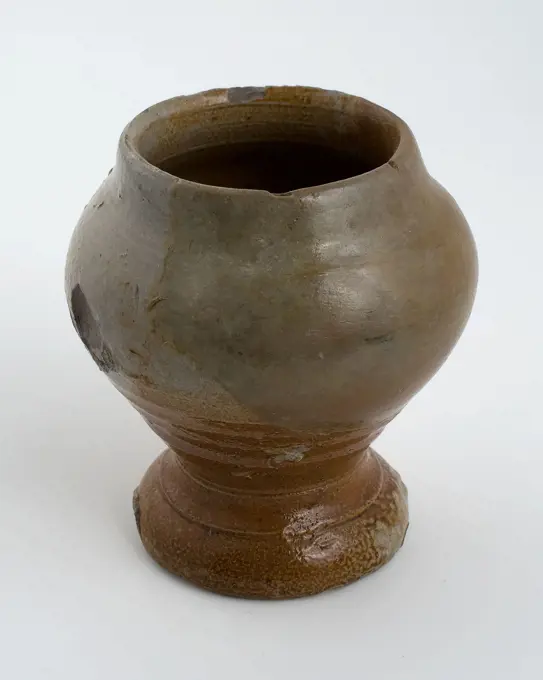
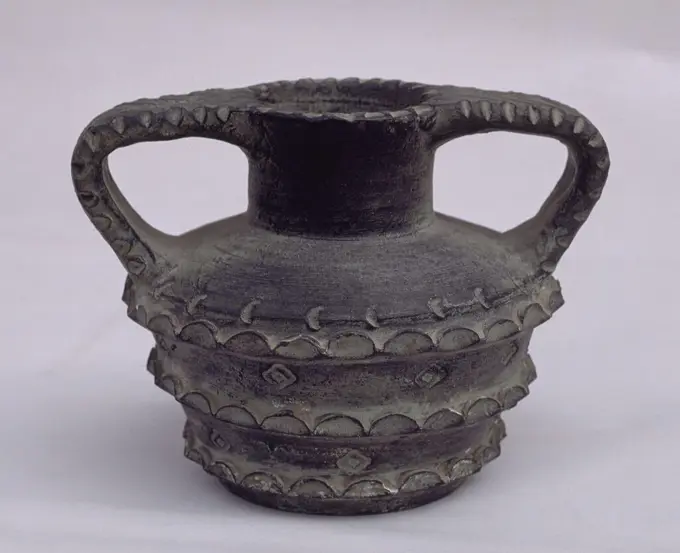
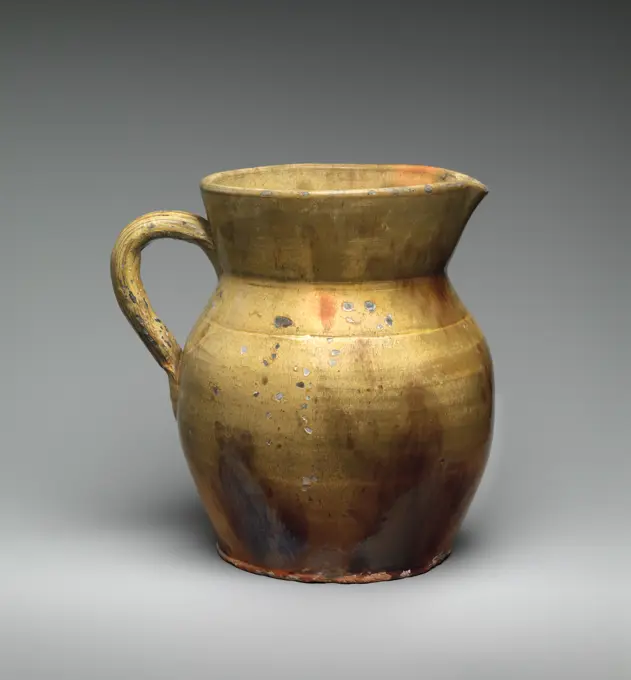
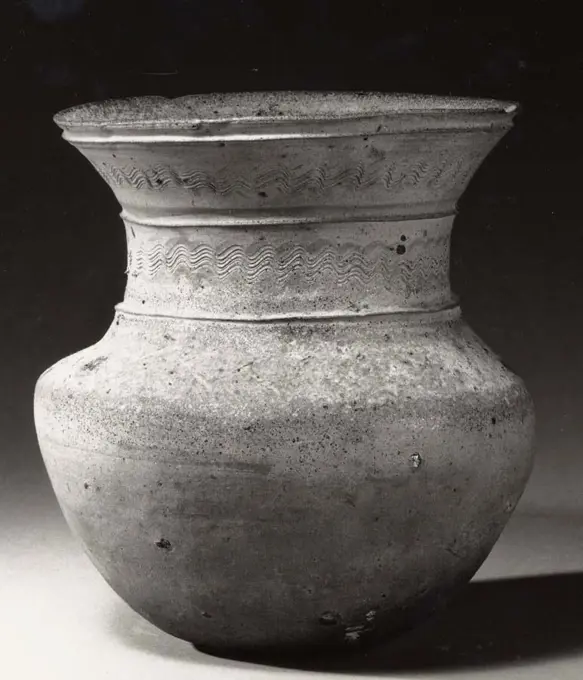
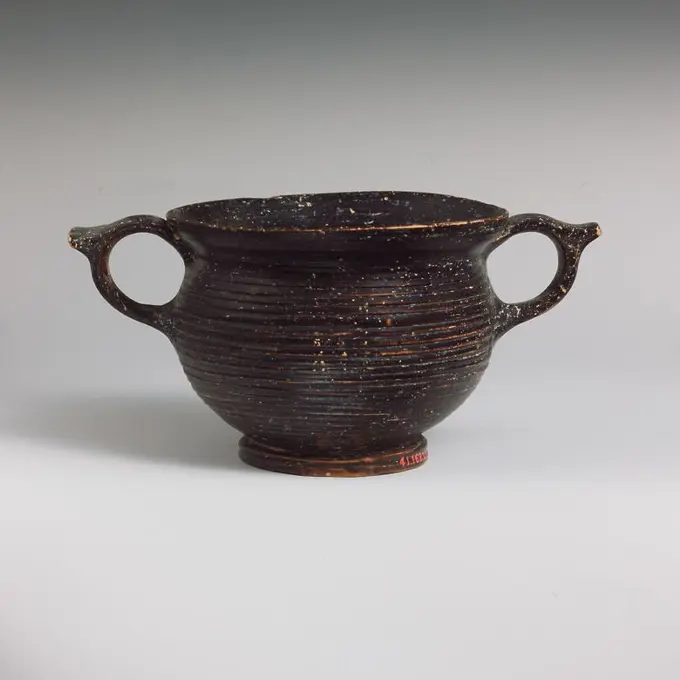
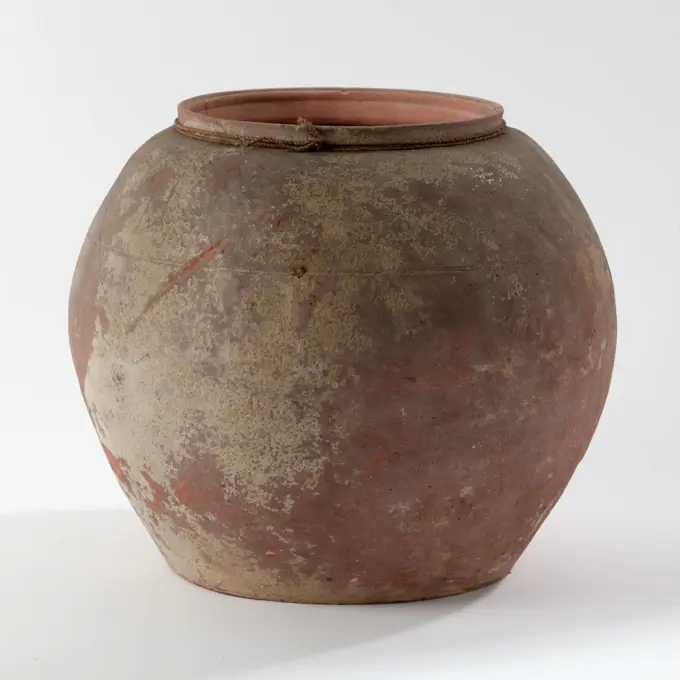
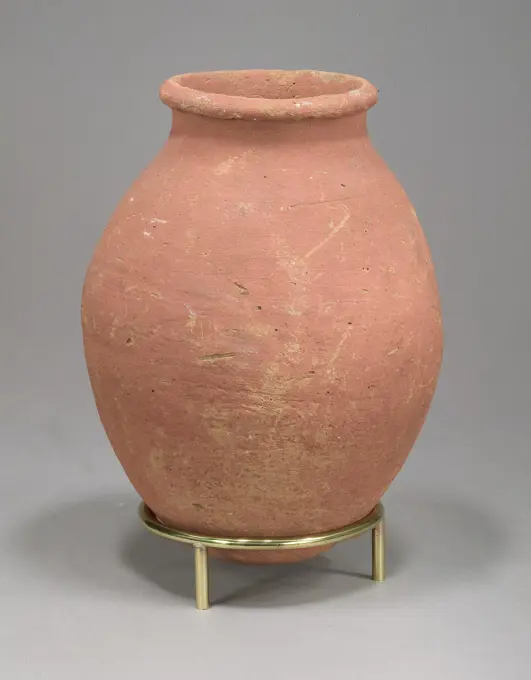
Ovoid jar ". Terracotta. Vietnam-Xe-Xive s. Paris, Cernuschi museum. 72185-7 Jarre Ovow, Vietnamese object, terracotta
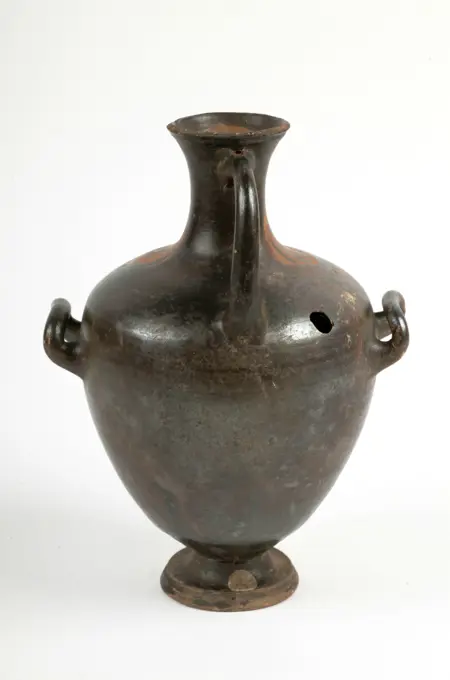
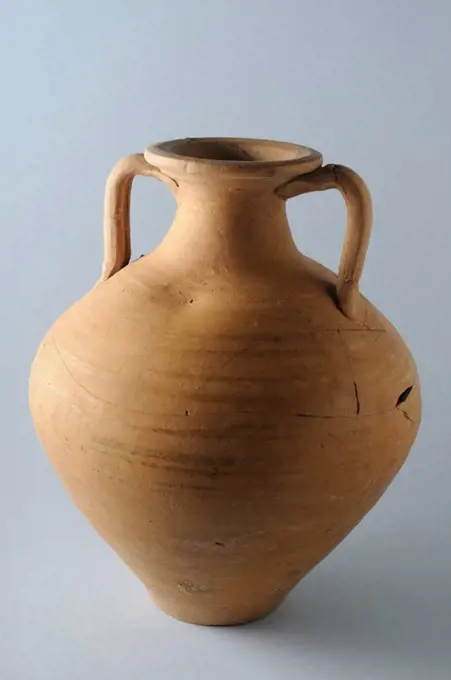
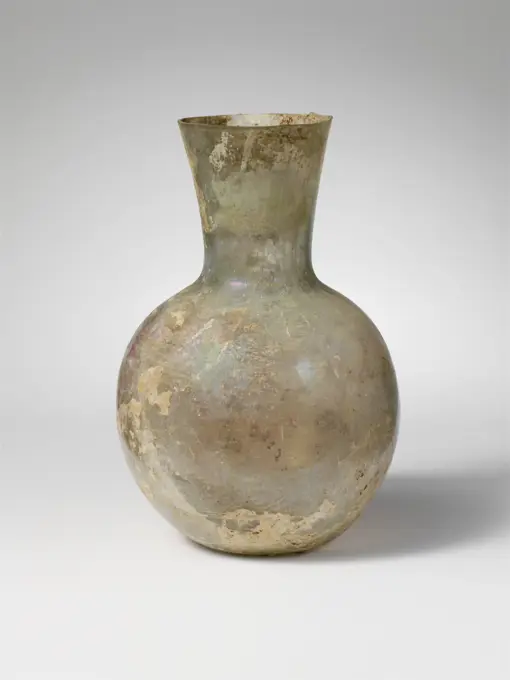
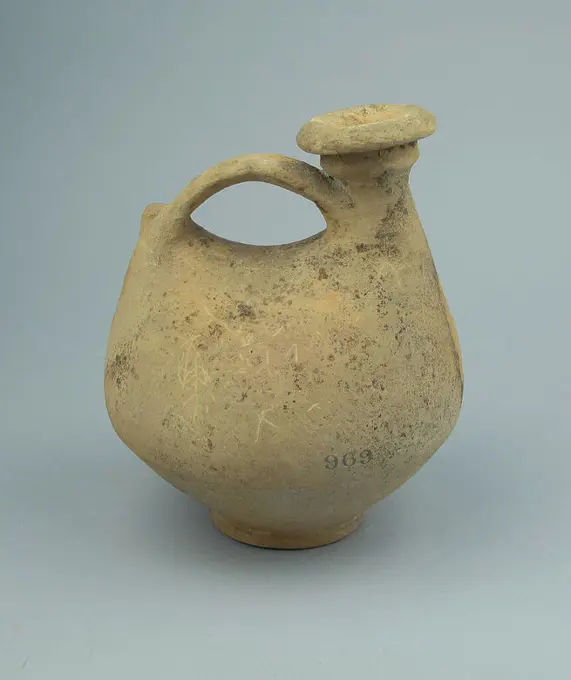
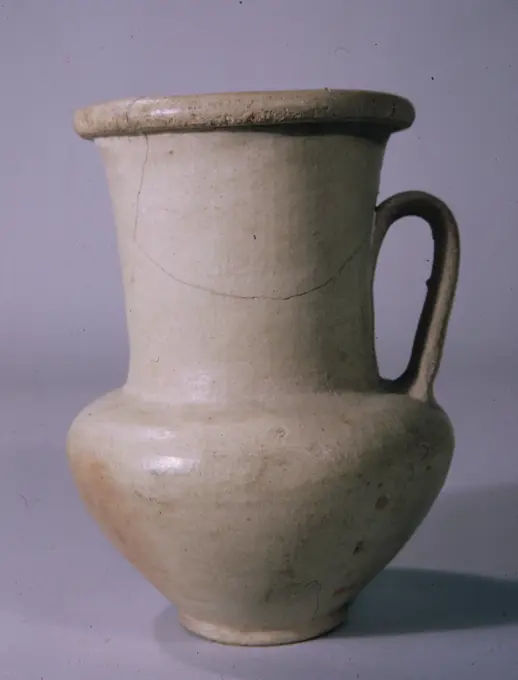
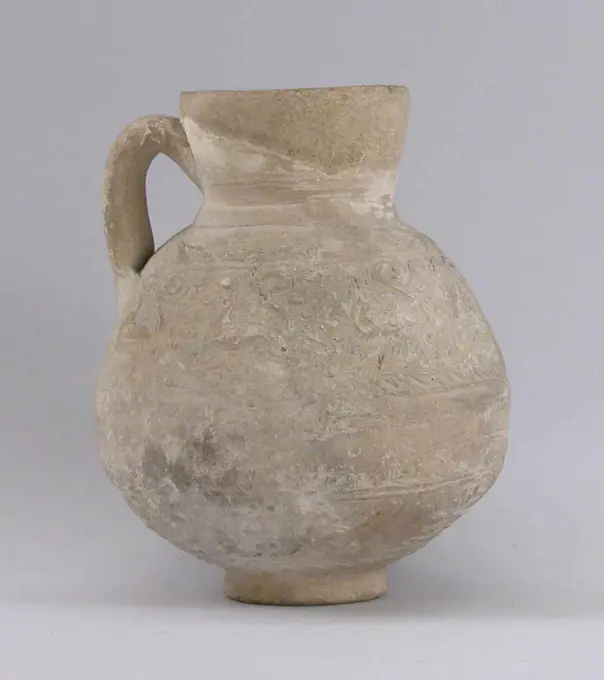
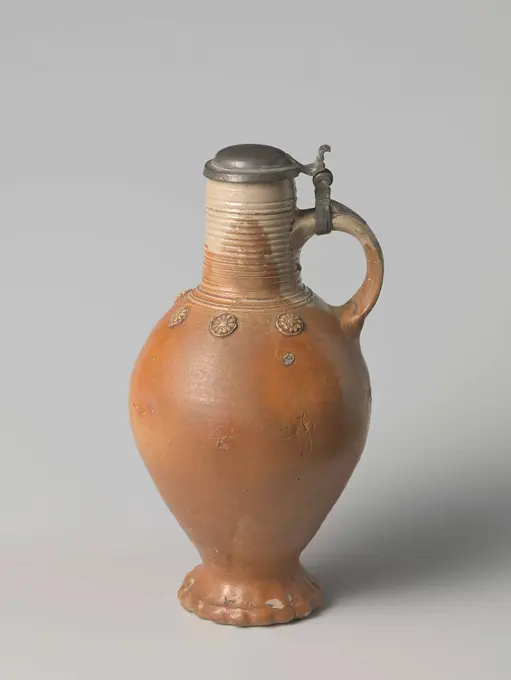
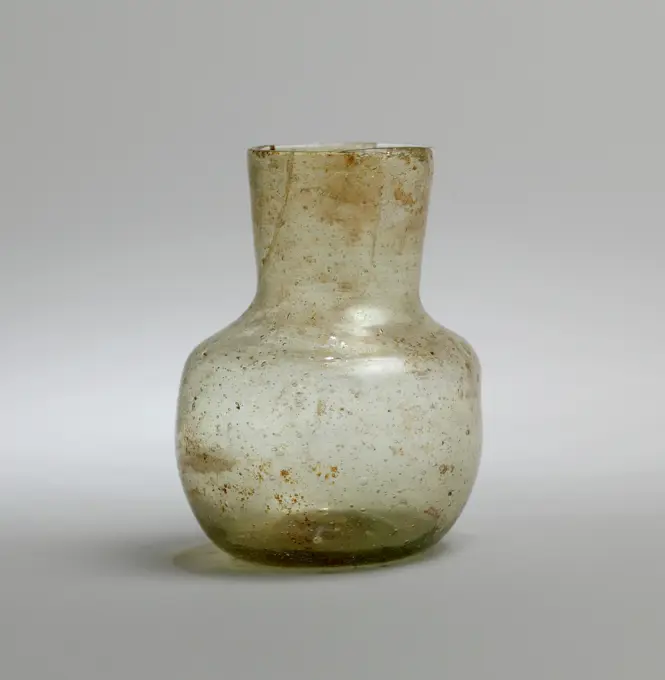
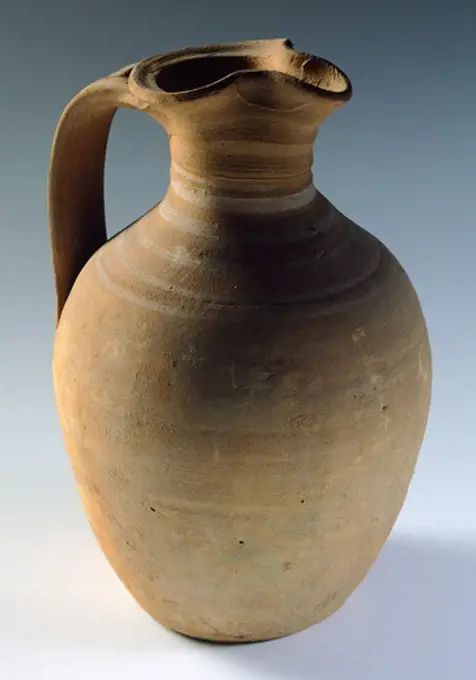
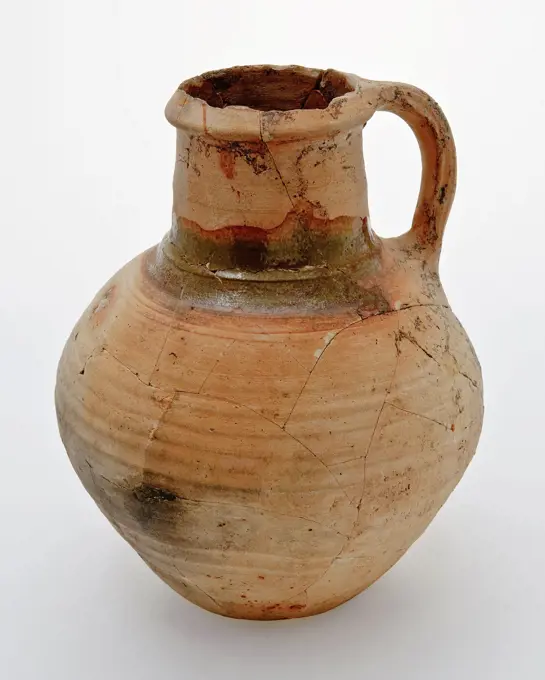
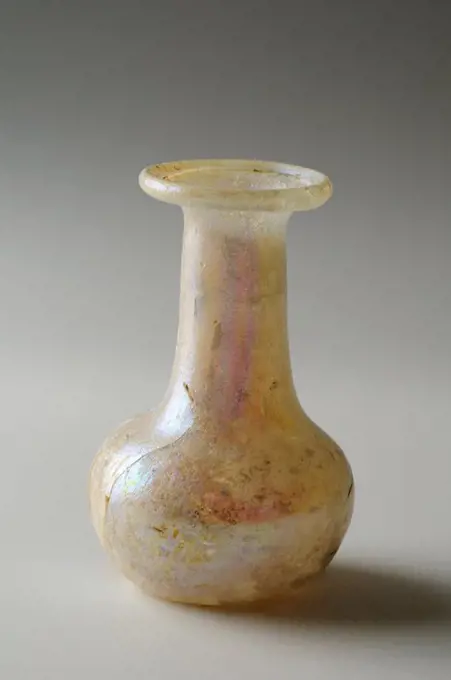
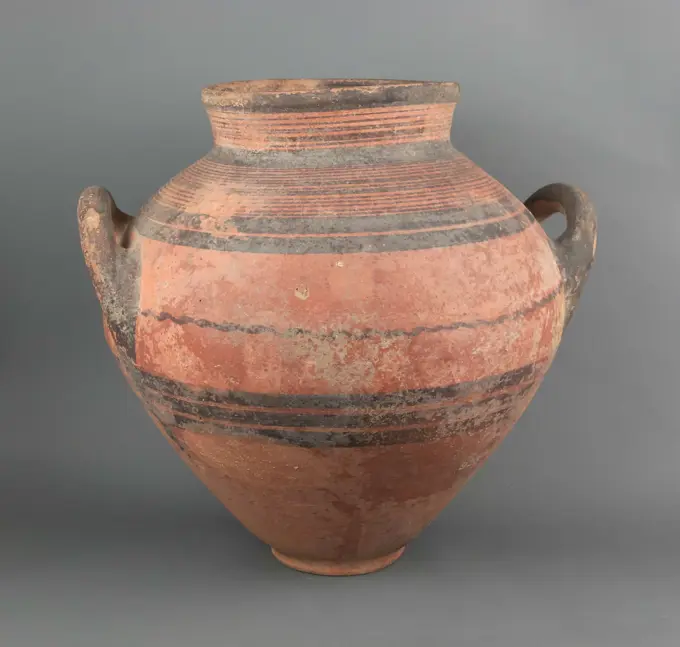
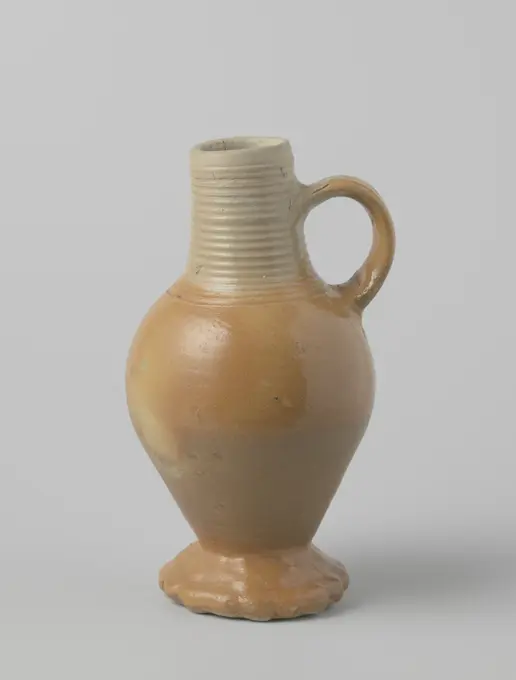
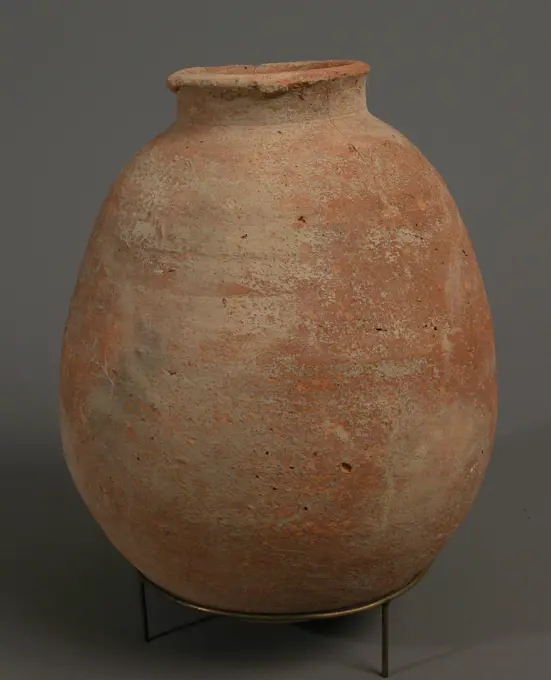
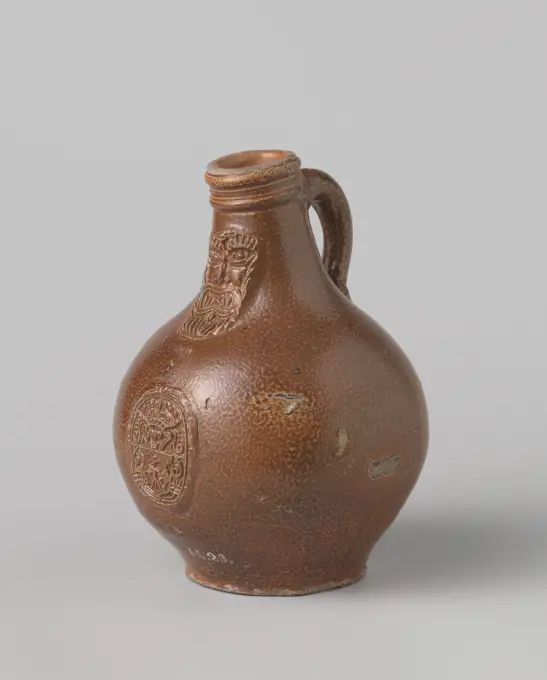
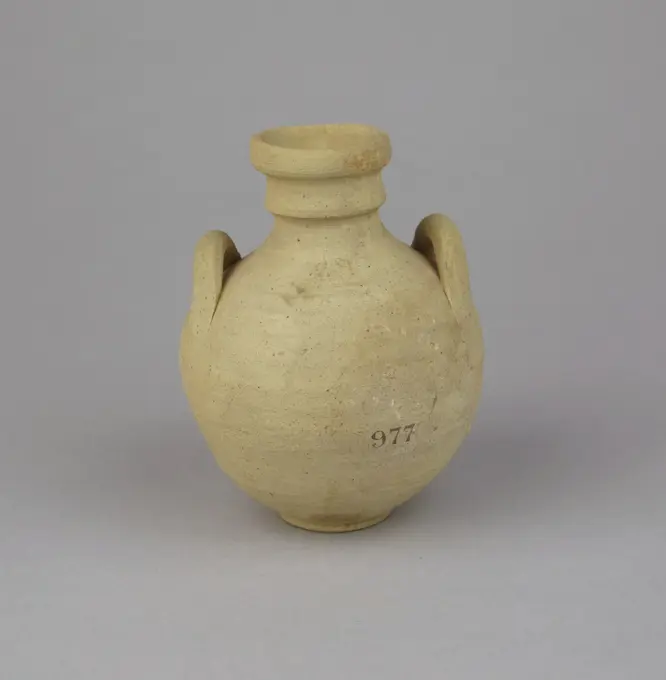
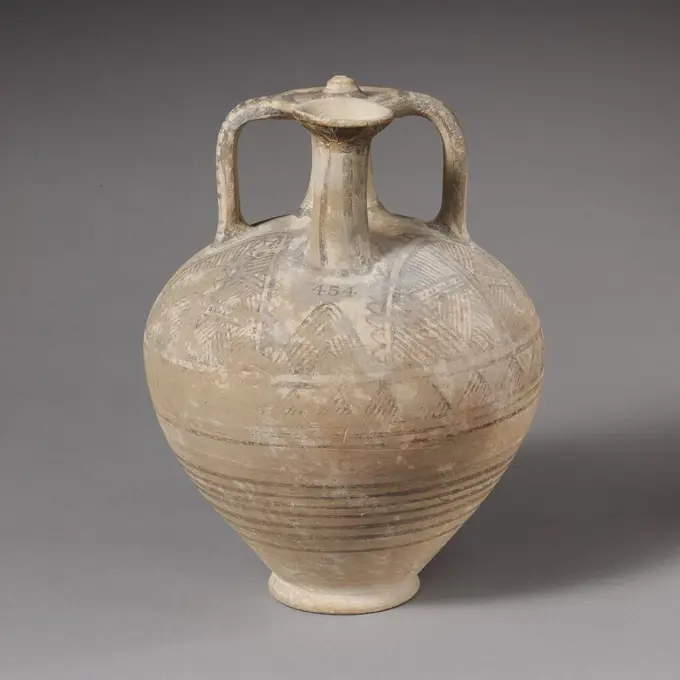
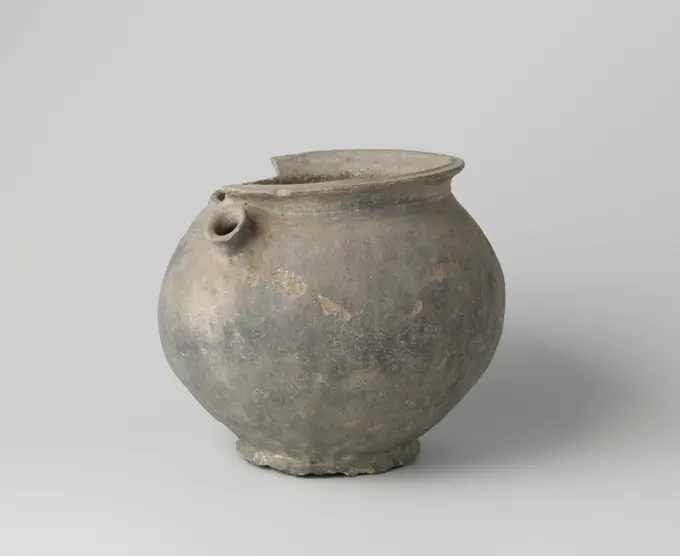
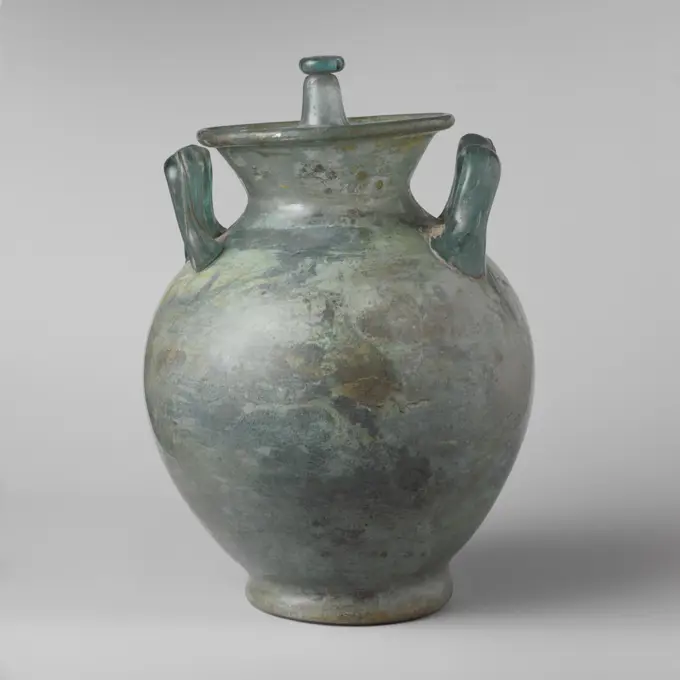
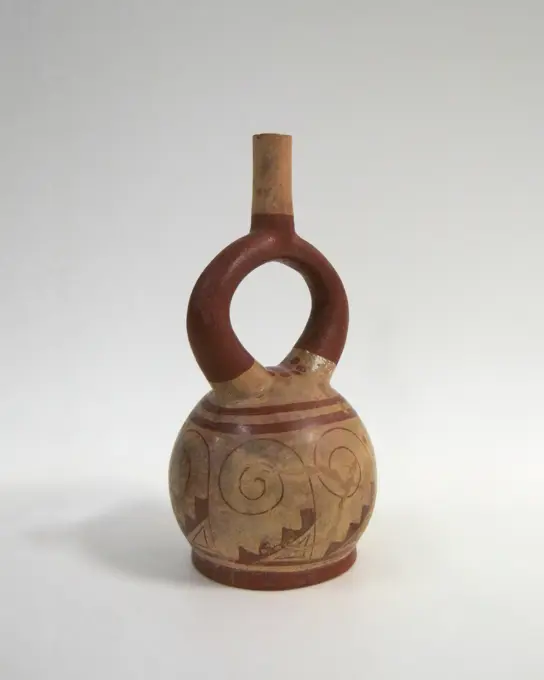
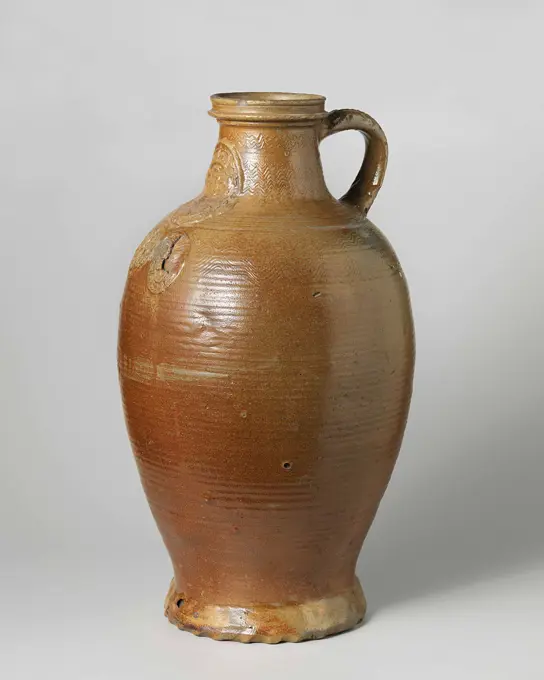
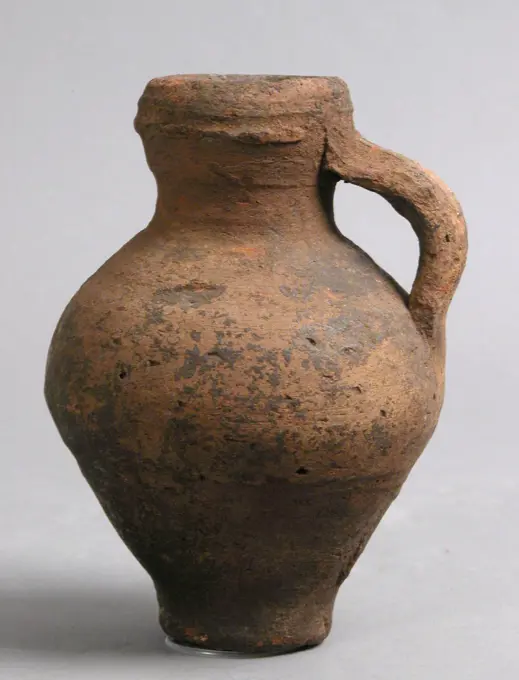
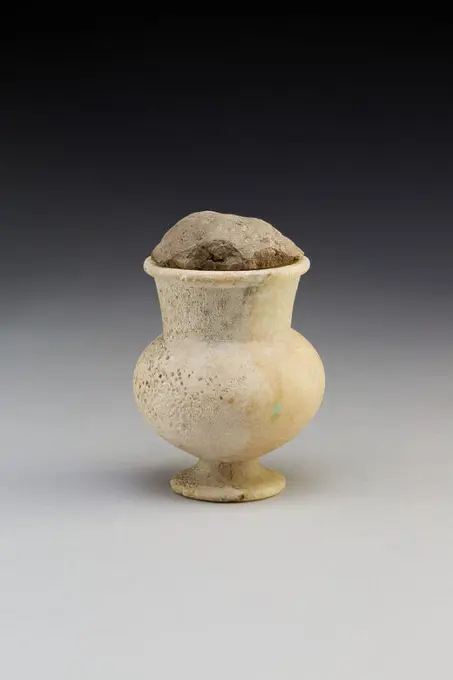
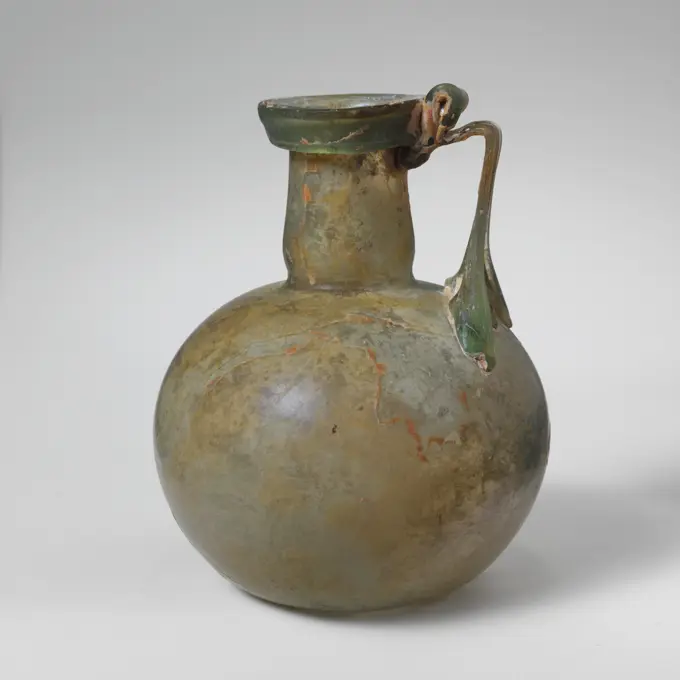
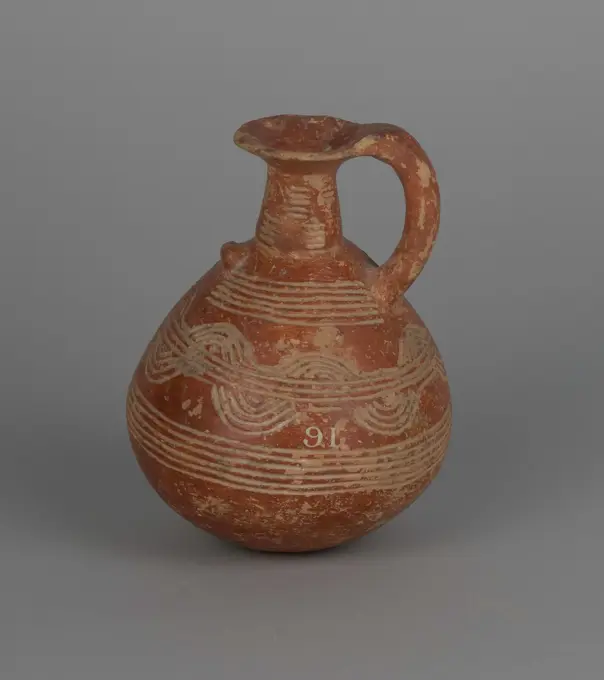
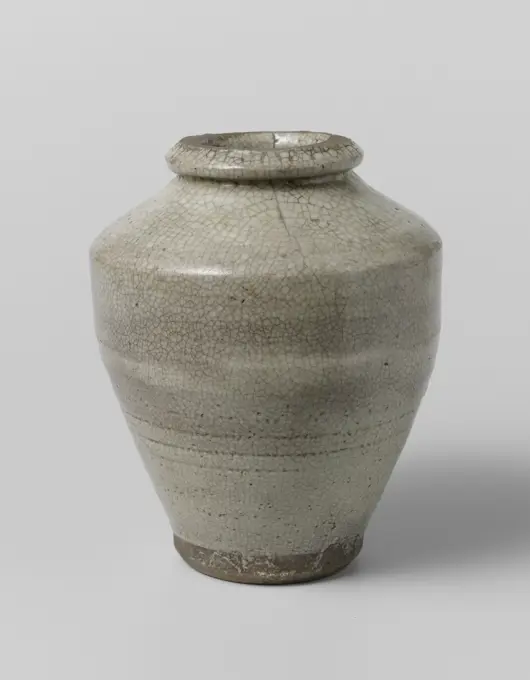
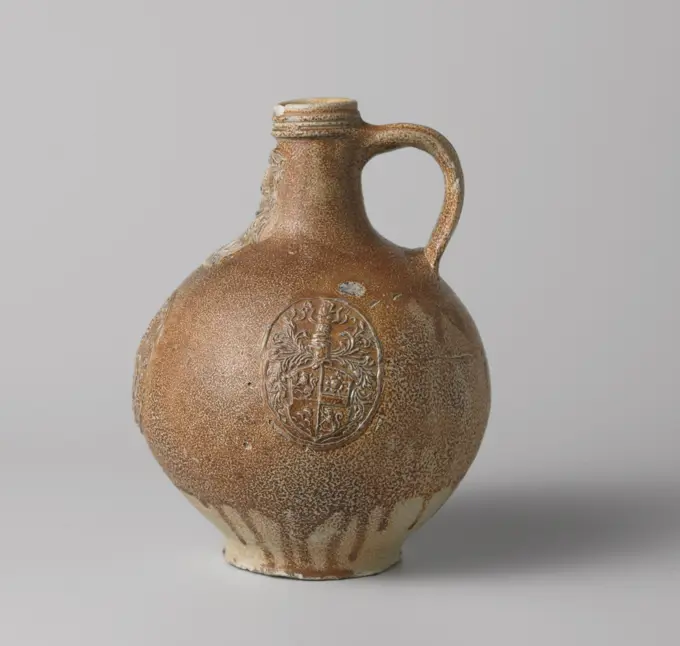
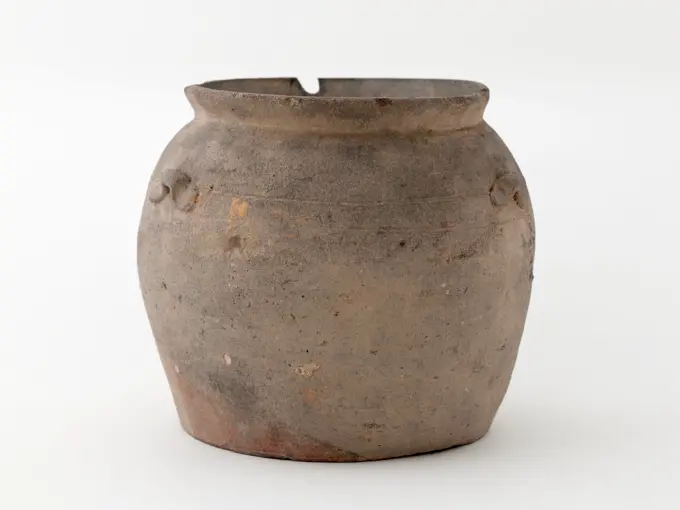
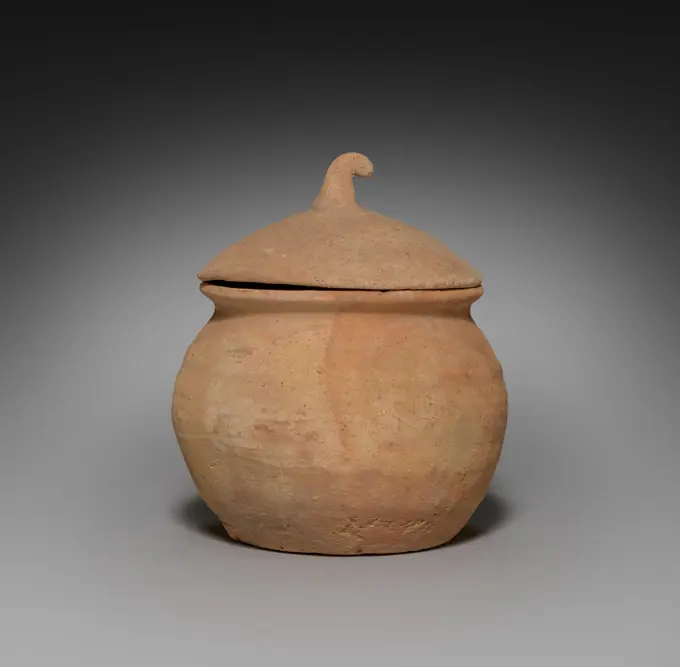
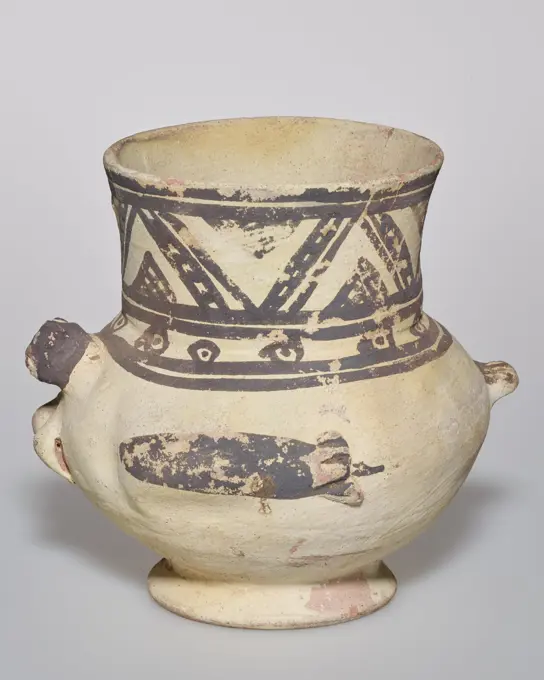
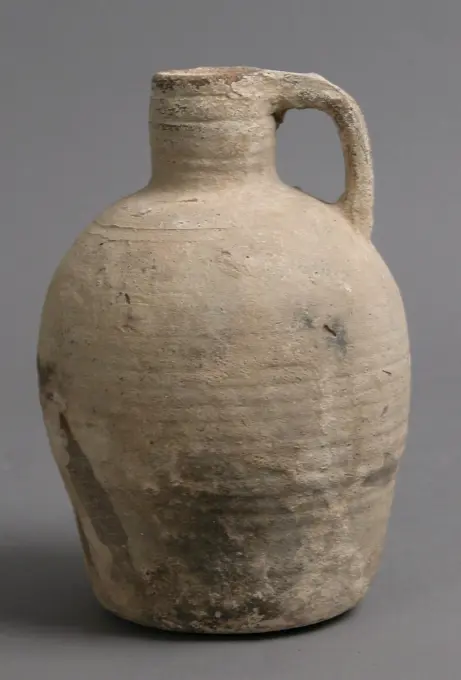
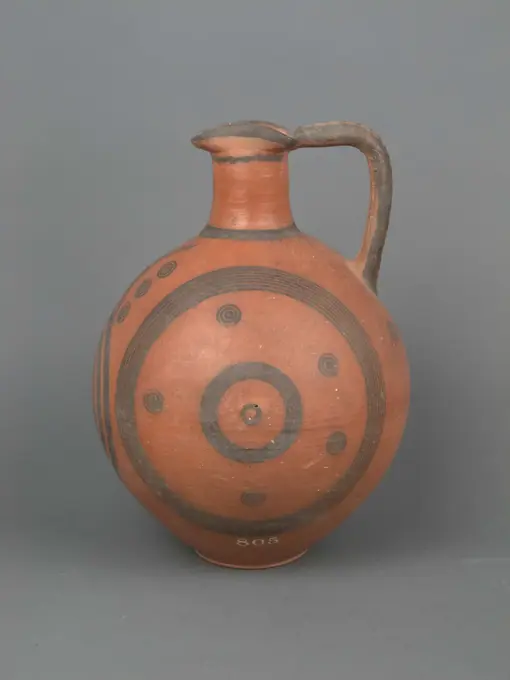
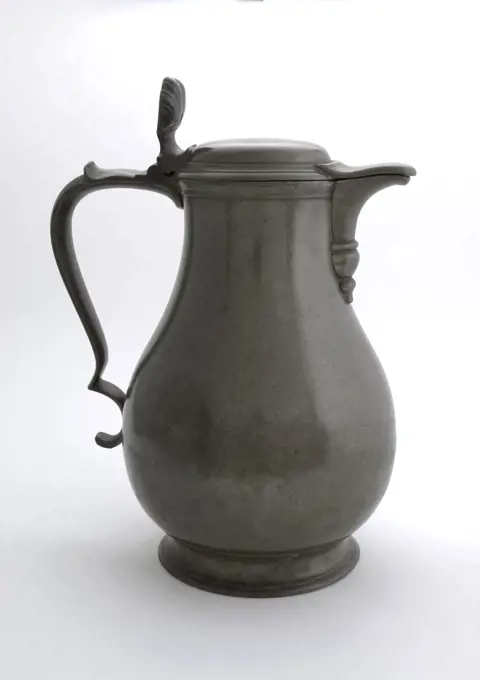
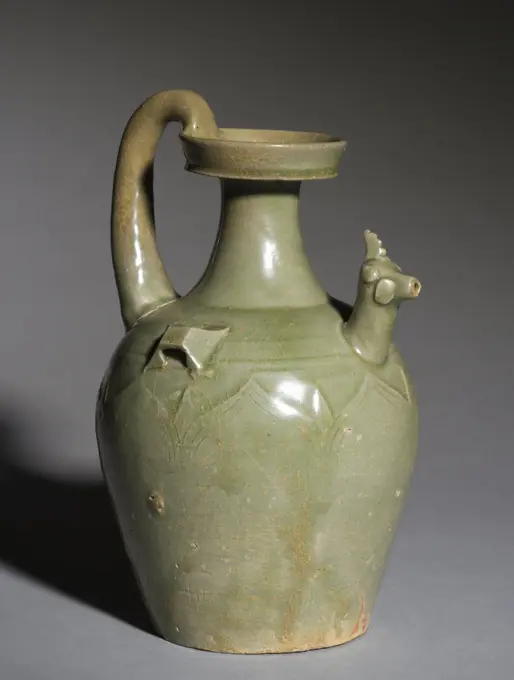
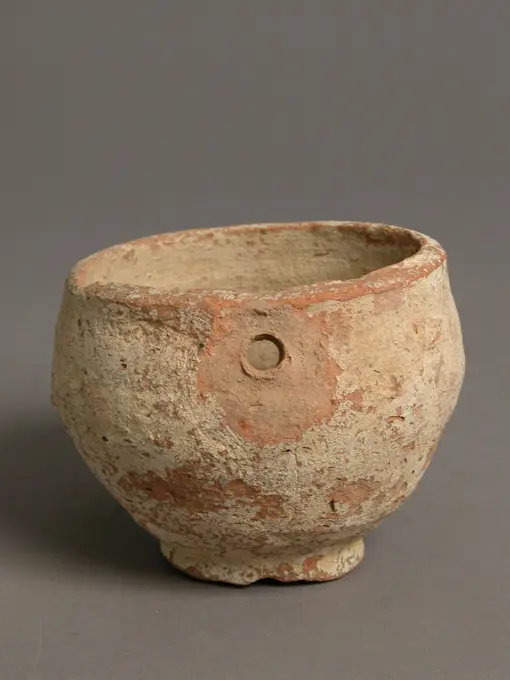
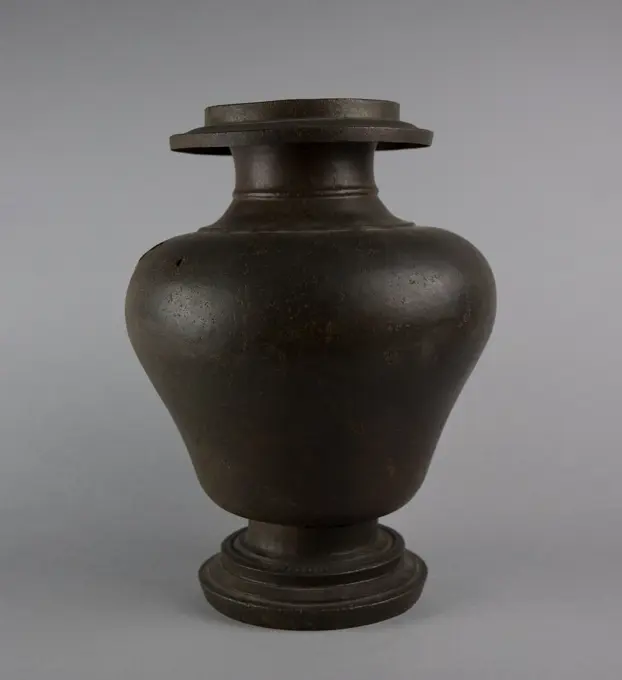
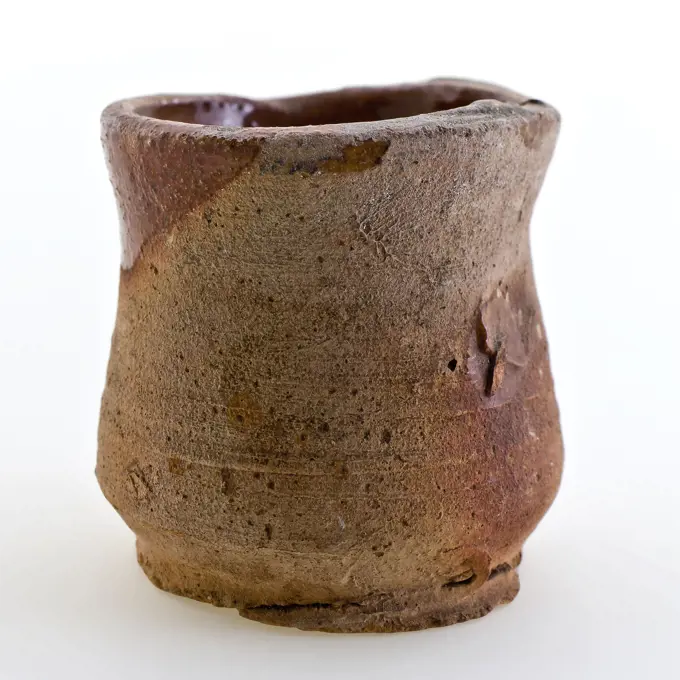
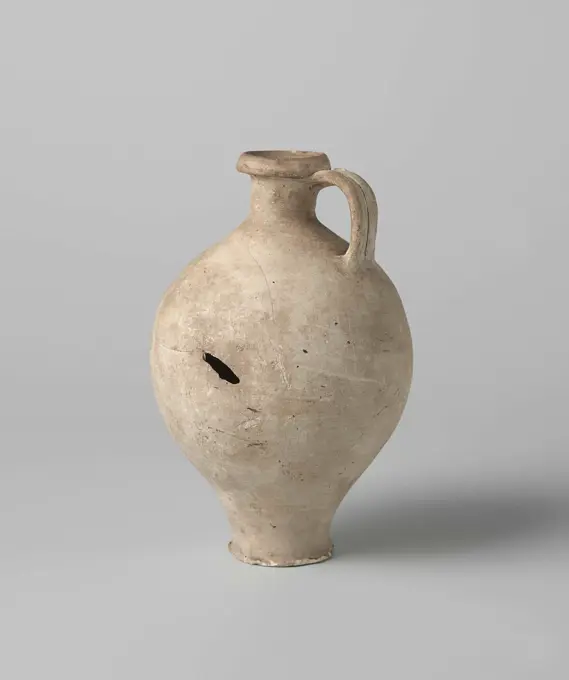
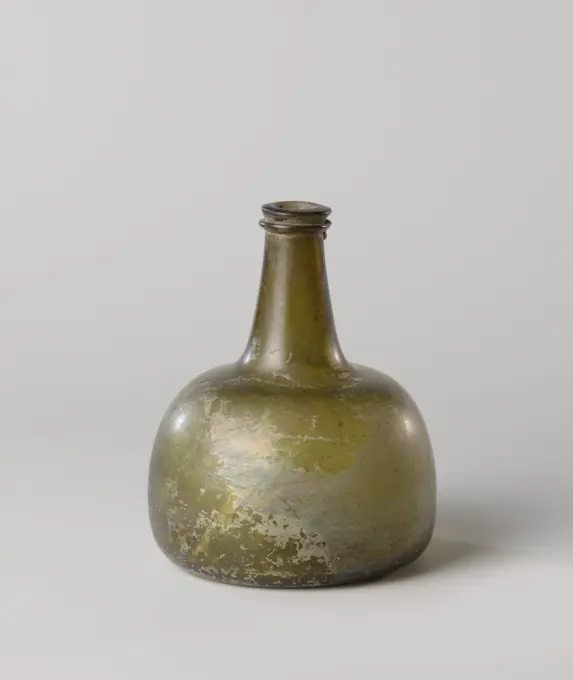
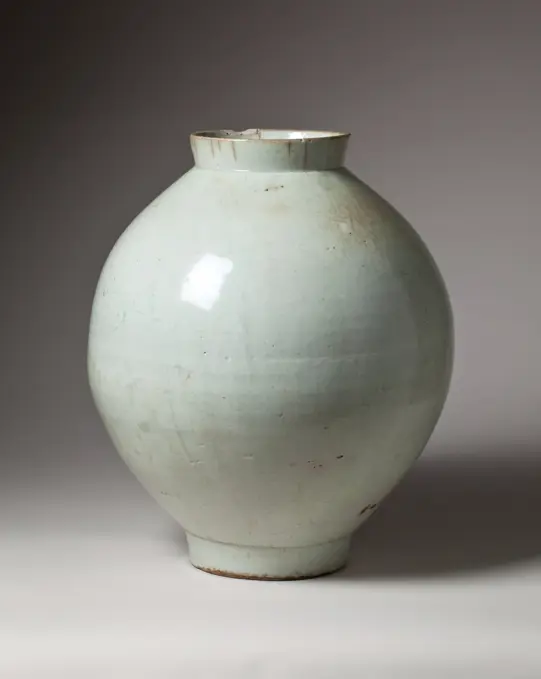
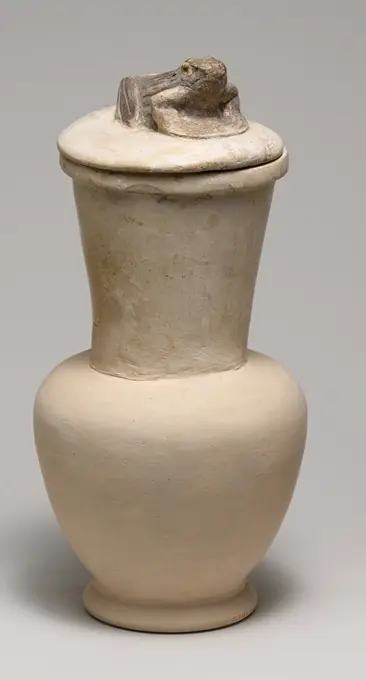
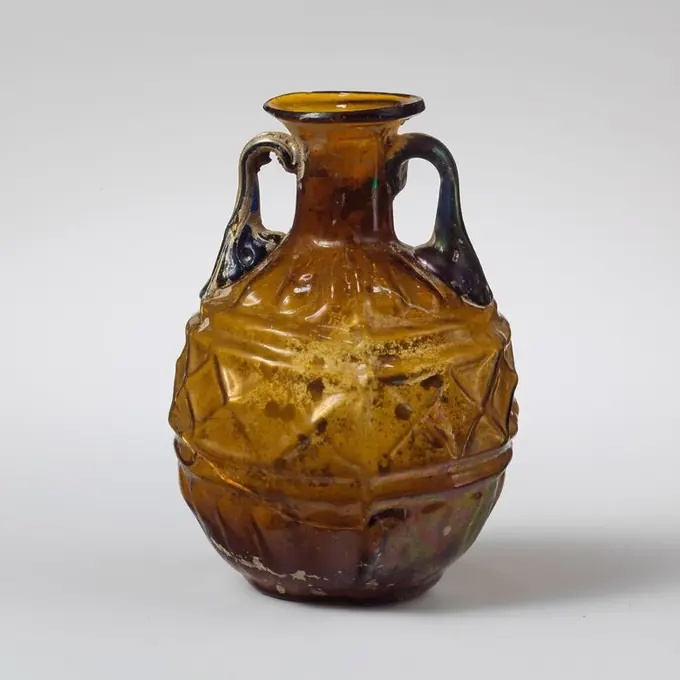
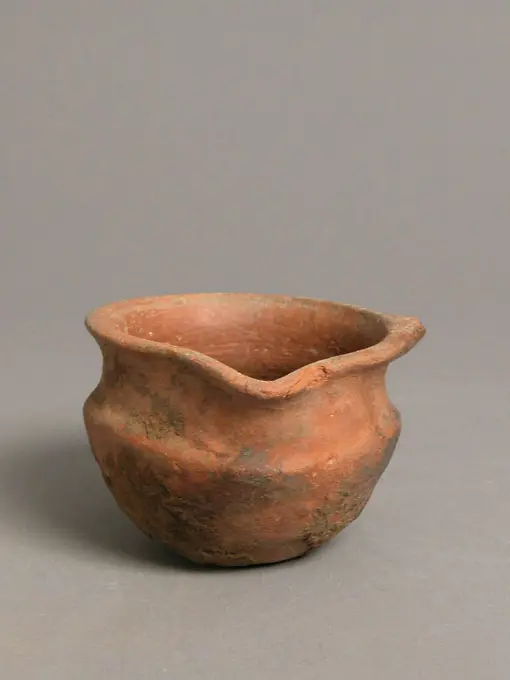
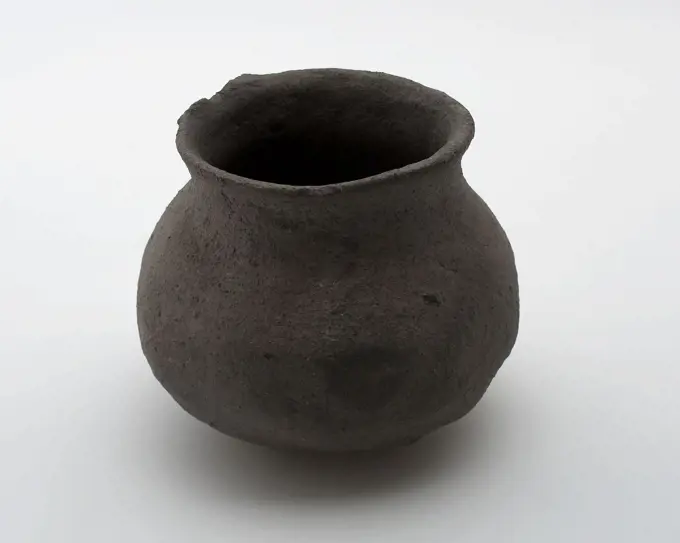
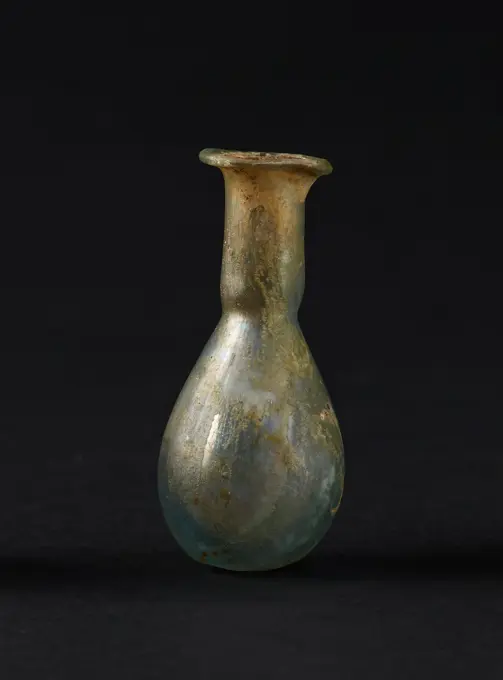
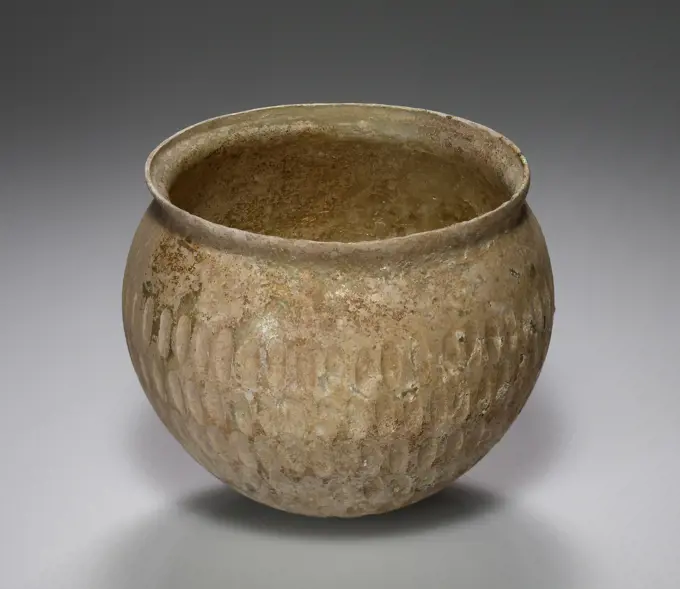
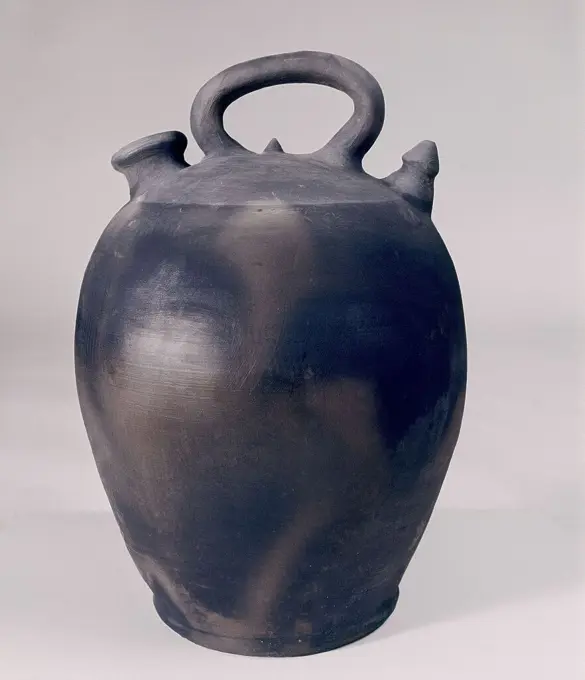
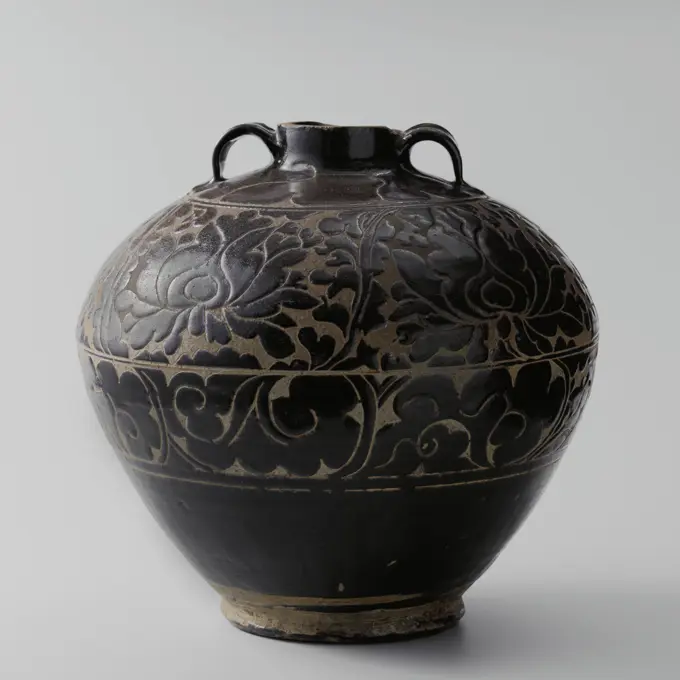
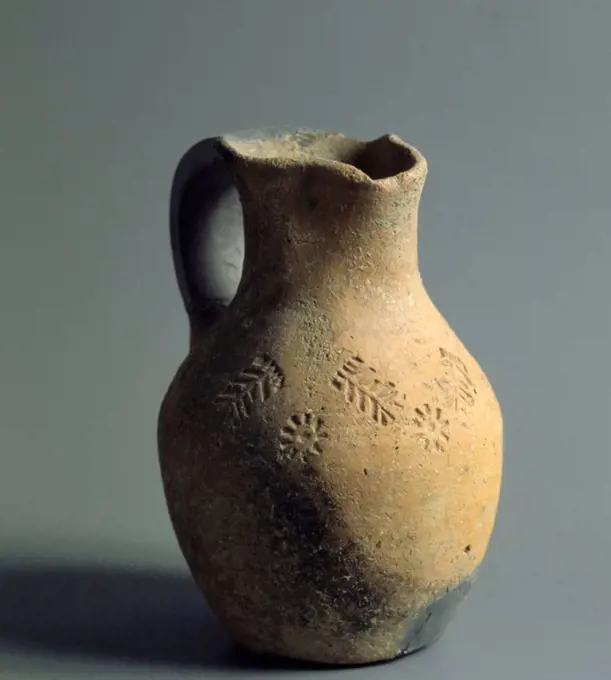
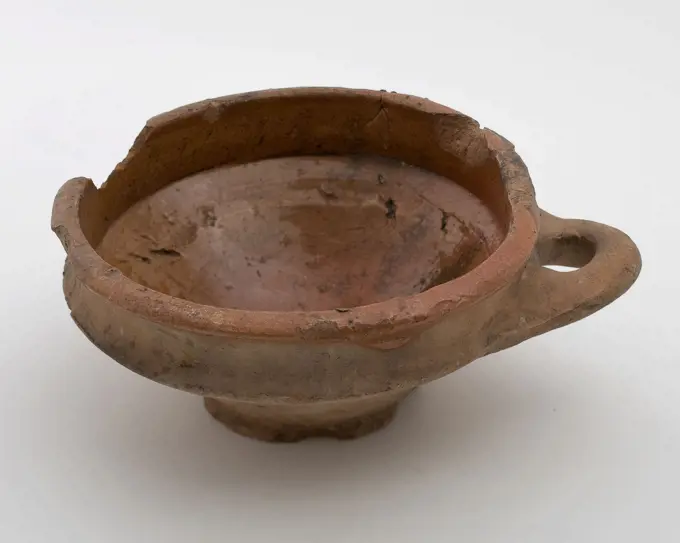
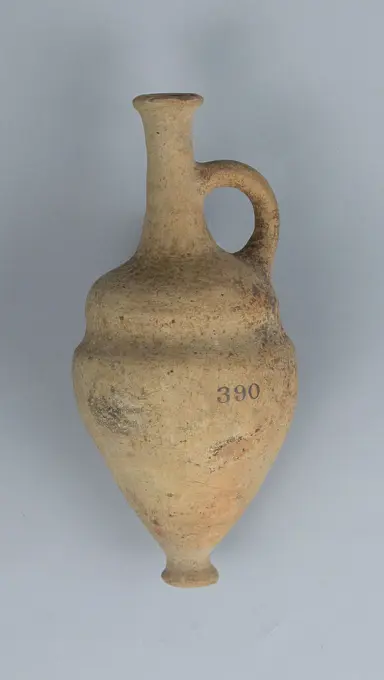
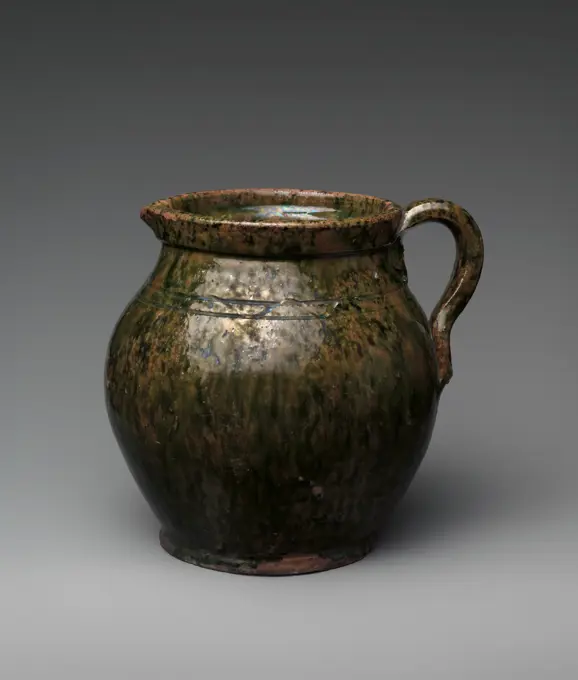
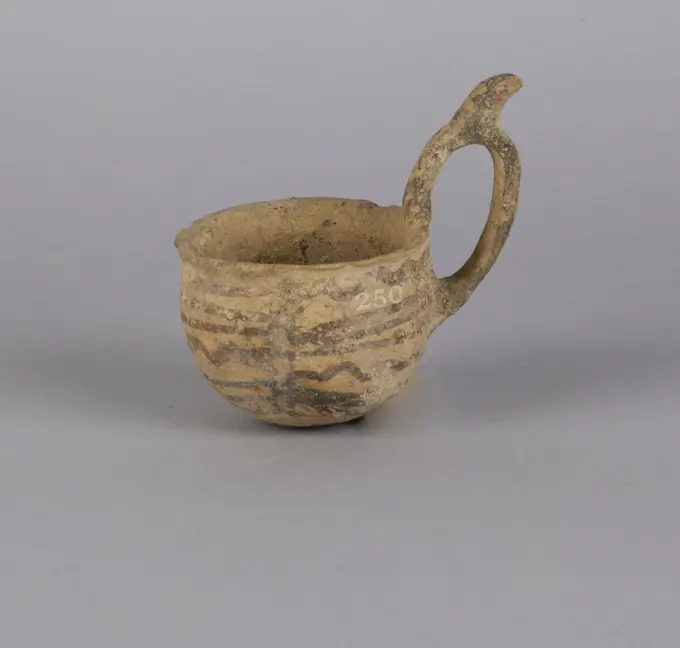
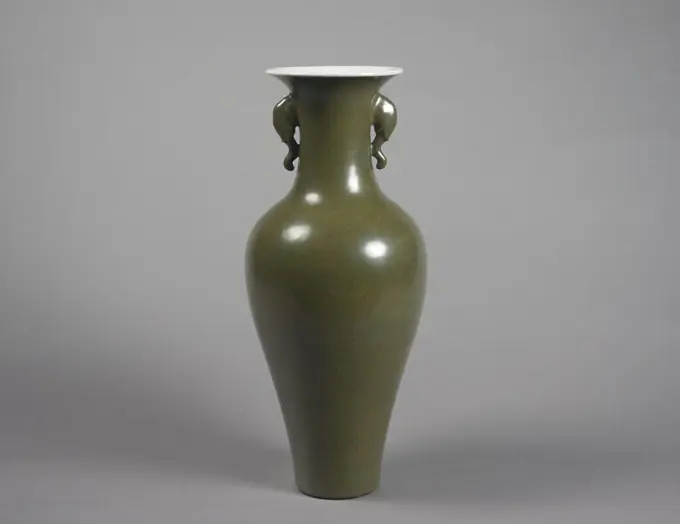
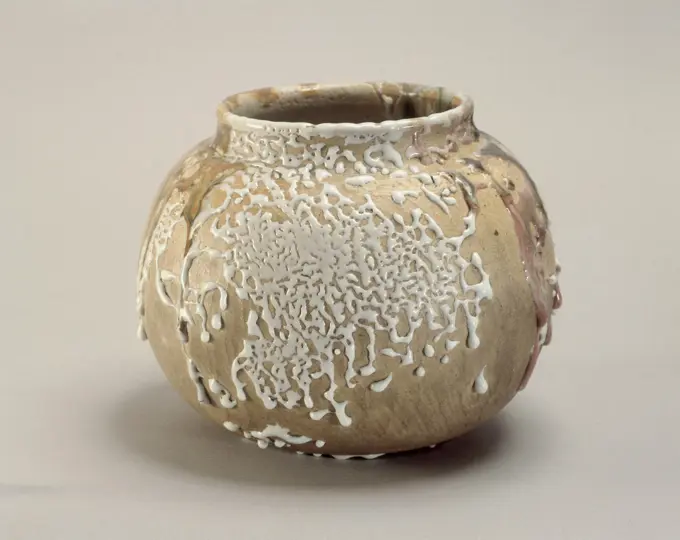
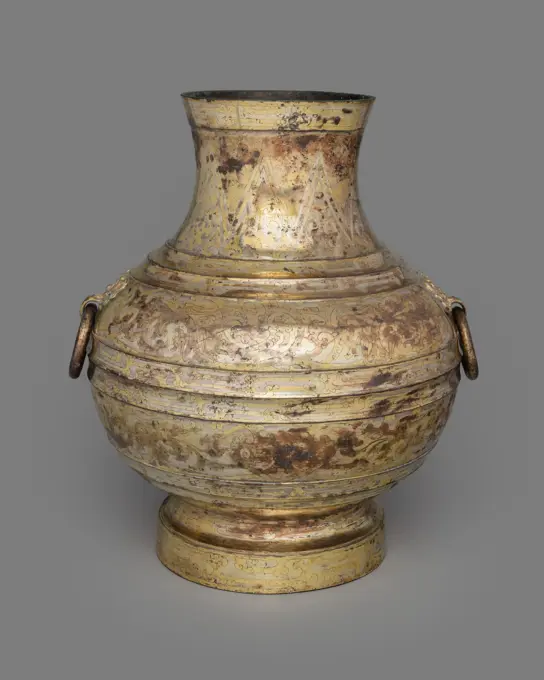
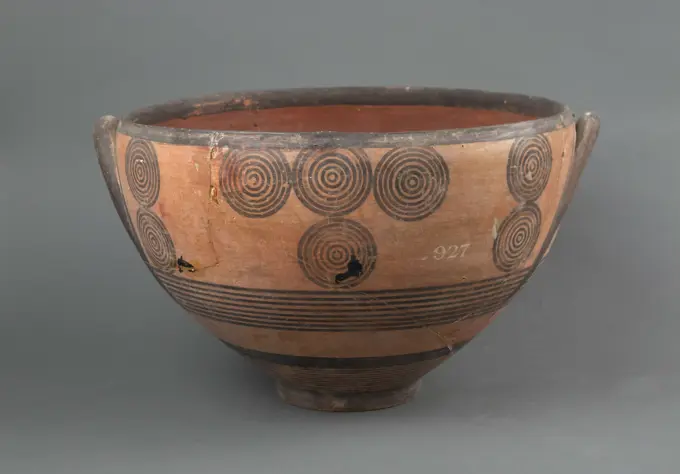
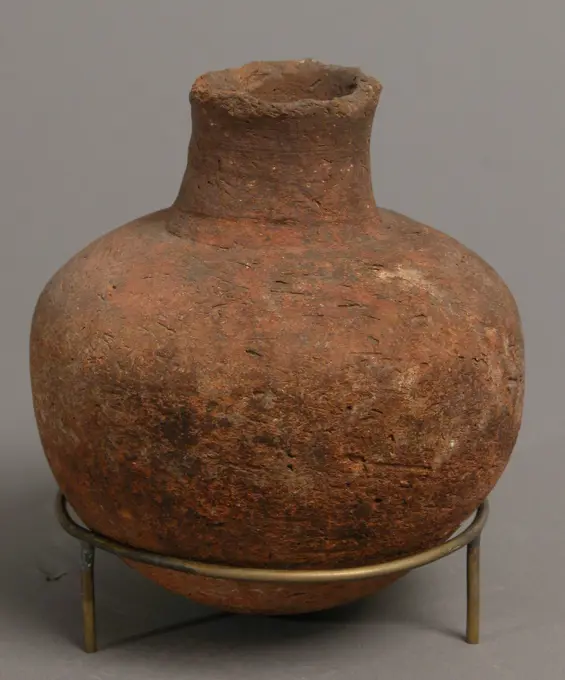
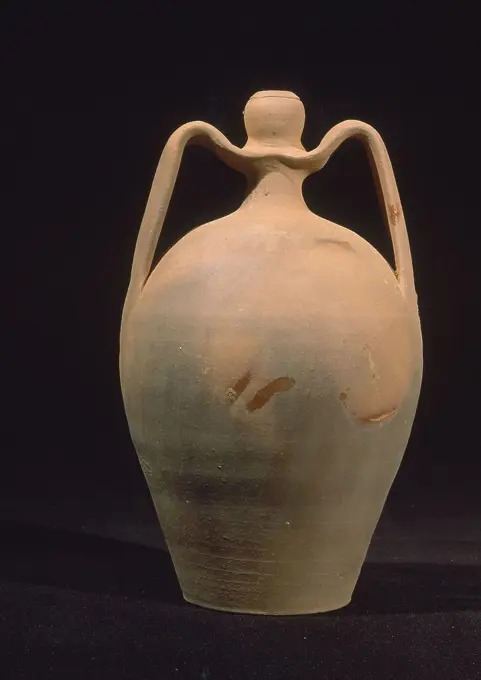
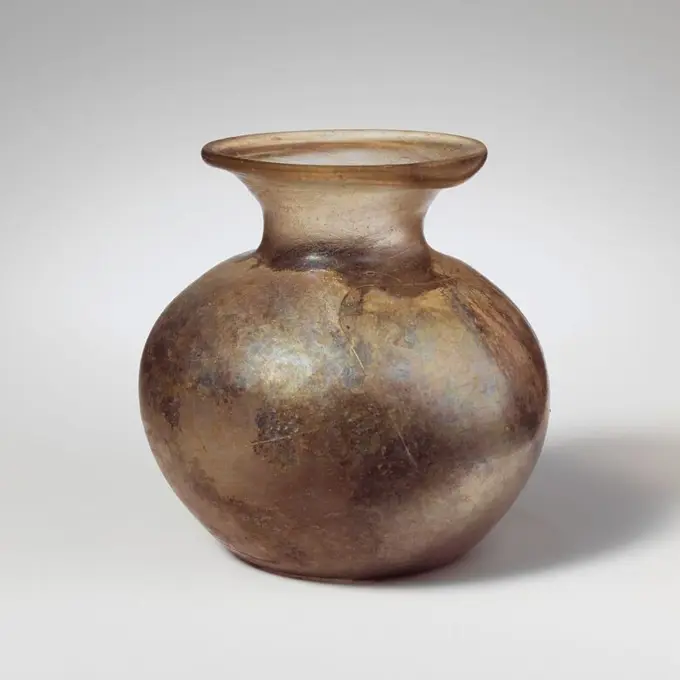
Ovoid jar ". Terracotta. Vietnam-Xe-Xive s. Paris, Cernuschi museum. 72185-7 Jarre Ovow, Vietnamese object, terracottaGlass jar. Culture: Roman. Dimensions: 3 3/8 in. (8.6 cm)Other: 3 5/16 in. (8.5 cm)Diam. of rim: 1 9/16 in. (4 cm). Date: 2nd-3rd century A.D..Colorless with pale purple tinge and purple streaks.Rounded, thickened rim with bulge in one side; broad, flaring mouth; short, concave neck; sloping shoulder; bulbous body; pushed-in bottom with kick and pontil scar.Intact, except for large crack from shoulder, down side and across bottom; some pinprick bubbles; dulling and faint iridescence on exterior; patches of encrusted, enamel-like weathering on interior. Museum: Metropolitan Museum of Art, New York, USA.Jug 480-400 B.C. Cypriot Of unpainted clay.. Jug. Cypriot. 480-400 B.C.. Terracotta. Cypro-Classical I. VasesPot 4th-7th century Coptic. Pot 477295Hydria, 400-200 BC. Sicily, Italy. Ancient Greek Hydria (pitcher with three handles).Common pottery jar with two handles. High 24, 7 cm Diameter of the mouth 8, 6 cm Diameter base 6, 8 cm Weight 1152 grams ( 1st - 3rd CE ) - Roman period from" House of Griffins "- Archaeological site of Complutum in Alcalá de Henares ( Madrid ). SPAIN.Glass flask 3rd-4th century A.D. Roman Colorless with slight greenish tinge.Knocked-off, uneven rim; funnel neck; globular body; slightly concave bottom.On body, three evenly-spaced bands of horizontal wheel-abraded lines.Intact; many bubbles and blowing striations; slight dulling, patches of whitish weathering, and iridescence, with traces of soil encrustation on interior.. Glass flask 245227Askos. Culture: Cypriot. Dimensions: H. 7 1/16 in. (18 cm). Date: 600-480 B.C..Askos of unpainted clay. Museum: Metropolitan Museum of Art, New York, USA.Jar ca. 1550-1295 B.C. New Kingdom. Jar. ca. 1550-1295 B.C.. Pottery. New Kingdom. From Egypt. Dynasty 18Ewer 12th-13th century. Ewer 448182Jug. Conversely egg-shaped jug of stoneware with a pewter lid. The jug has a base with a corrugated edge, a C-shaped ear and a cylindrical, ribbed neck. Six rosettes have been made in relief on the shoulder.Miniature Glass Bottle 9th century No direct evidence for the production of glass was revealed during the Nishapur excavations, although we assume that glass objects were in fact made in Nishapur, especially the utilitarian vessels found in quantity in the Sabz Pushan neighborhood. Miniature bottles like this have been found in large numbers in many excavations. Originally they may have been closed with stoppers made of soft materials that no longer survive, and used to hold liquids or powders.. Miniature Glass Bottle. 9th century. Glass, greenish; blown. Excavated in Iran, Nishapur. GlassJar 3rd-4th century A.D. China. Jar 50226Oinochoe decorated with red bands, Crimea. Bulgarian Civilization, 8th-10th Century.Pottery jug on lens bottom, yellowish shard, green lead glaze on the shoulder, jug crockery holder soil find ceramic earthenware glaze, hand-turned glazed baked Pottery jug on lens base Belly model with cylindrical neck and weighted neck edge. Upright ears Rotary cords around the neck Gelige shard. Glaze on the shoulder probably consisting of combination of molten copper and lead oxide archeology Poortugaal Albrandswaard indigenous pottery import drink serving water washing wine beer Soil discovery Portugaal terp 1 slot CI at 12th century fragment 1972.Unguent bottle air blown glass. Height 59 mm Thickness 2 mm ( 5th CE ) Roman period, from the " Western Necropolis - Archaeological site of Complutum in Alcalá de Henares ( Madrid ). SPAIN.Amphora 750-600 B.C. Cypriot Pale red clay with black bands and concentric circles.. Amphora. Cypriot. 750-600 B.C.. Terracotta. Cypro-Archaic I. VasesJug with a ribbed neck, c. 1800 - c. 1899 Jug of stoneware on wavy foot with an egg -shaped body and wide, ribbed neck. The C-shaped ear is attached to the neck and shoulder. Covered from below with a brown Engobe. Germany stoneware. glaze. engobe vitrification Jug of stoneware on wavy foot with an egg -shaped body and wide, ribbed neck. The C-shaped ear is attached to the neck and shoulder. Covered from below with a brown Engobe. Germany stoneware. glaze. engobe vitrificationJar ". Céladon covers sandstone. China, six dynasties (311-589). Paris, Cernuschi museum. Anse, Chinese art, Chinese Ceramic, containing, time six dynasty, jar, container, terracottaPot 4th-7th century Coptic. Pot. Coptic. 4th-7th century. Earthenware. Made in Kharga Oasis, Byzantine Egypt. CeramicsJug (Bartmann jug) with a coat of arms, anonymous, c. 1625 - c. 1749 Jug (beard fancier bush) of stoneware on a high base with a spherical body and narrow neck. The C-shaped ear is attached to the neck and shoulder. Profiles on the neck. Covered with a brown Engobe. On the belly in relief a printed and imposed medallion with a crowned weapon with the brand 'S.V.'. On the neck, continuously on the shoulder, a bearded man. Frechten. Cheek stoneware. glaze. engobe vitrification Jug (beard fancier bush) of stoneware on a high base with a spherical body and narrow neck. The C-shaped ear is attached to the neck and shoulder. Profiles on the neck. Covered with a brown Engobe. On the belly in relief a printed and imposed medallion with a crowned weapon with the brand 'S.V.'. On the neck, continuously on the shoulder, a bearded man. Frechten. Cheek stoneware. glaze. engobe vitrificationVase, miniature 400-310 B.C. Cypriot Miniature vase with two handles; unpainted clay.. Vase, miniature. Cypriot. 400-310 B.C.. Terracotta. Cypro-Classical II . VasesPottery pot on stand, baluster shape with short neck, used in sugar production, sugar pot pot holder soil find ceramic earthenware glaze lead glaze, hand-turned glazed earthenware pot on stand. Baluster shape with narrow neck opening. Thick and round neckline. Red shard internally glazed Was used for the production of sugar cones archeology indigenous pottery sugar confectionery craft sugar industryTerracotta stirrup jar. Culture: Cypriot. Dimensions: H. 10 1/8 in. (25.7 cm.). Date: ca. 1200-1050 B.C..Narrow bands and on shoulder shaded triangles.This is a native imitation of a Mycenaean ware. Museum: Metropolitan Museum of Art, New York, USA.Vase. Terre Civa. Vietnam. Paris, Muse Cernuschi. Vase Asian art, art of extreme orient, art of Vietnam, Vietnamese art, terracotta, dishesJar with spout, anonymous, c. 1400 - c. 1599 Pot of pottery or stoneware on a wandering foot with a spherical body and spreading edge. A short spout on the shoulder. Part of the edge is missing. Netherlands (possibly) stoneware. earthenware Pot of pottery or stoneware on a wandering foot with a spherical body and spreading edge. A short spout on the shoulder. Part of the edge is missing. Netherlands (possibly) stoneware. earthenwareGlass cinerary urn with lid 1st-early 2nd century A.D. Roman Urn: Translucent blue green; handles in same color.Everted tubular rim, folded over and in, and smoothed into side of mouth; funnel-shaped neck; ovoid body; splayed hollow foot; almost flat bottom; two vertical, arched M-shaped handles, attached on opposite sides of upper body, each made of a thick trail, applied as a large circular pad, drawn across body from left to right, and trailed off back along top of handle.Intact; few bubbles, black impurities in handles; slight dulling, faint iridescence, and some soil encrustation on exterior, large patches of soil encrustation and iridescent weathering on interior.Lid: Translucent pale blue green.Thick rounded rim, with groove around edge on underside; flat side; hollow cylindrical stem, tapering upwards; circular flattened knob applied at top.Intact; some pinprick and a few larger bubbles; dulling and slight iridescent weathering, mainly on upper surface.The lid fits snugly in thStirrup jar, 11 x 4 3/16 x 4 in. (27.94 x 10.64 x 10.16 cm), Earthenware, PeruJug of stoneware with three weapons on the neck. Oval jug of glazed stoneware. A weapon on the neck. Below two smaller weapons. Golf lines on the shoulder and neck.Jug 4th-7th century Coptic. Jug 476296Open-Mouthed Cosmetic Jar with Mud Stopper. Dimensions: Jar: H. 6 cm (2 3/8 in.); Diam. 5 cm (1 15/16 in.); Diam. of rim 4.2 cm (1 5/8 in.); Diam. of foot 2.9 cm (1 1/8 in.). Lid: Diam. 3.1 cm (1 1/4 in.); Greatest th. 2.1 cm (13/16 in.). Dynasty: Dynasty 18, early. Reign: reign of Thutmose I-early sole Thutmose III. Date: ca. 1504-1447 B.C..This Egyptian alabaster jar was found with two others inside the coffin of a scribe named Amenemhat. The jars had been placed near the head of the mummy along with a bundle containing knives, razors, and a whetstone. All three jars were well made from fine-grained white stone. This one originally contained some sort of liquid that left a brown, cursty residue. It was sealed with a stopper made of Nile mud.Amenemhat was probably the son of Neferkhawet, and his burial was found in the family tomb in Western Thebes. Museum: Metropolitan Museum of Art, New York, USA.Glass jug mid-1st-2nd century A.D. Roman Translucent blue green; handle in same color.Collar rim folded out, down, and up, with rounded outer vertical lip; slightly funnel-shaped cylindrical neck, with tooling marks at base; globular body; concave bottom; strap handle applied in four claw pads to shoulder, drawn up and turned in horizontally, with a vertical fold as thumb rest above rim, and then trailed on to outer edge of rim and top of neck.Intact; few bubbles in body but many elongated bubbles in handle; dulling, weathering, and iridescence, with areas of pitting.. Glass jug 239711. Partially brown colored bearded manner of stoneware. The bullet-shaped belly is decorated with flower and leaf refines. At the front of the neck a beard man with long, virtually symmetrical beard.Juglet 2500-1900 B.C. Cypriot One-handled with parallel lines and semi-circles above and below.. Juglet. Cypriot. 2500-1900 B.C.. Terracotta. Early Cypriot. VasesOvoid jar with a grey glaze, anonymous, c. 1650 - c. 1699 Egg -shaped pot of stoneware, partially covered with a gray, cracked glaze. The edge and underside are unglazed. China stoneware. glaze vitrification Egg -shaped pot of stoneware, partially covered with a gray, cracked glaze. The edge and underside are unglazed. China stoneware. glaze vitrificationBeard Man grower from V.O.C. ship De 'Witte Leeuw', 1599  Beard fancier from V.O.C. ship De 'Witte Leeuw', 100  present. Balloon -shaped jug with vertical ear from lip to shoulder. On neck: bearded men's head-relief and on the stomach three round medallions with coats of arms and 'Isgi'. Glazed with 'Köllner Braun' glaze color over the entire pot, except for part of the foot. Rhineland stoneware. salt glaze   Sint-HelenaOvoid jar ". Terracotta. Vietnam-Xe-Xive s. Paris, Cernuschi museum. 72186-12 Jarre Ovow, Vietnamese object, terracottaLidded Jar with Horn Handle, AD 400s-500s. Korea, Silla (57 BC-935) or Kaya (AD 42-562) period. Red earthenware with applied red slip; overall: 15.2 cm (6 in.); outer diameter: 13.4 cm (5 1/4 in.).JarRound vase, 11th-15th century, 5 1/2 x 5 1/4 x 6 in. (14 x 13.34 x 15.24 cm), Earthenware, Peru, 11th-15th centuryJar for sutra burial (sankinko) early 12th century Japan Made at Tokoname, one of Japans oldest pottery centers, this jar was coil-built and then smoothed on a wheel, a process that inspired its regionally distinctive embellishment of three lightly incised rings. Colors ranging from pale blue to vernal green cloak thick layers of kiln-fused ash glaze. Buried sometime in the late Heian period, this jar protected a bronze cylinder containing precious Buddhist sutras and relics.. Jar for sutra burial (sankinko). Japan. early 12th century. Stoneware with natural ash glaze (Tokoname ware). late Heian period (ca. 900-1185). CeramicsJug 4th-7th century Coptic. Jug 476287Jug 750-600 B.C. Cypriot Vertical and horizontal circles and geometric ornament in front.. Jug. Cypriot. 750-600 B.C.. Terracotta. Cypro-Archaic I. VasesTinsmith: Johannes Daniël Druy, Jug with pear-shaped body, hinged lid with sneb and thumb rest in shell shape and question mark-shaped ear, supper liturgical container holder tin, cast jug with flat bottom stand ring round convex lid with sneb and thumb rest in shell shape question mark ear mark under bottom: angel with palm branch above Druy metal watering supper Protestantism serving church eucharist religious ceremony religionJar ". Beige terracotta with Céladon covered. China, Tang dynasty (618-907). Paris, Cernuschi museum. Chinese art, Chinese ceramic, container, tang dynasty, oval form, jar, container, terracottaCANTARO PARA AGUA SIN VIDRIAR-CUELLO ESTRECHO Y UNA GRAN ASA-CERAMICA POPULAR. Location: ALFARERIA. SPAIN.Large cooking jug, grape model of red earthenware on three legs, sausage ear, sparingly glazed, grape cooking pot crockery holder kitchenware earth discovery ceramic earthenware glaze lead glaze, hand turned glazed fried Large cooking jug grape model with one standing sausage ear Three legs of which two are supplemented with plaster Red shard sparingly glazed on the edge shoulder and internally only at the bottom below the neck opening Egg-shaped body with prominent upper edge Roughly shaped with heavy spindles over the lower half of the abdomen archeology inn The Heart Geervliet Bernisse indigenous pottery cooking kitchen preparing food Soil discovery: Geervliet Dorpsplein 1 demolition Trouw put 5 stadsherberg 't Hart 1985.URNA BITRONCOCONICA. EDAD DEL BRONCE. CAMPOS DE URNAS S VII .C (DEPOSITO: MUSEO ARQUEOLOGICO NACIONAL).Pot ". Terracotta. Vietnam-Xe-Xive s. Paris, Cernuschi museum. 72361-21 Vietnamese object, pot, terracottaPITXER DE FUMIGAR A MODO DE JARRA CON UN ASA - CERAMICA SIN VIDRIAR. Location: ALFARERIA. ORBA. Alicante. SPAIN.Chicken-Headed Ewer, AD 220-589. China, Zhejiang province, Southern Dynasties period (420-589). Green-glazed stoneware with incised, carved and applied decoration, Yue ware; overall: 23.5 cm (9 1/4 in.).Cup 4th-7th century Coptic. Cup 477328Vase 10th-12th century Indonesia (Java). Vase. Indonesia (Java). 10th-12th century. Bronze. MetalworkStoneware mug on base, round, gray and brown glazed, cup drinking utensils tableware holder soil find ceramic stoneware glaze salt glaze, hand-turned glazed baked Stoneware cup on stand foot. Profile ring around the standing foot Stand surface with minimal soul. brown and gray glazed. Turnaround to the shoulder mouth rim is smooth finished Sphere and round shape with short vertical mouth rim Restauration is repainted archeology Rotterdam City Triangle Oostplein underground pit foreign pottery import drink wine beer water table serving Soil discovery: underground pit Oostplein Rotterdam separate find 061976.Pottery belly model ointment jar, red shard, internally glazed, ointment jar pot holder soil find ceramic earthenware glaze lead glaze, hand-turned glazed baked Pottery ointment red shard internally glazed. Abdominal model with narrowing above the foot no thickened or protruding upper edge. Edge and kettle slightly deformed archeology health care indigenous pottery import pharmacy store sell craftJug. Jar of gray pottery, with an ear. The jug is a soil find.Bottle with spherical body, anonymous, c. 1700 - c. 1725 Insented soul, narrowing spherical body through rounded shoulders transferred to a short, tapered neck with a high -placed ring. Northwest Europe glass glassblowing Insented soul, narrowing spherical body through rounded shoulders transferred to a short, tapered neck with a high -placed ring. Northwest Europe glass glassblowingVASIJA DE CERAMICA VERDE. Location: ALFARERIA. QUART. GERONA. SPAIN.Pitcher 1825-75 American. Pitcher 5870Globular Jar 5th-6th century Korea. Globular Jar 39501Terracotta kantharos (drinking cup) with vertical ring handles. Culture: Greek, Boeotian. Dimensions: H. 2 15/16 in. (7.4 cm); diameter 3 3/4 in. (9.6 cm); width with handles 6 in. (15.3 cm). Date: 4th century B.C..Black glaze kantharos without decoration. Museum: Metropolitan Museum of Art, New York, USA.Pottery Retort, a container used for distilling liquids.. Found at Weoley Castle, Birmingham, a Birmingham Museums Trust heritage siteUnglazed Jug with Writing. Dimensions: H. 6 3/4 in. (17.1 cm)Diam. 5 5/8 in. (14.3 cm). Date: 8th-9th century.This jug's entire surface is covered with writing, and the faint image of a demon can be discerned on the shoulder. While quite unusual for the Islamic period, this combination of features can be found on a group of sixth- and seventh-century ceramics known as incantation bowls. These bowls were supposed to rid their owners of ailments or to exorcize demons from their homes, and were inscribed with curses in Aramaic, Syriac, and Mandaic. The few known examples of such ceramics from the early Islamic period take the form of jugs with handles, rather than bowls, and seem to have only Qur'anic writing, though other forms appeared later on. Museum: Metropolitan Museum of Art, New York, USA.Jar. Glazing red terracotta. Vietnam. Paris, Muse Cernuschi. Jar Asian art, art of extreme orient, art of Vietnam, Vietnamese art, terracotta, dishesMoon jar, late 18th century, Unknown Korean, 14 × 11 5/8 × 11 1/2 in. (35.56 × 29.53 × 29.21 cm), Glazed white porcelain, Korea, 18th centuryJar and Lid Decorated with a Frog ca. 1390-1352 B.C. New Kingdom This jar belongs to a set that was purchased in Luxor from Sayed Molattam in 1923. The set is unusual because of the various creatures/deities decorating each lid. These include a frog (this jar); the head of the god Bes, a resting ibex calf, and the head of a bull or calf. The only parallel group was discovered in the Valley of the Kings tomb of Yuya and Tjuyu (KV 46), the parents of Queen Tiye, principal wife of Amenhotep III. For this reason, the jars are tentatively dated to Amenhotep's reign.. Jar and Lid Decorated with a Frog. ca. 1390-1352 B.C.. Limestone, paint. New Kingdom. From Egypt, Upper Egypt, Thebes. Dynasty 18Glass amphoriskos (perfume flask) with band of lozenges. Culture: Roman, Syro-Palestinian. Dimensions: H.: 3 in. (7.6 cm). Date: 1st century A.D..Translucent brownish yellow; handles in cobalt blue.Everted rim, rounded in flame; flaring mouth; cylindrical neck; globular body; slightly oval base, with flat bottom; two rod handles attached in a large pad to shoulder, drawn up, turned in, and pressed onto neck. One continuous mold seam around body and across bottom, extending to base of neck and forming raised line across bottom with a small knob at the center.On body, frieze of sixteen downturned raised tongues on upper body and twenty-one upturned rounded tongues on lower body, joined by a central band of twelve contiguous X-shaped lozenges bordered above and below by two horizontal raised lines.Broken and cracked with one large hole in side; few bubbles; faint iridescence, small patches of creamy white weathering, and some soil encrustation on interior.Yellow molded Sidonian jug wJar with Spout. Culture: Coptic. Dimensions: Overall: 2 5/8 x 4 1/8 x 3 11/16 in. (6.6 x 10.5 x 9.4 cm). Date: 4th-7th century. Museum: Metropolitan Museum of Art, New York, USA.Small ball pot of gray earthenware, ball jar pot holder soil found ceramic pottery, hand-formed hand-turned baked Small ball pot of gray earthenware. Gray shard of gritty earthenware. Slightly squeezed in shape. Upright neck slightly constricted. Thin neck edge. Attachment of ear to neck edge and belly remains archeology indigenous pottery drink boiling preserveFOREIGN OLDTerracotta oil lamp 1st century A.D. Roman Lead-glazed lamp with handle.. Terracotta oil lamp. Roman. 1st century A.D.. Terracotta; lead-glazed ware. Early Imperial. TerracottasConical ointmentStoneware jug, wide bandoor, on squeeze foot, jug soil found ceramic stoneware, hand-turned baked stoneware can be wide band ear on squeeze foot. Unglazed gray shard. Turning loops over the entire height pronounced ring on the transition from the neck to the abdomen Pinch foot deformed when the clay was still week; the jug is unstable archeology Rotterdam Spangen castle indigenous pottery import drink pour kitchen room Soil discovery: Castle Spangen Spaanse Polder Rotterdam North side with donjon middle rubble layer.Terracotta jar with vertical handles. Culture: Lydian. Dimensions: H. 7 1/4 in. (18.4 cm). Date: 6th century B.C..Two-handled jar with horizontal bands, a band of dots in squares, and one of vertical lines. Museum: Metropolitan Museum of Art, New York, USA.Cup; Workshop in the Eastern Mediterranean, Eastern Mediterranean; 3rd - 4th century; Glass; 8.3 cm (3 1,4 in.)BOTIJO DE CERAMICA.Ovoid jar with carved floral scrolls, anonymous, c. 1300 - c. 1399 Egg -shaped pot of stoneware with two ears from the shoulder to the neck, covered with a brown enamel. On the belly two cut tires: one with a continuous leaf vank and one with five cartouches with flower vines. A leaf pattern on the shoulder. The underside is unglazed. The edge has been ground. Cizhou. China stoneware. glaze cutting / vitrification Egg -shaped pot of stoneware with two ears from the shoulder to the neck, covered with a brown enamel. On the belly two cut tires: one with a continuous leaf vank and one with five cartouches with flower vines. A leaf pattern on the shoulder. The underside is unglazed. The edge has been ground. Cizhou. China stoneware. glaze cutting / vitrificationVisigoth Vase, from the citadel of Roses.Fragment of jug. Fragment of a jar, remains of glaze on the inside and outside. Ear and top edge demolished.Keramikflasche mit Barbotine-Dekoration Keramikflasche mit Barbotine-Dekoration Copyright: xZoonar.com/BartomeuxBalaguerxRotgerx 22556656JARRA - CERAMICA SIN VIDRIAR. Location: ALFARERIA. VALDEVERDEJA. Toledo. SPAIN.Glass bell beaker Frankish 7th-early 8th century CE Colorless.Flaring, rounded rim; bell-shaped body, with side descending in a concave curve to carination near base, then sloping in acutely to small bottom with shallow kick.Intact; many pinprick and some large bubbles, and blowing striations; heavily pitted, and patches of creamy iridescent weathering on exterior, thick, hardened soil encrustation and brownish weathering on interior. View more. Glass bell beaker. Frankish. 7th-early 8th century CE. Glass; blown. Medieval. GlassBottle with spherical body. Deeply inserted soul, narrowing body through rounded shoulders passing into a highly tapered neck with a high-placed ring. Glass very irridating.Jar ca. 1919-1878 B.C. Middle Kingdom. Jar. ca. 1919-1878 B.C.. Fine red pottery with hematite wash. Middle Kingdom. From Egypt, Memphite Region, Lisht North, Tomb of Nakht (493), southeast cemetery, Pit 305, MMA excavations, 1913-14. Dynasty 12, midEarthenware bowl, orange shard, internally glazed, horizontal sausage ear, porcelain crockery holder earth discovery ceramics earthenware glaze lead glaze, hand turned glazed baked earthenware bowl bowl orange shard interior covered with lead glaze horizontal set sausage ear standring archeology indigenous earthenware kitchen food preparation cook servingJug. Culture: Cypriot. Dimensions: 7 5/8in. (19.4cm). Date: 1600-1050 B.C..Ovoid jug with handle, small foot and groove below shoulder. Museum: Metropolitan Museum of Art, New York, USA.Pot 4th-7th century Coptic. Pot 477266Jug with Fortitudo and a coat of arms, anonymous, c. 1550 - c. 1599 Jug of stoneware on stand ring with a spherical body and wide, ribbed neck. The C-shaped ear is attached to the neck and shoulder. Profiles closely. Covered with a brown Engobe. On the abdomen in relief three times a printed and imposed medallion, one with a weapon and leaf vines and two with the personification of Fortitudo and a richly decorated edge. Raeren. Rae stoneware. glaze. engobe vitrification Jug of stoneware on stand ring with a spherical body and wide, ribbed neck. The C-shaped ear is attached to the neck and shoulder. Profiles closely. Covered with a brown Engobe. On the abdomen in relief three times a printed and imposed medallion, one with a weapon and leaf vines and two with the personification of Fortitudo and a richly decorated edge. Raeren. Rae stoneware. glaze. engobe vitrificationPitcher 1800-1830 American. Pitcher 5660Gray stoneware jug with ear, small, ball-shaped model, jug crockery holder soil find ceramic stoneware glaze salt glaze, hand turned glazed baked Stoneware jug gray shard salt glaze sausage ear with tail rings around neck and belly archeology Rotterdam Delfshaven import keep earthenware packaging oil Soil discovery: Delfshaven in Rotterdam.Terracotta jug ca. 1400-1190 B.C. Mycenaean Course ware terracotta jug without decoration.. Terracotta jug 252904 Mycenaean, Terracotta jug, ca. 14001190 B.C., Terracotta, H. 10 7/8 in. (27.6 cm.). The Metropolitan Museum of Art, New York. Gift of the Greek Government, 1927 (27.120.6)Beaker ca. 1300-1000 B.C. Iran. Beaker 325931Storage Jar. Anonymous. Japan, Aichi prefecture, Kamakura period, circa 1200-1400. Ceramics. Tokoname ware; coil-built stoneware with naturally occuring ash glazeCup ca. 3200-1050 B.C. Cypriot Horizontal handle and straight and wavy bands.. Cup. Cypriot. ca. 3200-1050 B.C.. Terracotta. Bronze Age. VasesVase with Elephant Handles. Culture: China. Dimensions: H. 14 in. (35.6 cm); Diam. 6 in. (15.2 cm).By the tenth century the Chinese had mastered the techniques necessary to manipulate glazes, a knowledge that was refined further in the eighteenth century with the development of new colors and effects. Many of these glazes have poetic names in Chinese, French (due to early French record-keeping of the porcelain industry), and, at times, English translation. The "tea-dust" glaze on this vase can be traced to green celadon glazes and recalls the patina of ancient bronzes. Museum: Metropolitan Museum of Art, New York, USA.Jean Carriès (1855-1894). "Jar". Enameled sandstone. Museum of Fine Arts of the City of Paris, Petit Palais. 24204-8 Ceramic, gres emaille, potJar (hu or zhong) Made 206 BCE-9 CE China. The dragon became prominent during the Han as an auspicious creature associated with imperial authority and with the ever-changing nature of the universe. Since the dragon was endowed with the same dynamic energy that animated clouds and vapors, it was graphically combined with expanding and contracting patterns of great imagination and vitality. Here, dragons with interlaced trunks merge with scrolling ìcloudî patterns to create continuous bands of ornament. This fluent decor was incised into the bronze after casting. Filings of gold and silver were then liquefied in separate baths of hot mercury and these butter-like solutions brushed onto the bronze; the vessel was reheated to vaporize the mercury and then burnished, leaving a thin but brilliant two-toned surface. This technique, variously known as amalgam-, mercury-, or fire-gilding, created a splendid object with economic expenditure of precious metals.. Bronze with gilding .Bowl Cypriot Deep bowl with foot, two handles and concentric circles.. Bowl. Cypriot. Terracotta. Hellenic. VasesPot 4th-7th century Coptic. Pot 477288CANTARO O BOCALEJA DE DOS ASAS- CUELLO CILINDRICO Y ESTRECHO- SIN VIDRIAR. Location: ALFARERIA. JIMENEZ DE JAMUZ. LEON. SPAIN.